 NihontoWatchNihontoWatch
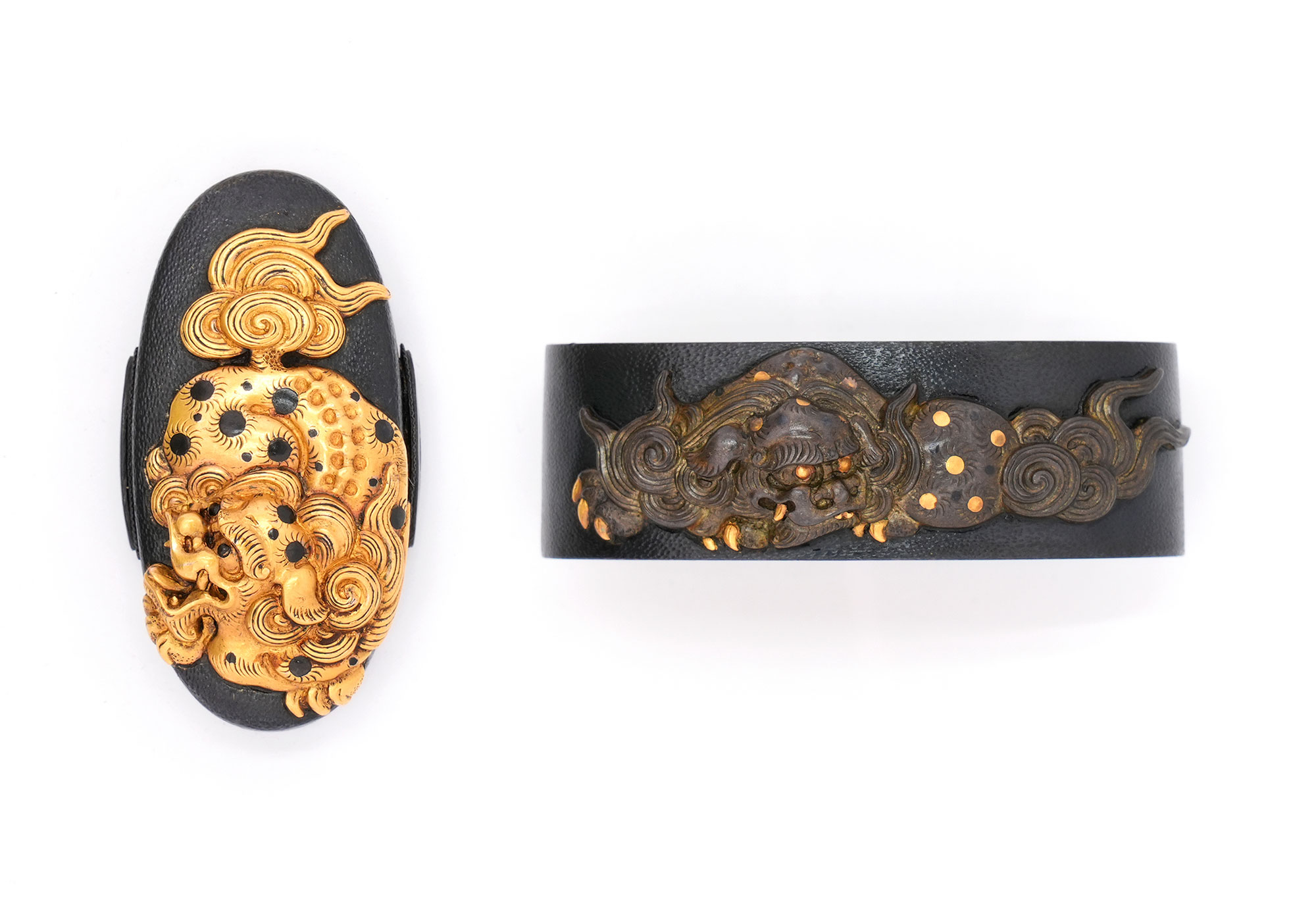
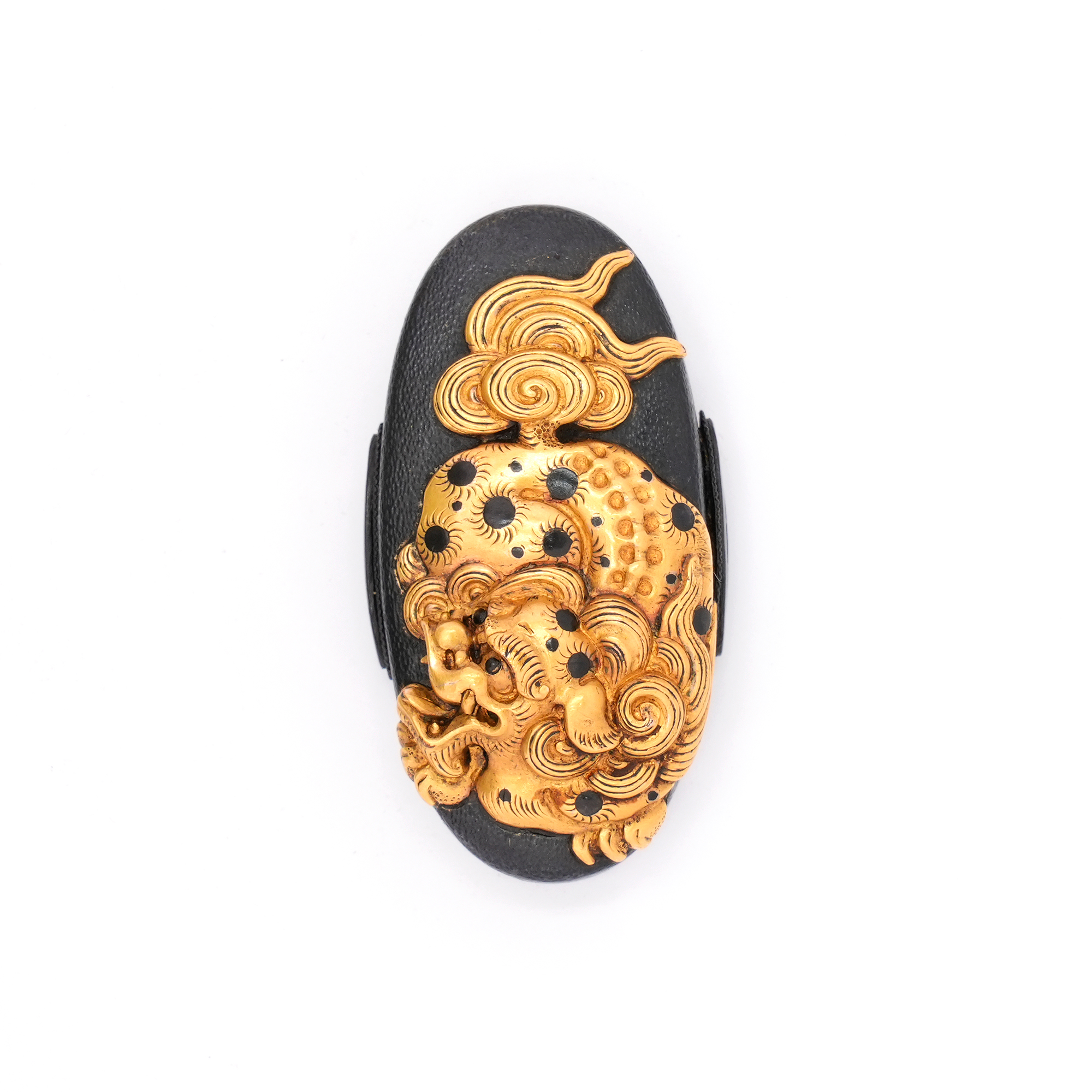
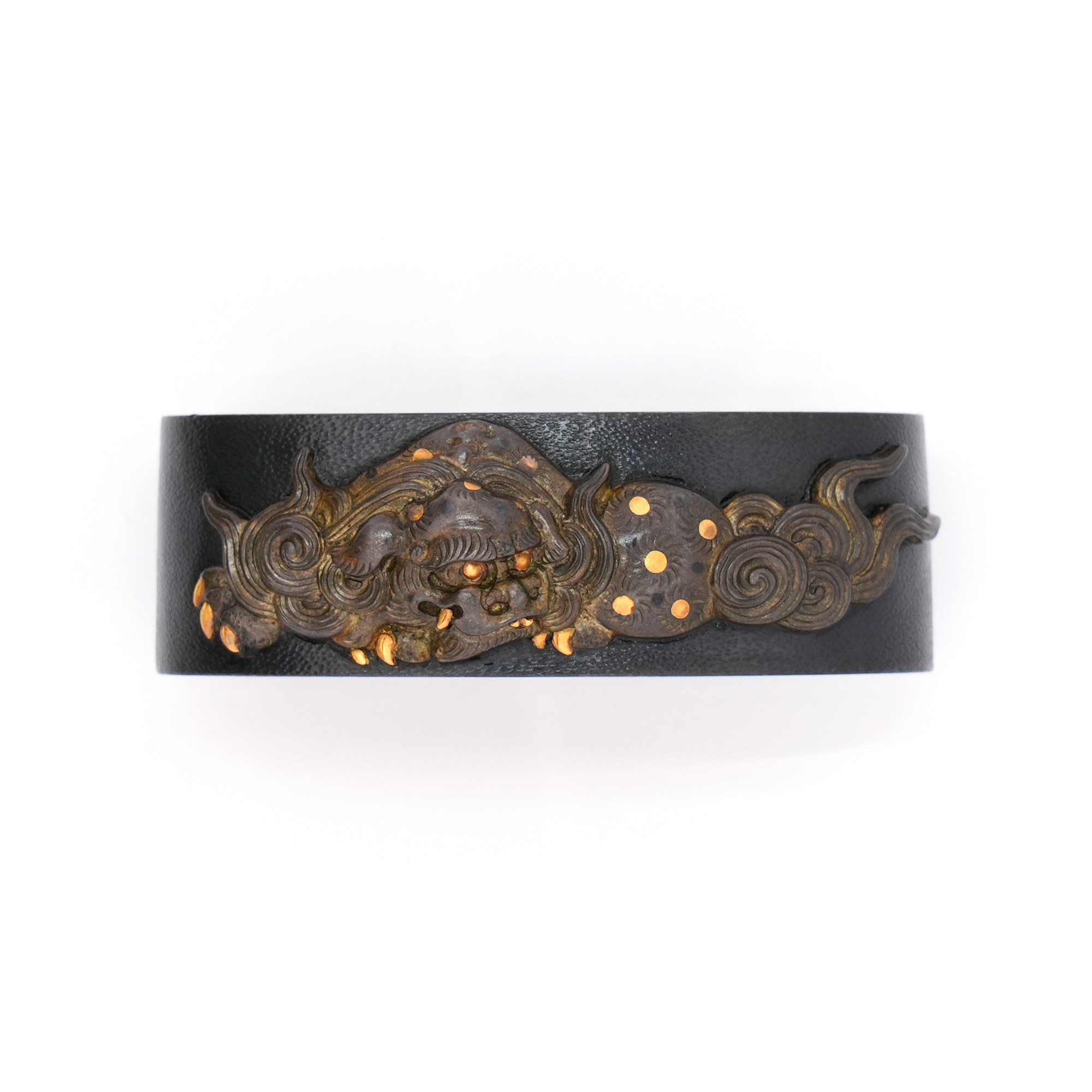
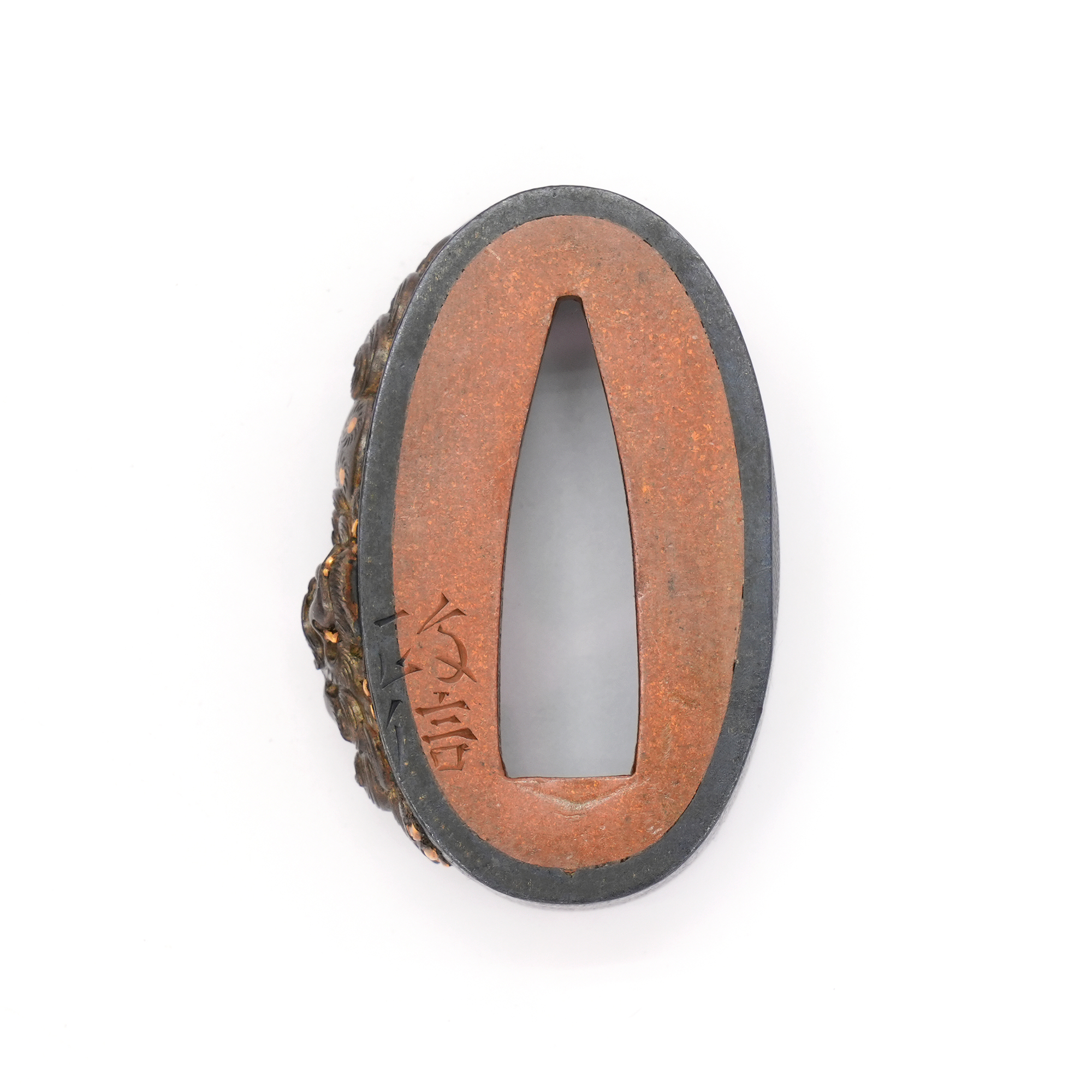
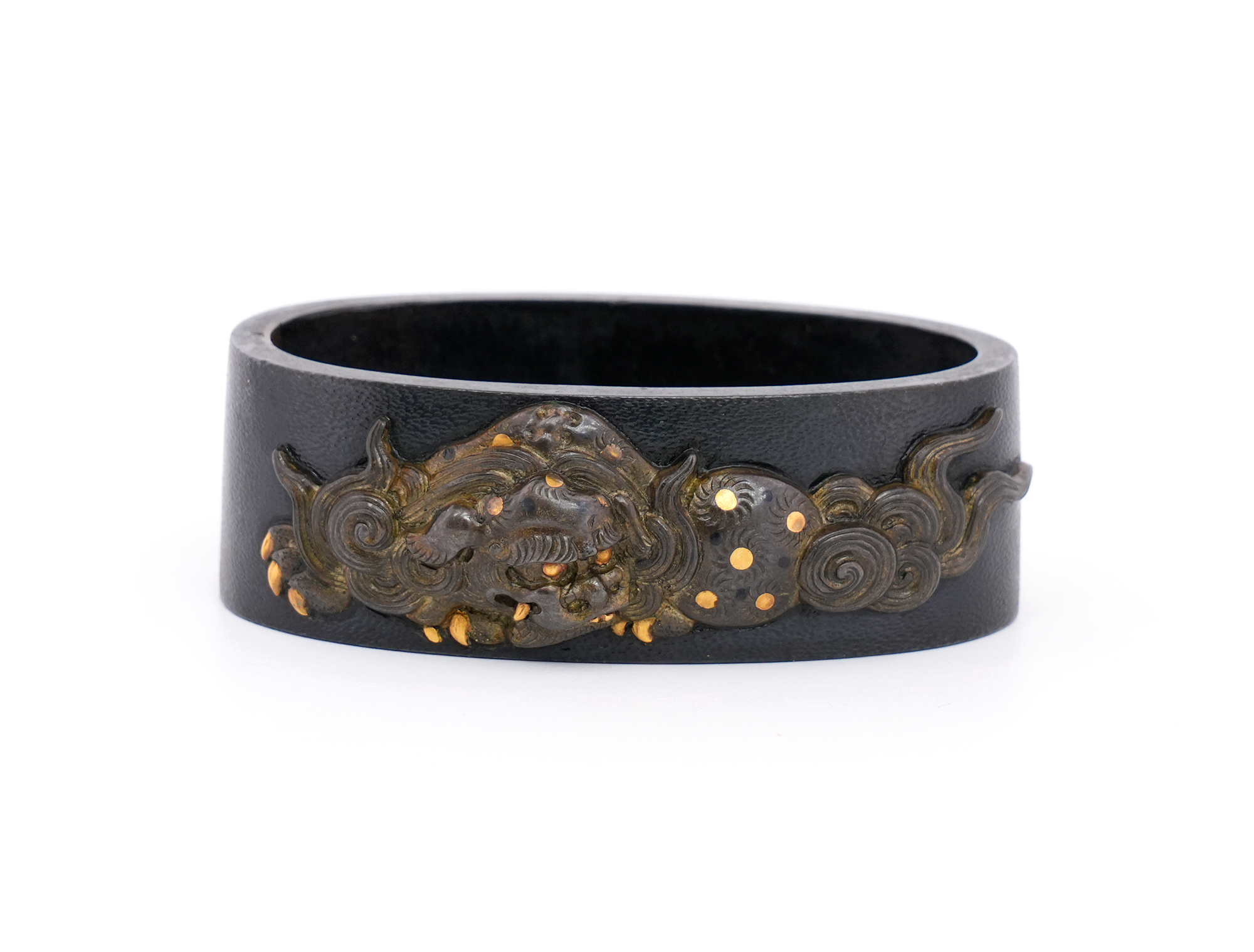
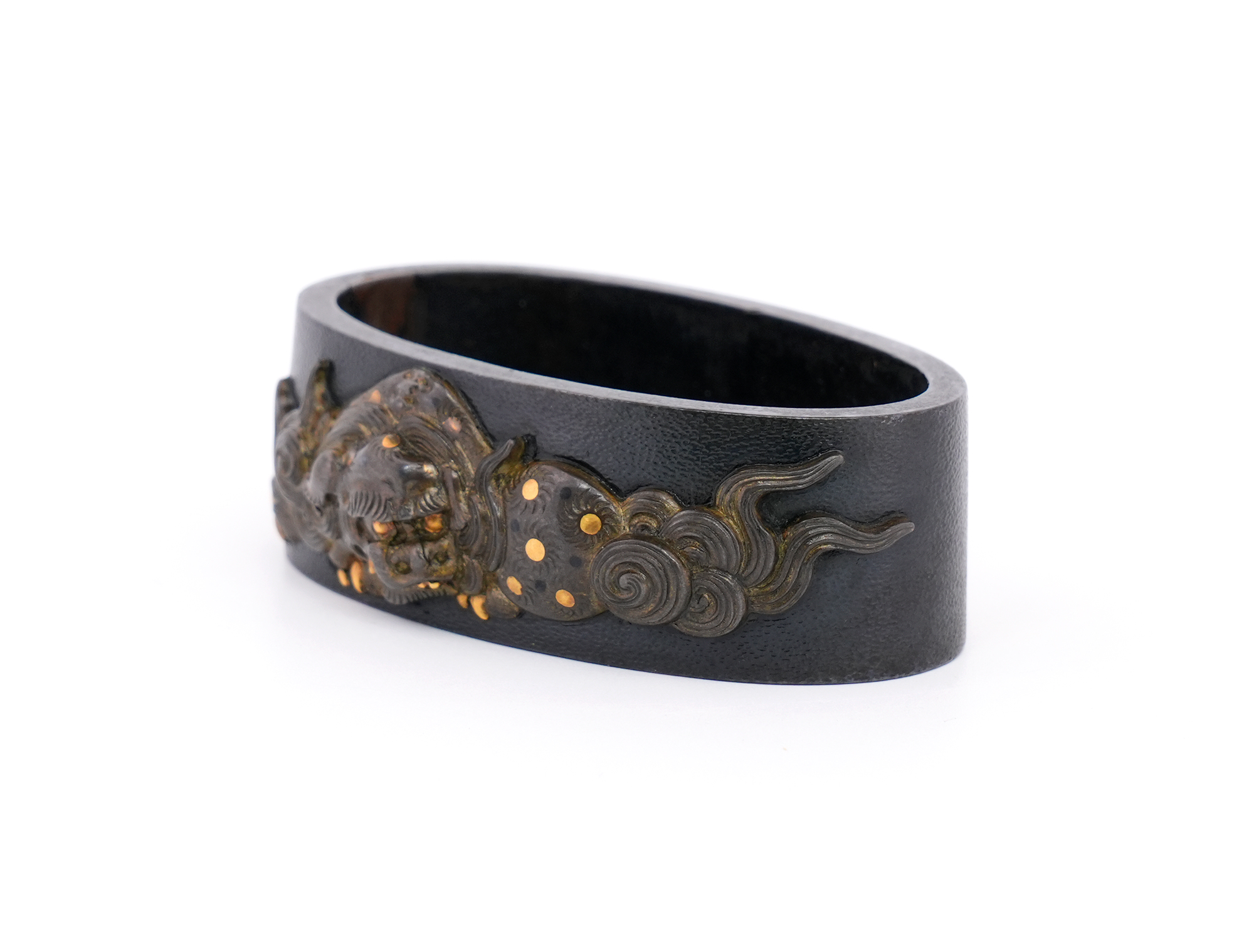
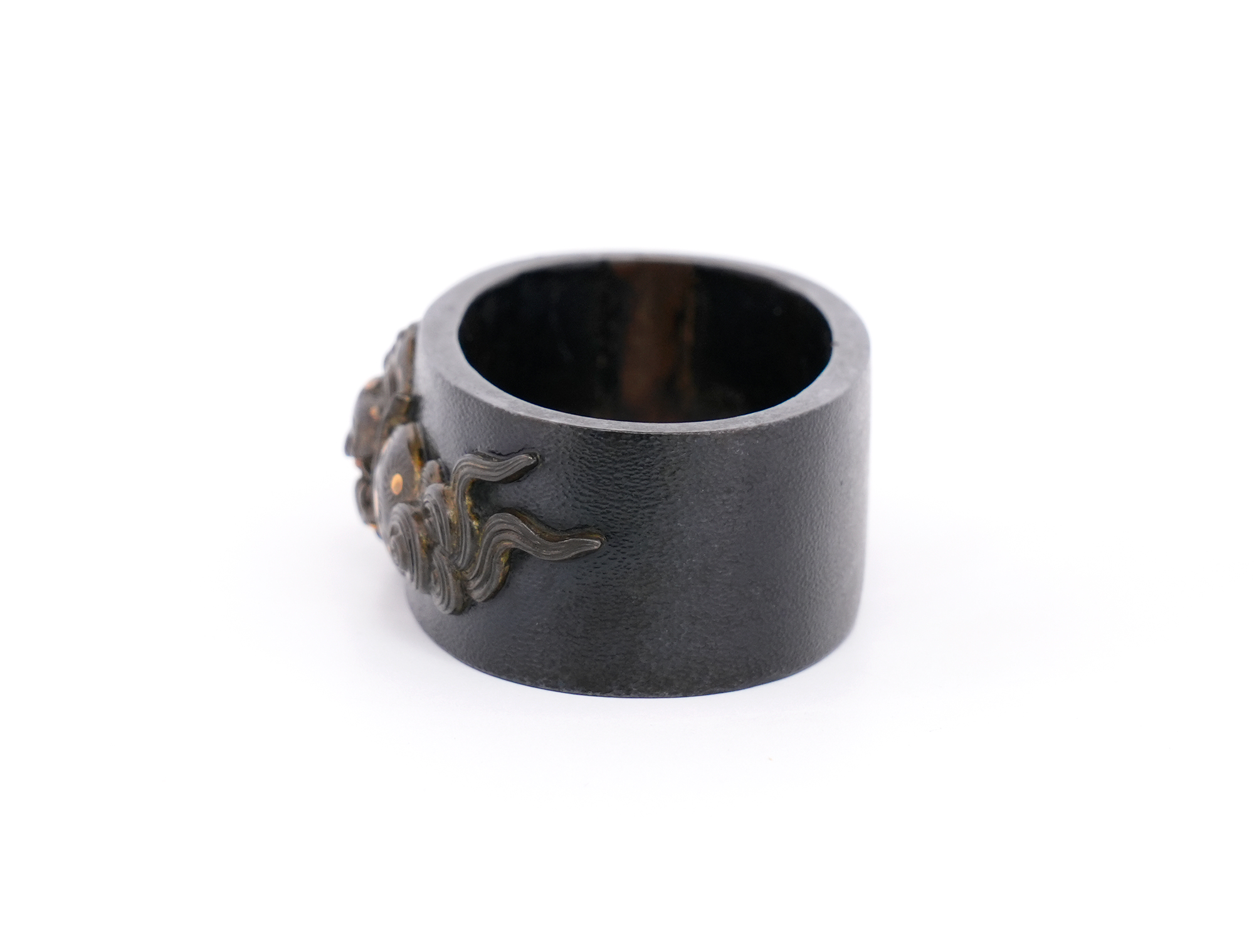
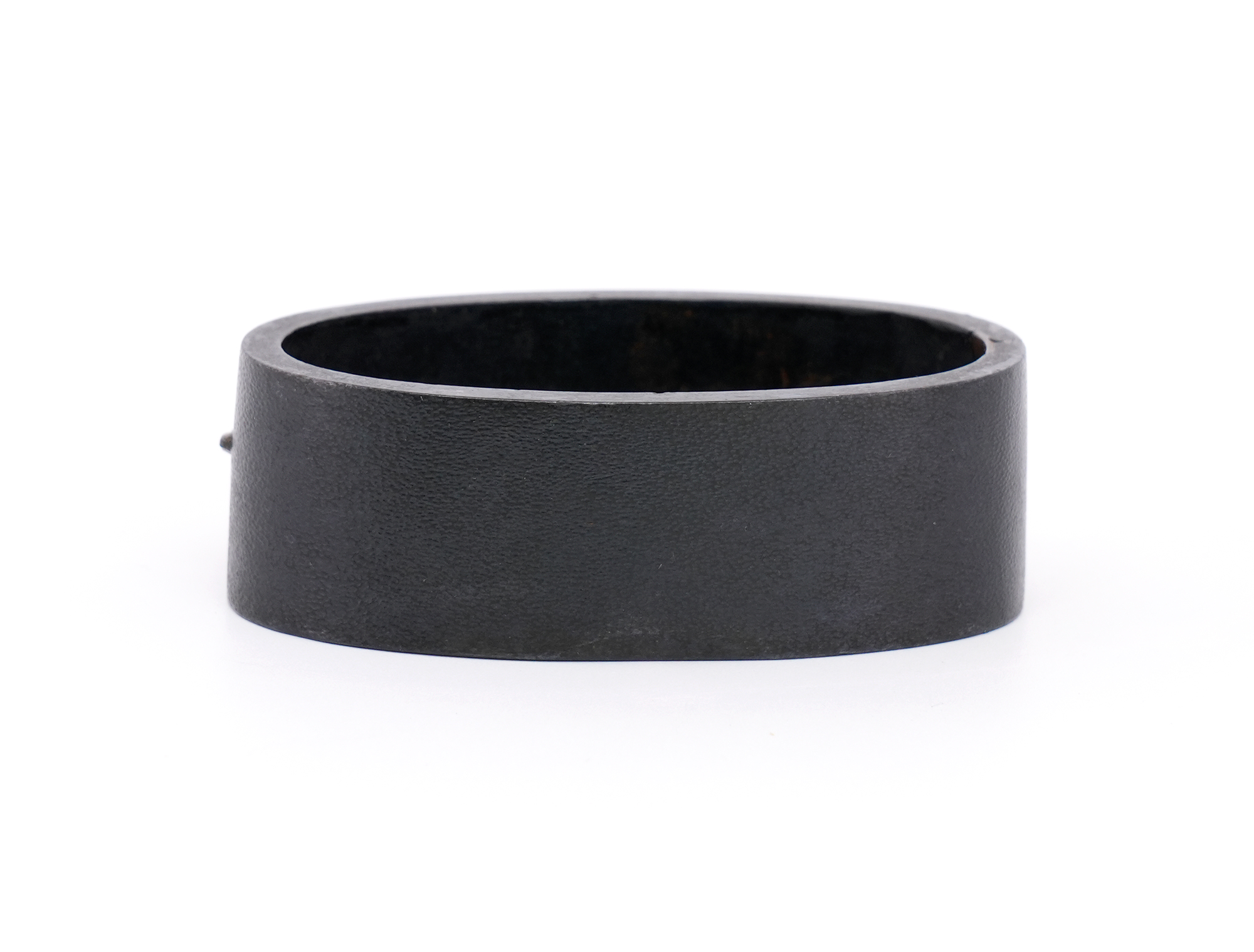
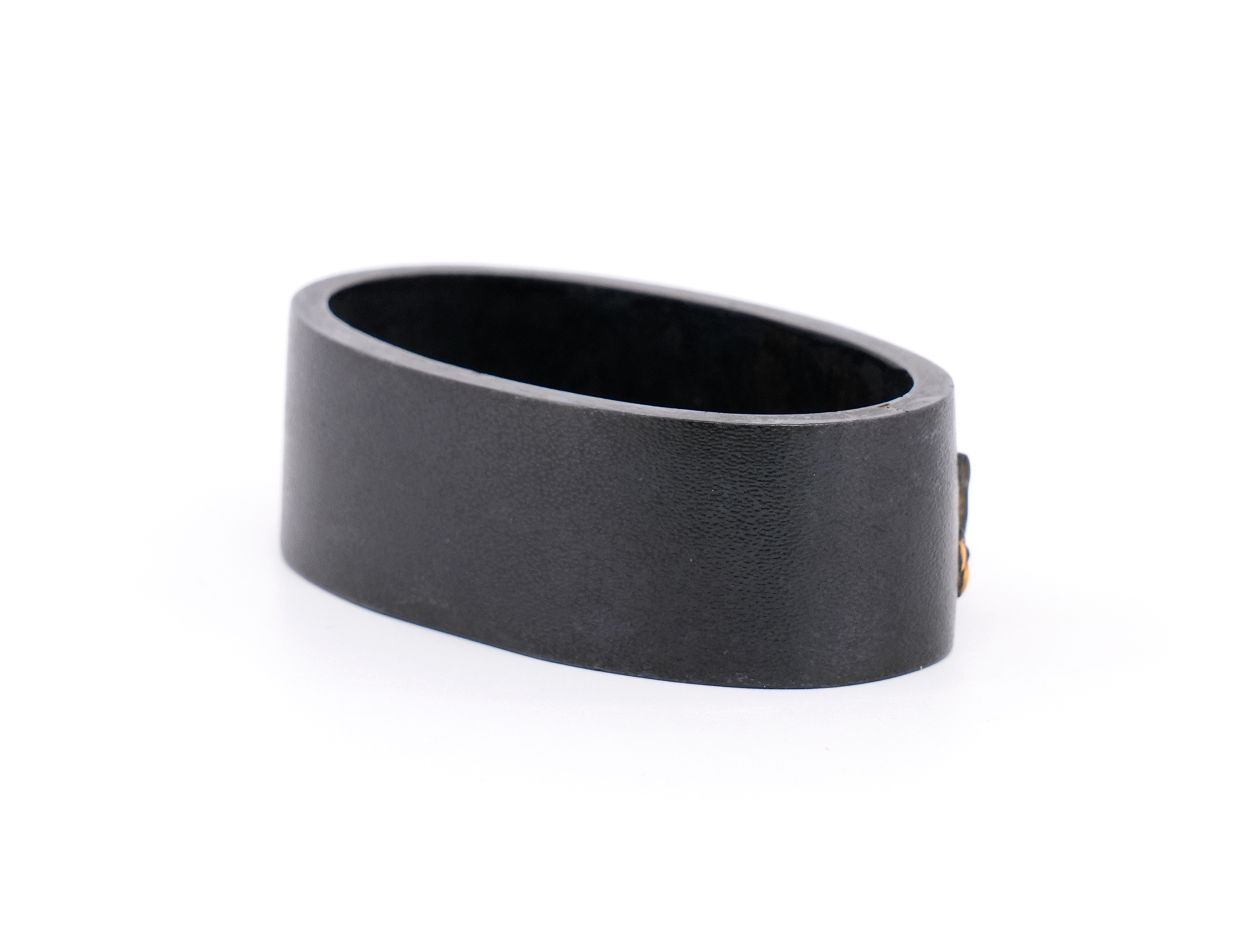
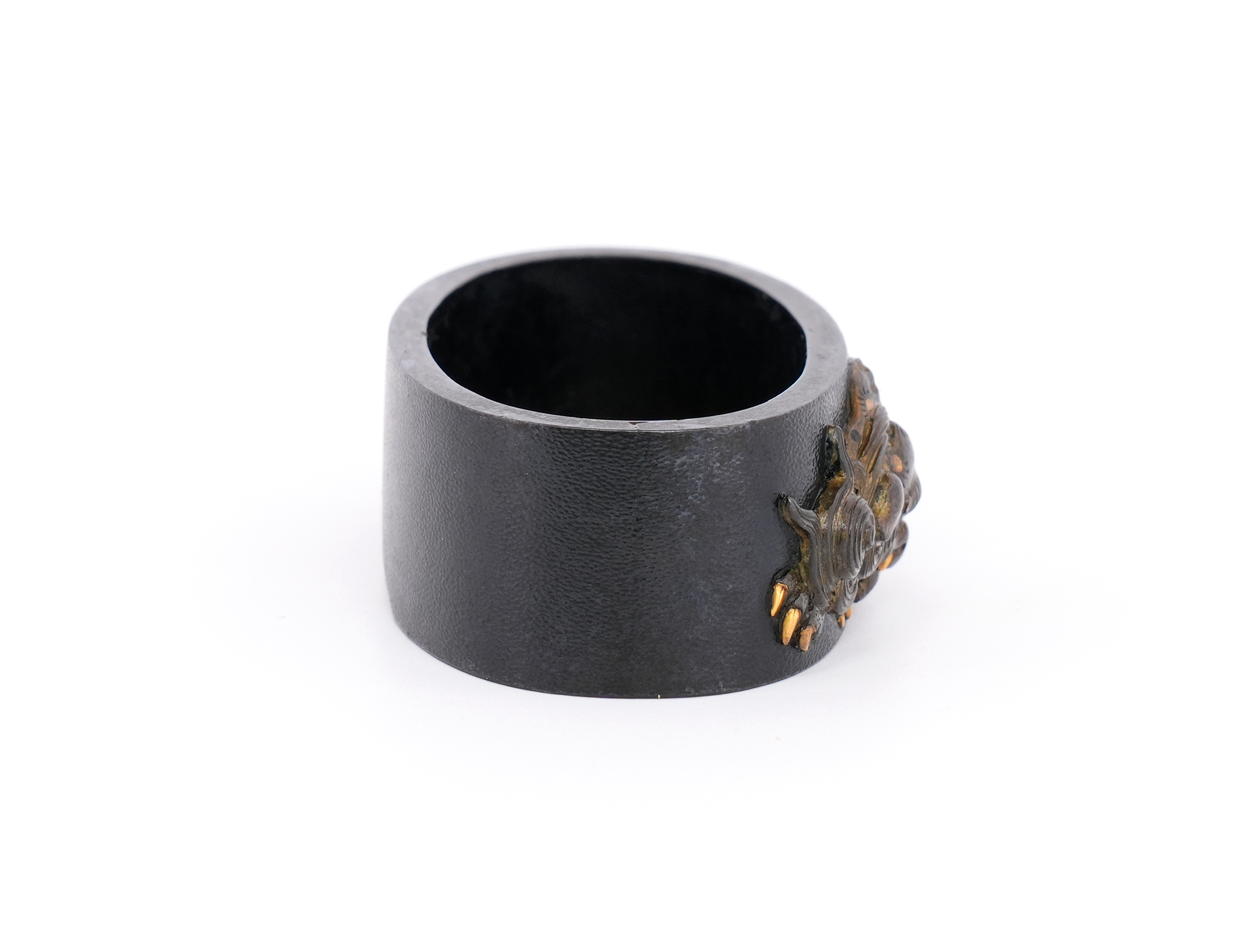
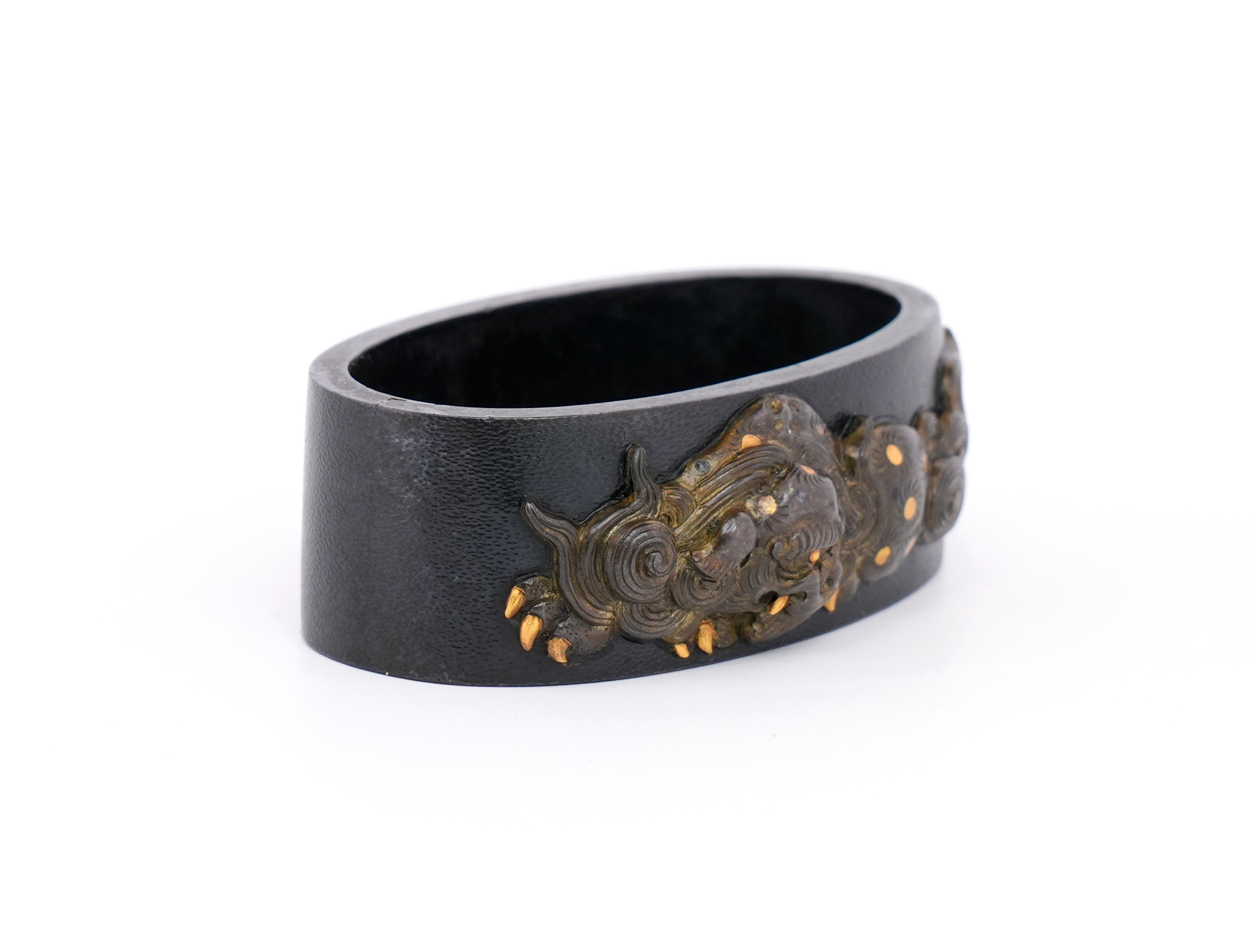
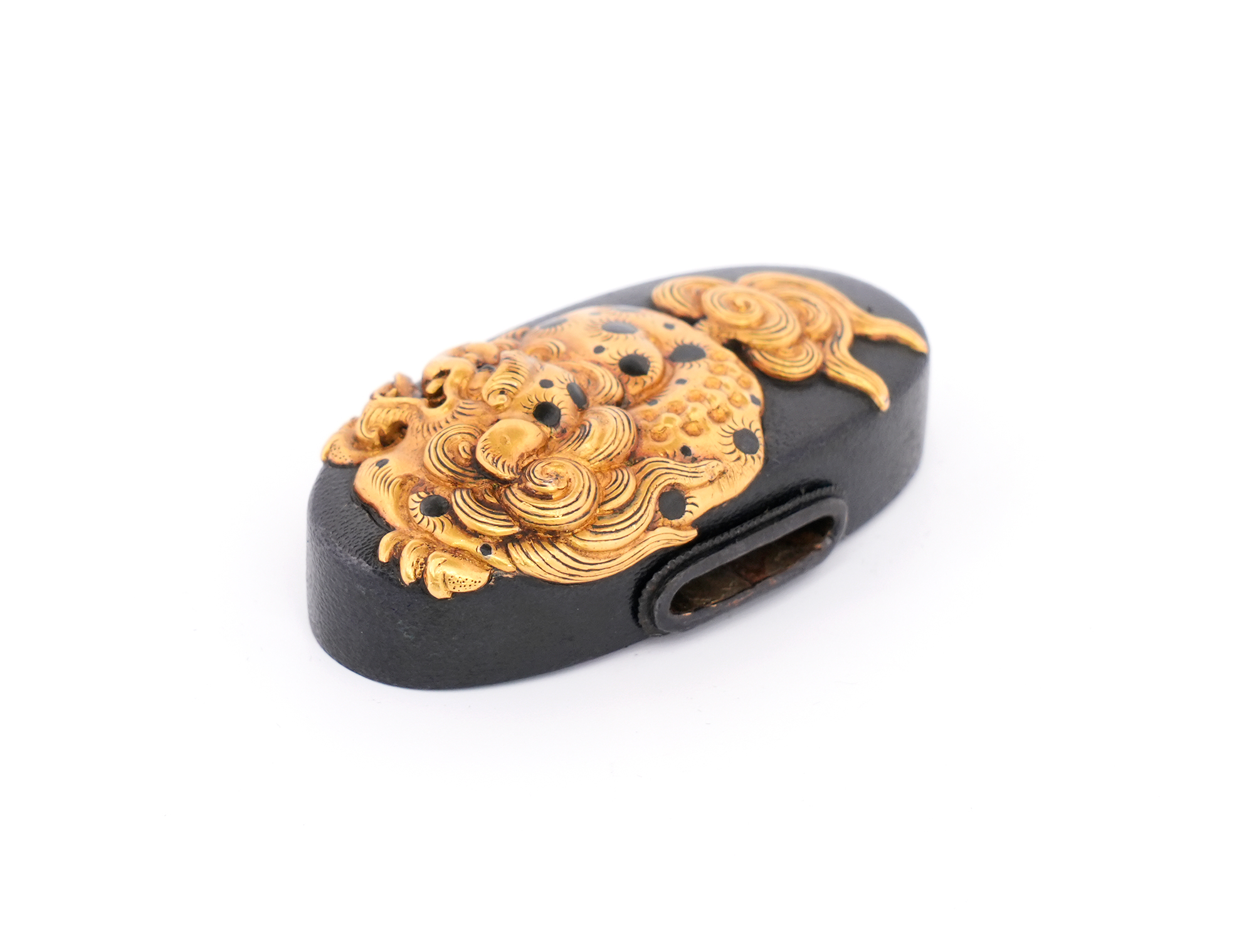
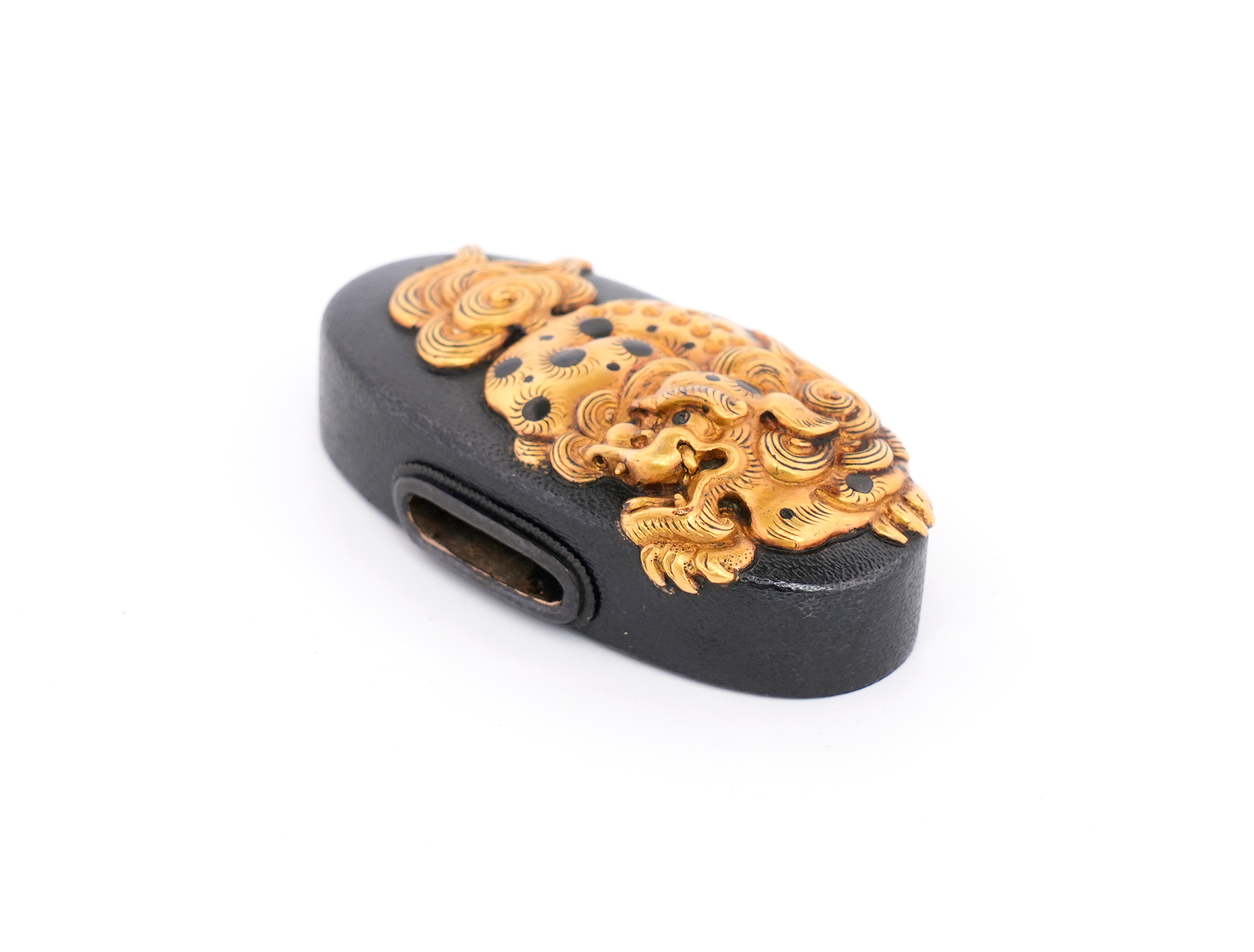
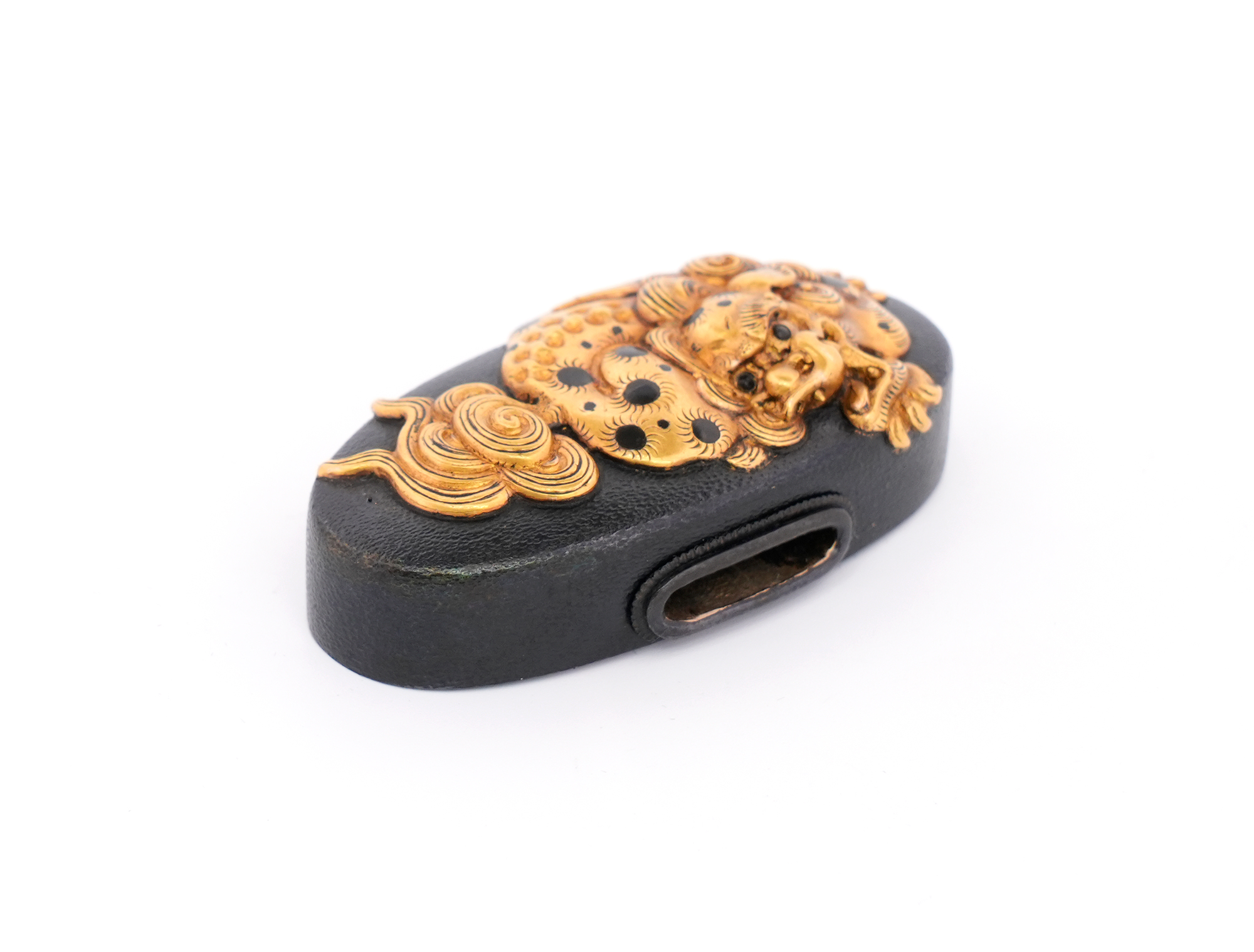
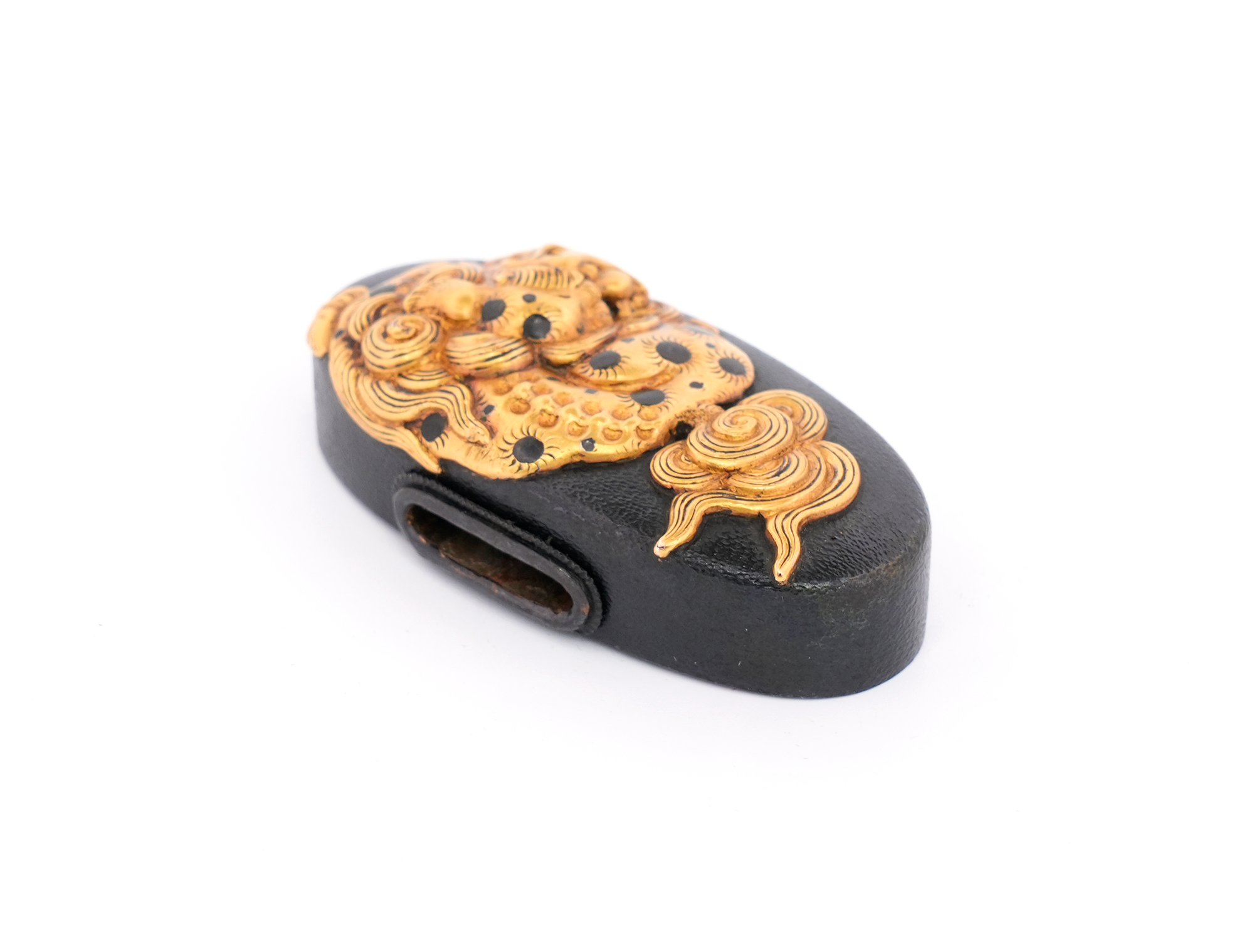
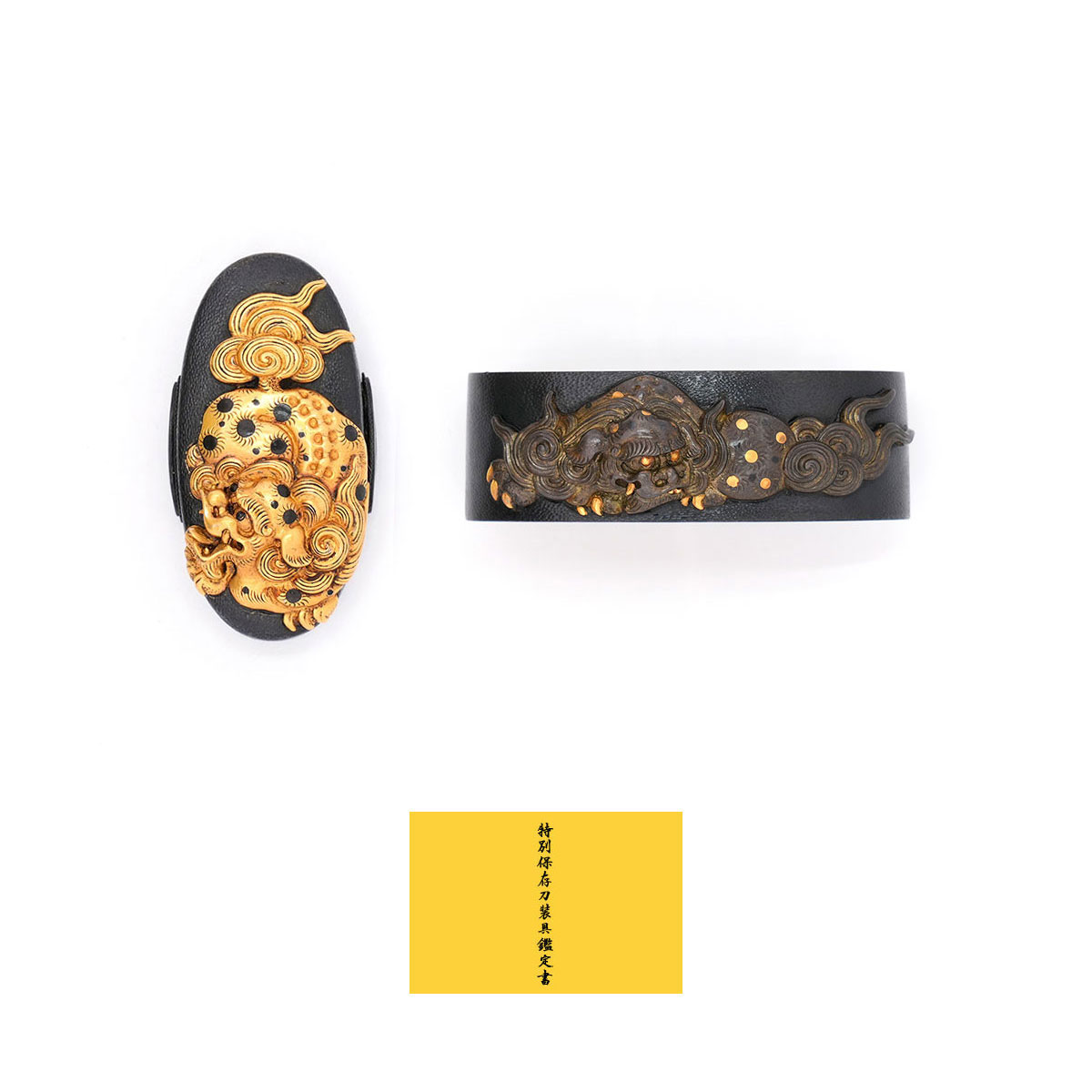
Masanobu was a metalworker who succeeded as the fourth generation of the Hamano school, a representative lineage of Machibori craftsmen in Edo, and was born in An'ei 2 (1773). He became a pupil of Hamano Shozui, later became an adopted son and succeeded as the fourth head of the Hamano main family, and is also known by the go Ichiryuken. While inheriting the traditions of the Hamano school beginning with the first generation Shozui, he developed carving techniques rich in precision and realism characteristic of the late Edo period. One of the representative surviving works demonstrating his ability is the "Mushizukushi Kanagu Daisho Koshirae" held in the collection of the Metropolitan Museum of Art. Masanobu crafted this set of fittings themed on autumn grasses and insects, and the museum explicitly identifies Ichiryuken Masanobu as the fourth generation of the Hamano school. Furthermore, the "Niboshi-zu Mitokoromono" by Masanobu is introduced as a work that realistically expresses the texture of dried sardines through the skillful use of shibuichi, suggesting Masanobu's ability to depict the very texture of the subject through the color tones of materials and carving techniques, going beyond mere decorativeness. This work is a magnificent fuchigashira crafted by Masanobu using the shishi as its theme. Against a background of deep black shakudo-ji, a shishi is placed to fill the entire frame of the kashira, creating an overwhelming presence through a thickly raised, three-dimensional form. The curves leading from the shishi's body to its mane and tail hair are truly dynamic, and while carving each strand of the multi-layered swirling hair separately, the facial features, limbs, and claws are meticulously crafted. The shishi on the kashira appears to be a suemon using gold, and the large and small black spots scattered across its body are thought to be shakudo zogan. To the vivid contrast between the golden shishi and the shakudo-ji exhibiting a deep black color, the shakudo spots add further variation, providing a tightened atmosphere amidst the luxury. On the fuchi, a crouching shishi is arranged to fill the horizontal space, and with a different atmosphere from the kashira, a shishi in a calm color tone thought to be shibuichi is expressed in takabori. The gold spots scattered on the body and the gold color applied to the claws and details stand out against the black shakudo-ji, forming a superb contrast with the shishi on the kashira which is primarily golden. What is particularly noteworthy is that rather than simply matching the kashira and fuchi with the same finish, he has unified them as a set by contrasting the same shishi theme through different iroe. While showing brilliance and dignity in the kashira and a refined strength in the fuchi, he links the two through the expression of the rich mane and tail hair. Since ancient times, the shishi has been a favored theme for samurai equipment as a design symbolizing dignity and bravery, but in this work, the Hamano school's characteristic magnificent use of iroe and precise carving techniques are added to that strength, creating a power akin to a sculptural work within small tosogu. Possessing the reliable lineage of the fourth generation Hamano main family, the artistry of Masanobu whose works are housed in famous overseas museums, and a luxurious execution making full use of suemon, zogan, takabori, and iroe, this is a fuchigashira excellent in both appreciative and documentary value.
Offered by Toushin
32 on the market

Hamano
Edo
Signed
Tokuho (NBTHK)
As written by the shop
Machine translation from the shop's Japanese · may contain errors ·
Machibori · Musashi
1 piece on the market now
Where Masanobu stands among comparable artisans: across all of nihontō, and within tradition, era, and period. The tiers (Foremost · Leading · Major · Notable) weigh official designations from the NBTHK and Japan's Agency for Cultural Affairs, together with historical honors of lasting repute such as the Sansaku and Meibutsu-chō.
Select a lens to see how it's measured.
Machibori · Edo
32 pieces on the market now
The Hamano school of machibori carving was established in mid-Edo Edo by Hamano Masazui (浜野政隨), commonly known as Tarōbei, an exceptionally gifted pupil of Nara Toshihisa. As the Edo Kinkō Meifu states of him that he "thunders through the world," Masazui won widespread renown as one of the "Four Guardian Kings of Nara" (Nara Shitennō). Training many disciples and employing numerous art names—including Otsuryūken, Aji-zumi, Kankei, Rifūdō, Yūkotei, Shūhōsai, Hankei-shi, and Isshunan—he formed what came to be known as the Hamano school, establishing one of the principal lineages of machibori artistry and founding an independent house. " Works are rendered by means of yōbori (sculptural carving) upon varied grounds—gold-and-silver imo-tsugi-ji, solid gold (kinmuku)—with details frequently treated in the in'yō-kon mode, suggesting the early Gotō masters as models.
The carving is executed with "ample, well-judged volume (nikudori)" and "exceptionally full, weighty presence," while applied metal (okigane) in silver and shakudō with shakudō iroe tightens pictorial fields and imparts additional movement. Later Hamano artists such as Katsurano Akafumi maintained this technical versatility, favoring polychrome inlay applied to high-relief compositions. " The NBTHK repeatedly notes that works "clearly demonstrate the high level of technique," "amply demonstrate advanced technical mastery," and possess "a composed dignity"—attestations to the school's sustained excellence across generations and its enduring place within the broader machibori tradition. Learn more →
| Smith | Era | Designated |
|---|---|---|
| Shozui政随 | — | 17 |
| Sekibun赤文 | 1670 | 8 |
| Noriyuki矩随 | — | 4 |
| Naotoshi直寿 | — | 0 |
| Naoharu直春 | — | 0 |
A Hozon-certified fitting of notably superior craftsmanship and condition, often with signature or workmanship of high reference value.
The NBTHK (Nihon Bijutsu Tōken Hozon Kyōkai, the Society for the Preservation of Japanese Art Swords) is a public-interest incorporated foundation founded in 1948 and supervised by Japan’s Agency for Cultural Affairs (Bunkachō); it is based at the Japanese Sword Museum in Tokyo. Its expert panels physically examine each submitted work (shinsa) and issue a certificate (kanteishō) ranking it by artistic and historical merit. NBTHK papers are the most widely recognized standard of authentication for Japanese swords and fittings.
NBTHK official siteAs a rule we do not accept returns, except when we have sent a different item from the one ordered or when there is a significant discrepancy between the description and the item. If you wish to return an item, please contact us within 3 days of its arrival and then send it back.
¥2,200,000