
名品博物館
Meihin Museum
Masterworks from distinguished collections, worldwide.

Catalogue
The collection
- No. 1Meihin
The Date Yukimitsu
Yukimitsu 行光Documented Heirloom of the Date House of Sendai Private collection
- No. 2Meihin
The Kan’in Mitsutada
Mitsutada 光忠Formerly in the Collection of the Kan’in-no-miya Princely House Private collection
- No. 3Meihin
The Hercules Tsuba
Hōan 法安Formerly in the collection of Prime Minister Count TerauchiPrivate collection
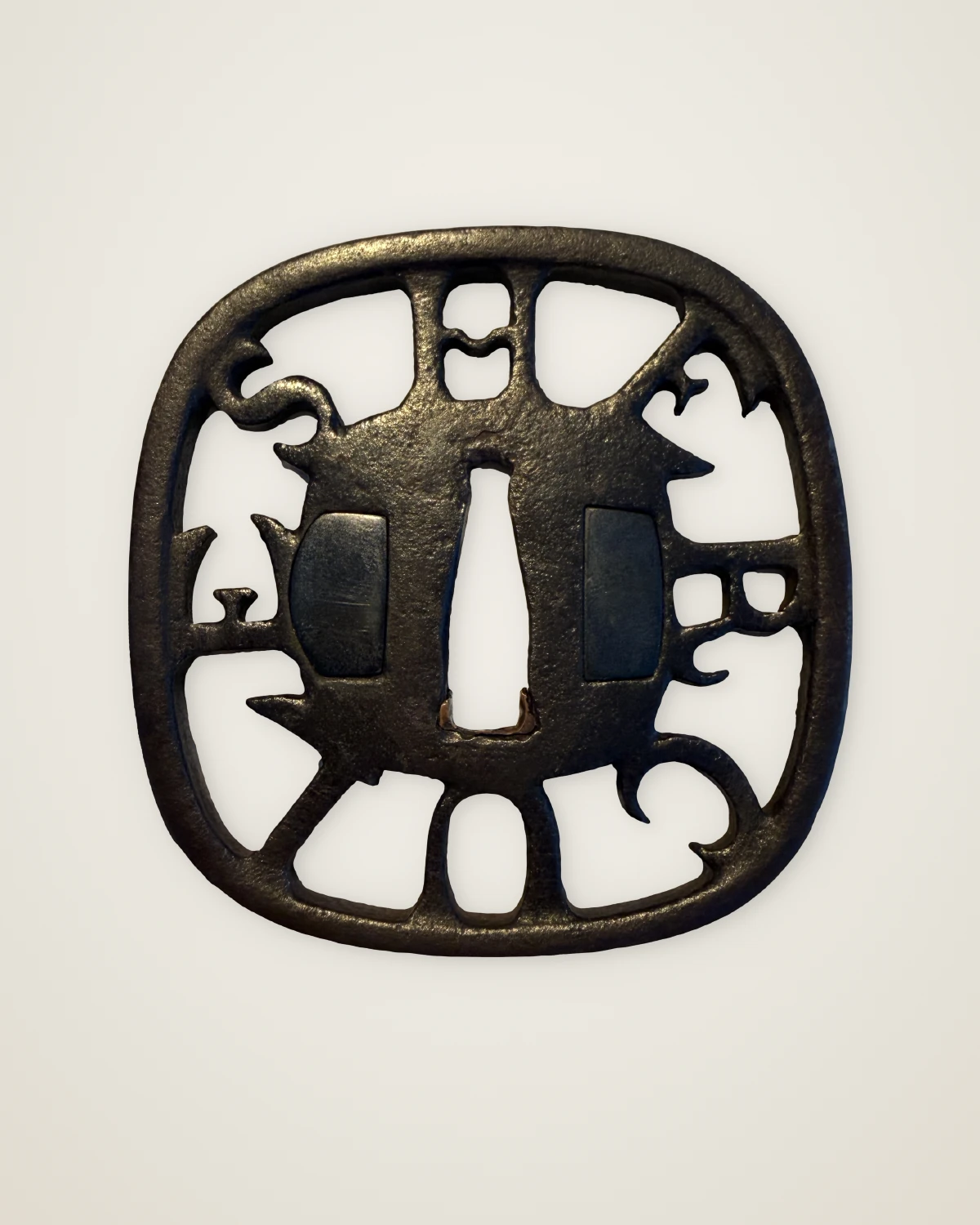
The provenance of every work is recorded in the museum’s Provenance Register.
About
Meihin, 名品, is the Japanese word for a masterwork.
The Meihin Museum is a curated museum of masterworks from distinguished collections around the world. Each work is presented with the care of a museum publication and an experience made for the work itself: photographs, film, research into its history, and the work itself, shown in its case.
How a work is presented
Selection
The work is examined in hand and judged on its own merits.
Photography
The work is photographed in the order a connoisseur looks at it: for a sword, the shape, the steel and the temper line, the point, the tang.
Film
In a dark room, one small light moving along the metal.
Provenance research
Its history read from registers, inscriptions and papers, every statement graded by its evidence and cited, and set down in a Record of Provenance.
Presentation
An essay, the photographs and the record, laid out as a museum publication, with the work shown in its case where it can be.
Opening
The work opens in the museum, credited as its owner wishes: by name, by the name of a collection, or as a private collection.
The museum’s rooms
Enter the museum
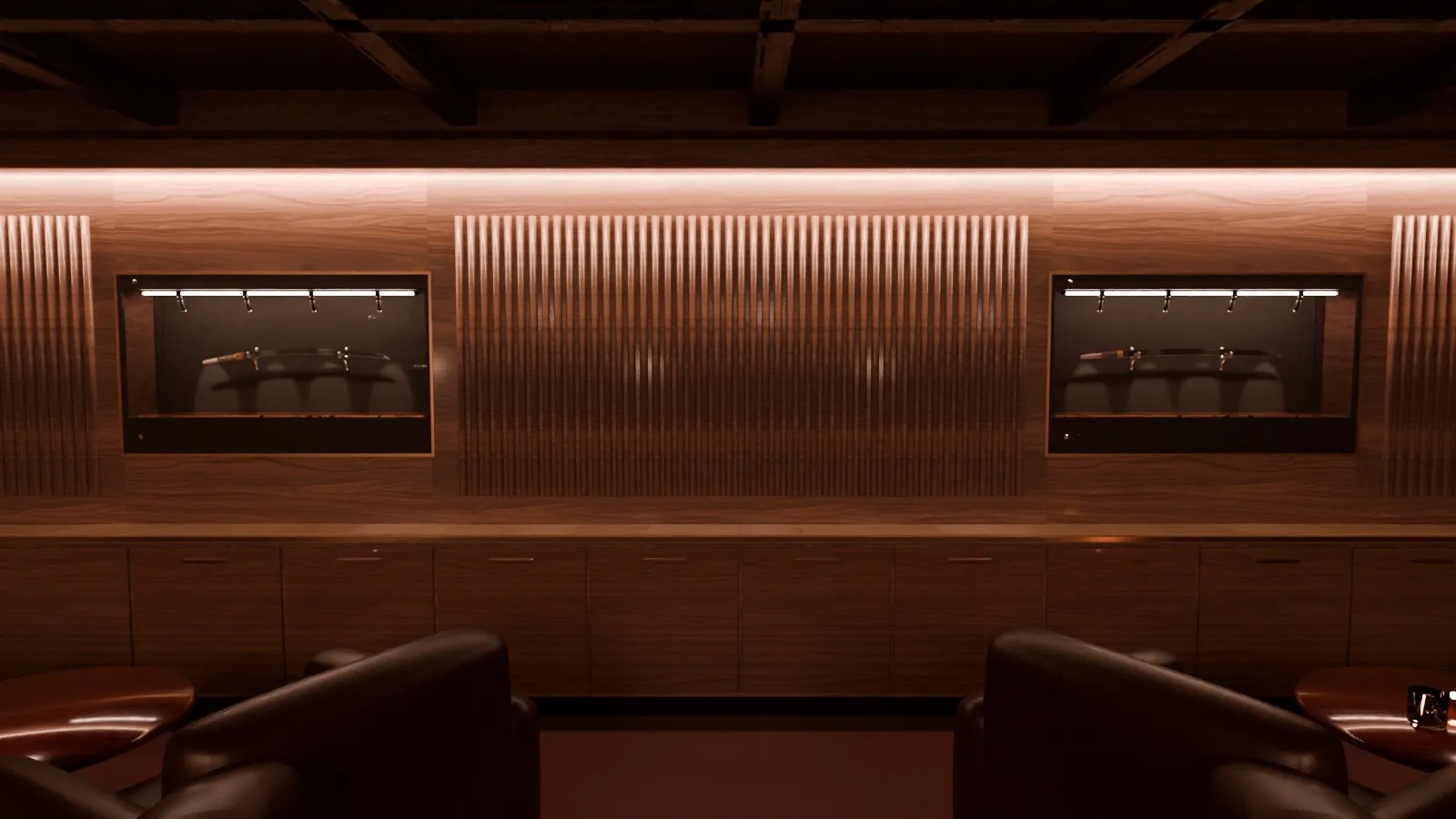
The cases in the museum’s rooms. Choose a work and step up to its case.
The Provenance Register
Every work in the museum has a past, and much of it is still to be found. We look for it in registers, inscriptions and old catalogues, check what we find, and publish it here with its sources. Each record grows as the research does.
Following an old custom, we name each work in honour of the great house to which it belonged. The names are the museum’s own, and a work receives one only when its record establishes that the house held it.
Commissions
The same care, for a work in your collection.
Each work in the museum is presented in three ways. The museum undertakes the same work on commission for museums, family offices, private collectors and auction houses: for a single work or a whole collection, and in confidence.
- Provenance research
- We trace the work’s history through registers, inscriptions, catalogues and papers, and set down what the evidence supports in a Record of Provenance.
- Photography and film
- Photographs of the whole work, the details in the order a connoisseur looks at them, and film of the metal under a single moving light.
- Presentation
- The work shown in its case in the museum’s rooms, to be seen from every side and studied without leaving its storage.
The beginning
The Meihin Museum opens with three works. Its aim is a museum of the great swords and fittings in the world’s collections: each shown as fully as it deserves, and its history set down with care.
This is the beginning. Works will be added one at a time, as their owners choose to present them.
Present a work
If a masterwork in your care belongs among them, we would be glad to hear of it.