
Japanese & Samurai Armor for Sale
Japanese armor (katchū) is the mounted warrior's battle dress raised to an art form: the iron and lacquer work of armorer lineages such as Myochin and Saotome. This page gathers every piece of samurai armor currently offered by the dealers we track: complete gusoku suits, kabuto helmets, face masks (menpo), and individual components. Fine examples carry certification from the Nihon Katchū Bugu Kenkyū Hozon Kai (Japanese Armor Society), the specialist body for armor appraisal.
147 items currently available from trusted dealers worldwide.
Programmatic access: range and multi-facet queries (by price, blade length, certification, and more) are available as JSON at /api/public/listings. See /llms.txt for the full schema and filters.
Browse by type
The anatomy of Japanese armor
A full suit (gusoku) assembles named components, and dealers list them both complete and piece by piece: the do (cuirass), kabuto (helmet) with its shikoro neck guard and maedate crest, menpo (face mask), kote (armored sleeves), haidate (thigh guards) and suneate (shin guards), all laced together with silk odoshi cord whose color scheme often identifies a clan or taste. Knowing these words lets you read any dealer listing: a "menpo by Myochin" is a face mask by the most famous armorer lineage.
Authentication works differently from swords: armor is examined by the Nihon Katchū Bugu Kenkyū Hozon Kai (Japanese Armor Society), whose certificates grade historical and artistic value. When a listing carries such a paper, the attribution has been reviewed by the specialist body for armor.
Armor-focused houses here include Giuseppe Piva, Samurai Museum and Iida Koendo. Every listing links to the dealer who holds the piece.
Common Questions
- What is samurai armor called?
- Katchū (甲冑) is the general term; a complete suit is a gusoku, and the helmet is the kabuto. Dealer listings use these words, so they are worth learning before you buy.
- How much does real samurai armor cost?
- Individual pieces such as a kabuto or a menpo often start around the low thousands of US dollars, while complete Edo-period suits by known armorer lineages reach far higher. Certified examples carry papers from the Japanese Armor Society.
- Who certifies Japanese armor?
- The Nihon Katchū Bugu Kenkyū Hozon Kai (Japanese Armor Society), the specialist body for armor, distinct from the NBTHK, which examines swords.
Recently Listed
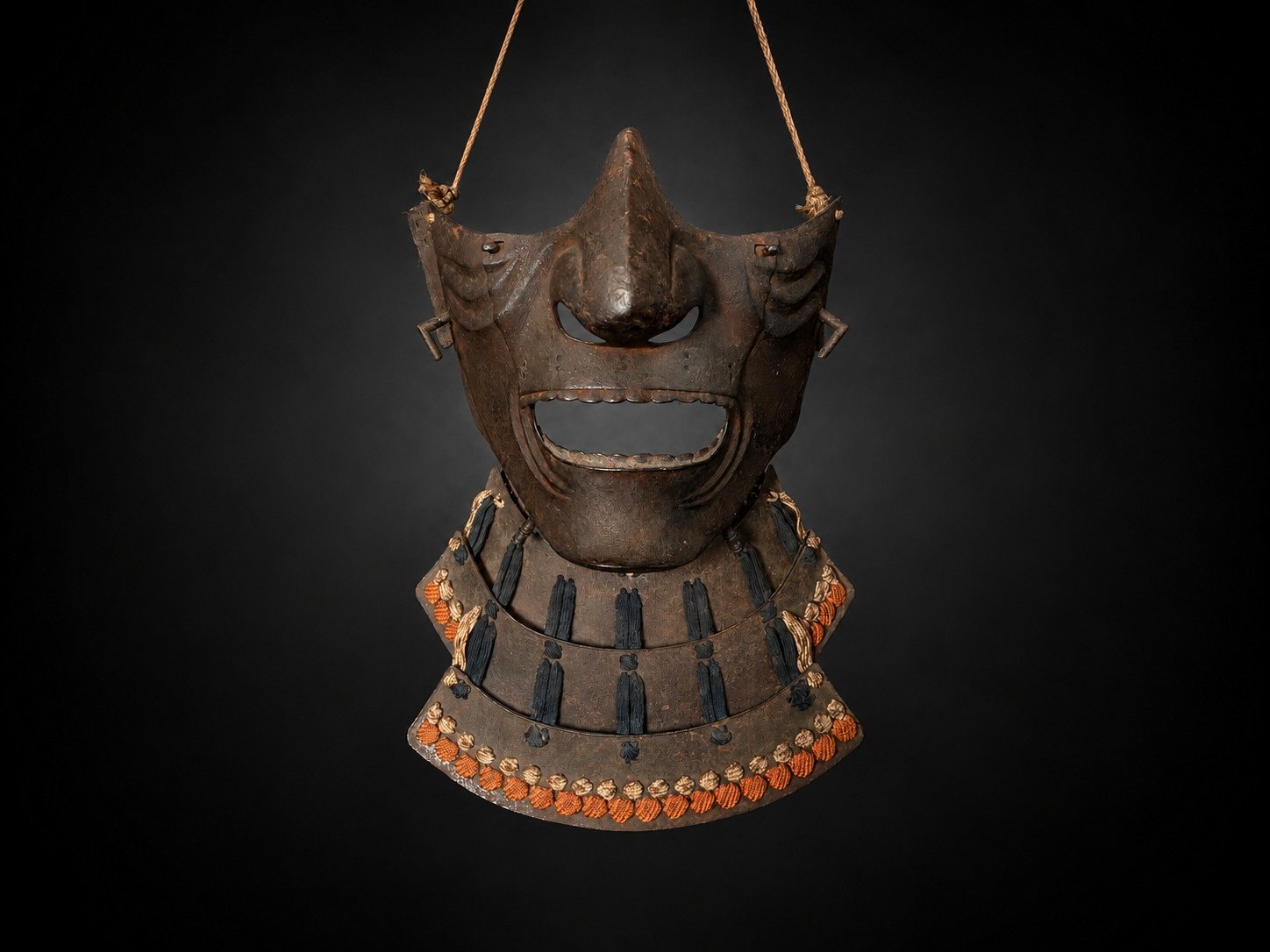
Edo Period Iron Mempō with Three-Lame Yodare-kake – Russet Lacquer
$1,751

Edo Period Nerikawa Mempō with Three-Lame Yodare-kake – Black Lacquer
$1,517
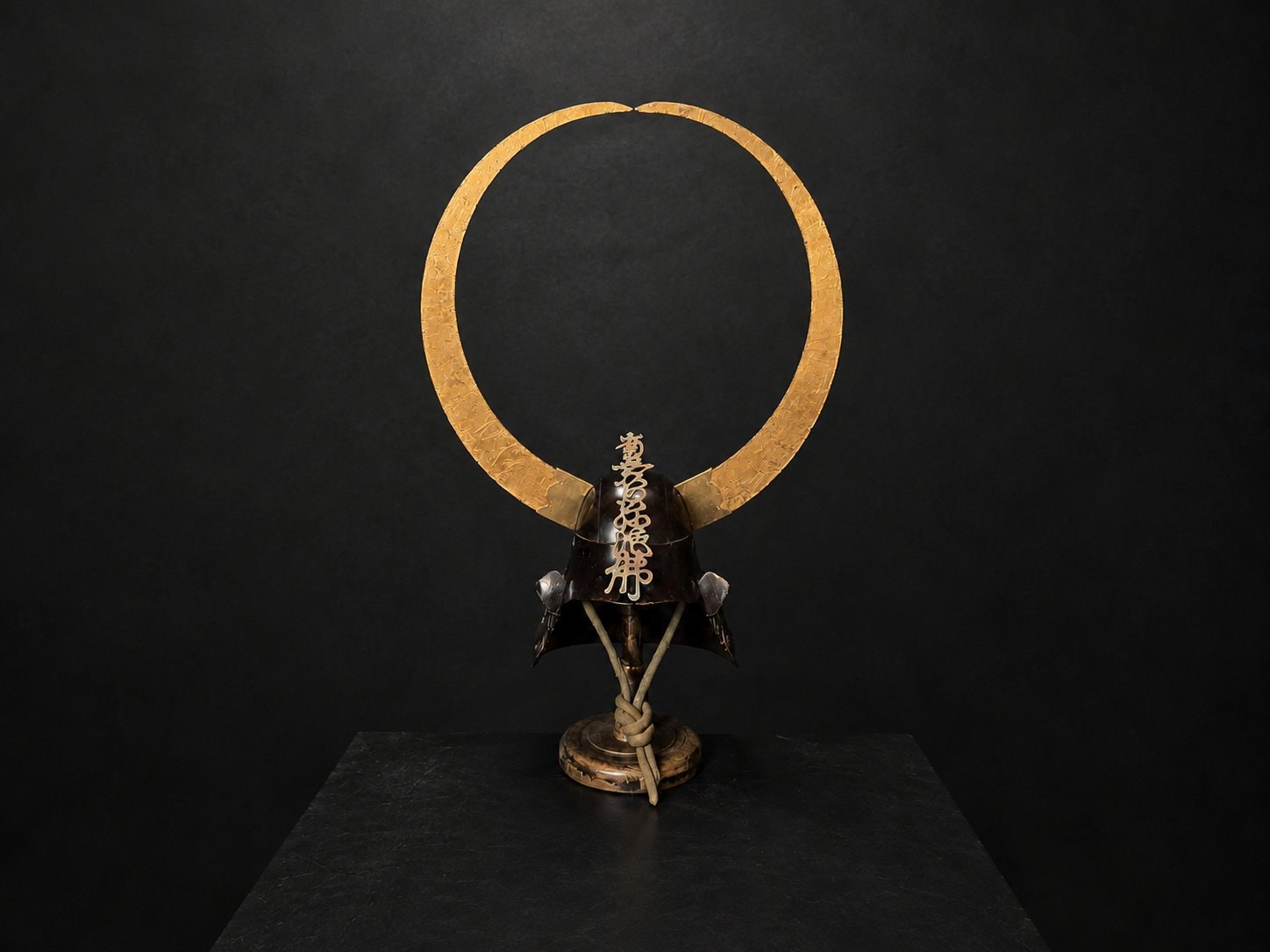
Zunari Kabuto with Gold Crescent Wakidate – Edo Period
€2,800
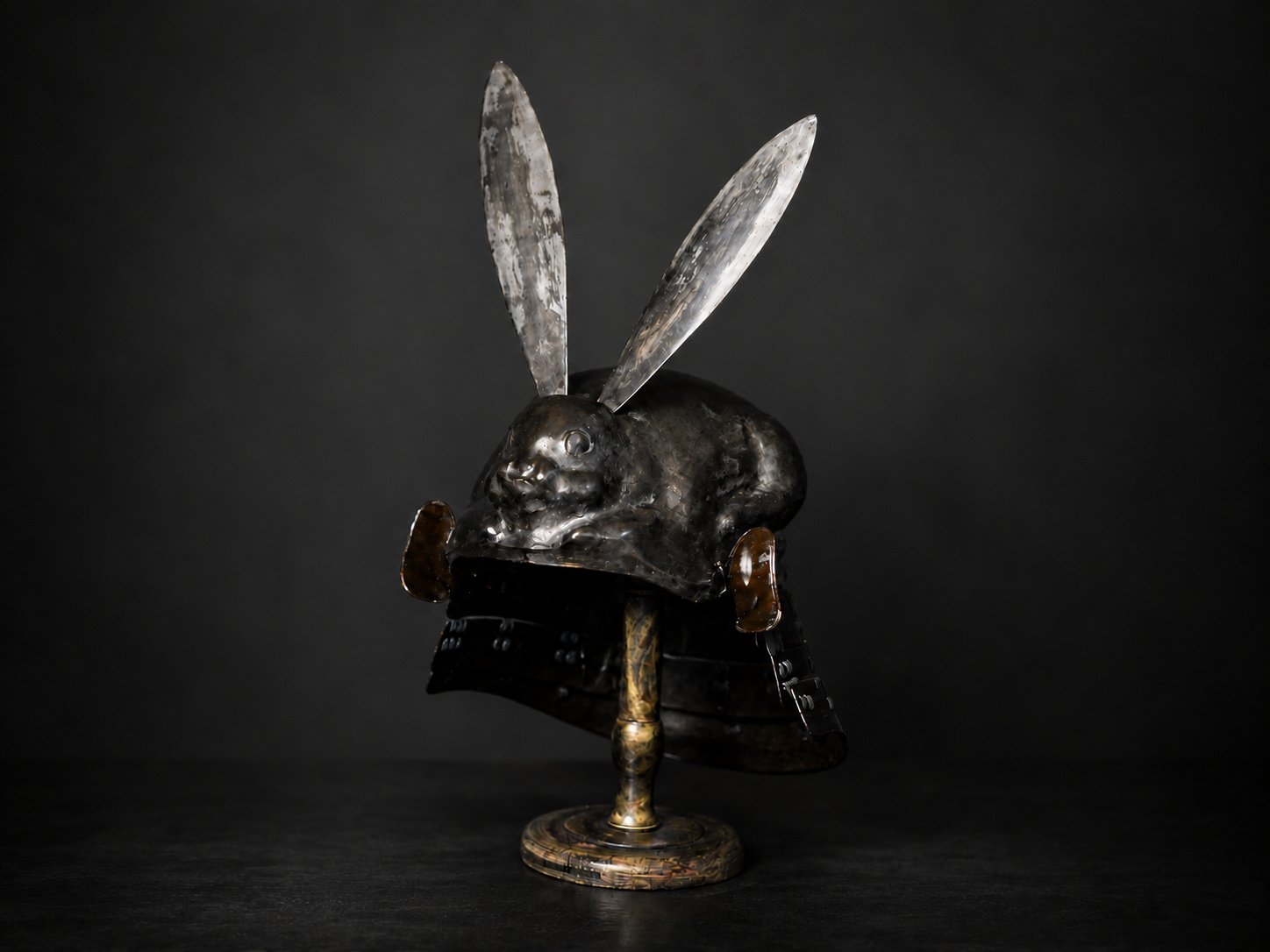
Edo Usagi-nari Kawari Kabuto – Silver-Foiled Rabbit Helmet
€2,900
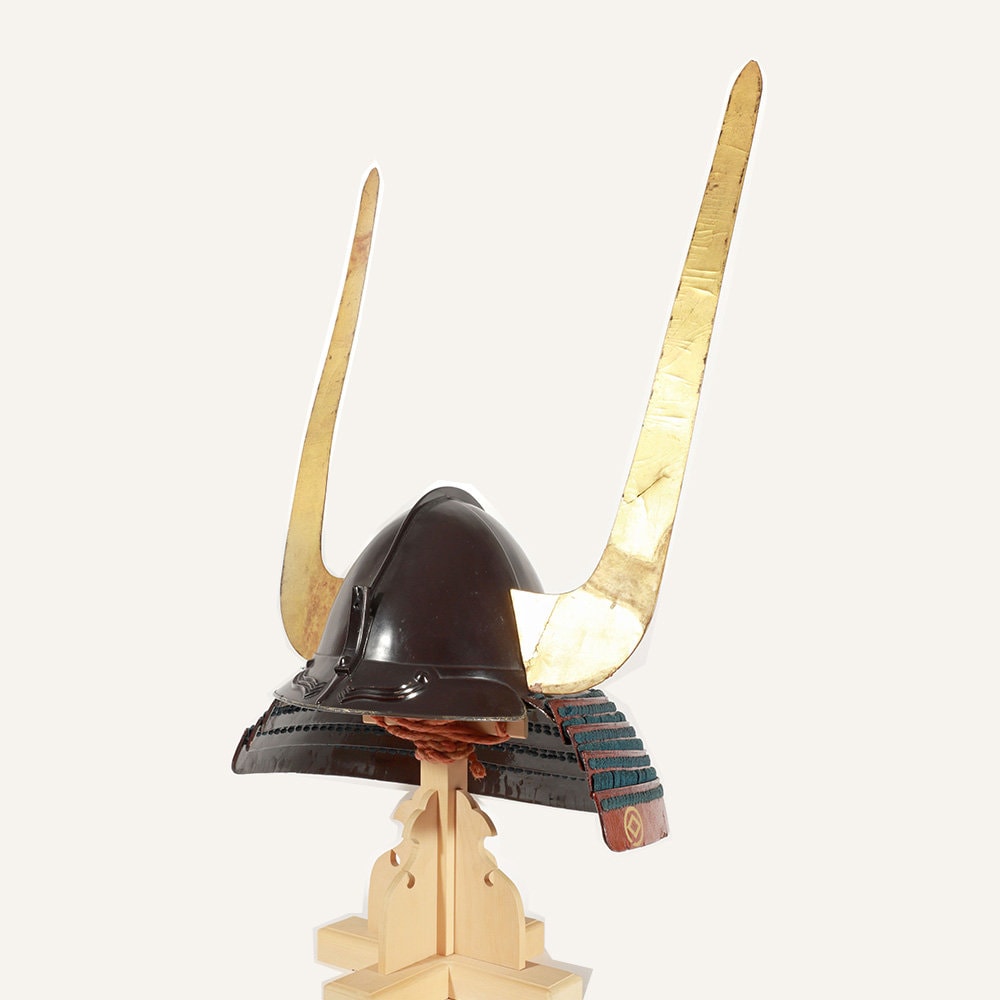
鉄地黒漆塗四枚張桃形兜 天衝脇立 鉄地茶皺革包納戸色糸縅四段綴兜
Price on request

Japanese Samurai Armor Tōsei Gusoku with Torii Maedate
$5,718
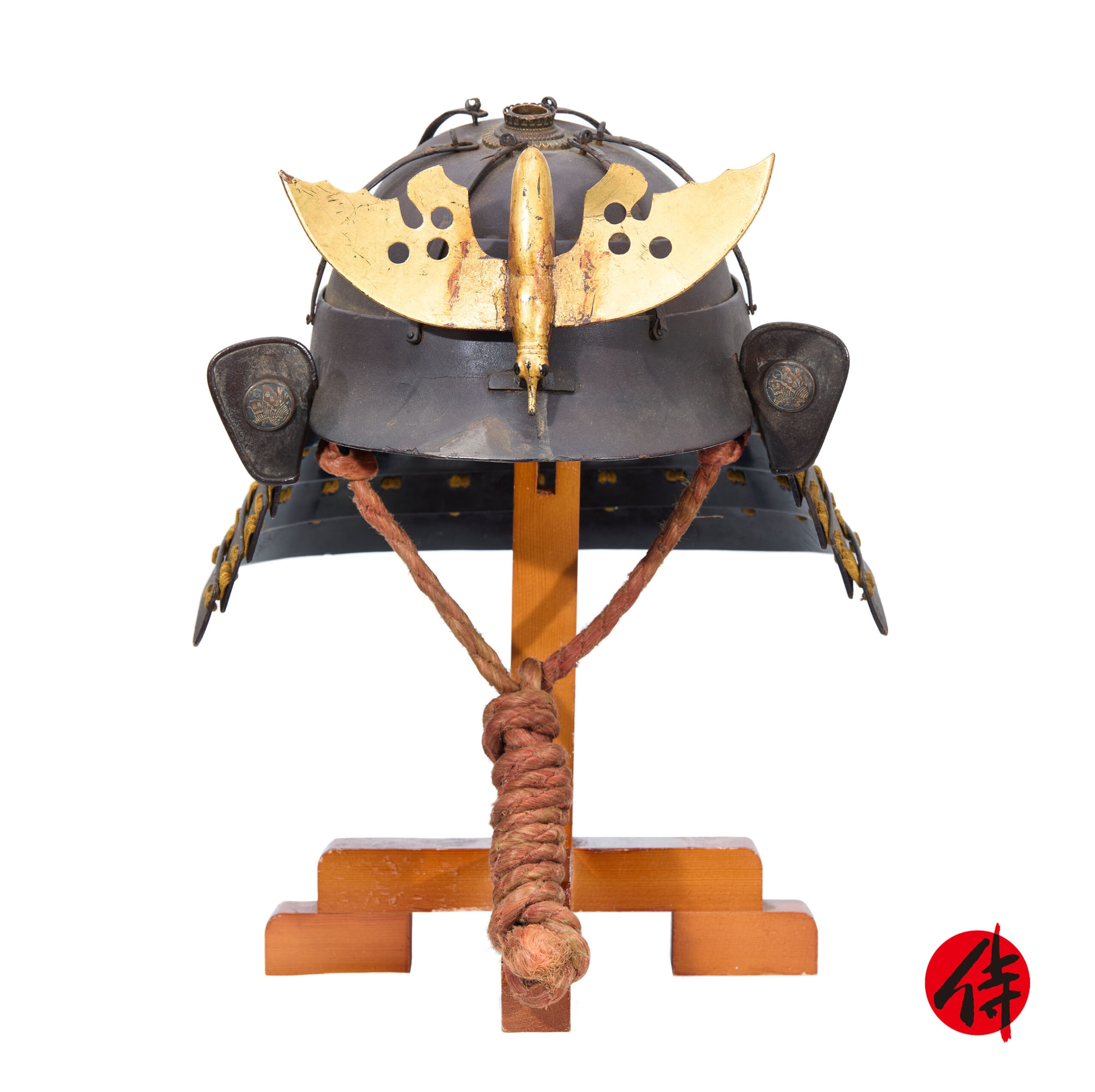
Antique Samurai Helmet Mid Edo Period Tatami Kabuto Tokubetsu Kicho Shiryo Certificate (KT-76)
¥800,000
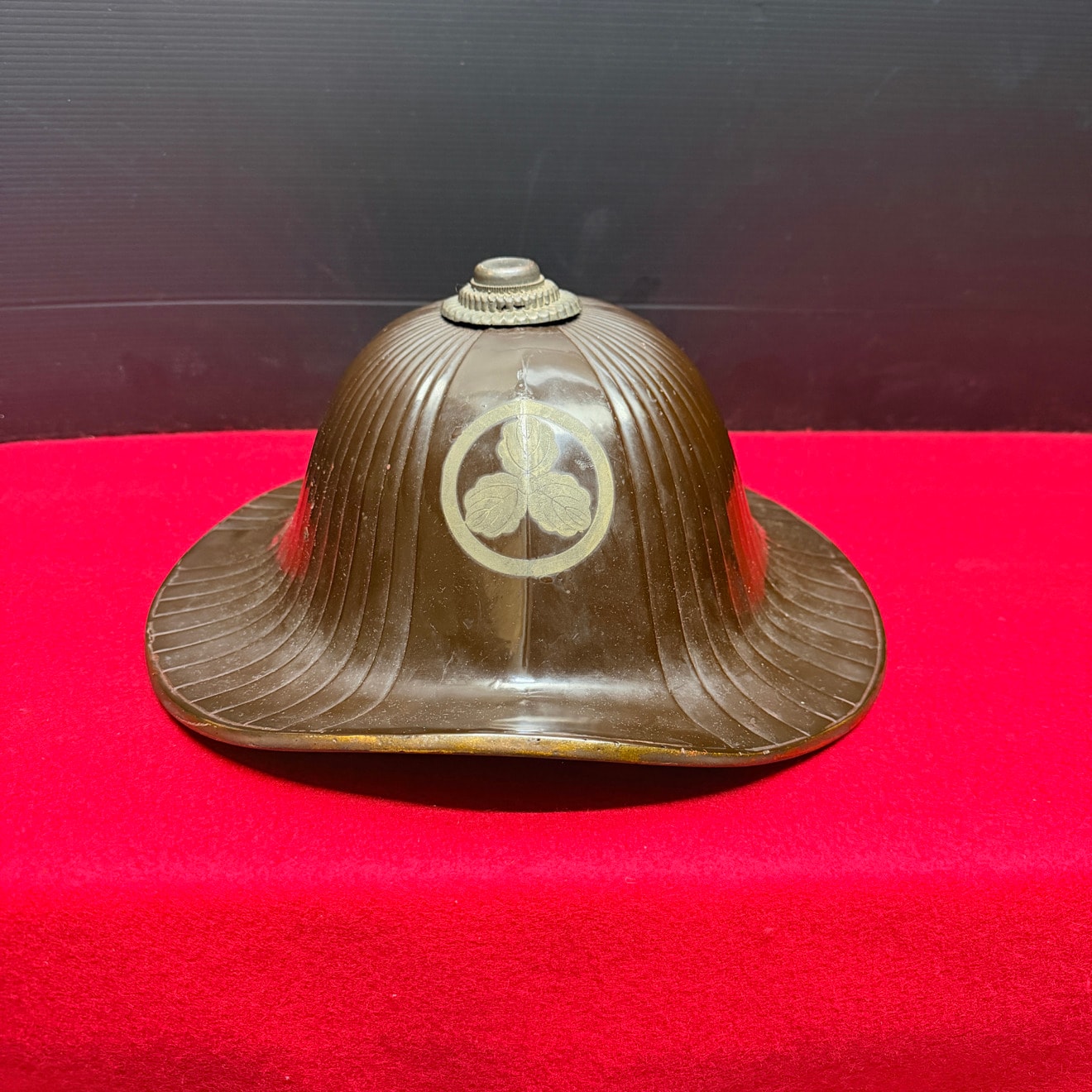
07-097 江戸時代 陣笠 じんがさ 三つ柏 みつがしわ 武家家紋
¥100,000
Recently Sold
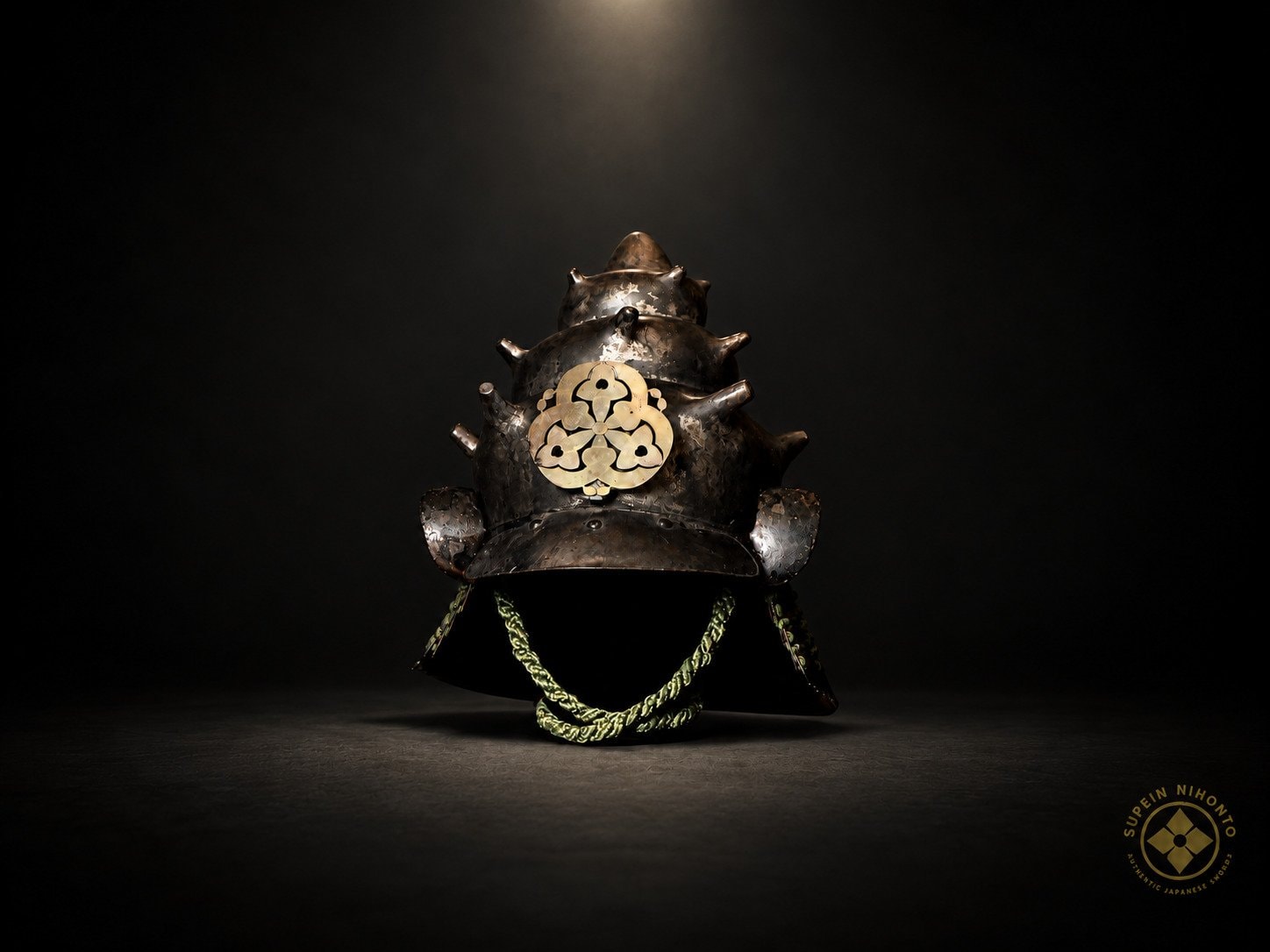
Sazae-nari Kawari Kabuto – Edo Hachi, Kichō Shiryō
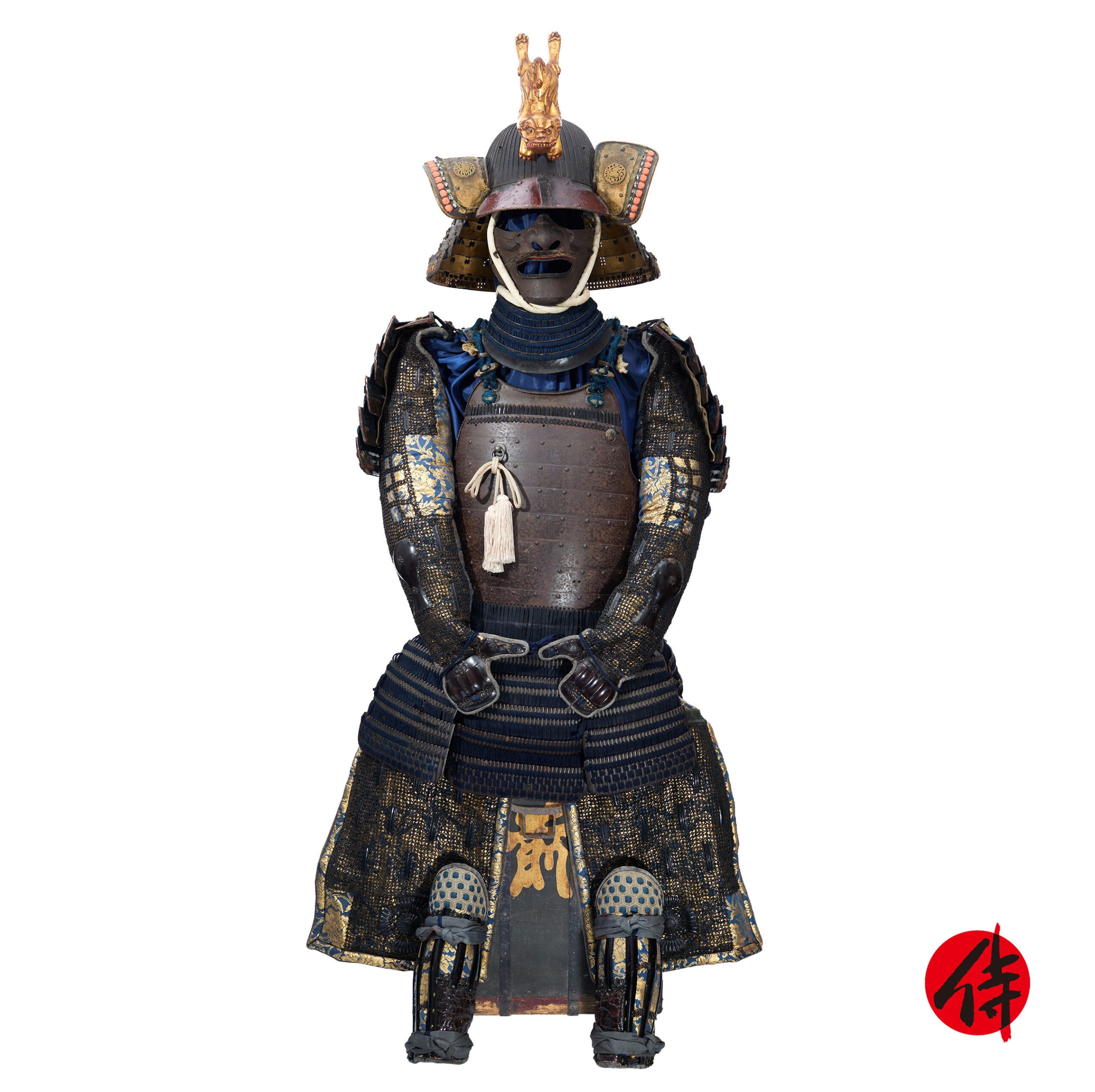
Antique Mid Edo Period Samurai Armor Tokubetsu Kicho Shiryo Certificate (A-68)
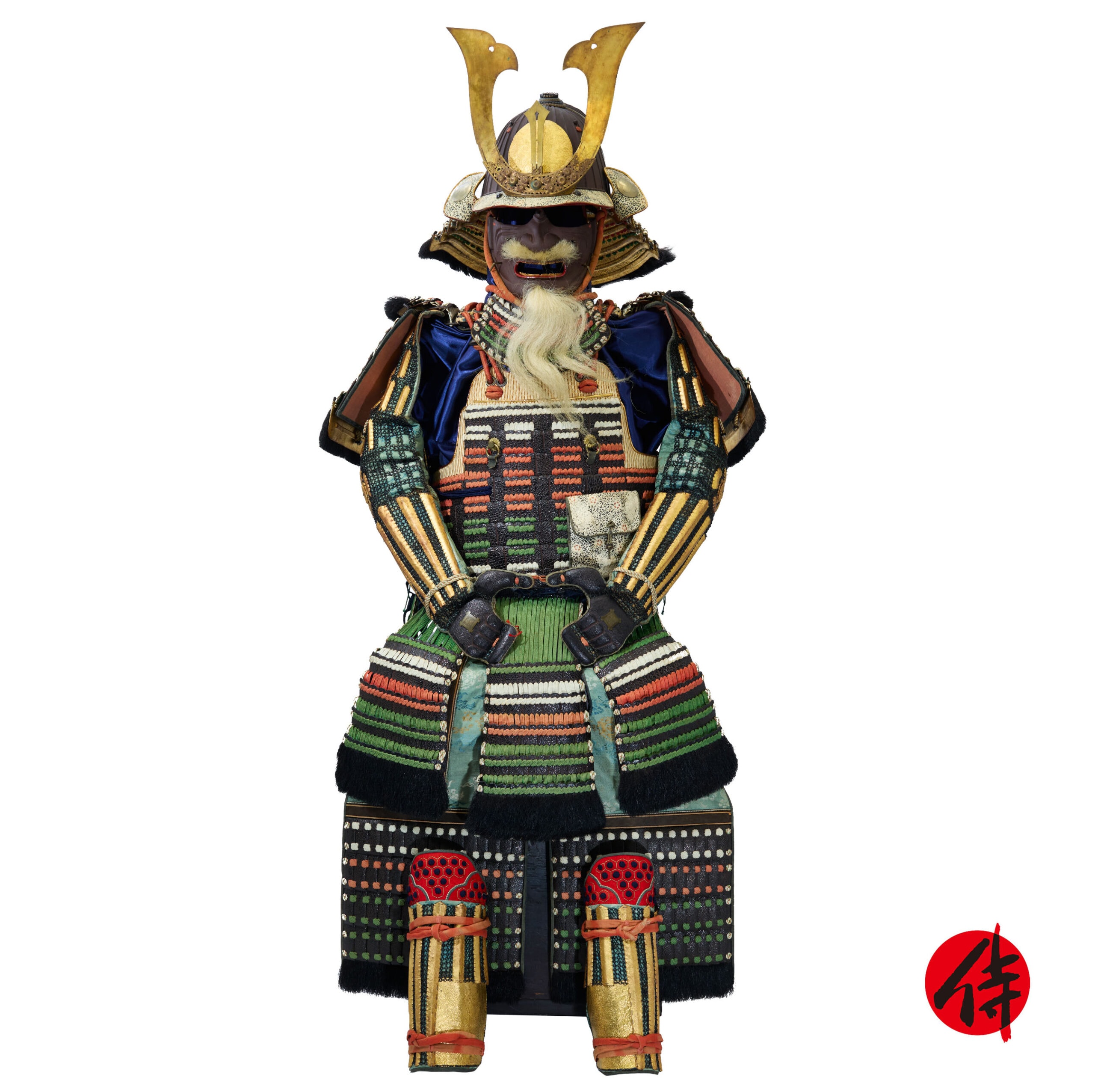
Antique Late Edo Period Samurai Armor Tokubetsu Kicho Shiryo Certificate (A-62)
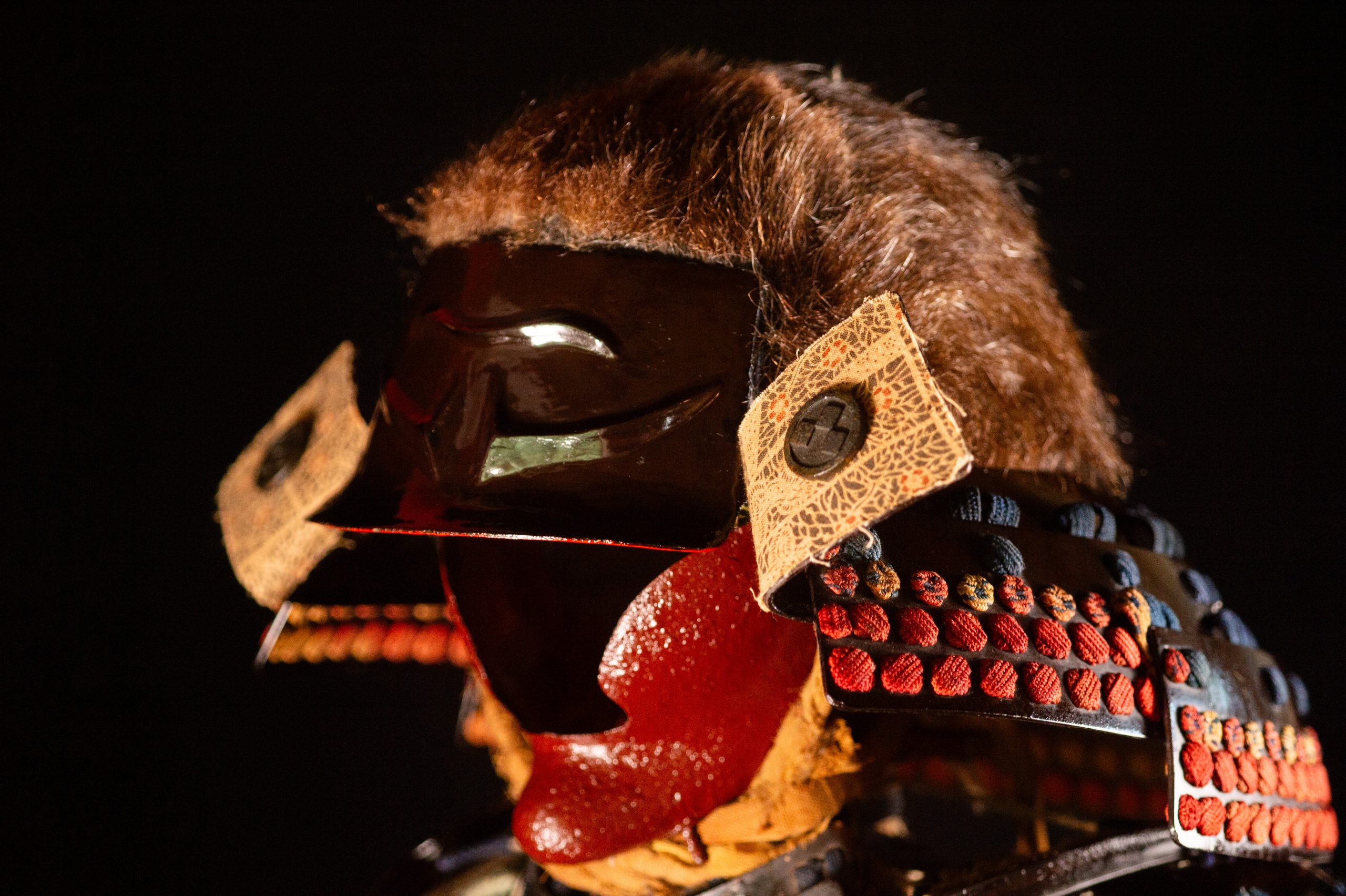
Gusoku Hair Kabuto
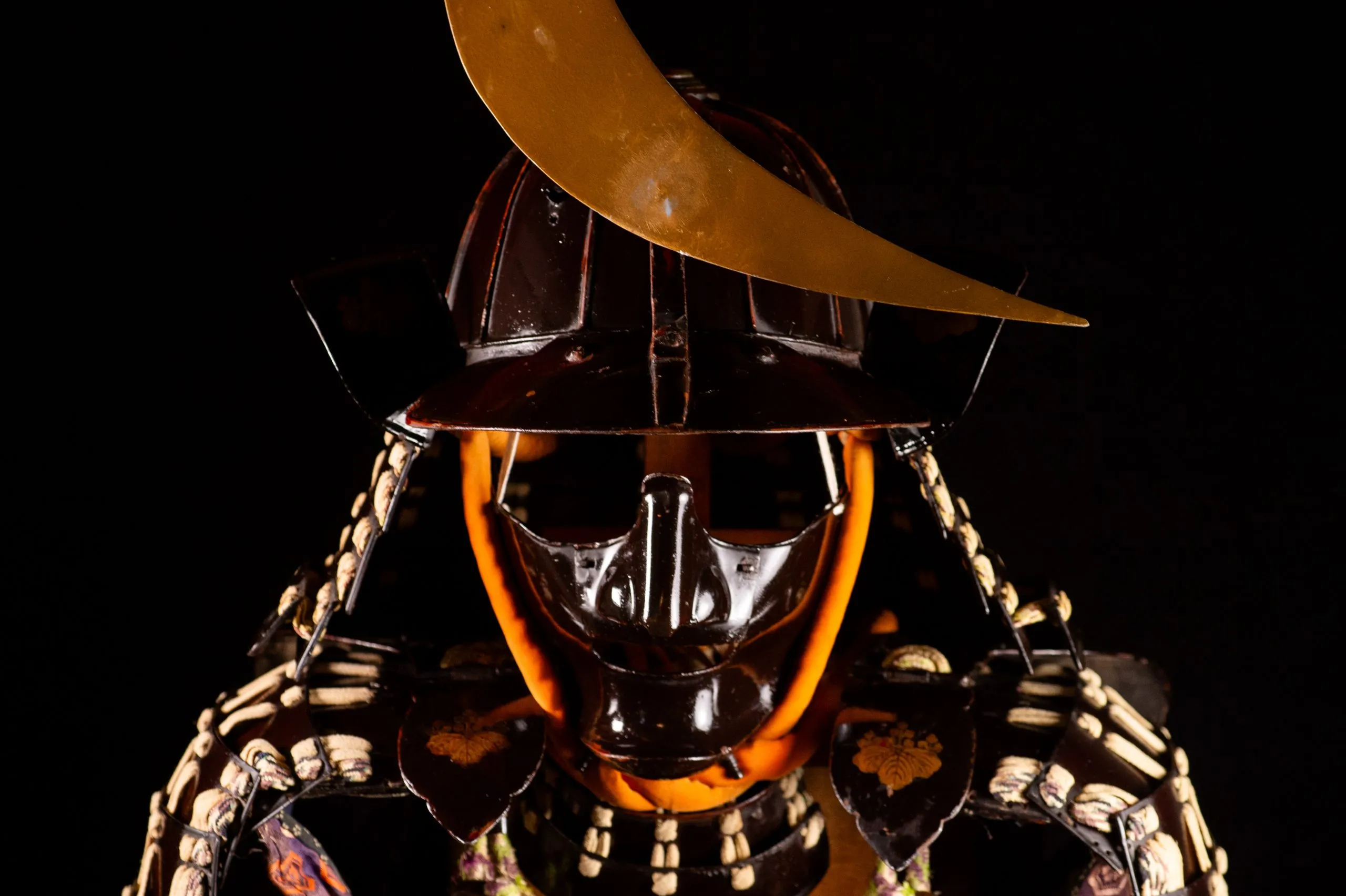
Gusoku Toyotomi Mon
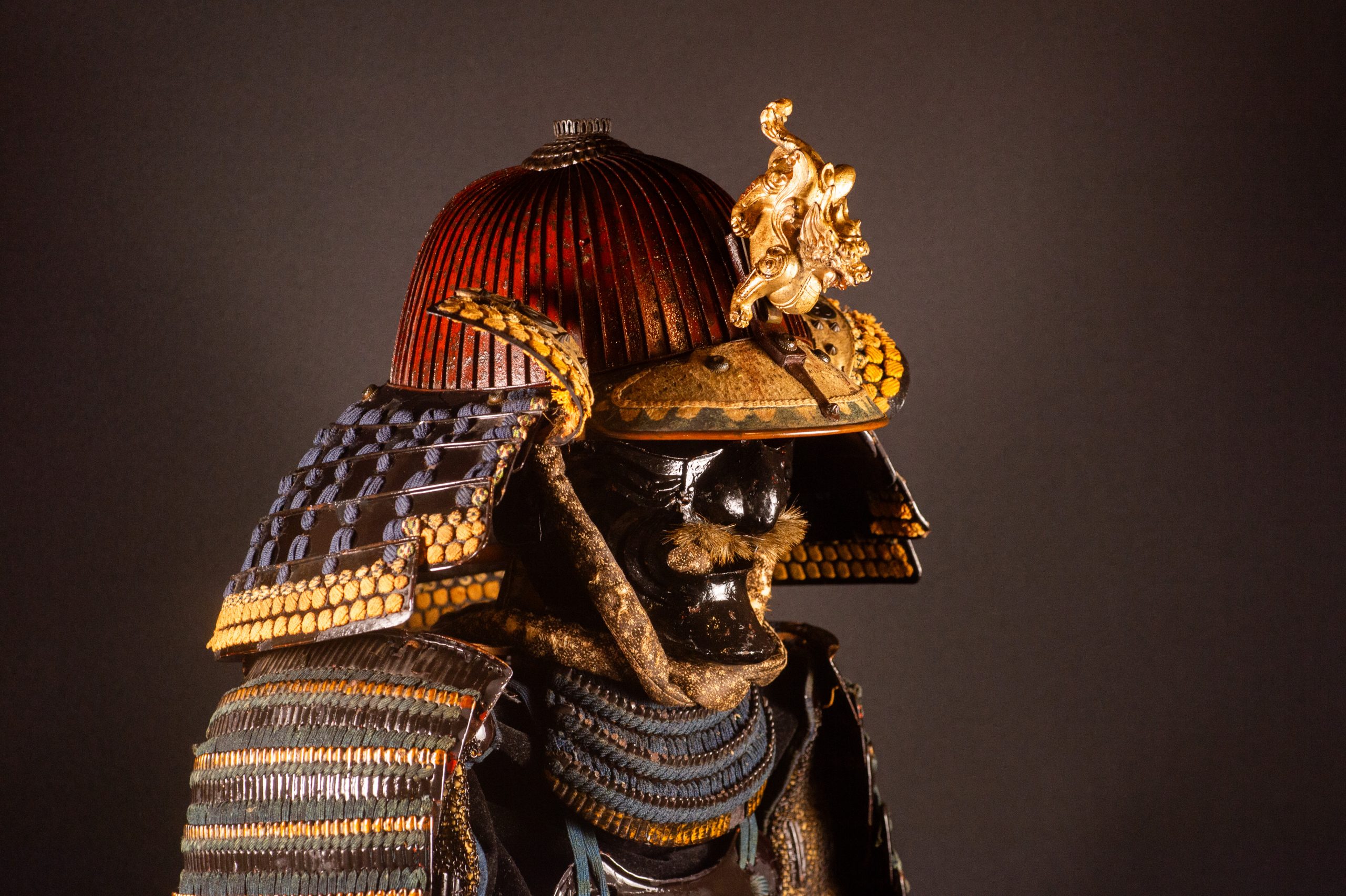
Gusoku Myochin Kabuto
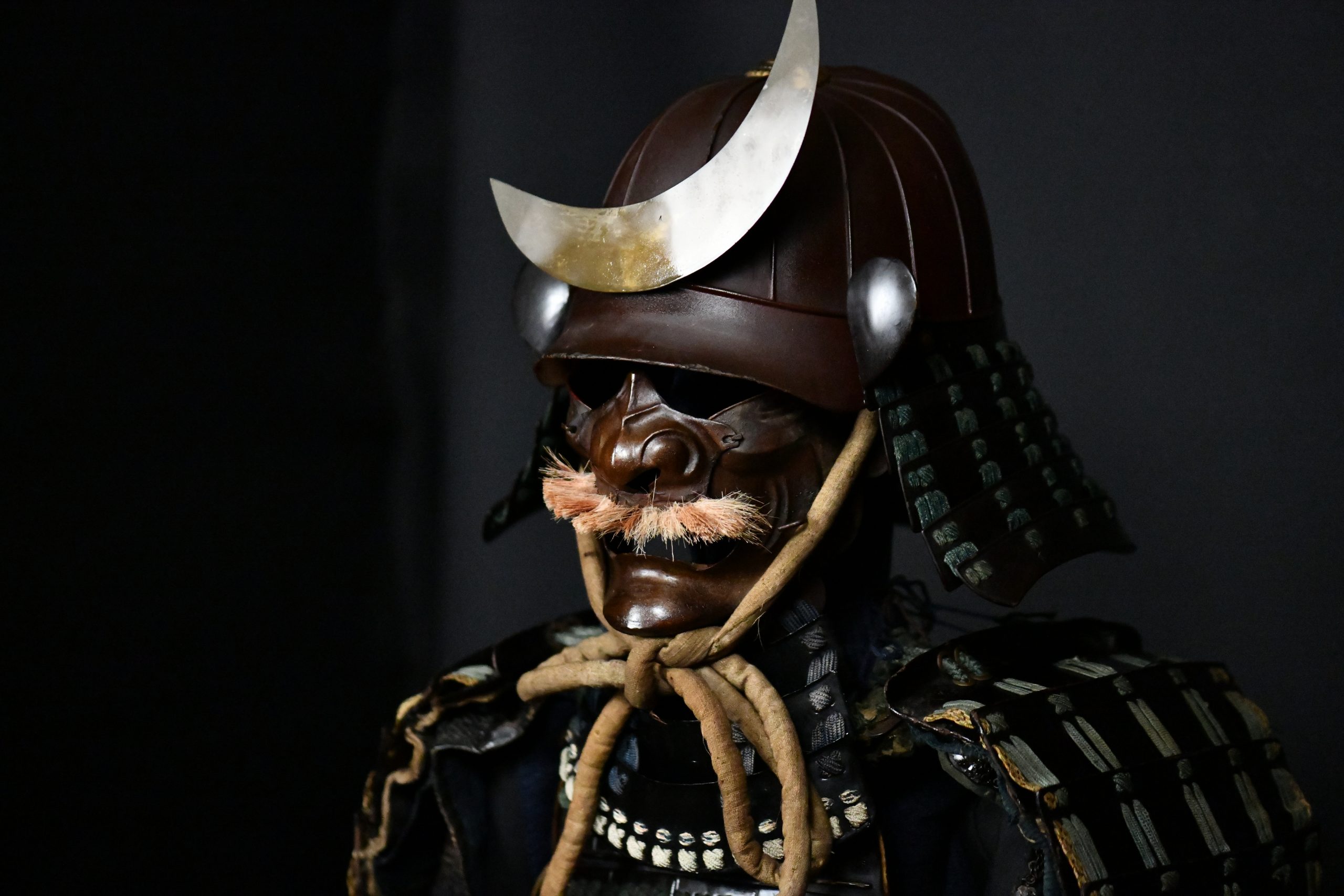
Gusoku Crescent moon

Gusoku Crescent moon