 NihontoWatchNihontoWatch
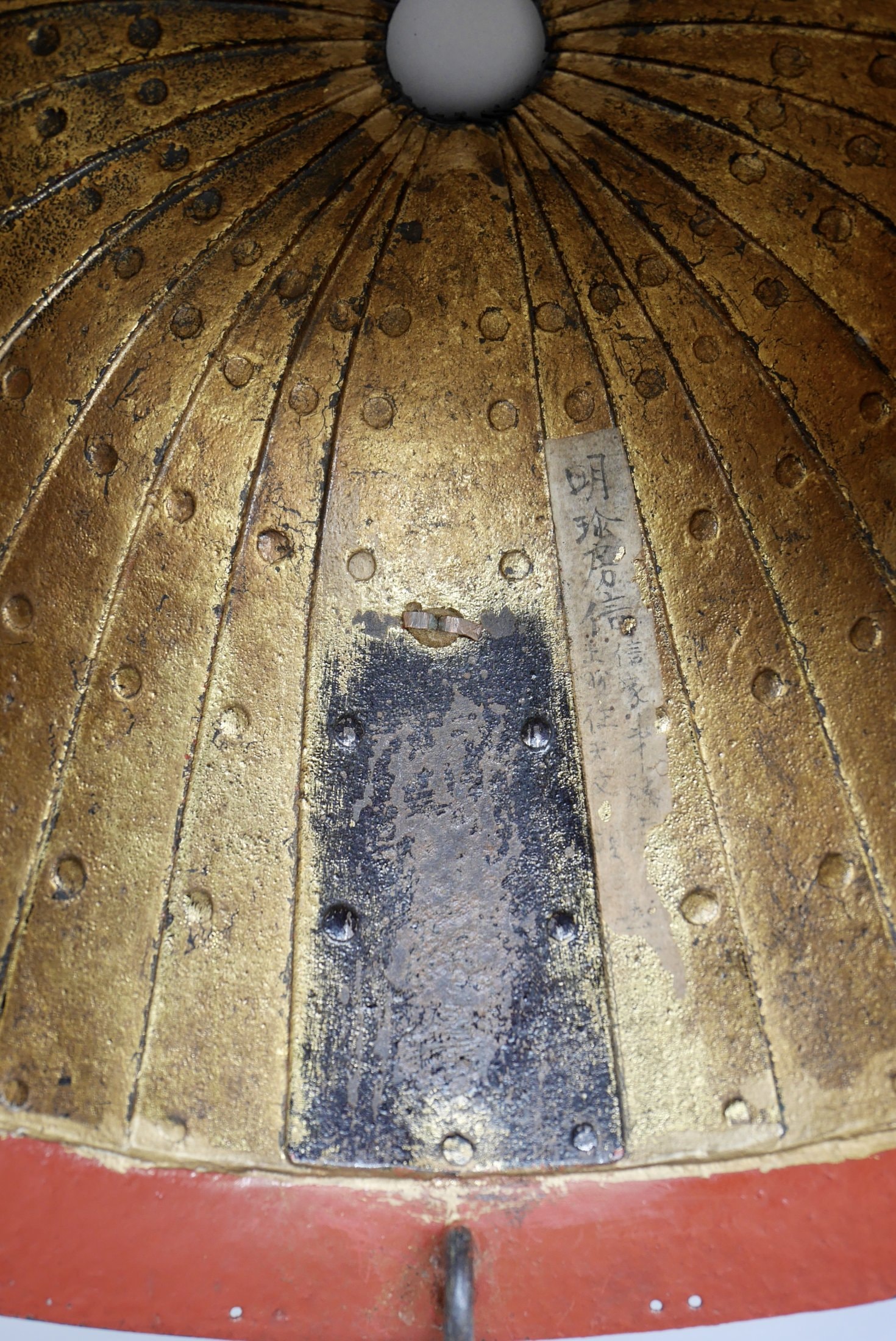
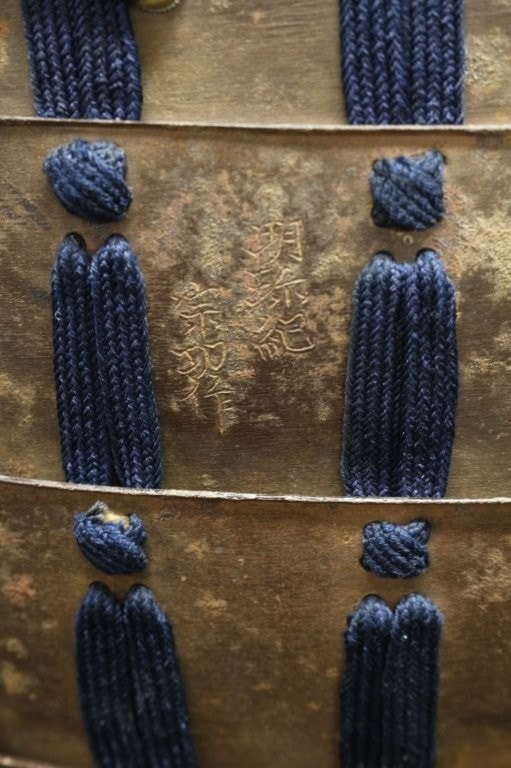
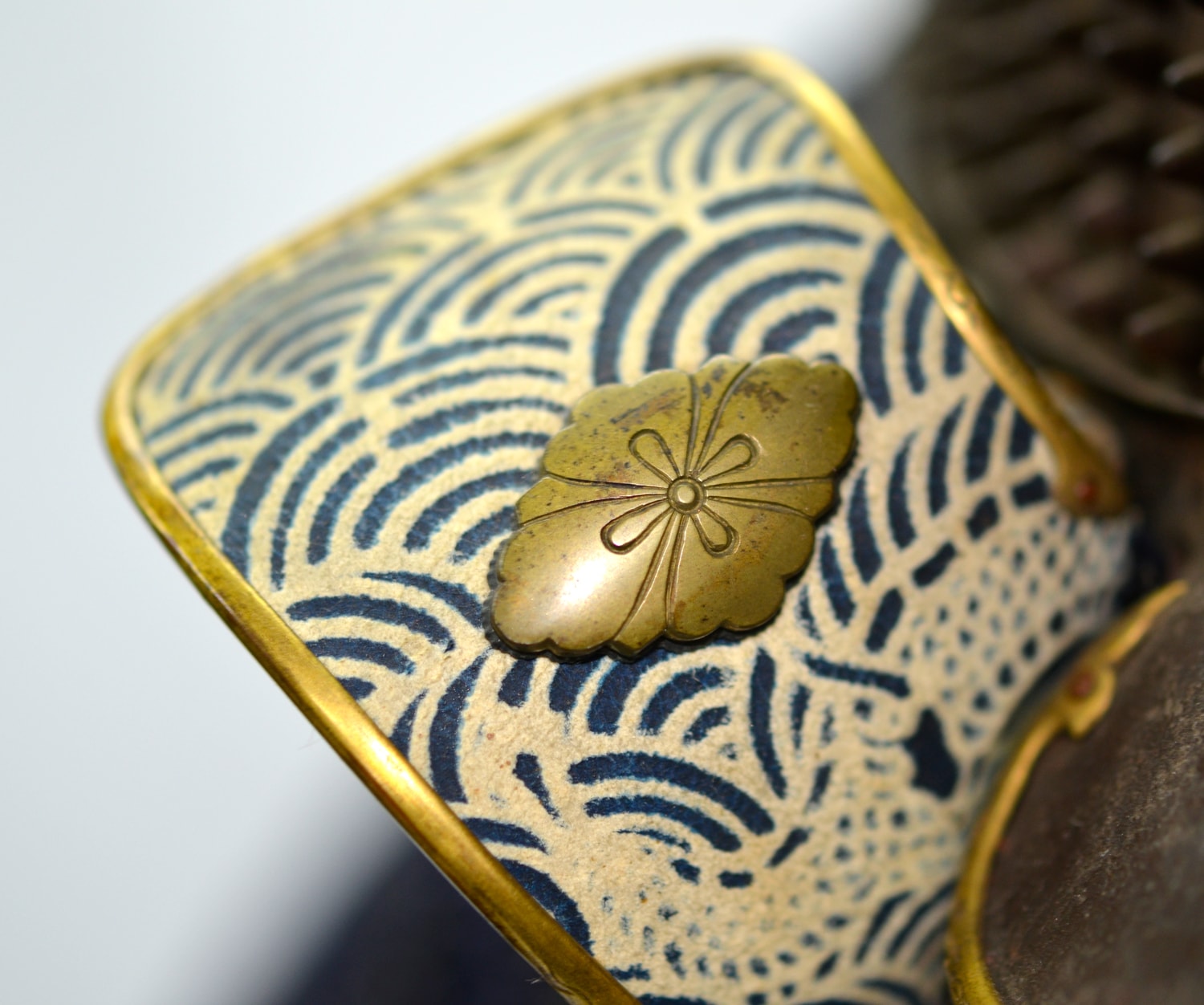
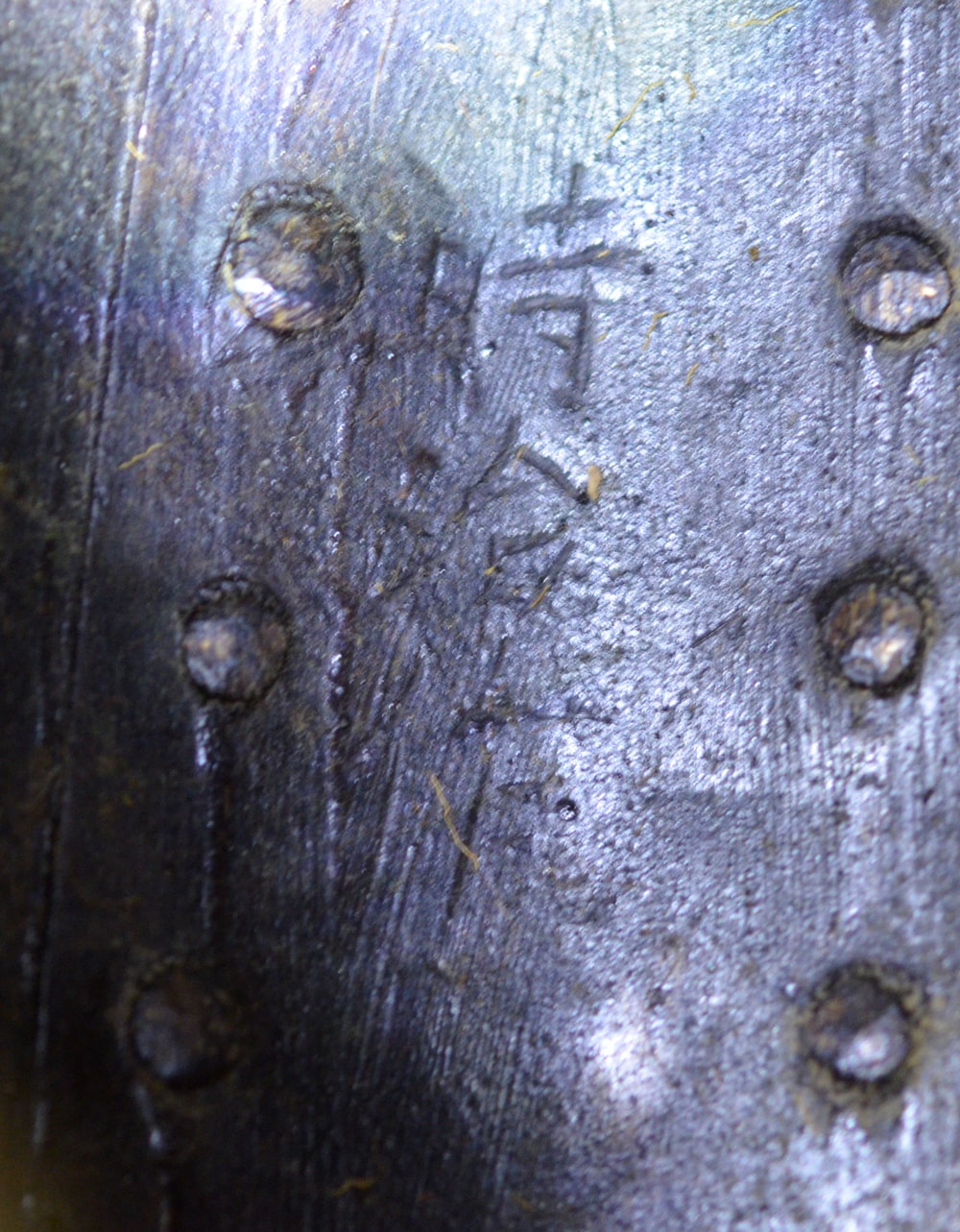
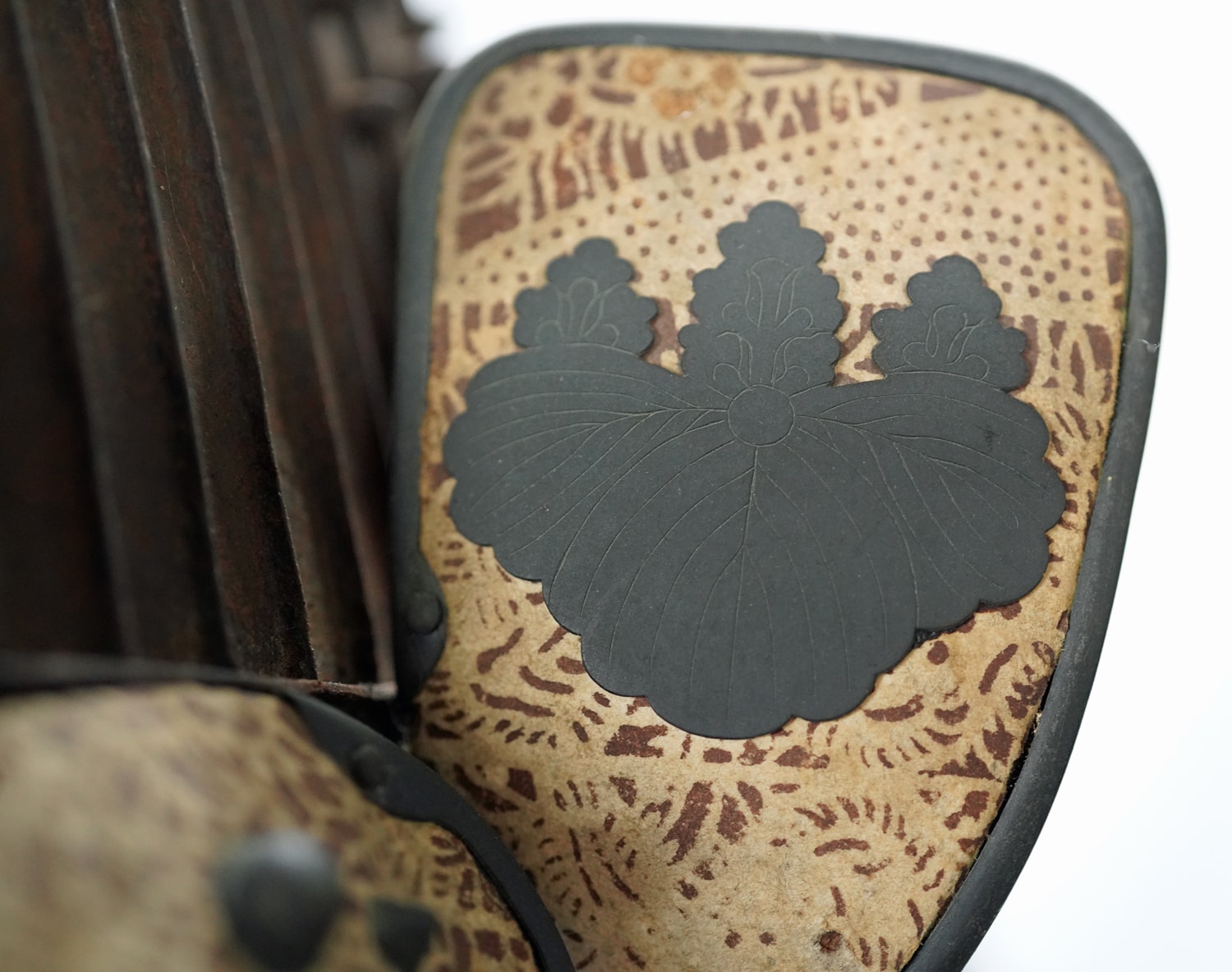
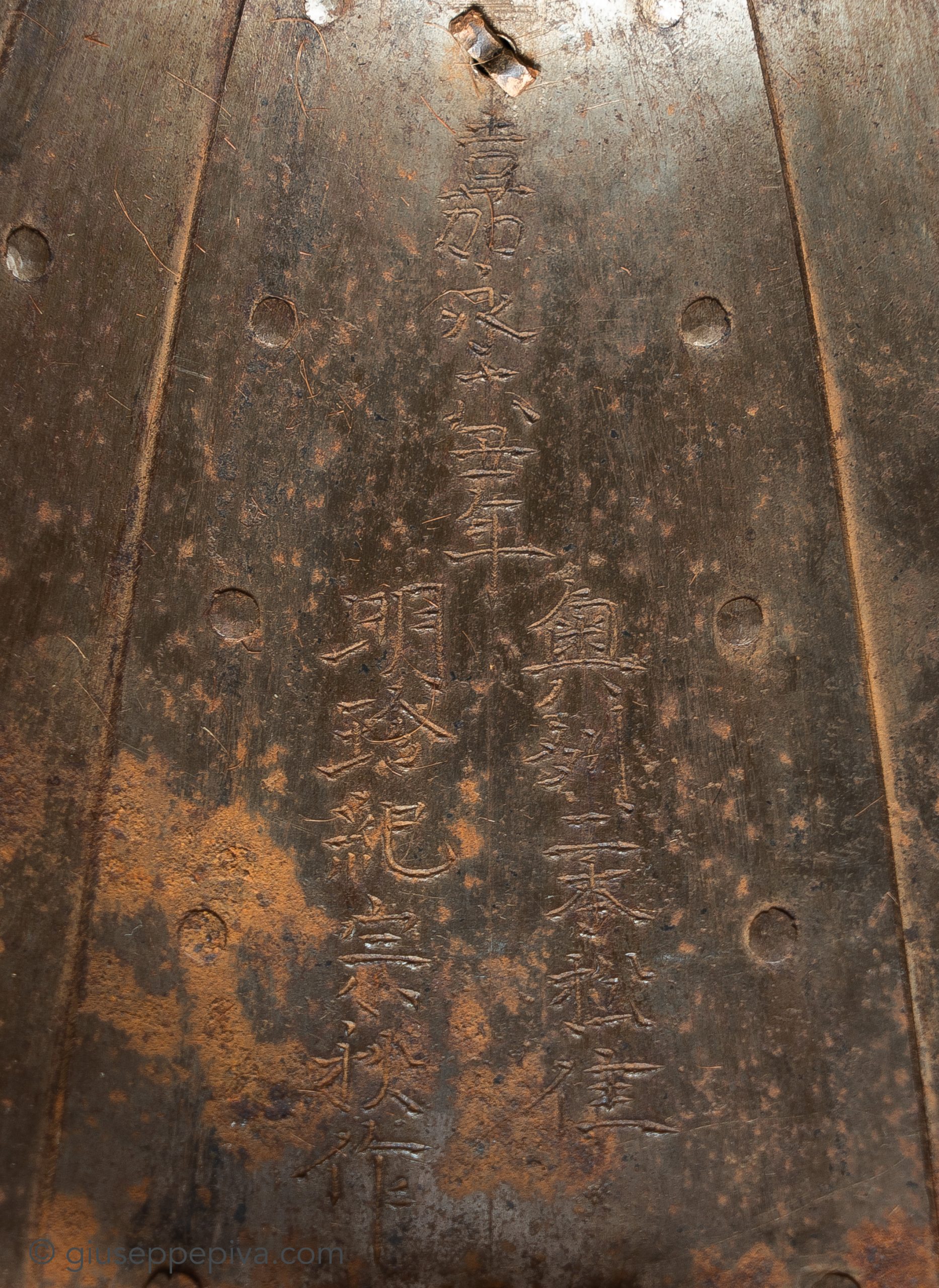
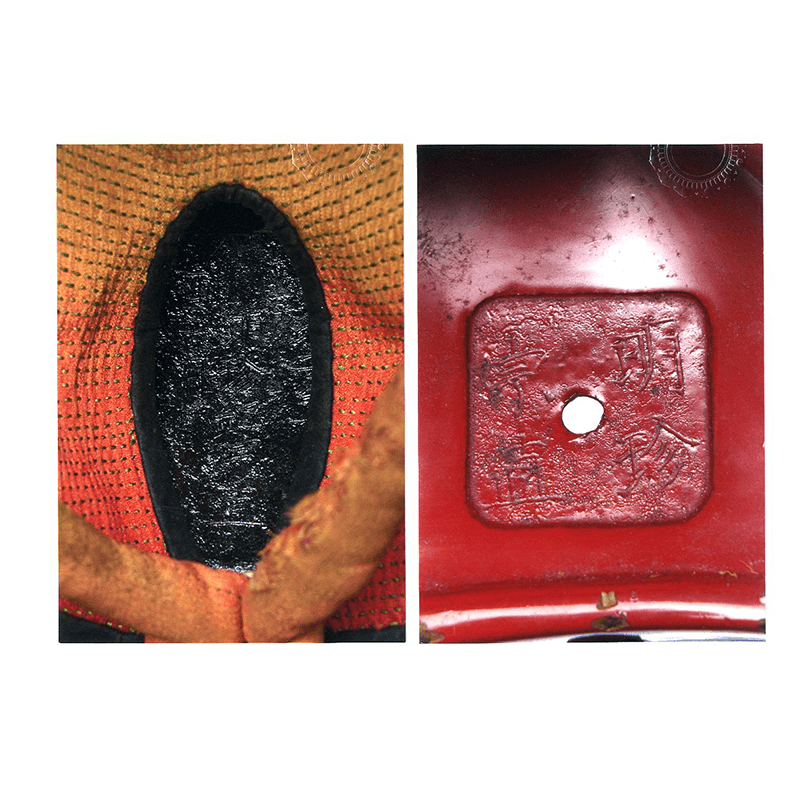
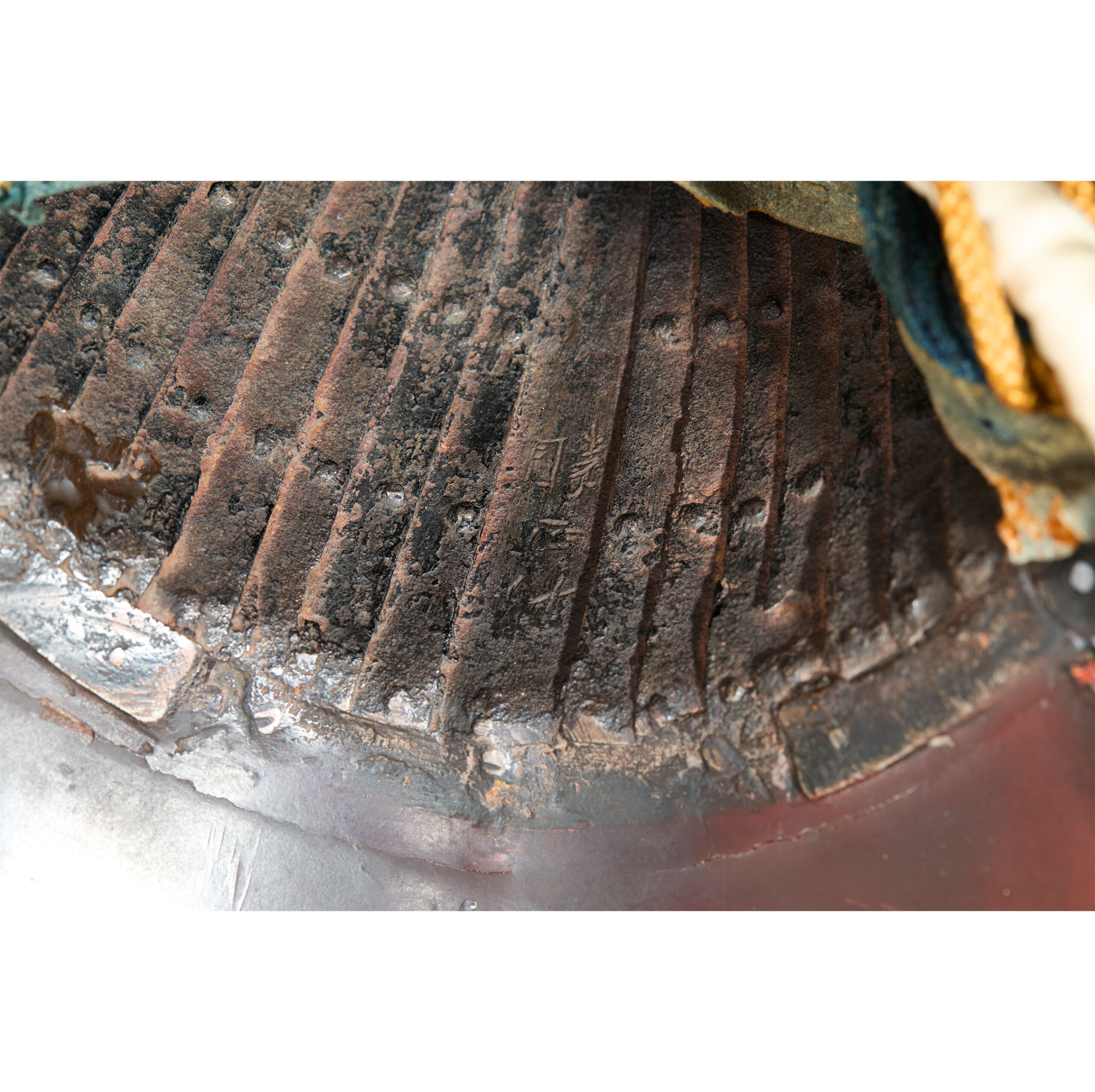
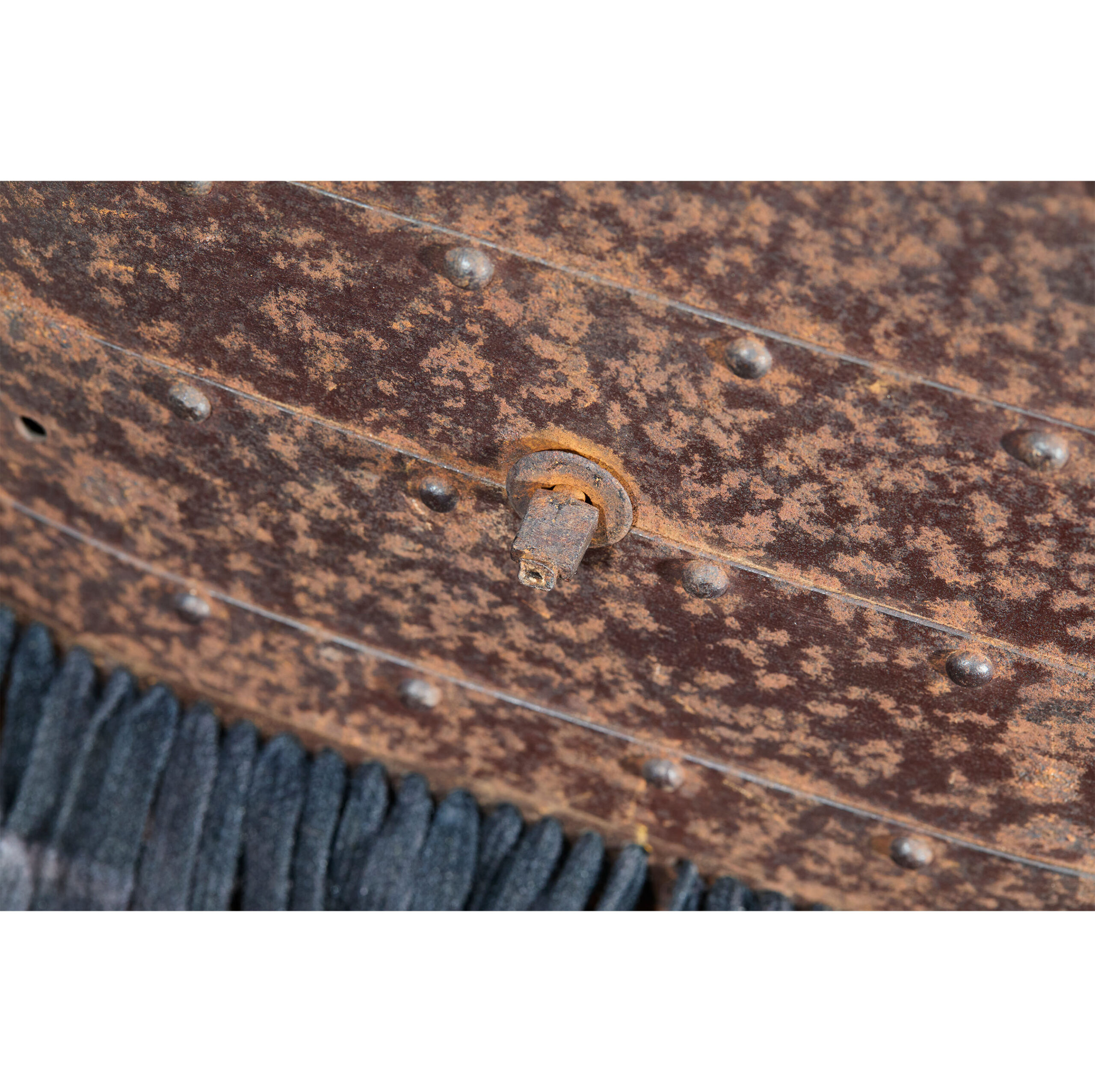
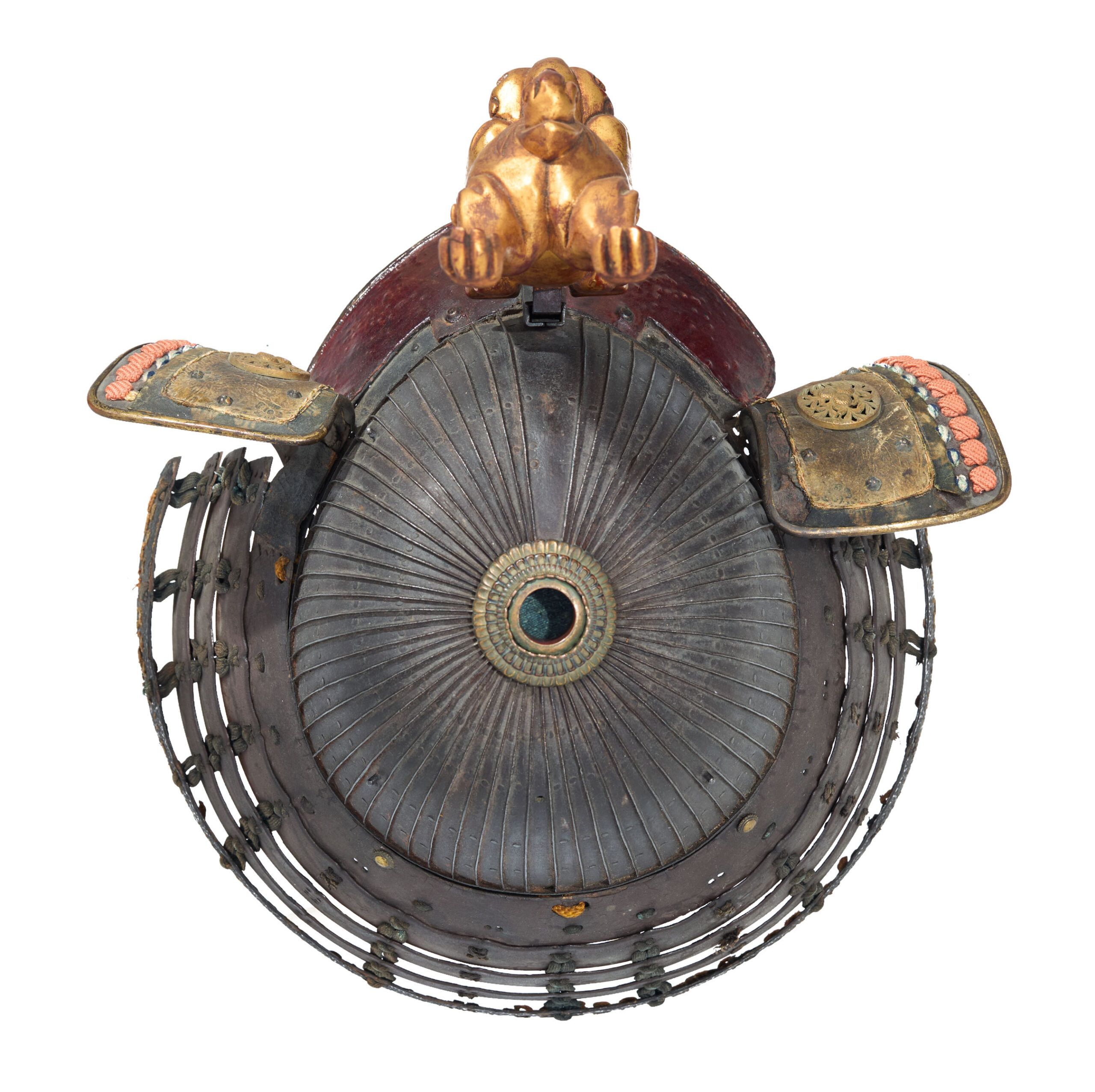
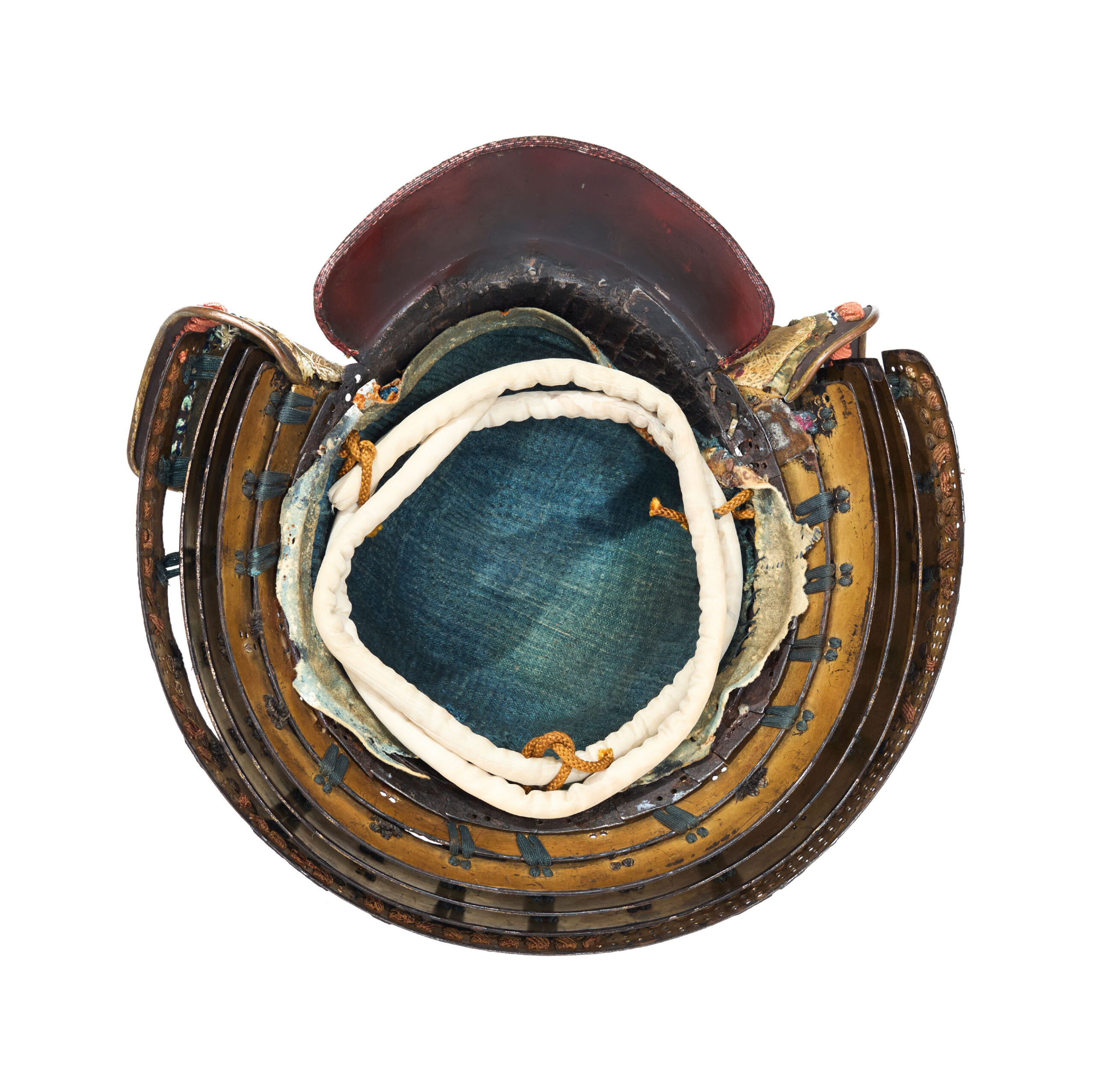
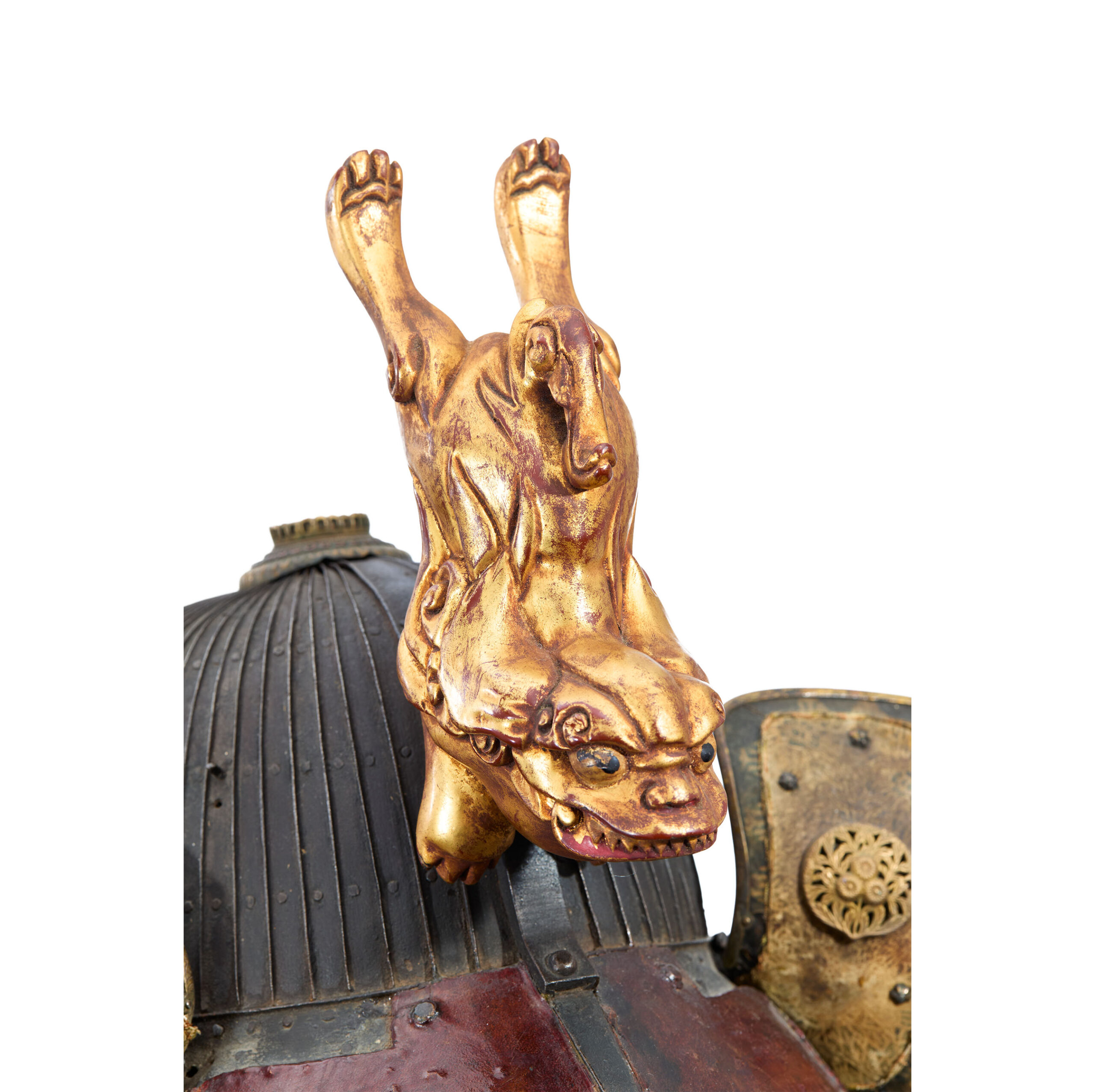
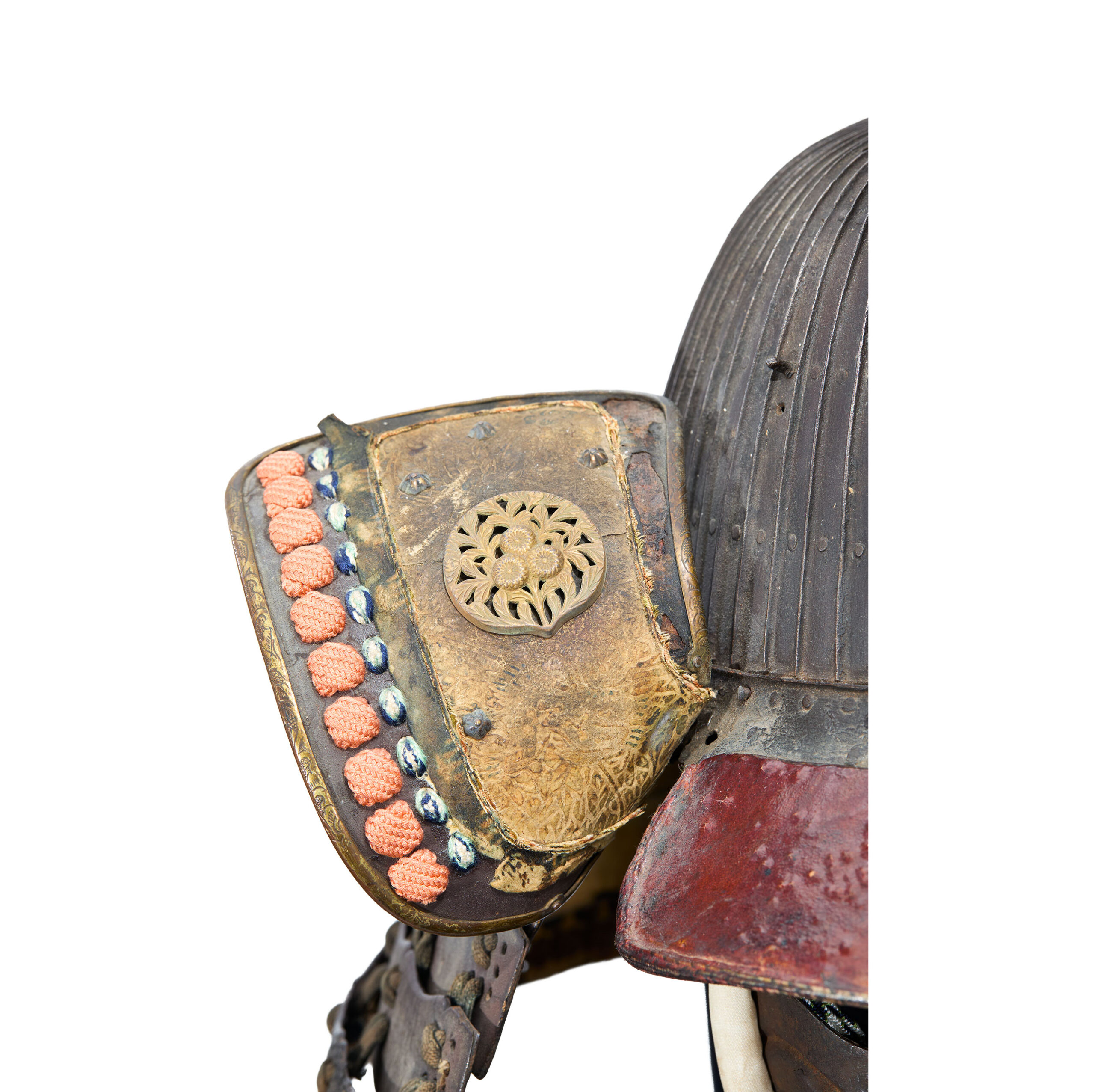
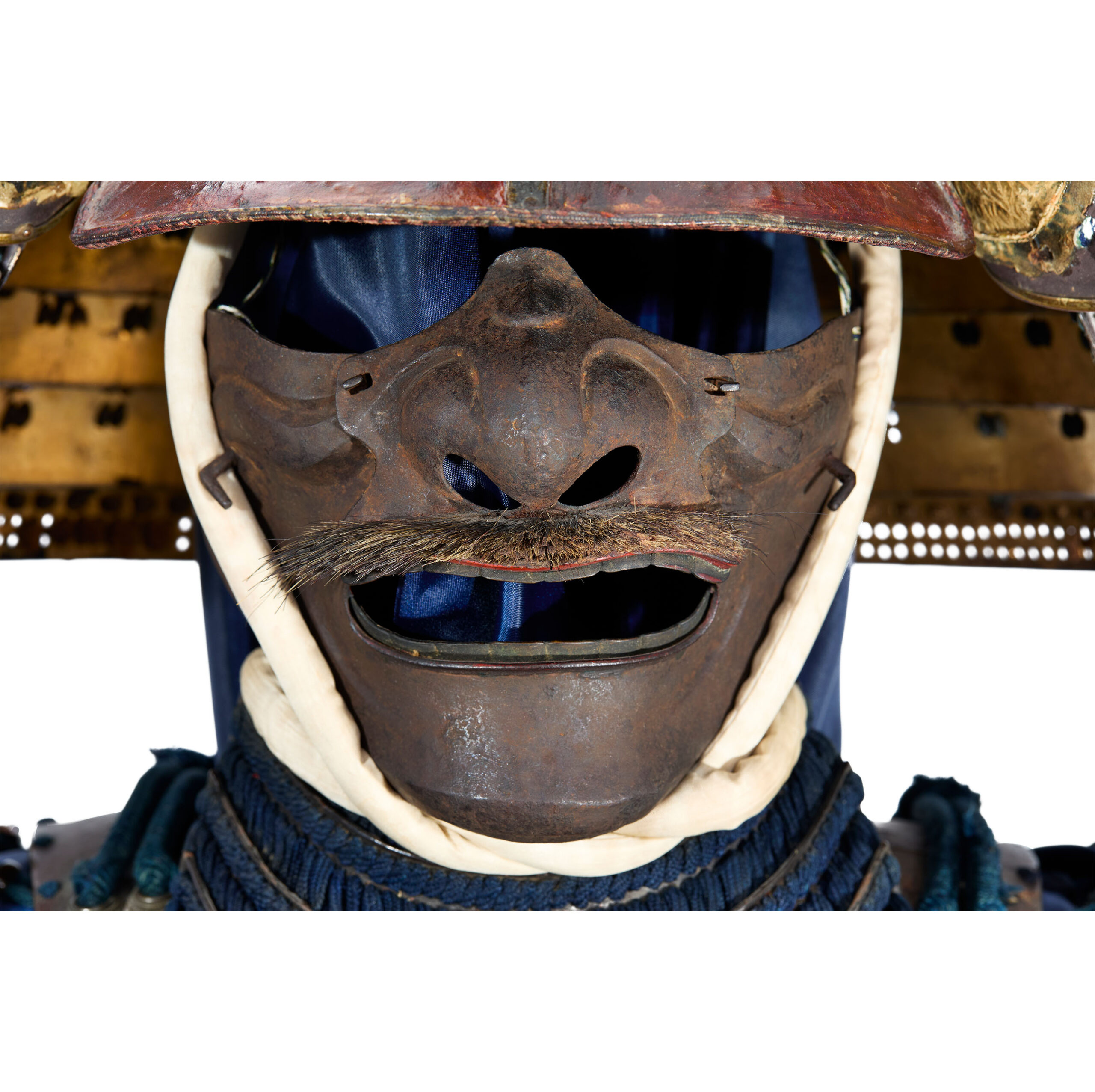
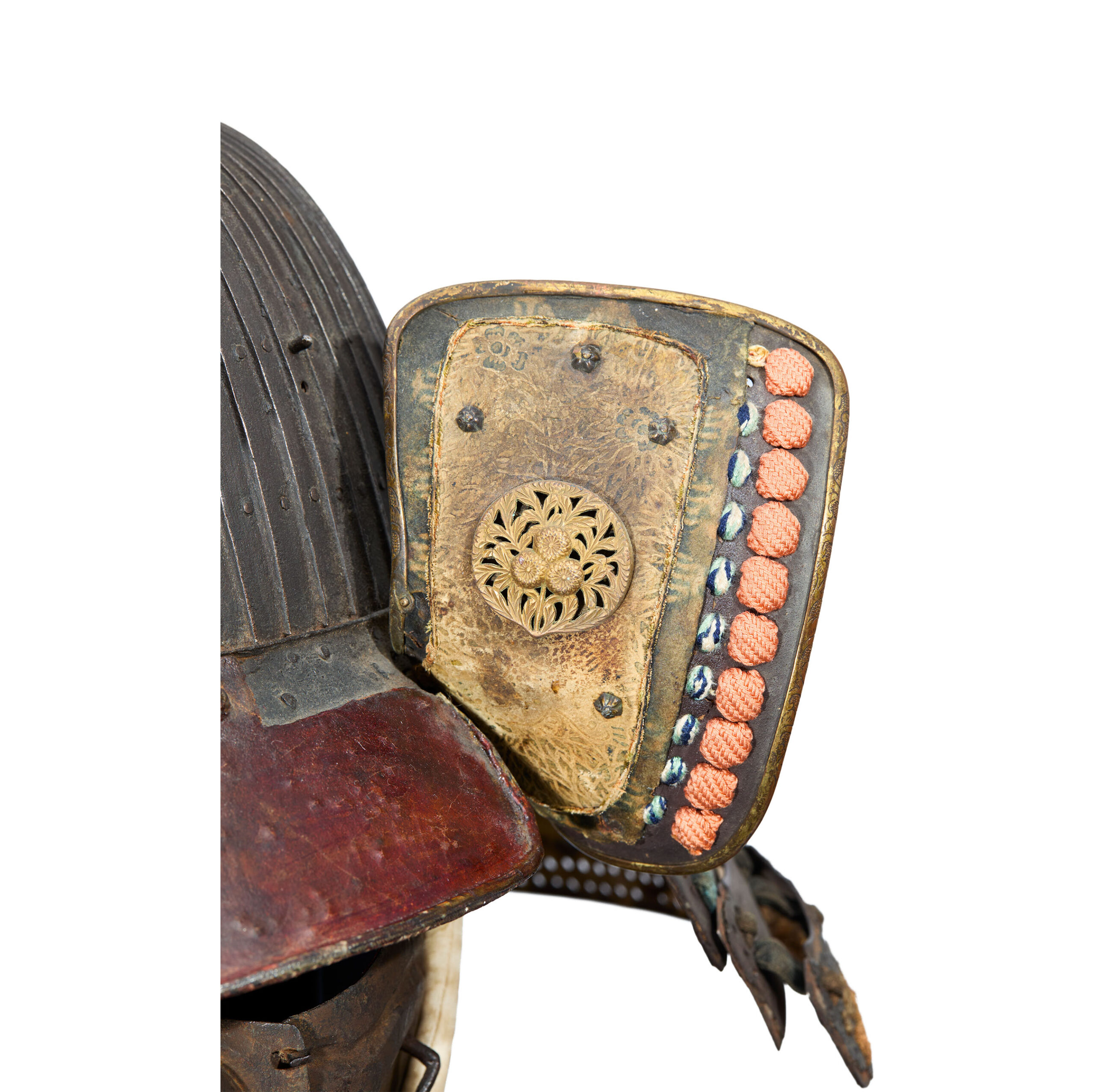
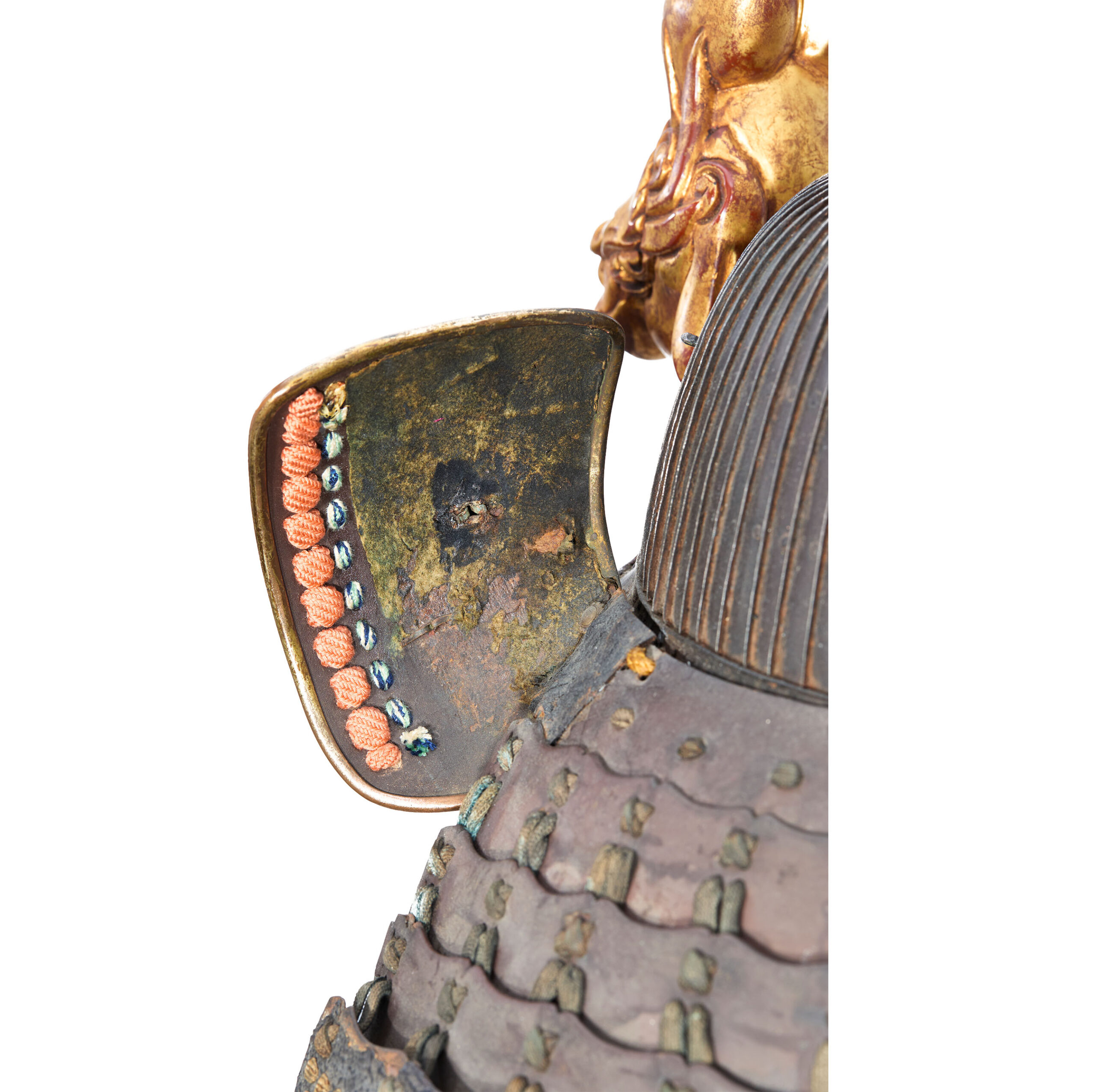
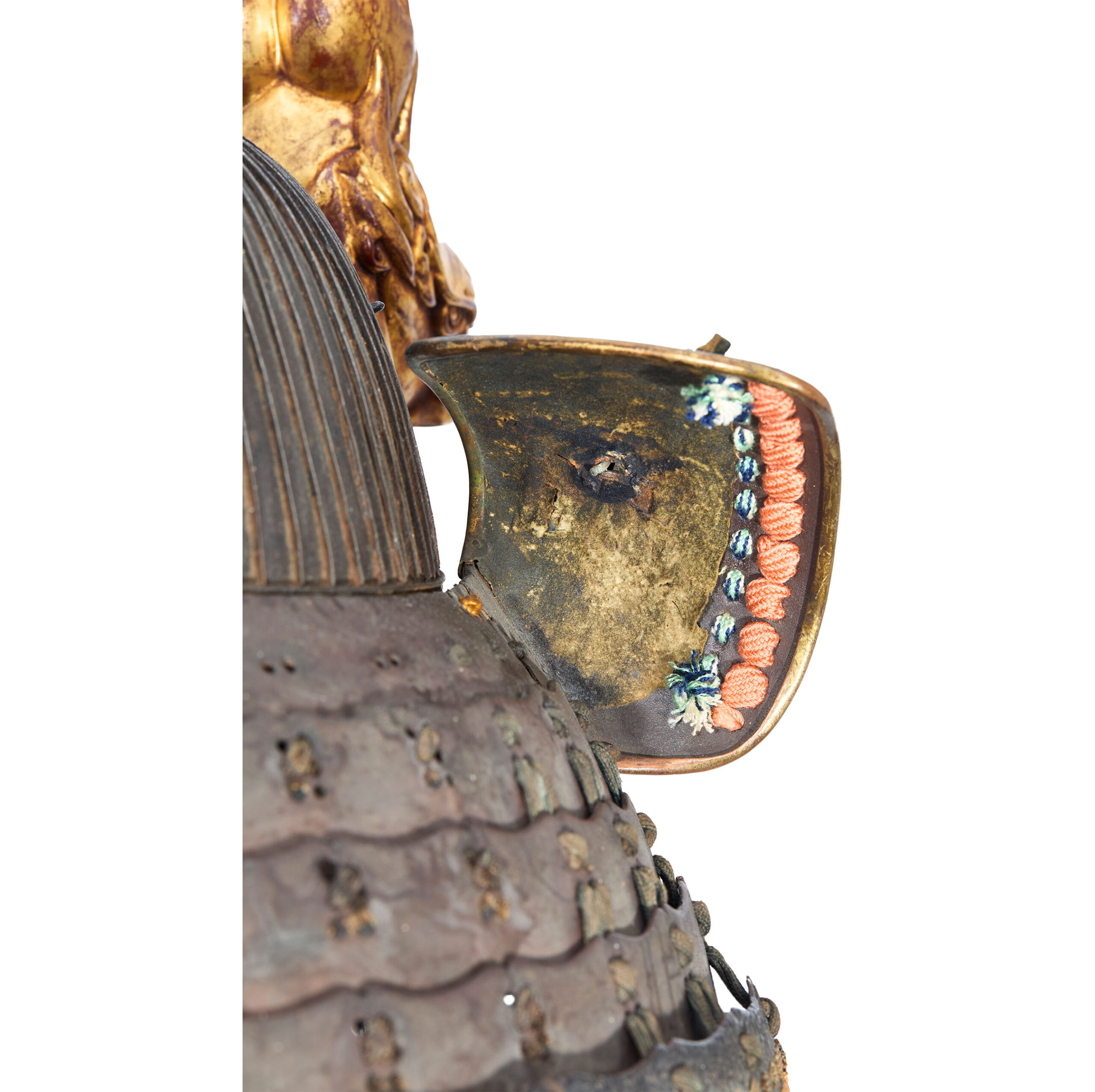
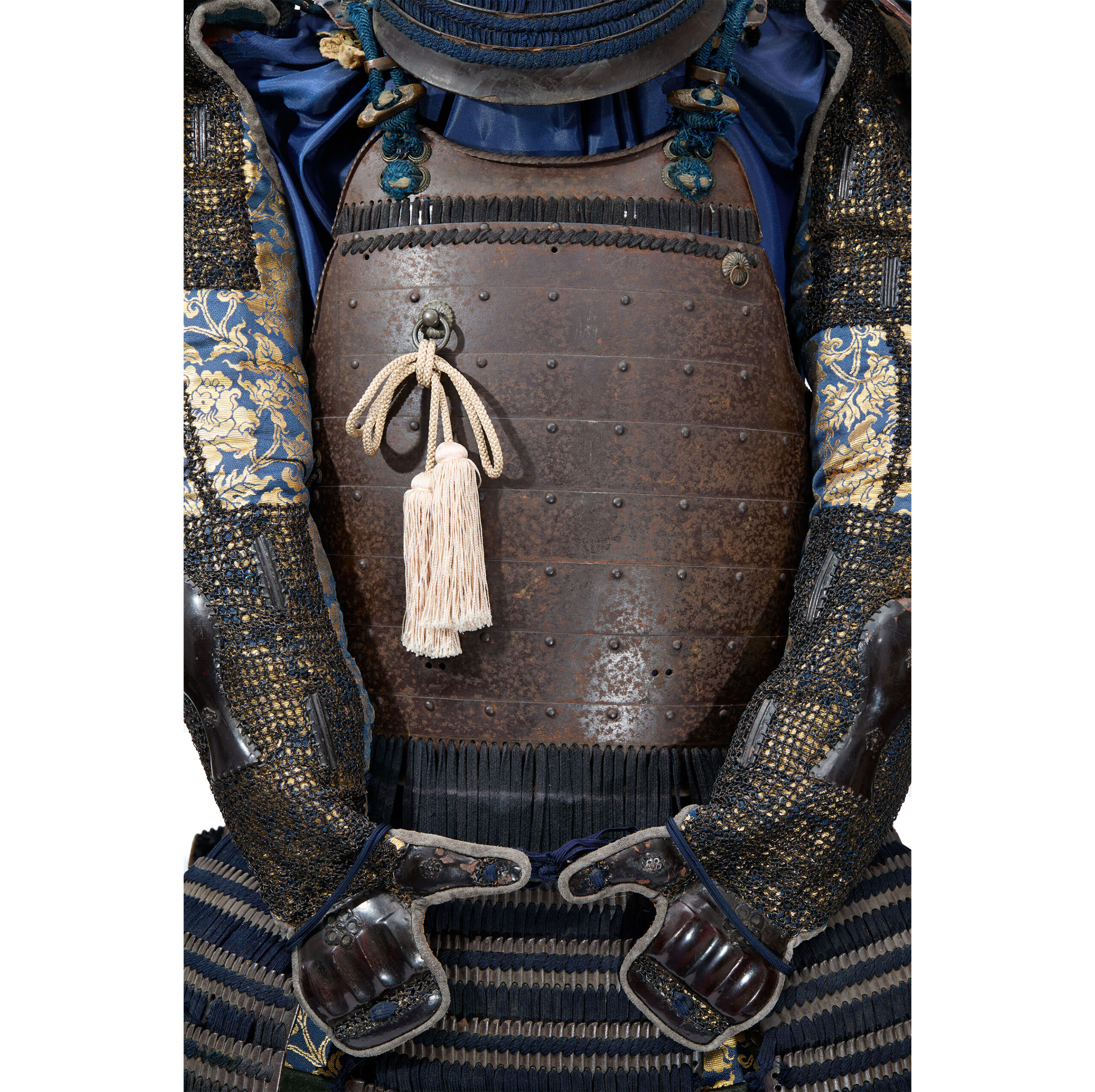
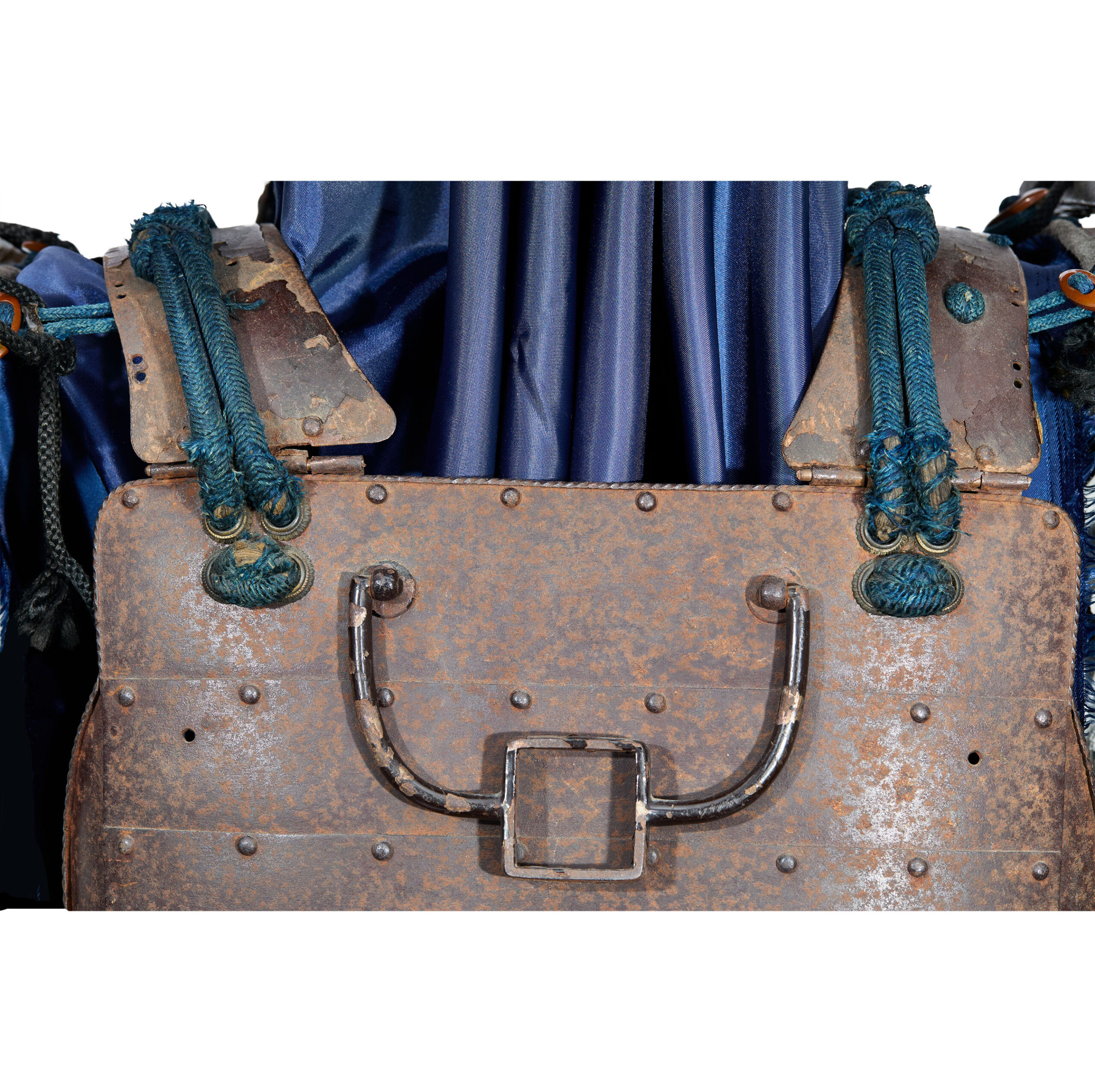
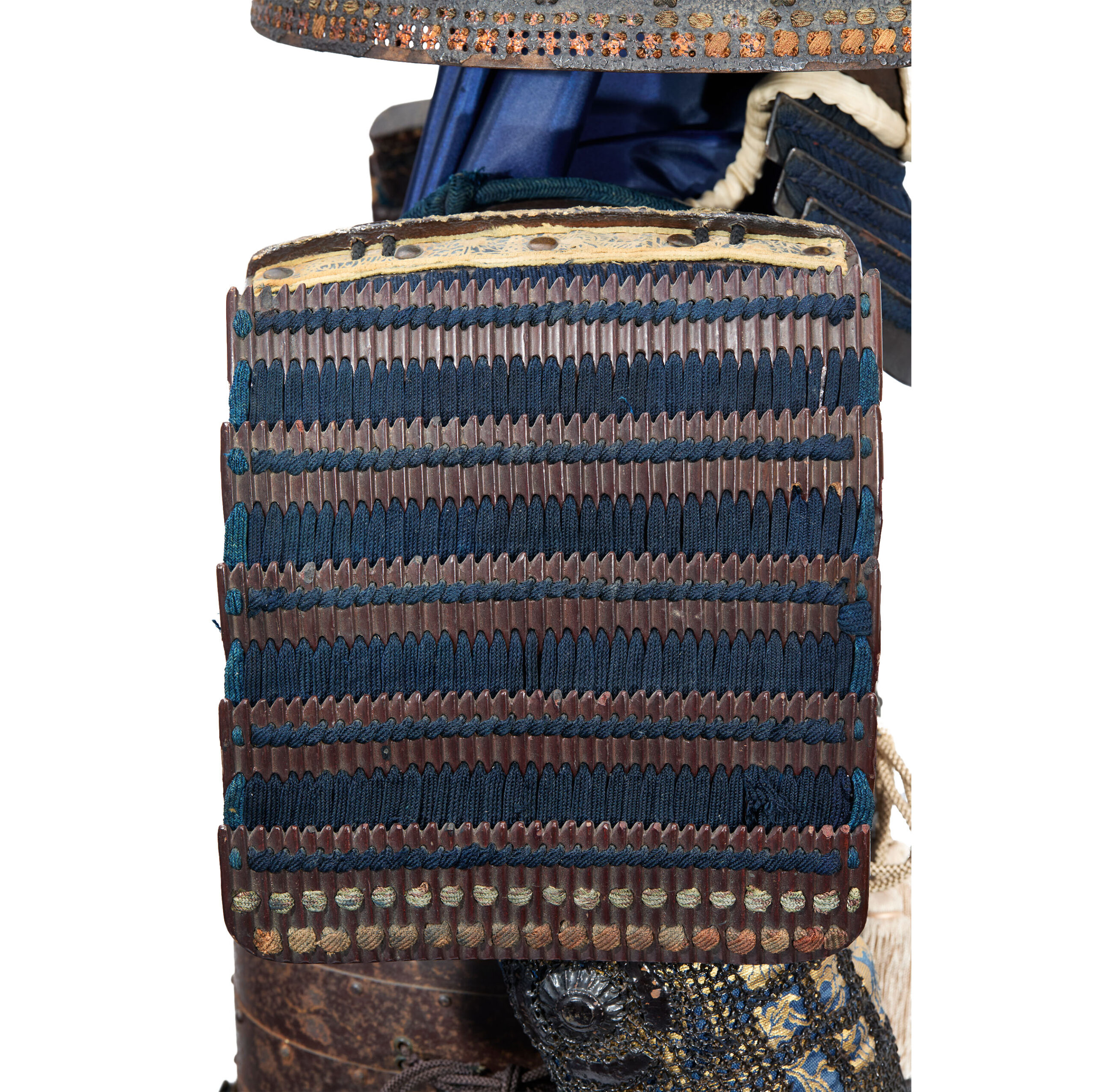
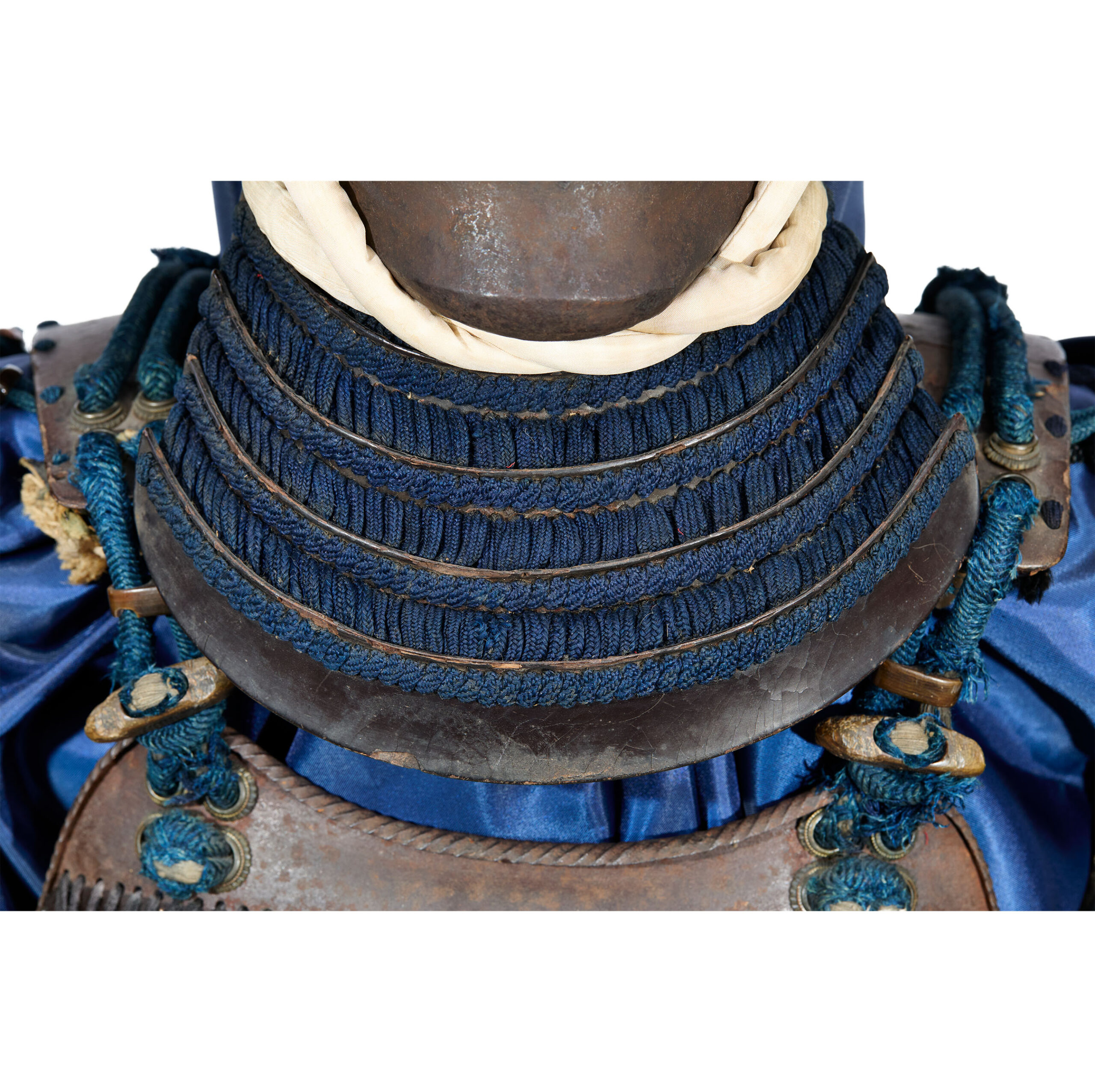
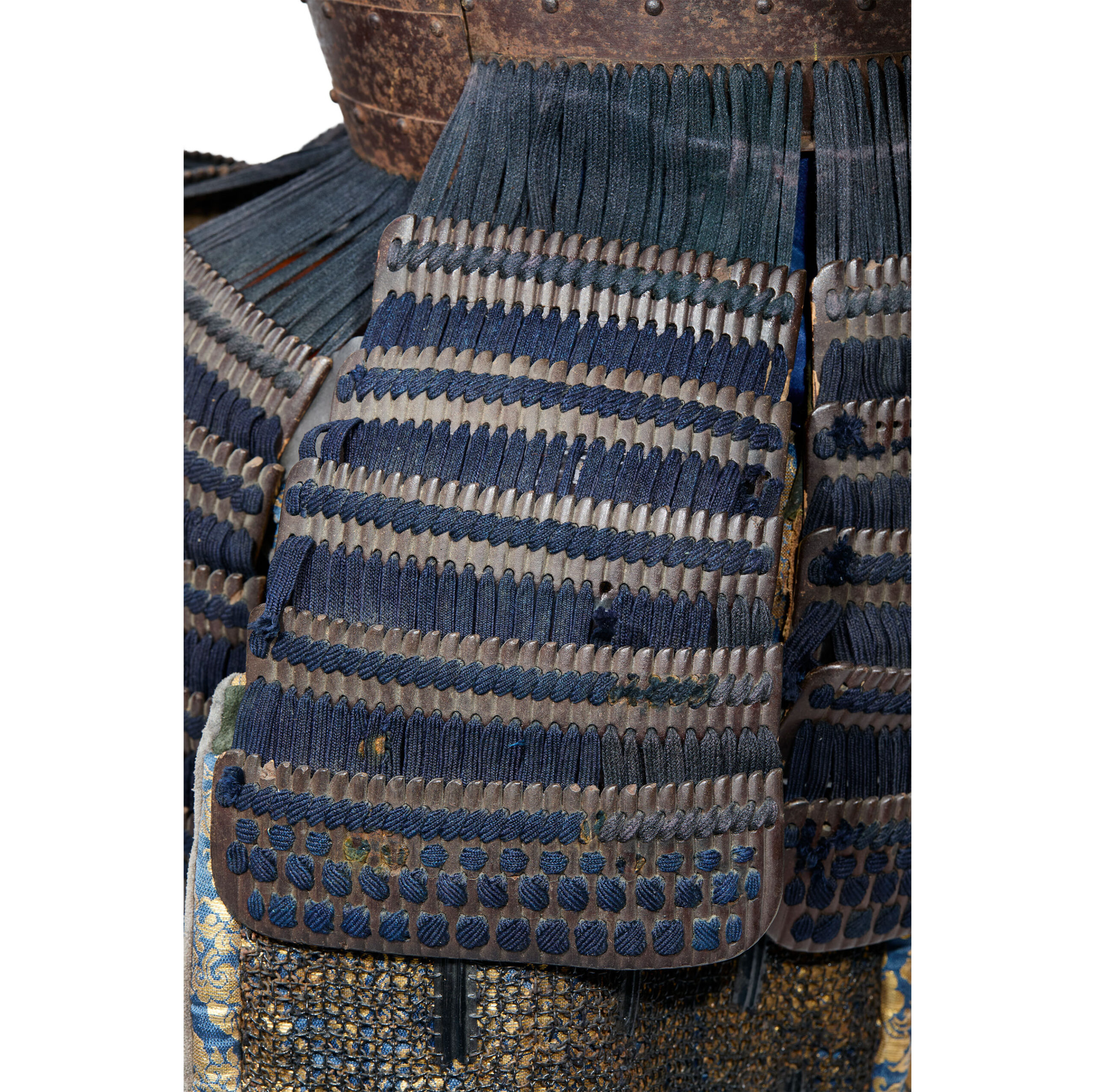
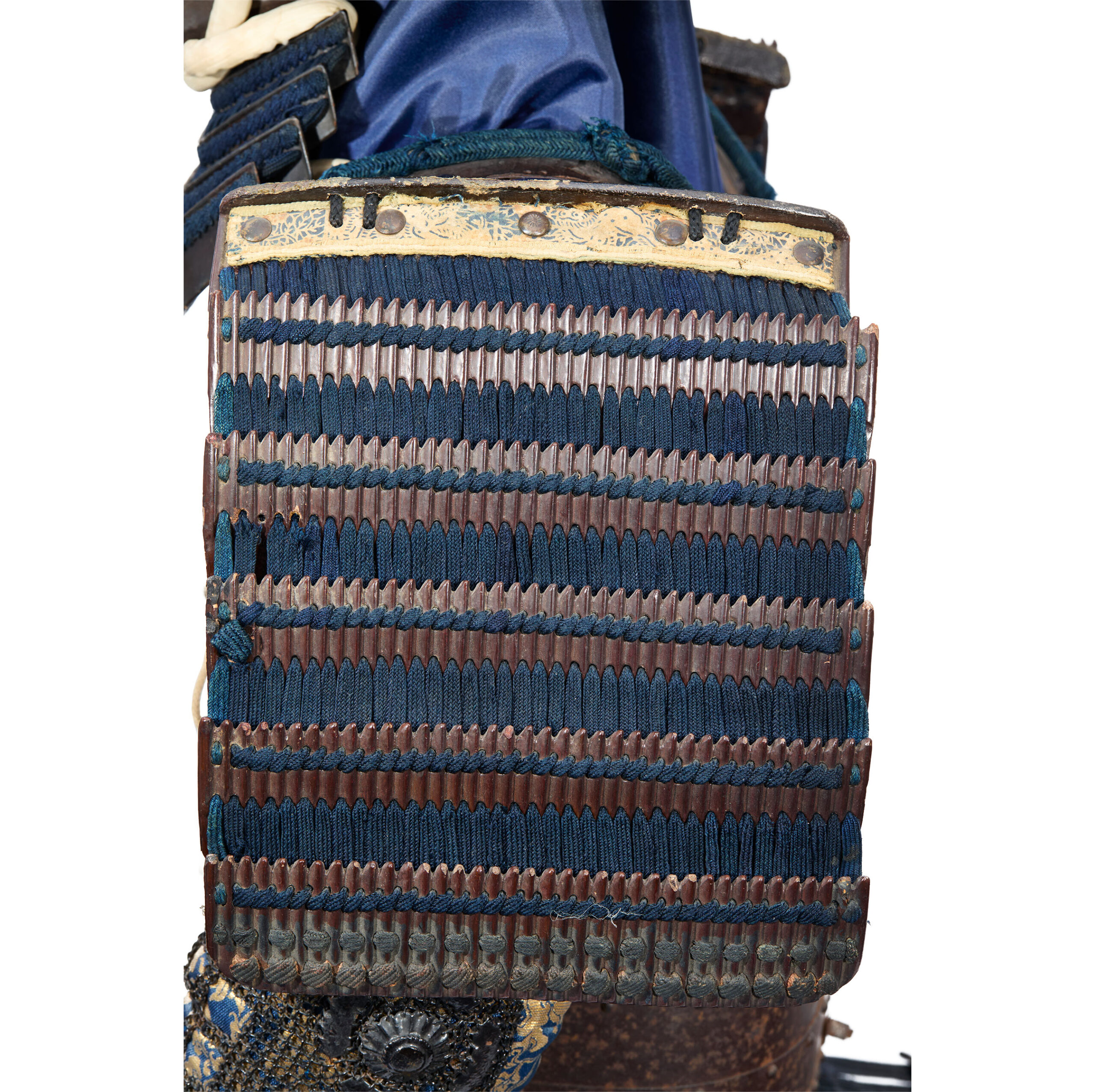
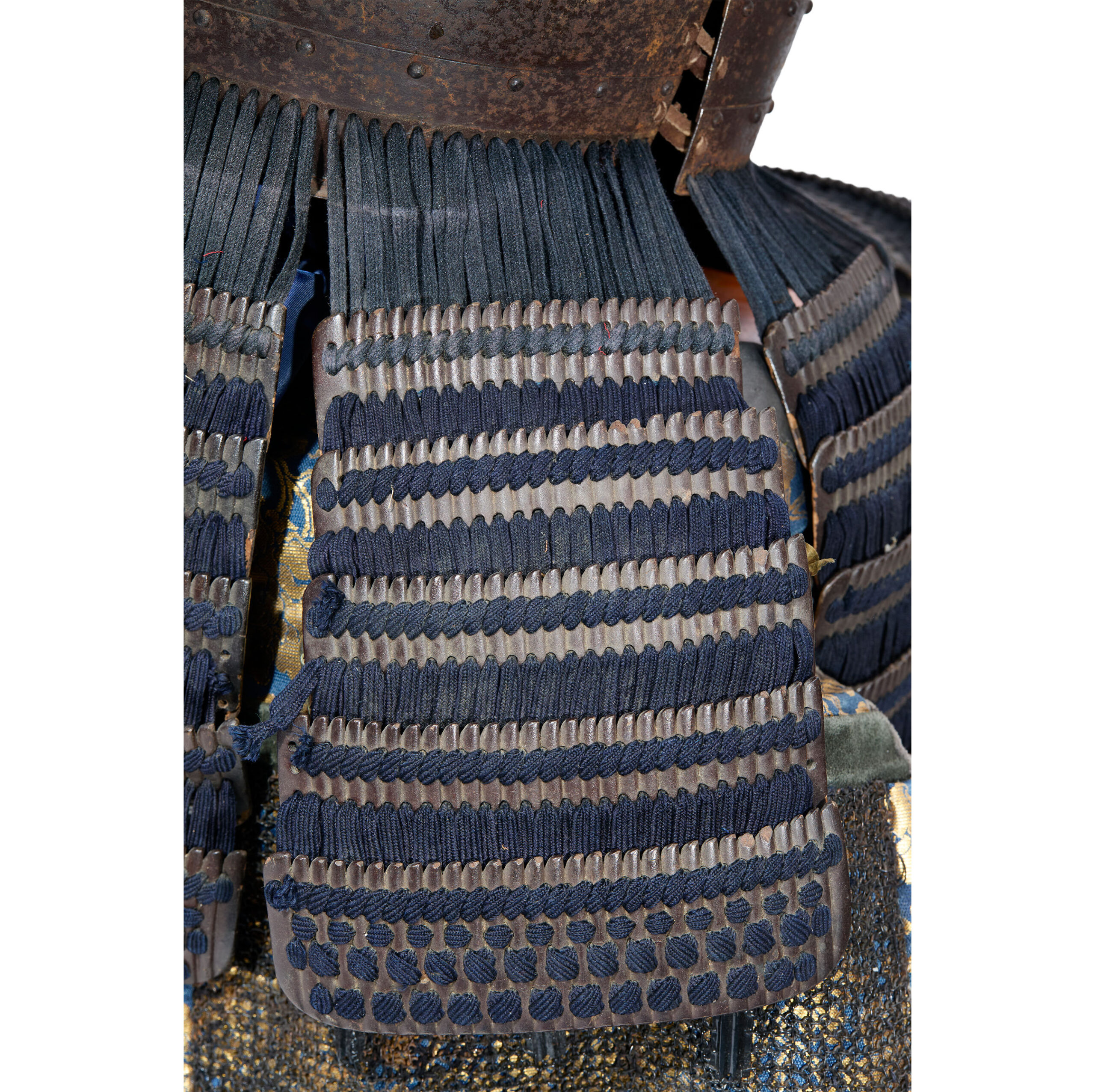
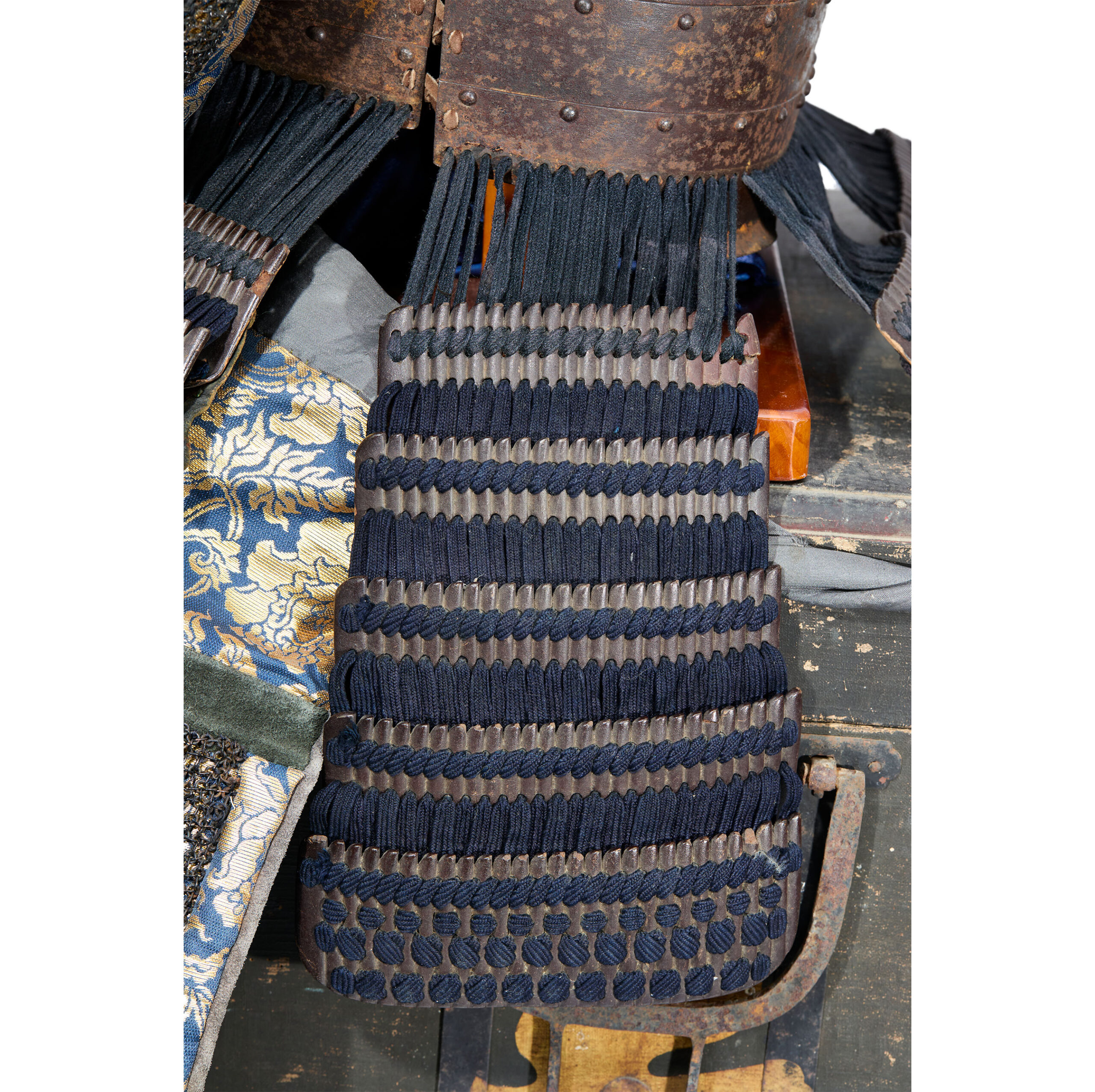
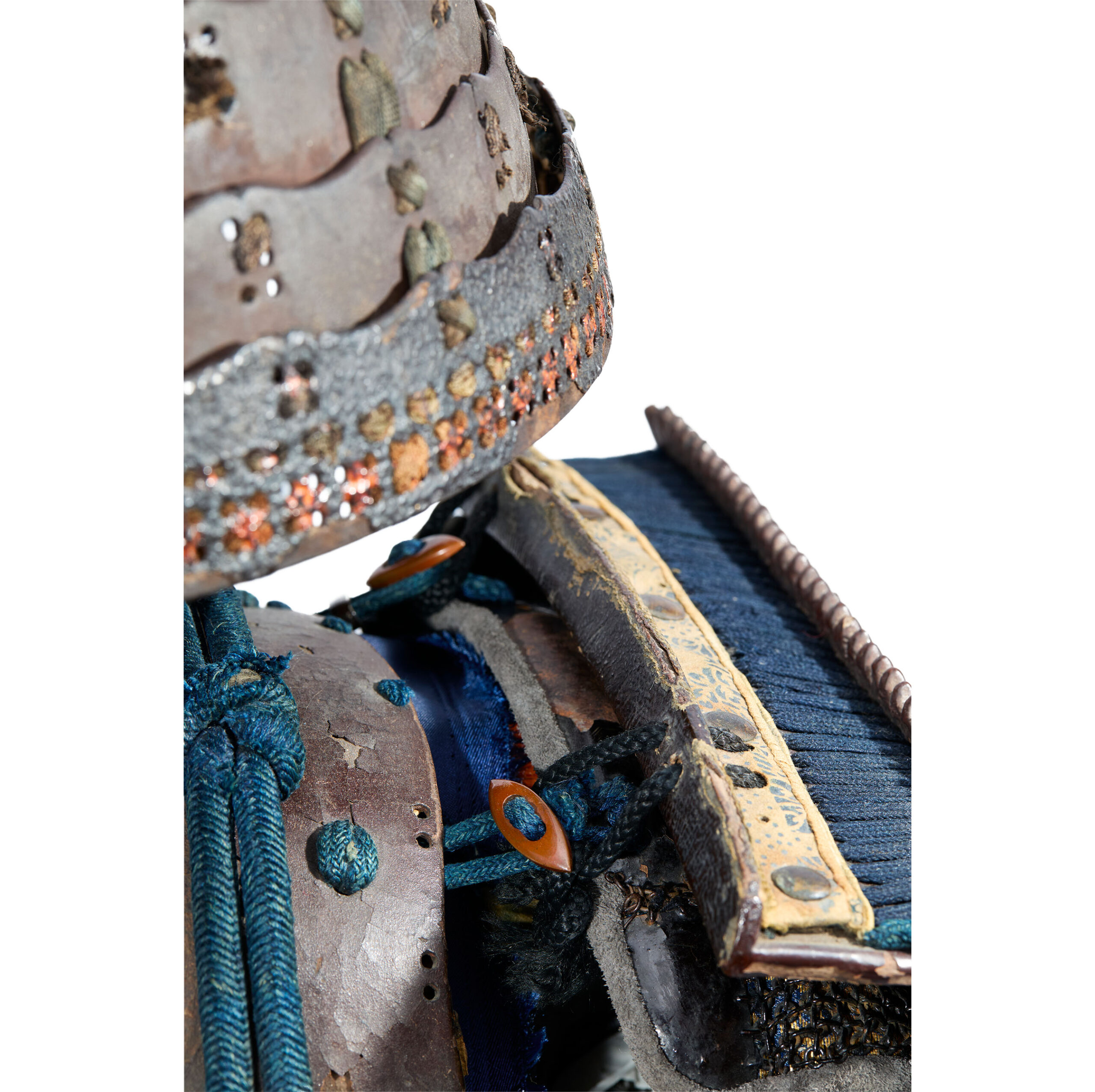
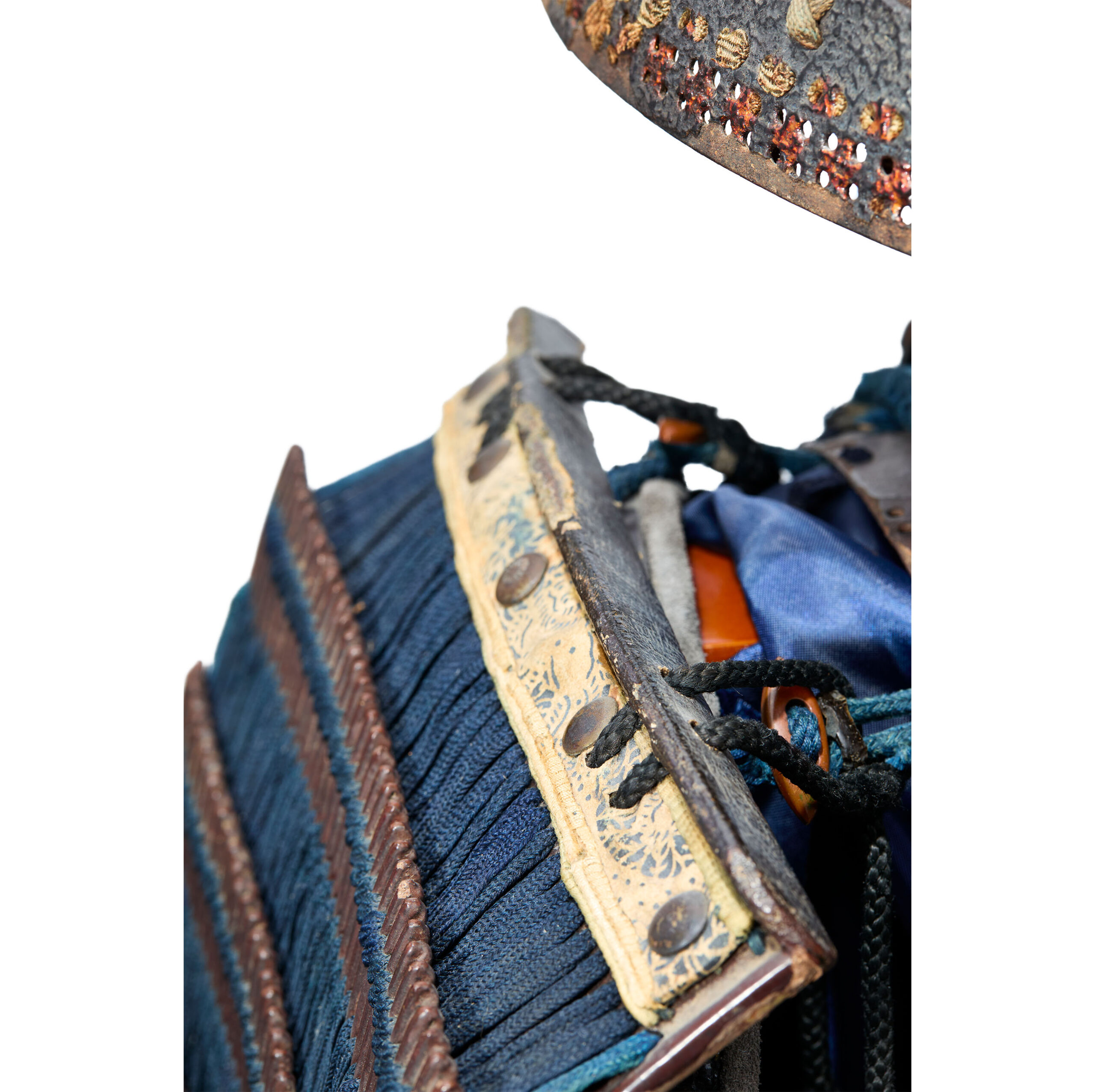
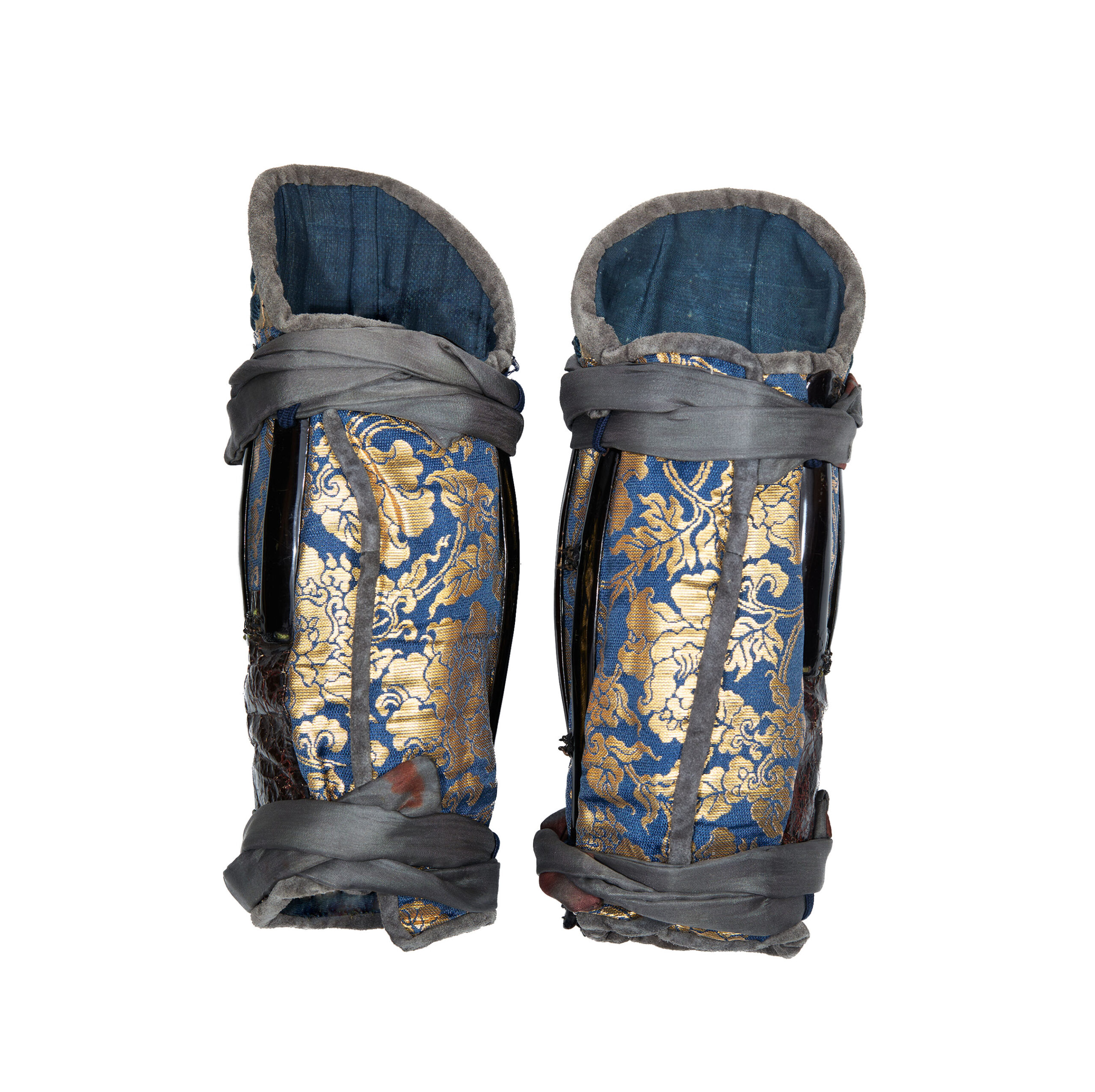
Appraised by The Association for the Research and Preservation of Japanese Helmets and Armor on July 26th 2026. Kabuto (helmet) ■Helmet bowl: Suji Kabuto The kabuto (helmet) served as essential head protection for the samurai. While early helmets were designed primarily for practical use, over time they came to express the warrior’s dignity, individuality, and even religious beliefs. From the late Muromachi period to the Edo period, more decorative helmets known as kawari kabuto (unusual or exotic helmets) appeared, often adorned with materials such as animal fur, seashells, plants, or paper. Among the more practical designs, the suji kabuto (ridged helmet) became highly valued. Its bowl was constructed with raised ridges designed to deflect the strikes of swords, reducing their impact. This innovation also contributed to weight reduction, meeting the demands of changing battle tactics in the 14th–16th centuries. Production of suji kabuto flourished during the Muromachi period. This example is a Rokujūyonken Suji Kabuto (Sixty-Four Plate Suji Kabuto), made by riveting together 64 individual iron plates to form the helmet bowl, with radiating ridges that combine both beauty and functionality. The use of such a high number of plates created a smoother, more rounded silhouette, showcasing the advanced craftsmanship of armorers of the time. Furthermore, at the very top of the helmet bowl is the tehen-no-ana (天辺の穴, “top opening”), which in this piece is adorned with an intricate design: a chrysanthemum flower. In Japanese culture, the chrysanthemum is a symbol of nobility and longevity, famously associated with the Imperial family. The arabesque motif, depicting endlessly extending vines, represents vitality, prosperity, and the flourishing of descendants. Originally, the tehen-no-ana was a functional opening through which the warrior’s topknot (mage) would protrude. However, as it provided an easy target for enemy attacks, this practice gradually disappeared around the Kamakura period (1185–1333). Thereafter, the opening lost its practical use and instead became a space for elaborate decoration, as seen in this example. An inscription carved on the inside front of the helmet records that it was made by the armorer Katsumasa (勝正) during the late Muromachi period, in the second half of the sixteenth century. Based on the inscription and the period in which it was made, this work is likely the work of Myochin Katsumasa (明珍勝正). Katsumasa was a noted armorer active in Kōzuke Province (present-day Gunma Prefecture) during the late Muromachi period, also known as the Sengoku period. He is believed to have been a disciple of Myochin Nobuie (明珍信家), one of the most celebrated armorers of his time. The Myochin school was one of Japan’s most distinguished hereditary lineages of armor makers. Originating in the Kyoto area during the Heian period (794-1185), its craftsmen later spread to various regions of Japan, where they continued to produce armor for generations. ■Shikoro (side neck guard): Black lacquered plates laced with light blue threads. ■Fukikaeshi (side neck guard) The fukikaeshi are the side flaps attached to both sides of a samurai helmet. They served a defensive function by protecting the face from sword strikes while also providing space for decorative designs that reflected the wearer’s status and taste. The fukikaeshi of this helmet are decorated with three chrysanthemum flowers in an elegant openwork design. The chrysanthemum (菊, kiku) has long been regarded as one of Japan’s most cherished flowers and is a symbol of longevity, nobility, and good fortune. Since ancient times, it has been admired for its beauty and resilience, and it later became closely associated with the Imperial Family as the Imperial Chrysanthemum Crest. ■Menpo (face guard): Ressēmen (烈勢面) This type of menpō (face guard) is called a ressēmen (烈勢面). The name literally means “fierce expression mask.” As the term suggests, it was crafted to give the wearer a fearsome look on the battlefield. Such masks not only provided protection for the face but also served a psychological purpose—intimidating opponents and expressing the warrior’s spirit. ■ Maedate (Front decoration): SKarajishi (唐獅子) This kabuto is fitted with a maedatemono (前立物, front ornament) in the form of a gilt Karajishi (唐獅子, Chinese guardian lion), designed to enhance both the dignity and imposing appearance of the helmet. The Karajishi is a mythical lion introduced to Japan from China through the Silk Road. Although lions were not native to Japan, they came to symbolize strength, courage, authority, and protection through Buddhist art and cultural exchange.As guardians believed to ward off evil spirits and misfortune, Karajishi motifs became popular in Japanese architecture, armor, sword fittings, and other works of art. Armor ■ Dō (胴, cuirass):Okegawa Nimai Dō (桶川二枚胴) The Nimai Dō (二枚胴) is a type of cuirass used in Tōsei Gusoku (当世具足, “modern armor”), which developed during the Sengoku period. The term nimai means “two plates,” while dō refers to the torso; the name therefore describes its two-piece construction. Unlike earlier armor made primarily from numerous small lamellar plates (kozane, 小札), this style uses larger iron plates, providing stronger and more practical protection. The name Okegawa (桶側) derives from the resemblance of its construction to the staves of a wooden tub (oke), with gawa meaning “side.” The cuirass is divided into two sections joined by a hinge, usually on the left side, while the right side could be secured with cords or clasps. This has a tetsu-sabi-ji (鉄錆地) finish, designed to evoke the rich, textured appearance of aged iron. Its plates are further reinforced with visible rivets in a technique known as byō-dome (鋲留), in which rivets are driven into the surface to create a particularly sturdy construction. The black-lacquered iron plates are laced together with blue silk cord, combining durability with the restrained elegance of samurai armor. ■Kusazuri (skirt of plates attached to the cuirass): Lacquered iron Kusazuri laced with navy blue threads. Small parts ■Kote (armored sleeves): Intricately crafted from iron chain mail interwoven with silk, this piece features a prominent umebachi mon (梅鉢紋, plum-blossom crest) on the central section covering the back of the hand. The umebachi design stylizes a plum blossom as viewed from above and has long been used as an auspicious motif in Japan. Because plum blossoms bloom despite the cold of early spring, they traditionally symbolize perseverance, vitality, and renewal. ■Haidate (thigh protection): The haidate is a type of thigh guard, consisting of cloth backing reinforced with chain mail and iron plates. ■Suneate (shin guard): The Kikkou (亀甲, turtle’s shell) pattern is used for the cloth of the Suneate (脛当). It is a continuous geometric pattern connecting regular hexagons up and down. A theory says that this design was brought from China and the Korean Peninsula during the Asuka (飛鳥, 592-710) and Nara (奈良, 710-794) periods. A proverb says turtles live long lives; therefore, turtle and turtle shell patterns represent longevity. In addition, as this continuous hexagonal pattern does not get out of its shape, it is said people wished for eternal prosperity by using this design. This Suneate is a type called Kusari sunete (chain armor shin guard). It features chains attached to fabric, with minimal gaps between the metal links. Certification On July 26th, 2026, this armor was appraised as a Tokubetsu Kicho Shiryo by The Association for the Research and Preservation of Japanese Helmets and Armor, which is the most trusted Japanese armor appraiser in Japan. This association is also known as Nihon Katchu Bugu Kenkyu Hozonkai (日本甲冑武具研究保存会). Tokubestu Kicho Shiryo (特別貴重資料) means special rare article. It is ranked as the third highest of five rankings.
Offered by Samurai Museum
This piece has sold

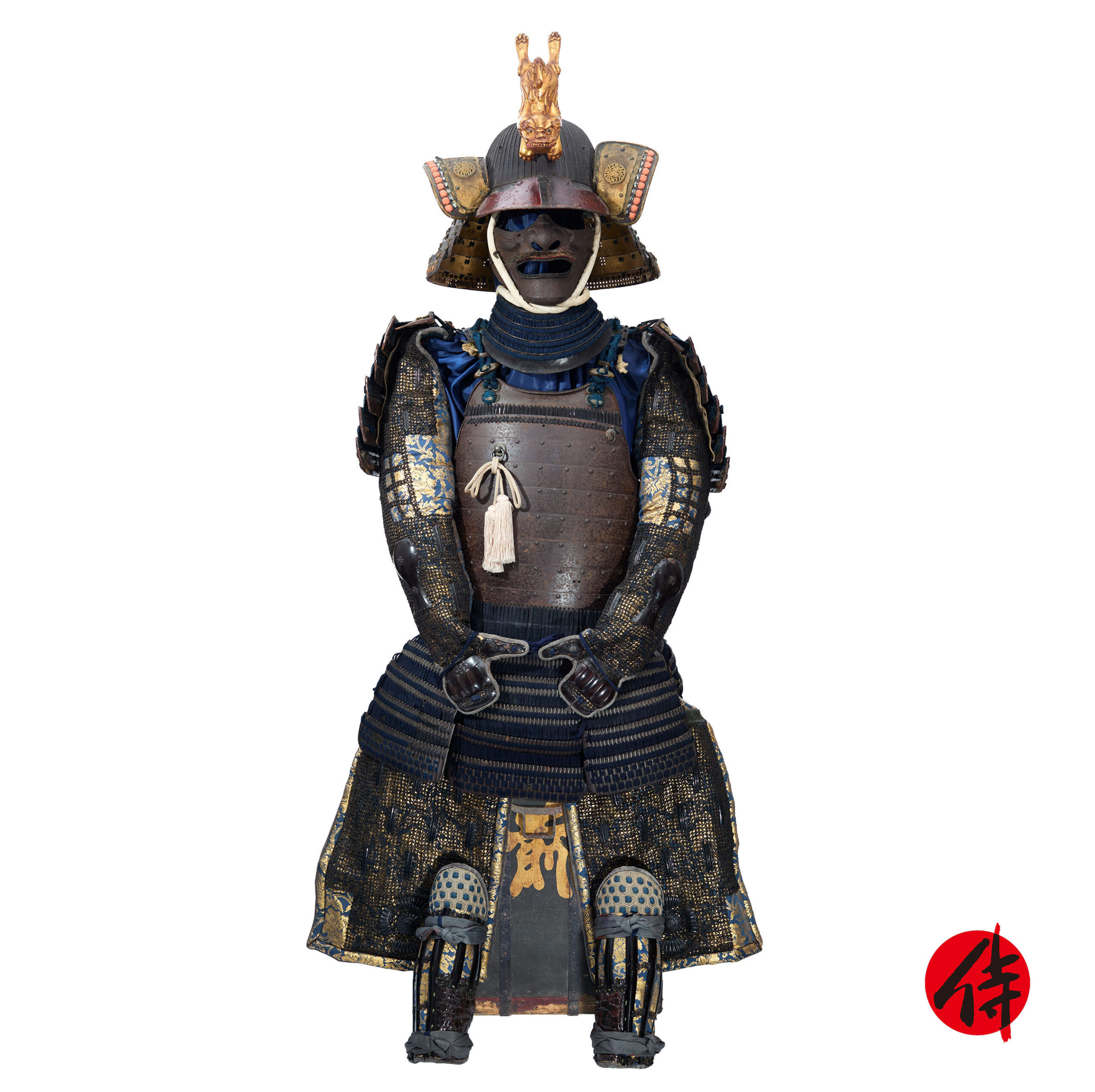
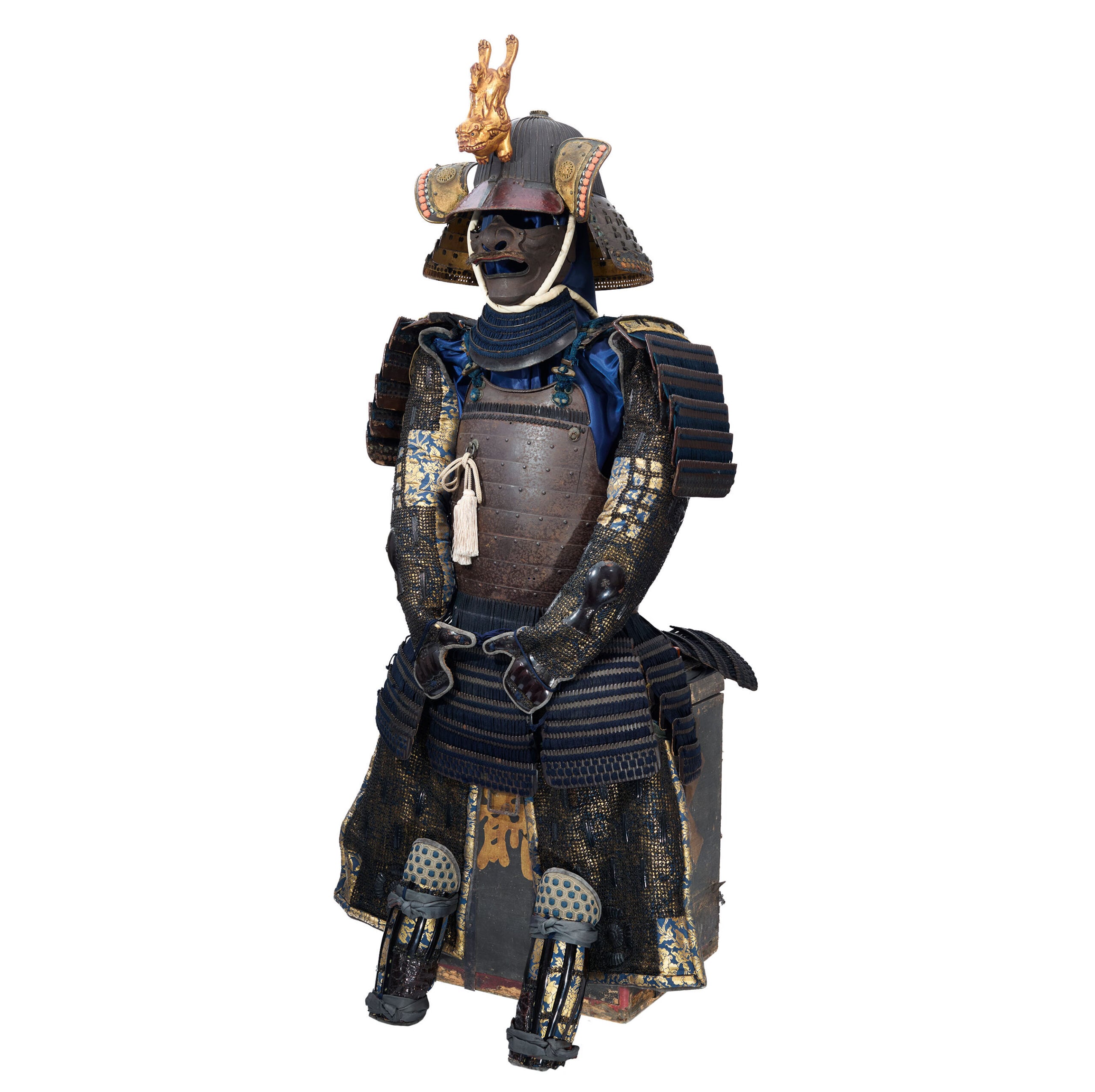
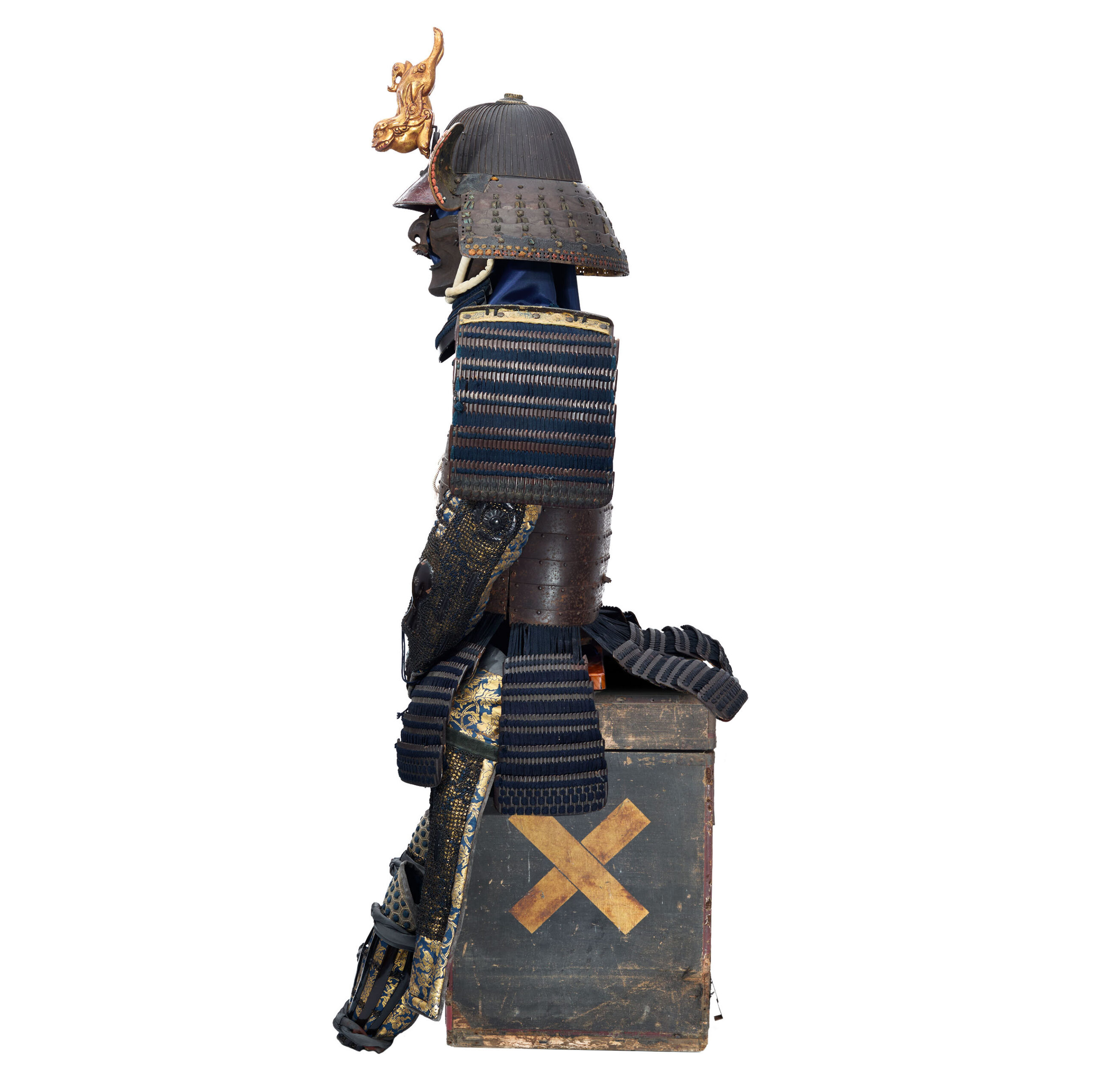
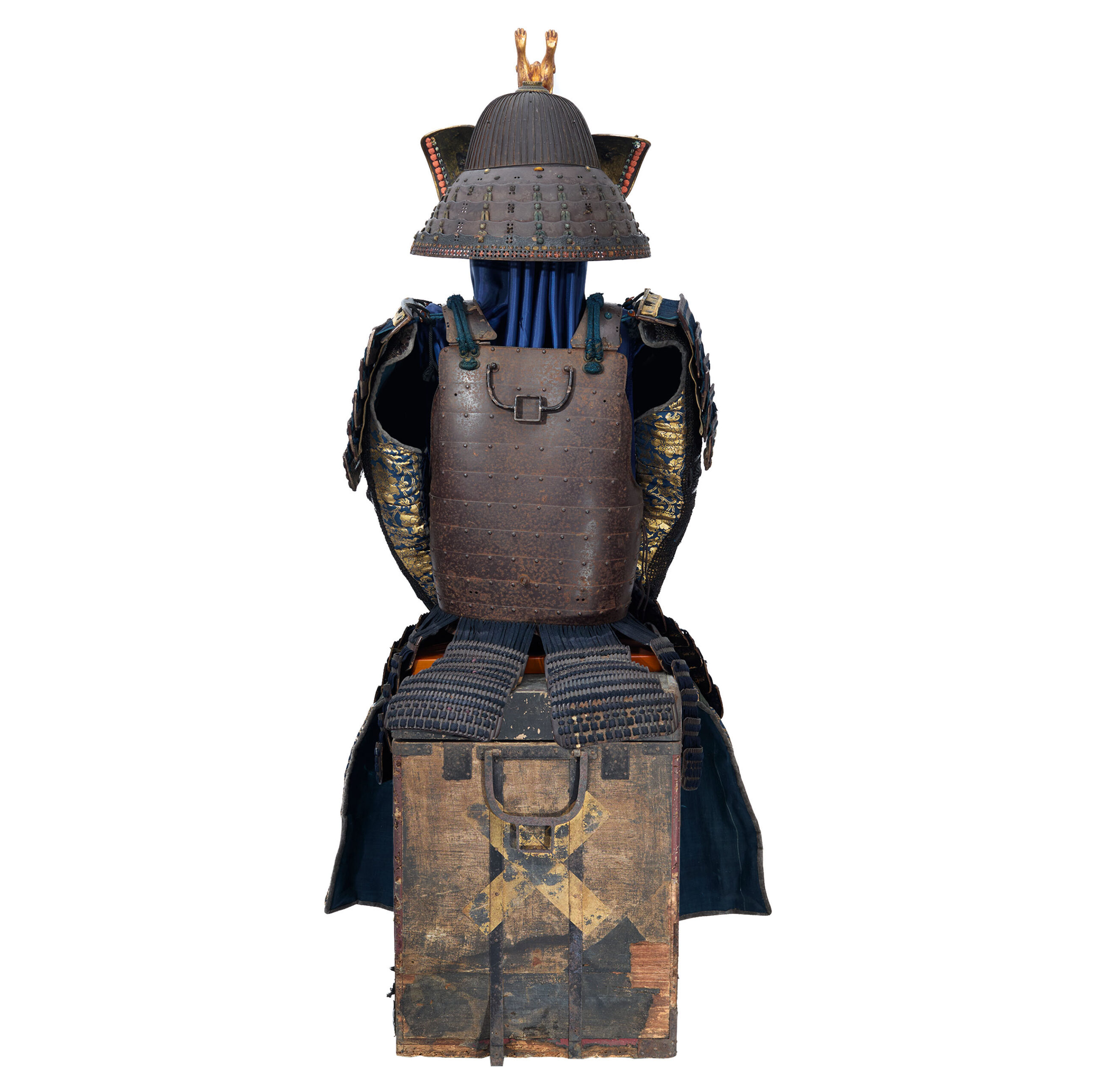
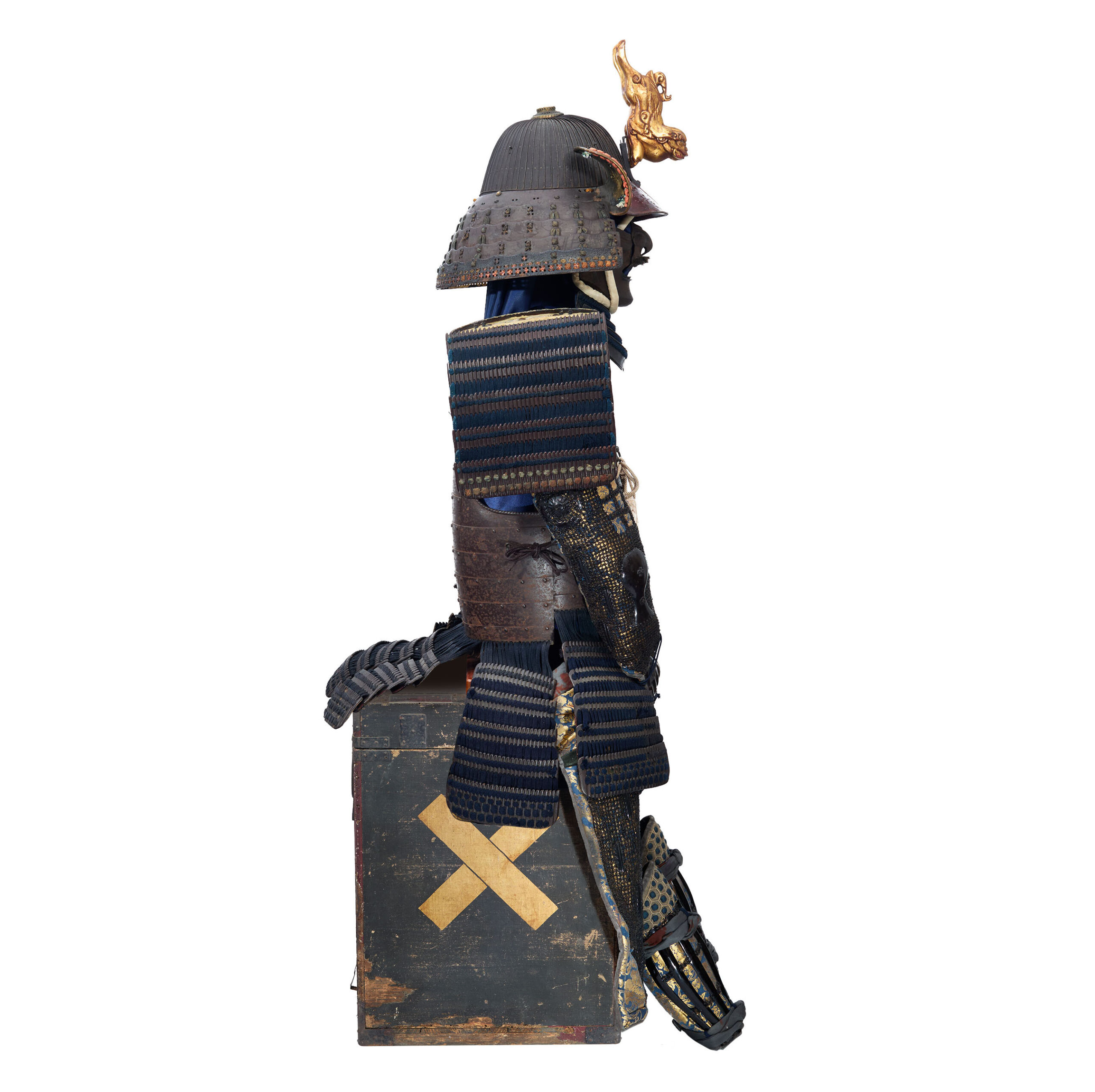
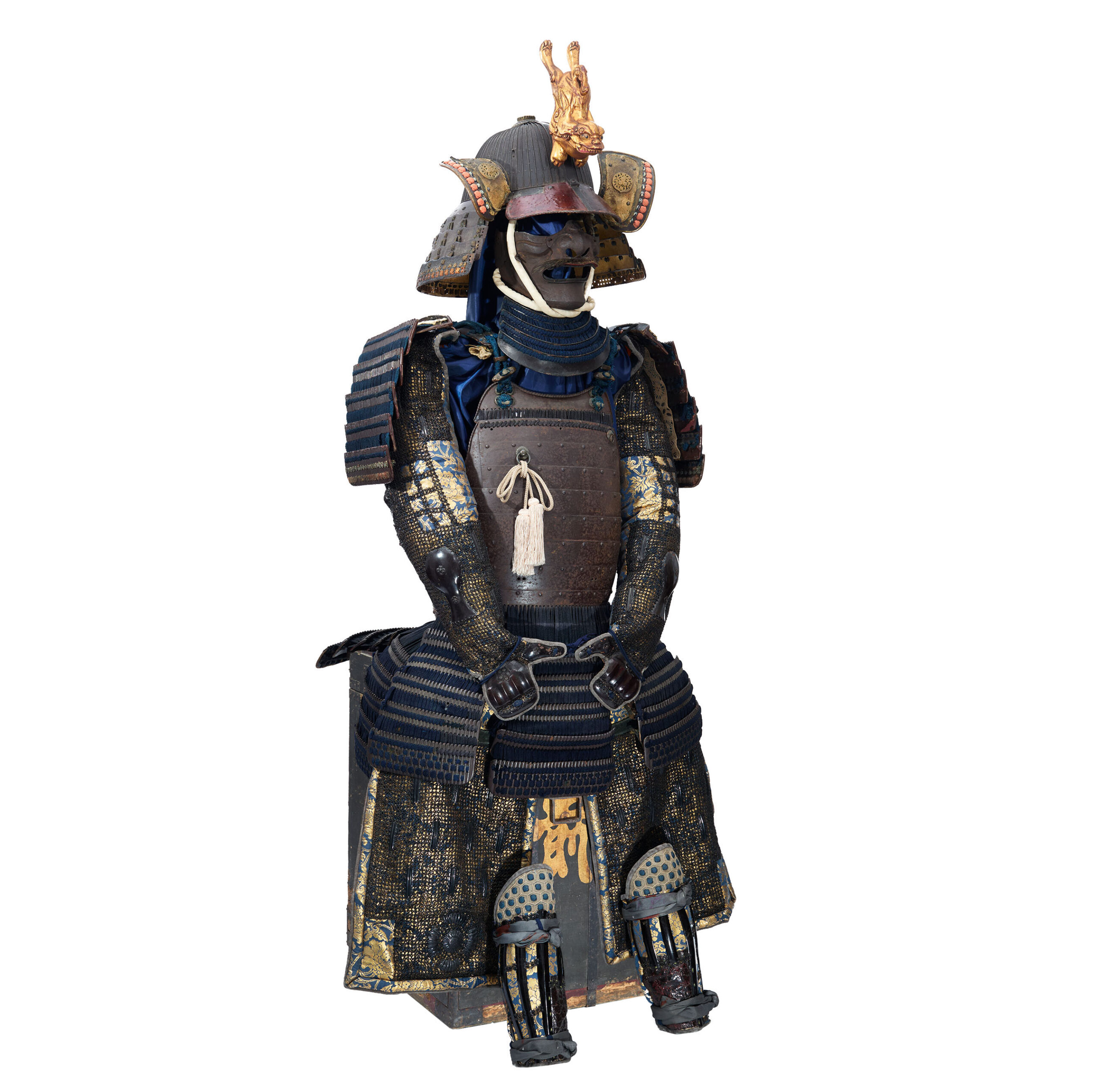
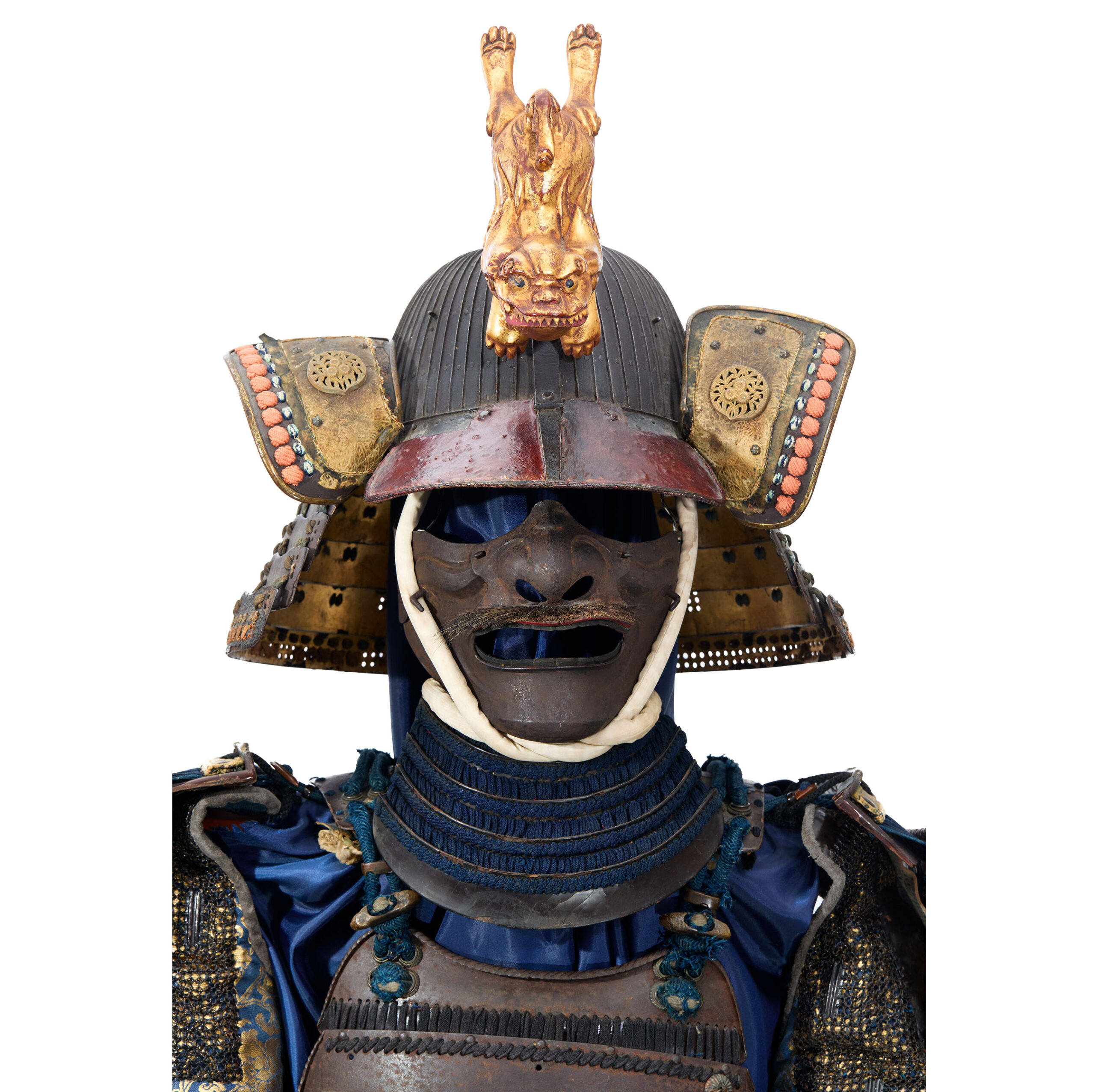
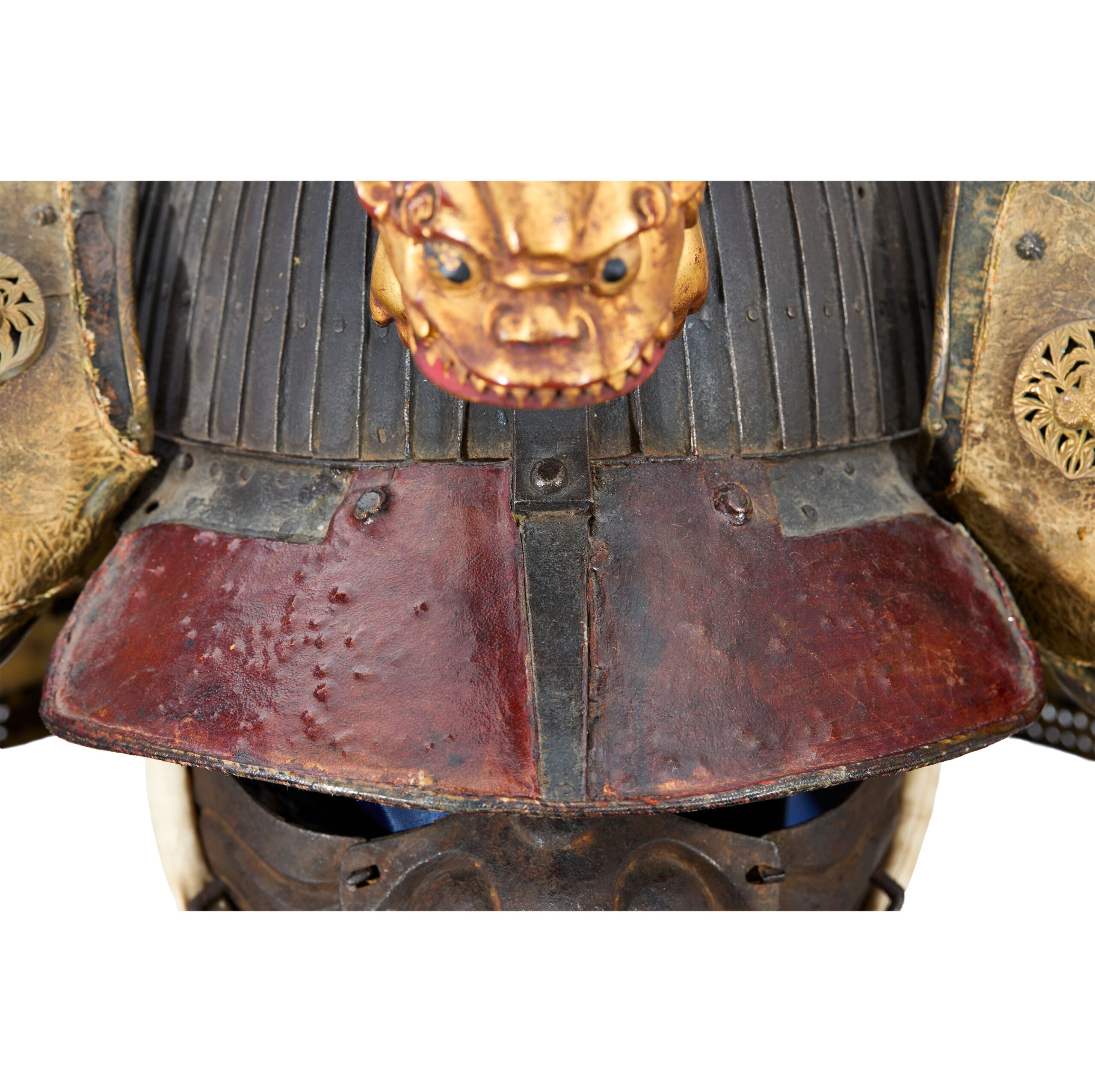
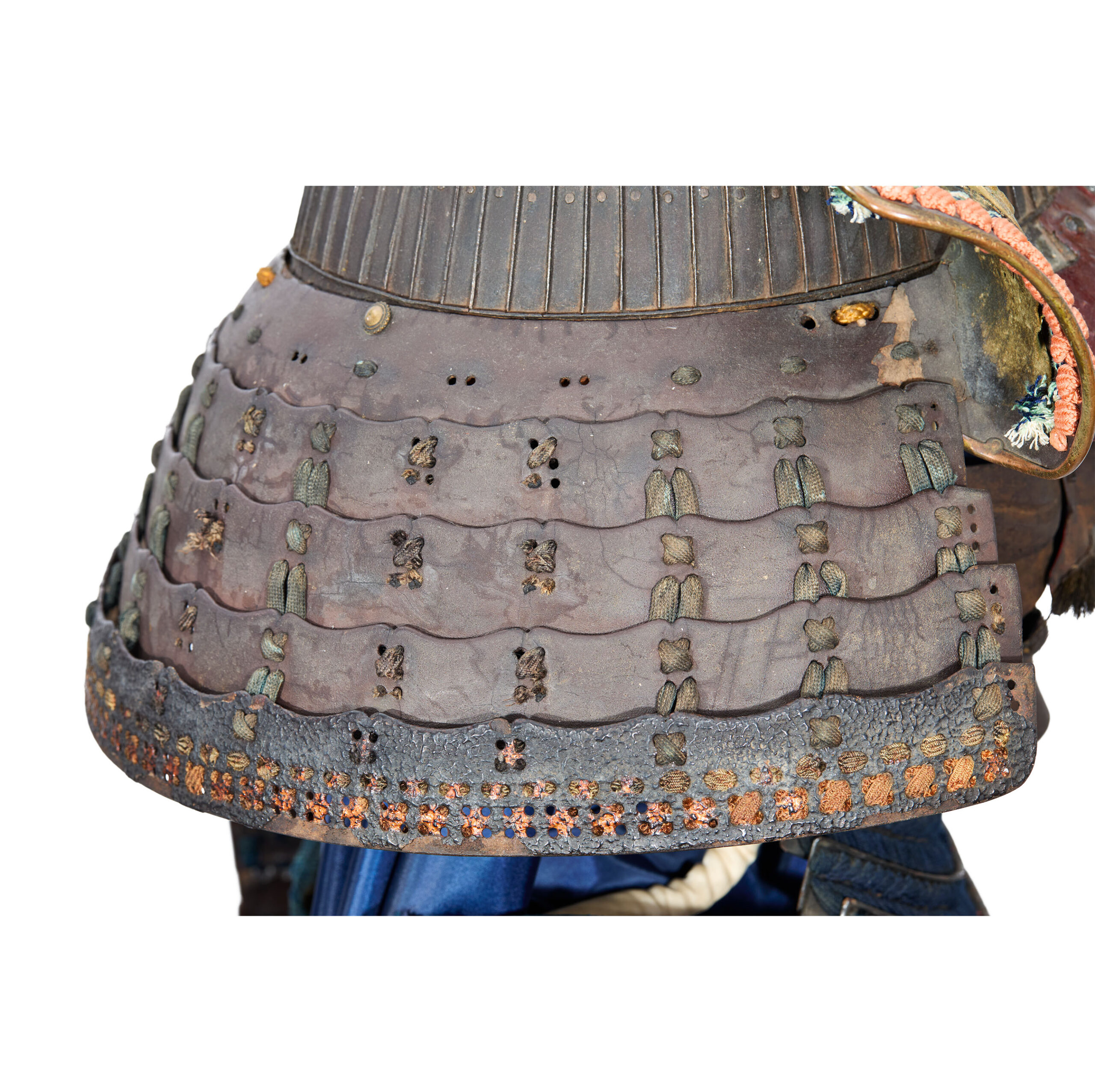
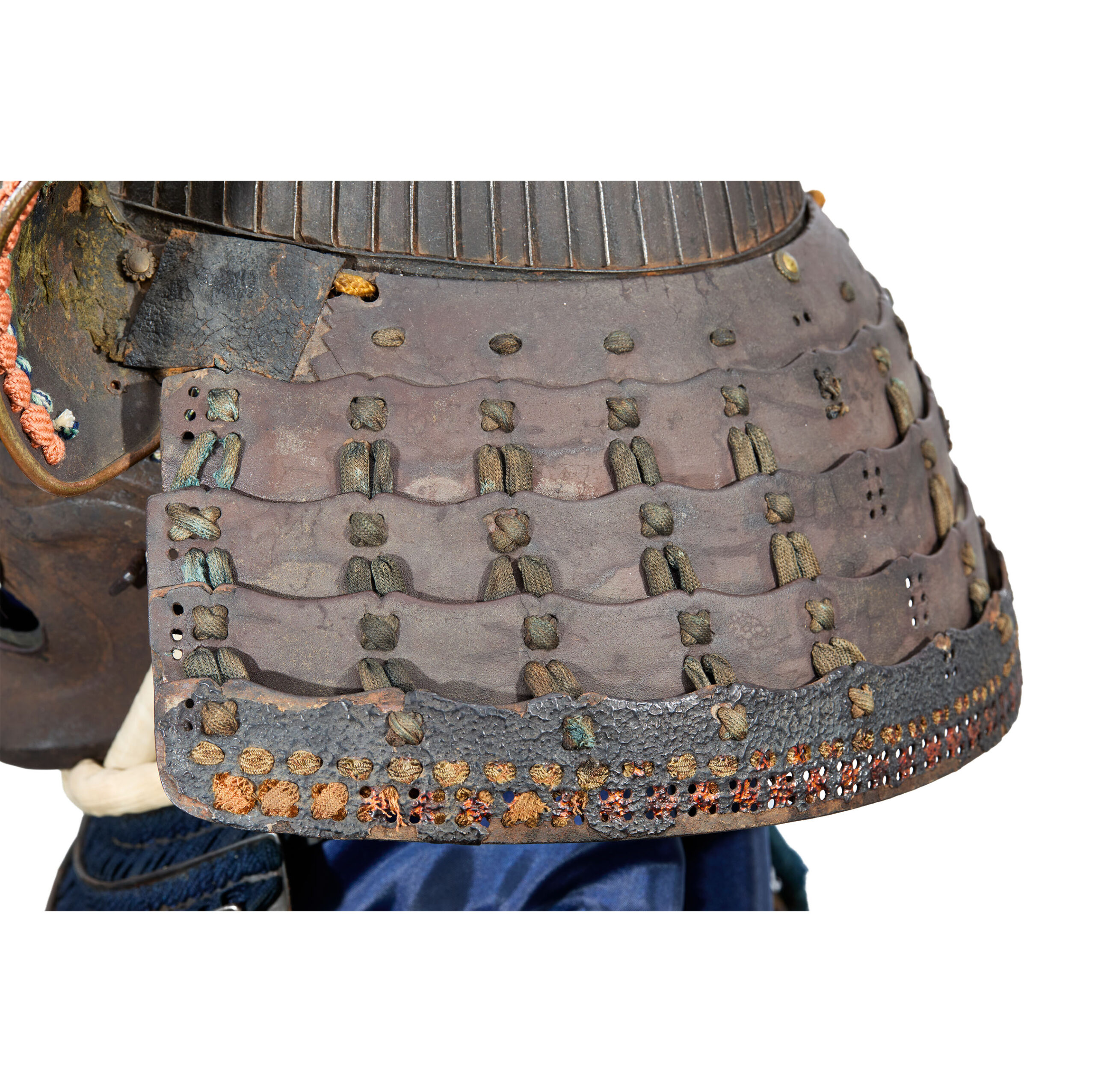
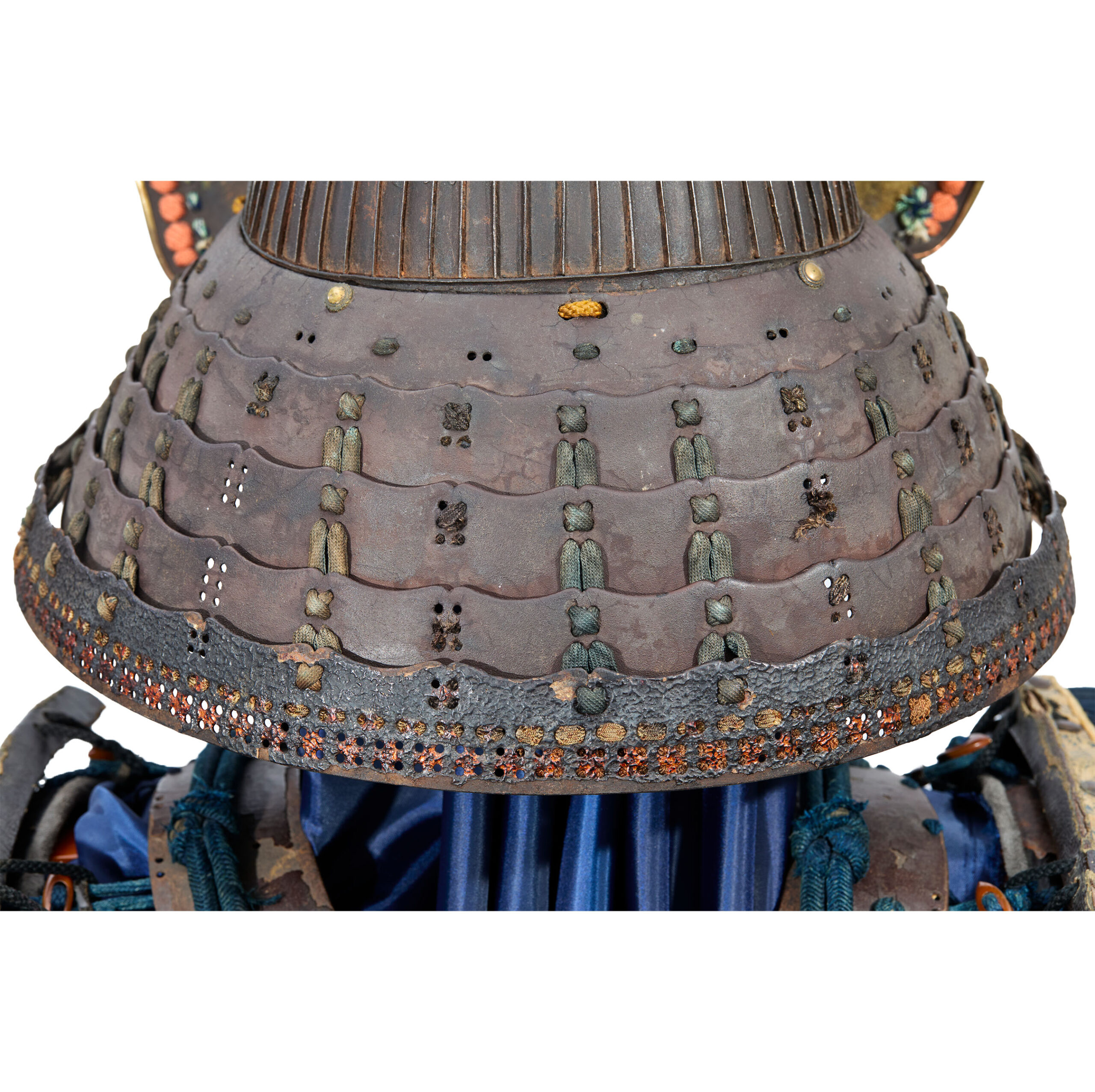
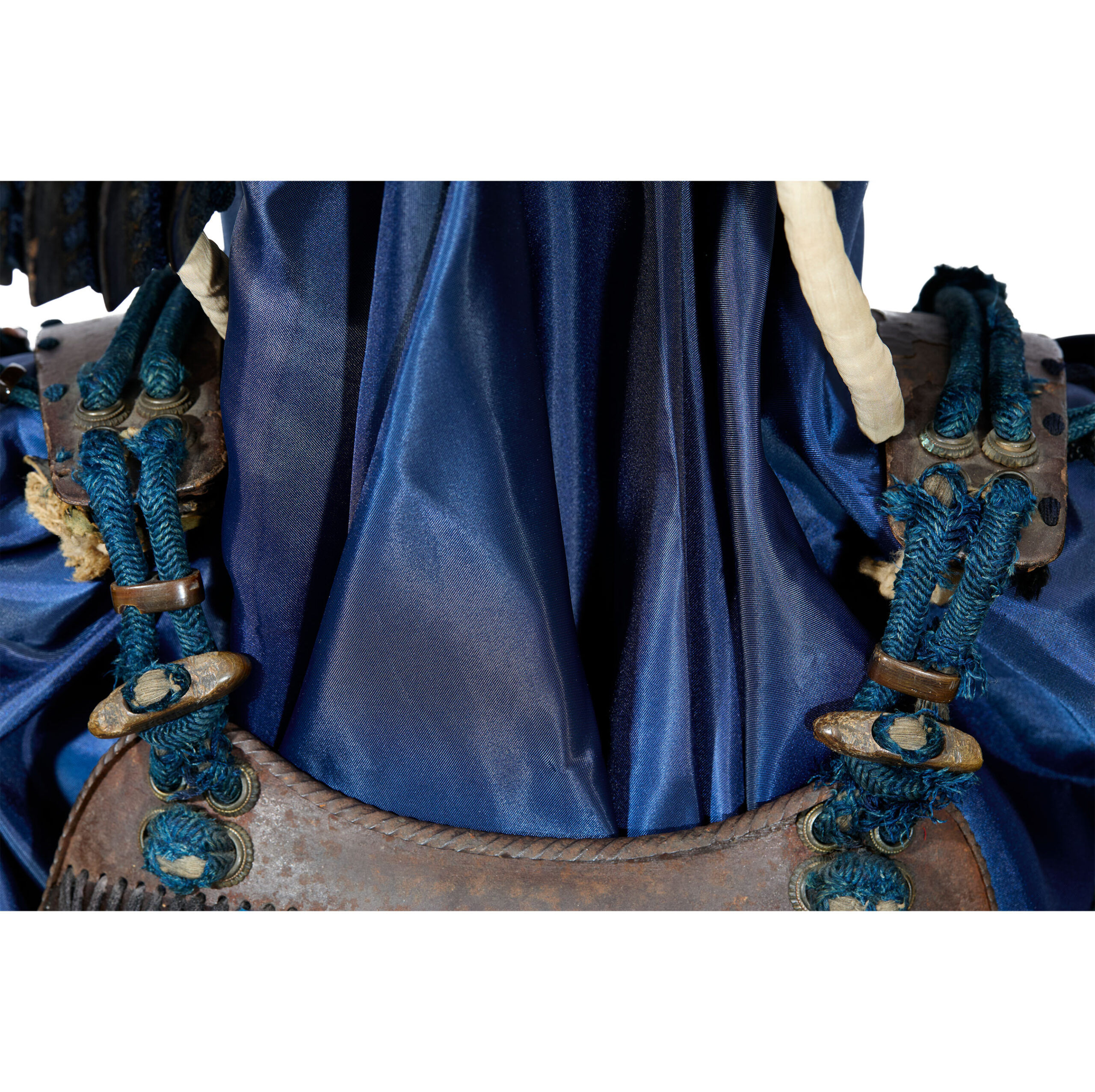
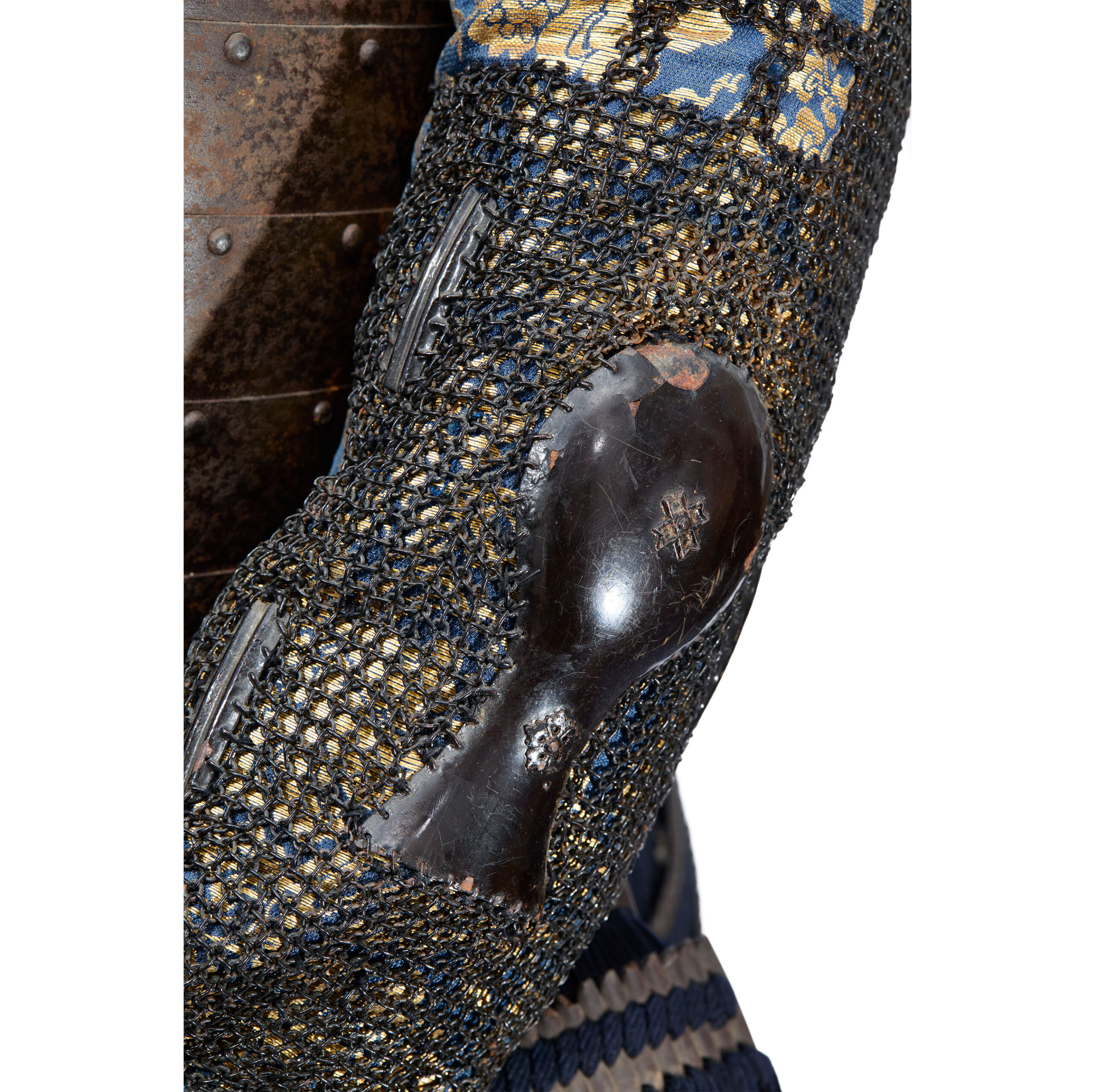
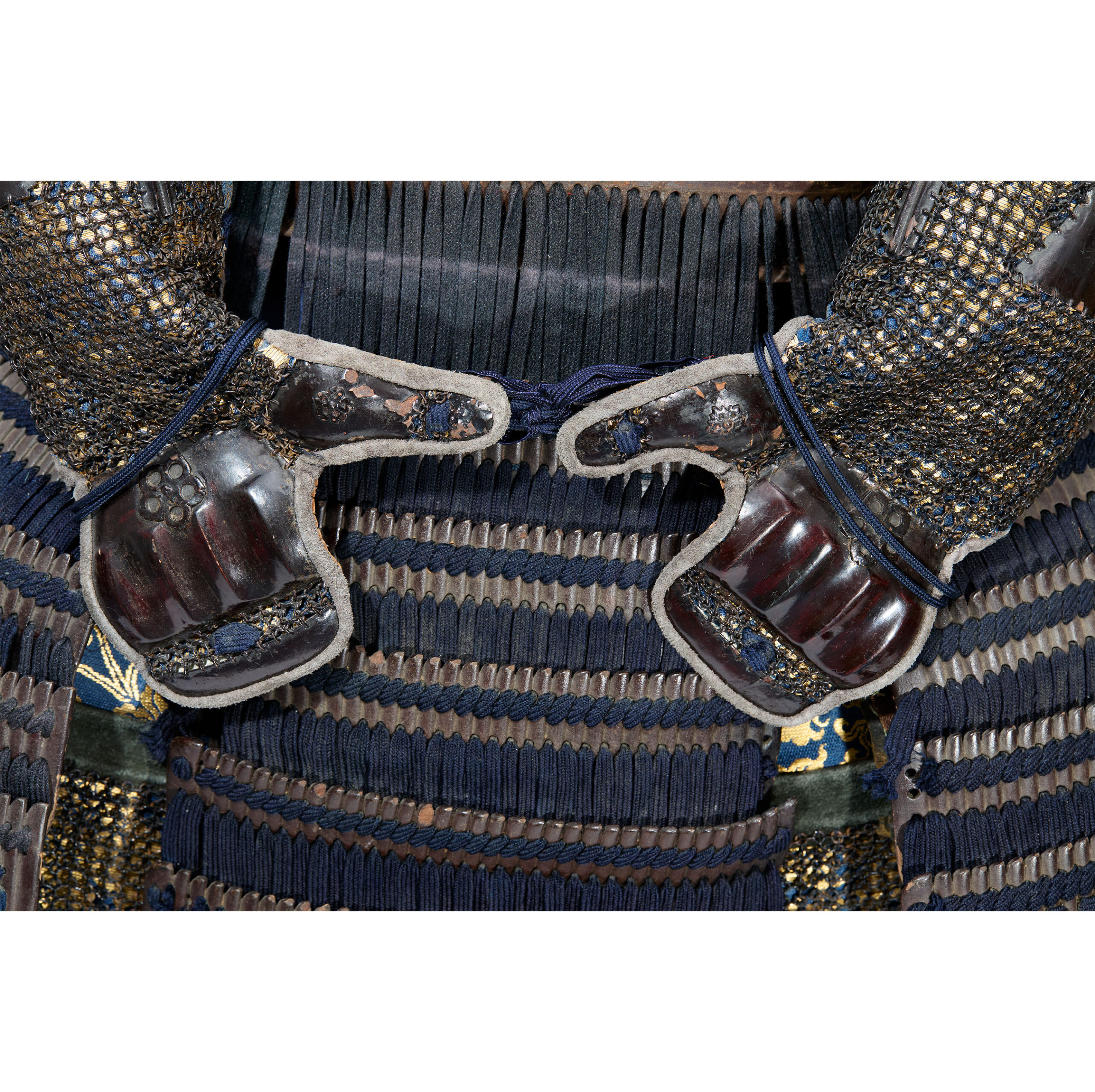
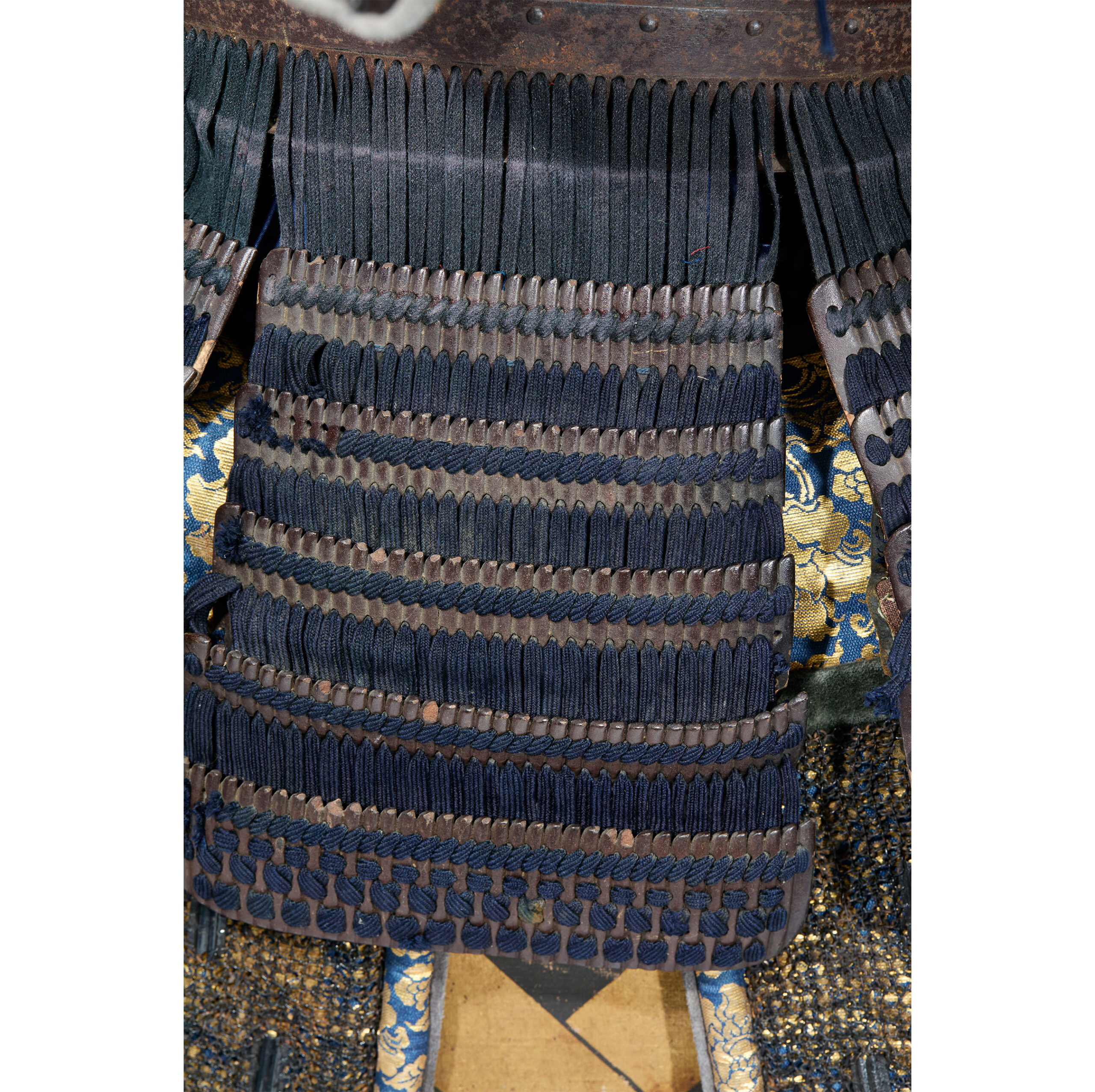
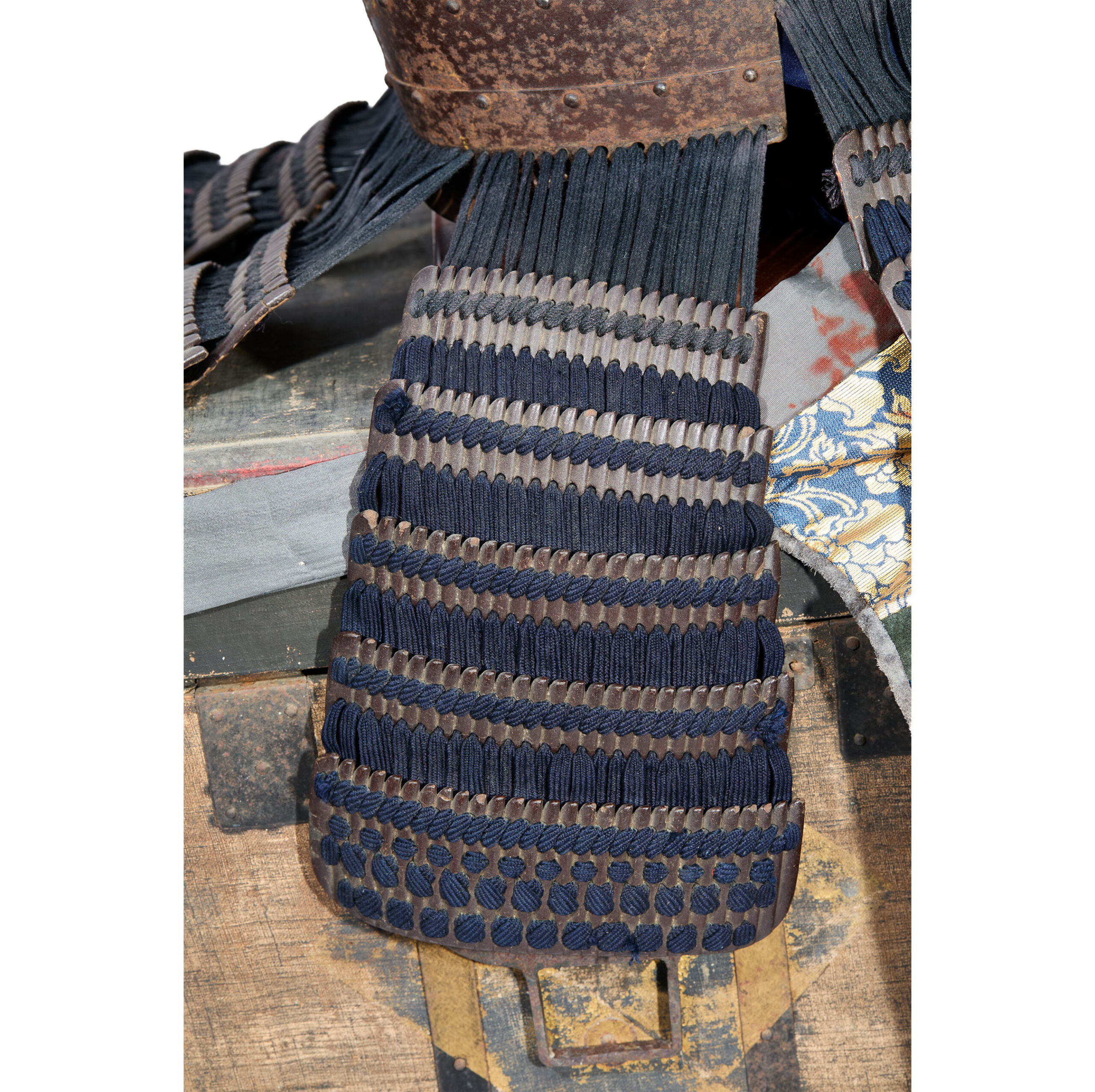
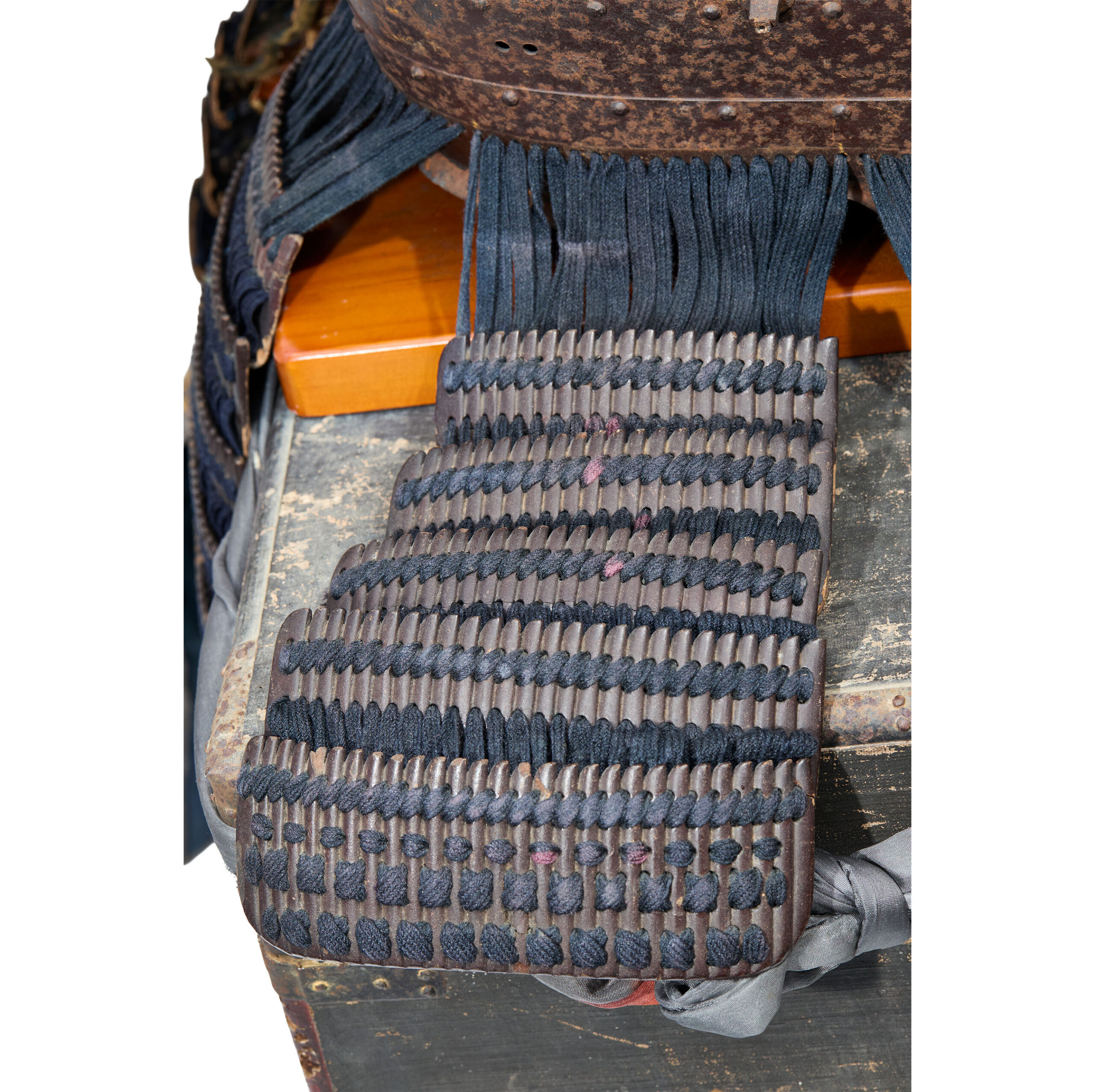
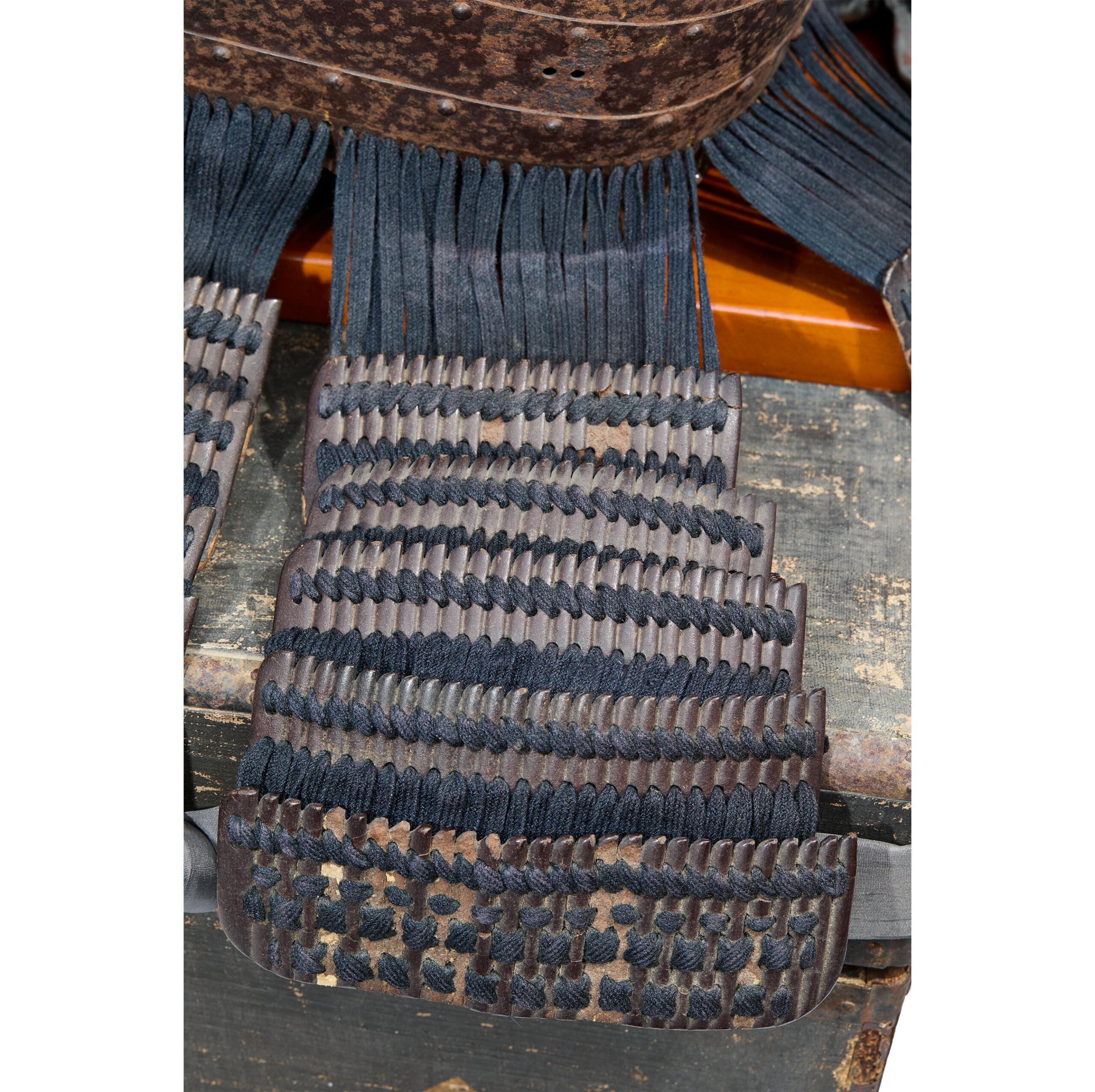
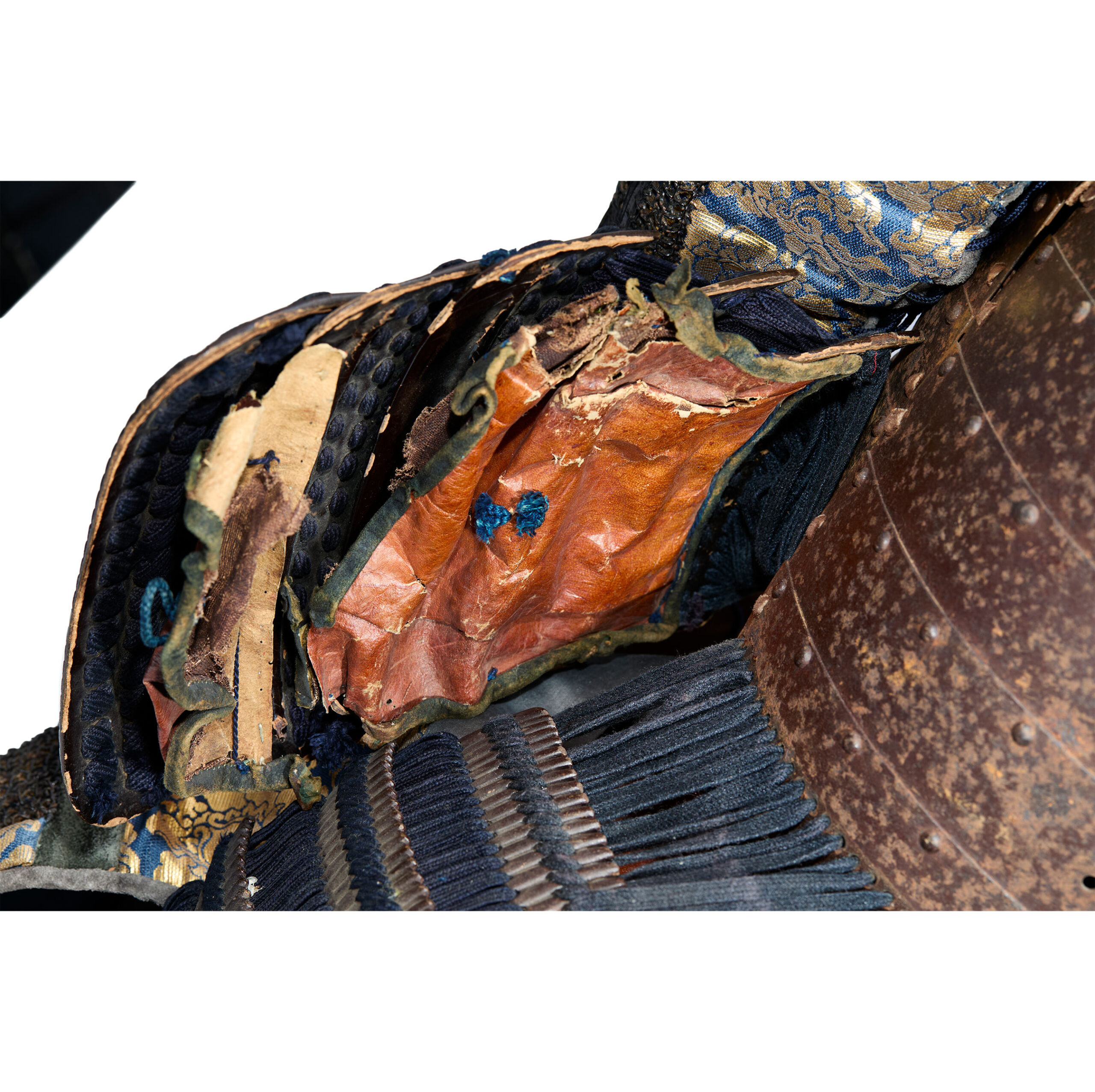
Tosei-gusoku · Okegawa-dō
Full gusoku (complete suit)
64-plate · Suji-bachi
Myochin
Katsumasa
Signed · On the kabuto bowl
Kebiki-odoshi · Kon (dark blue)
chrysanthemum (helmet), umebachi mon (kote)
Edo
Especially valuable armour of notably superior workmanship and condition, the third of the five ranks.
Japanese armour is not certified by the NBTHK. The Nihon Katchū Bugu Kenkyū Hozon Kai (the Association for the Research and Preservation of Japanese Helmets and Armour), founded in 1961, is the principal body for armour. Its shinsa grades a piece as 資料 (shiryō, "reference material") across five ascending ranks: Hozon, Kichō, Tokubetsu Kichō, Kōshū Tokubetsu Kichō, and the highest, Jūyō Bunka Shiryō. The 資料 framing reflects the society’s purpose of preserving armour as cultural and historical reference, distinct from the NBTHK’s sword paper tiers.
Returns/exchanges limited to defects caused by shipping (except willful misconduct or gross negligence by the company); customers must contact within 72 hours of receiving the product.