 NihontoWatchNihontoWatch
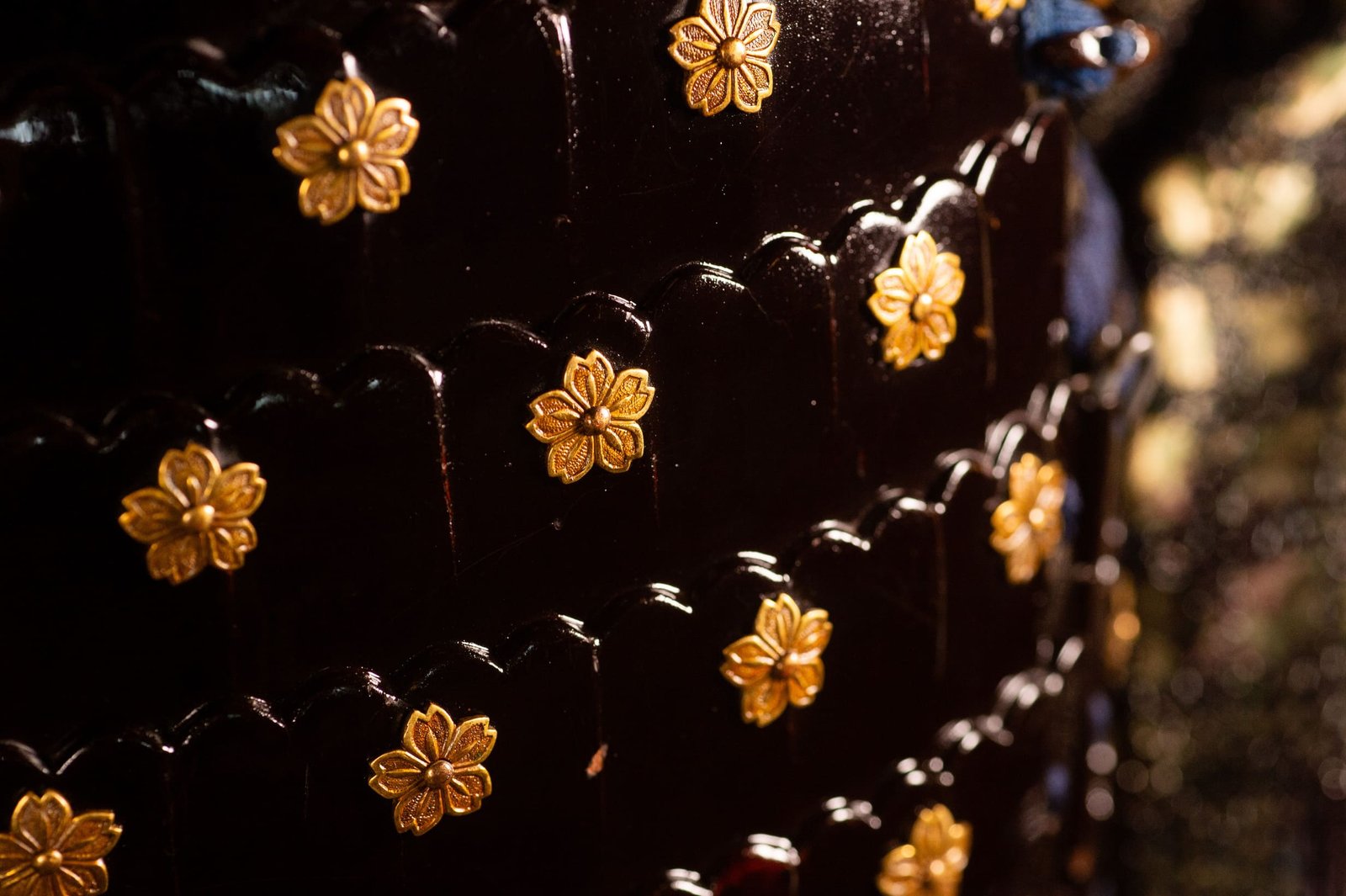
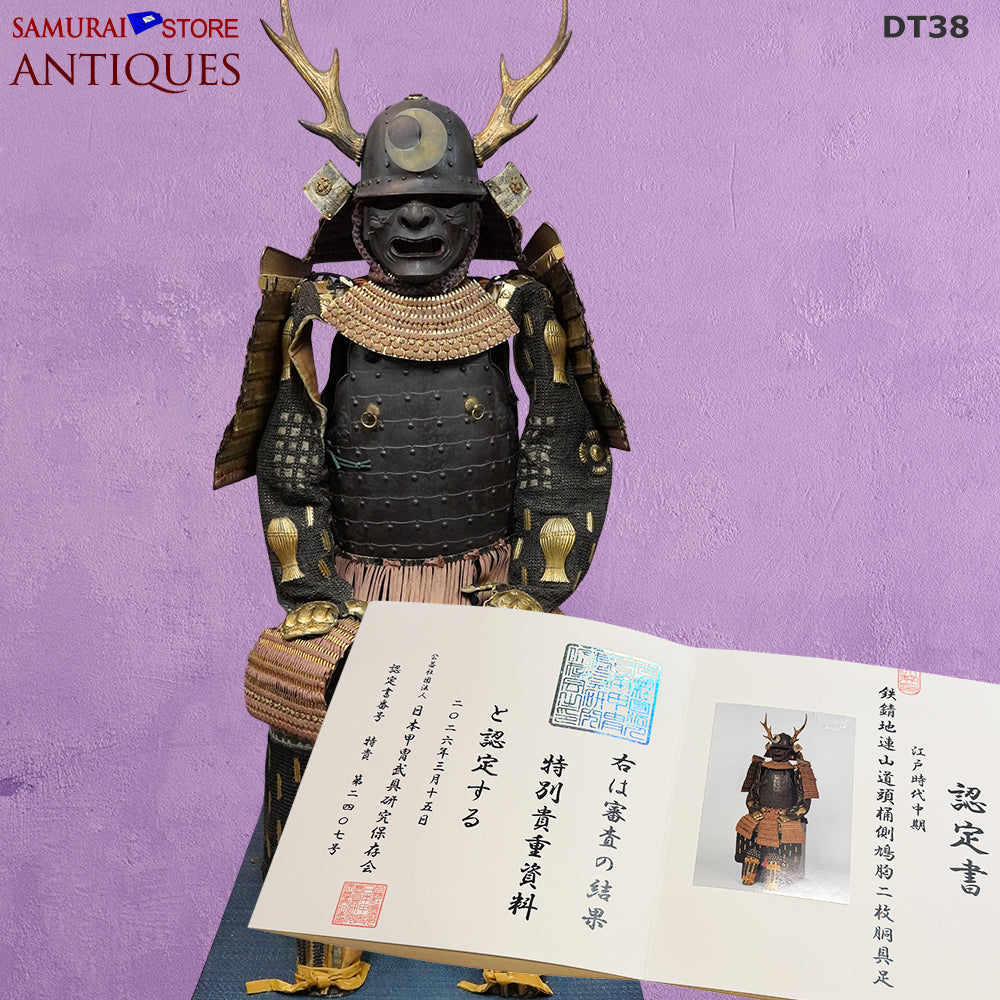
Japan Armor Society Tokubetsu Kichō Certified The Third-Highest Certification Awarded by the Japanese Armor Research & Preservation Society This authentic Japanese samurai armor dates to the middle Edo period and has been formally examined by the Nihon Katchu Bugu Kenkyu Hozon Kai (Japan Armor and Weapons Research and Preservation Society). It is certified as Tokubetsu Kicho Shiryo (Specially Precious Material), Certificate No. 2407. The armor presents a particularly imposing appearance, distinguished by its dark iron surfaces, restrained decoration, and dramatic helmet fitted with large antler-shaped wakidate. Kabuto – Helmet The helmet is an iron zunari-kabuto, retaining traces of kanemono fittings. The mabisashi is decorated with an iron fukurin, while the ukebari lining is of smoked leather. The shikoro is constructed in four lames. Most striking are the large deer-antler wakidate mounted to either side of the helmet, giving the armor an exceptionally powerful silhouette. Shikoro & Neck Guard The neck guard is laced in dark blue-purple silk and constructed in three stages. The fukigaeshi are formed in a single angular section and bear square metal fittings with two raised circular ornaments. Menpo – Face Armor The iron face mask is of a fierce expression, with a detachable nose. It retains its moustache, and the throat guard is made in multiple lames with dark blue-purple silk lacing. Sode – Shoulder Guards The shoulder guards are decorated with gilt metal fittings and elaborate textile and metal details. The borders incorporate decorative metalwork, giving the otherwise restrained armor a subtle sense of refinement. Dou – Cuirass Body armor The cuirass is of iron construction, with decorative metal fittings applied around the body. The shoulder straps are fitted with leather, and the lower section is accompanied by kusazuri finished with dark blue-purple silk lacing. Kote – Armored Sleeves The kote incorporate iron plates and mail, with gilt metal koshino elements arranged around the armor. Their textile ground is woven with a lattice design. Haidate & Suneate The thigh guards feature iron elements and chain mail, while the suneate combine iron splints with textile and mail construction. Decorative details include the traditional kikko, or tortoiseshell-patterned, elements. Armor Storage Chest The armor is accompanied by a wooden lacquered storage chest. Its front is decorated with the characters “前” (Zen) and “石畳” (Ishidatami) motifs. Historical Character This armor is an excellent example of the sophisticated construction and visual language of samurai equipment from the middle Edo period. Rather than relying on excessive ornamentation, its character comes from the contrast between the dark iron body, gilt fittings, textile work, and the extraordinary antlered helmet. The combination of the fierce iron face mask and towering deer-antler wakidate gives the complete suit an especially commanding presence when displayed. Please don't hesitate to request additional photos or videos before purchasing this armor. This armor comes with a 3rd highest Certificate of The Association for the Research and Preservation of Japanese Helmets and Armor - Tokubetsu Kichō Shiryō Highlights
Offered by Samurai Store


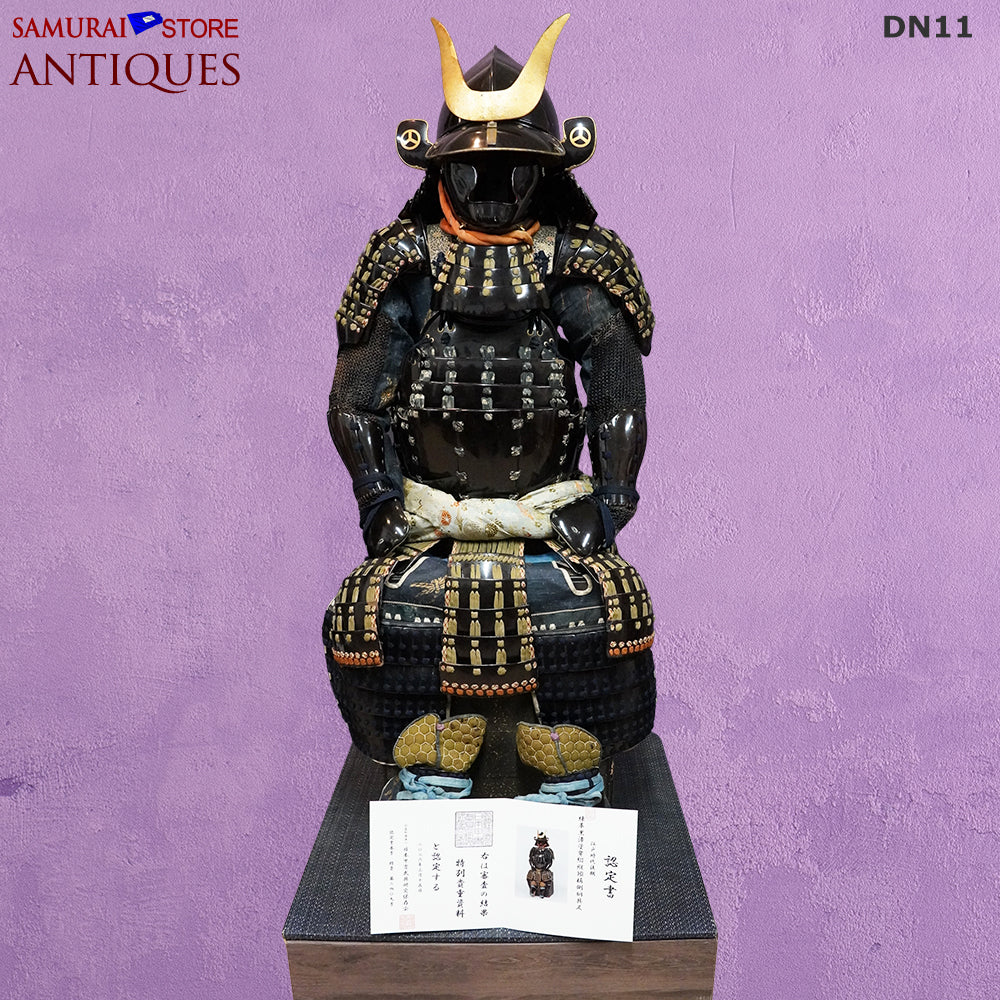
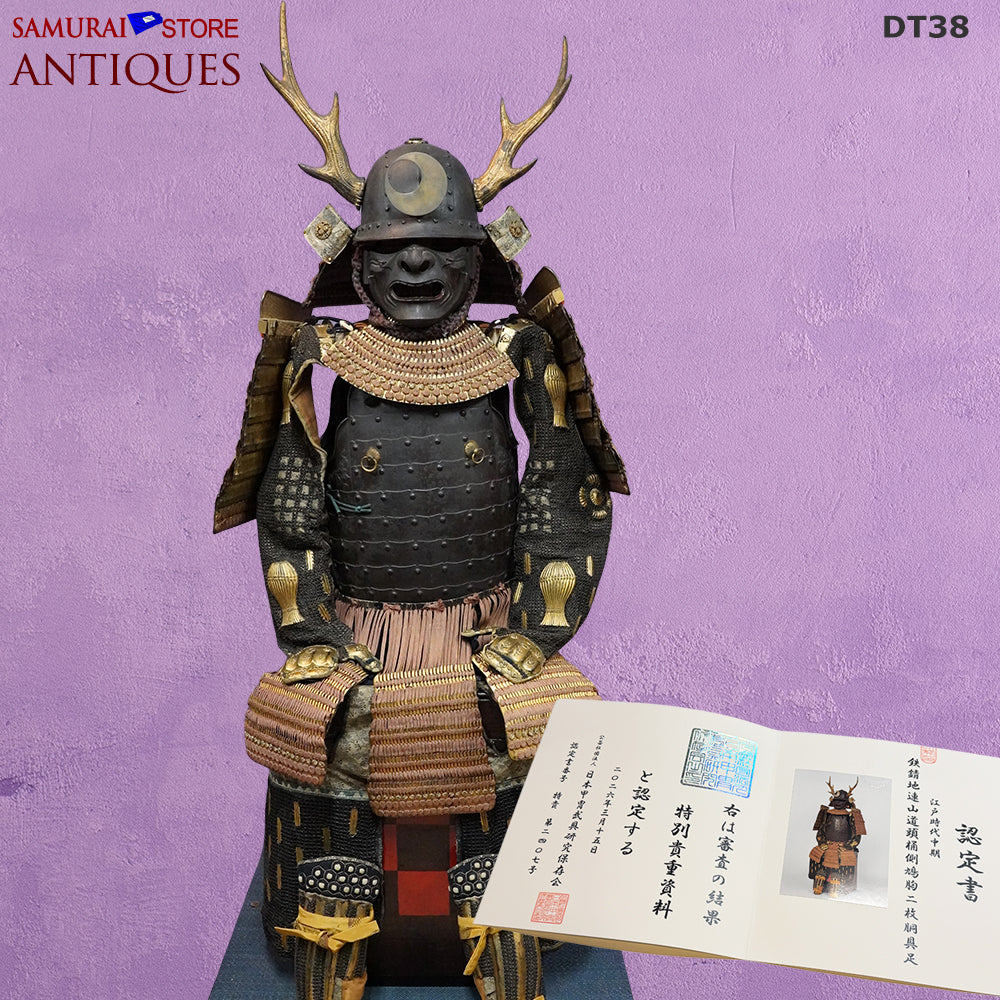
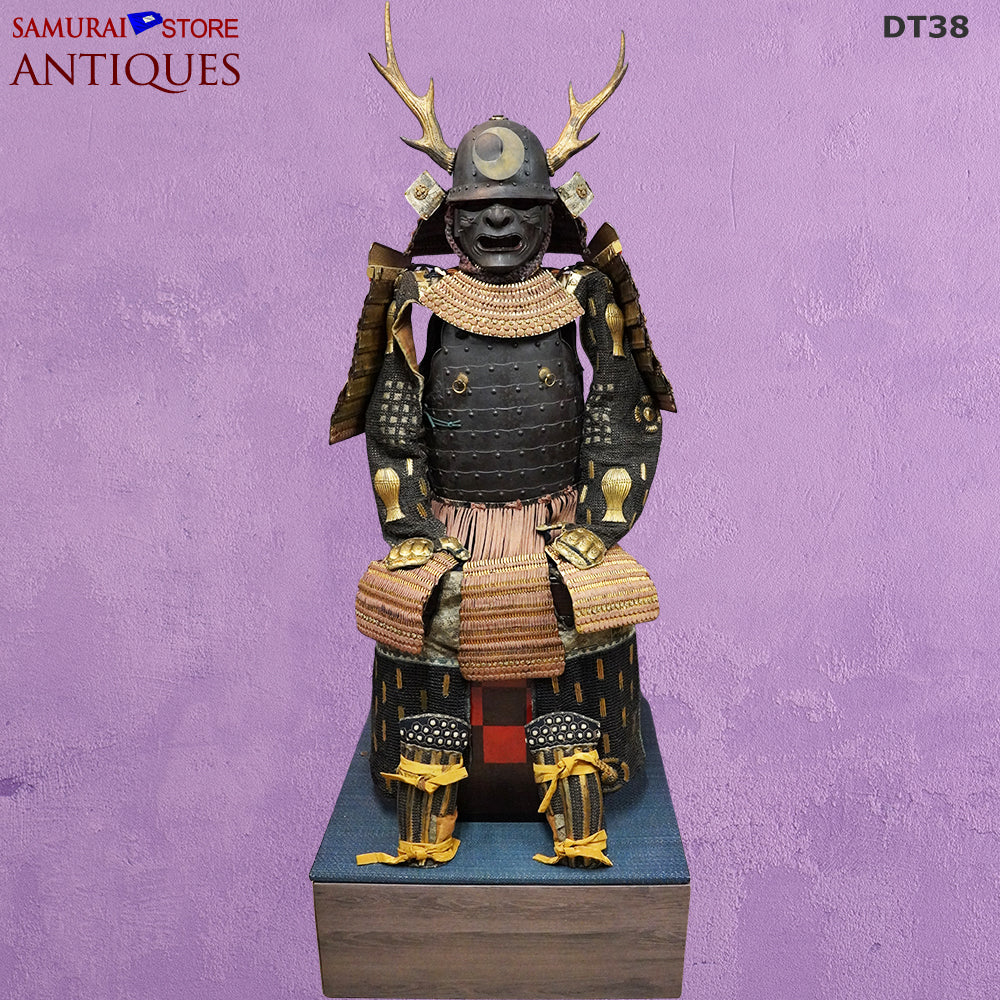
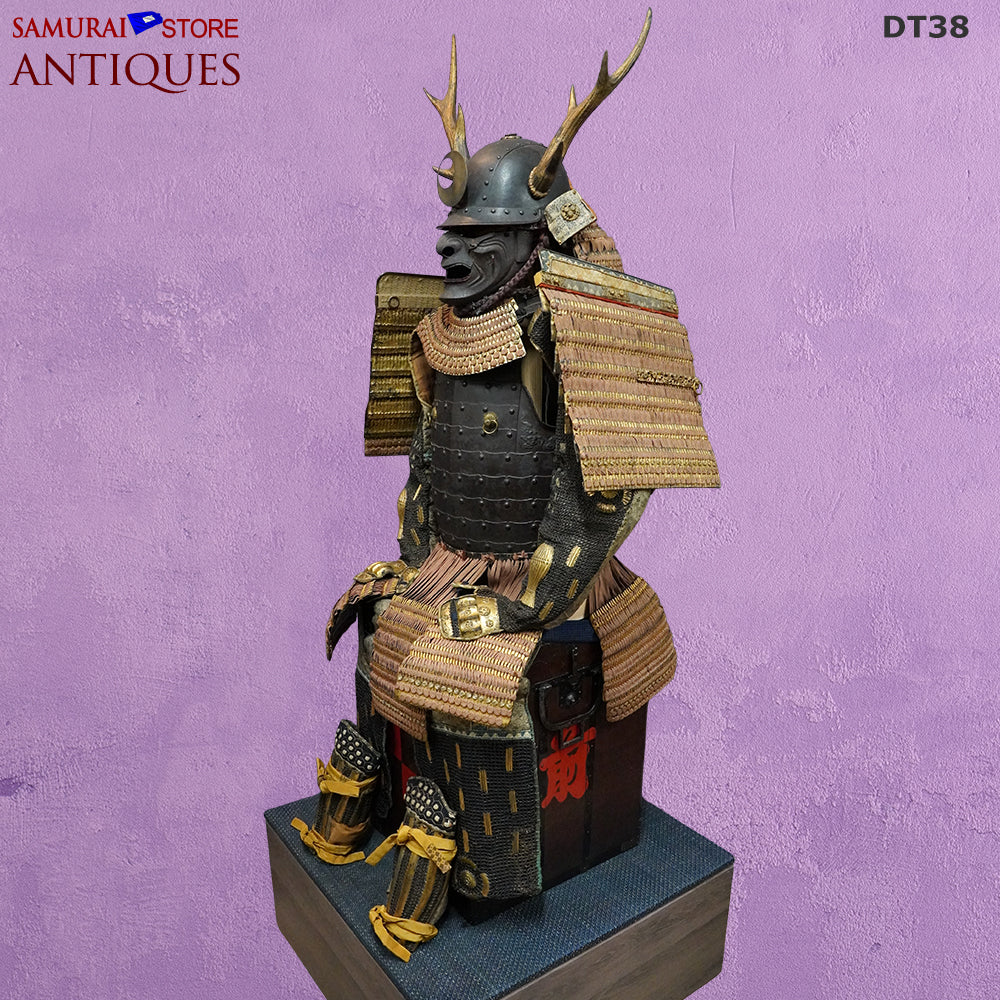
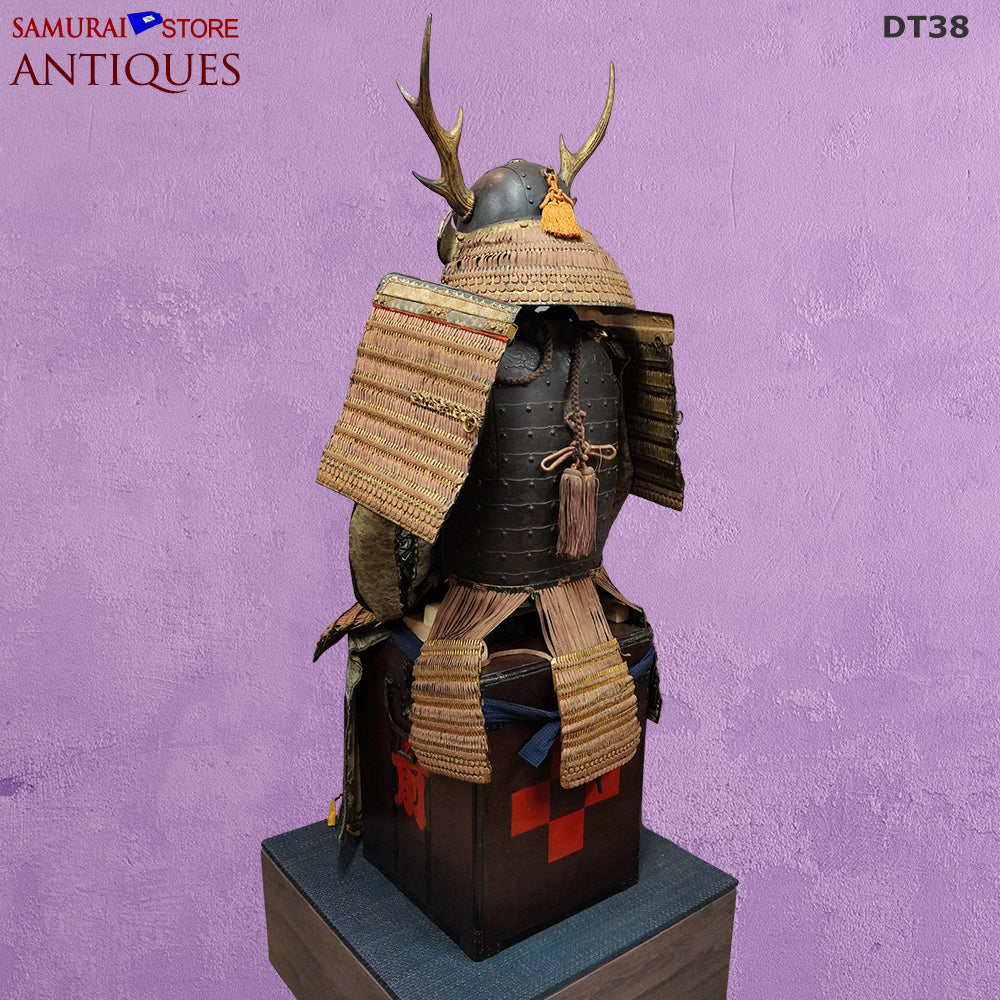
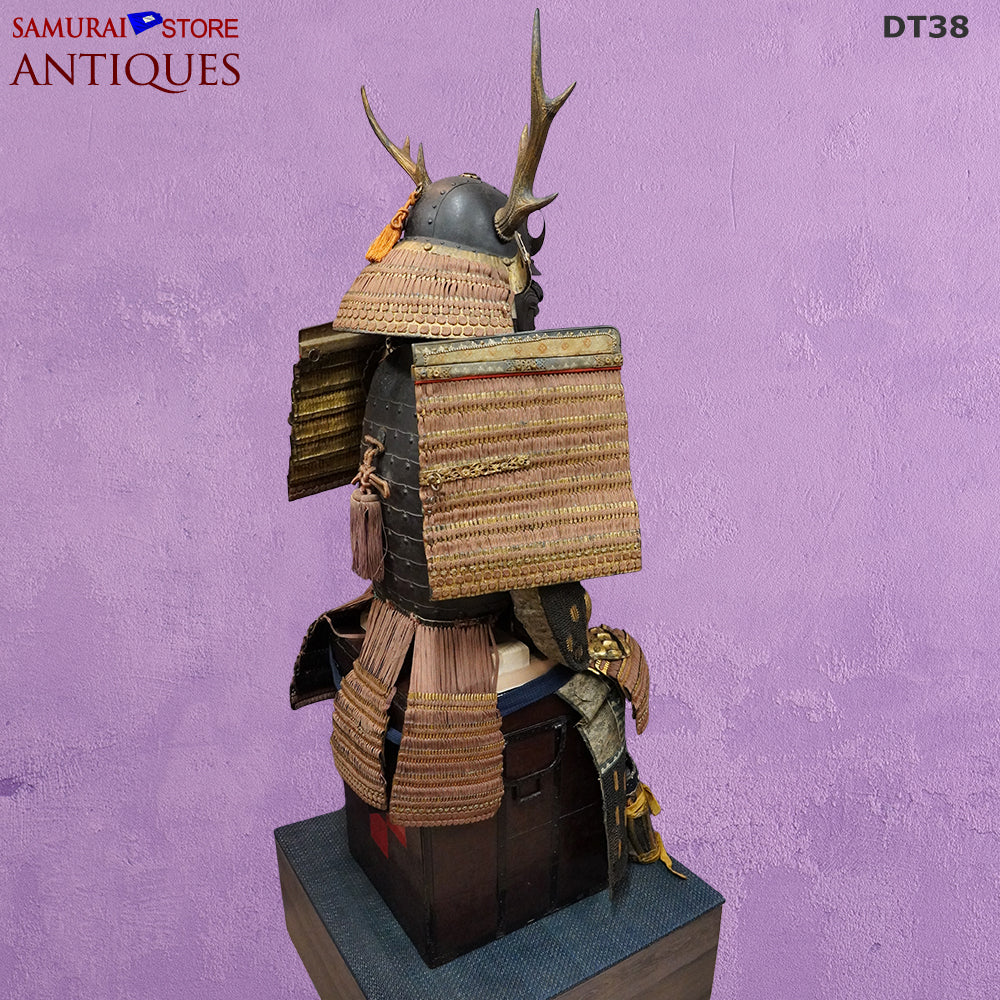
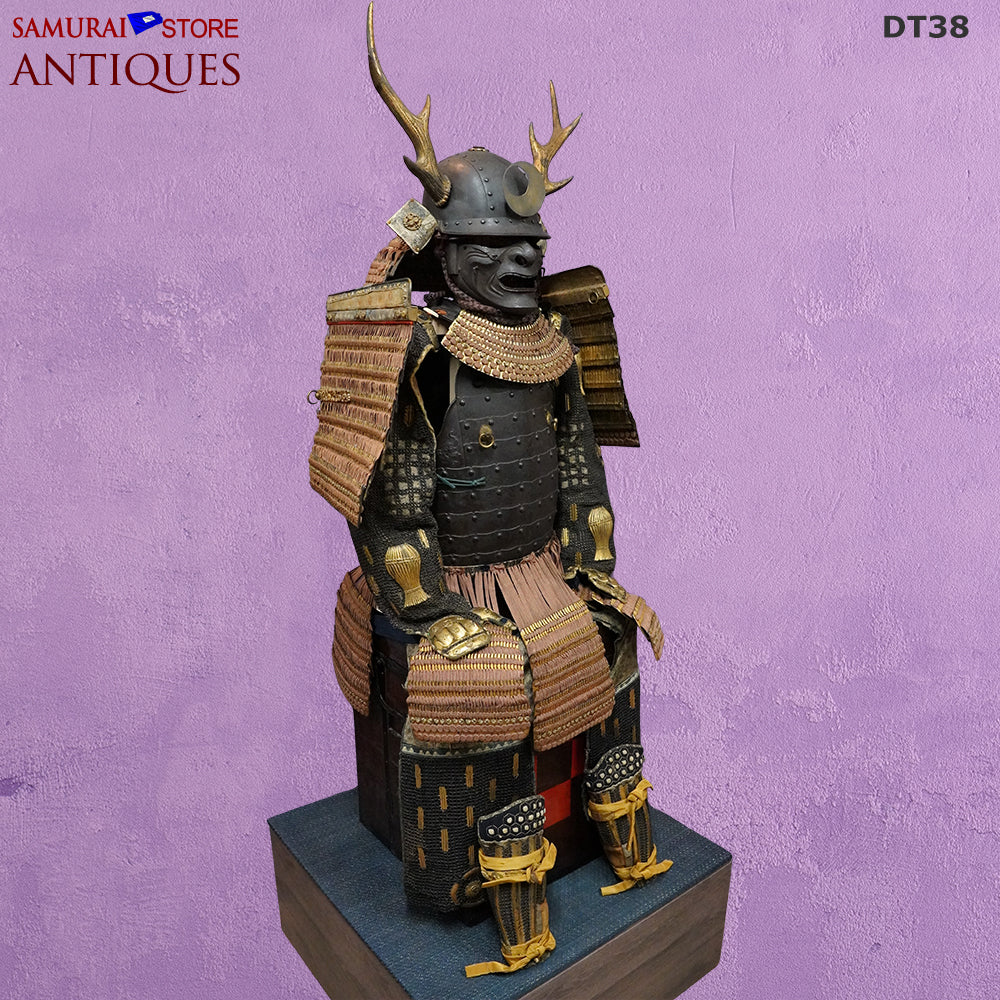
Tosei-gusoku
Full gusoku (complete suit)
Zunari
Unsigned
Kon (dark blue)
Edo
Tokubetsu Kichō Shiryō · Nihon Katchū Bugu Kenkyū Hozon Kai
Especially valuable armour of notably superior workmanship and condition, the third of the five ranks.
Japanese armour is not certified by the NBTHK. The Nihon Katchū Bugu Kenkyū Hozon Kai (the Association for the Research and Preservation of Japanese Helmets and Armour), founded in 1961, is the principal body for armour. Its shinsa grades a piece as 資料 (shiryō, "reference material") across five ascending ranks: Hozon, Kichō, Tokubetsu Kichō, Kōshū Tokubetsu Kichō, and the highest, Jūyō Bunka Shiryō. The 資料 framing reflects the society’s purpose of preserving armour as cultural and historical reference, distinct from the NBTHK’s sword paper tiers.
Returns accepted only for errors/damage: damaged or incorrect items reported by email within 10 calendar days; defective goods within 30 calendar days.
¥2,800,000