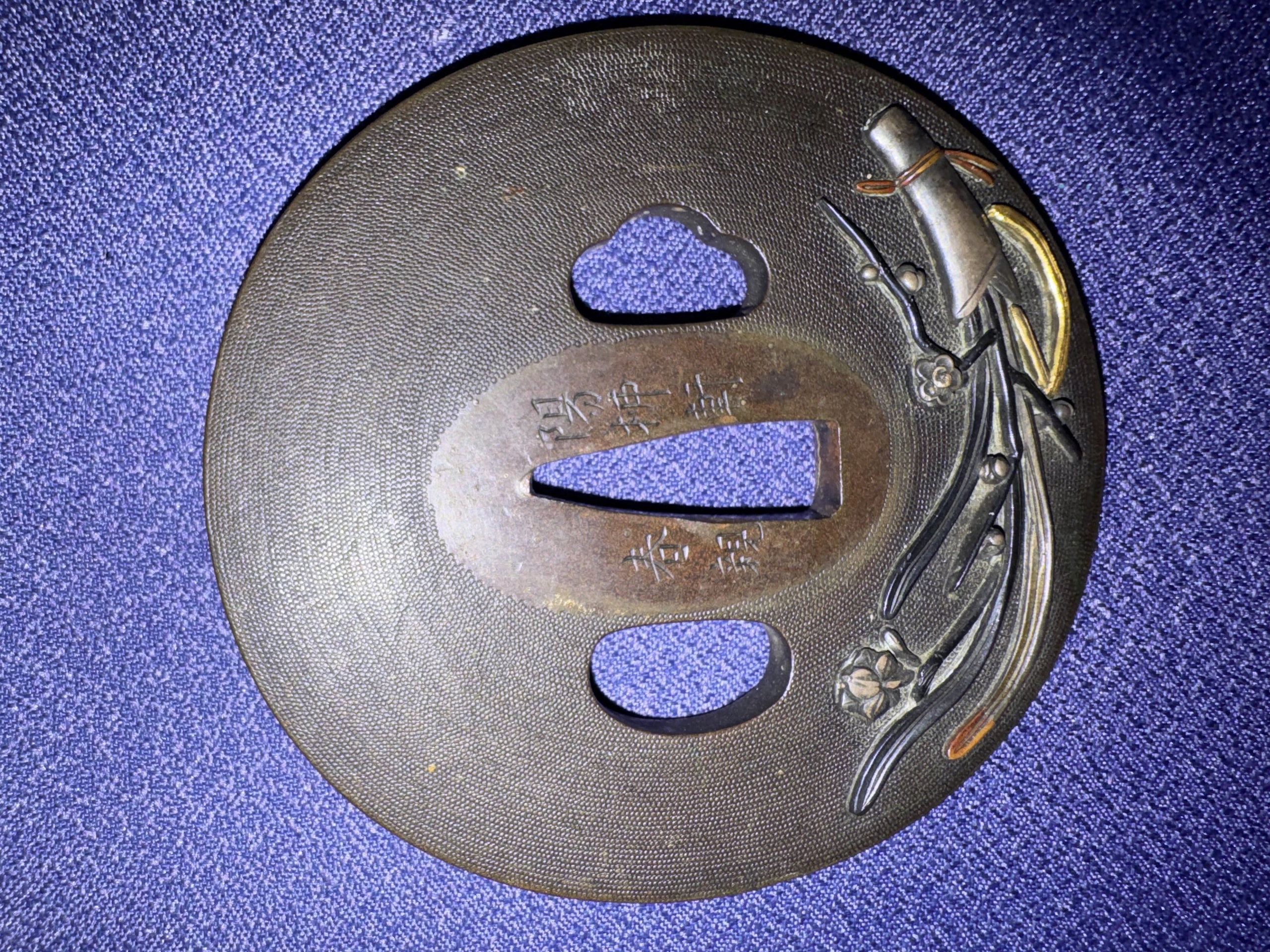
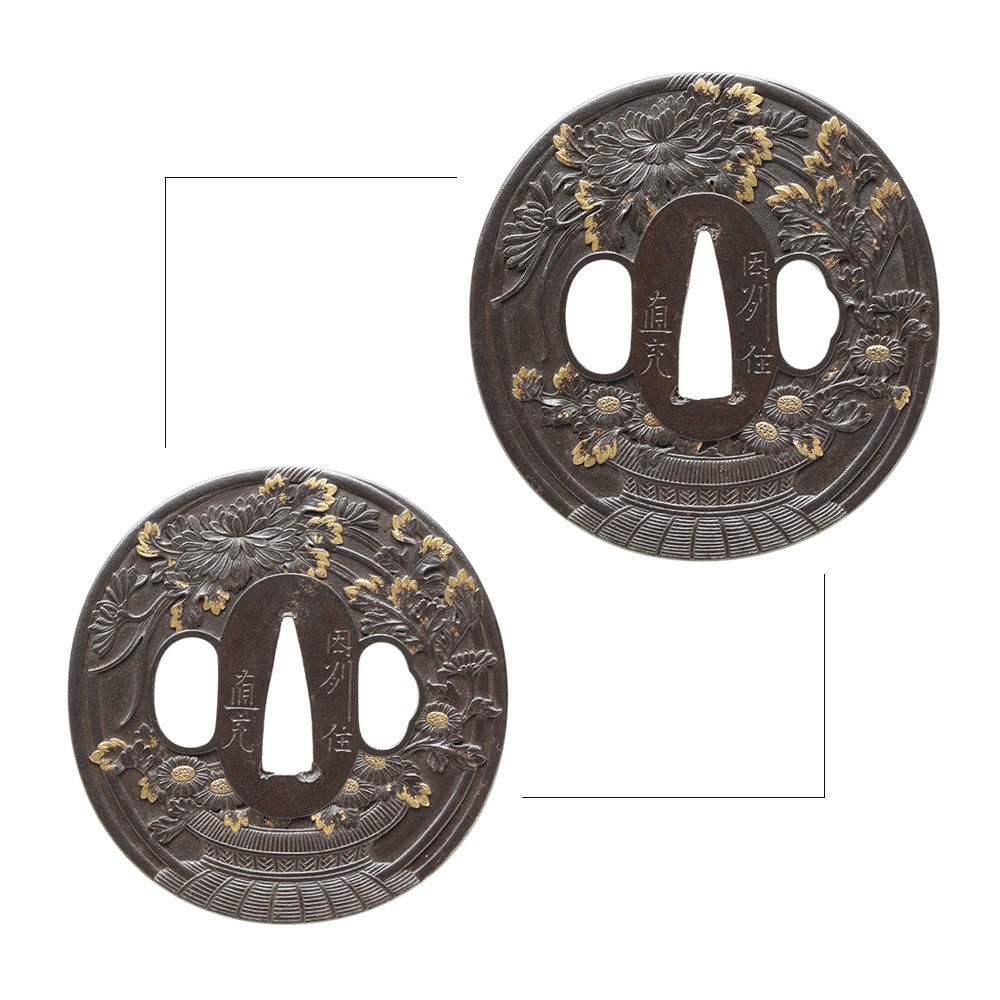
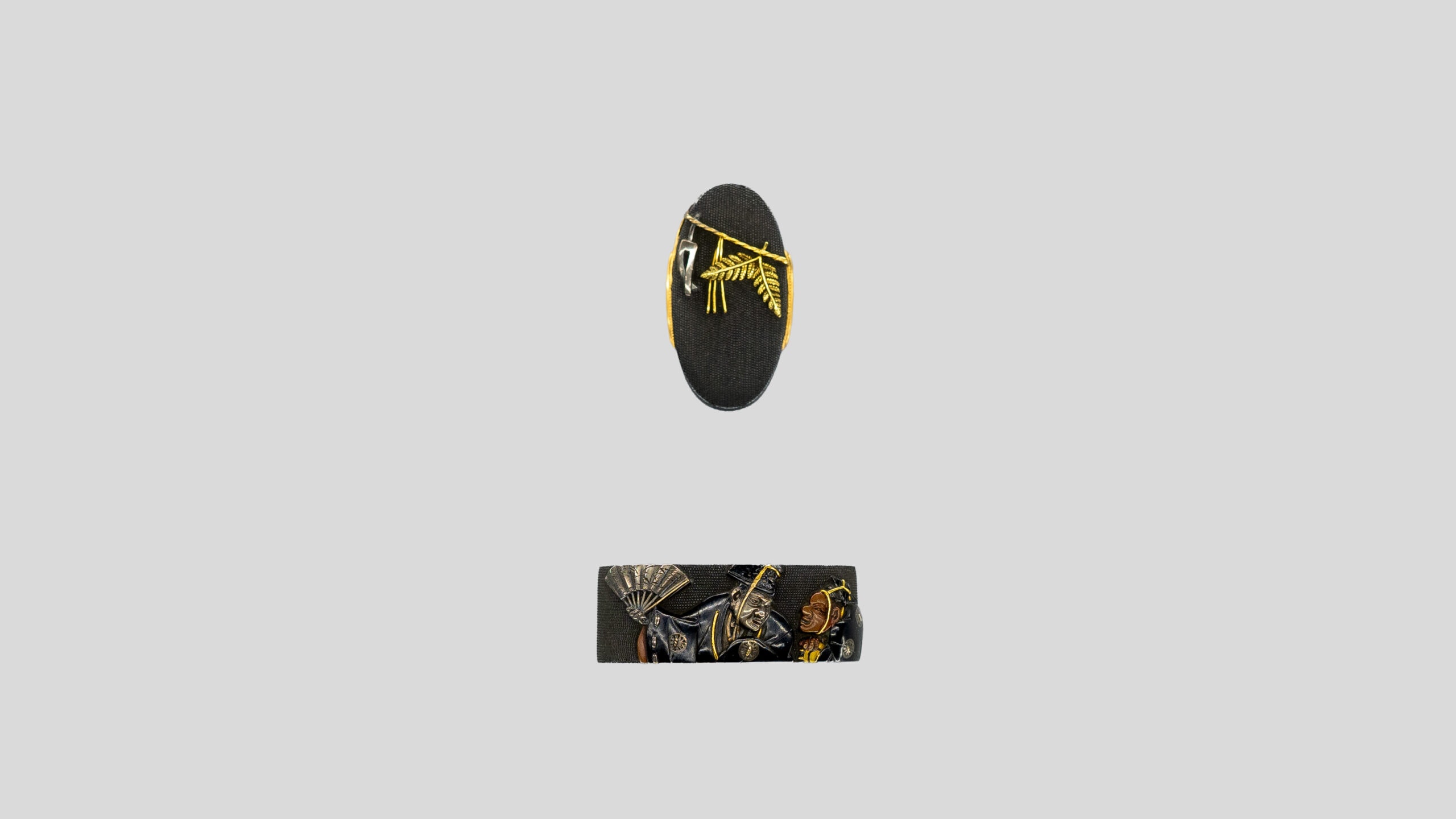
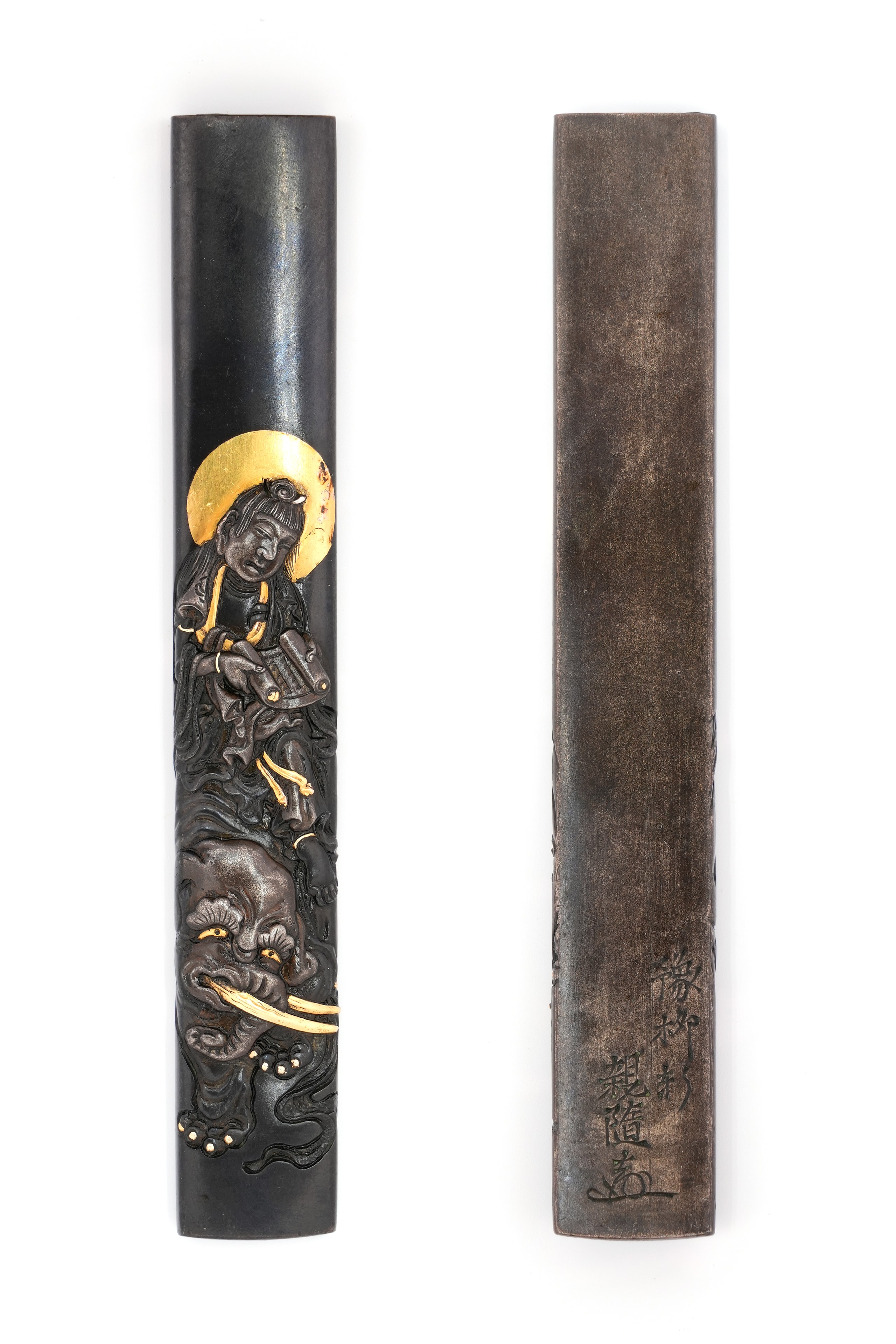
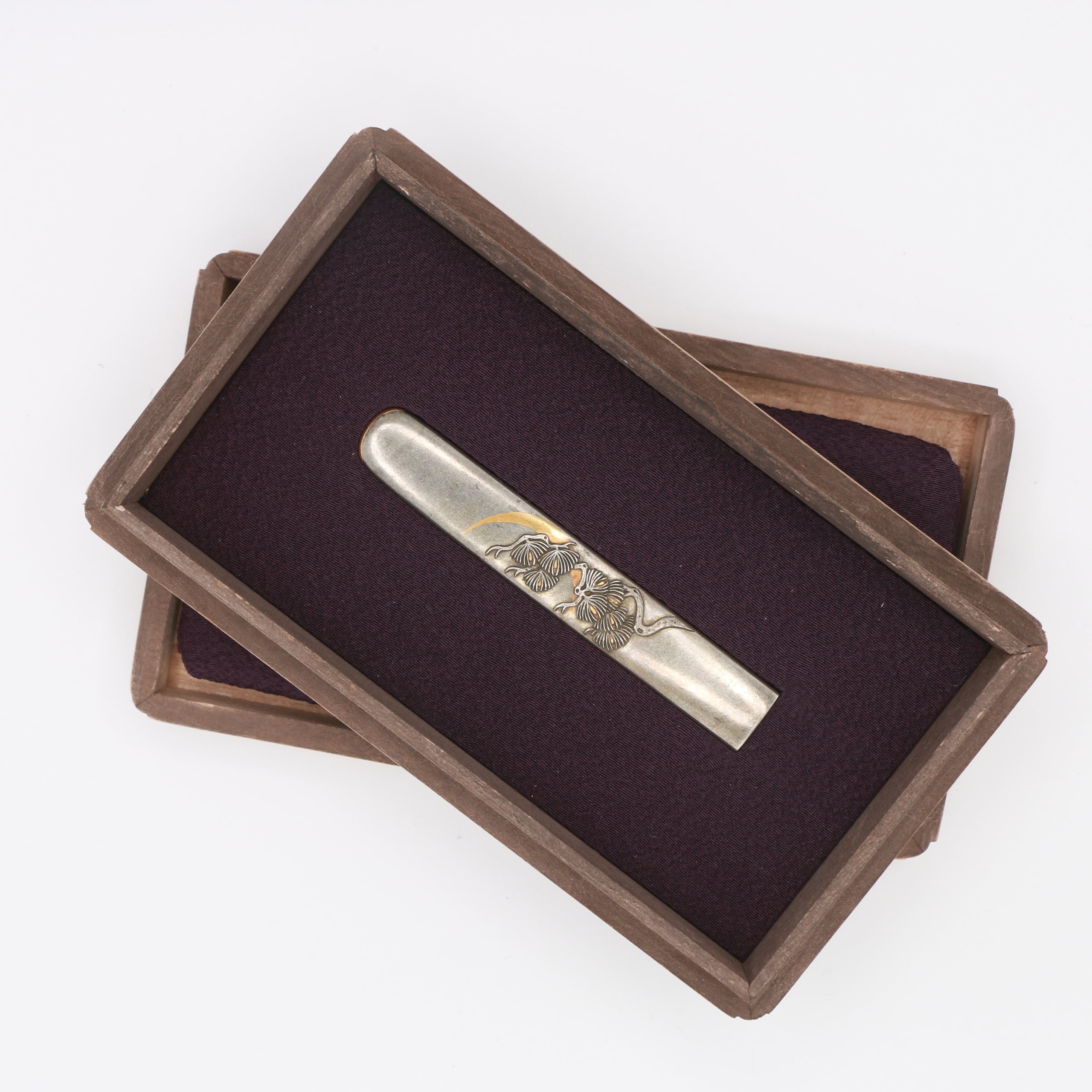
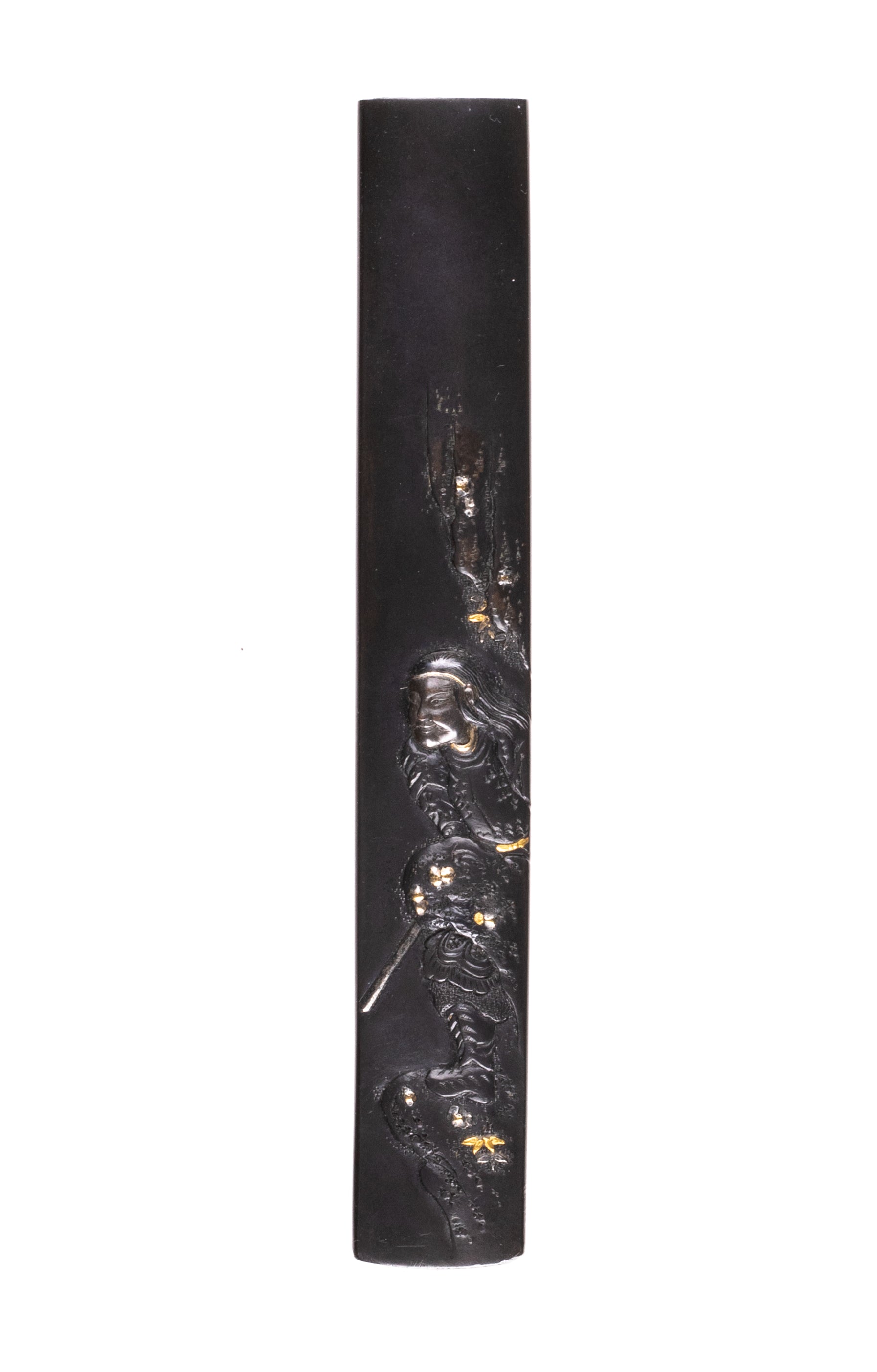
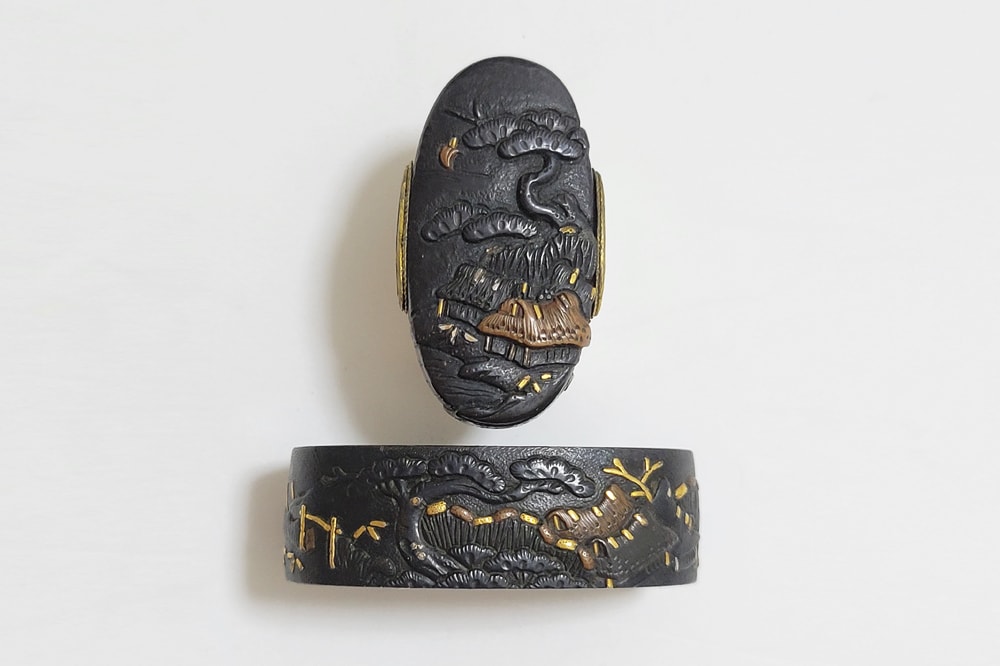
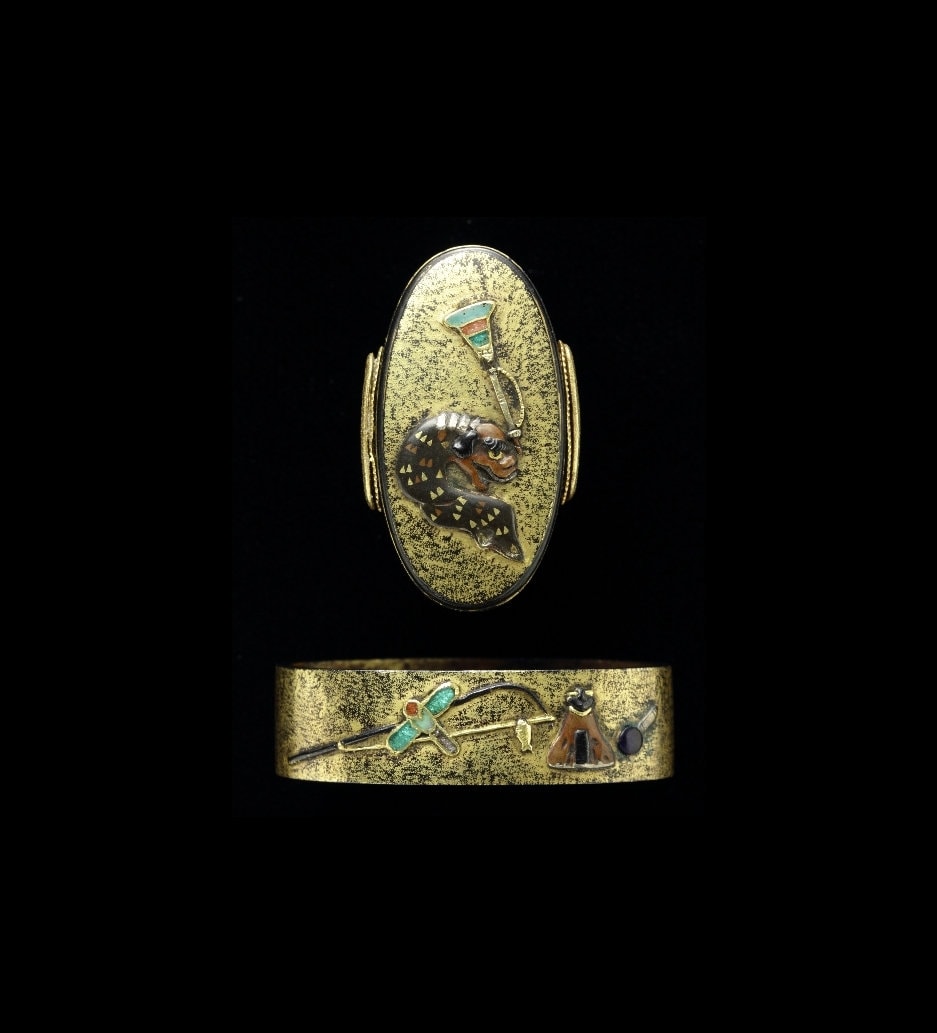
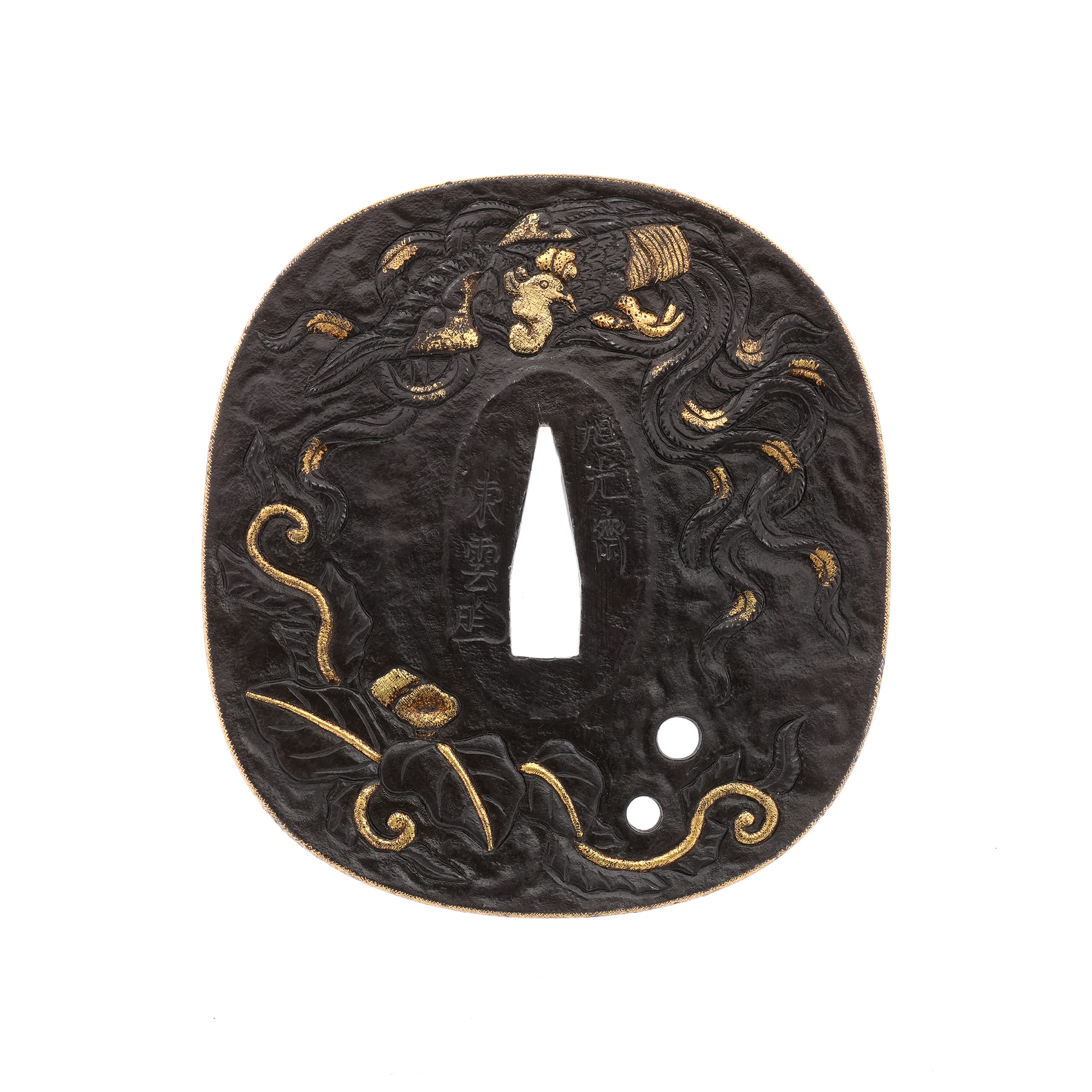
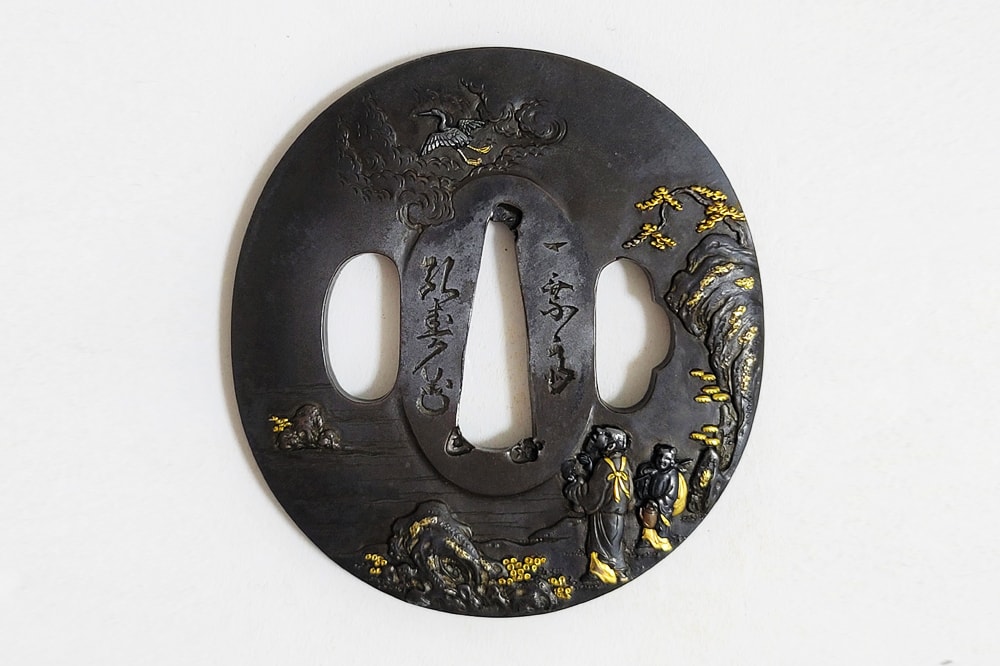
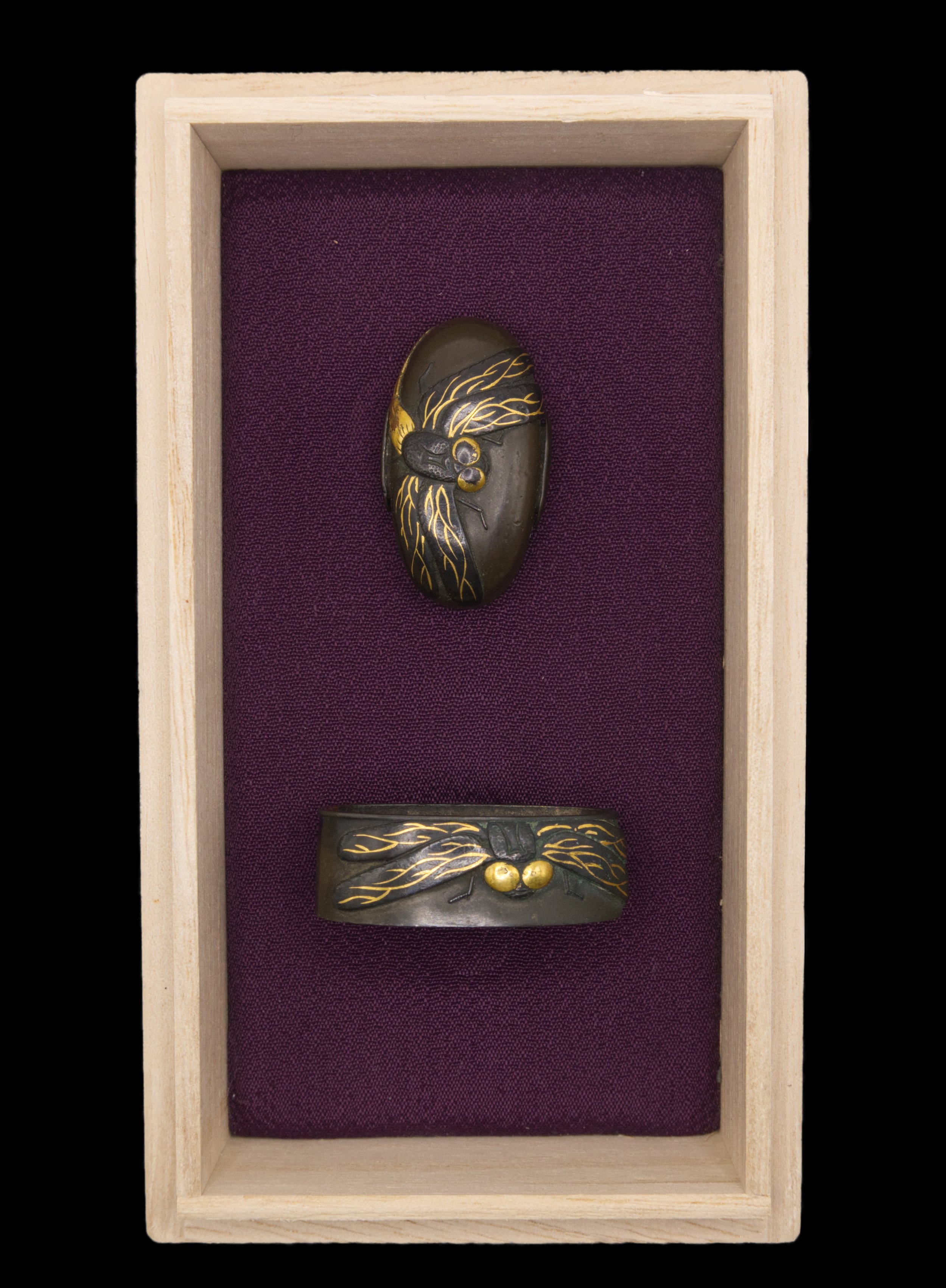
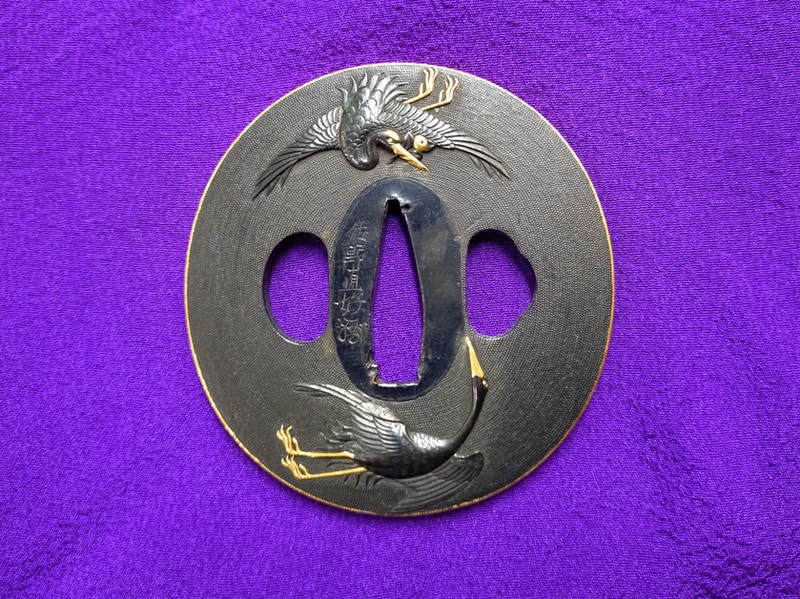
Katsurano Sekibun, who employed the art name Yurakusai, was born in Kansei 2 (1790) at Murakami in Echigo Province. As a young man he traveled to and studied under the Hamano family, acquiring the foundational discipline of that distinguished lineage. From his adoption of the art name Yurakusai, it is further conjectured that he undertook training in Kyoto, broadening his technical and aesthetic formation beyond a single school. In Bunsei 7 (1824) he entered the service of the Sakai family of Shonai domain as a retained artisan (kakae-ko), and from Koka 2 (1845) onward he settled permanently in Tsuruoka, where he continued to work until his death in Meiji 8 (1875) at the remarkable age of eighty-seven. For his inscriptions he used a distinctive cursive hand modeled on the calligraphic style of Kameda Bosai, the celebrated scholar of his native Echigo.
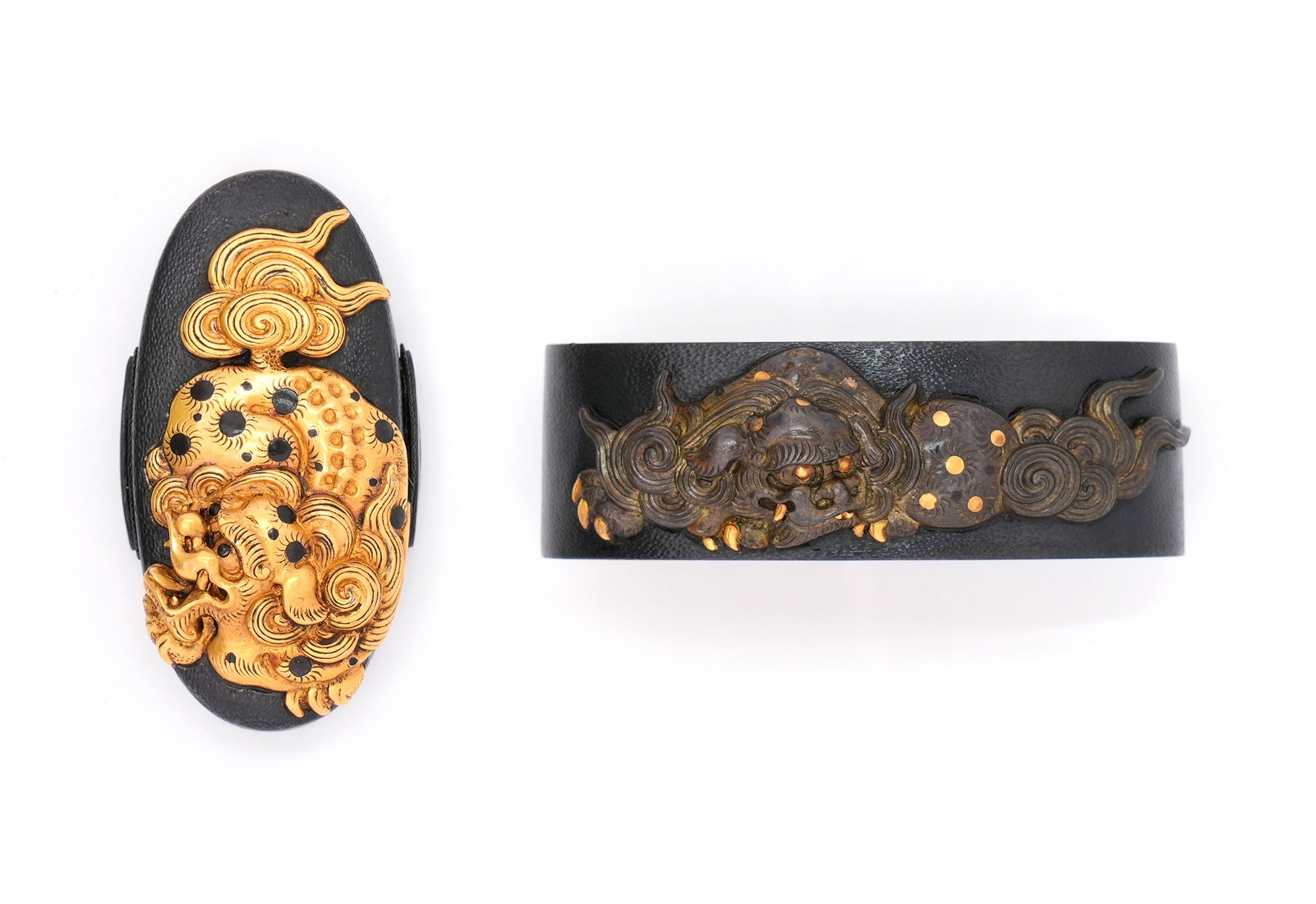
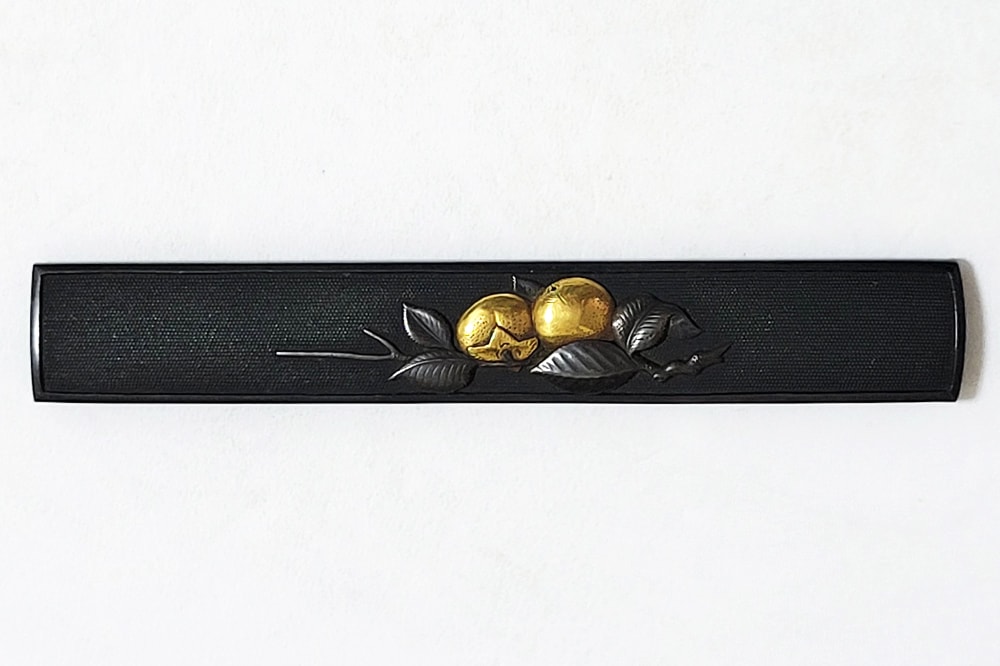
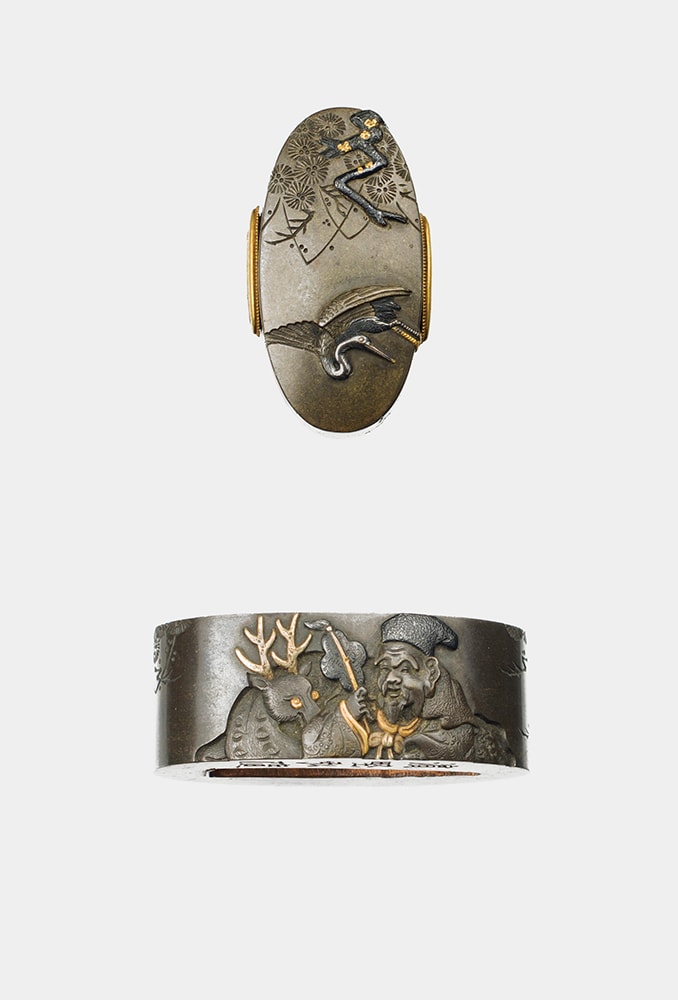
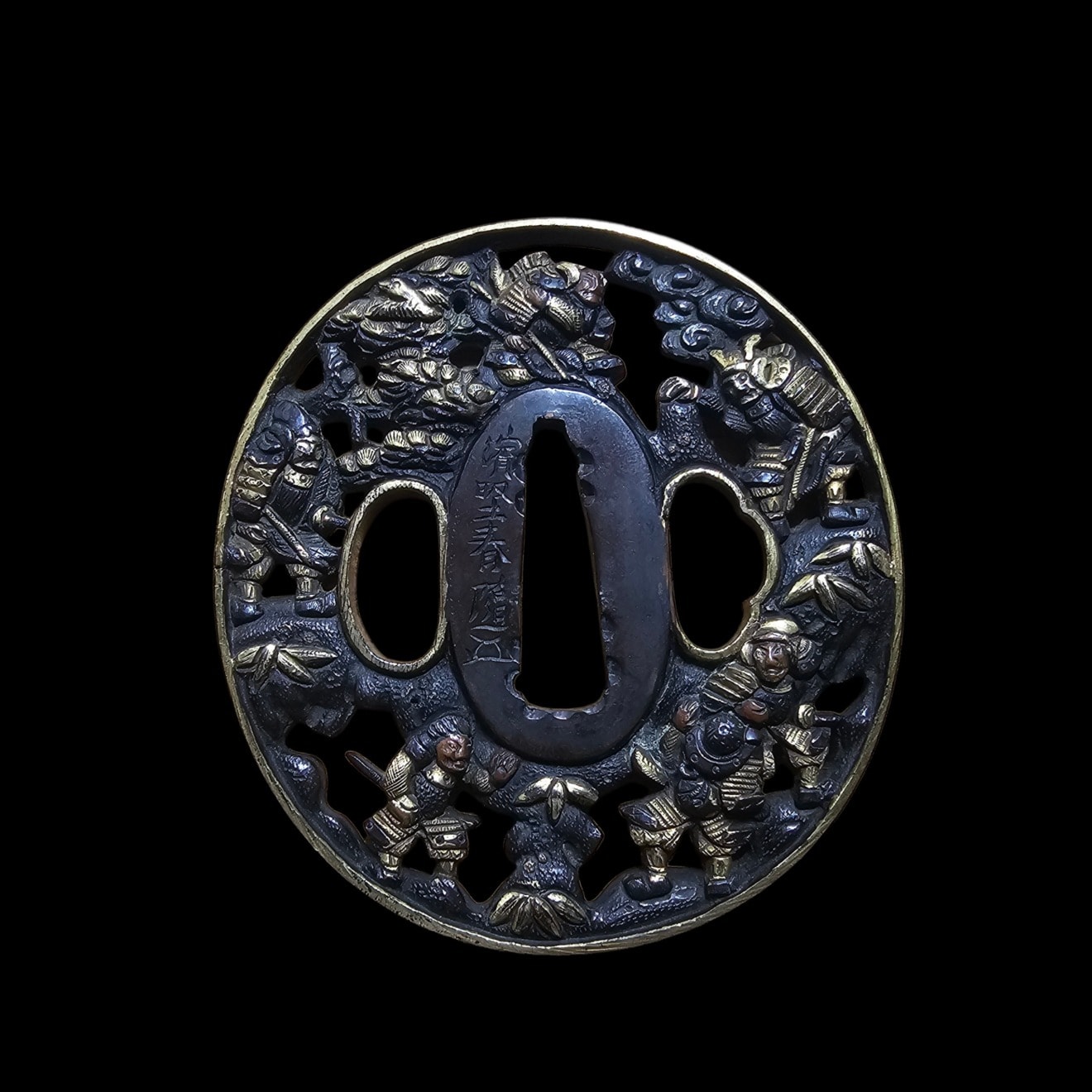
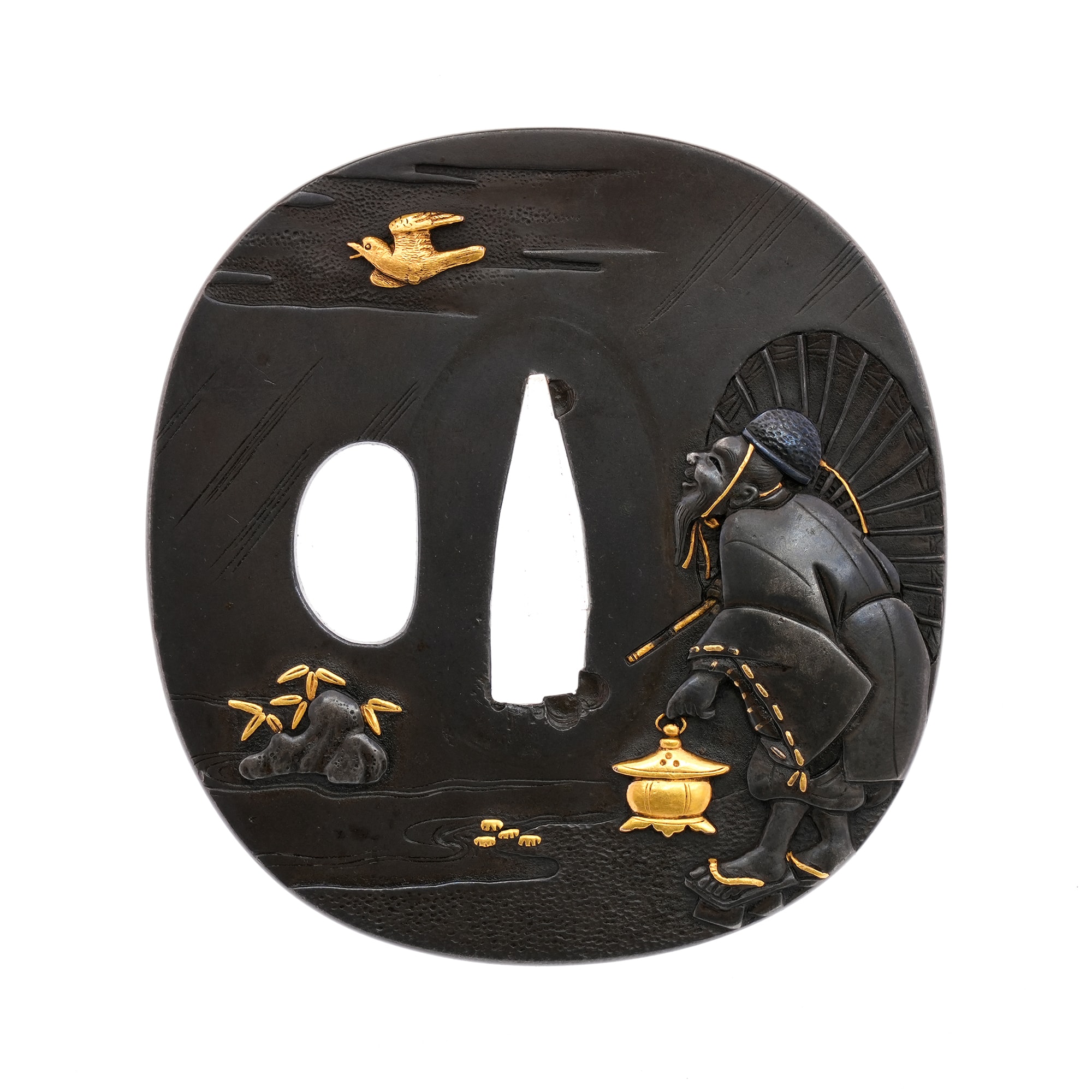
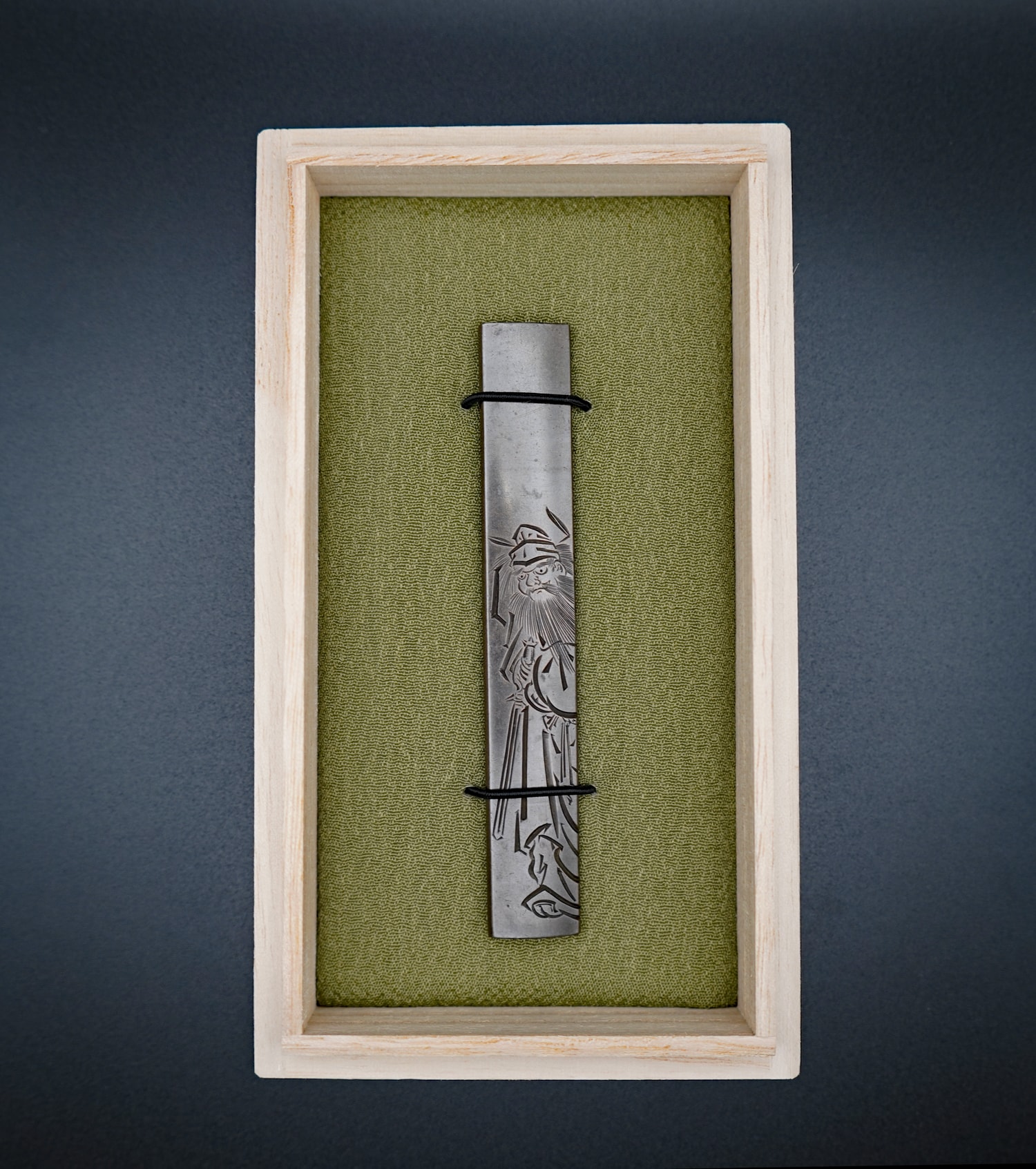
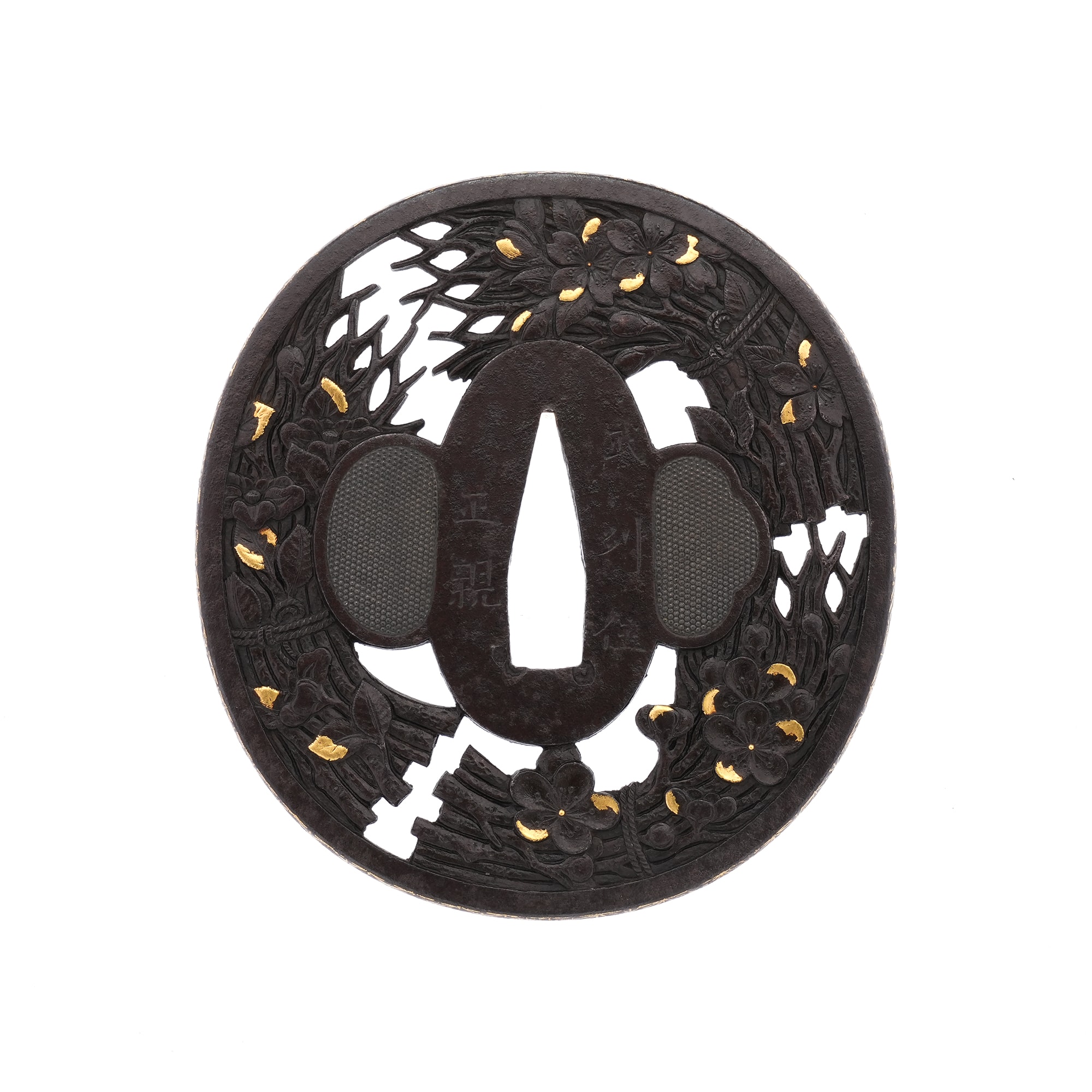
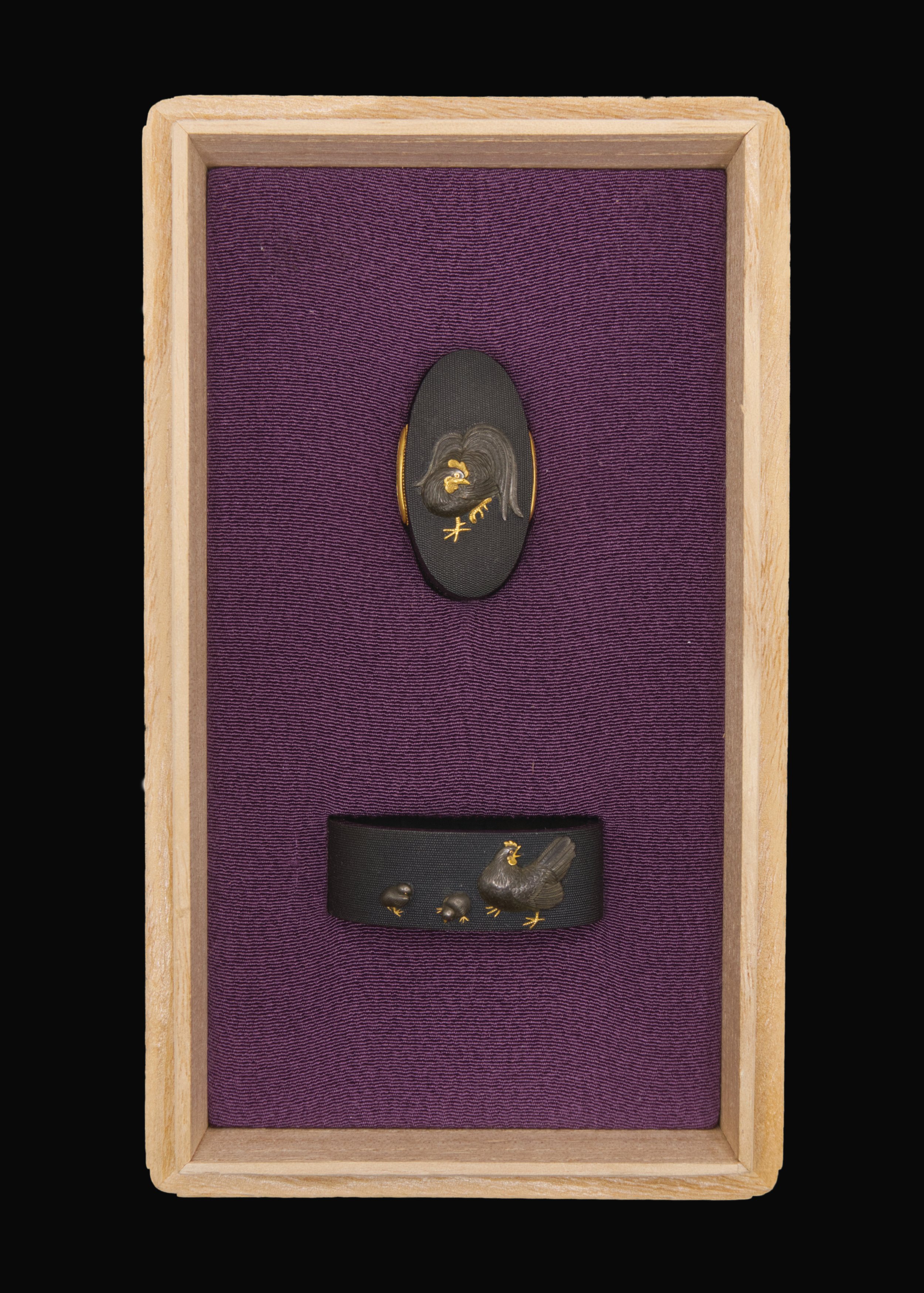
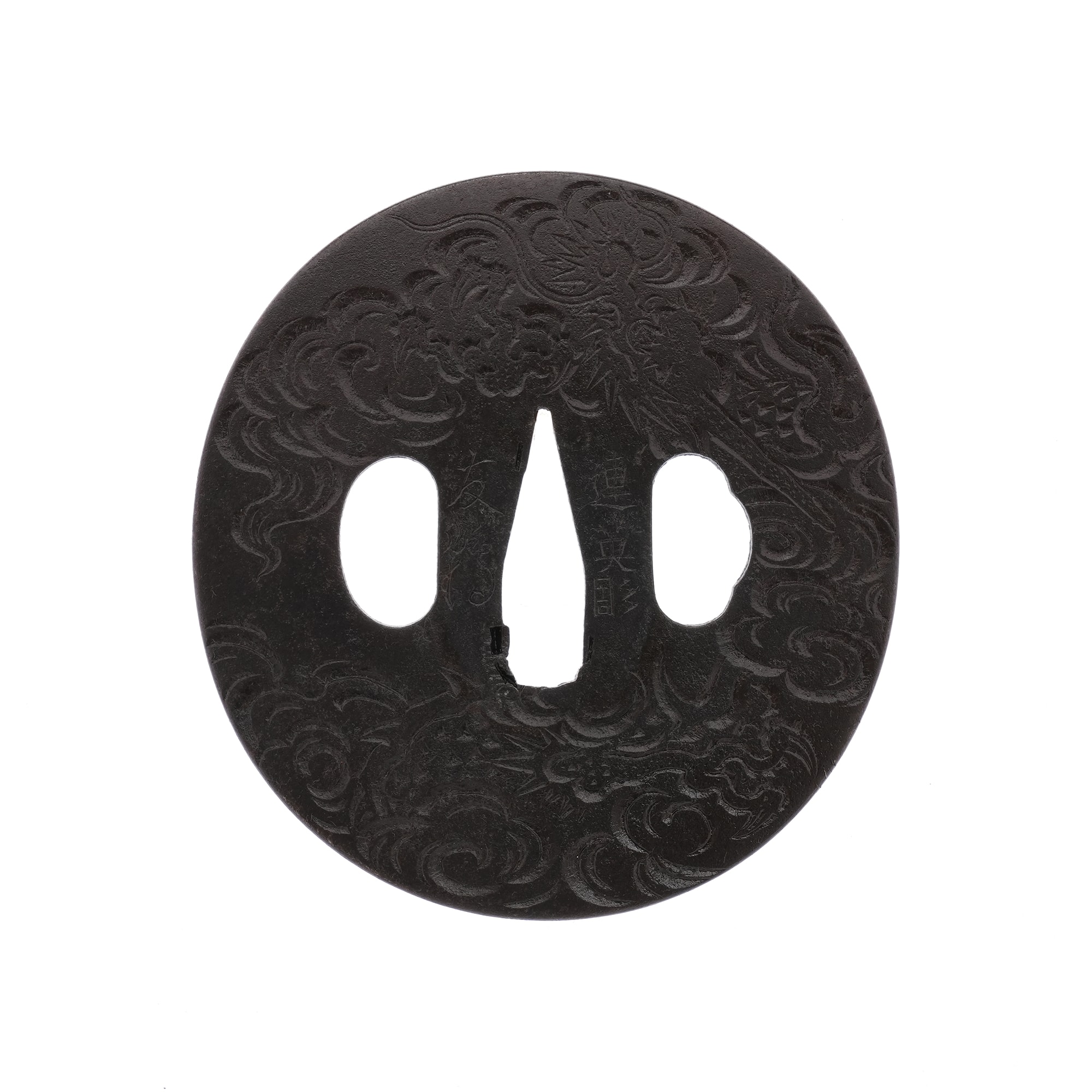
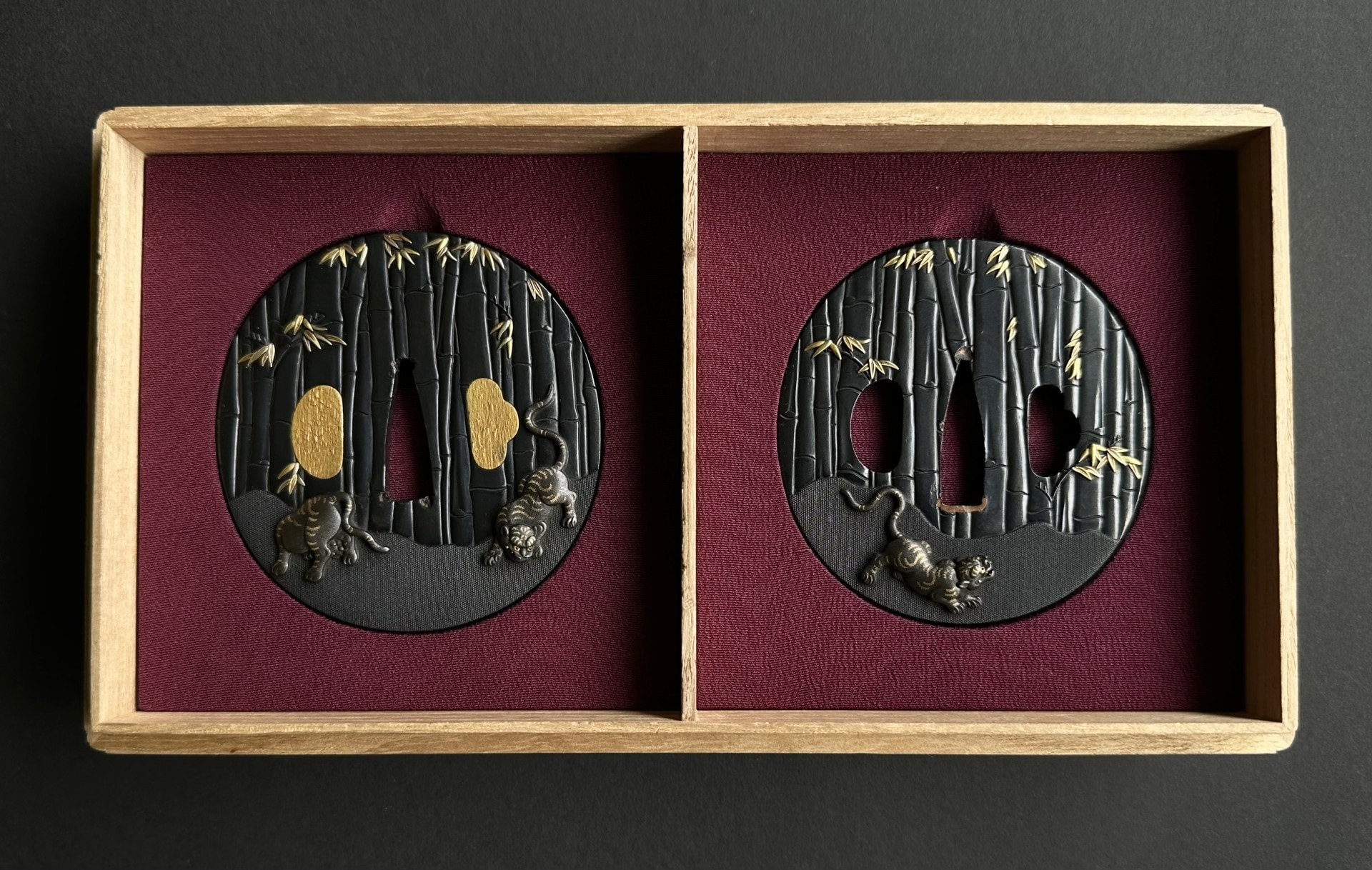
Sekibun devoted himself to the study of Tsuchiya Yasuchika, refining his skills with that master's example as his ideal, and produced an oeuvre in which are especially numerous. For the ground metal he frequently employed iron and , and he "excelled especially at applying to a style of strongly modeled high-relief carving." His technical repertoire further encompassed , , nikuai-bori, and various forms of (inlay). Among pictorial subjects he favored animals and birds, with tigers and newts (imori) counted as particular strengths. His celebrated "Dawn Crow" (Akegarasu) , conceived as the sky at daybreak with ground and - crows beating toward the , is singled out by the alongside his octagonal newt-design as among his finest achievements.
The consistently characterizes Sekibun's work as possessing a "high degree of refinement" in both composition and carving method, praising his "compositional command and carving skill" as "truly superb." His productions are recognized for their distinctive vitality -- an intensity of expression deemed "indeed characteristic of Akafumi" -- realized through the full mobilization of a wide range of carving methods together with inlay and polychrome metalwork techniques. Whether working on intimate or ambitious multi-component soroi such as his Twelve Zodiac fitting set, Sekibun's works are commended as fully demonstrating the "sharpness of the maker's abilities," securing his place as one of the most accomplished provincial metalworkers of the late period.