The twentieth century nearly killed the craft twice: wartime distortion, then the occupation ban. The NBTHK’s founding in 1948 and licensed forging from 1953 rebuilt the sword as an art, crowned by Living National Treasures and the mukansa rank.
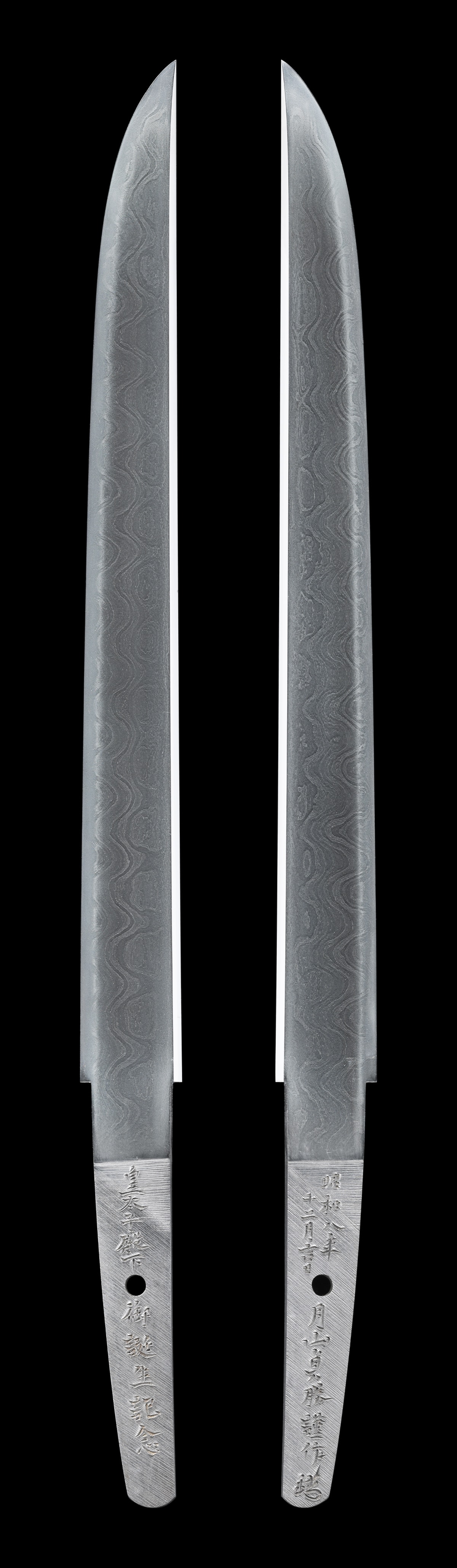
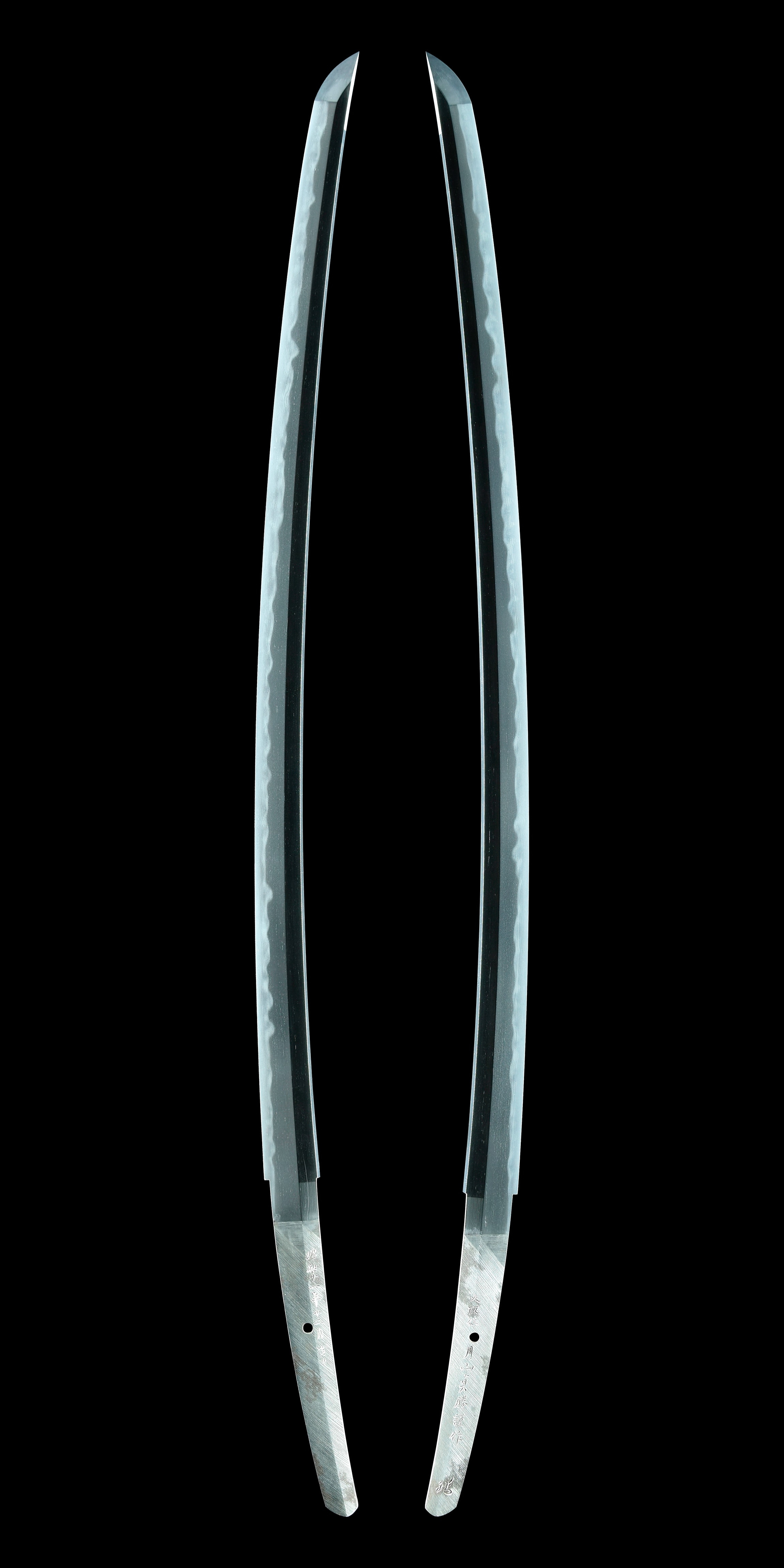
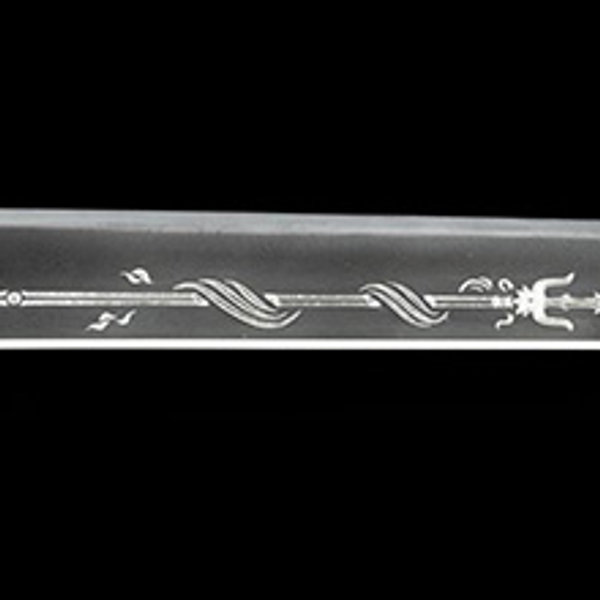
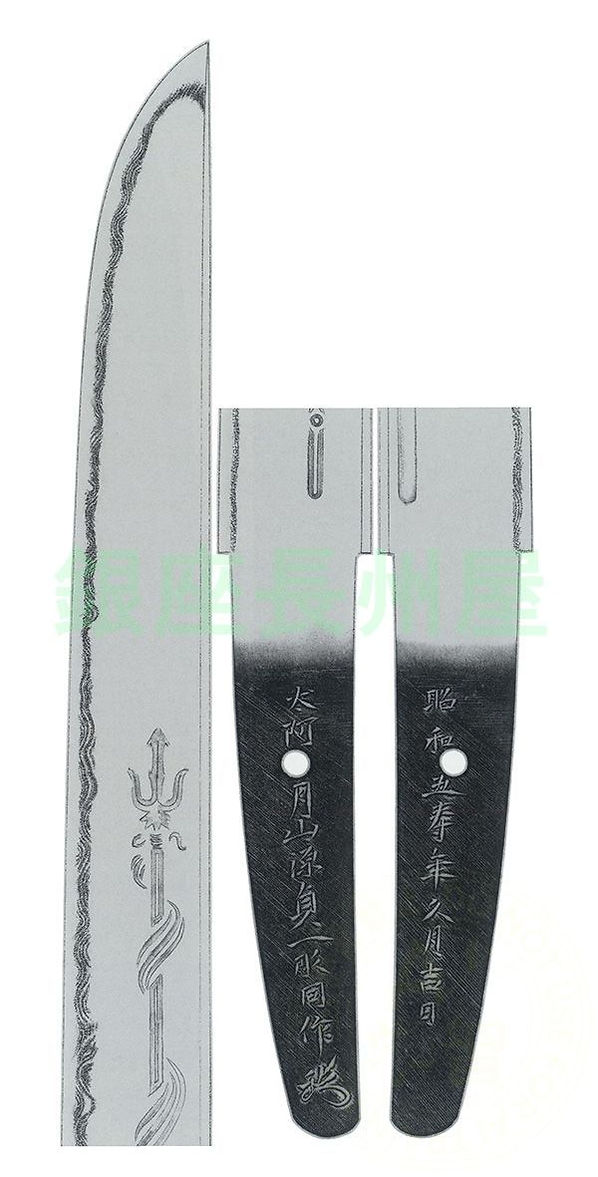
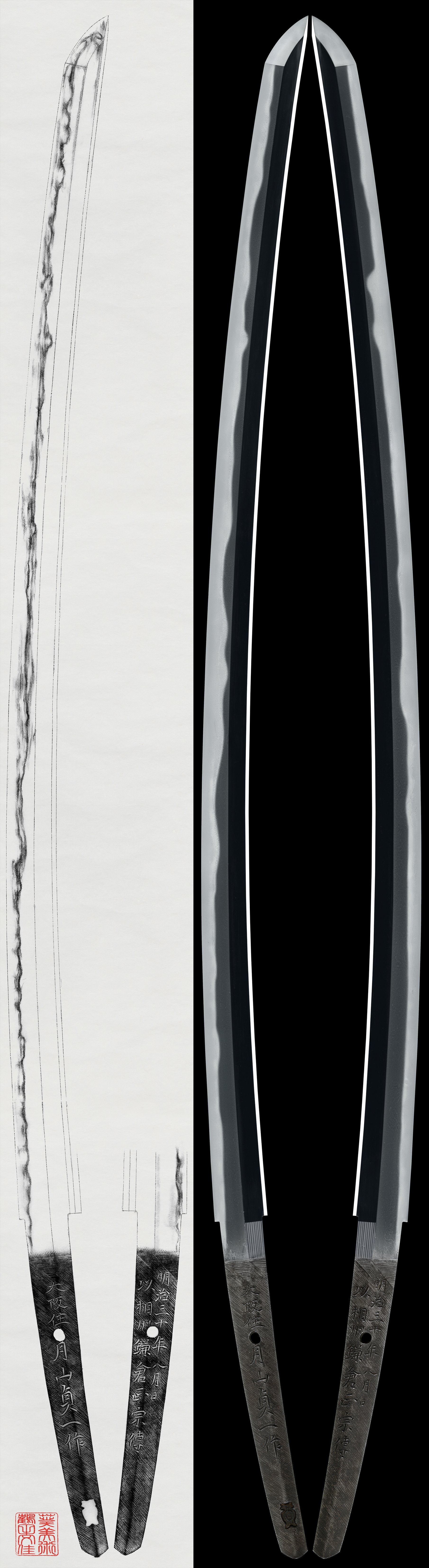
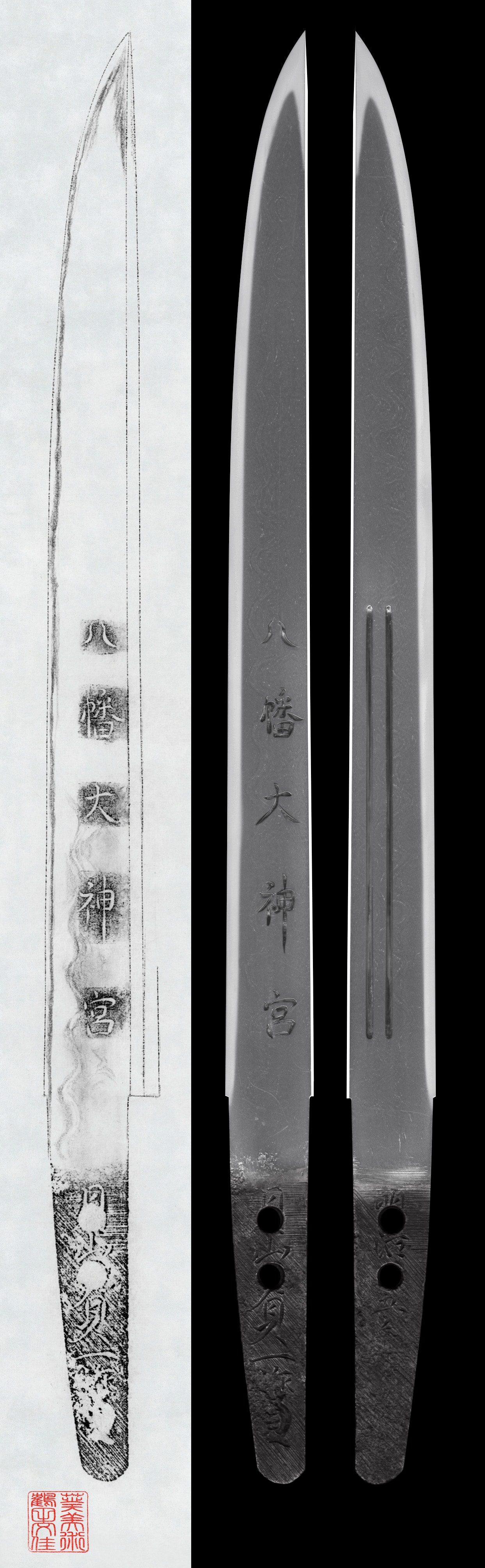
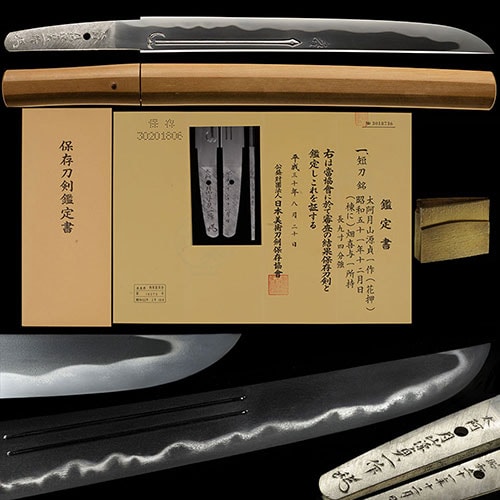
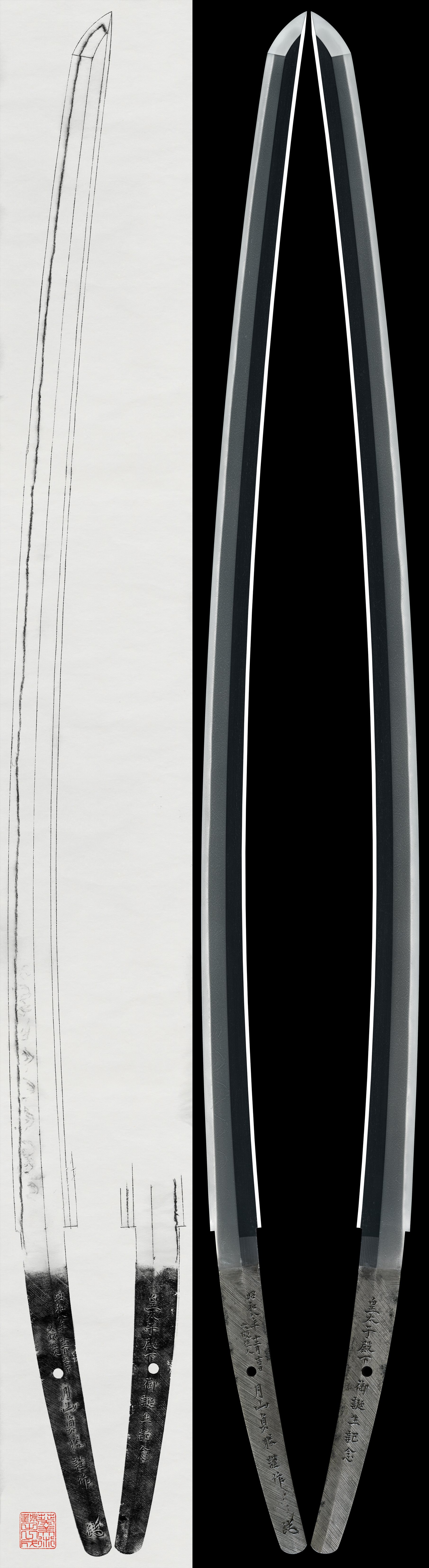
This is a sun-nobi tanto by Gassan Sadakazu, featuring the distinctive Ayasugi-kitae and concise carvings on both sides, showcasing the Gassan family's unique characteristics and high skill. Sadakazu, the grandson of the first Sadakazu who inherited the Gassan lineage in the late Edo period, was born in Meiji 40 in Osaka's Yariya-cho. He began making swords in his mid-teens, dedicated a tachi for Emperor Go-Toba's 700th anniversary, and participated in the production of dedication tachi for the Ise Grand Shrine's Shikinen Sengu. He received consecutive special awards at the New Master Swordsmith Exhibition, the highest award, the Masamune Prize, in Showa 44, and was designated a Living National Treasure in Showa 46.
 NihontoWatch
mei · Gassan · Showa (1926-1989)
Yamato · around 1907-1995
Tōken Taikan top 49%
5 pieces on the market now
Shōwa to the present: destruction and revival
The twentieth century nearly killed the craft twice: wartime distortion, then the occupation ban. The NBTHK’s founding in 1948 and licensed forging from 1953 rebuilt the sword as an art, crowned by Living National Treasures and the mukansa rank.
We could not find an authenticity certificate on the seller’s listing. Japanese swords and fittings are normally papered by the NBTHK (or the NTHK). Without one, the attribution is the seller’s own assessment and has not been independently verified — treat it with caution and ask the dealer about certification before buying.
If, due to our fault, the item differs significantly from its proper condition, the item may be returned. Cooling-off is within one week of the item's arrival.
This is a sun-nobi tanto by Gassan Sadakazu, featuring the distinctive Ayasugi-kitae and concise carvings on both sides, showcasing the Gassan family's unique characteristics and high skill. Sadakazu, the grandson of the first Sadakazu who inherited the Gassan lineage in the late Edo period, was born in Meiji 40 in Osaka's Yariya-cho. He began making swords in his mid-teens, dedicated a tachi for Emperor Go-Toba's 700th anniversary, and participated in the production of dedication tachi for the Ise Grand Shrine's Shikinen Sengu. He received consecutive special awards at the New Master Swordsmith Exhibition, the highest award, the Masamune Prize, in Showa 44, and was designated a Living National Treasure in Showa 46.
NihontoWatchmei · Gassan · Showa (1926-1989)
Yamato · around 1907-1995
Tōken Taikan top 49%
5 pieces on the market now
Shōwa to the present: destruction and revival
The twentieth century nearly killed the craft twice: wartime distortion, then the occupation ban. The NBTHK’s founding in 1948 and licensed forging from 1953 rebuilt the sword as an art, crowned by Living National Treasures and the mukansa rank.
We could not find an authenticity certificate on the seller’s listing. Japanese swords and fittings are normally papered by the NBTHK (or the NTHK). Without one, the attribution is the seller’s own assessment and has not been independently verified — treat it with caution and ask the dealer about certification before buying.
If, due to our fault, the item differs significantly from its proper condition, the item may be returned. Cooling-off is within one week of the item's arrival.








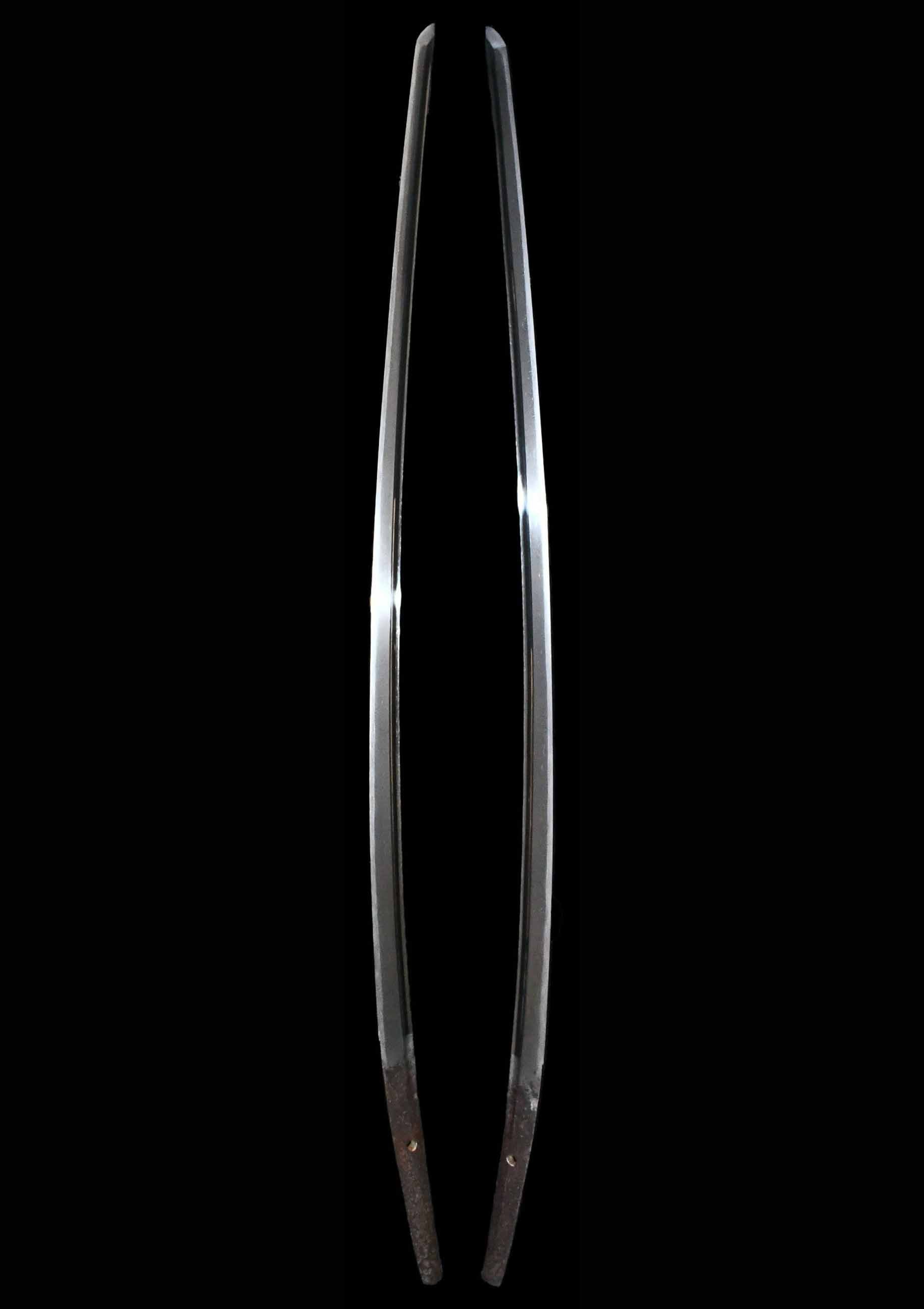
![Katana - Tokuho - by Gassan Sadakazu - Signed Naniwa ju Gassan Unryushi Sadakazu tsukuru [Seal] Keio gannen 11 gatsujitsu](/_next/image?url=https%3A%2F%2Fitbhfhyptogxcjbjfzwx.supabase.co%2Fstorage%2Fv1%2Fobject%2Fpublic%2Flisting-images%2Fchoshuya%2FL805711%2F00.jpg&w=2560&q=90)