Modern Japan made the sword an exile, then an artwork: the 1876 Haitōrei ended sword wearing, the postwar ban nearly ended the craft, and the revival built on the NBTHK’s founding in 1948 remade it as a licensed art.
 NihontoWatchNihontoWatch
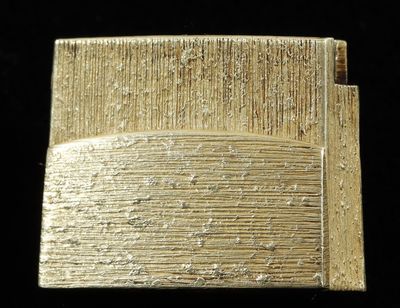
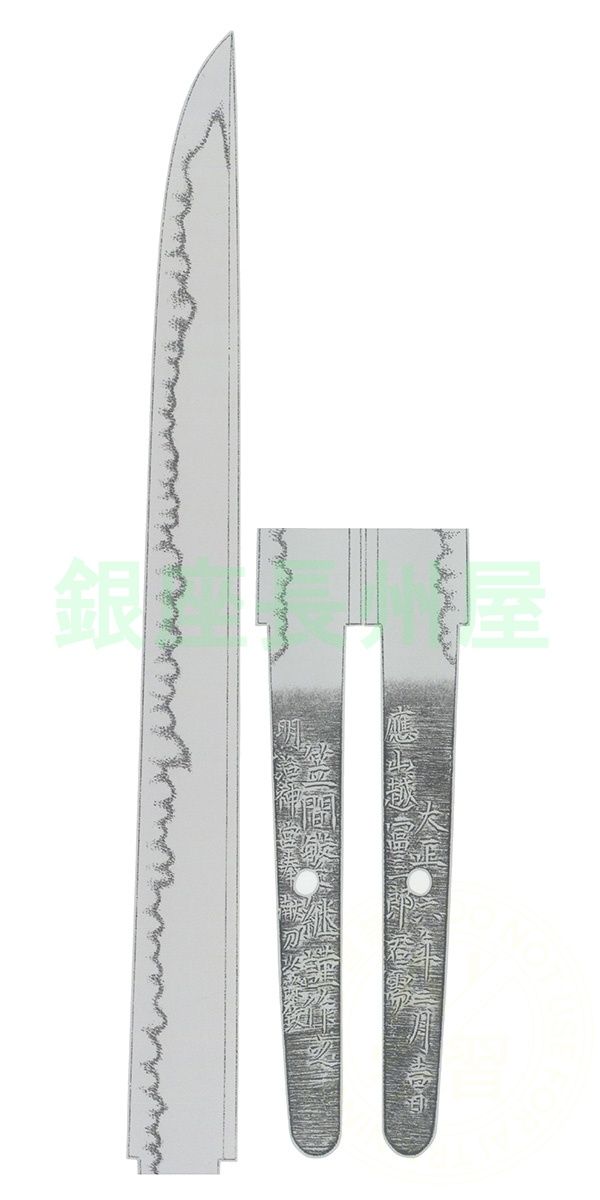
<audio controls preload="auto"> <source src="clocktowerbell.mp3" type="audio/mpeg" /> </audio> Signed. Kasama Shigetsugu tsutsushinde kore wo tsukuru Yamakoshi Tomisaburo kun no motome ni oziru Moto-haba (Width at Ha-machi) : Approx. 1.88 cm Koboku (old tree) nuri saya, aikuchi tanto koshirae
NihontoWatchOffered by Choshuya
4 on the market




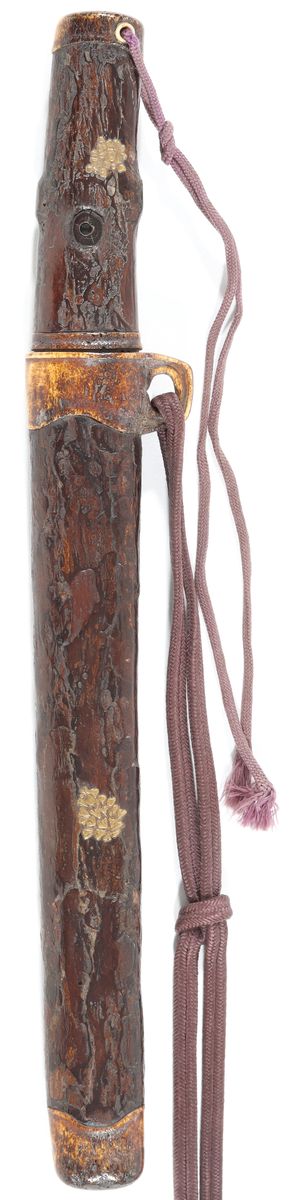
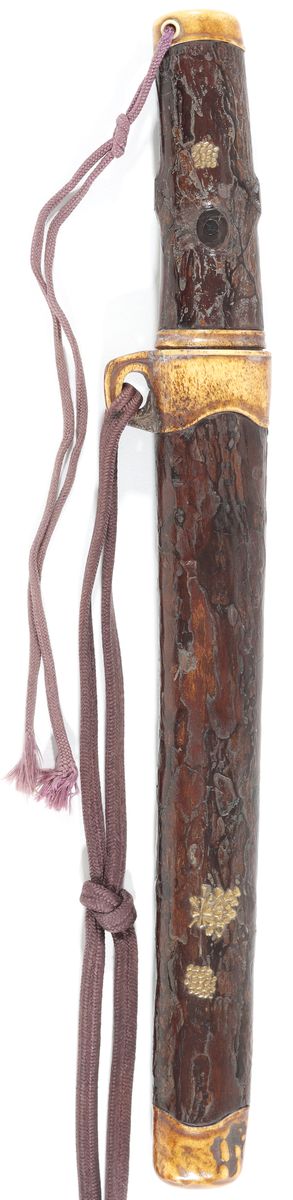

Tokyo · around 1912-1926
Tōken Taikan top 63%
4 pieces on the market now
The modern era (1868 to today)
Modern Japan made the sword an exile, then an artwork: the 1876 Haitōrei ended sword wearing, the postwar ban nearly ended the craft, and the revival built on the NBTHK’s founding in 1948 remade it as a licensed art.
Certifies a genuine blade worth preserving: a signature confirmed correct, or, if unsigned, an era, province, and school that the NBTHK can reliably identify.
The NBTHK (Nihon Bijutsu Tōken Hozon Kyōkai, the Society for the Preservation of Japanese Art Swords) is a public-interest incorporated foundation founded in 1948 and supervised by Japan’s Agency for Cultural Affairs (Bunkachō); it is based at the Japanese Sword Museum in Tokyo. Its expert panels physically examine each submitted work (shinsa) and issue a certificate (kanteishō) ranking it by artistic and historical merit. NBTHK papers are the most widely recognized standard of authentication for Japanese swords and fittings.
NBTHK official siteIf, due to our fault, the item differs significantly from its proper condition, the item may be returned. Cooling-off is within one week of the item's arrival.
¥850,000