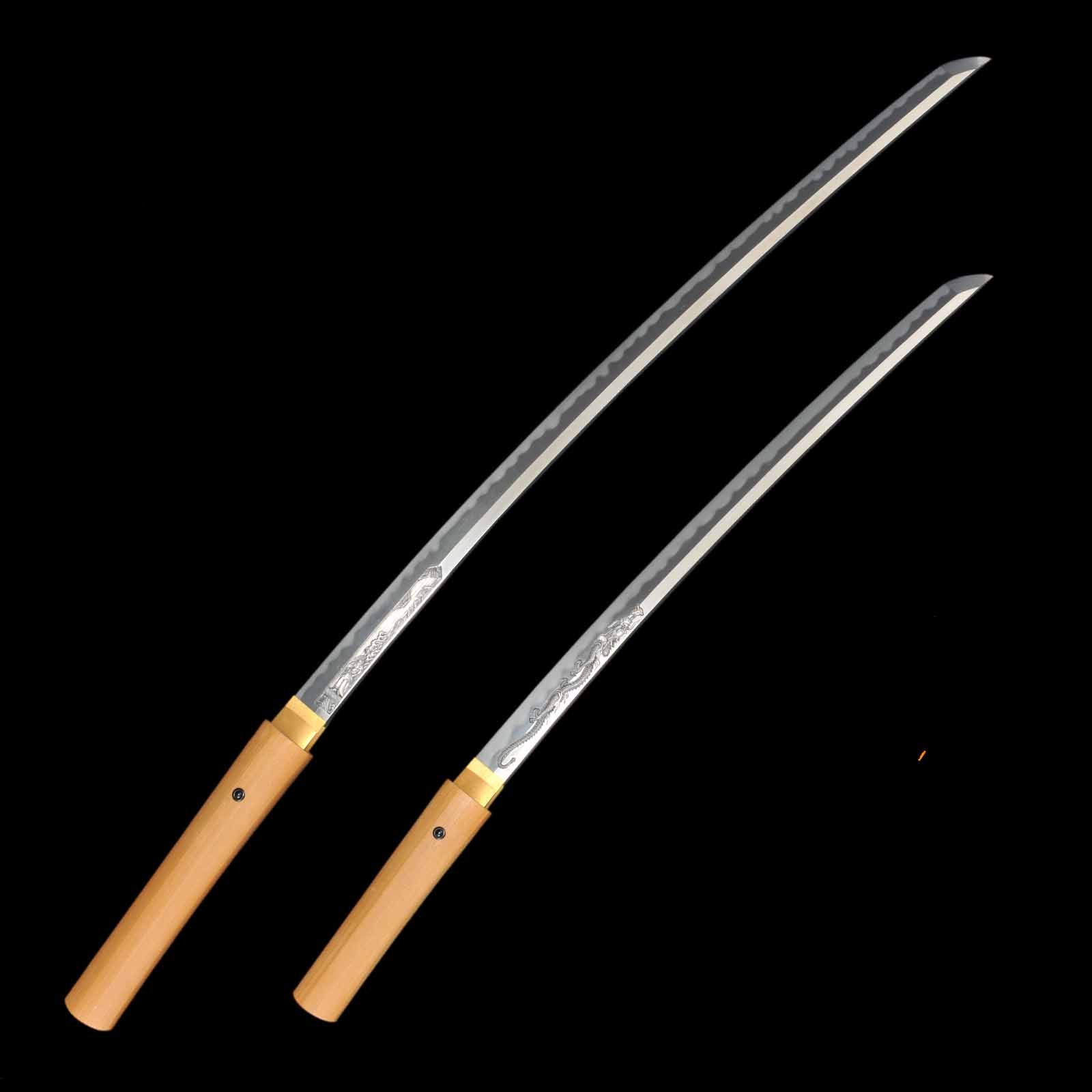
Modern Japan made the sword an exile, then an artwork: the 1876 Haitōrei ended sword wearing, the postwar ban nearly ended the craft, and the revival built on the NBTHK’s founding in 1948 remade it as a licensed art.
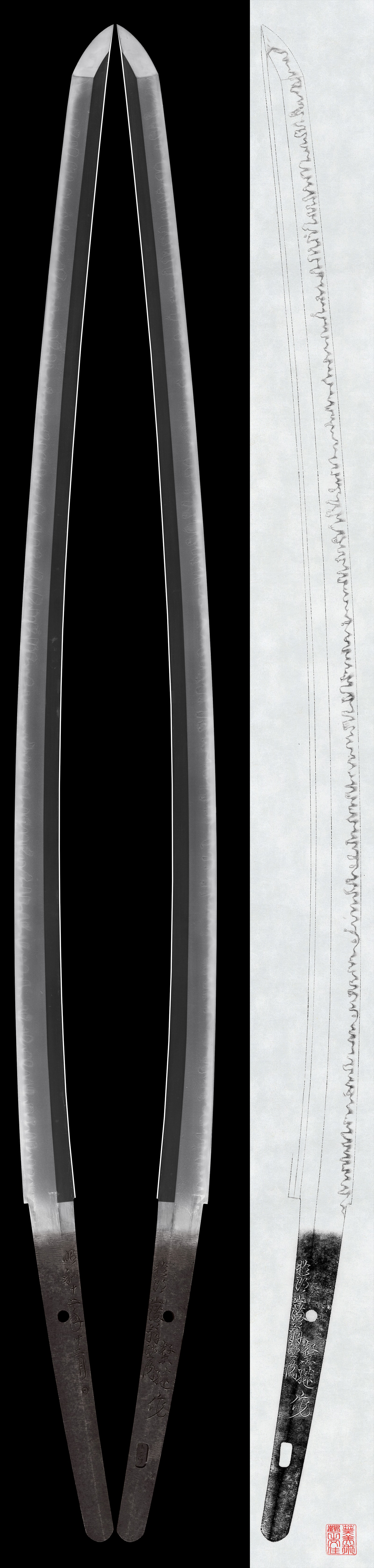
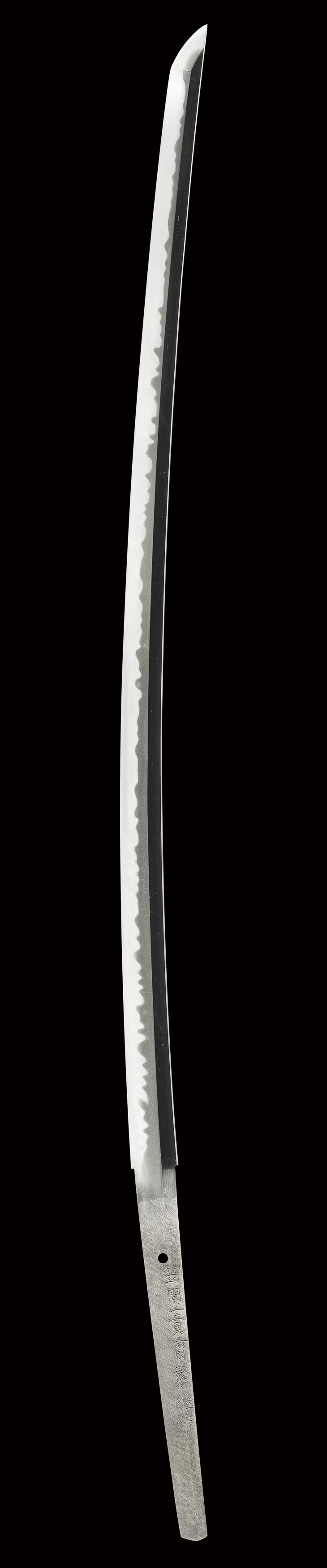
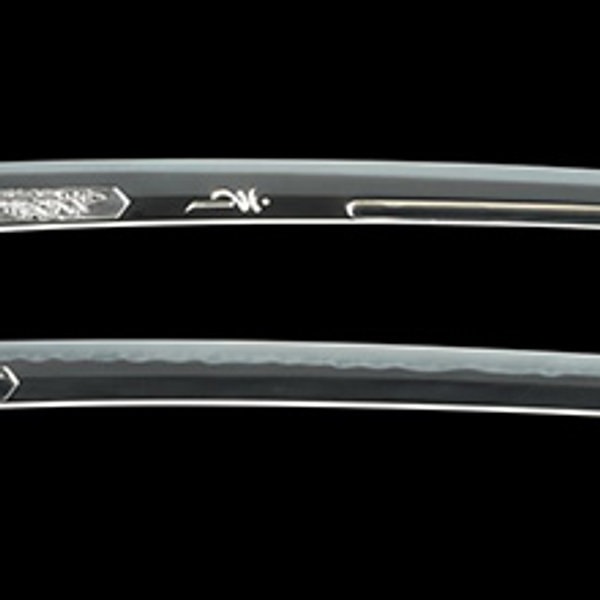
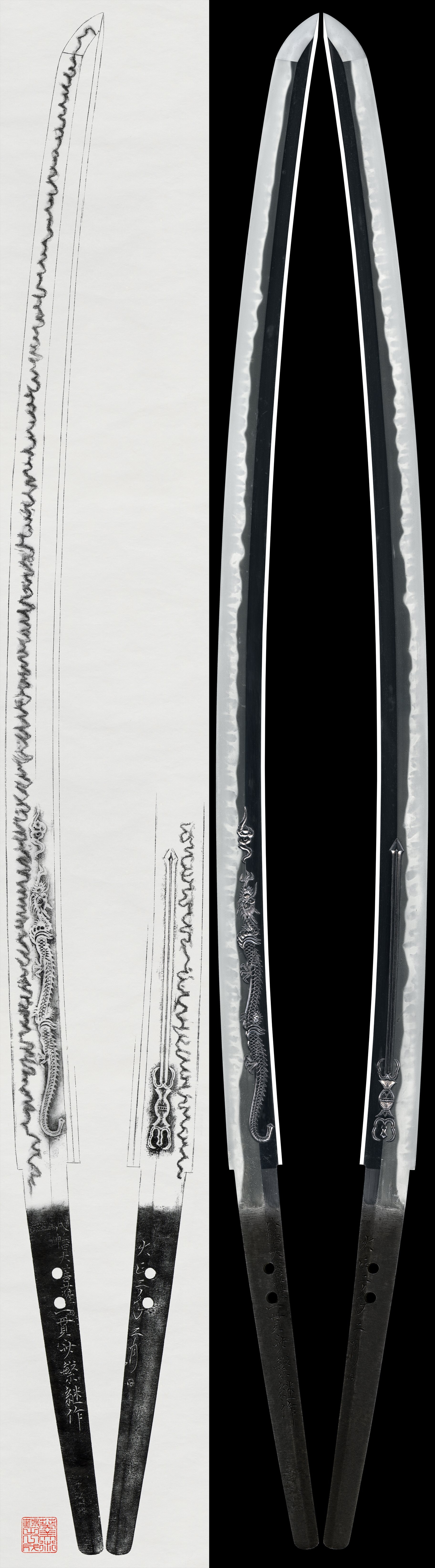
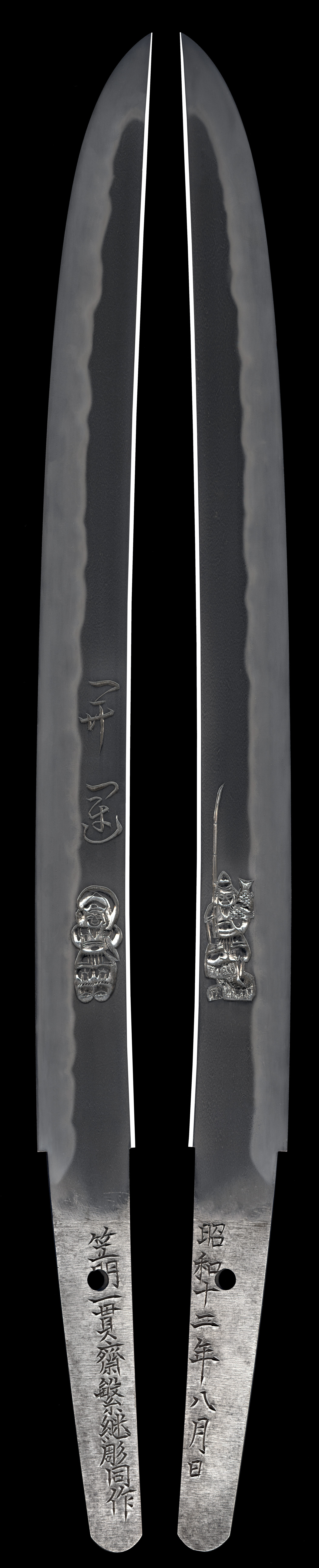
This is a wakizashi by the modern master smith Kasama Ikkansai Shigetsugu, made in Showa 12 (1937). It features elaborate carvings (horimono) of Daikokuten and Ebisu, along with the inscription 'Shoun' (rising fortune). The blade is accompanied by an NBTHK Tokubetsu Hozon paper.
 NihontoWatch
mei · Taisho (1912-1926) · nagasa 35cm · sori 0.3cm
Tokyo · around 1912-1926
Tōken Taikan top 63%
7 pieces on the market now
The modern era (1868 to today)
Modern Japan made the sword an exile, then an artwork: the 1876 Haitōrei ended sword wearing, the postwar ban nearly ended the craft, and the revival built on the NBTHK’s founding in 1948 remade it as a licensed art.
A Hozon-certified blade judged to show notably superior workmanship and a better state of preservation. The bar is higher: re-tempered blades and most unsigned Muromachi/Edo works are excluded.
The NBTHK (Nihon Bijutsu Tōken Hozon Kyōkai, the Society for the Preservation of Japanese Art Swords) is a public-interest incorporated foundation founded in 1948 and supervised by Japan’s Agency for Cultural Affairs (Bunkachō); it is based at the Japanese Sword Museum in Tokyo. Its expert panels physically examine each submitted work (shinsa) and issue a certificate (kanteishō) ranking it by artistic and historical merit. NBTHK papers are the most widely recognized standard of authentication for Japanese swords and fittings.
NBTHK official siteFor cooling-off, contact us within 3 days including the day you received the item, and ship it so that it arrives within 8 days. After 8 days a return cannot be accepted. Returning an item after 8 days will be treated as a buy-back.
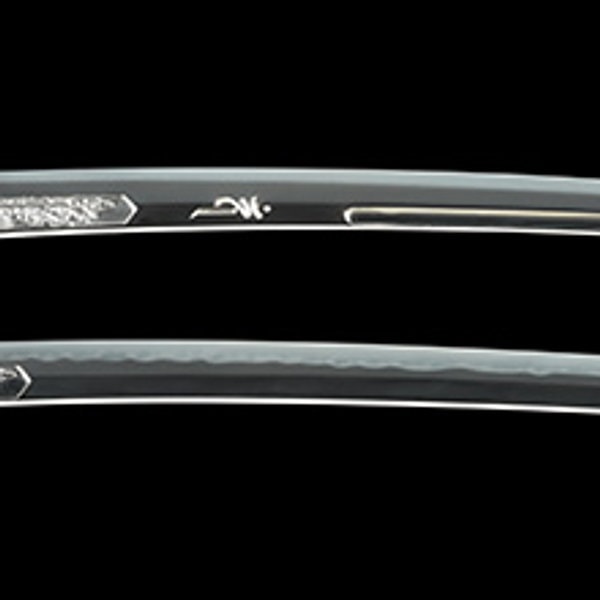
This is a wakizashi by the modern master smith Kasama Ikkansai Shigetsugu, made in Showa 12 (1937). It features elaborate carvings (horimono) of Daikokuten and Ebisu, along with the inscription 'Shoun' (rising fortune). The blade is accompanied by an NBTHK Tokubetsu Hozon paper.
NihontoWatchmei · Taisho (1912-1926) · nagasa 35cm · sori 0.3cm
Tokyo · around 1912-1926
Tōken Taikan top 63%
7 pieces on the market now
The modern era (1868 to today)
Modern Japan made the sword an exile, then an artwork: the 1876 Haitōrei ended sword wearing, the postwar ban nearly ended the craft, and the revival built on the NBTHK’s founding in 1948 remade it as a licensed art.
A Hozon-certified blade judged to show notably superior workmanship and a better state of preservation. The bar is higher: re-tempered blades and most unsigned Muromachi/Edo works are excluded.
The NBTHK (Nihon Bijutsu Tōken Hozon Kyōkai, the Society for the Preservation of Japanese Art Swords) is a public-interest incorporated foundation founded in 1948 and supervised by Japan’s Agency for Cultural Affairs (Bunkachō); it is based at the Japanese Sword Museum in Tokyo. Its expert panels physically examine each submitted work (shinsa) and issue a certificate (kanteishō) ranking it by artistic and historical merit. NBTHK papers are the most widely recognized standard of authentication for Japanese swords and fittings.
NBTHK official siteFor cooling-off, contact us within 3 days including the day you received the item, and ship it so that it arrives within 8 days. After 8 days a return cannot be accepted. Returning an item after 8 days will be treated as a buy-back.