The Haitōrei edict of 1876 ended sword wearing and nearly ended the craft itself. Military demand and imperial patronage kept a remnant alive, and in 1906 Gassan Sadakazu and Miyamoto Kanenori were named Artists to the Imperial Household.
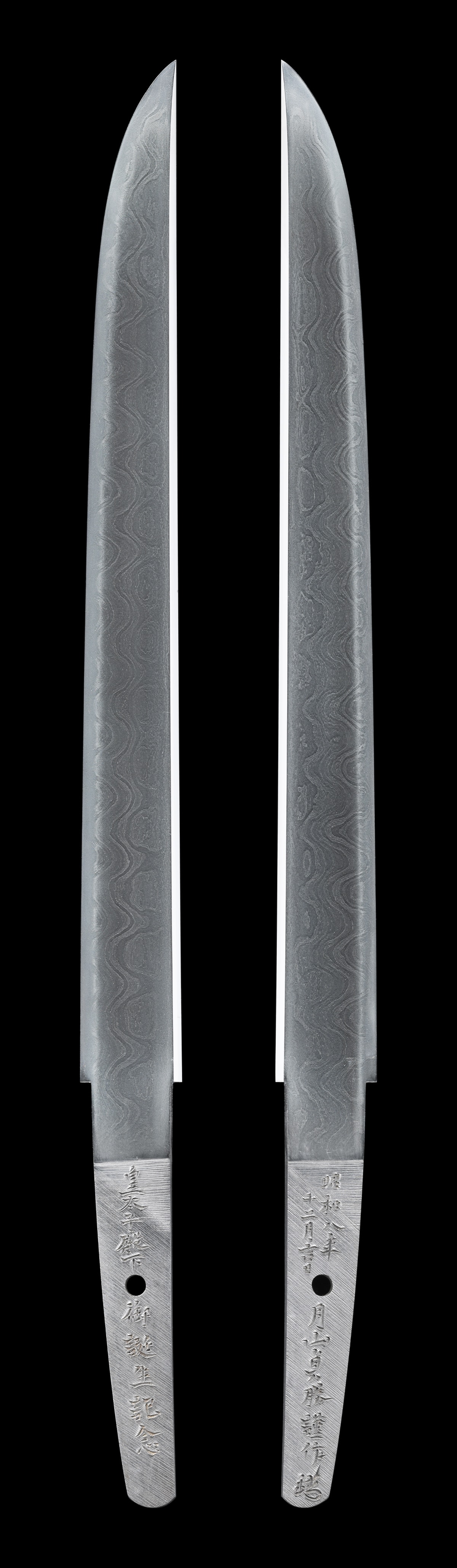
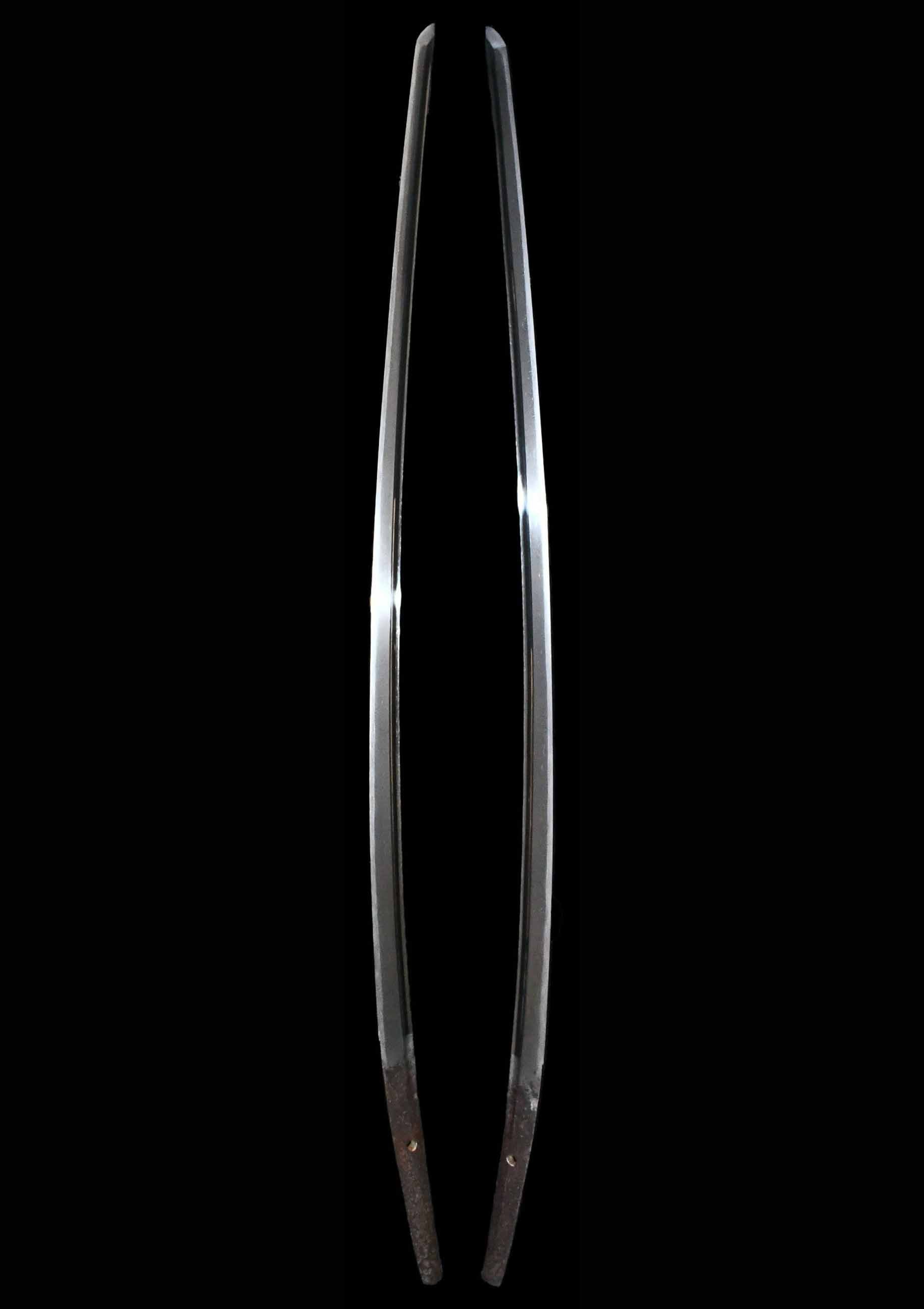
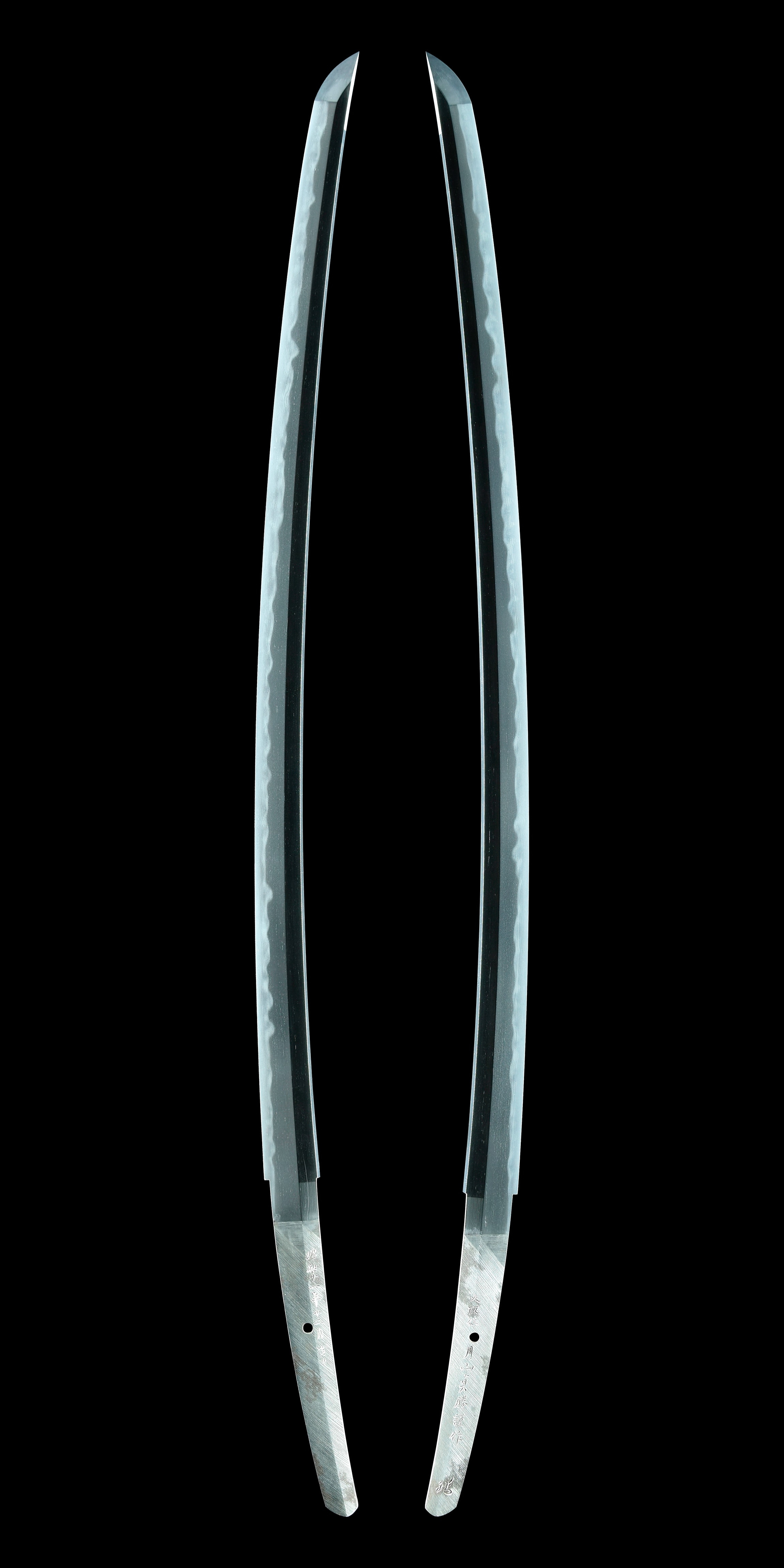
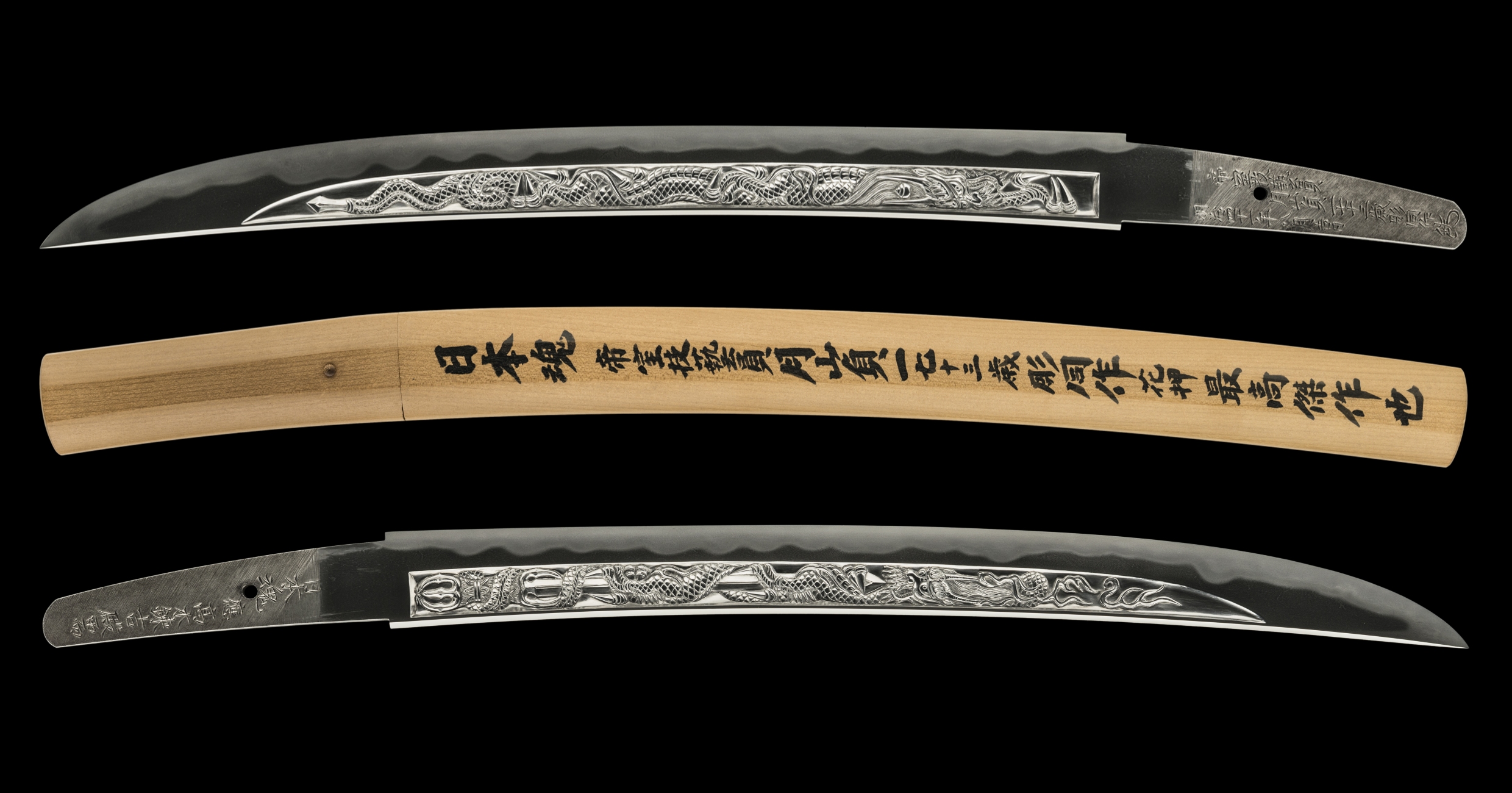
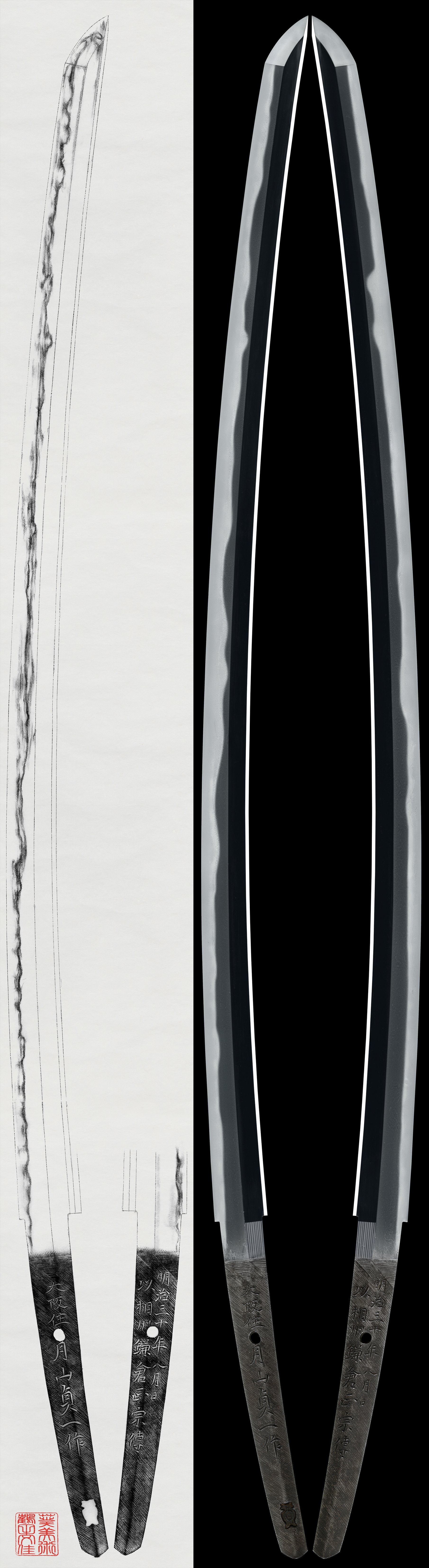
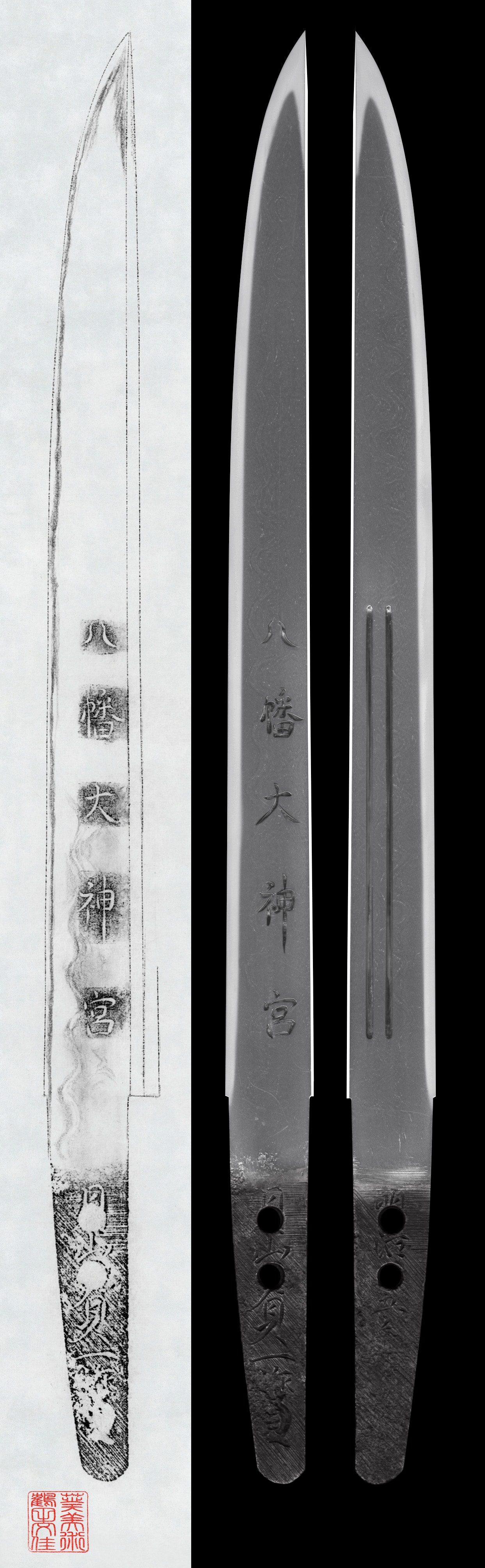
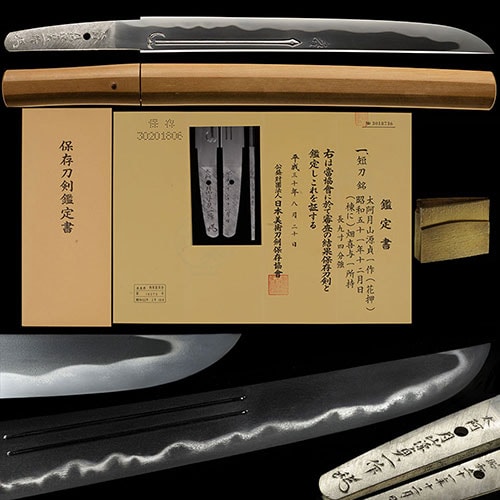
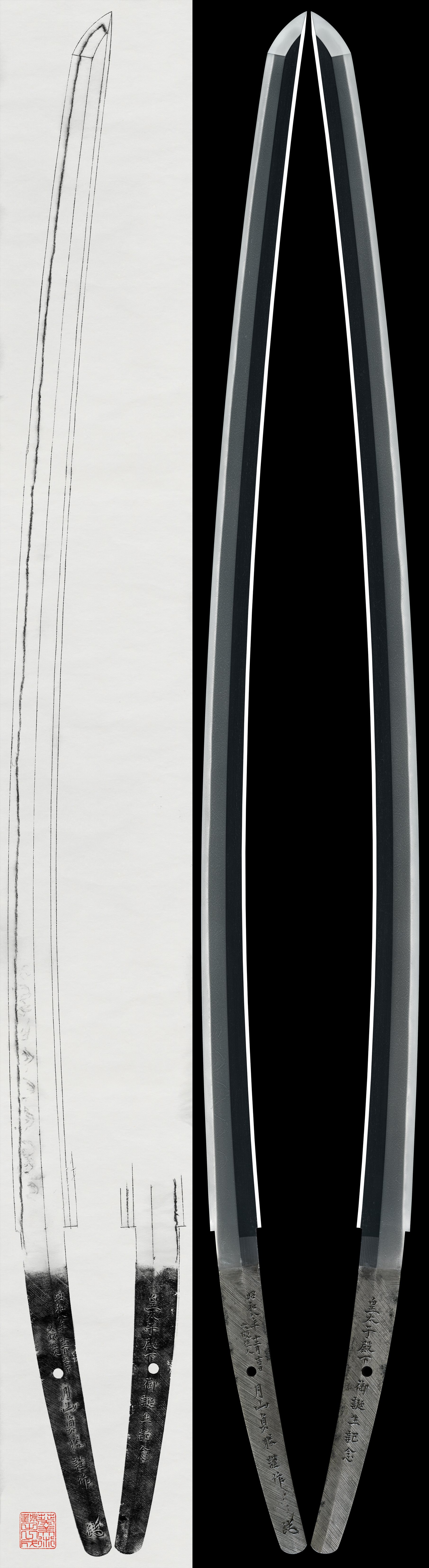
This wakizashi, crafted in 1908 by the esteemed Gassan Sadakazu, is a recreation of a 17th-century Nanki Shigekuni blade. It features exquisite horimono, including a Kurikara kenmaki-ryû dragon and a sankozuka, hand-chiselled by Sadakazu himself. The blade is inscribed with "Nihon Damashî" and has been declared his greatest masterpiece by his great-grandson, Gassan Sadatoshi.
 NihontoWatch
mei · Gassan · Gendaitô – Meiji Era (1908) · nagasa 42.7cm · sori 0.9cm
Yamato · around 1907-1995
Tōken Taikan top 49%
5 pieces on the market now
Meiji: survival after the edict
The Haitōrei edict of 1876 ended sword wearing and nearly ended the craft itself. Military demand and imperial patronage kept a remnant alive, and in 1906 Gassan Sadakazu and Miyamoto Kanenori were named Artists to the Imperial Household.
We could not find an authenticity certificate on the seller’s listing. Japanese swords and fittings are normally papered by the NBTHK (or the NTHK). Without one, the attribution is the seller’s own assessment and has not been independently verified — treat it with caution and ask the dealer about certification before buying.
All swords come with a three-day inspection period beginning from the date of delivery. If not satisfied, the sword may be returned within this period for a full refund of the purchase price. Outside of this period, all sales are final. Swords purchased on a layaway payment plan are not eligible for the three-day inspection period.
This wakizashi, crafted in 1908 by the esteemed Gassan Sadakazu, is a recreation of a 17th-century Nanki Shigekuni blade. It features exquisite horimono, including a Kurikara kenmaki-ryû dragon and a sankozuka, hand-chiselled by Sadakazu himself. The blade is inscribed with "Nihon Damashî" and has been declared his greatest masterpiece by his great-grandson, Gassan Sadatoshi.
NihontoWatchmei · Gassan · Gendaitô – Meiji Era (1908) · nagasa 42.7cm · sori 0.9cm
Yamato · around 1907-1995
Tōken Taikan top 49%
5 pieces on the market now
Meiji: survival after the edict
The Haitōrei edict of 1876 ended sword wearing and nearly ended the craft itself. Military demand and imperial patronage kept a remnant alive, and in 1906 Gassan Sadakazu and Miyamoto Kanenori were named Artists to the Imperial Household.
We could not find an authenticity certificate on the seller’s listing. Japanese swords and fittings are normally papered by the NBTHK (or the NTHK). Without one, the attribution is the seller’s own assessment and has not been independently verified — treat it with caution and ask the dealer about certification before buying.
All swords come with a three-day inspection period beginning from the date of delivery. If not satisfied, the sword may be returned within this period for a full refund of the purchase price. Outside of this period, all sales are final. Swords purchased on a layaway payment plan are not eligible for the three-day inspection period.







![Katana - Tokuho - by Gassan Sadakazu - Signed Naniwa ju Gassan Unryushi Sadakazu tsukuru [Seal] Keio gannen 11 gatsujitsu](/_next/image?url=https%3A%2F%2Fitbhfhyptogxcjbjfzwx.supabase.co%2Fstorage%2Fv1%2Fobject%2Fpublic%2Flisting-images%2Fchoshuya%2FL805711%2F00.jpg&w=2560&q=90)