 NihontoWatchNihontoWatch
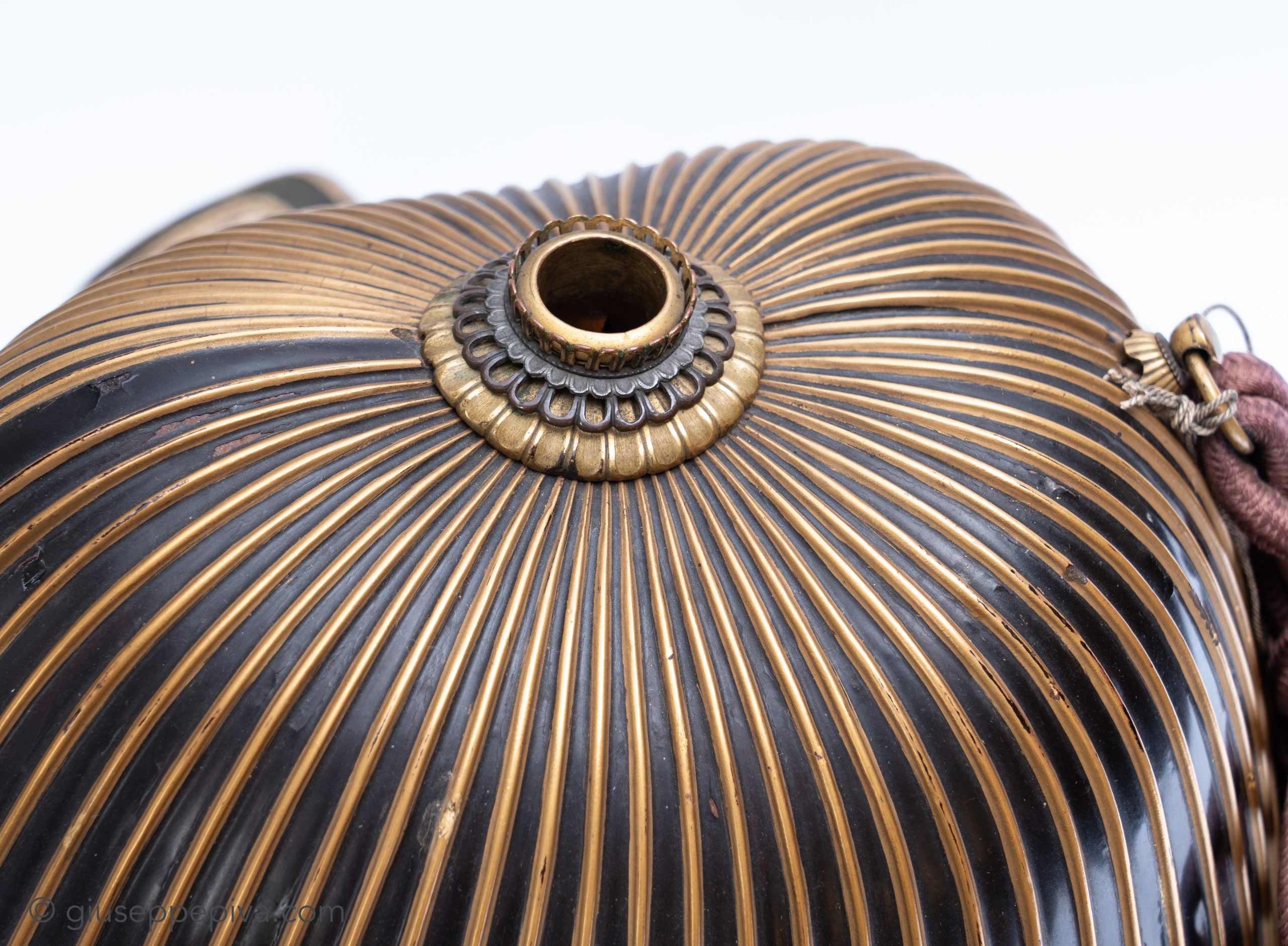
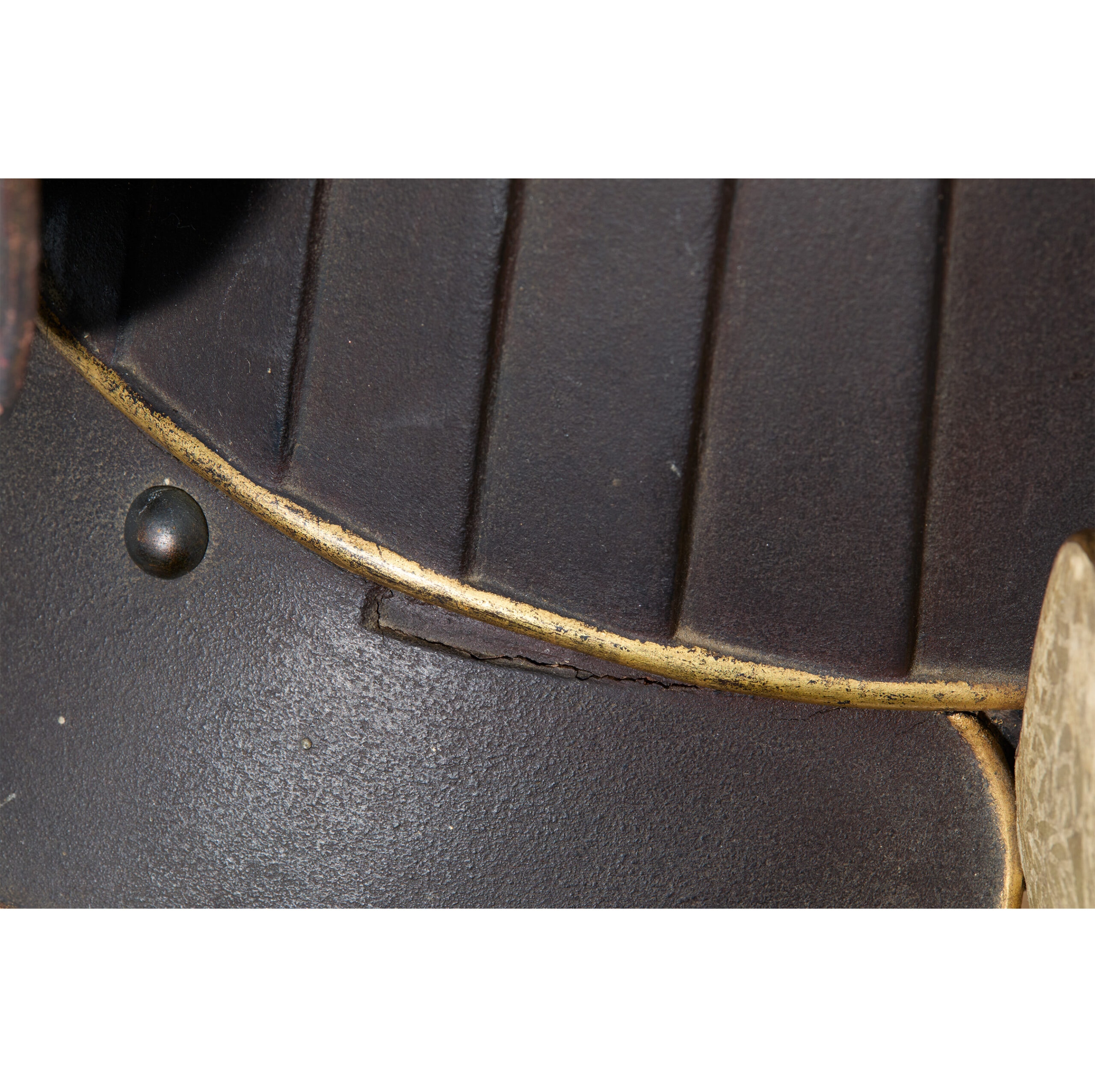
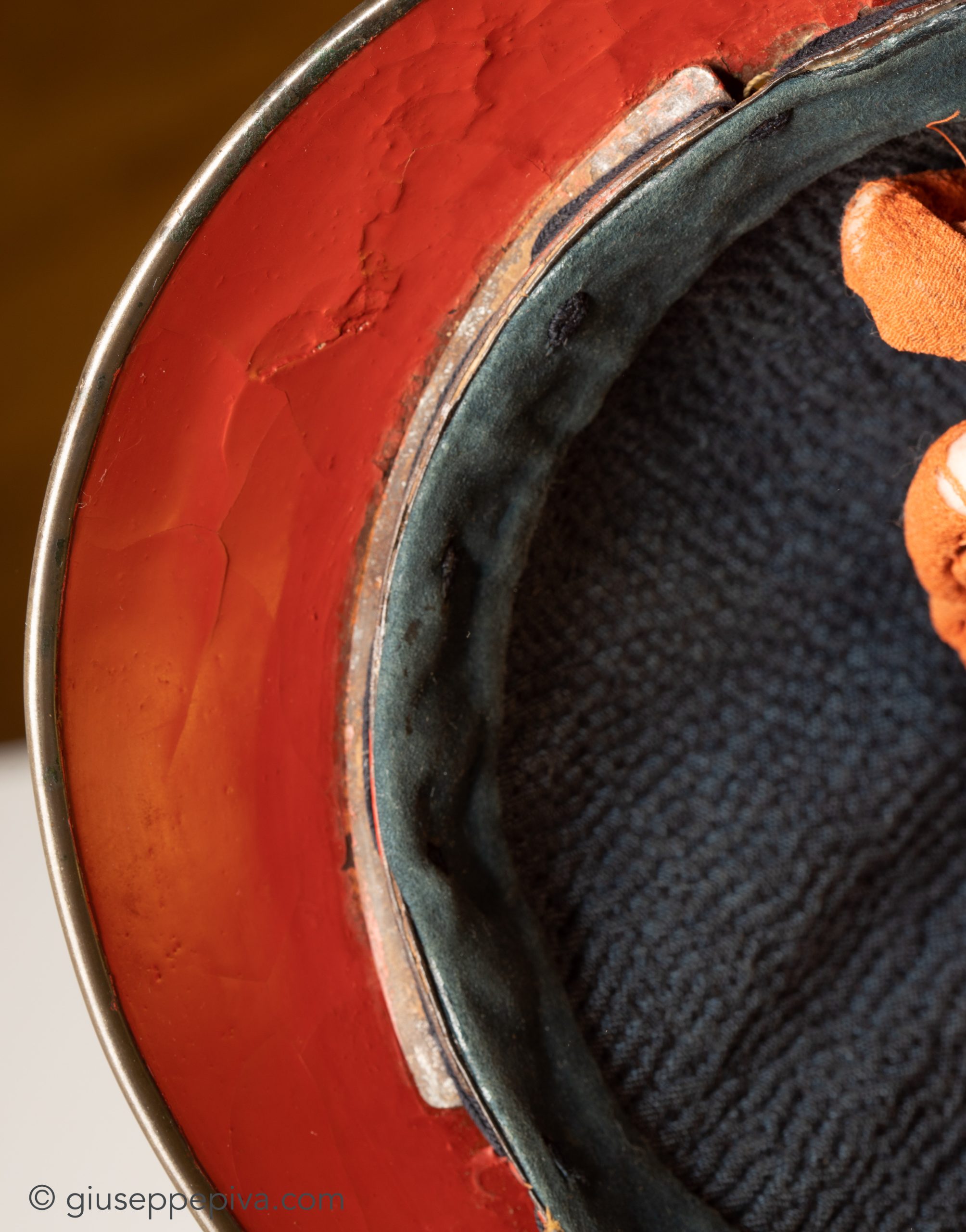
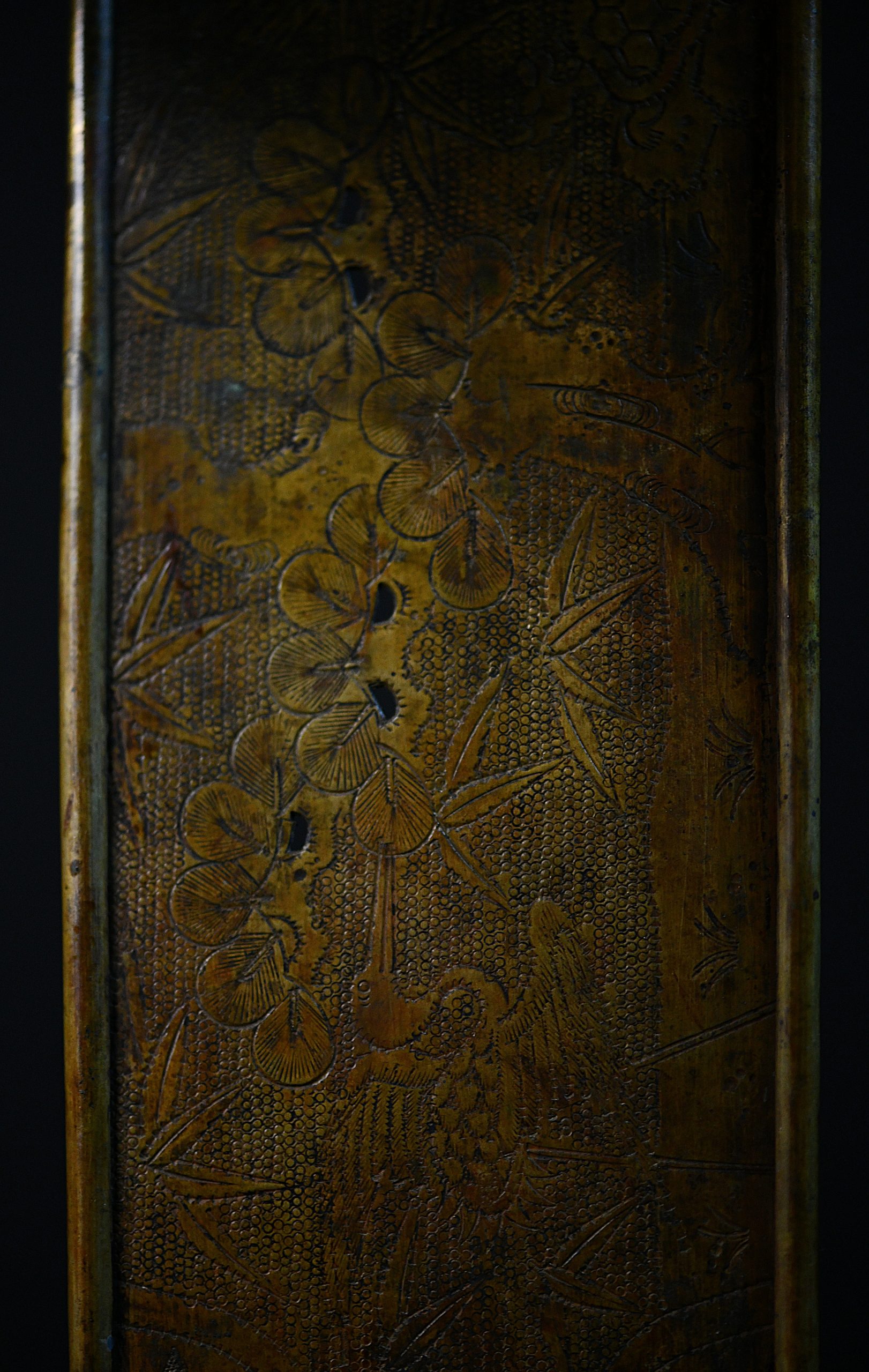
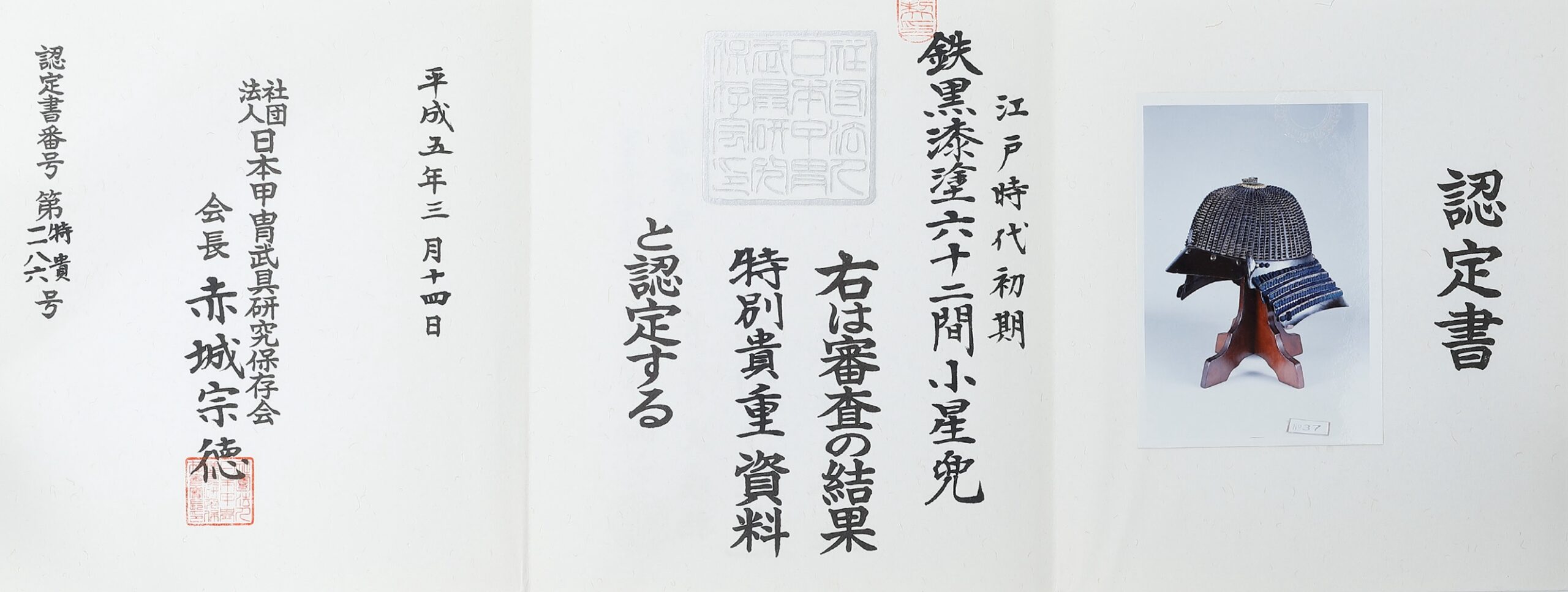
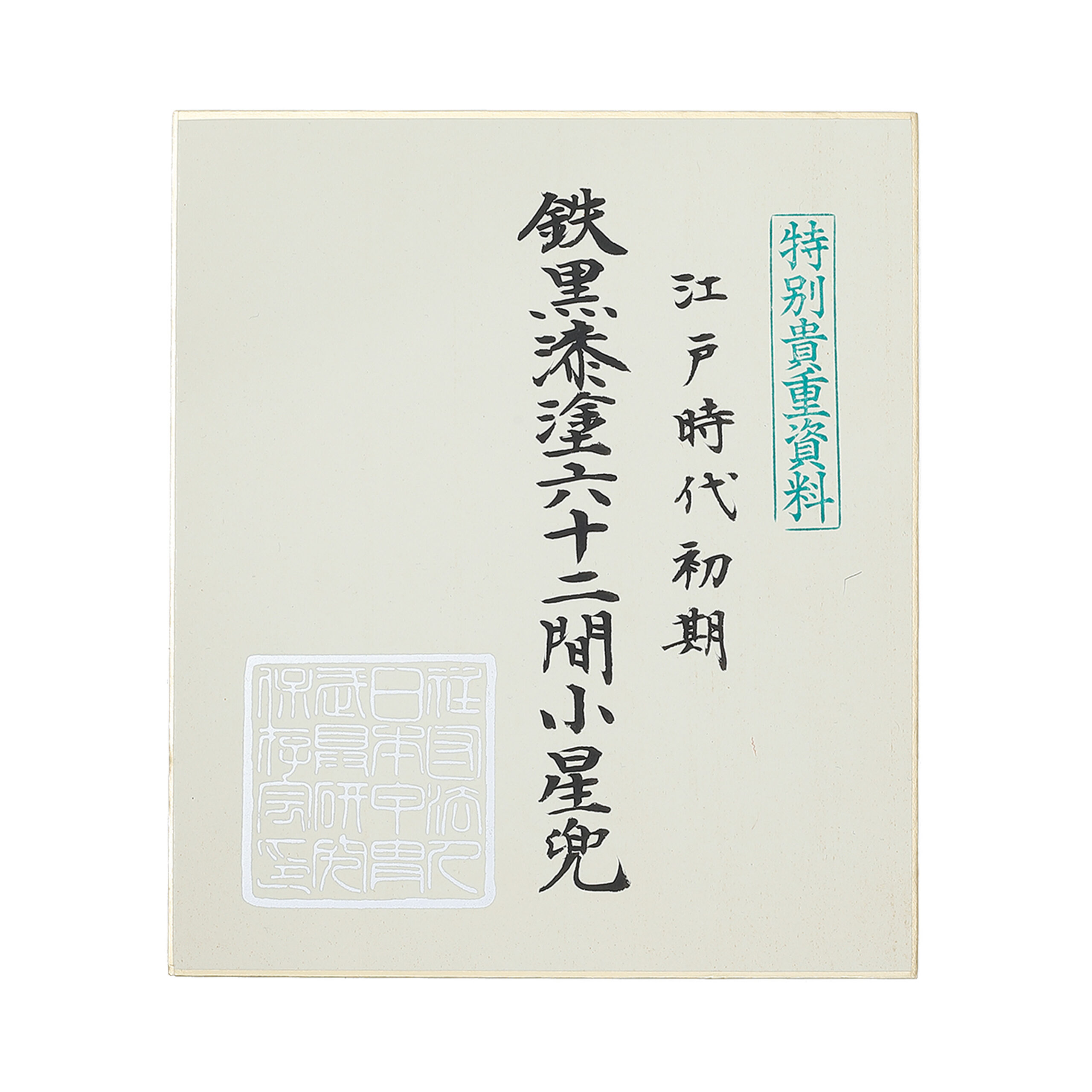
appraised by The Association for the Research and Preservation of Japanese Helmets and Armor This Kabuto’s style is the Koboshi Kabuto (小星兜), which is categorized as the Hoshi Kabuto (星兜), and it has Rokujuni (sixty two in Japanese) iron plates. The Hoshi Kabuto is a type of Samurai helmet that was born in the middle of the Heian period (around 888-1068). Small rivets that hold iron plates together. These rivets are called the Hoshi (星, star). In the Edo period, artisans made Kabutos not only Kawari Kabutos (please check the paragraph below) but also ancient-style Kabutos. For example, in the case of the Hoshi Kabuto, the Hoshis become smaller toward the top of the head; this form is called the Rinotori (厘劣り). It differs from the old-fashioned Hoshi Kabuto, in which all the Hoshis were the same size. The Kabuto is a protector of the head. When people started using the Kabuto, it was initially designed for practical use. However, the principal purpose of its design has changed with time; Samurai warriors tried to express their dignity, personality, or religion by wearing the characteristic designed Kabutos. According to a theory, these uniquely designed Kabutos were made from the late Muromachi (室町, 1336-1573) to the Edo period (江戸, 1603-1868). This type of Kabuto is categorized as the Kawari Kabuto (変わり兜), and a variety of materials were used to create them. For example, animal fur, seashells, plants, and paper were used as materials for decorations. Also, the Fukikaeshi (吹き返し), both ends of a Kabuto, is attached to this Kabuto. It protects the face from swords. The parts of this Kabuto, including the Fukikashi, are black-lacquered, which is called the Kuro Urushi (黒漆). In addition, the Hachimanza (八幡座, helmet top opening) is shaped like a chrysanthemum (菊, Kiku). A long time ago, the chrysanthemum was used as a medicine for obtaining a long life in China, and it was brought to Japan with this thought in the Nara period (648-781). Chrysanthemum is one of the flowers which symbolizes fall, and people appreciate it very much since ancient times. As its petals form radially, the chrysanthemum has been likened to the sun. That is why this flower pattern is treated as the symbol of perpetual youth and longevity or good health. “Kiku no Gomon (菊の御紋)” is a kind of chrysanthemum pattern, and it has been used as the crest of the Emperor and the royal family in Japan so that it is well-known as a noble pattern. *Please keep in mind that this Kabuto’s lacquer is partly lacked off. Certification The certificate was issued by The Association for the Research and Preservation of Japanese Helmets and Armor, which is the most trusted Japanese armor appraiser in Japan. Tokubetsu Kicho Shiryo means special rare article. It is ranked as the third highest of five rankings. This helmet was authenticated on May 3rd, 1993, as a Tokubetsu Kicho Shiryo, and this paper mentions that this item was made in the early Edo period.
Offered by Samurai Museum
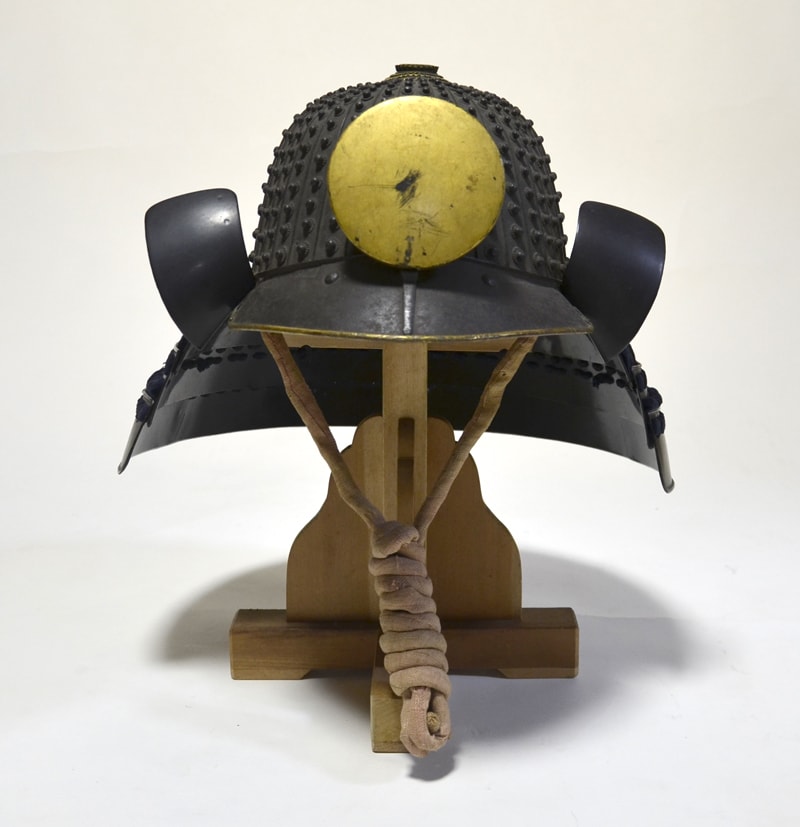
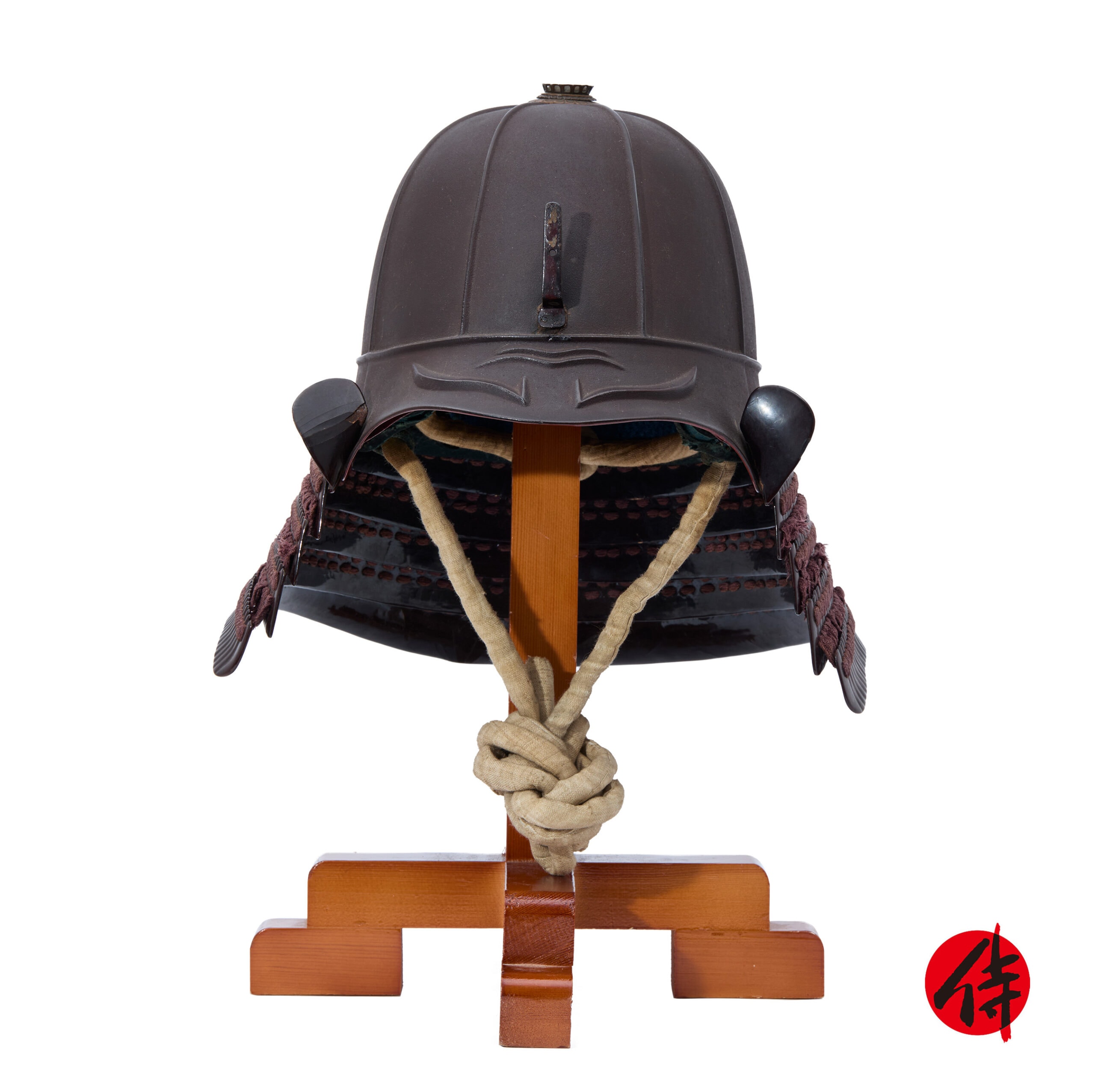

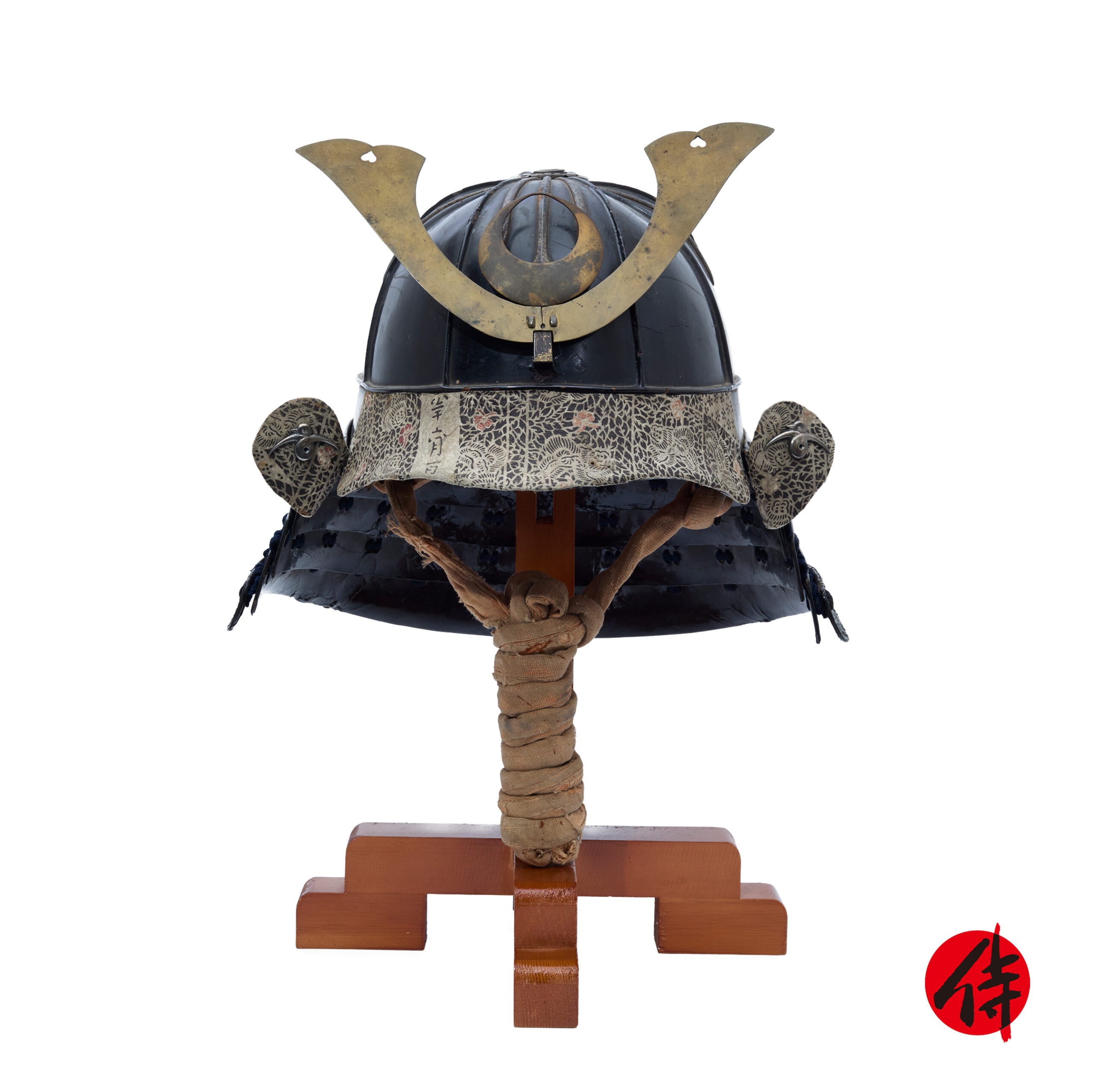
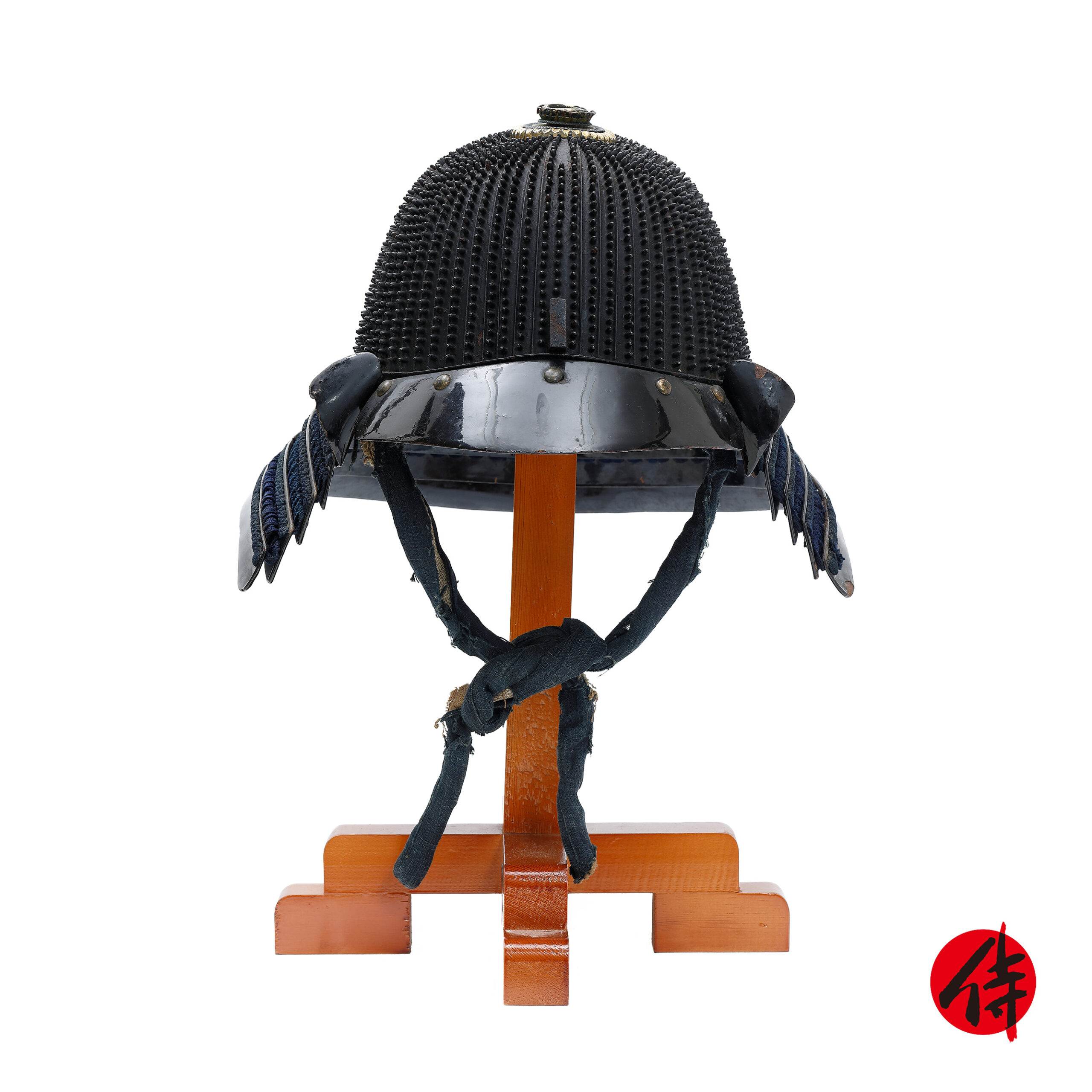
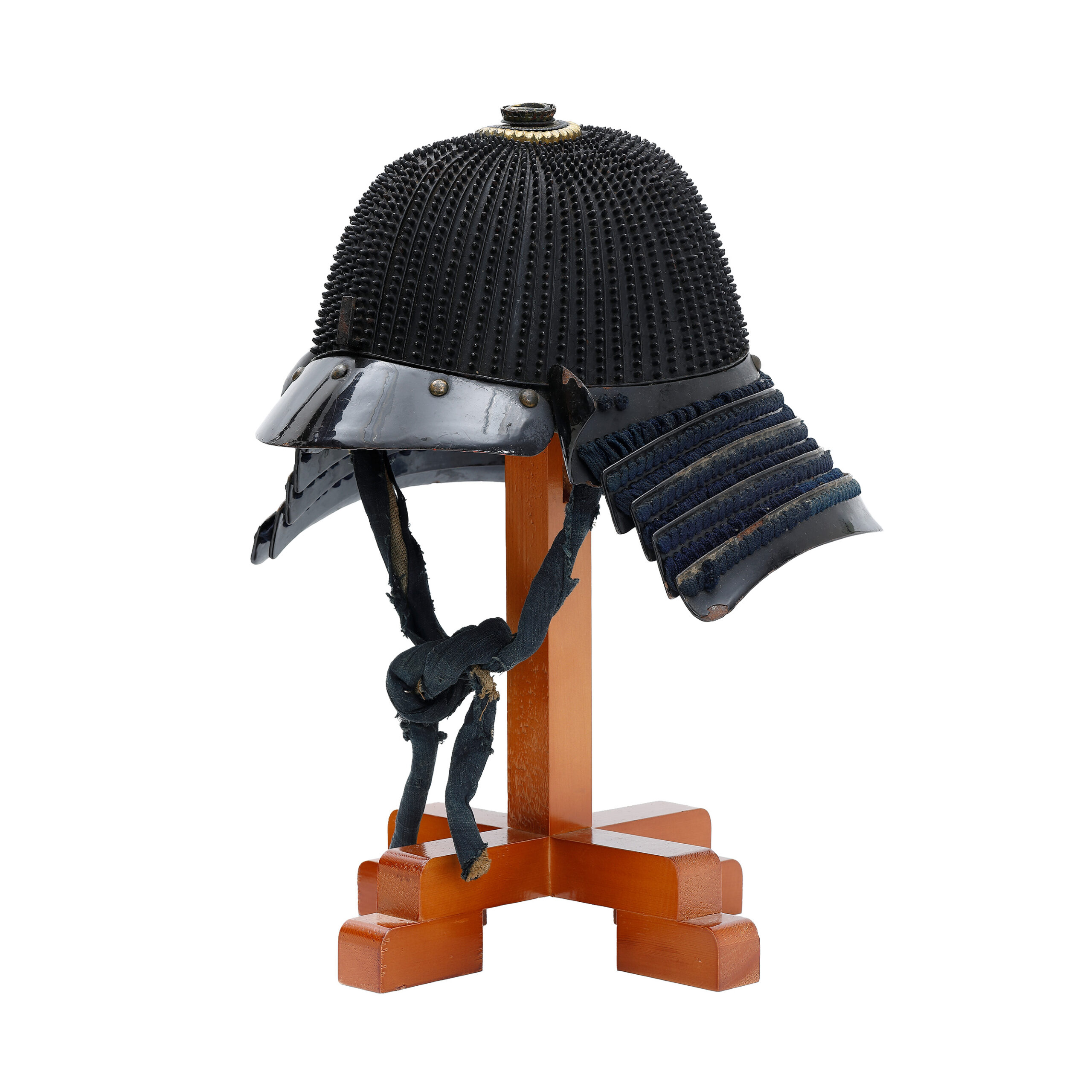
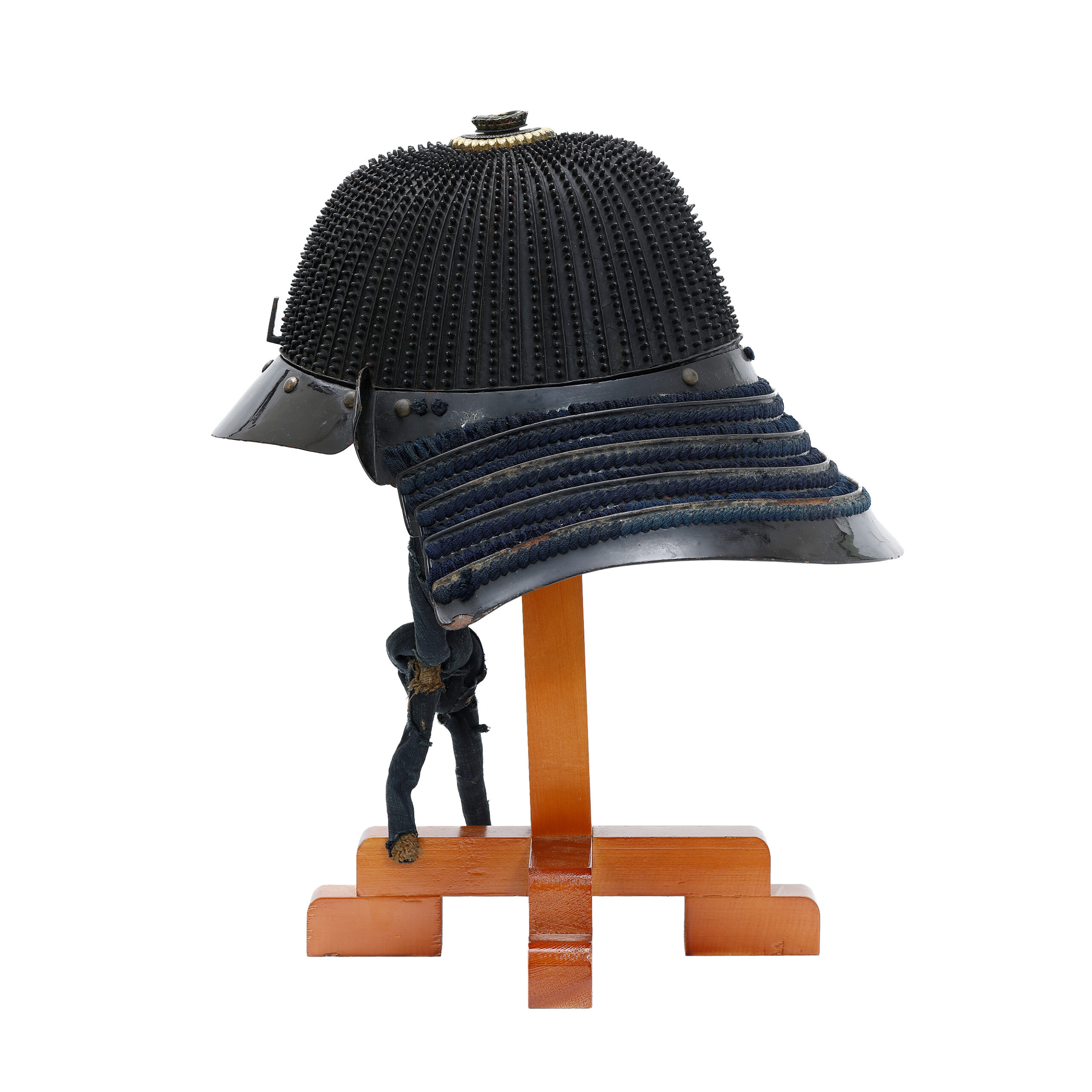
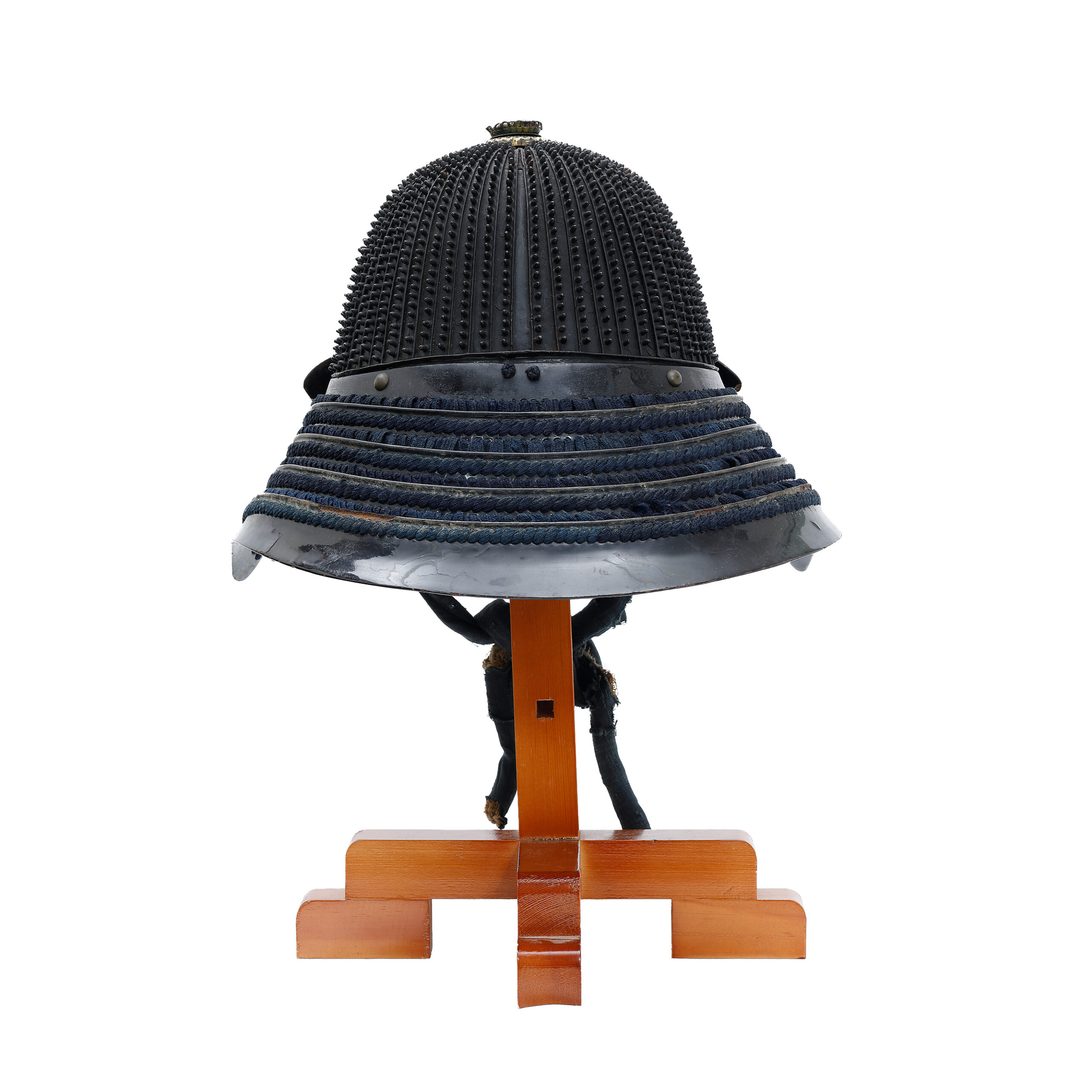
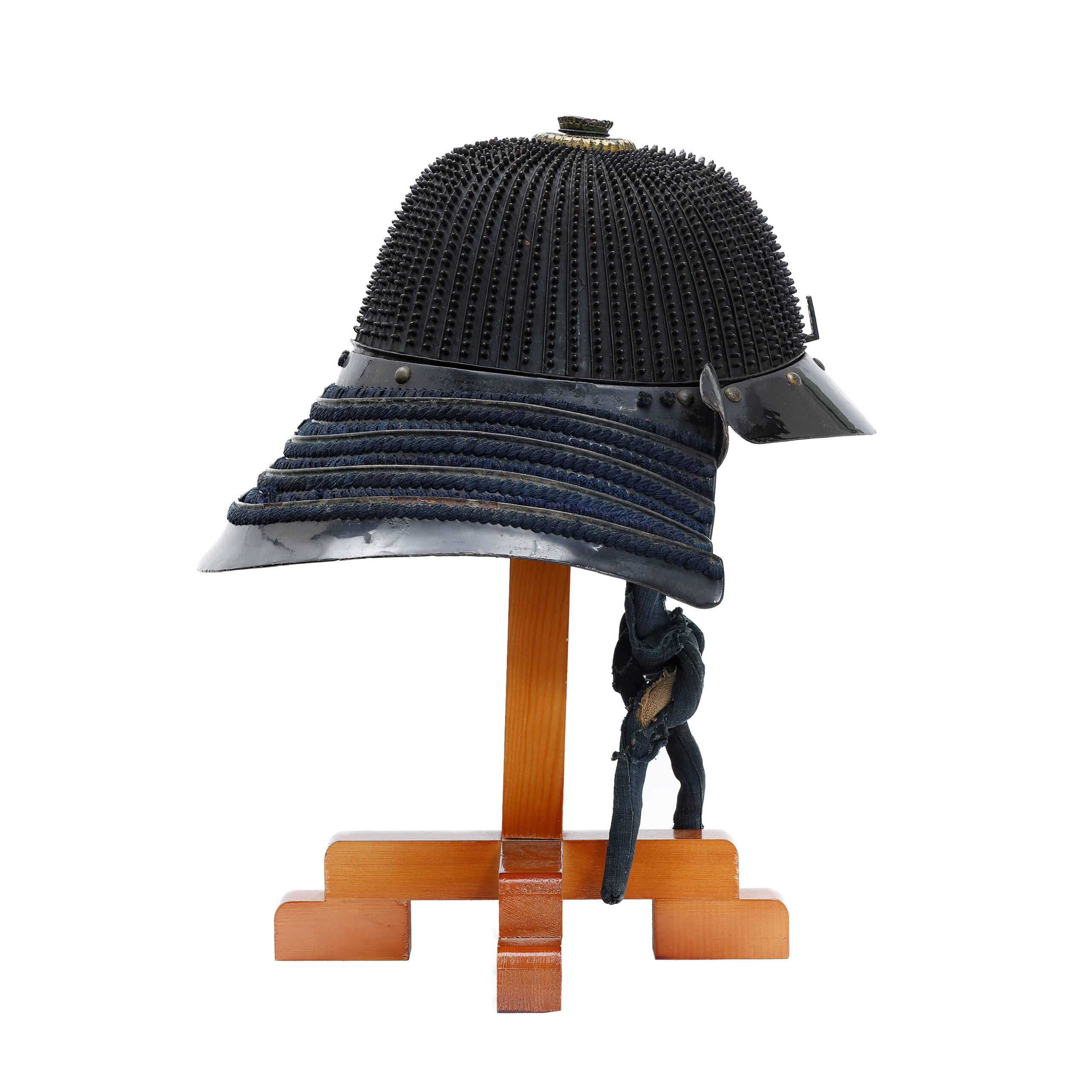
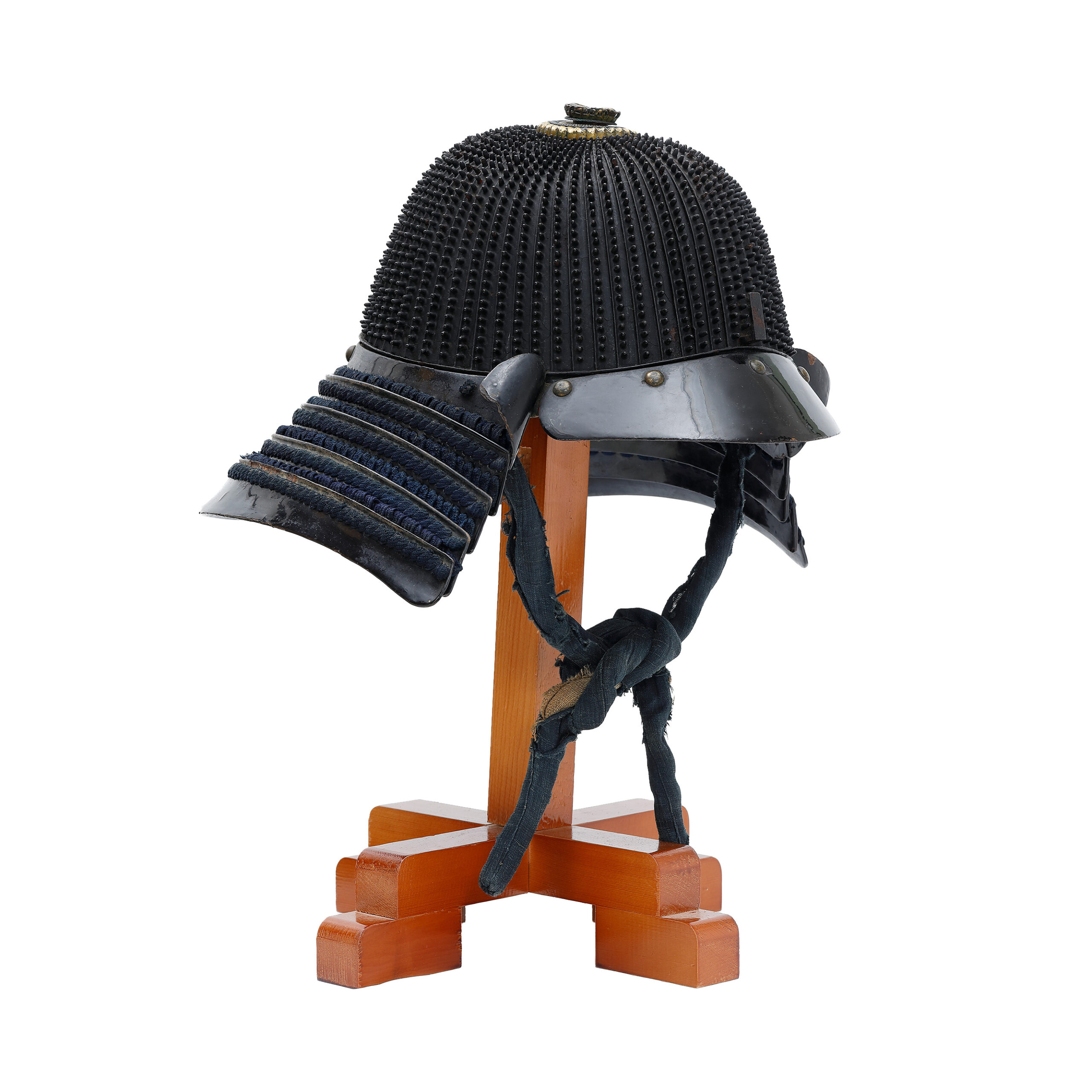
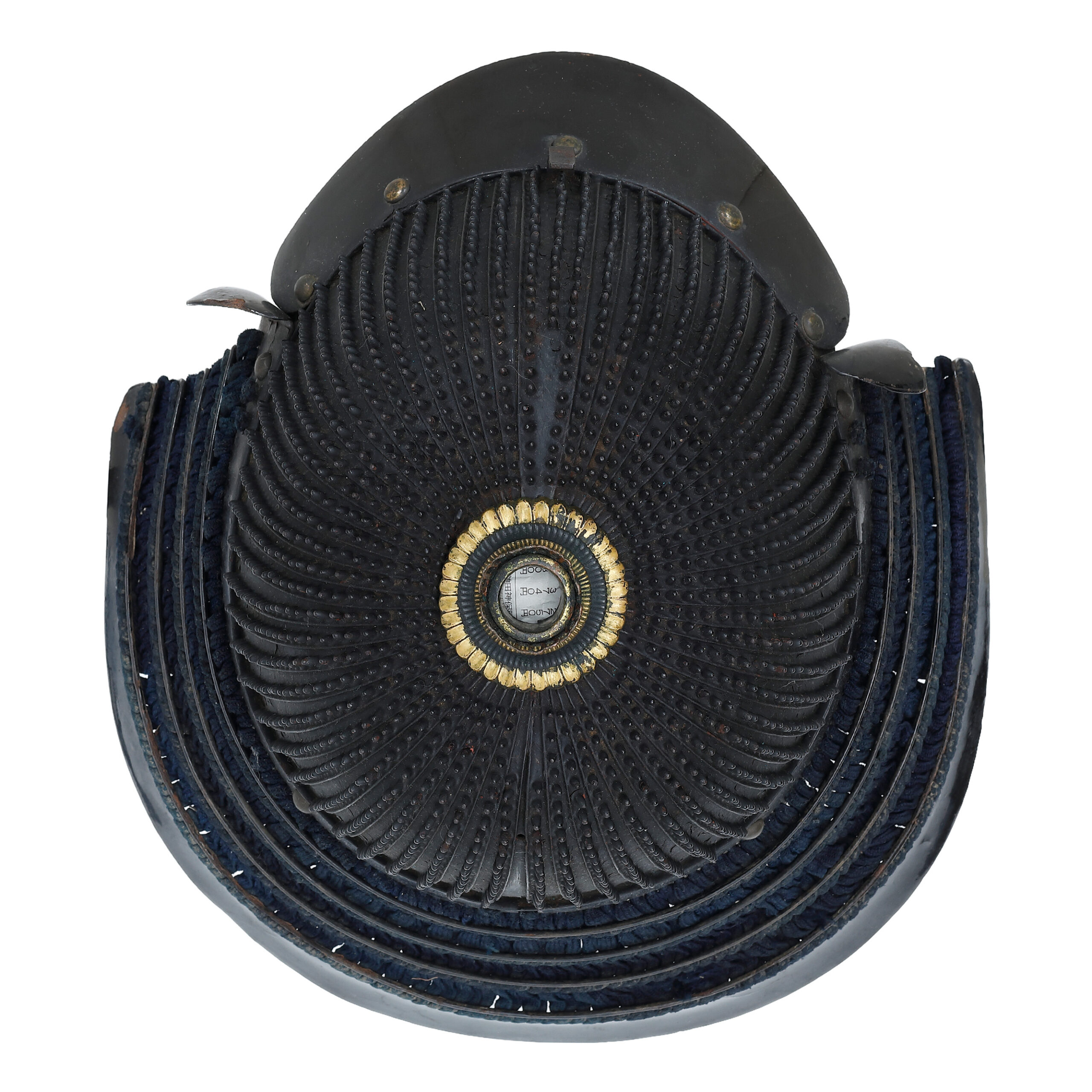
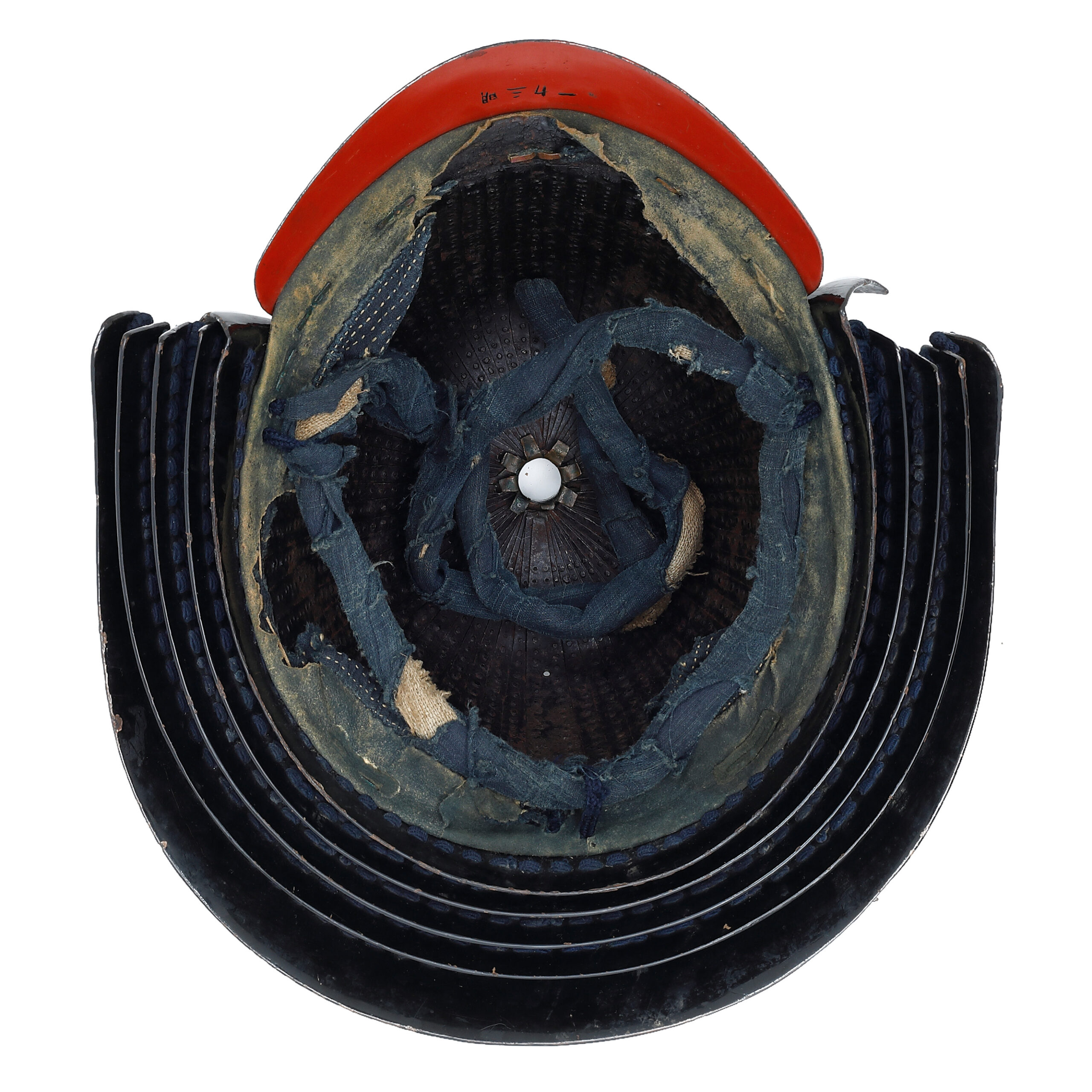
Kabuto only
62-plate · Koboshi Bachi
Unsigned
chrysanthemum
Edo
Especially valuable armour of notably superior workmanship and condition, the third of the five ranks.
Japanese armour is not certified by the NBTHK. The Nihon Katchū Bugu Kenkyū Hozon Kai (the Association for the Research and Preservation of Japanese Helmets and Armour), founded in 1961, is the principal body for armour. Its shinsa grades a piece as 資料 (shiryō, "reference material") across five ascending ranks: Hozon, Kichō, Tokubetsu Kichō, Kōshū Tokubetsu Kichō, and the highest, Jūyō Bunka Shiryō. The 資料 framing reflects the society’s purpose of preserving armour as cultural and historical reference, distinct from the NBTHK’s sword paper tiers.
Returns/exchanges limited to defects caused by shipping (except willful misconduct or gross negligence by the company); customers must contact within 72 hours of receiving the product.
¥1,150,000