 NihontoWatchNihontoWatch
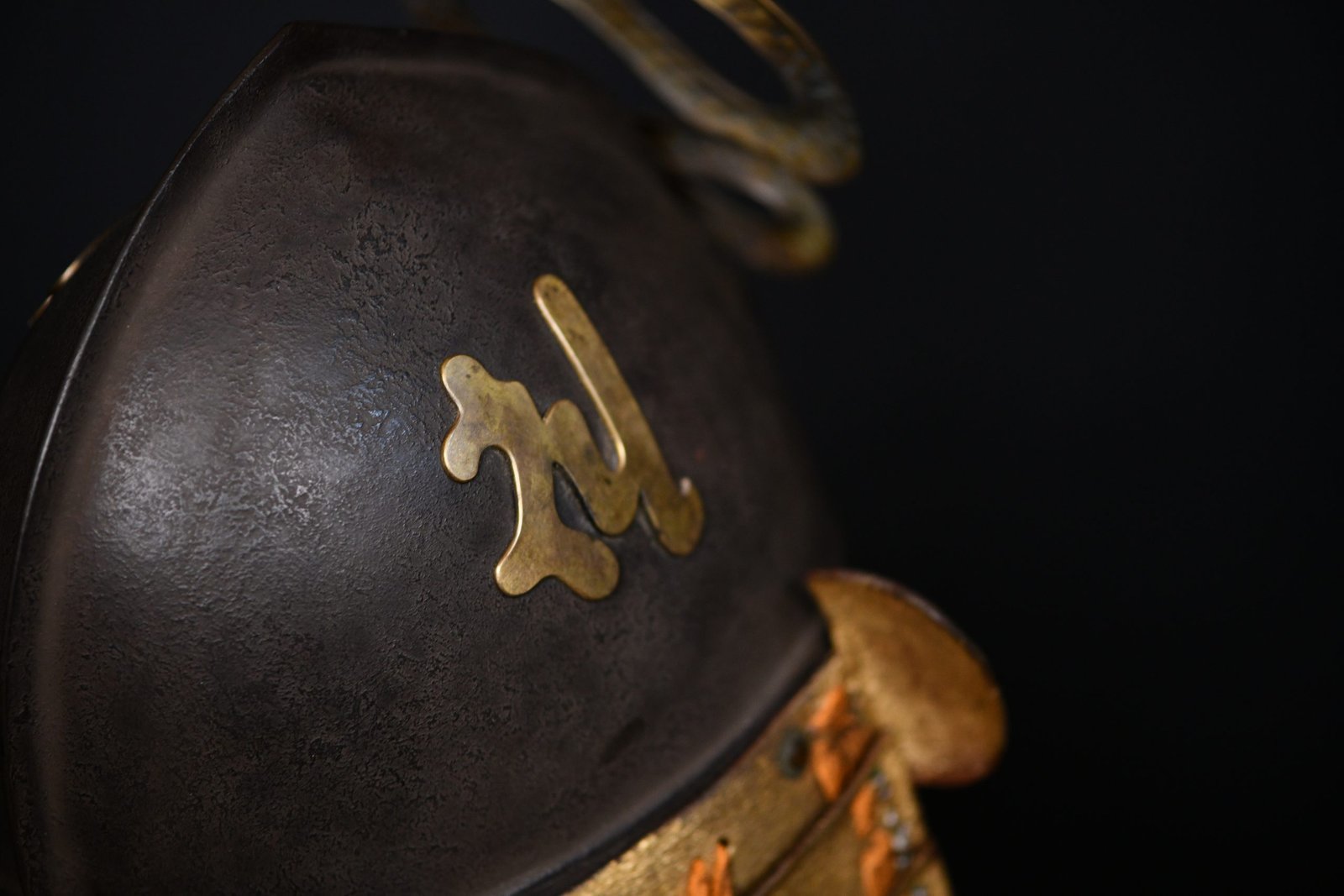
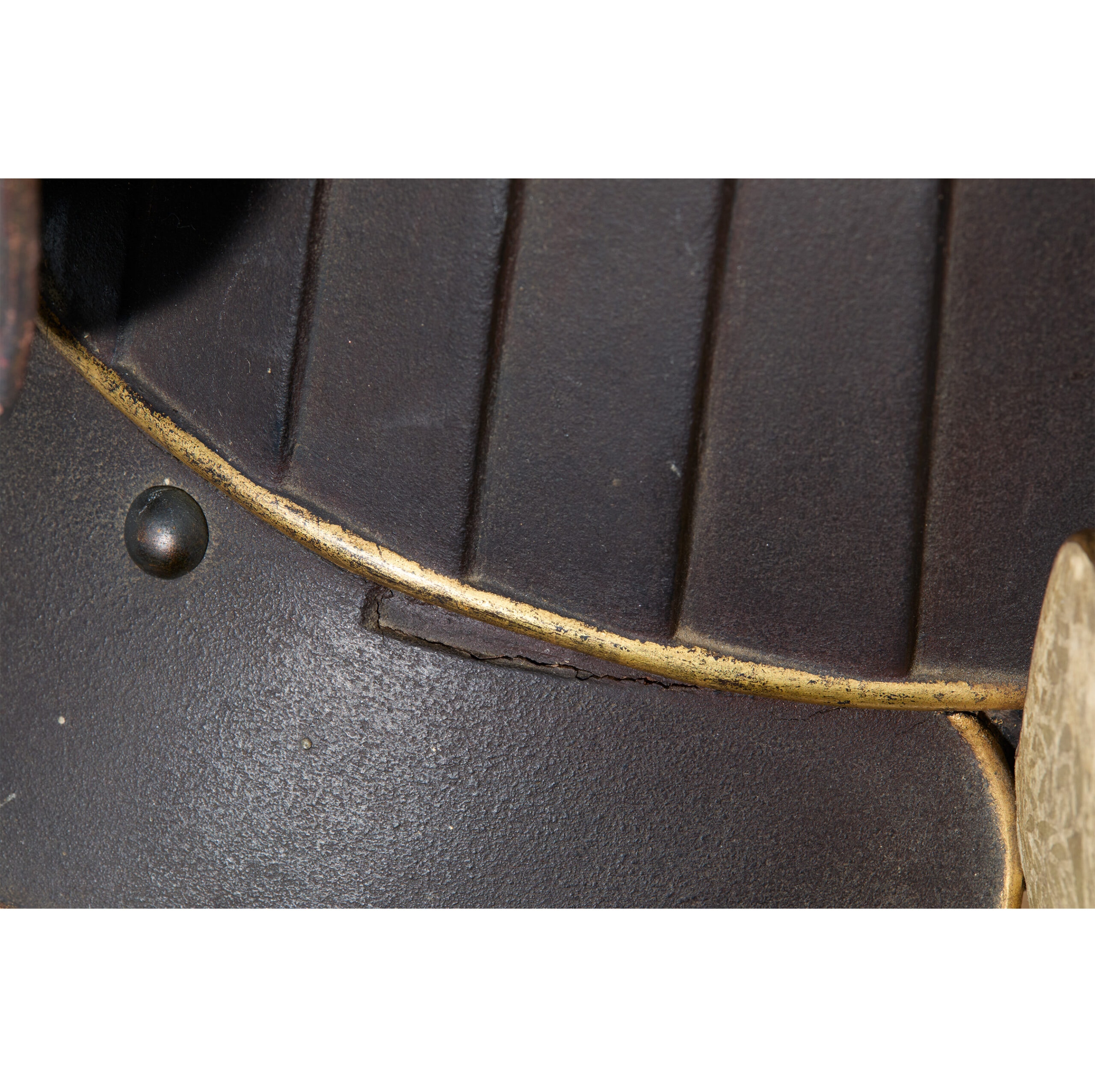
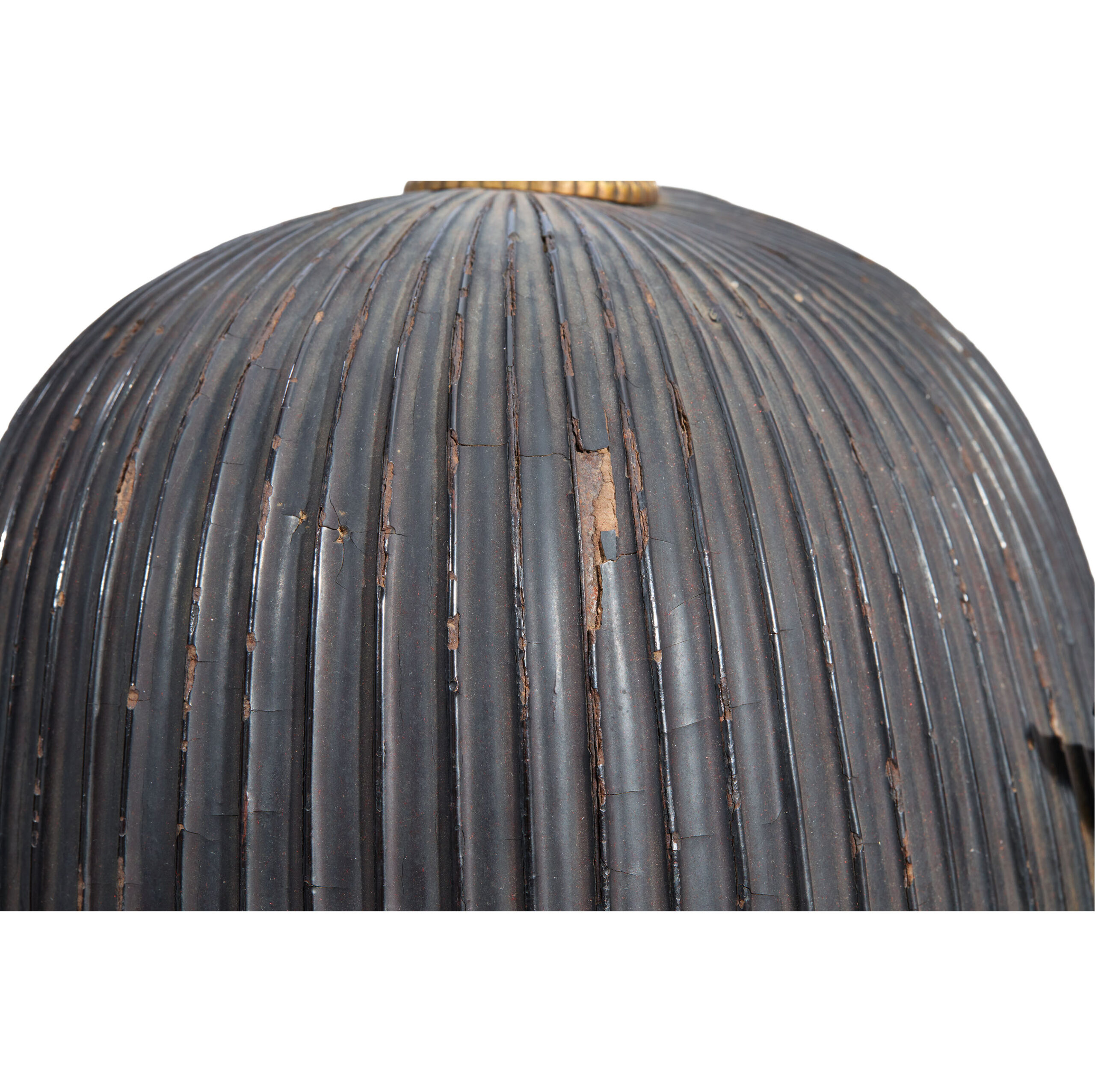
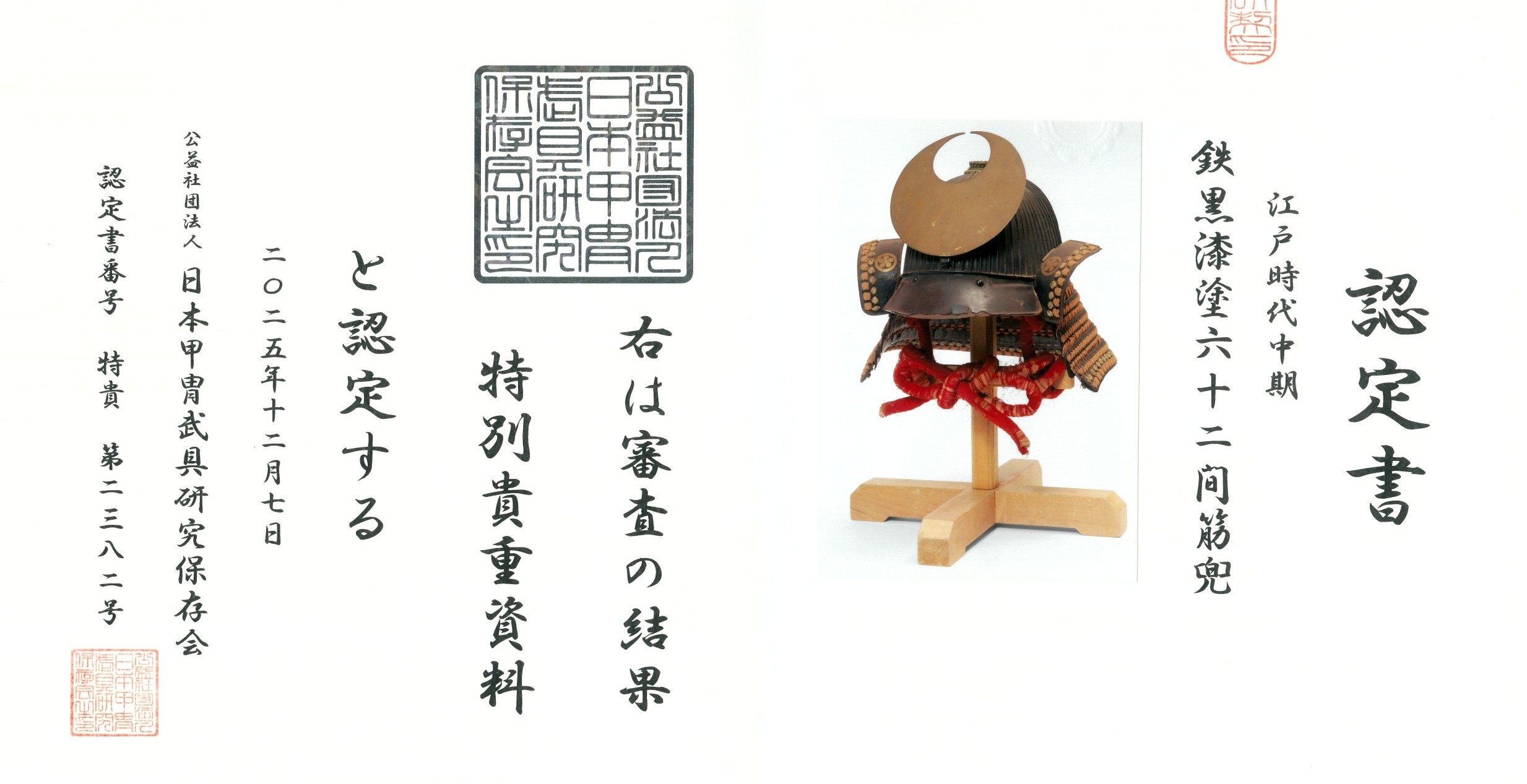
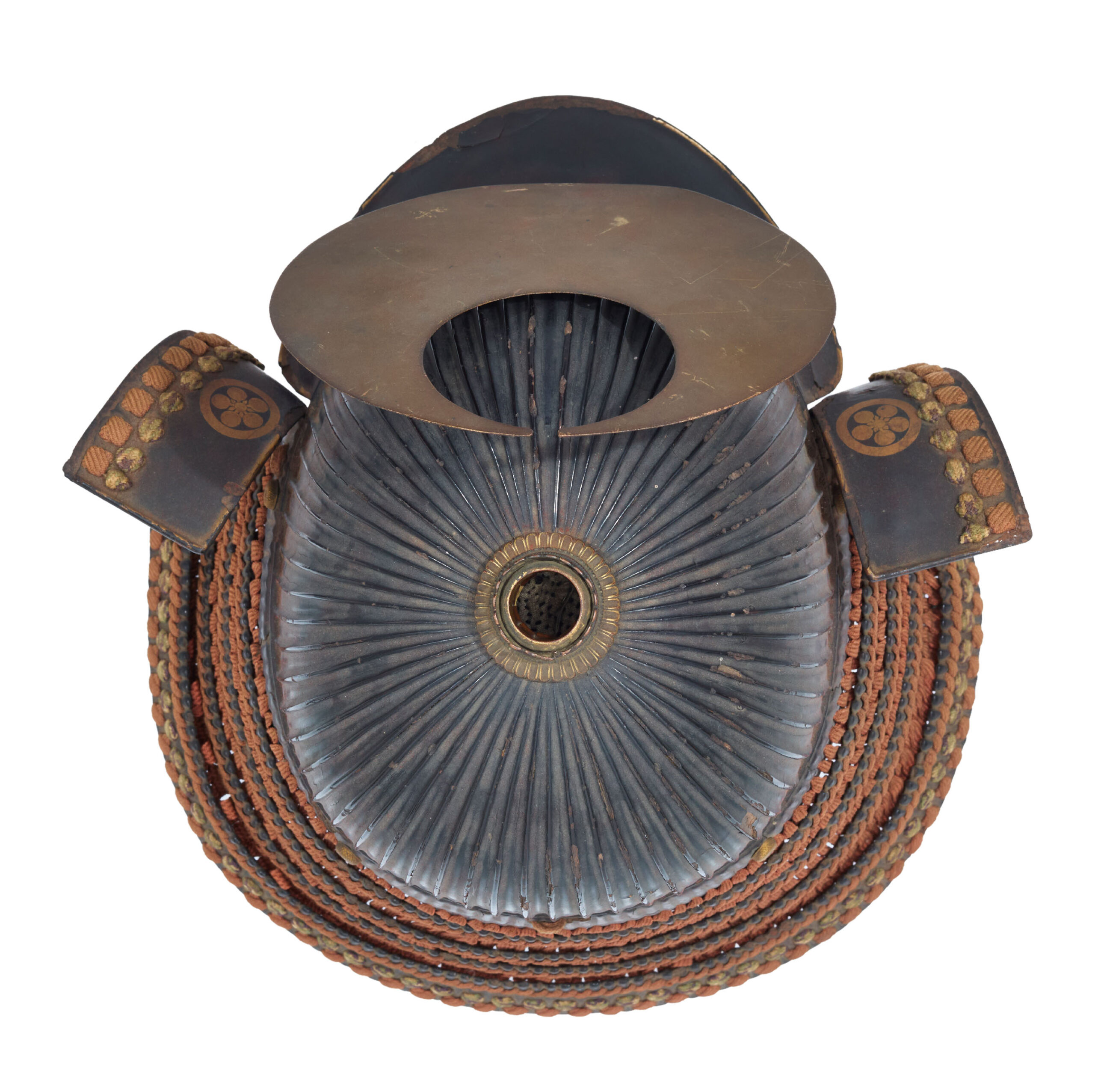
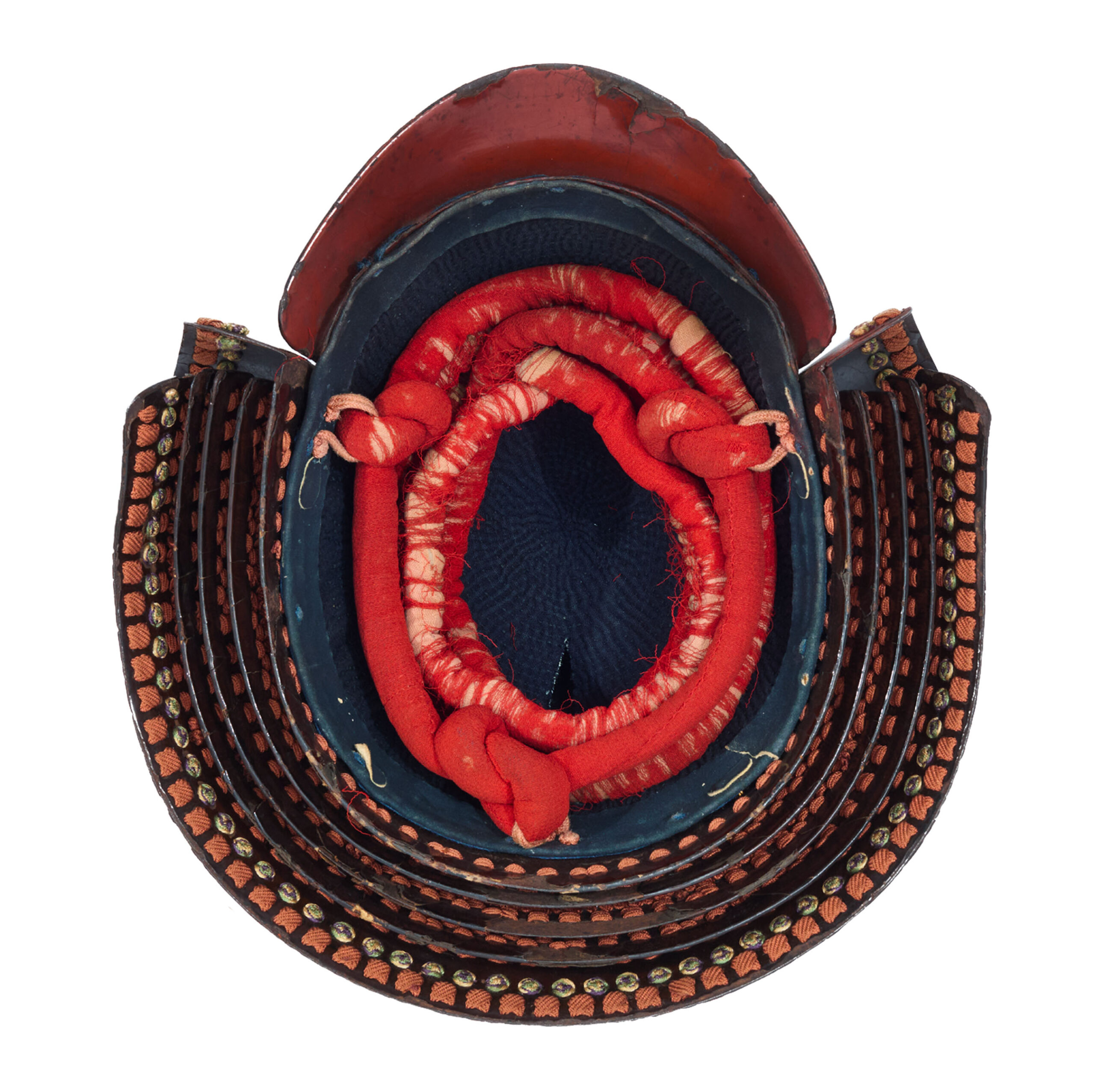
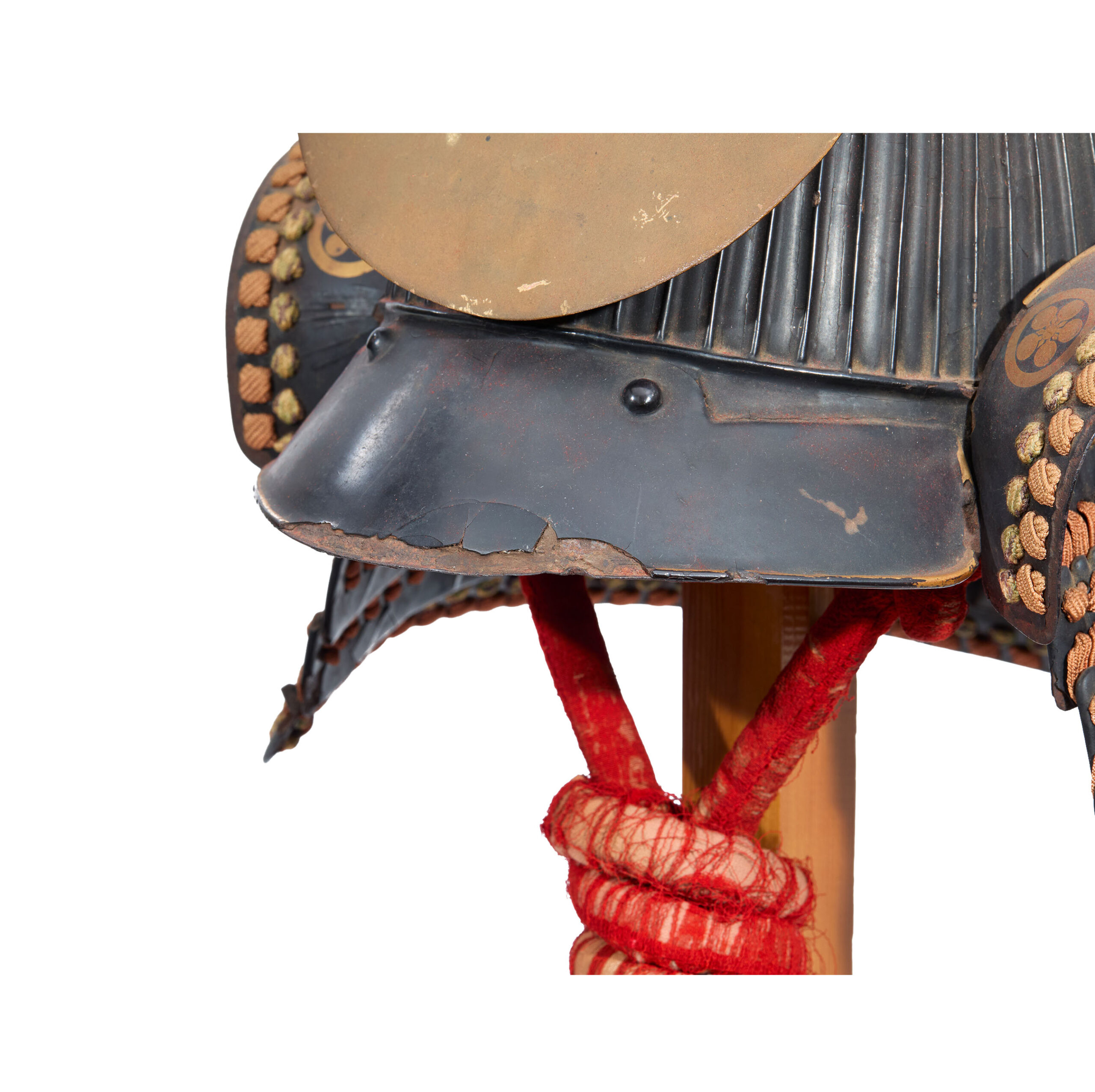
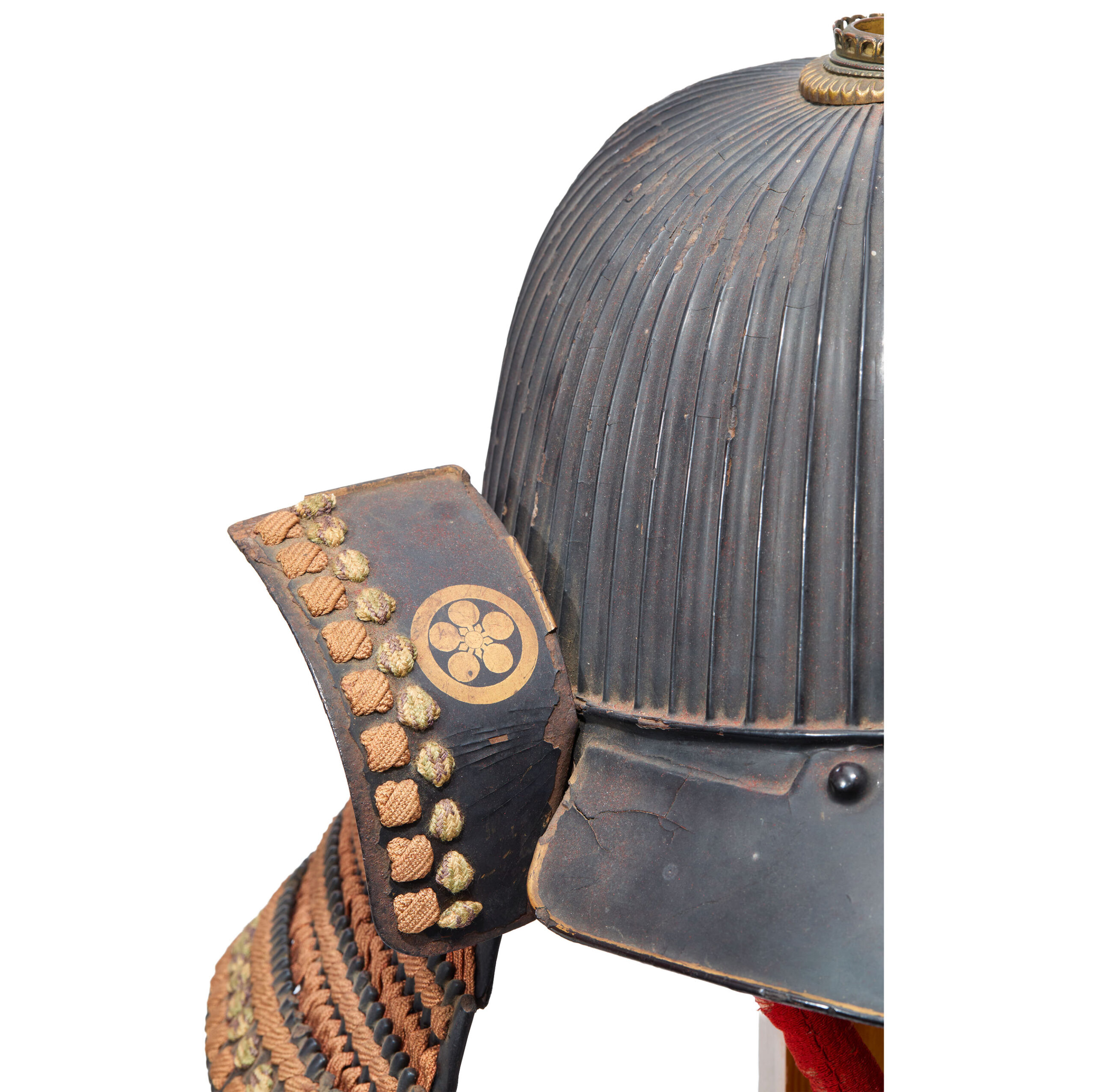
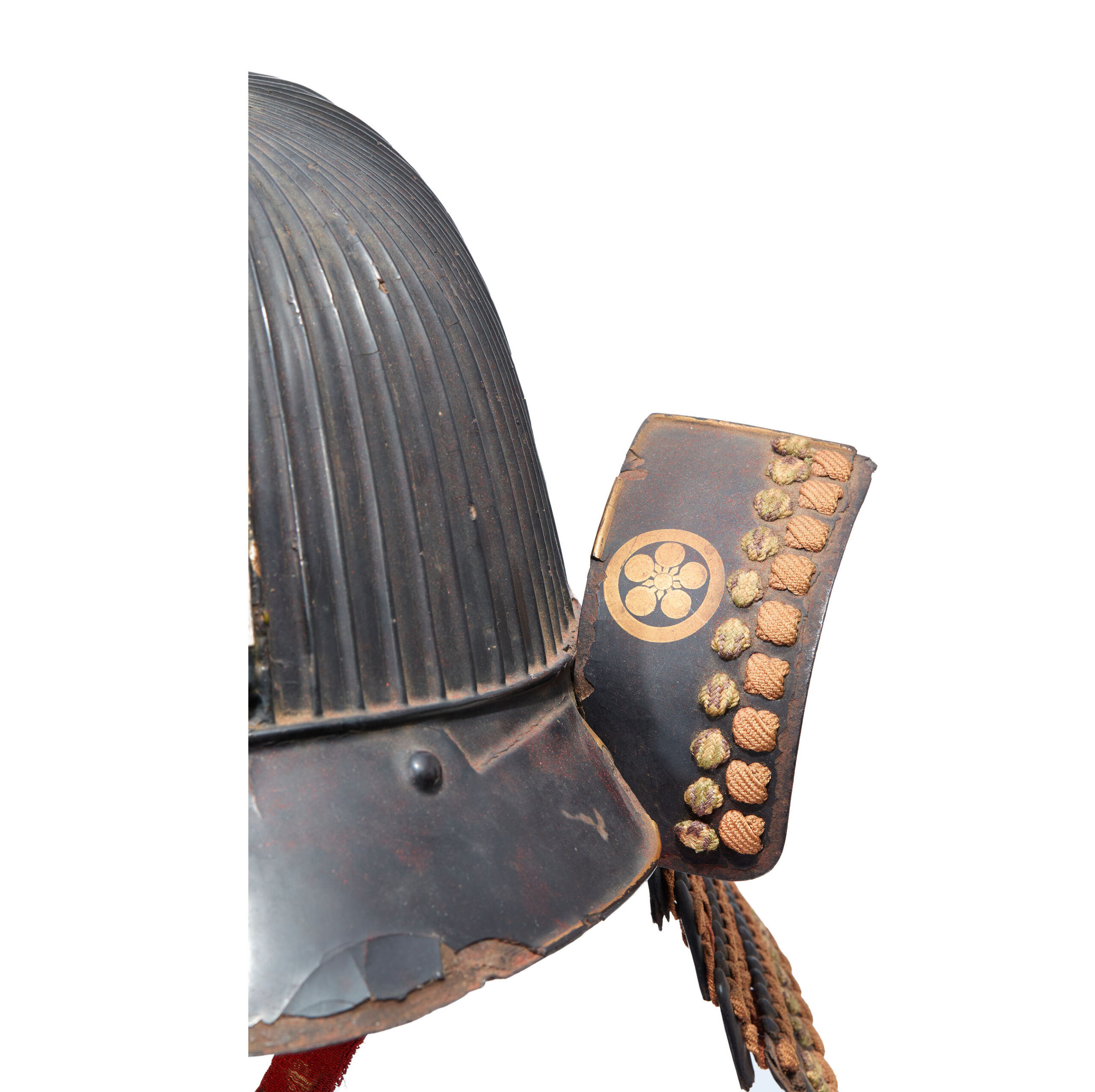
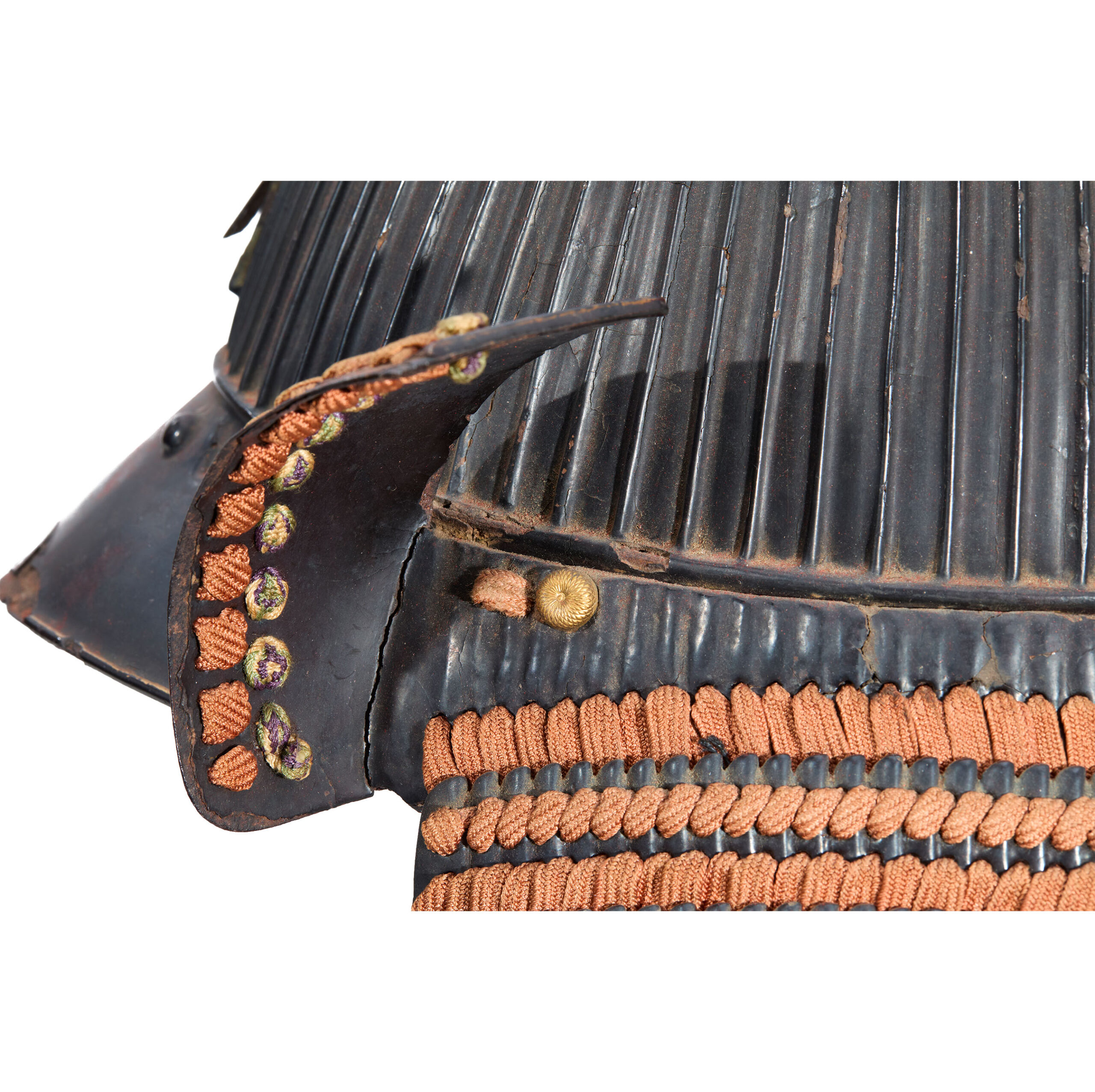
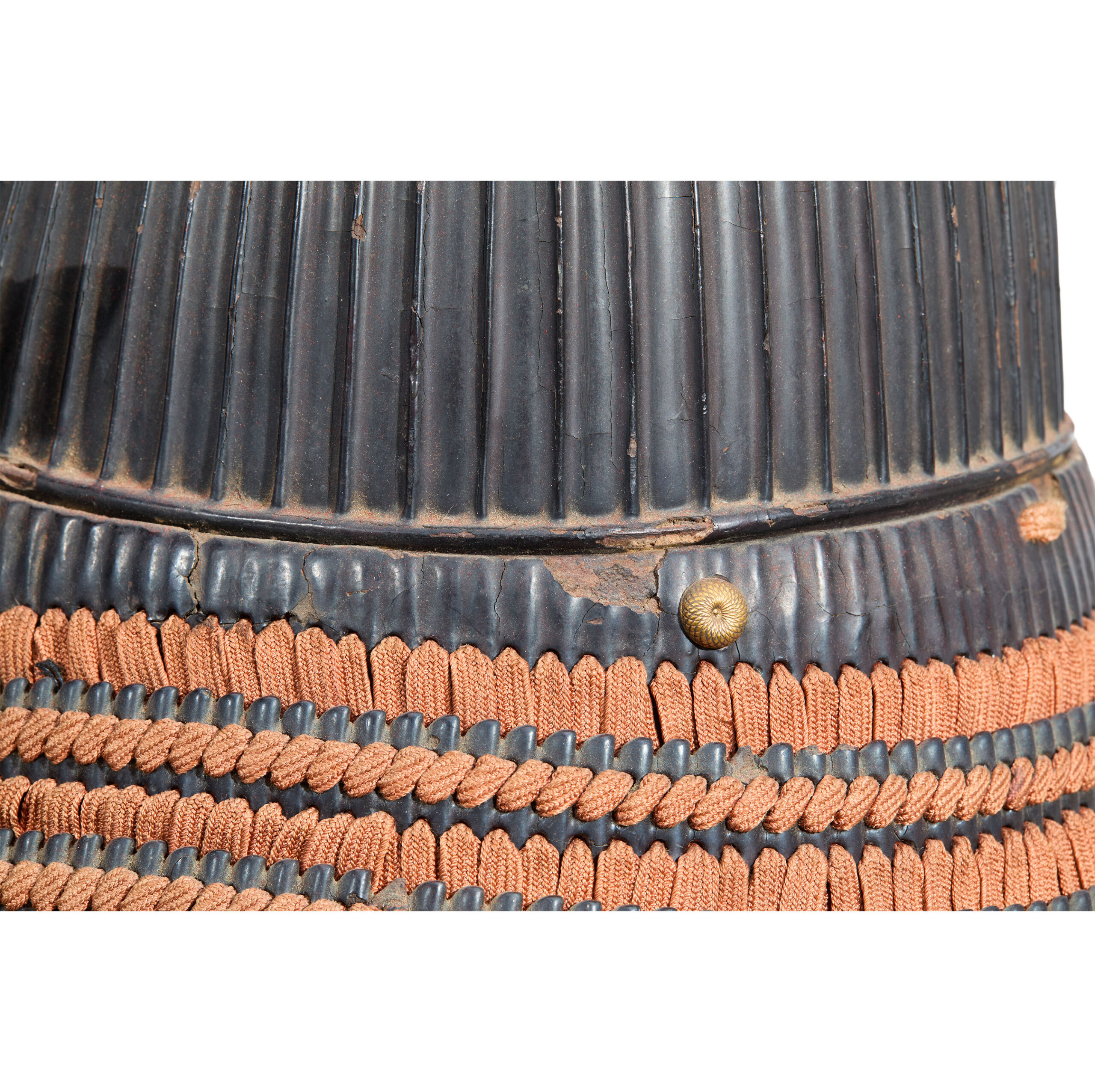
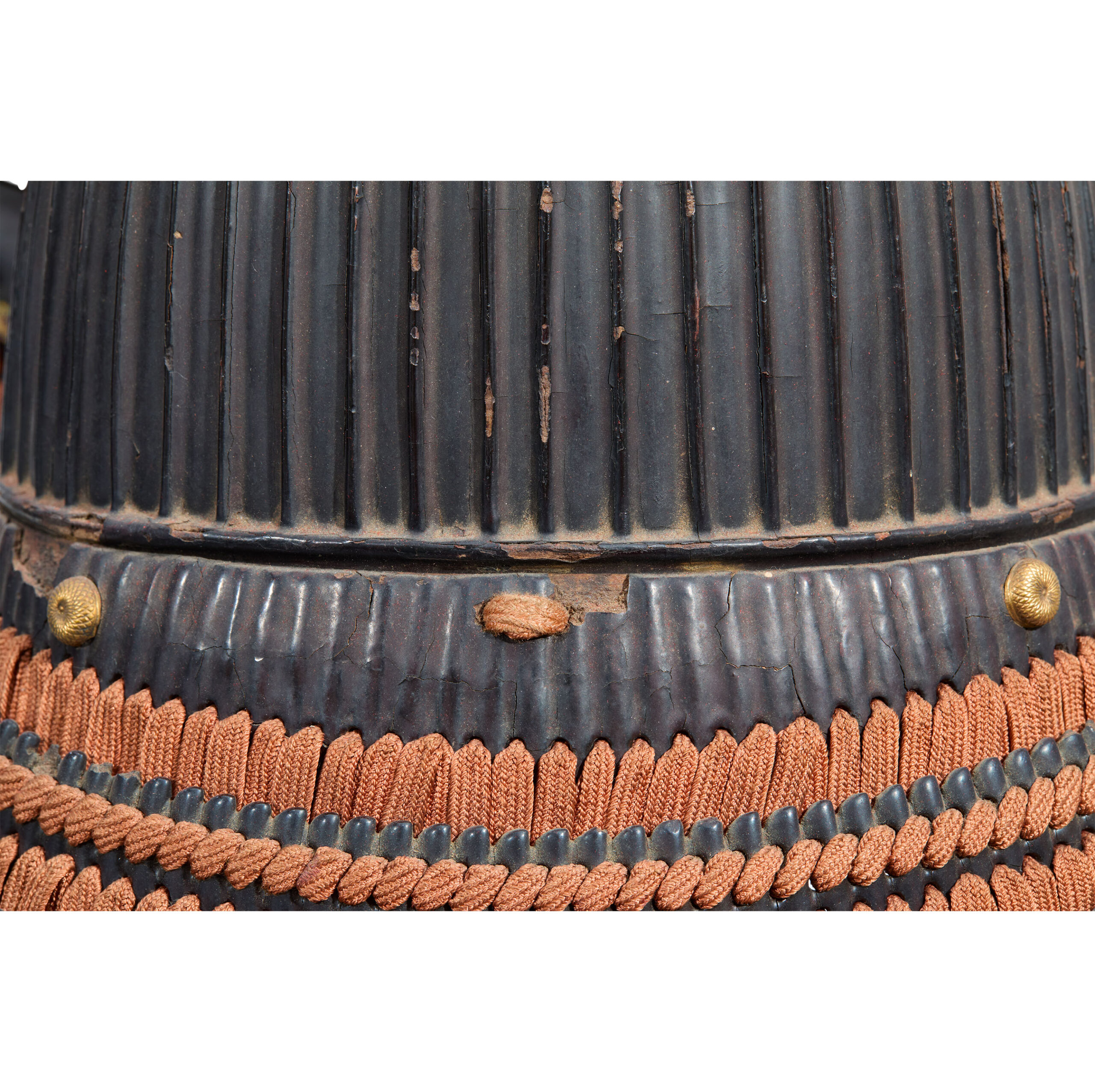
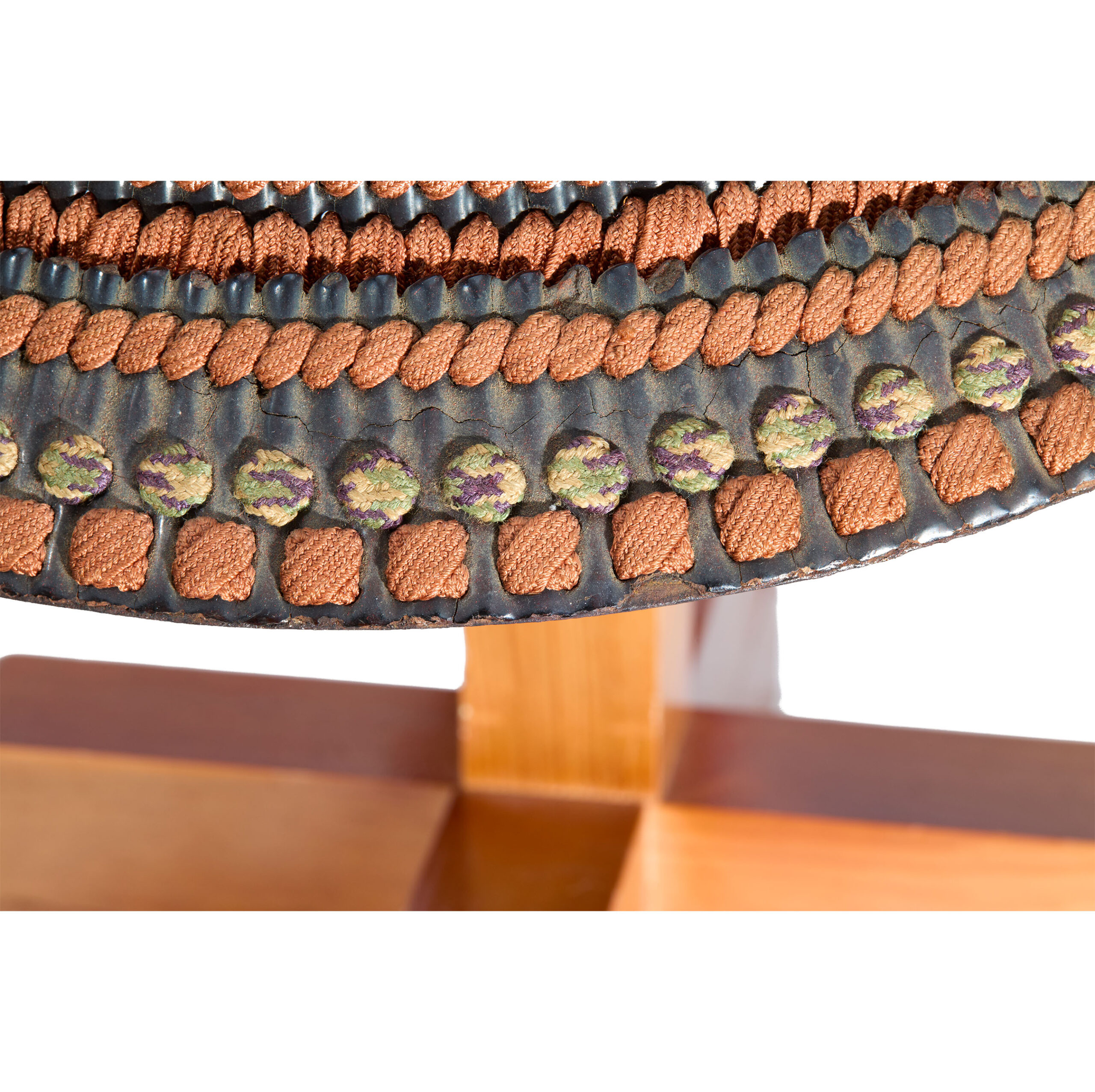
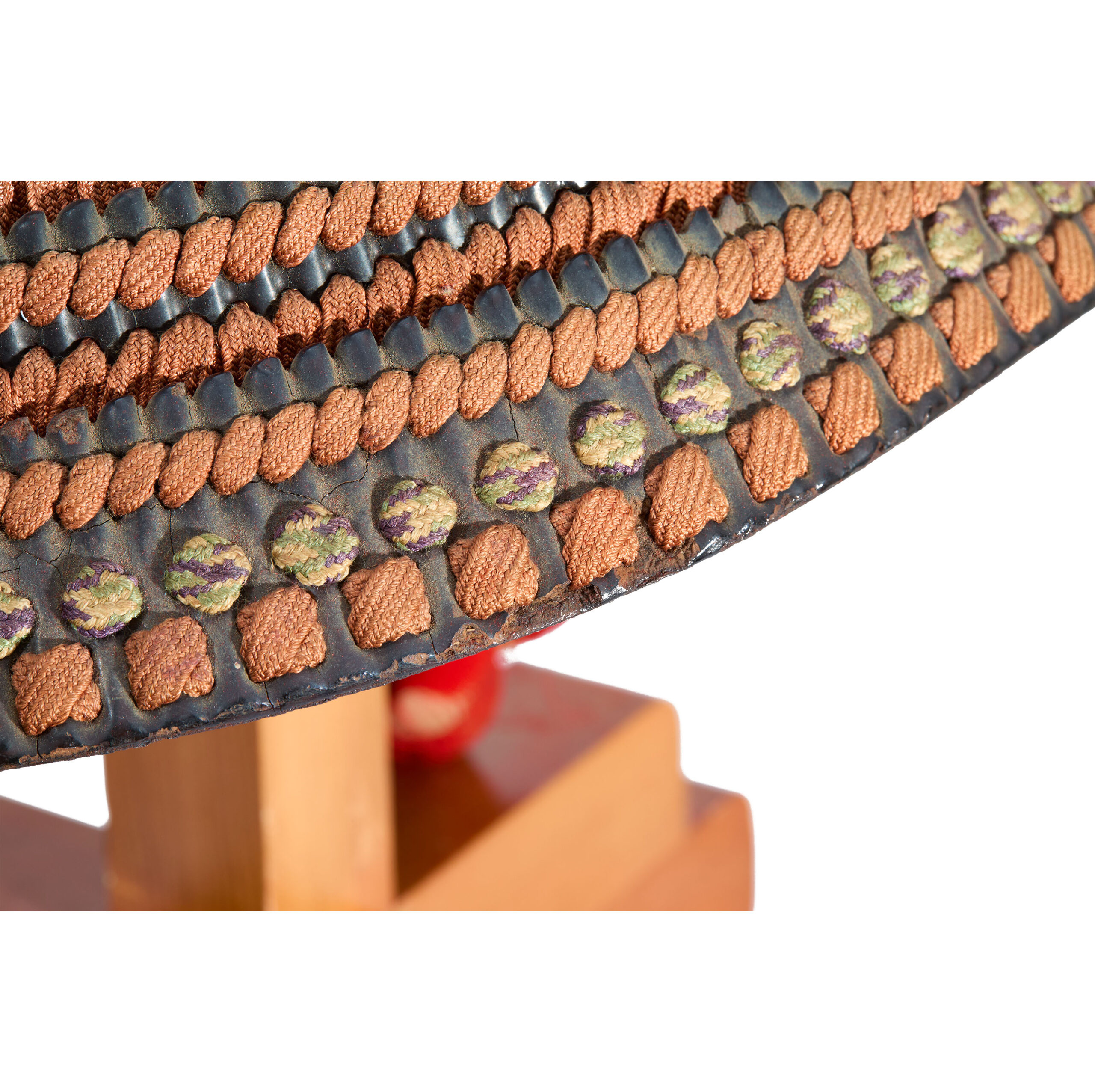
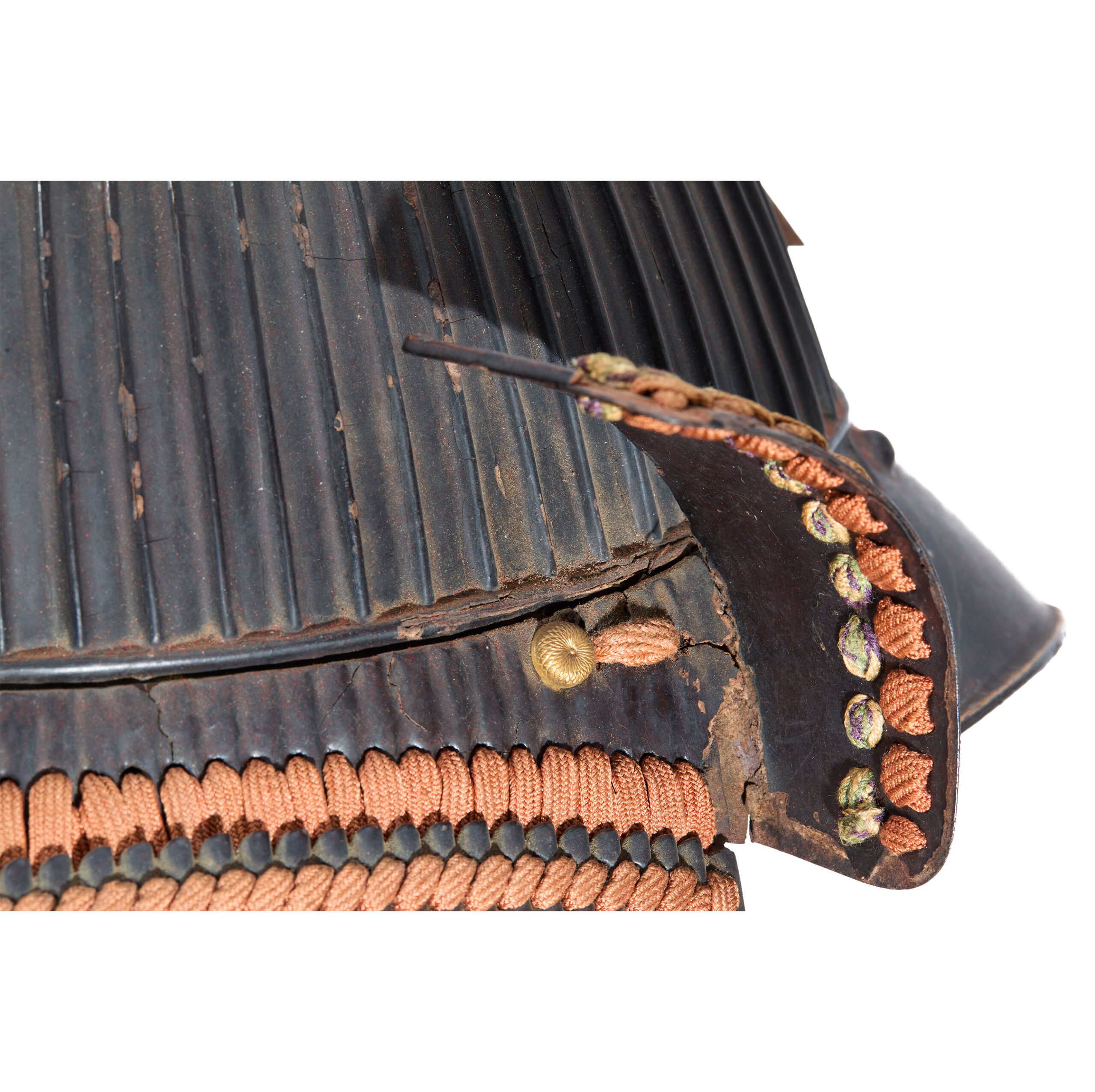
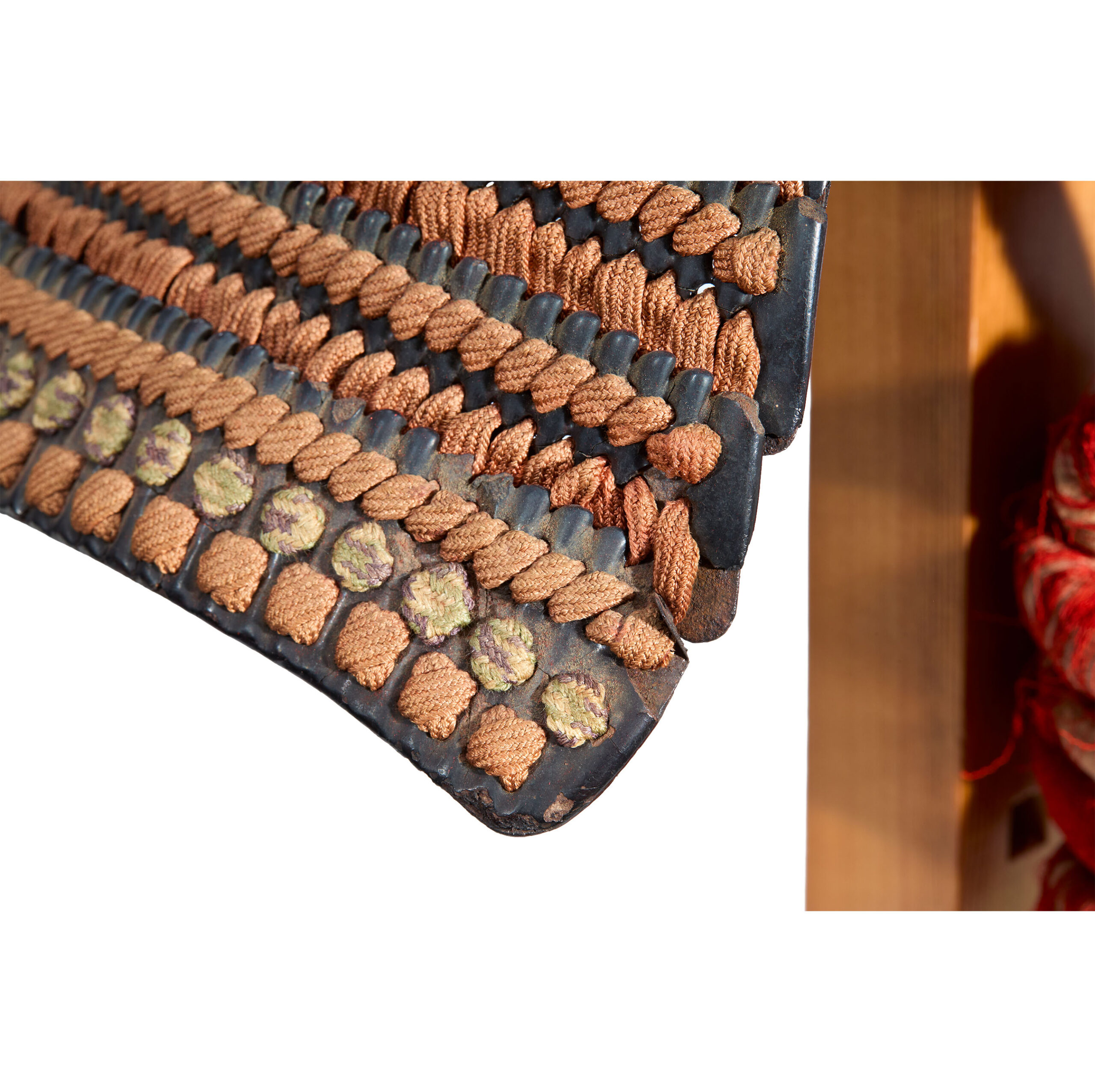
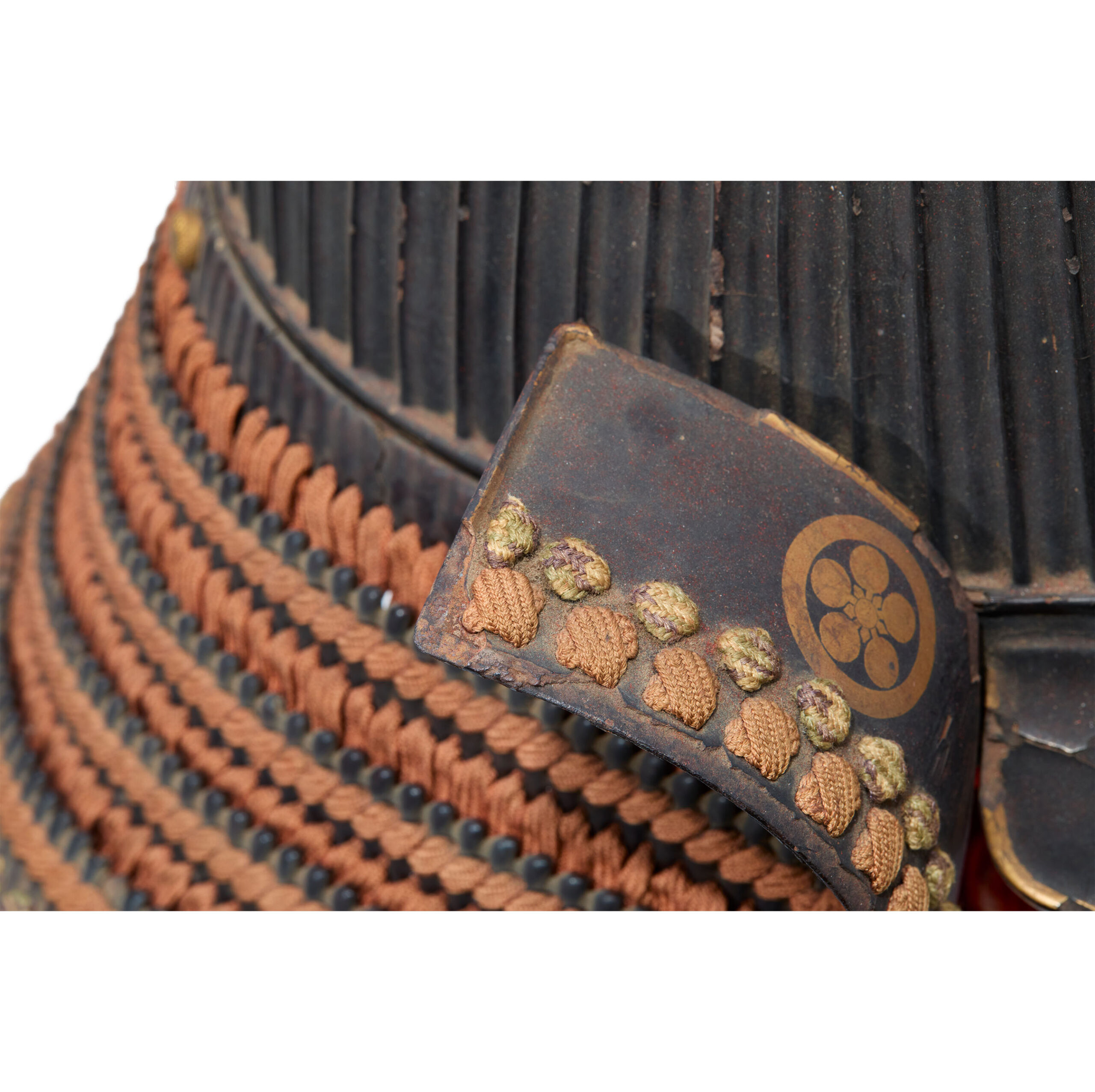
This Kabuto was made in the mid Edo period (1690-1780). Suji Kabuto consists of many small riveted iron plates to form its shape. This helmet has Rokujuni (sixty two in Japanese) iron plates. Suji means a stripe in Japanese, and you can see 62 stripes in this helmet. A high-class Samurai might have owned this helmet. The Kabuto (兜, helmet) is a protector for the head. When people started using the Kabuto, it was initially designed for practical use. However, the principal purpose of its design has changed with time; Samurais tried to express their dignity, personality, or religion by wearing the characteristic design Kabutos. According to a theory, these unique designed Kabutos were made from the late Muromachi period to the Edo period. This type of Kabuto is categorized as the Kawari Kabuto (変わり兜), and a variety of materials were used to create them. For example, animal fur, seashells, plants, and papers were used as materials for decoration. Before the Kawari Kabuto’s production, the Suji Kabuto (筋兜) has appeared during the Nanbokuchou (南北朝, 1337-1392) period. At that time, the tactic was gradually changed from the piggyback fight style to battle with the Tachi (太刀) sword and the Naginata (薙刀, Japanese halberd) on the ground. Therefore, there was a rise in demand for the weight saving of the Kabuto. Also, in order to turn the attack by swords, a new type of structure was invented; it is the Suji Kabuto (筋兜). Its form slides swords’ attacks when weapons hit the Kabuto. It is said that the production of the Suji Kabuto prospered in the Muromachi (室町, 1336-1573) period. The Suji Kabuto production continued in the Edo period also; however, iron plates that Kabuto makers used at that time were thicker than the Muromachi period’s Suji Kabuto. Therefore, it was heavier, and we understand that then people cherished the Suji Kabuto to enjoy the old-style Kabuto, not to wear it on the battlefields. The Fukikaeshi (吹き返し), both ends of a Kabuto, is attached to this Kabuto. It protects the face from swords and also shows its beautiful workmanship. Family crests are sometimes designed on this part, as seen on this Kabuto. This crest is Maru ni Kaga Ume Bachi (丸に加賀梅鉢), and it’s inspired by Japanese apricot (梅, Ume). Japanese apricot blossoms begin to bloom in winter that snow still covers its tree so that people thought this flower tells the arrival of spring. Same as cherry blossom, it has been appreciated for a long time in Japan. People enjoy its adorable petal shape and scent, gracefully branched tree, and compose many poems. As it comes out in the cold season, it symbolizes the power of perseverance and vitality. Bachi (鉢) is a motif based on Bachi (桴), the sticks used to play traditional Japanese drums. In this family crest, they are 5 pieces of Bachis designed as if radiating outward from the center. A well-known Samurai family that used this crest is the Maeda clan (前田氏), who ruled the Kaga province (today’s Ishikawa Prefecture). The Maedate (前立, front decoration) of this Kabuto is the crescent moon motif. It was a trendy design among Samurais due to a belief. According to a theory, the crescent moon design of the Maetate comes from the Myouken (妙見) belief. This religion was born in India. It was mixed with the Polestar belief and was brought to Japan from the Continent. In the Myouken belief, the moon and stars were the symbols of faith. The Myouken Bosatsu (妙見菩薩, 菩薩 means Bodhisattva) fulfills all wishes such as fertility of rich harvest, peace, the prosperity of the clan, healing of illness, longevity, success in business, traffic safety, academic achievement, marriage, etcetera. This theory tells us how the moon motif had a deep relationship with Samurai culture. In addition, the Hachimanza (八幡座, helmet top opening) and the button-like motifs attached to Hachi tsuke no ita (鉢付の板, the uppermost plate of a multi-lame skirt of scale or solid lames) are shaped like a chrysanthemum (菊, Kiku). A long time ago, the chrysanthemum was used as a medicine for obtaining a long life in China, and it was brought to Japan with this thought in the Nara period (648-781). Chrysanthemum is one of the flowers which symbolizes fall, and people appreciate it very much since ancient times. As its petals form radially, the chrysanthemum has been likened to the sun. That is why this flower pattern is treated as the symbol of perpetual youth and longevity or good health. “Kiku no Gomon (菊の御紋)” is a kind of chrysanthemum pattern, and it has been used as the crest of the Emperor and the royal family in Japan so that it is well-known as a noble pattern. Certification The certificate will be issued by The Association for the Research and Preservation of Japanese Helmets and Armor, which is the most trusted Japanese armor appraiser in Japan. Tokubetsu Kicho Shiryo means special rare article. It is ranked as the third highest of five rankings. This helmet was authenticated on December 7th, 2025, as a Tokubetsu Kicho Shiryo, and this paper mentions that this item was made in the mid Edo period.
Offered by Samurai Museum
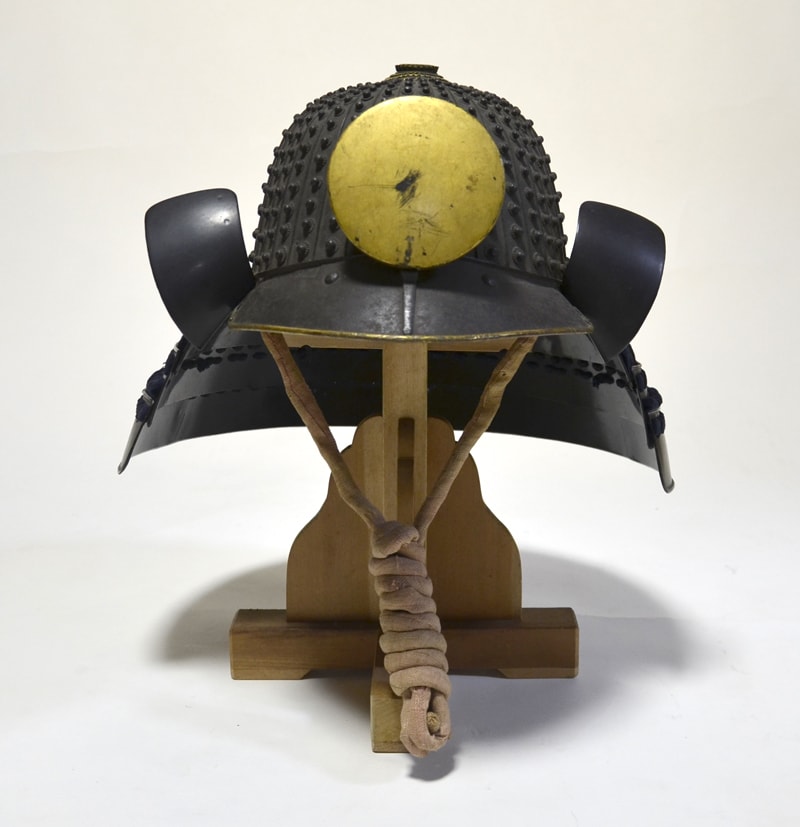
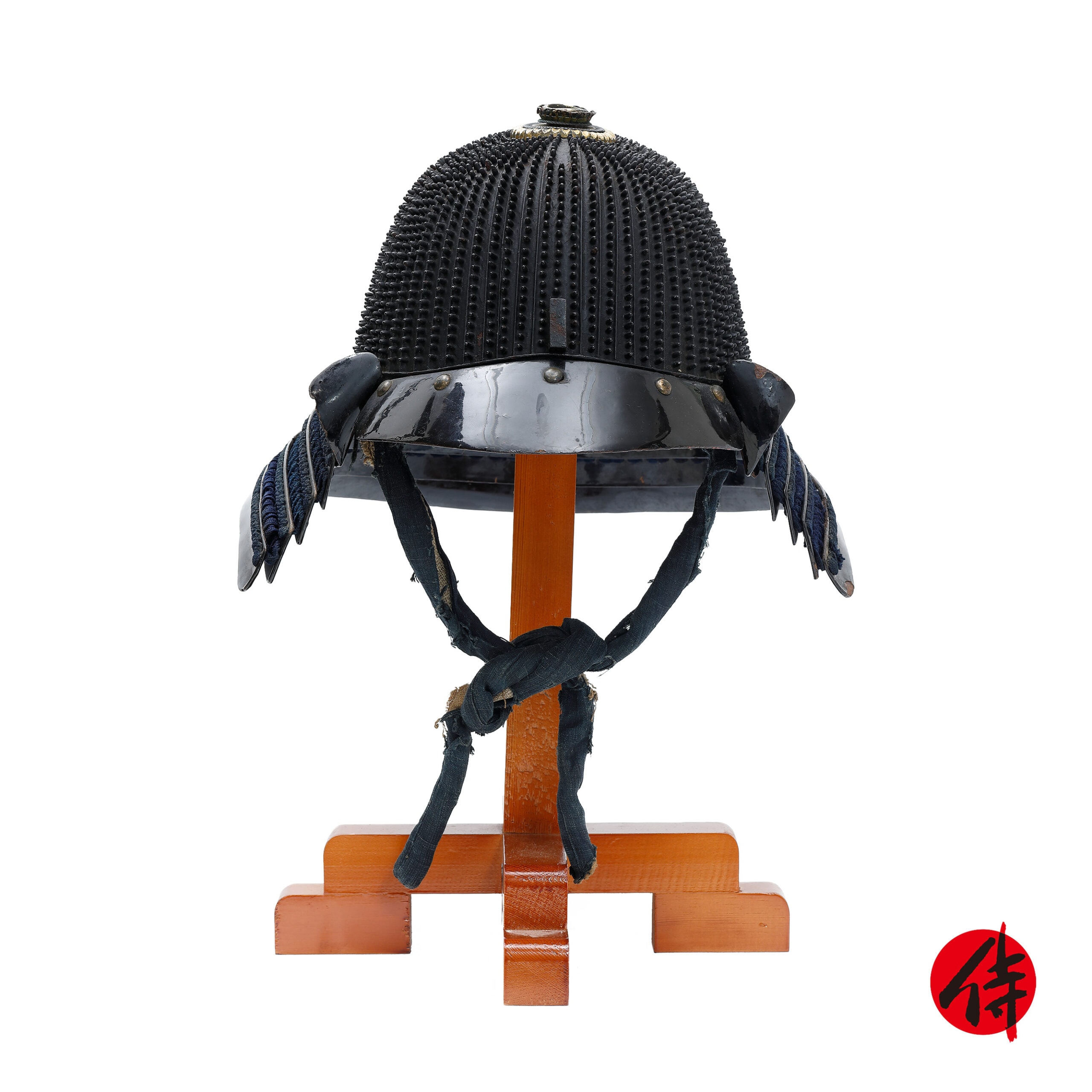
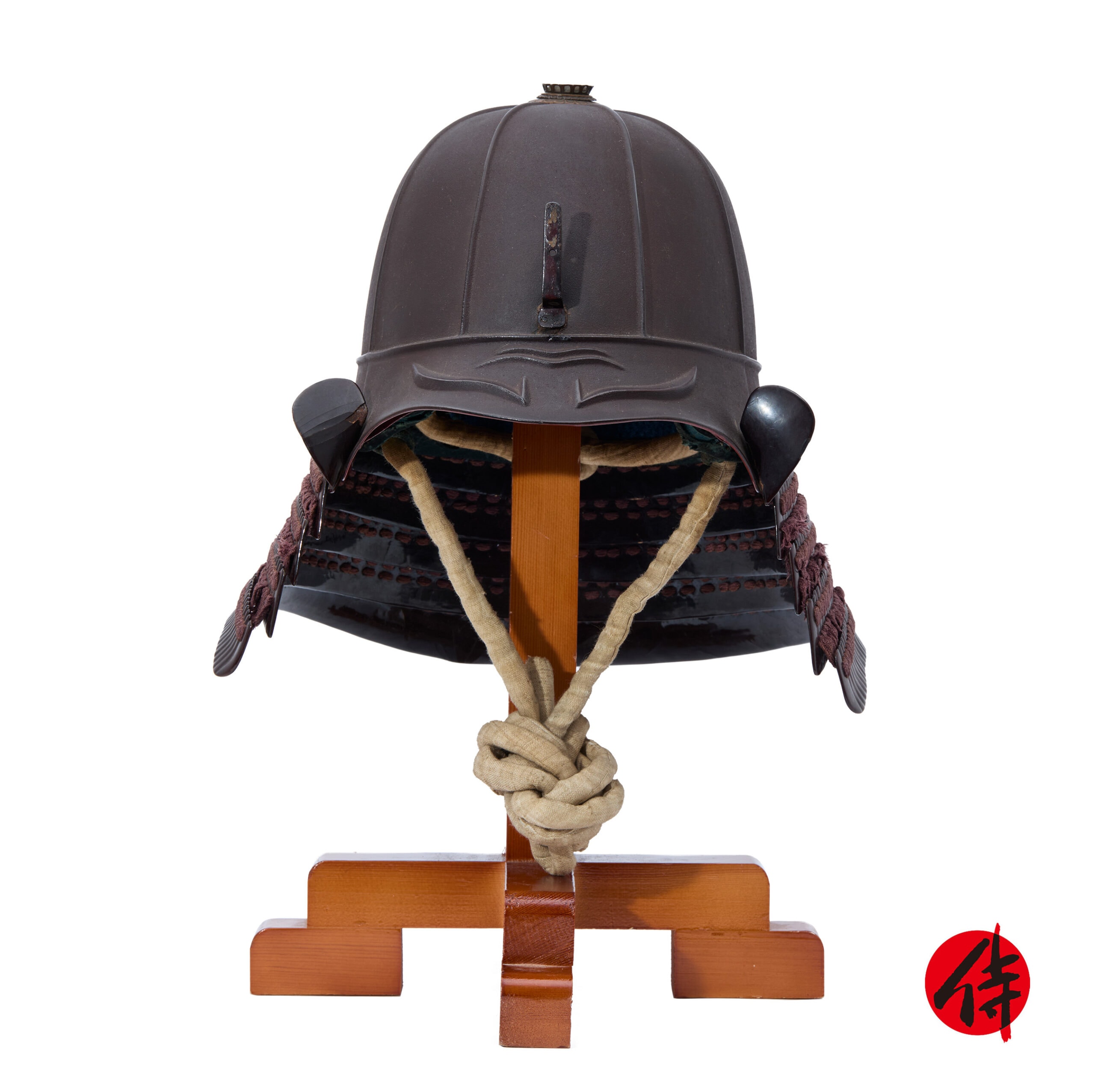
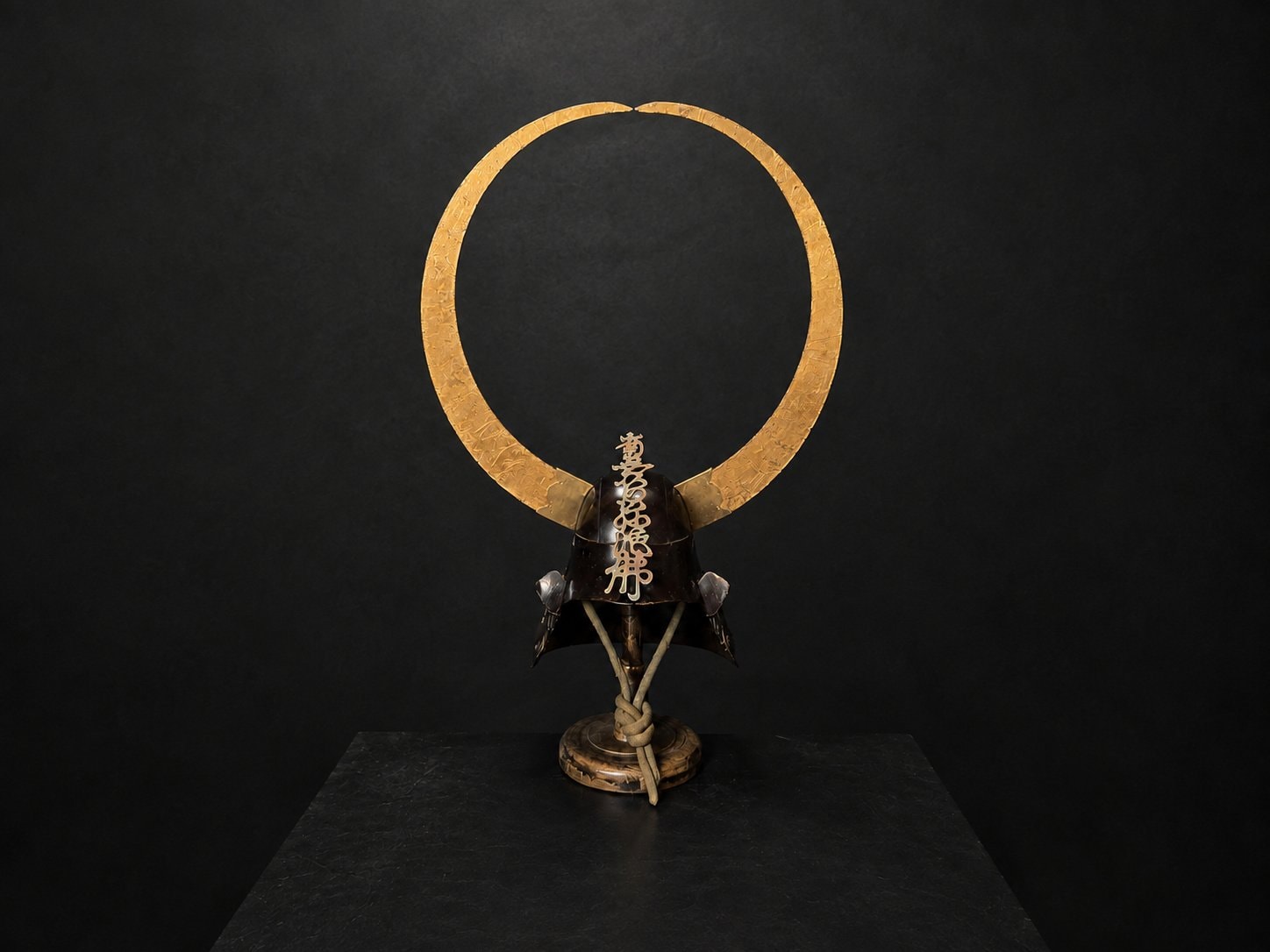
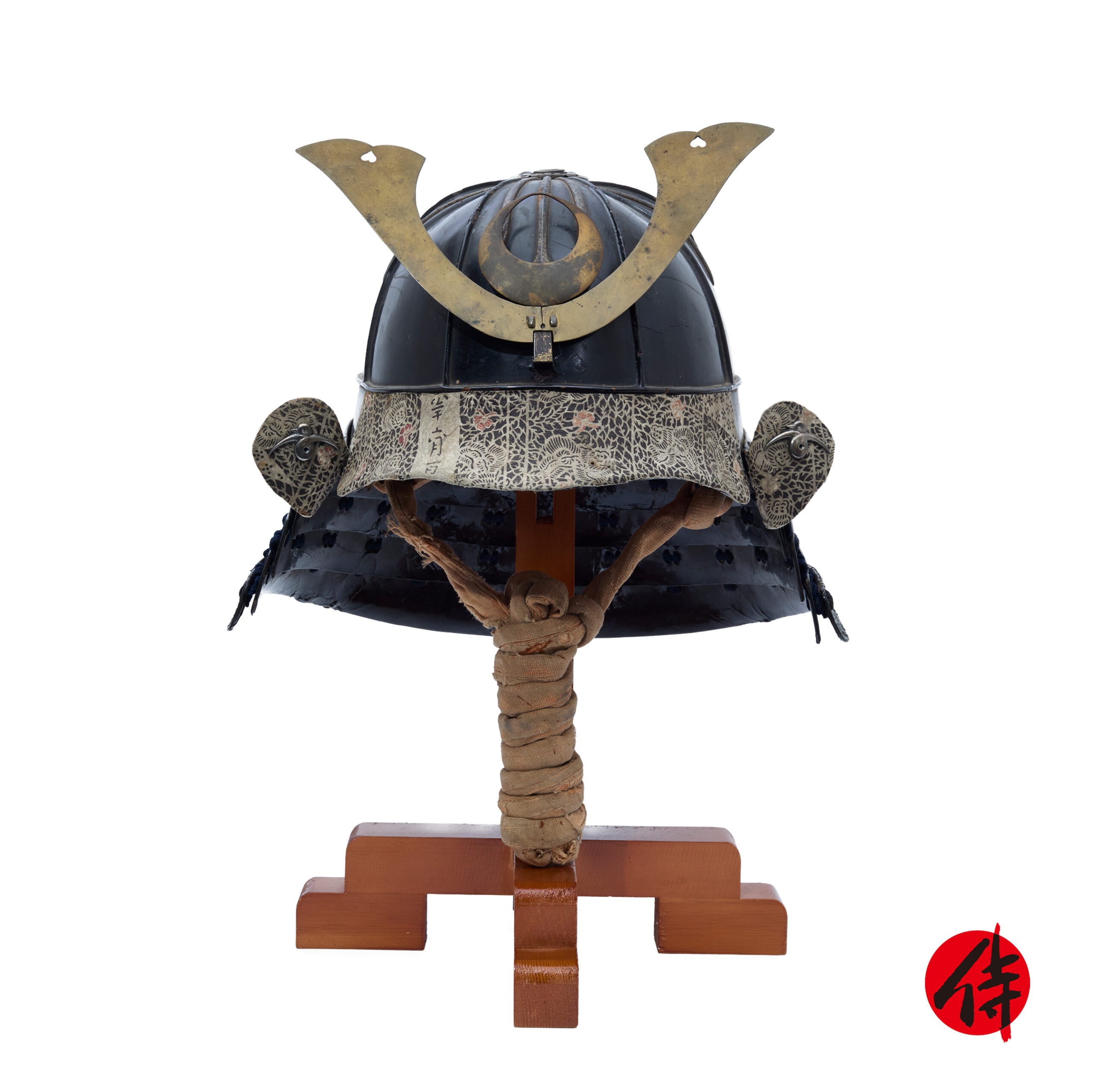
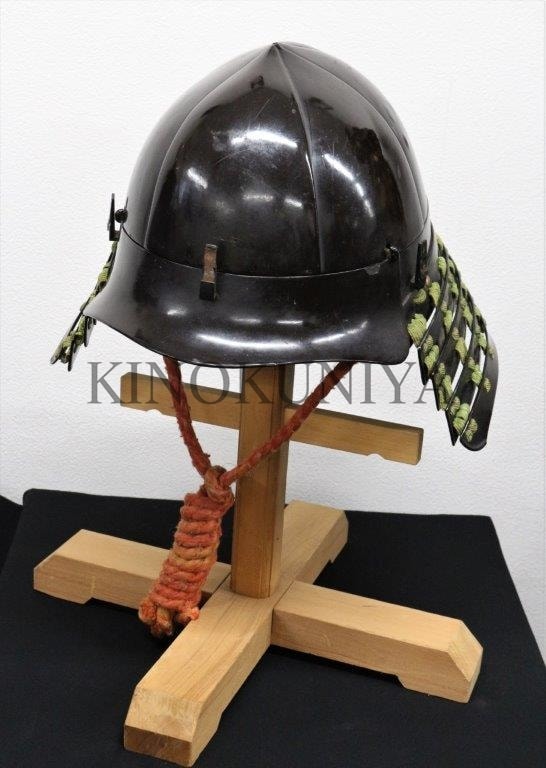
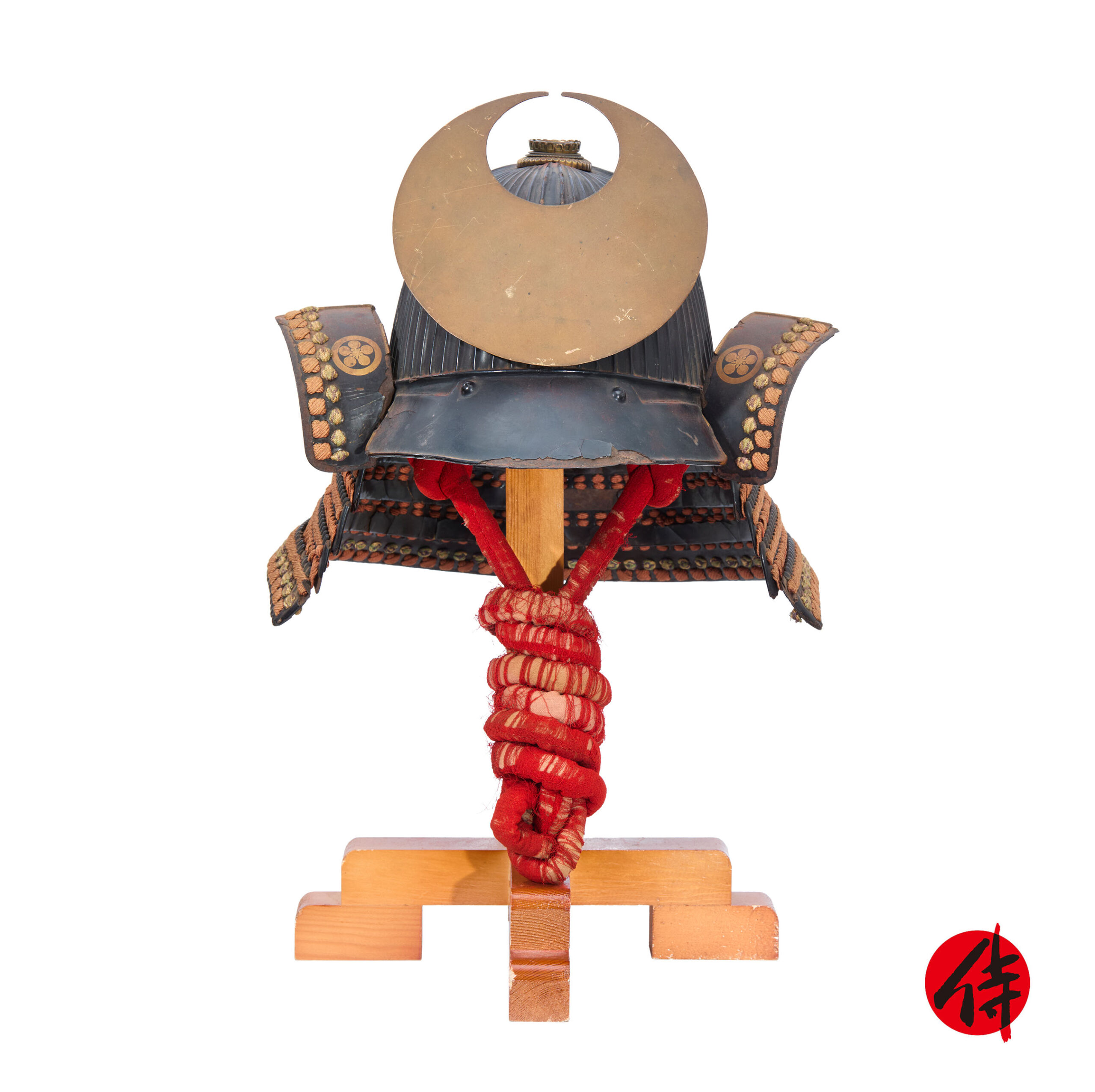
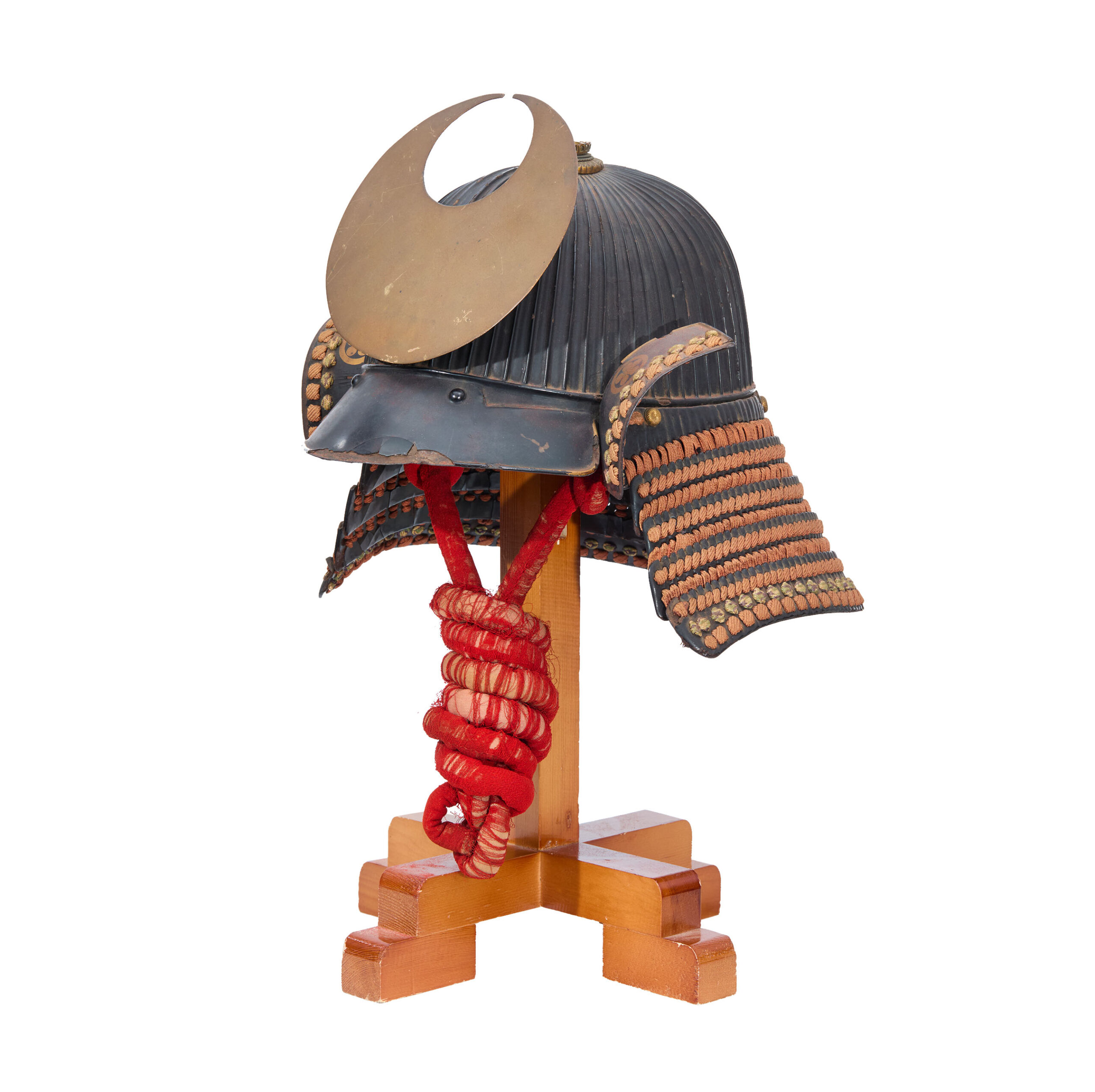
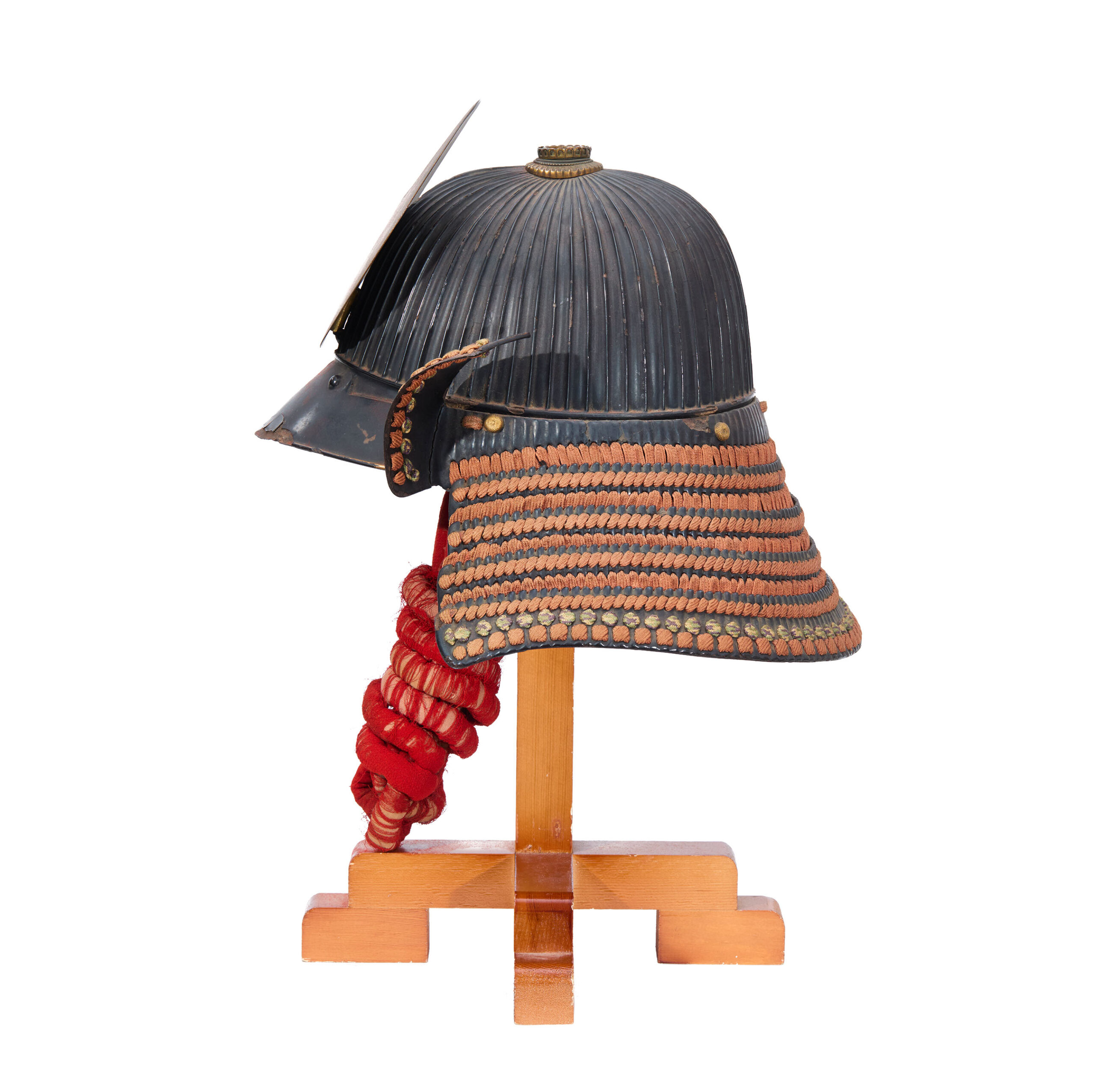
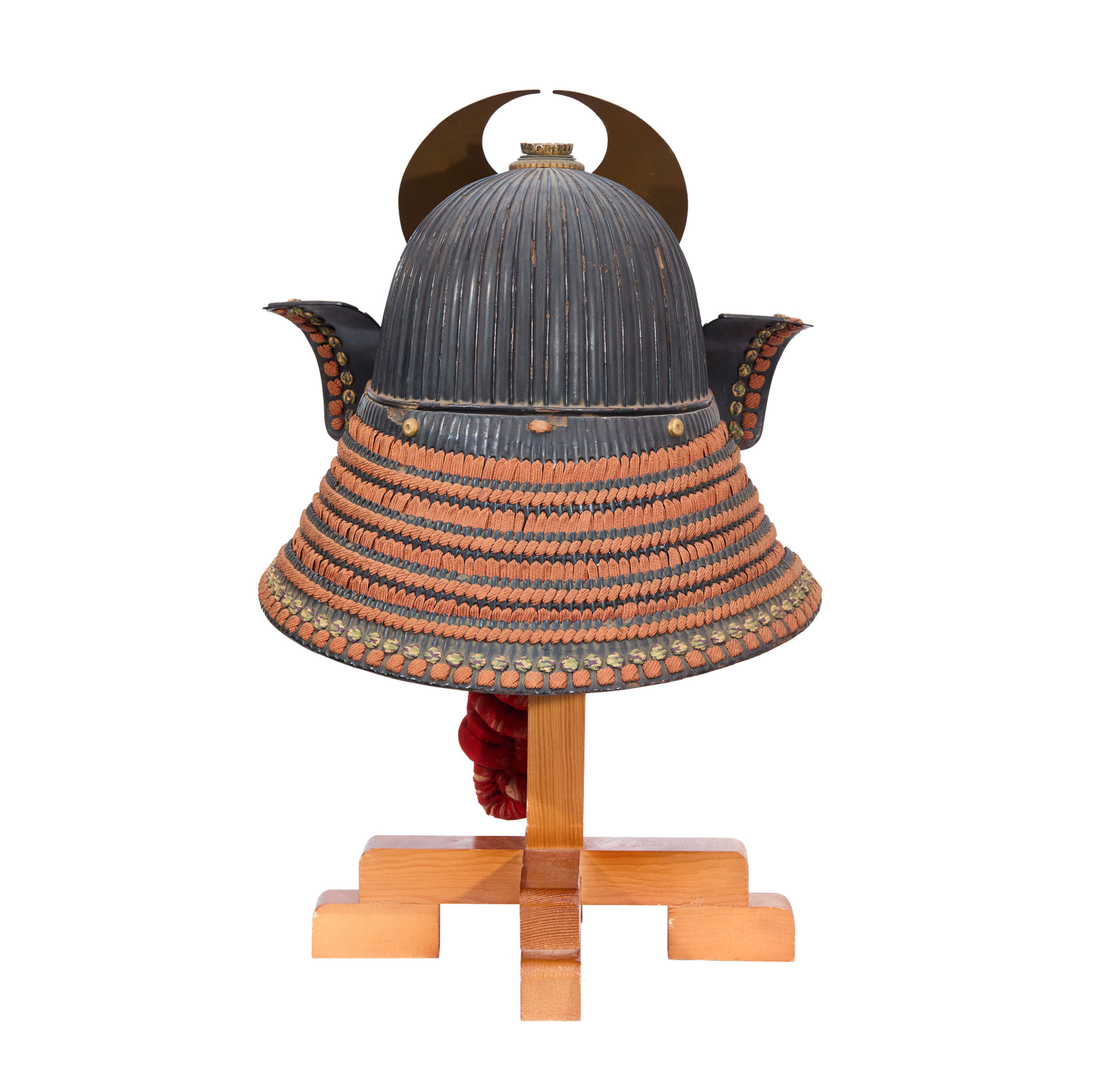
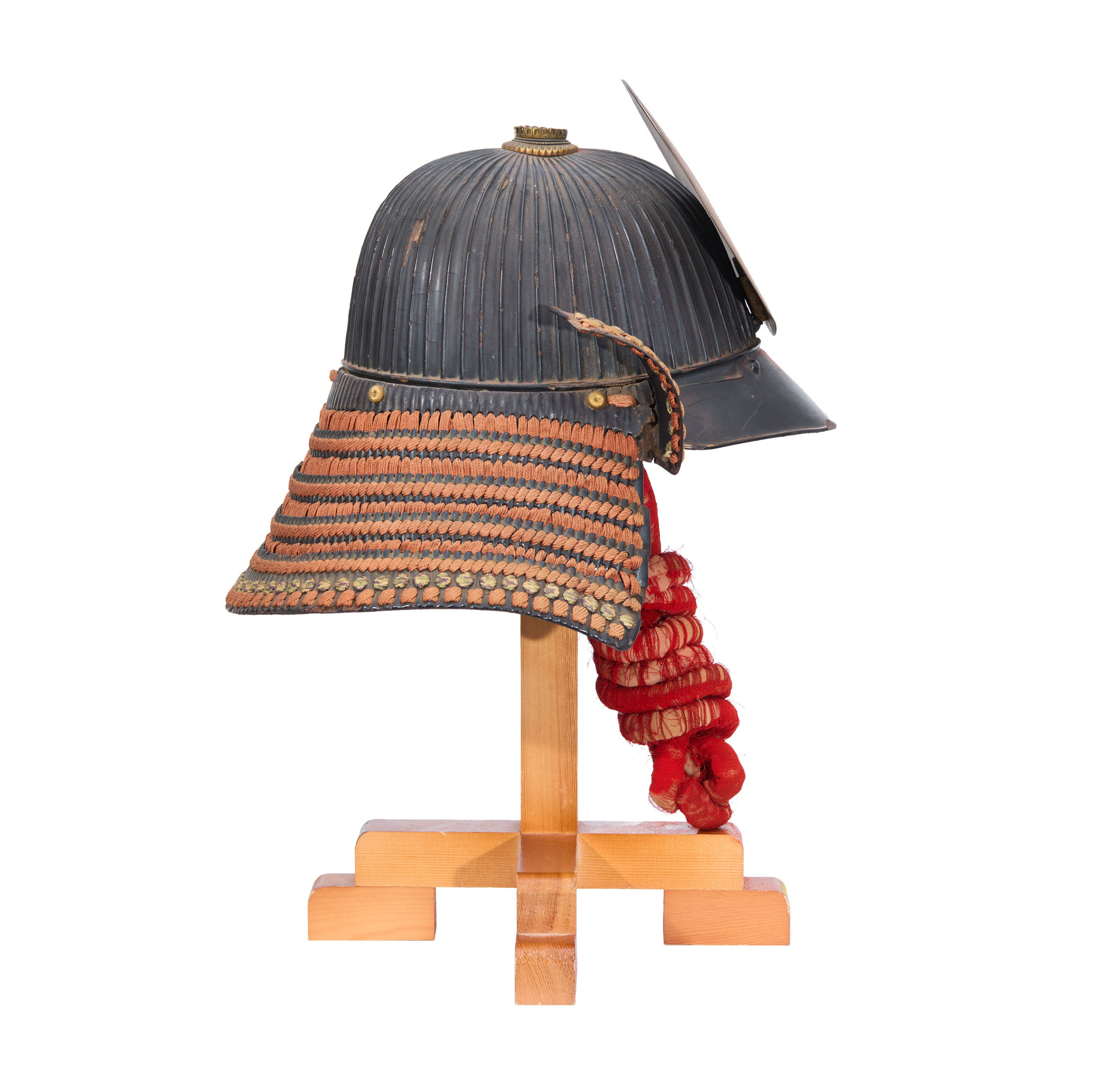
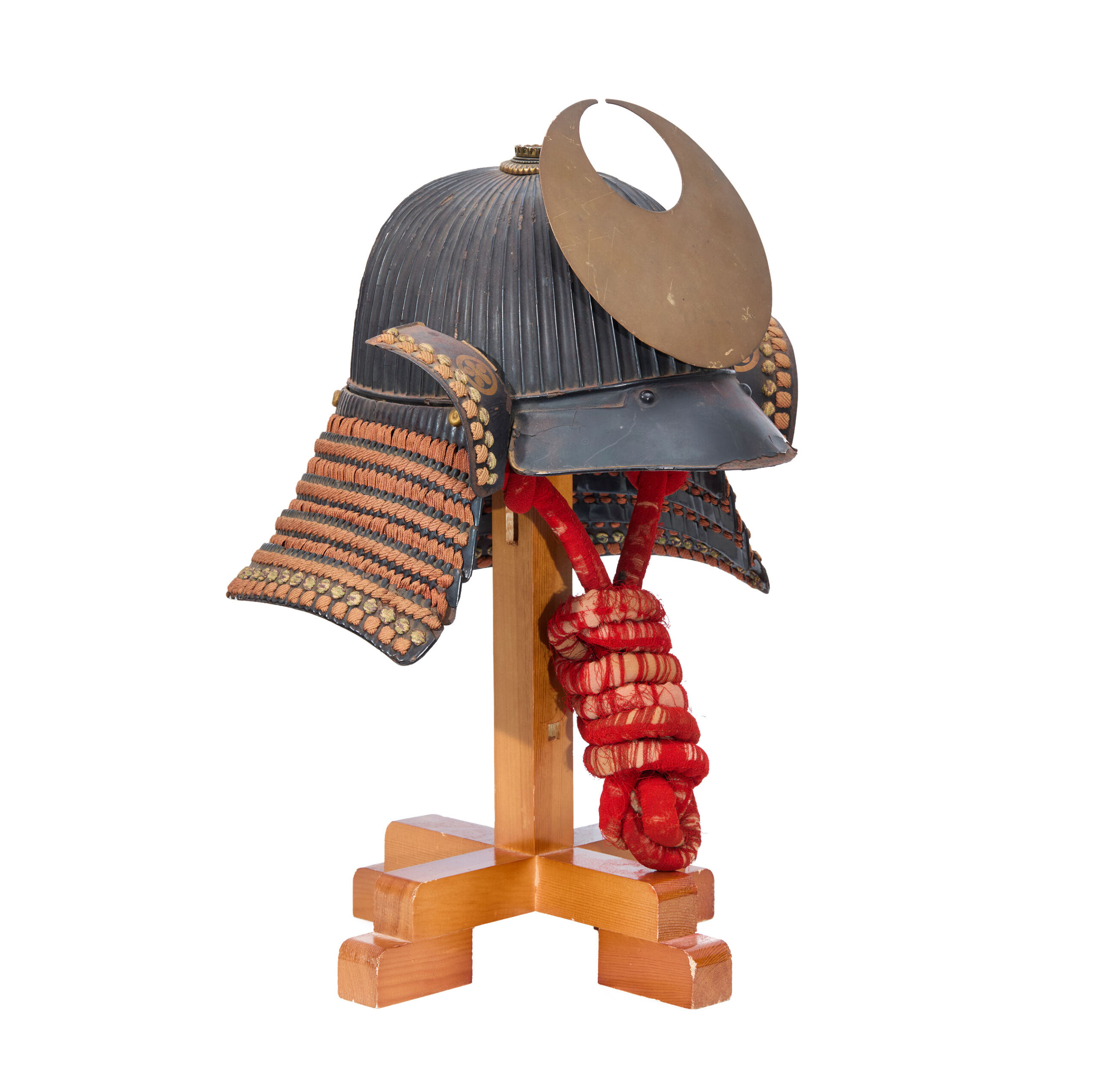
Kabuto only
62-plate · Suji-bachi
Unsigned
Maru ni Kaga Ume Bachi (丸に加賀梅鉢)
Edo
Maeda clan
Especially valuable armour of notably superior workmanship and condition, the third of the five ranks.
Japanese armour is not certified by the NBTHK. The Nihon Katchū Bugu Kenkyū Hozon Kai (the Association for the Research and Preservation of Japanese Helmets and Armour), founded in 1961, is the principal body for armour. Its shinsa grades a piece as 資料 (shiryō, "reference material") across five ascending ranks: Hozon, Kichō, Tokubetsu Kichō, Kōshū Tokubetsu Kichō, and the highest, Jūyō Bunka Shiryō. The 資料 framing reflects the society’s purpose of preserving armour as cultural and historical reference, distinct from the NBTHK’s sword paper tiers.
Returns/exchanges limited to defects caused by shipping (except willful misconduct or gross negligence by the company); customers must contact within 72 hours of receiving the product.
¥650,000