 NihontoWatchNihontoWatch
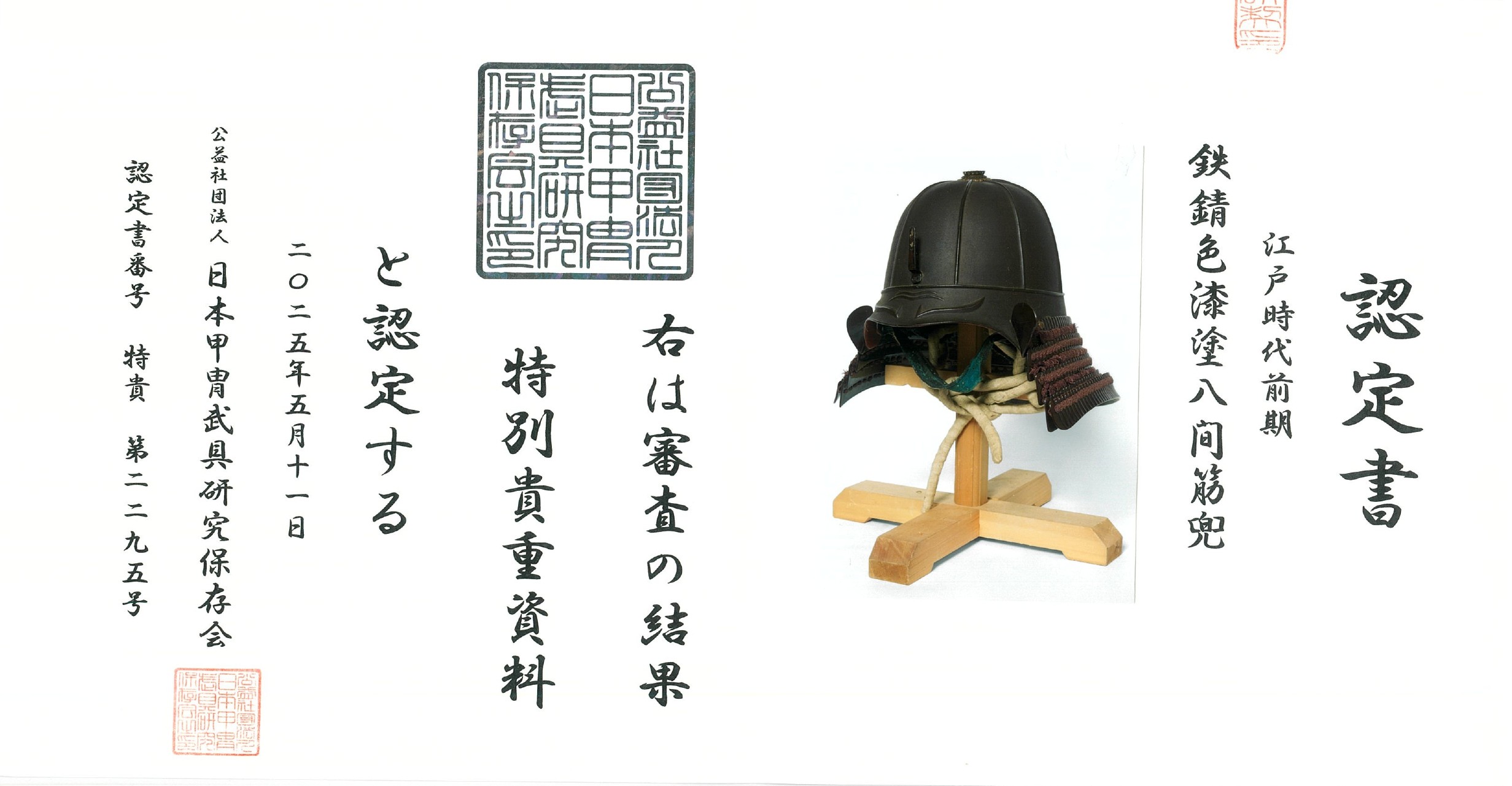
appraised by The Association for the Research and Preservation of Japanese Helmets and Armor Suji Kabuto consists of many small riveted iron plates to form its shape. This helmet has Hachi (eight in Japanese) iron plates. Suji means a stripe in Japanese, and you can see 8 stripes in this helmet. A high-class Samurai might have owned this helmet. The Kabuto (兜, helmet) is a protector for the head. When people started using the Kabuto, it was initially designed for practical use. However, the principal purpose of its design has changed with time; Samurais tried to express their dignity, personality, or religion by wearing the characteristic design Kabutos. According to a theory, these unique designed Kabutos were made from the late Muromachi period to the Edo period. This type of Kabuto is categorized as the Kawari Kabuto (変わり兜), and a variety of materials were used to create them. For example, animal fur, seashells, plants, and papers were used as materials for decoration. Before the Kawari Kabuto’s production, the Suji Kabuto (筋兜) has appeared during the Nanbokuchou (南北朝, 1337-1392) period. At that time, the tactic was gradually changed from the piggyback fight style to battle with the Tachi (太刀) sword and the Naginata (薙刀, Japanese halberd) on the ground. Therefore, there was a rise in demand for the weight saving of the Kabuto. Also, in order to turn the attack by swords, a new type of structure was invented; it is the Suji Kabuto (筋兜). Its form slides swords’ attacks when weapons hit the Kabuto. It is said that the production of the Suji Kabuto prospered in the Muromachi (室町, 1336-1573) period. The Suji Kabuto production continued in the Edo period also; however, iron plates that Kabuto makers used at that time were thicker than the Muromachi period’s Suji Kabuto. Therefore, it was heavier, and we understand that then people cherished the Suji Kabuto to enjoy the old-style Kabuto, not to wear it on the battlefields. This particular helmet features a Tetsusabi-iro Urushi-nuri (鉄錆色漆塗) finish, which means “iron-rust-colored lacquer coating.” Rather than exposing the raw iron or using a brightly colored lacquer, this finish mimics the subdued, aged tone of oxidized iron. It provides both protection and aesthetic value, blending durability with a refined, understated appearance that reflects the samurai ideal of quiet strength and elegance. Although this kabuto features a metal fitting at the front, which was originally intended for attaching a maedate (front crest), the crest itself is no longer present. This attachment point suggests that the helmet once included a decorative tatemono, likely meant to convey the wearer’s authority or spiritual symbolism. While the original design of the maedate is unknown, its absence provides insight into the modular and customizable nature of samurai armor, where components could be added, replaced, or removed over time based on personal preference, rank, or occasion. Certification The certificate was issued by The Association for the Research and Preservation of Japanese Helmets and Armor, which is the most trusted Japanese armor appraiser in Japan. Tokubestu Kicho Shiryo means special rare article. It is ranked as the third highest of five rankings. This helmet was authenticated on May 11th 2025 as a Tokubetsu Kicho Shiryo and the paper mentions the helmet was made in the Early Edo period. The purchaser will receive the original certificate as well.
Offered by Samurai Museum
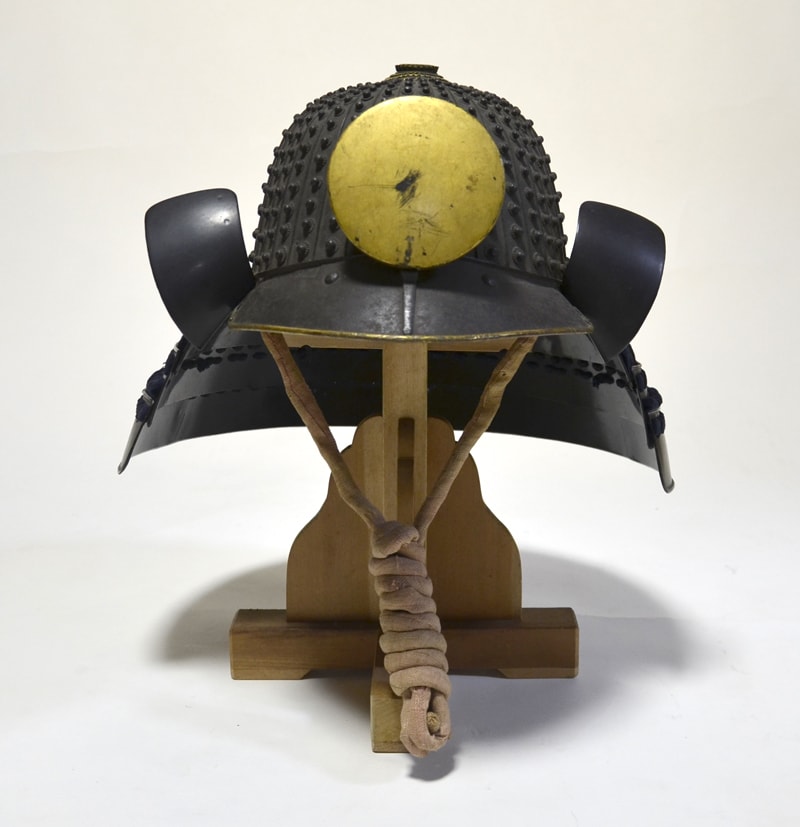
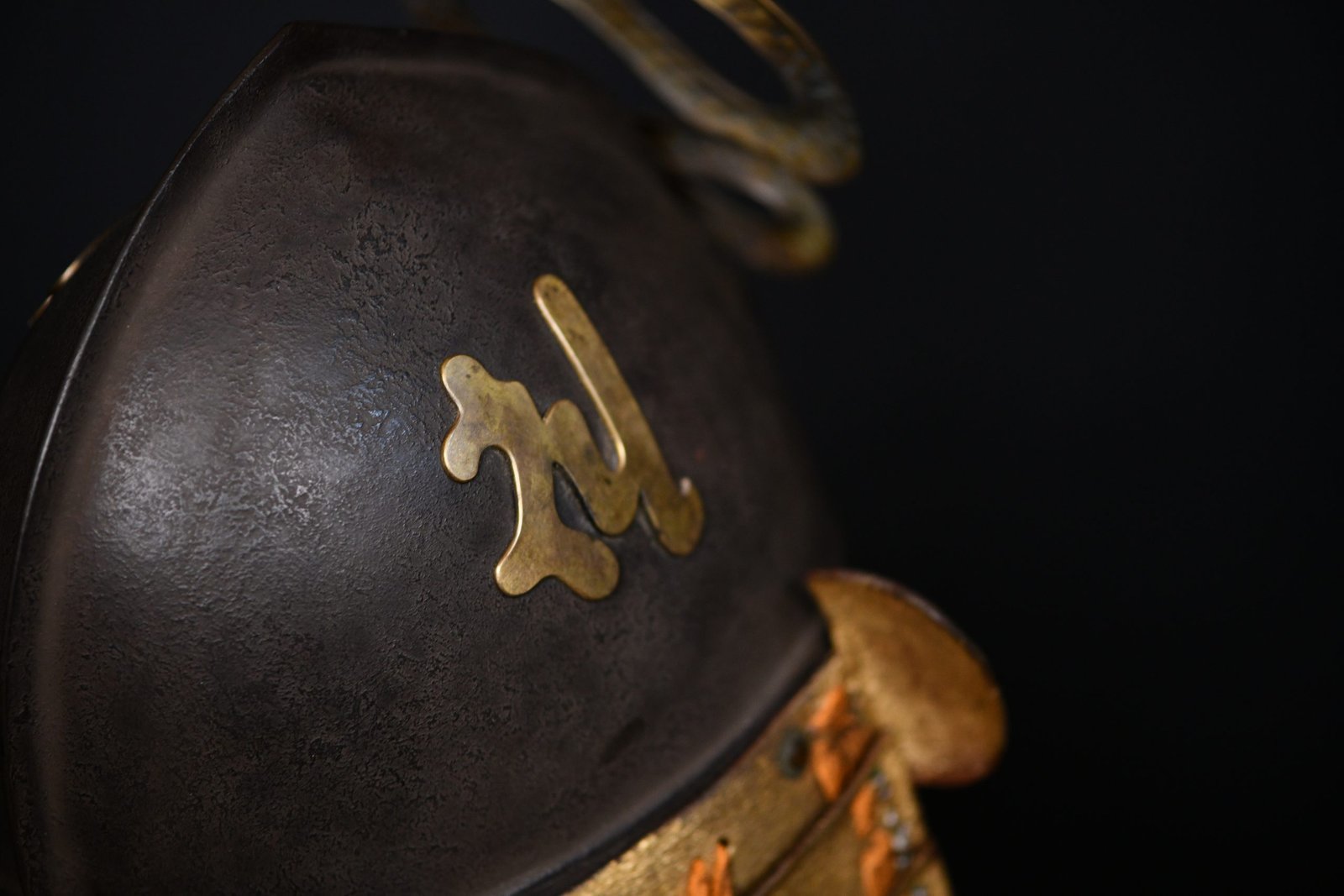
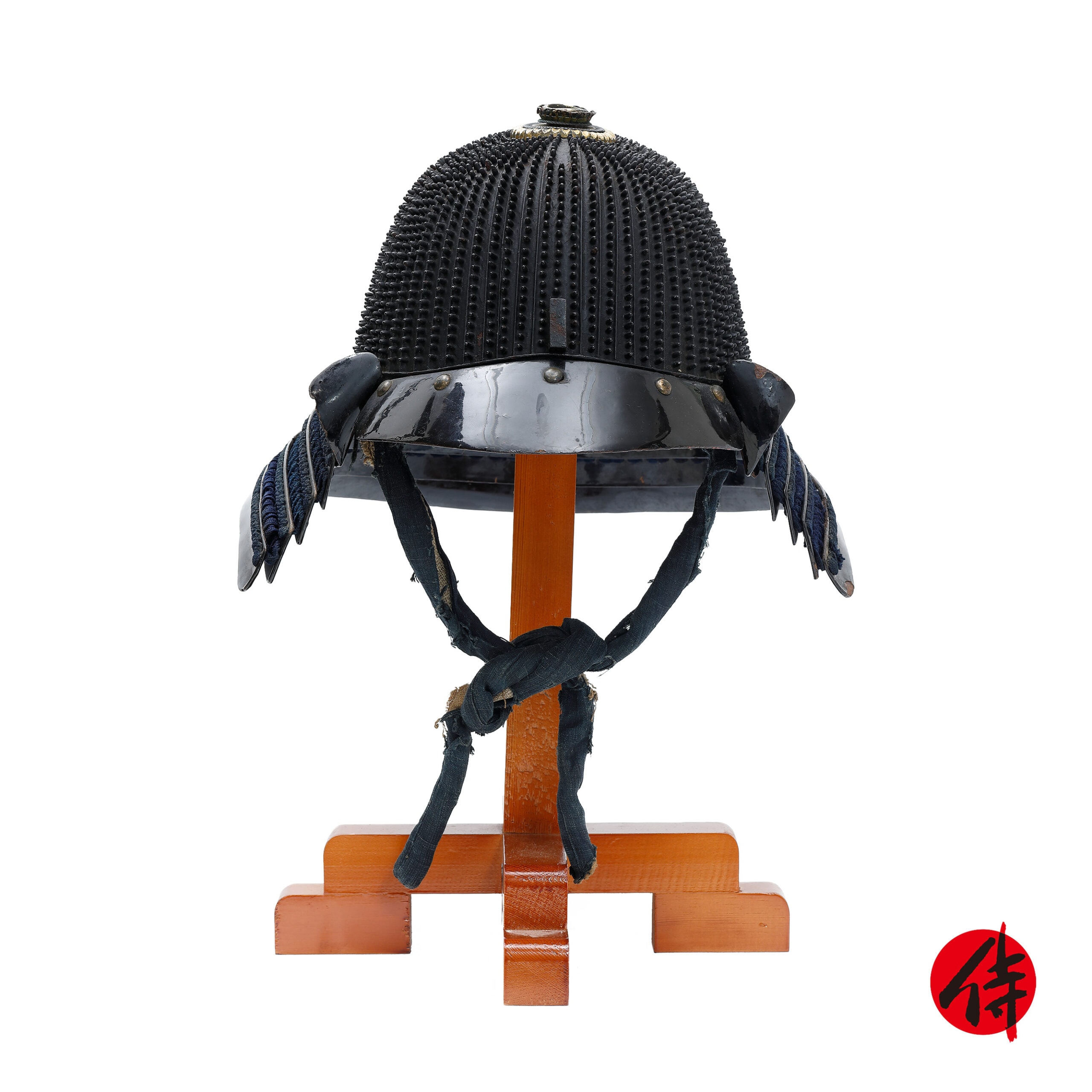
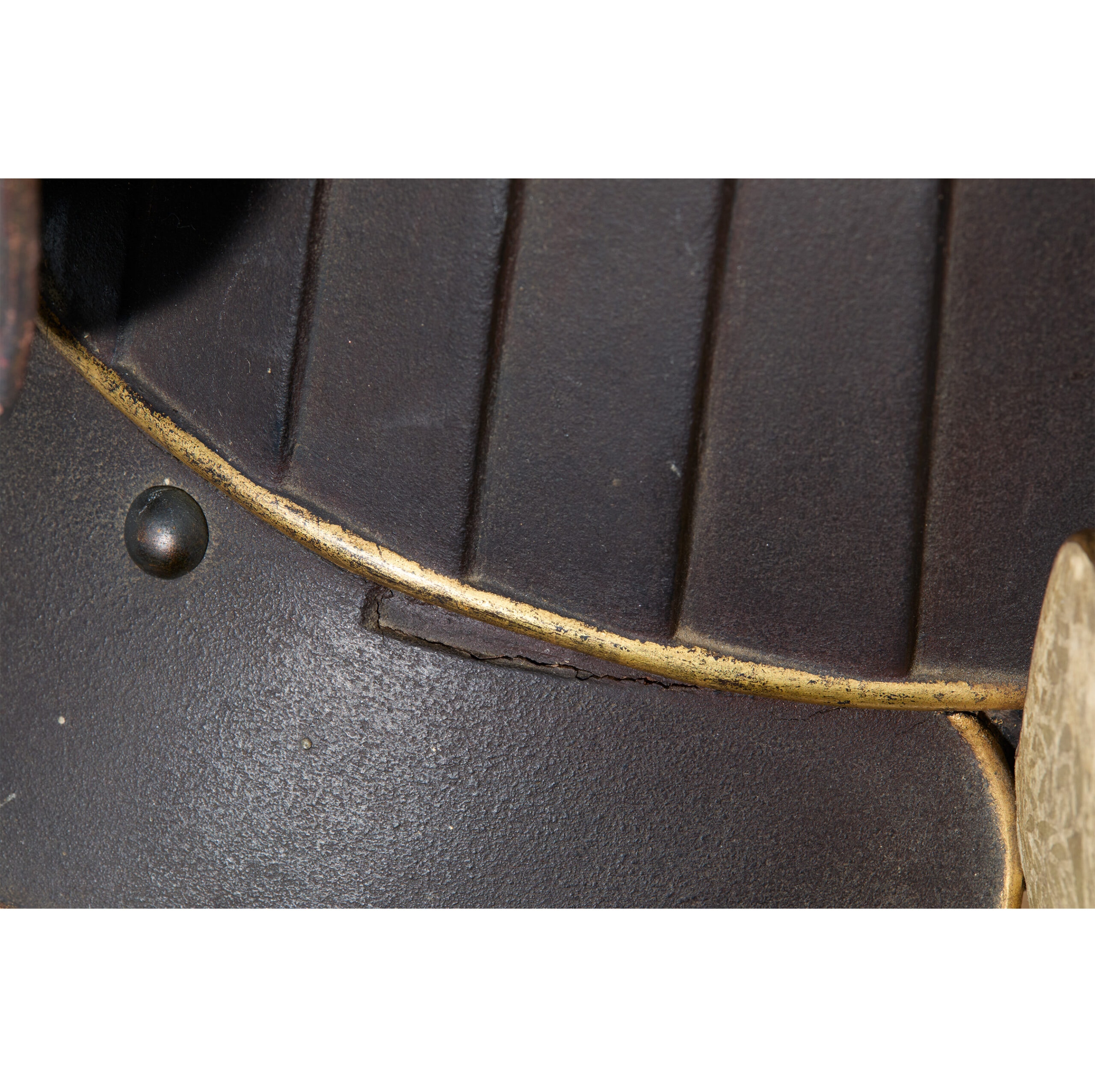

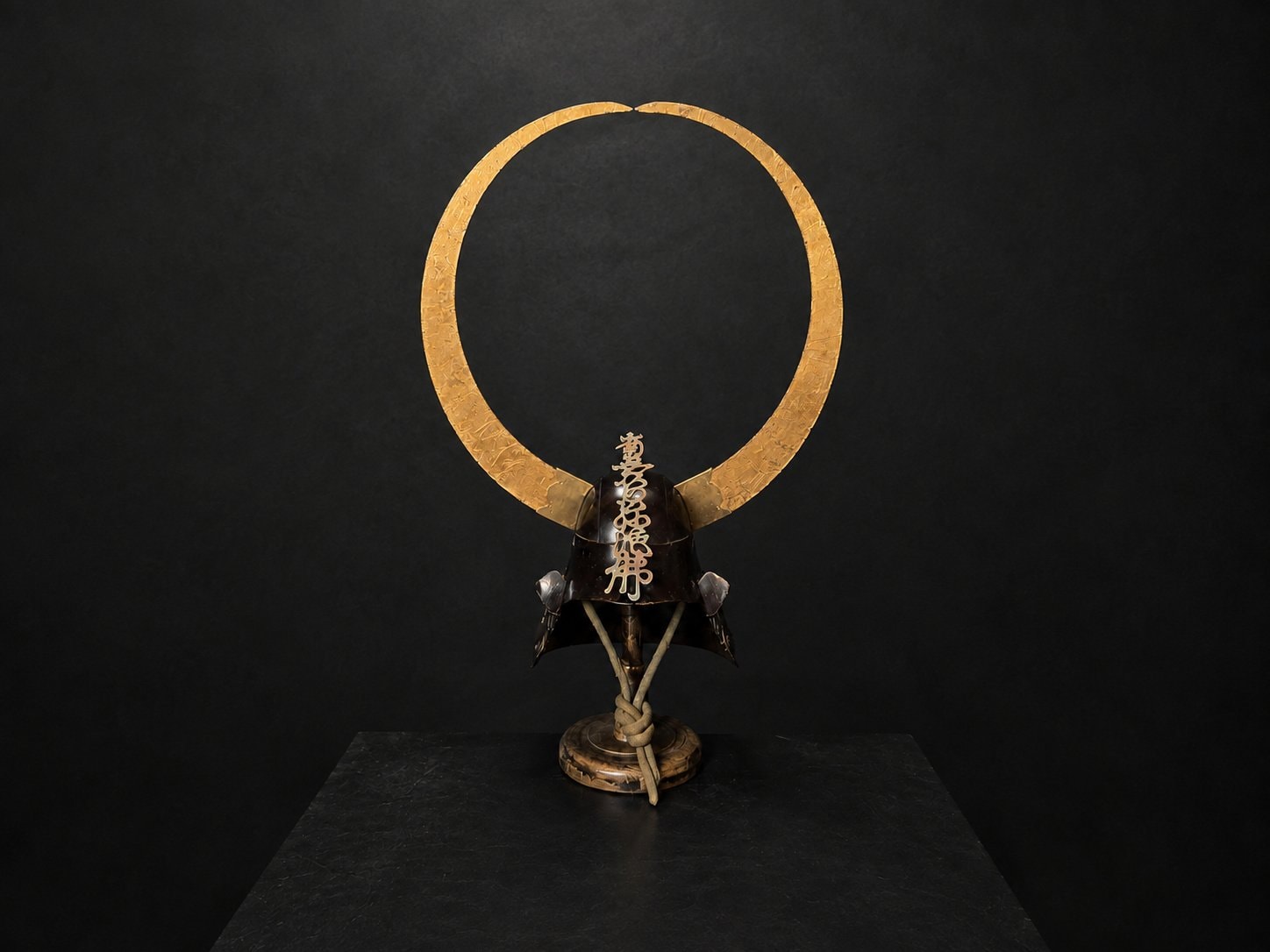
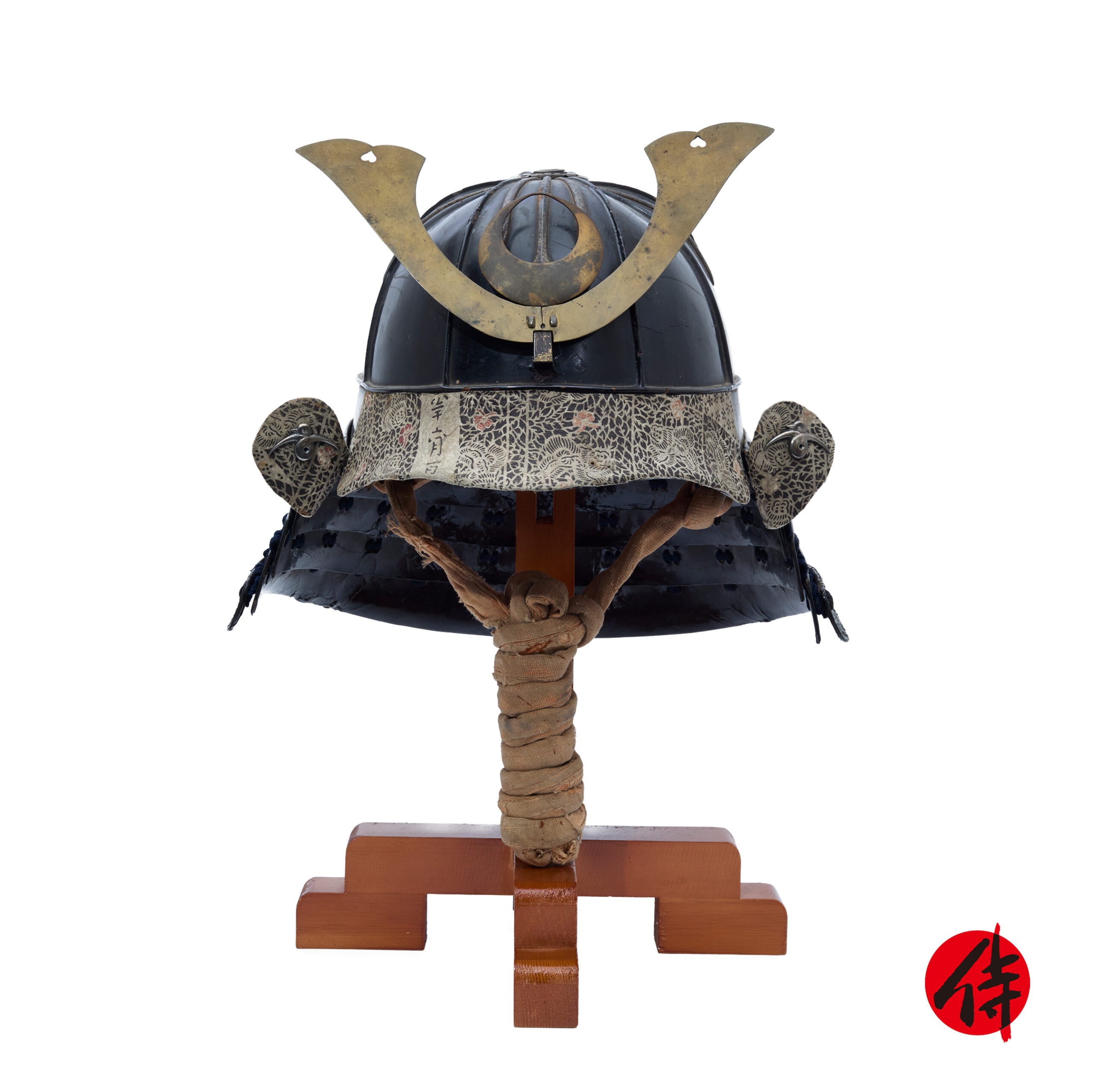
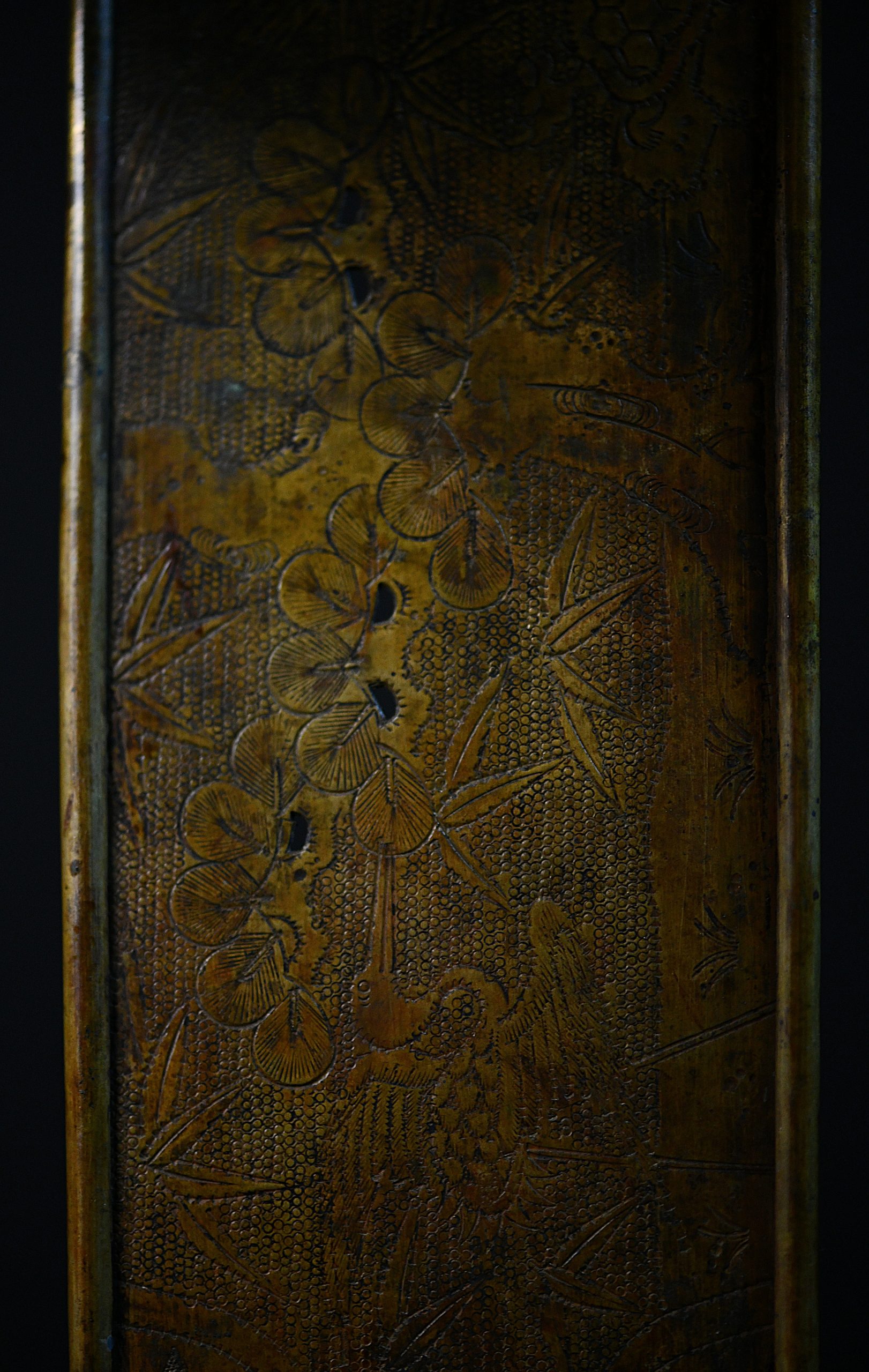
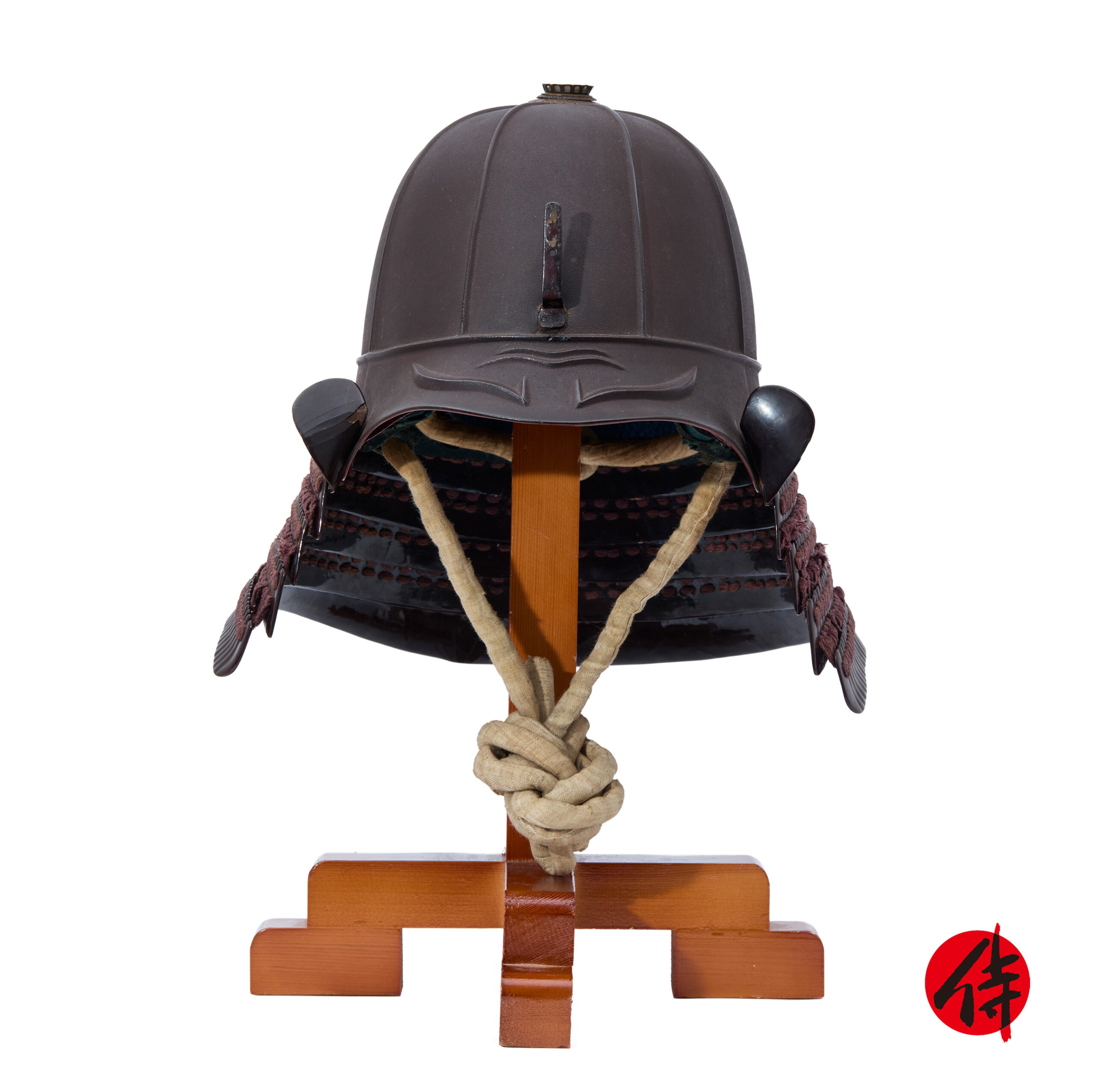
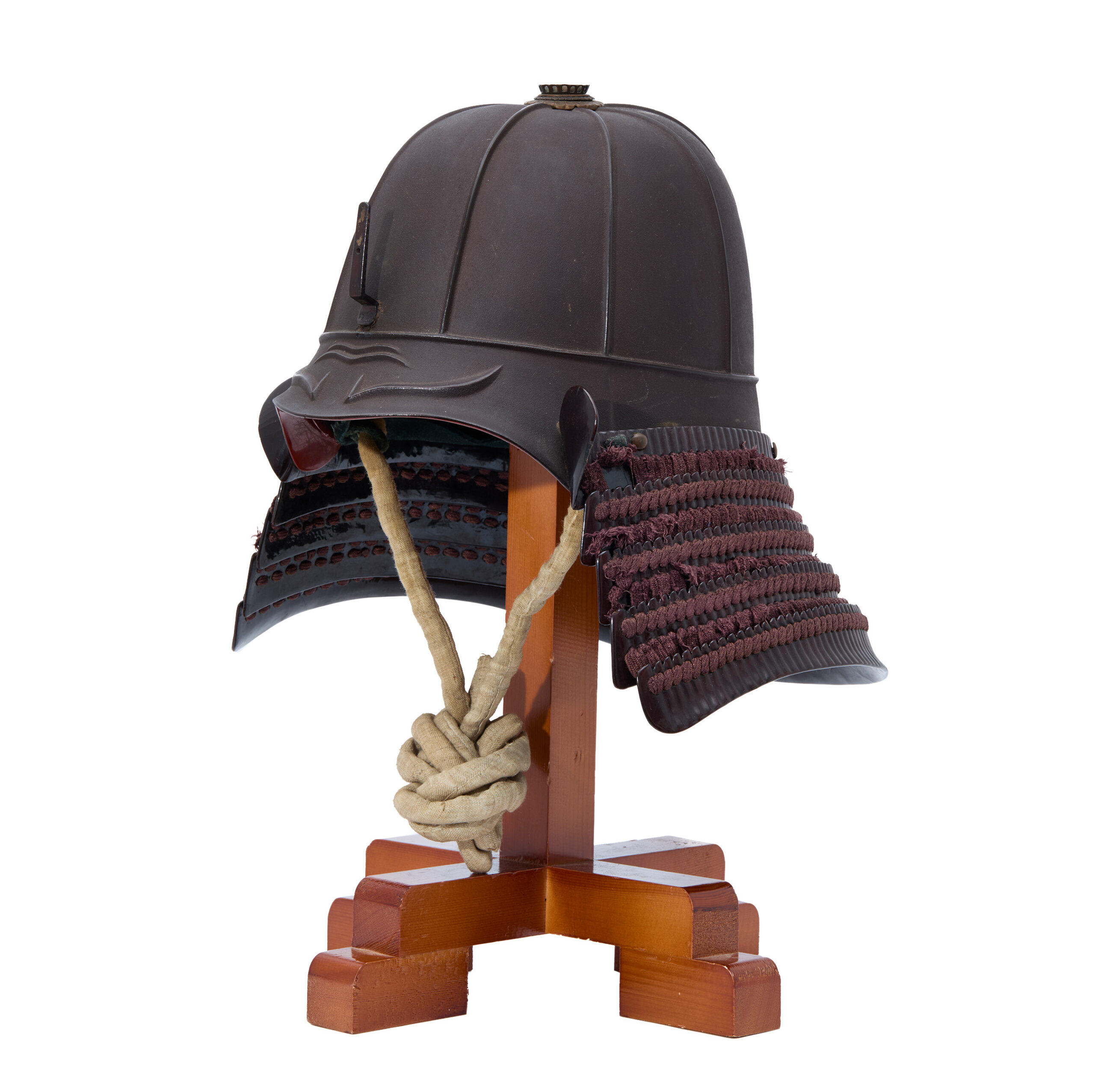
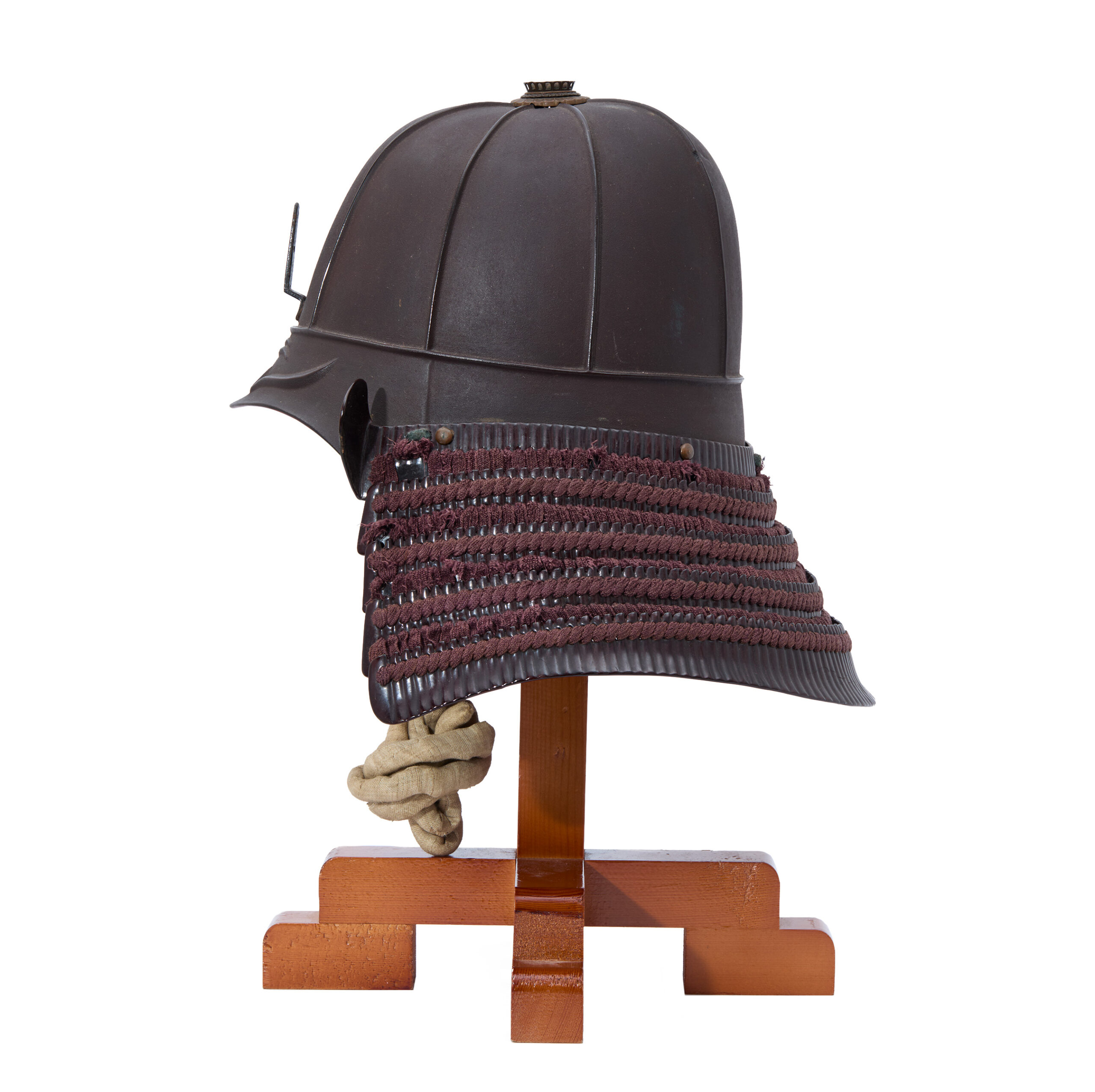
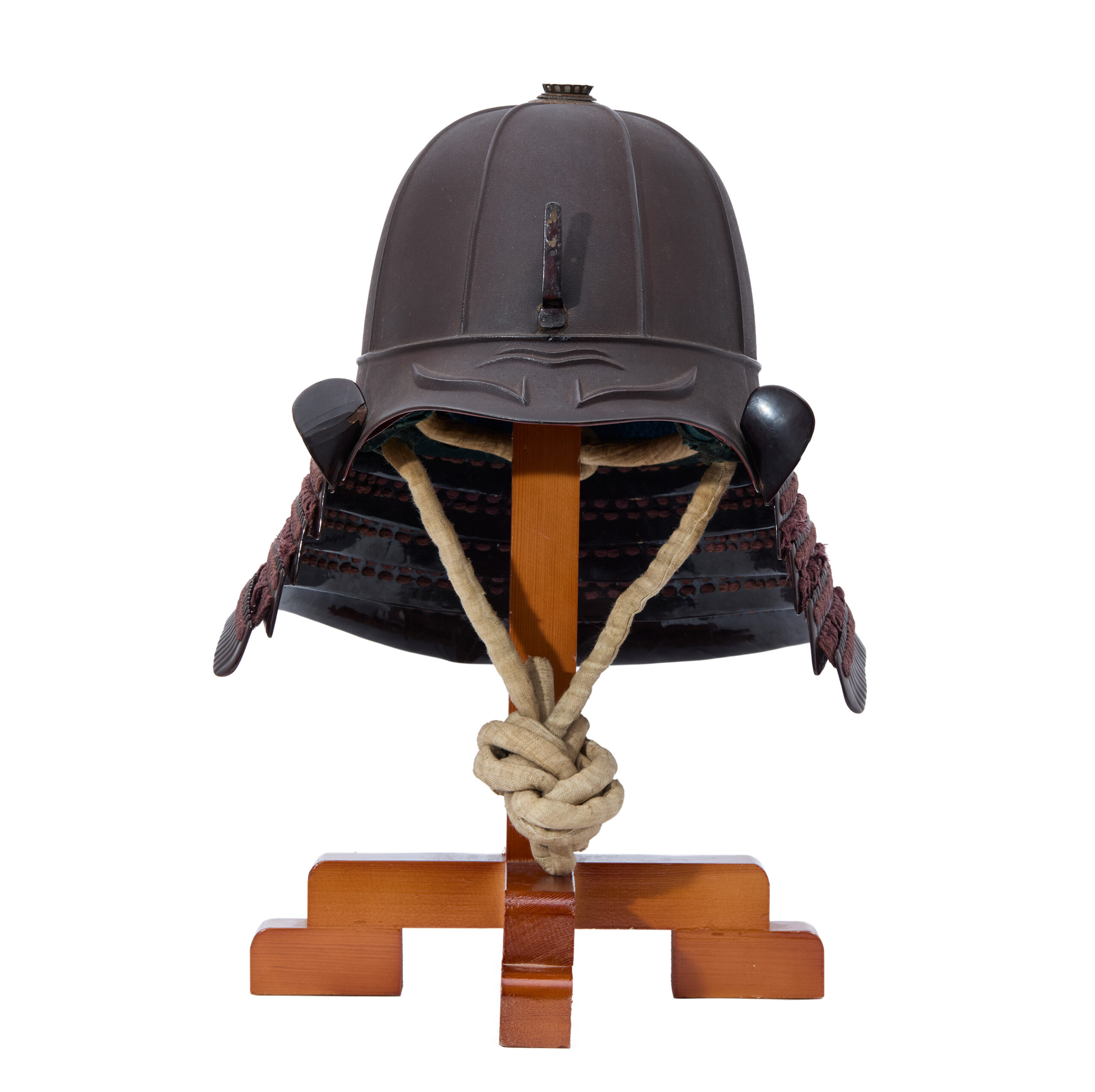
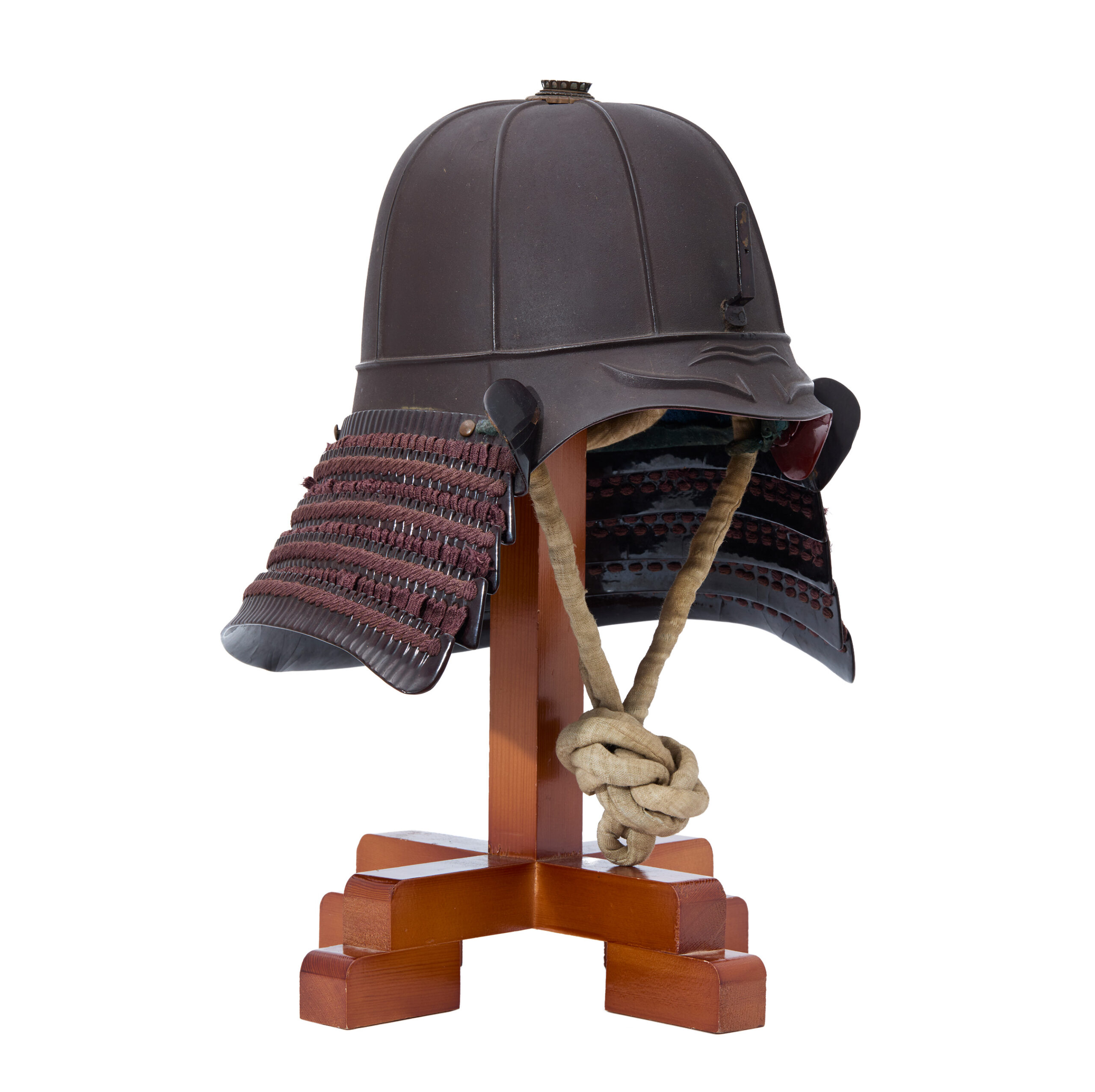
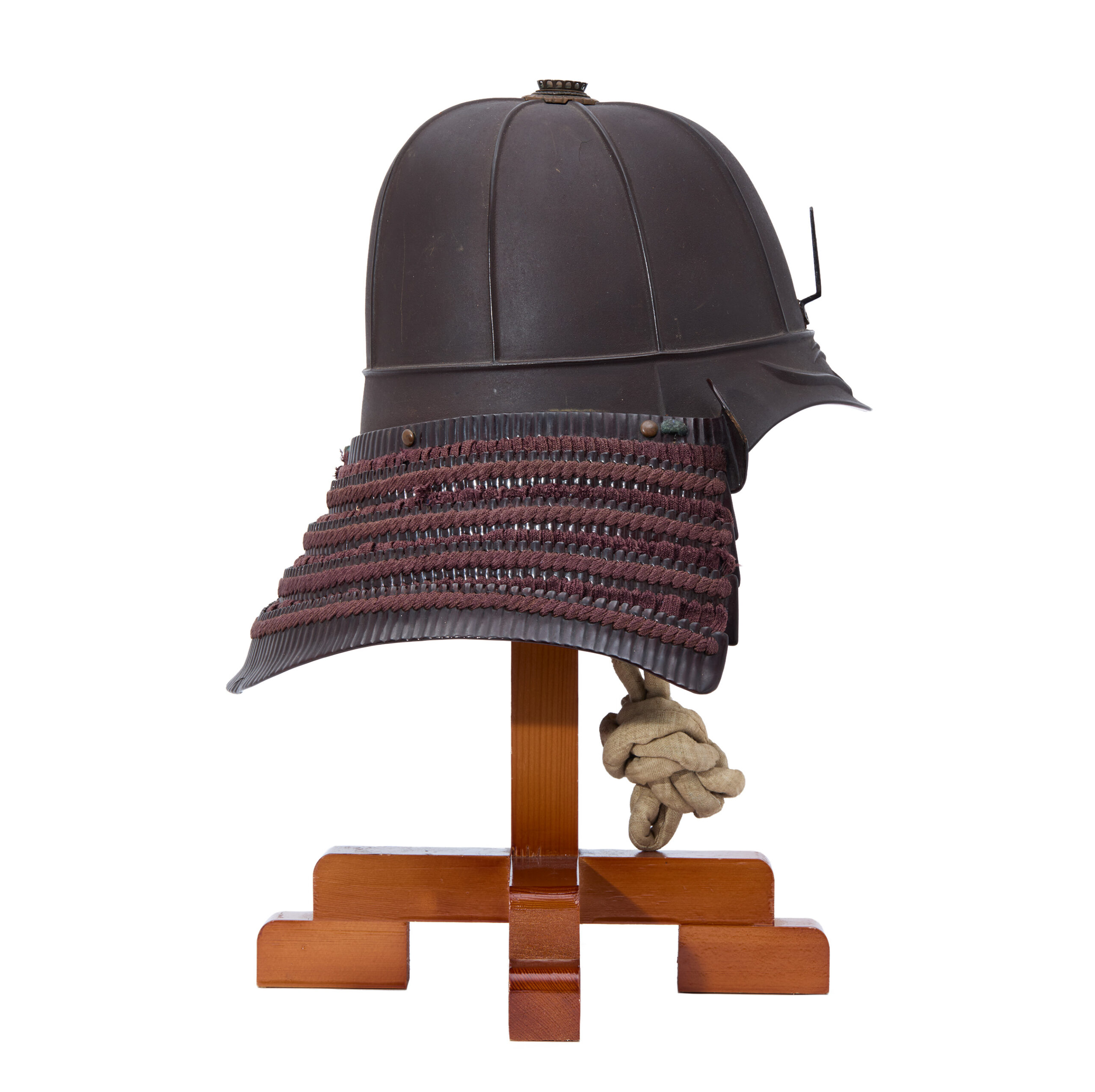
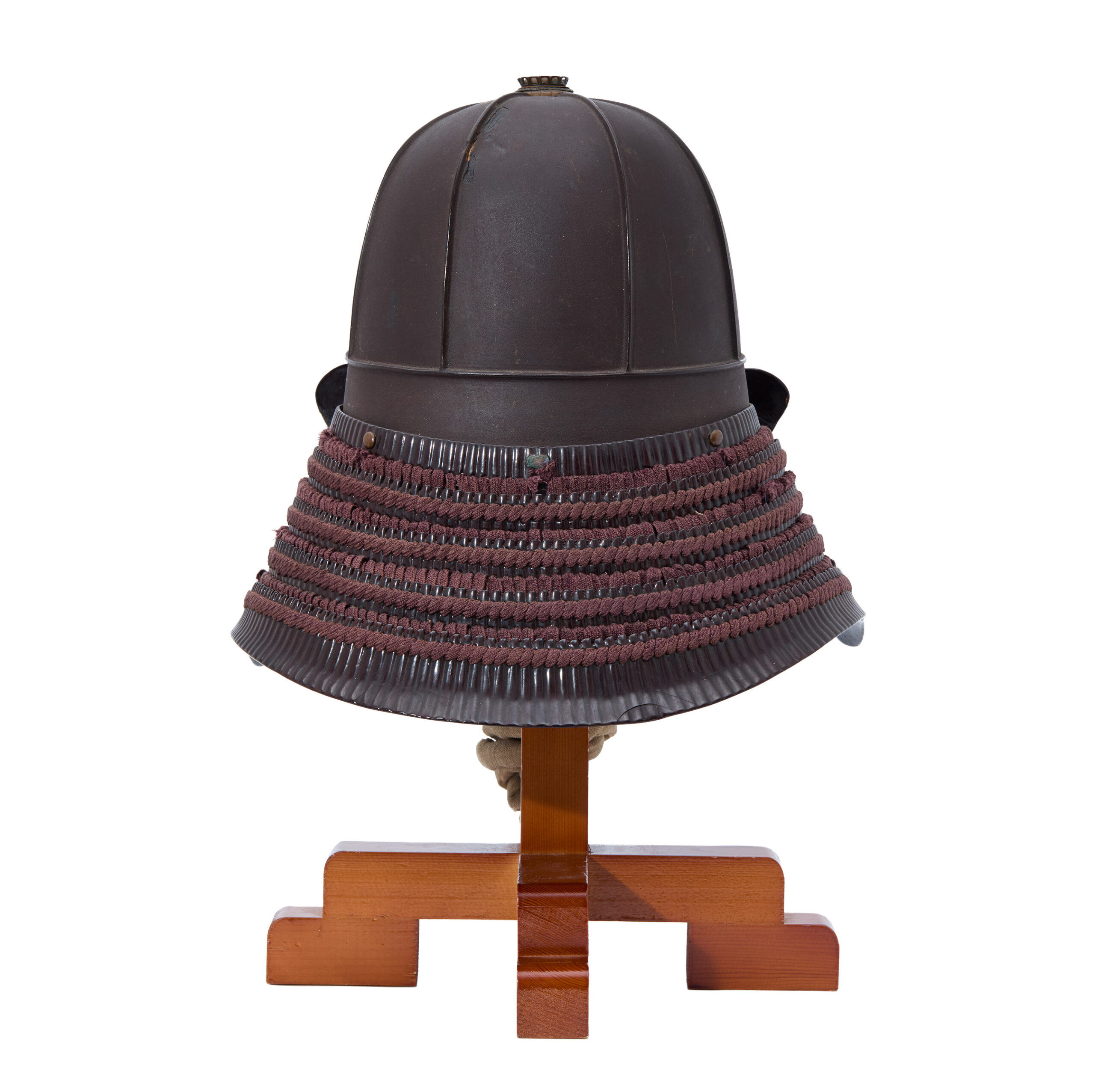
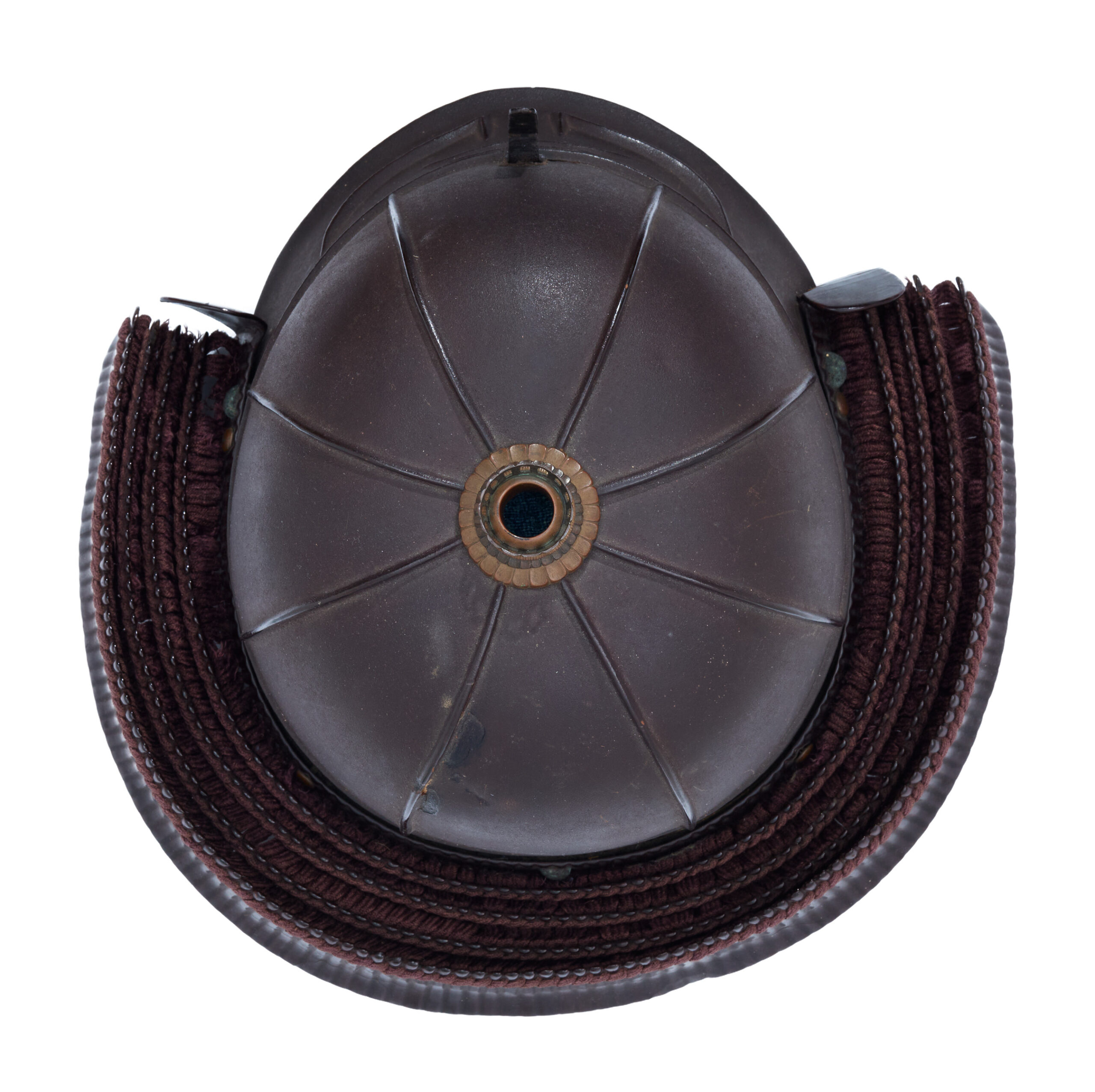
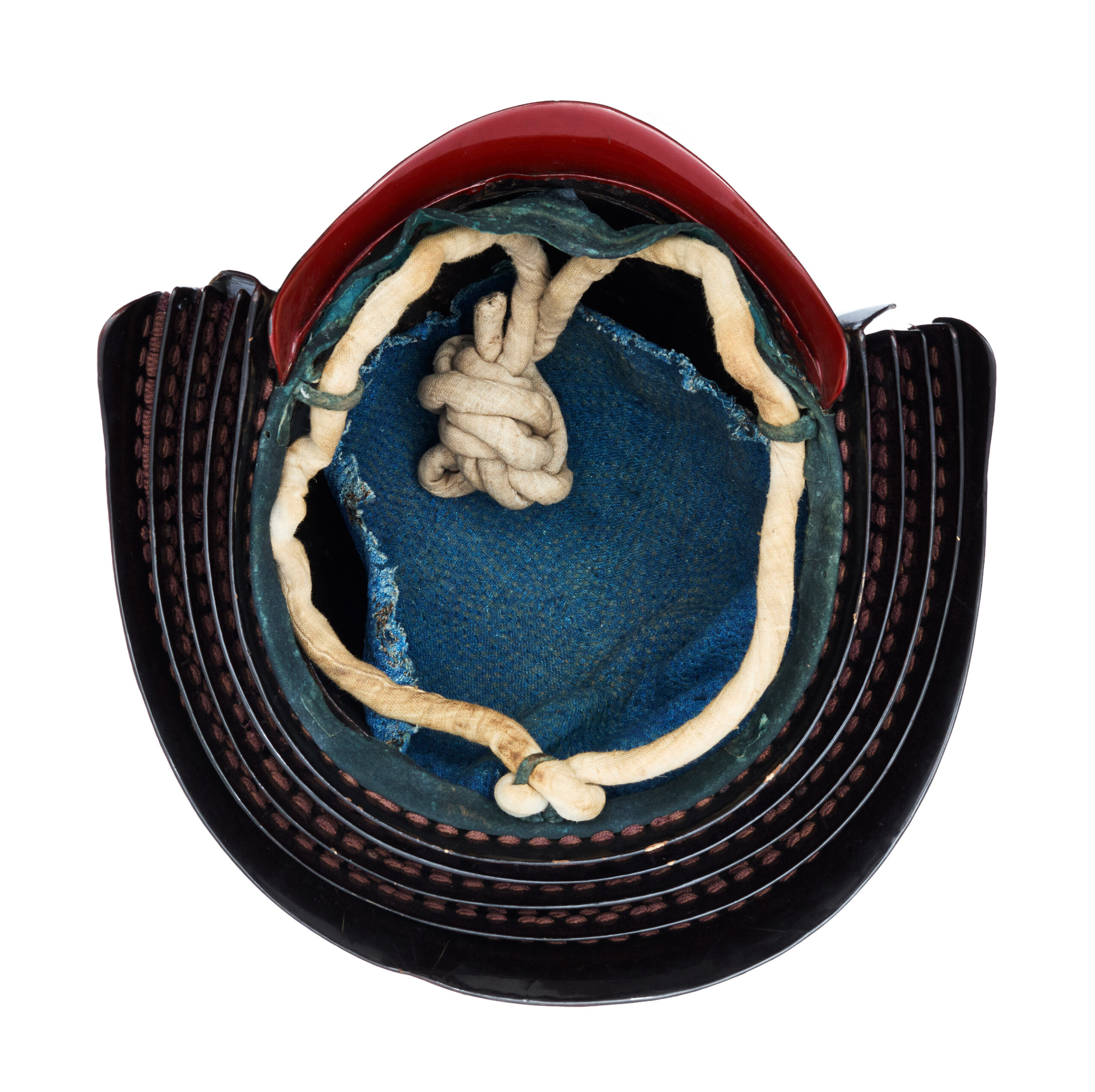
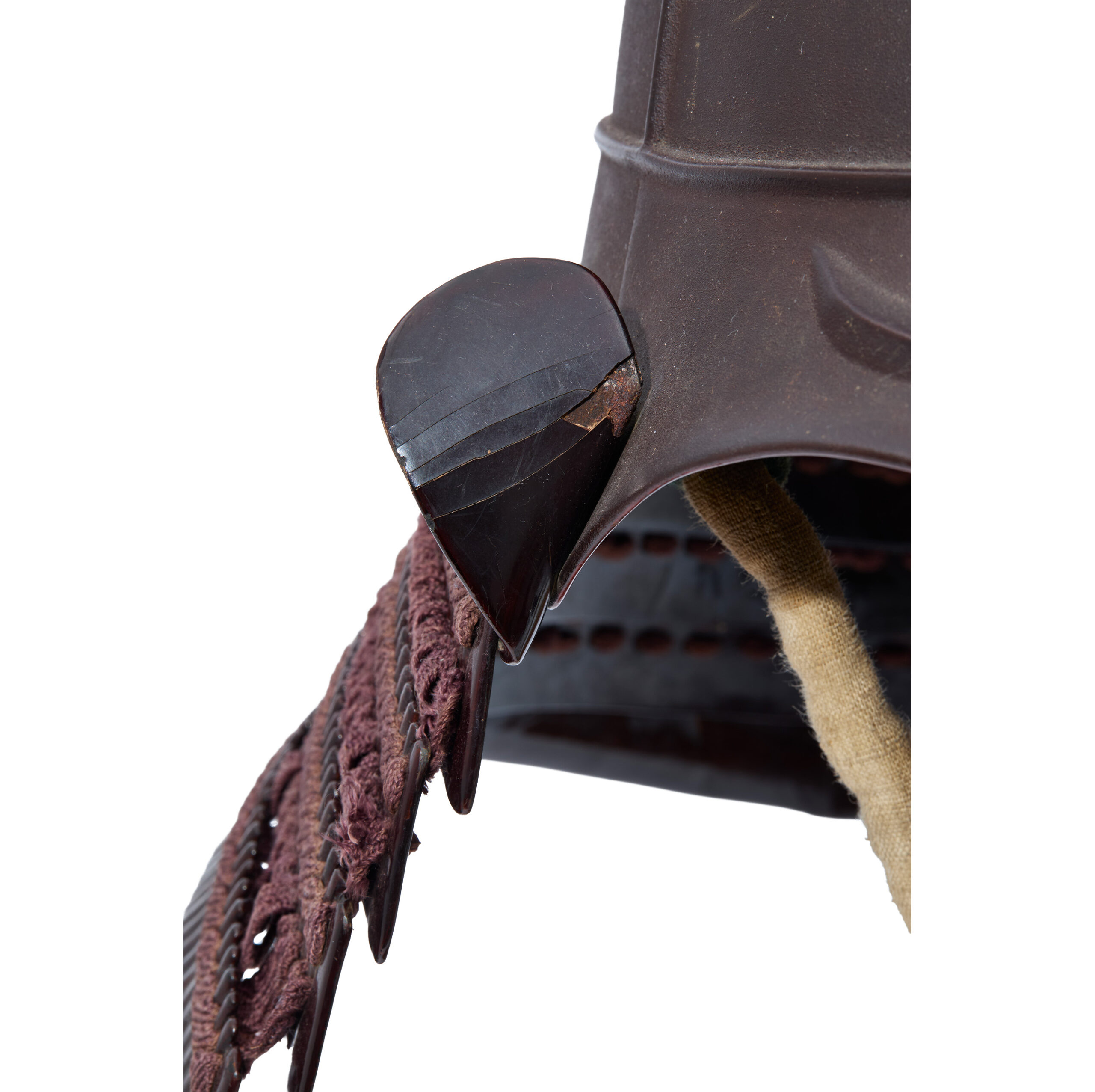
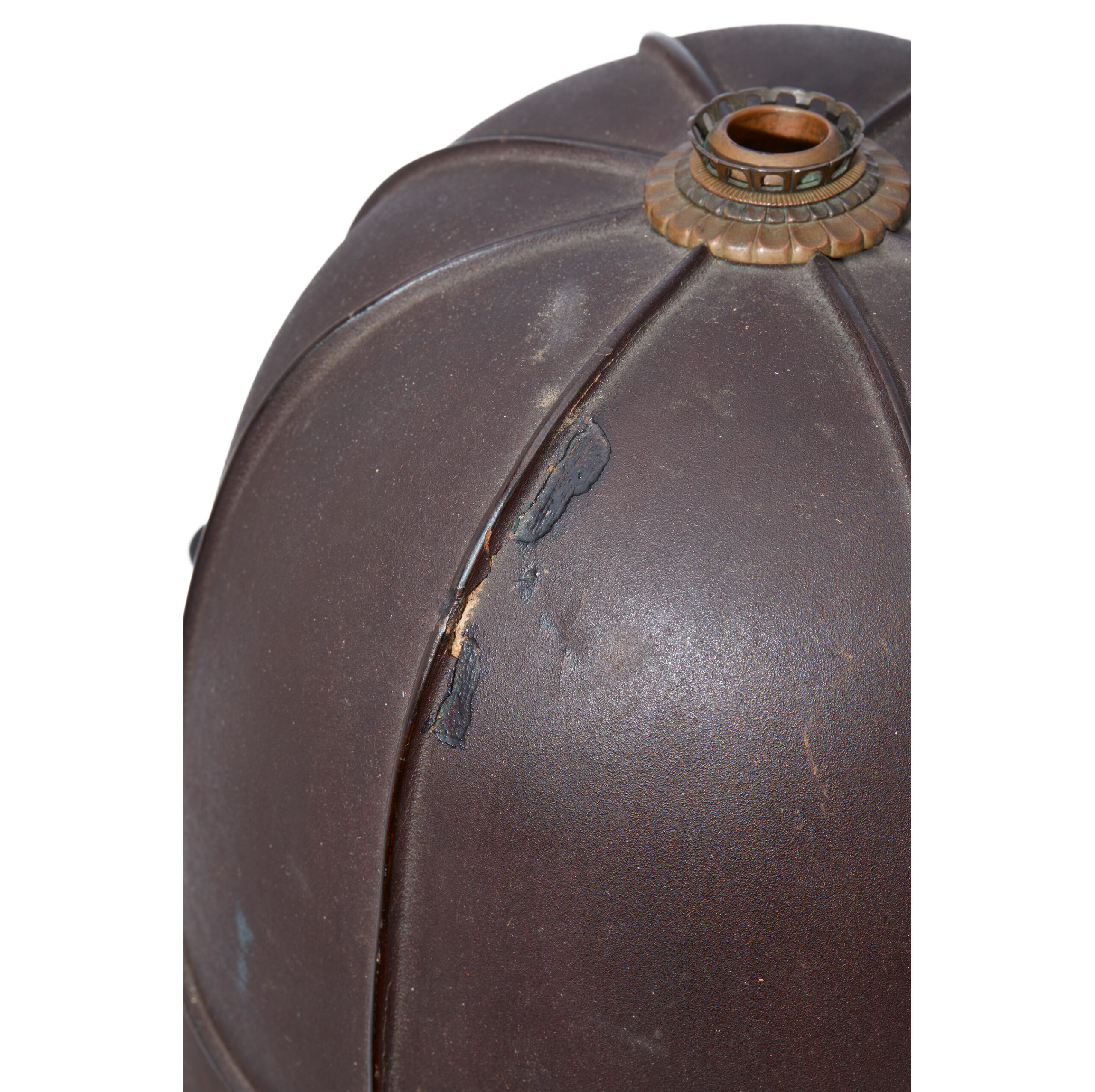
Kabuto only
8-plate · Suji-bachi
Unsigned
Edo
Especially valuable armour of notably superior workmanship and condition, the third of the five ranks.
Japanese armour is not certified by the NBTHK. The Nihon Katchū Bugu Kenkyū Hozon Kai (the Association for the Research and Preservation of Japanese Helmets and Armour), founded in 1961, is the principal body for armour. Its shinsa grades a piece as 資料 (shiryō, "reference material") across five ascending ranks: Hozon, Kichō, Tokubetsu Kichō, Kōshū Tokubetsu Kichō, and the highest, Jūyō Bunka Shiryō. The 資料 framing reflects the society’s purpose of preserving armour as cultural and historical reference, distinct from the NBTHK’s sword paper tiers.
Returns/exchanges limited to defects caused by shipping (except willful misconduct or gross negligence by the company); customers must contact within 72 hours of receiving the product.
¥780,000