 NihontoWatchNihontoWatch
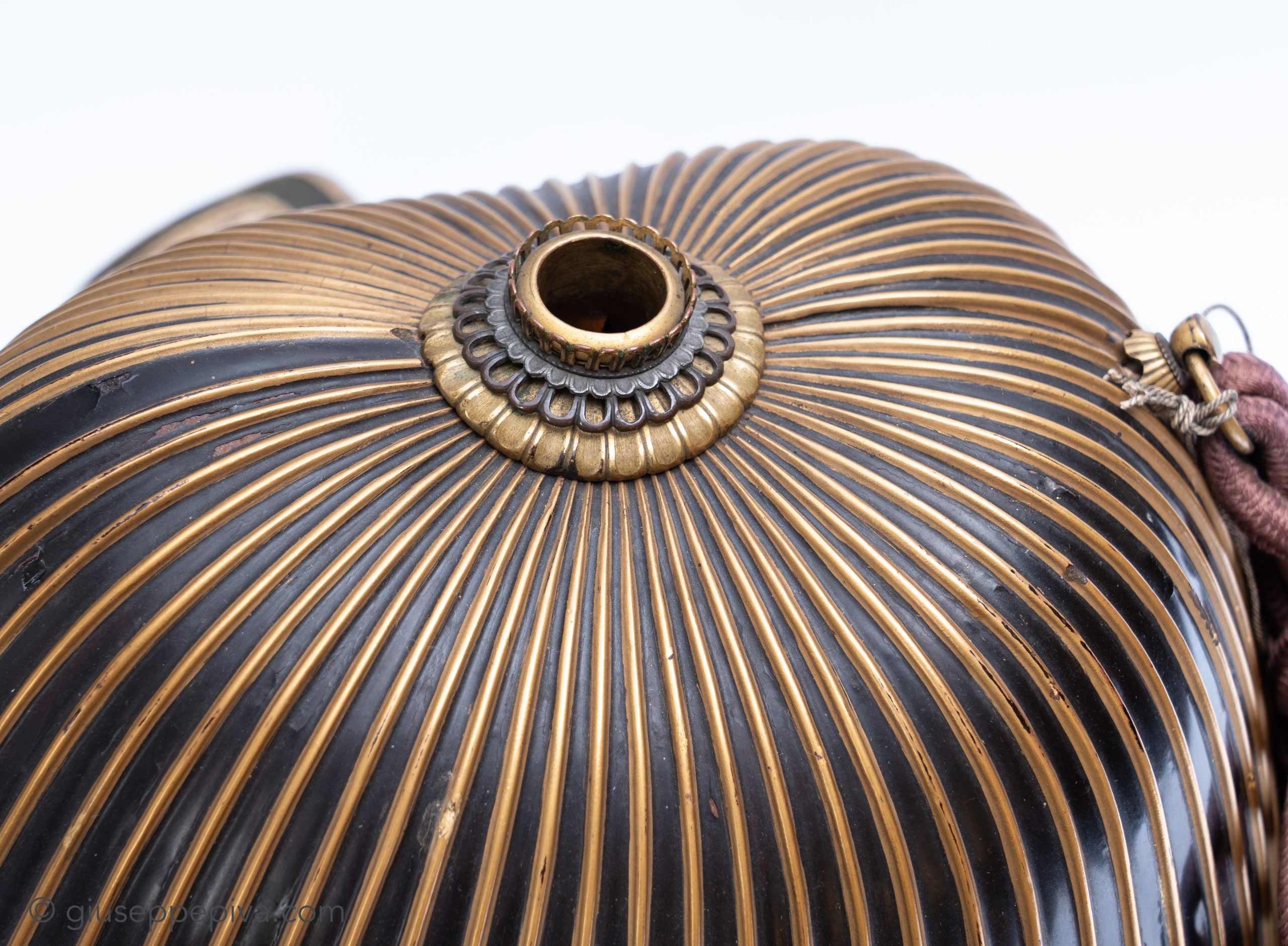
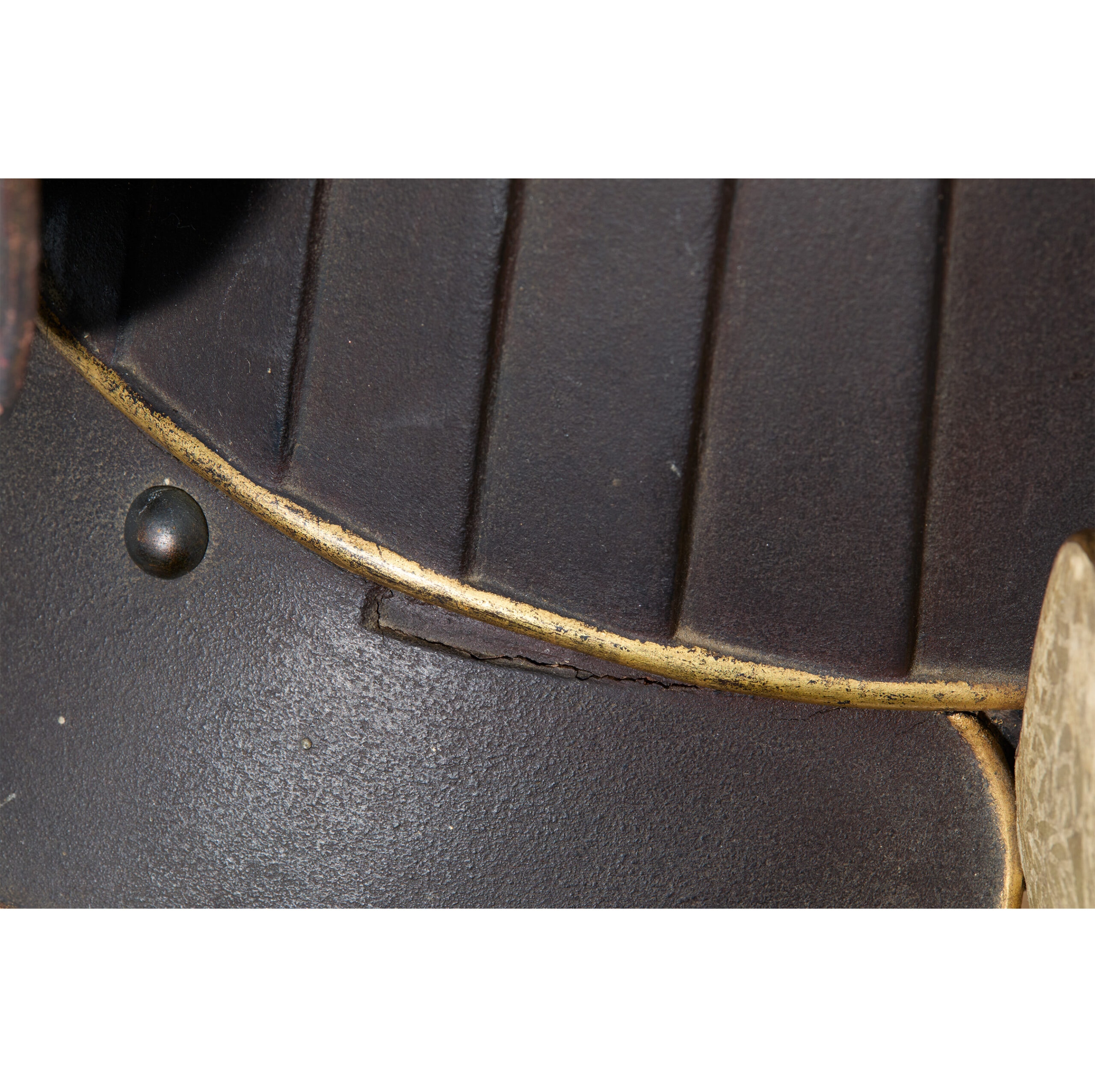
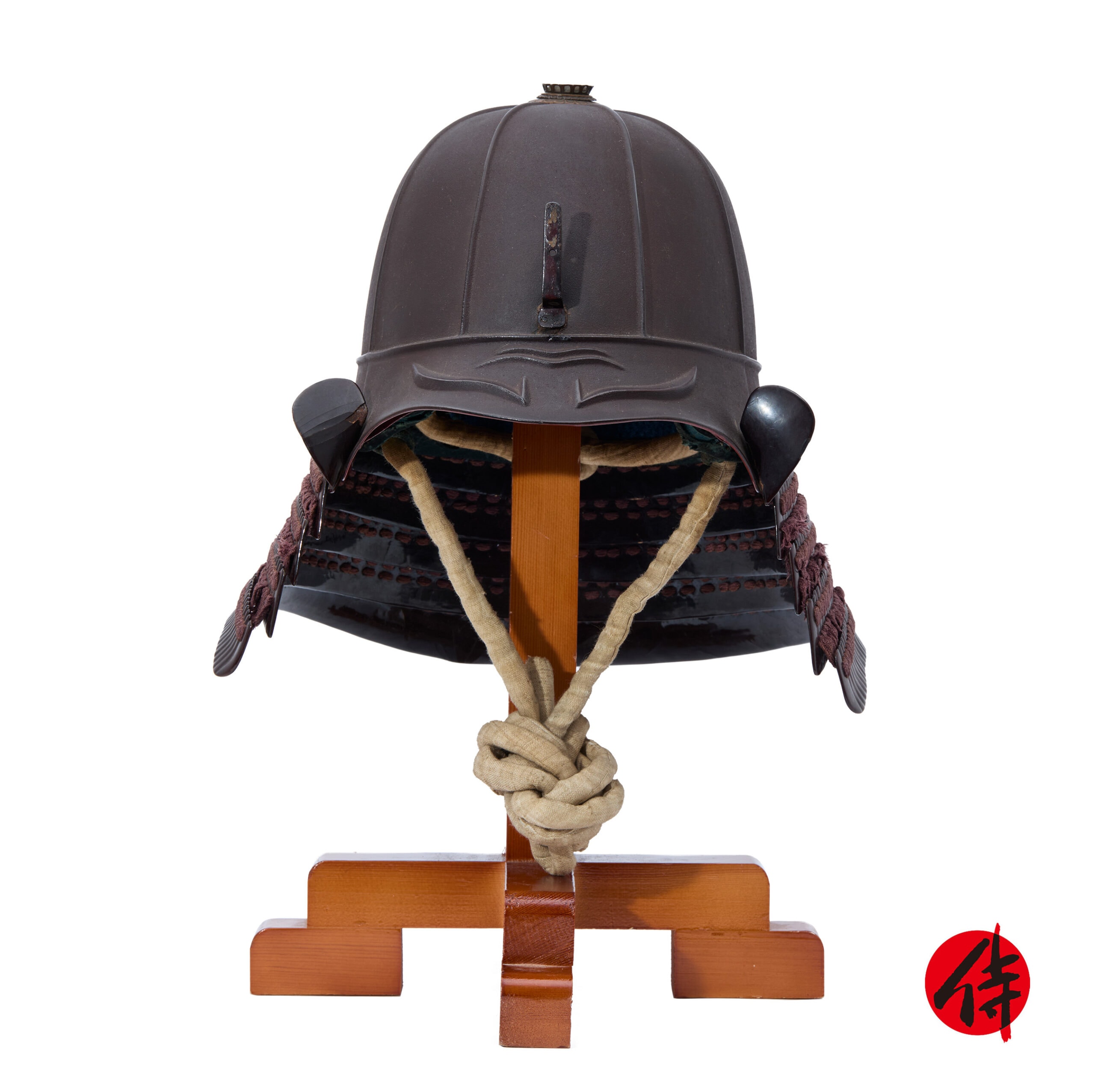
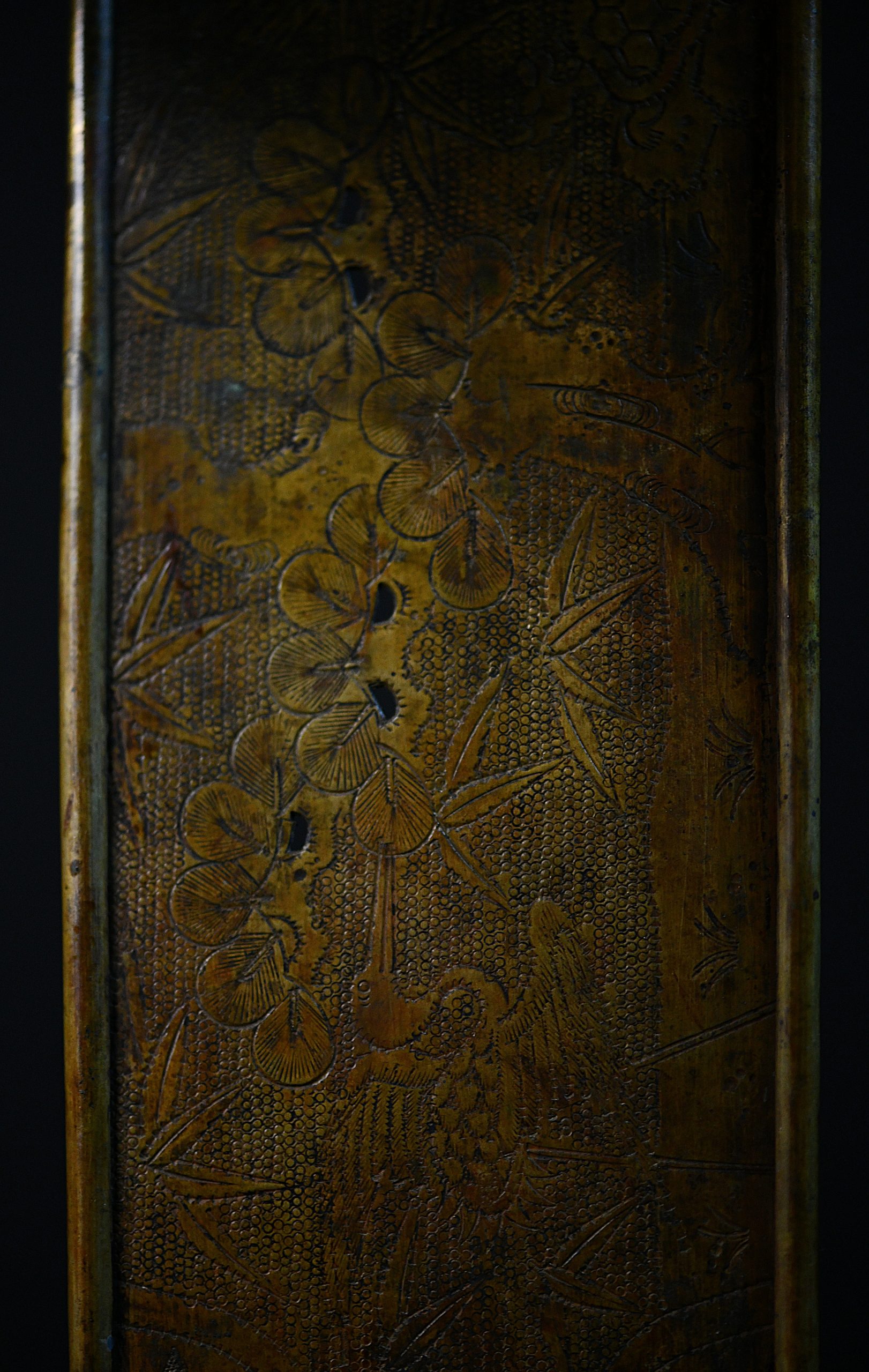
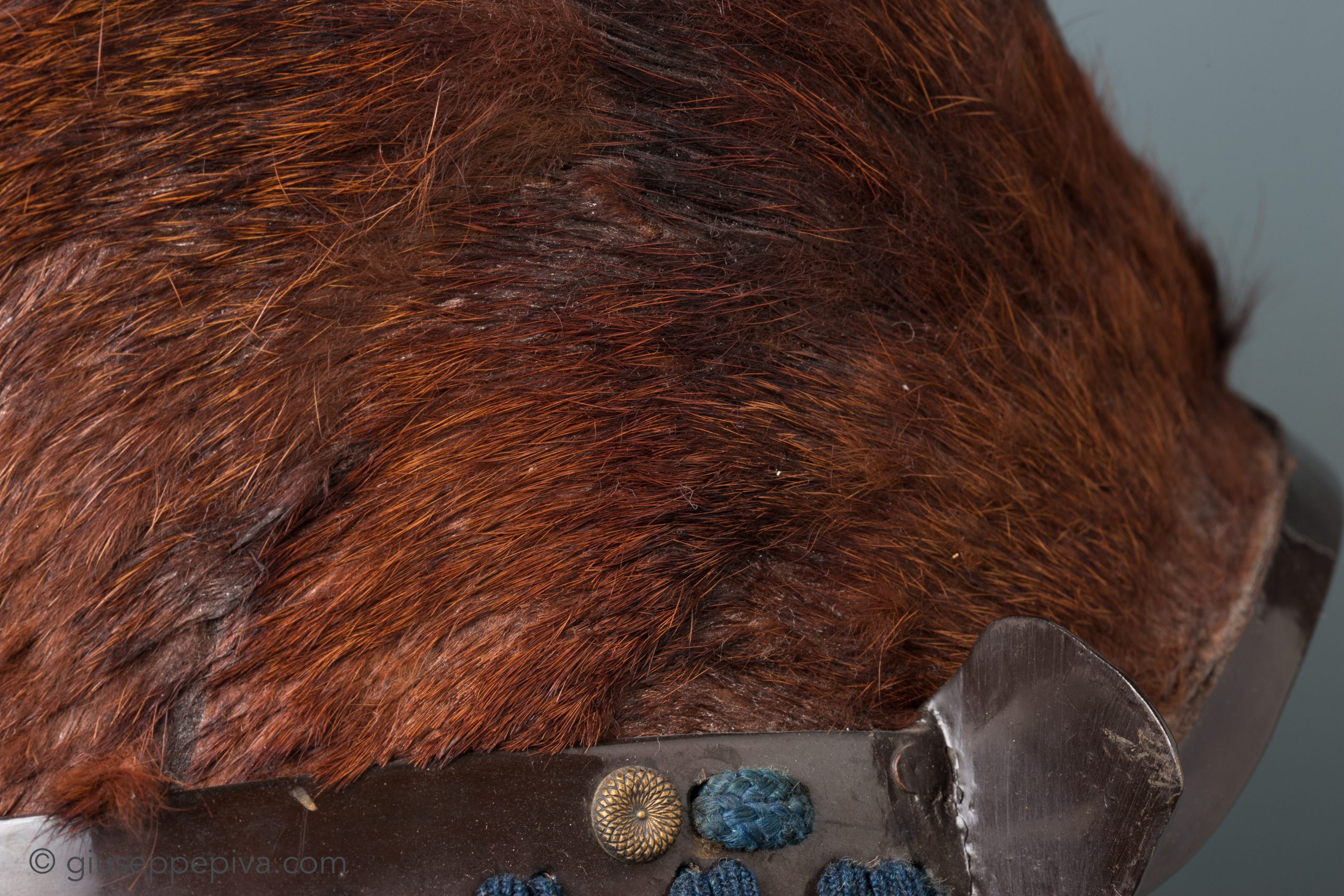
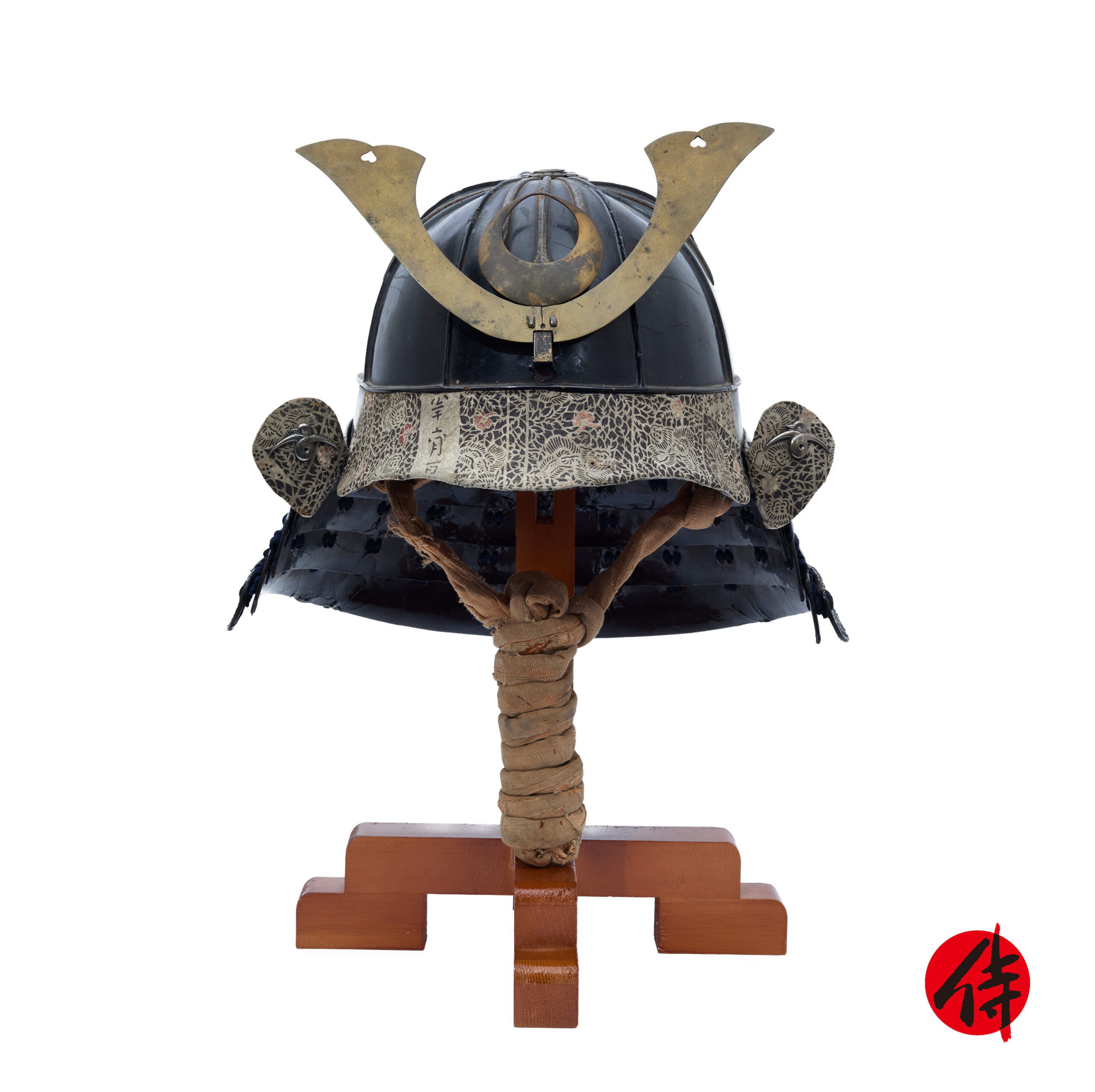
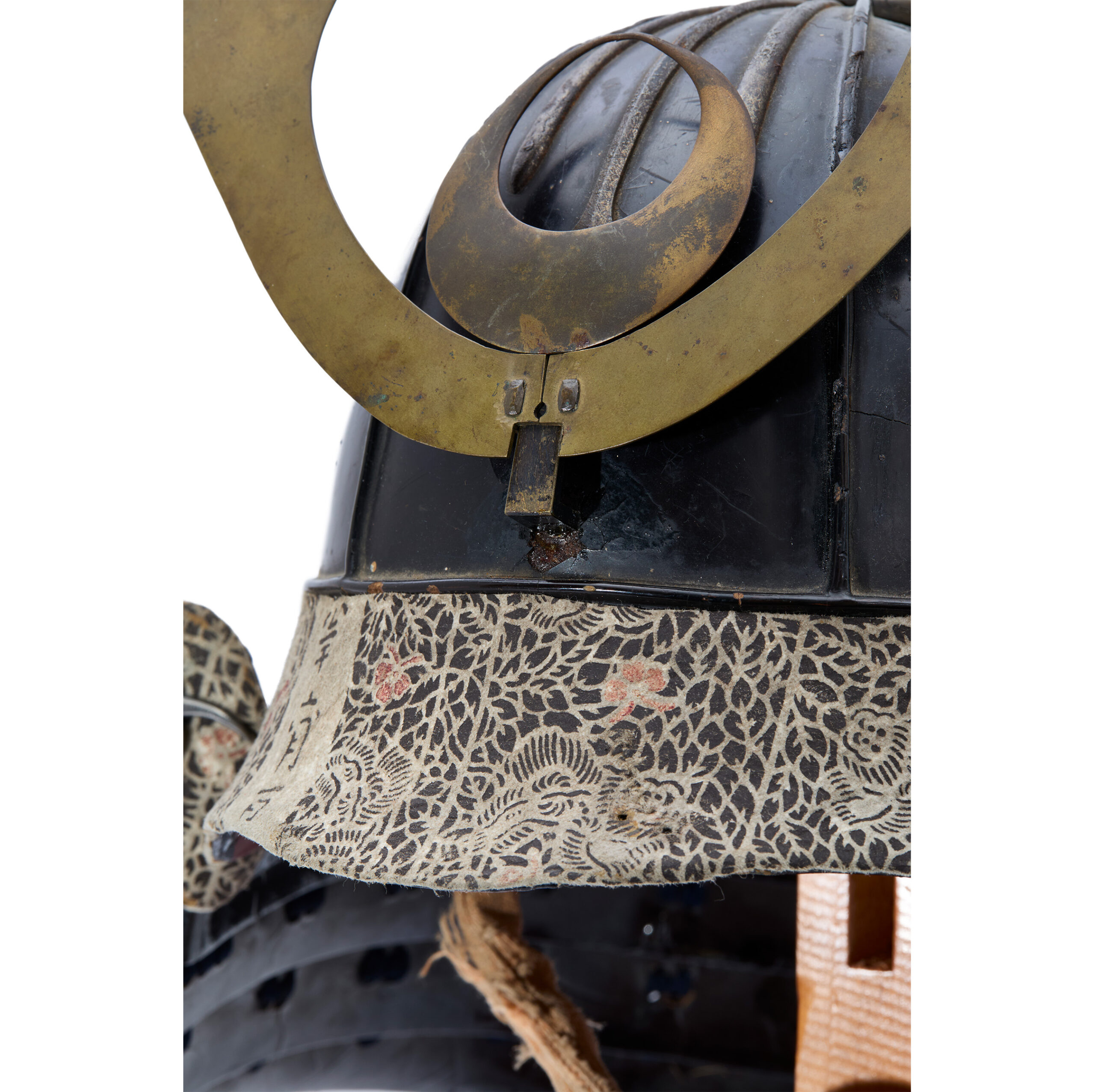
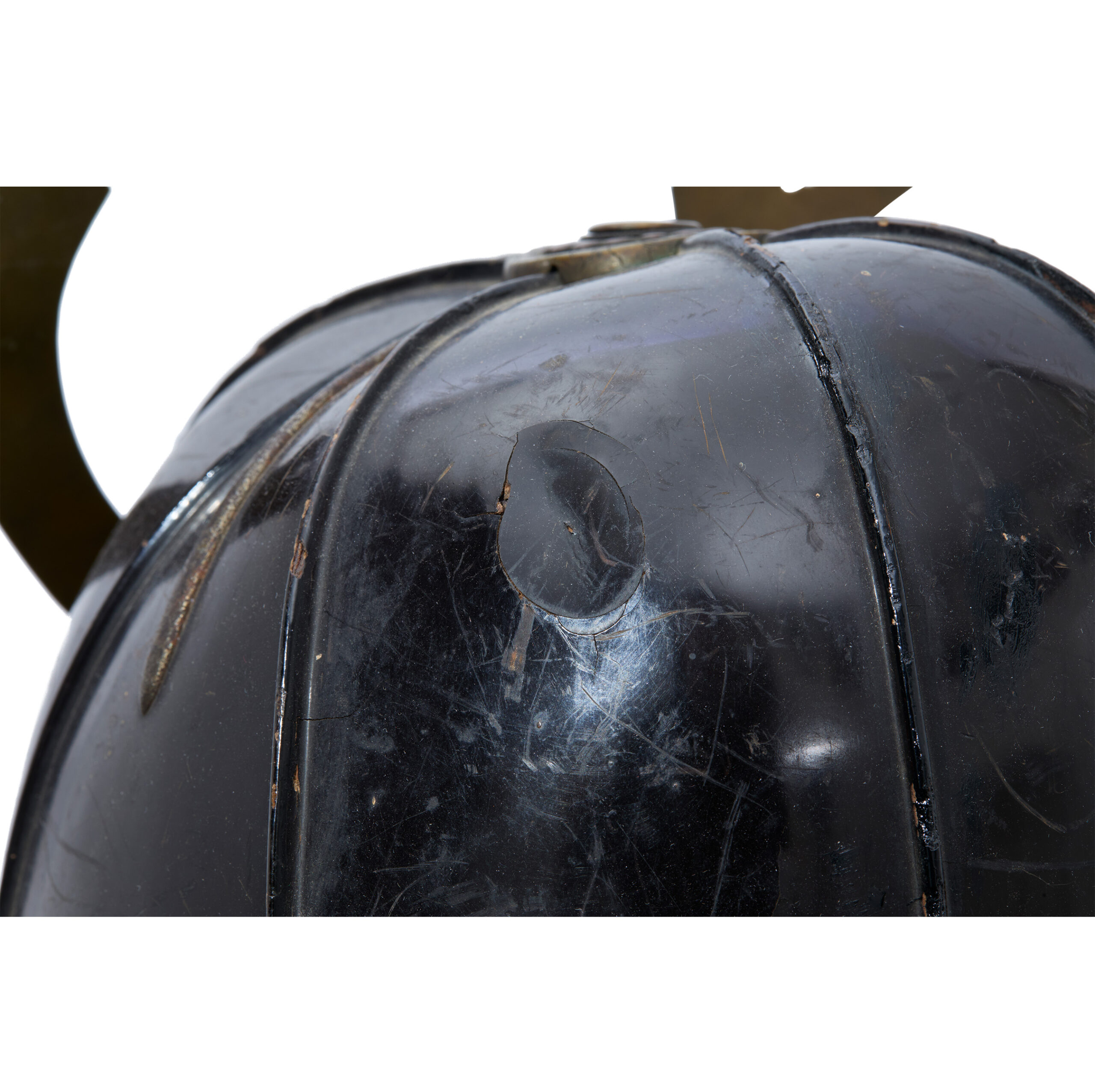
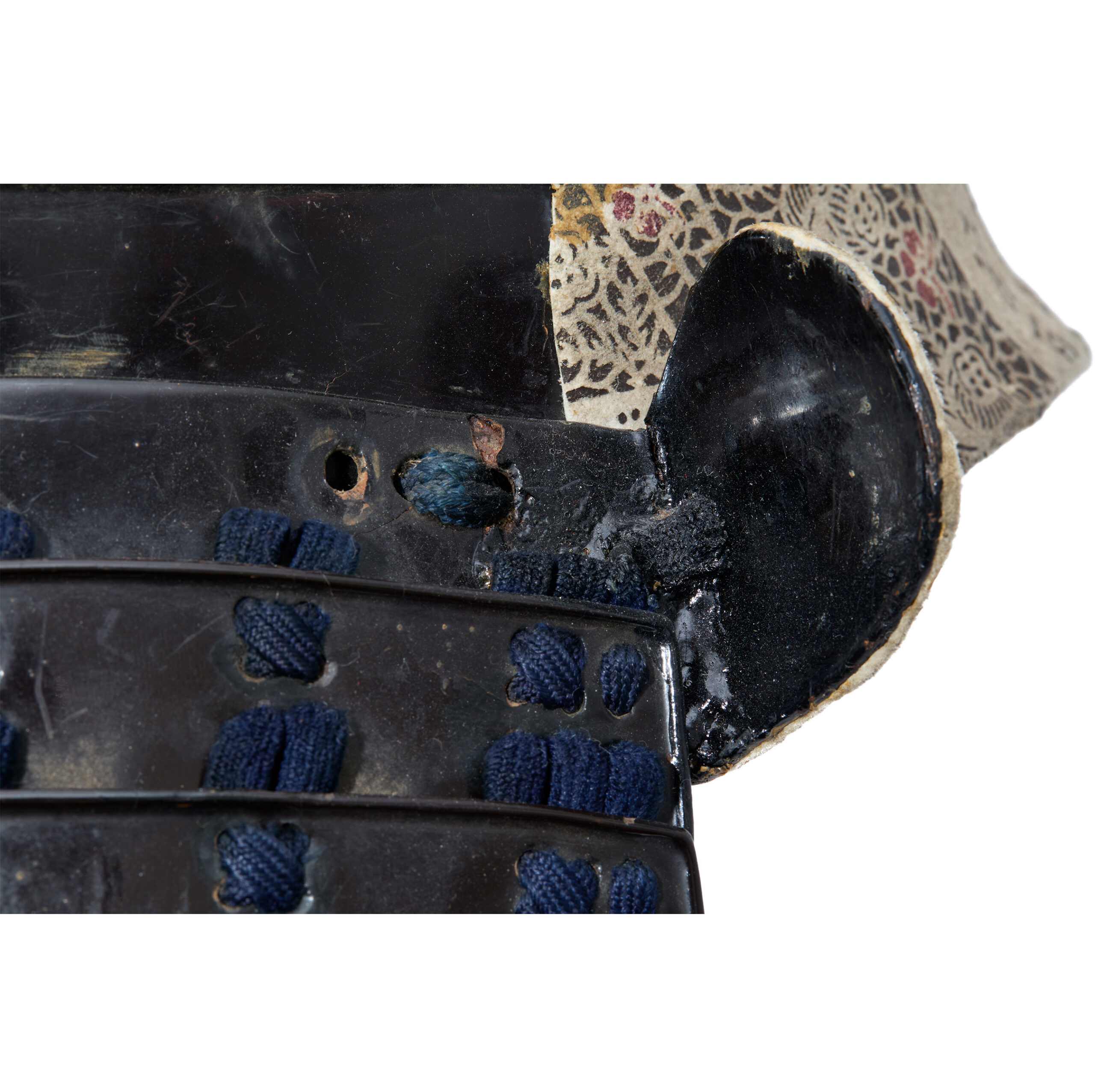
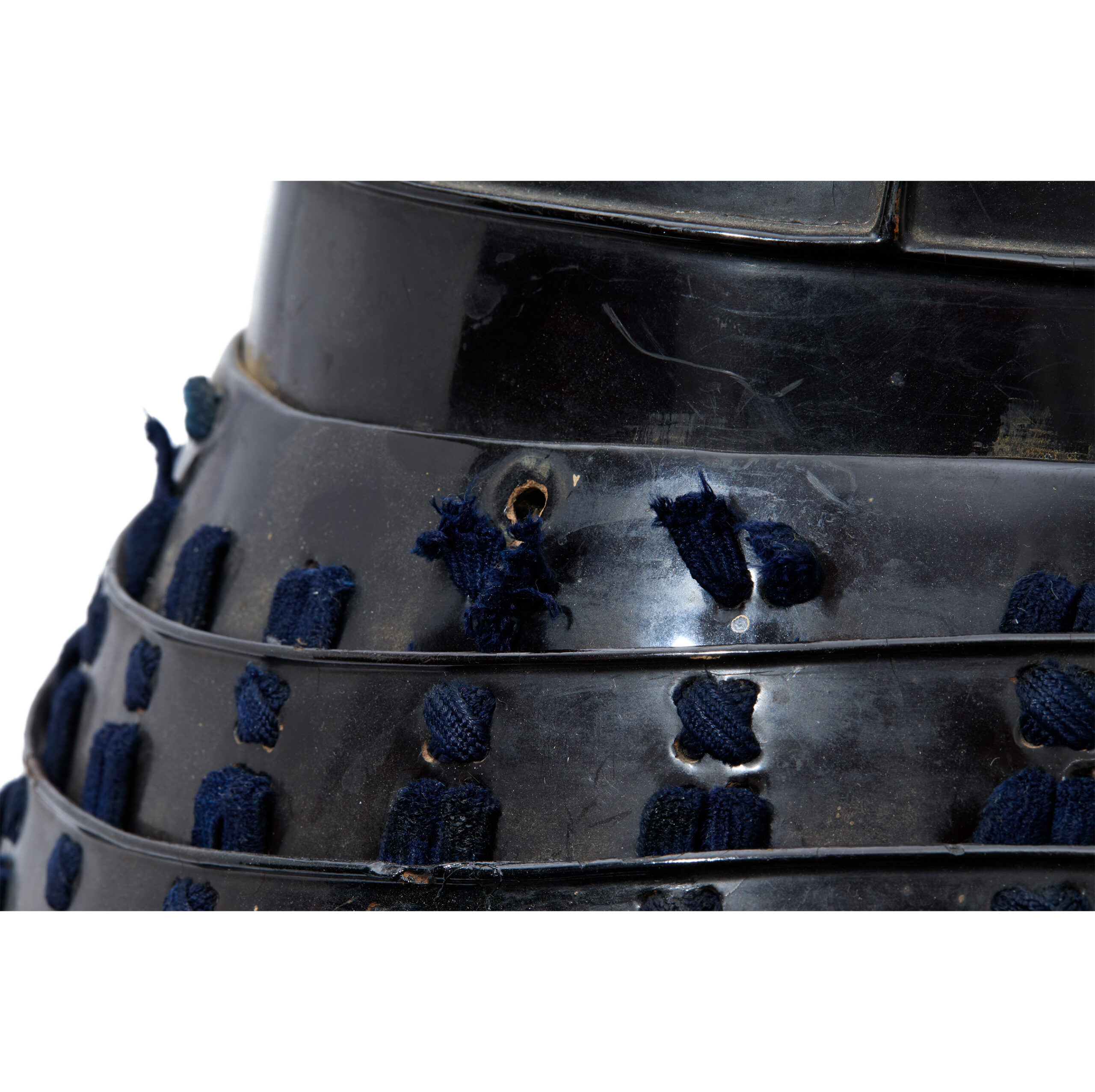
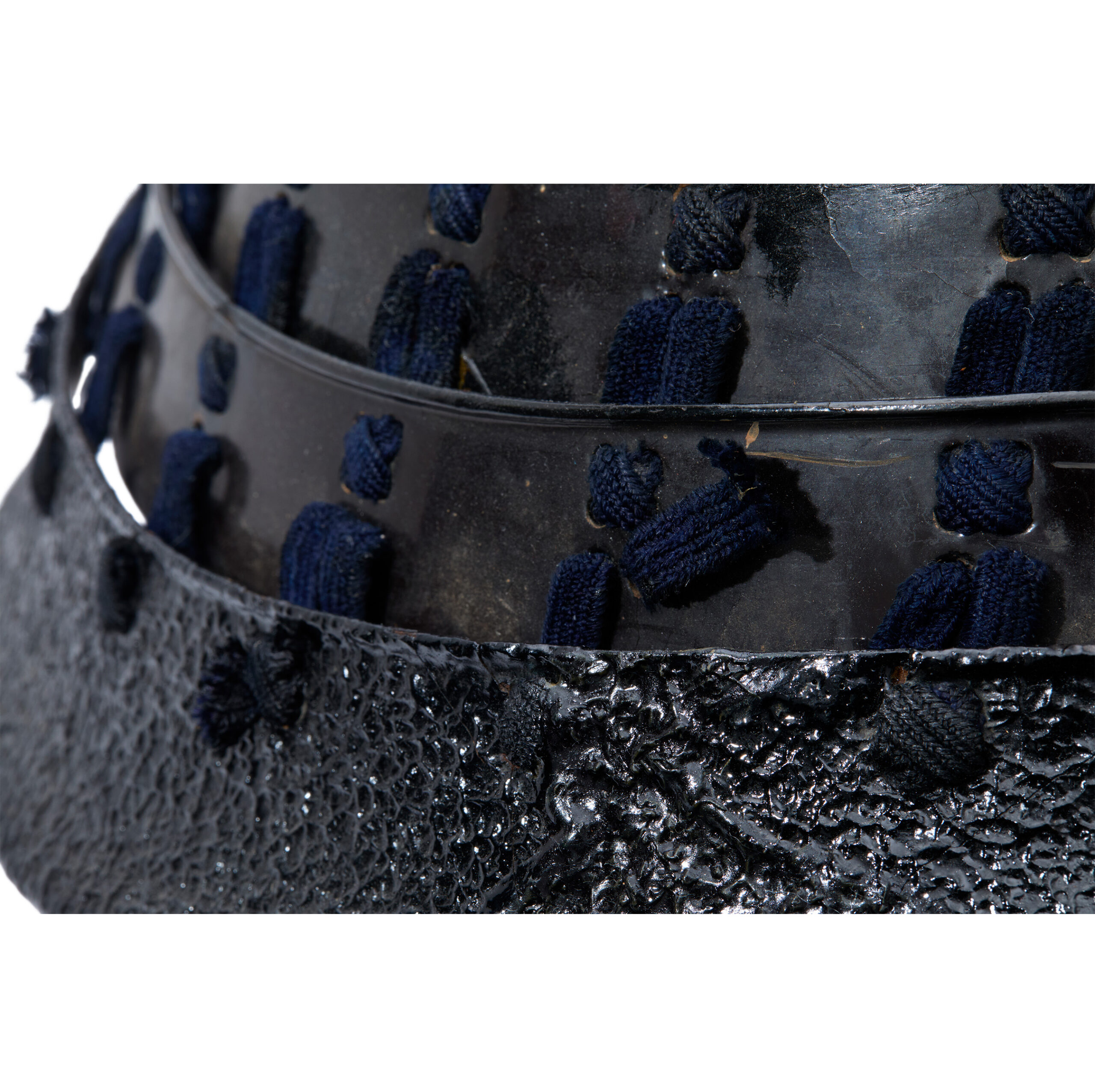
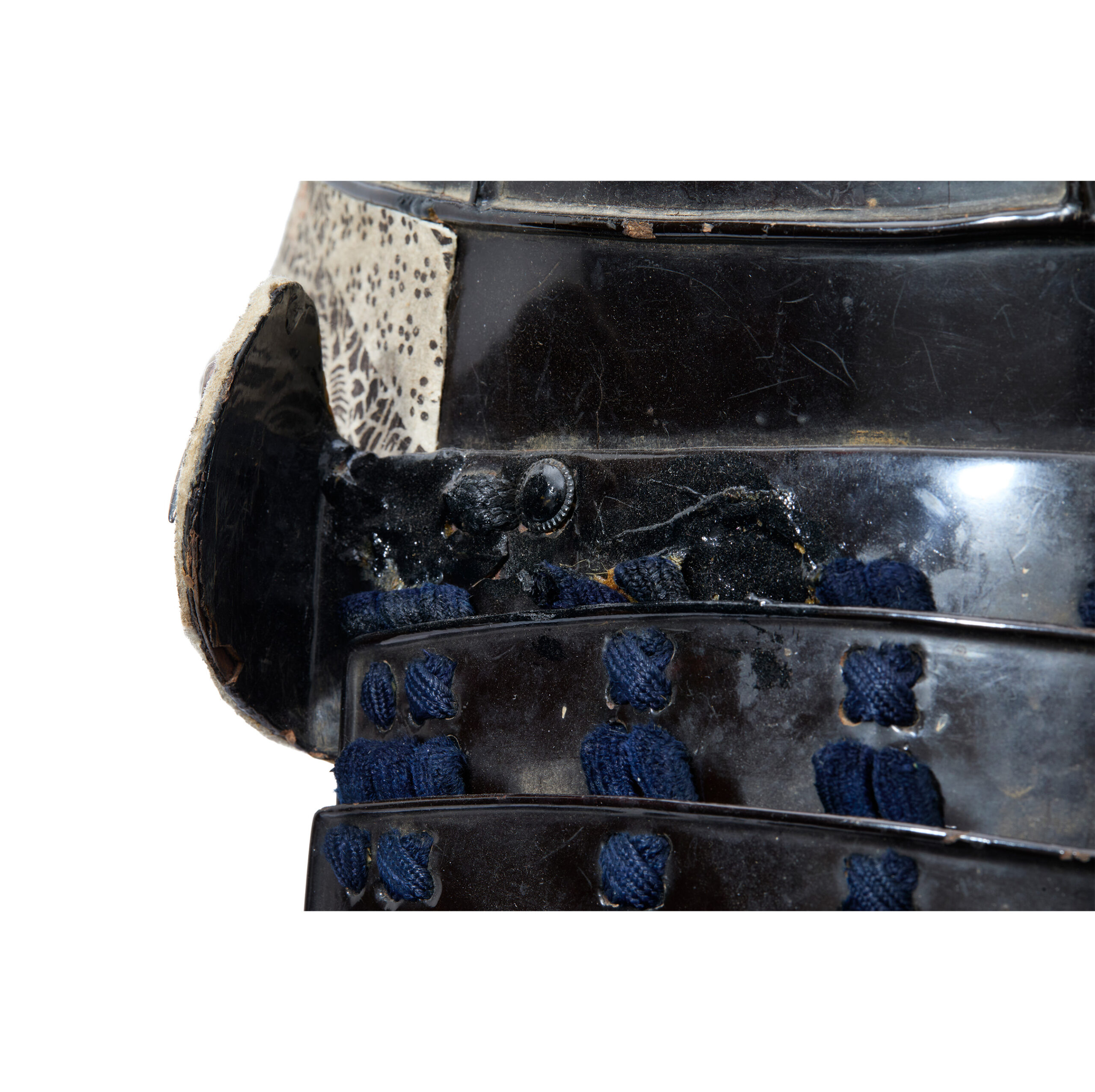
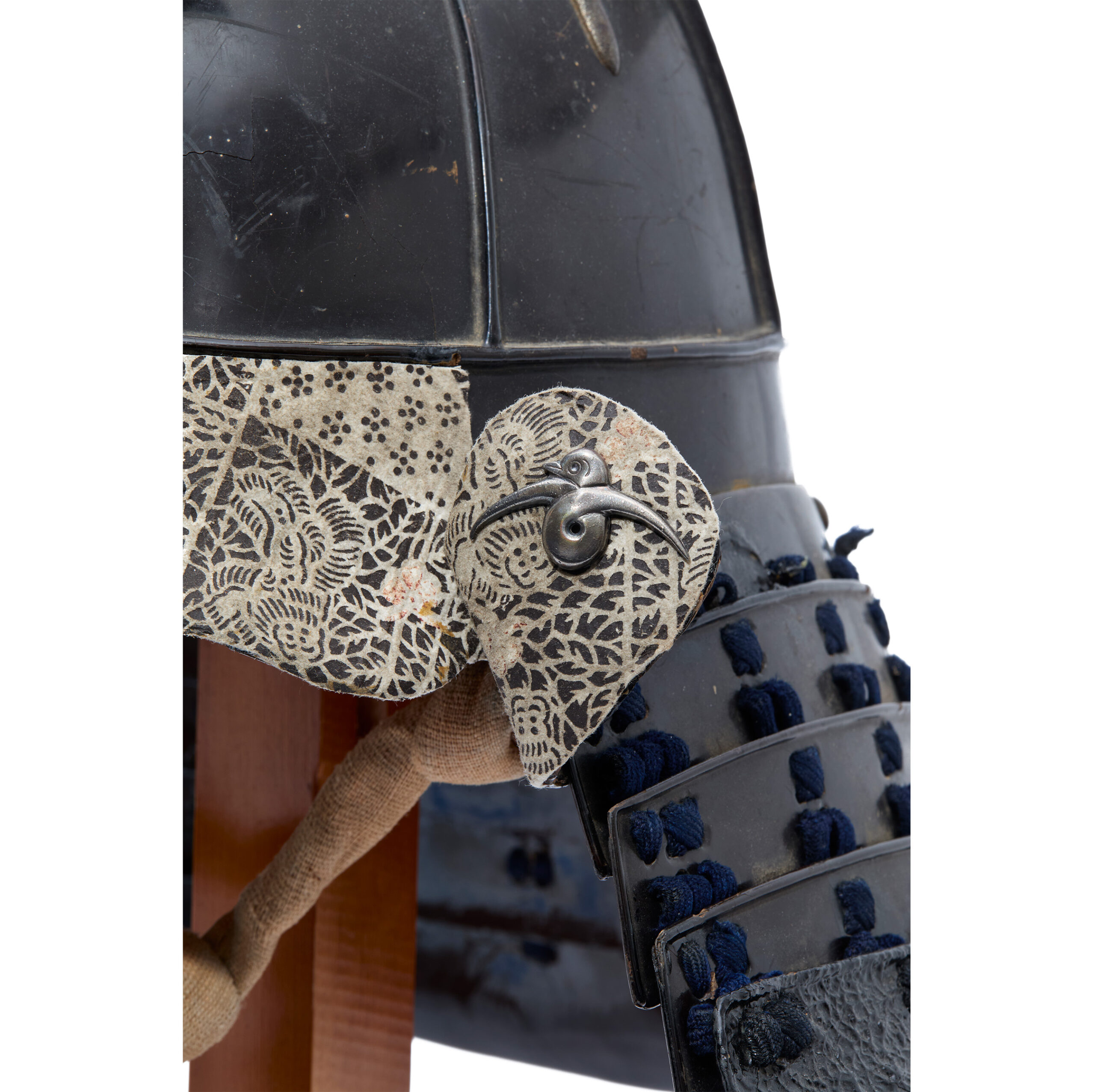
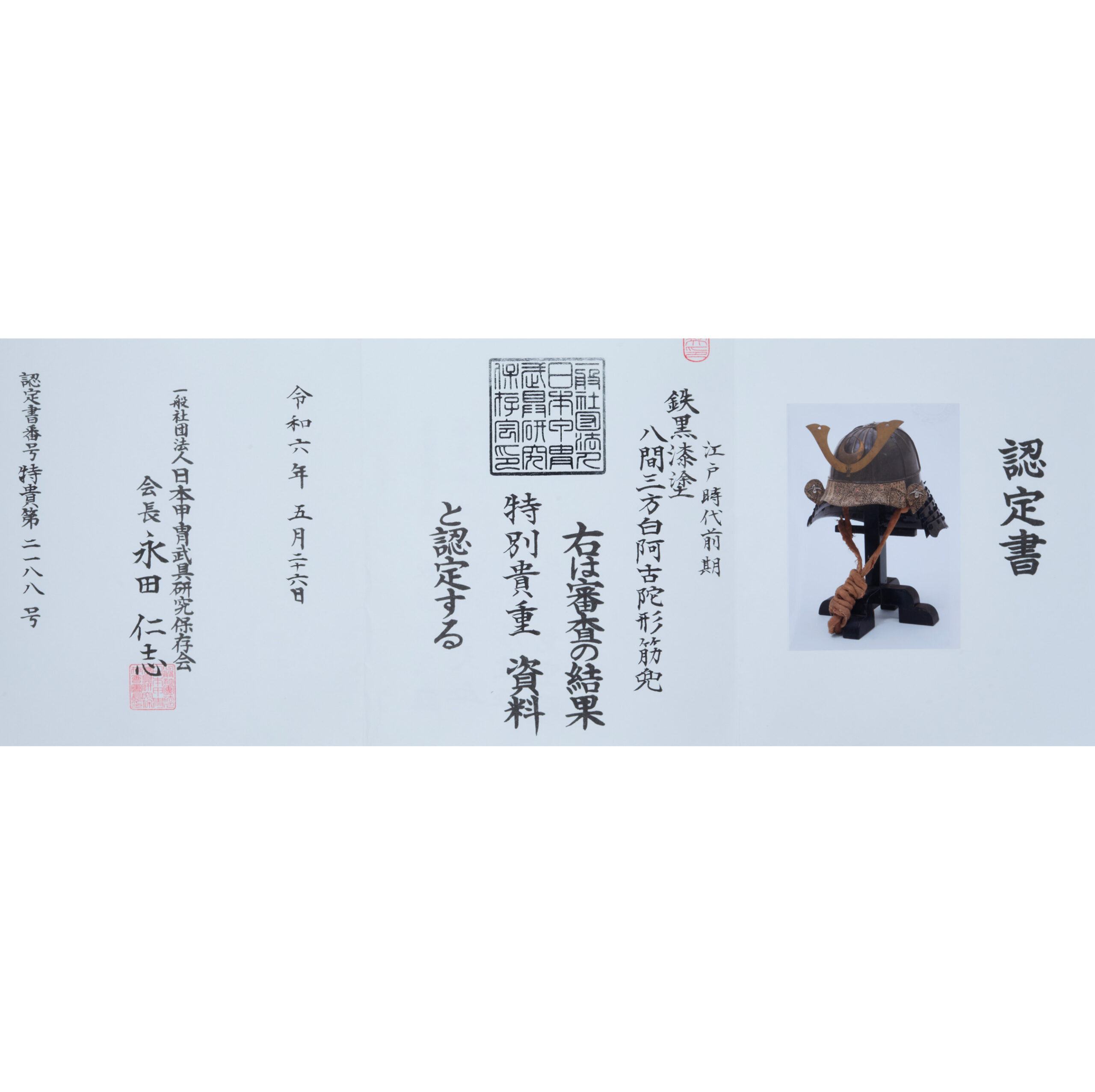
appraised by The Association for the Research and Preservation of Japanese Helmets and Armor This Kabuto was made in the early Edo period. Its name is Tetsu Kuro Urushi-nuri Hachiken Sanpojiro Akodanari Suji Kabuto. It is both strong and beautiful. The shape of the helmet is called Akodanari. It looks like a round melon and comes from Buddhist design. It shows power and something holy. The surface is covered with shiny black lacquer, which makes it look serious and elegant. Please focus on the Maedate (前立, front decoration) part. We believe it imitates a Mikaduki (三日月, crescent moon). We imagine that its golden color caught people’s eyes on the battlefields. According to a theory, the crescent moon designs of Maedates came from the Myouken (妙見) belief. This religion was born in India. It was mixed with the Polestar belief and was brought to Japan from the continent. In the Myouken belief, the moon and stars were the symbols of faith. The Myouken Bosatsu (妙見菩薩, 菩薩 means Bodhisattva) fulfills all wishes such as fertility of rich harvest, peace, the prosperity of the clan, healing of illness, longevity, success in business, traffic safety, academic achievement, marriage, etcetera. Reasonably, the moon motif for a Maedate was popular among Samurai warriors. The former owner of this armor might have shown his faith by wearing this Kabuto. One of the famous Samurai who used this type of Maedate was Date Masamune (伊達 政宗, 1567-1636). He took over the family estate at the age of 17 and contributed to the prosperity of the Touhoku (東北) region. It features a sizeable crescent-shaped decoration and is a popular design even in modern times for replica products. The motif of the Fukikaeshi is based on a family crest called Musubi Karigane (結び雁金). The wild goose, is a migratory bird that has long been familiar to people in Japan. As seen in the Manyoshu (万葉集)—the oldest collection of Japanese poetry—geese were admired for flying through the sky with the north wind in autumn. By the Kamakura period at the latest, they were already used as motifs in art. In China, the goose symbolizes loyalty, and the Karigane crest was especially popular among Samurai families. In addition, the Hachimanza (八幡座, helmet top opening) is shaped like a chrysanthemum (菊, Kiku). A long time ago, the chrysanthemum was used as a medicine for obtaining a long life in China, and it was brought to Japan with this thought in the Nara period (648-781). Chrysanthemum is one of the flowers which symbolizes fall, and people appreciate it very much since ancient times. As its petals form radially, the chrysanthemum has been likened to the sun. That is why this flower pattern is treated as the symbol of perpetual youth and longevity or good health. “Kiku no Gomon (菊の御紋)” is a kind of chrysanthemum pattern, and it has been used as the crest of the Emperor and the royal family in Japan so that it is well-known as a noble pattern. *Please keep in mind that this Kabuto’s lacquer is partly lacked off and one of the part is dented. Certification The certificate was issued by The Association for the Research and Preservation of Japanese Helmets and Armor, which is the most trusted Japanese armor appraiser in Japan. Tokubetsu Kicho Shiryo means special rare article. It is ranked as the third highest of five rankings. This helmet was authenticated on May 26th, 2024, as a Tokubetsu Kicho Shiryo, and this paper mentions that this item was made in the early Edo period.
Offered by Samurai Museum
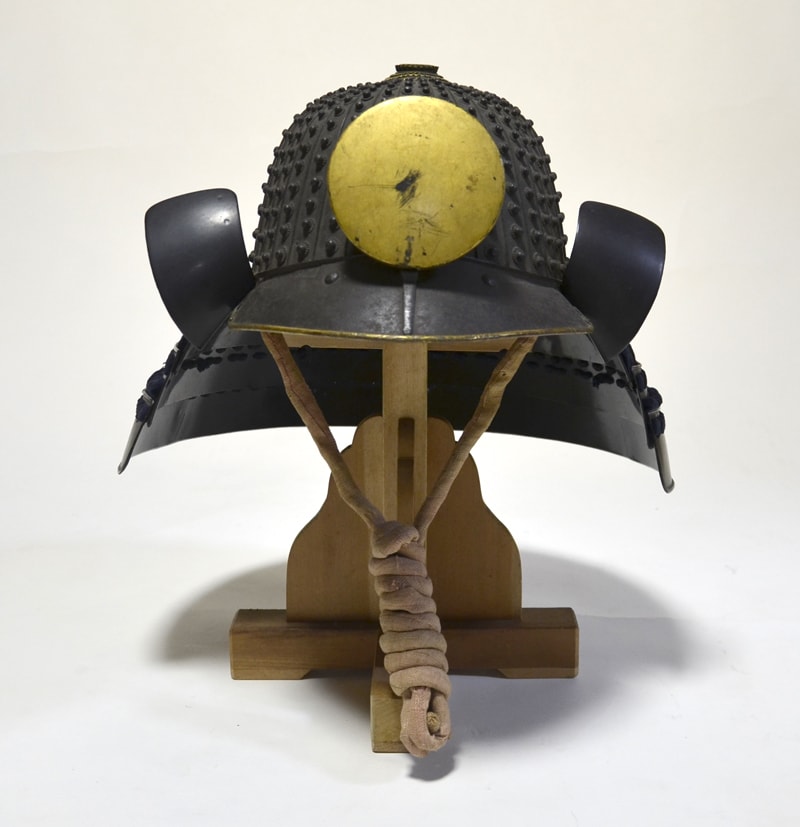
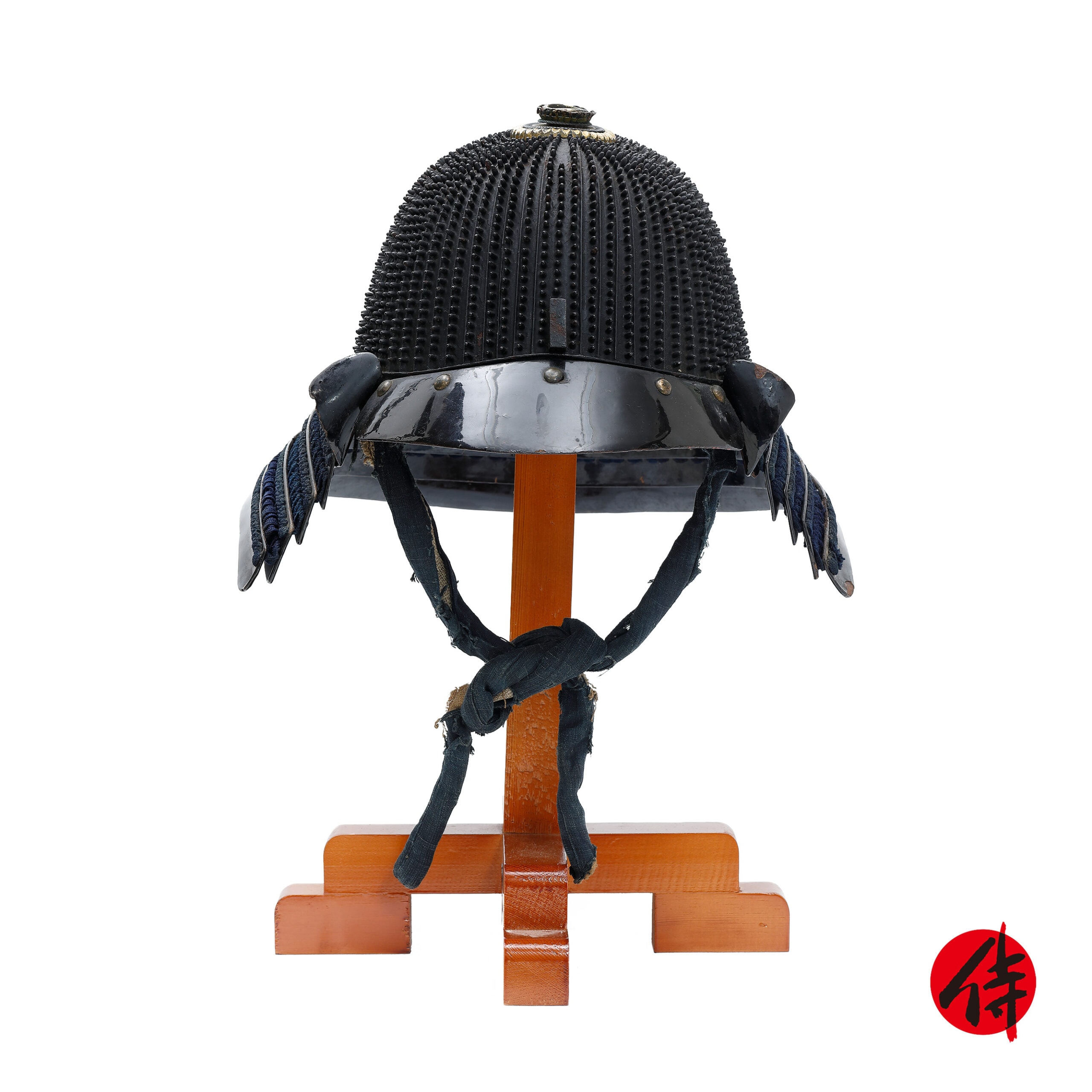

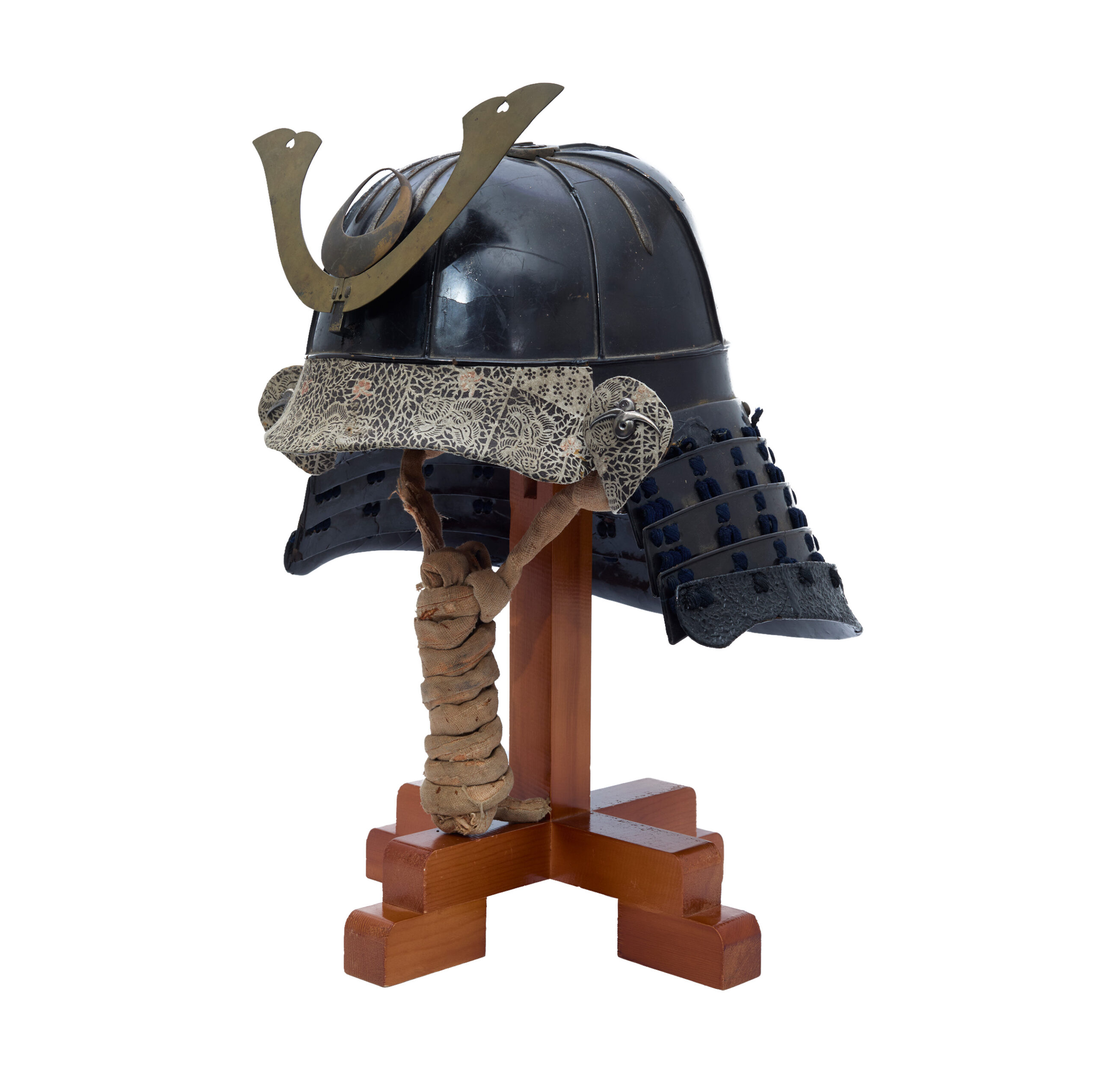
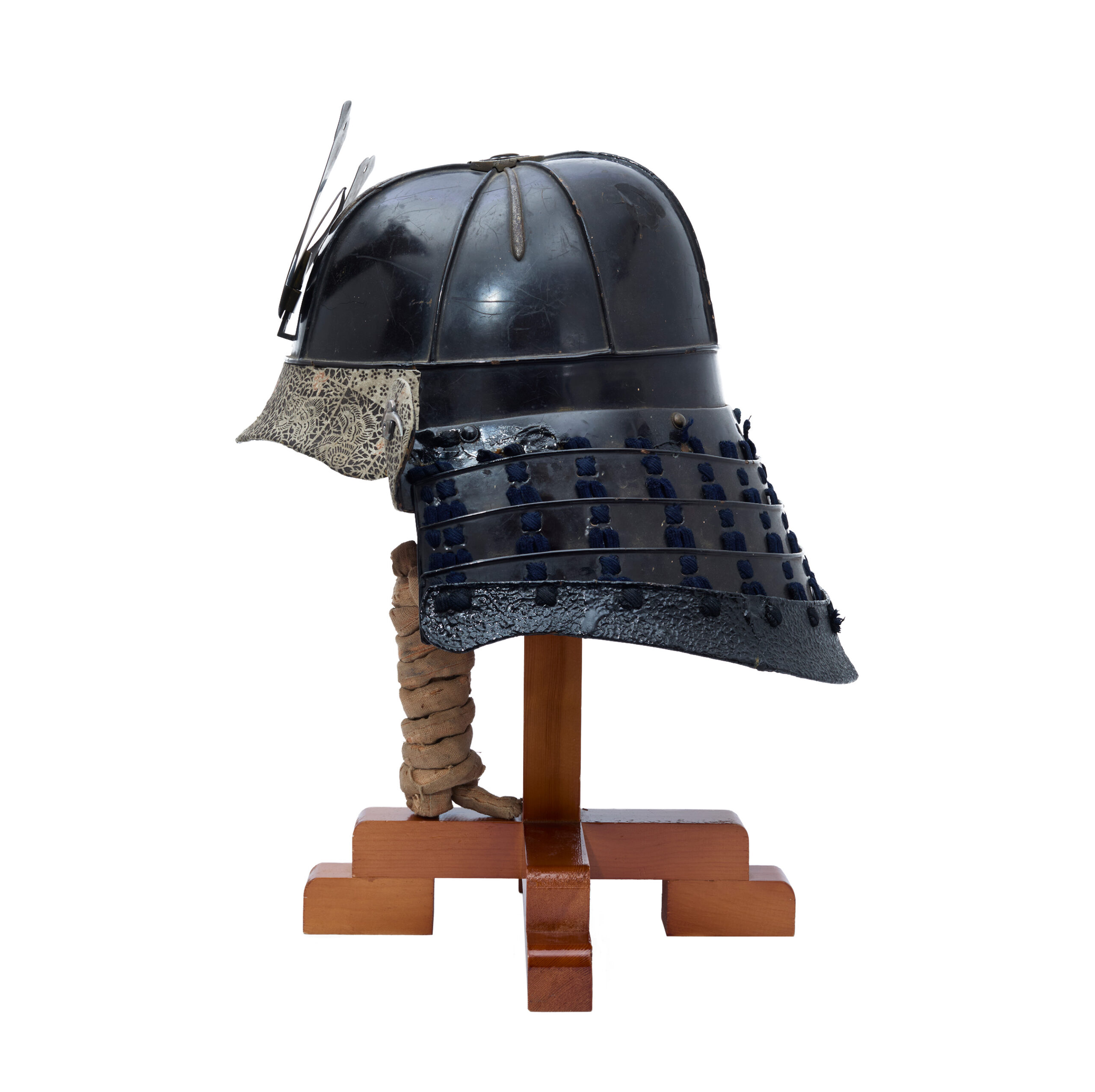
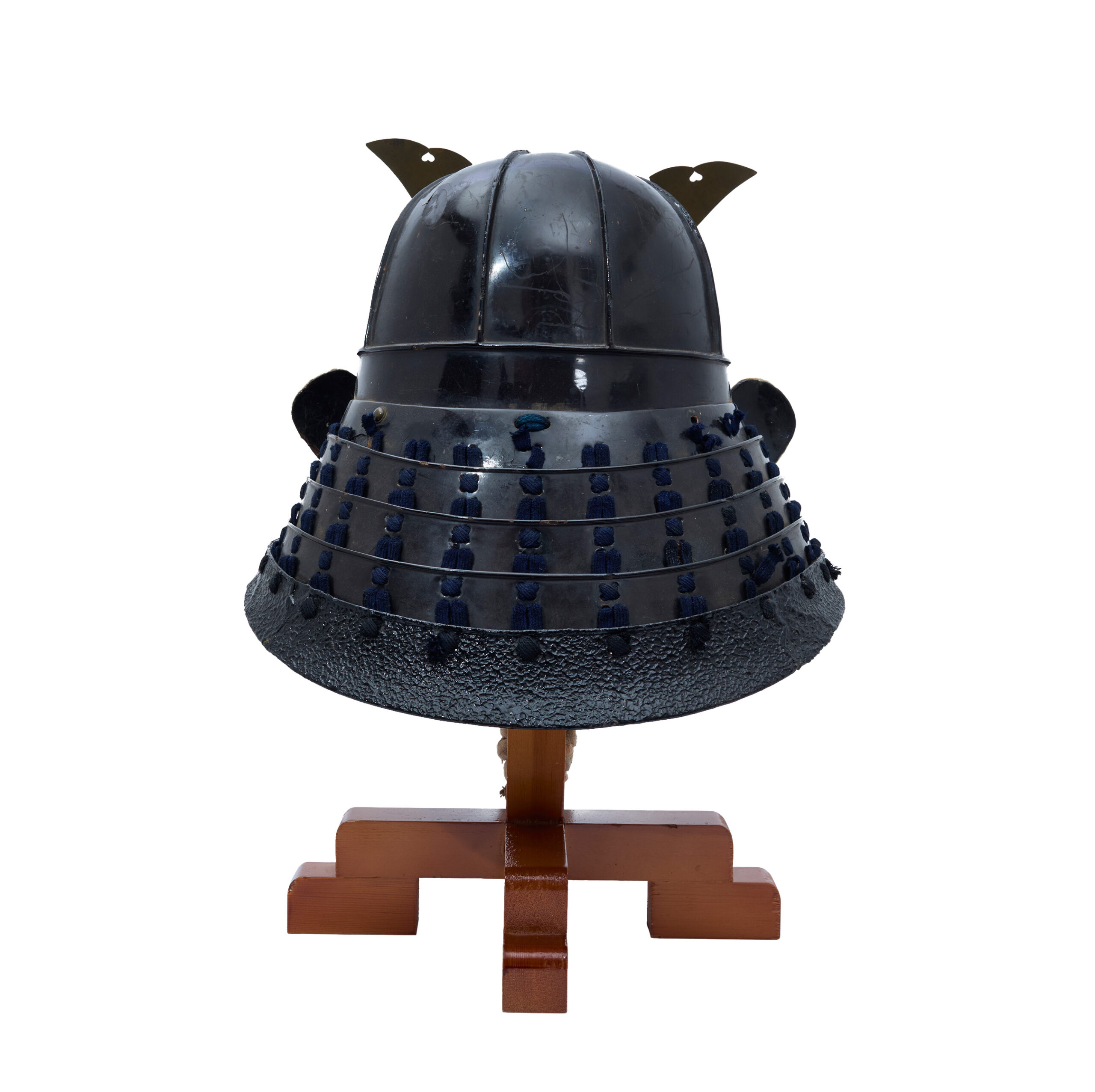
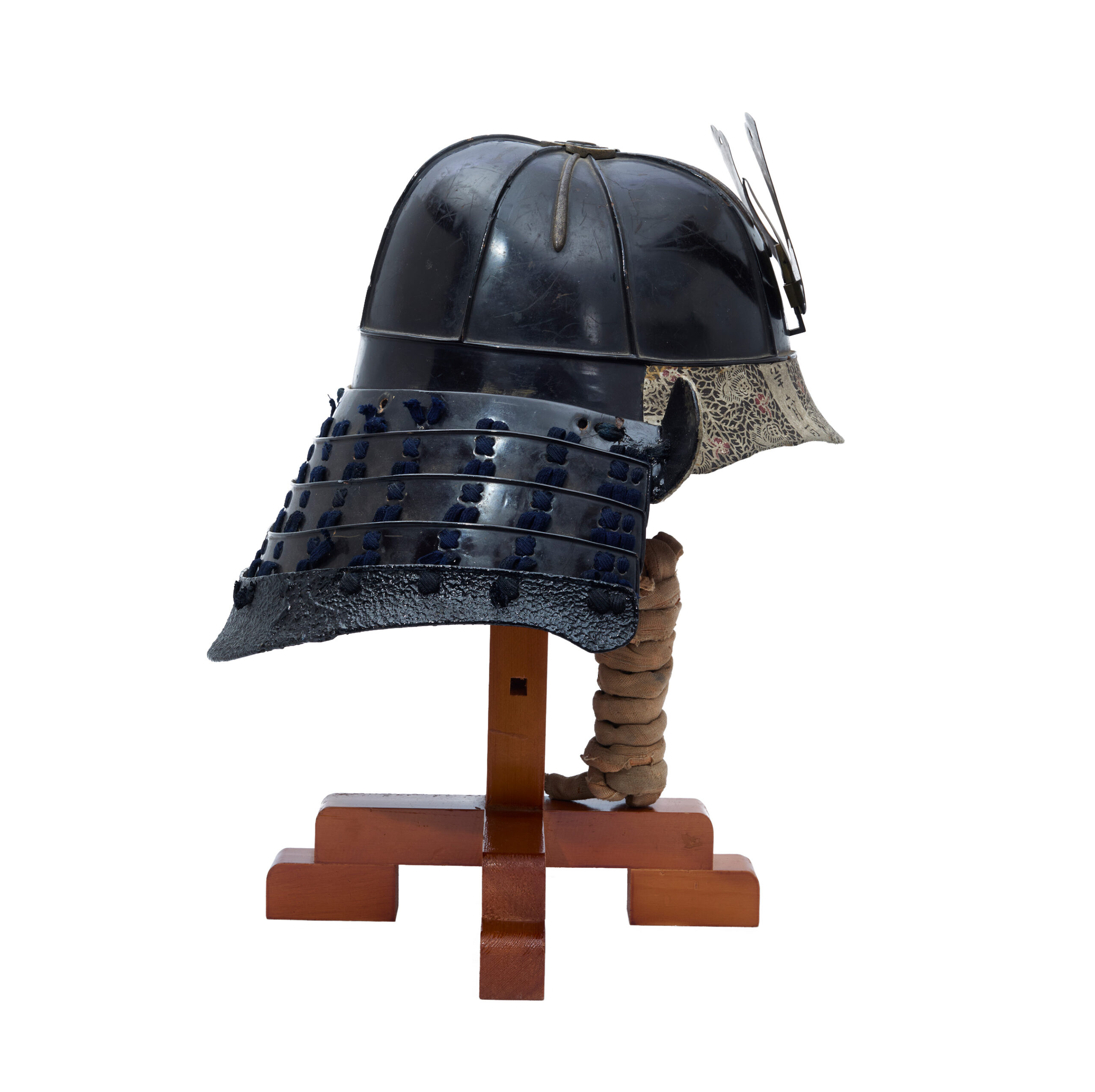
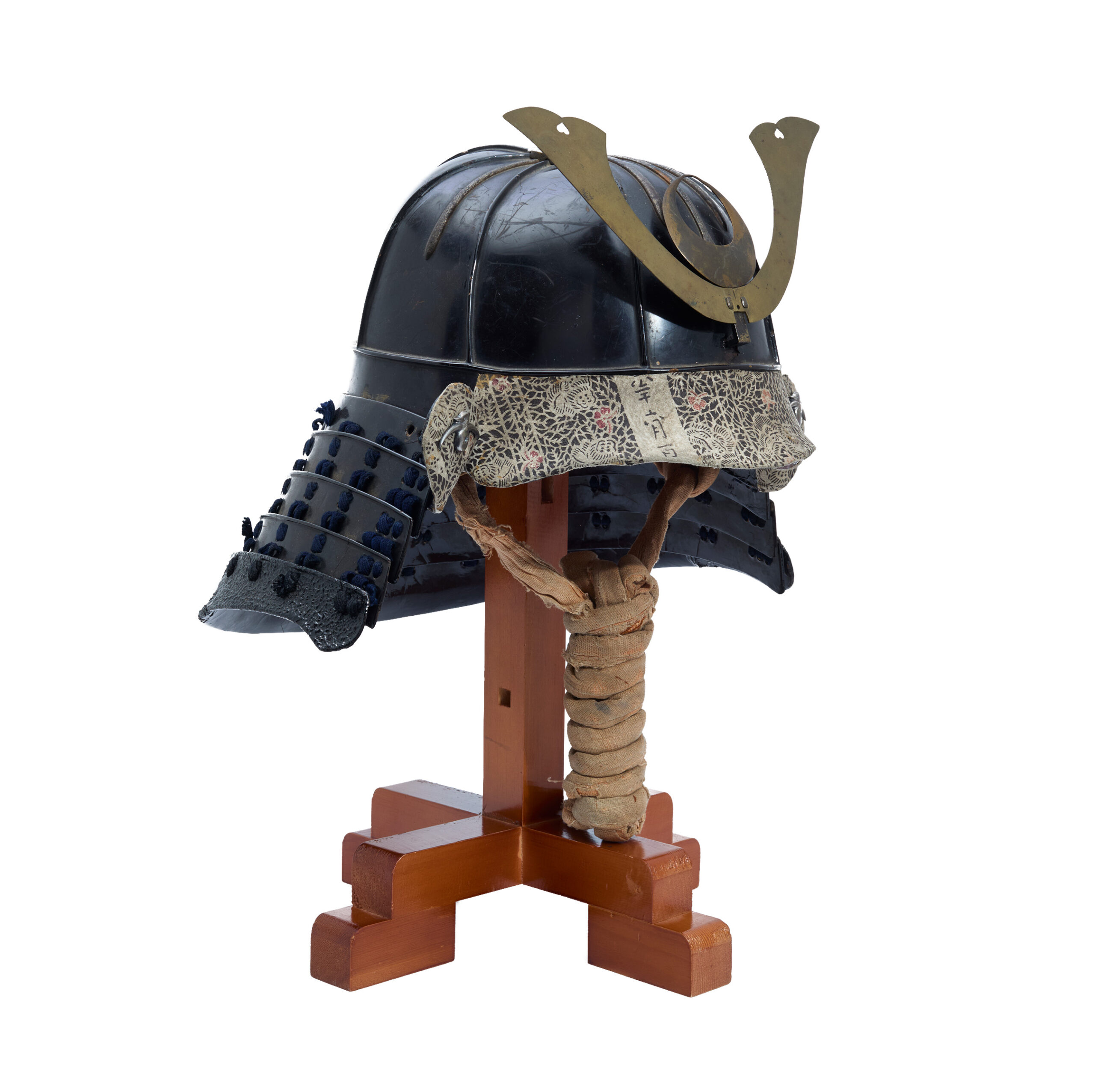
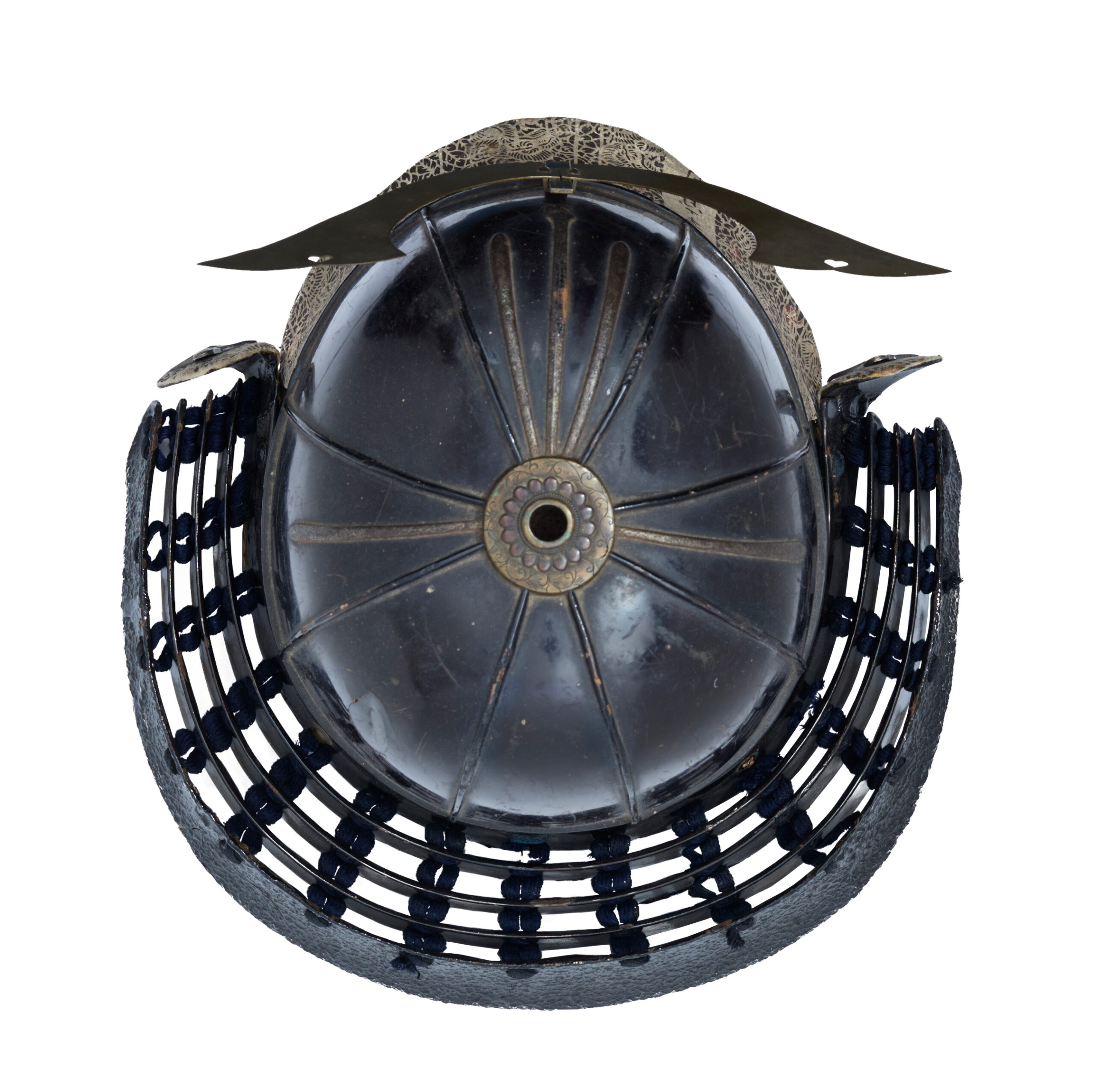
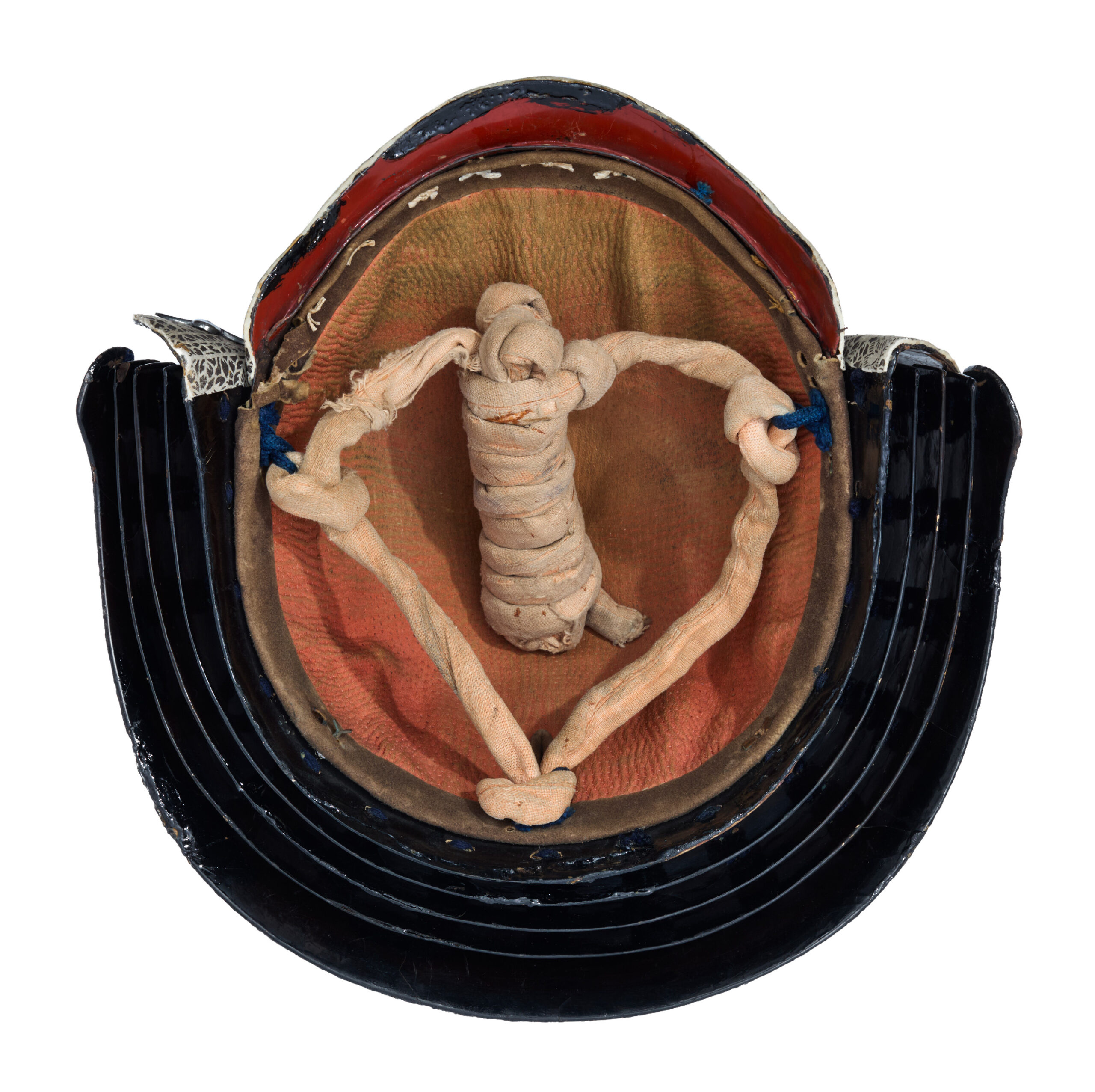
Single component
8-plate · Suji-bachi · Akoda-nari
Unsigned
Musubi Karigane
Edo
Date
Especially valuable armour of notably superior workmanship and condition, the third of the five ranks.
Japanese armour is not certified by the NBTHK. The Nihon Katchū Bugu Kenkyū Hozon Kai (the Association for the Research and Preservation of Japanese Helmets and Armour), founded in 1961, is the principal body for armour. Its shinsa grades a piece as 資料 (shiryō, "reference material") across five ascending ranks: Hozon, Kichō, Tokubetsu Kichō, Kōshū Tokubetsu Kichō, and the highest, Jūyō Bunka Shiryō. The 資料 framing reflects the society’s purpose of preserving armour as cultural and historical reference, distinct from the NBTHK’s sword paper tiers.
Returns/exchanges limited to defects caused by shipping (except willful misconduct or gross negligence by the company); customers must contact within 72 hours of receiving the product.
¥1,000,000