Introduction
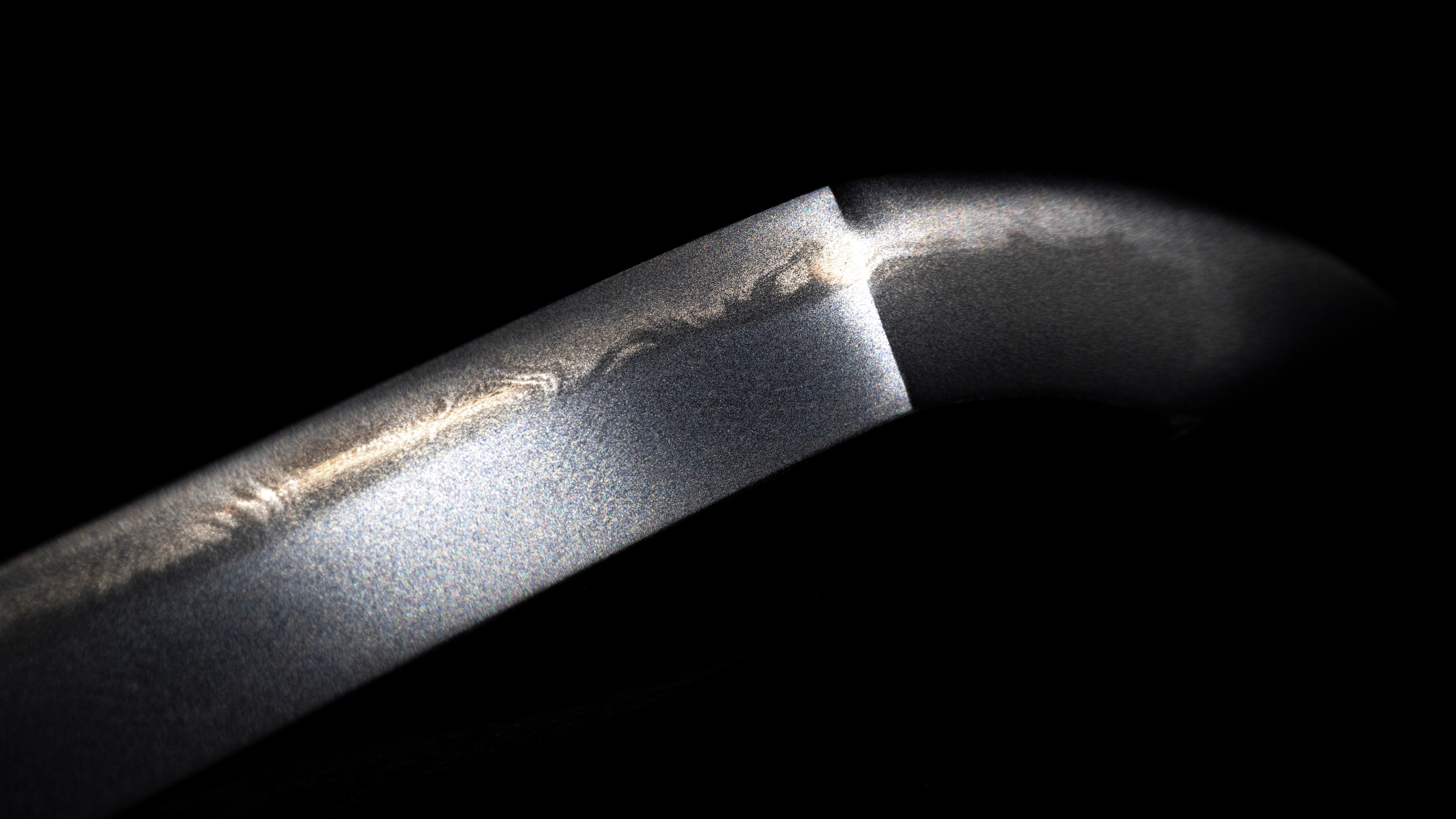
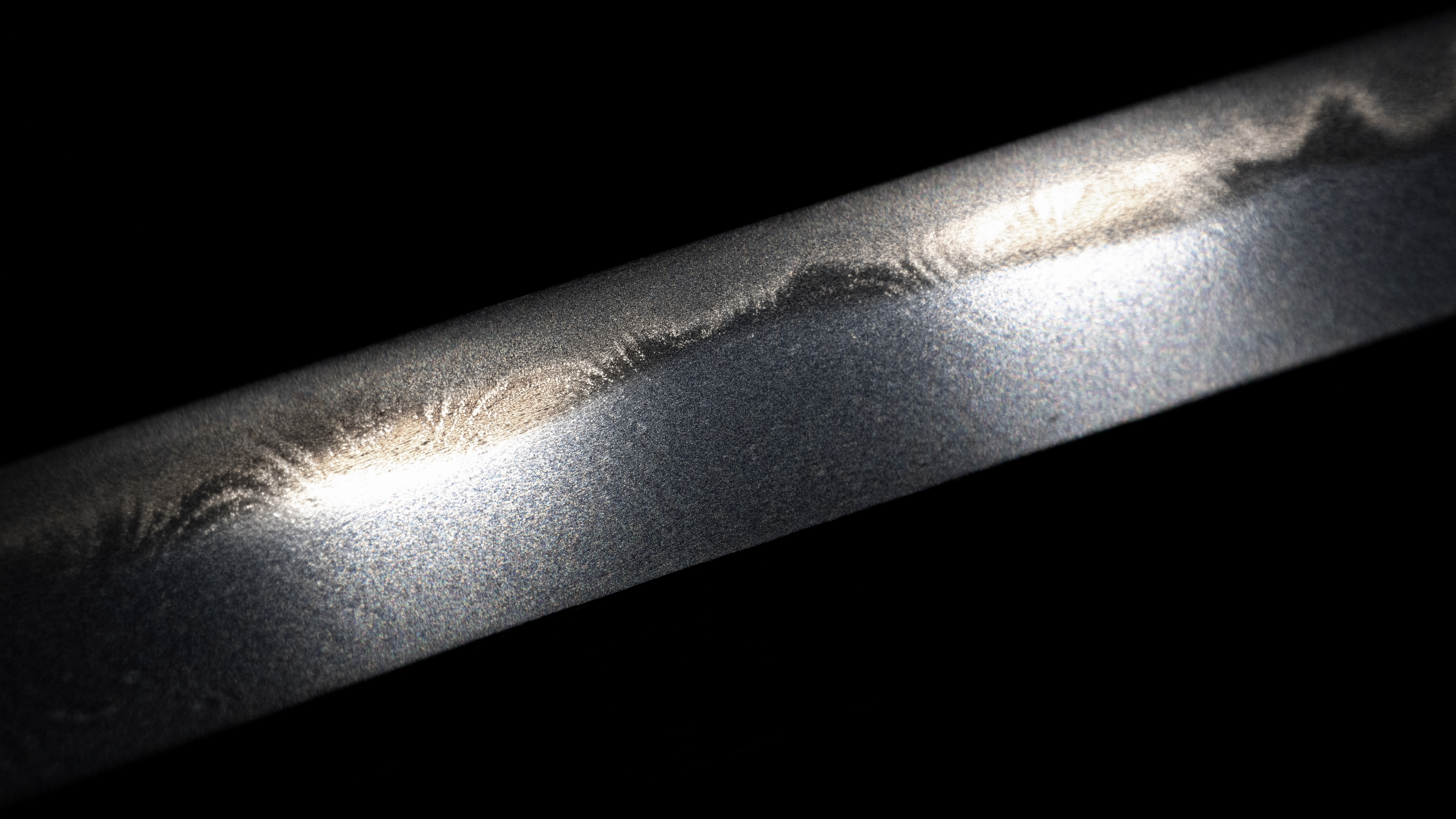
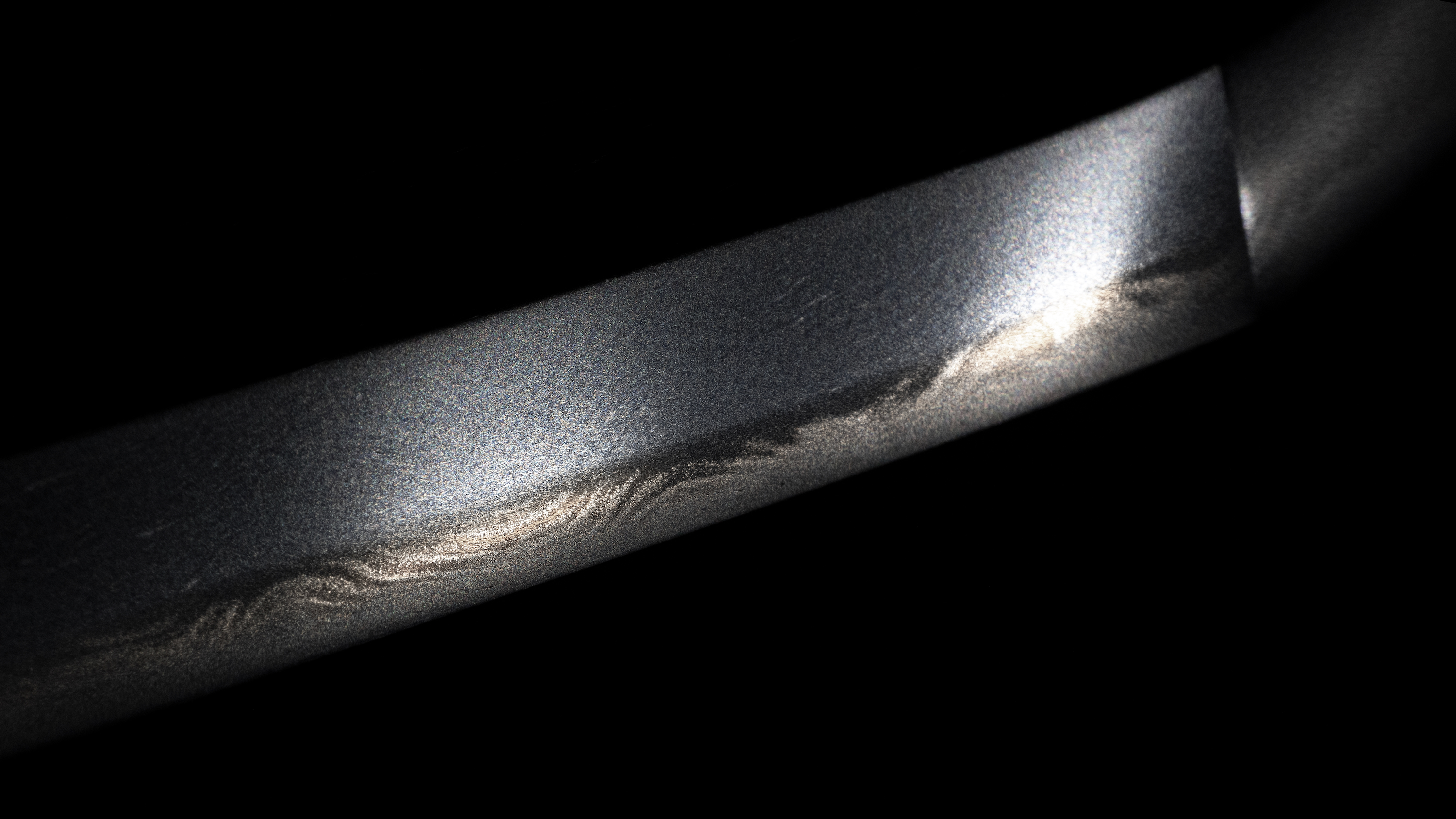
Gassan Sadakatsu (月山貞勝), civilian name Gassan Eitarō (月山英太郎), was born in Meiji two (明治, 1869) in Ōsaka. He was the third generation of the late period revival of the Gassan school of Dewa province that died out in the Muromachi period. The school is known for its striking ayasugi hada (綾杉肌), a very controlled, wavy forging pattern created by gouging the steel with a round-nose chisel, then hammering flat.
Sadakatsu was the son of Gassan Sadakazu (月山貞一), a grandmaster swordsmith who in 1906 was appointed Teishitsu-gigei´in (帝室技芸員) or "Member of the Imperial Arts and Crafts“, the equivalent to the later title of Living National Treasure. He mastered all traditions and was seen as one of the greatest horimono engravers of his time, and the last great master smith of the Shinshintō period (1781 to 1876).
He initially forged swords for his father under his father's name before working under his own. He forged several swords for the emperor of Japan, in 1917 for future Emperor Shōwa (昭和天皇) on the occasion of his nomination as heir to the throne, in 1927 for the emperor for his then function of daigensui (大元帥) or "Generalissimo" and a small dagger called mamorigatana (守刀). He died in 1943 at age 74.
Also see: Gassan (月山) school
This tachi sword
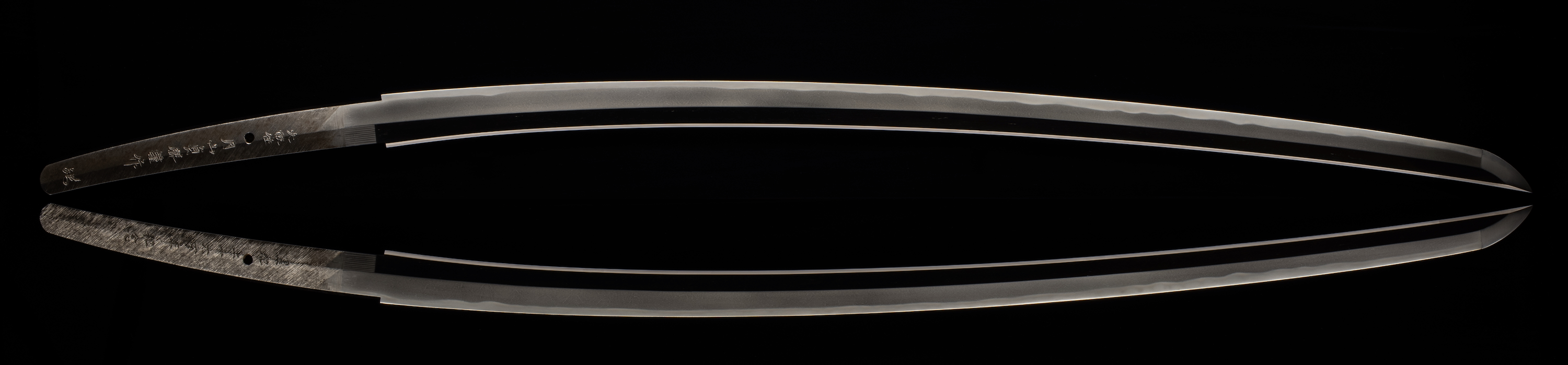
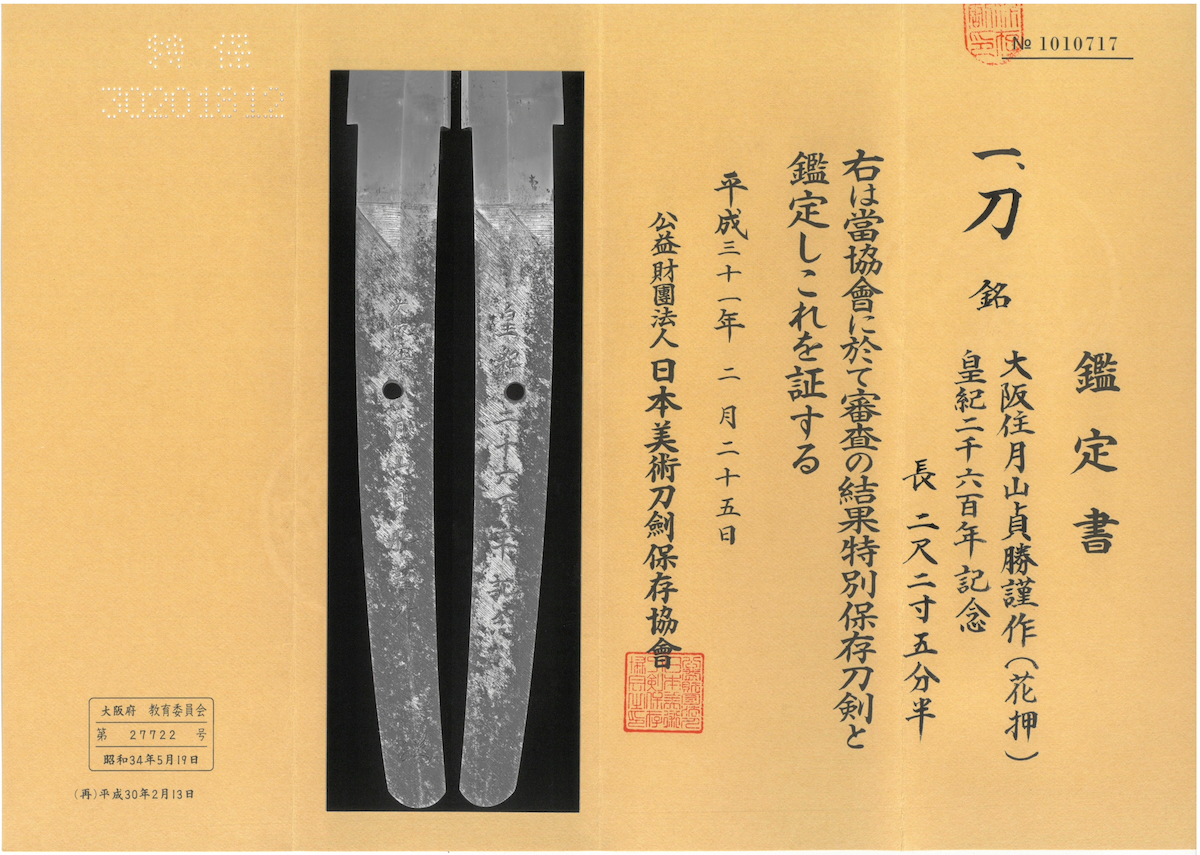
An impressive ubu katana with the sugata of an early Kamakura tachi. It was forged for the 2600th anniversary of the Empire of Japan (1940) and is awarded NBTHK Tokubetsu Hozon papers, meaning it is "especially worthy of preservation."
NBTHK Tokubetsu Hozon papers
issued February 2019
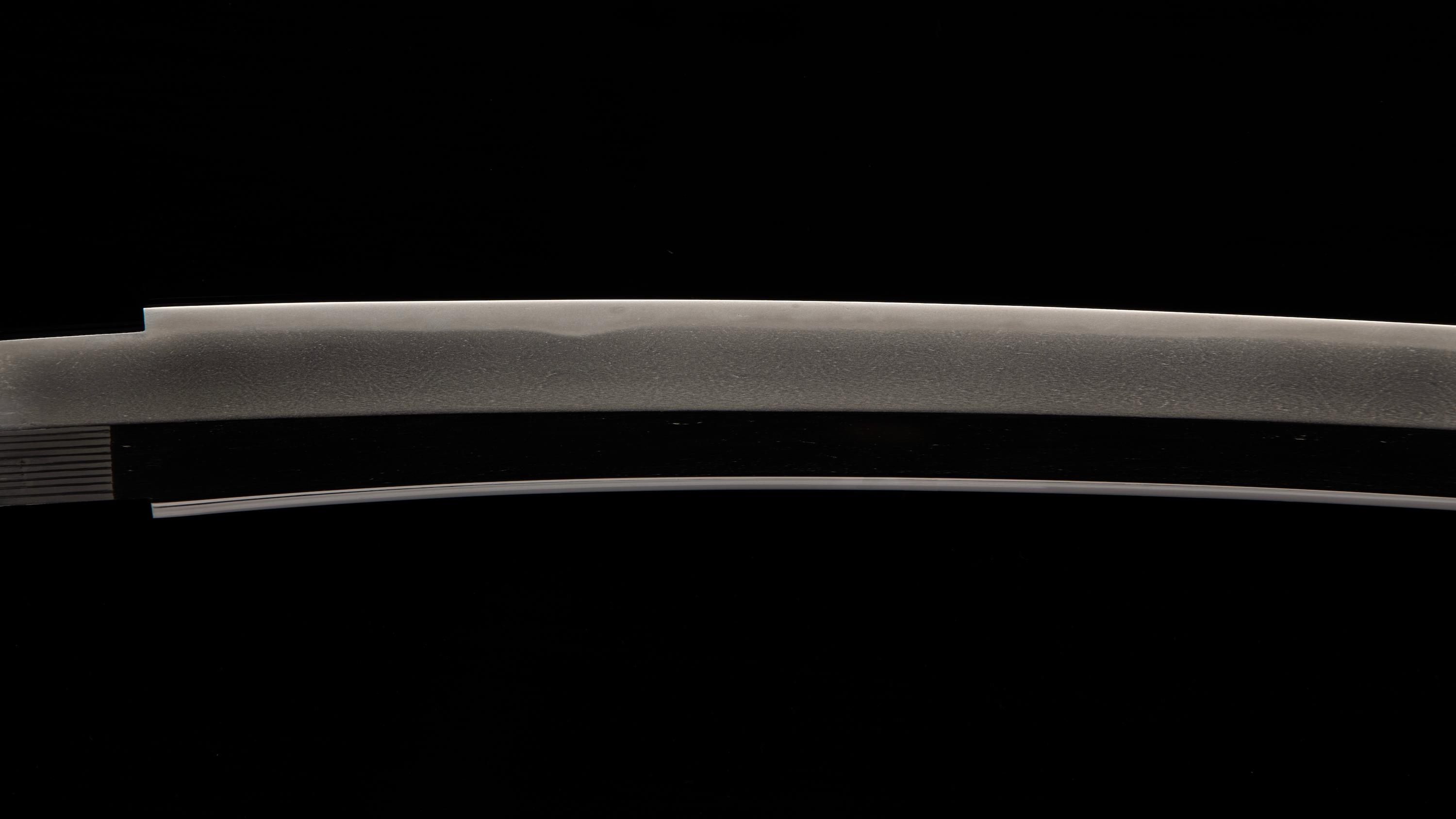
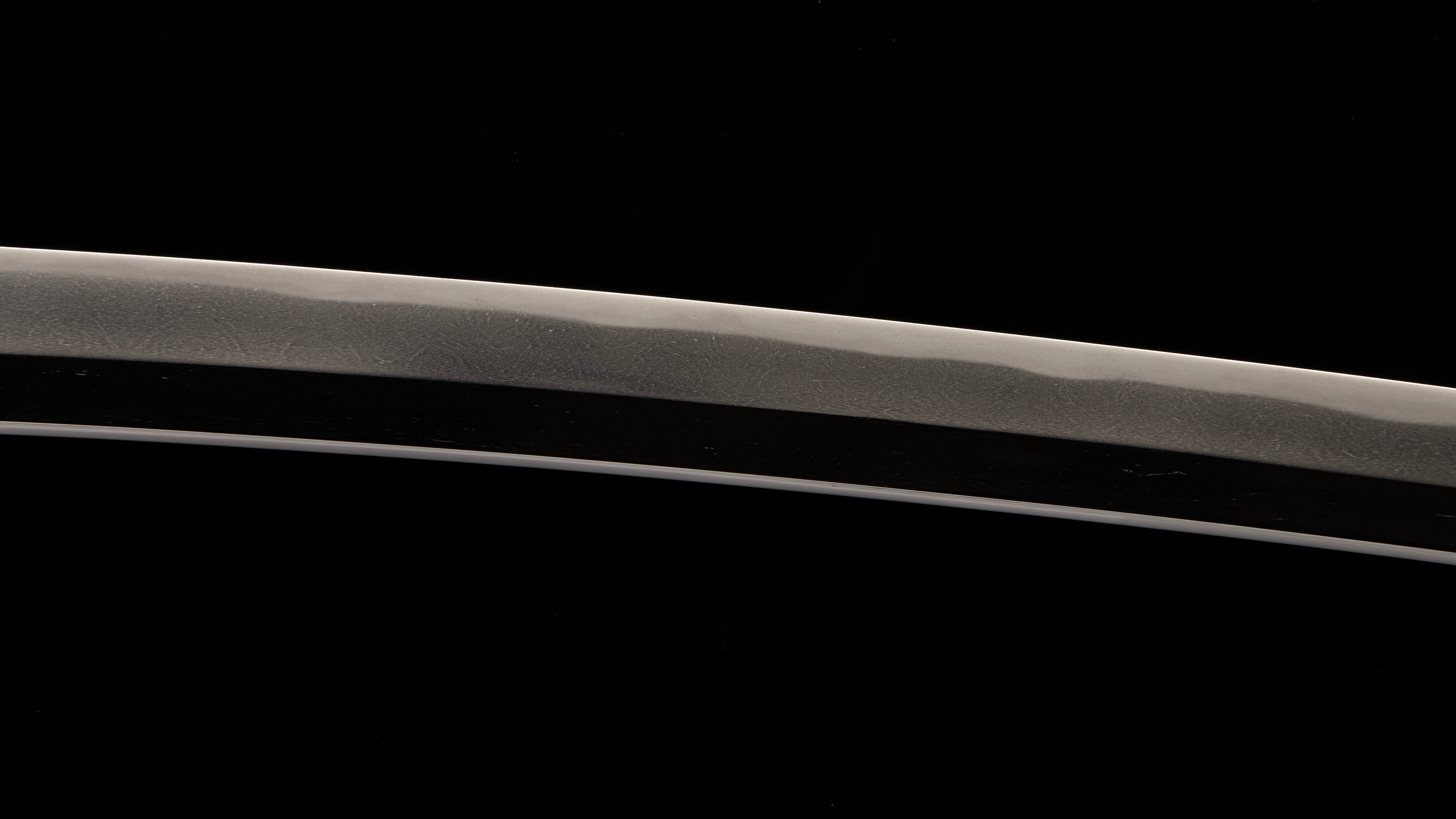
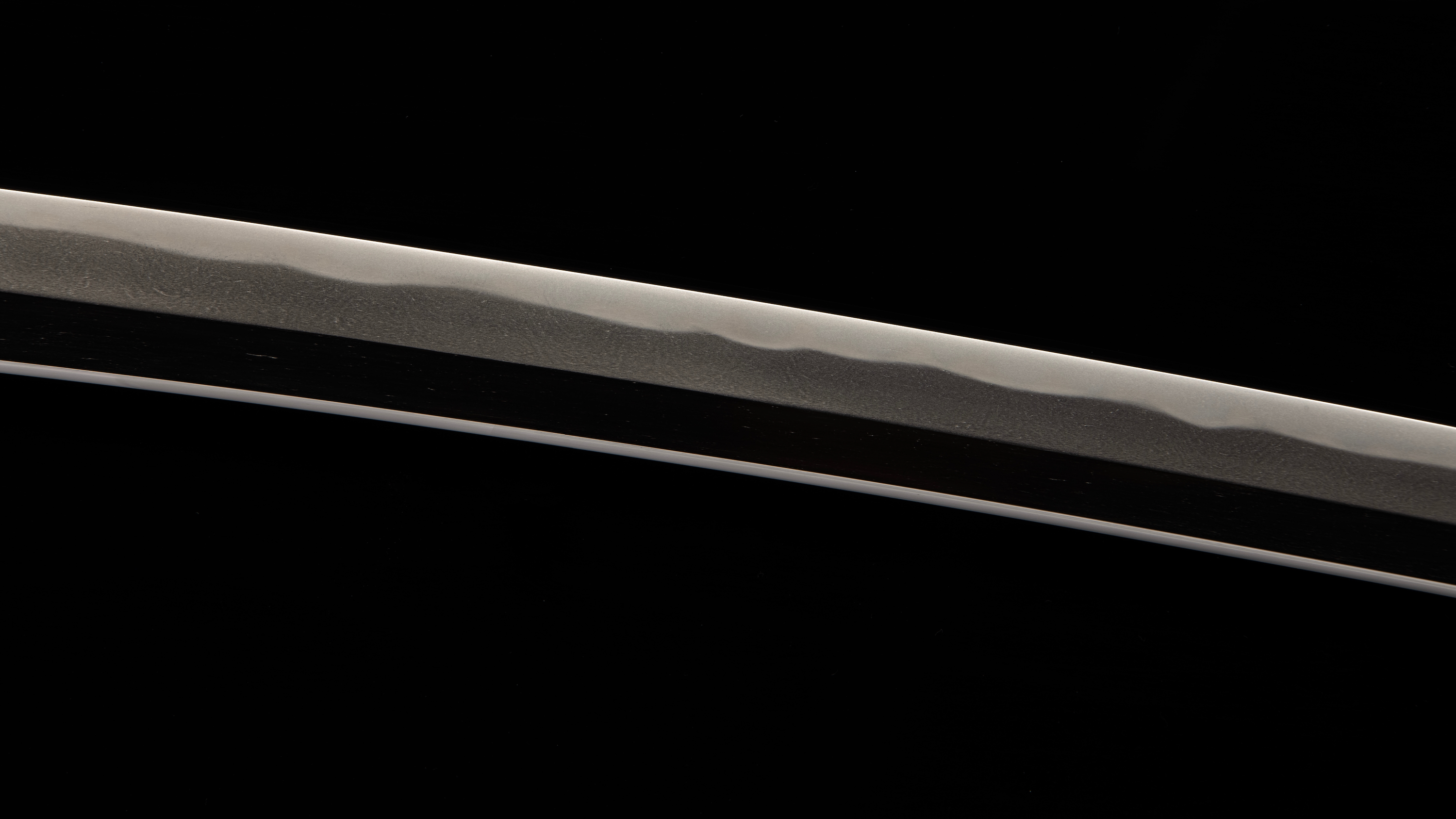
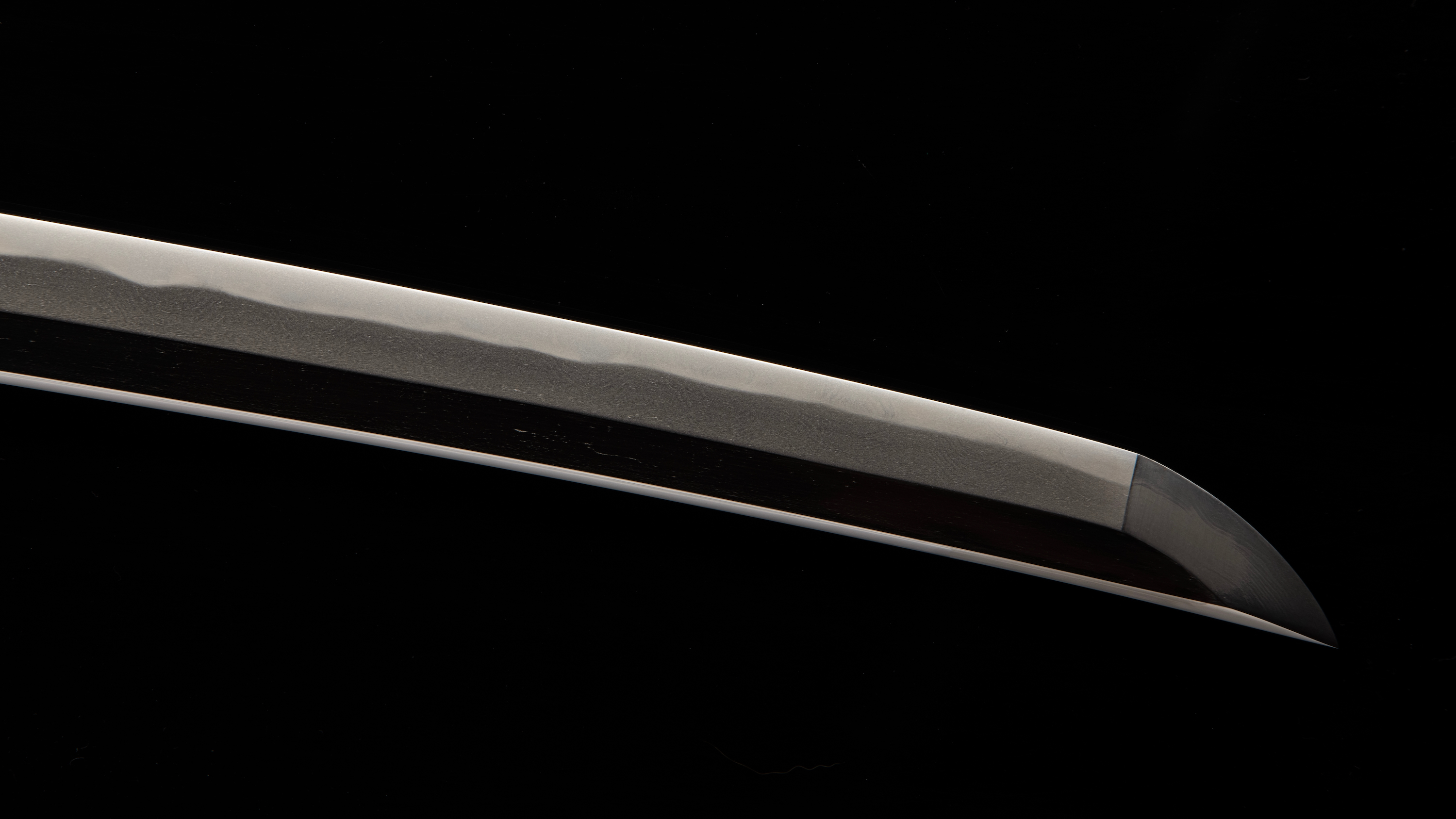
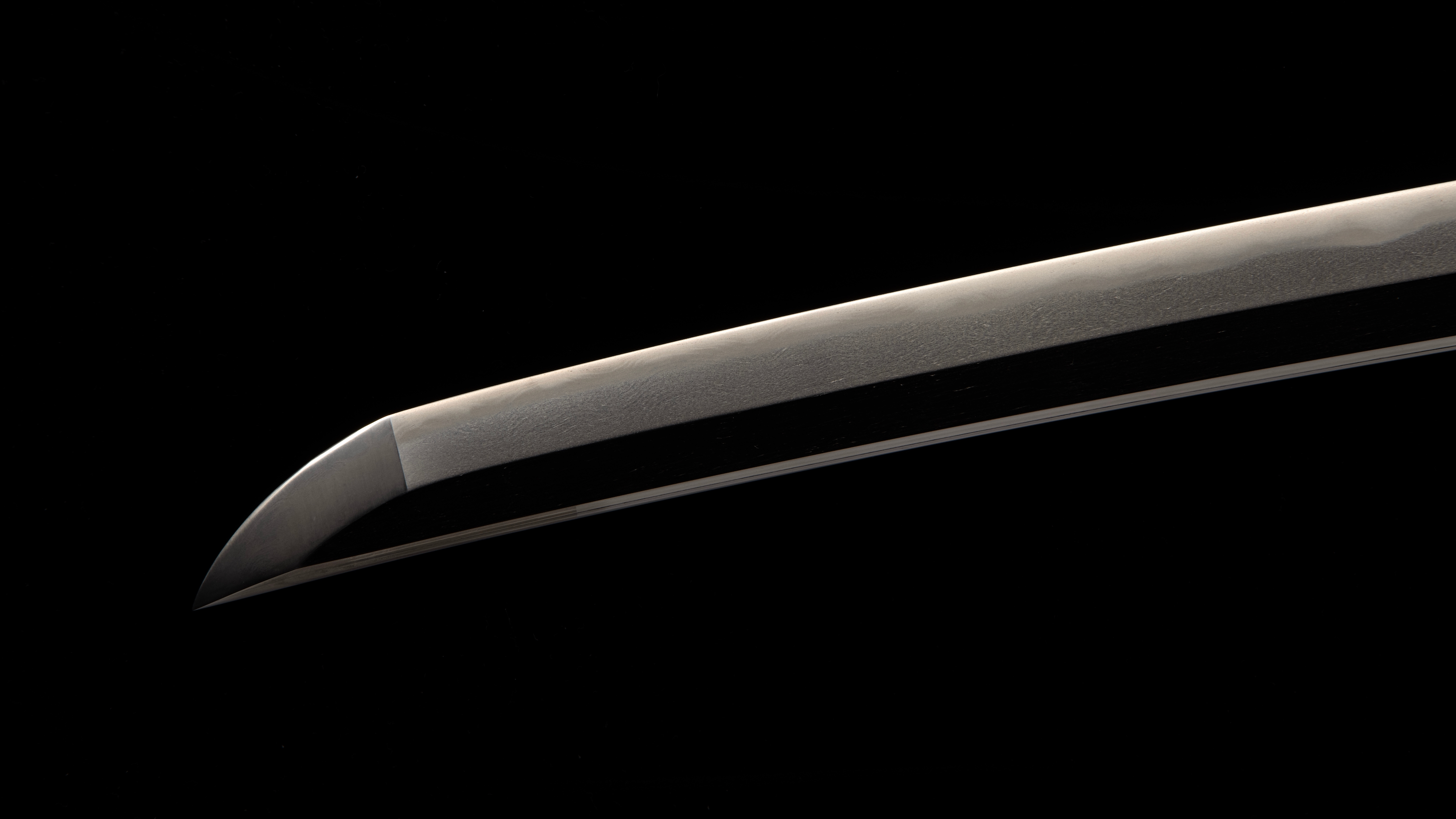
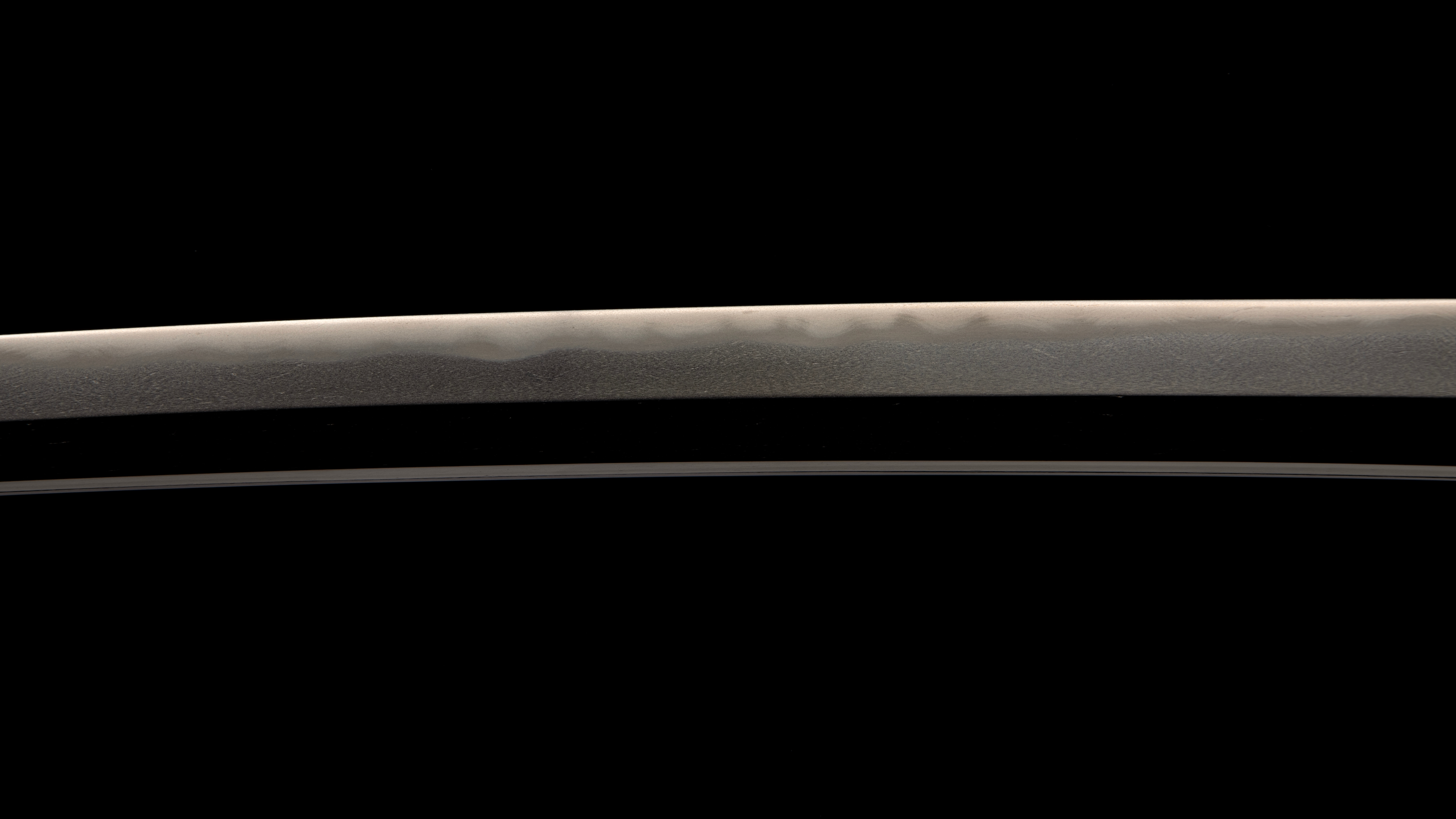
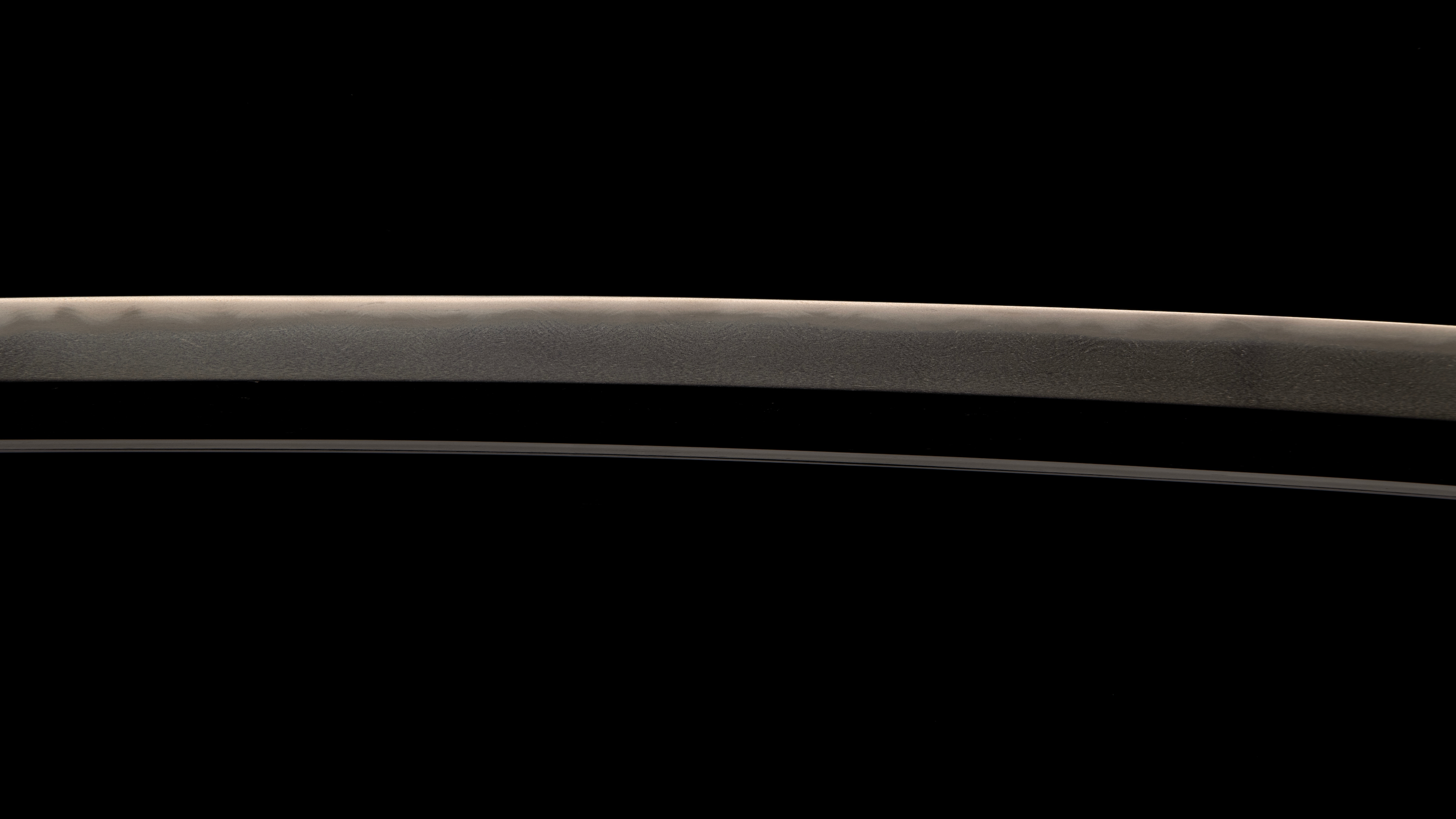
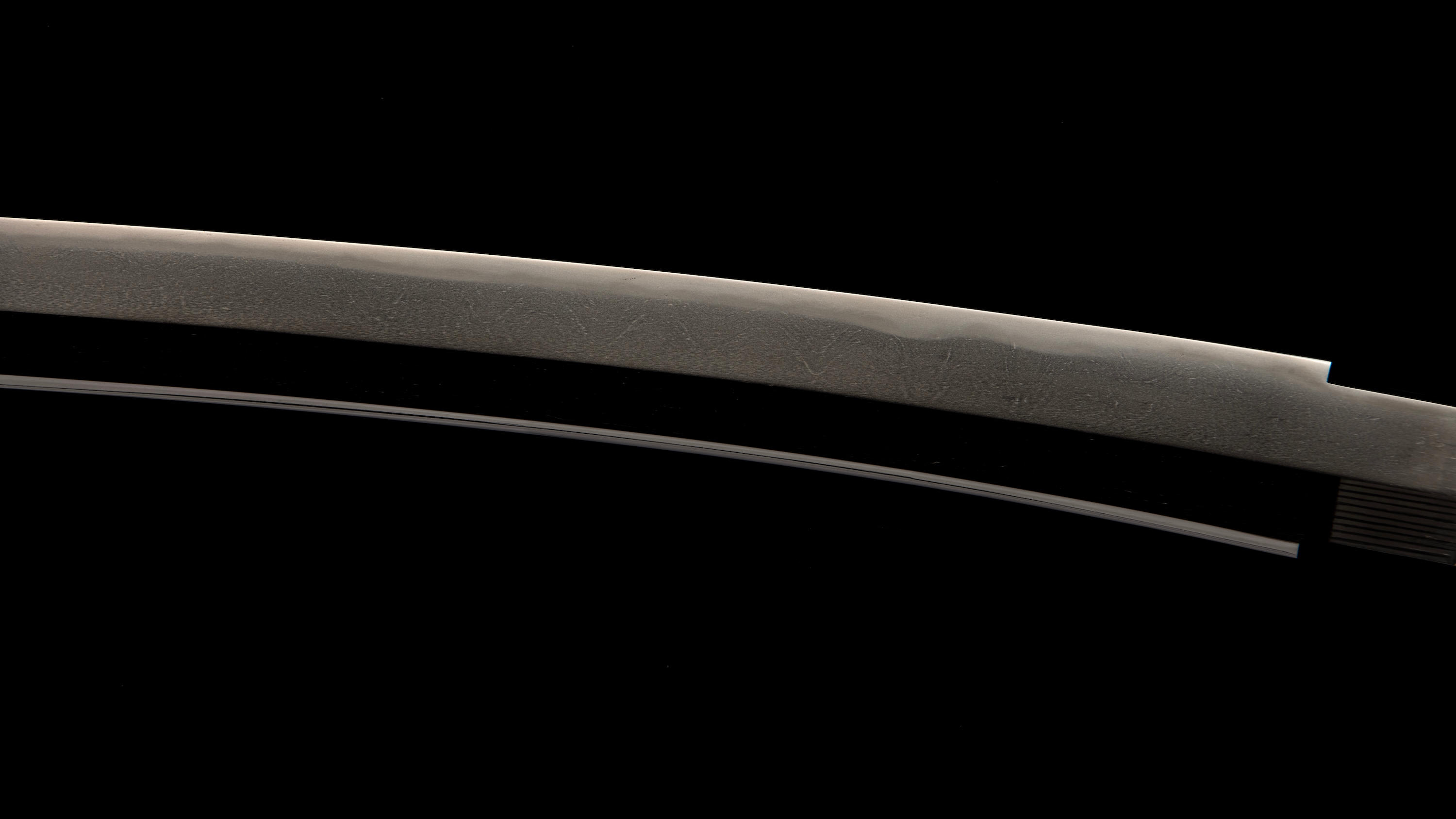
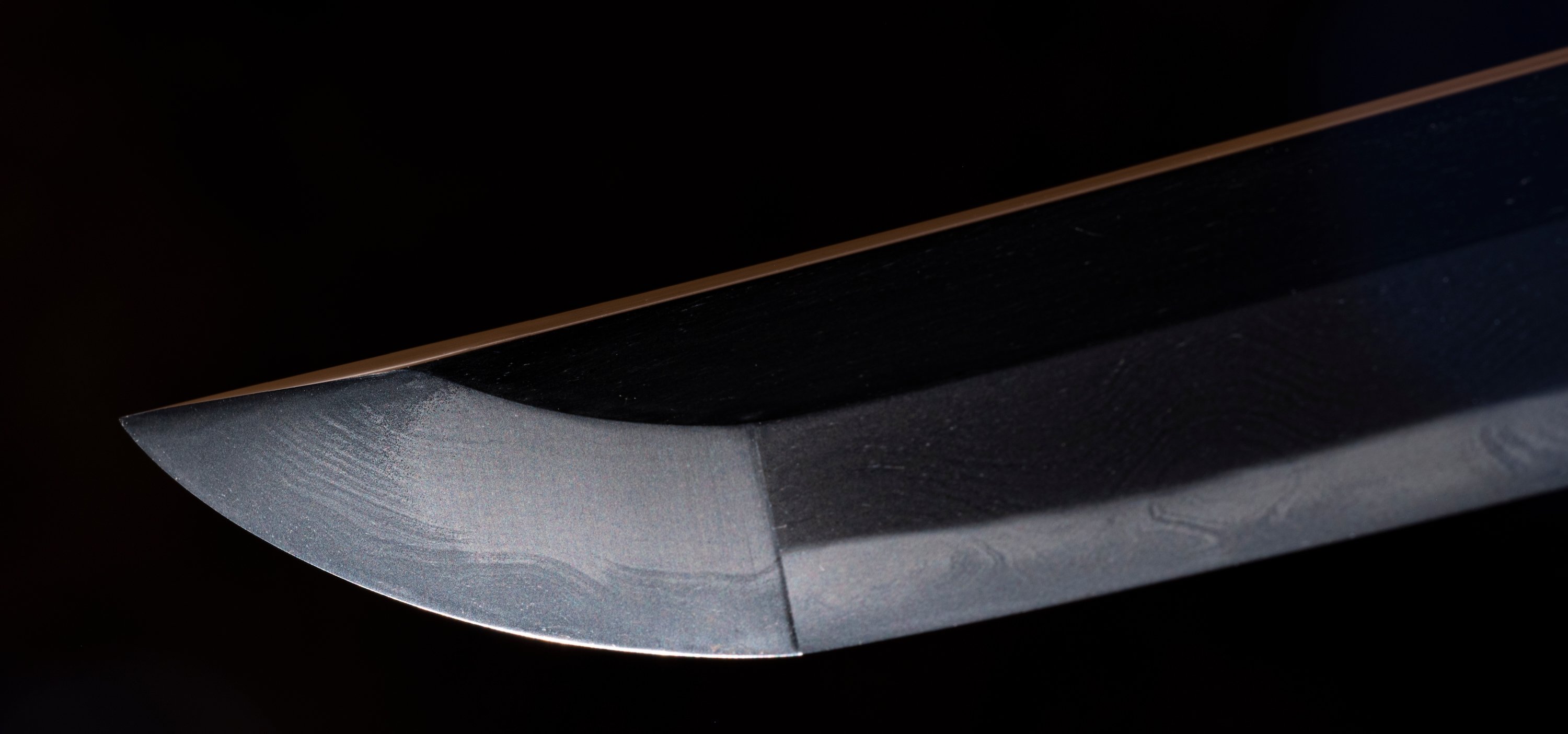
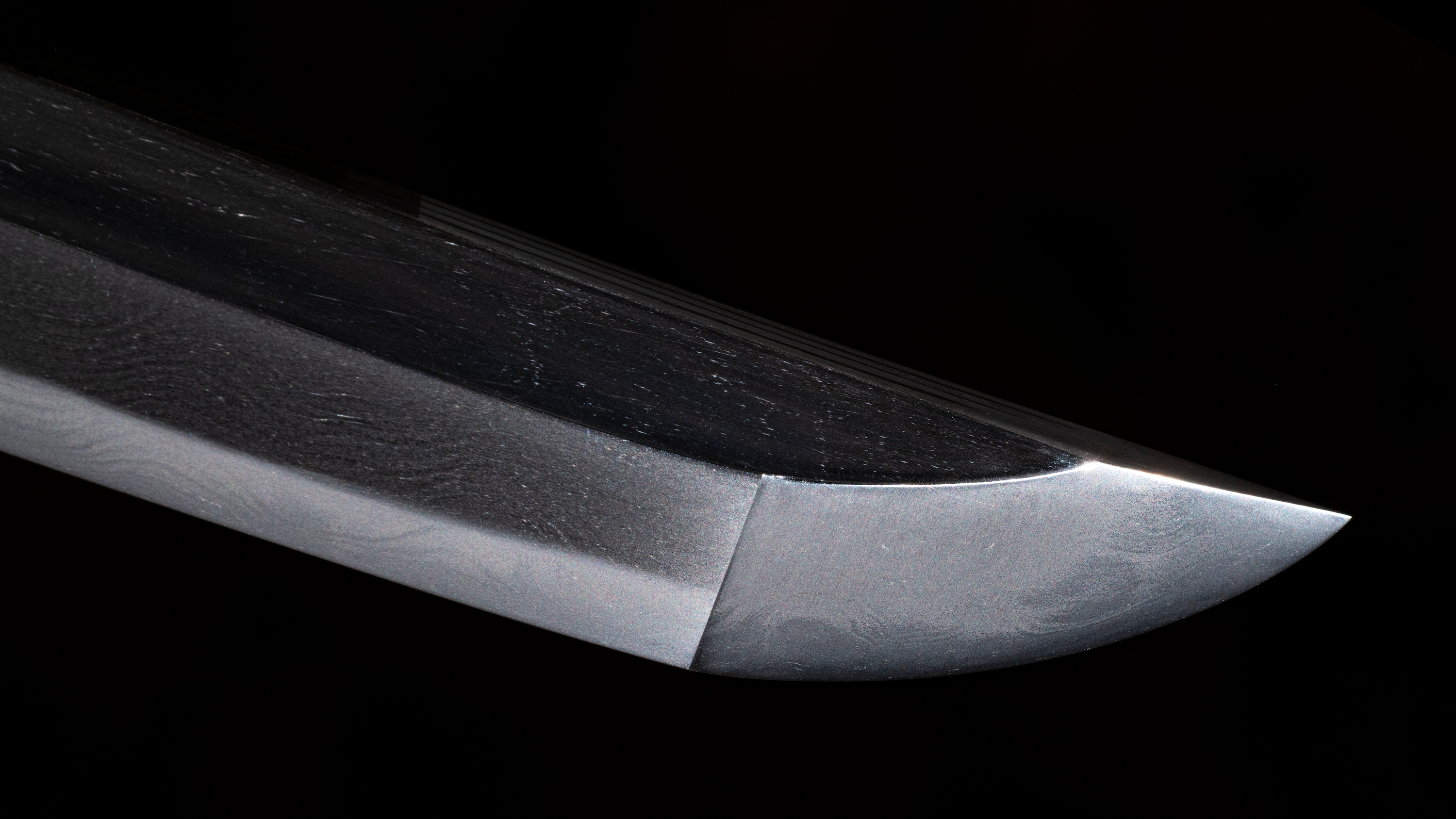
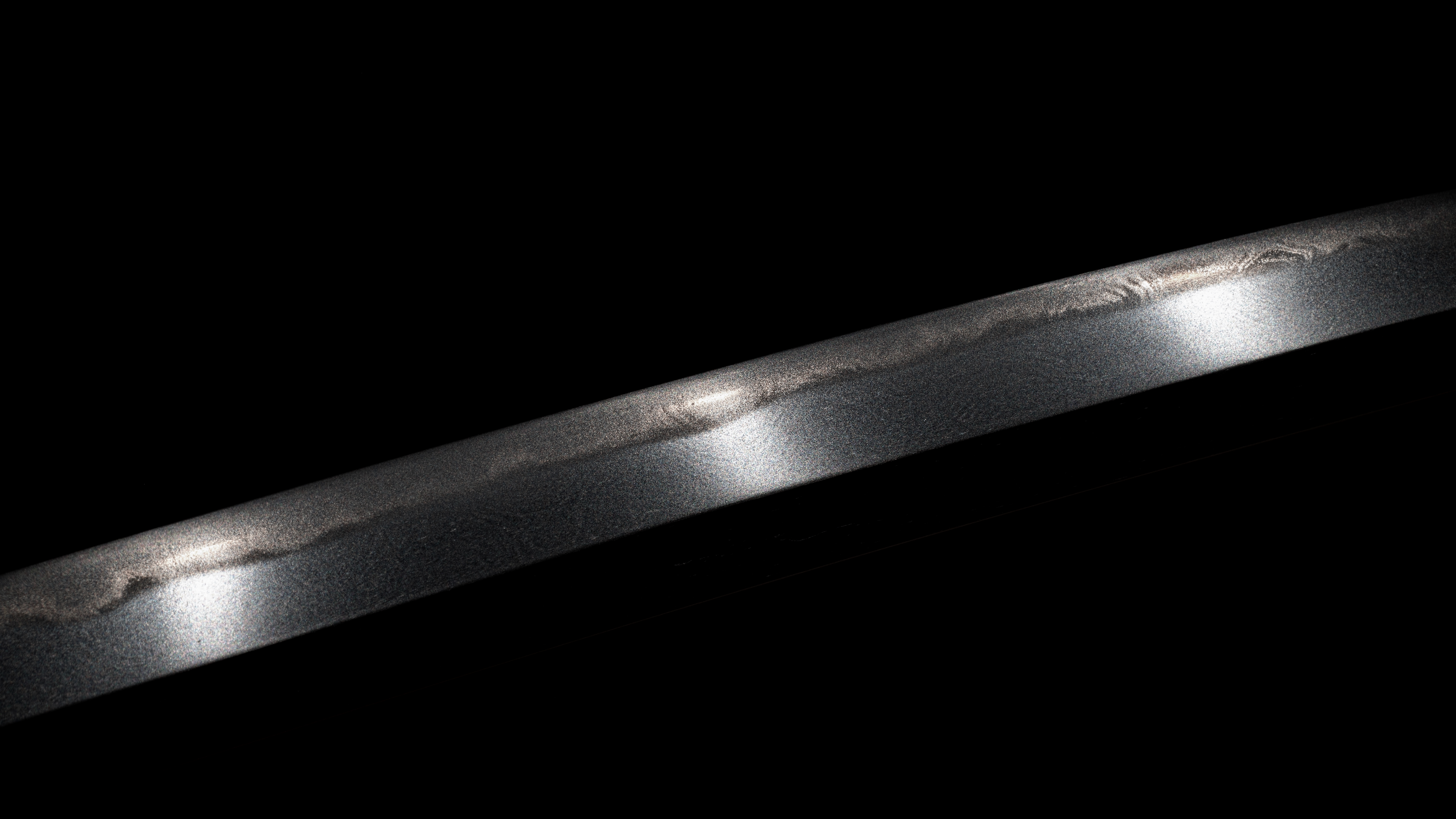
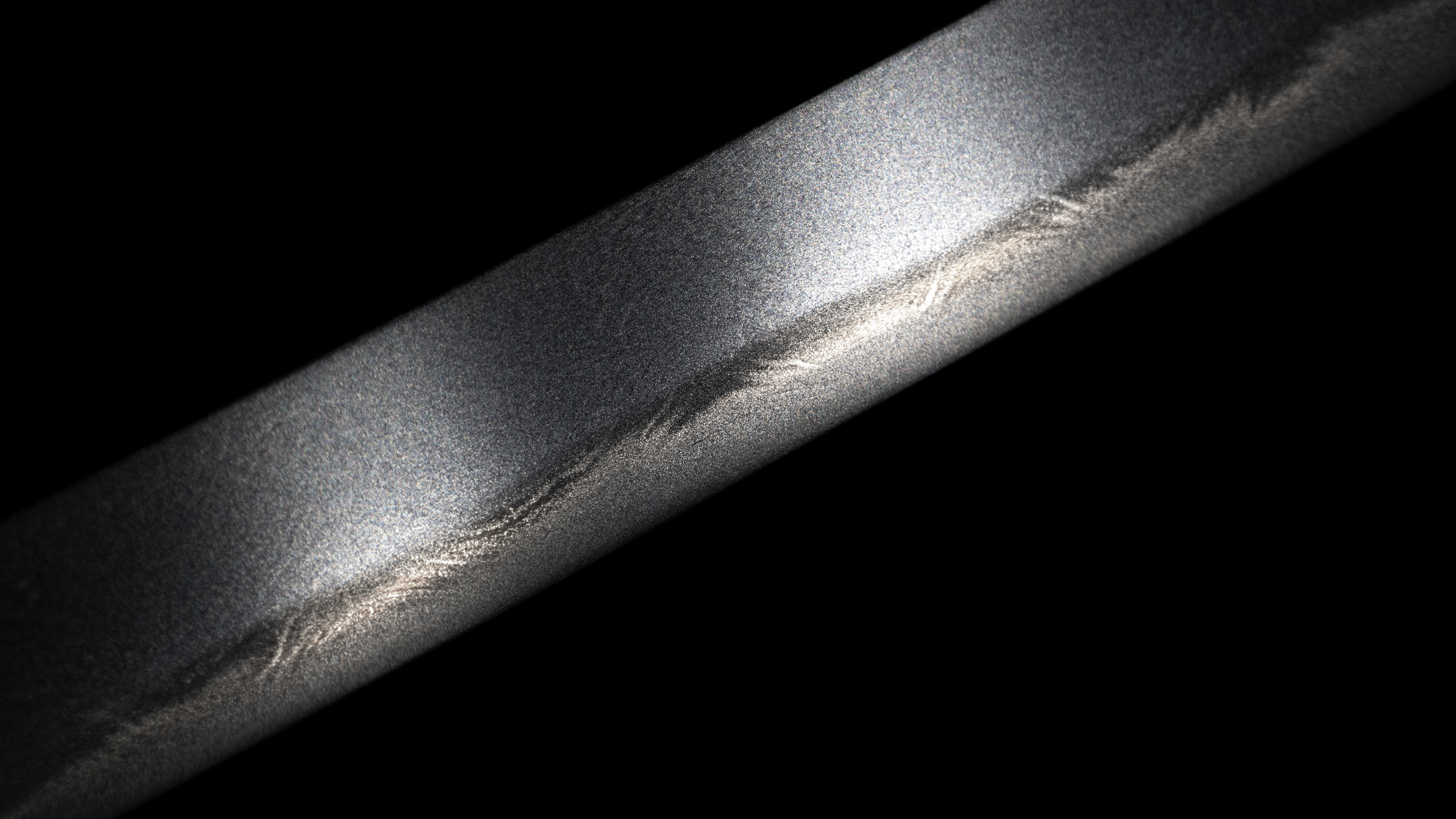
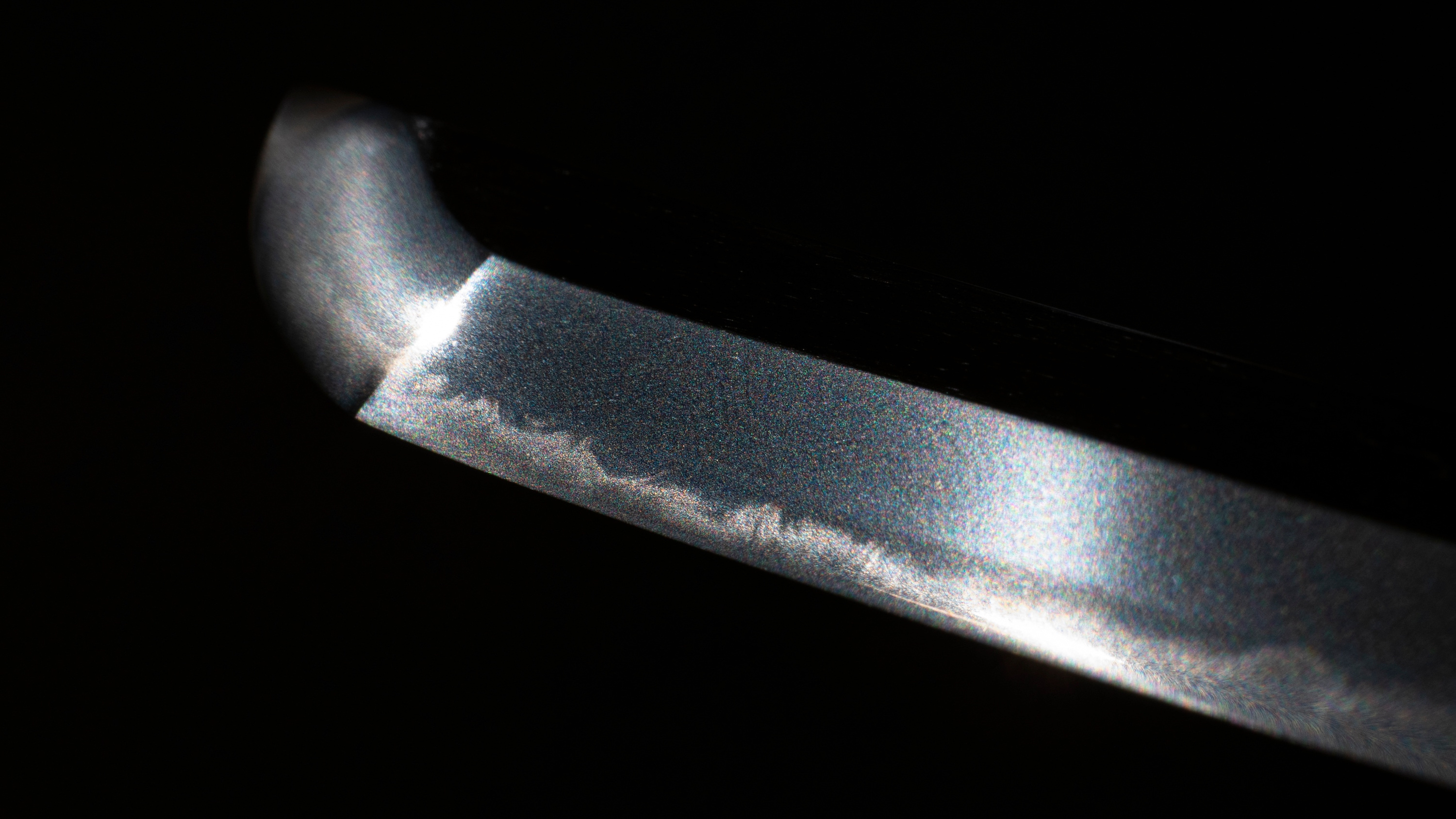
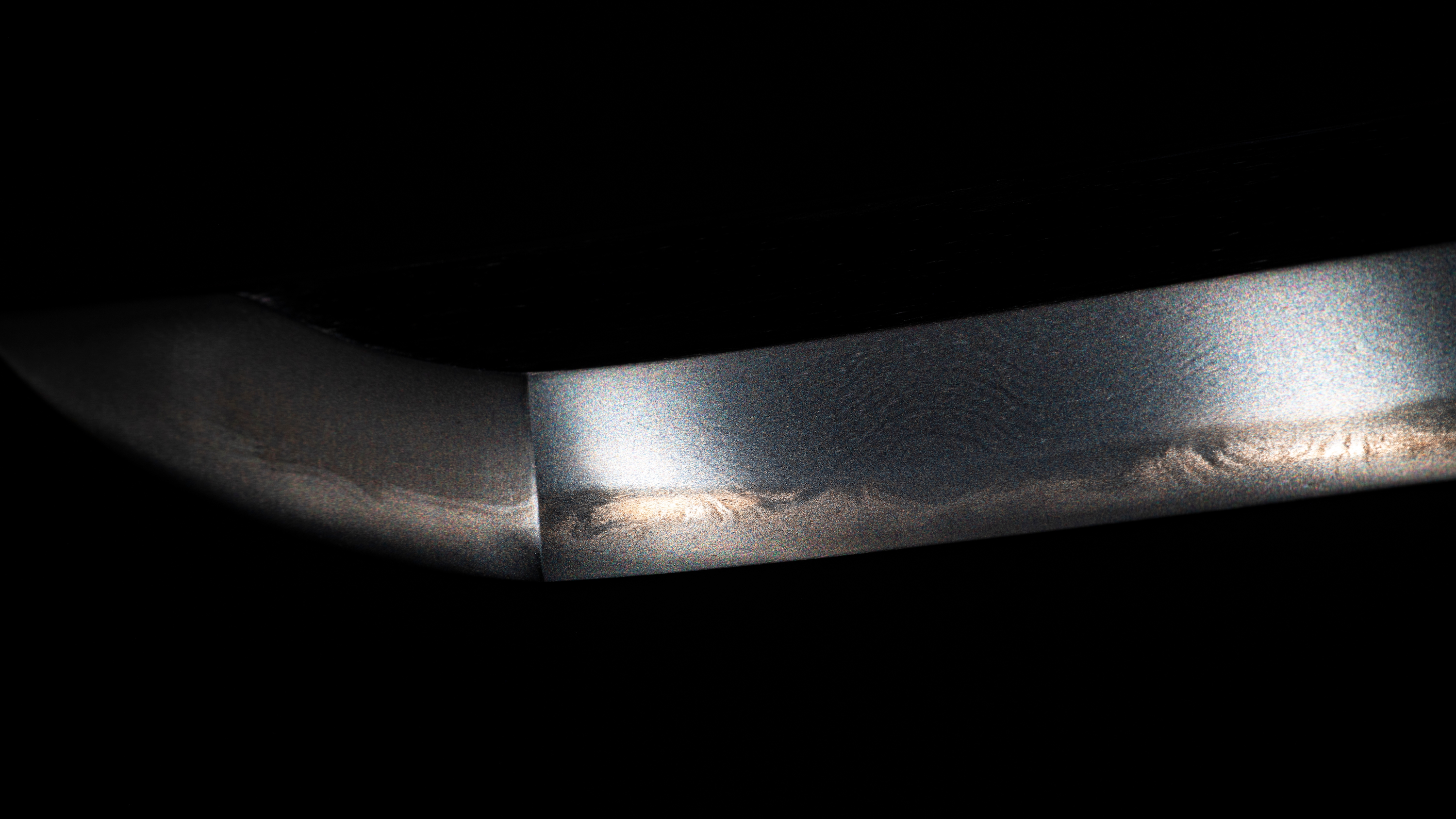
It is forged in ko-nie deki and with the for Gassan so characteristic ayasugi hada which is much more prominent in-hand than the photos suggest, creating a very lively interaction with the hamon line where bright streaks of nie move in and out of the tempered zone forming sunagashi and hotsure. Yubashiri is also seen.
The blade was polished in 2024. The active rust seen on the Tokubetsu Hozon paper was also cleaned off the nakago. It comes with a solid silver Gassan-style habaki.
The blade is flawlessly forged and in perfect condition.
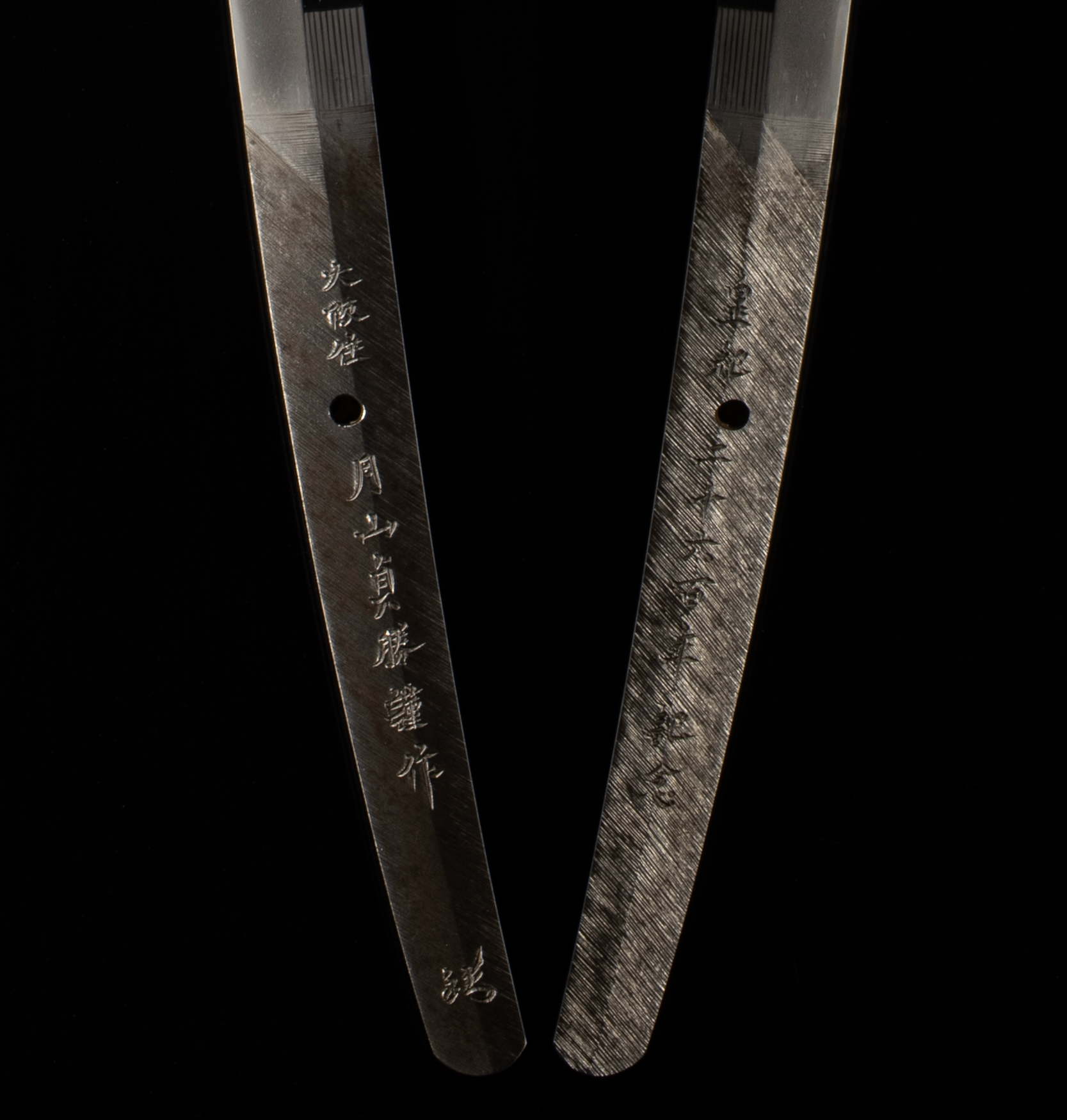
Nakago
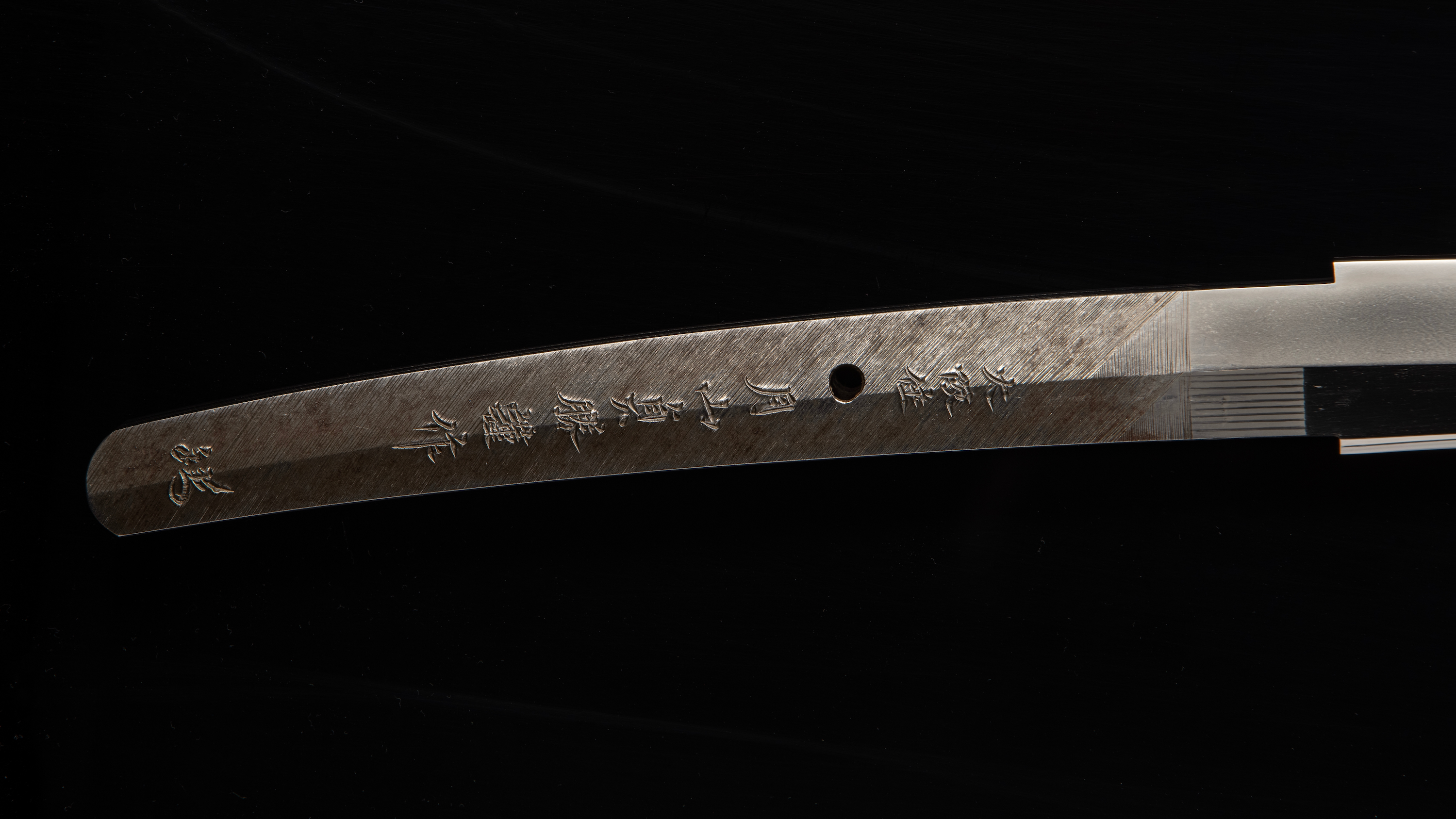
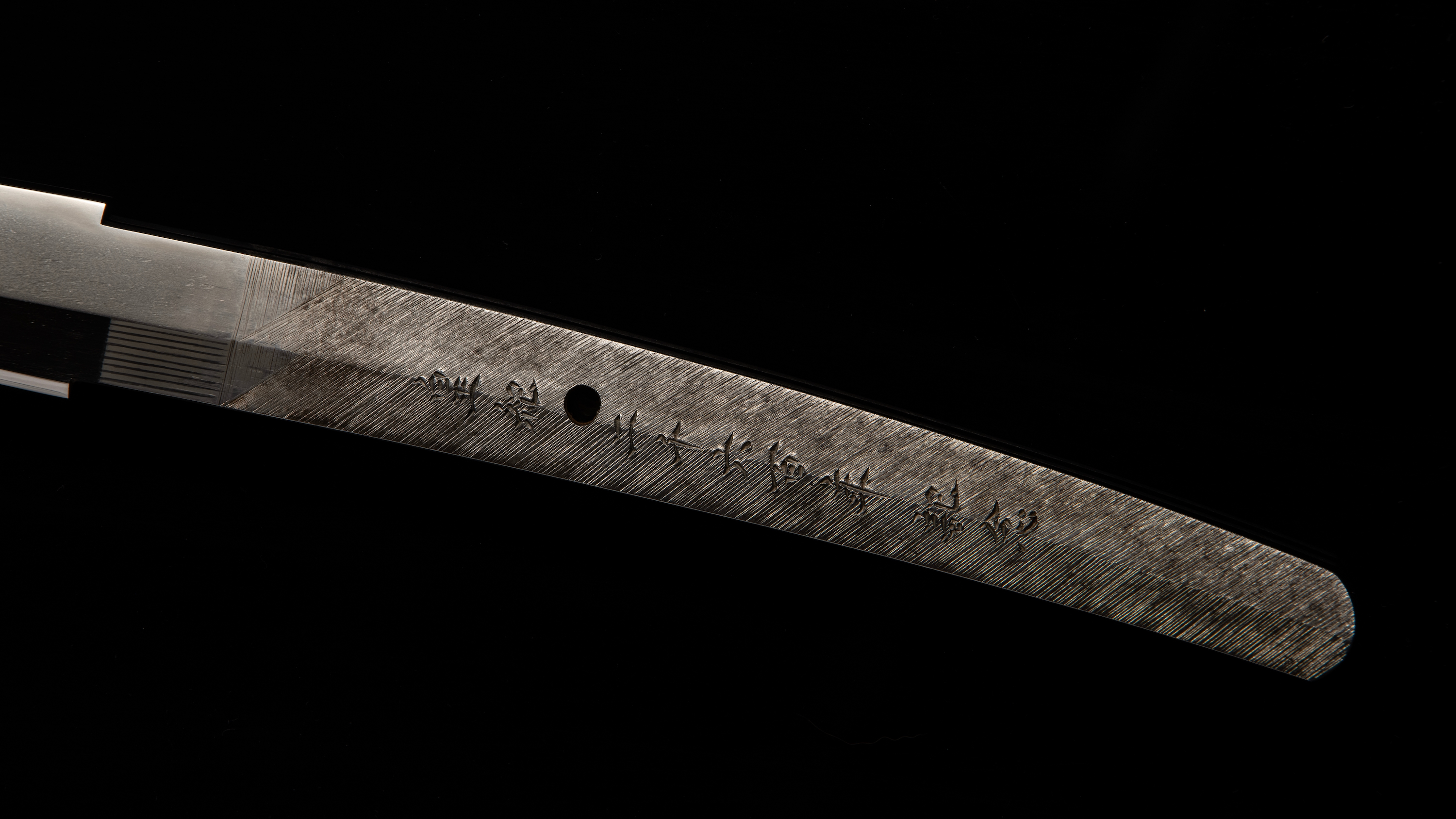
Finished in finely applied kesho yasuri. It is signed:
Left:
Osaka-ju Gassan Sadakatsu kinsaku
Right:
2600th Imperial anniversary
Sayagaki
The sword comes in a fresh shirasaya with 2020 sayagaki by Tanobe Sensei.
大阪住月山貞勝勤作皇紀二千六百年スナハチ昭和十五年ノ製作也
同工初代貞一子而人間国宝二代貞一ノ父ニ當タリ陸軍受命刀工ヲ務メタリ
本刀ハ軍刀仕用ノタメ稍短寸ナリテ家傳ノ綾杉肌ニ鍛ヘ沸付ヲ互乃目調ノ乱ヲ
焼キ砂流ホツレ湯走等カ々リ見所多イ出来宜矣
長弐尺二寸五分探山識
時在庚子極月
"Ōsaka-jū Gassan Sadakatsu kinsaku
This work is from the Imperial Date “Kōki 2600” (in other words, 1940).
Sadakatsu, who was the first son of Gassan Sadakazu, and the father of the Living National Treasure Gassan Sadakazu 2nd. He was appointed swordsmith to the army, and this sword was deliberately made slightly shorter for army use. It shows the typical Gassan “ayasugi-hada” as well as hamon with nie in gunome-midare, sunagashi, hotsure, yubashiri, etc.. This is a fine sword with plenty of activities to see.
Length 2 shaku, 2 sun, 5 bu
Tanzan shikisu
December 2020 "
Koshirae
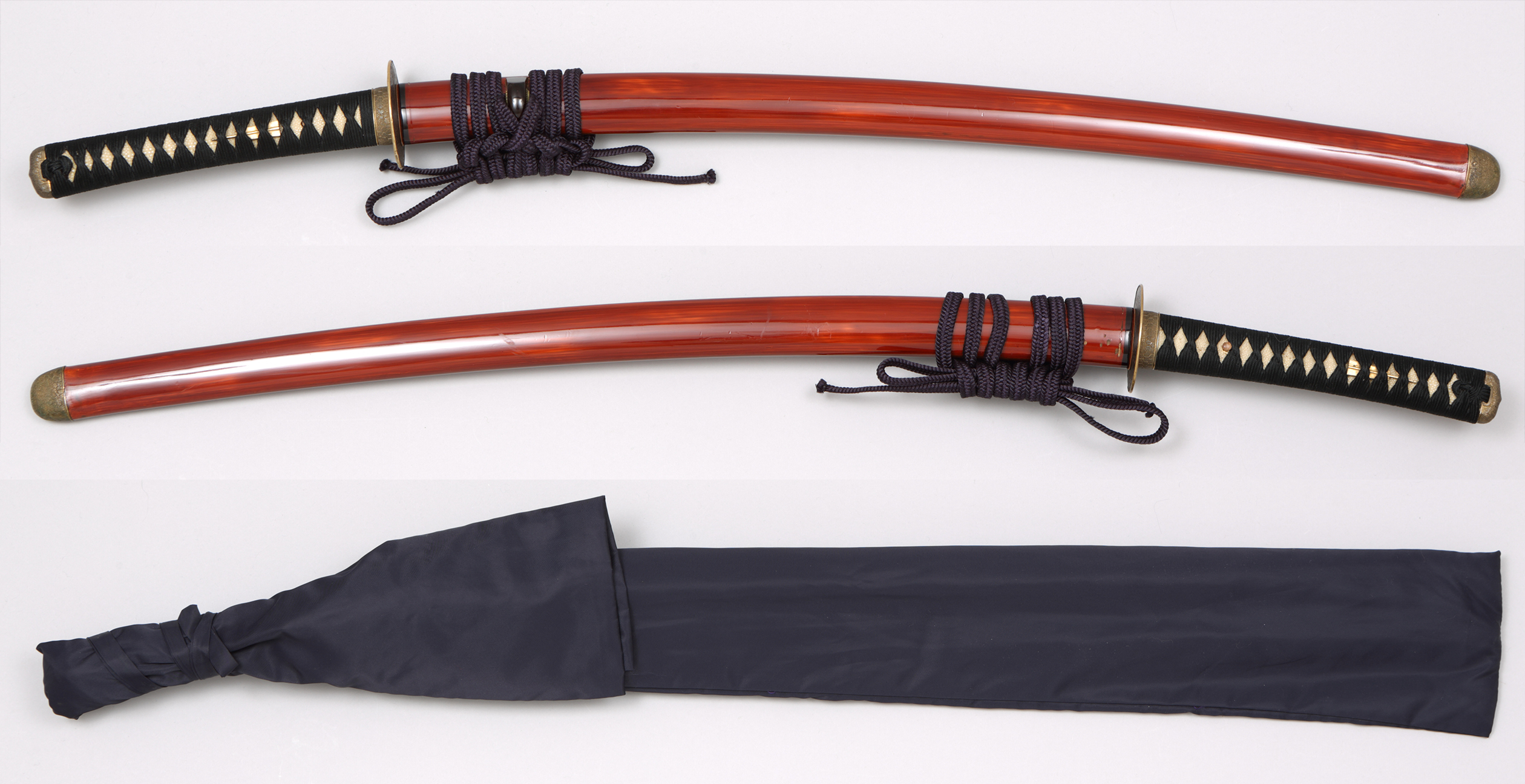
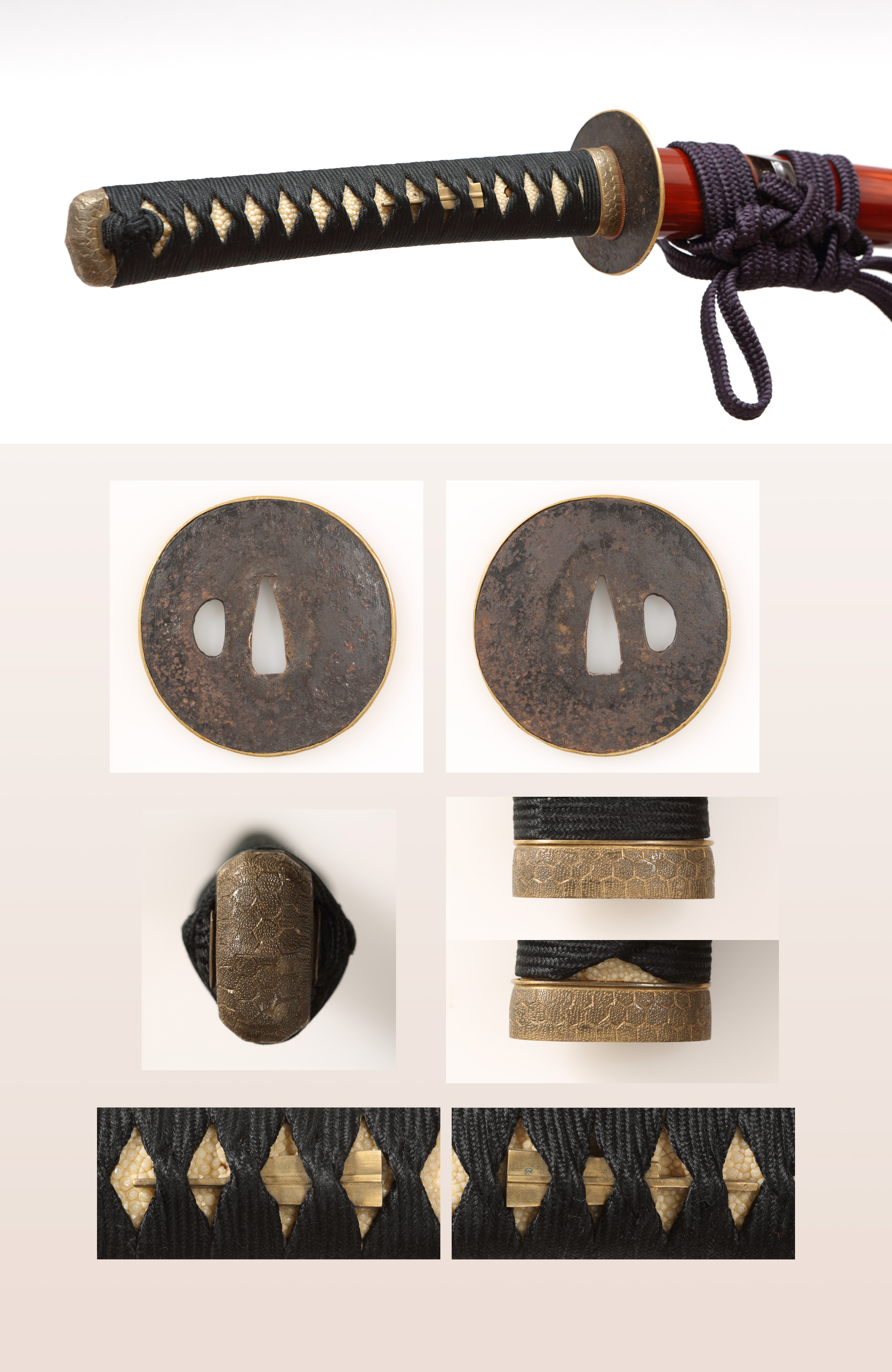
The sword comes with its original period koshirae. The saya is executed in translucent red lacquer. The tsuba is of coarse iron with a brass rim. The other mounts are gilt brass with a tortoise shell pattern. The menuki are in the form of gunbai, a type of signal baton used by commanders.
Some minor damage to the lacquer.
Comparable examples
A Gassan Sadakatsu made in 1940 sold on 13 May 2009 for £12.500 at Christie's Japanese Art & Design, lot 177.
(With inflation correction, that would be £20.064 today, or €23.181.)
Another, made in 1919 in the Yamato style, was offered on November 5, 2024, with a £20.000-30.000 estimate at Sotheby's but remained unsold. Art of Japan, lot 59.
Another, again in Yamato style, is in the Royal Armories in Leeds. Accession number XXVIS.335.
Conclusion
A very fine sword by the notable Gassan swordsmith Sadakatsu. He was both the son and the father of a Living National Treasure status smith and forged several swords for the emperor himself. This blade is flawlessly forged with the classic ayasugi-hada the school was famous for, and in perfect state of preservation.


 NihontoWatch