 NihontoWatchNihontoWatch
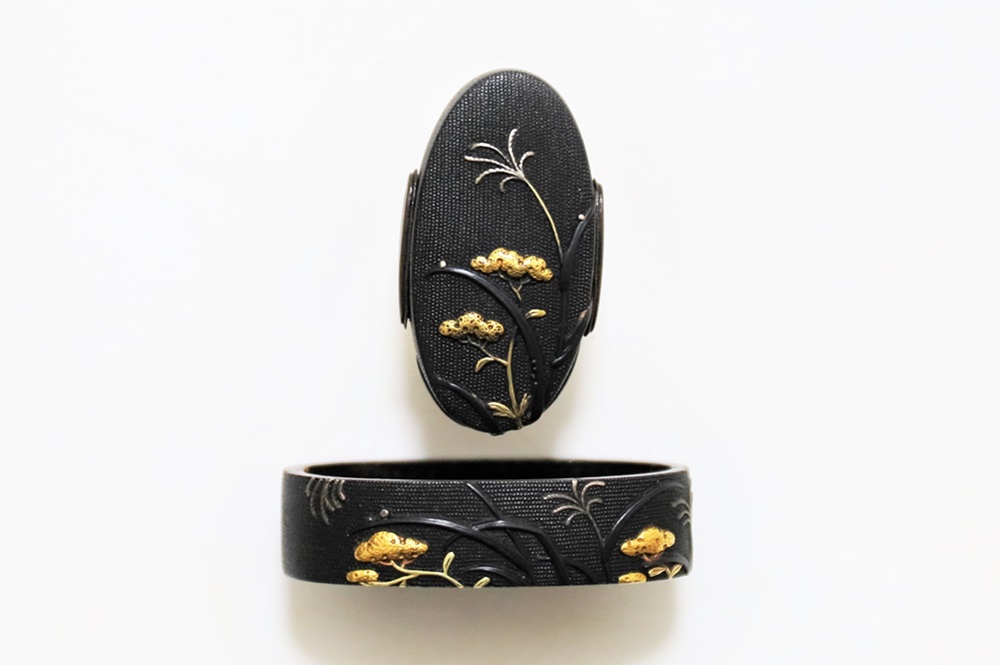
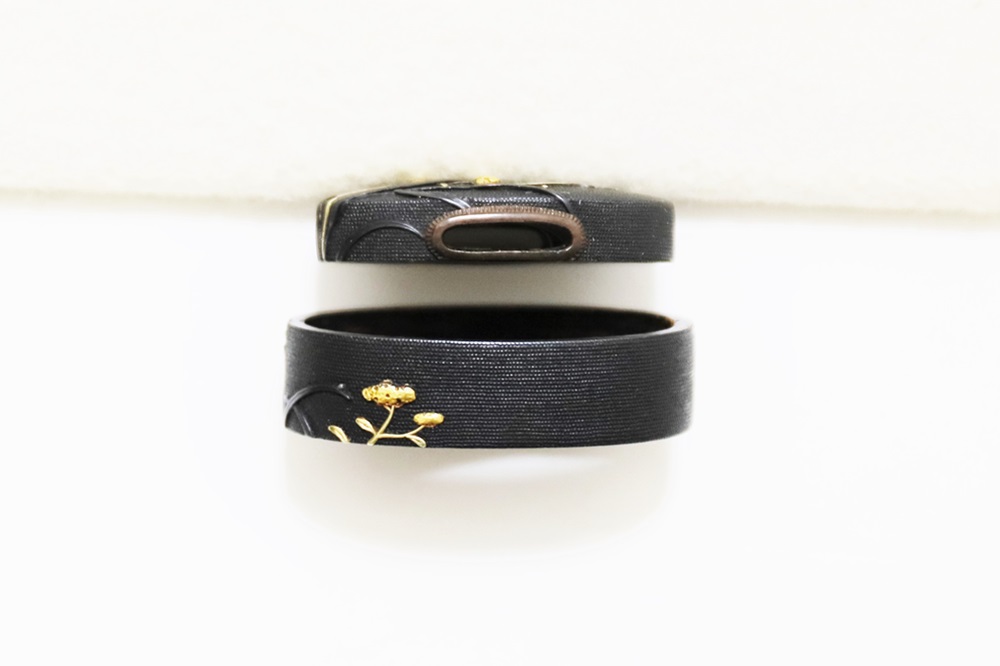
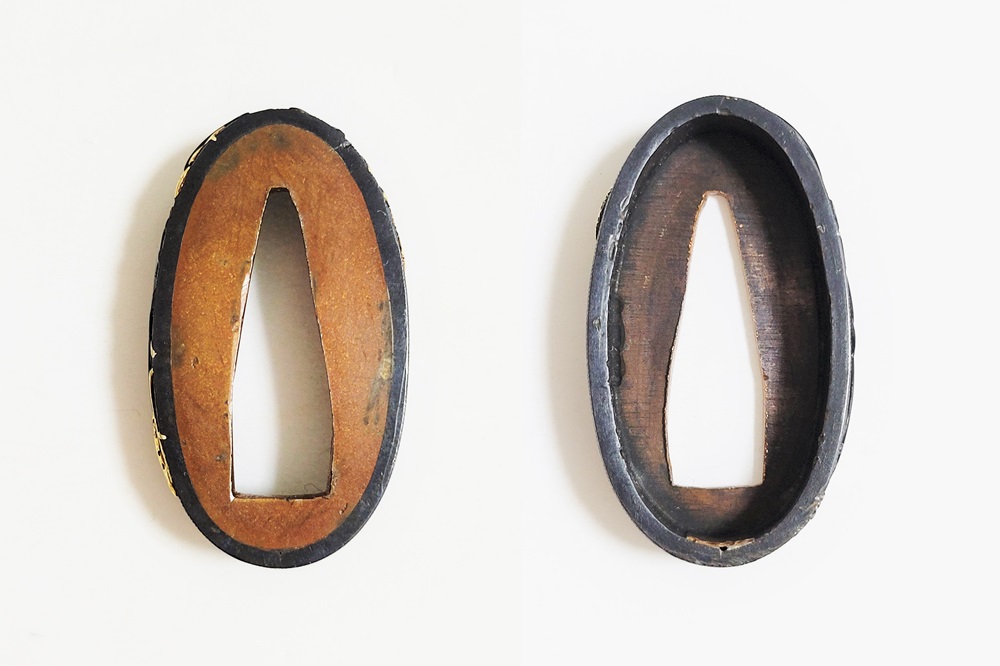
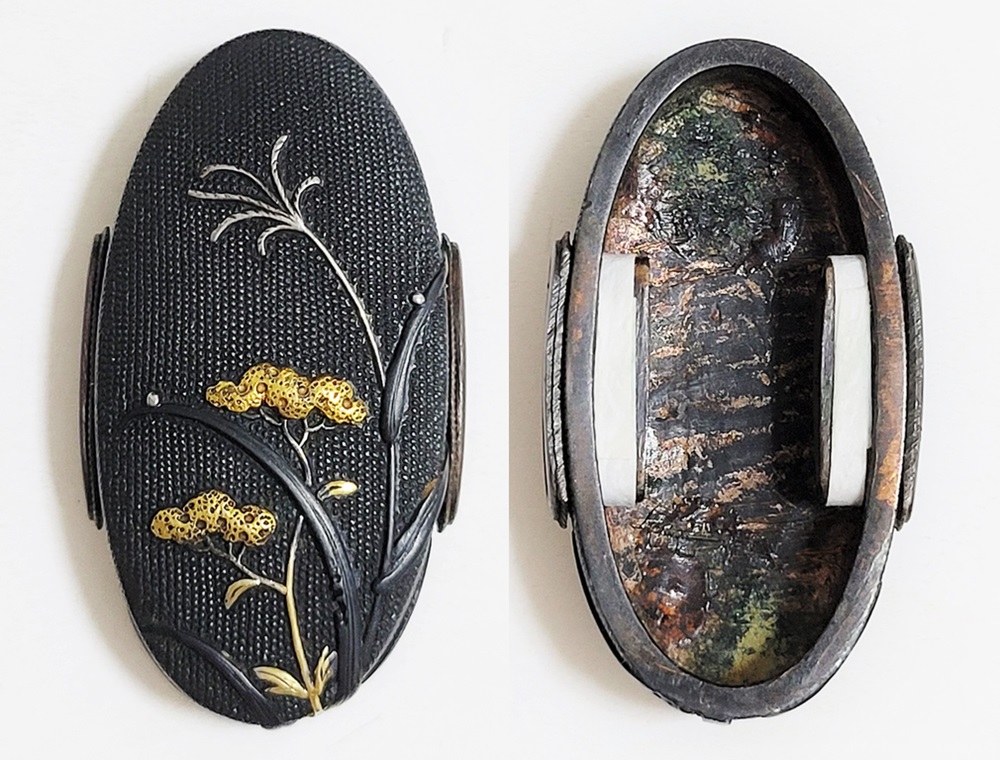
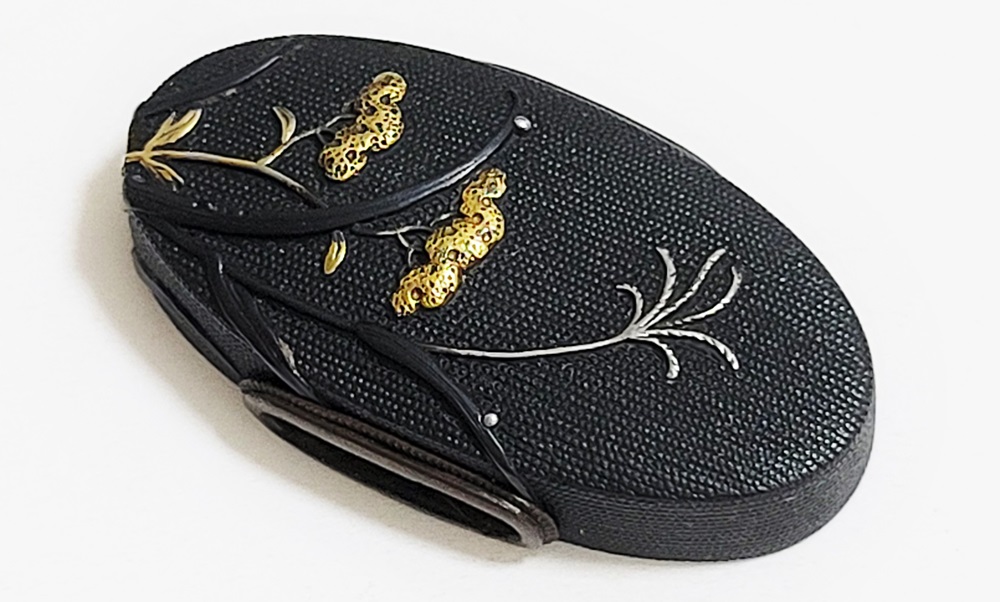
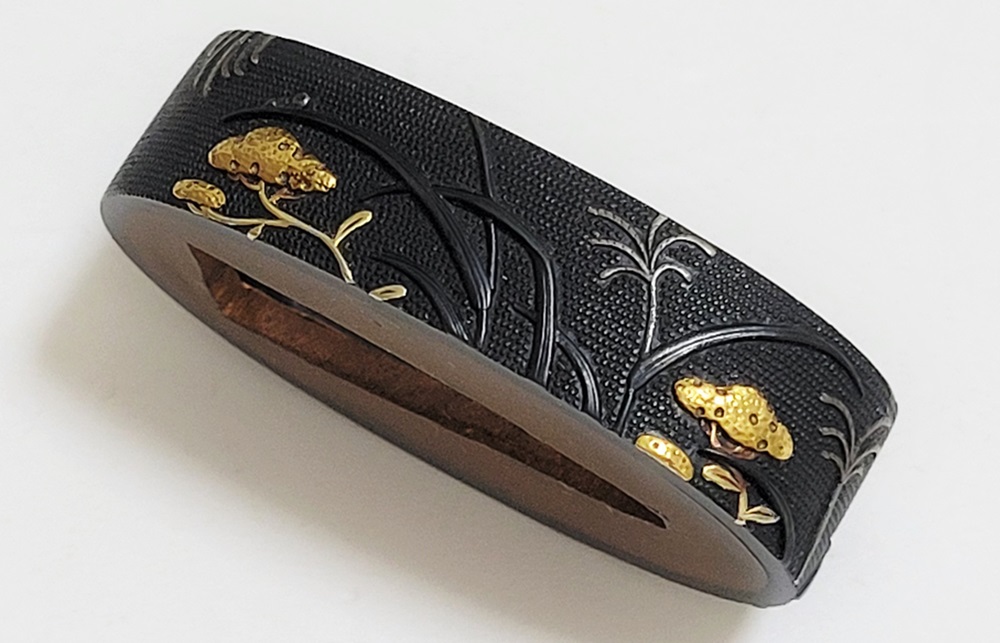
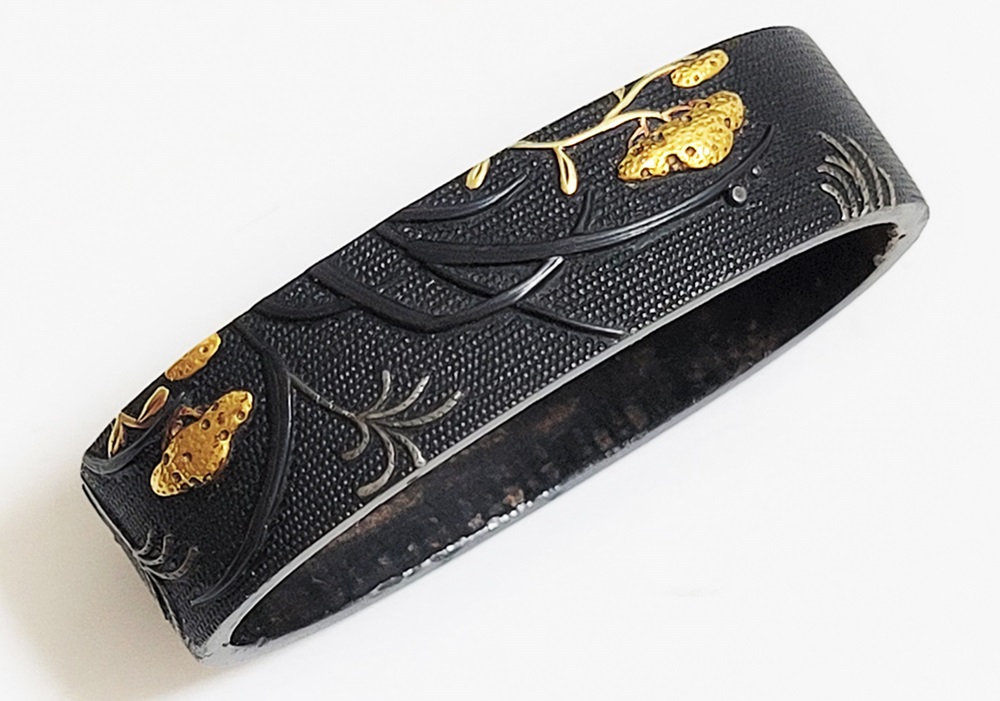
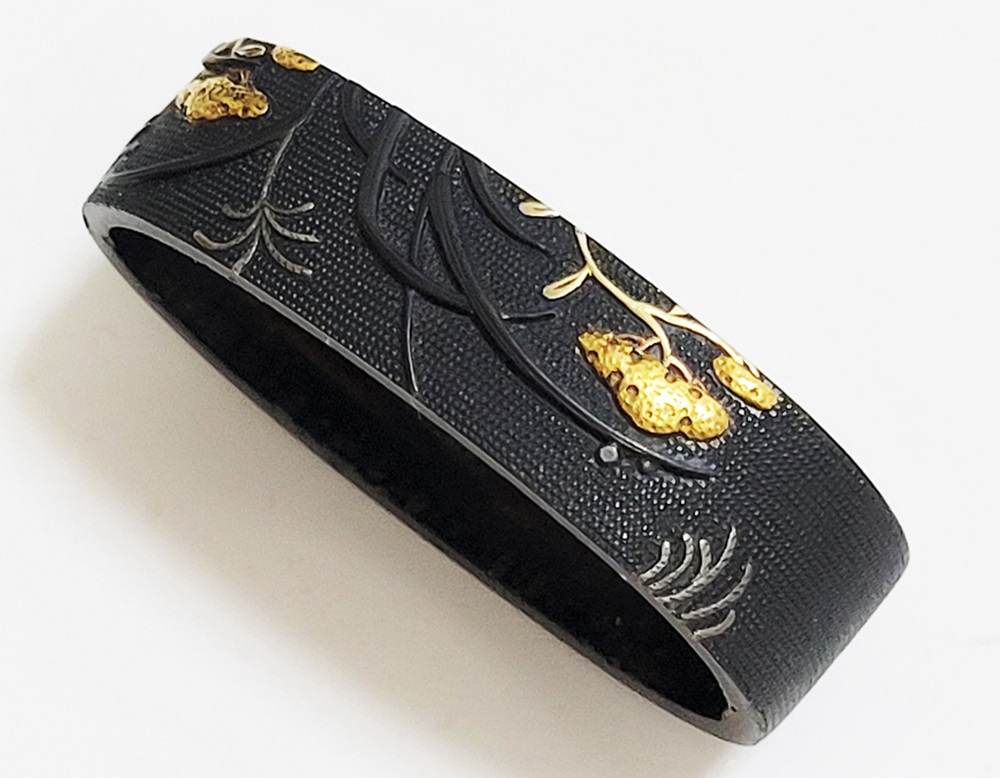
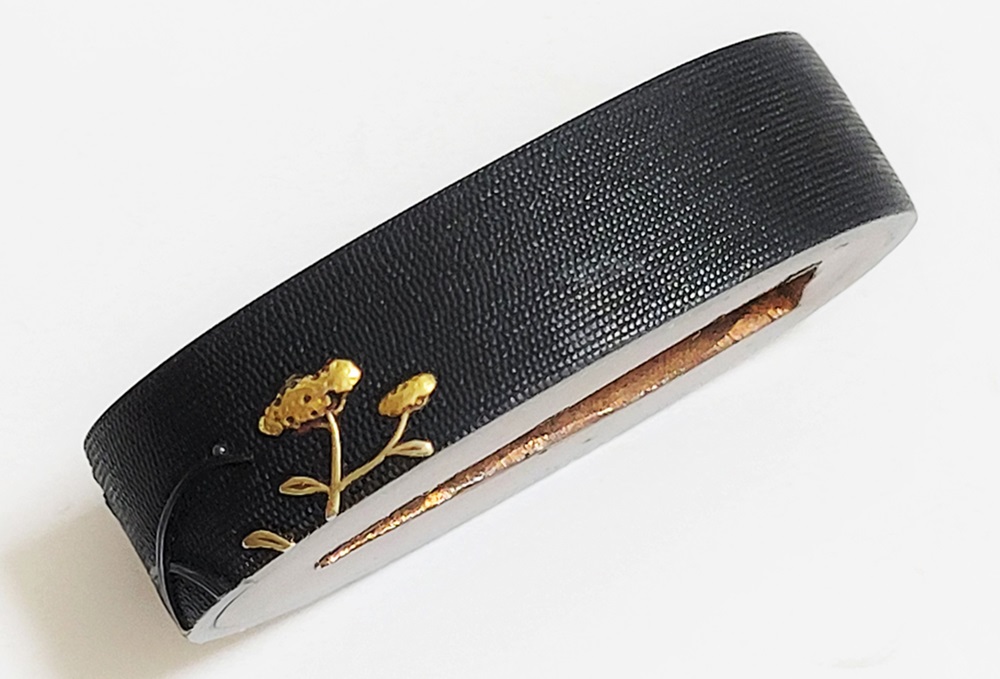
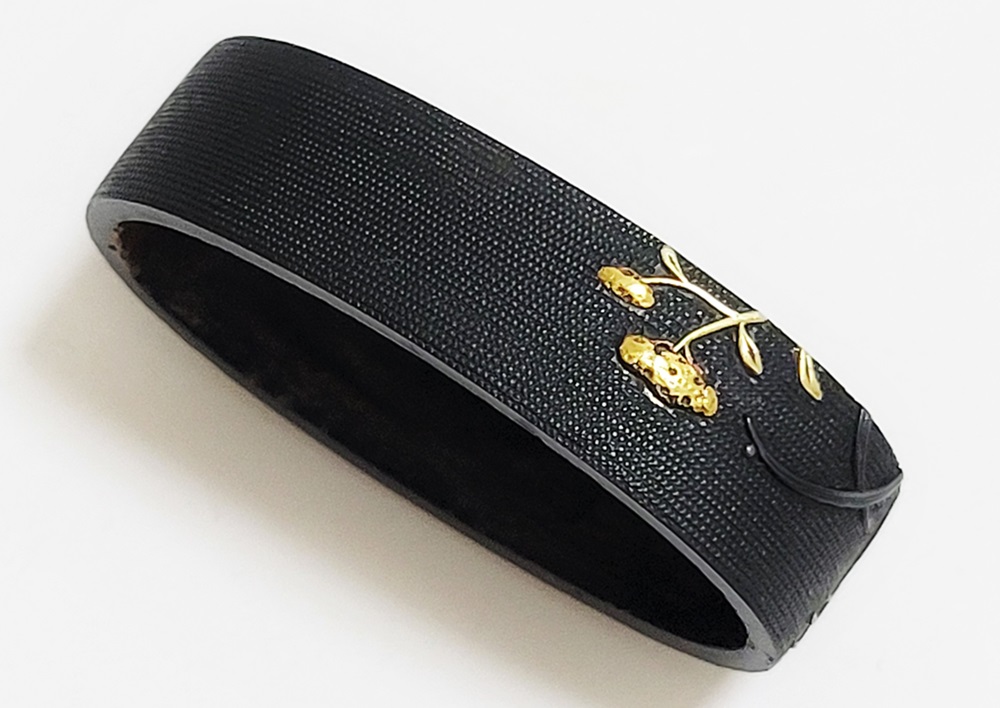
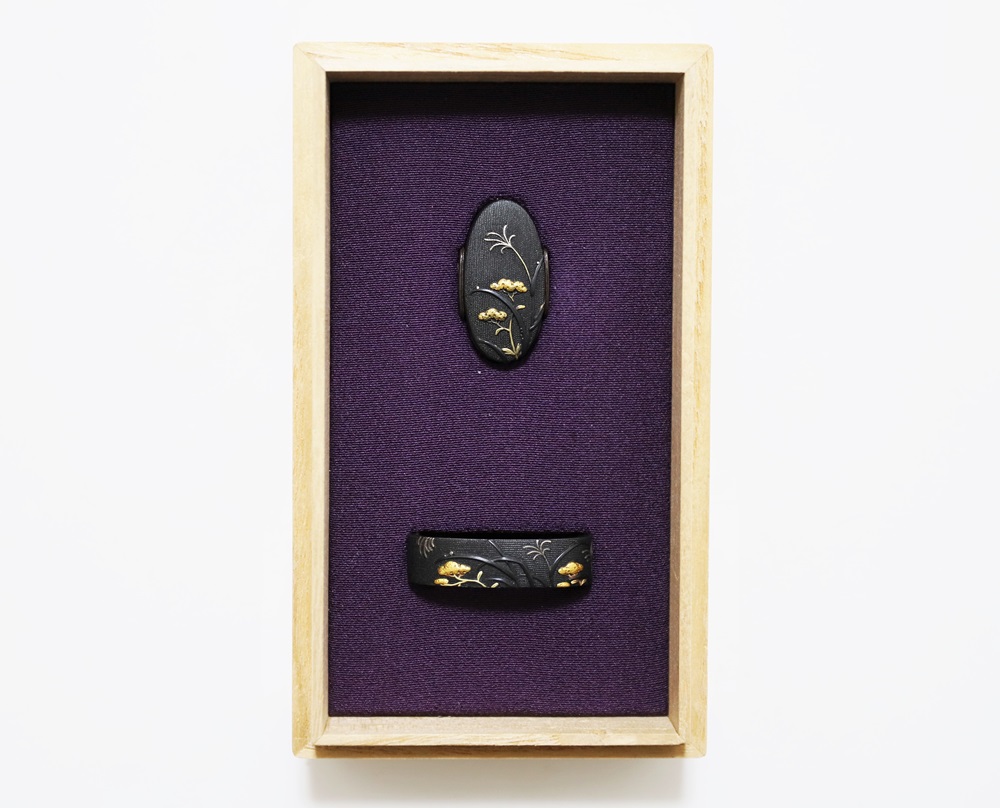
Akikusa-zu fuchigashira with a kiwame to the Ichijo school. Goto Ichijo is a master craftsman hailed as the greatest in the early modern metalworking world. Born into the prestigious Bekke Kyo-Goto family, his biological brothers include Mitsuhiro and Mitsutada. In Kansei 11 (1799) at the age of 9, he was adopted into the Hachirobei family, and in Bunka 2 (1805) at the age of 15, he succeeded as the sixth generation head of the Hachirobei family following the death of his adoptive father Kenjo. In addition to expressing exquisite skill by adding a fresh flavor to traditional iebori, he pioneered a new artistic realm that did not adhere to the Goto rules. A master craftsman who adorned the end of the prestigious Goto family, he produced many excellent disciples such as Funada Ikkin, Hashimoto Isshi, and Nakagawa Issho. This work expresses autumn grasses with an elegant and noble atmosphere on a finely struck shakudo nanako-ji. The style of Ichijo can be felt.
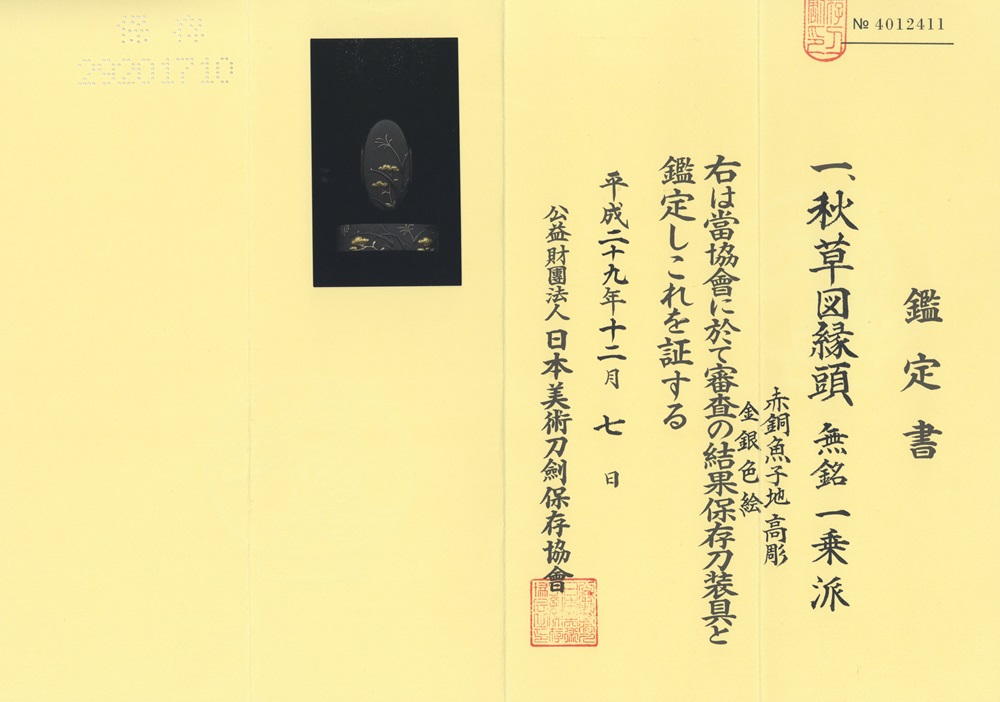
Certificate reading — 無銘(一乗派)
NihontoWatchOffered by Touken Matsumoto

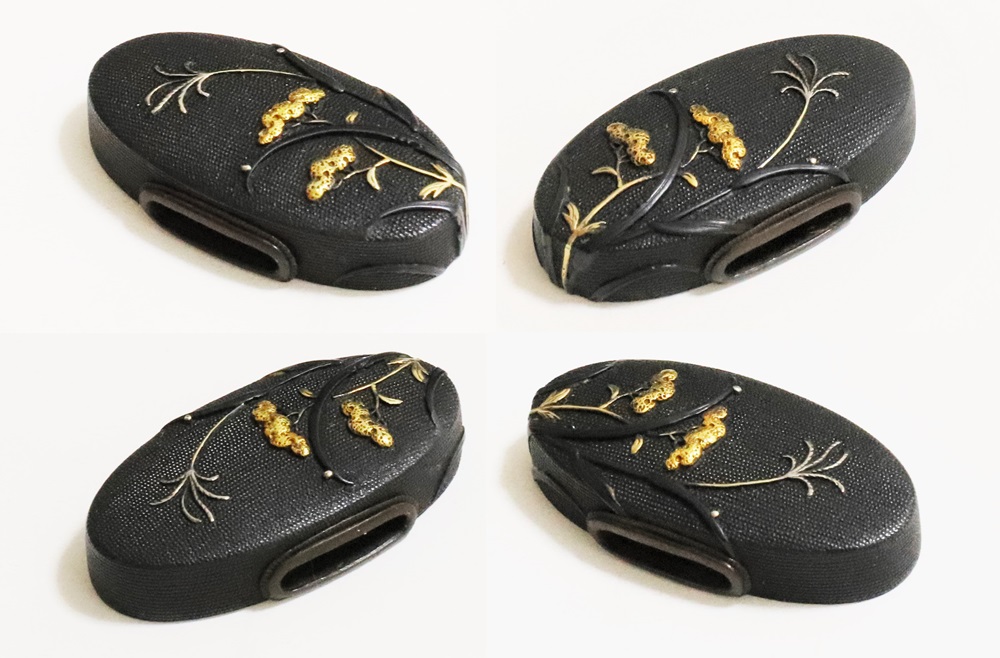
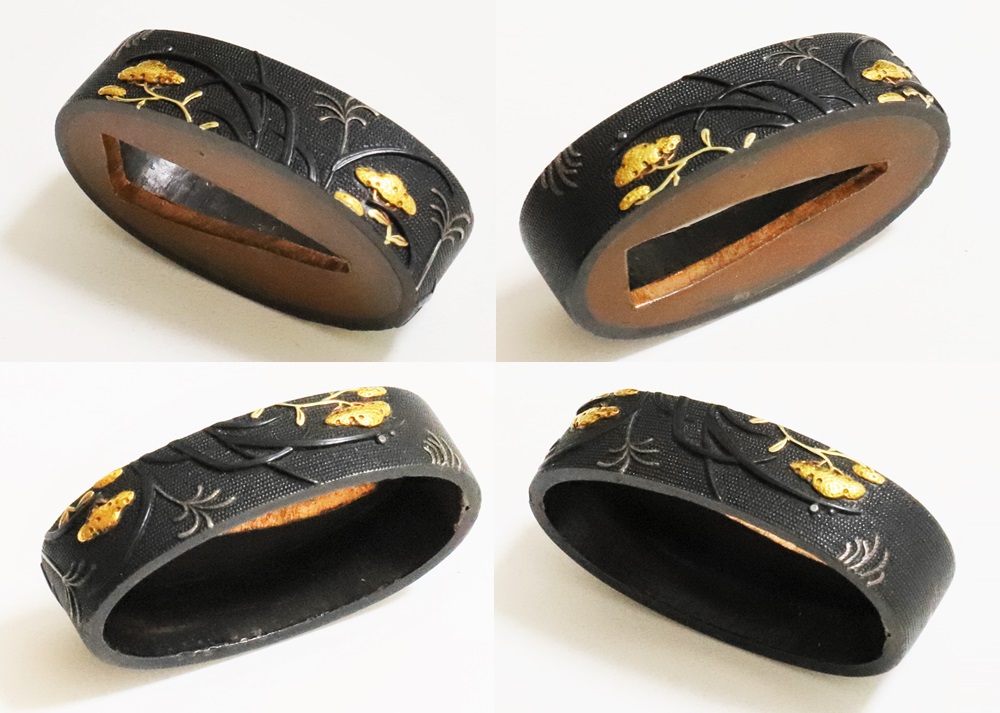
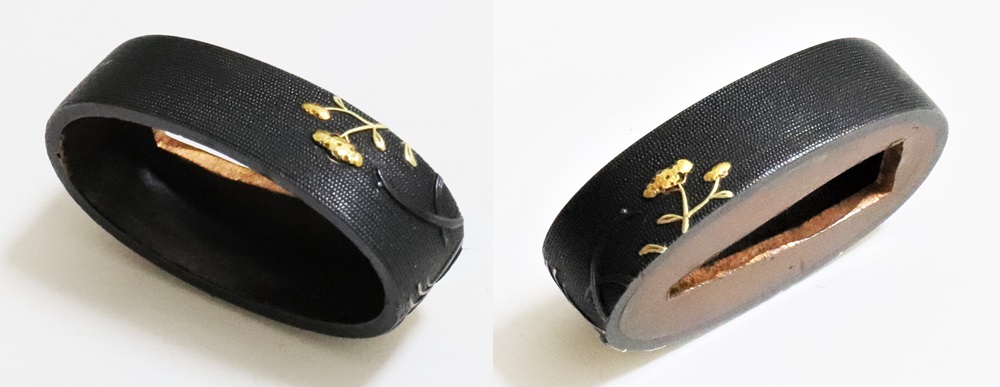
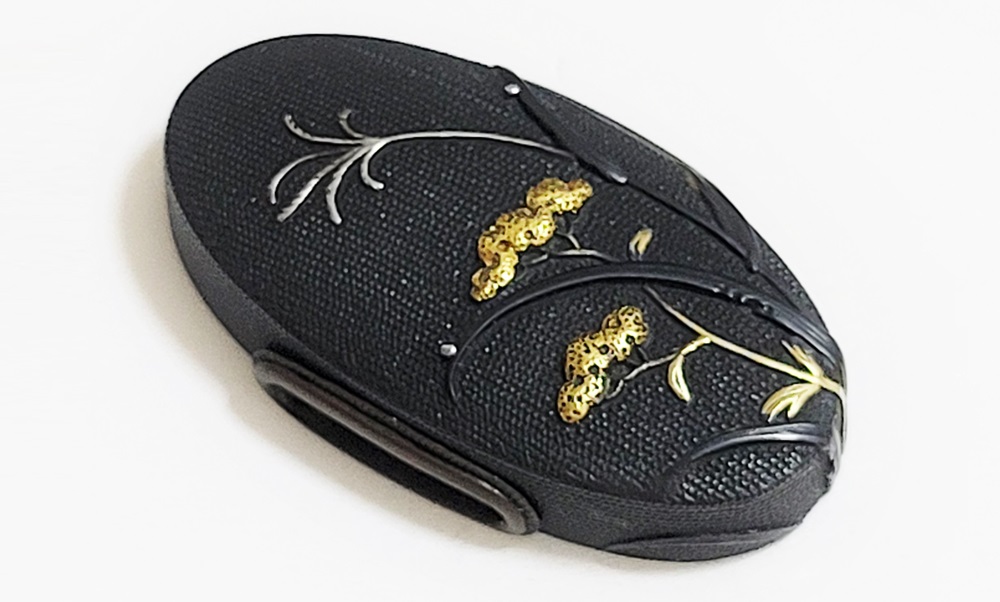
Gotō
Edo
Musashi
Unsigned
Hozon (NBTHK)
As written by the shop
Machine translation from the shop's Japanese · may contain errors ·
Certifies a genuine fitting worth preserving: a correct signature, or, if unsigned, an identifiable era and school, with recognized artistic and craft value.
The NBTHK (Nihon Bijutsu Tōken Hozon Kyōkai, the Society for the Preservation of Japanese Art Swords) is a public-interest incorporated foundation founded in 1948 and supervised by Japan’s Agency for Cultural Affairs (Bunkachō); it is based at the Japanese Sword Museum in Tokyo. Its expert panels physically examine each submitted work (shinsa) and issue a certificate (kanteishō) ranking it by artistic and historical merit. NBTHK papers are the most widely recognized standard of authentication for Japanese swords and fittings.
NBTHK official siteReturns within 7 days of the item's arrival. Returns are not possible if (1) the item has been altered, or (2) for overseas transactions.
¥140,000