NihontoWatch MonNihontoWatchBETA
MarketEncyclopedia
NihontoWatch Mon

NihontoWatchBETA

Market
Encyclopedia
Overview·Kantei·Designations·Work Types·Signatures·Lineage·School
OverviewKanteiDesignationsWork TypesSignaturesLineageSchool
  1. Schools
  2. Goto
  3. Kaga-Goto
  4. Etsujo

Kaga-Goto Etsujo

悦乗

Jūyō
Vol. 65, No. 117 · Mitokoromono

Kaga-Goto Etsujo

悦乗

3 ranked works

ProvinceKaga / EdoEraearly–mid Edo (1642–1708)SchoolGoto>Kaga-GotoTraditionIeboriTeacherGoto Teijo (程乗/貞乗, 9th mainline head, father)Specialtiesmitokoromono, menuki, kozuka, kogaiTypeTosogu MakerCodeWGO007
1Tokubetsu Jūyō2Jūyō Tōken

Overview

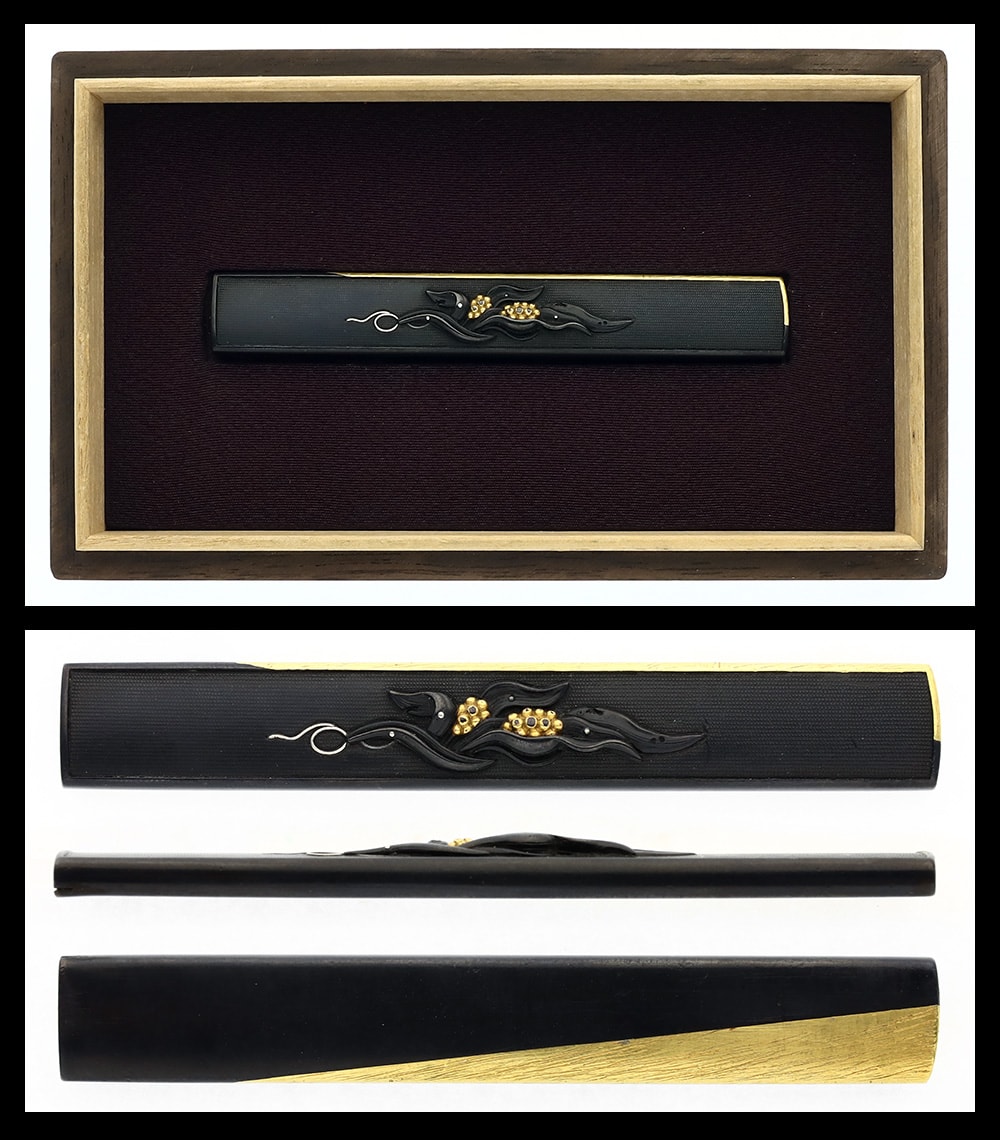
Goto Etsujo Mitsukuni was the second son of Teijo, ninth head of the main Goto house, and succeeded as the third master of the Rihei house, the branch line that anchored the Goto tradition in Province. Born in Kyoto in 'ei 19 (1642), he received a stipend of 150 from the Maeda of and alternated yearly with Enjo of the Kanbei house in residence at Kanazawa, where he entered the service of the Maeda, trained many disciples, and devoted himself to the development of metalwork. In his later years he was granted a residence in Shitaya, , and together with the main house served the Tokugawa shogunate. He died in Hoei 5 (1708) at the age of sixty-seven.

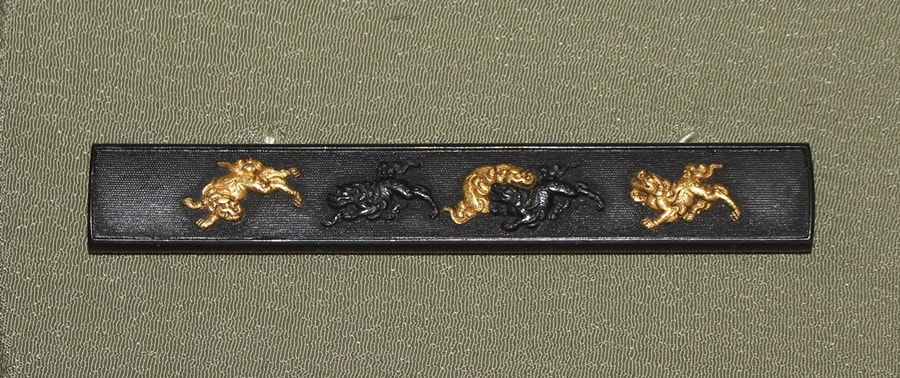
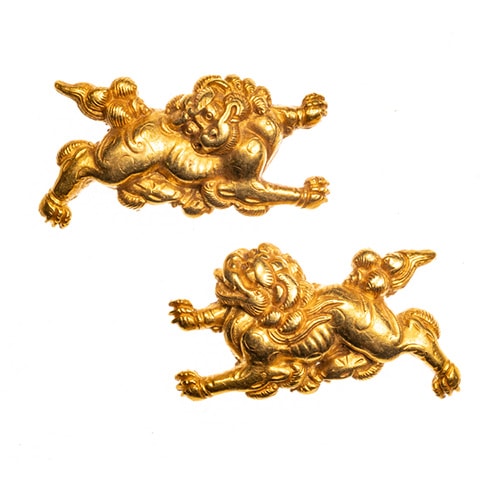
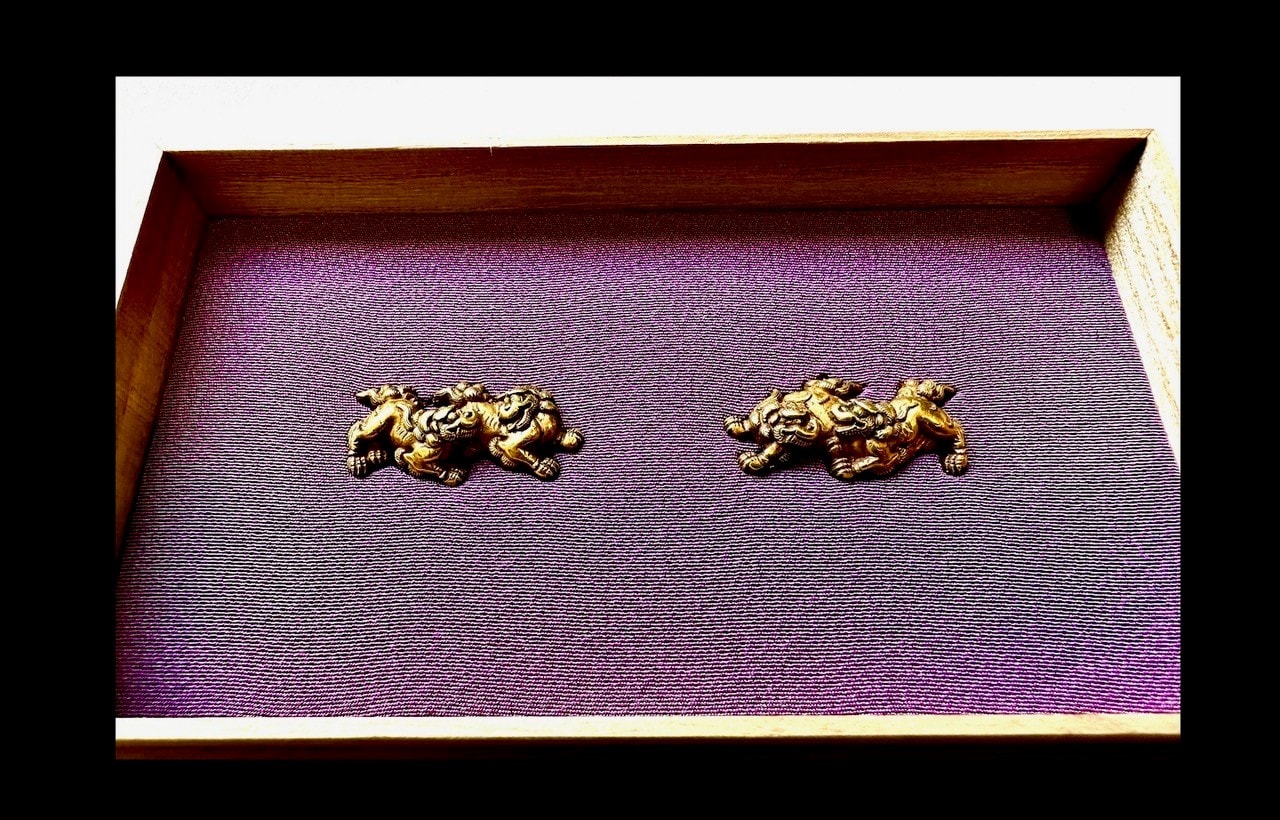
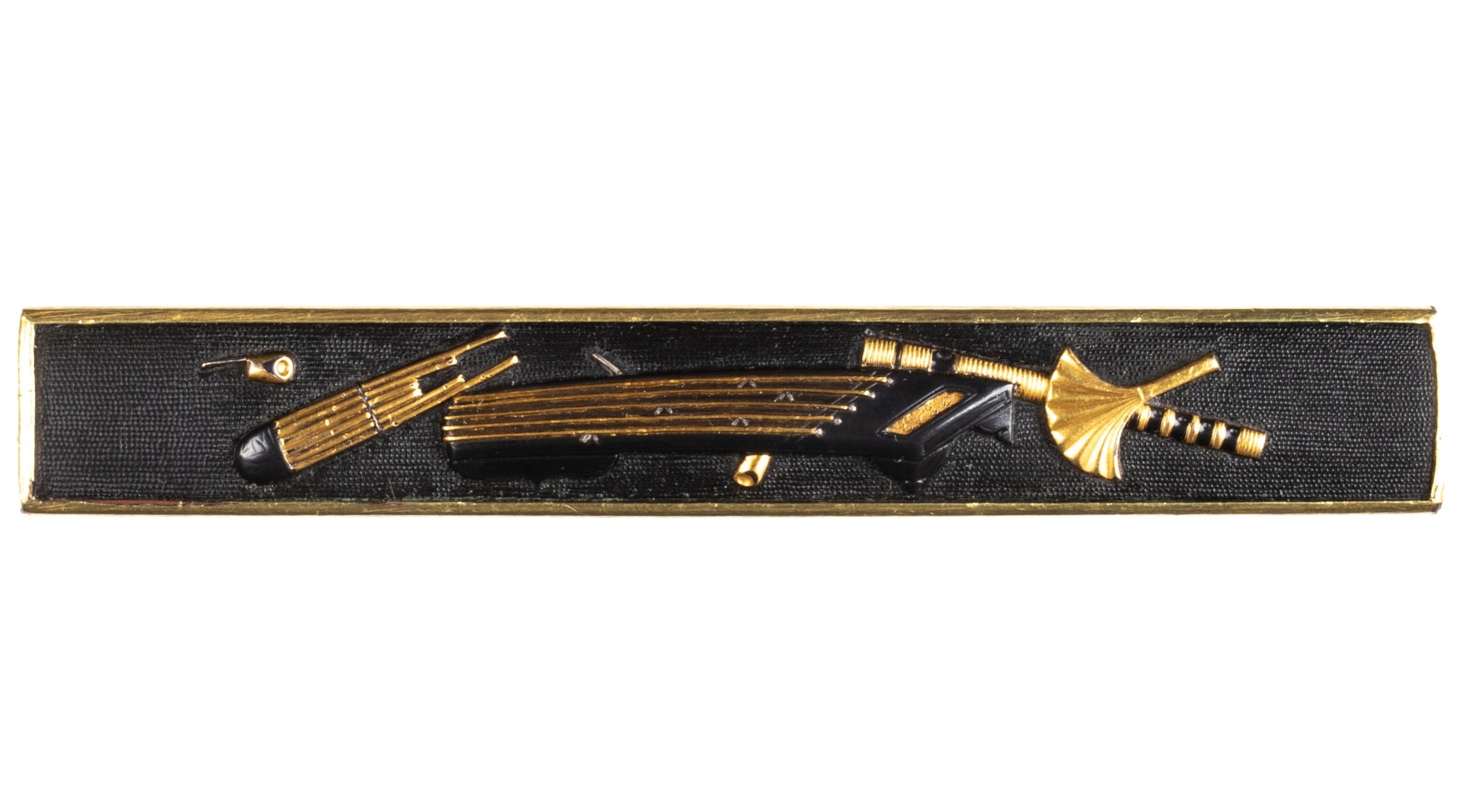
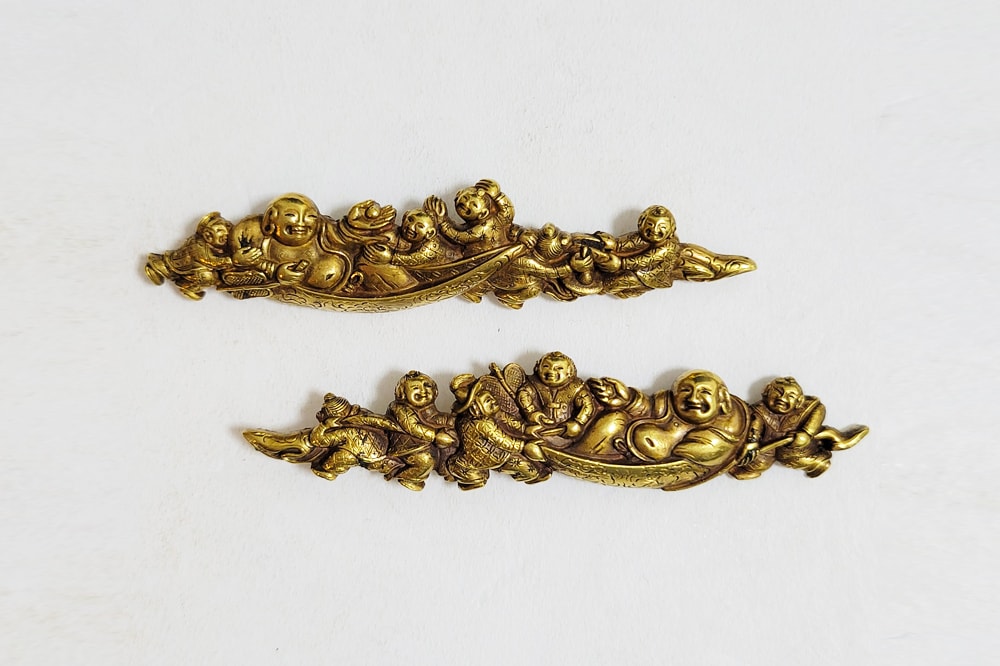
Etsujo's manner of work adheres entirely to the orthodox Goto house style, the o-ie-ryu, and his skill is described as in no way inferior to that of his father Teijo. He worked principally in enriched by high-relief carving () and gold , as well as gold - and solid gold nikubori. His handling of closely matches that of Teijo. Even in boldly scaled compositions his meticulous chiselwork is alive in the smallest details, and gold crests stand out brilliantly against the ground. He signed both "Goto Mitsukuni" and "Goto Etsujo," each accompanied by ; signed bearing his name are noted as extremely few.

The has recognized Etsujo's finest work as both a model example of the artist's output and an outstanding peak achievement, while his contributions to the flourishing of metalwork are consistently acknowledged. His scabbard lacquer ensembles display refinement and dignity, and his signed pieces are praised for their high documentary value, providing valuable material for the study of the Goto family. Etsujo stands as a pivotal figure in the transmission of the mainline Goto aesthetic into the provincial workshops of .

Kantei

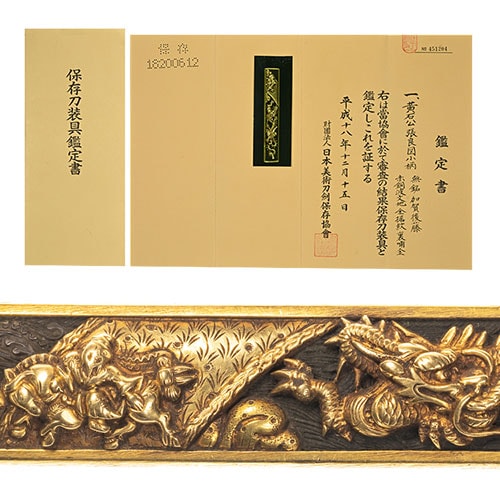
3 descriptive axes: material (the orthodox shakudo-nanako and gold house grounds) x technique (takabori and katachibori with applied gold crests, suemon and iro-e, the reverse finished in fill-gold) x themes (the house canon, with the formal Tokugawa hollyhock crest and one departing shachihoko among his subjects). With only four works, all in the faithful Goto house manner, there is no rate-zero stylistic discriminator that separates him from his line; what is his own is the documentary fact that he self-signs, Goto Koho and Goto Etsujo with a kao, against the largely unsigned Goto house.

Goto Etsujo (1642-1708), given name Koho, is the second son of the ninth main-house head Teijo and the third head of the Rihei cadet house, a founder-figure of the -Goto. Born in Kyoto and like his father in the service of the -Maeda on a hundred-and-fifty- stipend, he resided at Kanazawa in alternate years with Enjo of the Kanbei branch, trained many pupils, and is said to have laboured for the rise of the metalwork; in his last years he was granted a residence at Shitaya in and served the Tokugawa shogunate together with the main house. Unusually among the Goto he signs his own work, cutting both Goto Koho and Goto Etsujo with a , and the records hold his manner purely the Goto house style, no less skilful than his father Teijo. With only four surviving pieces, all faithful to the house idiom, the documentary fact of his self-signature is what separates him from the largely unsigned Goto house.

Diagnostic discriminators

all four surviving pieces carry his self-signature, Goto Etsujo or his given-name Goto Koho with a kao (on a three-piece set split as the menuki wari-mei Ko-Ho); unusual for the largely unsigned Goto, this documentary tell, not a stylistic one, is what individuates him, and the corpus is small (four pieces). The records hold his manner purely the Goto house style, no less skilful than his father Teijo, so no rate-zero stylistic discriminator separates him from his line.

Material (grounds)

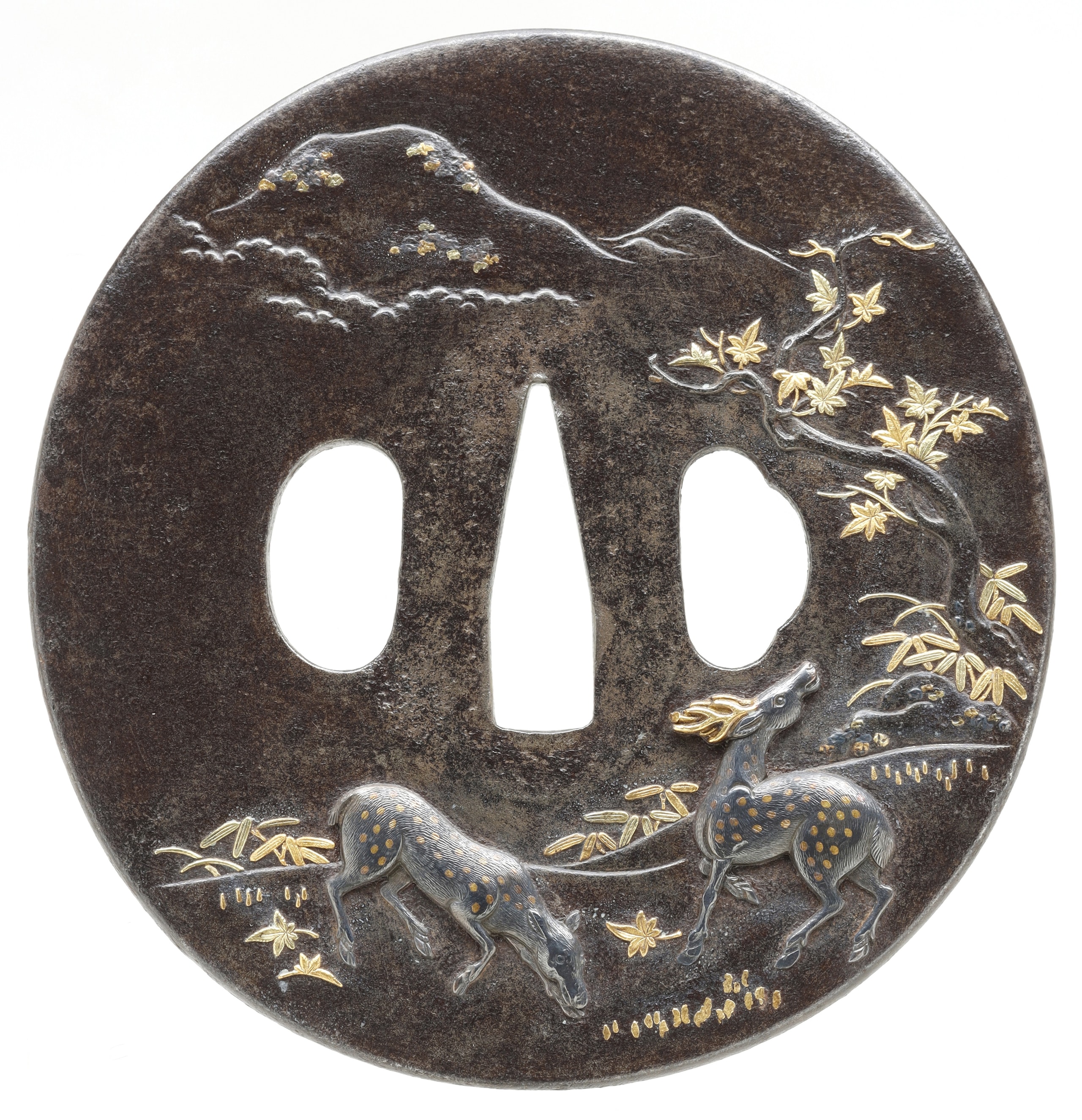
The orthodox Goto house grounds: worked in fine above all, with solid-gold (-) and solid-gold () grounds on the ; a smooth wave-pattern plate appears on one three-piece set.

Technique

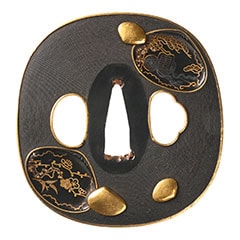
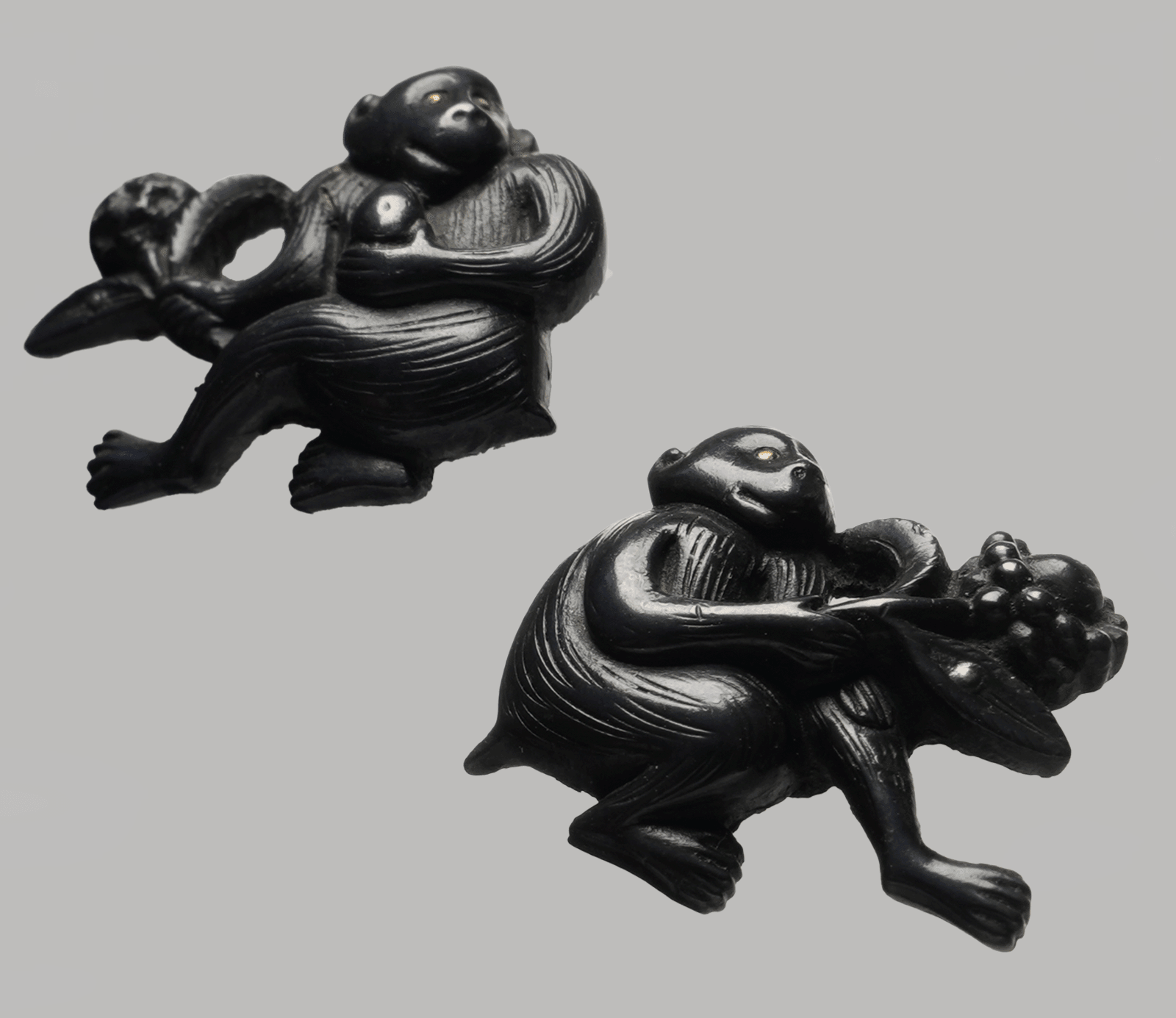
His hand is and relief with fully-modelled , set off with applied gold crests, applied and gold iro-e, the reverse plates finished in fill-gold; sunken sukishita-bori is used for the cross-strap motif on the mount.

Themes (the house canon and crests)

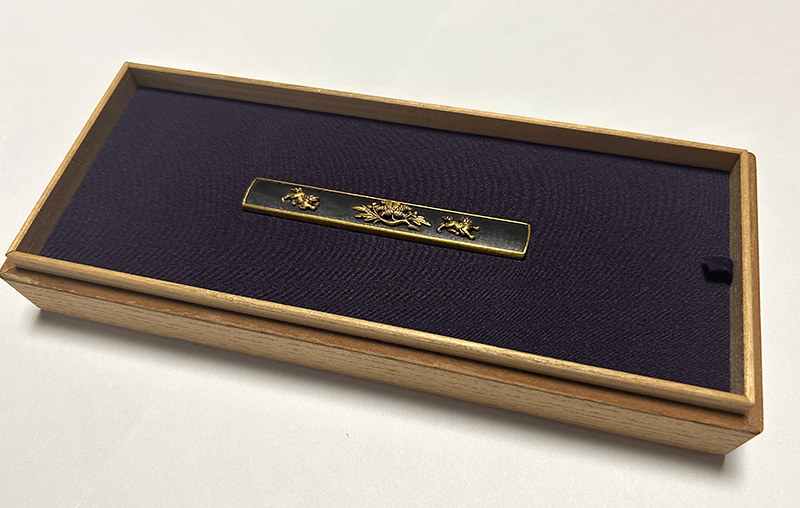
The house repertoire and formal crests: the Tokugawa hollyhock crest scattered across a full mount and on the , a bamboo-shoot bundle in applied gold crest-work, and a spirited shachihoko leaping from the waves, a subject the record notes as departing from the house okite of dragons and lions.

Crests and the house canon

The formal hollyhock crest of the warrior commission, the bamboo-shoot set, and, departing from the prescribed house dragons and lions, the lively shachihoko.

Full iconography

Signature chronology

Placement
Recorded signatures

Documentary note

Etsujo self-signs in two names, both his own: Goto Koho (his given name Koho, on the bamboo-shoot three-piece set, with ) and Goto Etsujo (his Goto art-name, with ), the latter split on a set as the bare Etsujo; on the mount only the carries the Goto Etsujo signature, the other fittings being but taken as his work mounted en suite. Koho is his own name, not a certifier light-name: the equate them outright (Etsujo Koho, he was styled Koho). His signed three-piece sets are noted as very rare and prized as research material. A caution for the count: the gilt-pear-skin hollyhock mount appears twice in the corpus, designated Tokuju session 26 and session 65 as separate object records, so it should be read as one physical mounting.

Scholarship

One setsumei (Juyo session 65) singles out his shachihoko set as departing from the house okite of dragons and lions, the creature lively and full of spirit, a minute chisel enlivening the applied gold crest, called a wholehearted example of his hand. This is a single-source appraisal of one piece, not a point repeated across the corpus.

Designations

Kokuhō—
Jūyō Bunkazai—
Jūyō Bijutsuhin—
Gyobutsu—
Tokubetsu Jūyō1
Jūyō Tōken2

Elite Standing

0.00 across 3 designated works

Top 100% among makers

Work Types

Distribution across 3 ranked works

Mitokoromono
267%
Other
133%

Signatures

Signature types across 3 ranked works

Currently Available

Lineage

Etsujo
Student
  1. 1.Enjo演乗

Kaga-Goto School

Other artisans of the Kaga-Goto school

  1. 1.Kakujo覚乗2designated

Etsujo

Etsujo(悦乗) was a maker of Japanese sword fittings (tōsōgu) of the Kaga-Goto school in Kaga / Edo province, active during the early–mid Edo (1642–1708) period.

The work follows the Iebori tradition.

Designated works by Etsujo include 1 Tokubetsu Jūyō, 2 Jūyō.