Edo was the sword’s age of connoisseurship: the Hon’ami appraisers, the shogunal register of famous blades of 1719, and a thriving literature turned the sword into an object of study even as it ceased to be drawn in war.
 NihontoWatchNihontoWatch
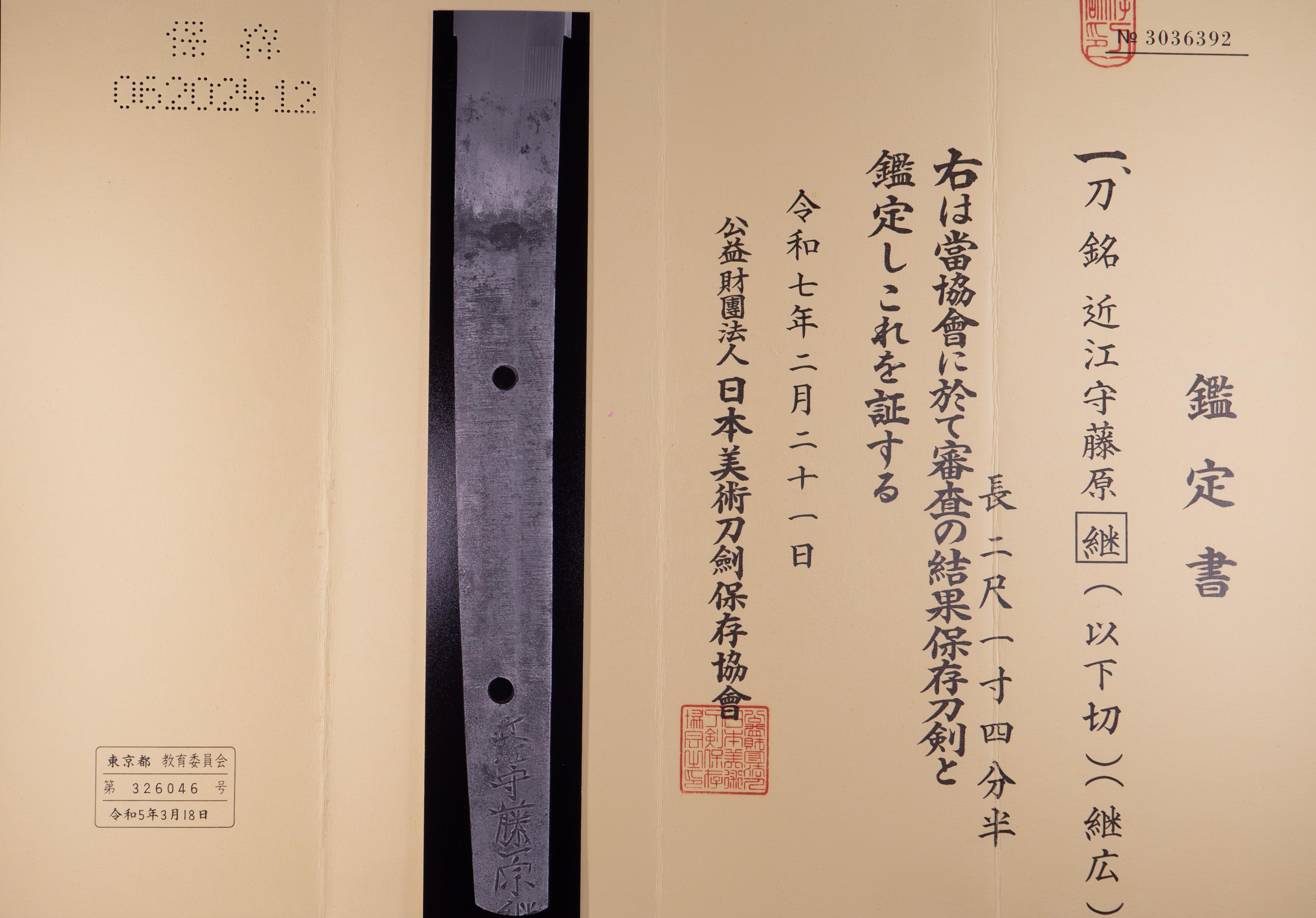
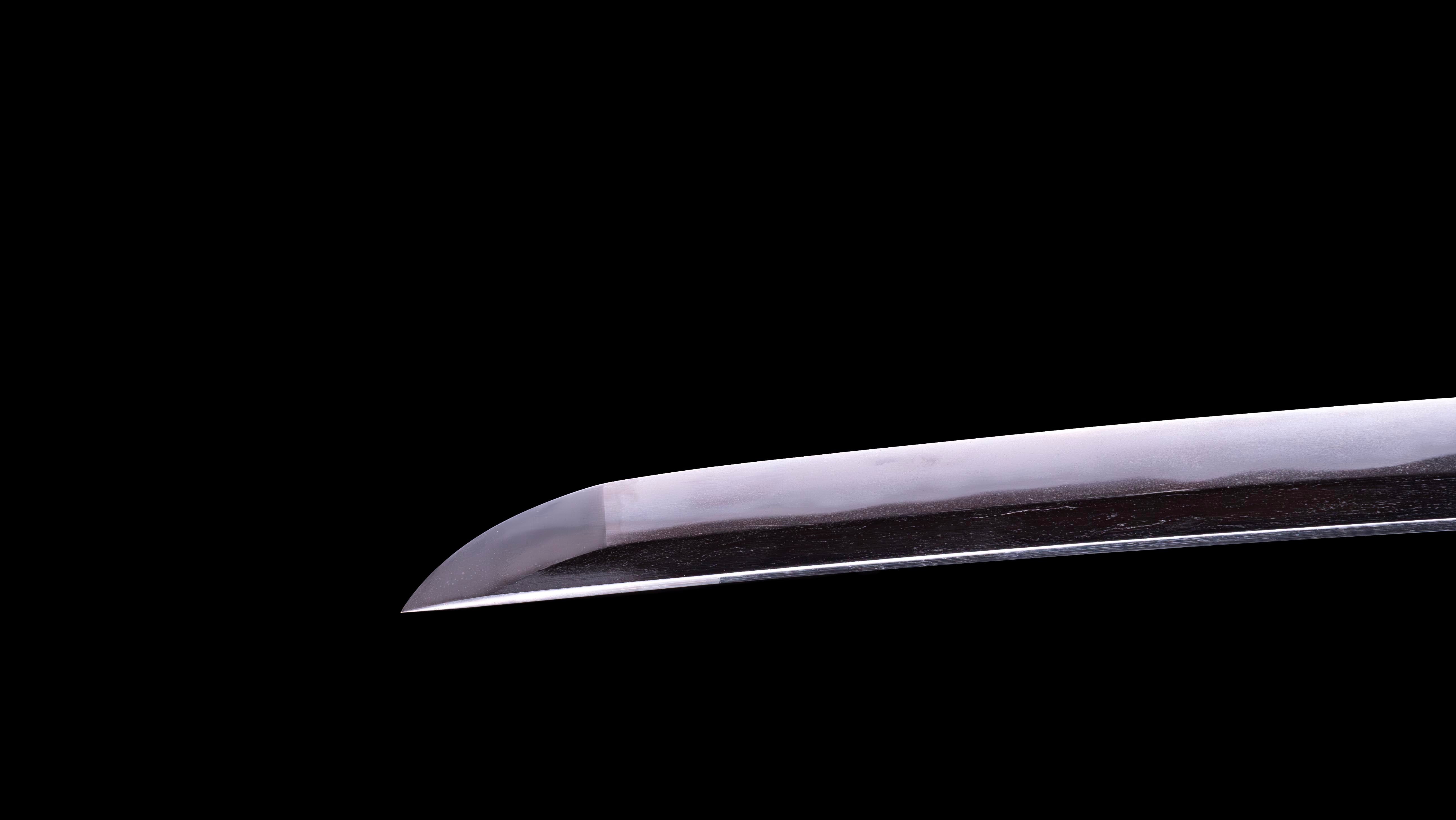
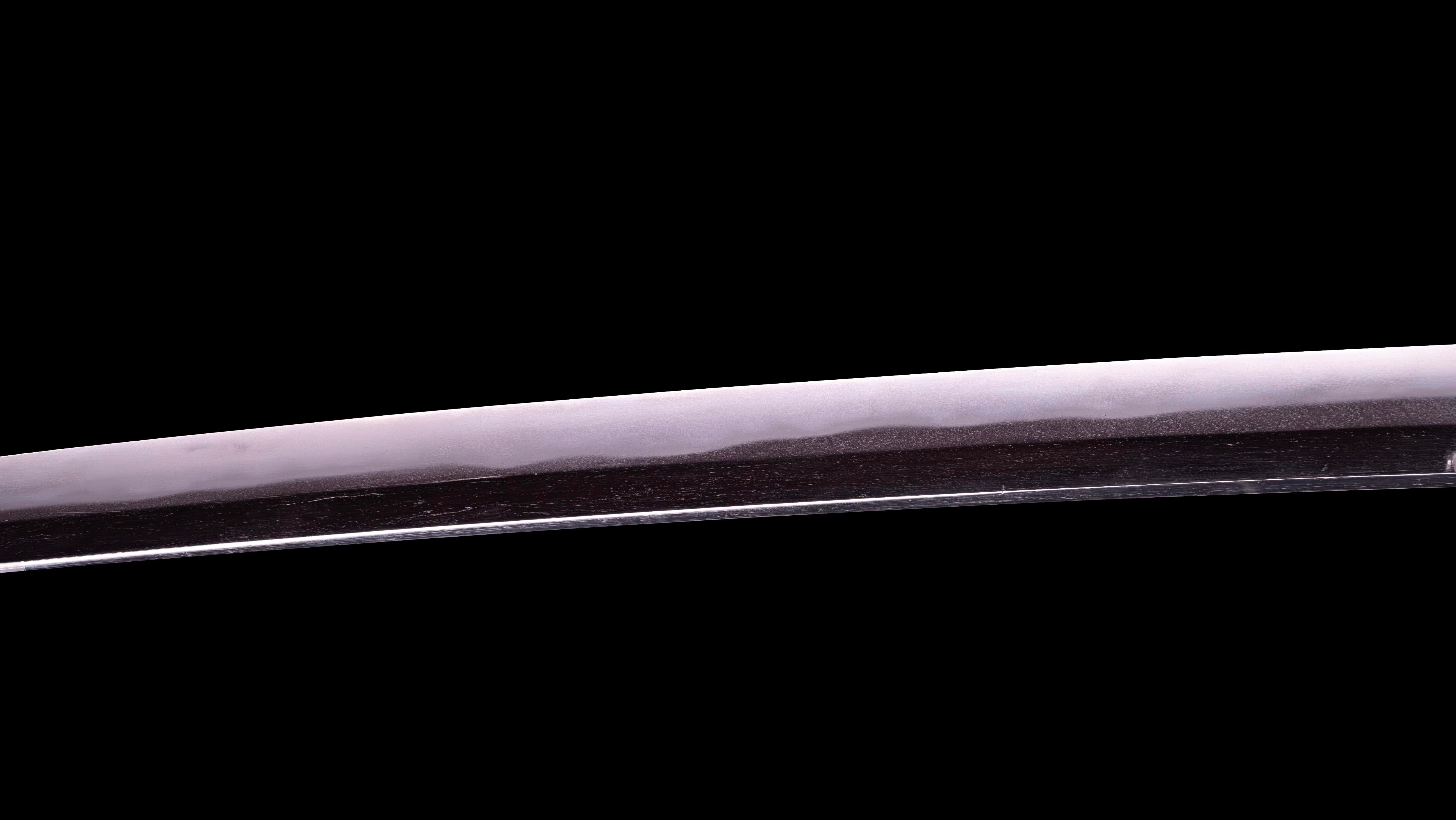
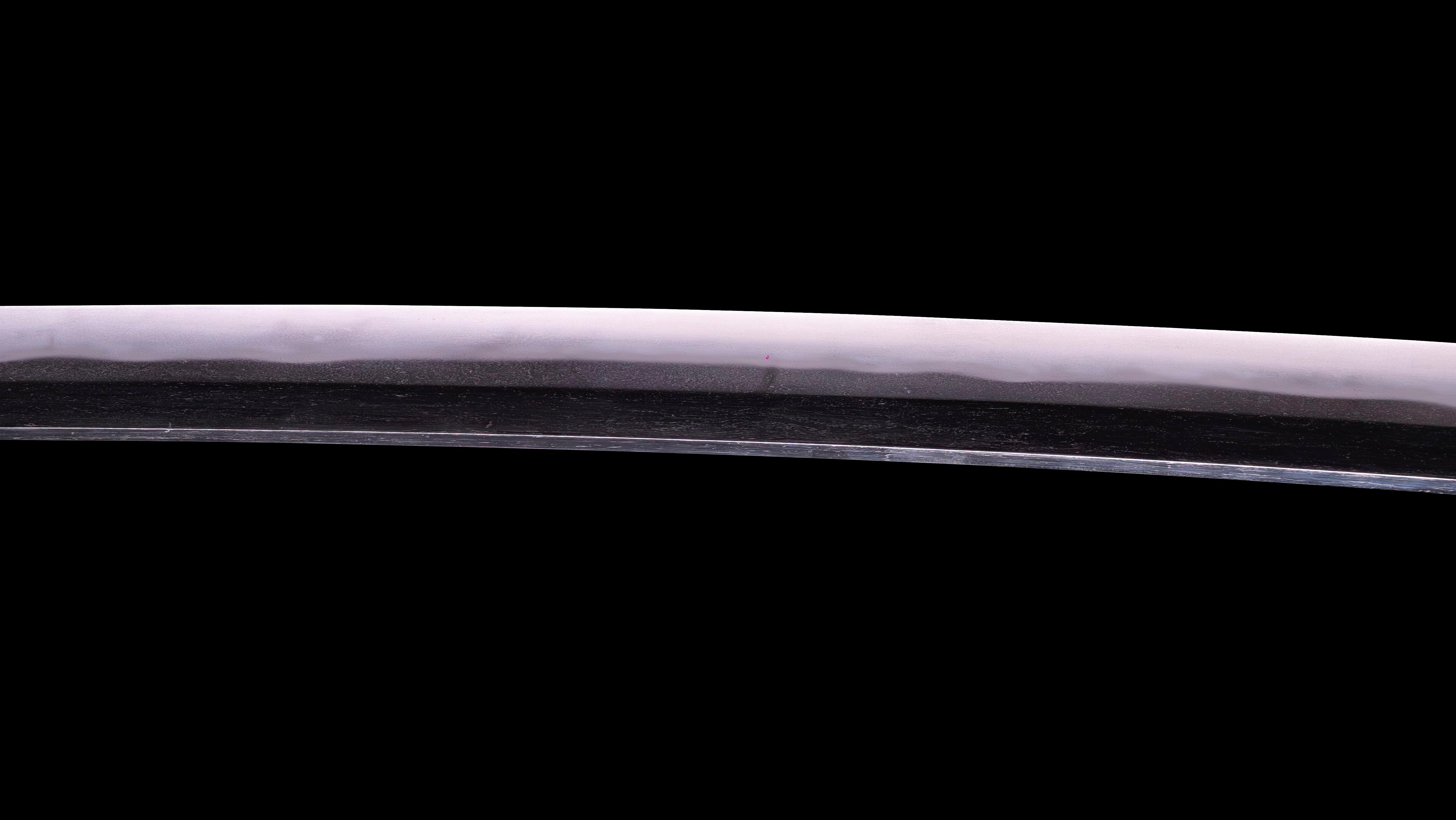
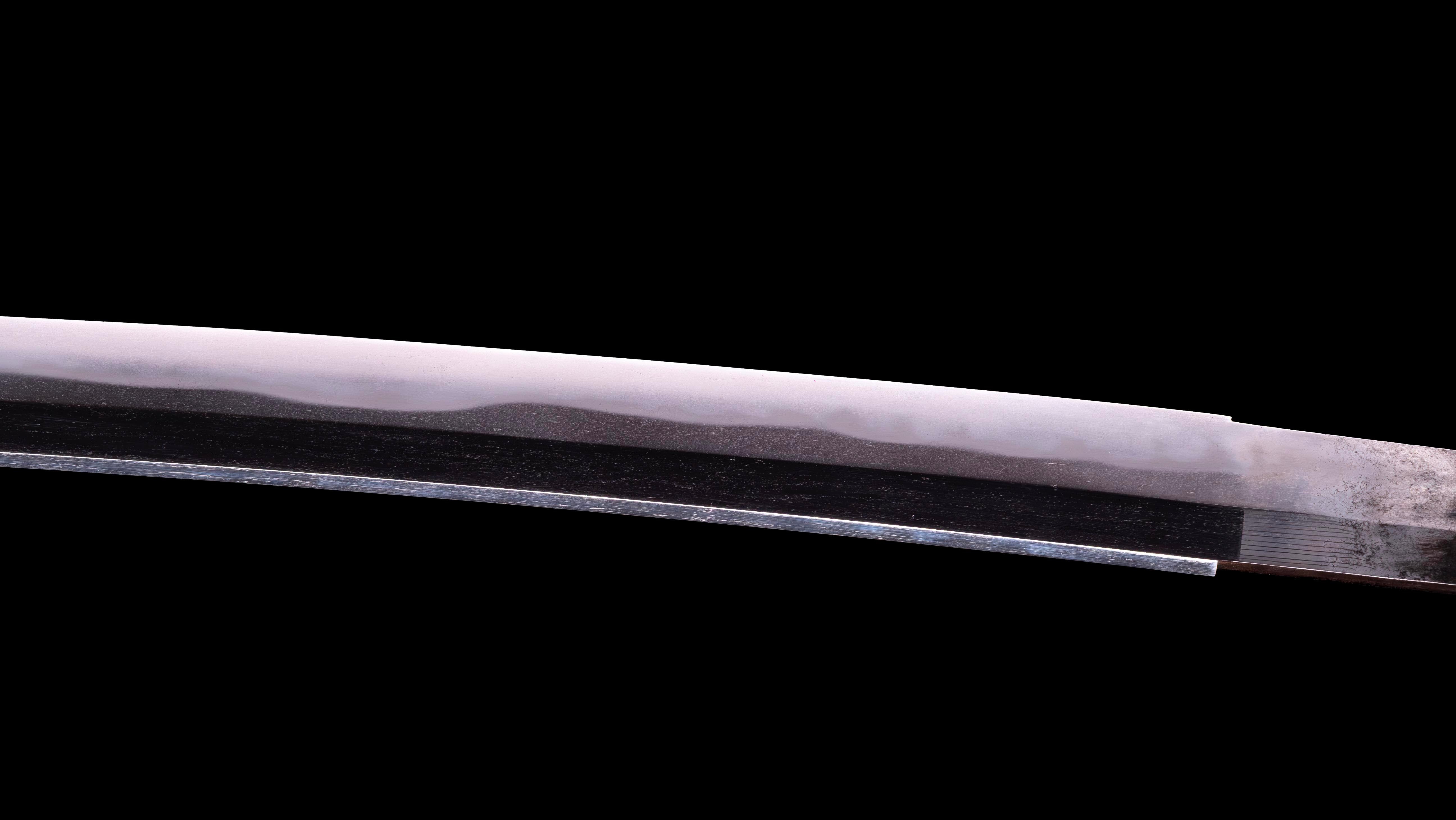
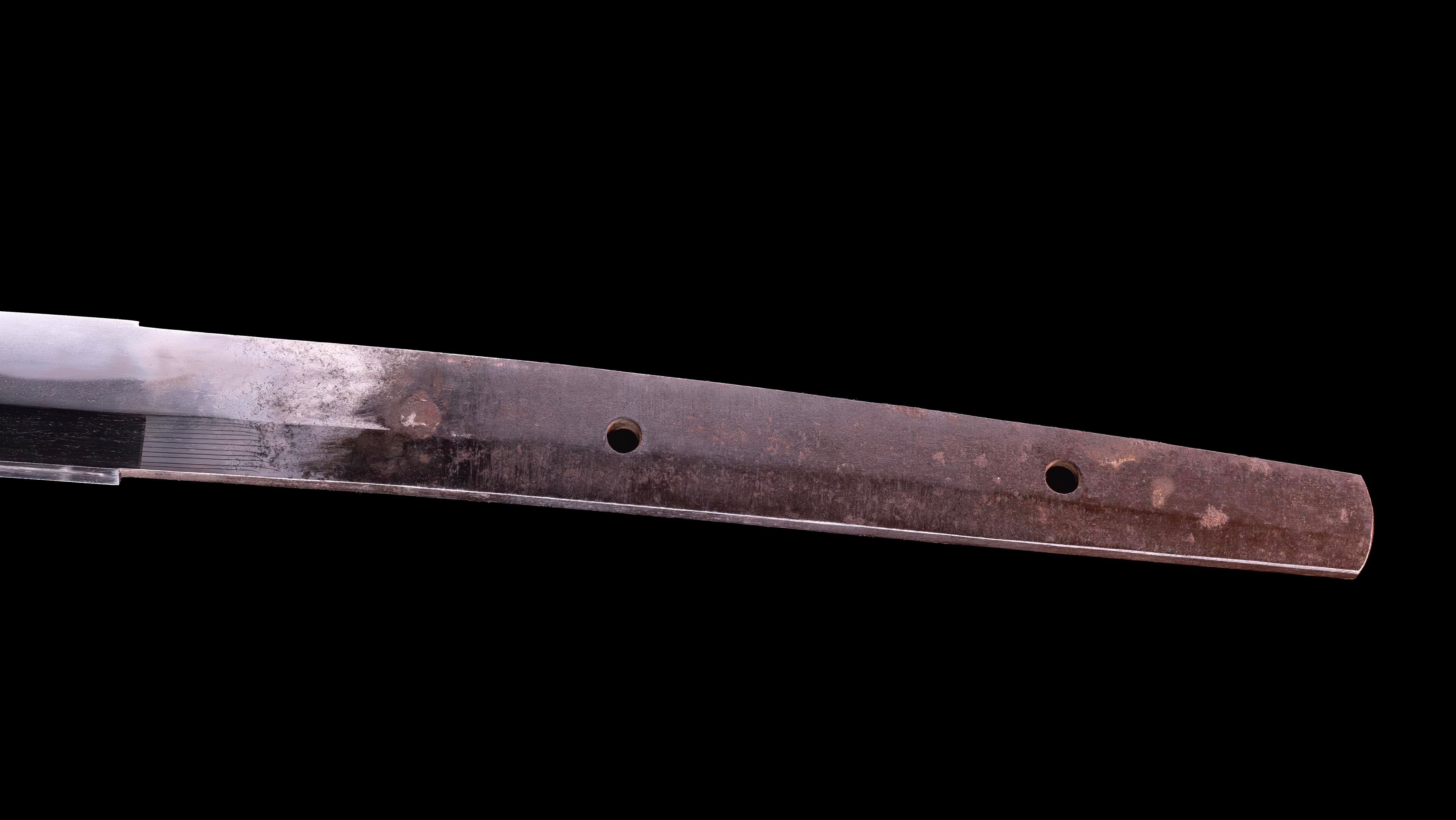
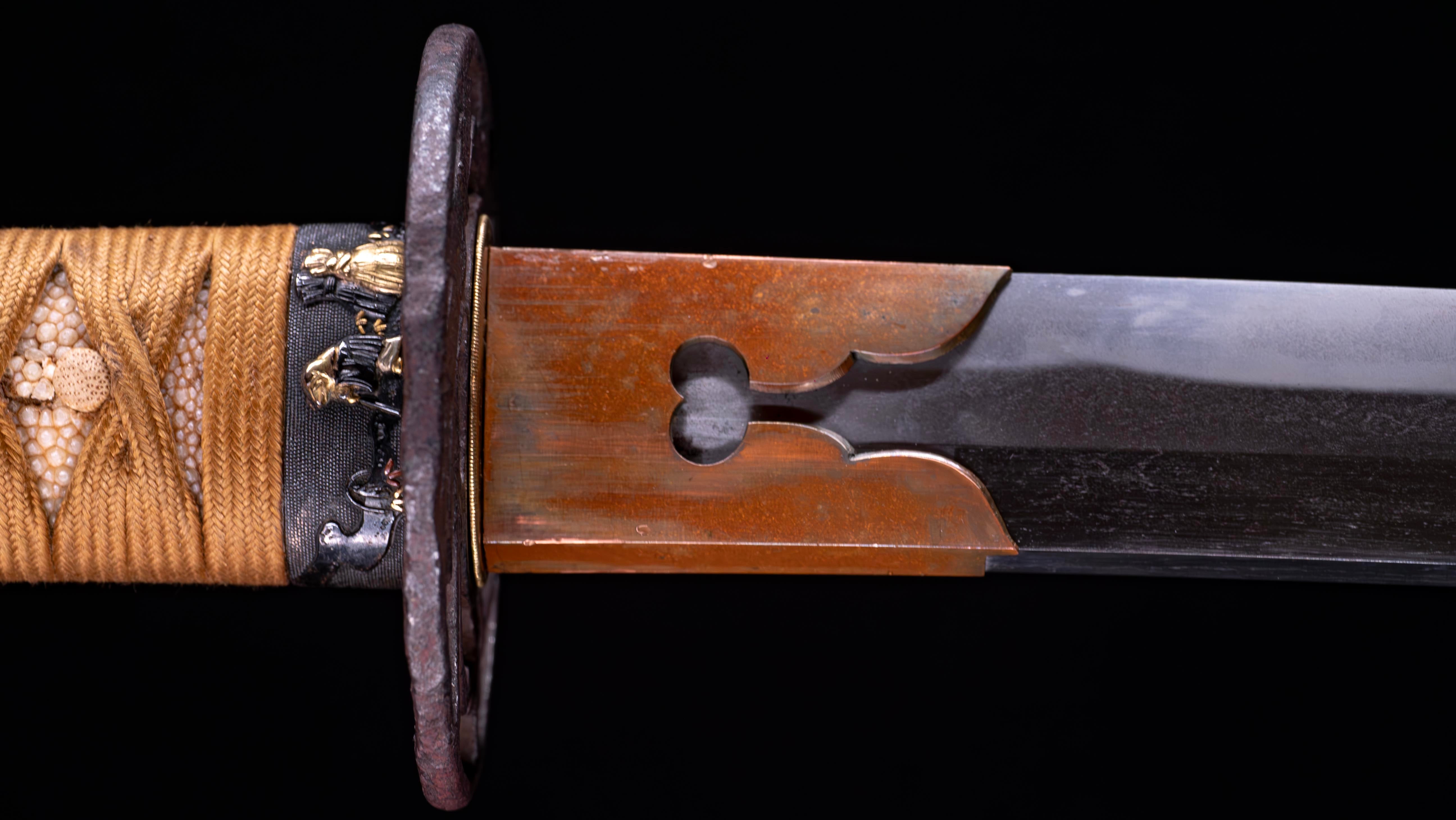
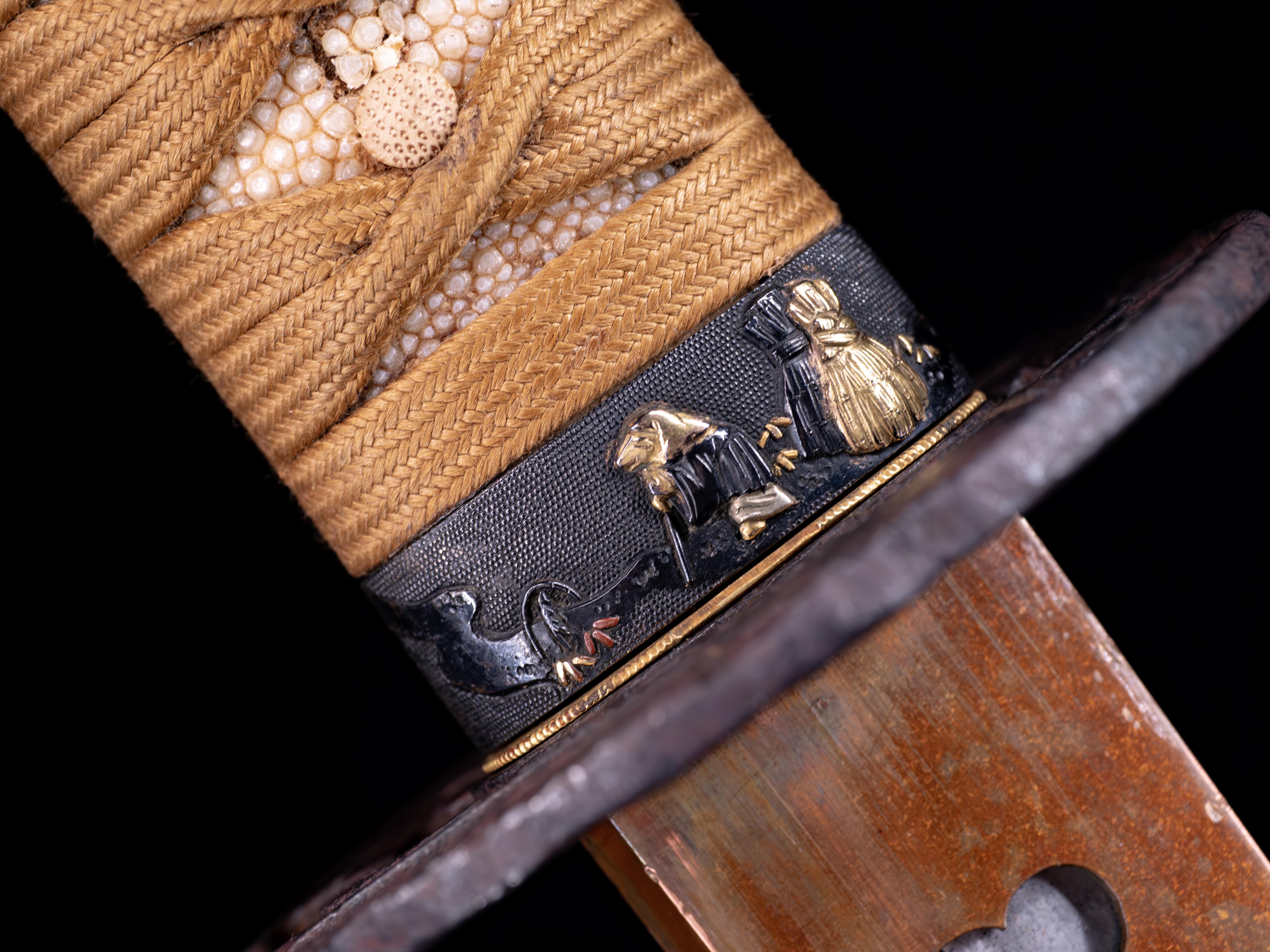
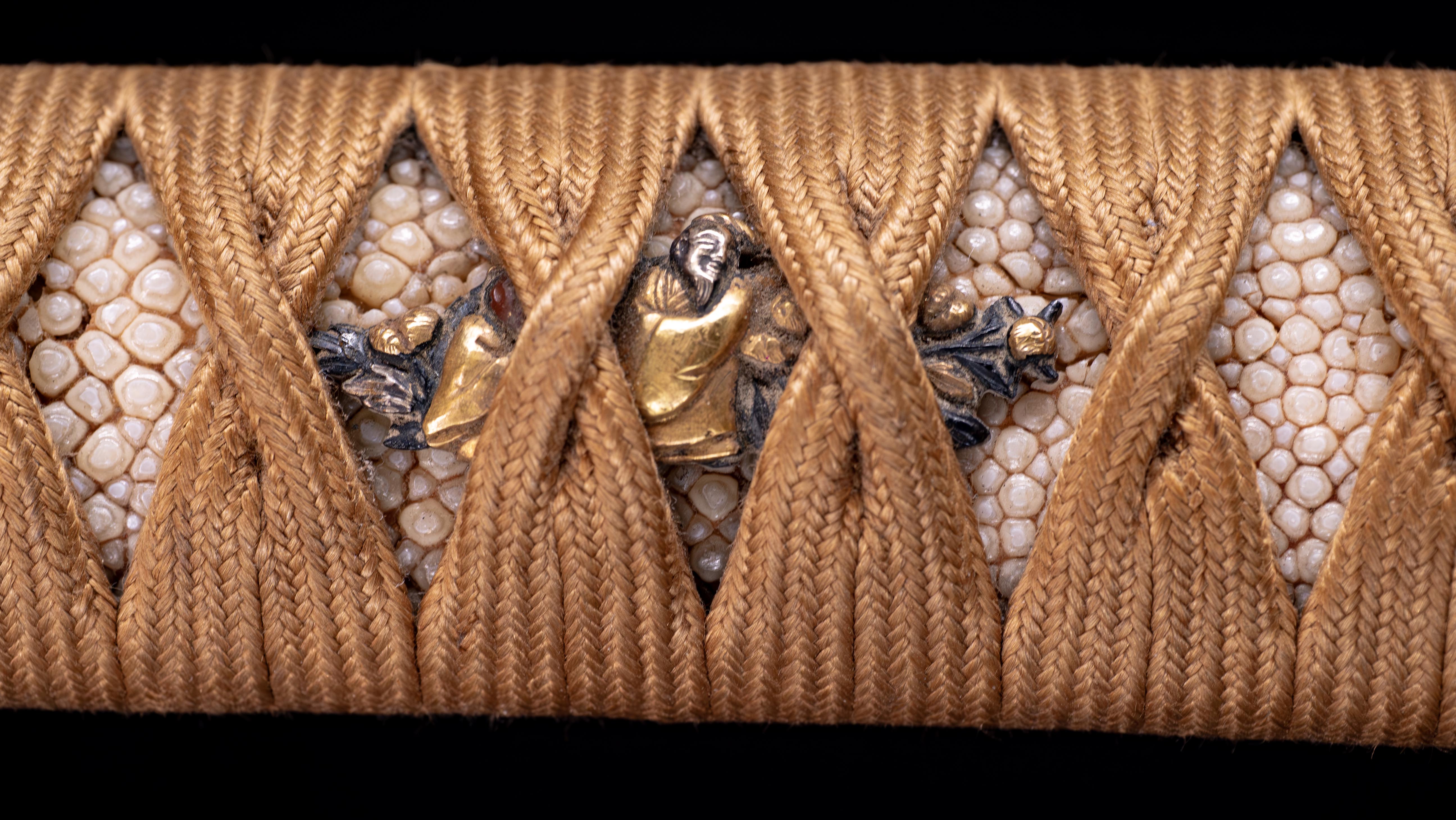
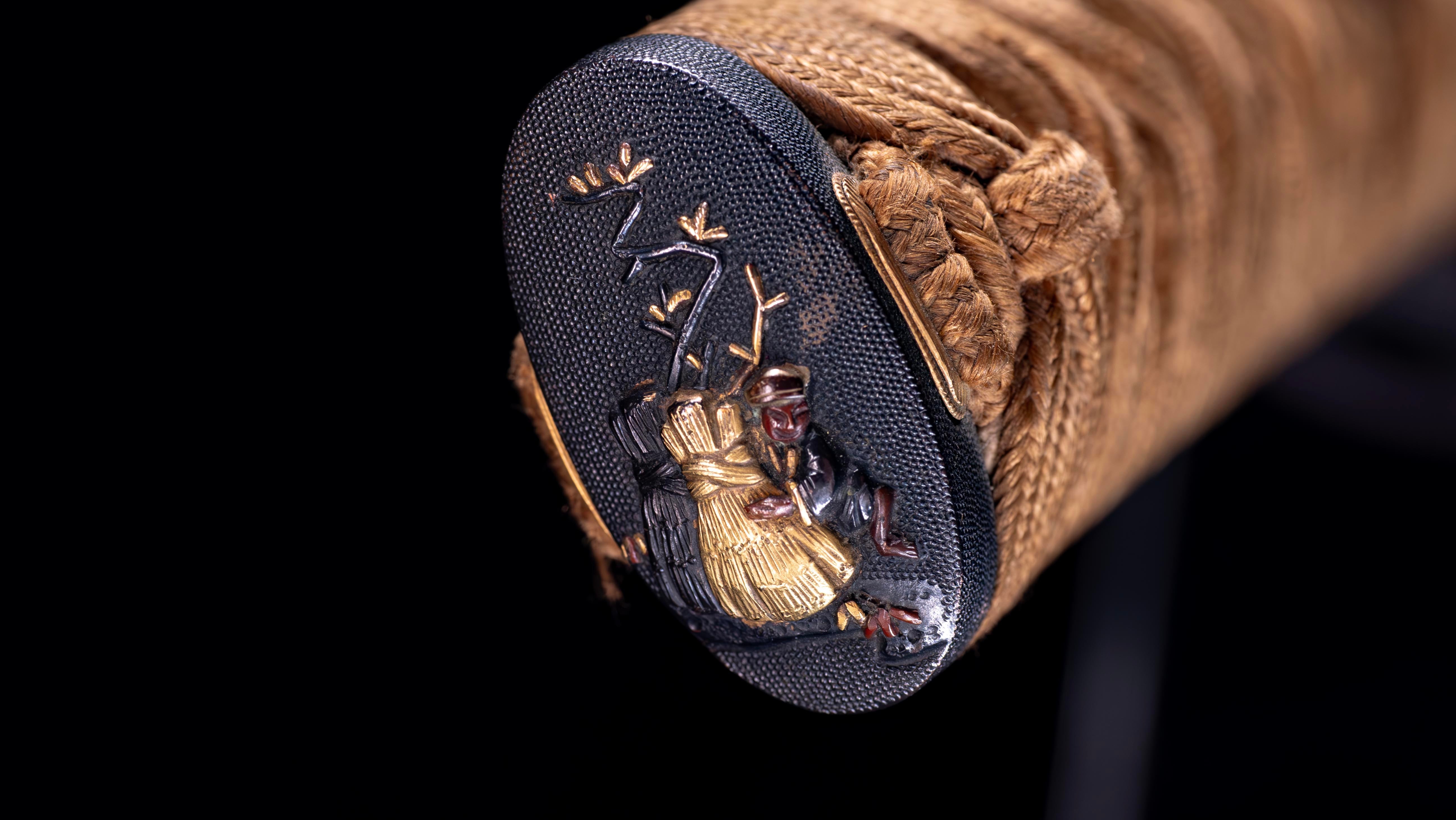
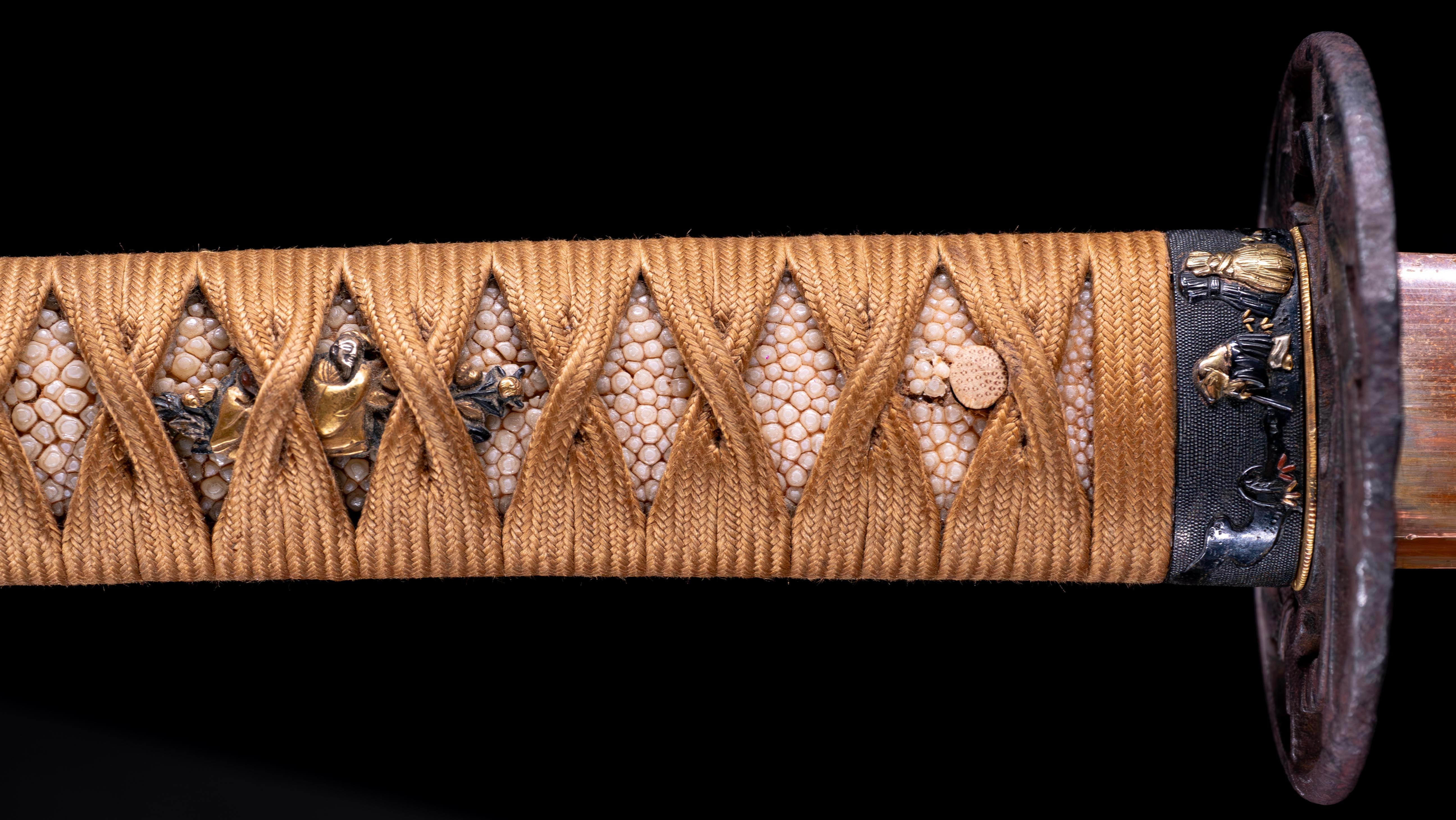
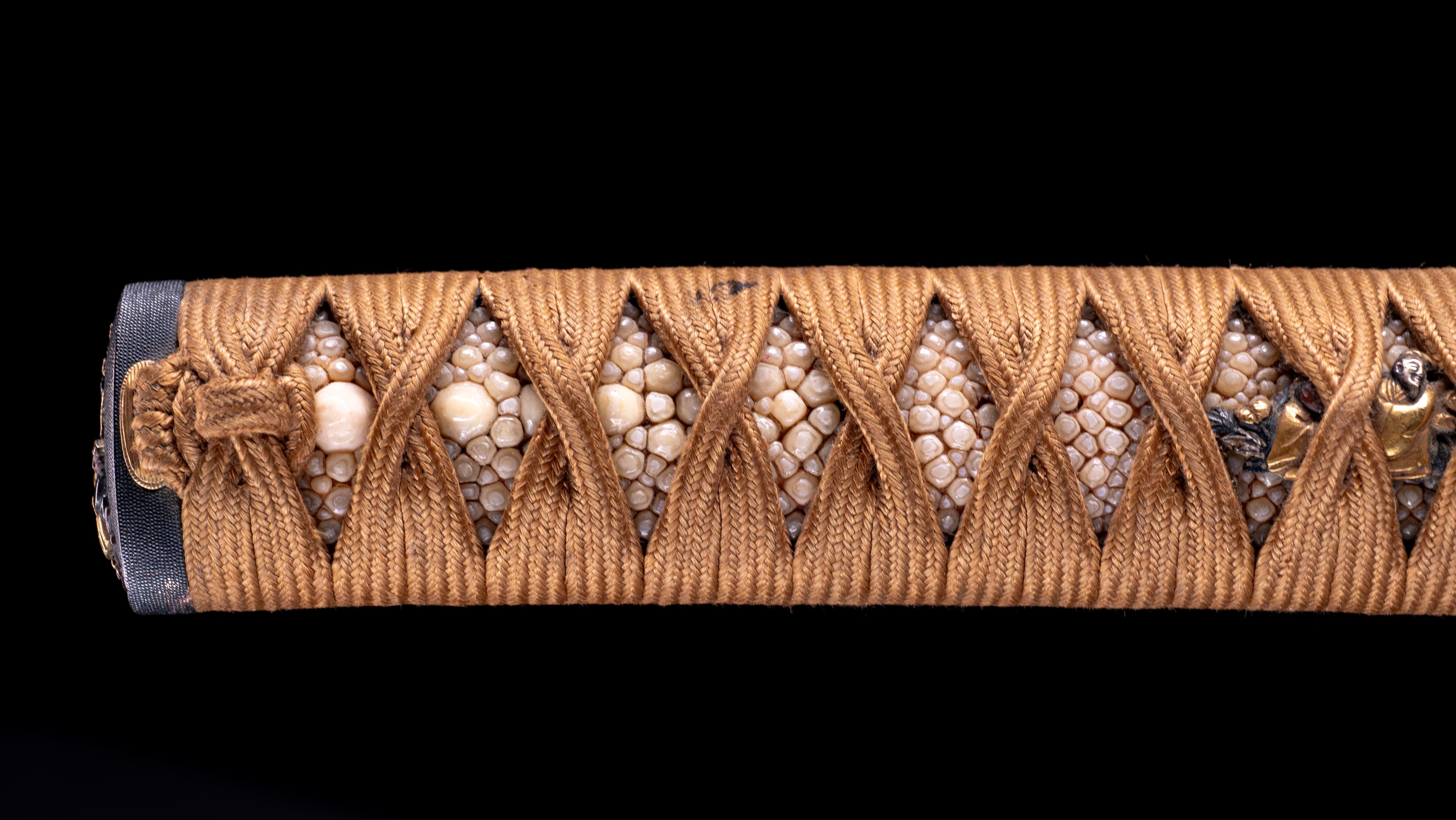
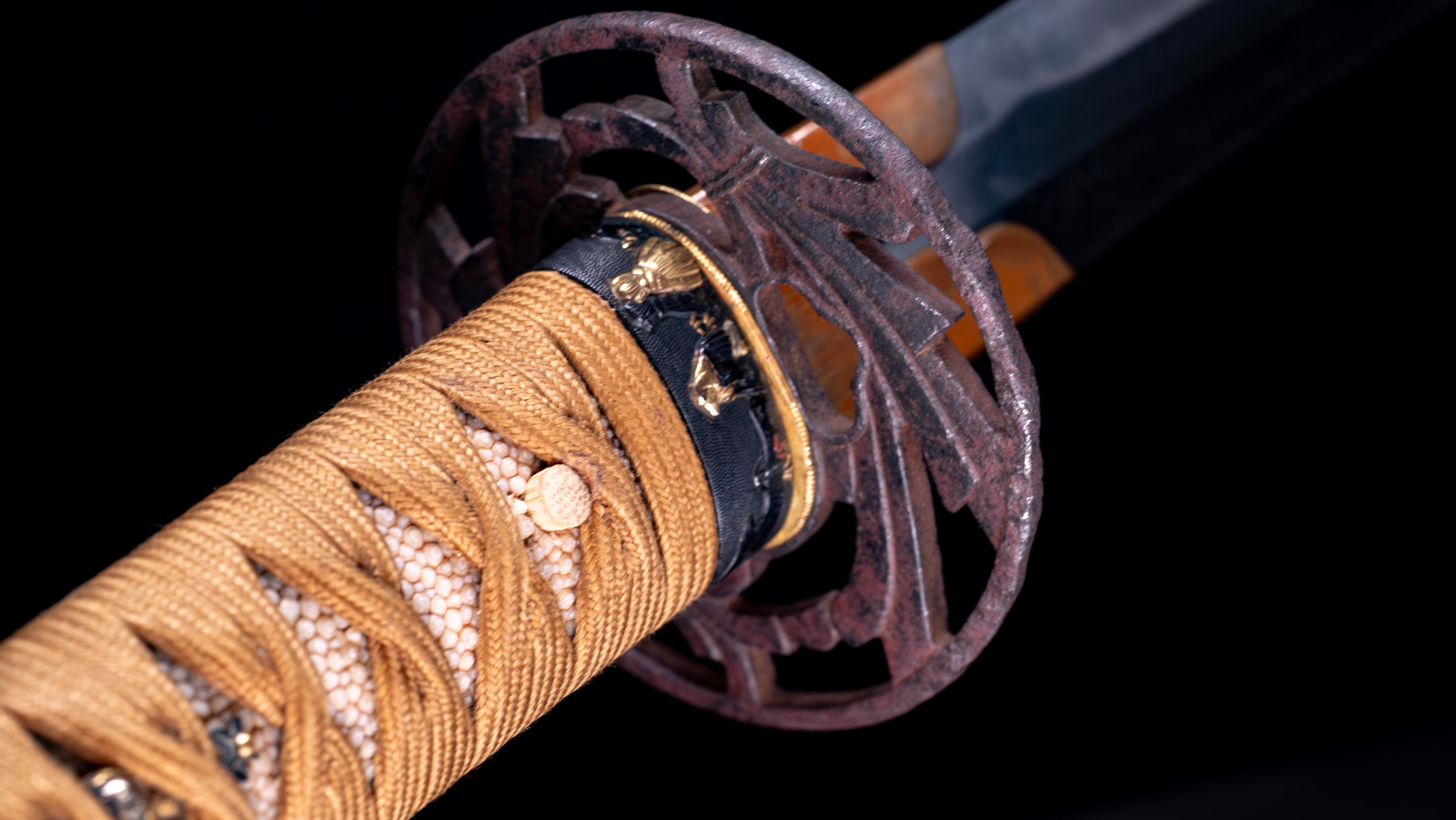
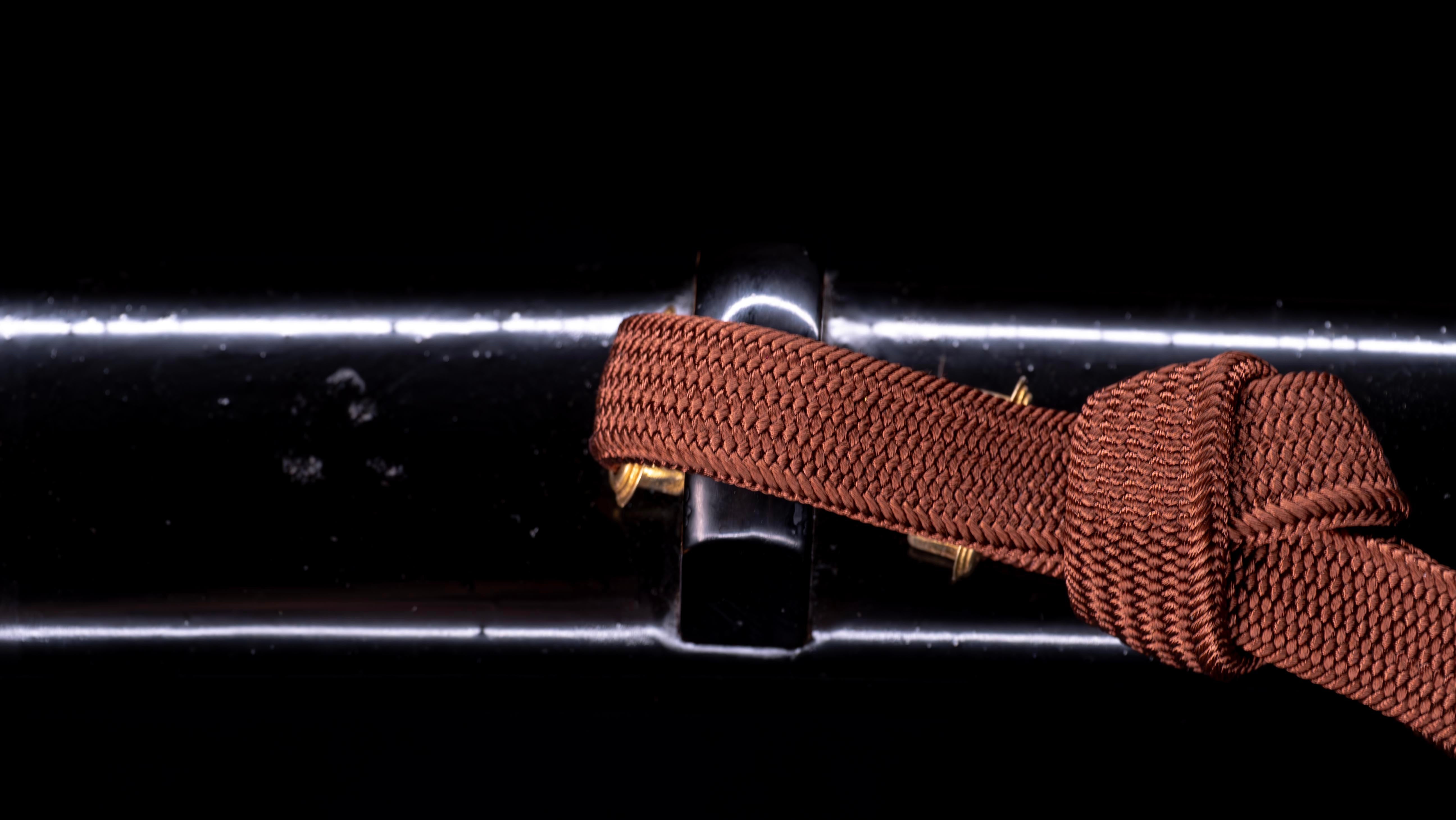
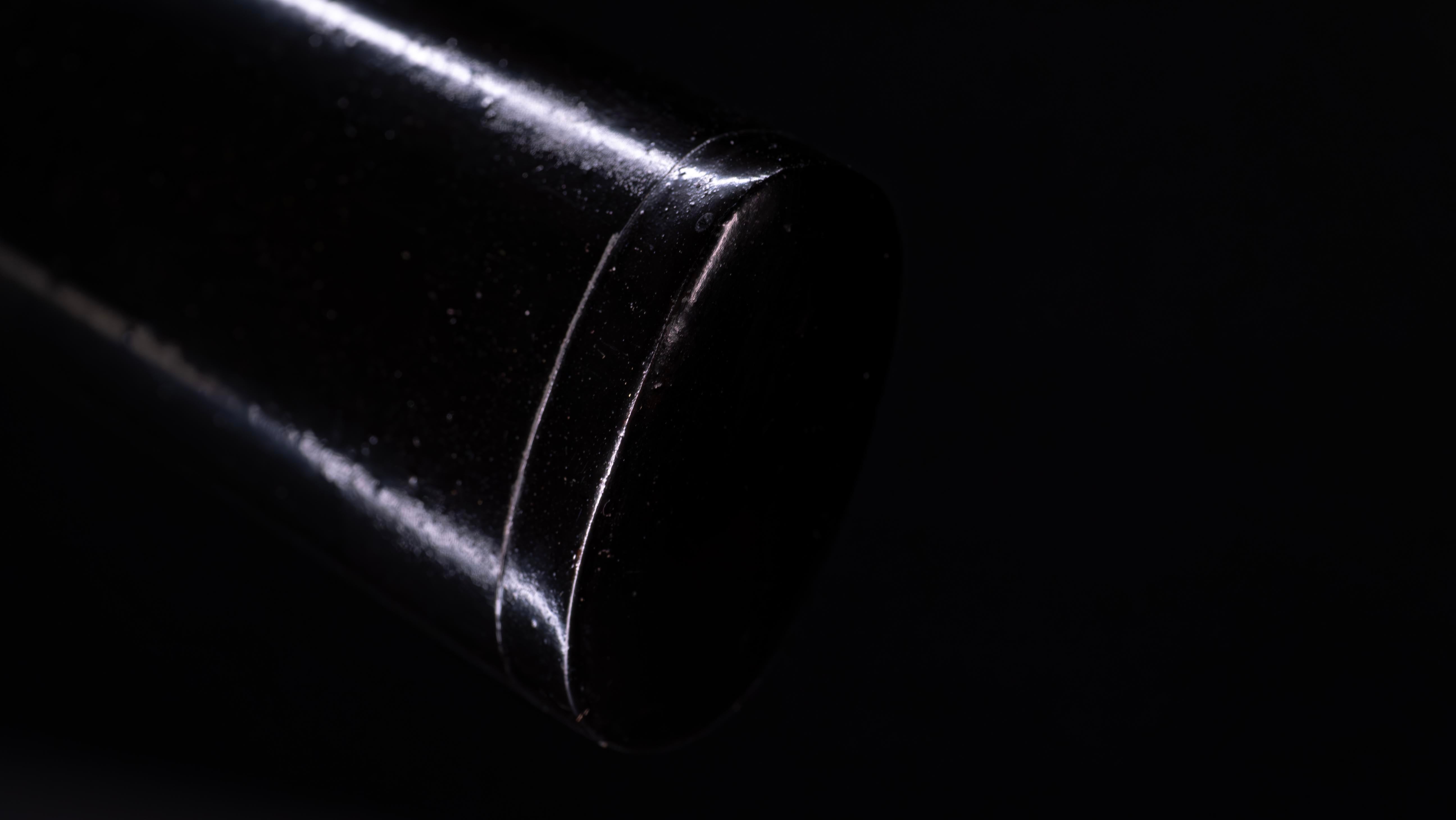
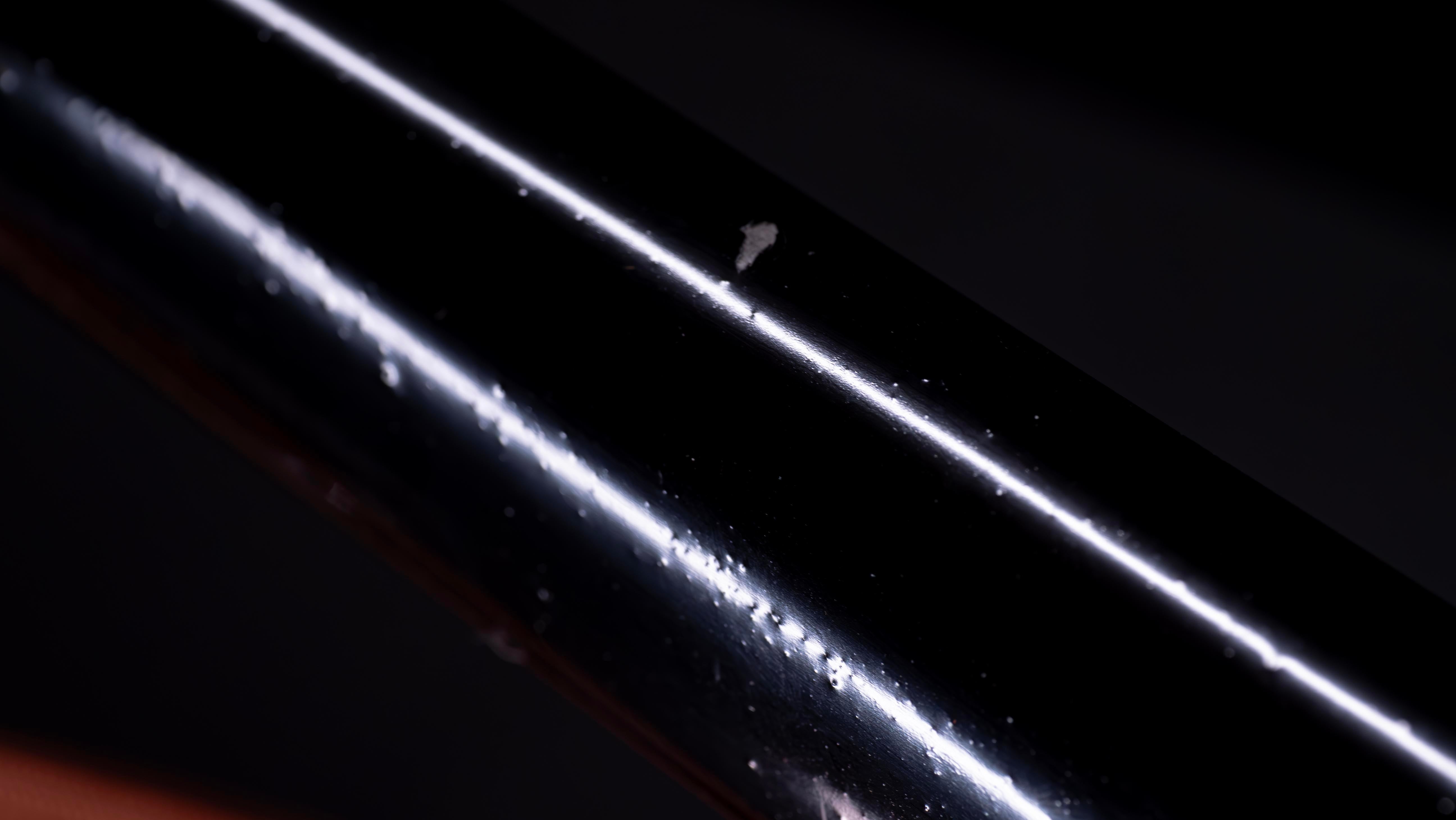
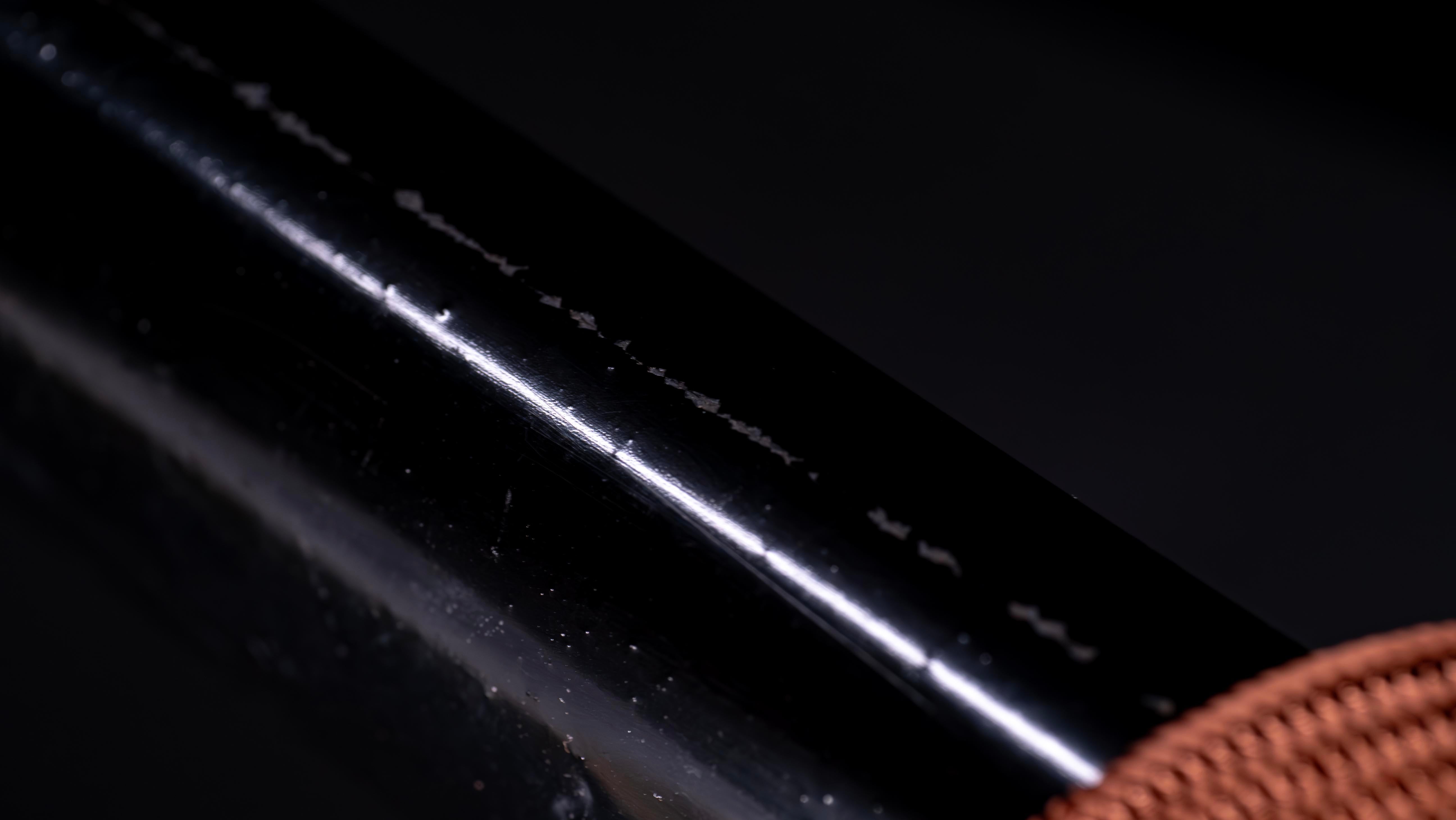
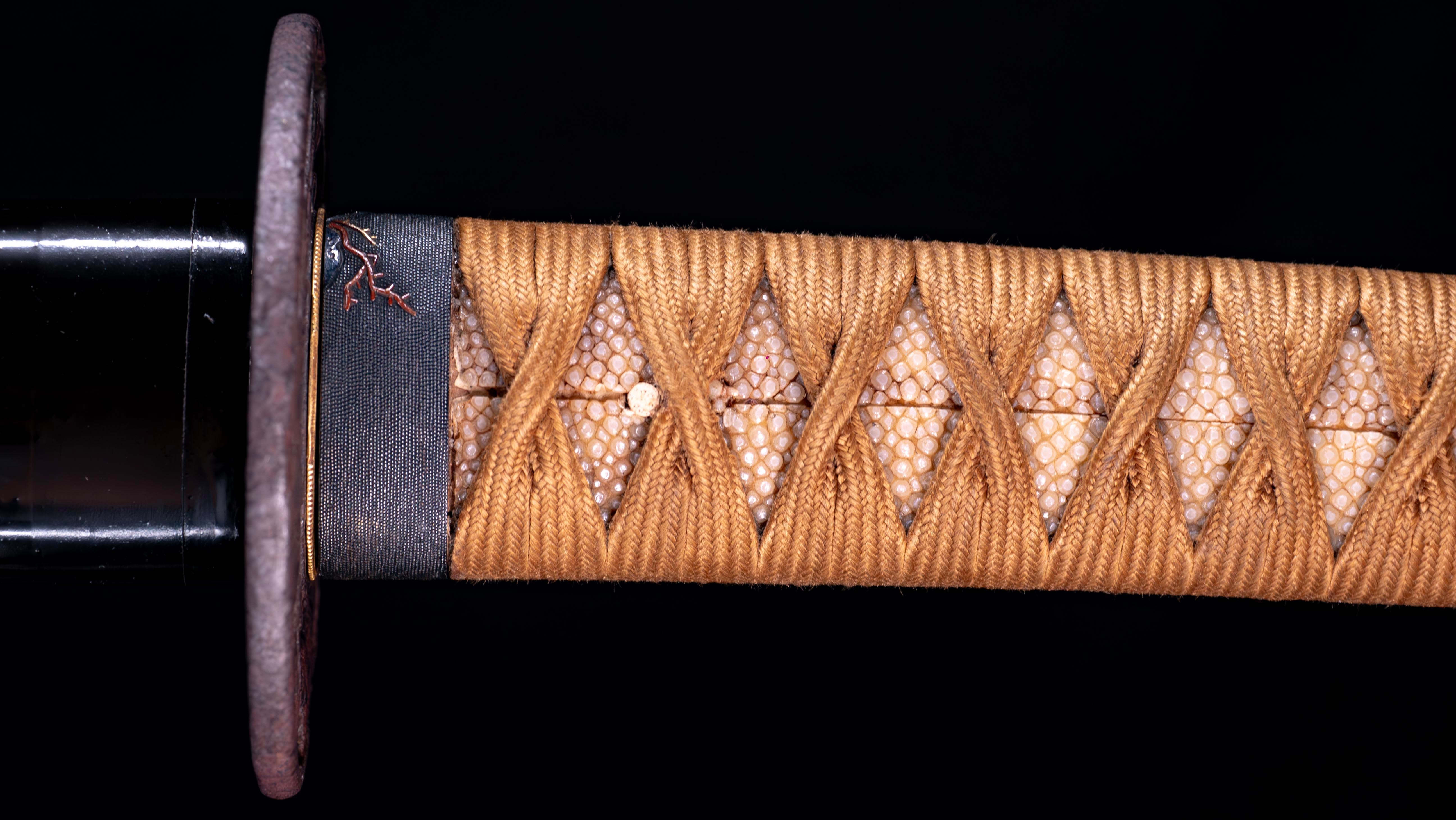
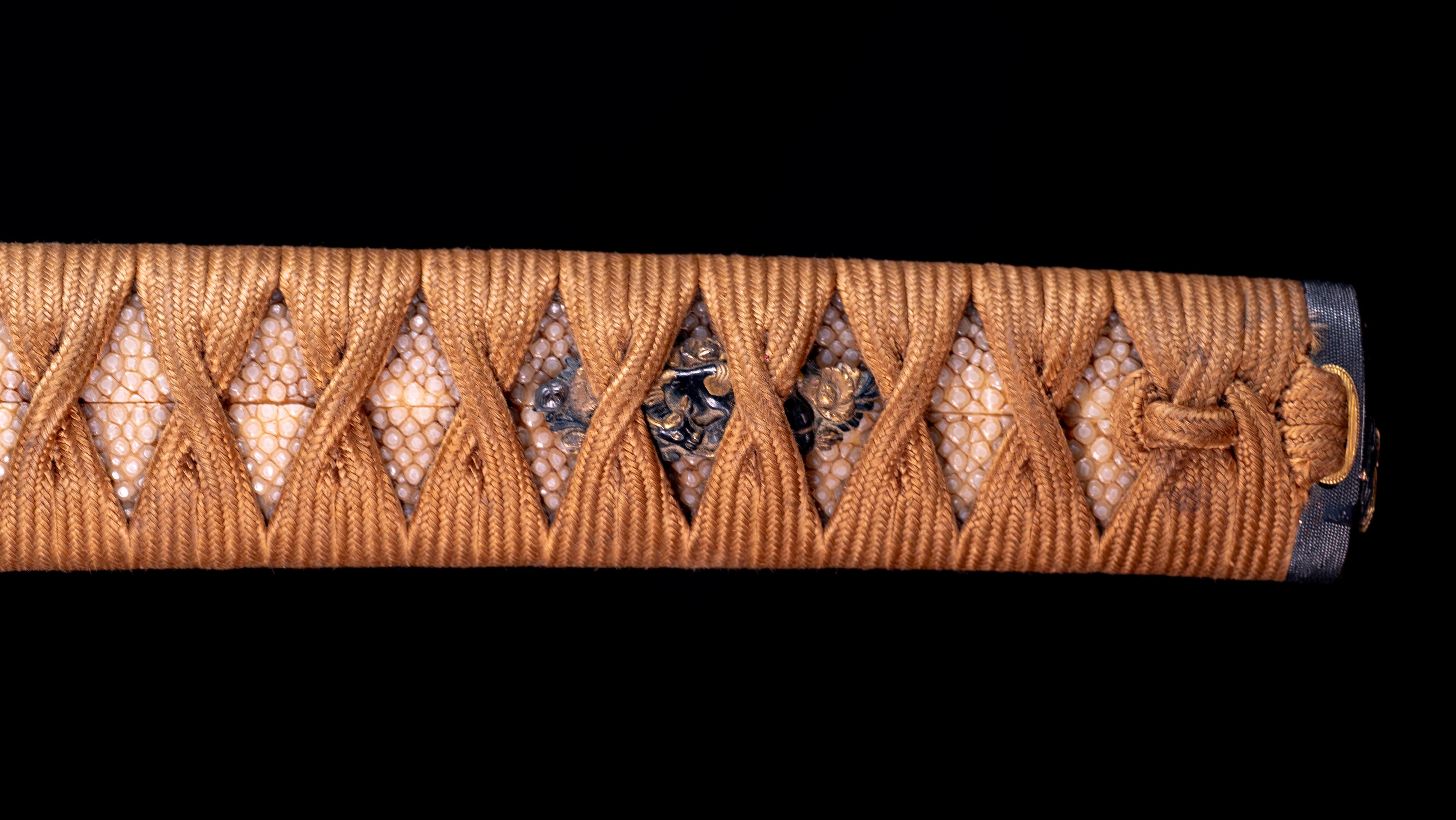
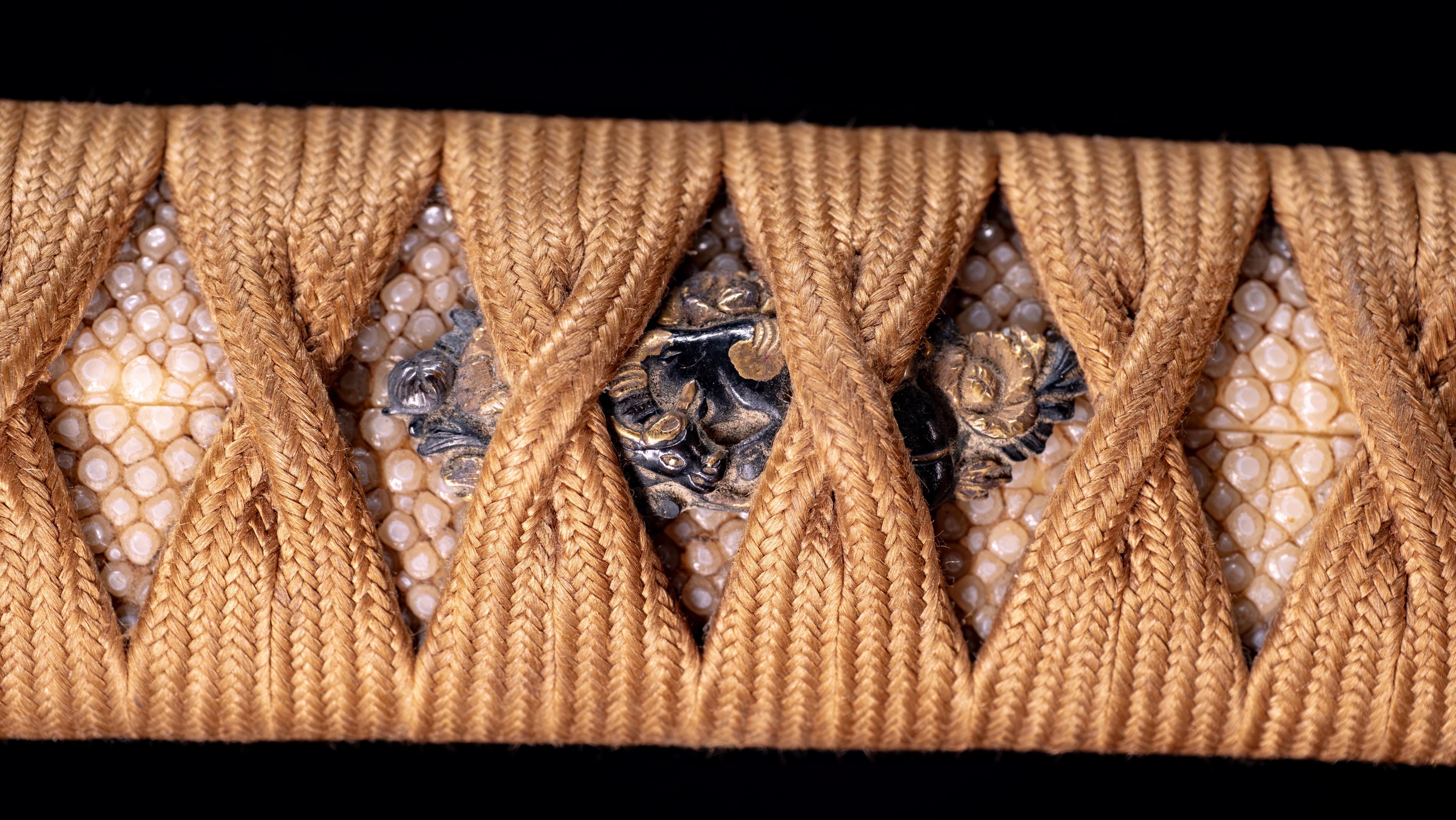
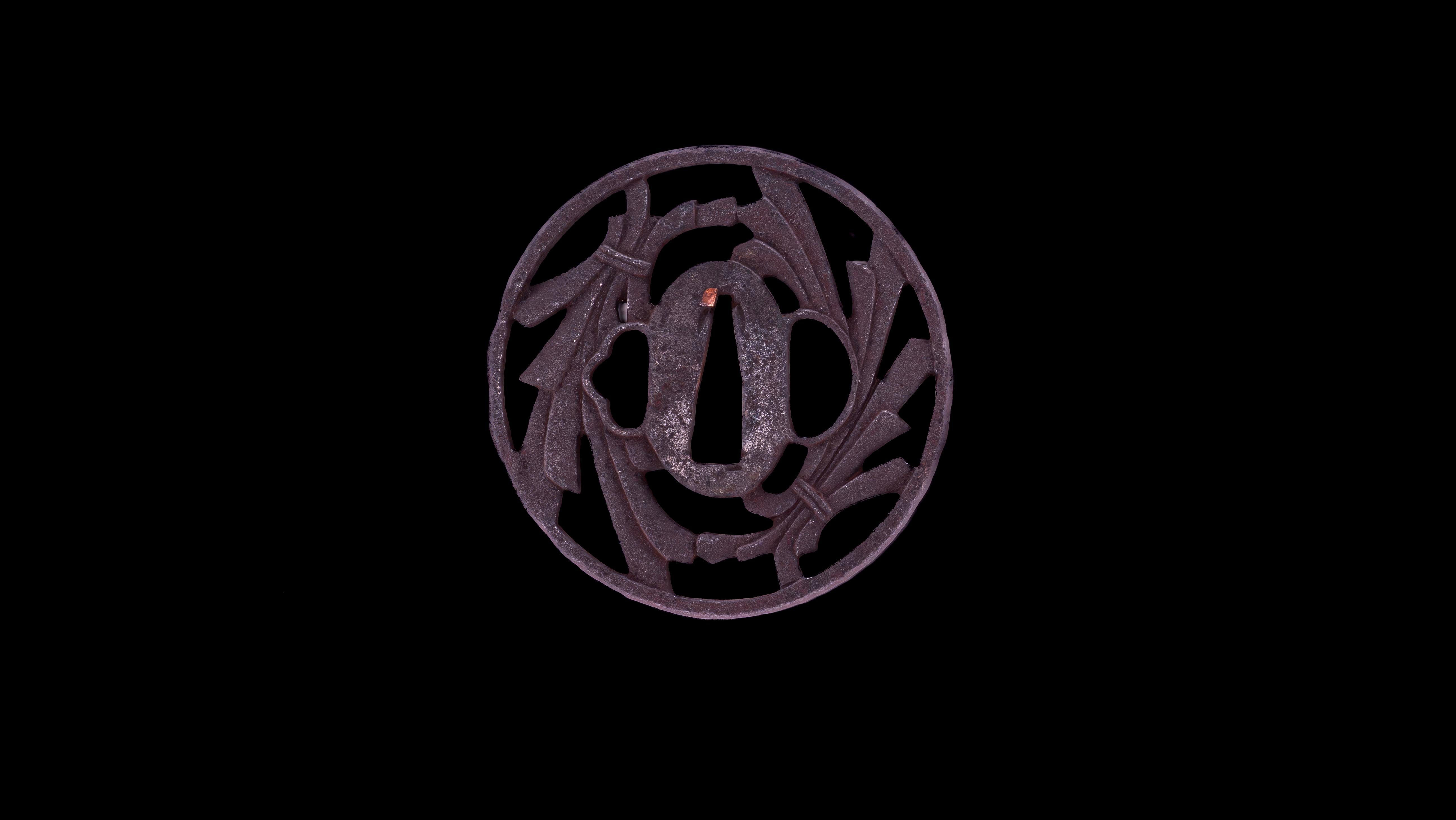
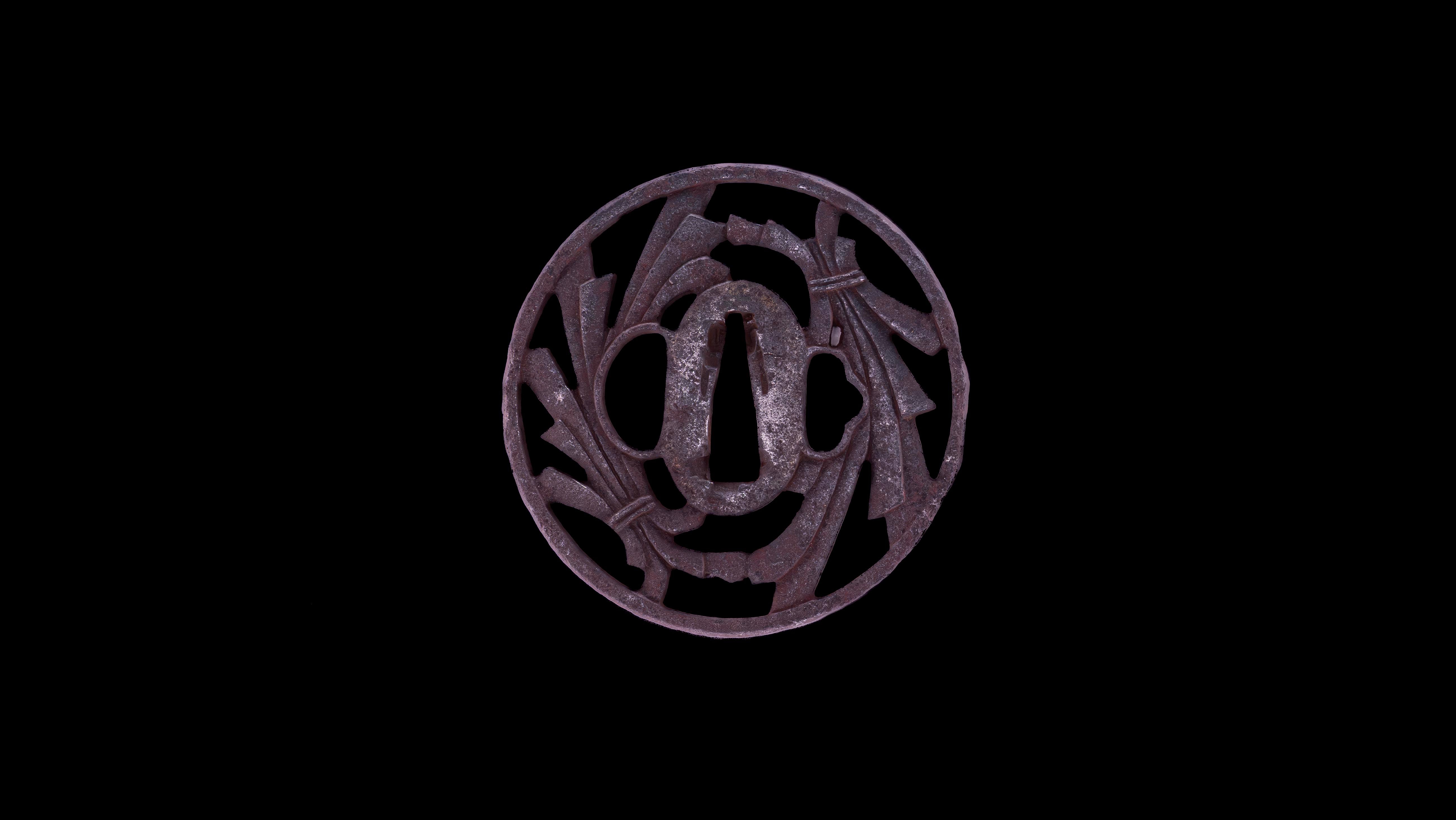
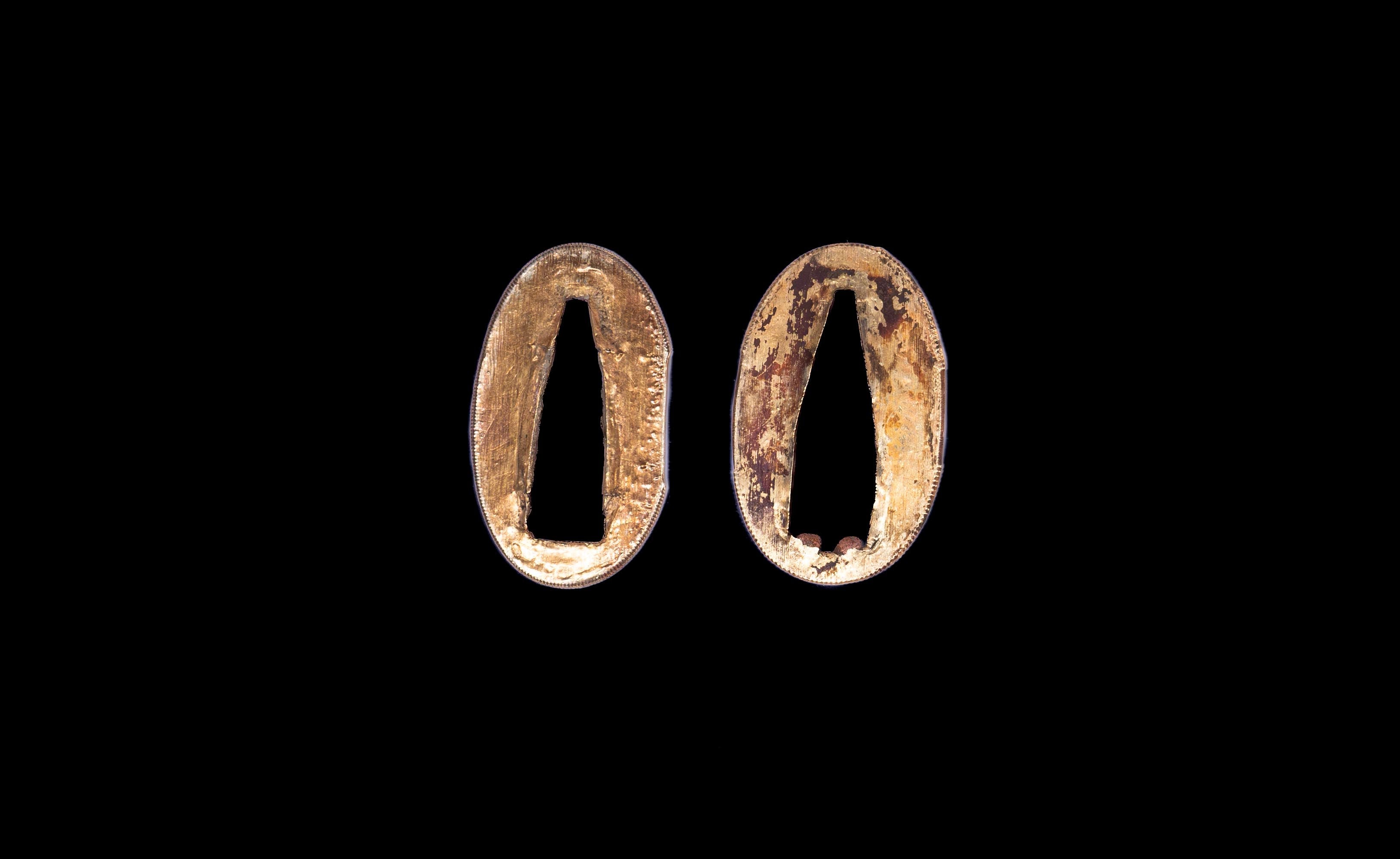
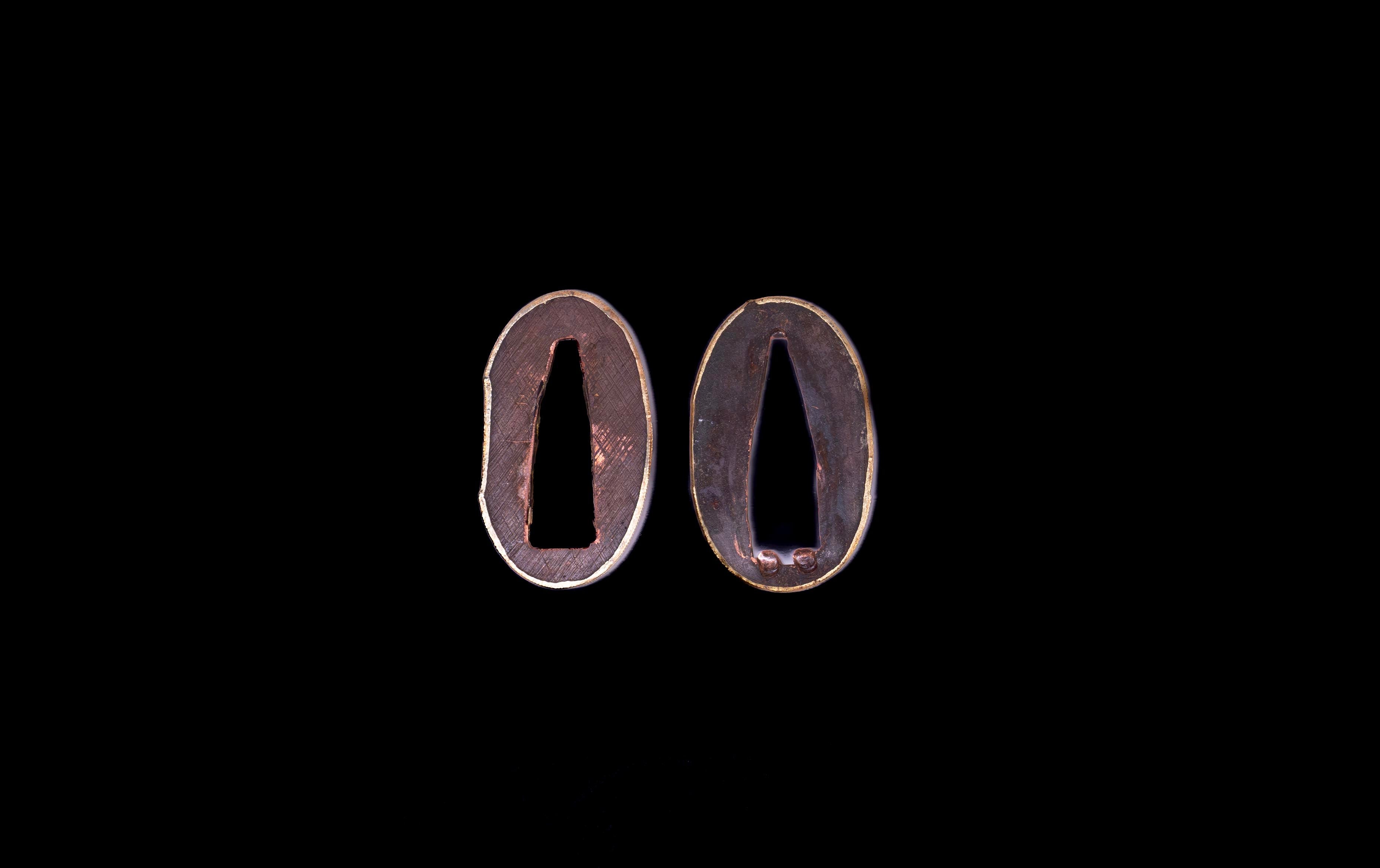
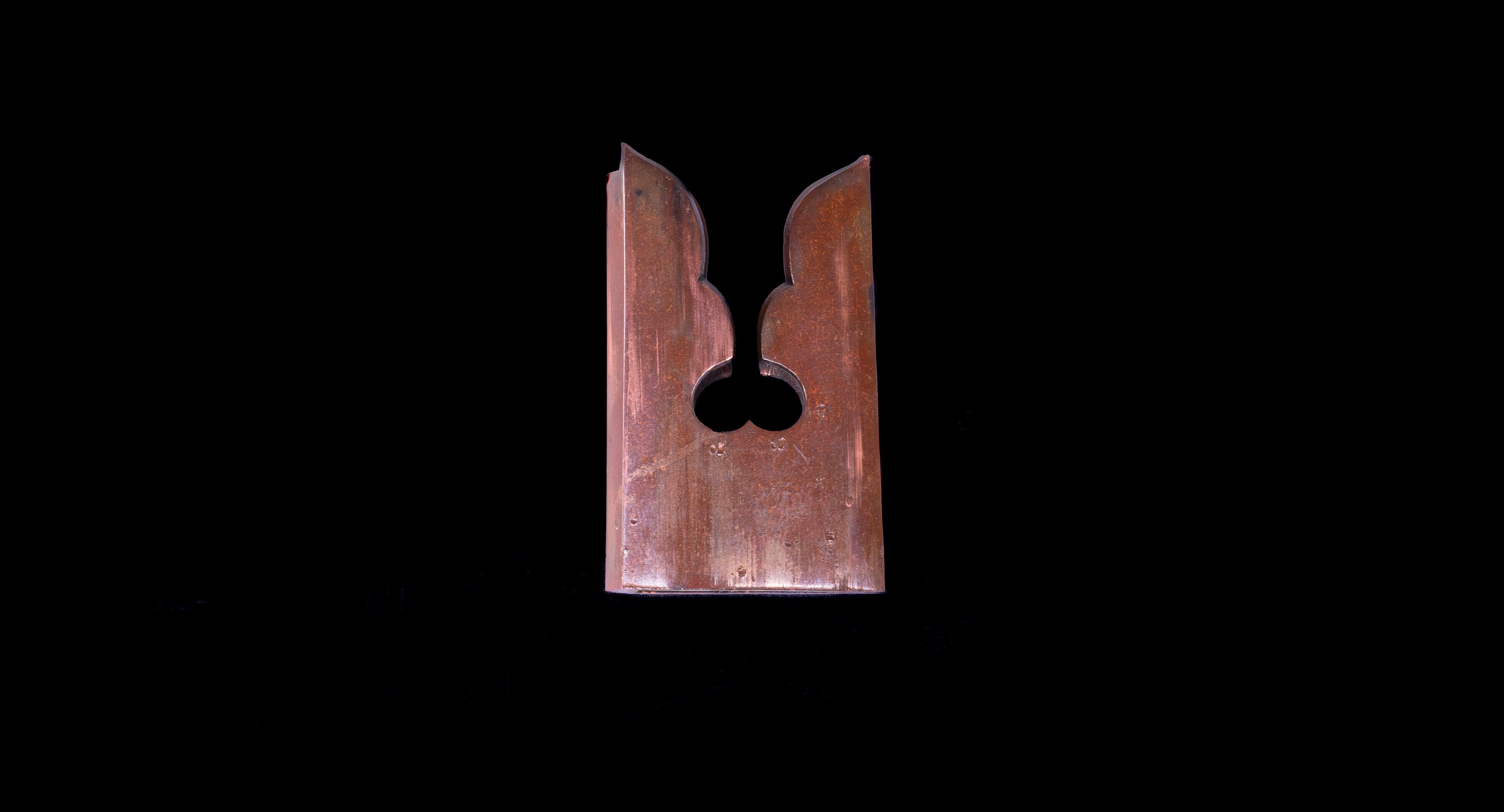
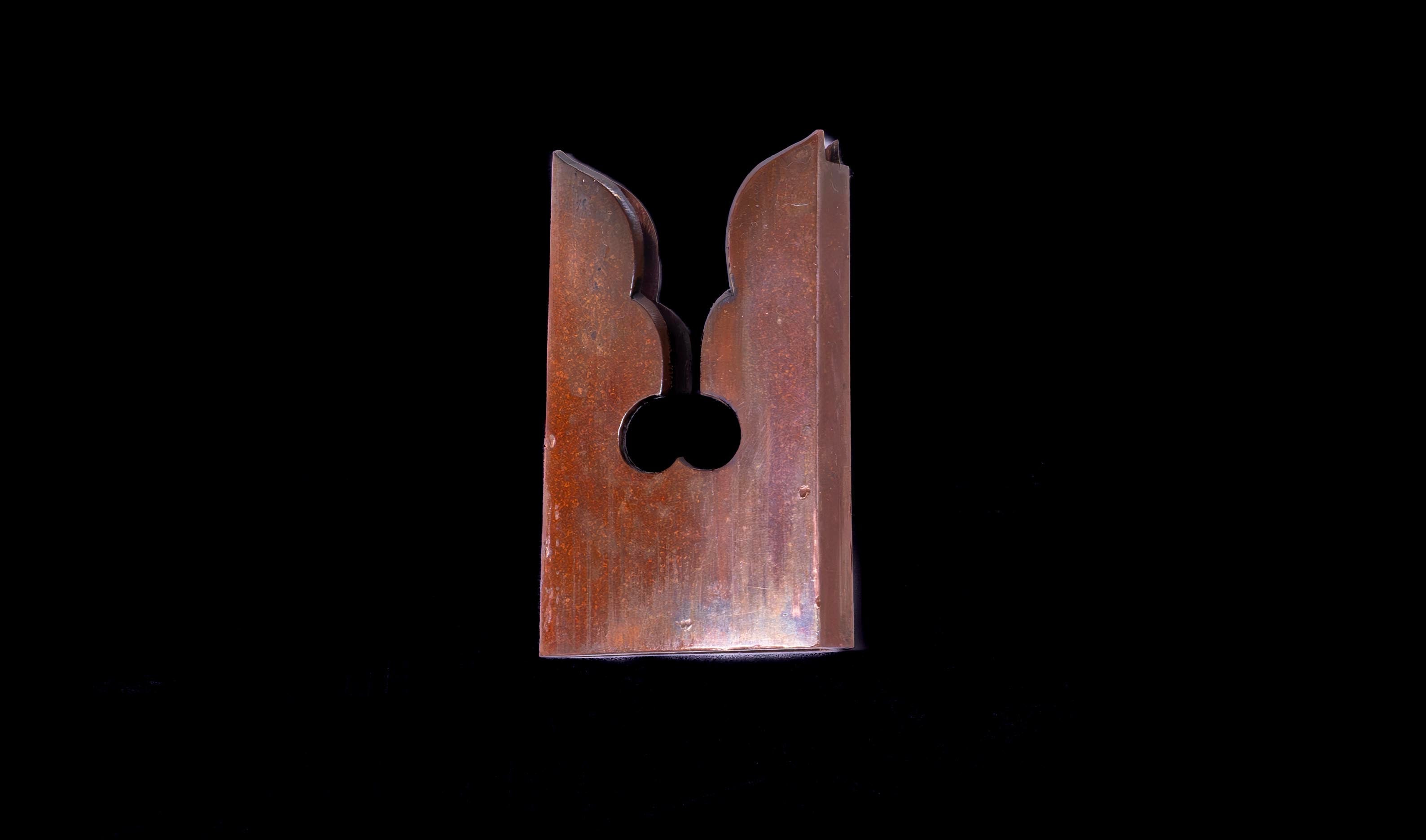
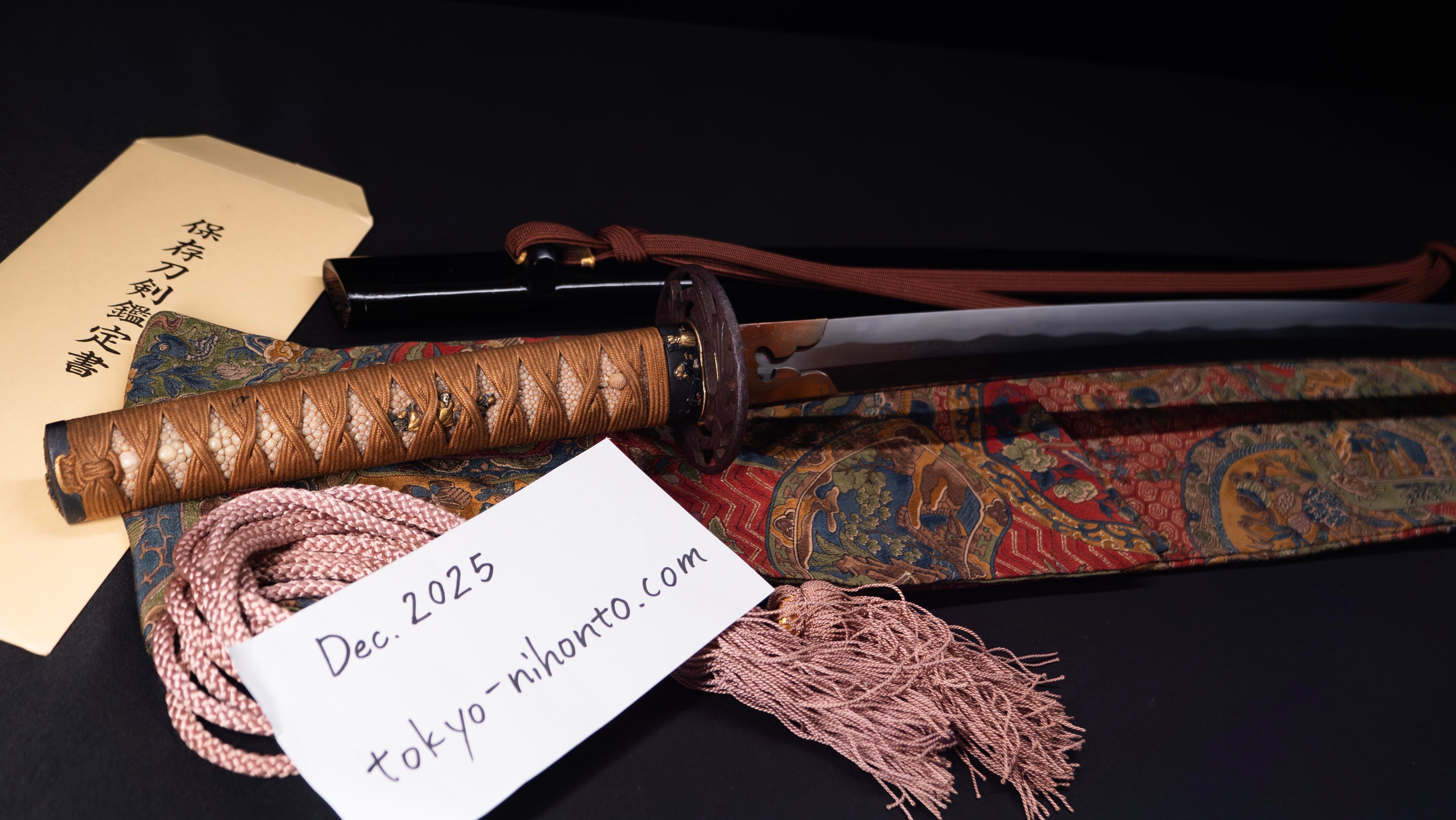
Signature (Mei): 近江守藤原継広 Omi no Kami Fujiwara Tsuguhiro Swordsmith: Tsuguhiro (Apprentice of 3rd Gen Yasutsugu) School / Tradition: Echizen Shimosaka School (Mino-den roots) Period / Province: Early Edo Period (Kanbun era, 1661-1673) / Echizen & Edo Certificate: NBTHK Hozon (保存刀剣) Mounting: High-quality "Inaho" (Harvest) themed Koshirae Blade Length (Nagasa): 65.0 cm Curvature (Sori): 1.2 cm Mekugi-ana: 2 Shape: Shinogi-zukuri with a shallow Kanbun-style curvature Jihada: Tight Itame with Mino-influenced Shirake-utsuri Hamon: Vibrant Gunome-midare with bright Nioikuchi This refined Katana is a certified NBTHK Hozon work by the esteemed smith Omi no Kami Fujiwara Tsuguhiro . Measuring 65.0 cm with a 1.2 cm sori, the blade exhibits the characteristic "Kanbun Shinto" silhouette—a shape favored by the samurai of the early Edo period for its balanced handling and functional efficiency. The tang is remarkably preserved with two mekugi-ana and a clear, dual-sided signature: the front bearing his prestigious title and name, while the reverse indicates his residence in Echizen under the Shimosaka school name. The blade's aesthetics are rooted in the Mino-den tradition, featuring a dense and well-forged itame grain. The hamon is a masterful gunome-midare , showing the bright, cloud-like nioikuchi that was a hallmark of the Shimosaka smiths who served the highest levels of the Tokugawa Shogunate. Koshirae Details The sword is adorned with a thematic koshirae celebrating Inaho (the rice harvest), a symbol of wealth and divine protection in Japanese culture. The tsuba is a masterful iron sukashi (openwork) piece depicting sheaves of ripening rice. This motif is elegantly continued in the menuki and fuchi-kashira , which feature high-relief carvings of farmers and scenes of abundance. The saya is finished in a deep, lustrous black lacquer, providing a sober yet high-status aesthetic that complements the golden silk tsuka-ito . Swordsmith Background Omi no Kami Tsuguhiro was a pro
NihontoWatchOffered by Katana Sword
This piece has sold
Get an email when a new Shimosaka Tsuguhiro piece hits the market.
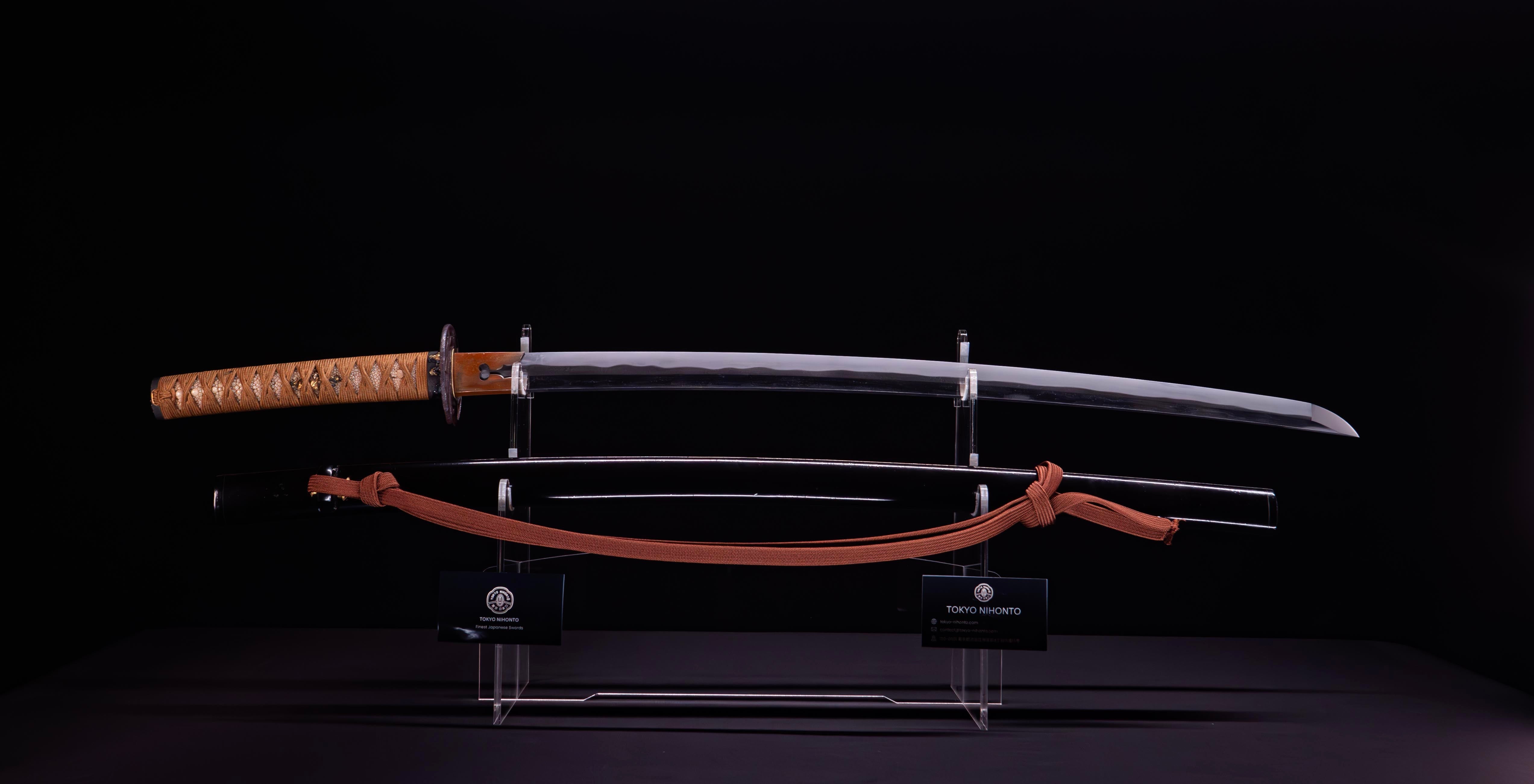
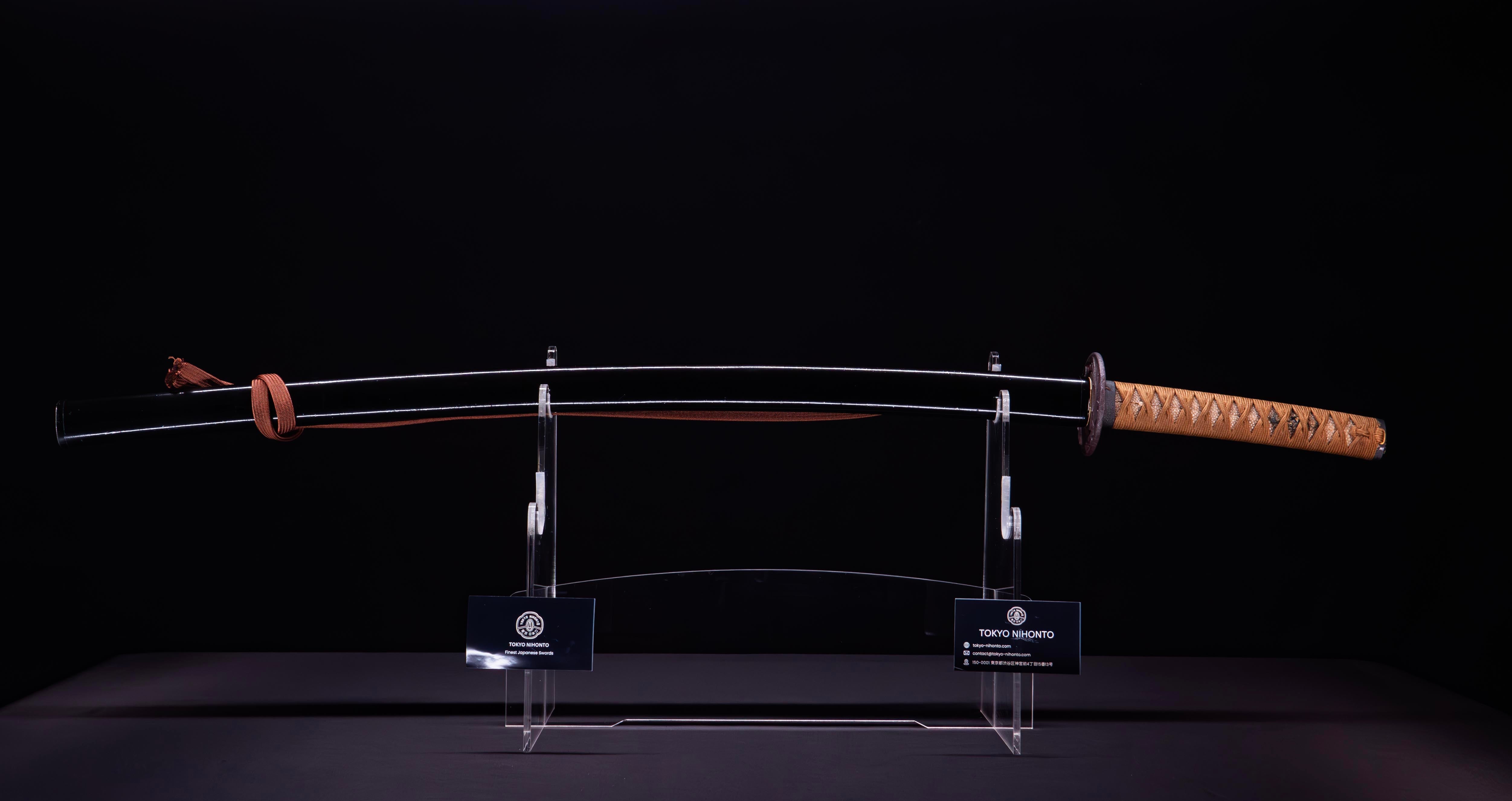
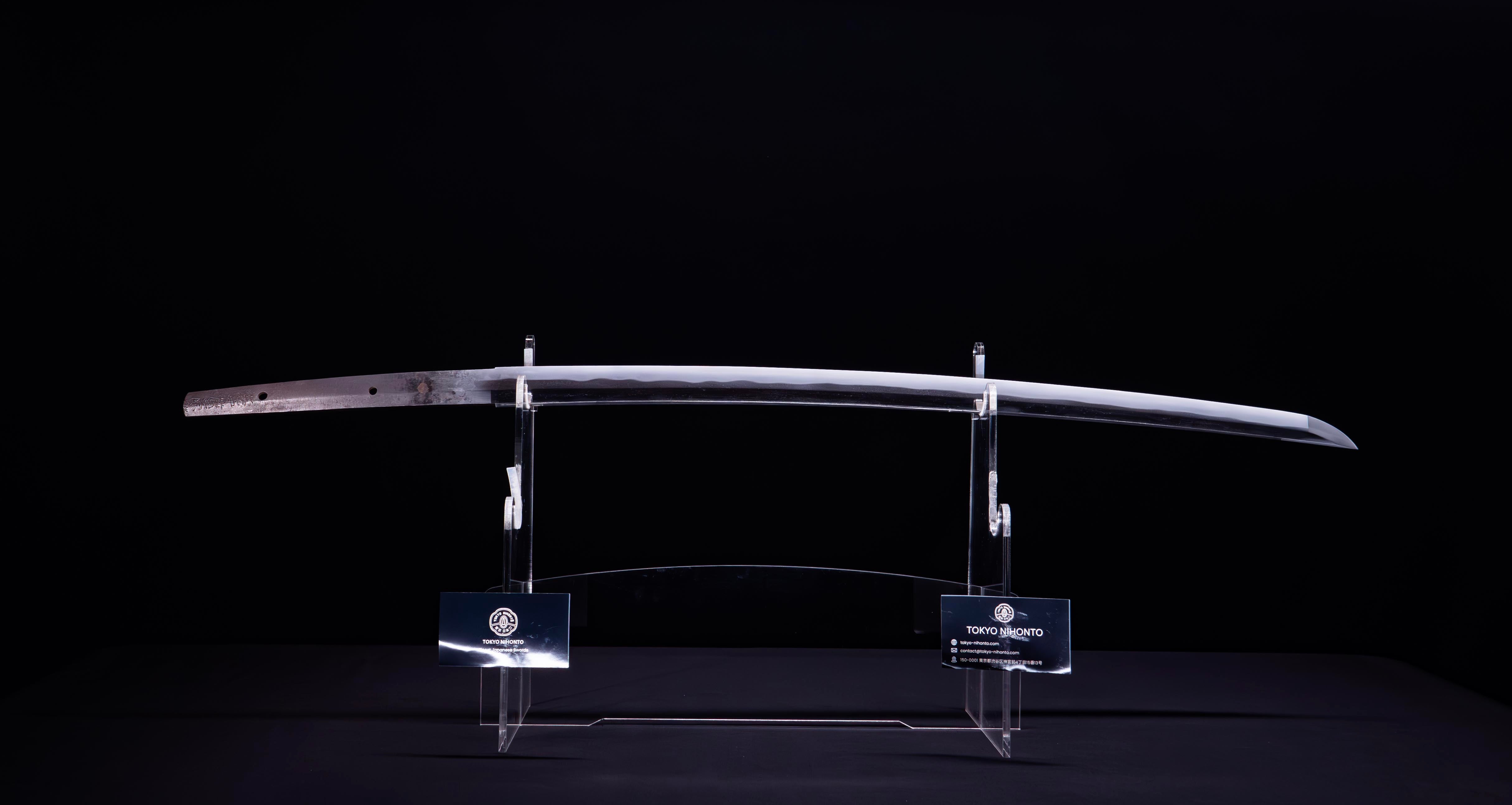
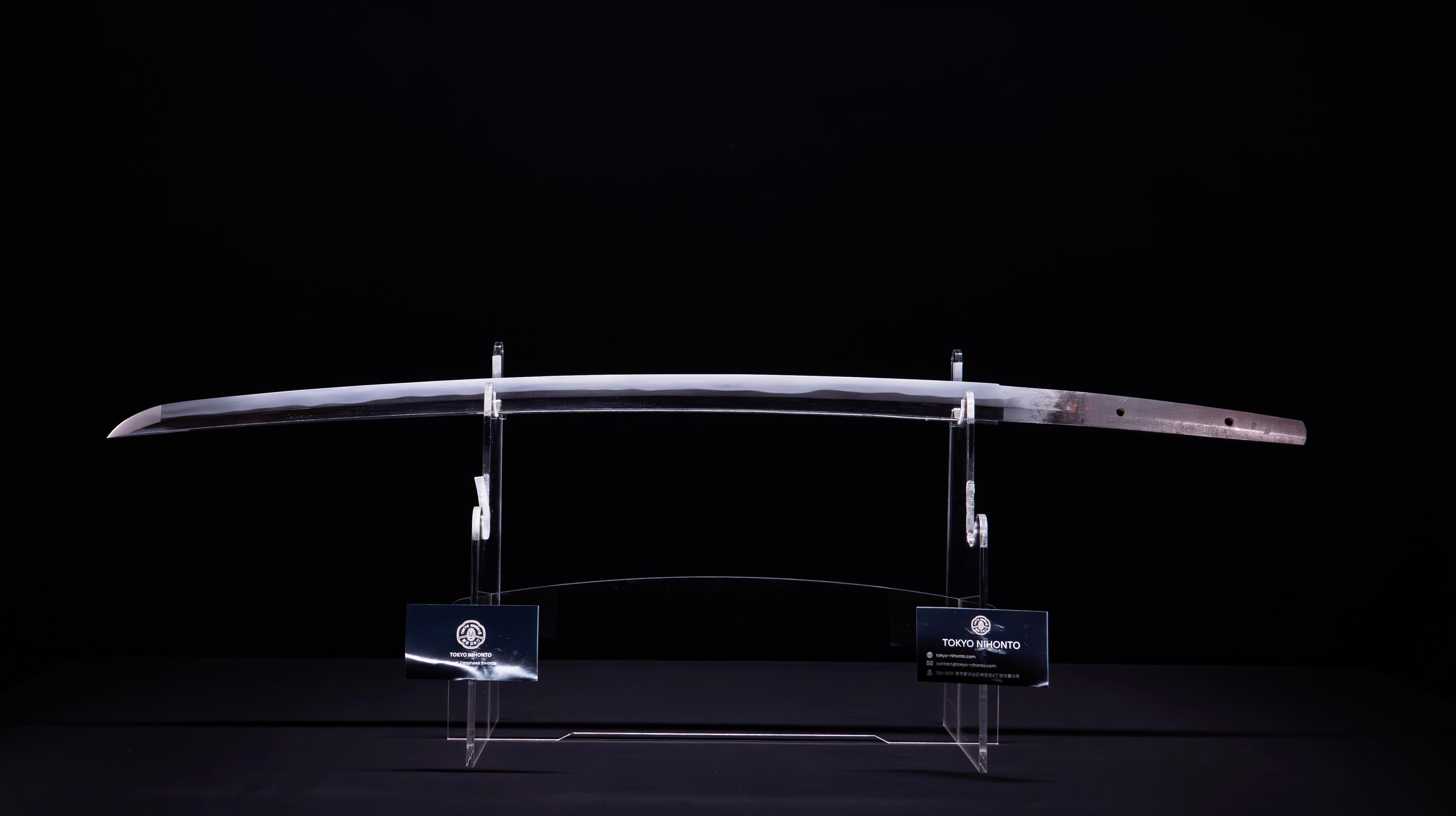
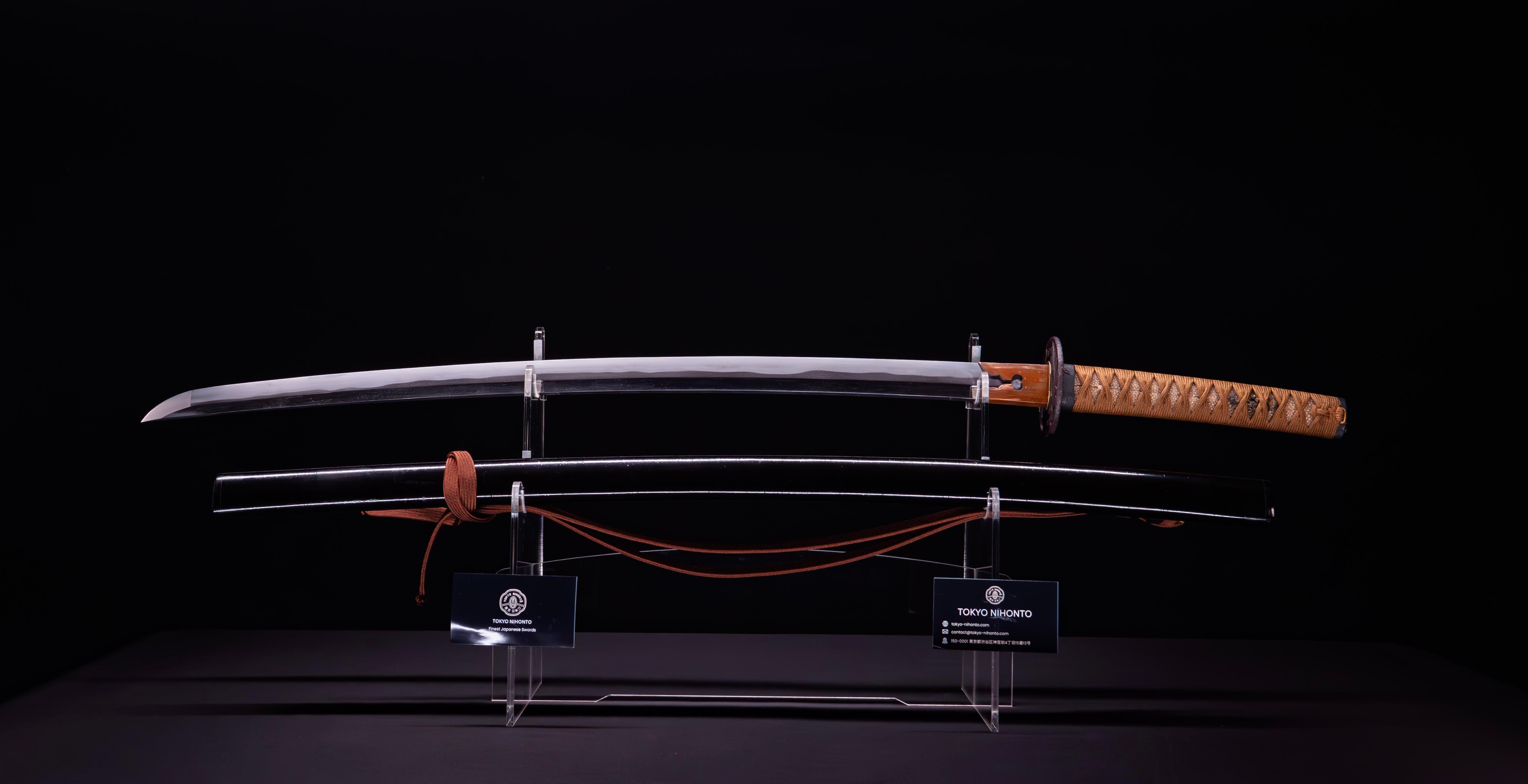
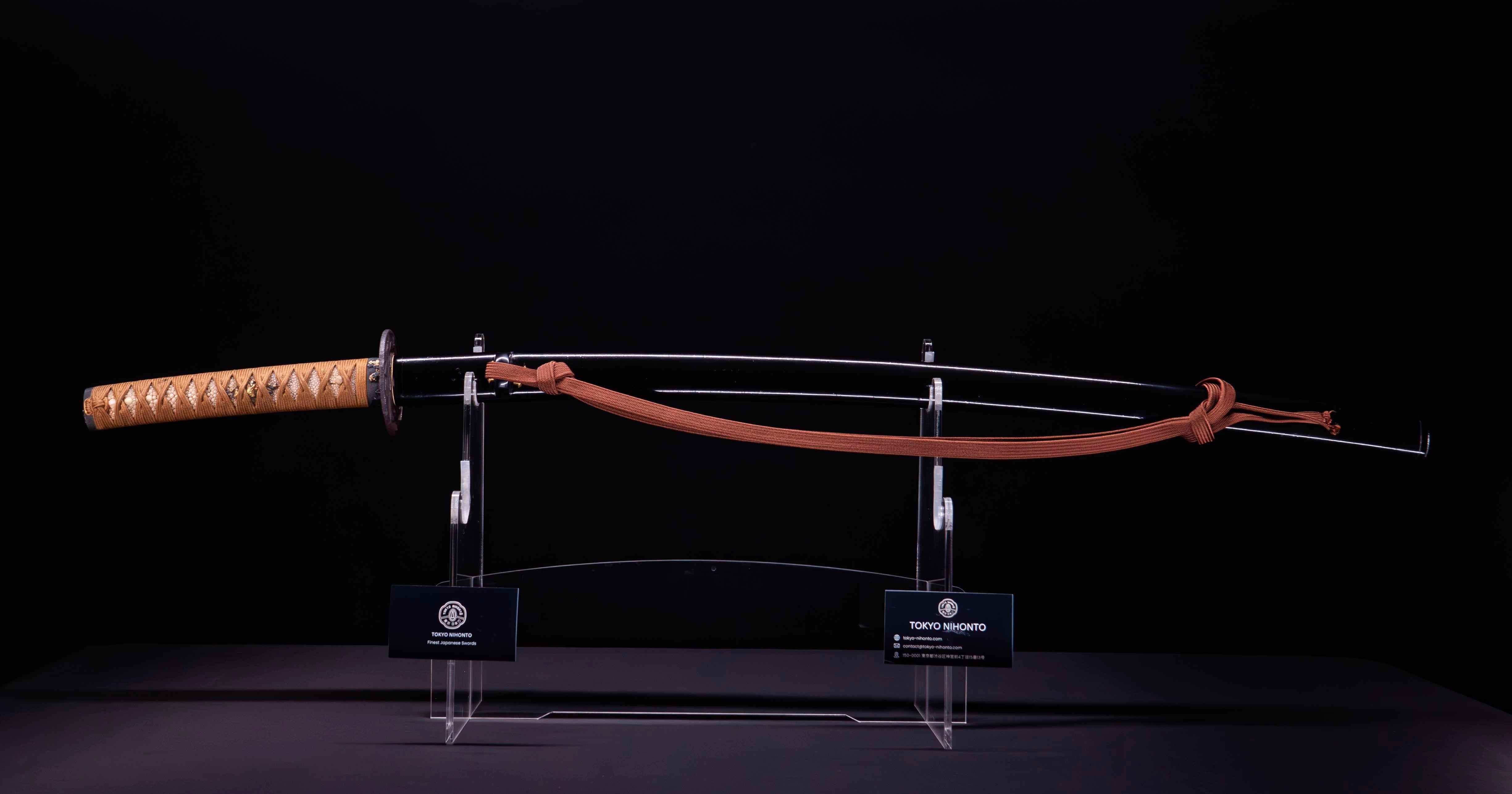
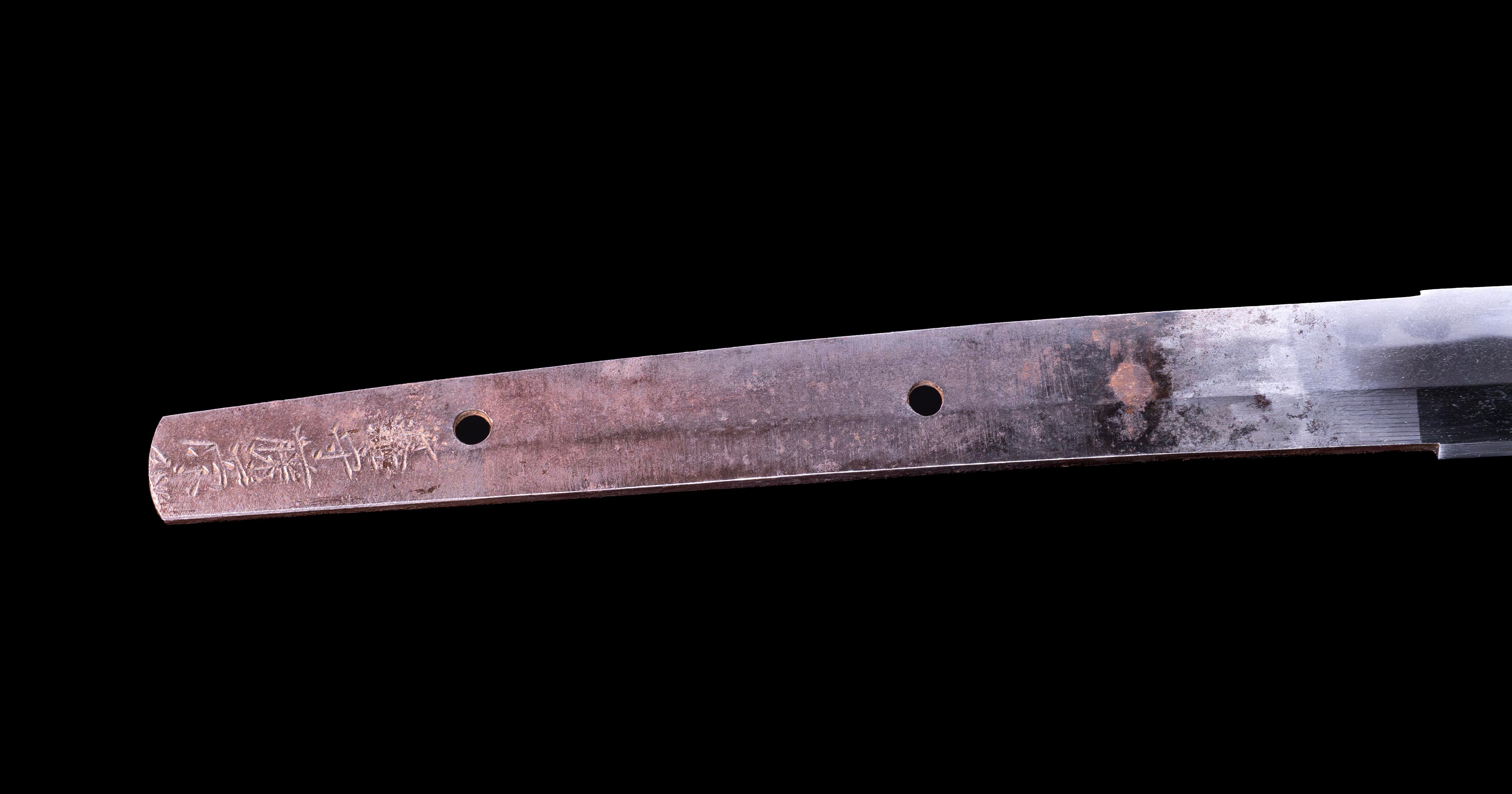
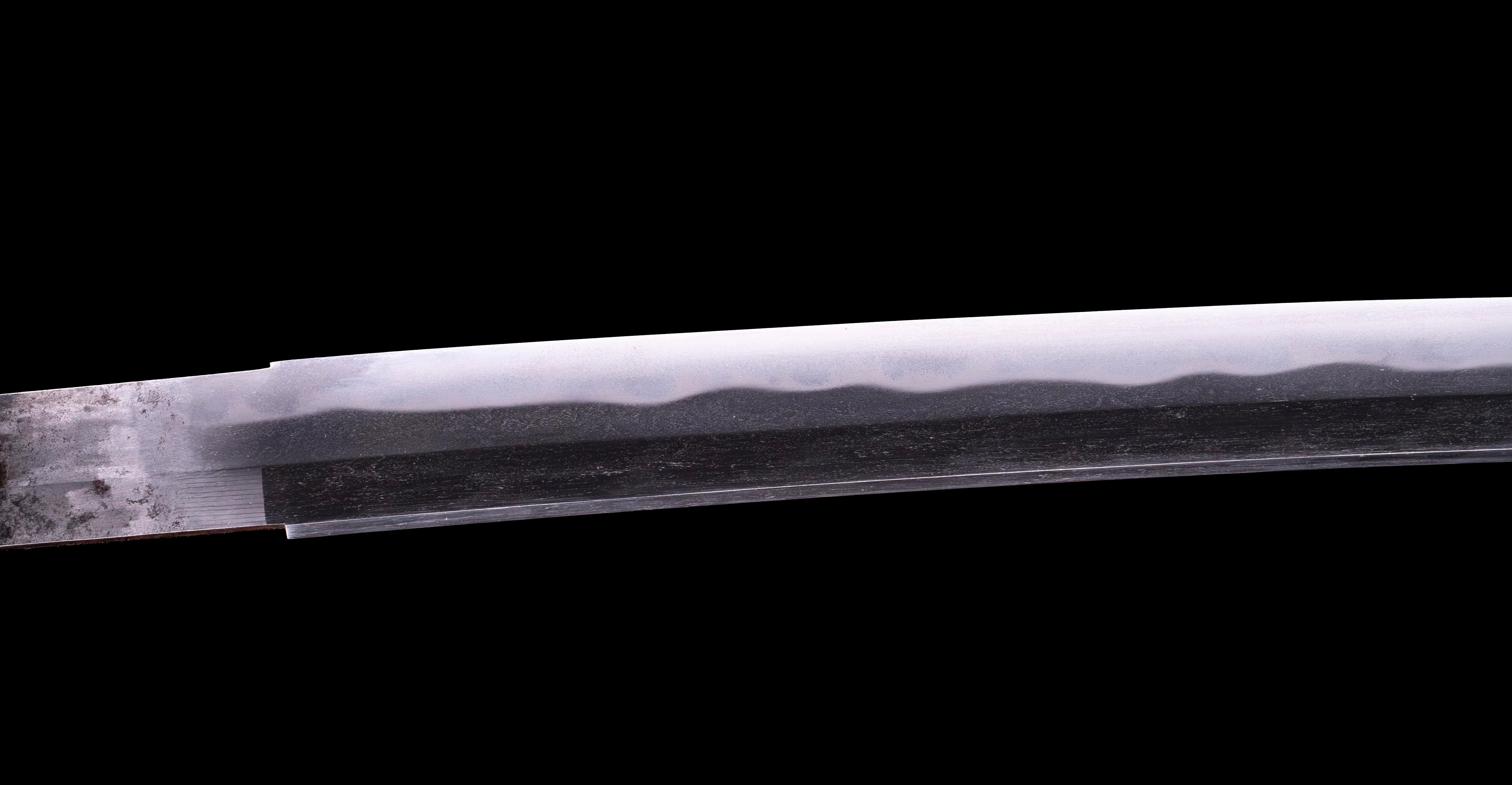
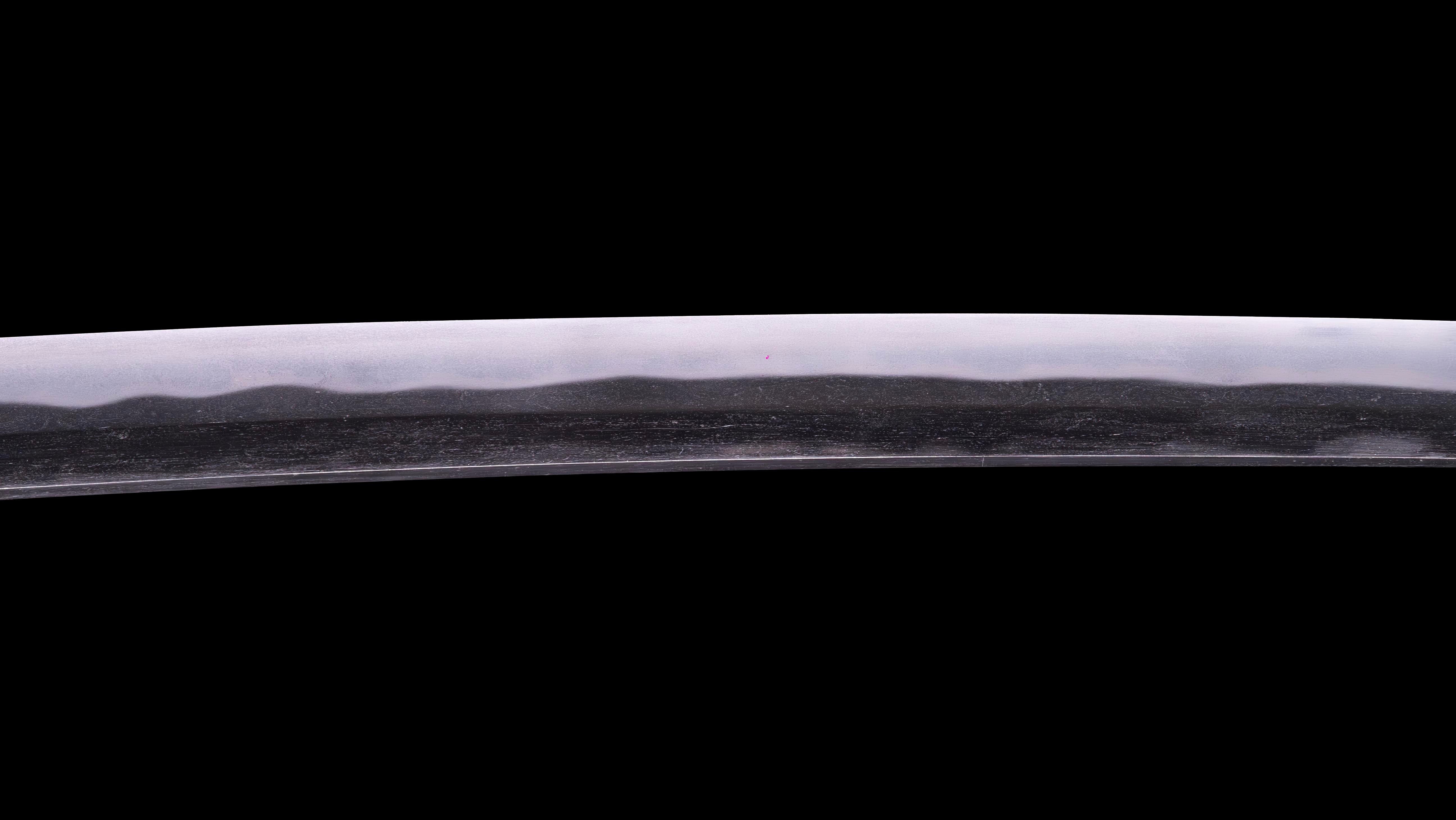
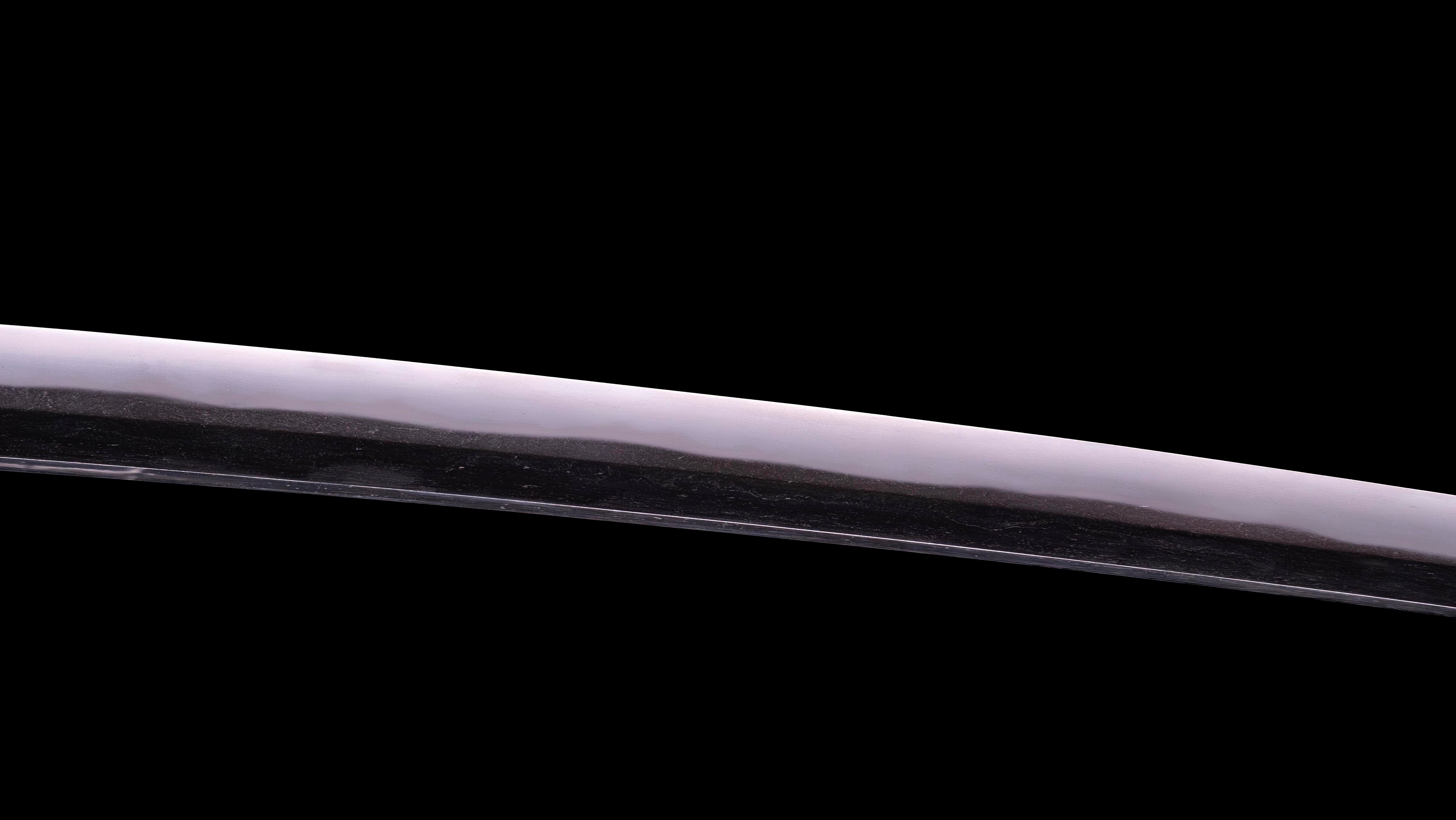
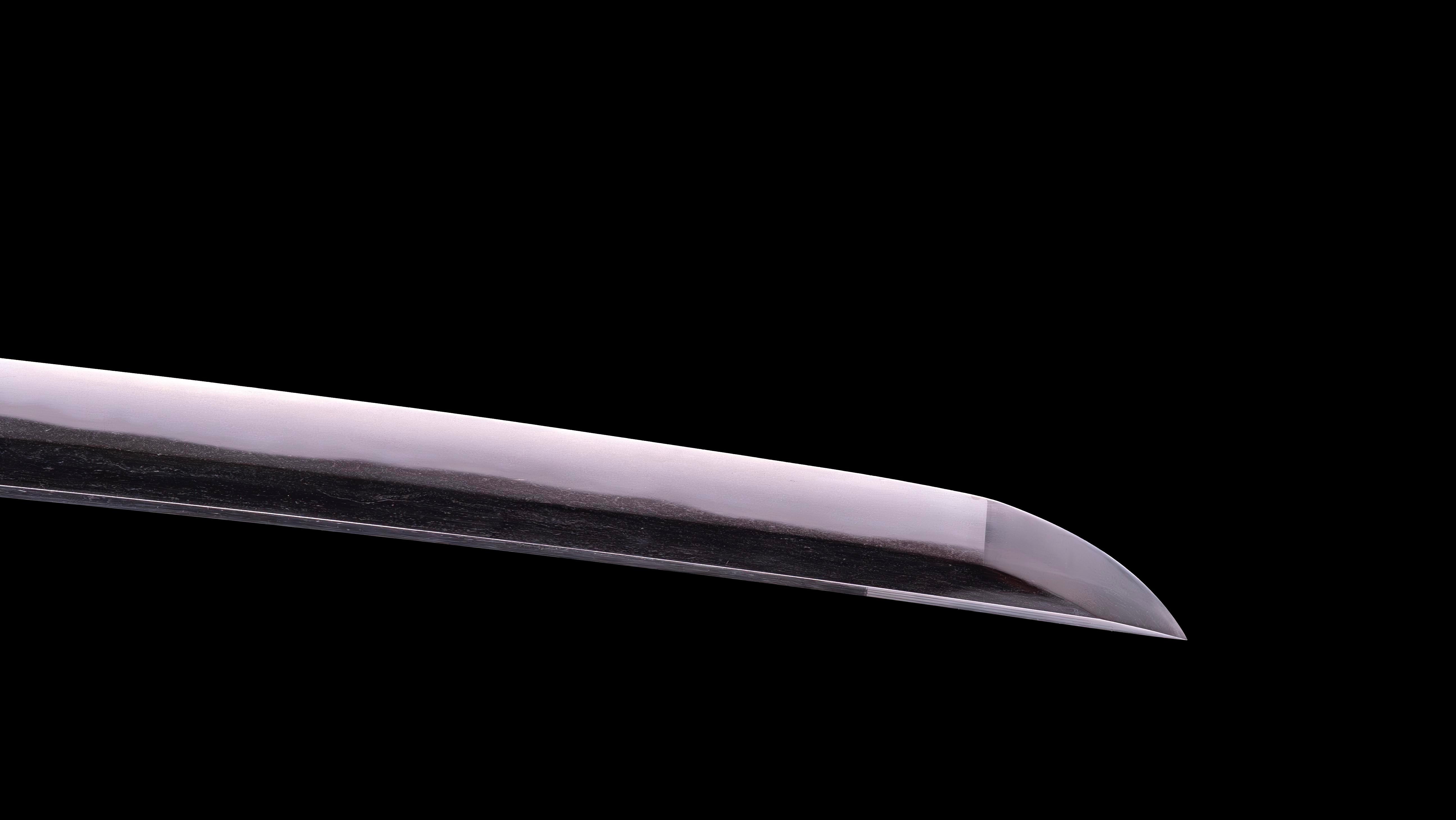
Echizen · around 1661-1673
Fujishiro Chu-jo saku · Tōken Taikan top 60%
6 pieces on the market now
The Edo period (1615 to 1868)
Edo was the sword’s age of connoisseurship: the Hon’ami appraisers, the shogunal register of famous blades of 1719, and a thriving literature turned the sword into an object of study even as it ceased to be drawn in war.
Certifies a genuine blade worth preserving: a signature confirmed correct, or, if unsigned, an era, province, and school that the NBTHK can reliably identify.
The NBTHK (Nihon Bijutsu Tōken Hozon Kyōkai, the Society for the Preservation of Japanese Art Swords) is a public-interest incorporated foundation founded in 1948 and supervised by Japan’s Agency for Cultural Affairs (Bunkachō); it is based at the Japanese Sword Museum in Tokyo. Its expert panels physically examine each submitted work (shinsa) and issue a certificate (kanteishō) ranking it by artistic and historical merit. NBTHK papers are the most widely recognized standard of authentication for Japanese swords and fittings.
NBTHK official site30-day money-back guarantee from receipt; items must be unused, complete, in original packaging. Sale items Final Sale. Antique swords non-returnable (Japanese export law). Damage reported within 72 hours. Customer pays return shipping unless seller error/defect. Refunds within 14 days of inspection.