Muromachi turned sword making into an industry: the uchigatana rose with massed infantry warfare, Osafune and Seki produced bundle swords beside custom orders, and the Ming trade carried Japanese blades abroad by the tens of thousands.
 NihontoWatchNihontoWatch
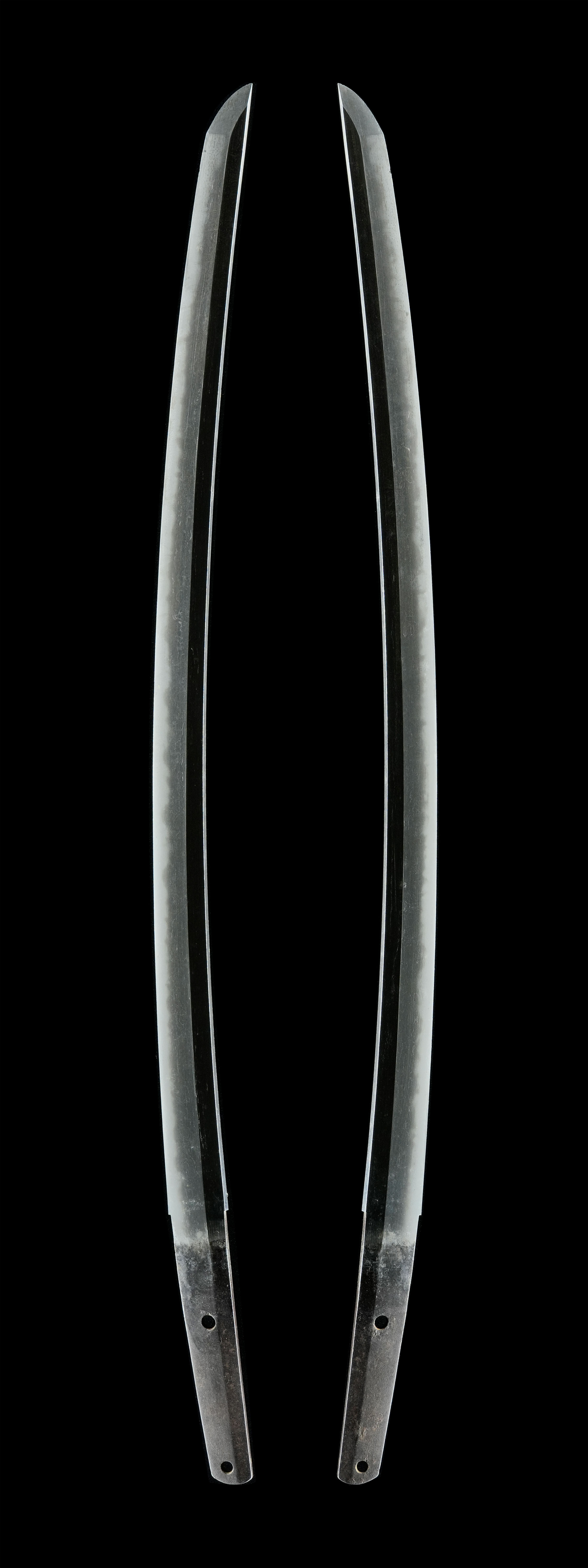
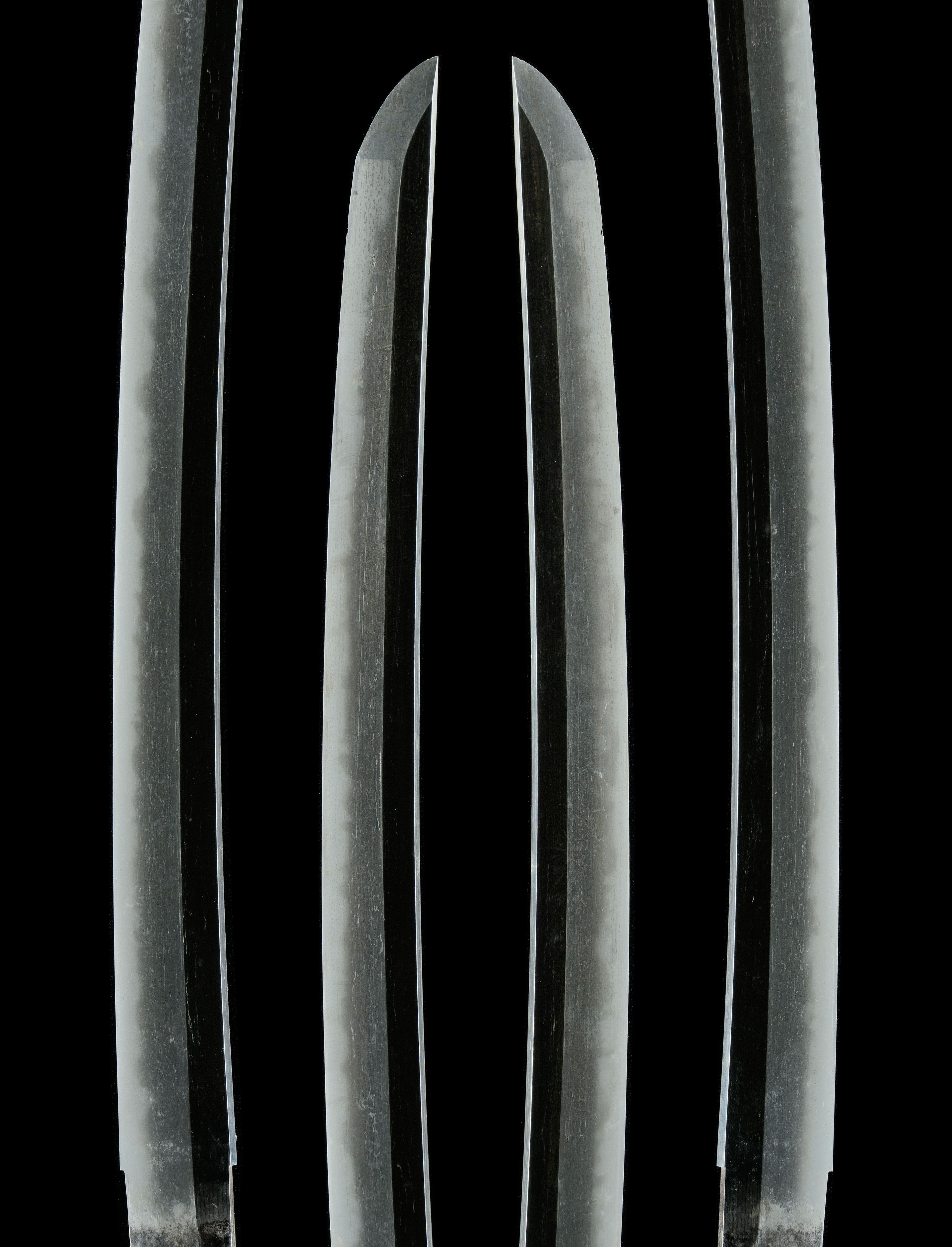
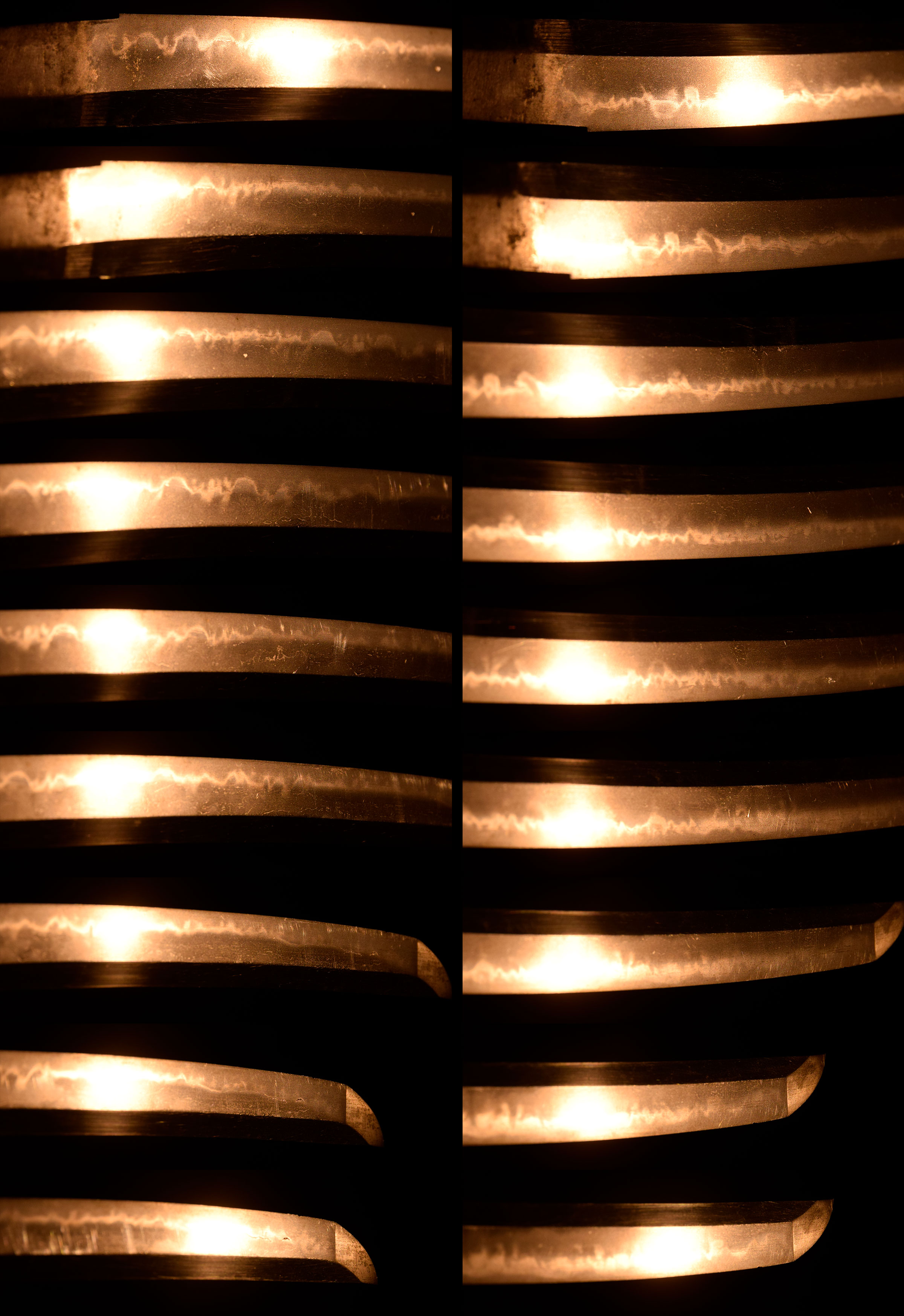
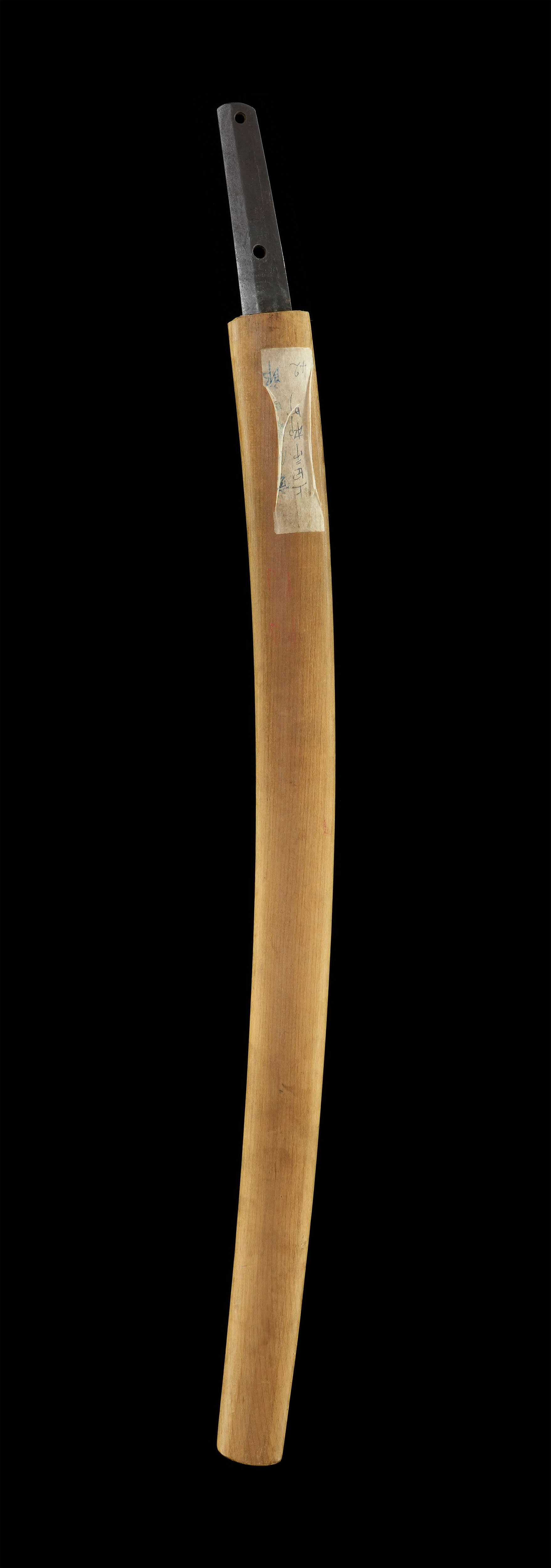
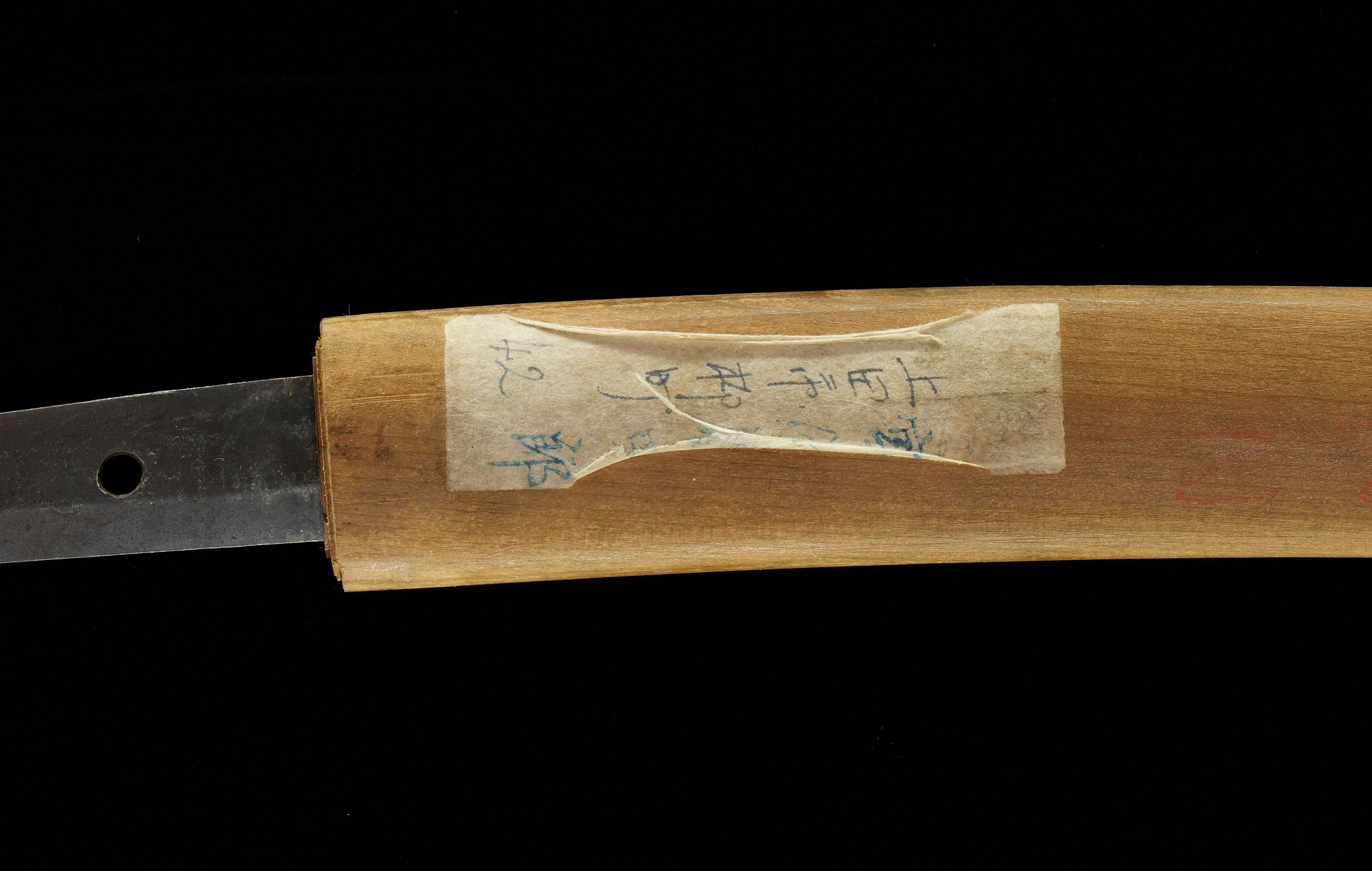
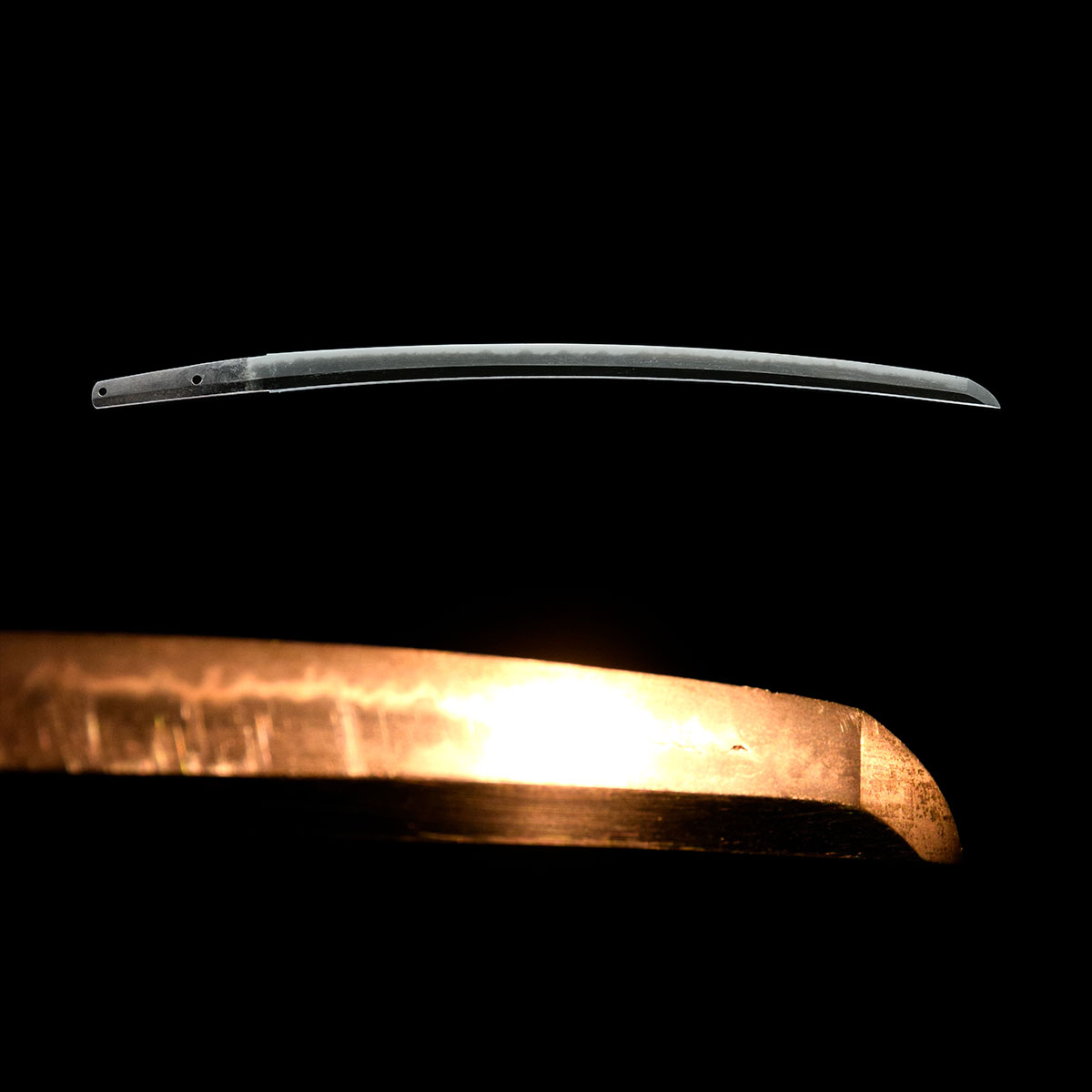
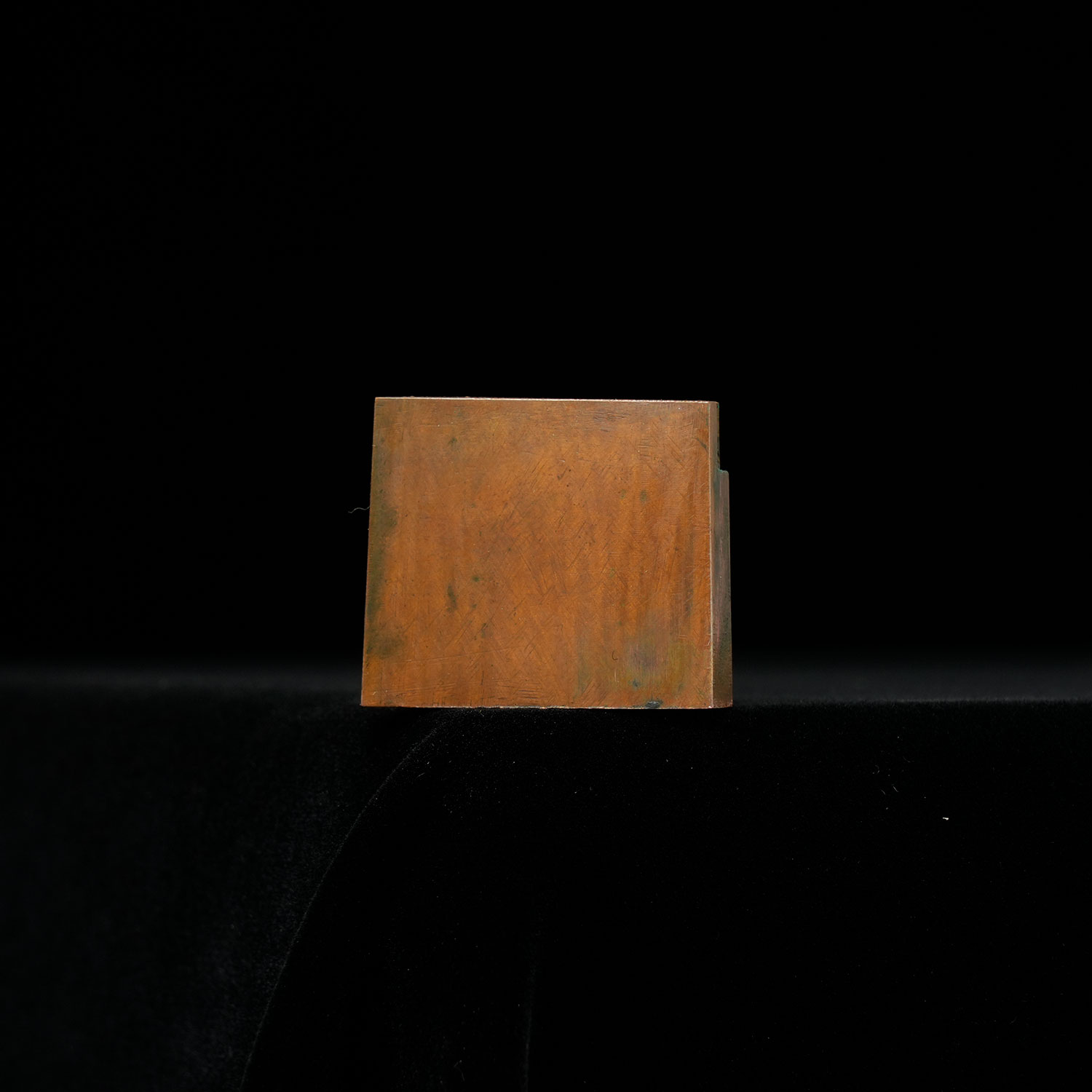
The width difference between the moto and saki is moderate, ending in a chu-kissaki. Despite being o-suriage, it still boasts an elegant sugata, and an air of koga refinement drifts over the whole piece. The jigane shows well-wrought mokume, slightly hadadachi with chikei, and displays a faint utsurigokoro; the hamon has a bright nioiguchi, based on gunome mixed with gunome-choji and choji, with active ashi and sunagashira appearing in places, and the nioiguchi changes as if smoking toward the hiraji, showing a dekiguchi rich in expression. The boshi is midare-komi with a maru kaeri, a skillful conclusion that echoes the hataraki within the ha. Looking at the accompanying habaki, one can see it was originally a high-grade specification with gold or silver kise applied, telling of the fact that this katana was an existence possessing suitable kaku. A kitae-suji is observed in the hiraji past the monouchi on the sashi-omote, but it is well worth the value of undergoing polishing. After adjusting its condition, this is a sword I would certainly like to recommend for submission to the Hozon Token shinsa. Currently, the shirasaya lacks a tsuka and is in a saya-only state, but considering the deki of this katana, the value of commissioning a new shirasaya is fully recognized. Considering these future kousaku costs, I am offering this at a low price relative to its content. *Consignment item
NihontoWatchOffered by Toushin
The listing mentions papers that aren’t in our records yet. Current NBTHK and NTHK shinsa papers are the independent check we rely on, so it’s worth asking the dealer for a clear photo of the certificate. — Hoshi

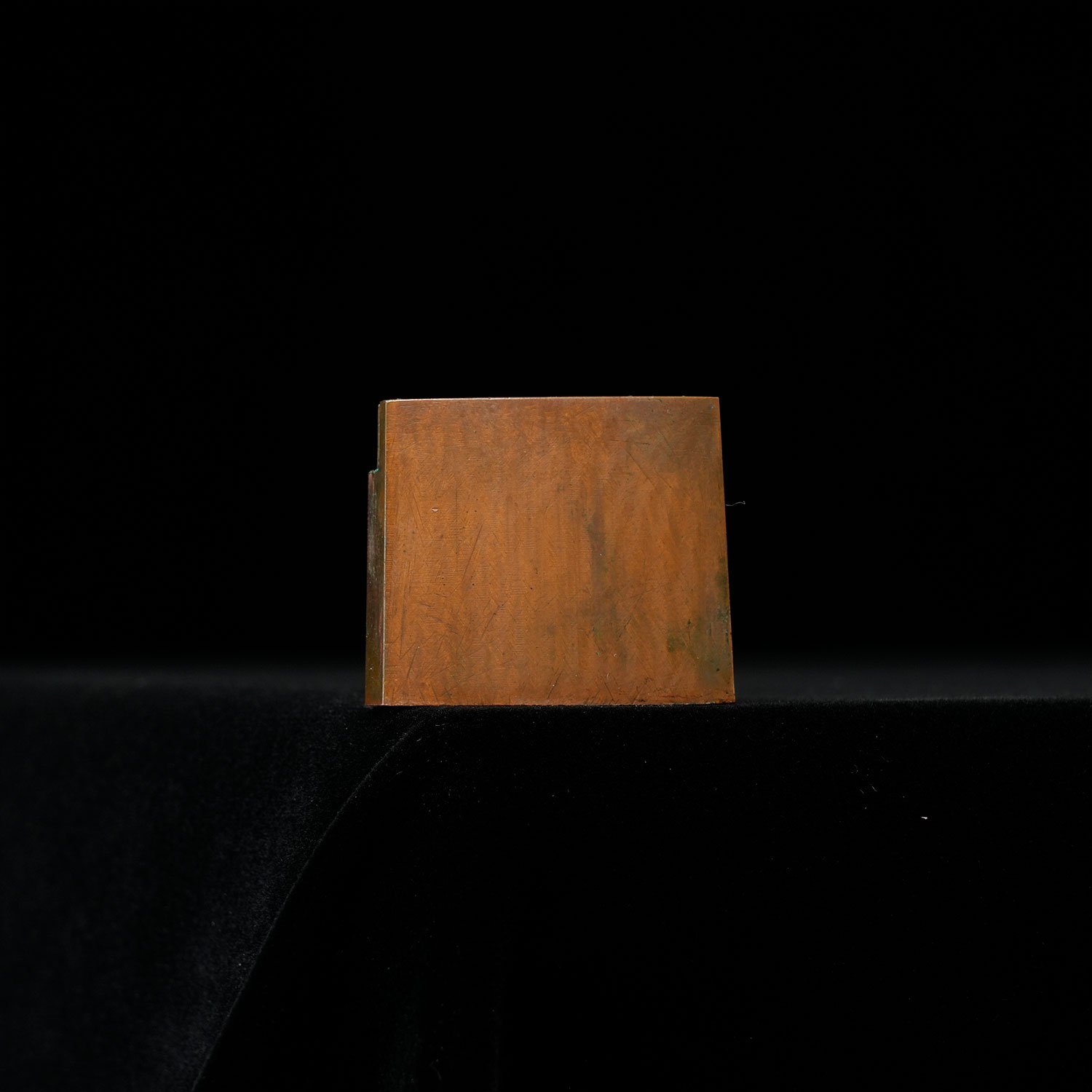
As written by the shop
Machine translation from the shop's Japanese · may contain errors ·
The Muromachi period (1392 to 1573)
Muromachi turned sword making into an industry: the uchigatana rose with massed infantry warfare, Osafune and Seki produced bundle swords beside custom orders, and the Ming trade carried Japanese blades abroad by the tens of thousands.
We could not find an authenticity certificate on the seller’s listing. Japanese swords and fittings are normally papered by the NBTHK (or the NTHK). Without one, the attribution is the seller’s own assessment and has not been independently verified — treat it with caution and ask the dealer about certification before buying.
As a rule we do not accept returns, except when we have sent a different item from the one ordered or when there is a significant discrepancy between the description and the item. If you wish to return an item, please contact us within 3 days of its arrival and then send it back.
¥72,600