After the Ōnin War broke the Ashikaga order, a century of Sengoku warfare armed nearly every province in Japan. The era rewards a discriminating eye: routine work exists in quantity, and beside it stand custom blades of the first rank.
 NihontoWatchNihontoWatch
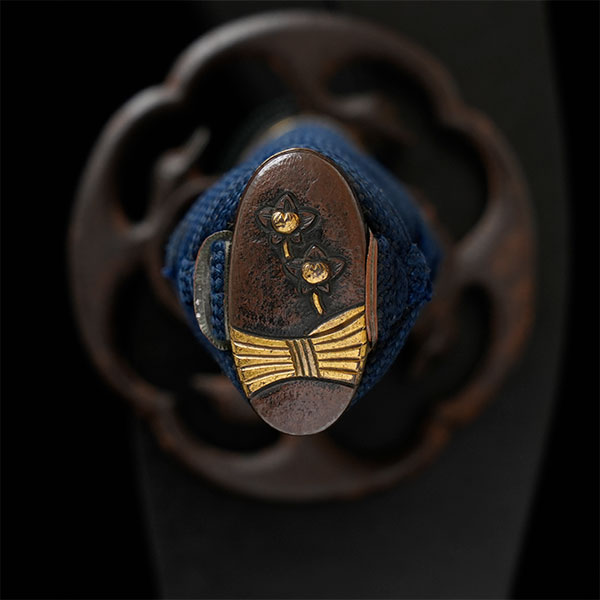
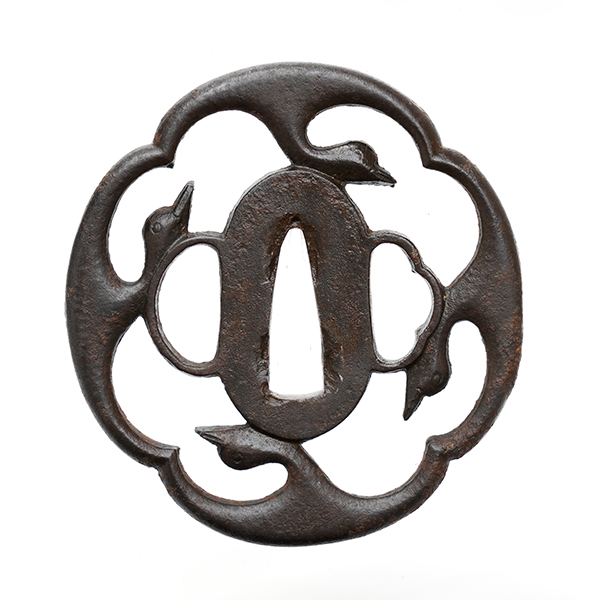
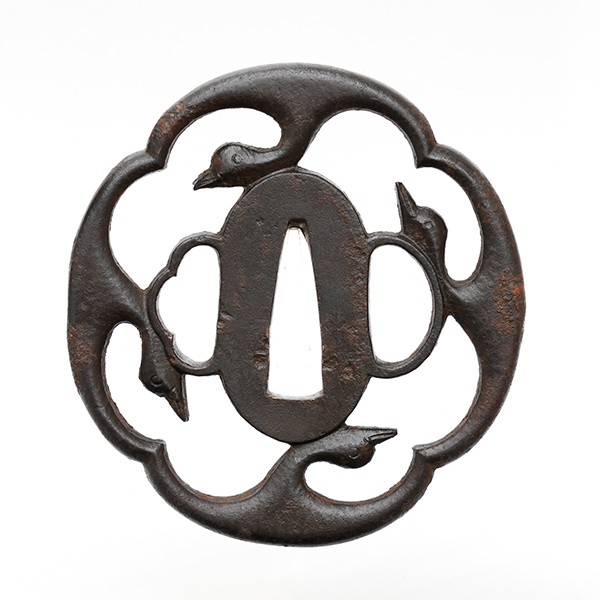
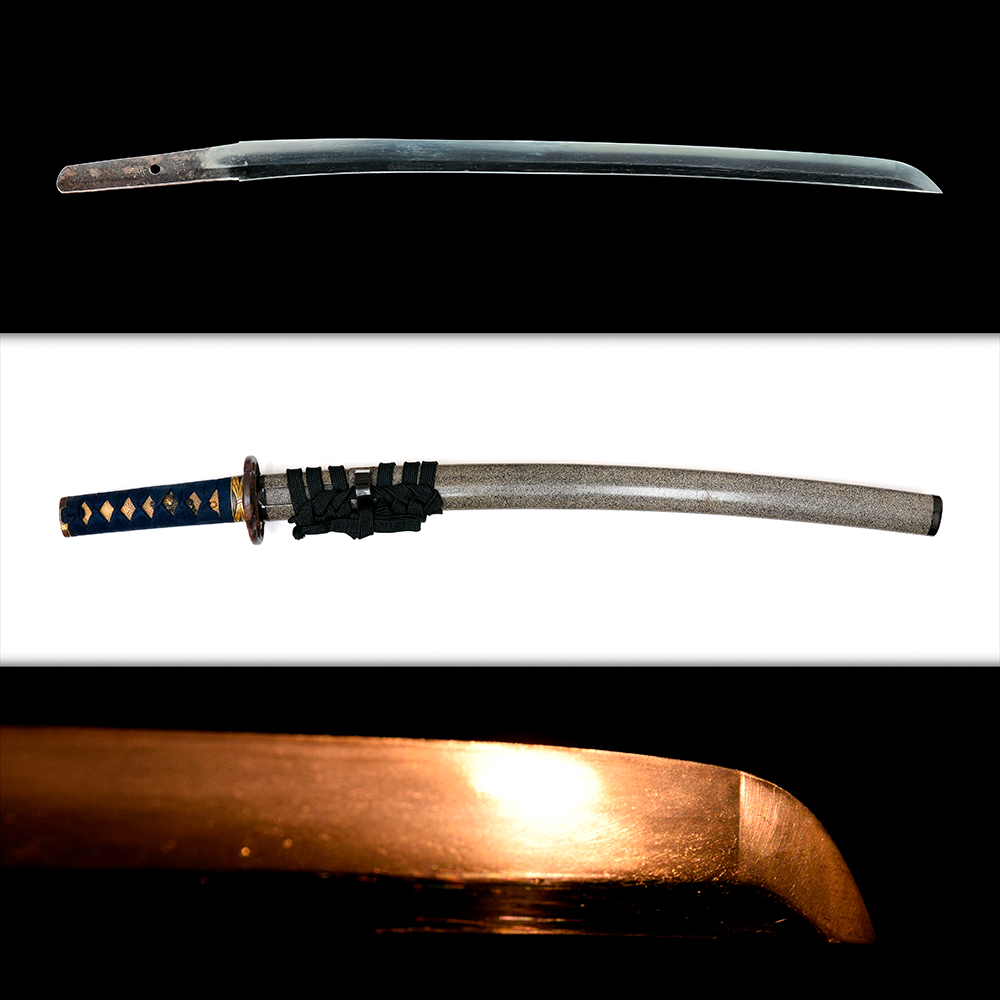
Shinogi-zukuri. Iori-mune. The difference in width between the moto and saki is not prominent, with a chu-kissaki. The ji-gane is ko-itame mixed with moku, slightly hada-tachi and kasu-tatsu. Regarding the hamon, the condition of the polish is poor and it appears quite nemutai, so it is not clear in its current state. The accompanying koshirae features a saya with an eye-catching whitish kawari-nuri, and the tsuba is a well-forged tetsu-ji with a yotsu-wa tsuru sukashi-zu; a superior piece that could stand on its own as a tsuba is included. There is rattling in the tsuka.
NihontoWatchOffered by Toushin

We couldn’t find current papers for this piece. Ask the dealer whether it has been, or can be, submitted to shinsa. — Hoshi

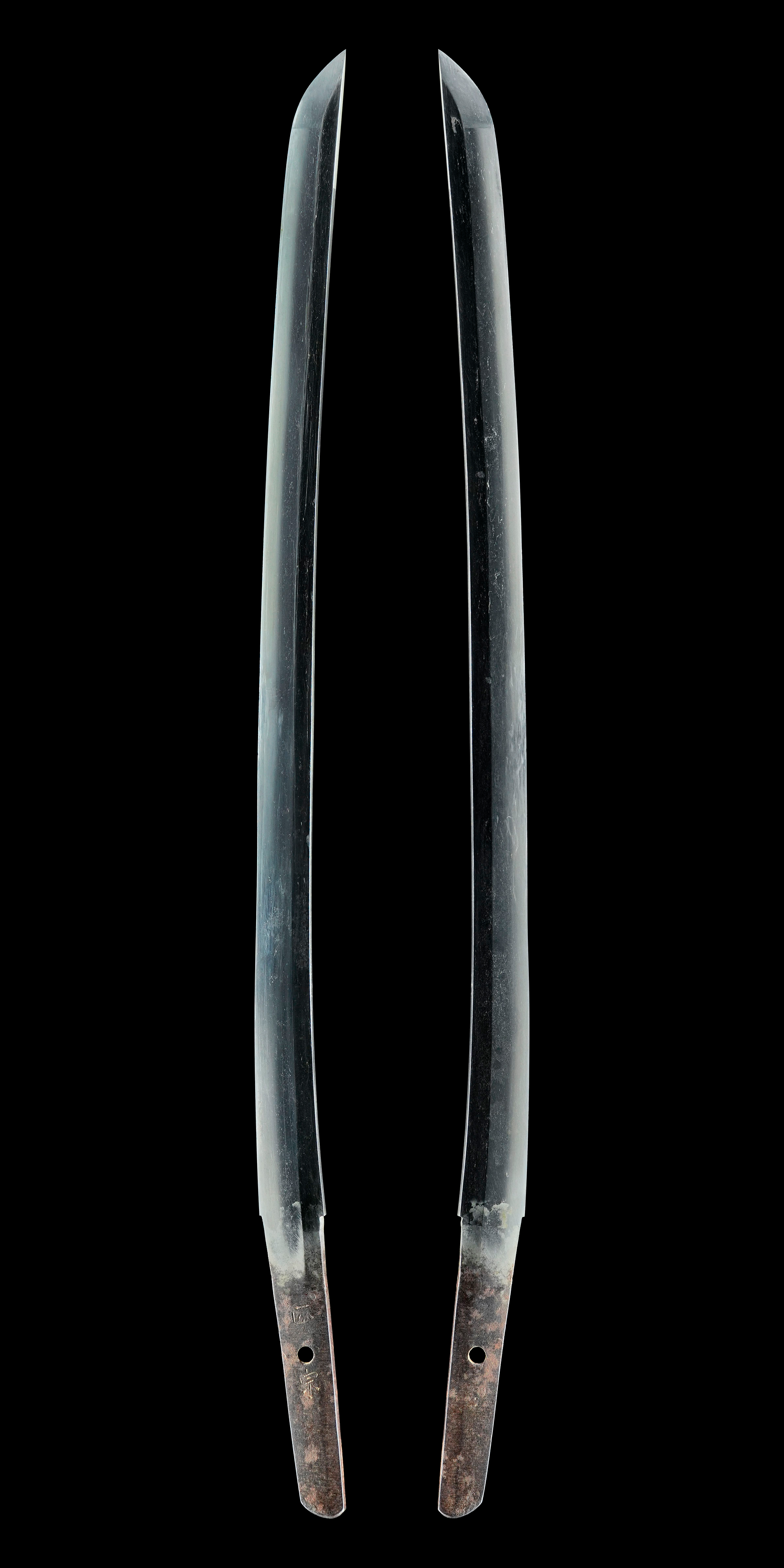
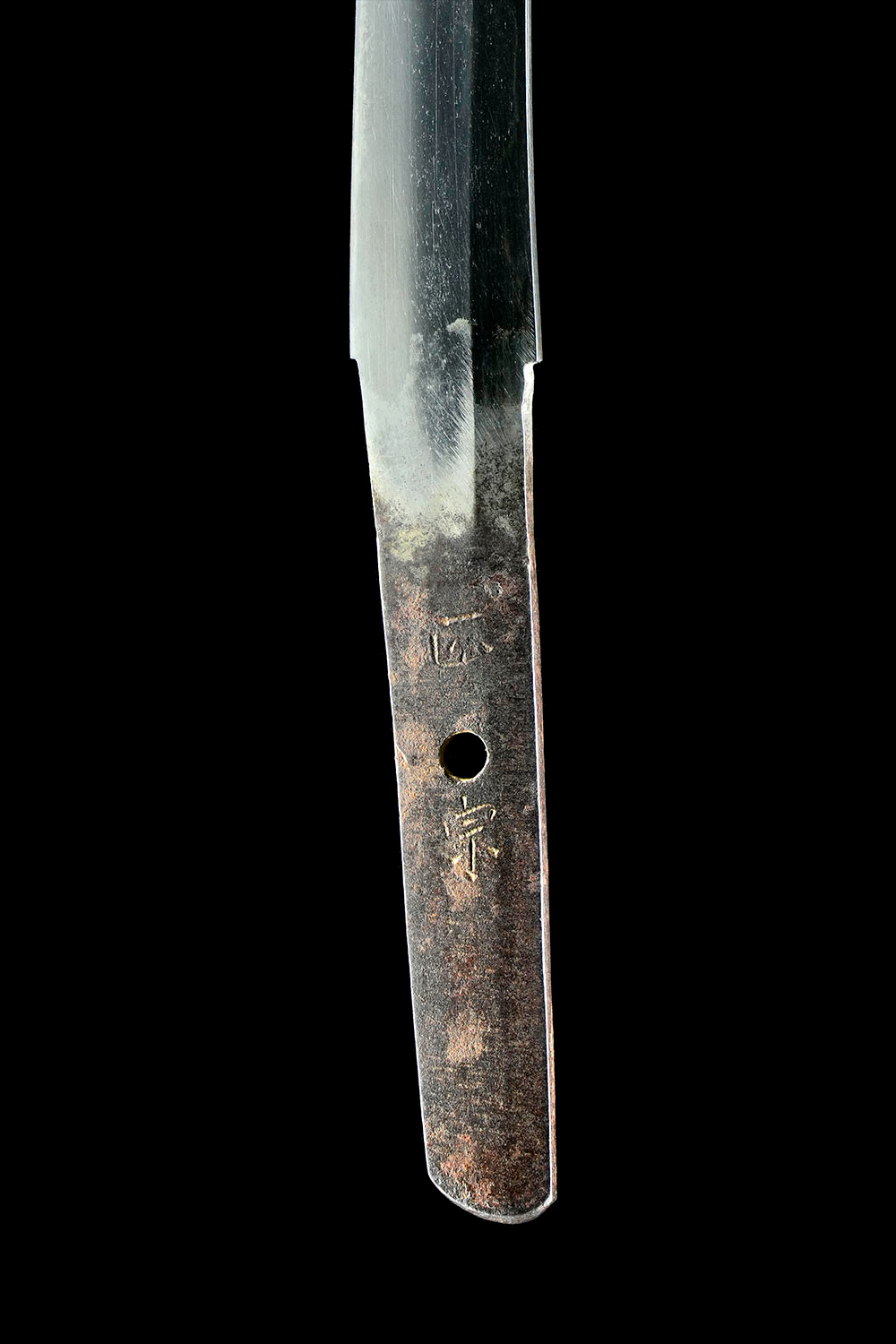
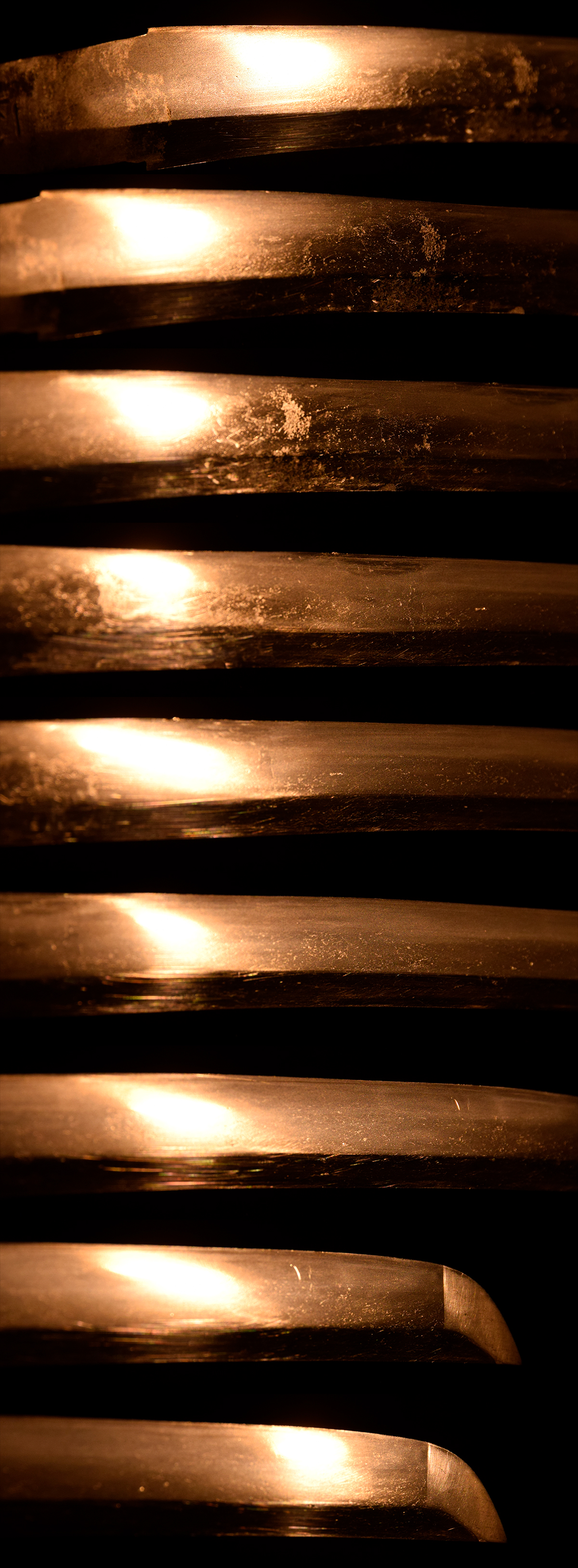
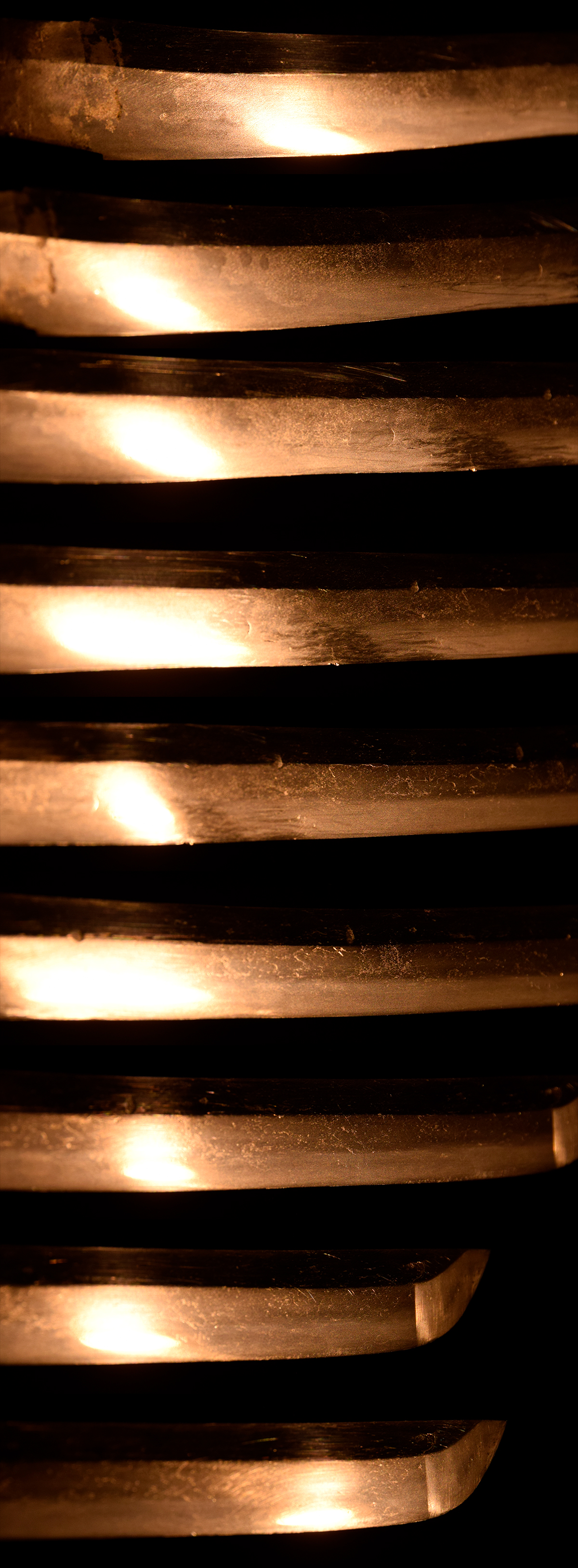
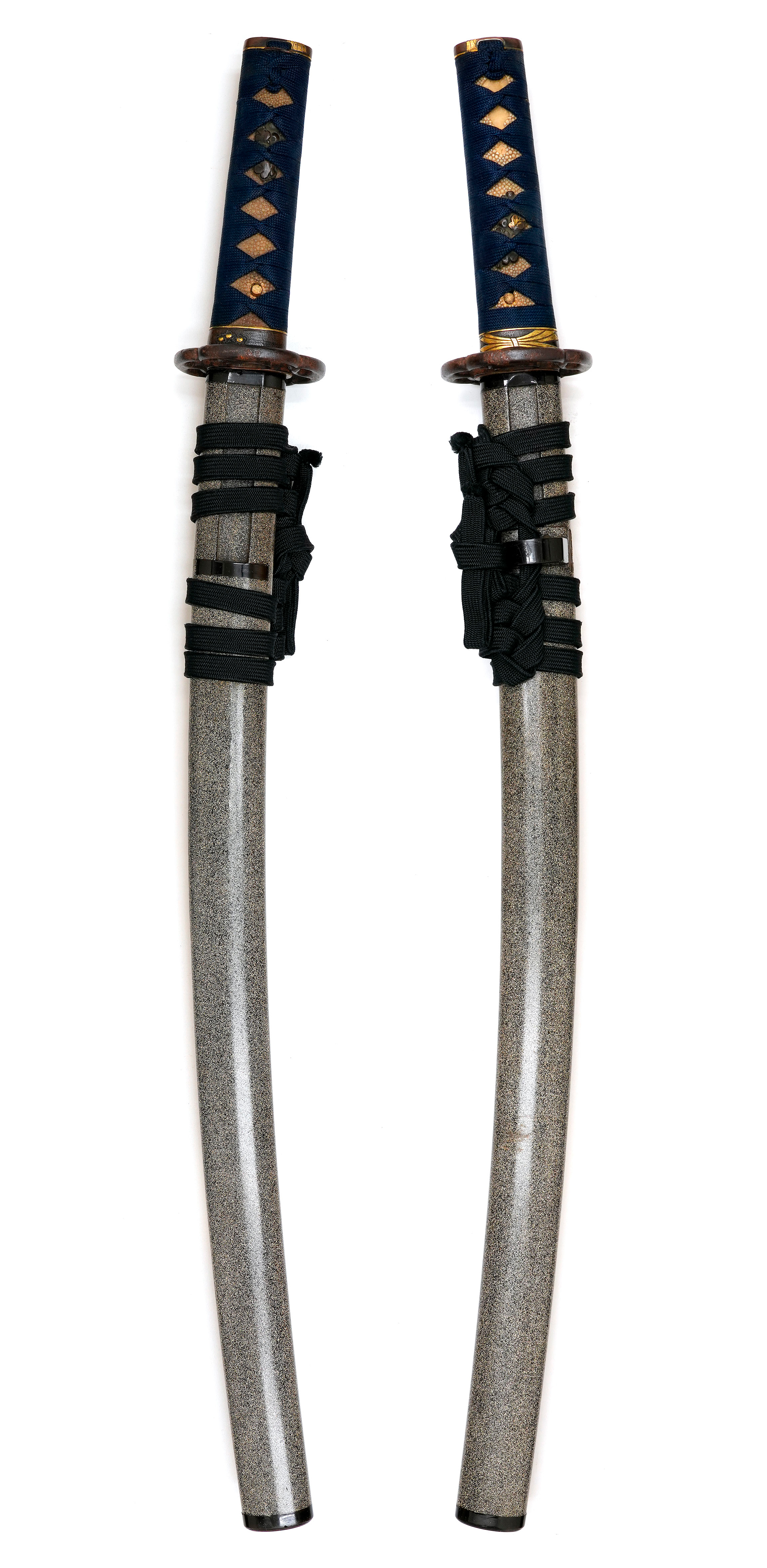
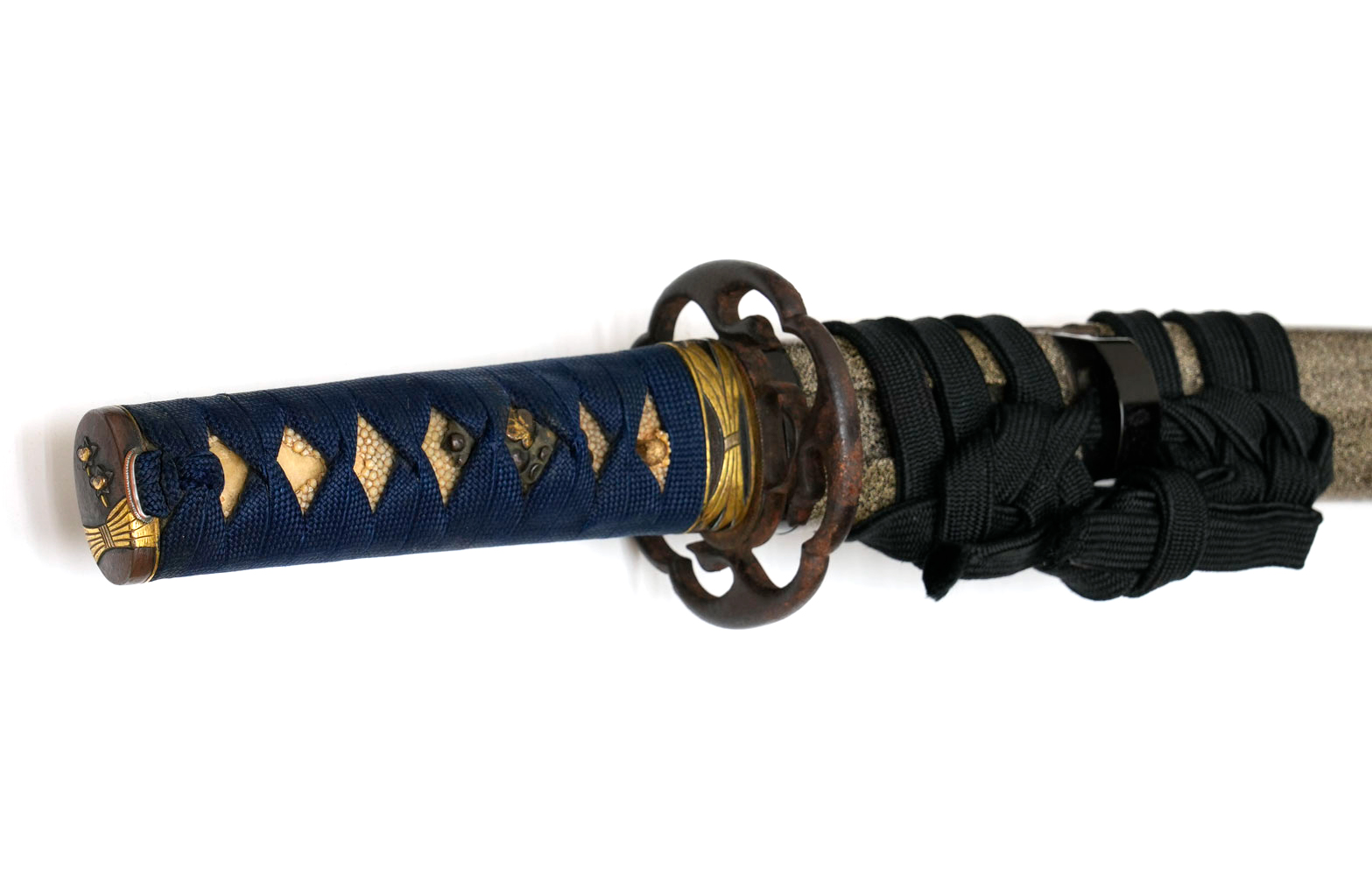
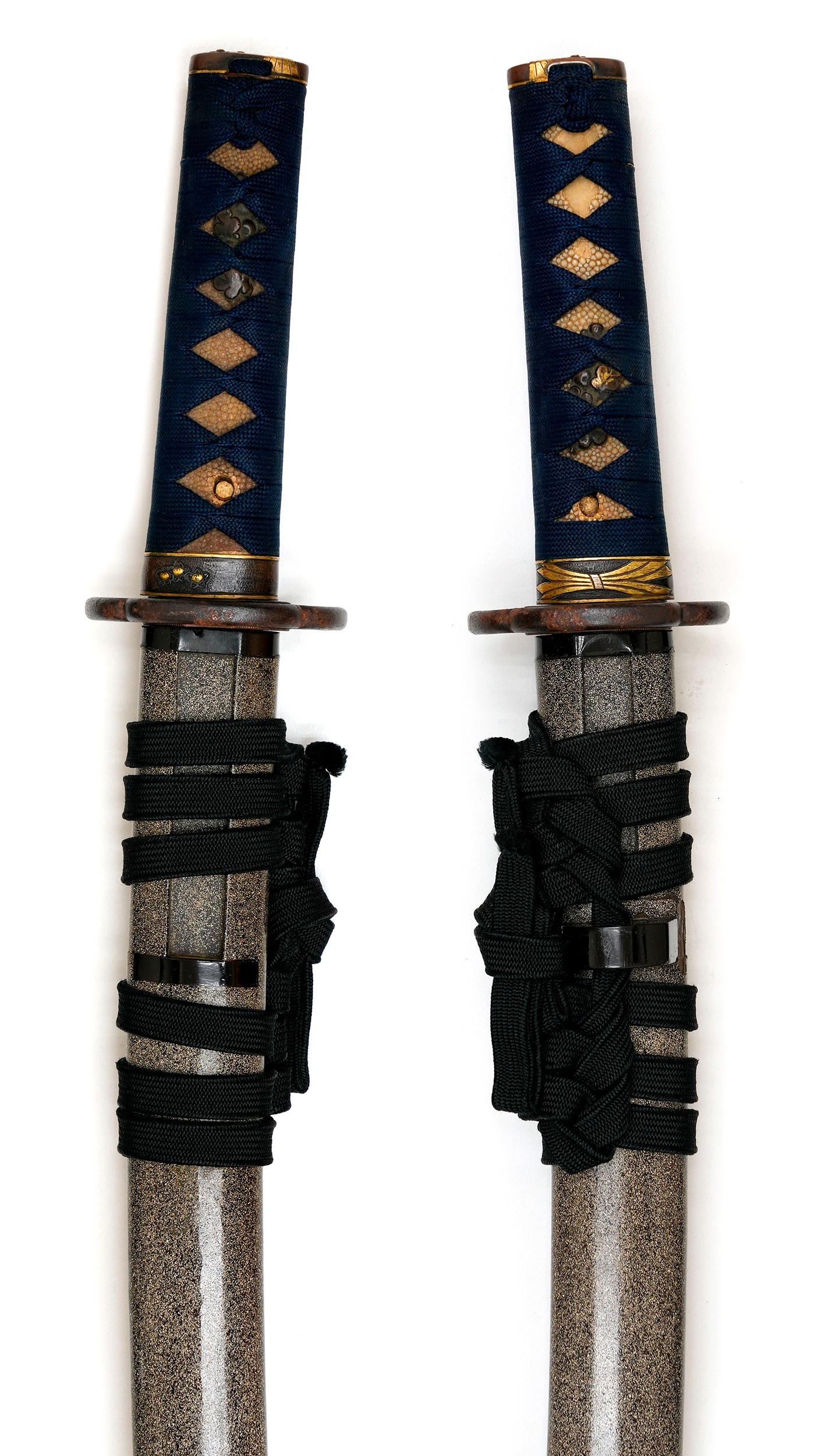
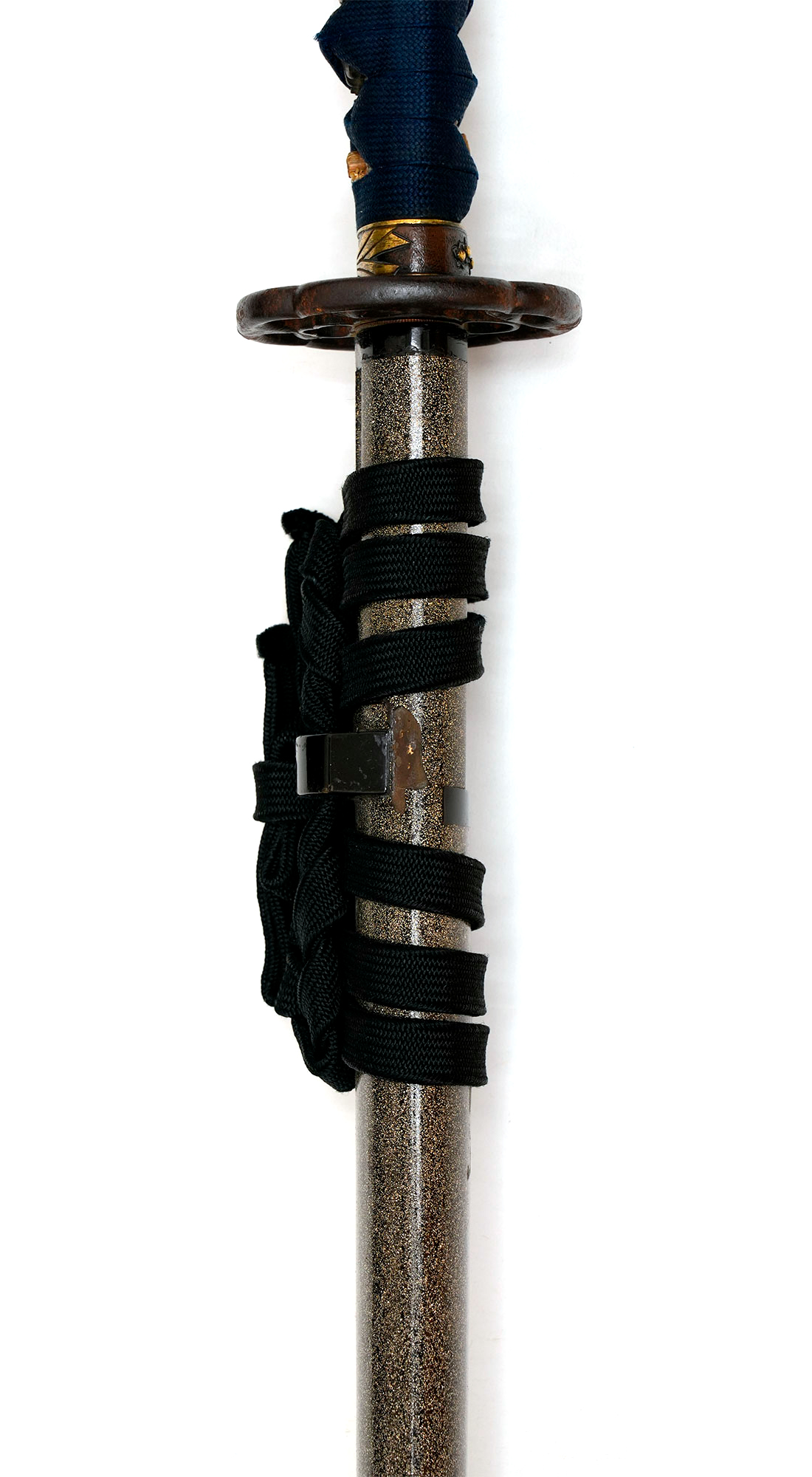
As written by the shop
Machine translation from the shop's Japanese · may contain errors ·
The Muromachi period (1392 to 1573)
After the Ōnin War broke the Ashikaga order, a century of Sengoku warfare armed nearly every province in Japan. The era rewards a discriminating eye: routine work exists in quantity, and beside it stand custom blades of the first rank.
We could not find an authenticity certificate on the seller’s listing. Japanese swords and fittings are normally papered by the NBTHK (or the NTHK). Without one, the attribution is the seller’s own assessment and has not been independently verified — treat it with caution and ask the dealer about certification before buying.
As a rule we do not accept returns, except when we have sent a different item from the one ordered or when there is a significant discrepancy between the description and the item. If you wish to return an item, please contact us within 3 days of its arrival and then send it back.
¥110,000