Muromachi turned sword making into an industry: the uchigatana rose with massed infantry warfare, Osafune and Seki produced bundle swords beside custom orders, and the Ming trade carried Japanese blades abroad by the tens of thousands.
 NihontoWatchNihontoWatch
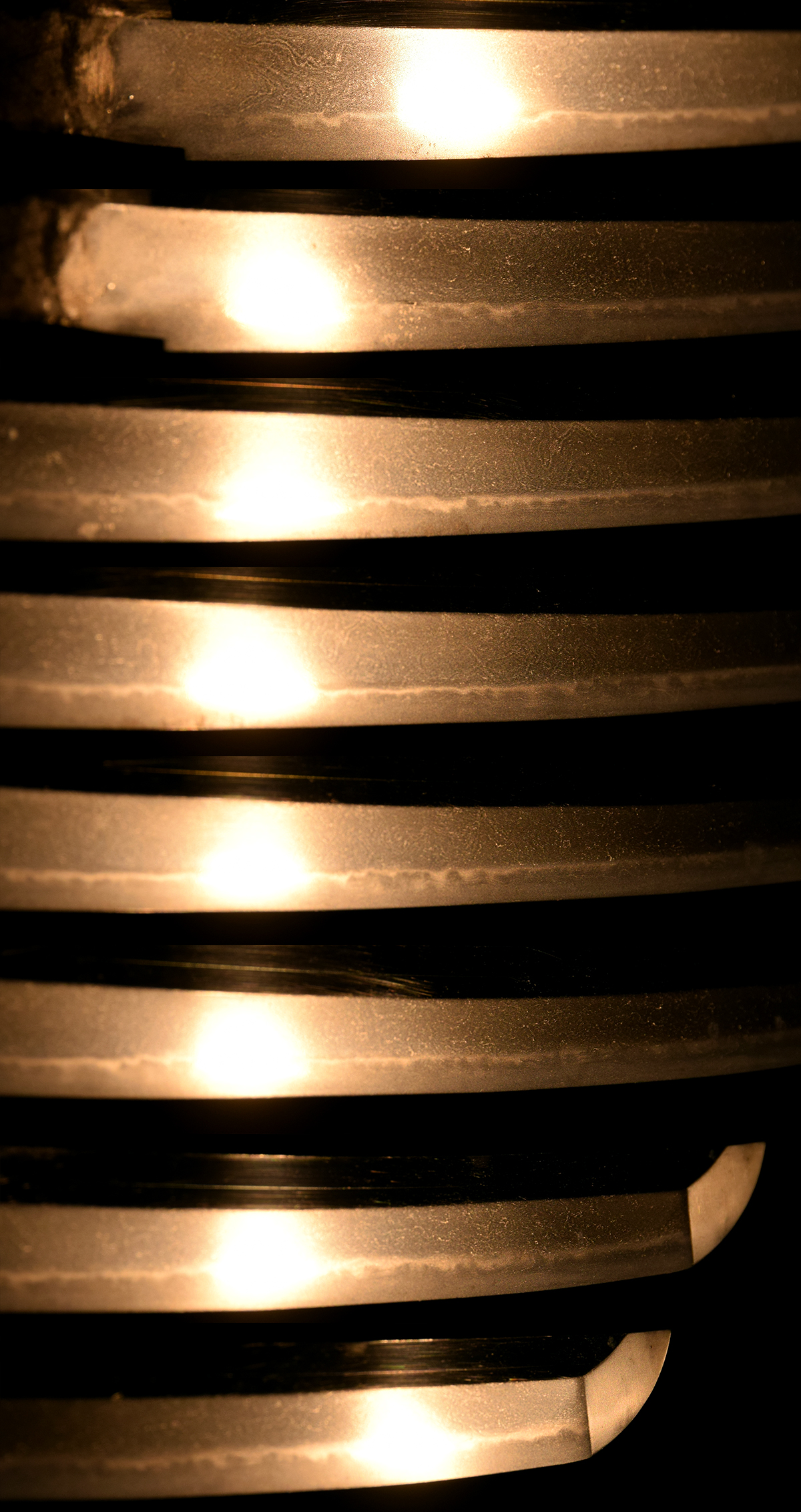
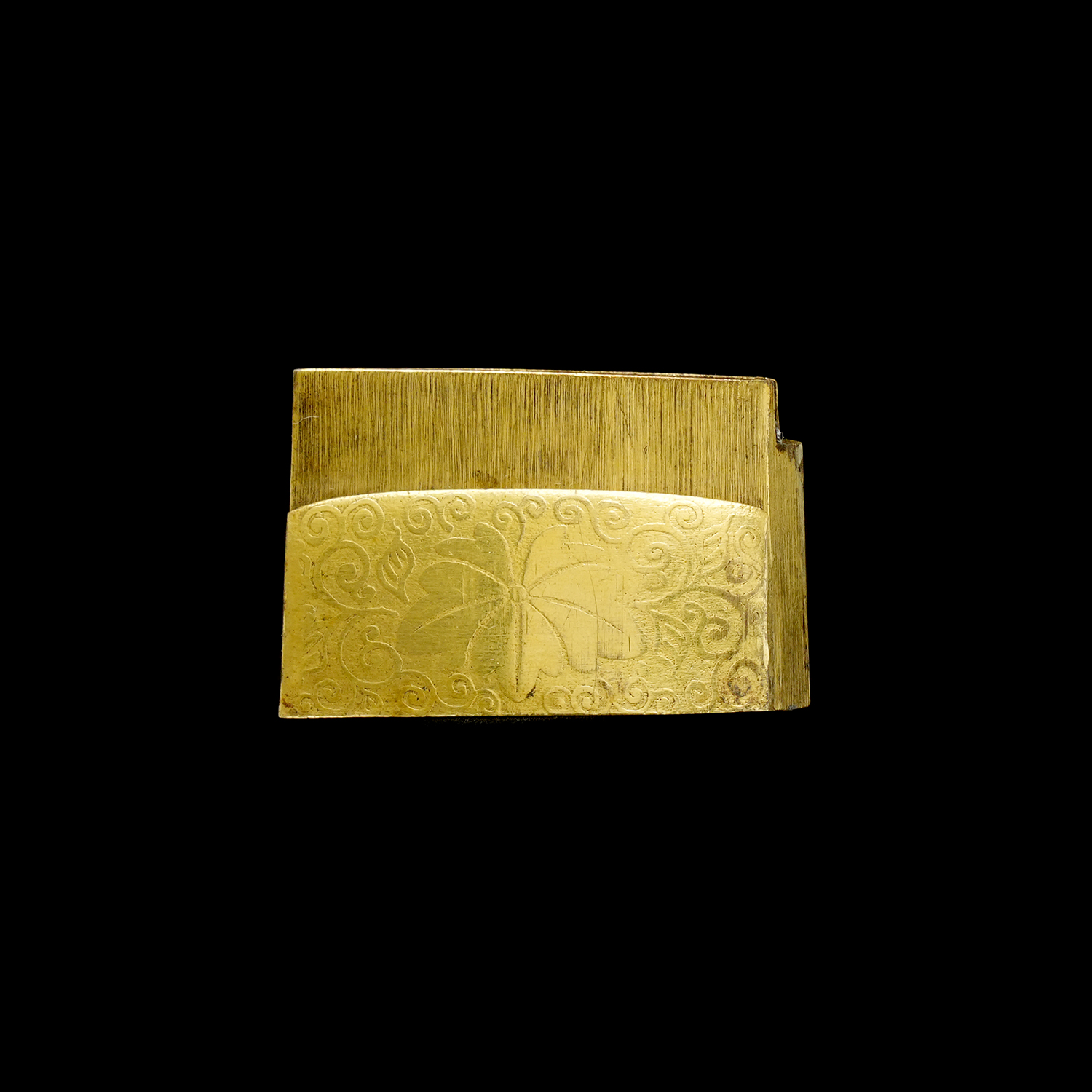
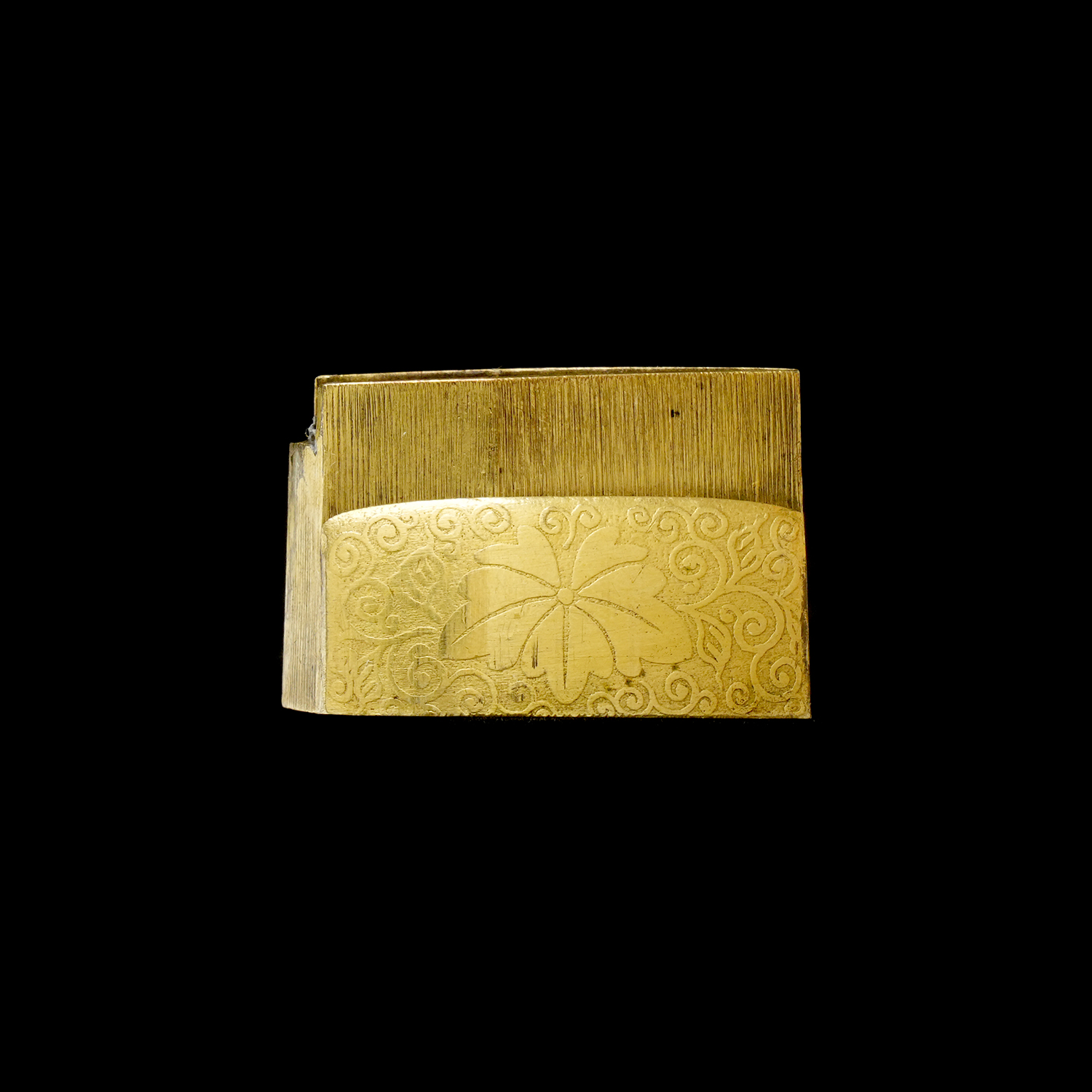
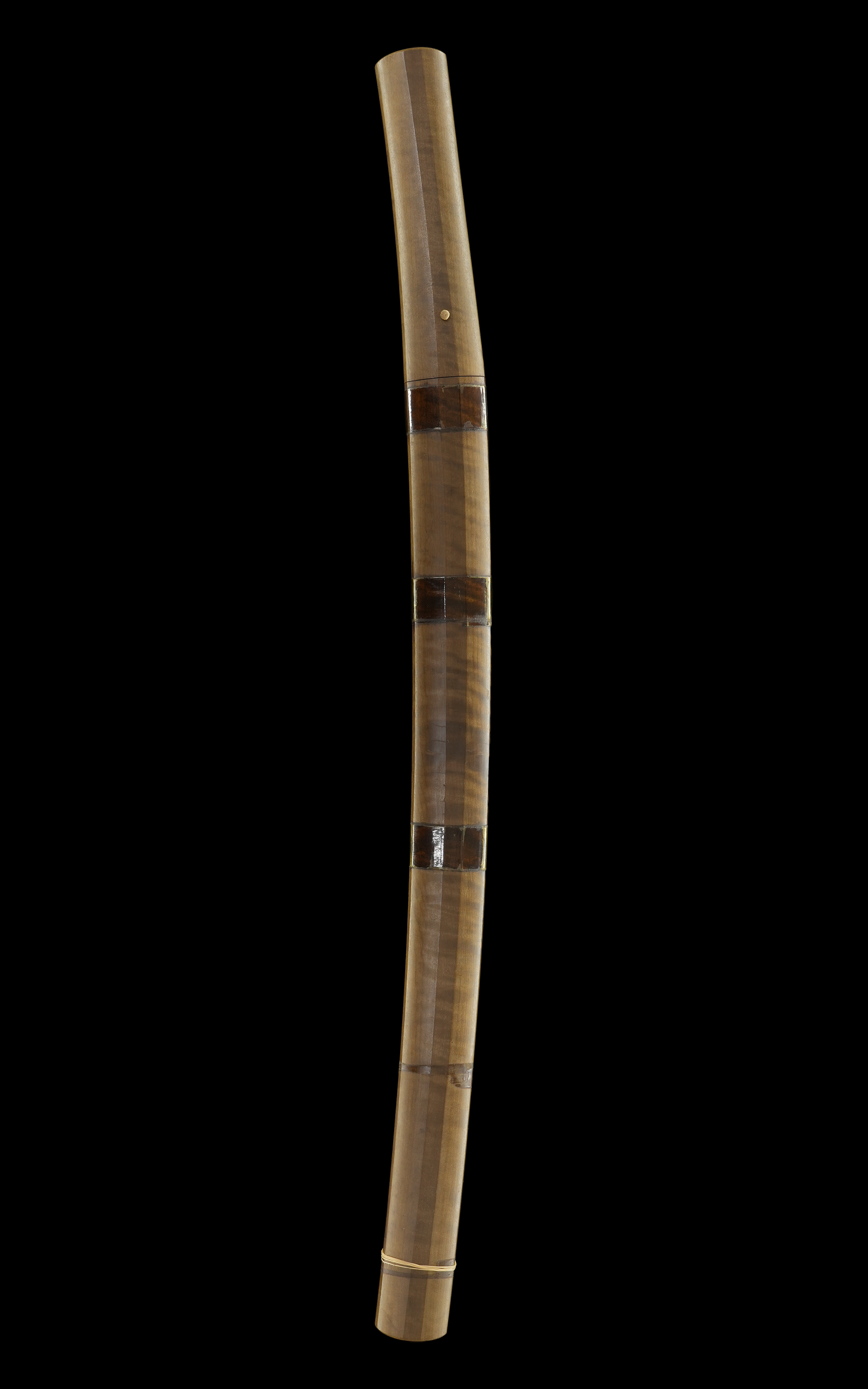
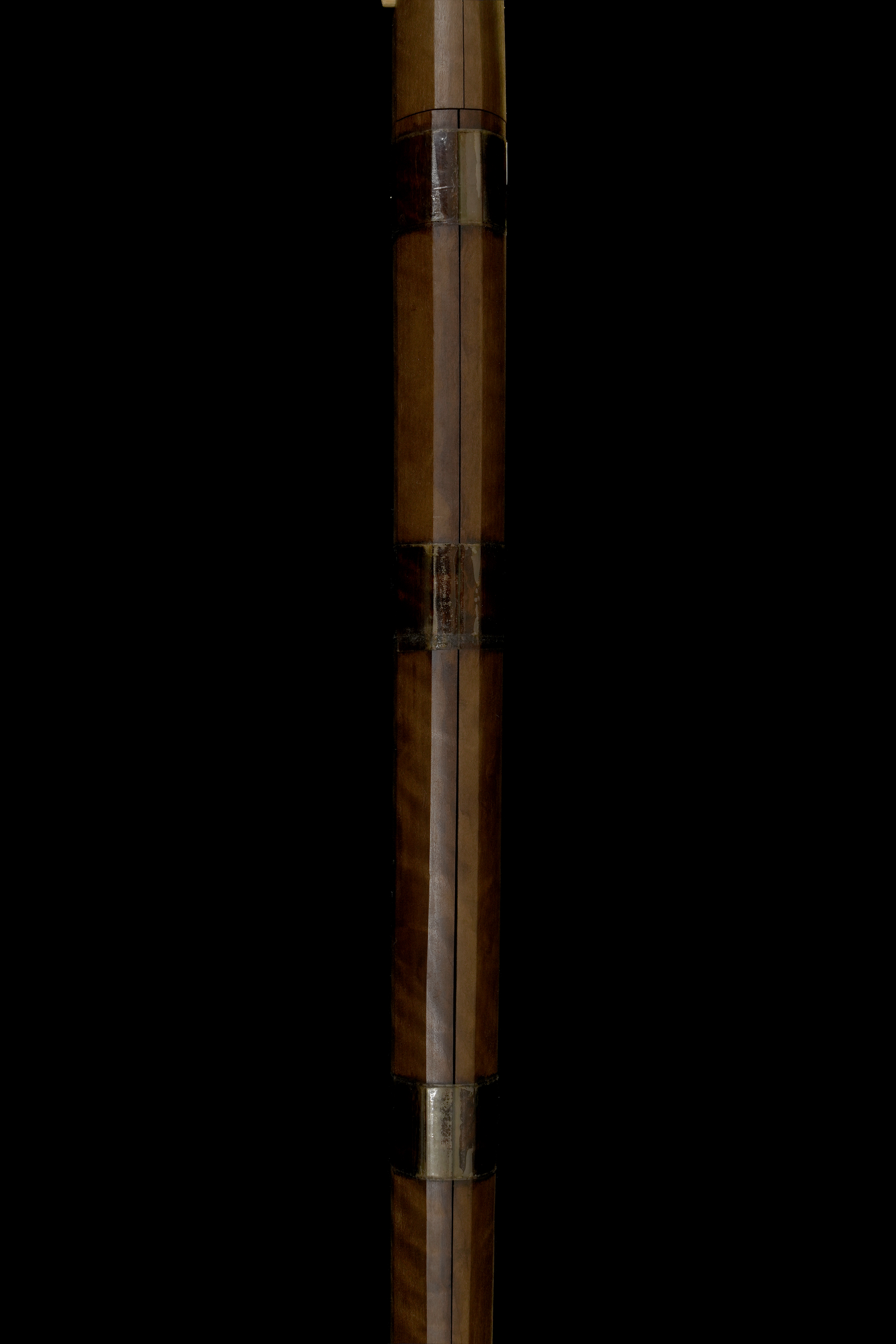
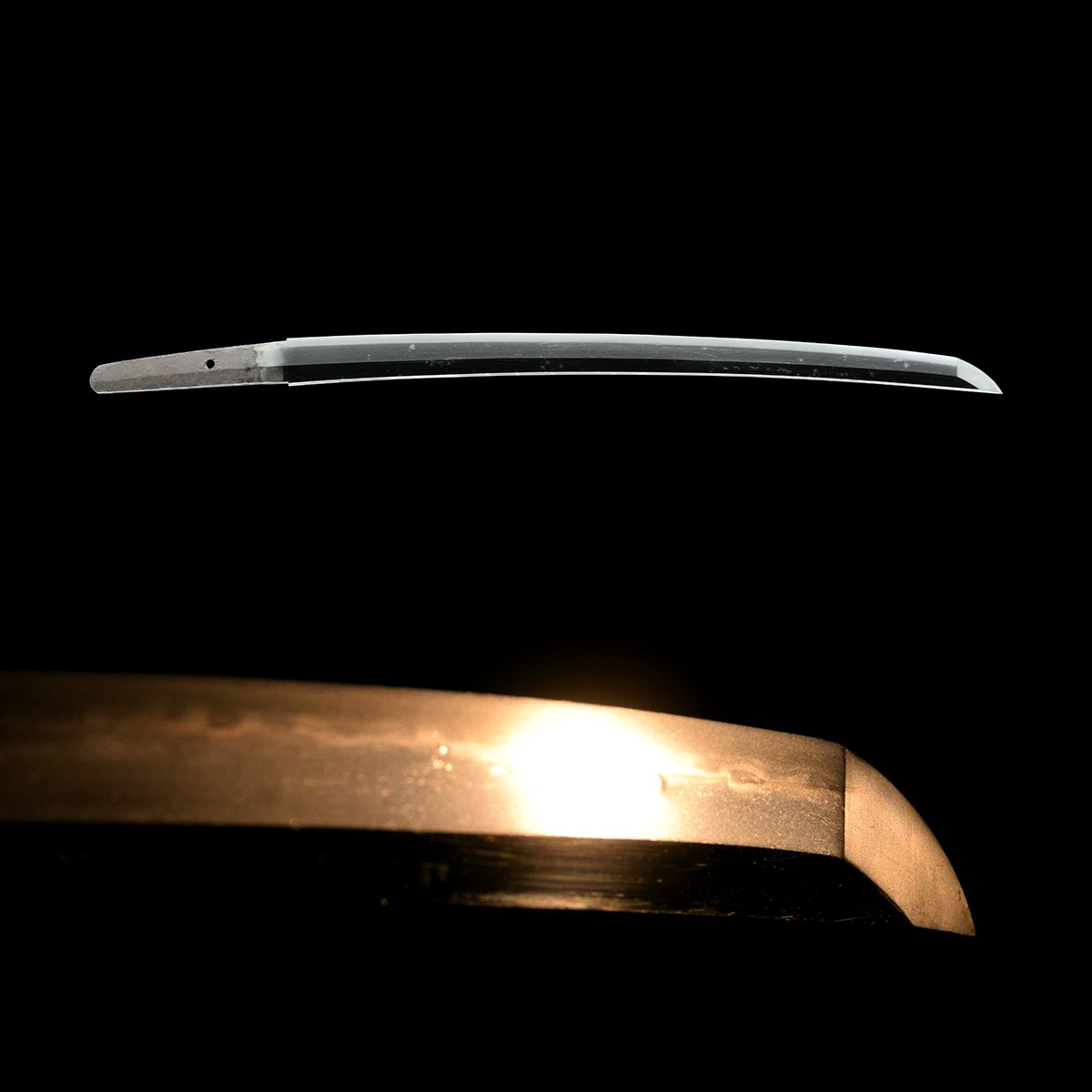
This work is a wakizashi in shinogi-zukuri with an iori-mune, considered to have been produced from the end of the Muromachi period to the early Edo period. Securing a moto-haba of 30.9 mm against a nagasa of 45.2 cm, the sugata is well-proportioned with a moderate difference between the moto and saki widths leading to a chu-kissaki; combined with the gently distributed sori, the outline evokes the particular charm of a period transitioning from the spirit of the Sengoku era to the refinement of early modern swords. Possessing a substantial volume suitable for the hand with a naked blade weight of 435 grams, the healthy sugata which retains its ha-niku shows a fine harmony between practical robustness and the dignity of an art sword. The jigane is well-forged in ko-itame mixed with mokume, with fine chikei entering the tight hada, and partial slight hada-tatsu creates a depth that avoids monotony. Depending on the angle of the light, the undulations of the mokume and the chikei quietly emerge, and the ability to appreciate the certainty of the forging within the calm steel color is a major highlight of this work; the hamon is based on a suguha style mixed with gunome and gunome-ashi, with fine sunagashi appearing along the habuchi, showing variations throughout the calm composition. The yakiba continues without disruption to the kissaki, and the boshi is a straightforward treatment that runs sugu and returns maru at the tip; as one follows the sugata, jigane, and hamon in order, one can fully enjoy the appeal of a style connecting the end of the Koto period to the beginning of the Shinto period. The nakago is ubu with one mekugi-ana and the yasurime are higaki-yasuri; as it is mumei, it cannot be easily attributed to a specific swordsmith, but the nakago which appears untouched, the orderly sugata, the well-forged jigane, and the jinhada execution mixing gunome and sunagashi into a suguha style speak to the solid presence of this wakizashi itself. Furthermore, the niju-habaki made of suaka-ji featuring a tsuta-mon with kin-tokin adds a prestigious brilliance to the calm scenery of the blade, making it an attractive accessory that invites one to imagine a provenance of being long and carefully passed down. Housed in a shirasaya, this is a blade suitable for a collection, allowing one to appreciate as a whole the historical character of the late Muromachi to early Edo periods, the joy of observing the jigane, and the niju-habaki that conveys a sense of transmission.
Offered by Toushin

We couldn’t find current papers for this piece. Ask the dealer whether it has been, or can be, submitted to shinsa. — Hoshi

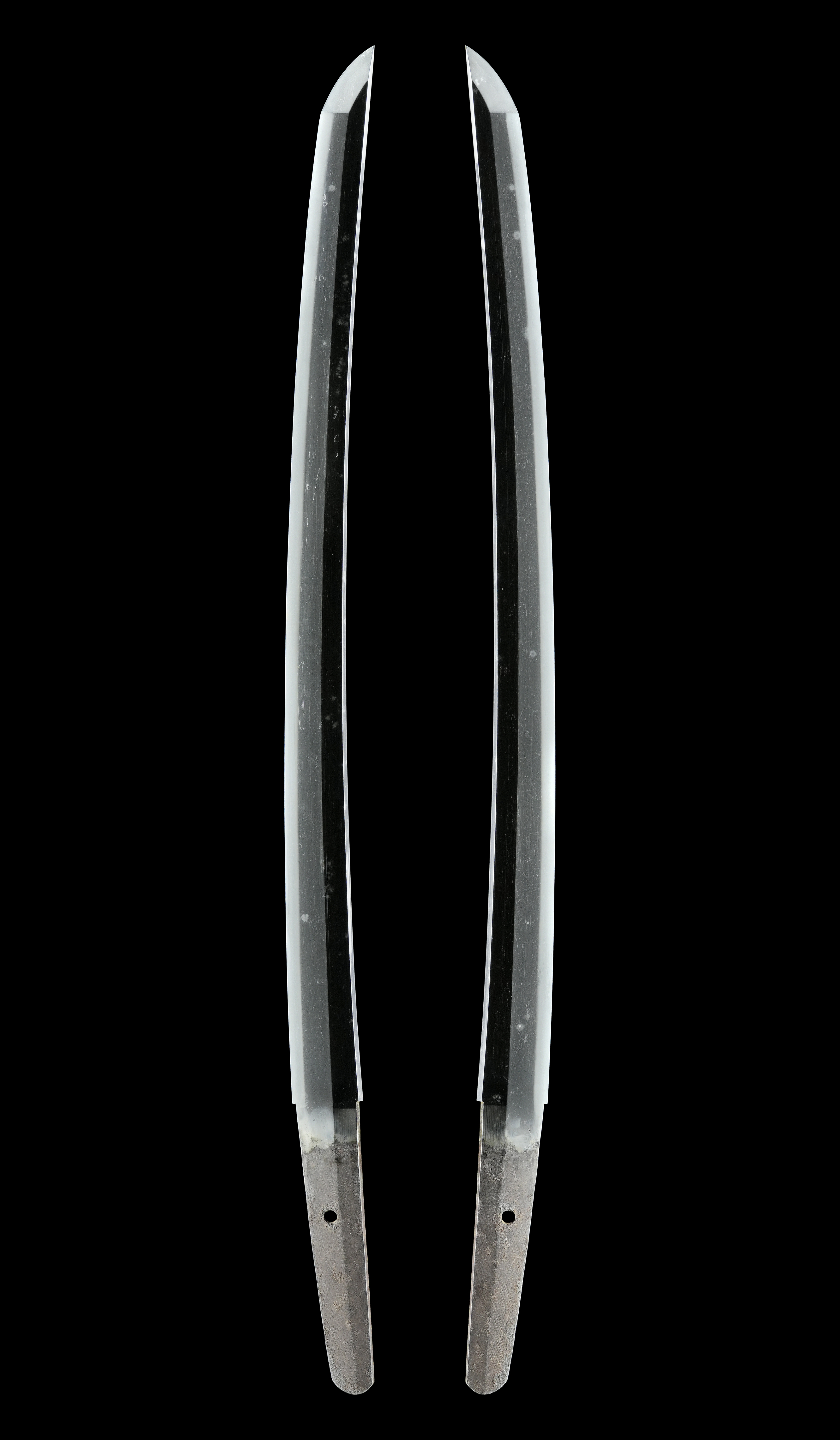
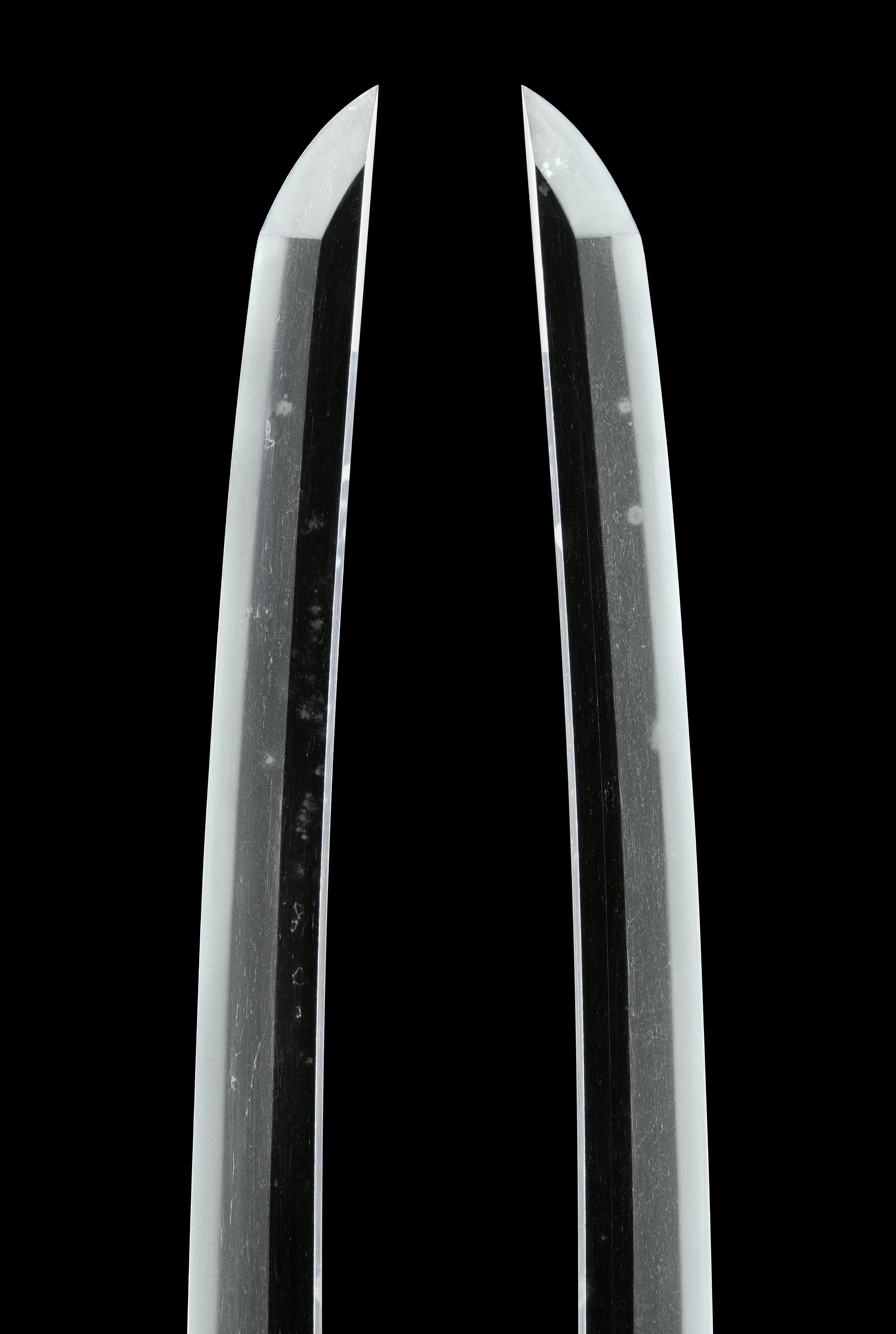
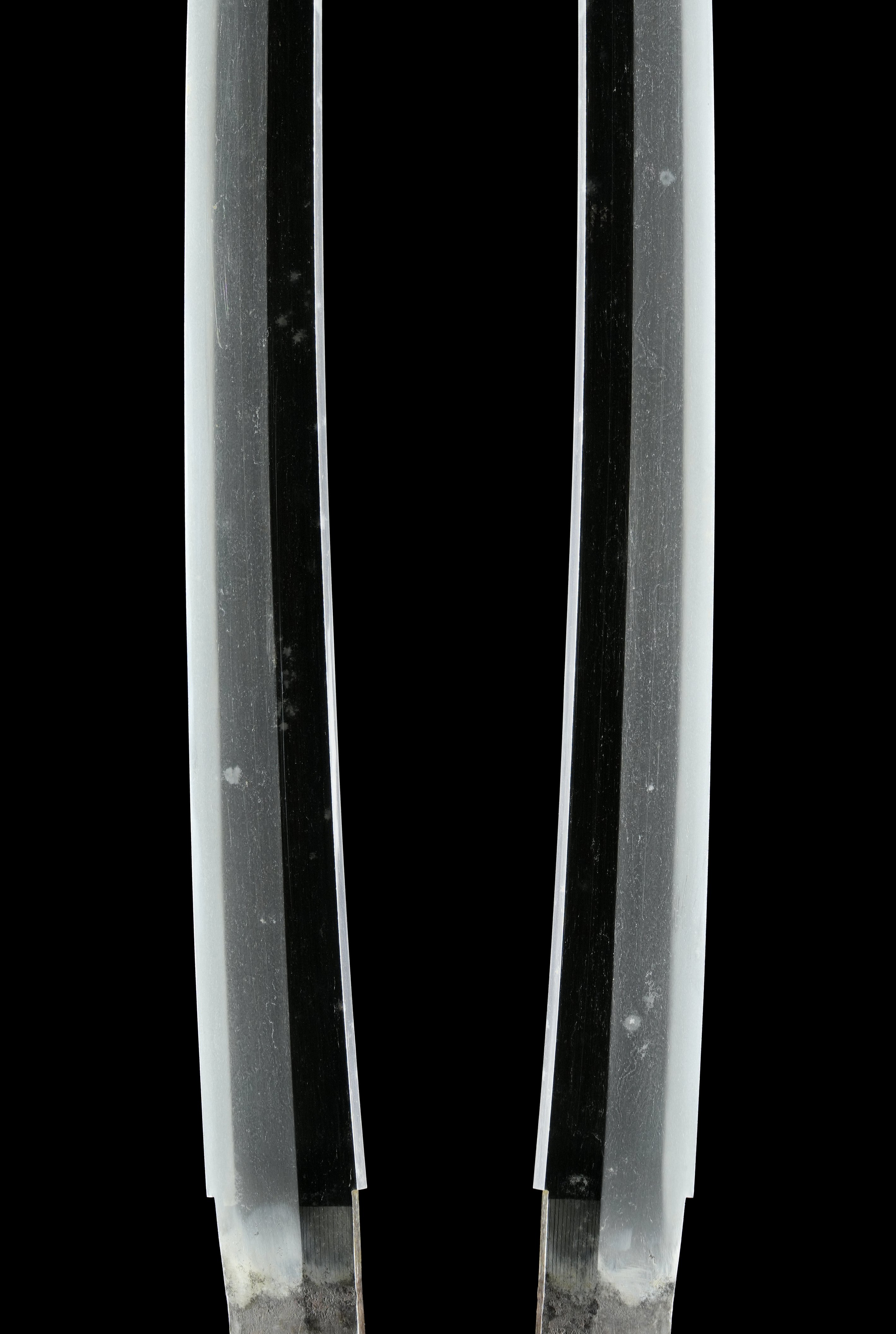
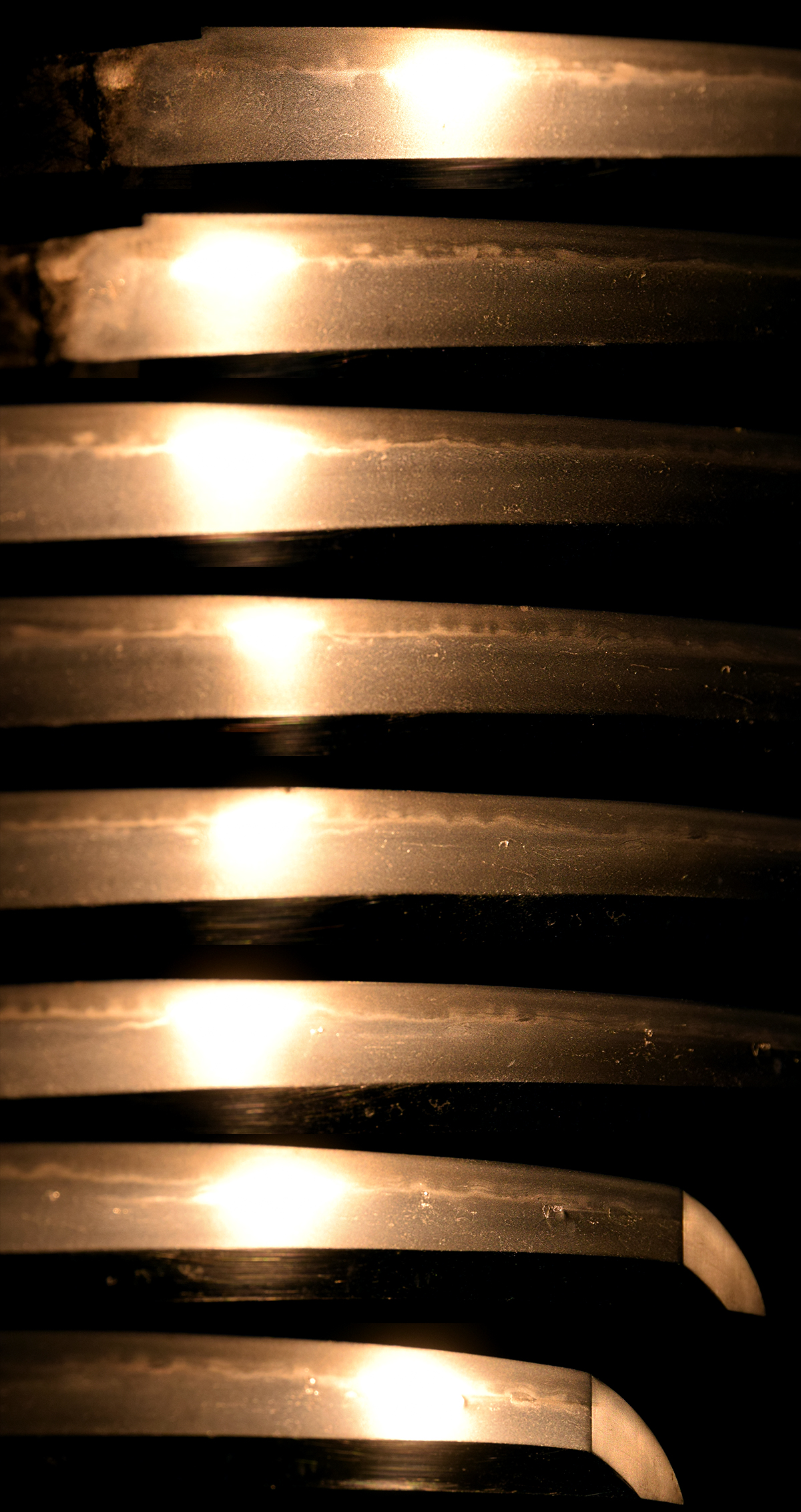
As written by the shop
Machine translation from the shop's Japanese · may contain errors ·
The Muromachi period (1392 to 1573)
Muromachi turned sword making into an industry: the uchigatana rose with massed infantry warfare, Osafune and Seki produced bundle swords beside custom orders, and the Ming trade carried Japanese blades abroad by the tens of thousands.
We could not find an authenticity certificate on the seller’s listing. Japanese swords and fittings are normally papered by the NBTHK (or the NTHK). Without one, the attribution is the seller’s own assessment and has not been independently verified — treat it with caution and ask the dealer about certification before buying.
As a rule we do not accept returns, except when we have sent a different item from the one ordered or when there is a significant discrepancy between the description and the item. If you wish to return an item, please contact us within 3 days of its arrival and then send it back.
¥198,000