Muromachi turned sword making into an industry: the uchigatana rose with massed infantry warfare, Osafune and Seki produced bundle swords beside custom orders, and the Ming trade carried Japanese blades abroad by the tens of thousands.
 NihontoWatchNihontoWatch
鑑定に期待有り 研磨が必要な状態ですが、生ぶ茎の清光 鑑定審査するには現状では取り下げになる可能性があり、研磨後審査に出す必要がございます。 弊社で研磨も承っております。本刀7万円で可能(通常は9万円 53.5cm=1.76尺→18寸×5000円) 研磨後出品してしまうとどうしても研磨費用を上乗せしないといけませんので、お求めしやすい価格の状態でUPさせていただきました。 (鑑定審査代行) 保存、特別保存鑑定書(協会)、正真鑑定書(NPO法人保存会)など必要な方は鑑定費用(実費)と代行費用2万円、鑑定書発行まで数カ月のお時間頂きますが、受付可能でございます。 本商品は保存保証、正真保証はしておりません。 商品の状態 *刃切れ・刃絡み・目視上の刃こぼれ・曲がり・撓え・膨れ・匂い切れ・駆け出しございません。駆け出してはいませんが駆け出し心です。あと数回研ぐと駆け出す可能性があります。 *時代による、汚れ、細かな擦れ傷,劣化等はご了承ください。写真を参考にしてください。
NihontoWatchOffered by Yazawa Shokai
The listing mentions papers that aren’t in our records yet. Current NBTHK and NTHK shinsa papers are the independent check we rely on, so it’s worth asking the dealer for a clear photo of the certificate. — Hoshi

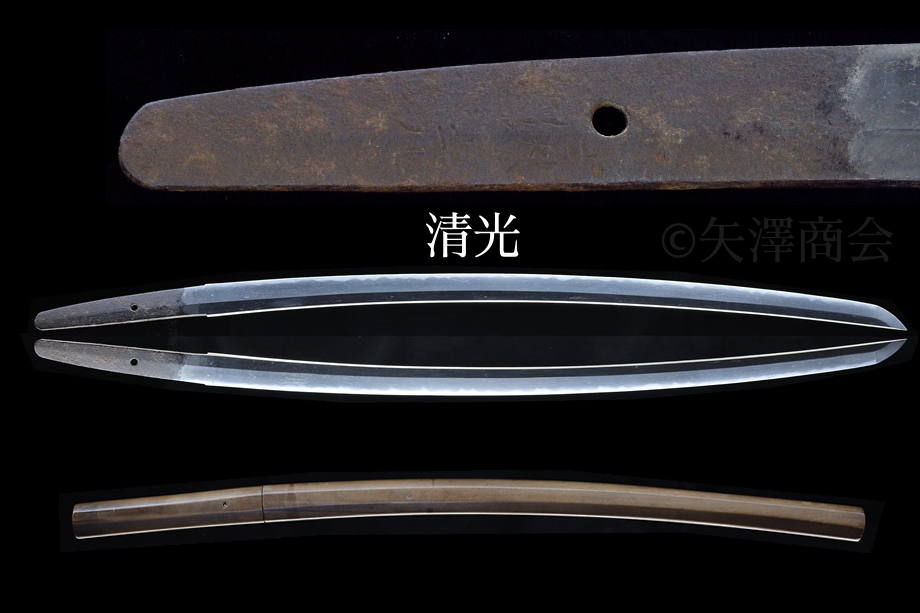
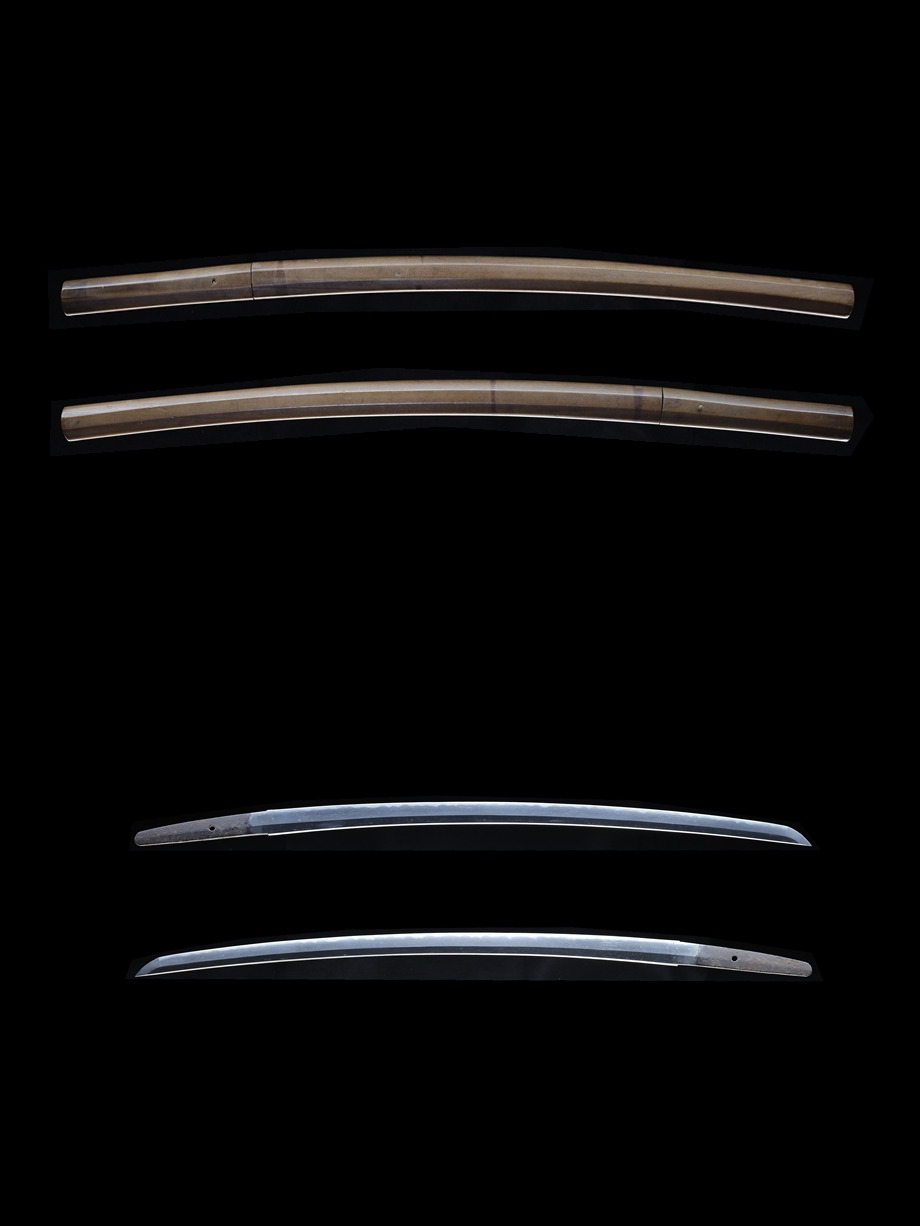


As written by the shop
(Translation unavailable)
The Muromachi period (1392 to 1573)
Muromachi turned sword making into an industry: the uchigatana rose with massed infantry warfare, Osafune and Seki produced bundle swords beside custom orders, and the Ming trade carried Japanese blades abroad by the tens of thousands.
We could not find an authenticity certificate on the seller’s listing. Japanese swords and fittings are normally papered by the NBTHK (or the NTHK). Without one, the attribution is the seller’s own assessment and has not been independently verified — treat it with caution and ask the dealer about certification before buying.
¥130,000