After the Ōnin War broke the Ashikaga order, a century of Sengoku warfare armed nearly every province in Japan. The era rewards a discriminating eye: routine work exists in quantity, and beside it stand custom blades of the first rank.
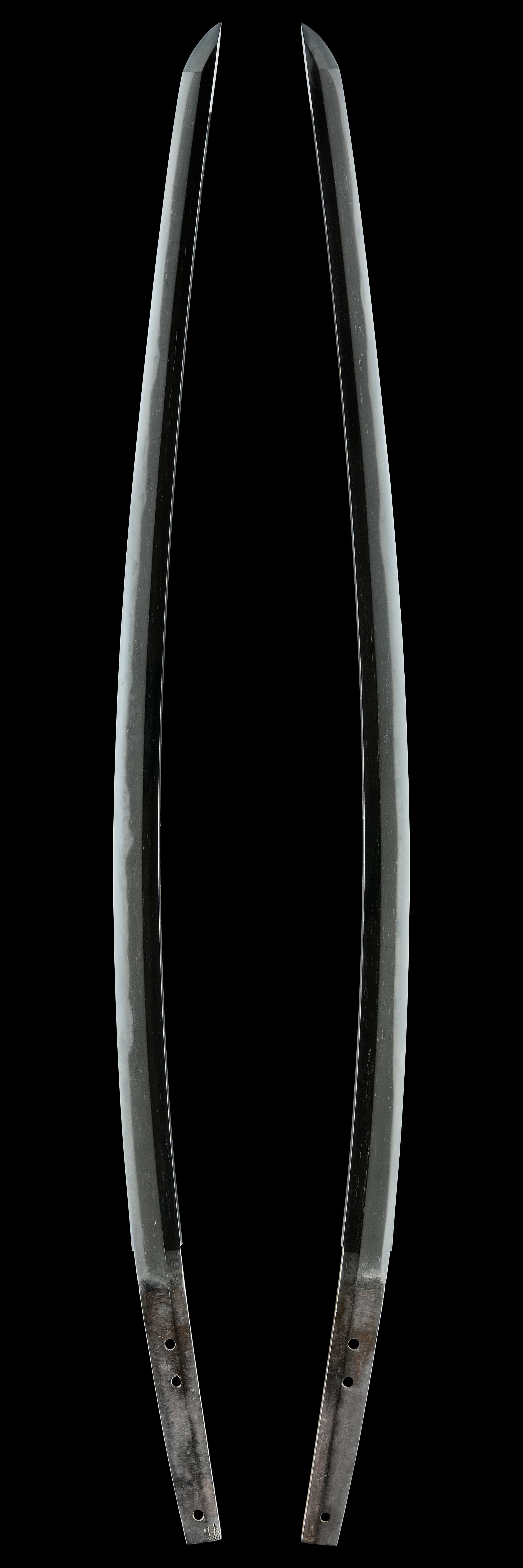
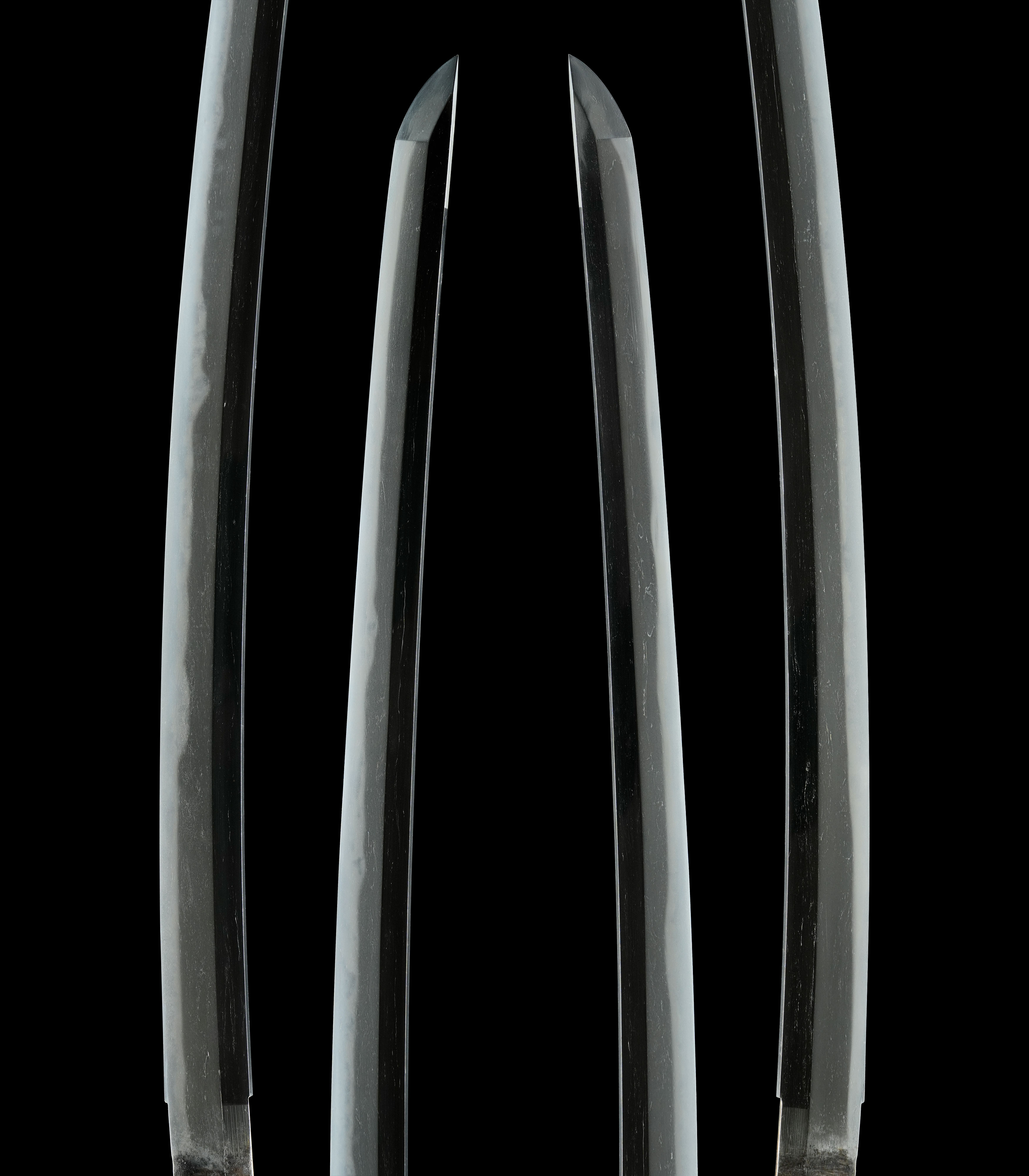
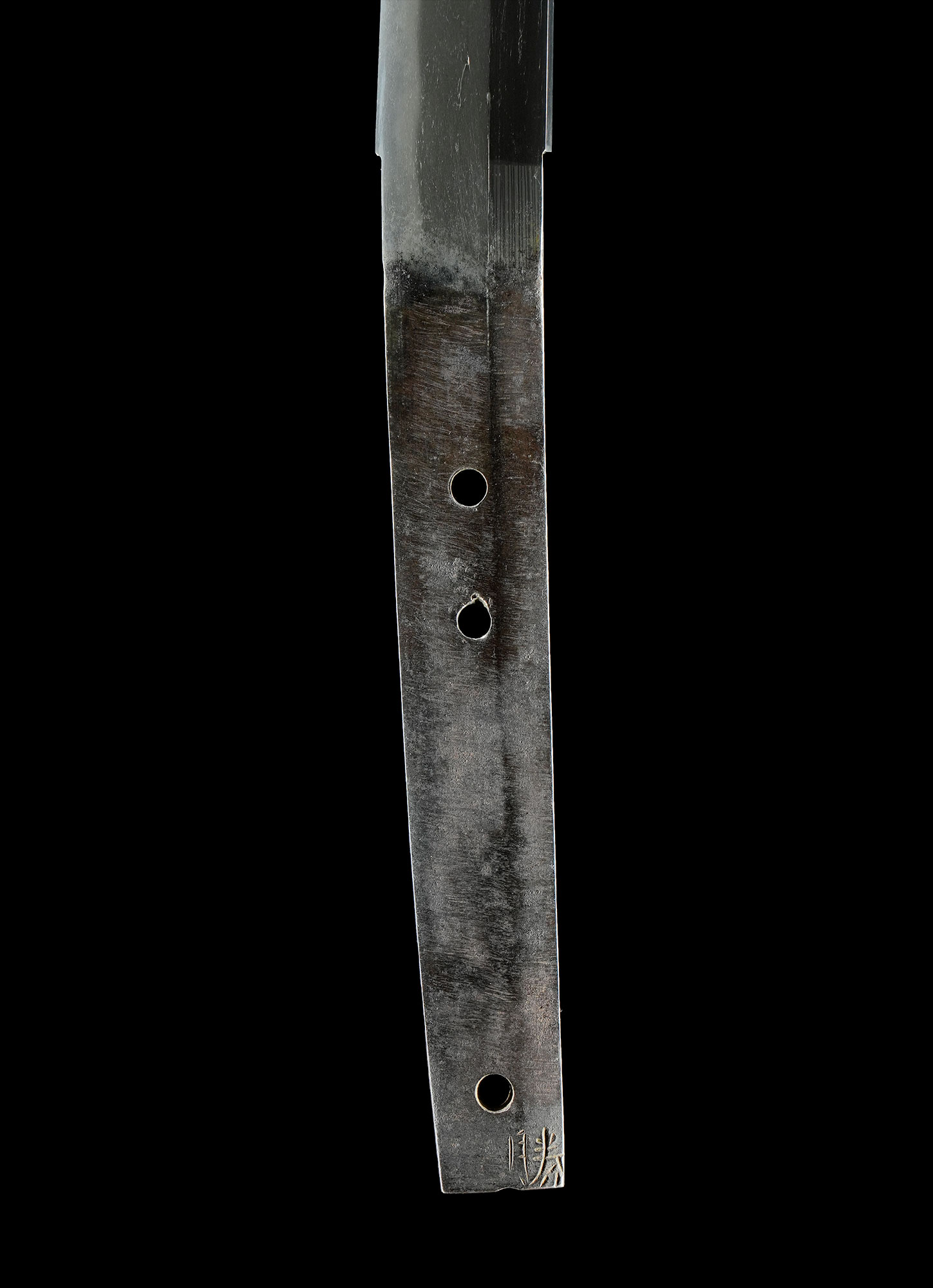
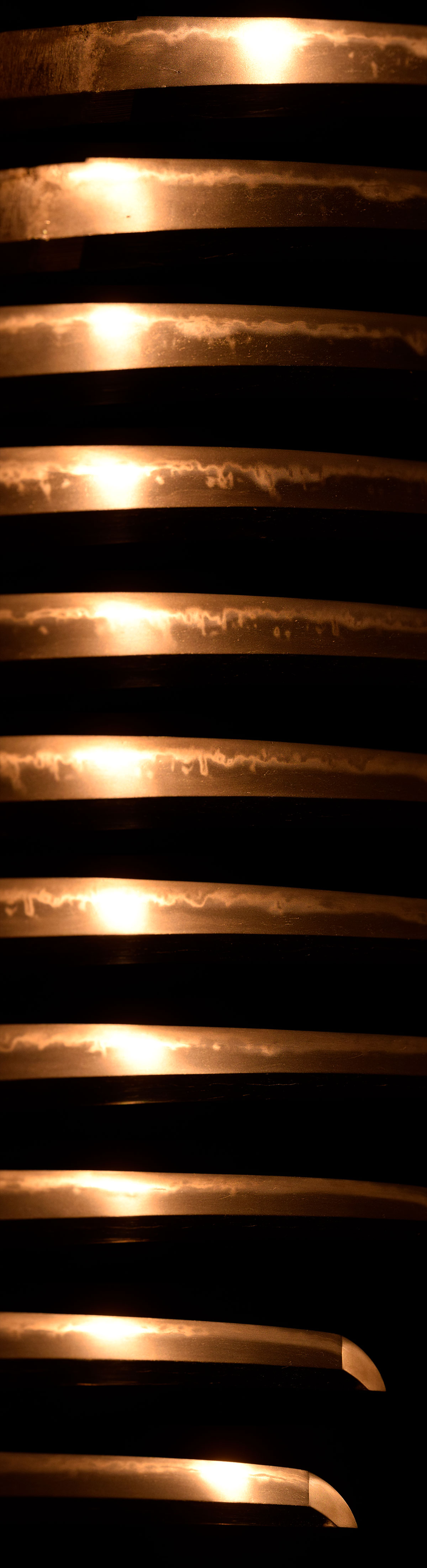
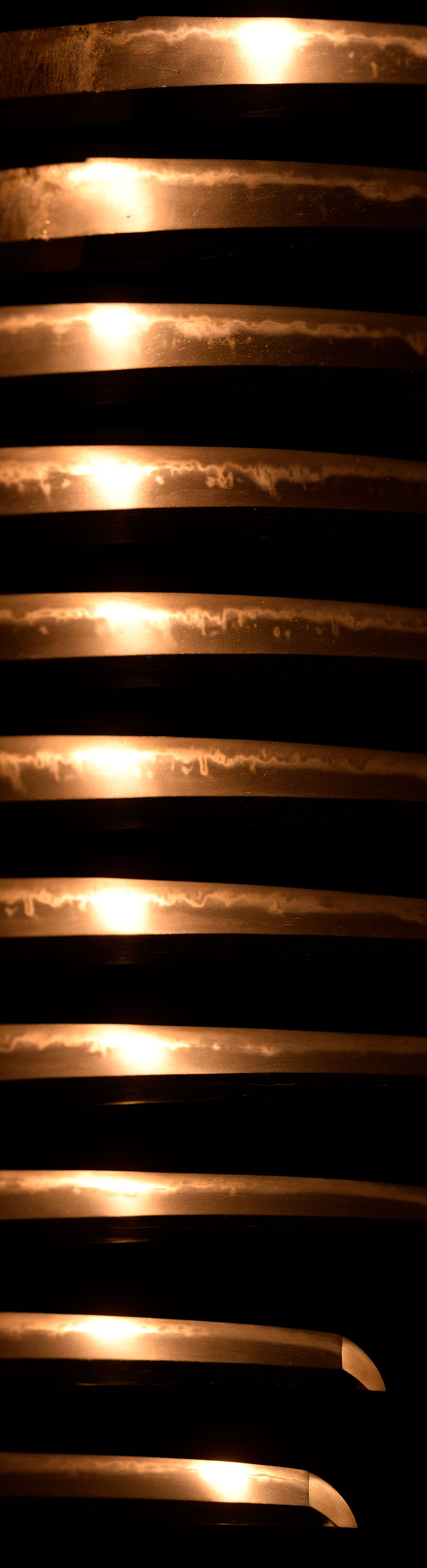
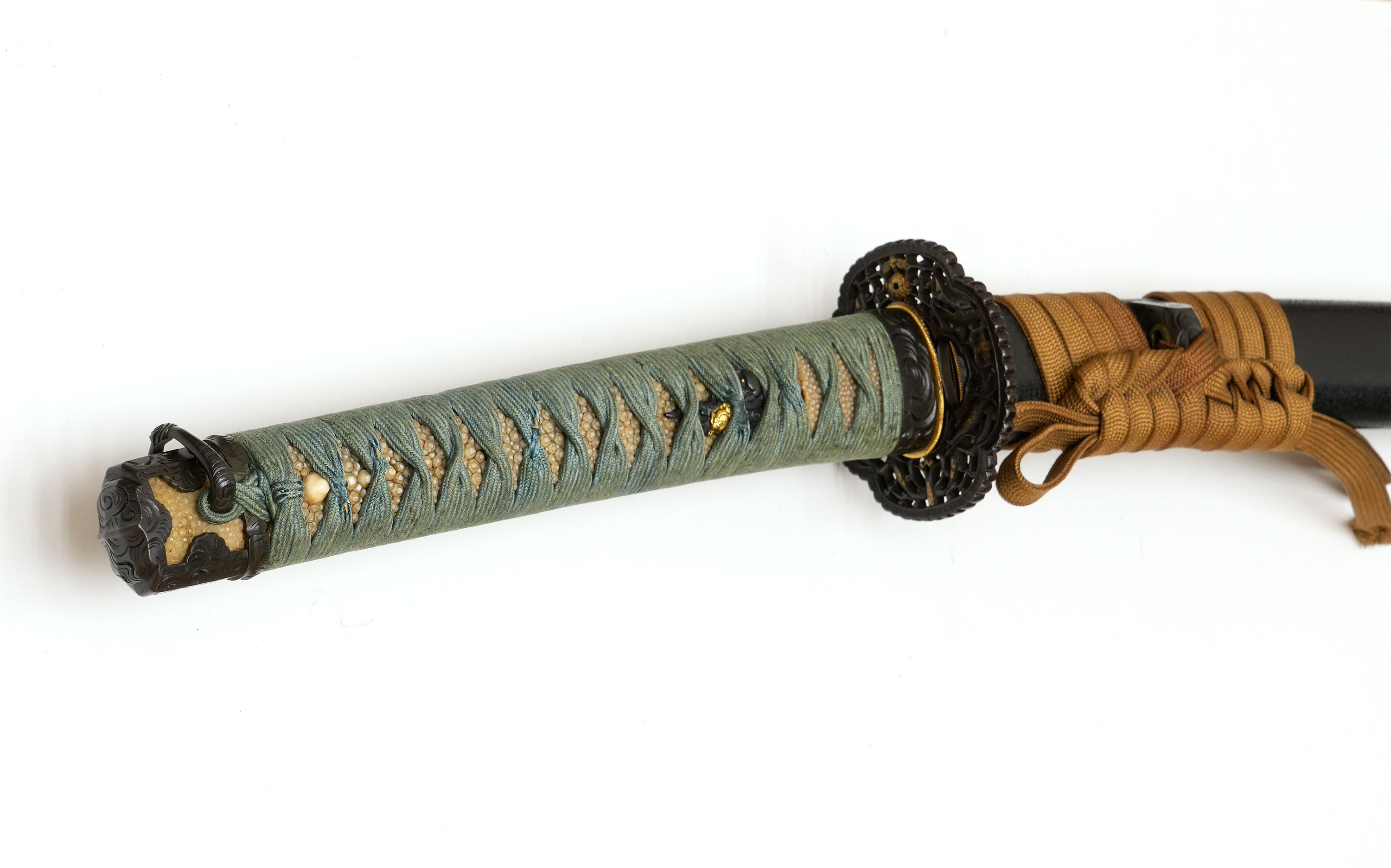
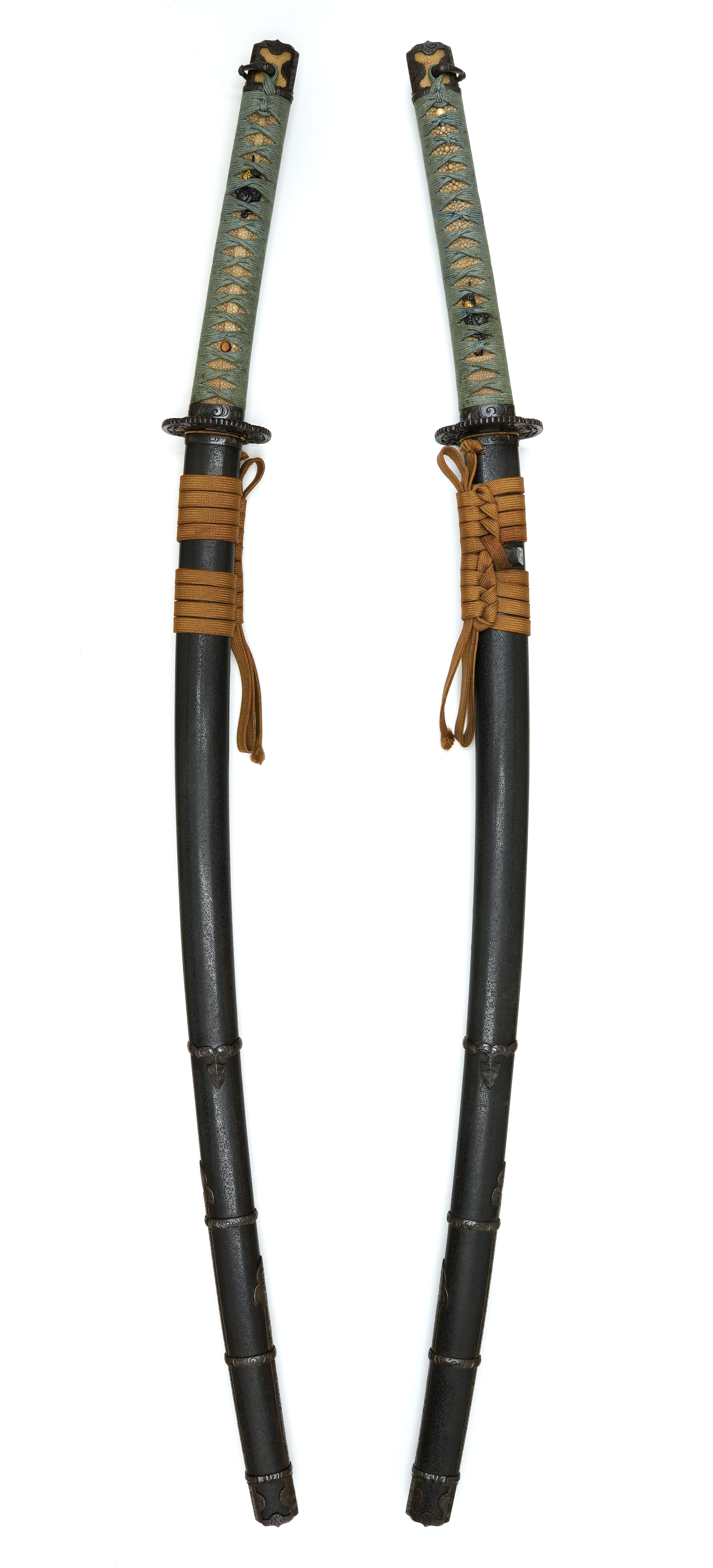
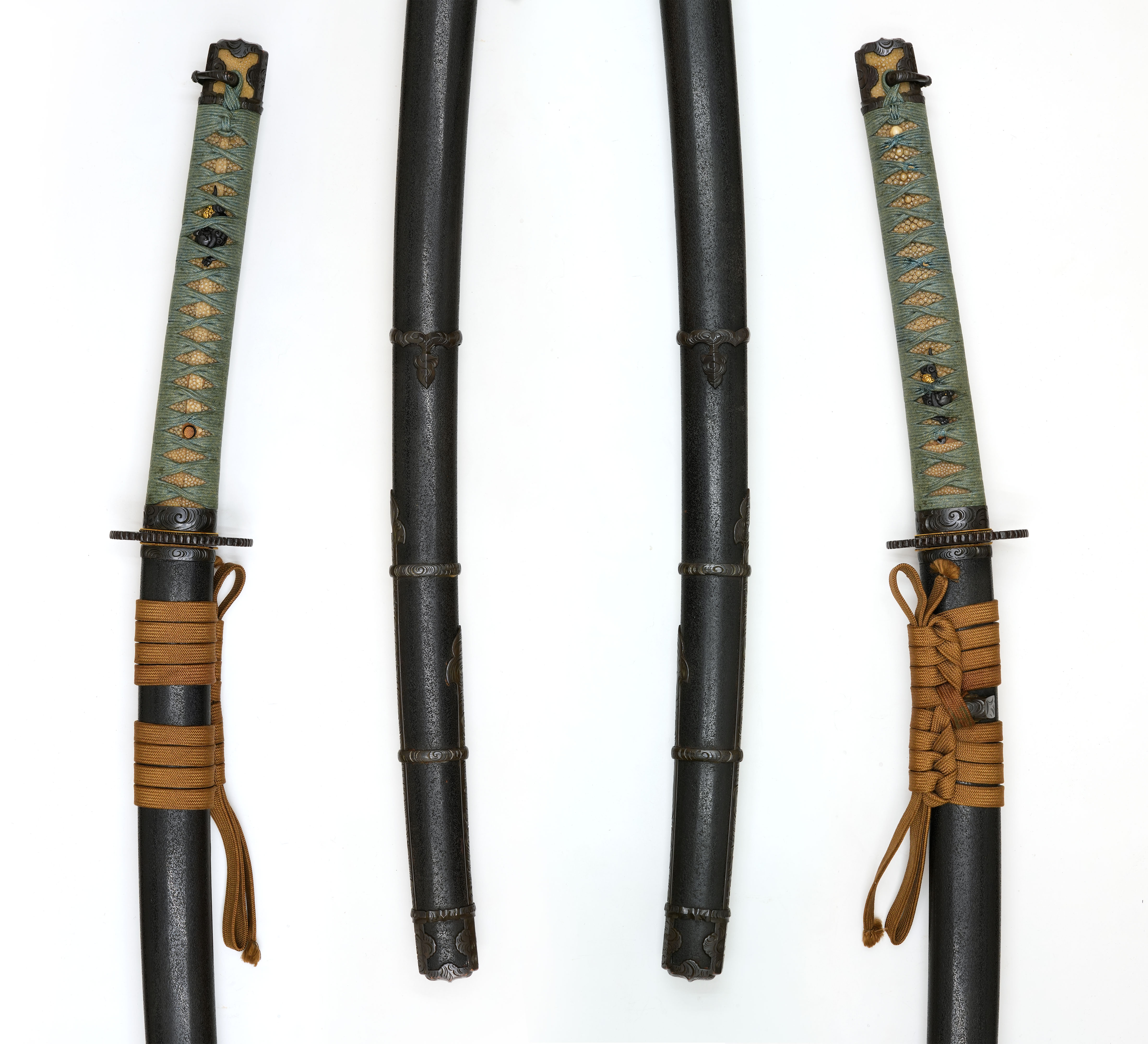
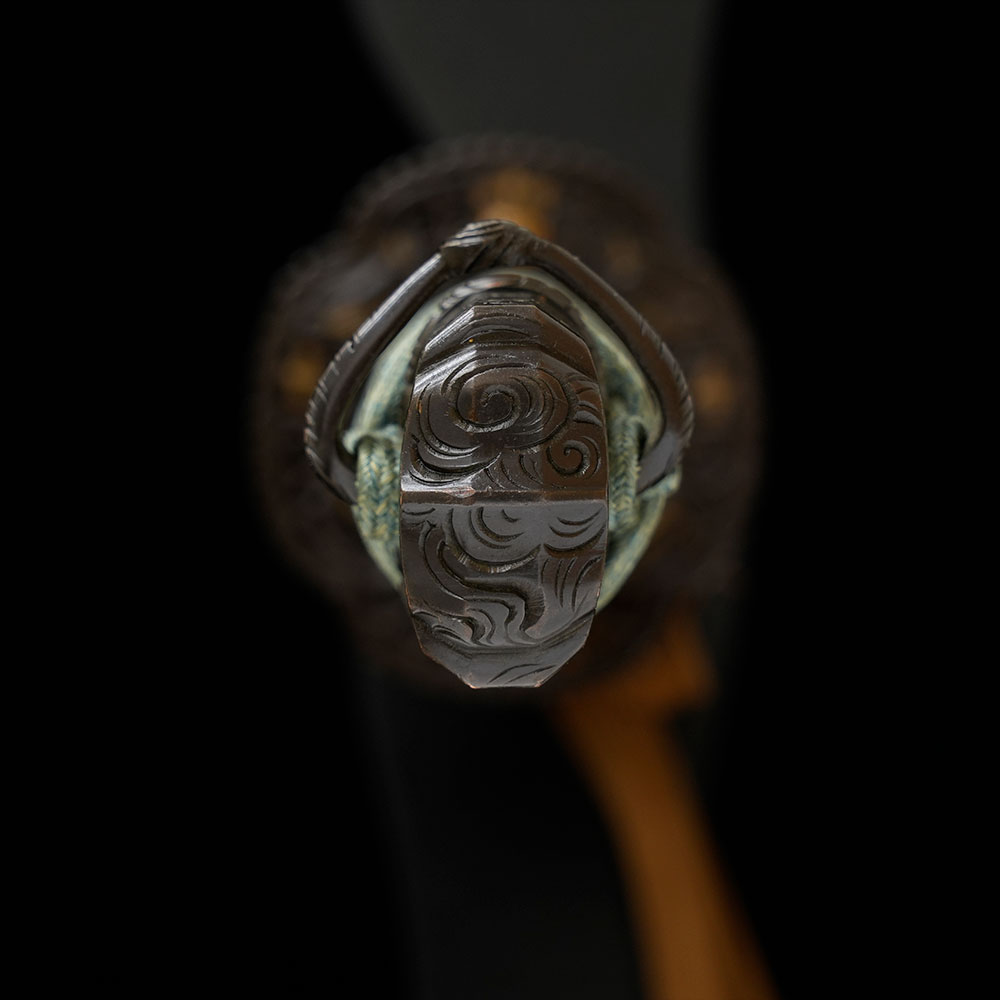
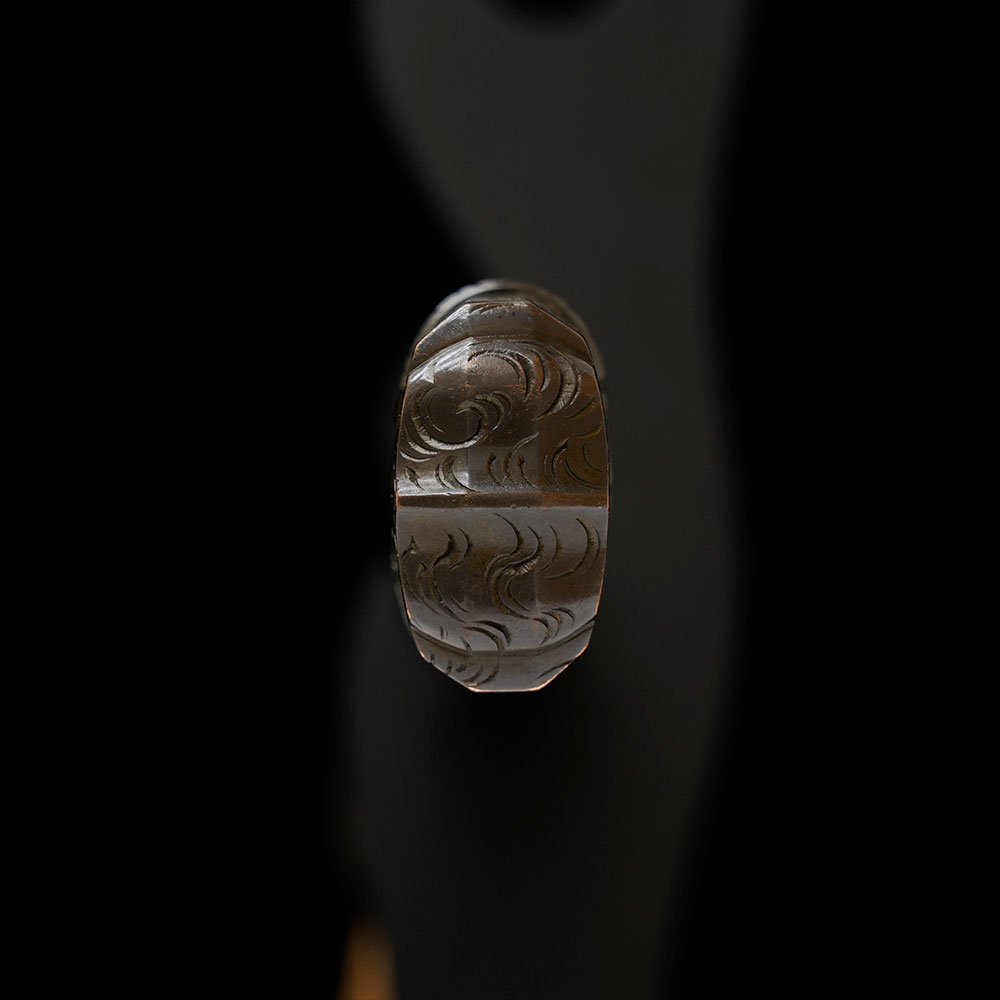
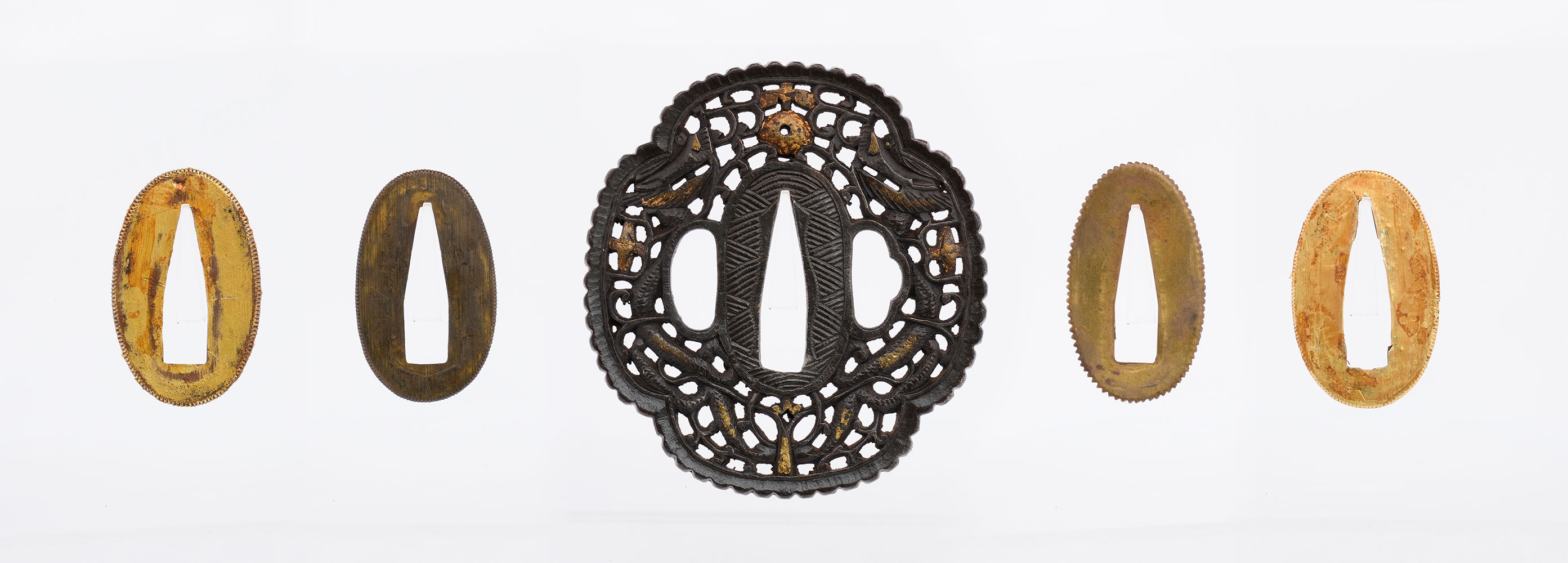
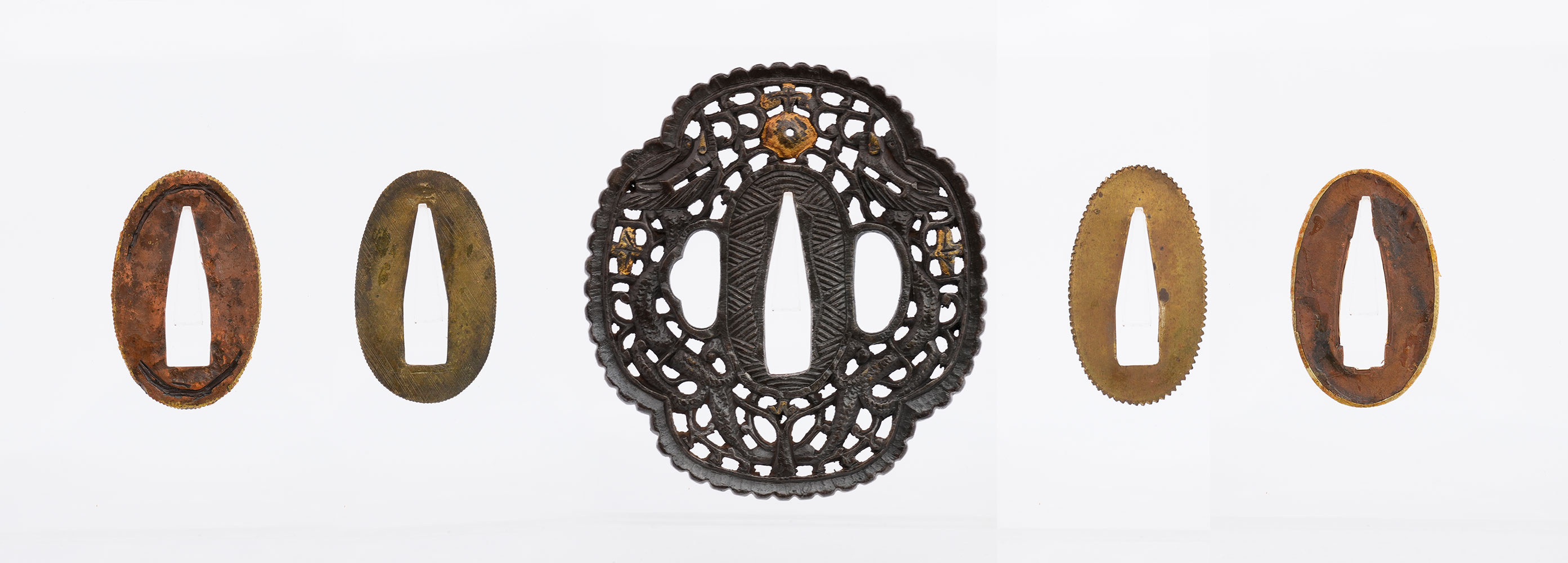
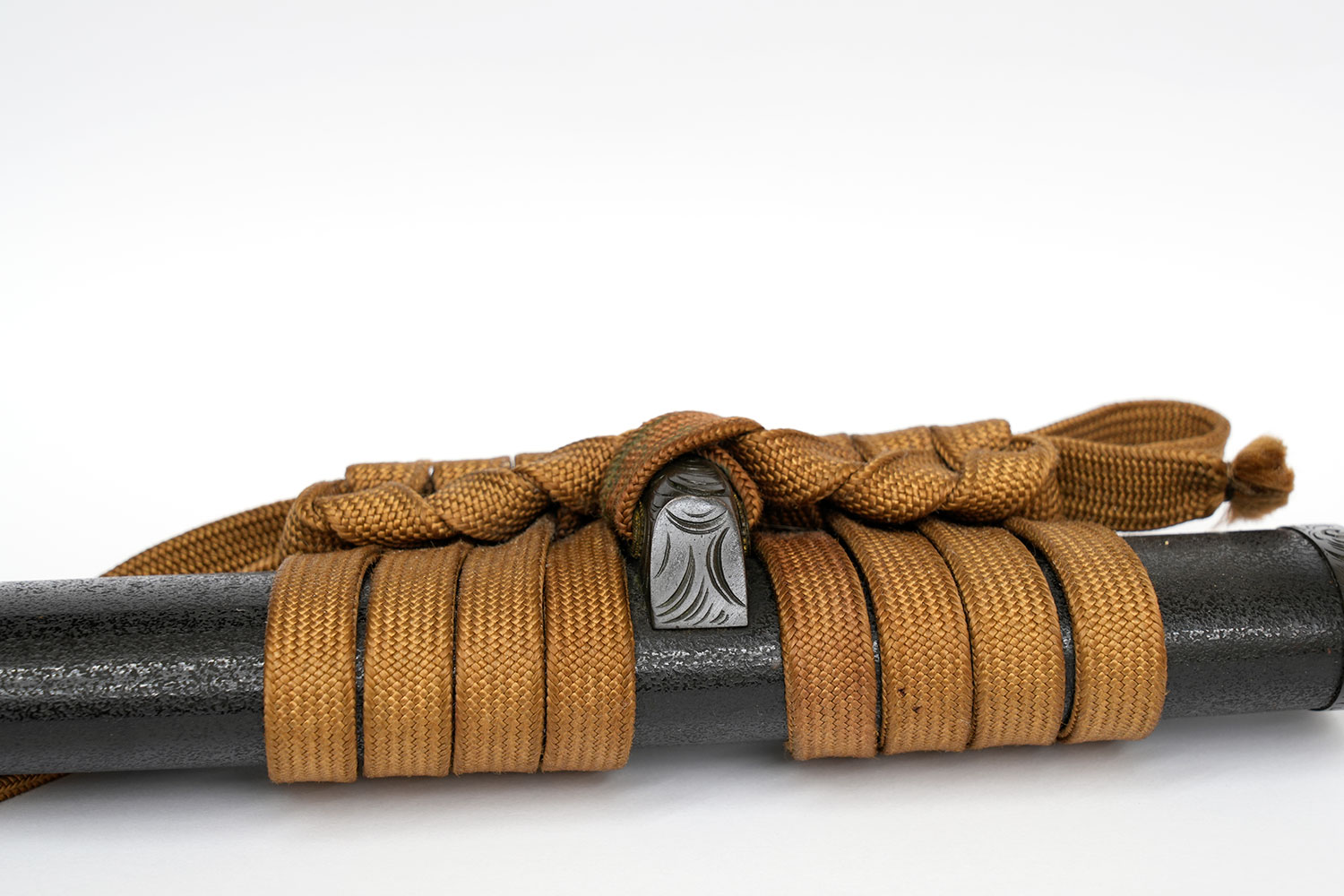
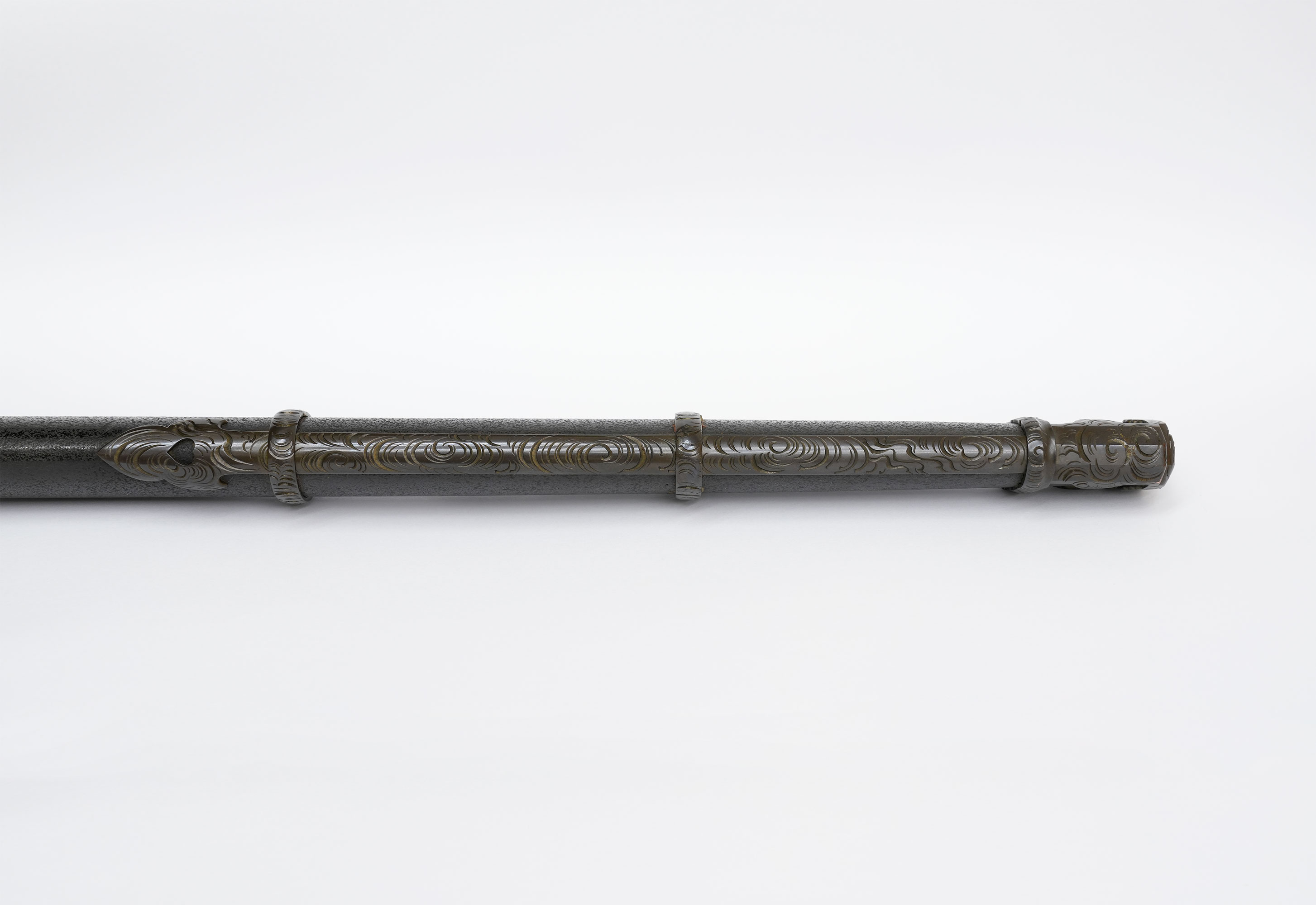
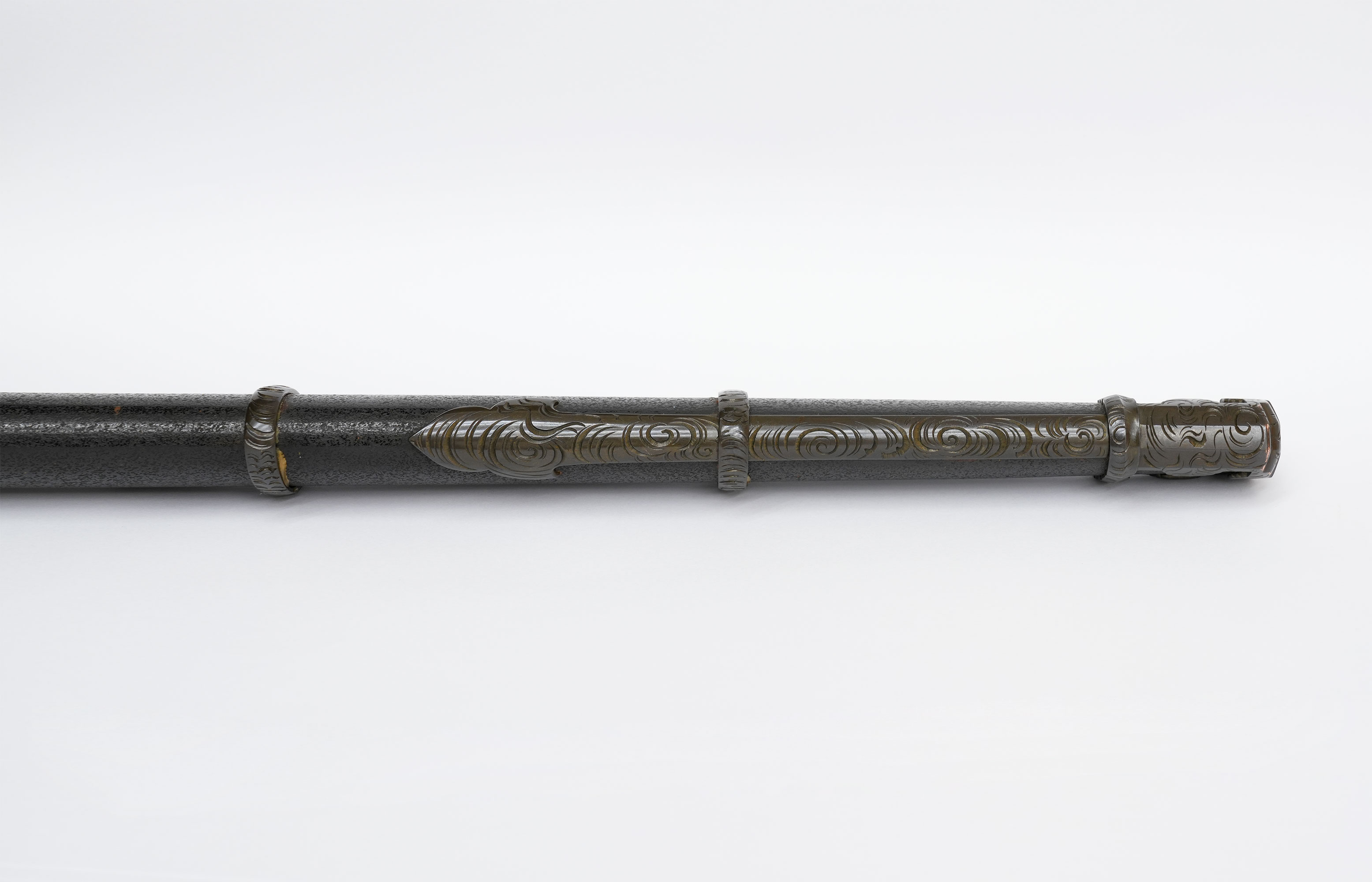
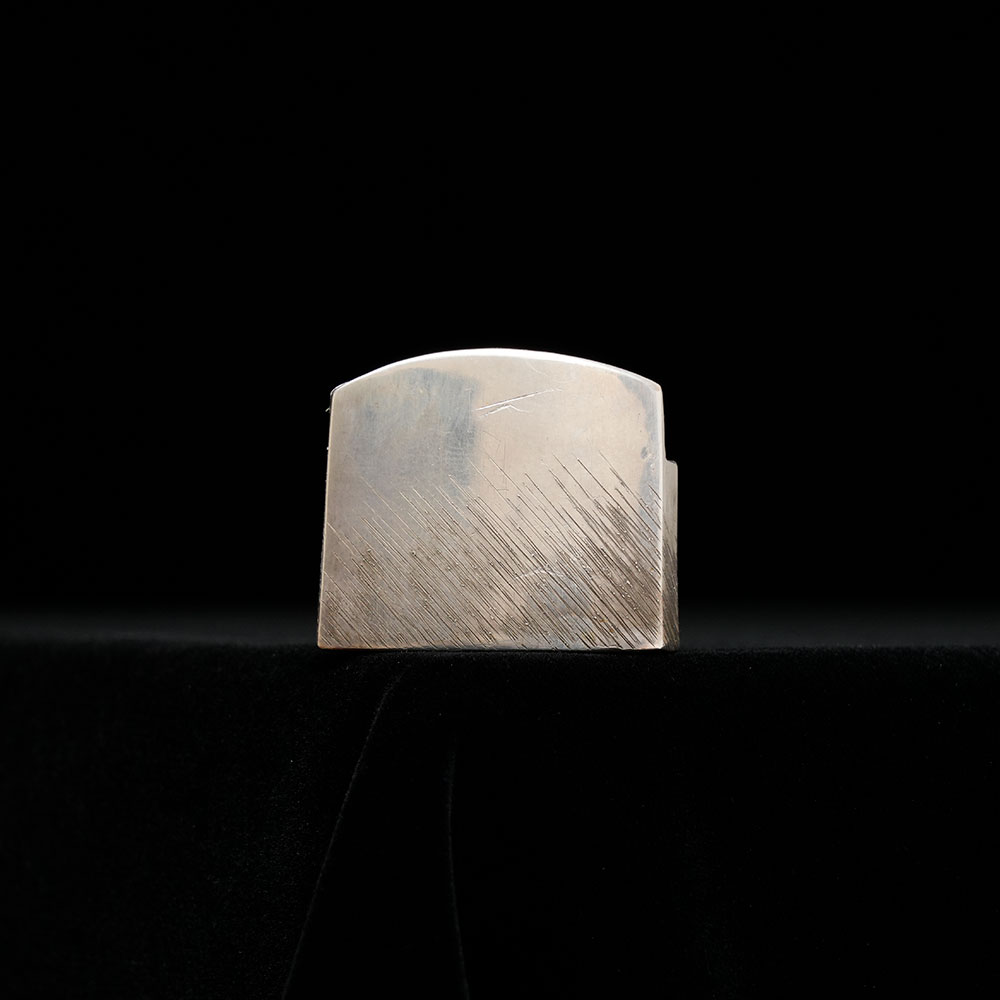
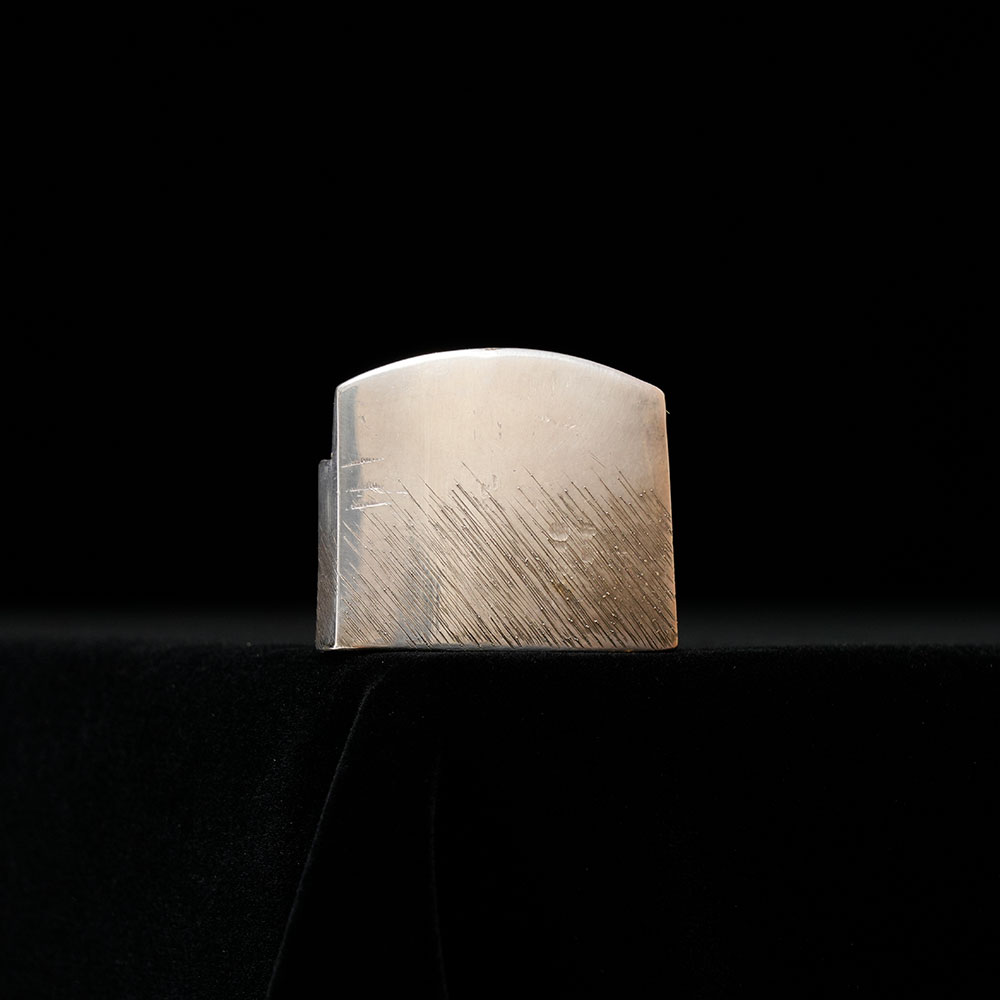
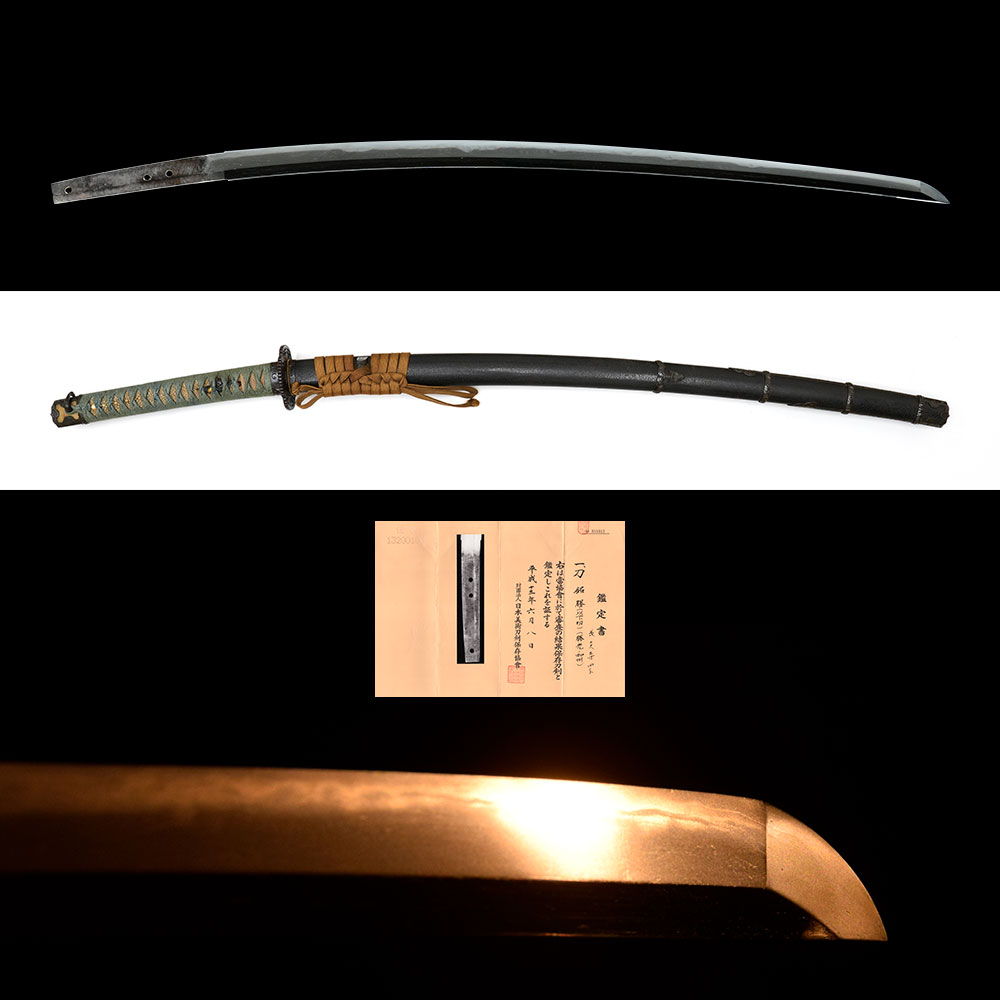
This katana is attributed to Katsumitsu of the Kashu school, active during the middle Muromachi period. Despite being greatly suriage, it retains a beautiful form with a wide difference in width between the moto-haba and saki-haba, and a sori that begins high on the blade. The blade features a strong itame-hada with masame, and a bright gunome-choji hamon with active ashi and yo. It comes with an NBTHK Hozon Token certificate and a robust ishime-nuri han-tachi koshirae.
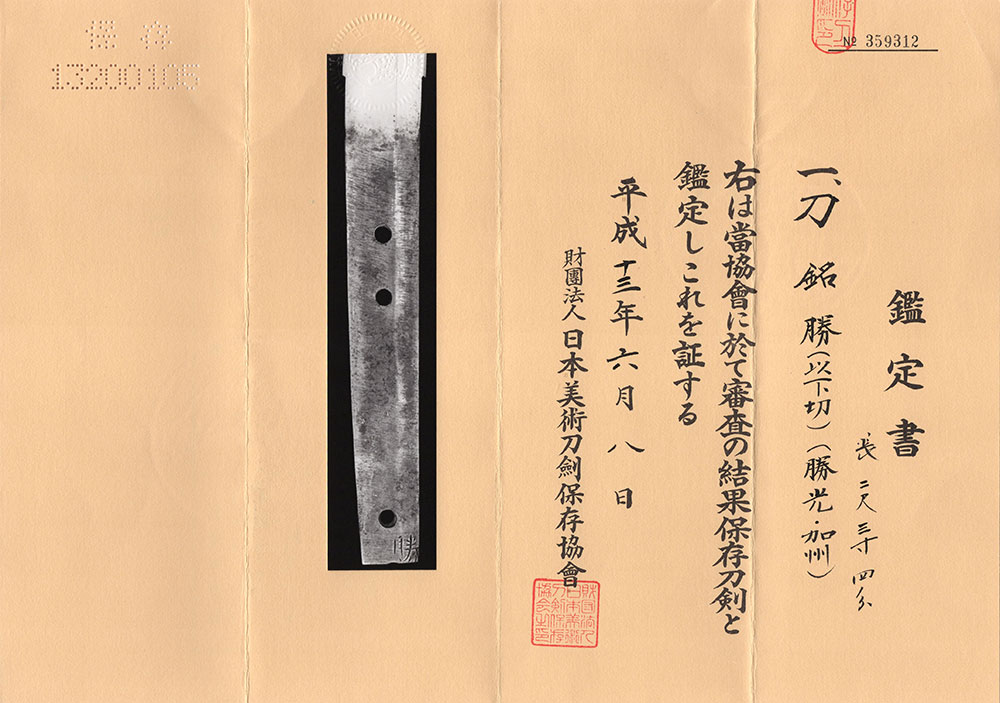
Certificate reading — 銘 勝(以下切)
 NihontoWatch
suriage-mumei · Kashu · Muromachi · nagasa 71cm · sori 2.2cm
Kaga · around 1521-1528
Tōken Taikan top 76%
3 pieces on the market now
The Muromachi period (1392 to 1573)
After the Ōnin War broke the Ashikaga order, a century of Sengoku warfare armed nearly every province in Japan. The era rewards a discriminating eye: routine work exists in quantity, and beside it stand custom blades of the first rank.
Certifies a genuine blade worth preserving: a signature confirmed correct, or, if unsigned, an era, province, and school that the NBTHK can reliably identify.
The NBTHK (Nihon Bijutsu Tōken Hozon Kyōkai, the Society for the Preservation of Japanese Art Swords) is a public-interest incorporated foundation founded in 1948 and supervised by Japan’s Agency for Cultural Affairs (Bunkachō); it is based at the Japanese Sword Museum in Tokyo. Its expert panels physically examine each submitted work (shinsa) and issue a certificate (kanteishō) ranking it by artistic and historical merit. NBTHK papers are the most widely recognized standard of authentication for Japanese swords and fittings.
NBTHK official siteReturns accepted within 3 days of delivery for defective items or significant discrepancies; customer bears return shipping and bank fees.


¥660,000
This katana is attributed to Katsumitsu of the Kashu school, active during the middle Muromachi period. Despite being greatly suriage, it retains a beautiful form with a wide difference in width between the moto-haba and saki-haba, and a sori that begins high on the blade. The blade features a strong itame-hada with masame, and a bright gunome-choji hamon with active ashi and yo. It comes with an NBTHK Hozon Token certificate and a robust ishime-nuri han-tachi koshirae.
Certificate reading — 銘 勝(以下切)
NihontoWatchsuriage-mumei · Kashu · Muromachi · nagasa 71cm · sori 2.2cm
Kaga · around 1521-1528
Tōken Taikan top 76%
3 pieces on the market now
The Muromachi period (1392 to 1573)
After the Ōnin War broke the Ashikaga order, a century of Sengoku warfare armed nearly every province in Japan. The era rewards a discriminating eye: routine work exists in quantity, and beside it stand custom blades of the first rank.
Certifies a genuine blade worth preserving: a signature confirmed correct, or, if unsigned, an era, province, and school that the NBTHK can reliably identify.
The NBTHK (Nihon Bijutsu Tōken Hozon Kyōkai, the Society for the Preservation of Japanese Art Swords) is a public-interest incorporated foundation founded in 1948 and supervised by Japan’s Agency for Cultural Affairs (Bunkachō); it is based at the Japanese Sword Museum in Tokyo. Its expert panels physically examine each submitted work (shinsa) and issue a certificate (kanteishō) ranking it by artistic and historical merit. NBTHK papers are the most widely recognized standard of authentication for Japanese swords and fittings.
NBTHK official siteReturns accepted within 3 days of delivery for defective items or significant discrepancies; customer bears return shipping and bank fees.
¥660,000


