Two courts, sixty years of war, and the most dramatic silhouettes in the sword’s history: broad blades, extended points, true ōdachi later cut down into the majestic katana collectors prize. The Sōshū manner was the style of the age.
 NihontoWatchNihontoWatch
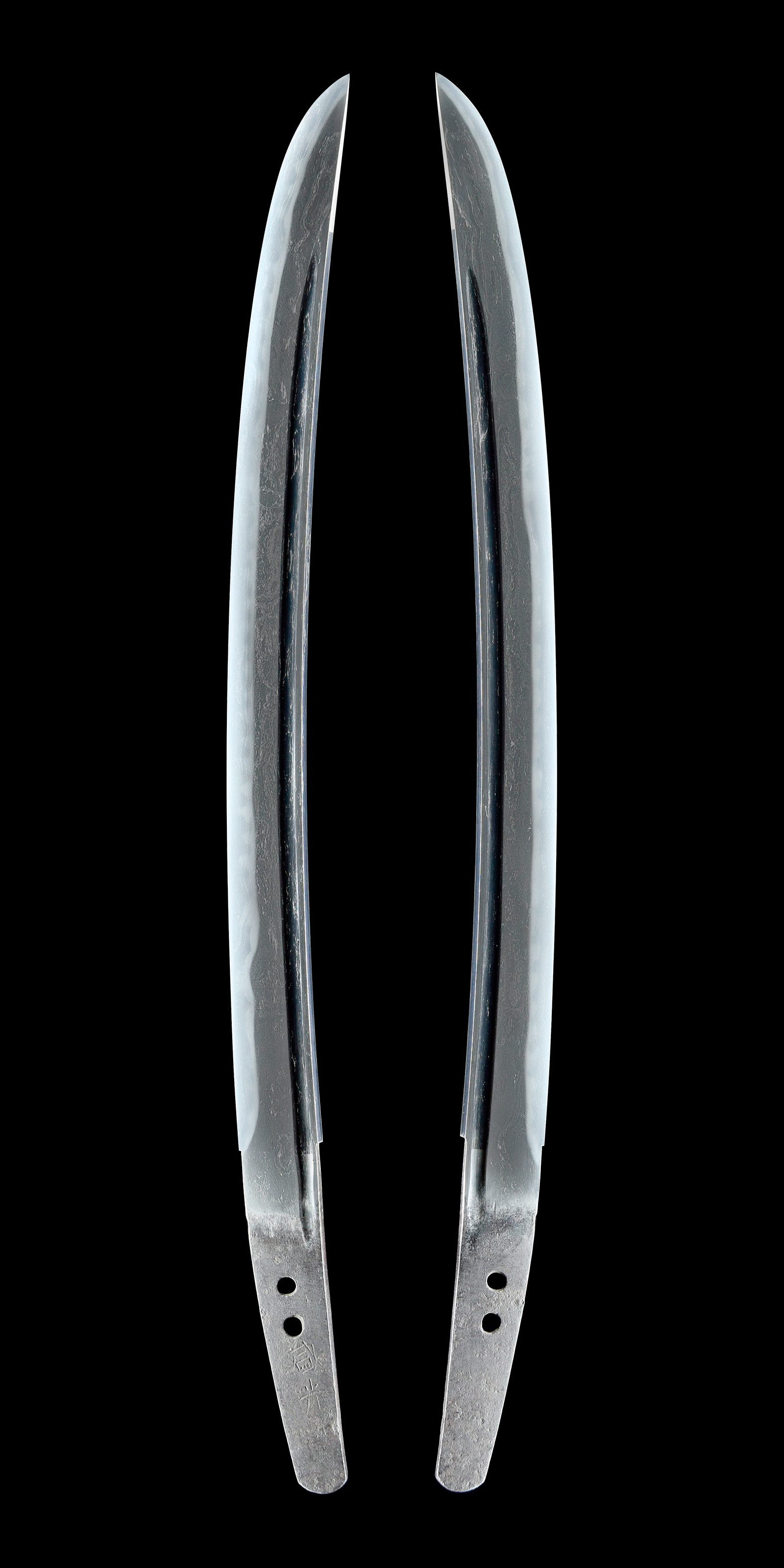
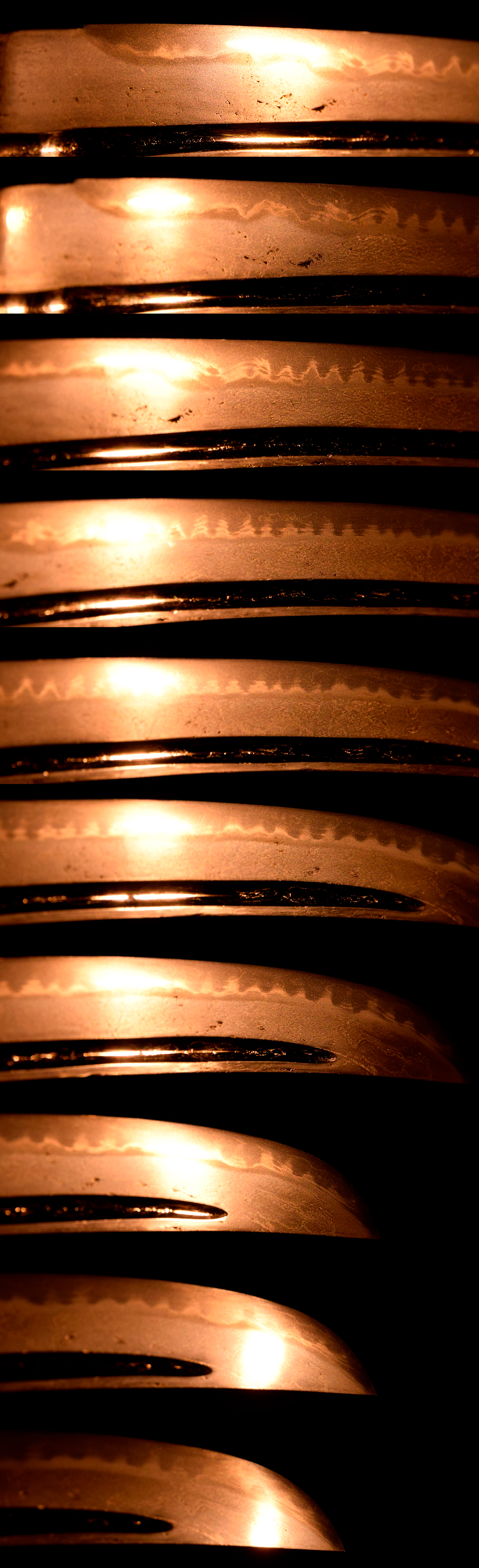
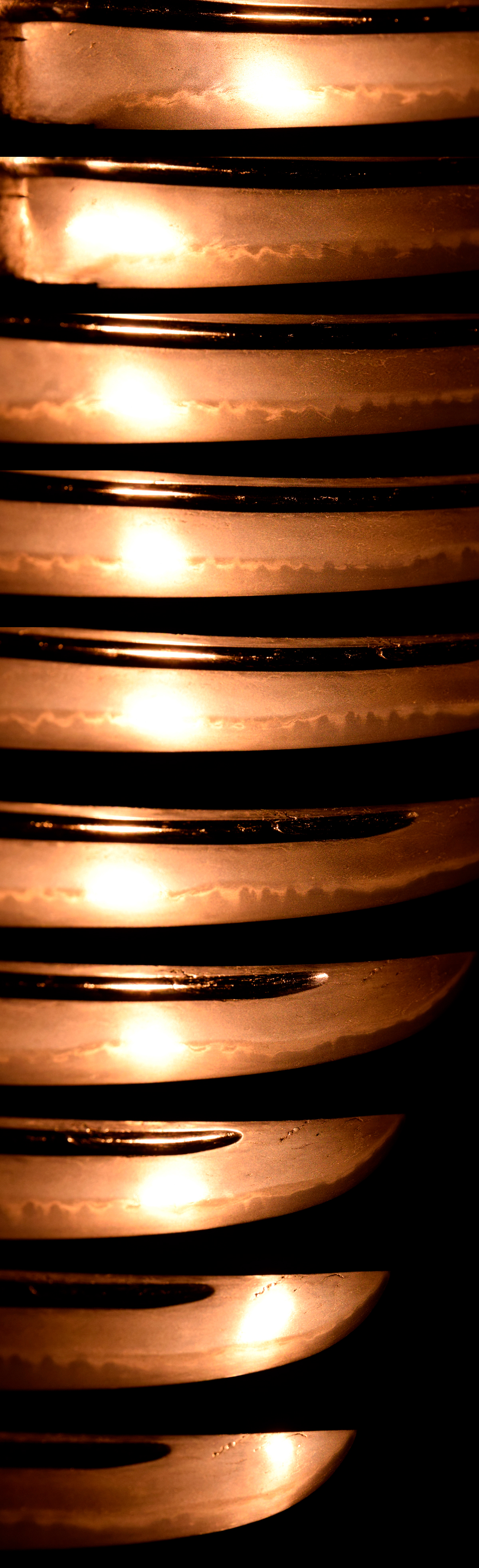
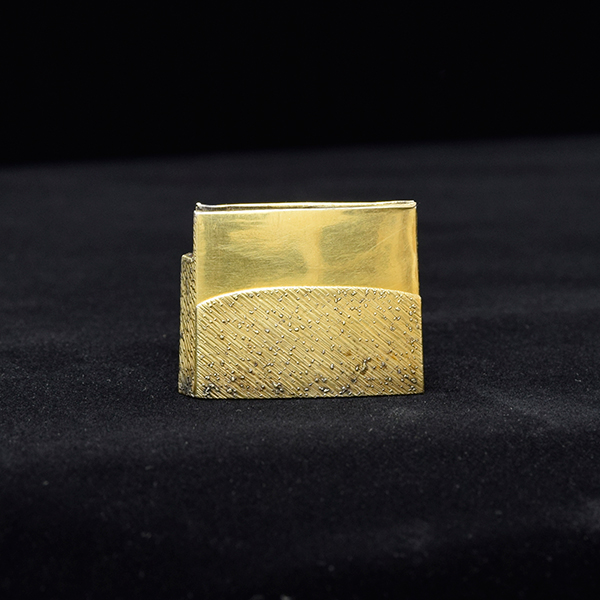
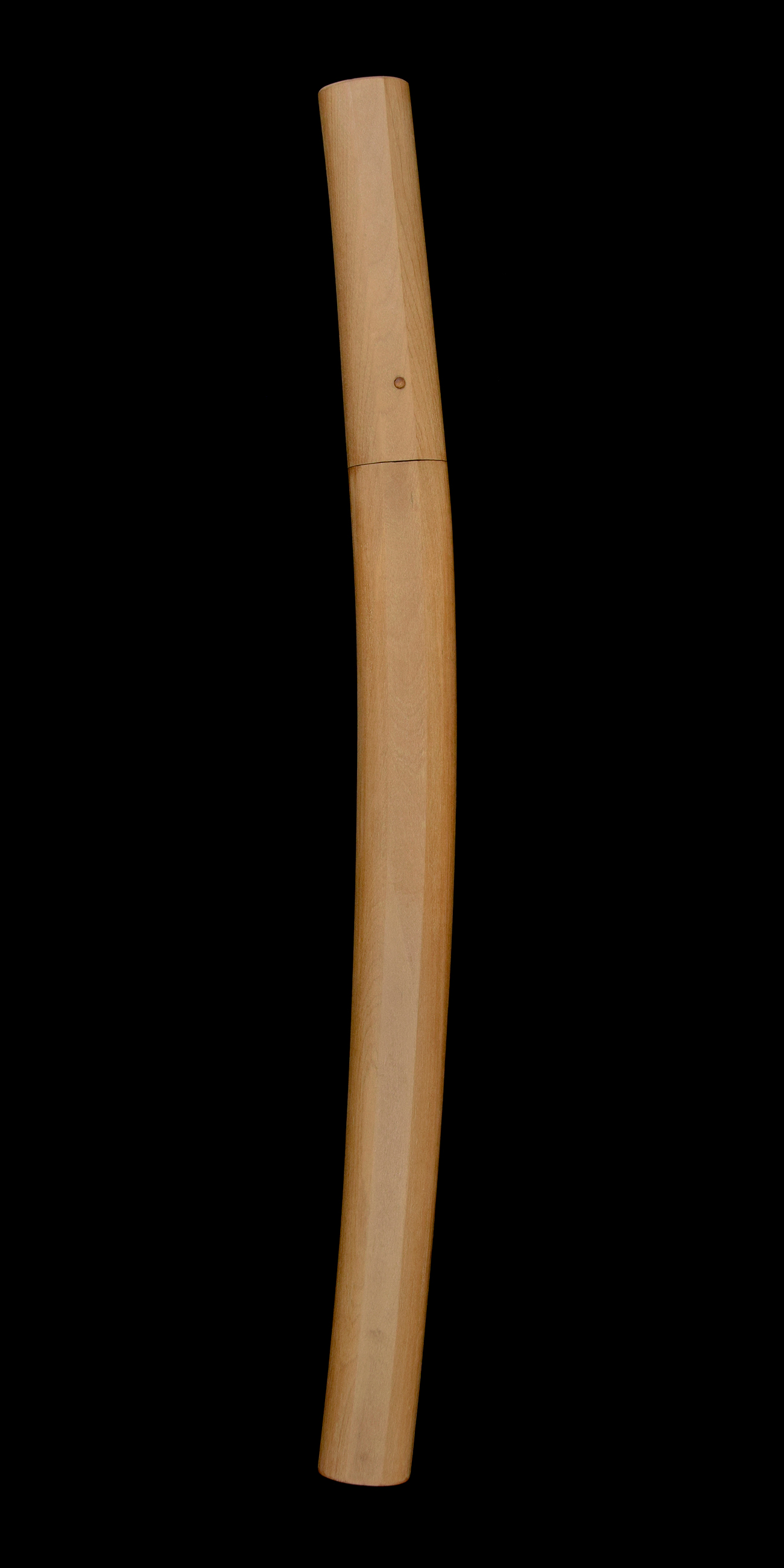
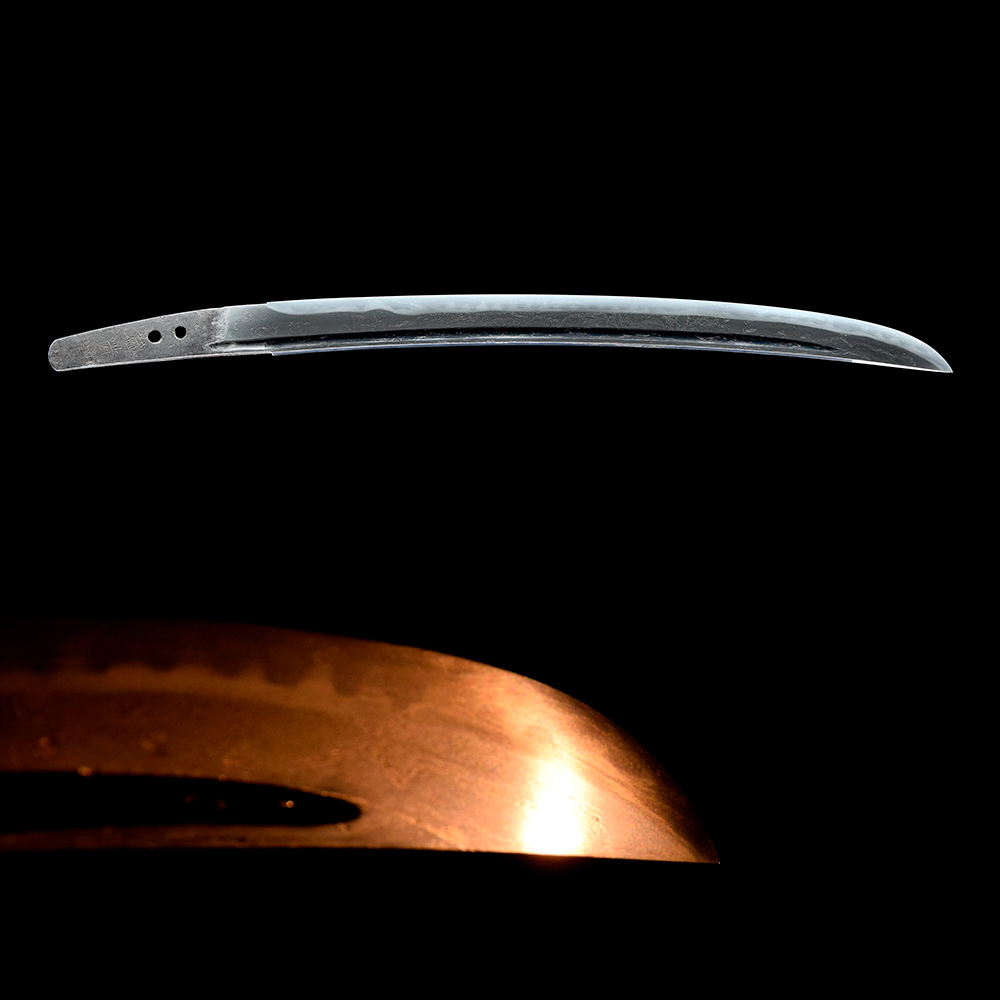
Kashu Morimitsu was active around the Oan era, entering the latter half of the middle Nanbokucho period. Please be aware in advance that as there may have been several generations, or works identified as Kashu Morimitsu are also seen in the early Muromachi period, there is a possibility that this sword could also be identified as a work from around the Oei era. This wakizashi has a tsukurikomi where the kasane feels thin relative to the mihaba, and it feels as though it could be viewed purely as a work of the Nanbokucho period. The jitetsu is a well-kneaded and tight mokume hada, particularly mixed with blackish iron; while it is regrettable that some roughness can be felt in the hada, perhaps due to the influence of togiberi from aging, the hamon fired in gunome midare shows magnificent hataraki within the ha, with multiple layers of kinsuji and sunagashi connecting the valleys of the gunome, creating a sense of yugen as if looking at mountains in the misty early morning. It has been polished by our shop. Please enjoy the jiba that has just finished being polished. *This sword, while in a rusted state before polishing, has already received a guarantee of shoshin from the Nihon Bijutsu Token Hozon Kyokai.
NihontoWatchOffered by Toushin

We couldn’t find current papers for this piece. Ask the dealer whether it has been, or can be, submitted to shinsa. — Hoshi

As written by the shop
Machine translation from the shop's Japanese · may contain errors ·
Kaga · around 1368-1375
Tōken Taikan top 37%
The Nanbokuchō period (1333 to 1392)
Two courts, sixty years of war, and the most dramatic silhouettes in the sword’s history: broad blades, extended points, true ōdachi later cut down into the majestic katana collectors prize. The Sōshū manner was the style of the age.
We could not find an authenticity certificate on the seller’s listing. Japanese swords and fittings are normally papered by the NBTHK (or the NTHK). Without one, the attribution is the seller’s own assessment and has not been independently verified — treat it with caution and ask the dealer about certification before buying.
As a rule we do not accept returns, except when we have sent a different item from the one ordered or when there is a significant discrepancy between the description and the item. If you wish to return an item, please contact us within 3 days of its arrival and then send it back.
¥330,000