The twentieth century nearly killed the craft twice: wartime distortion, then the occupation ban. The NBTHK’s founding in 1948 and licensed forging from 1953 rebuilt the sword as an art, crowned by Living National Treasures and the mukansa rank.
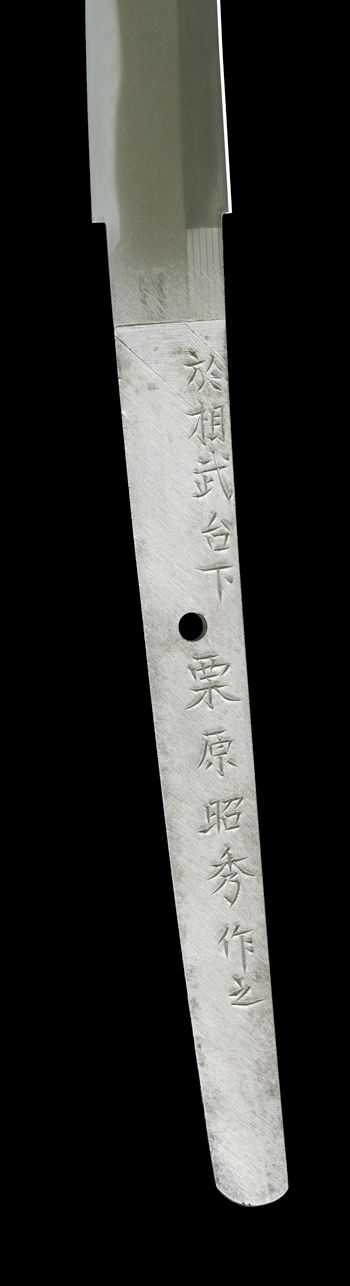
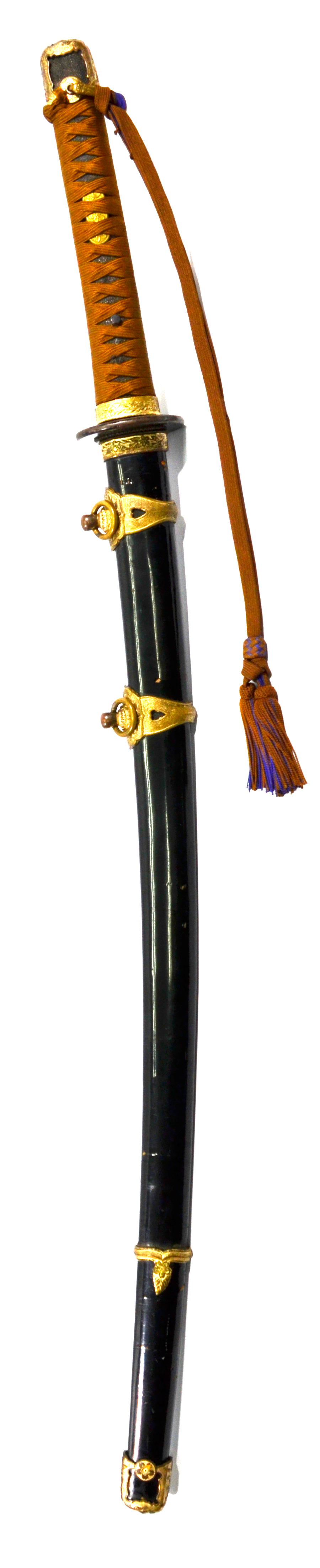
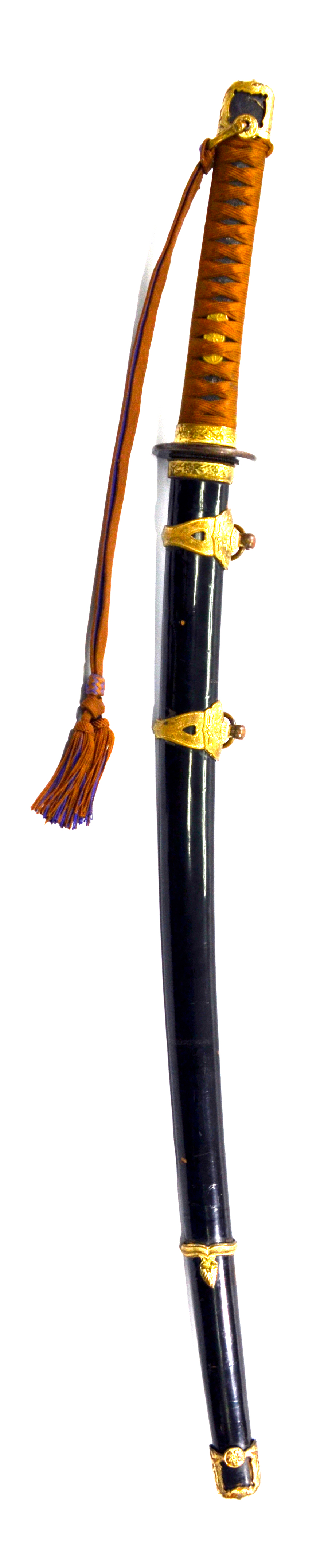
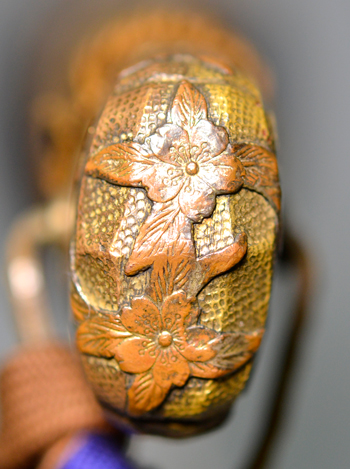
Recorded in the Kurihara Hikosaburo Akihide Zen Kiroku Kurihara Hikosaburo Akihide was from Kanuma no Sato, Aso-gun, Tochigi Prefecture (present-day Sano City) and was a former member of the House of Representatives. From an early age, he had a fondness for swords, possessing a particular interest in forging, and studied under Masa-o II. He established the Nihonto Denshu-jo within the garden of his residence in Akasaka Hikawa-cho, inviting Kasama Shigetsugu and others to serve as instructors, thereby opening a path for the guidance of students. Among his students were many including the Ningen Kokuho swordsmiths Miyairi Akihira (Yukihira) and Amada Akitsugu. In Showa 10, he held a Nihonto exhibition organized by the Nihonto Denshu-jo and sponsored by the Ministry of Education. While striving to hold this annually thereafter, he published the journals "Nihonto" and "Nippon Shumi." He was a man of great merit in this field who promoted the prosperity of swordsmiths, polishers, and scabbard makers. As famous swordsmiths during the Great War, Kurihara Hikosaburo Akihide, Kasama Shigetsugu, Tsukamoto Ikkansai Okimasa, and Gassan Sadakatsu, among others, can be cited. This work was made in Showa 17 (Koki 2602) when Kurihara Hikosaburo Akihide was 63 years old, and as stated in the mei, it is a work forged at Sobudai (a name given to the school by the Showa Emperor when he visited for the graduation ceremony after the Imperial Japanese Army Academy moved to Zama Village, Koza-gun (present-day Zama City) in 1937 (Showa 12)). This sword is recorded in the Kurihara Hikosaburo Akihide Zen Kiroku.
Akihide昭秀
Offered by Katanahanbai
6 on the market


As written by the shop
Machine translation from the shop's Japanese · may contain errors ·
Tochigi · around 1926-1989
Tōken Taikan top 95%
6 pieces on the market now
Shōwa to the present: destruction and revival
The twentieth century nearly killed the craft twice: wartime distortion, then the occupation ban. The NBTHK’s founding in 1948 and licensed forging from 1953 rebuilt the sword as an art, crowned by Living National Treasures and the mukansa rank.
Certifies a genuine blade worth preserving: a signature confirmed correct, or, if unsigned, an era, province, and school that the NBTHK can reliably identify.
The NBTHK (Nihon Bijutsu Tōken Hozon Kyōkai, the Society for the Preservation of Japanese Art Swords) is a public-interest incorporated foundation founded in 1948 and supervised by Japan’s Agency for Cultural Affairs (Bunkachō); it is based at the Japanese Sword Museum in Tokyo. Its expert panels physically examine each submitted work (shinsa) and issue a certificate (kanteishō) ranking it by artistic and historical merit. NBTHK papers are the most widely recognized standard of authentication for Japanese swords and fittings.
NBTHK official siteFor cooling-off, contact us within 3 days including the day you received the item, and ship it so that it arrives within 8 days. After 8 days a return cannot be accepted. Returning an item after 8 days will be treated as a buy-back.
¥1,000,000