Perry’s arrival in 1853 unraveled the Tokugawa peace and created the first mass demand for working swords in two centuries. Kiyomaro, called the Masamune of Yotsuya, died on its eve; Munetsugu and Yukihide carried the boom to the end.
 NihontoWatchNihontoWatch
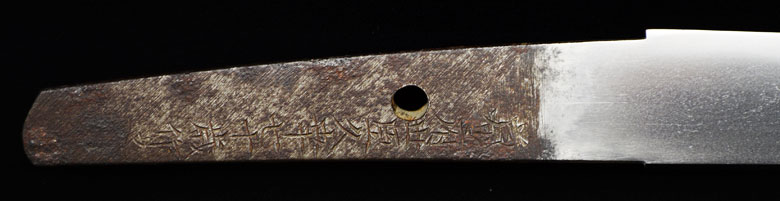
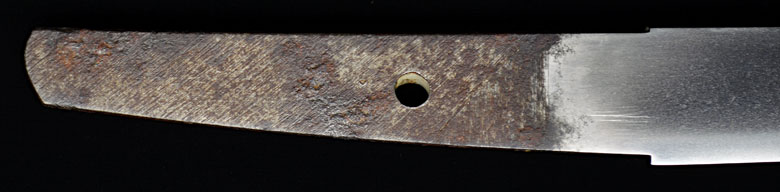
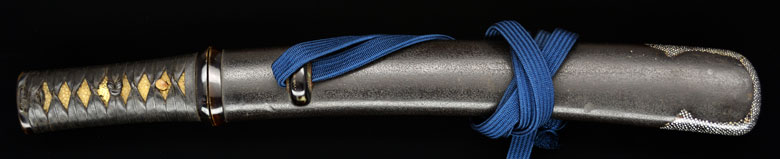
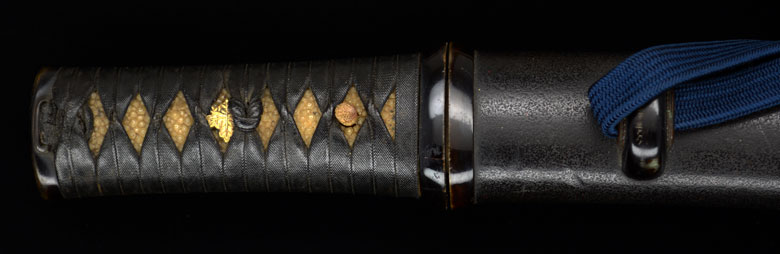
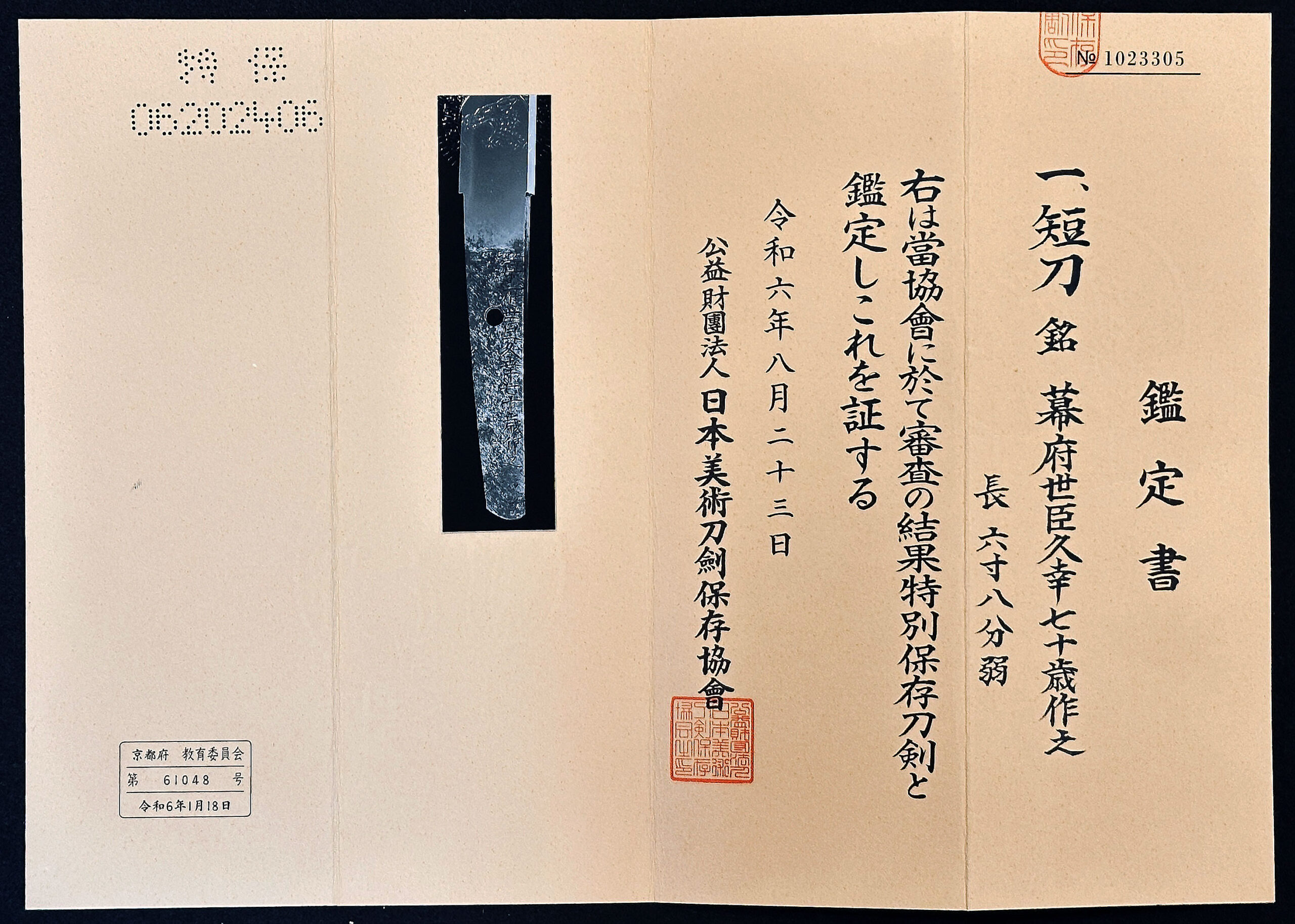
This is a tanto made by Kawai Hisayuki, who was a disciple of Hosokawa Masayoshi and also a retainer of the Shogunate. It is believed that he was a self-taught follower of the Yamato-den tradition, known for producing sharp blades, and he excelled at creating swords with high shinogi and masame that appear in the Yamato-den style. His sword making is known for a rugged, practical style focused solely on military use, and was greatly prized by skilled samurai. Furthermore, as Yamato-den was the style of the Yamato smiths who cooperated with the Southern Court (Emperor Go-Daigo), it is thought that feelings of loyalty to the Emperor were also imbued within it. Many retainers of the Shogunate ordered from Hisayuki, and his work can also be called a local sword of Saitama Prefecture. This tanto has an overall thick kasane and a shape with haniu, giving a sense of the toughness of the steel focused on practical utility, similar to the yari that Hisayuki excelled at. A jigane with an antique appearance that one would not expect from a Shinshinto is revealed, making one feel the toughness of the steel. Additionally, this sword is accompanied by a kuro-ro-nuri aikuchi koshirae from the end of the Edo period.
NihontoWatchHisayuki久幸
Offered by Hyozaemon
This piece has sold
Get an email when a new Hisayuki piece hits the market.









Machine translation from the shop's Japanese · may contain errors ·
Musashi · around 1854-1860
2 pieces on the market now
Bakumatsu: the last war market
Perry’s arrival in 1853 unraveled the Tokugawa peace and created the first mass demand for working swords in two centuries. Kiyomaro, called the Masamune of Yotsuya, died on its eve; Munetsugu and Yukihide carried the boom to the end.
Certifies a genuine blade worth preserving: a signature confirmed correct, or, if unsigned, an era, province, and school that the NBTHK can reliably identify.
The NBTHK (Nihon Bijutsu Tōken Hozon Kyōkai, the Society for the Preservation of Japanese Art Swords) is a public-interest incorporated foundation founded in 1948 and supervised by Japan’s Agency for Cultural Affairs (Bunkachō); it is based at the Japanese Sword Museum in Tokyo. Its expert panels physically examine each submitted work (shinsa) and issue a certificate (kanteishō) ranking it by artistic and historical merit. NBTHK papers are the most widely recognized standard of authentication for Japanese swords and fittings.
NBTHK official siteWithin one week of the item's arrival (cooling-off is available within Japan only). If the returned item's condition differs from the time of sale, or the item has been used, no refund can be given. For defects that differ from the purchase conditions, we accept the return and refund the payment. (A defect means something that impairs the item's proper use, such as a hagire (crack in the edge), a re-tempered blade (saiba) or a forgery; items described as having a hagire, a saiba or as a forgery are excluded.) For overseas customers, please consult us separately.