Muromachi turned sword making into an industry: the uchigatana rose with massed infantry warfare, Osafune and Seki produced bundle swords beside custom orders, and the Ming trade carried Japanese blades abroad by the tens of thousands.
 NihontoWatchNihontoWatch
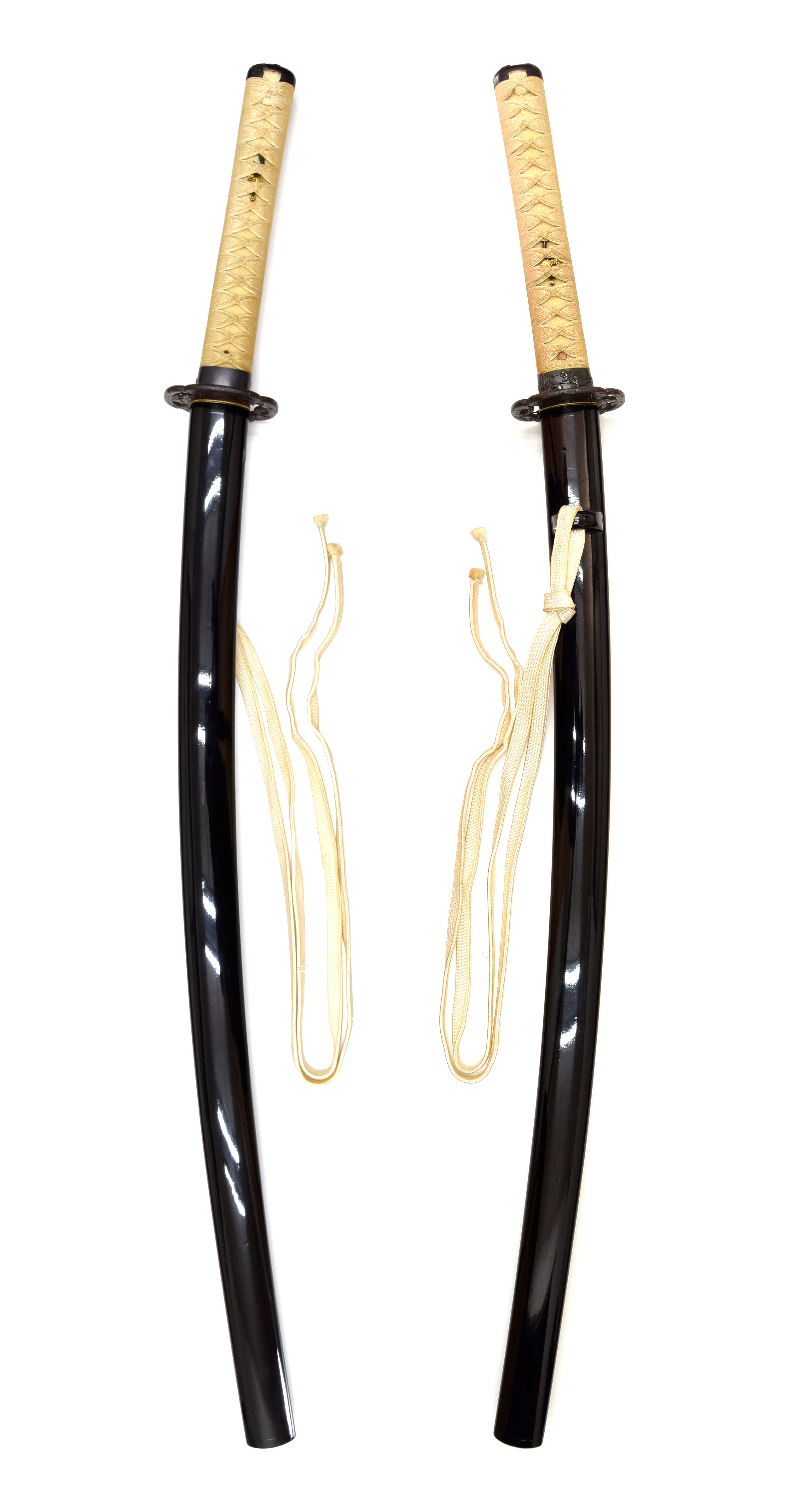
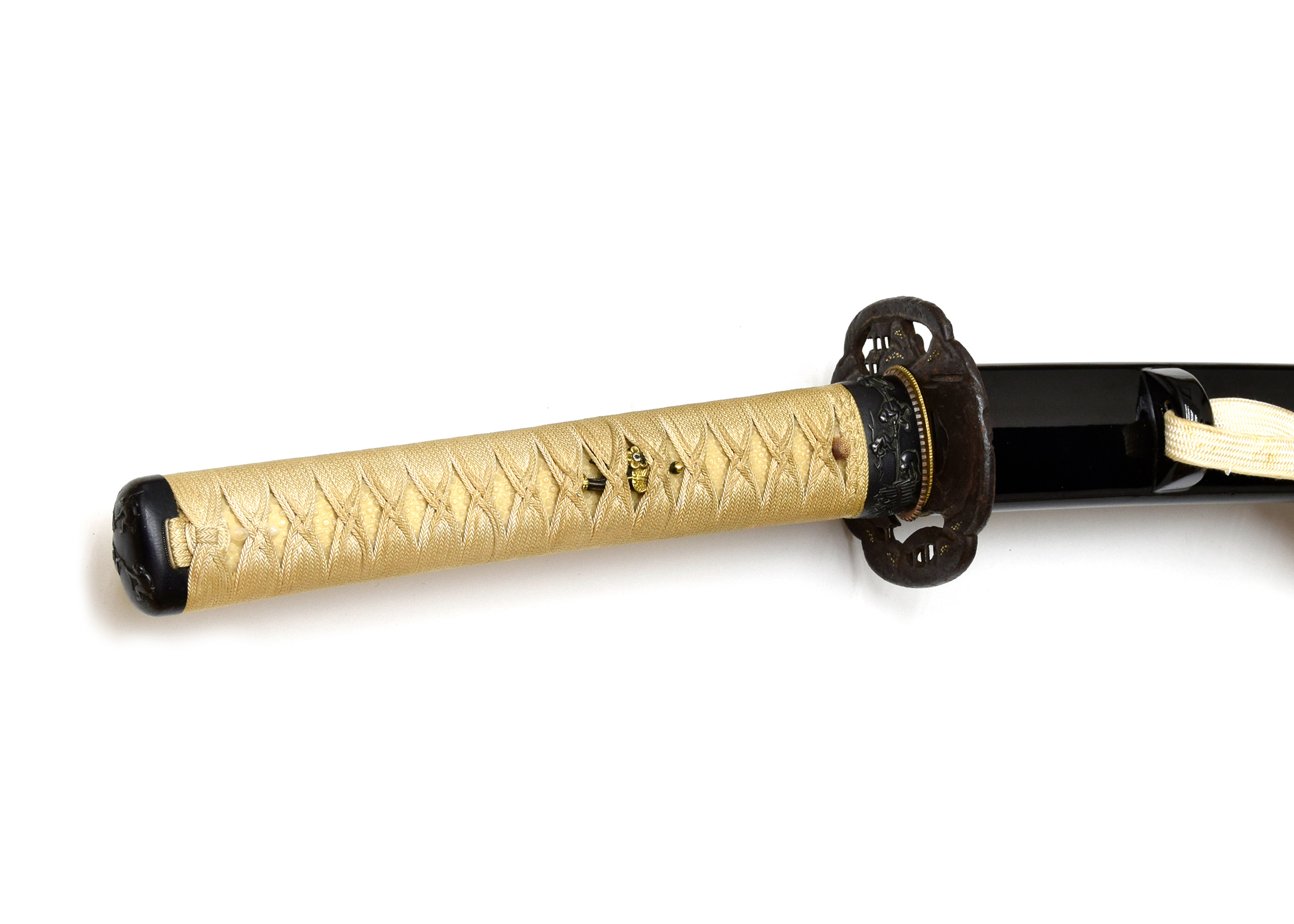
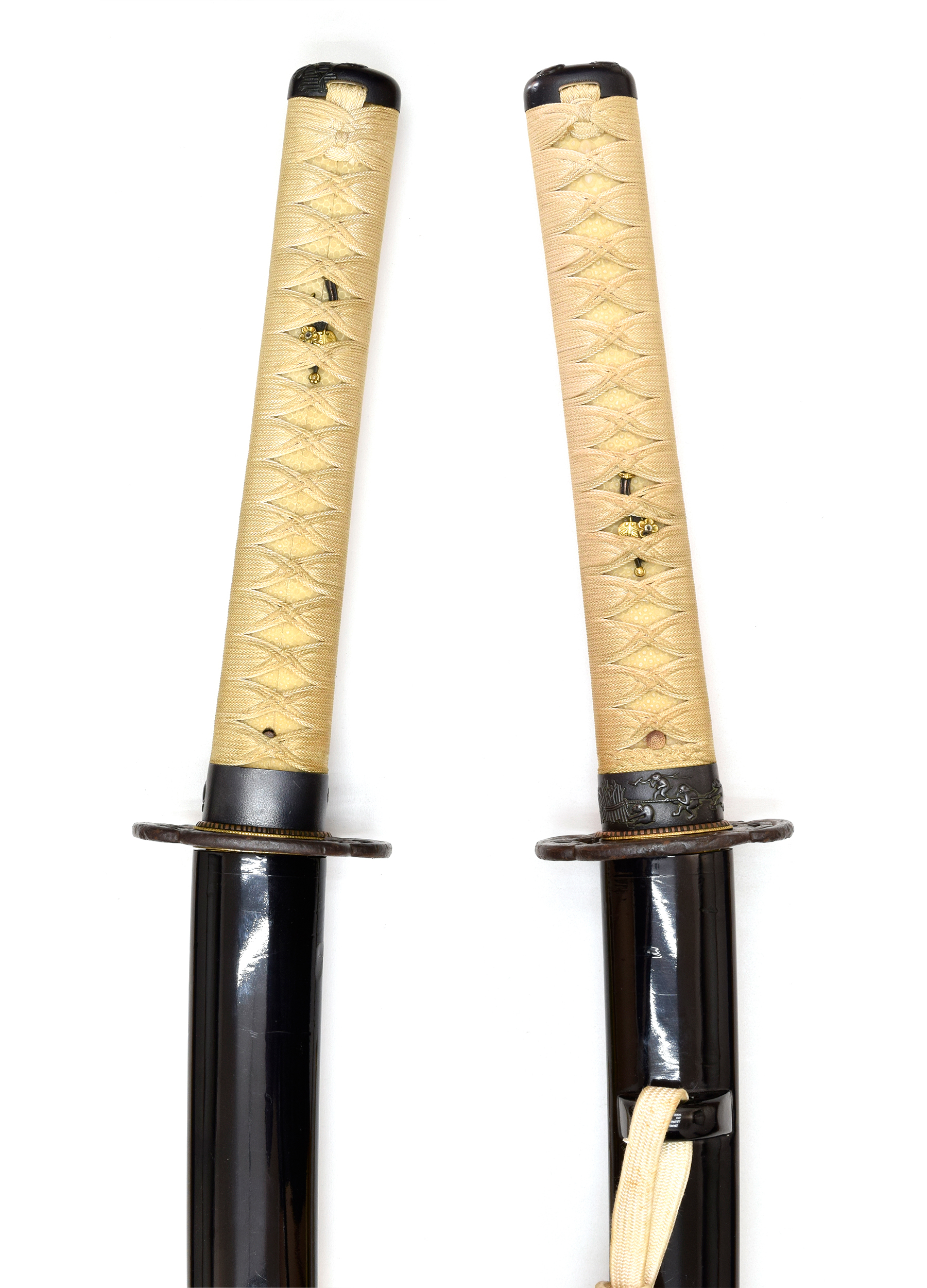
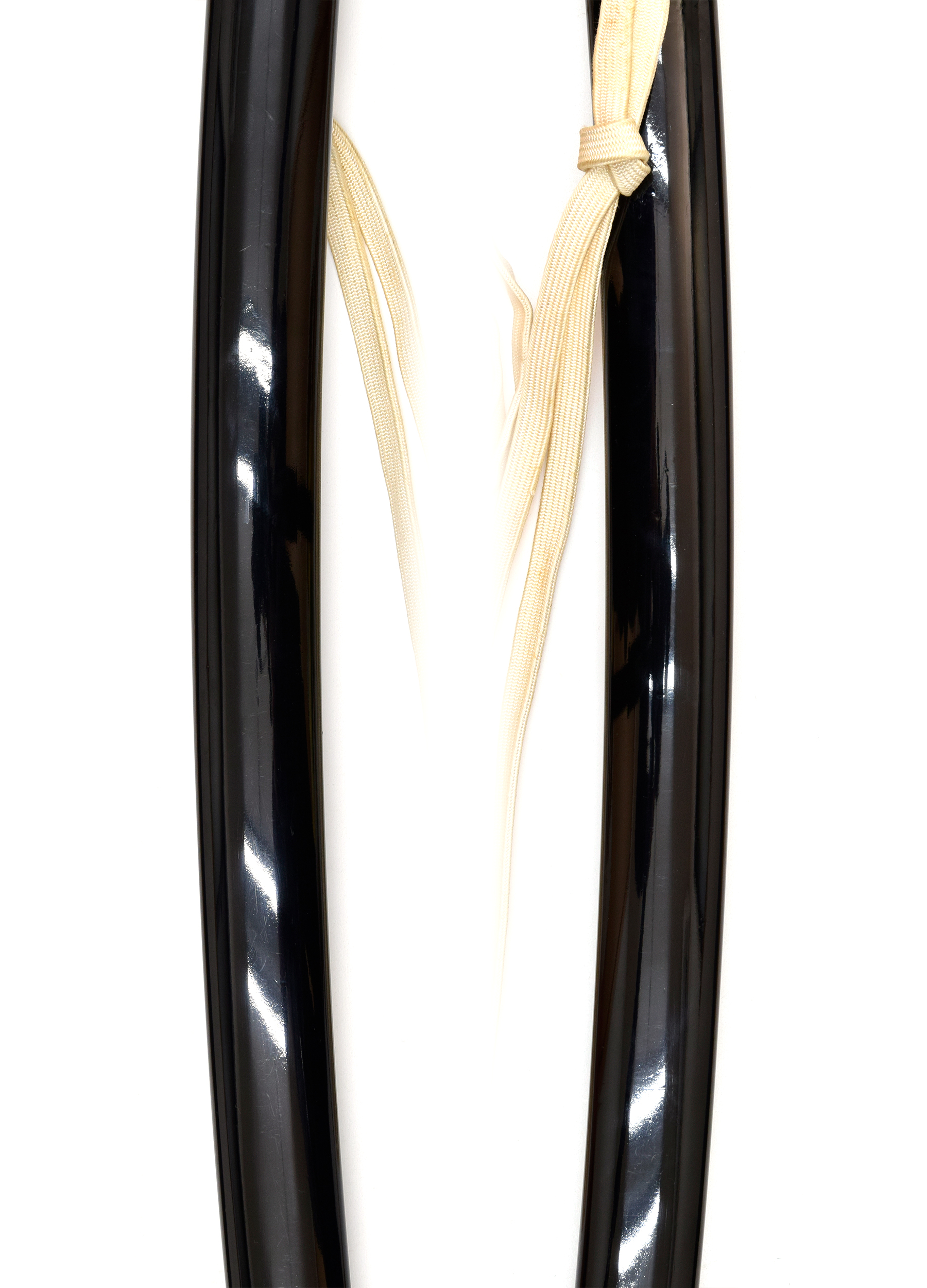
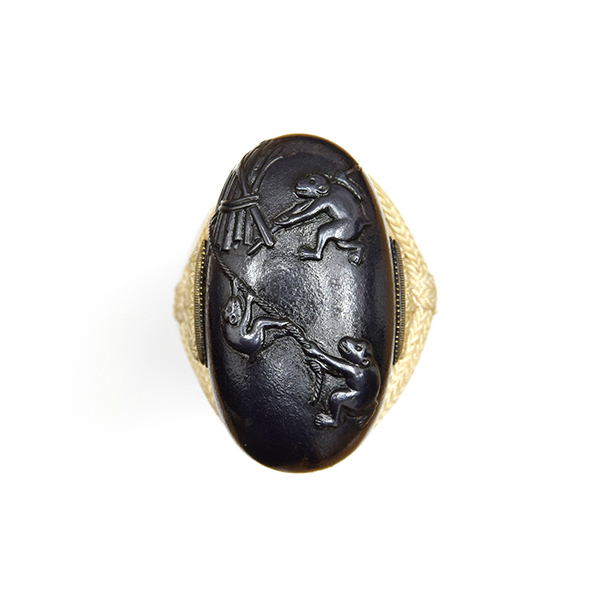
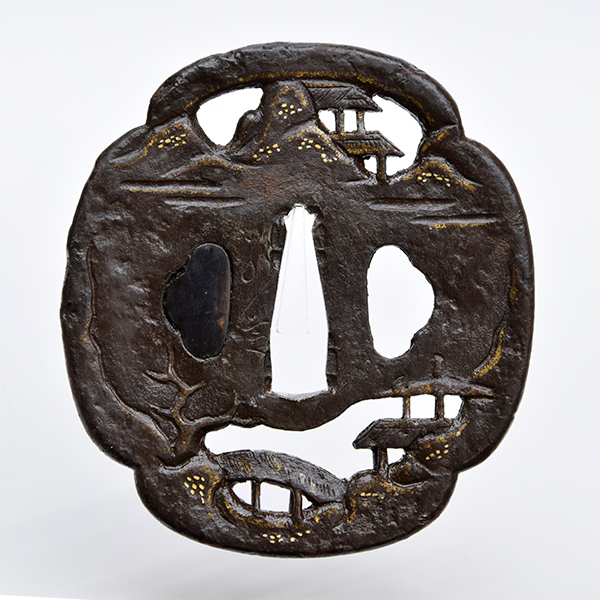
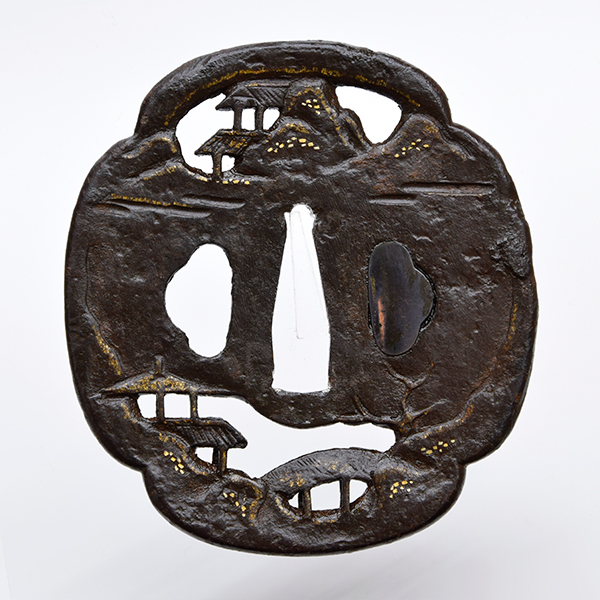
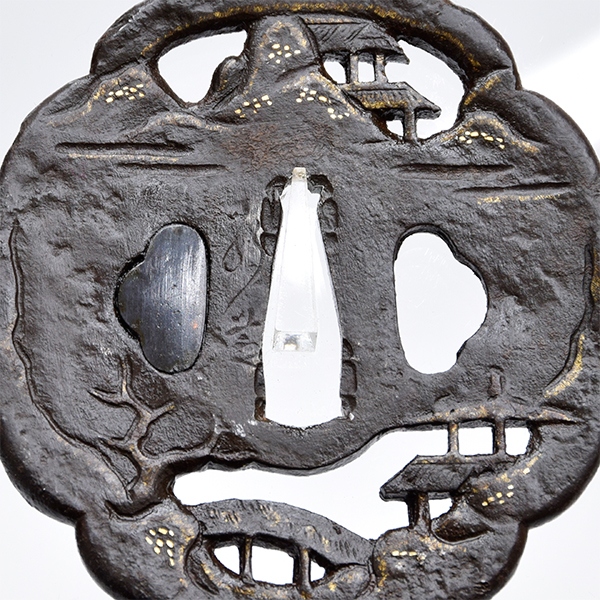
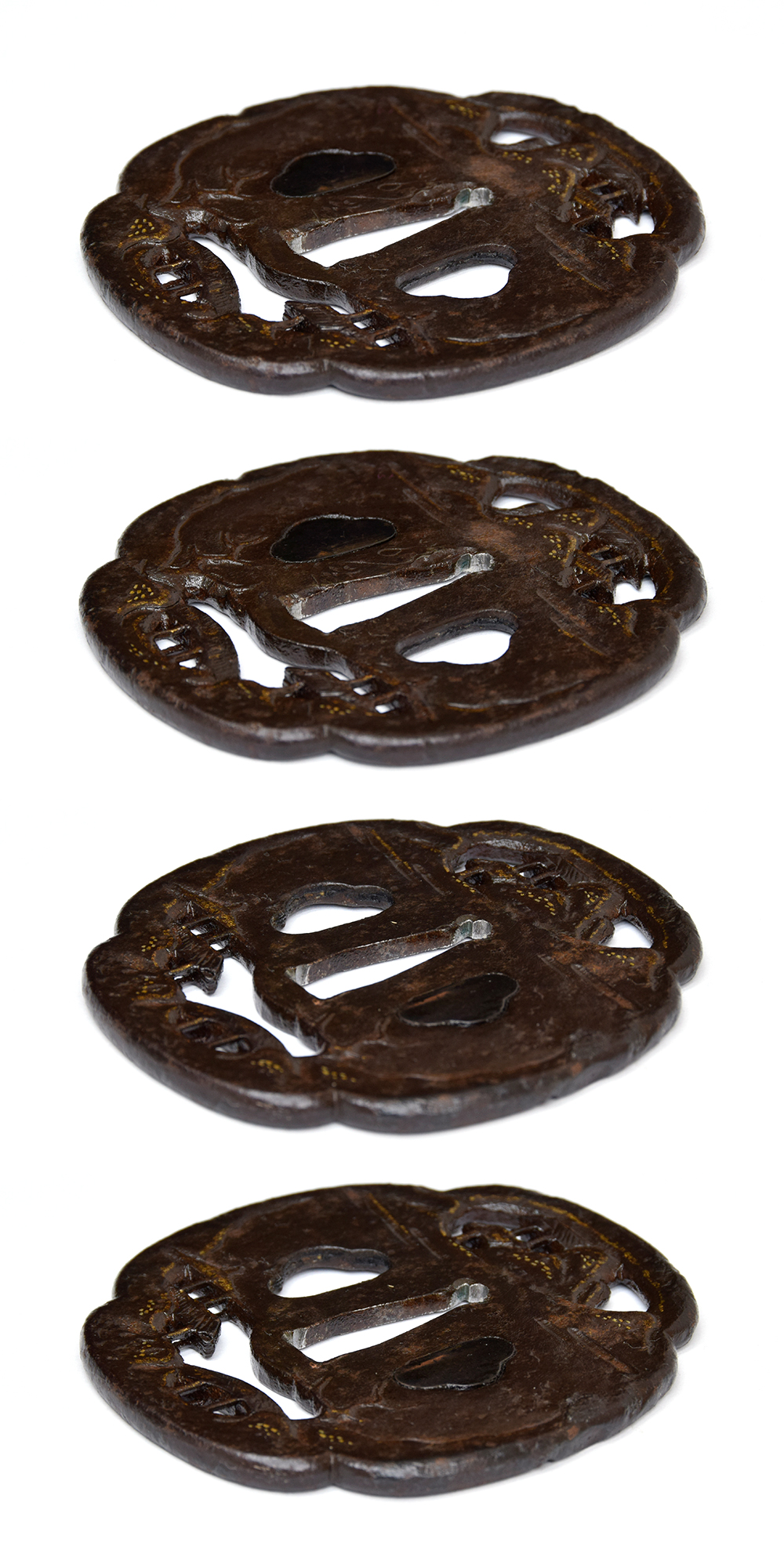
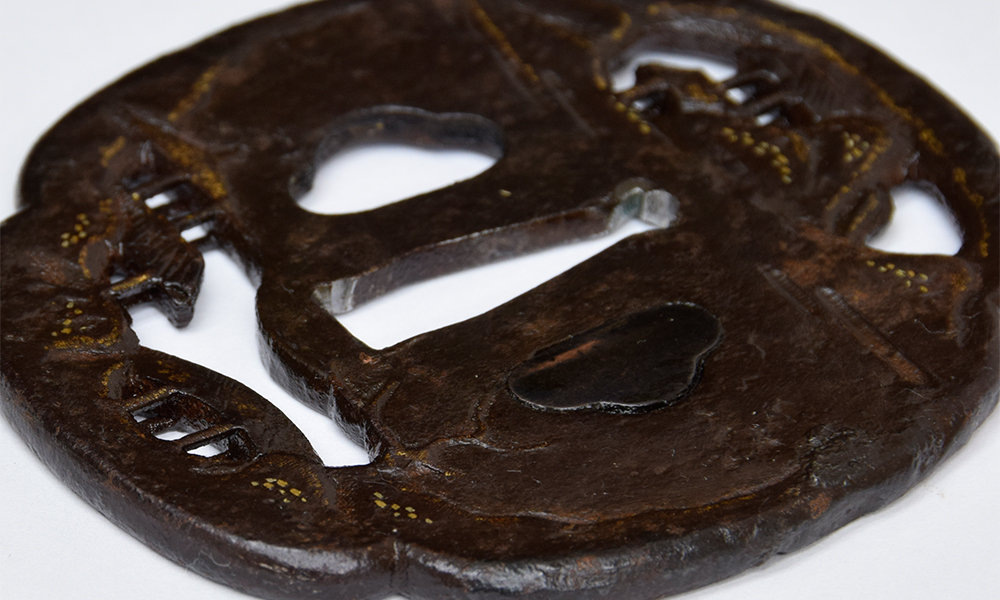
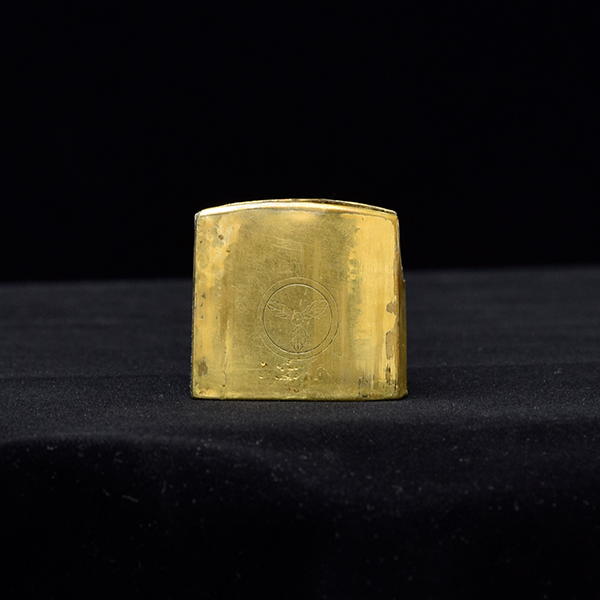
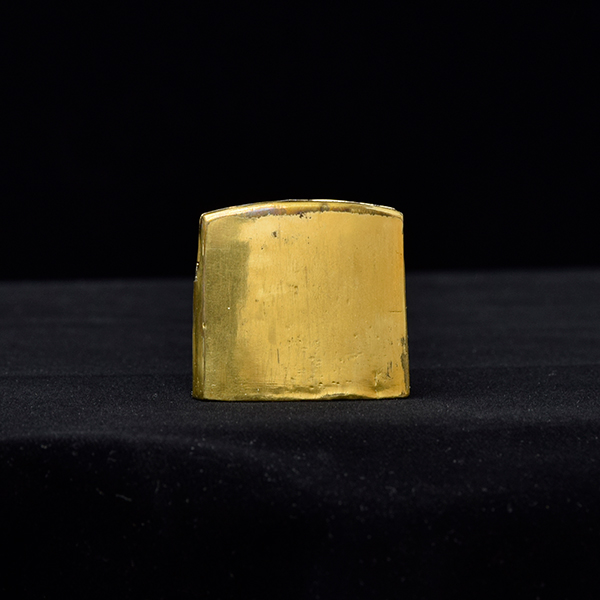
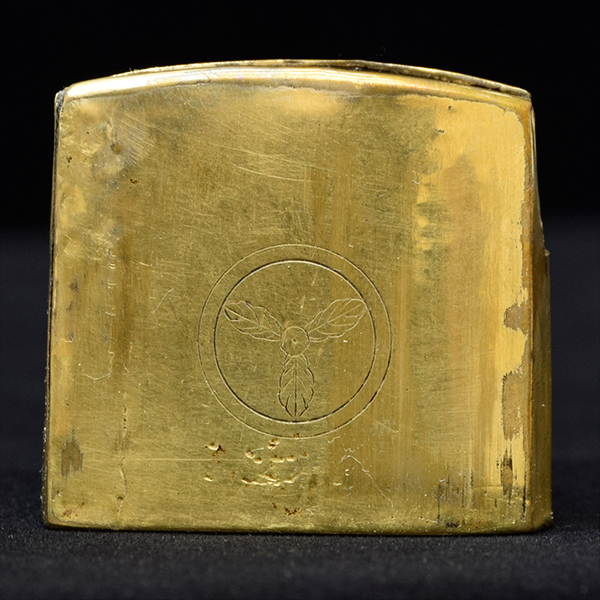
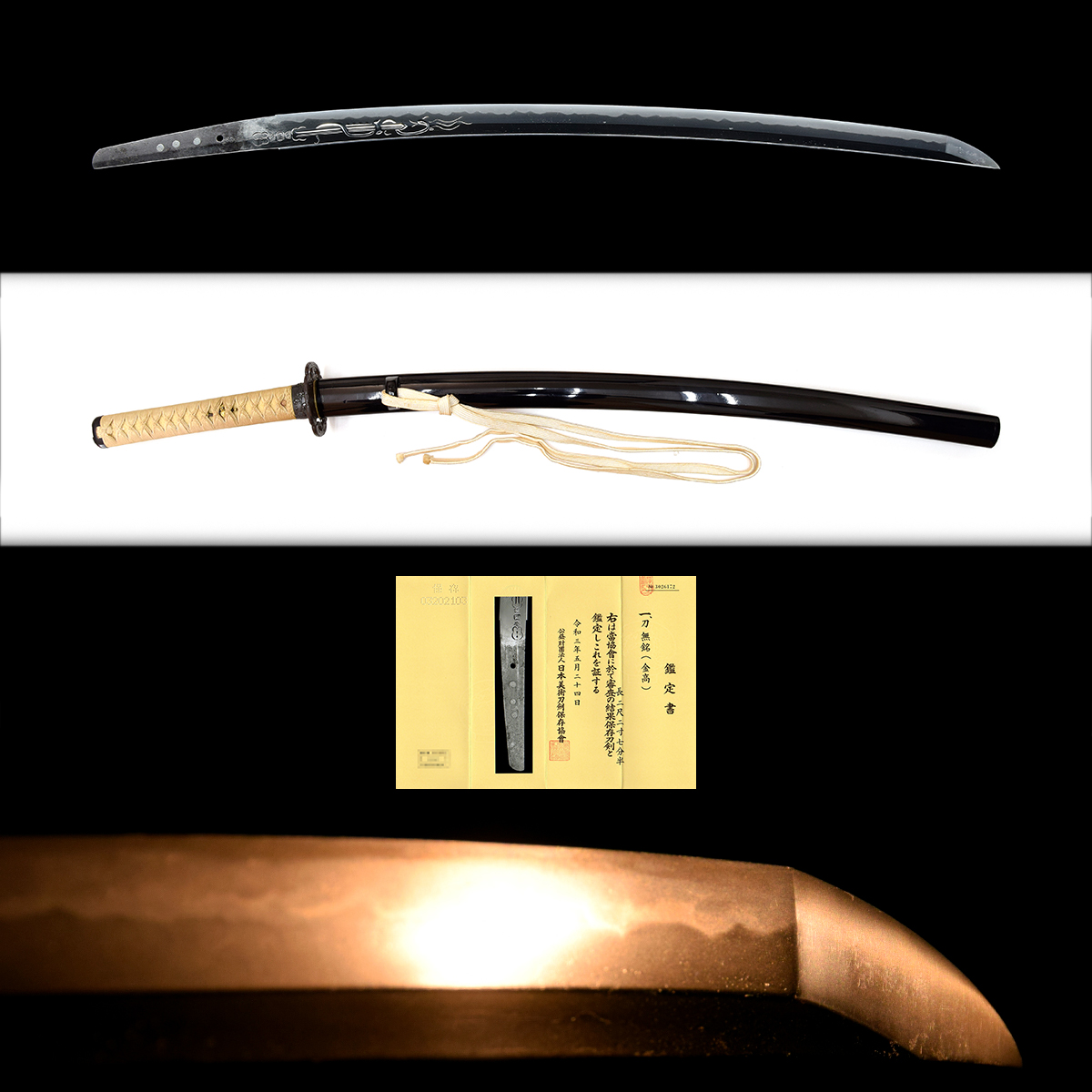
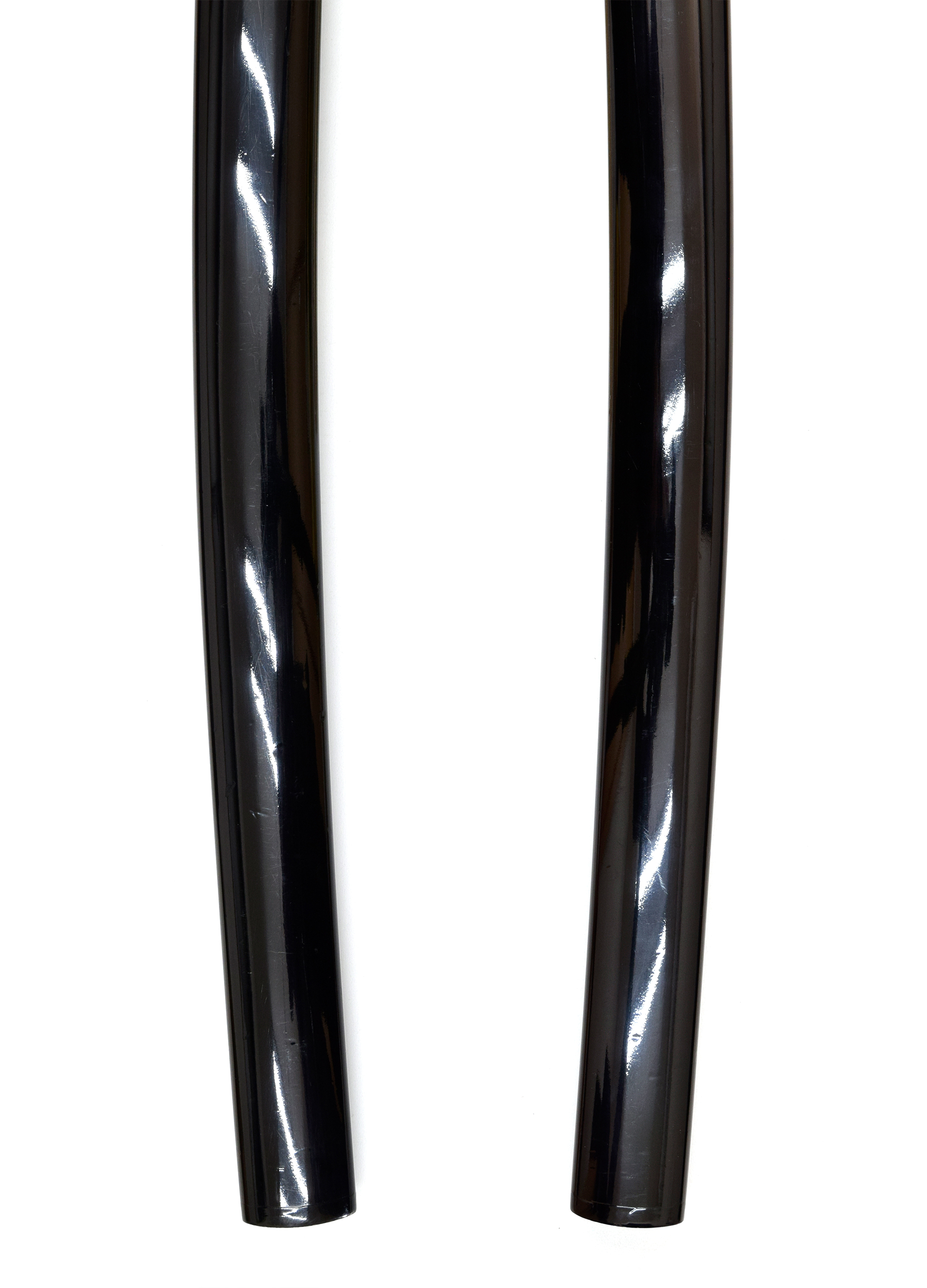
Nagasa 69.96 cm Sori 2.11 cm Included: Kuro-ro-nuri-saya uchigatana koshirae, Suaka-ji kin-kise Yamauchi Mitsu-kashiwa (Tosa-kashiwa) mon habaki This sword is an o-suriage mumei blade with a kiwame to the Mino swordsmith "Kanetaka," who was active around the Eiroku era in the late Muromachi period. It is shinogi-zukuri with an iori-mune. The difference in width between the moto and saki is not prominent, the kissaki is extended, and the powerful, grand sugata brings to mind o-suriage old masterpiece swords of the Nanbokucho period. At the koshimoto, as a prayer for victory in battle, a so-no-kurikara-ryu is carved on the omote, and a rendai, ken, and bonji are carved on the ura; one can see that this was clearly the sashiryo of a warrior, and contrary to its appearance, the balance in the hand has a center of gravity from the hand to the middle, giving a feeling of ease of use. The jitetsu is ko-itame mixed with mokume, well-kneaded and tight, and the hamon is primarily gunome-midare mixed with gunome-choji and togari-gokoro blades, with ashi and kinsuji entering, and fine sunagashi appearing, showing various changes along the habuchi, and the boshi is midare-komi on both the omote and ura with a maru kaeri. There are small spots of rust that look like white discoloration in places, but appreciation of the ji and ha is possible even in the current condition. I offer this at a price that takes the cost of polishing into consideration. The tsuba with a Wakashiba mei attached to the included koshirae is an elaborate piece of work where the azumaya and the bridge piers are made with a three-dimensional construction. The fuchi-kashira features a design of monkeys playing with a rope on a polished shakudo-ji of good jet-black color, and the menuki feature a design of aoi and ume. The tsuka-ito is an elegant and well-made jabara-maki in unohana-iro, and the Tosa-kashiwa mon of the Tosa Yamauchi family is carved on the surface of the habaki; perhaps it is a sword related to the Yamauchi family. It speaks to the excellence of its provenance.
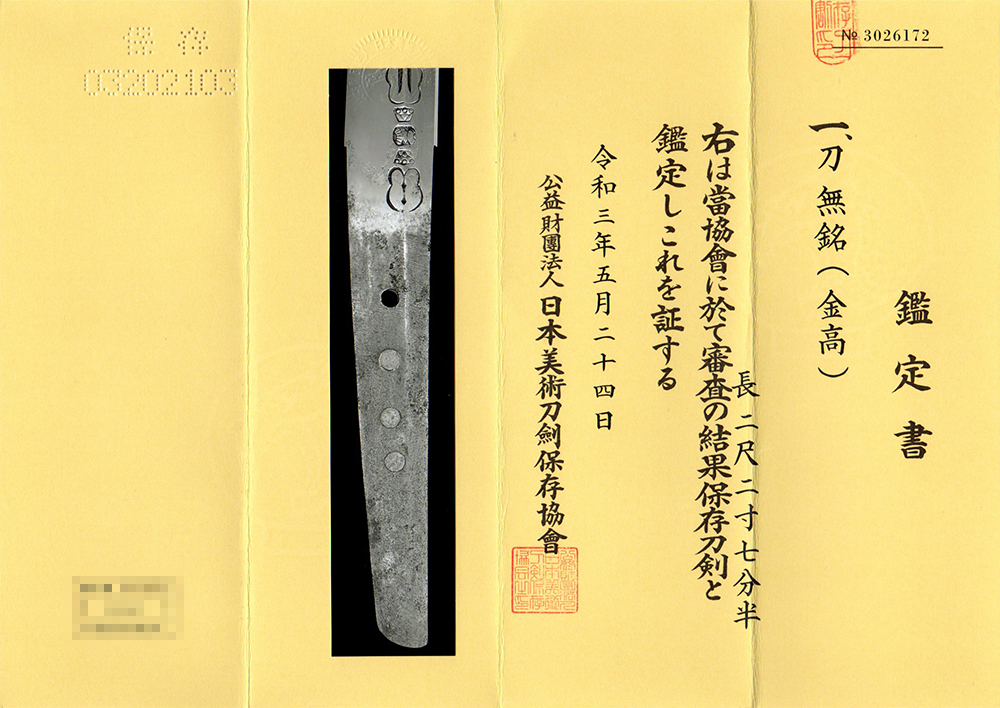
Certificate reading — 無銘(金高)
NihontoWatchOffered by Toushin

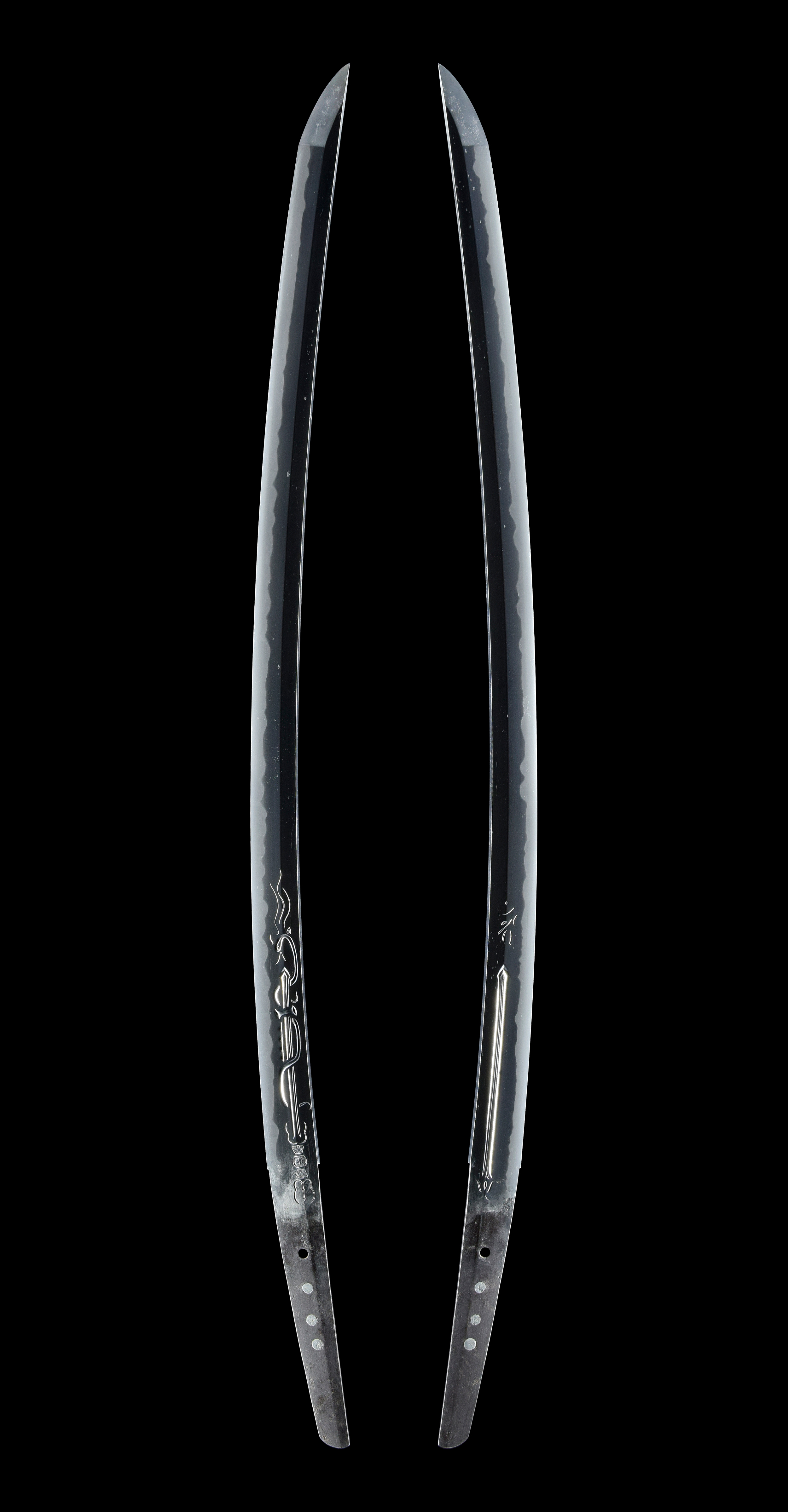
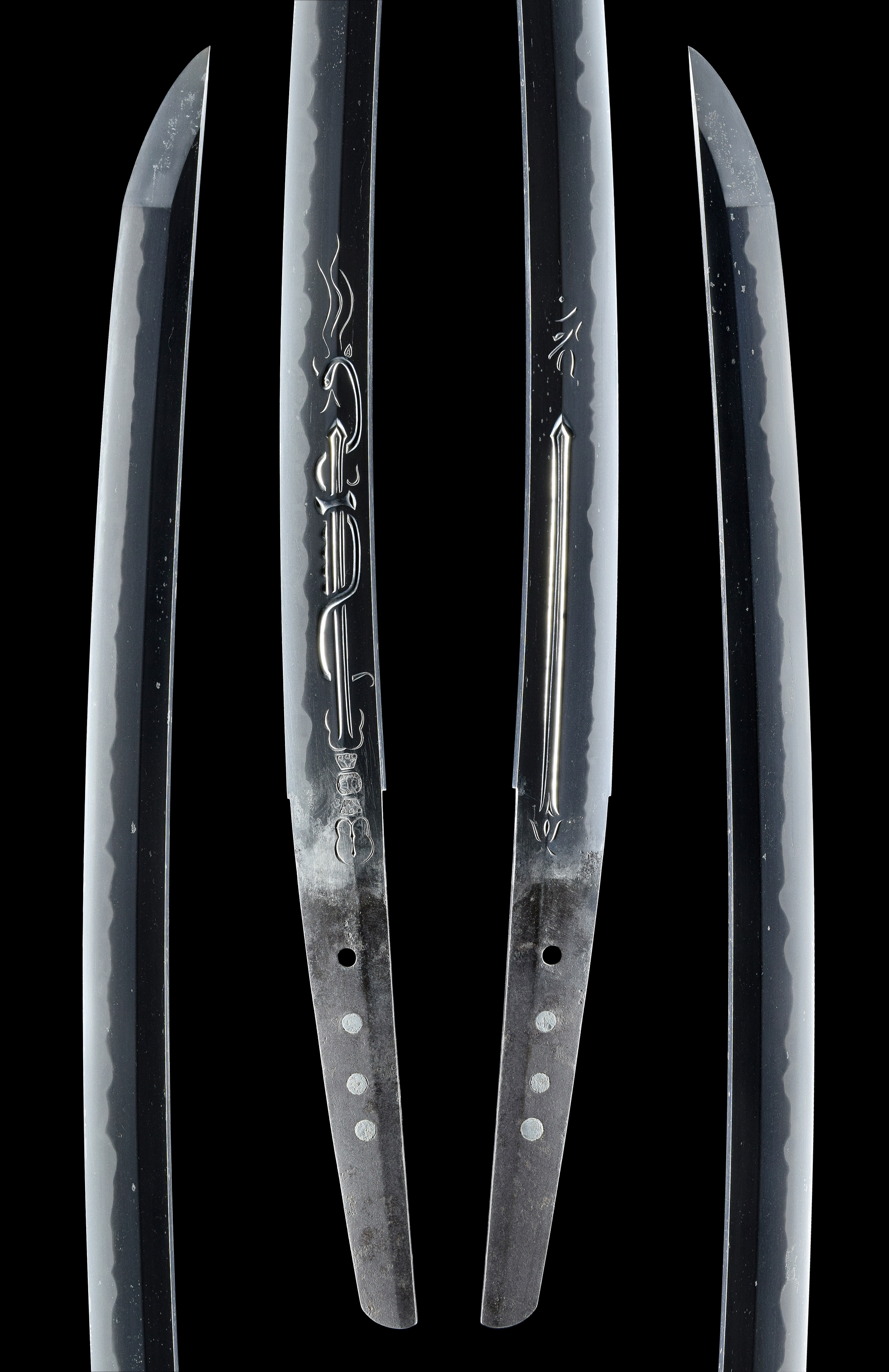
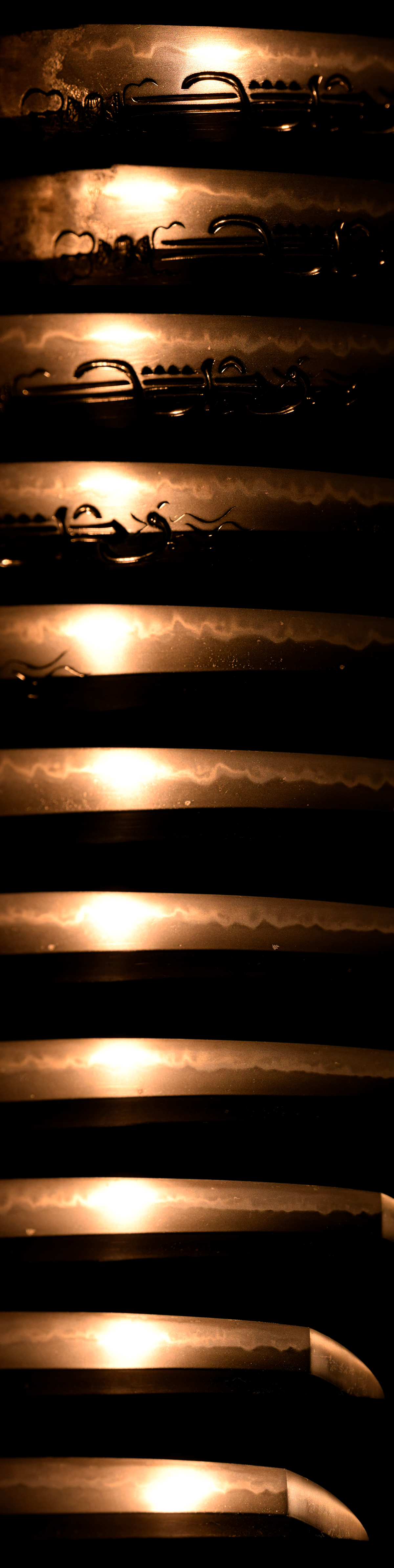
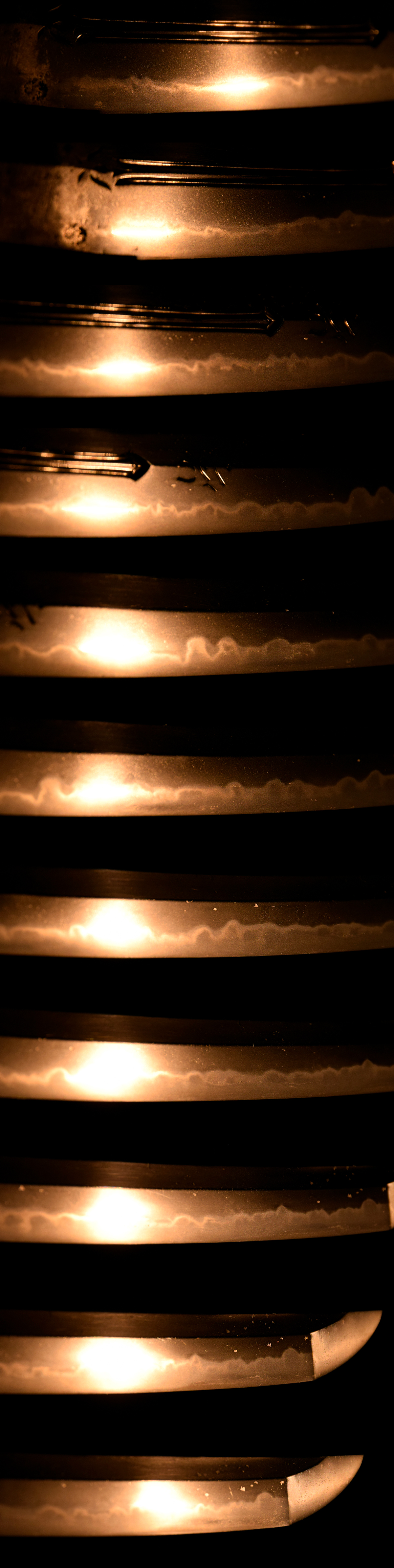
As written by the shop
Machine translation from the shop's Japanese · may contain errors ·
Mino · around 1558-1570
1 piece on the market now
The Muromachi period (1392 to 1573)
Muromachi turned sword making into an industry: the uchigatana rose with massed infantry warfare, Osafune and Seki produced bundle swords beside custom orders, and the Ming trade carried Japanese blades abroad by the tens of thousands.
Certifies a genuine blade worth preserving: a signature confirmed correct, or, if unsigned, an era, province, and school that the NBTHK can reliably identify.
The NBTHK (Nihon Bijutsu Tōken Hozon Kyōkai, the Society for the Preservation of Japanese Art Swords) is a public-interest incorporated foundation founded in 1948 and supervised by Japan’s Agency for Cultural Affairs (Bunkachō); it is based at the Japanese Sword Museum in Tokyo. Its expert panels physically examine each submitted work (shinsa) and issue a certificate (kanteishō) ranking it by artistic and historical merit. NBTHK papers are the most widely recognized standard of authentication for Japanese swords and fittings.
NBTHK official siteAs a rule we do not accept returns, except when we have sent a different item from the one ordered or when there is a significant discrepancy between the description and the item. If you wish to return an item, please contact us within 3 days of its arrival and then send it back.
¥770,000