The twentieth century nearly killed the craft twice: wartime distortion, then the occupation ban. The NBTHK’s founding in 1948 and licensed forging from 1953 rebuilt the sword as an art, crowned by Living National Treasures and the mukansa rank.
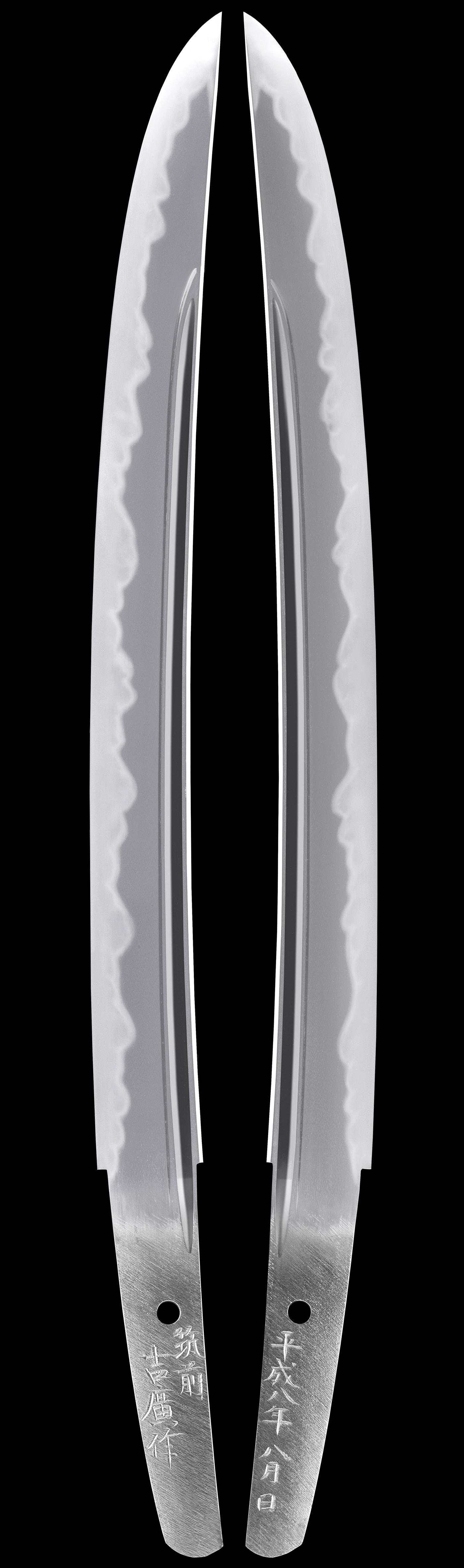
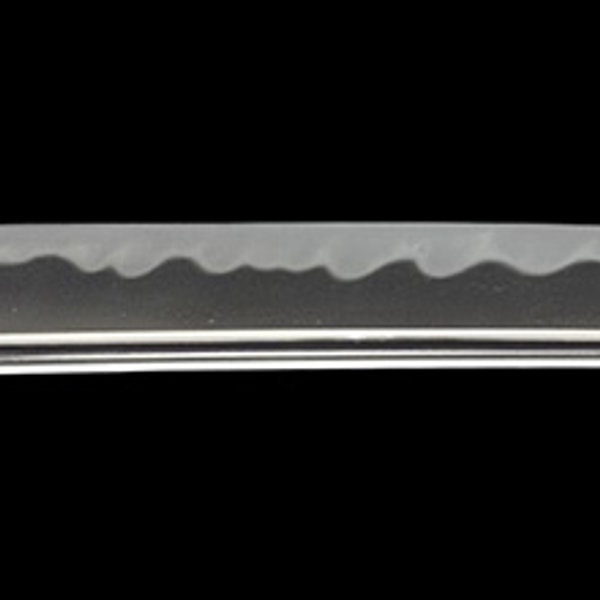
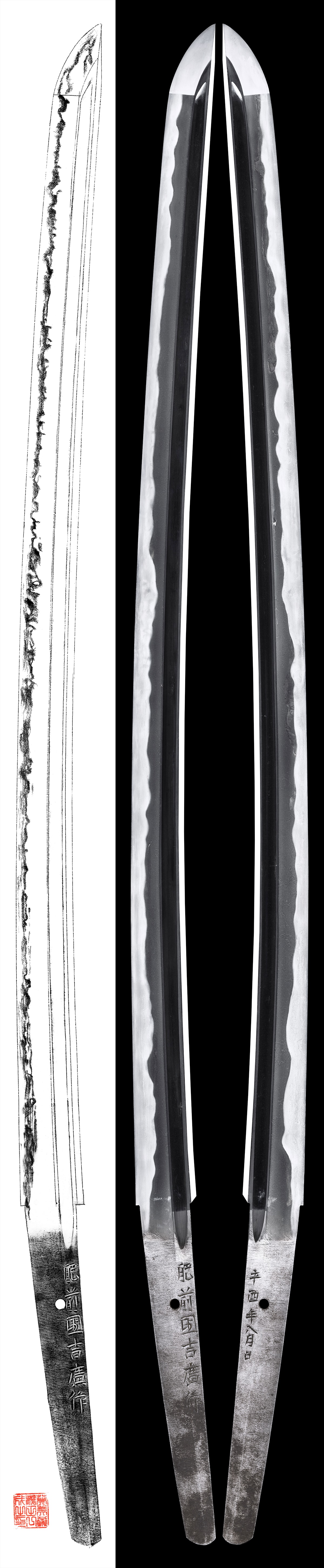
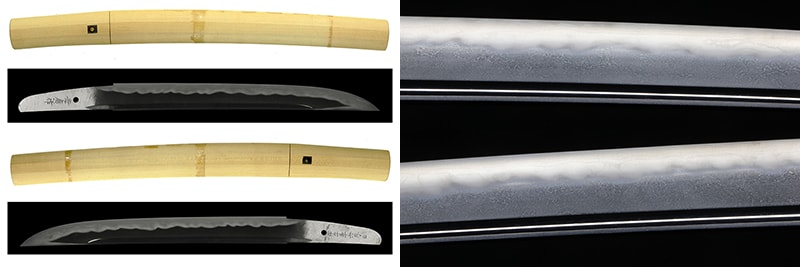
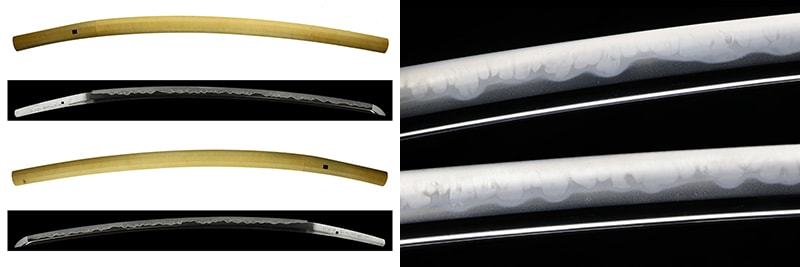
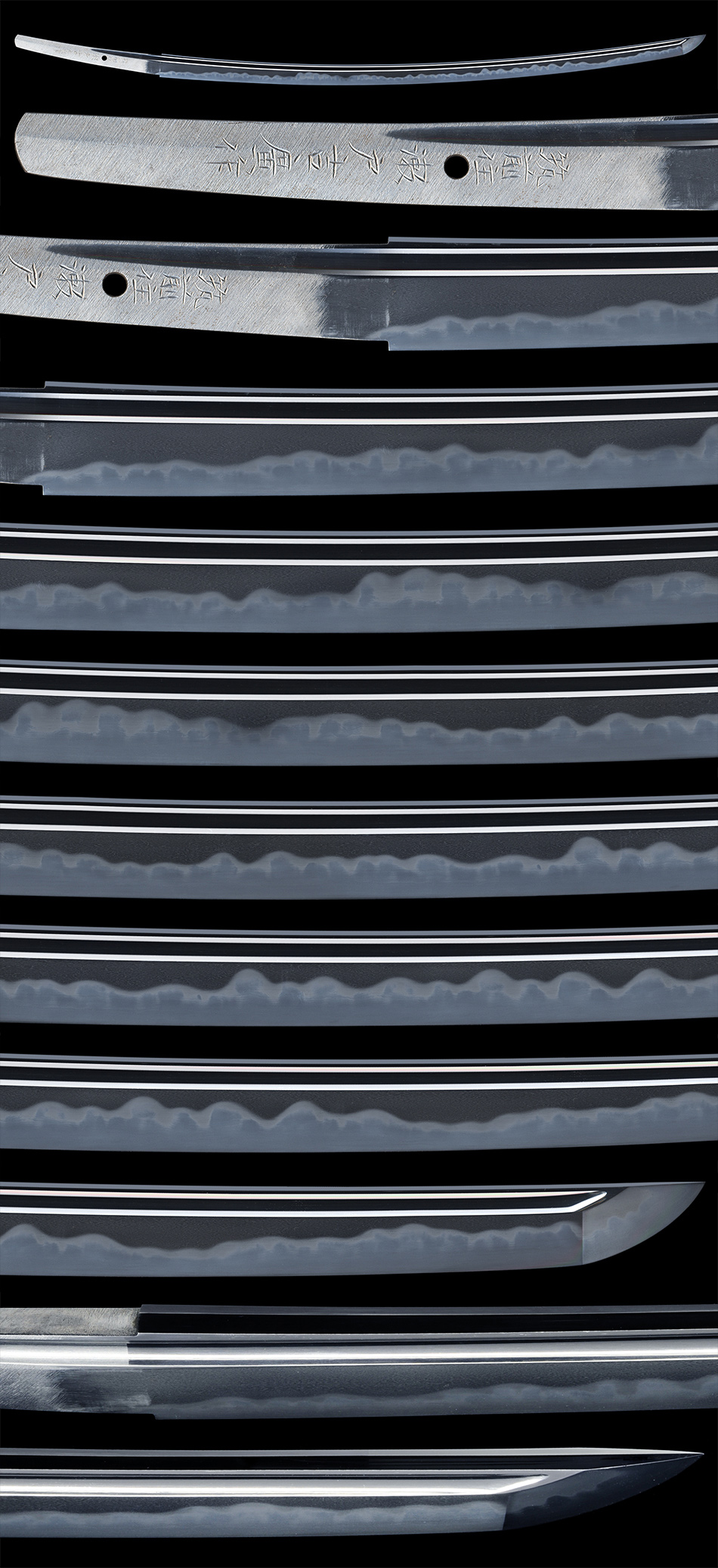
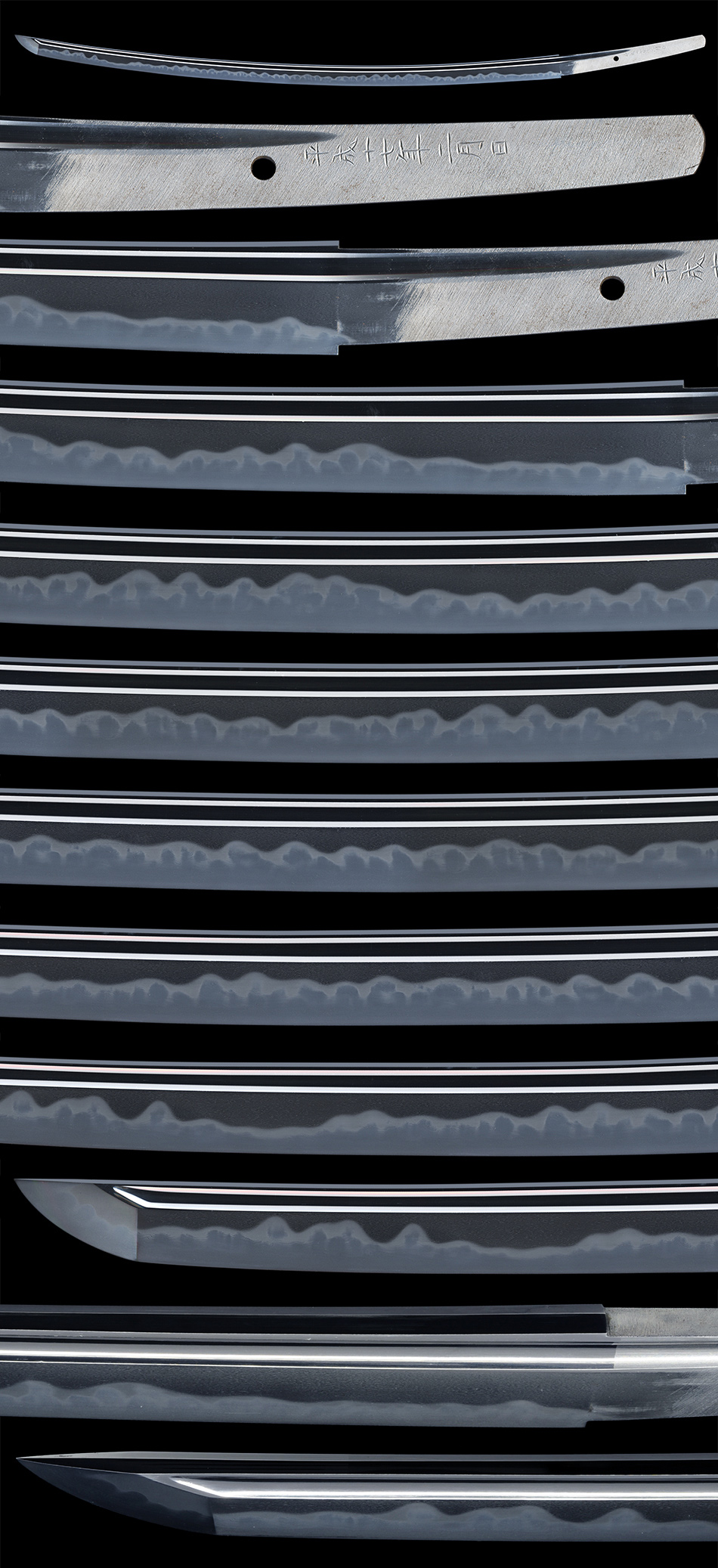
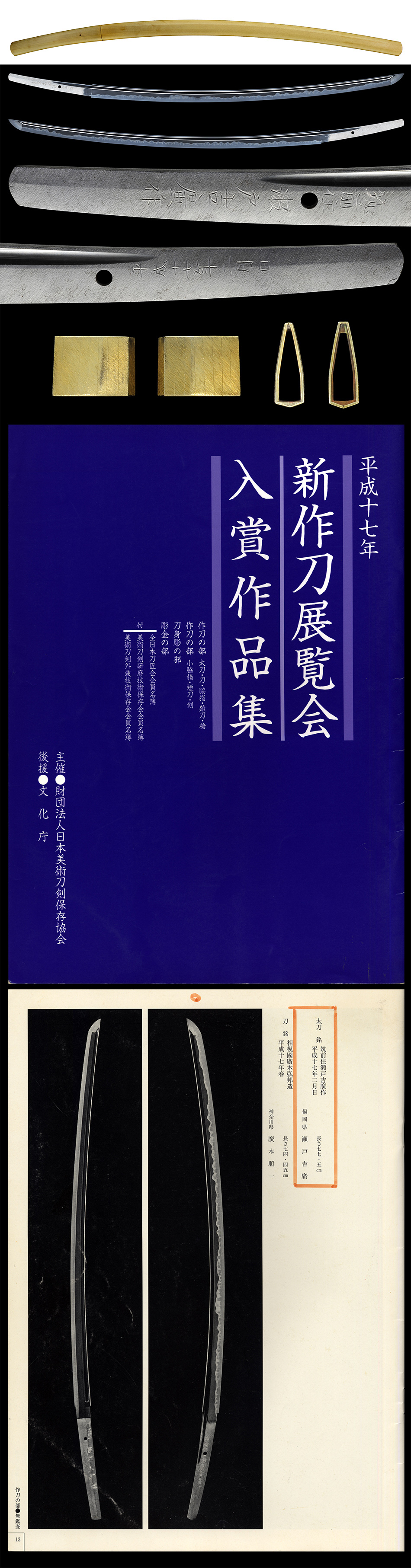
This is a katana by Seto Yoshihiro, a Mukansa-ranked swordsmith from Fukuoka, born in 1945. He studied under Sumitani Masamine and achieved the highest rank of Mukansa in 1996. This particular sword, made in 2005, was specially forged for exhibition at the New Sword Exhibition by the NBTHK, showcasing his exceptional skill in recreating Bizen-den style blades.
 NihontoWatch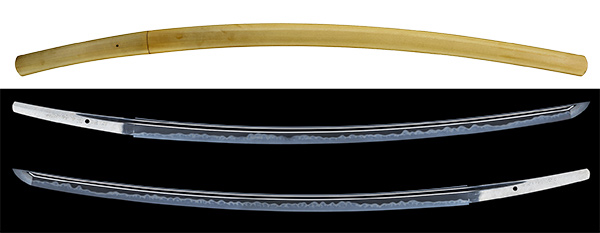

Chikuzen · around 1989-2019
2 pieces on the market now
Shōwa to the present: destruction and revival
The twentieth century nearly killed the craft twice: wartime distortion, then the occupation ban. The NBTHK’s founding in 1948 and licensed forging from 1953 rebuilt the sword as an art, crowned by Living National Treasures and the mukansa rank.
We could not find an authenticity certificate on the seller’s listing. Japanese swords and fittings are normally papered by the NBTHK (or the NTHK). Without one, the attribution is the seller’s own assessment and has not been independently verified — treat it with caution and ask the dealer about certification before buying.
No cooling-off period or returns; refund only if the purchased sword is proven fake, capped at purchase price (excludes commission sales, accessories, auction items).
This is a katana by Seto Yoshihiro, a Mukansa-ranked swordsmith from Fukuoka, born in 1945. He studied under Sumitani Masamine and achieved the highest rank of Mukansa in 1996. This particular sword, made in 2005, was specially forged for exhibition at the New Sword Exhibition by the NBTHK, showcasing his exceptional skill in recreating Bizen-den style blades.
NihontoWatchChikuzen · around 1989-2019
2 pieces on the market now
Shōwa to the present: destruction and revival
The twentieth century nearly killed the craft twice: wartime distortion, then the occupation ban. The NBTHK’s founding in 1948 and licensed forging from 1953 rebuilt the sword as an art, crowned by Living National Treasures and the mukansa rank.
We could not find an authenticity certificate on the seller’s listing. Japanese swords and fittings are normally papered by the NBTHK (or the NTHK). Without one, the attribution is the seller’s own assessment and has not been independently verified — treat it with caution and ask the dealer about certification before buying.
No cooling-off period or returns; refund only if the purchased sword is proven fake, capped at purchase price (excludes commission sales, accessories, auction items).