The Haitōrei edict of 1876 ended sword wearing and nearly ended the craft itself. Military demand and imperial patronage kept a remnant alive, and in 1906 Gassan Sadakazu and Miyamoto Kanenori were named Artists to the Imperial Household.
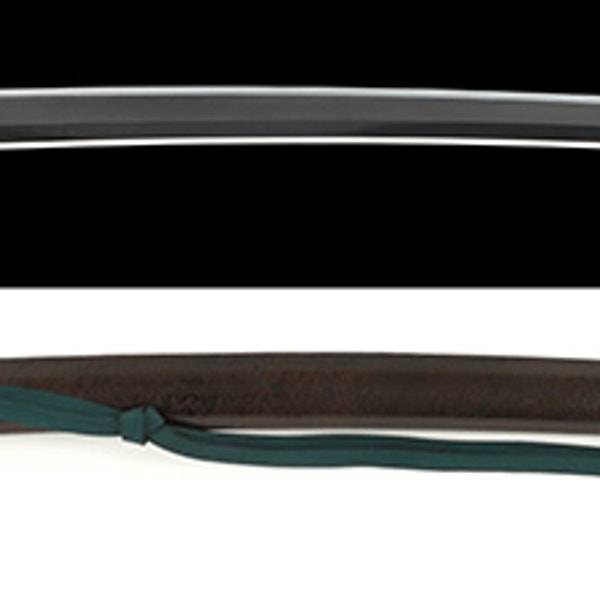
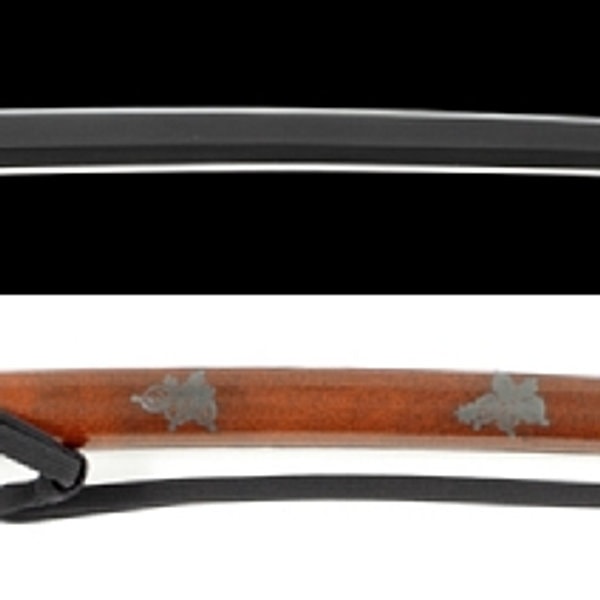
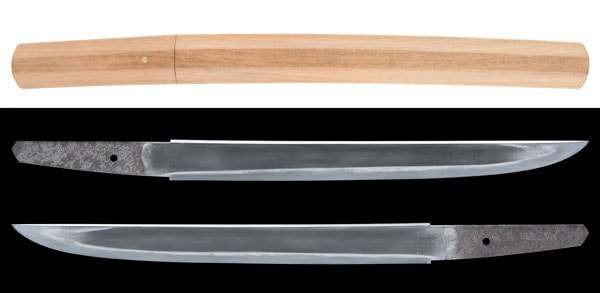
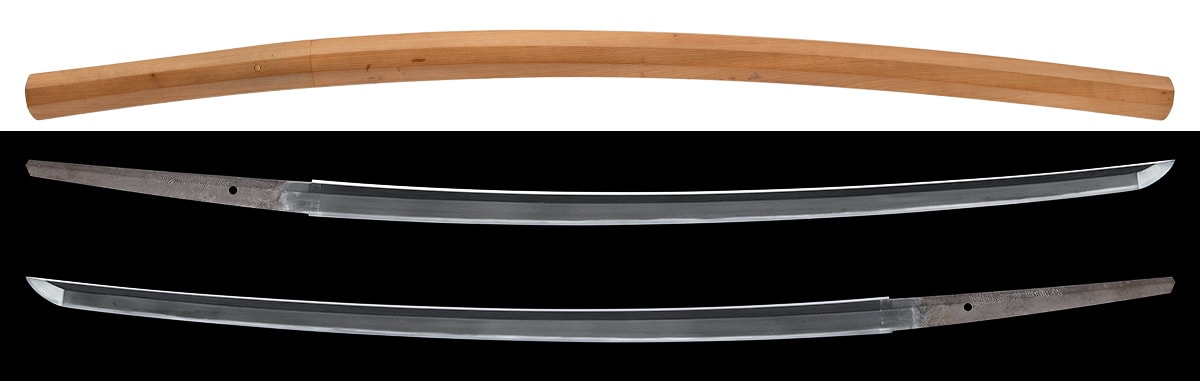
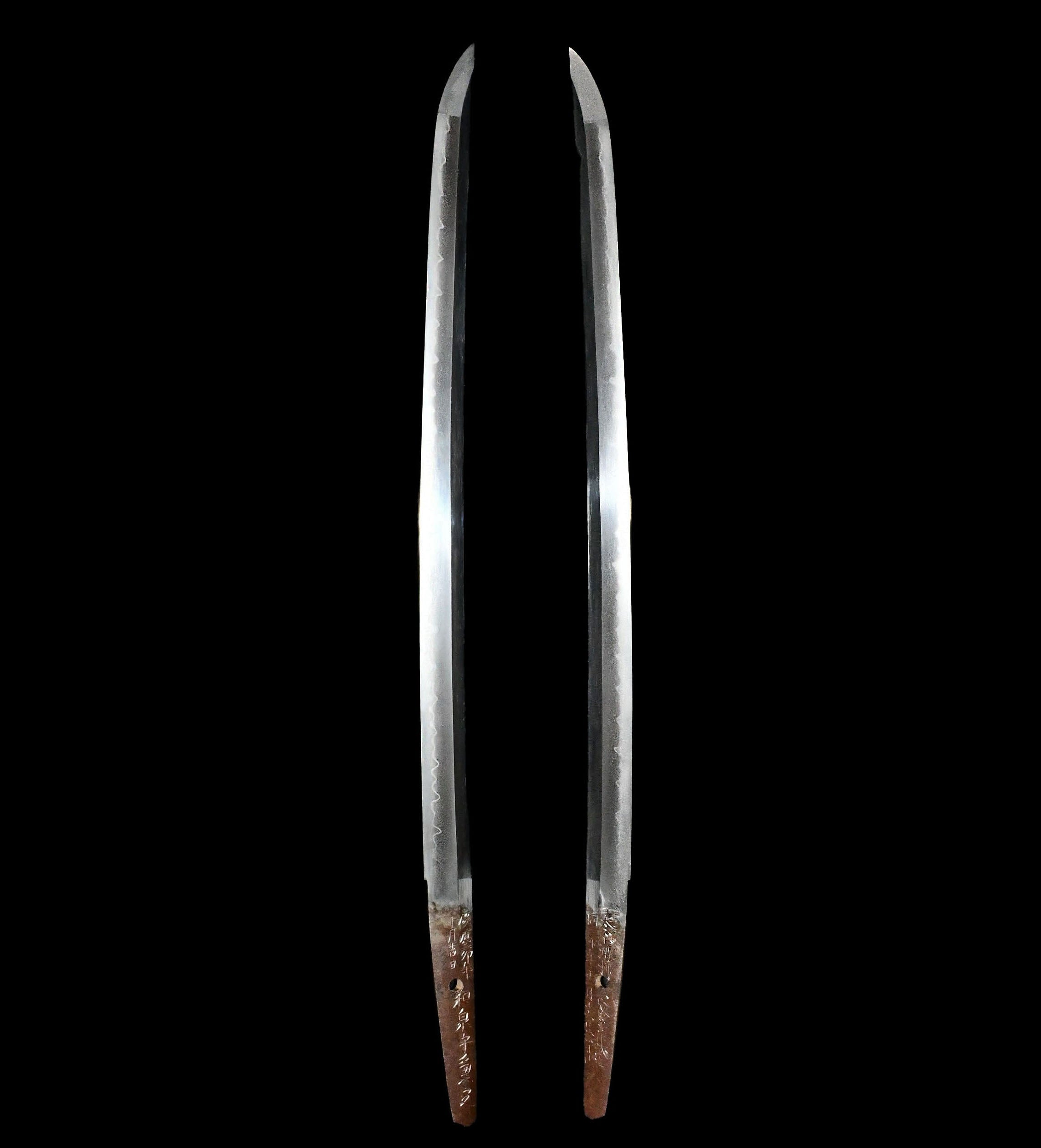
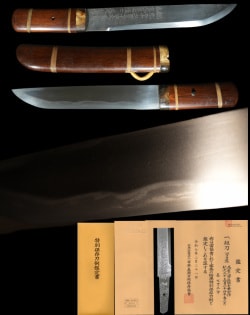
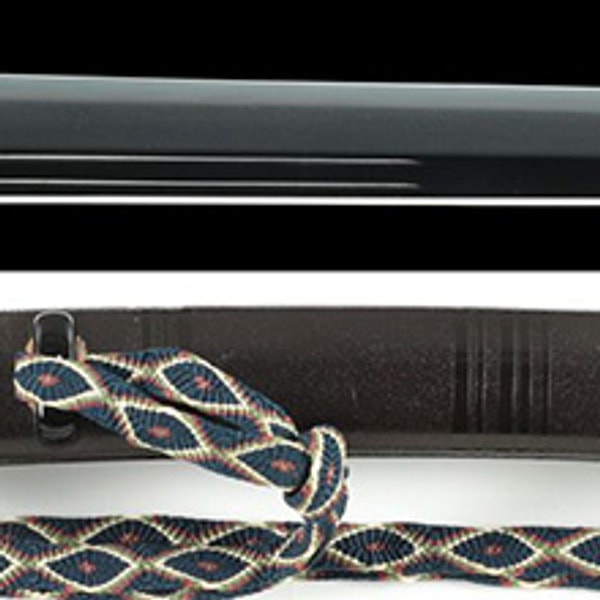
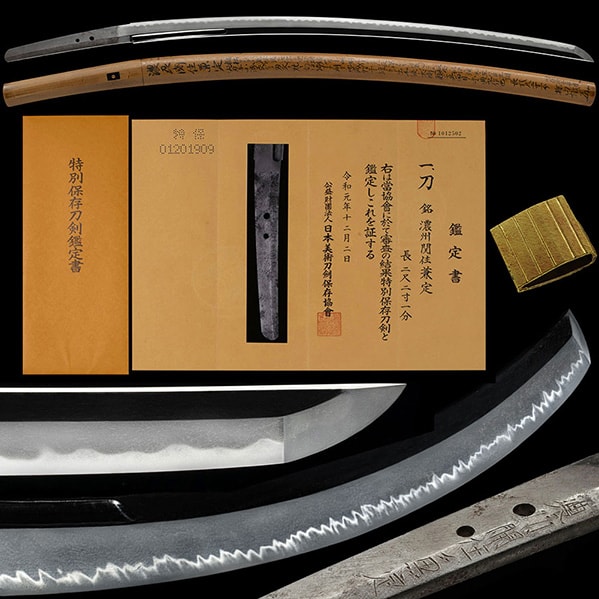
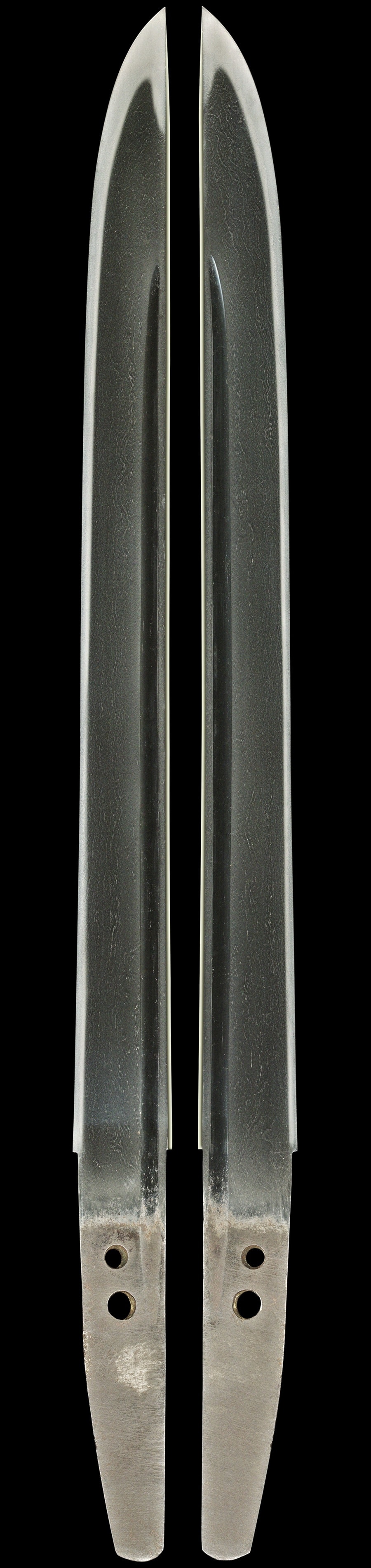
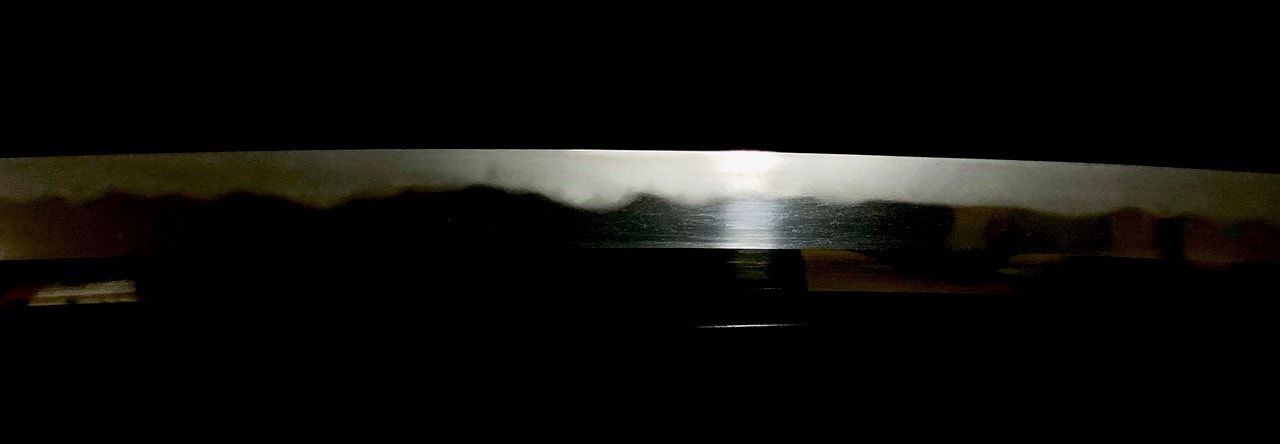
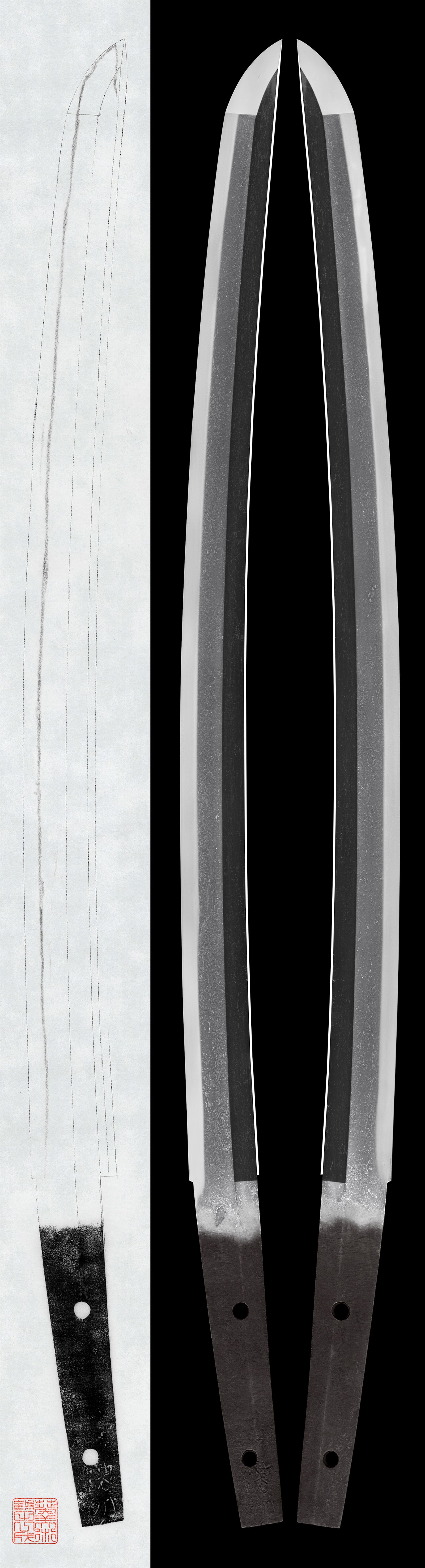
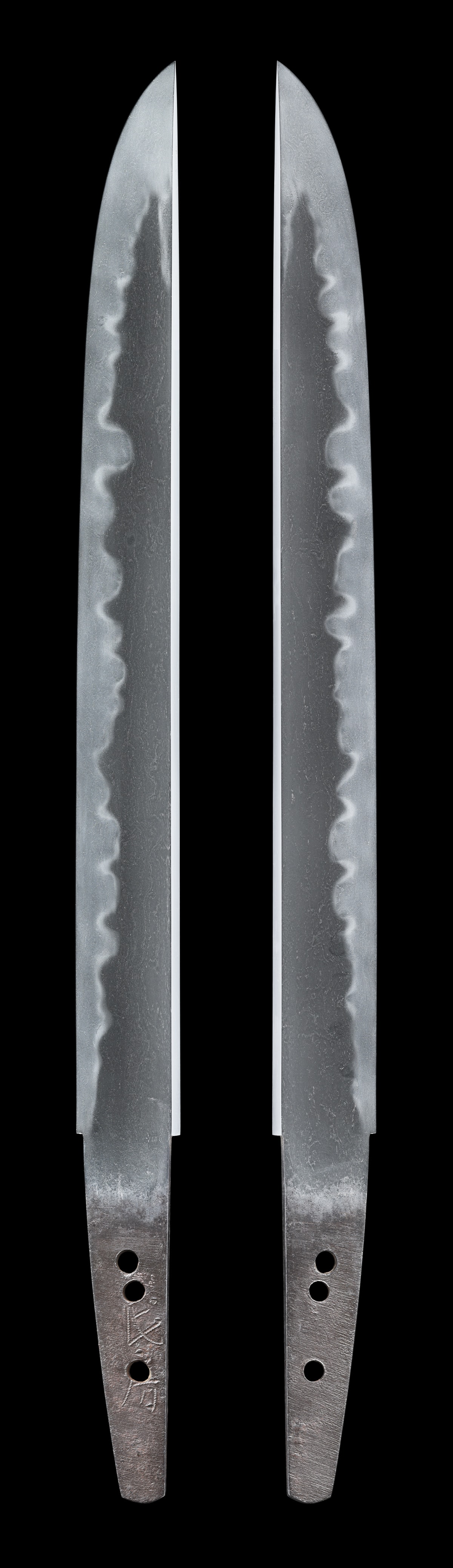
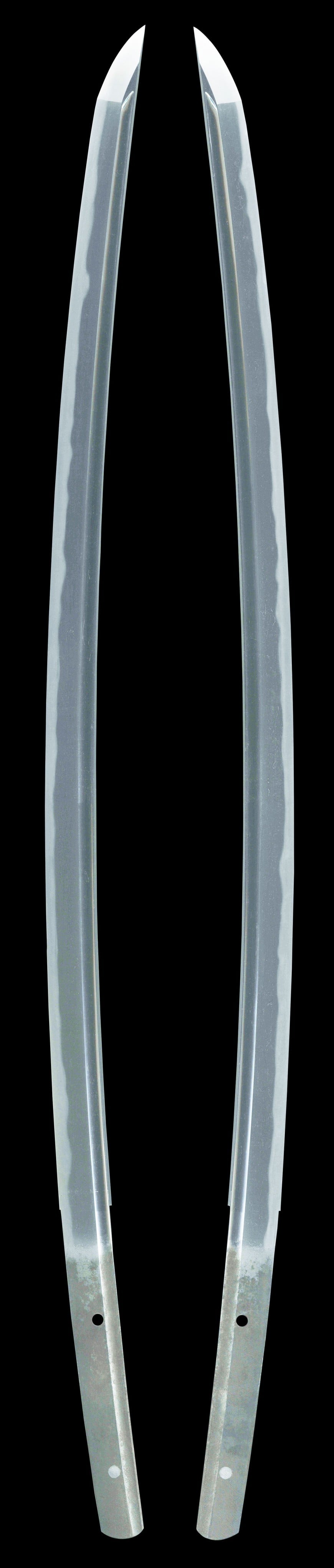
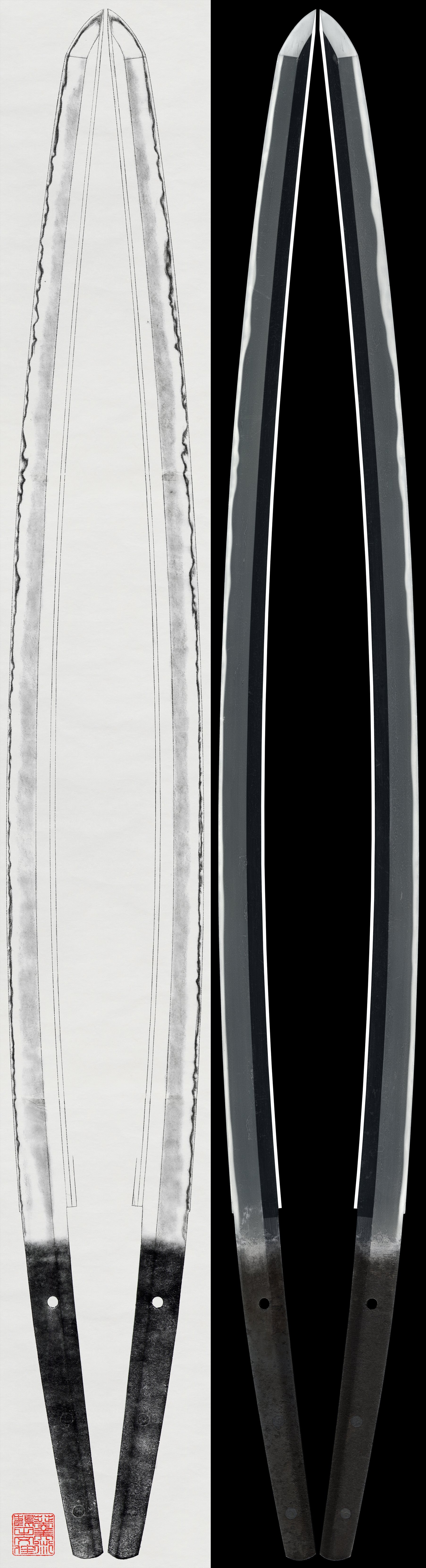
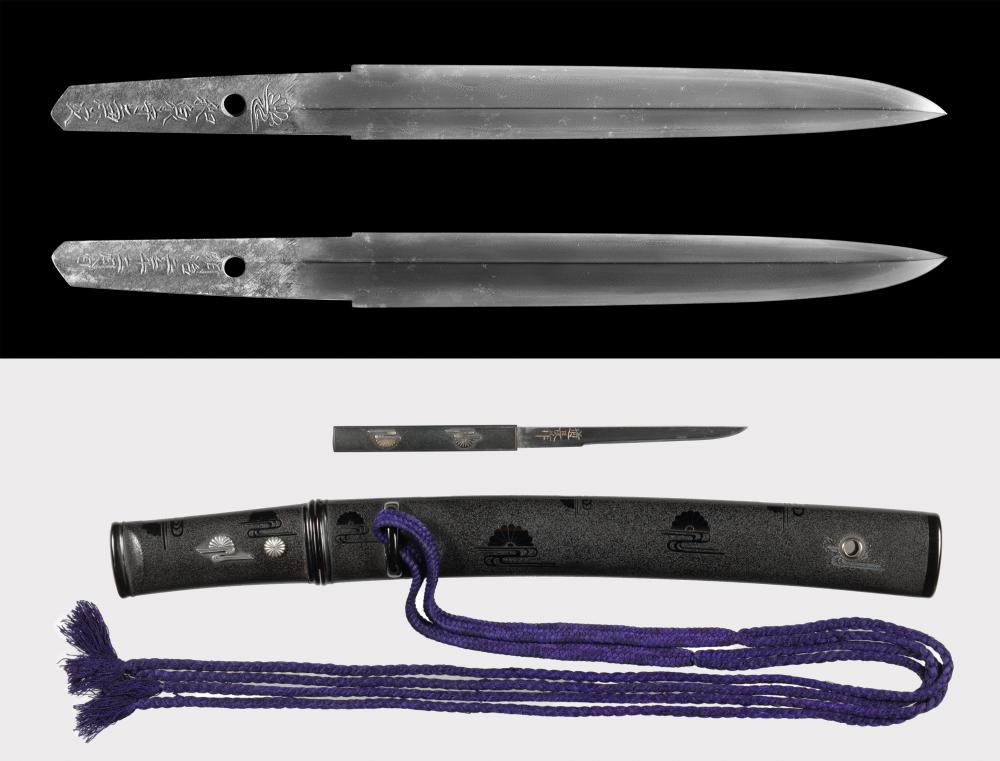
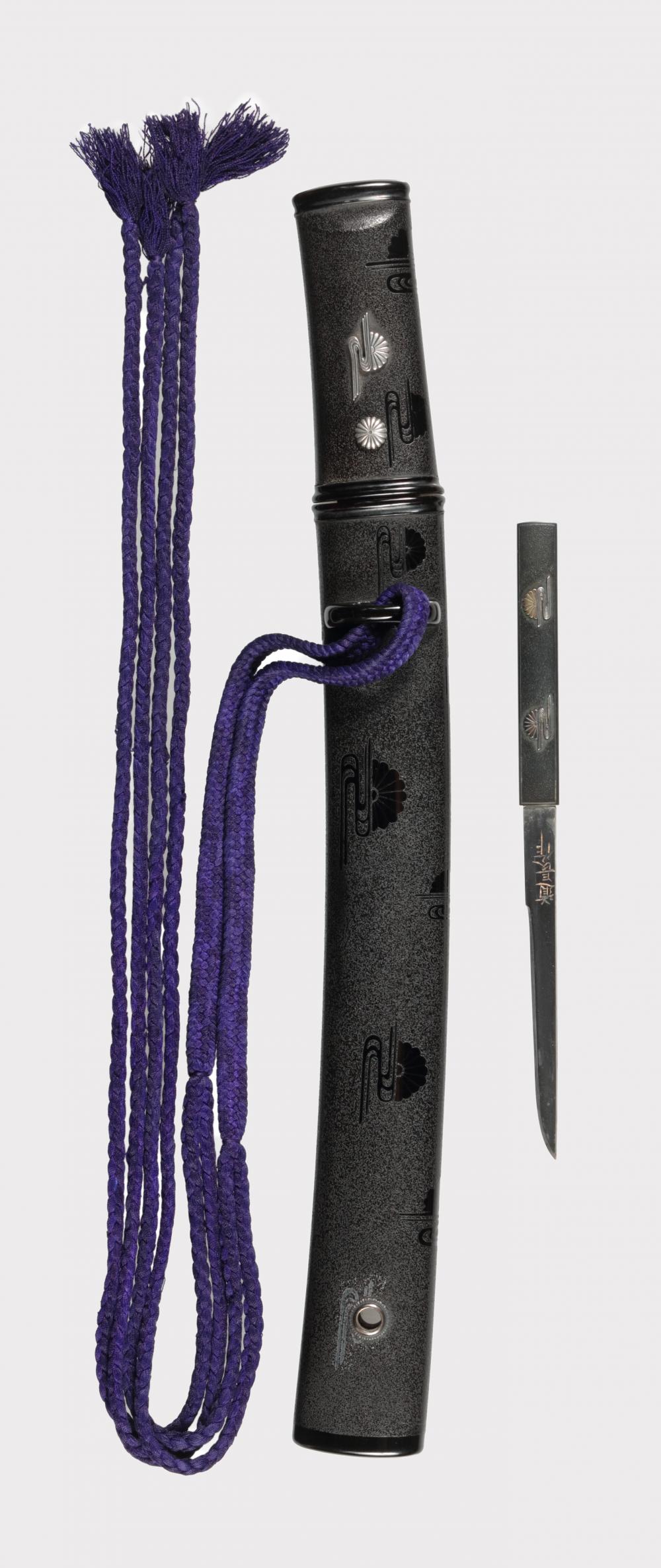
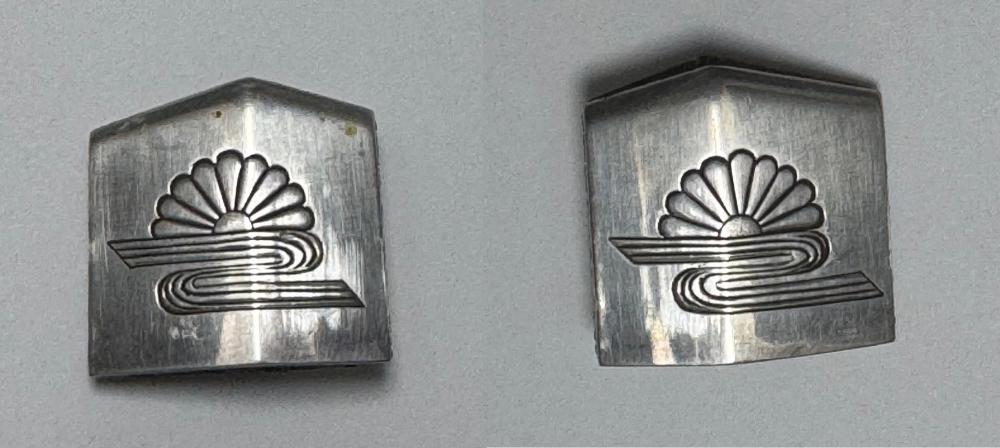
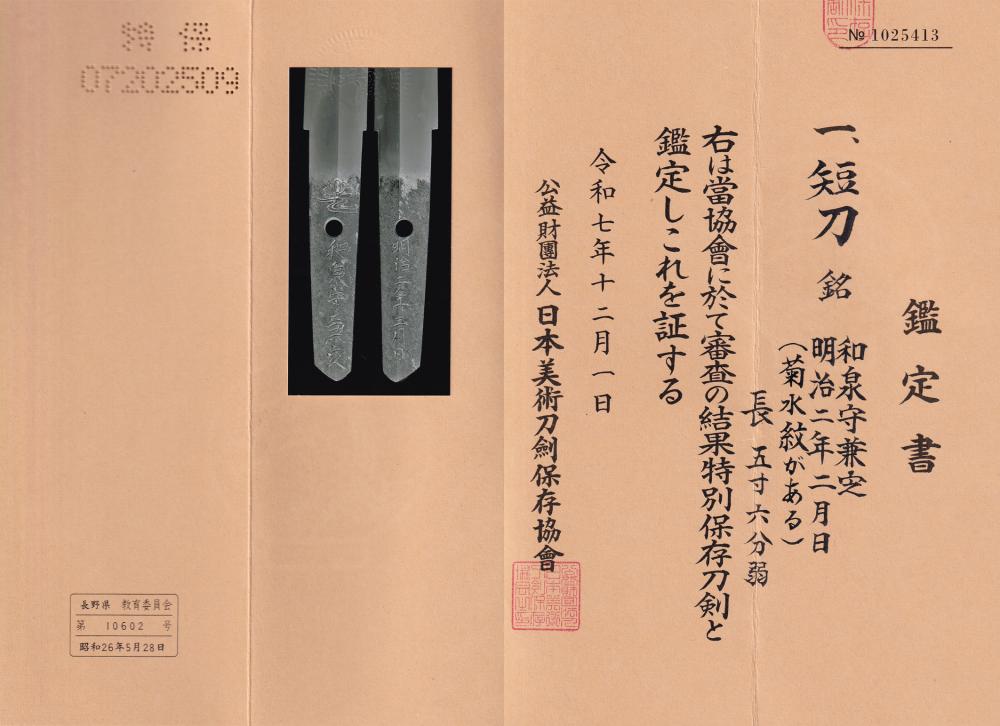
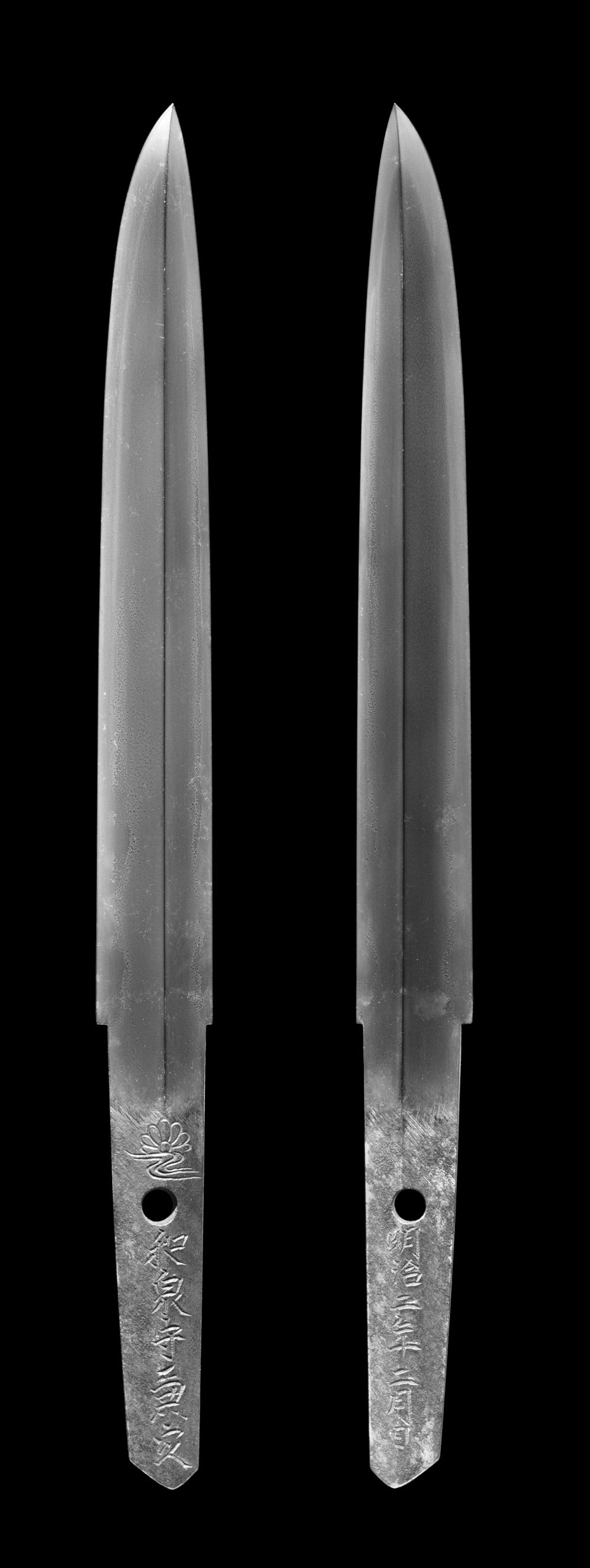
This is a small tanto by the 11th generation Izumi no Kami Kanasada, dated February, Meiji 2 (1869). The blade features a beautiful jigane with ko-itame hada and a suguha hamon with rough nie in the koshi-moto area, creating a niju-ba effect. The tang is engraved with a Kikusui family crest, which is also scattered on the koshirae and habaki, making it a wonderfully unified piece.
 NihontoWatch
mei · Meiji (1868-1912) · nagasa 16.9cm
Mino-den · Iwashiro · around 1854-1860
Fujishiro Jo saku · Tōken Taikan top 39%
1 piece on the market now
Mino-den · Iwashiro
8 pieces on the market now
| Smith | Era | Designated |
|---|---|---|
| Kanesada兼定 | 1818-1869 | 0 |
| Kanesada兼定 | 1624-1644 | 0 |
| Kanesada兼定 | 1624-1644 | 0 |
| Kanesada兼定 | 1655-1658 | 0 |
| Kanesada兼定 | 1661-1673 | 0 |
Meiji: survival after the edict
The Haitōrei edict of 1876 ended sword wearing and nearly ended the craft itself. Military demand and imperial patronage kept a remnant alive, and in 1906 Gassan Sadakazu and Miyamoto Kanenori were named Artists to the Imperial Household.
A Hozon-certified blade judged to show notably superior workmanship and a better state of preservation. The bar is higher: re-tempered blades and most unsigned Muromachi/Edo works are excluded.
The NBTHK (Nihon Bijutsu Tōken Hozon Kyōkai, the Society for the Preservation of Japanese Art Swords) is a public-interest incorporated foundation founded in 1948 and supervised by Japan’s Agency for Cultural Affairs (Bunkachō); it is based at the Japanese Sword Museum in Tokyo. Its expert panels physically examine each submitted work (shinsa) and issue a certificate (kanteishō) ranking it by artistic and historical merit. NBTHK papers are the most widely recognized standard of authentication for Japanese swords and fittings.
NBTHK official sitePlease contact us by phone within 3 days of the item's arrival and ship it back the next day. The postage and security service fees are the customer's responsibility.
This is a small tanto by the 11th generation Izumi no Kami Kanasada, dated February, Meiji 2 (1869). The blade features a beautiful jigane with ko-itame hada and a suguha hamon with rough nie in the koshi-moto area, creating a niju-ba effect. The tang is engraved with a Kikusui family crest, which is also scattered on the koshirae and habaki, making it a wonderfully unified piece.
NihontoWatchmei · Meiji (1868-1912) · nagasa 16.9cm
Mino-den · Iwashiro · around 1854-1860
Fujishiro Jo saku · Tōken Taikan top 39%
1 piece on the market now
Mino-den · Iwashiro
8 pieces on the market now
| Smith | Era | Designated |
|---|---|---|
| Kanesada兼定 | 1818-1869 | 0 |
| Kanesada兼定 | 1624-1644 | 0 |
| Kanesada兼定 | 1624-1644 | 0 |
| Kanesada兼定 | 1655-1658 | 0 |
| Kanesada兼定 | 1661-1673 | 0 |
Meiji: survival after the edict
The Haitōrei edict of 1876 ended sword wearing and nearly ended the craft itself. Military demand and imperial patronage kept a remnant alive, and in 1906 Gassan Sadakazu and Miyamoto Kanenori were named Artists to the Imperial Household.
A Hozon-certified blade judged to show notably superior workmanship and a better state of preservation. The bar is higher: re-tempered blades and most unsigned Muromachi/Edo works are excluded.
The NBTHK (Nihon Bijutsu Tōken Hozon Kyōkai, the Society for the Preservation of Japanese Art Swords) is a public-interest incorporated foundation founded in 1948 and supervised by Japan’s Agency for Cultural Affairs (Bunkachō); it is based at the Japanese Sword Museum in Tokyo. Its expert panels physically examine each submitted work (shinsa) and issue a certificate (kanteishō) ranking it by artistic and historical merit. NBTHK papers are the most widely recognized standard of authentication for Japanese swords and fittings.
NBTHK official sitePlease contact us by phone within 3 days of the item's arrival and ship it back the next day. The postage and security service fees are the customer's responsibility.