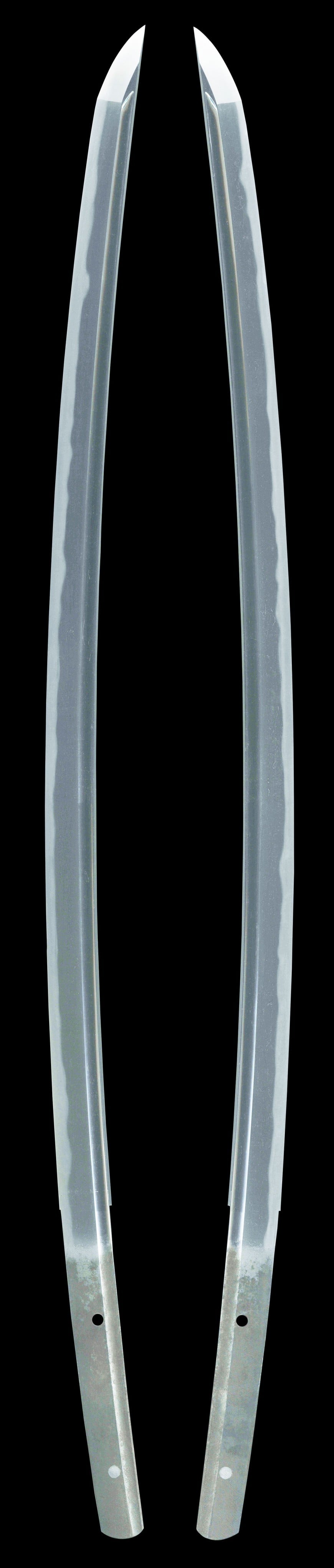
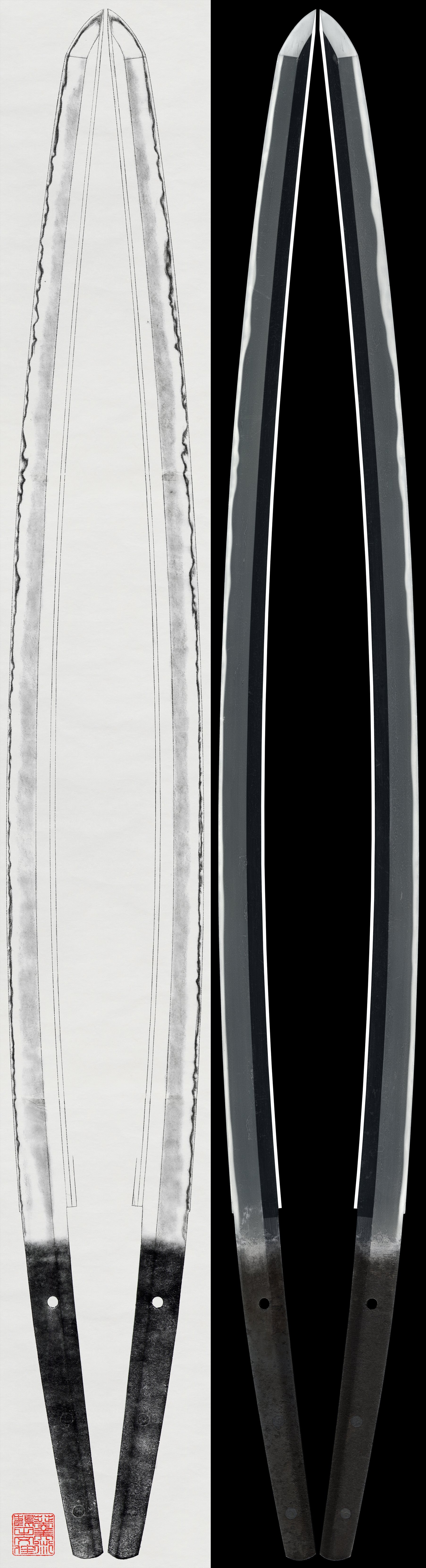
The Haitōrei edict of 1876 ended sword wearing and nearly ended the craft itself. Military demand and imperial patronage kept a remnant alive, and in 1906 Gassan Sadakazu and Miyamoto Kanenori were named Artists to the Imperial Household.
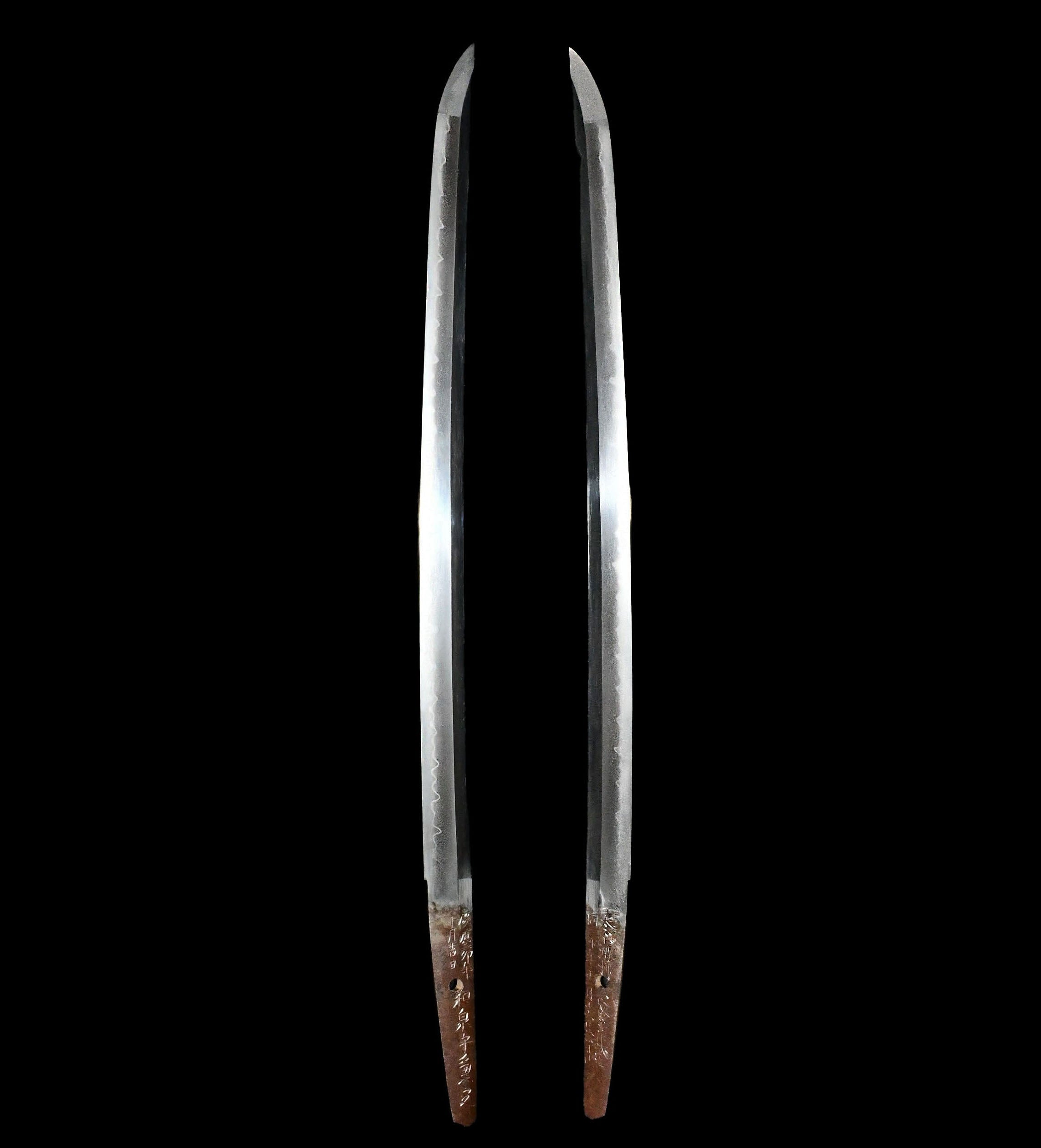
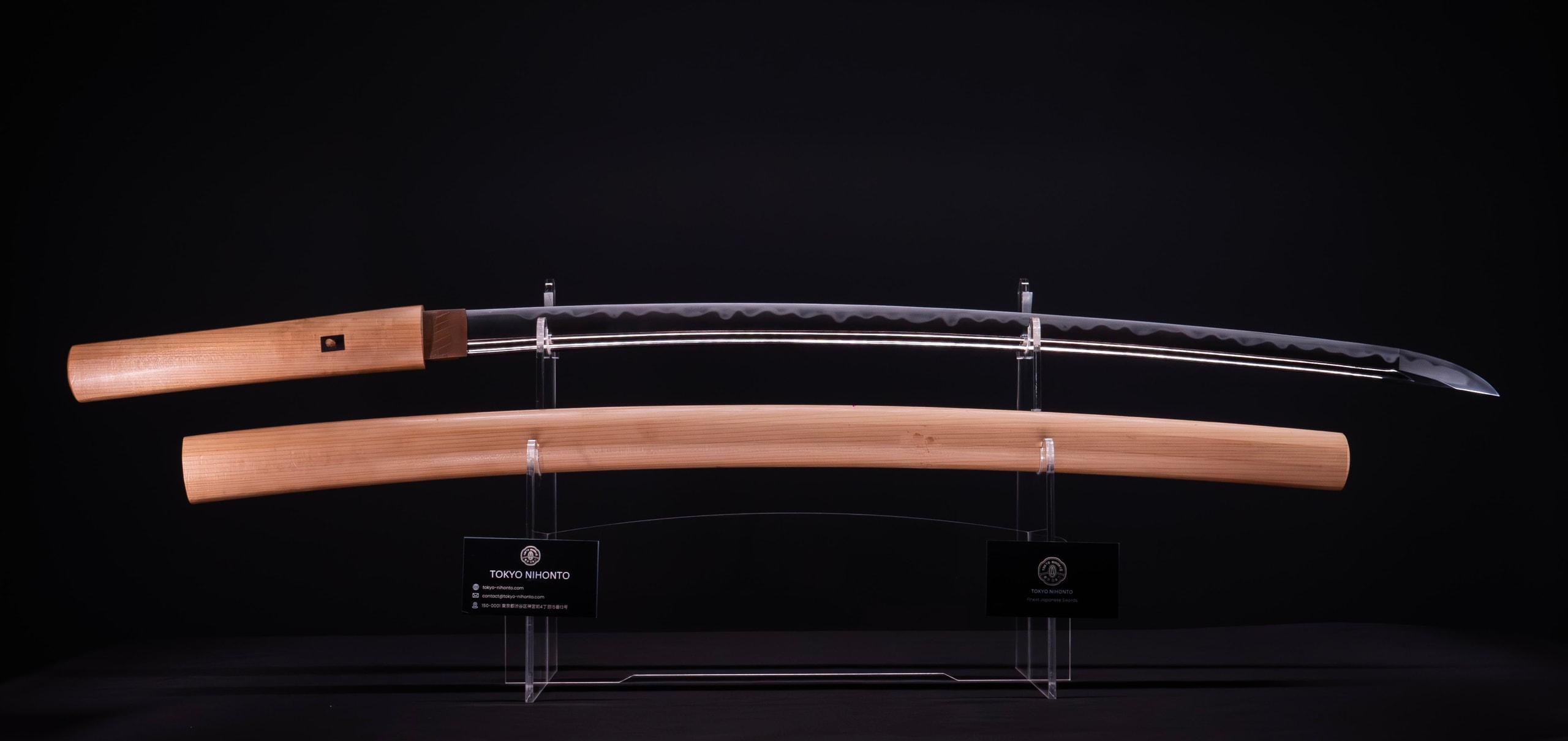
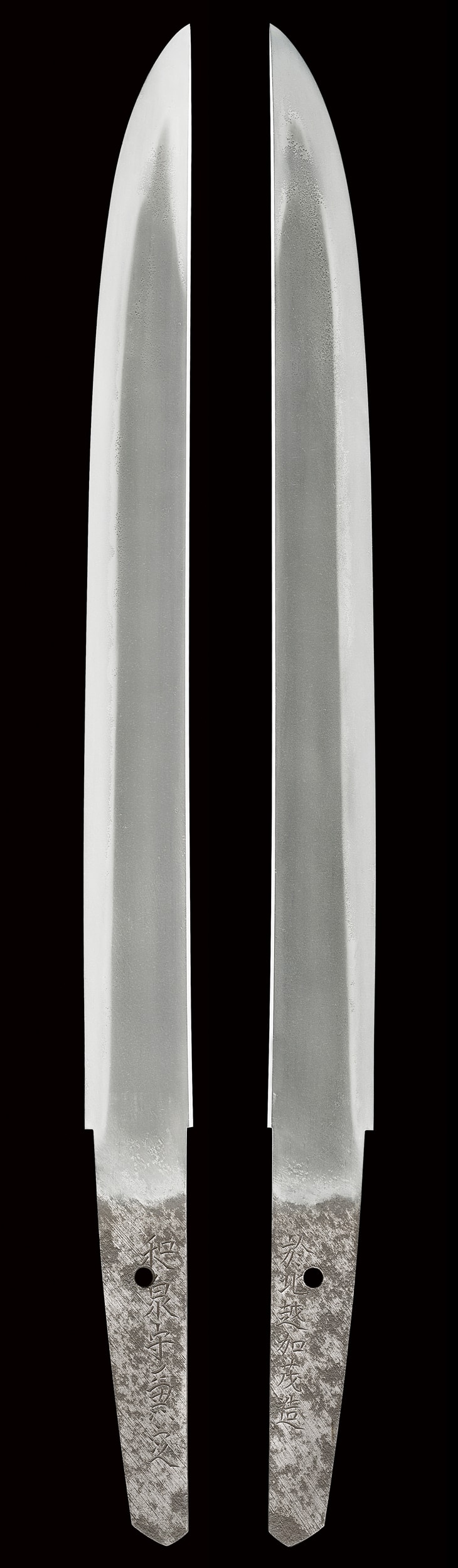
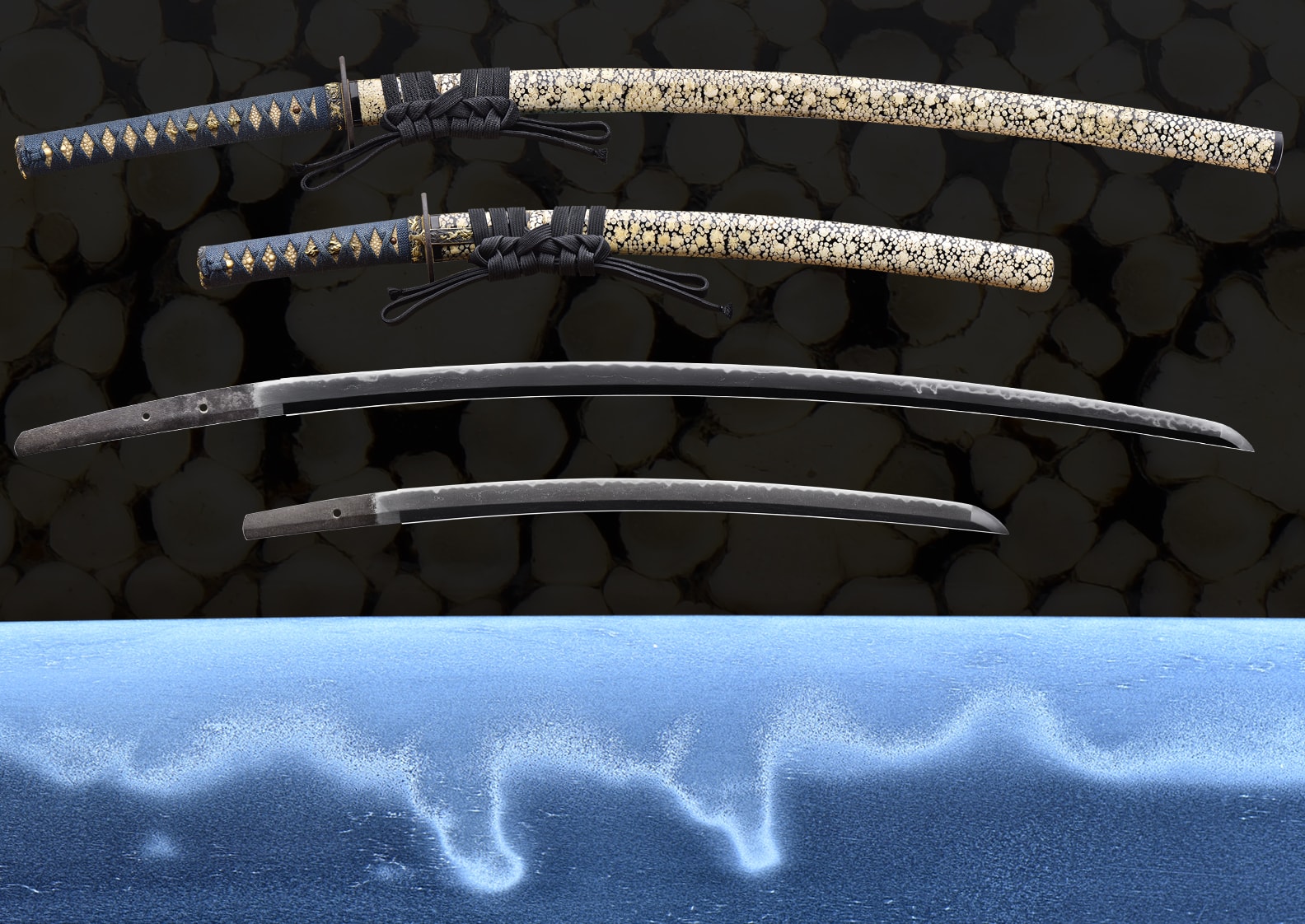
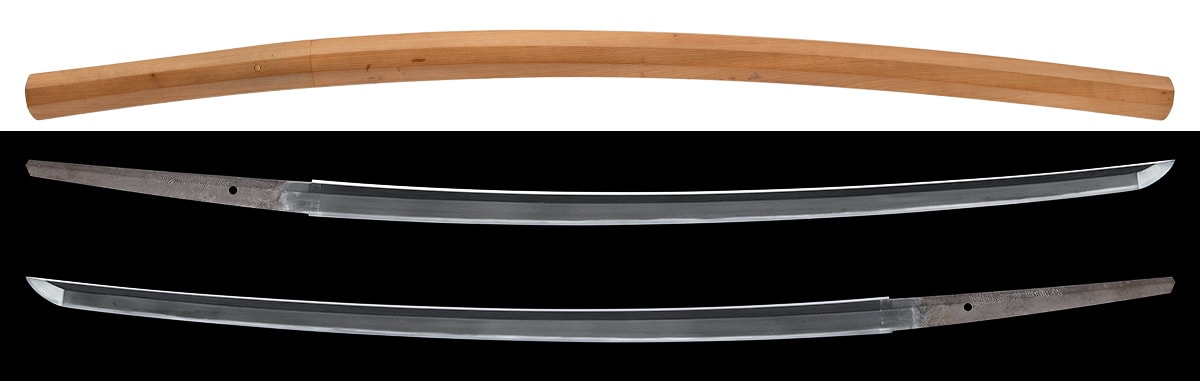
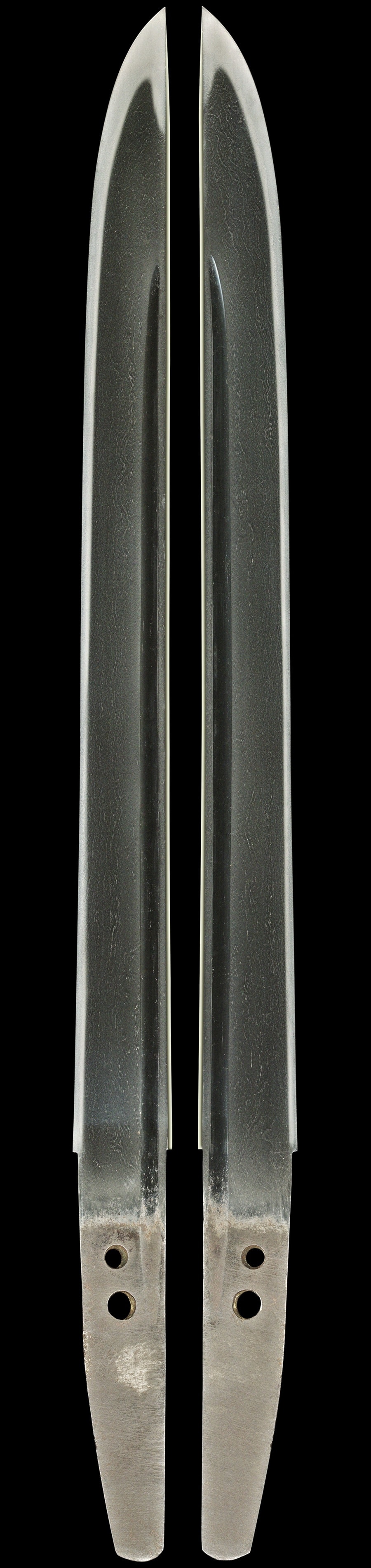
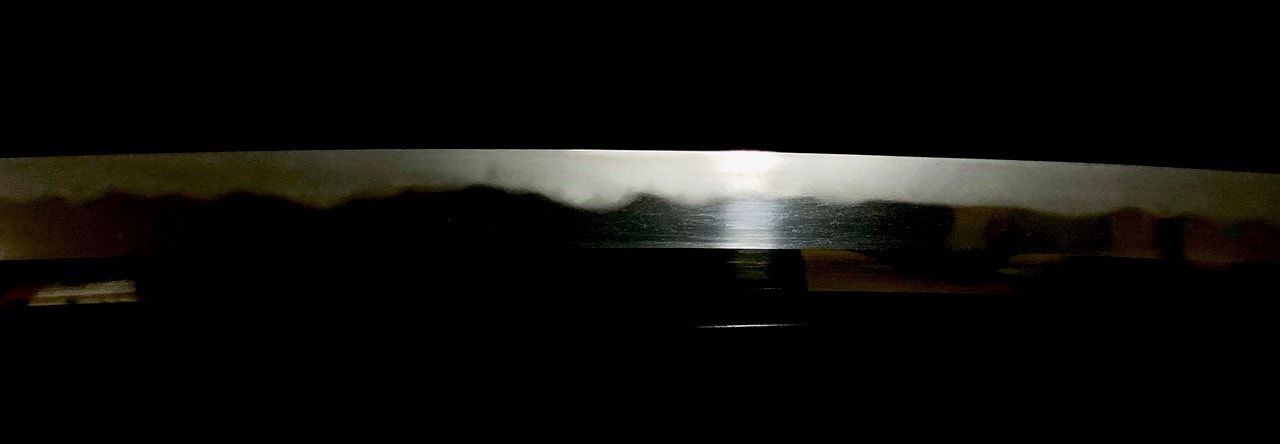
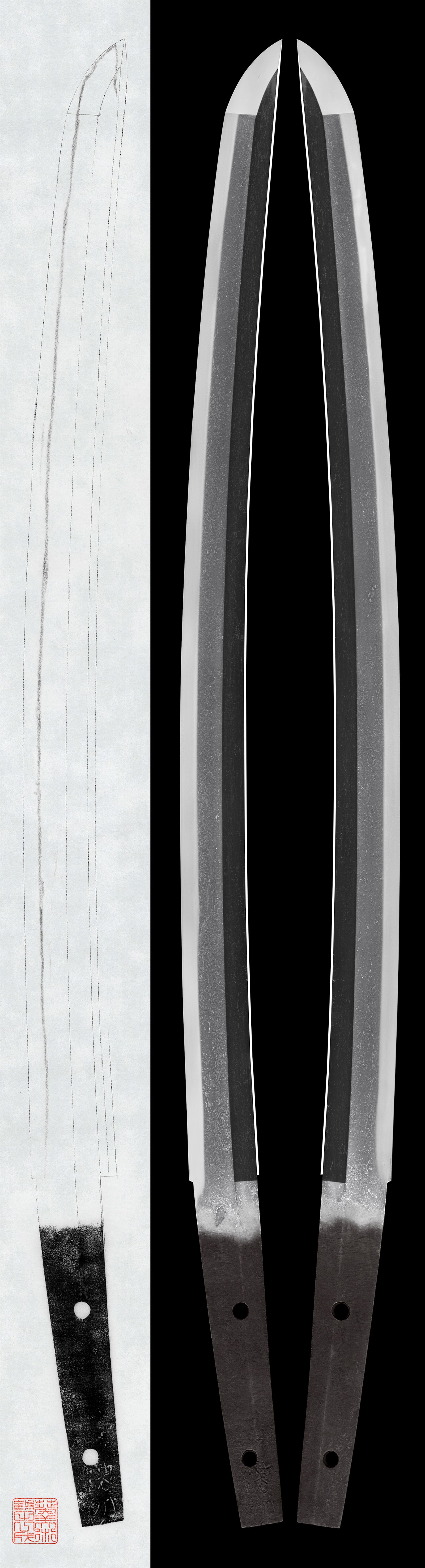
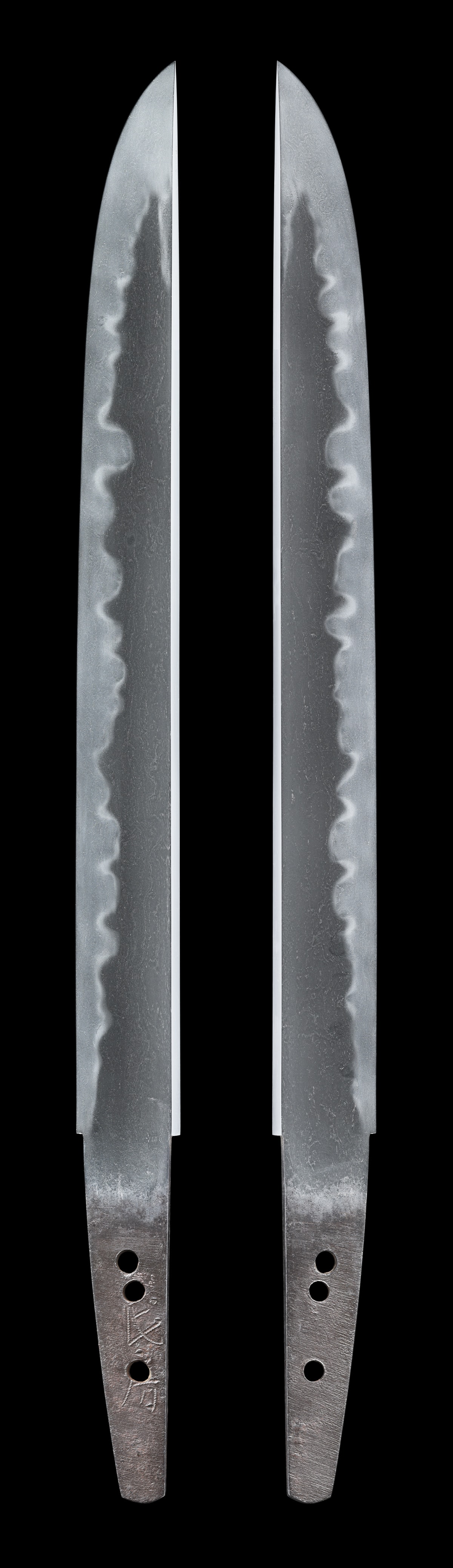
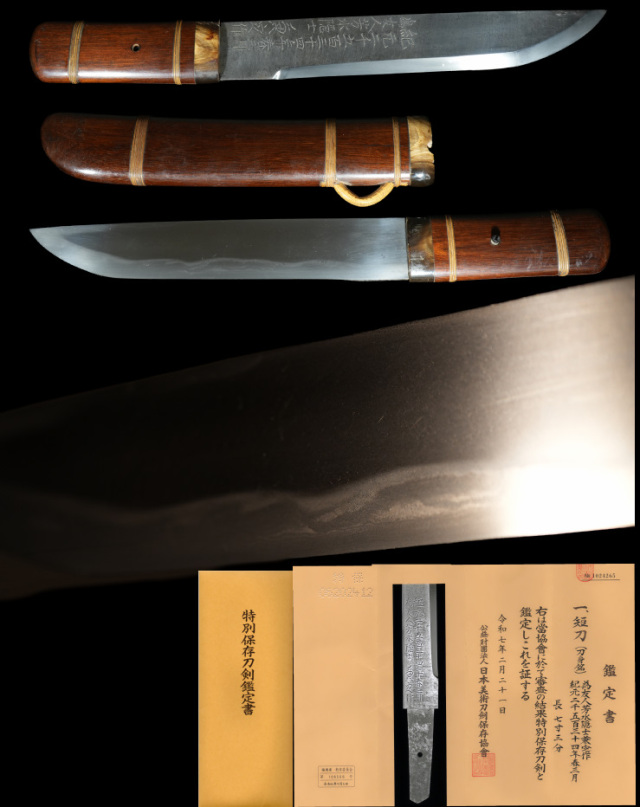
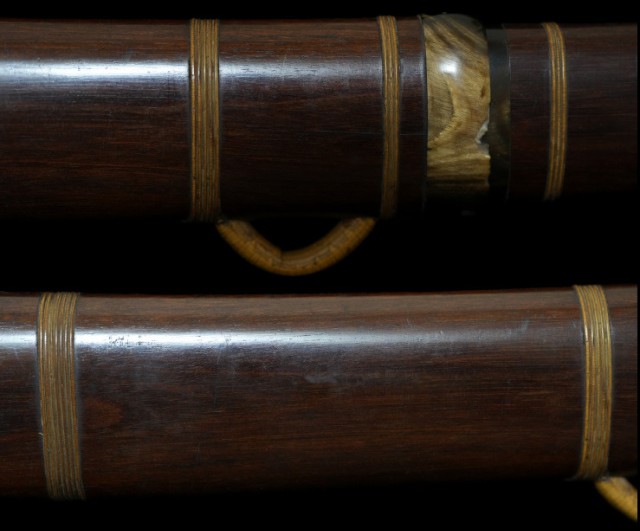
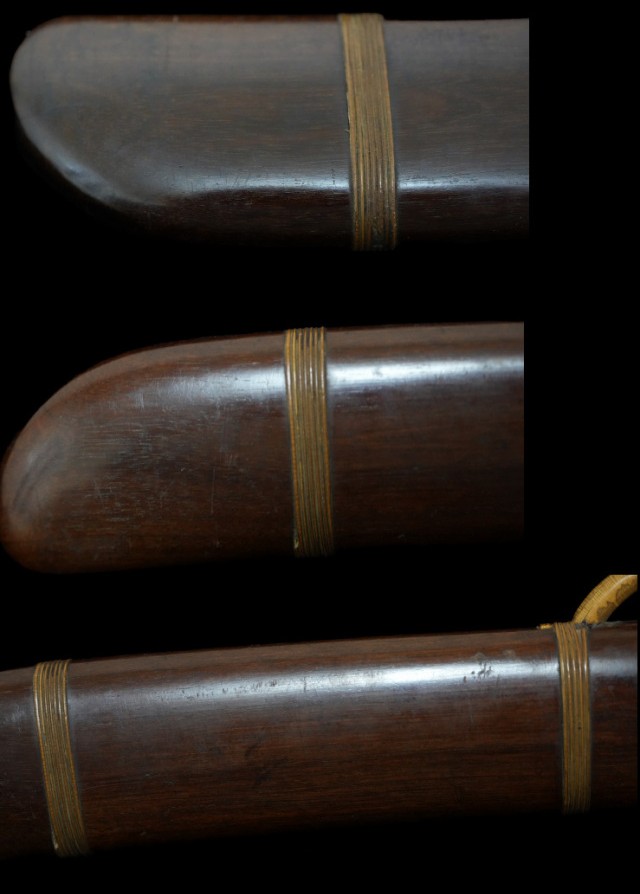
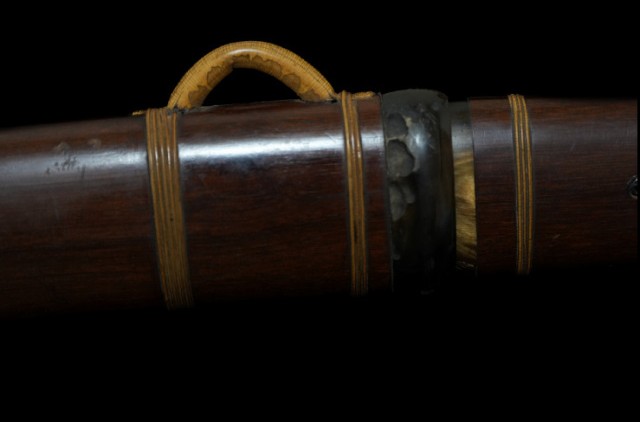
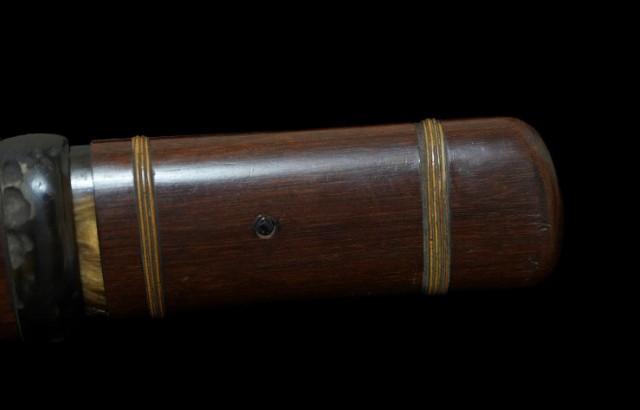
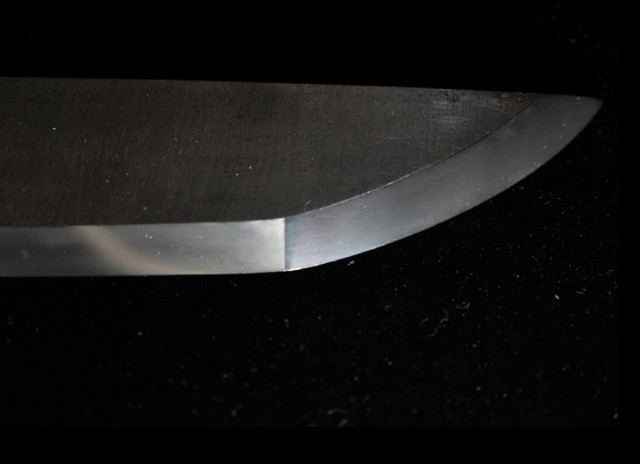
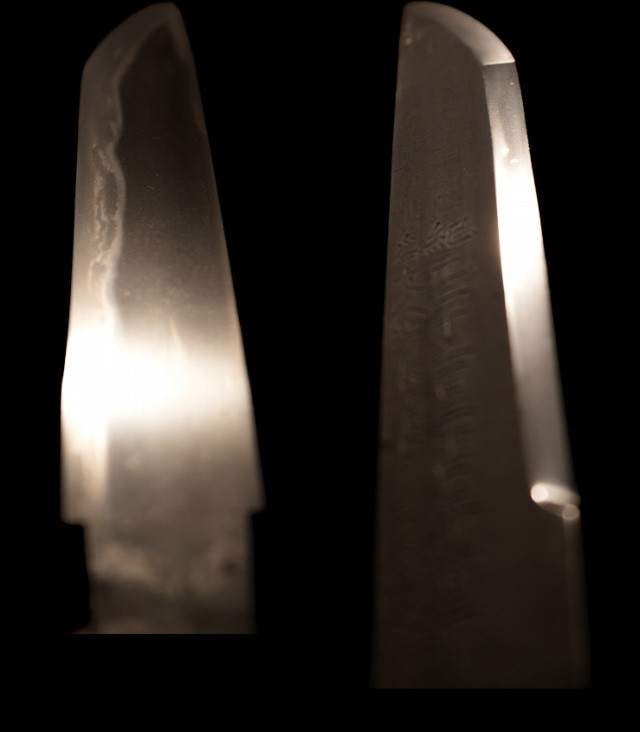
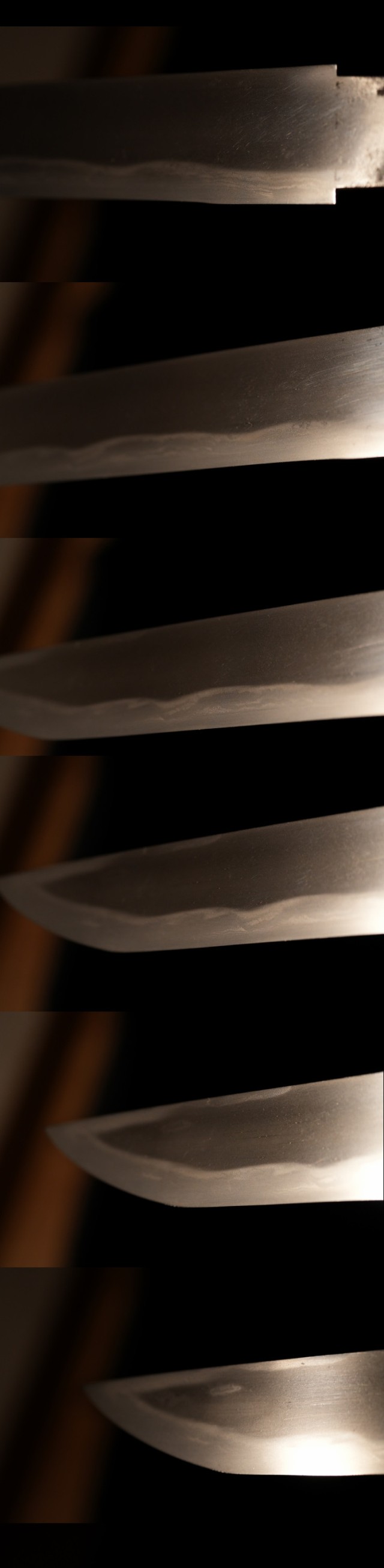
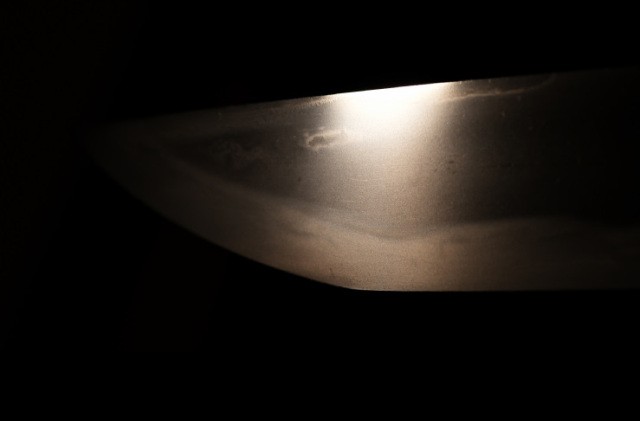
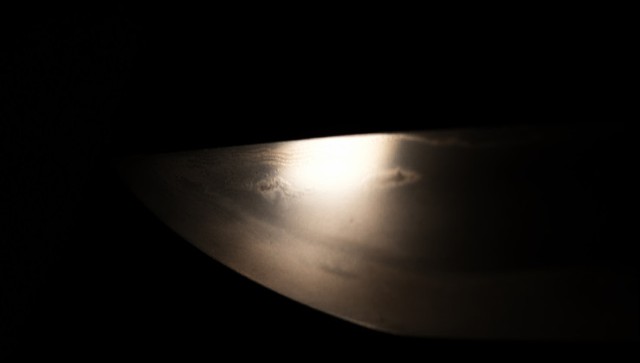
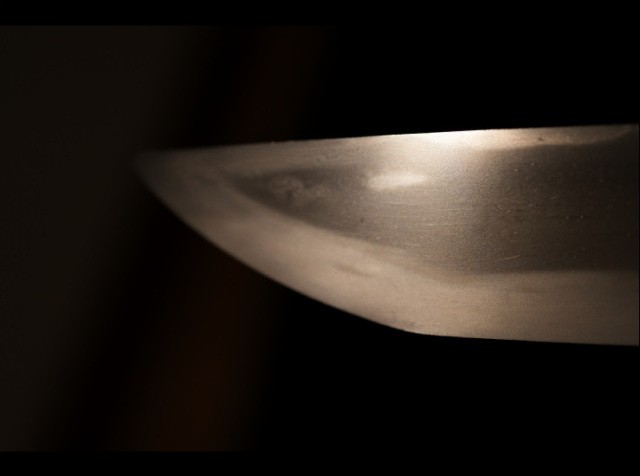
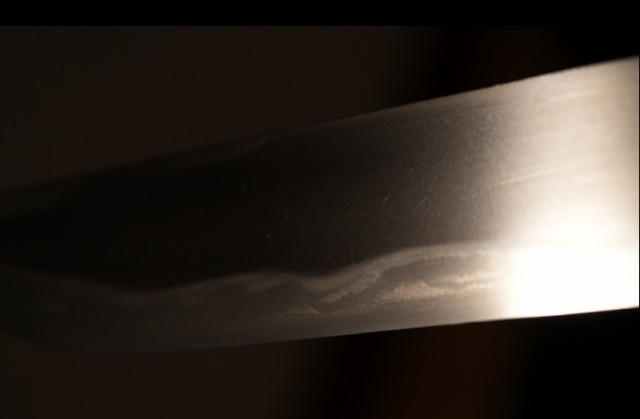
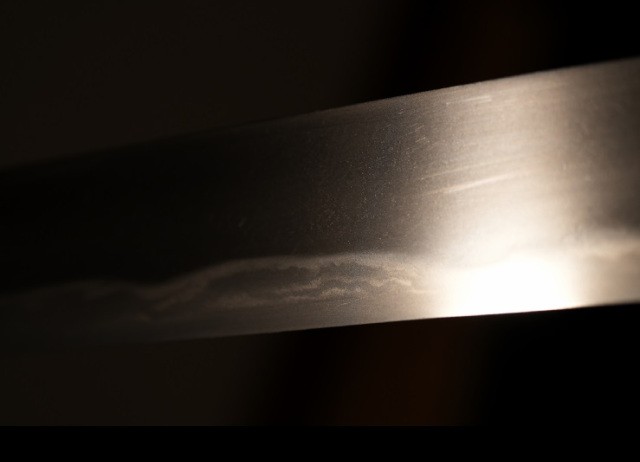
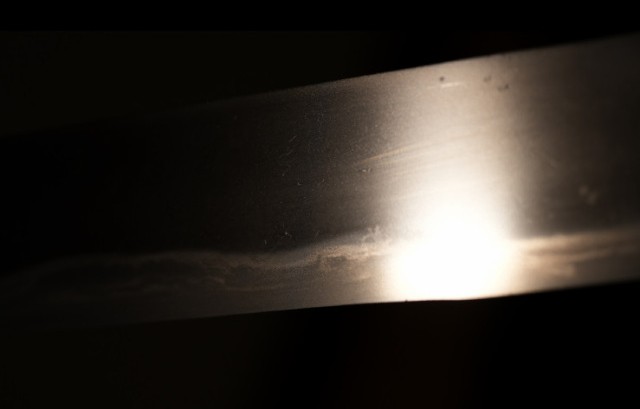
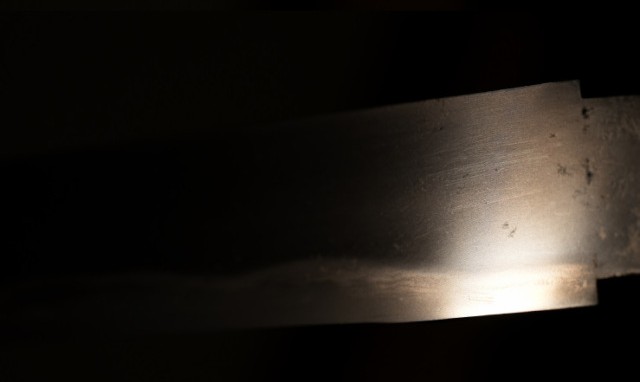
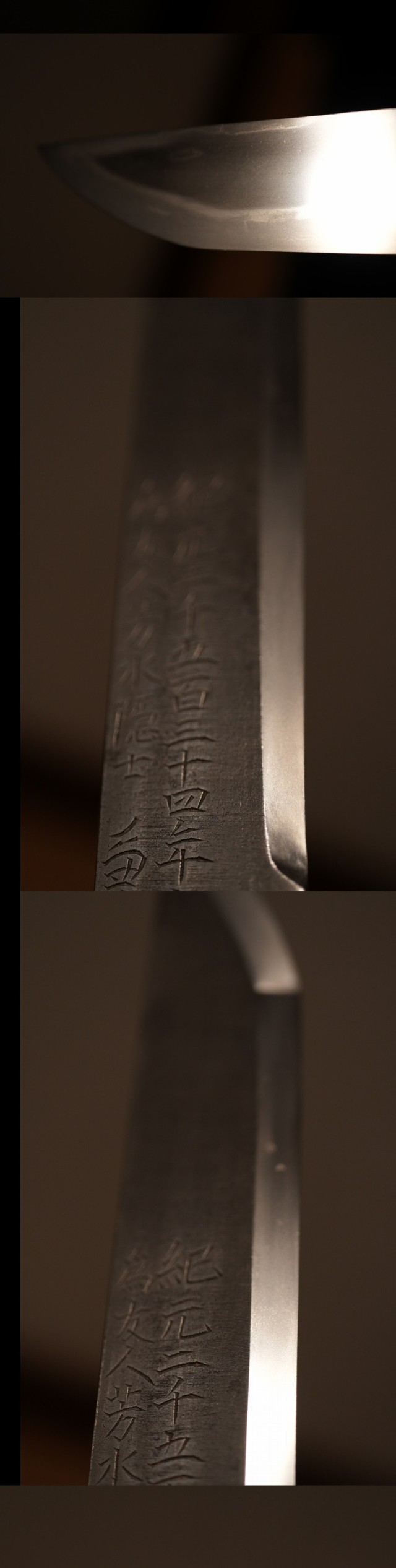
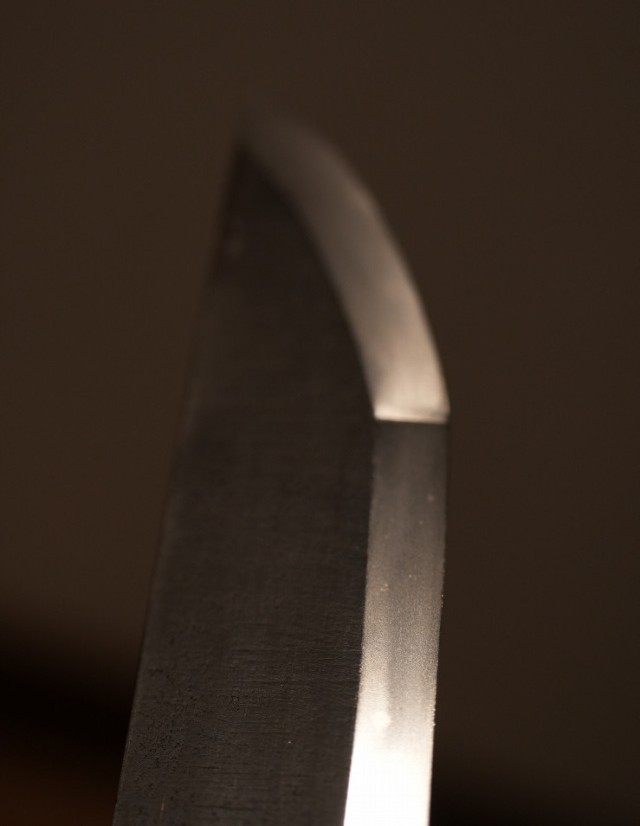
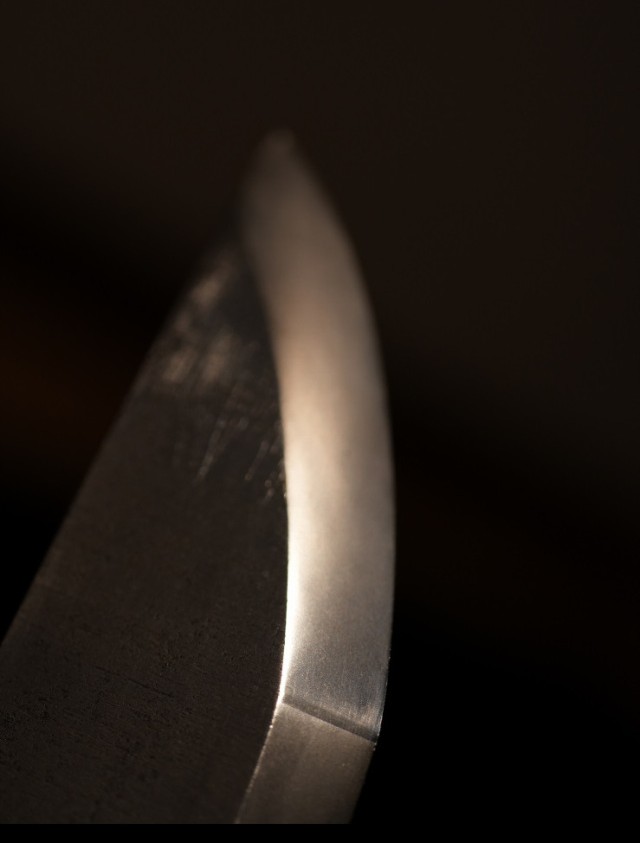
Both internally and externally, this is an extremely precious item for which pricing is inherently difficult. However, excluding the historical background, we have set the price at the minimum evaluation for a sheer masterpiece *tanto* by the 11th generation. It is truly a one-of-a-kind, peerless gem. Aizu Izumi no Kami Kanesada is famous as the beloved sword of the Shinsengumi's Hijikata Toshizo. The grandson of the Muromachi period's third-generation Noshu Seki Kanesada was named Furukawa Magoichiro (or Magoshiro); during the Keicho era, he became a smith for the Aizu clan lord Gamo Ujisato, becoming the first generation of Oshu Kanesada. Thereafter, the Furukawa Kanesada family became the oldest lineage of swordsmiths in Aizu, maintaining a continuous line of smithing until the end of the Edo period. Along with Miyoshi Nagamichi and Shoken Motooki, they are representative swordsmiths of Aizu. The 11th generation Izumi no Kami Kanesada is the skilled artisan who represents the final glory of that lineage. 1,580,000 Yen (Tax Included)
 NihontoWatch
Meiji (1868-1912) · nagasa 22cm
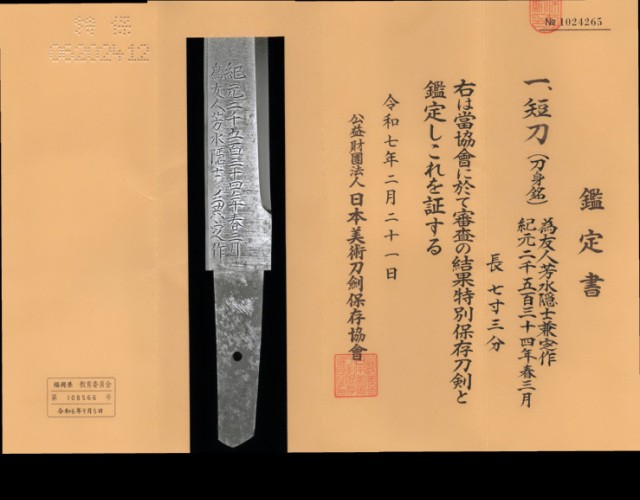
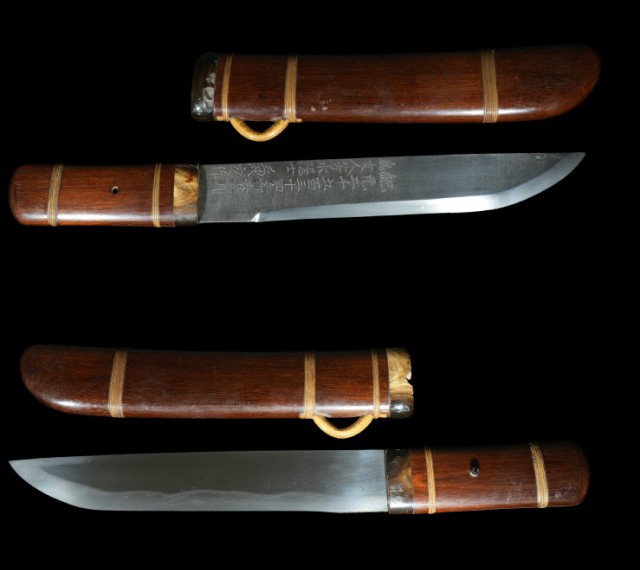
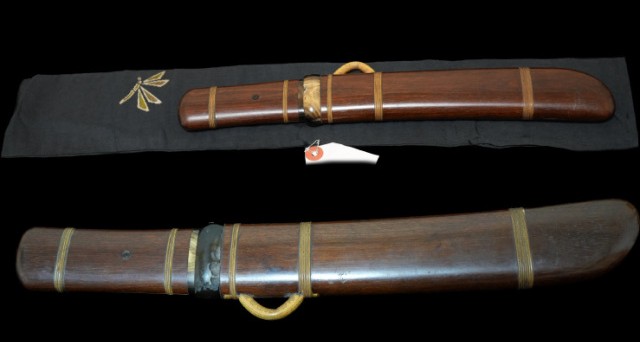
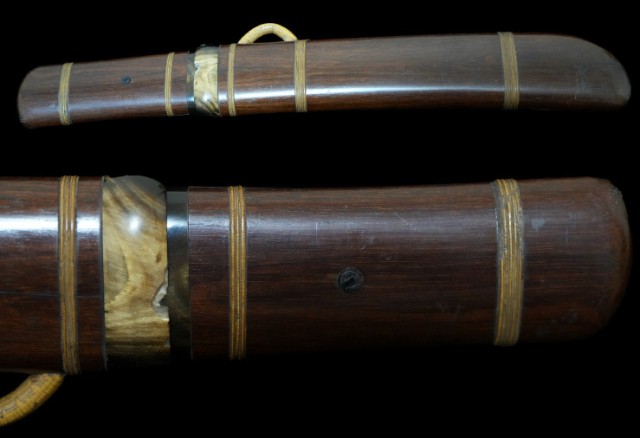
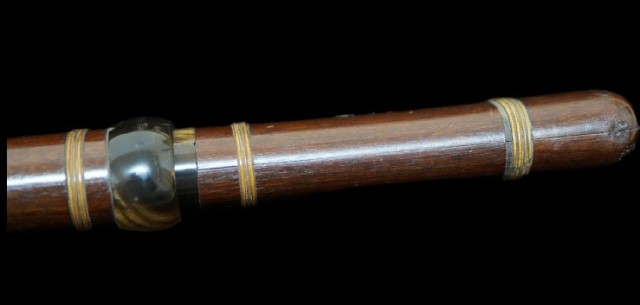
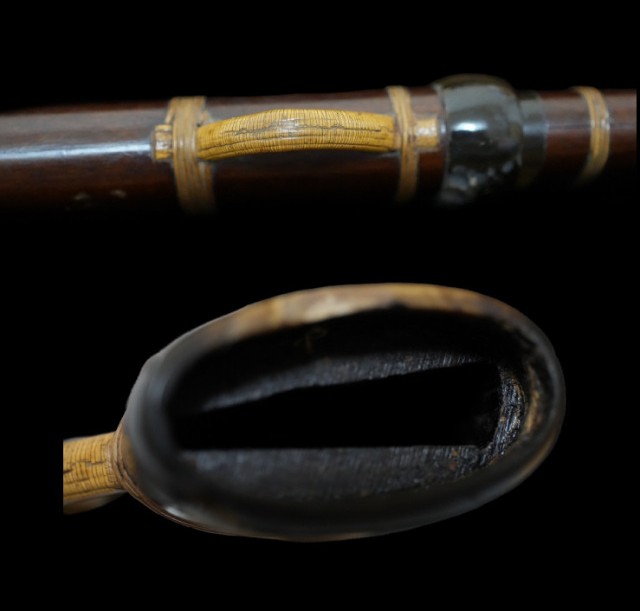
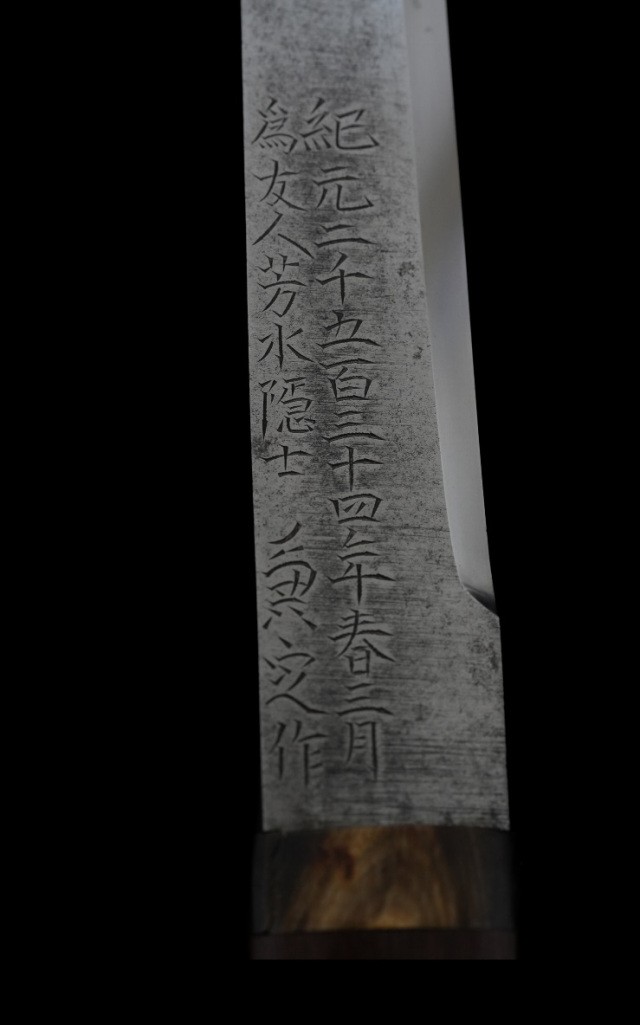
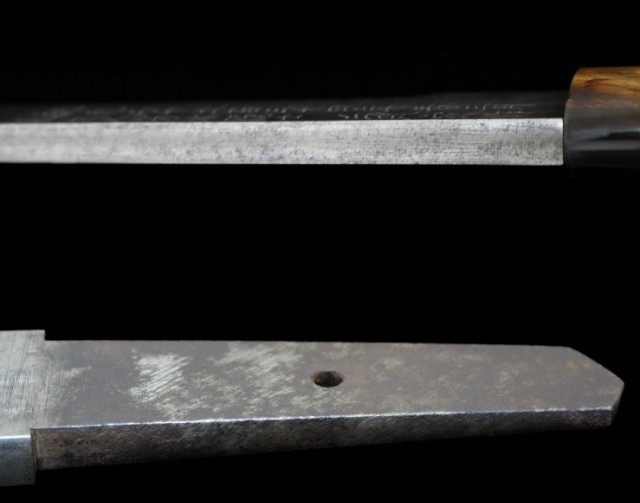
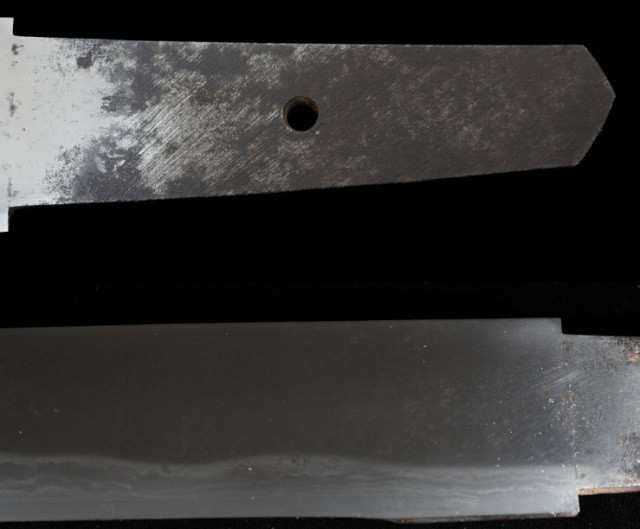
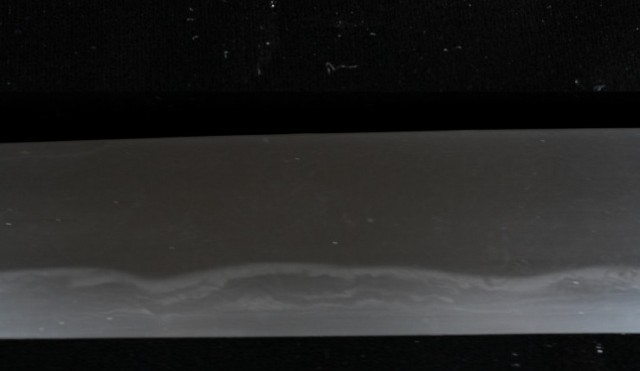
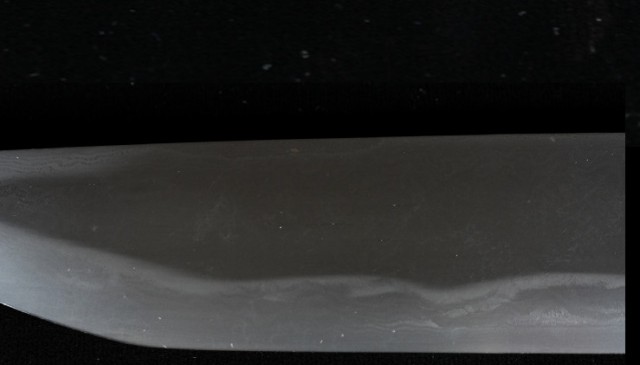
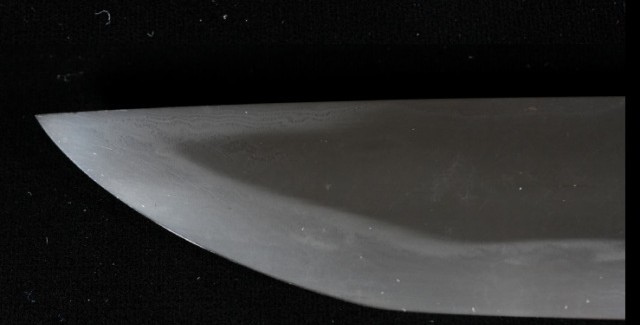
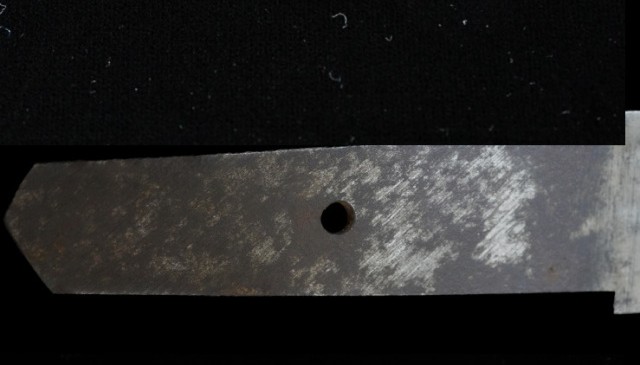
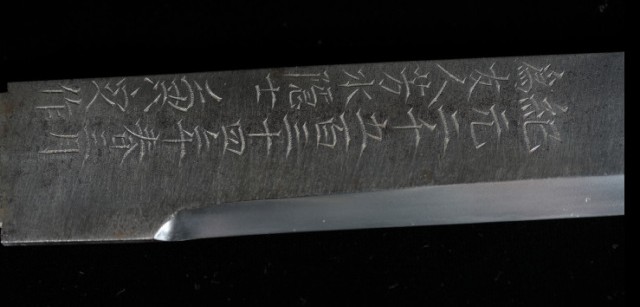
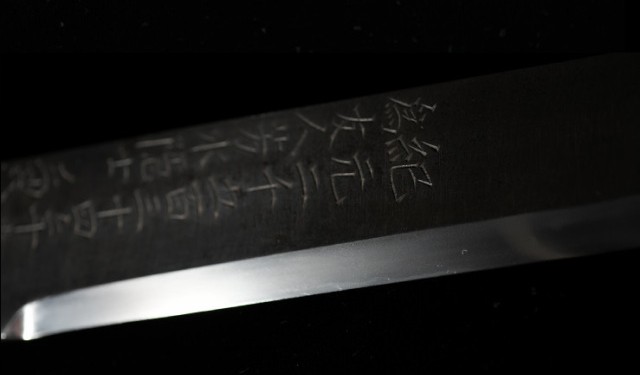
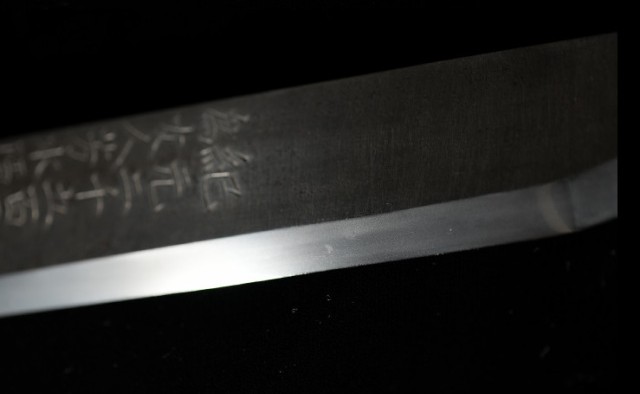
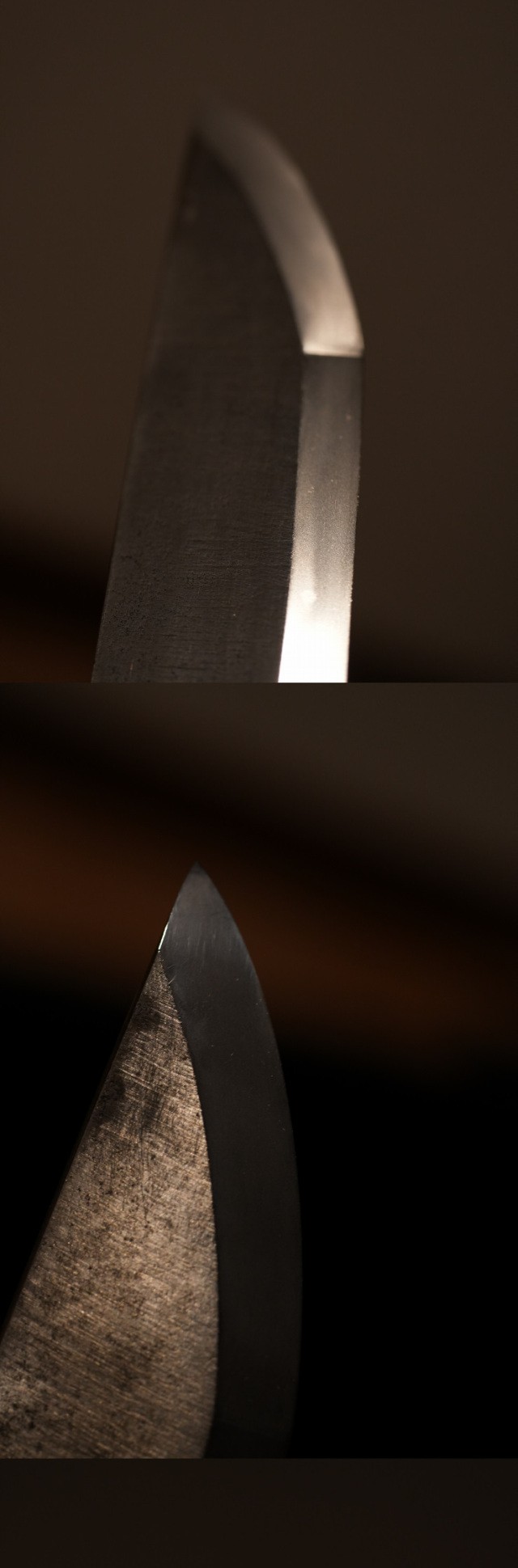
Mino-den · Mutsu · around 1837-1903
4 pieces on the market now
Mino-den · Iwashiro
8 pieces on the market now
| Smith | Era | Designated |
|---|---|---|
| Kanesada兼定 | 1818-1869 | 0 |
| Kanesada兼定 | 1624-1644 | 0 |
| Kanesada兼定 | 1624-1644 | 0 |
| Kanesada兼定 | 1655-1658 | 0 |
| Kanesada兼定 | 1661-1673 | 0 |
Meiji: survival after the edict
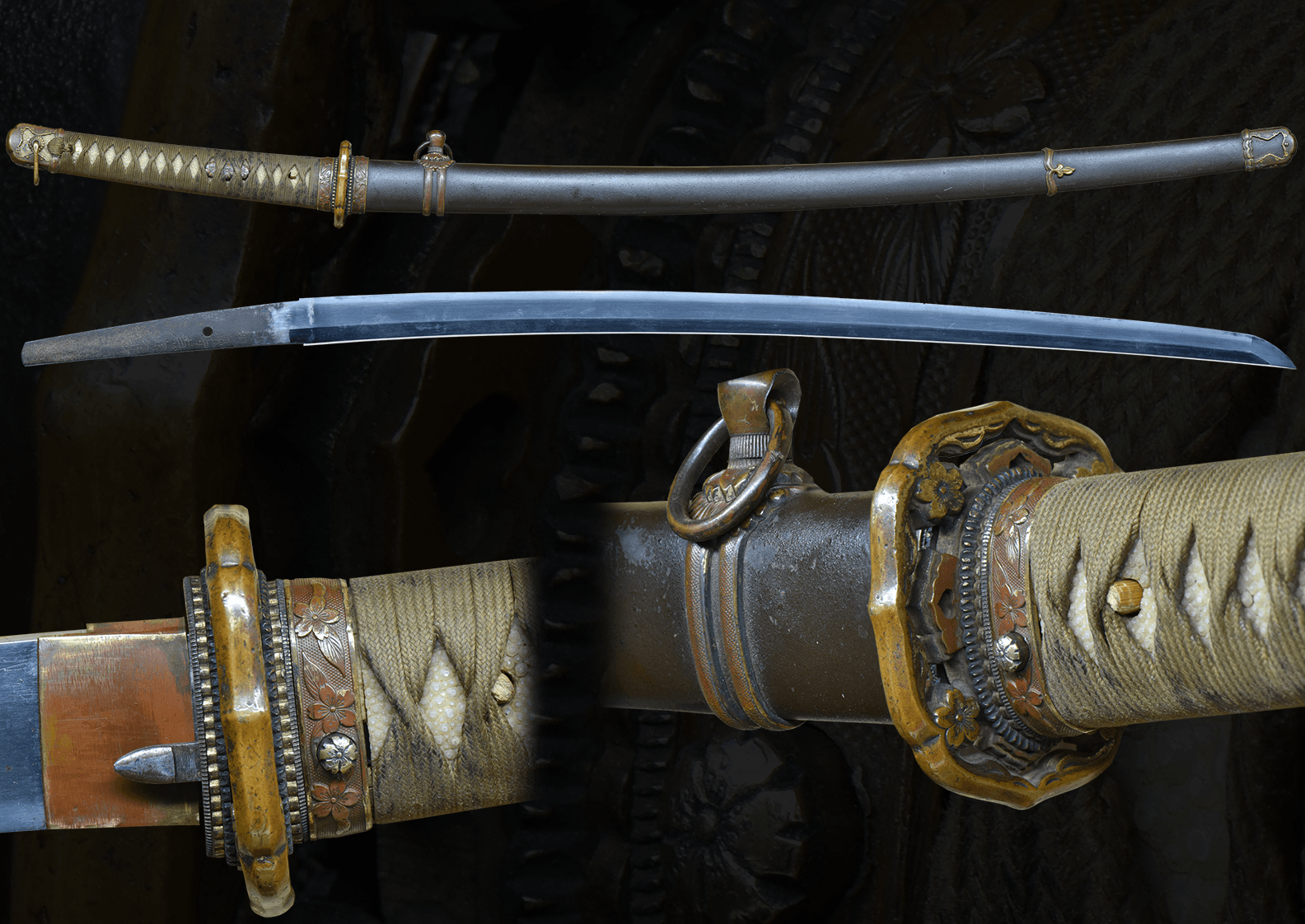
The Haitōrei edict of 1876 ended sword wearing and nearly ended the craft itself. Military demand and imperial patronage kept a remnant alive, and in 1906 Gassan Sadakazu and Miyamoto Kanenori were named Artists to the Imperial Household.
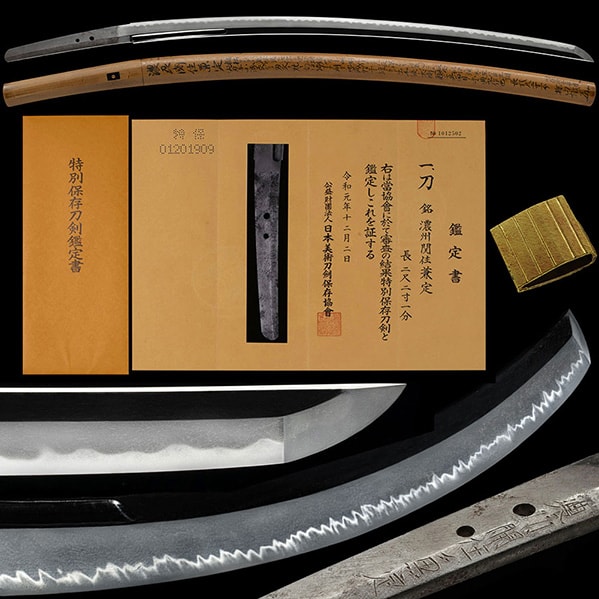
A Hozon-certified blade judged to show notably superior workmanship and a better state of preservation. The bar is higher: re-tempered blades and most unsigned Muromachi/Edo works are excluded.
The NBTHK (Nihon Bijutsu Tōken Hozon Kyōkai, the Society for the Preservation of Japanese Art Swords) is a public-interest incorporated foundation founded in 1948 and supervised by Japan’s Agency for Cultural Affairs (Bunkachō); it is based at the Japanese Sword Museum in Tokyo. Its expert panels physically examine each submitted work (shinsa) and issue a certificate (kanteishō) ranking it by artistic and historical merit. NBTHK papers are the most widely recognized standard of authentication for Japanese swords and fittings.
NBTHK official sitePlease notify us of your intention to return, by email or fax, no later than the day after the item's arrival. Return shipping, insurance, and refund transfer fees are the customer's responsibility.
¥1,580,000
Both internally and externally, this is an extremely precious item for which pricing is inherently difficult. However, excluding the historical background, we have set the price at the minimum evaluation for a sheer masterpiece *tanto* by the 11th generation. It is truly a one-of-a-kind, peerless gem. Aizu Izumi no Kami Kanesada is famous as the beloved sword of the Shinsengumi's Hijikata Toshizo. The grandson of the Muromachi period's third-generation Noshu Seki Kanesada was named Furukawa Magoichiro (or Magoshiro); during the Keicho era, he became a smith for the Aizu clan lord Gamo Ujisato, becoming the first generation of Oshu Kanesada. Thereafter, the Furukawa Kanesada family became the oldest lineage of swordsmiths in Aizu, maintaining a continuous line of smithing until the end of the Edo period. Along with Miyoshi Nagamichi and Shoken Motooki, they are representative swordsmiths of Aizu. The 11th generation Izumi no Kami Kanesada is the skilled artisan who represents the final glory of that lineage. 1,580,000 Yen (Tax Included)
NihontoWatchMeiji (1868-1912) · nagasa 22cm
Mino-den · Mutsu · around 1837-1903
4 pieces on the market now
Mino-den · Iwashiro
8 pieces on the market now
| Smith | Era | Designated |
|---|---|---|
| Kanesada兼定 | 1818-1869 | 0 |
| Kanesada兼定 | 1624-1644 | 0 |
| Kanesada兼定 | 1624-1644 | 0 |
| Kanesada兼定 | 1655-1658 | 0 |
| Kanesada兼定 | 1661-1673 | 0 |
Meiji: survival after the edict
The Haitōrei edict of 1876 ended sword wearing and nearly ended the craft itself. Military demand and imperial patronage kept a remnant alive, and in 1906 Gassan Sadakazu and Miyamoto Kanenori were named Artists to the Imperial Household.
A Hozon-certified blade judged to show notably superior workmanship and a better state of preservation. The bar is higher: re-tempered blades and most unsigned Muromachi/Edo works are excluded.
The NBTHK (Nihon Bijutsu Tōken Hozon Kyōkai, the Society for the Preservation of Japanese Art Swords) is a public-interest incorporated foundation founded in 1948 and supervised by Japan’s Agency for Cultural Affairs (Bunkachō); it is based at the Japanese Sword Museum in Tokyo. Its expert panels physically examine each submitted work (shinsa) and issue a certificate (kanteishō) ranking it by artistic and historical merit. NBTHK papers are the most widely recognized standard of authentication for Japanese swords and fittings.
NBTHK official sitePlease notify us of your intention to return, by email or fax, no later than the day after the item's arrival. Return shipping, insurance, and refund transfer fees are the customer's responsibility.
¥1,580,000