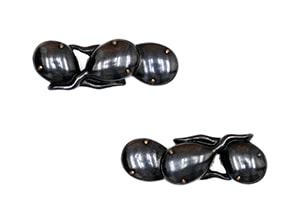
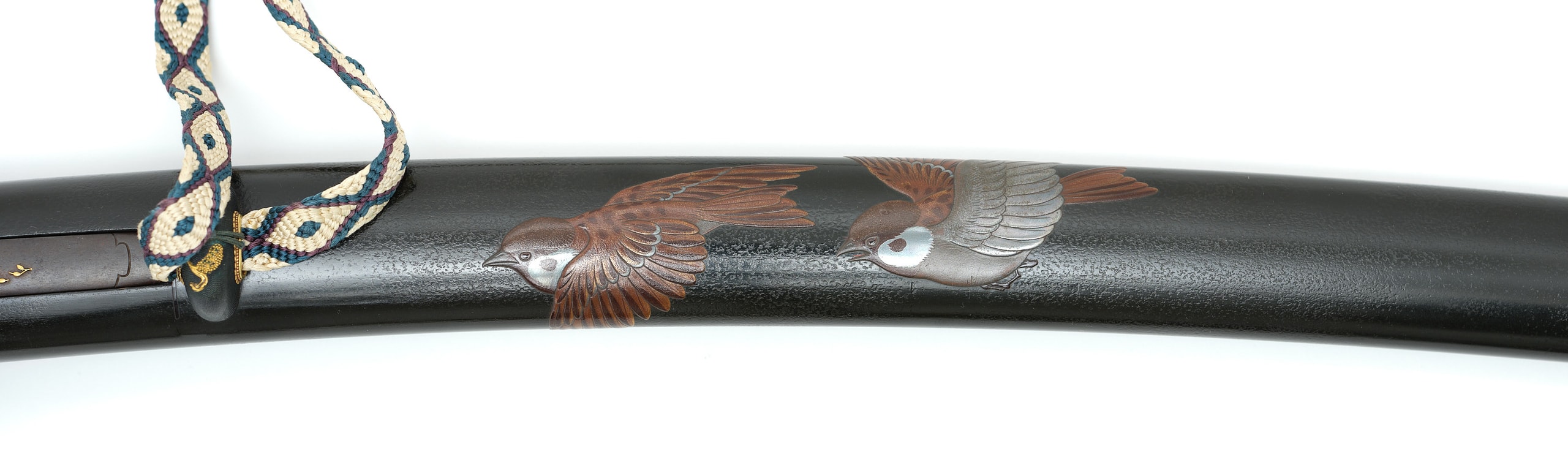
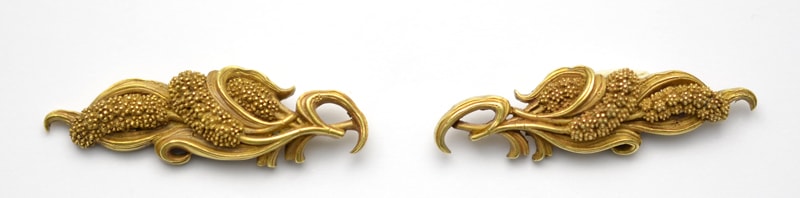
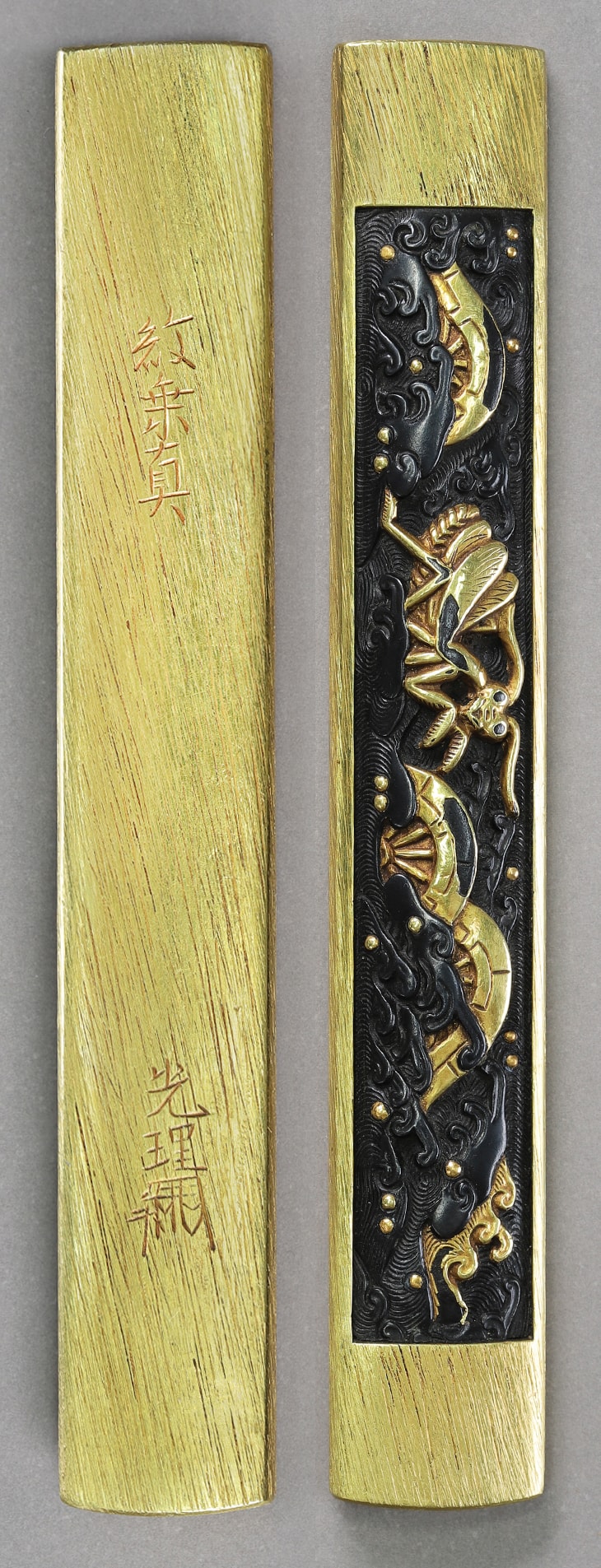
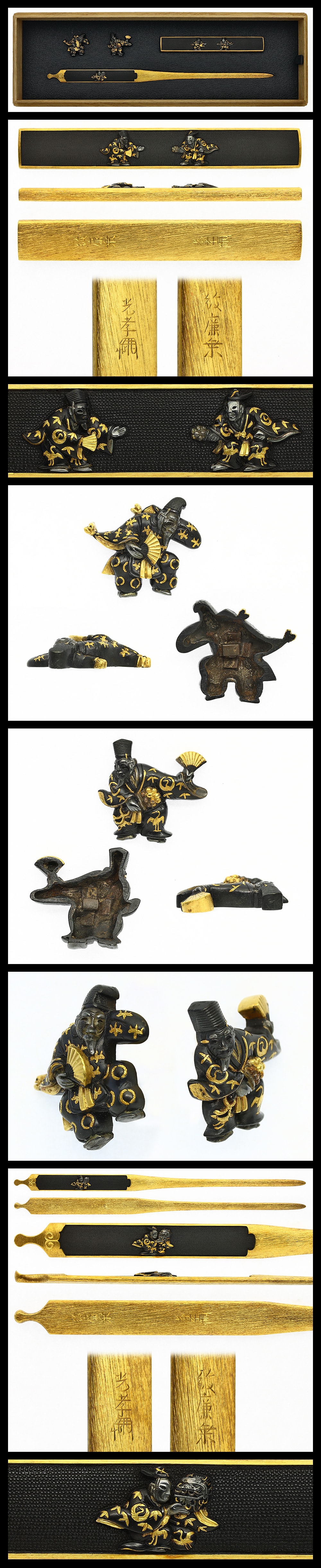
Imai Nagatake (1818--1882) was born in Kyoto as the fourth son of Sasaya Chubei, a paper merchant of Mushakoji. While still young he was adopted by Imai Kosaburo, a retainer of the Ichijo family, but after his adoptive father's death he withdrew from the Ichijo household's retainer ranks and entered the workshop of Fujiki Kyubei, a shiire-bori-shi of Goto lineage. During this apprenticeship he trained alongside Wada Isshin, who would later join the Ichijo circle as Wada Seiryu. After establishing himself independently, Nagatake maintained a deep association with Funada Ikkin, a leading senior figure among Goto Ichijo's disciples, and it is said that he constantly measured his own ability against Ikkin's virtuosity, striving to refine his craft through mutual emulation while devoting himself to the instruction of pupils. He took the art name Kyosai and in later years also used the name Butetsu. Notably, unlike other disciples, he did not adopt the character "" from his master's name, signing simply as Nagatake throughout his life. The record no Hana further notes that he was fond of tea and did not care for sake, that he loved bonsai and flowering plants as nourishment for spiritual cultivation, that he studied under Kasuga Sen'an, and that he was proficient in .
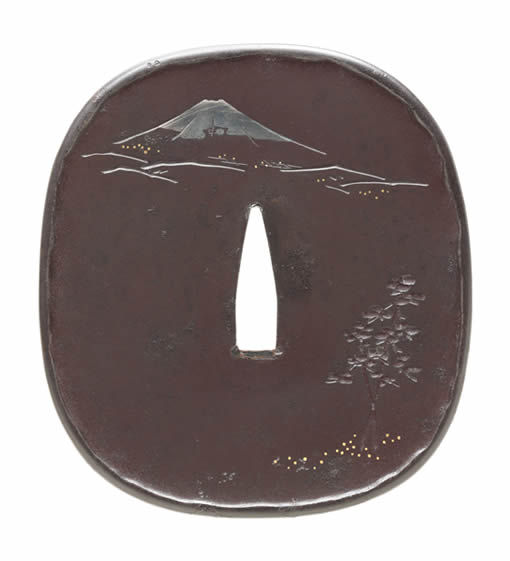
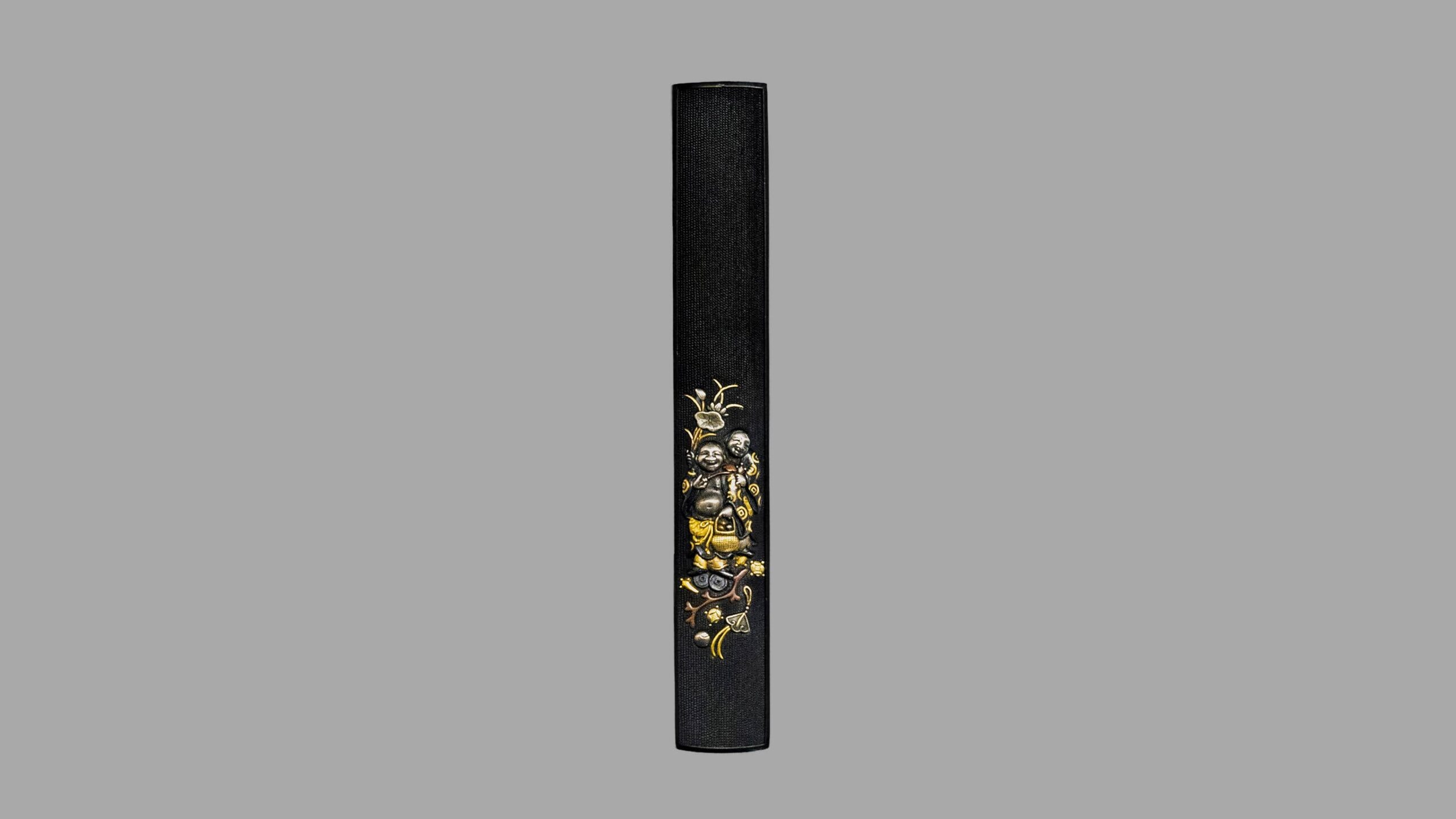
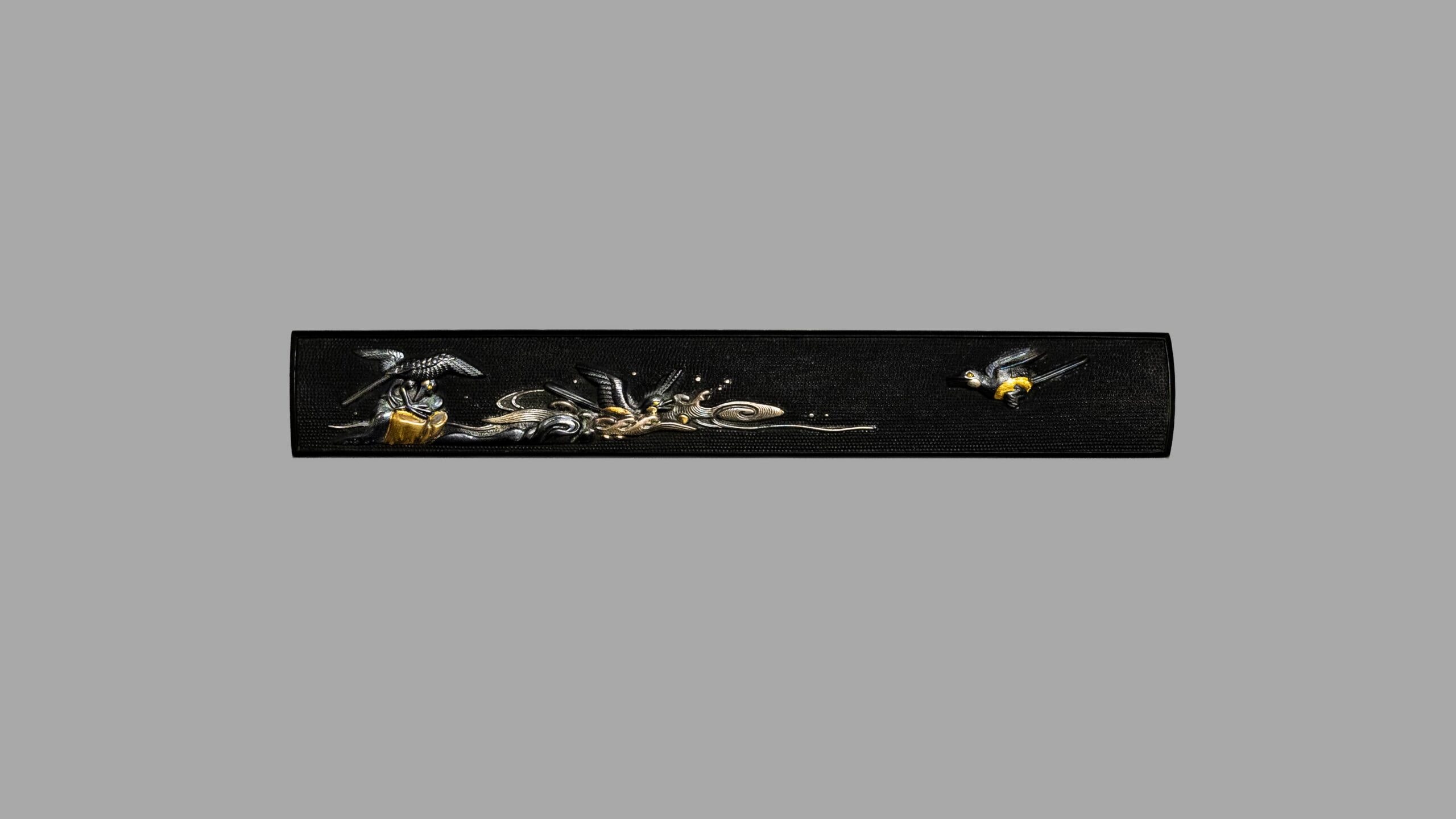
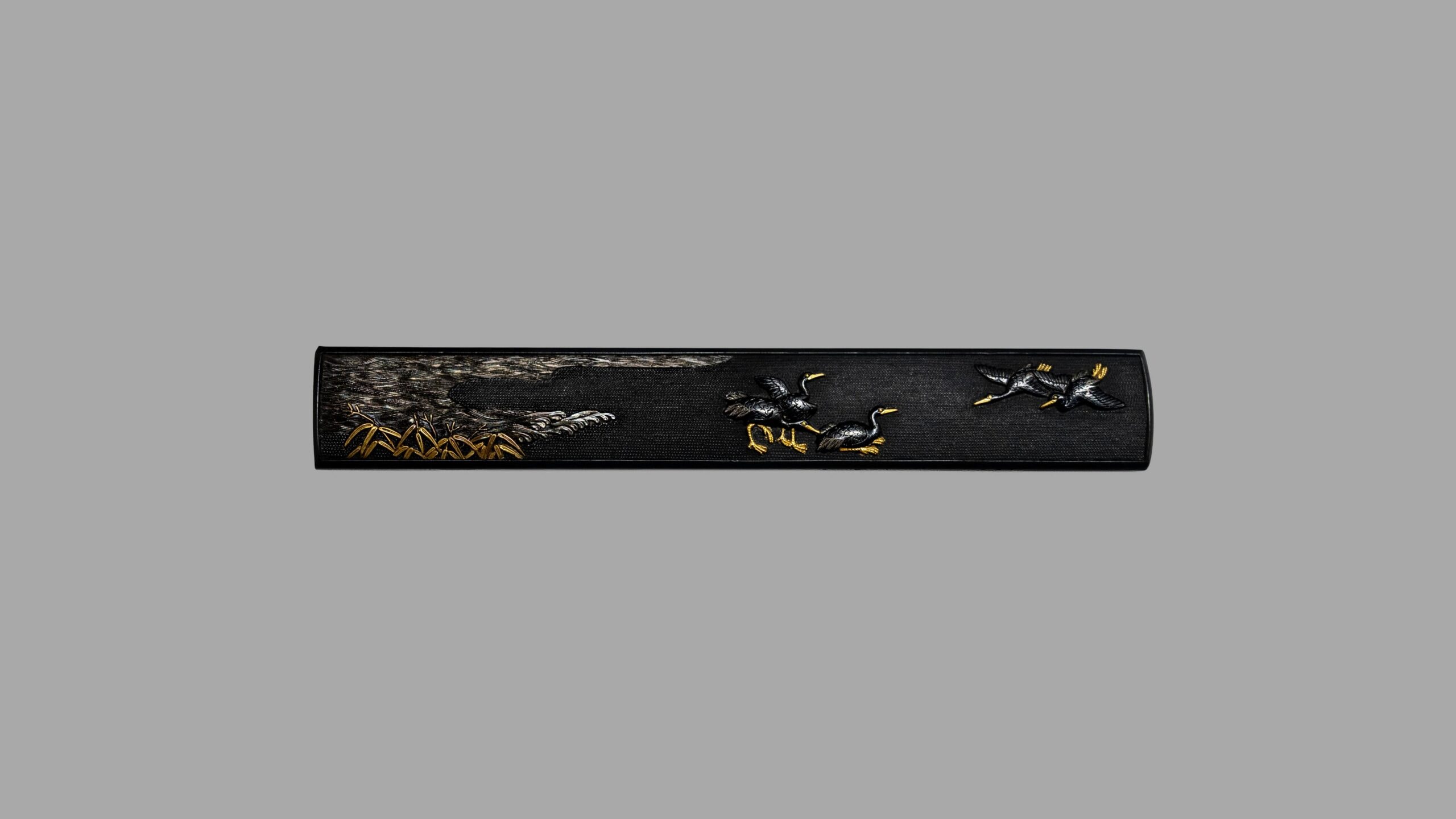
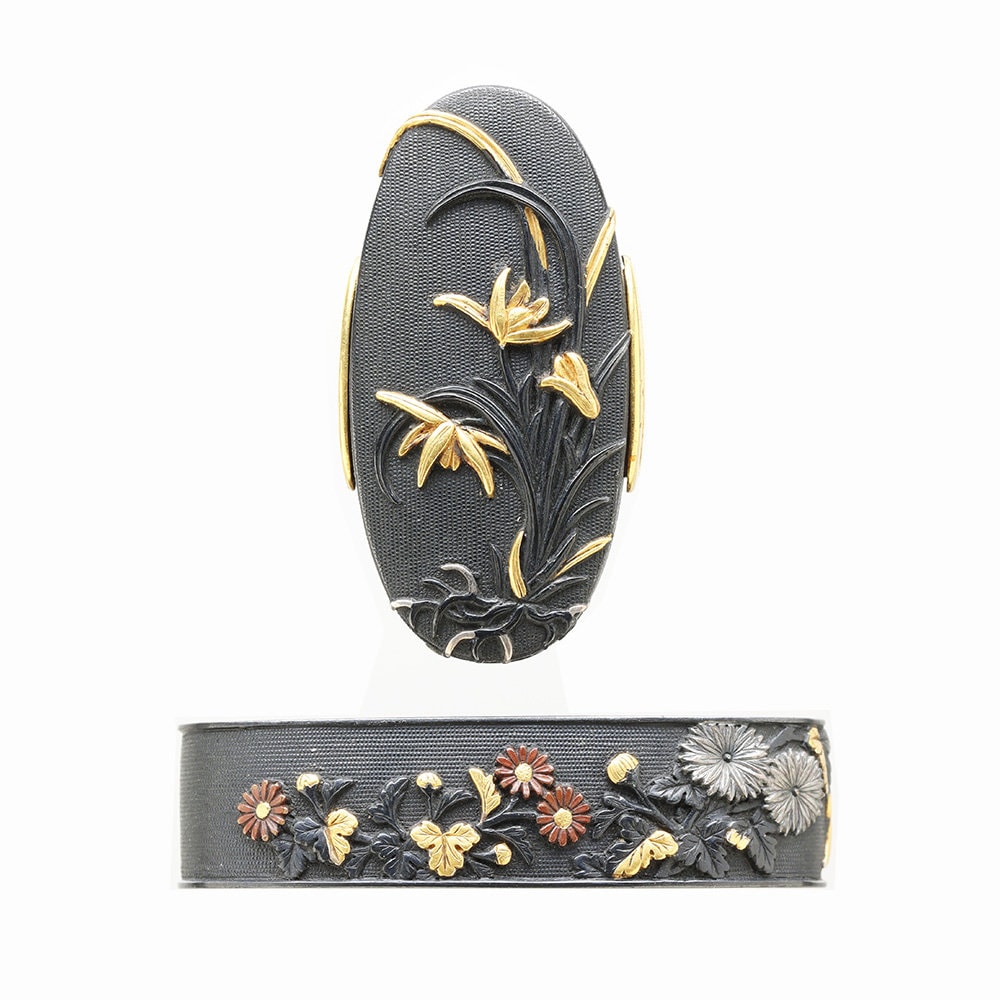
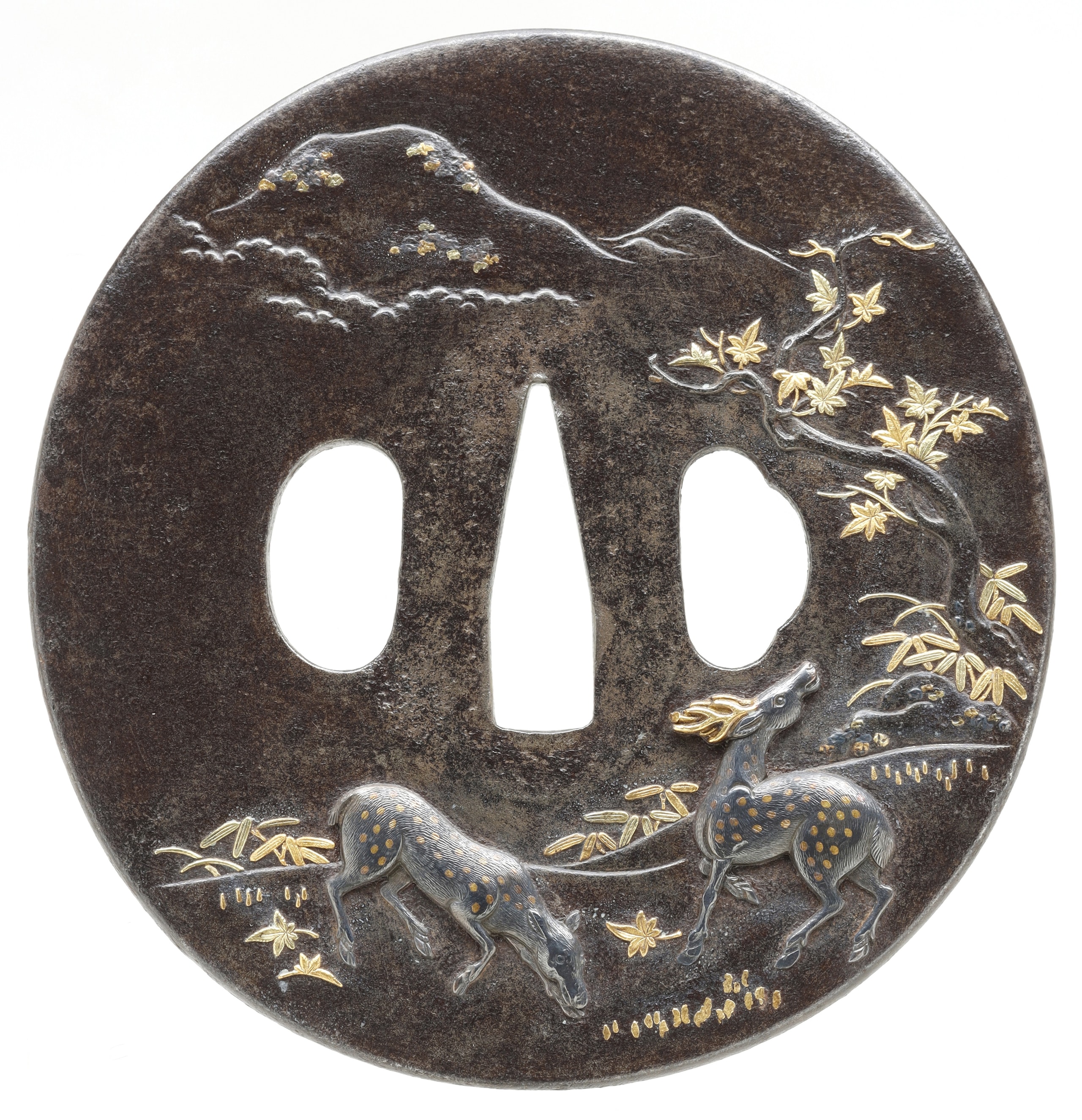
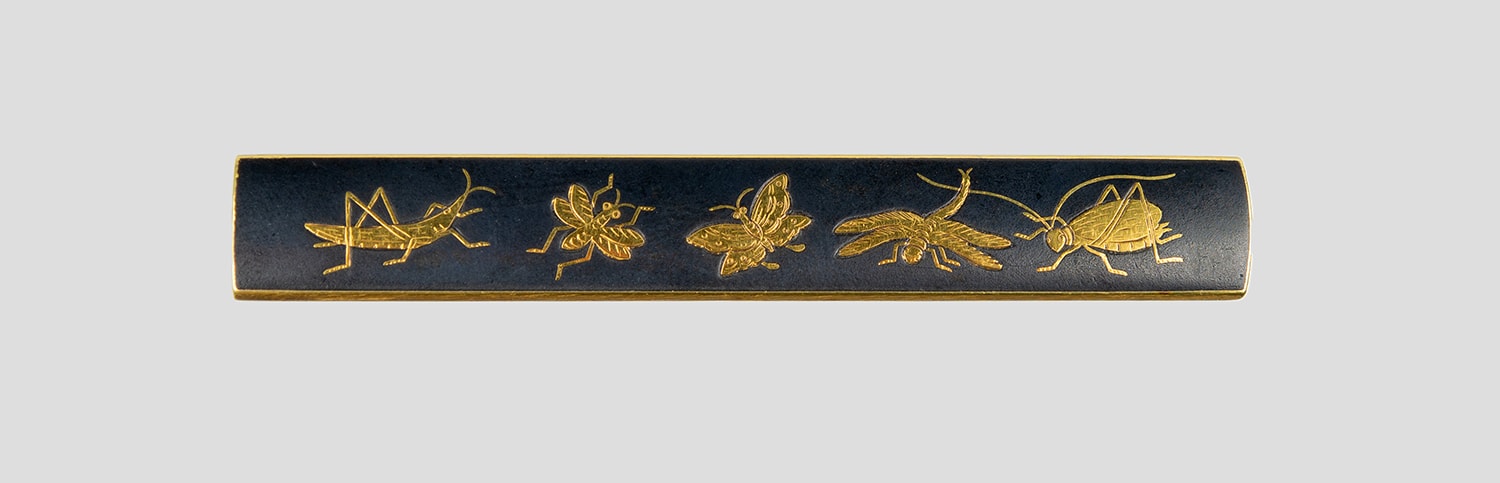
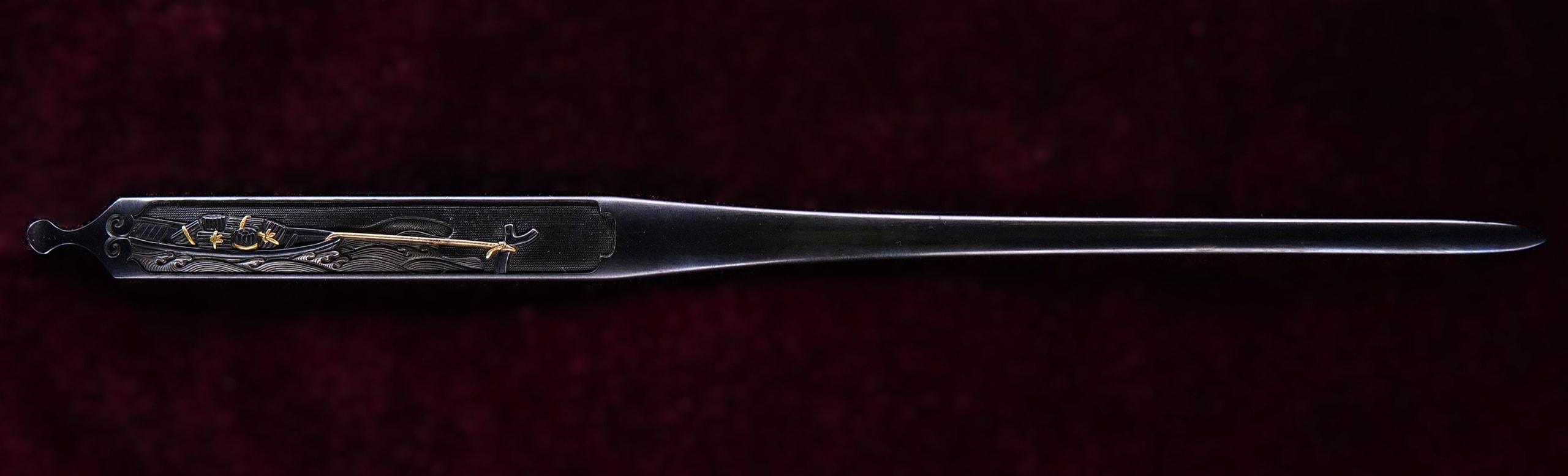
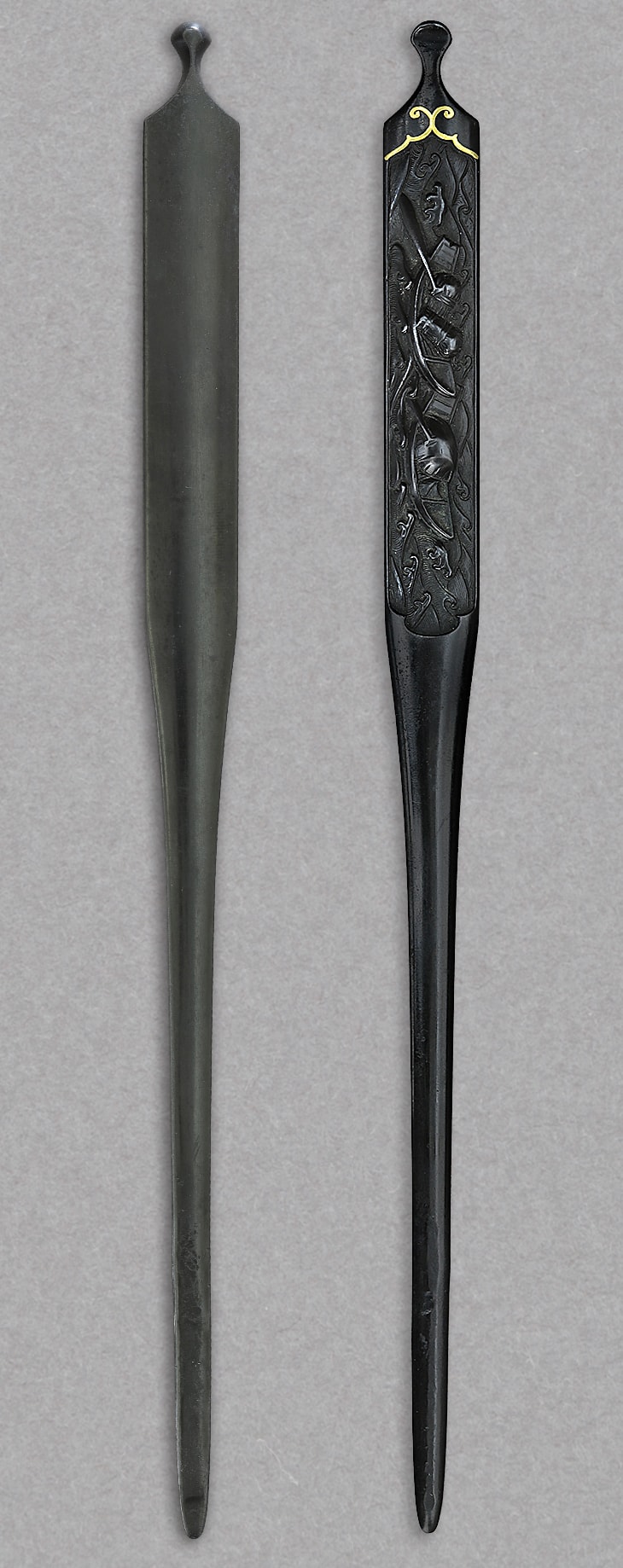
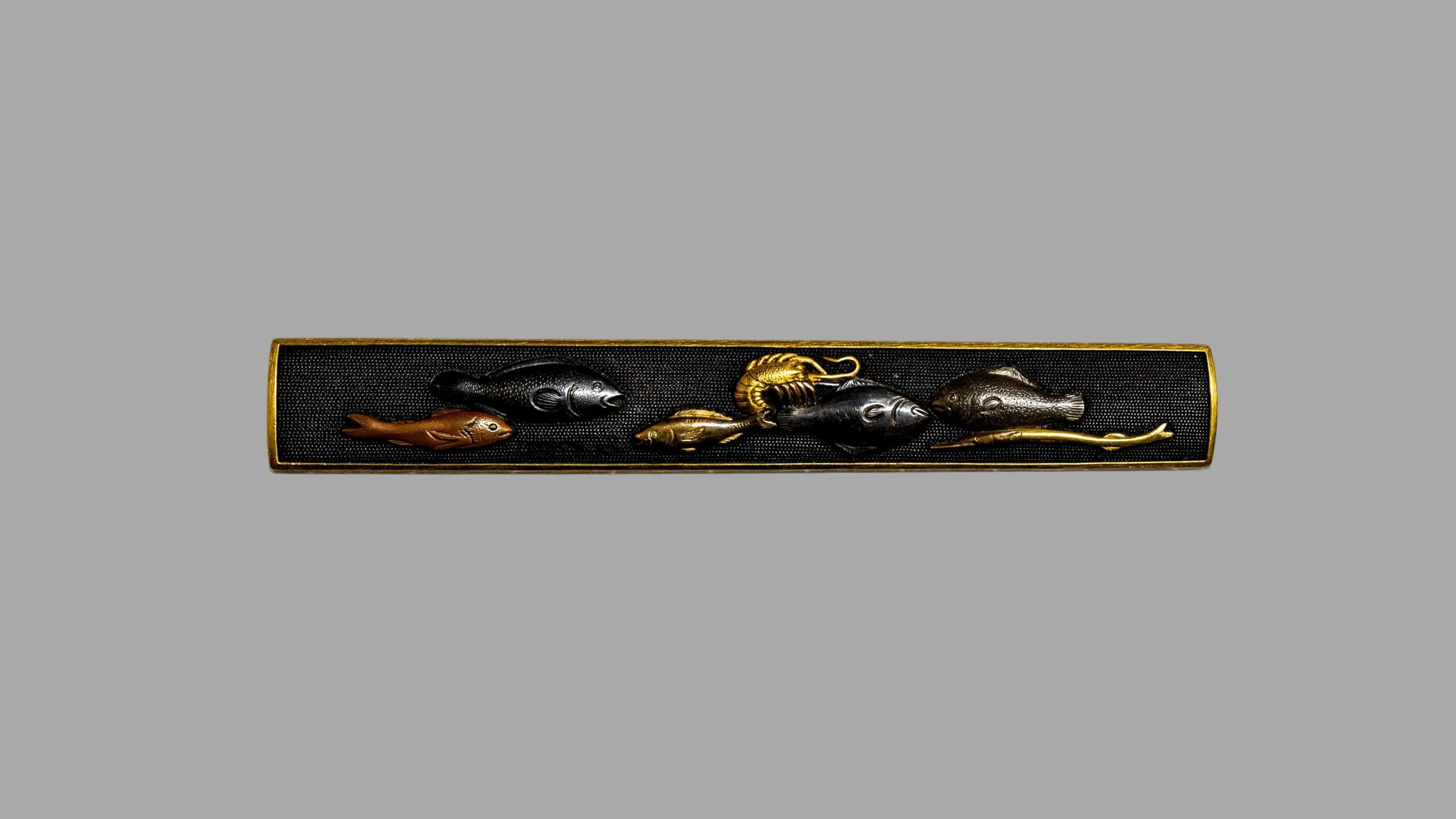
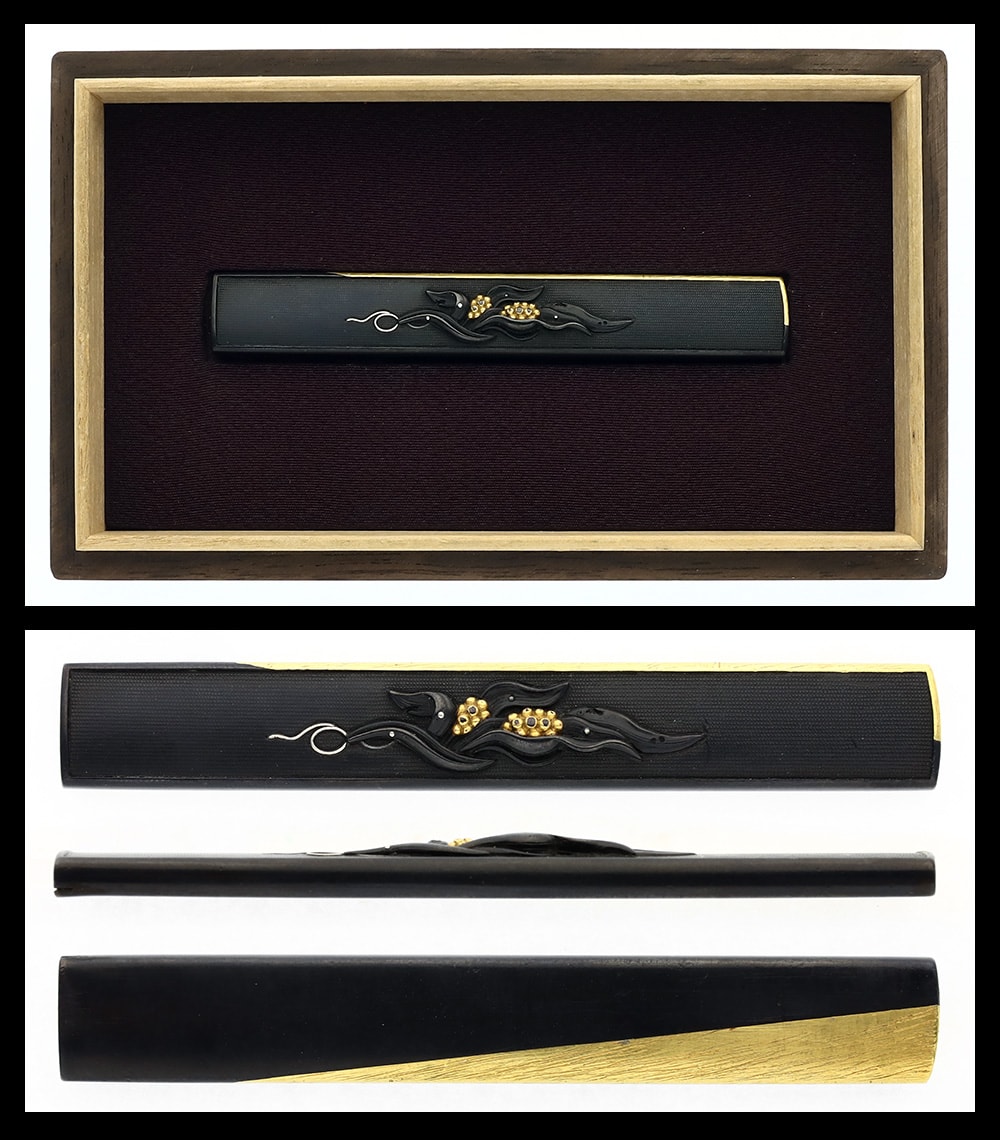
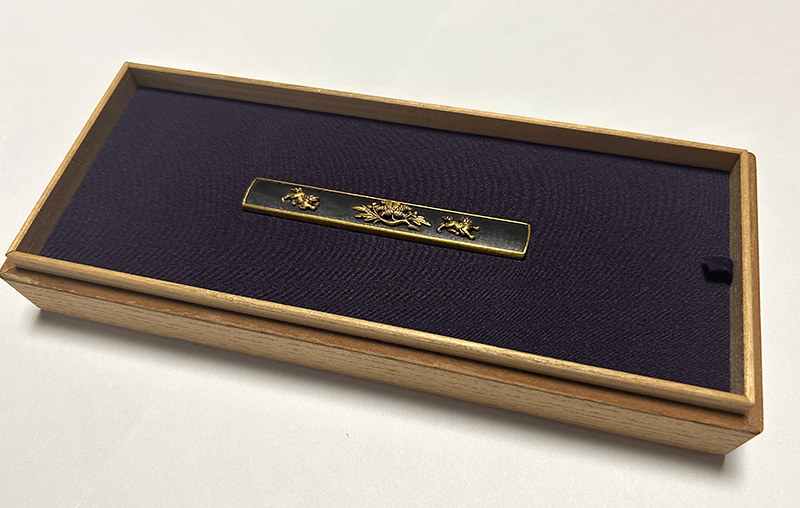
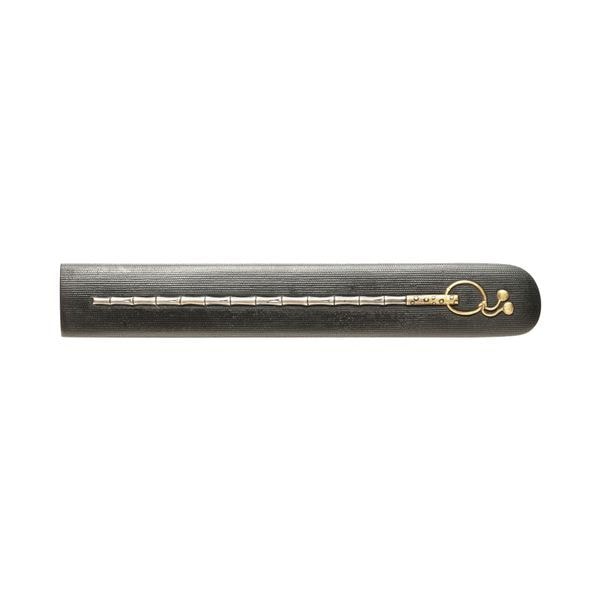
Nagatake's technical identity within the Ichijo school is defined by richly concentrated and splendid -- dense polychrome metalwork employing gold, silver, , , and in elaborate combination. His preferred ground is with finely executed , against which motifs stand out with striking effect. He works predominantly in with , supplemented where appropriate by , , sukibori, -, and sculptural yobori for . Flowers and grasses were Nagatake's particular forte; a hallmark of his style is to arrange seasonal plants densely across the entire surface and finish the work in a splendid manner through the use of richly varied colored metals. His chisel handling is characteristically straightforward, and his arrangement of is minute and well considered. The descriptions consistently note carving that is delicate, fluent, and graceful, with extremely meticulous execution extending to the smallest details. When working in the composite-forged gotan technique, as in his "day-and-night" chuya , he employs deliberately contrasting carving methods on obverse and reverse to striking effect, demonstrating outstanding control in both depiction and technique.
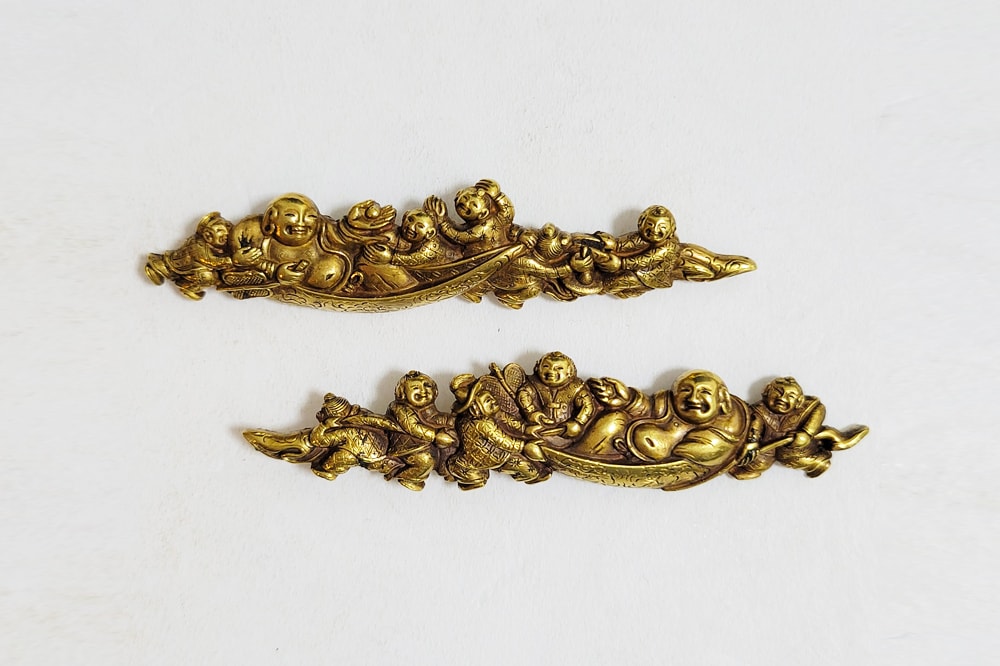
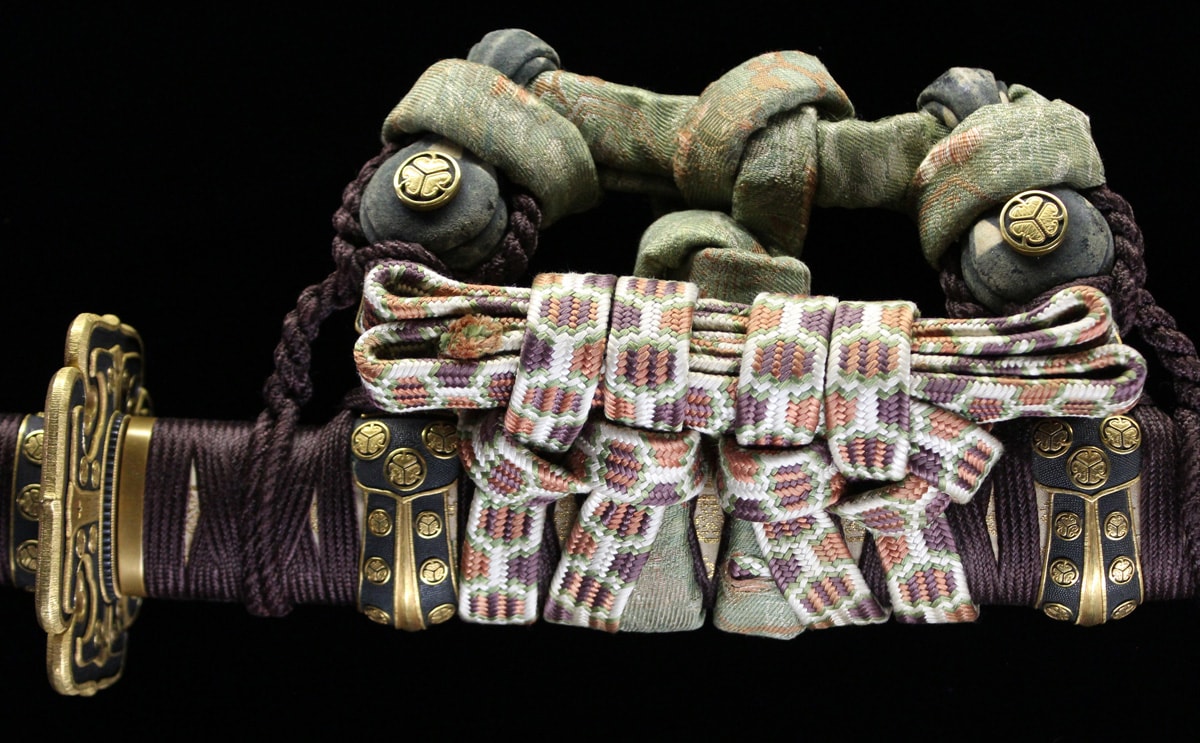
The repeatedly characterize Nagatake's finest works as pieces that "fully display the artist's capabilities" and "vividly demonstrate Nagatake's true strengths." His complete sokanagu sets -- coordinated programs of fittings organized around seasonal, auspicious, or literary-historical themes such as the Four Gentlemen, the Four Sacred Creatures, and scenes from the Twenty-four Filial Exemplars -- are described as painstaking works that clearly display the characteristics of the Goto Ichijo lineage. His mounting of 1849, produced at the commission of a patron named Hokufu, is assessed as a work created at the height of his powers. Within the Ichijo circle, Nagatake occupies a distinctive position: an artist who absorbed the school's elevated carving vocabulary yet expressed it through a personal idiom of ornamental density and chromatic richness, producing works of outstanding refinement that remain, in the 's recurrent phrase, carefully executed pieces in which his particular strengths are fully demonstrated.