NihontoWatch MonNihontoWatchBETA
MarketEncyclopedia
NihontoWatch Mon

NihontoWatchBETA

Market
Encyclopedia
Overview·Kantei·Designations·Provenance·Work Types·Signatures·Lineage·School
OverviewKanteiDesignationsProvenanceWork TypesSignaturesLineageSchool
  1. Schools
  2. Goto
  3. Waki-Goto
  4. Ichijo
  5. Isshi

Ichijo Isshi

一至

Jūyō
Vol. 41, No. 196 · Mitokoromono

Ichijo Isshi

一至

6 ranked works

ProvinceEdo / YamashiroEralate Edo–Meiji (1820–1896)SchoolGoto>Waki-Goto>IchijoTraditionIeboriTeacherGoto IchijoSpecialtieskozuka, menuki, fuchi-kashiraTypeTosogu MakerCodeWGO049
1Tokubetsu Jūyō5Jūyō Tōken

Overview

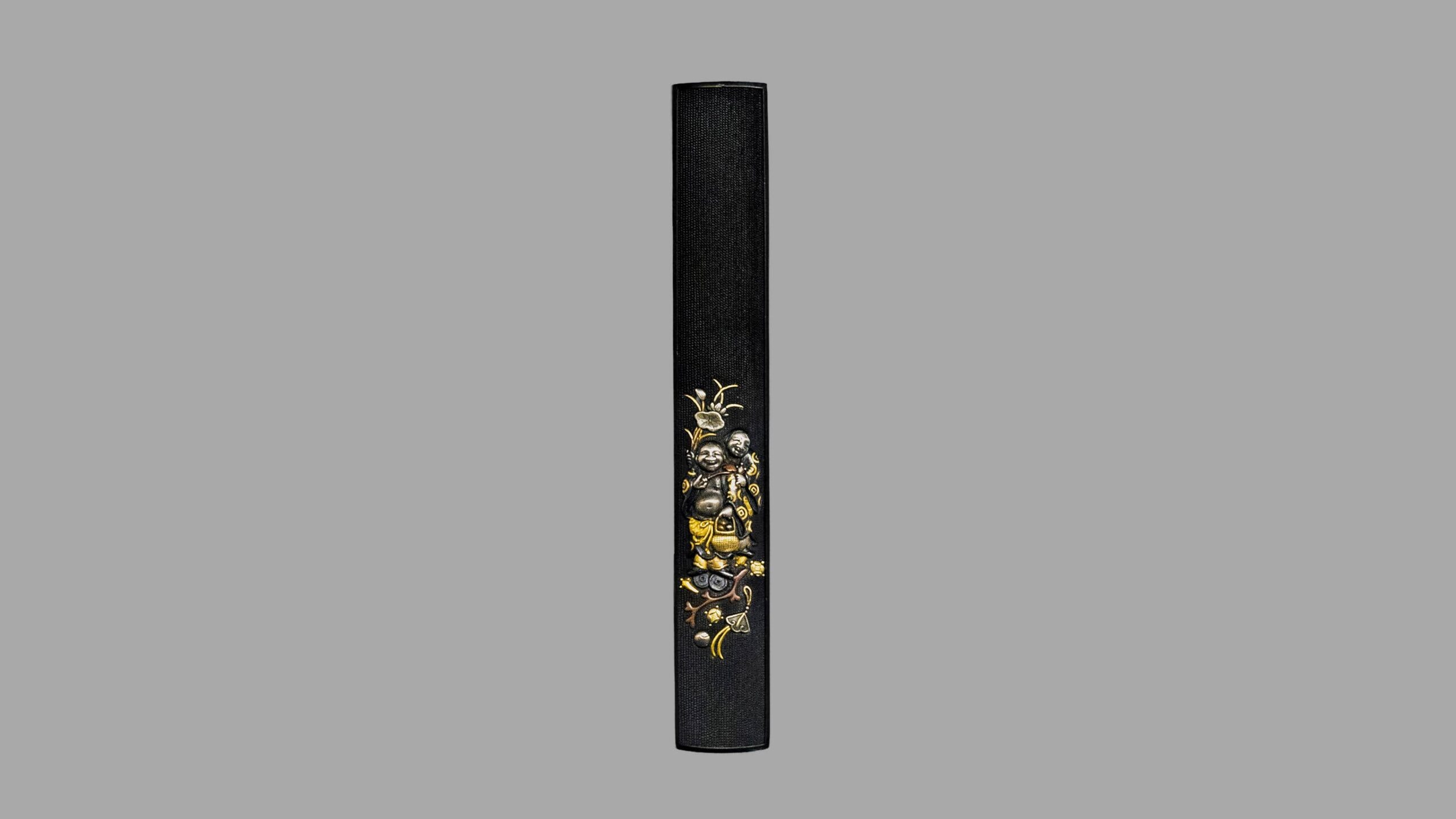
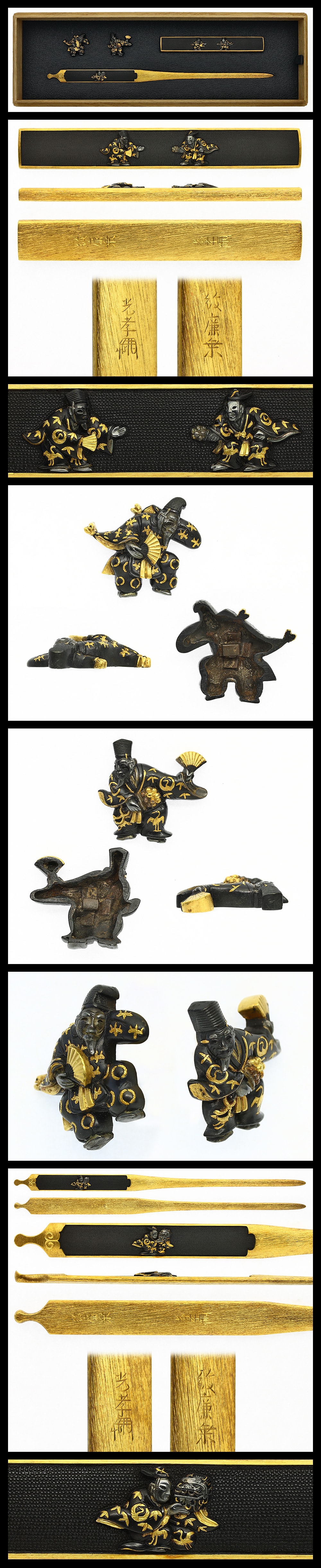
Hashimoto Isshi, whose common name (tsusho) was Genji, was born in Kyoto in Bunsei 3 (1820) and entered the studio of Goto Ichijo at the age of sixteen, where he trained for sixteen years. In Ka'ei 3 (1850) he received his master's permission, adopted the art name Isshi, and established himself independently under the studio name Yushisha. When Ichijo was summoned into shogunal service the following year, Isshi accompanied him to and worked energetically as a cooperative artisan assisting his master over a span of thirteen years, earning a strong reputation as a celebrated craftsman. According to a letter by the senior disciple Funada Ikkin, Ikkin took particular interest in Isshi and personally guided him, extolling him as among "one or two of the most capable hands" within Ichijo's circle. After returning to Kyoto, Isshi became a retainer of the Hirohata family and was permitted to wear a sword. Following the haitorei, he temporarily abandoned metalwork but later took up the chisel again, and beginning with his entry at the First National Industrial Exhibition in Meiji 10 (1877) he received numerous honors before his death in Meiji 29 (1896) at the age of seventy-seven. A second generation, Yoshitaro, succeeded to the working name in Meiji 10, though he remained largely in the shadow of the first.

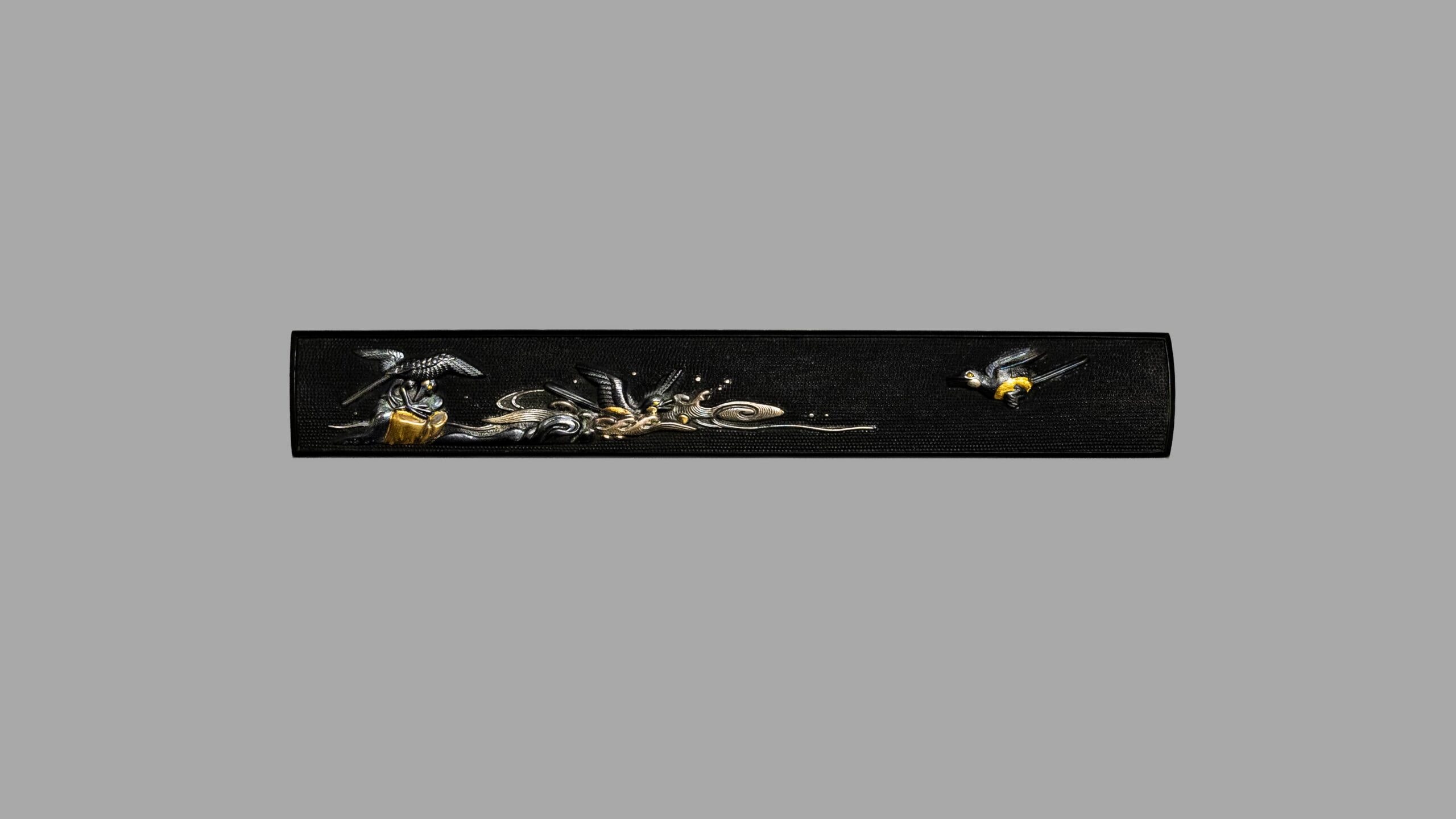
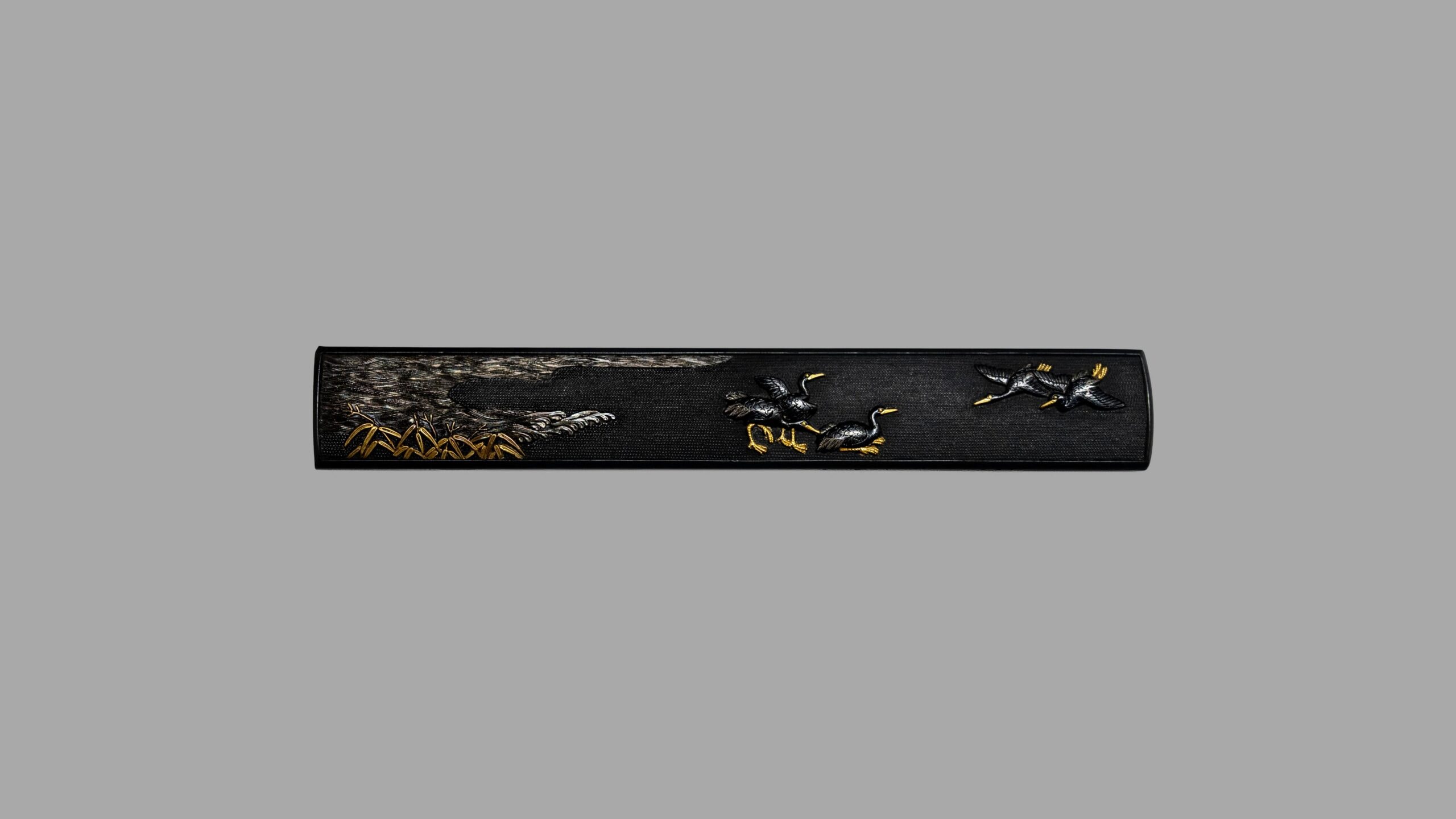
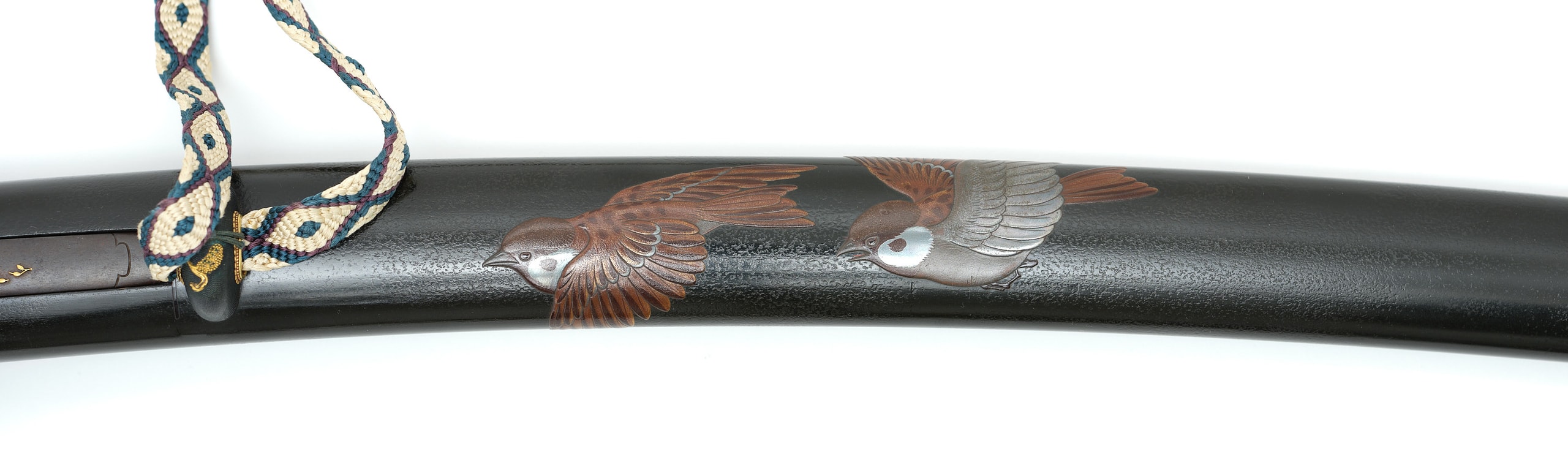
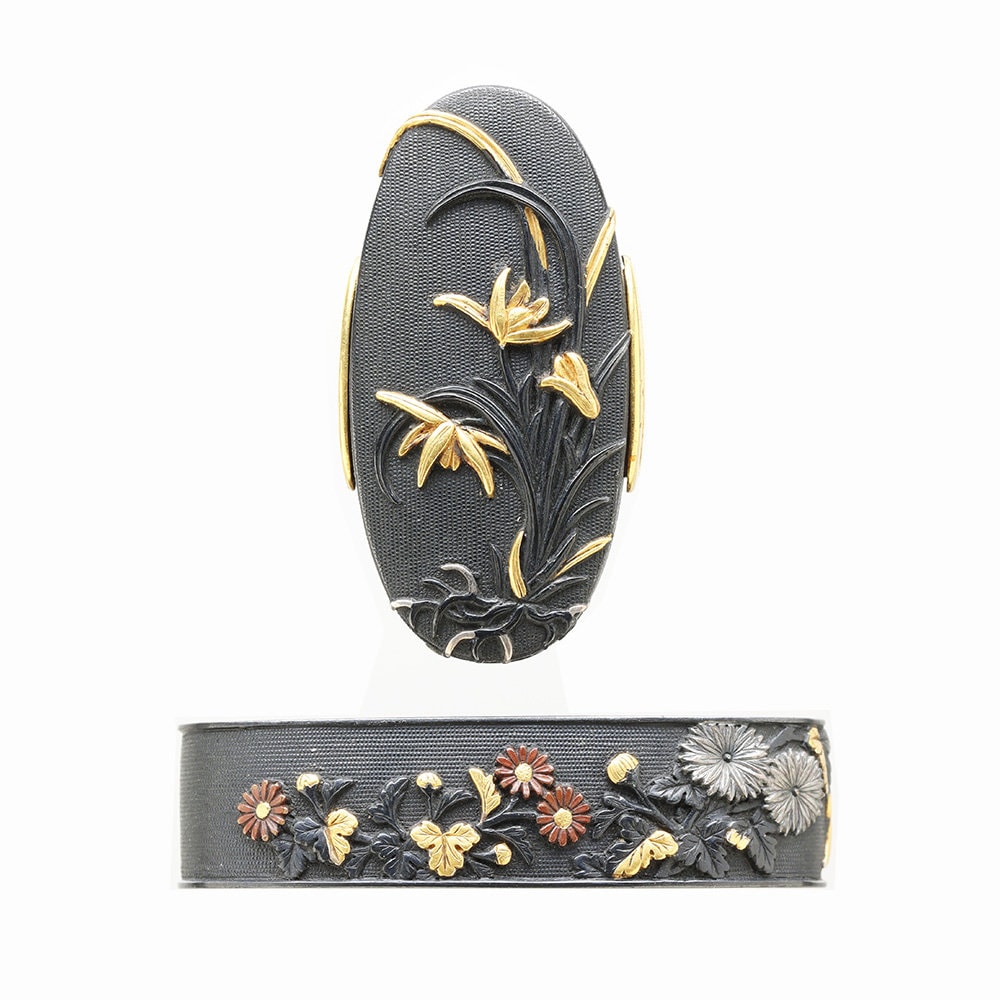
Among the works of the Ichijo school, Isshi's manner is considered "the closest to that of his master Ichijo." He excelled particularly in refined compositions of flowers, birds, and insects executed with exceptionally minute and elegant carving, and the has observed that in his finest pieces there is "virtually nothing to choose between it and that of Ichijo himself." His command of , -, and polychrome is consistently praised, and his work displays a wide range of techniques while sustaining intensity of execution down to the smallest details. Notably, even inherently brilliant materials such as shippo are deliberately restrained in his hands; amid varied hues the controlled palette "effectively draws out and heightens the intended mood of the landscape." His kosuki-bori is rendered with an unforced, light touch, and his grounds exhibit the refined handling characteristic of the Ichijo lineage.

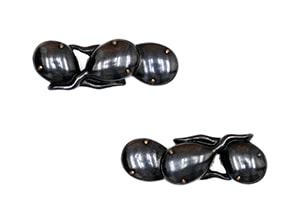
Isshi's designated works encompass unified fittings sets, complete mountings in solid gold, and collaborative pieces produced under Ichijo's direct supervision, attesting to his central position within the workshop. Across the designations, the repeatedly emphasizes his ability to compose coherent thematic ensembles -- seasonal kacho programs, auspicious-cloud suites, dragon-and-wave cycles -- in which the carving is "steady and assured" and the overall impression "forceful in character" yet possessed of "a notably elevated sense of formality and taste." His commissioned sets are characterized as full-force works representing "Isshi's utmost effort," and his oeuvre remains essential to understanding the productive output and artistic standards of the late Goto Ichijo school.

Kantei

3 descriptive axes: material (the Goto-derived grounds and metals, from shakudo nanako through shibuichi and suaka to solid gold, plain silver and iron) x technique (takabori and the ground-cut sukidashi-takabori relief, takabori with applied suemon crests, iro-e, flush and cloisonne inlay, fine kebori line, and on one piece the deep ko-suki-bori scoop) x themes (the Goto okite-mono dragon-and-cloud, his favoured small-pattern seasonal flowers, birds and insects of the Ichijo naturalist register, and one ruined-capital old-tiles scene). No temporal phases: his bakumatsu-to-Meiji output is stylistically unified around the inherited Ichijo-workshop hand, with the small-pattern flower-and-bird work as the recurring personal note.

Hashimoto Isshi is a metalwork artist of the late and early Meiji period and a leading pupil of the Goto house's last great master Goto Ichijo. His family name is Hashimoto, his common name Genji, and his art-name Isshi, with the studio-go Yushusha; he signs Hashimoto Isshi with a , or the bare go Isshi on smaller components. Born in Kyoto in 1820, he entered the school of Goto Ichijo at sixteen, trained sixteen years, and in Karoku 3 (1850) received the master's permission to take the name Isshi and set up on his own. When Ichijo was called into shogunal service the following year he went down to with the master and worked at his side as a cooperating craftsman, where his reputation as a fine hand grew; the records say his senior school-mate Funada Ikkin particularly favoured and guided him and praised him as one of the one or two most skilled hands in the school. Having returned to Kyoto he became a retainer of the Hirohata (one record, Hirohashi) house and was allowed to wear a sword, and after the Meiji sword-abolition edict he set the chisel aside for a time before taking it up again, exhibiting from the first National Industrial Exhibition of 1877; he died in 1896 at seventy-seven. He works the orthodox soft-metal grounds of his Goto-derived training, with and iro-e, and the records repeatedly say that of the whole school his work stands closest to the master Ichijo. His honest separators from his own school are few: across a small first-generation corpus of six pieces what is reliably his own is the signature itself, present on every piece, and a stated speciality in small-pattern flower-and-bird work; the deep ko-suki-bori chisel his school-mates are famed for, and a striking ruined-capital old-tiles-and-insects design, each appear on a single piece. Almost everything else in his ground and hand is inherited Goto and Ichijo foundation. The go Hashimoto Isshi was continued by his heir, the second-generation Isshi (Yoshitaro), whose Meiji-dated pieces are profiled separately; the present corpus is the first generation only.
Diagnostic discriminators

what most reliably separates his work from his own school is the signature itself. Within the shared Ichijo hand each pupil takes his own go; his is Isshi, written 橋本一至 with a kao, or the bare go 一至 on a kozuka or split as a wari-mei across the menuki, sometimes behind the Kyoto residence prefix Koto-ju. This is a documentary / signature separator, not a stylistic one; the full family-name-and-go form 橋本一至 appears on every one of the six first-generation pieces, so the self-rate is 1.0. His grounds and the rest of his hand are pure Goto/Ichijo foundation. Note that the same go was continued by the second-generation Isshi (Yoshitaro), whose Meiji-dated pieces are coded separately and not in this corpus; a signature alone does not fix the generation, and the generations are separated by year-mark

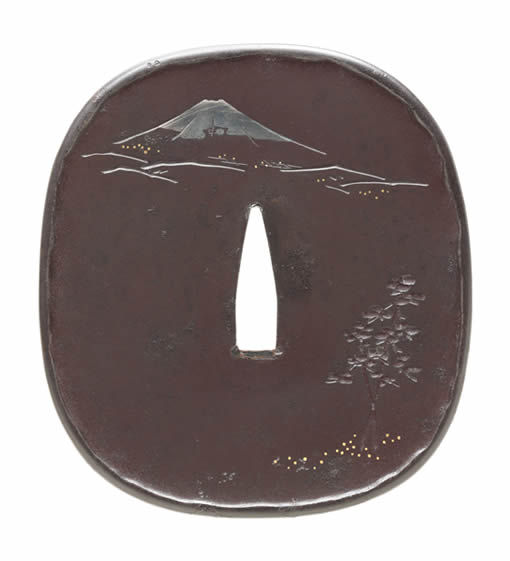
one large pair of tsuba carries a ruined-capital scene, scattered old roof-tiles with insects settled among the decay, worked in takabori with applied-crest inlay and a restrained gold-and-silver cloisonne inlay (shippo-zogan), to convey the melancholy of a once-glorious capital fallen to ruin. This subject and the cloisonne handling fall outside the inherited Goto/Ichijo registers, so it reads as a personal departure; but it rests on a single piece, so it is flagged single-source and is not a recurring tell. It is his one iconographic departure beyond the signature

Material

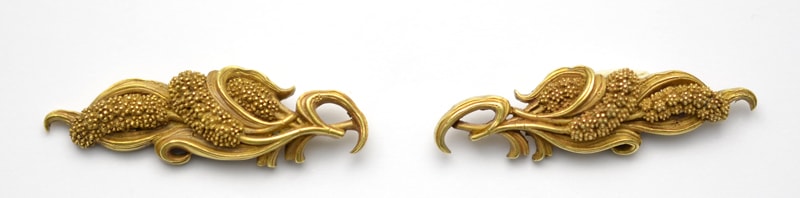
His grounds span the soft-metal range of his Goto-derived training. On the orthodox dragon fittings he works solid gold in a fine or stone-grain ( / ), the most lavish of his pieces, with of solid gold; on the flower-and-bird sets he works and in or polished ground, , and gold-applied fields, with the and given a filled or applied back plate (-fukumegane / -itagane). On his bolder he reaches for plain polished iron, and on one a brass field. The metal choice serves the orthodox subject and a settled, careful colour.

Technique

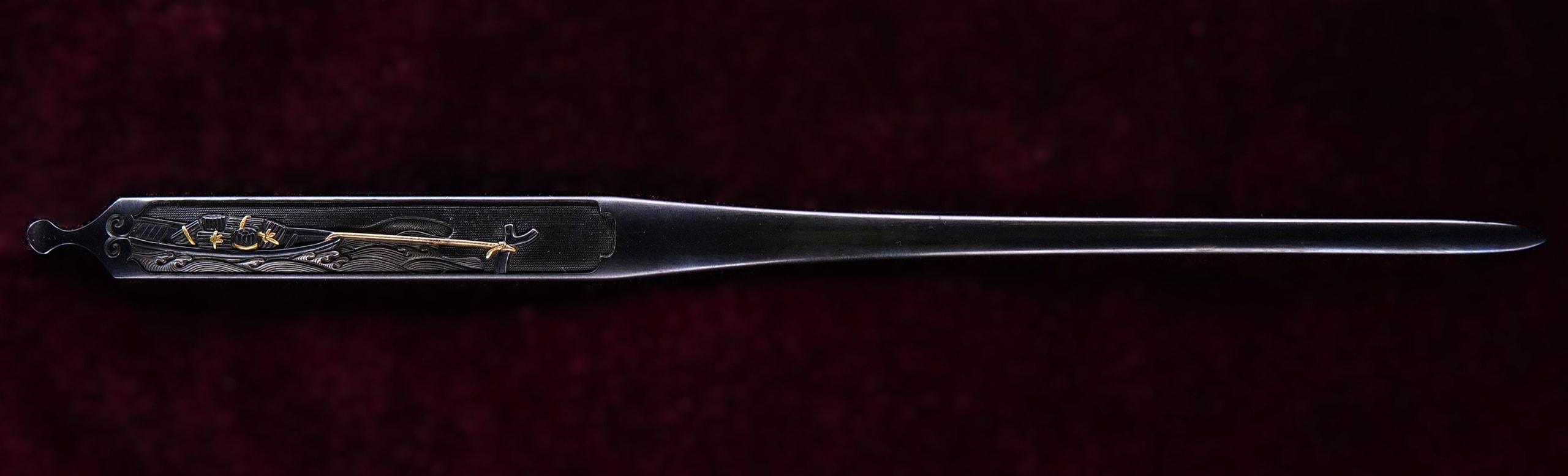
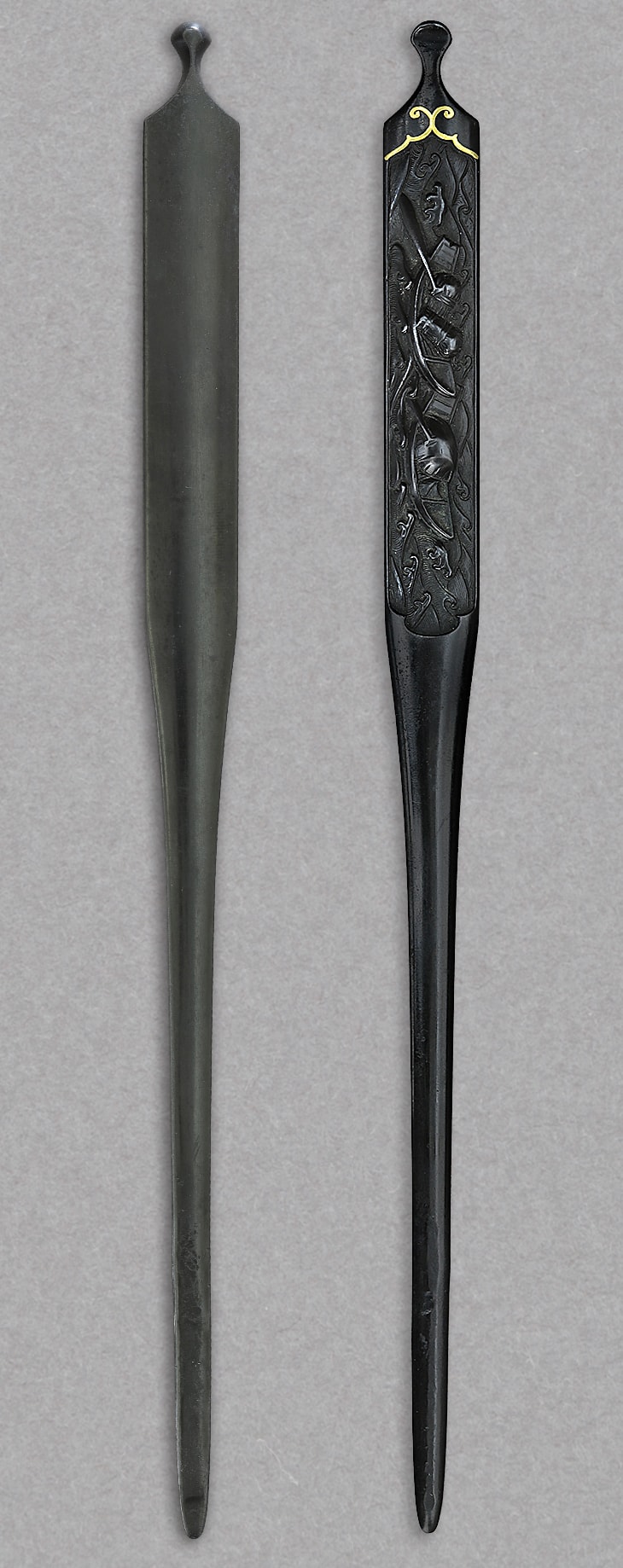
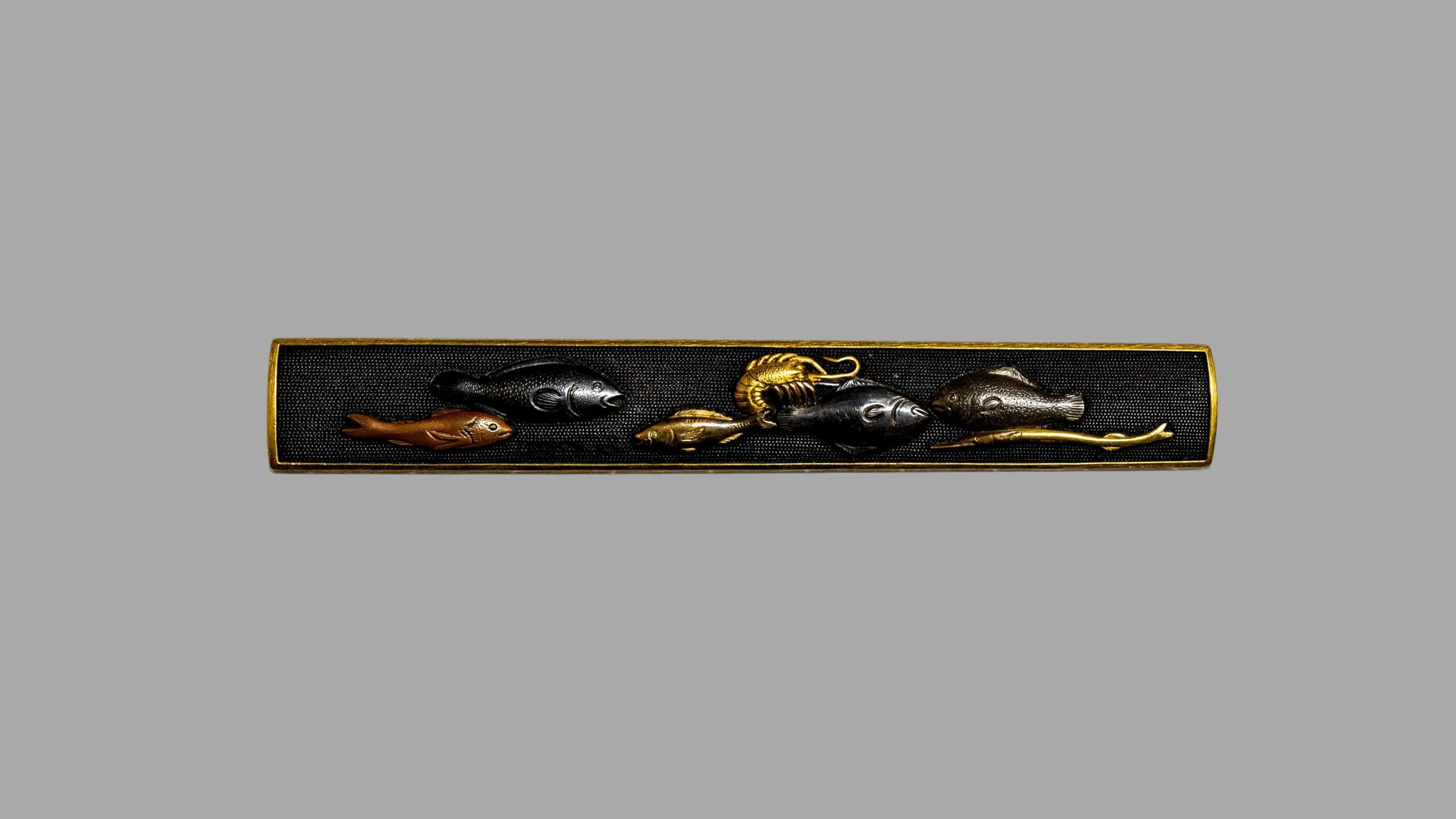
His hand is relief, often raised on a cut-away ground (), with polychrome iro-e in gold, silver, and , animated with applied crests (-), flush inlay (, -, -) and, on one , a restrained gold-and-silver cloisonne inlay (shippo-); are solid-gold or , and fine and the painterly katakiri-bori line of the Ichijo school detail the reverse plates. On one flower-and-bird set he uses the deep, scooping ko-suki-bori chisel for the plum and willow. The records praise the precise, accurate chisel and the way he holds the colour in check to let the scene breathe.

甲鋤彫ko-suki-bori据紋suemon-mon据紋象嵌suemon-zogan

Themes

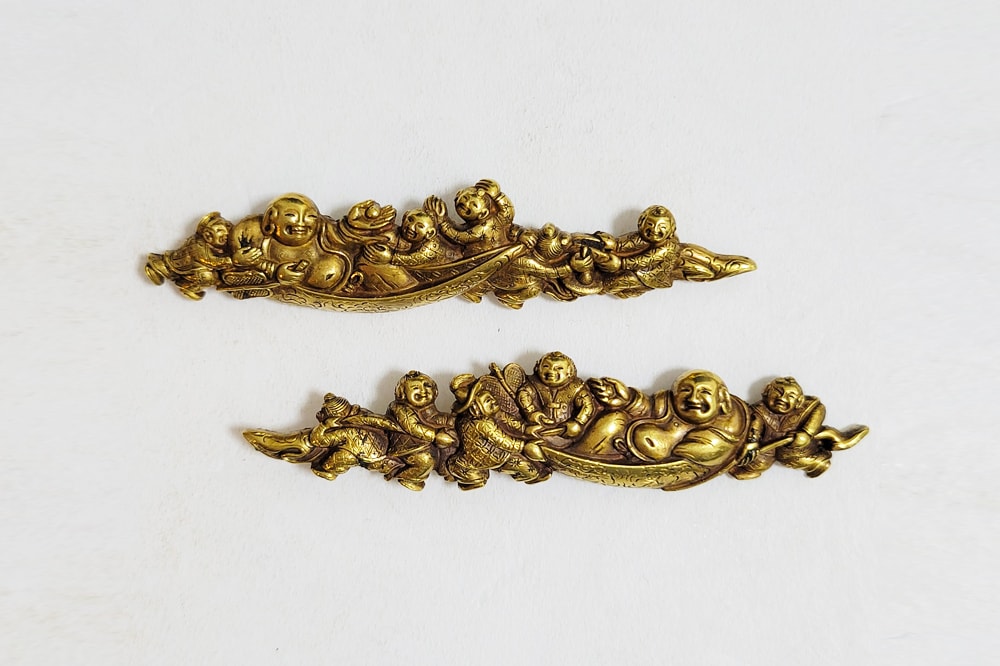
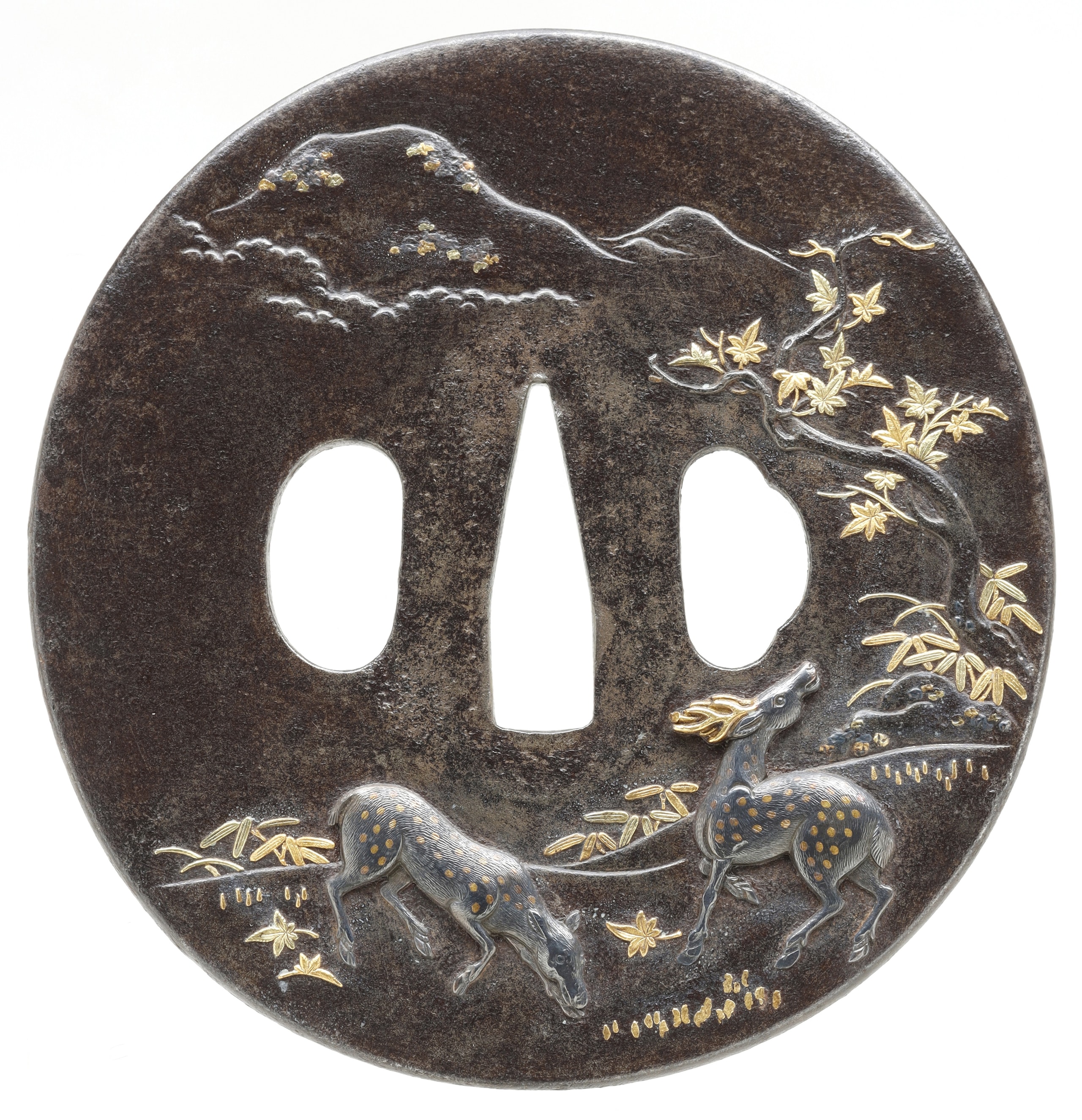
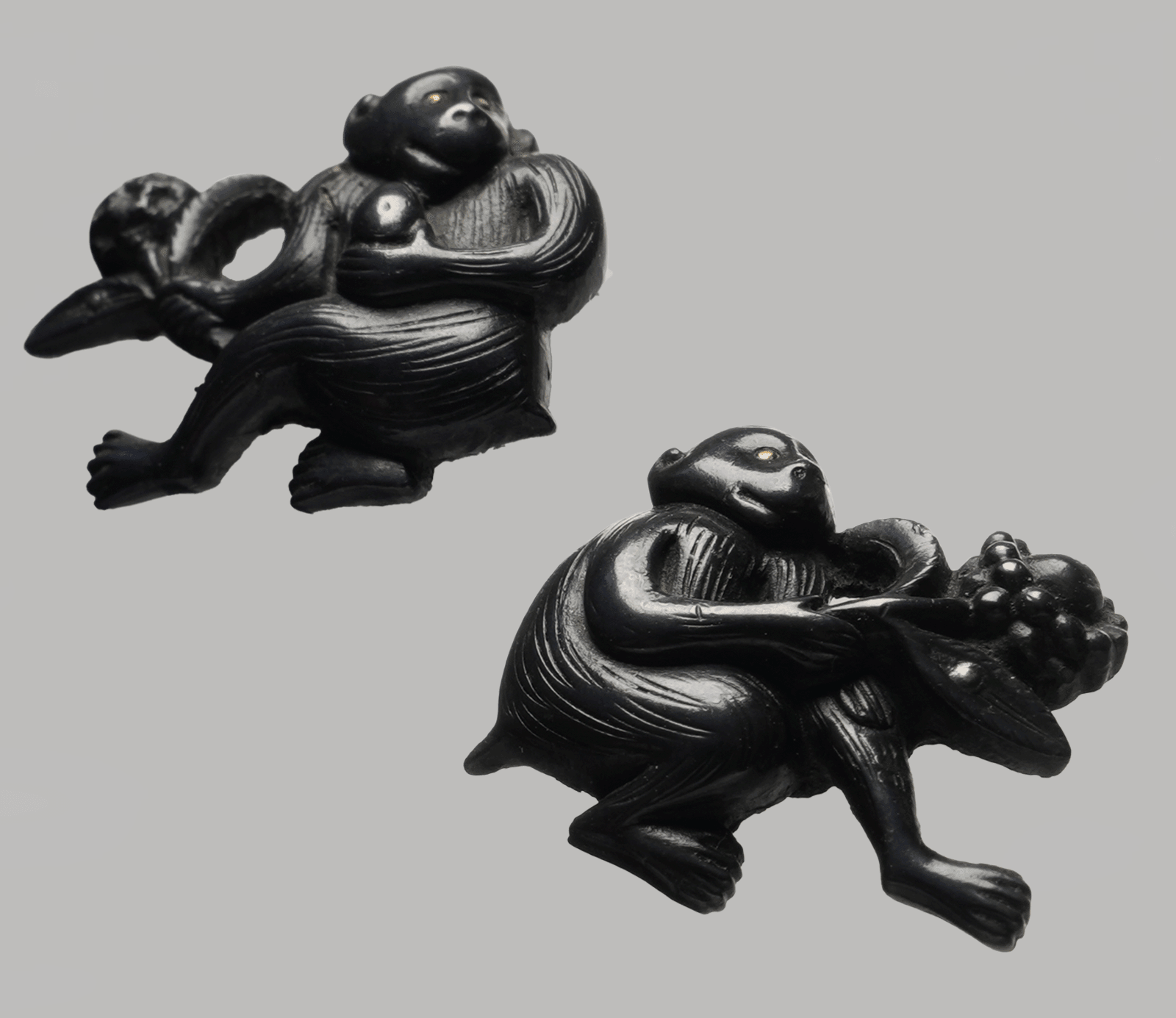
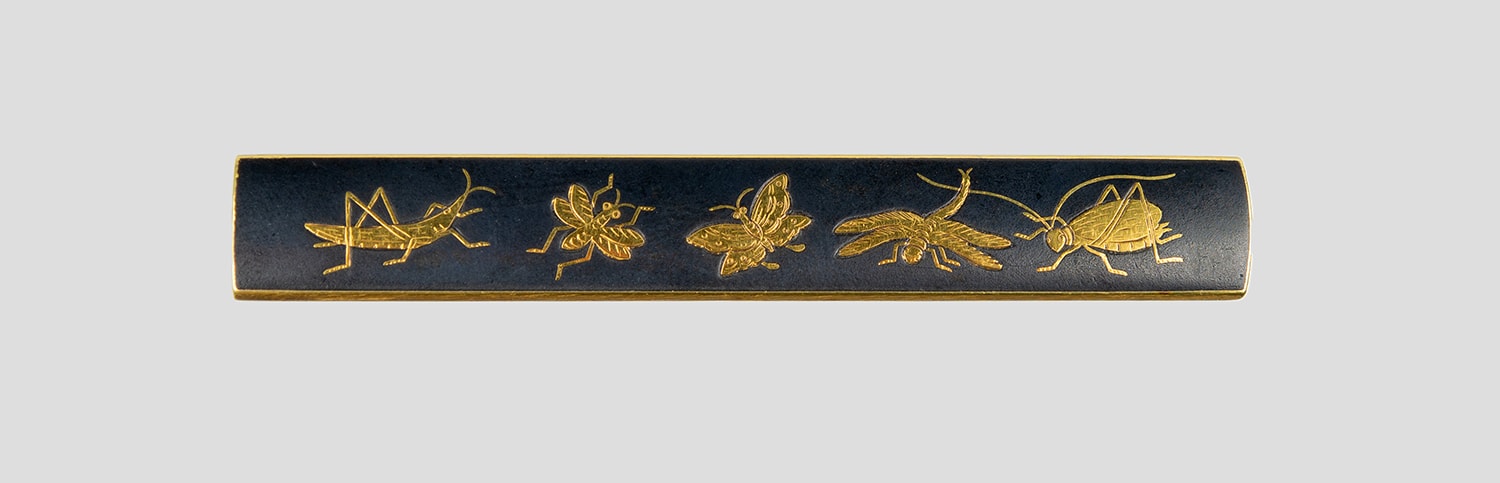
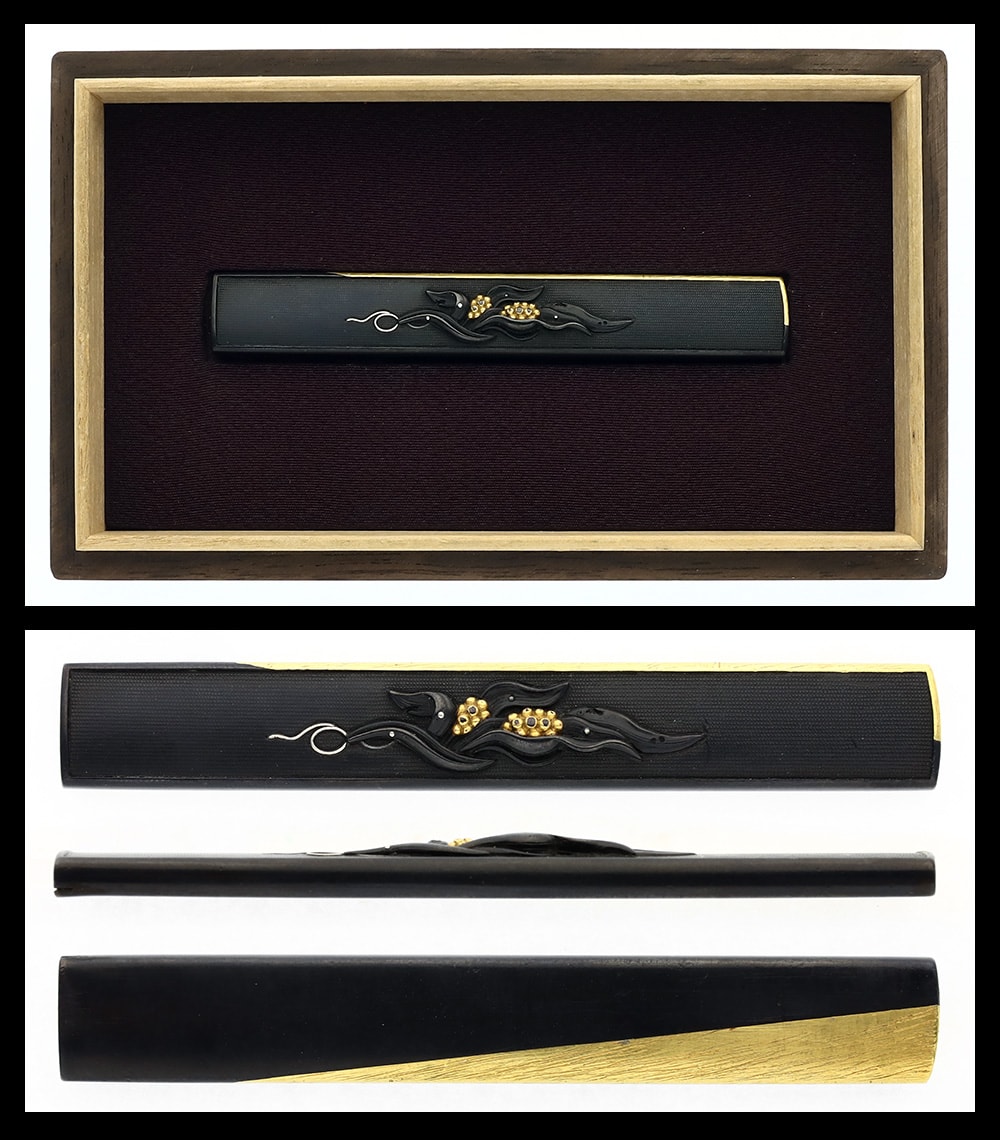
Two registers organize his work, both inside the Ichijo school's repertoire rather than subjects he alone owns. The first is the small-pattern seasonal flowers, birds and insects of the naturalist register: autumn grasses with insects, spring-and-autumn flowers-and-birds with butterflies and dragonflies, plum and willow, iris with a bee. The records say these flower-and-bird subjects are what Isshi most loves to carve and best excels at, and that he handles them with a refined, fine chisel. The second is a more orthodox and lavish vein: a solid-gold dragon-and-cloud carried through every fitting, commissioned by the court noble Nakamikado Tsuneyuki, and an old, revival-style cloud-pattern mounting. Beyond these, one large pair of leaves the house subjects for a ruined-capital scene, scattered old roof-tiles among which insects settle, worked with cloisonne inlay as a meditation on the fall of a once-glorious capital.

Small-pattern seasonal flowers, birds and insects (his favoured naturalist register)

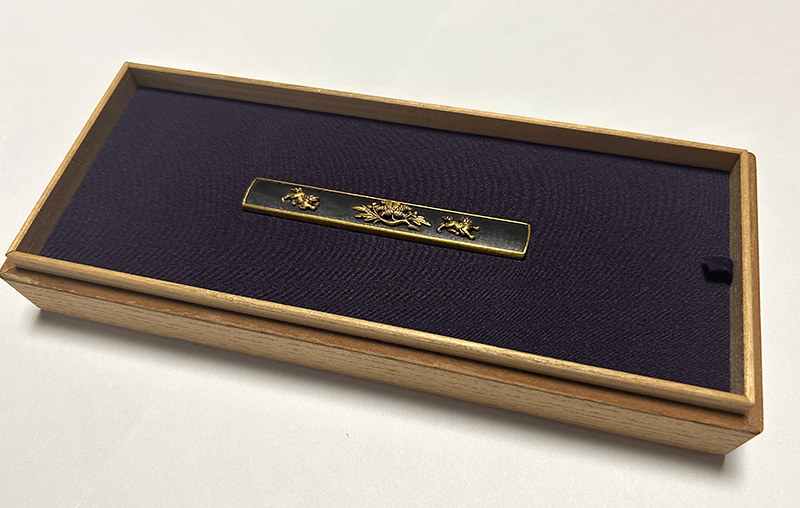
Autumn grasses with insects, spring-and-autumn flowers-and-birds with butterflies and dragonflies, plum and willow, iris with a bee, drawn within the Ichijo school's naturalist manner. The records say these flower-and-bird subjects are the thing Isshi most loves and best excels at, and praise the precise, refined chisel and the way the held-back colour lets the late-autumn melancholy come through. This small-pattern flower-and-bird work, handled close to the master Ichijo, is the recurring personal note of his corpus.

蝶cho
Orthodox and ruined-capital subjects (the gold dragon koshirae, old roof-tiles)less firmly established

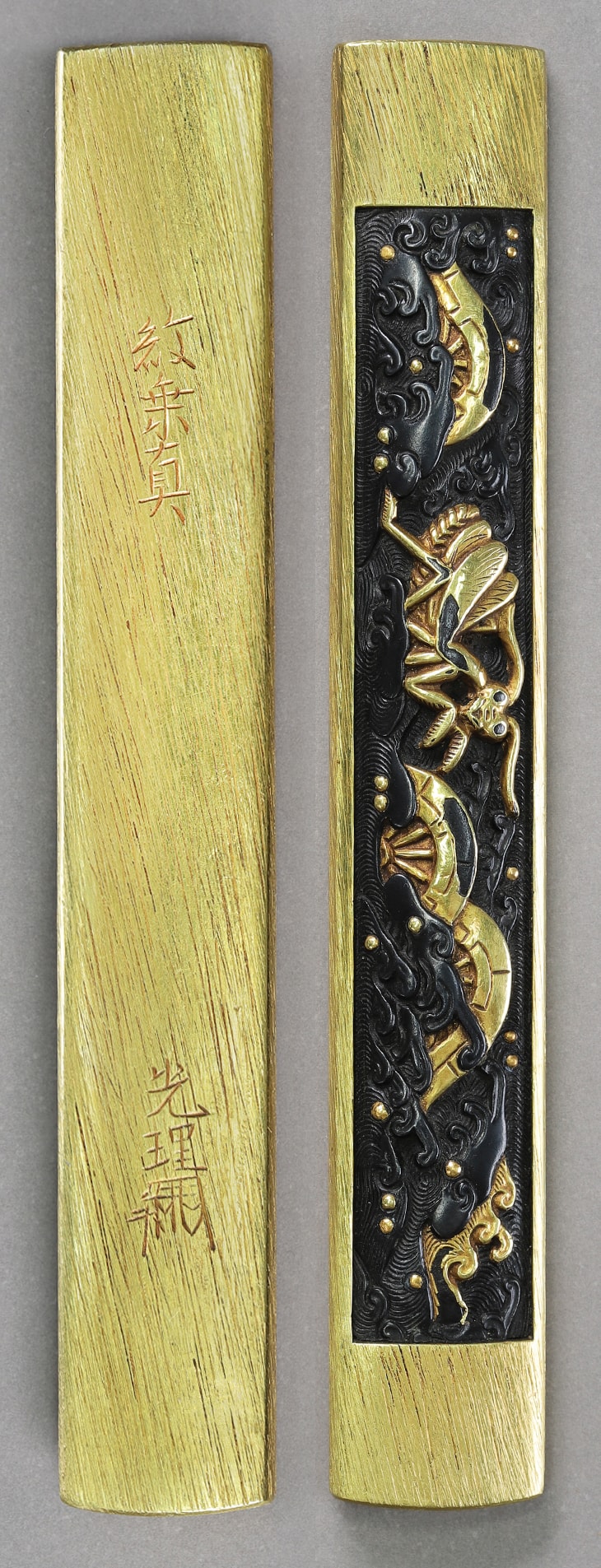
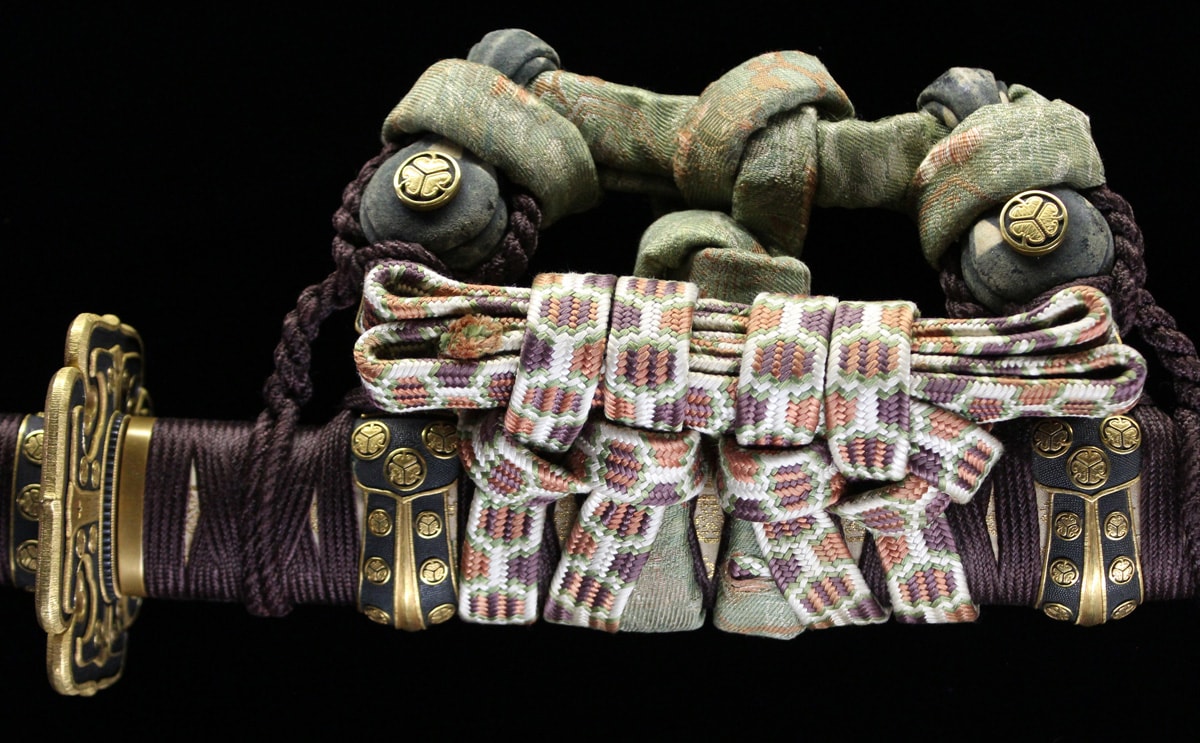
A more orthodox and lavish vein: a solid-gold dragon-and-cloud carried through , , , , and , commissioned by the court noble Nakamikado Tsuneyuki, and a revival-style cloud-pattern mounting in . Apart from these, one large pair of carries a ruined-capital scene, scattered old roof-tiles with insects among the decay, in cloisonne inlay.

Full iconography

Signature chronology

Placement
Dated signatures
Recorded signatures

Documentary note

His pieces are signed Hashimoto Isshi with a (family name Hashimoto, art-name Isshi), or the bare go Isshi on smaller components, sometimes with the Kyoto residence prefix -ju (皇都住一至). On split the signature is divided as a , Hashimoto / Isshi across the pair. He used the studio-go Yushusha, recited in his biography. Several pieces are dated, one carrying a Keio 2 (1866) winter year-mark, and the corpus values one gold dragon for the surviving holograph weight-of-gold document in his own hand that records the metal used and identifies the commissioner as the Nakamikado house of the court noble Nakamikado Tsuneyuki. Because the working-name 橋本一至 was continued by his heir, the second-generation Isshi (common name Yoshitaro), who succeeded the name in Meiji 10 (1877), a signature alone does not fix the generation; the generations are separated by year-mark. The heir's two known Meiji-dated pieces (which carry the form 橋本一至謹鐫) are profiled separately and are not part of this first-generation corpus, so every piece here is the work of the first generation.

Scholarship

On one solid-gold dragon koshirae the record notes a surviving holograph document in Isshi's own hand recording the weight of gold used in each fitting, which identifies the commissioner as the Nakamikado house of the bakumatsu-Meiji court noble Nakamikado Tsuneyuki and substantiates the details of the work; a single piece in the corpus.

Designations

Kokuhō—
Jūyō Bunkazai—
Jūyō Bijutsuhin—
Gyobutsu—
Tokubetsu Jūyō1
Jūyō Tōken5

Elite Standing

0.00 across 6 designated works

Top 100% among makers

Provenance

1 documented provenance across certified works by Isshi

Provenance Standing

0 works held in elite collections across 1 documented provenances

Top 50% among makers

Raw score: 2.00 / 10

Work Types

Distribution across 6 ranked works

Other
467%
Mitokoromono
117%
Tsuba
117%

Signatures

Signature types across 6 ranked works

Currently Available

Lineage

TeacherGoto Ichijo
Isshi
Student
  1. 1.Ichiju一寿2 for sale1designated

Ichijo School

Other artisans of the Ichijo school

  1. 1.Goto Ichijo後藤一乗6 for sale90designated
  2. 2.Tomei東明5 for sale31designated
  3. 3.Nagatake永武13designated
  4. 4.Ikkin一琴1 for sale11designated
  5. 5.Issho一匠8designated
  6. 6.Isshin一真1 for sale7designated
  7. 7.Yoshiteru義照2 for sale4designated
  8. 8.Koran光覧4designated
  9. 9.Yoshinaga吉長1 for sale1designated
  10. 10.Wada Isshin Masatatsu和田一真政竜1designated
  11. 11.Kawashima Ichinyo川島一如1designated
  12. 12.Ikken一拳1designated

Isshi

Isshi(一至) was a maker of Japanese sword fittings (tōsōgu) of the Ichijo school in Edo / Yamashiro province, active during the late Edo–Meiji (1820–1896) period.

The work follows the Iebori tradition.

Designated works by Isshi include 1 Tokubetsu Jūyō, 5 Jūyō.