NihontoWatch MonNihontoWatchBETA
MarketEncyclopedia
NihontoWatch Mon

NihontoWatchBETA

Market
Encyclopedia
Overview·Kantei·Designations·Work Types·Signatures·Lineage·School
OverviewKanteiDesignationsWork TypesSignaturesLineageSchool
  1. Schools
  2. Goto
  3. Waki-Goto
  4. Ichijo
  5. Koran

Ichijo Koran

光覧

Jūyō
Vol. 67, No. 132 · Mitokoromono

Ichijo Koran

光覧

4 ranked works

ProvinceYamashiroEralate Edo (1806–1868)SchoolGoto>Waki-Goto>IchijoTraditionIeboriTeacherNot a student — younger brother of Goto Ichijo. Worked in his elder brother's style.Specialtiesmitokoromono, menuki, kozuka, fuchi-kashiraTypeTosogu MakerCodeWGO047
4Jūyō Tōken

Overview

Goto Koran was born in Kyoto in Bunka 3 (1806) as the third son of Goto Shigenori, the fourth head of the Shichiroemon house, a branch line of the main Goto family. He succeeded to that house as its fifth-generation head. Koran was the younger brother of the celebrated Ichijo, and his manner of work likewise closely resembles that of his elder brother. Also known by the name Hisanori, he was in later years awarded the court title of Hokyo. He died on the seventeenth day of the twelfth month of Meiji 1 (1868) at the age of sixty-three. His second son subsequently inherited the headship as the seventeenth generation of the main Goto house; however, unable to resist the currents of the age, it was with that succession that the tradition of the main Goto lineage of metalworkers came to a close.

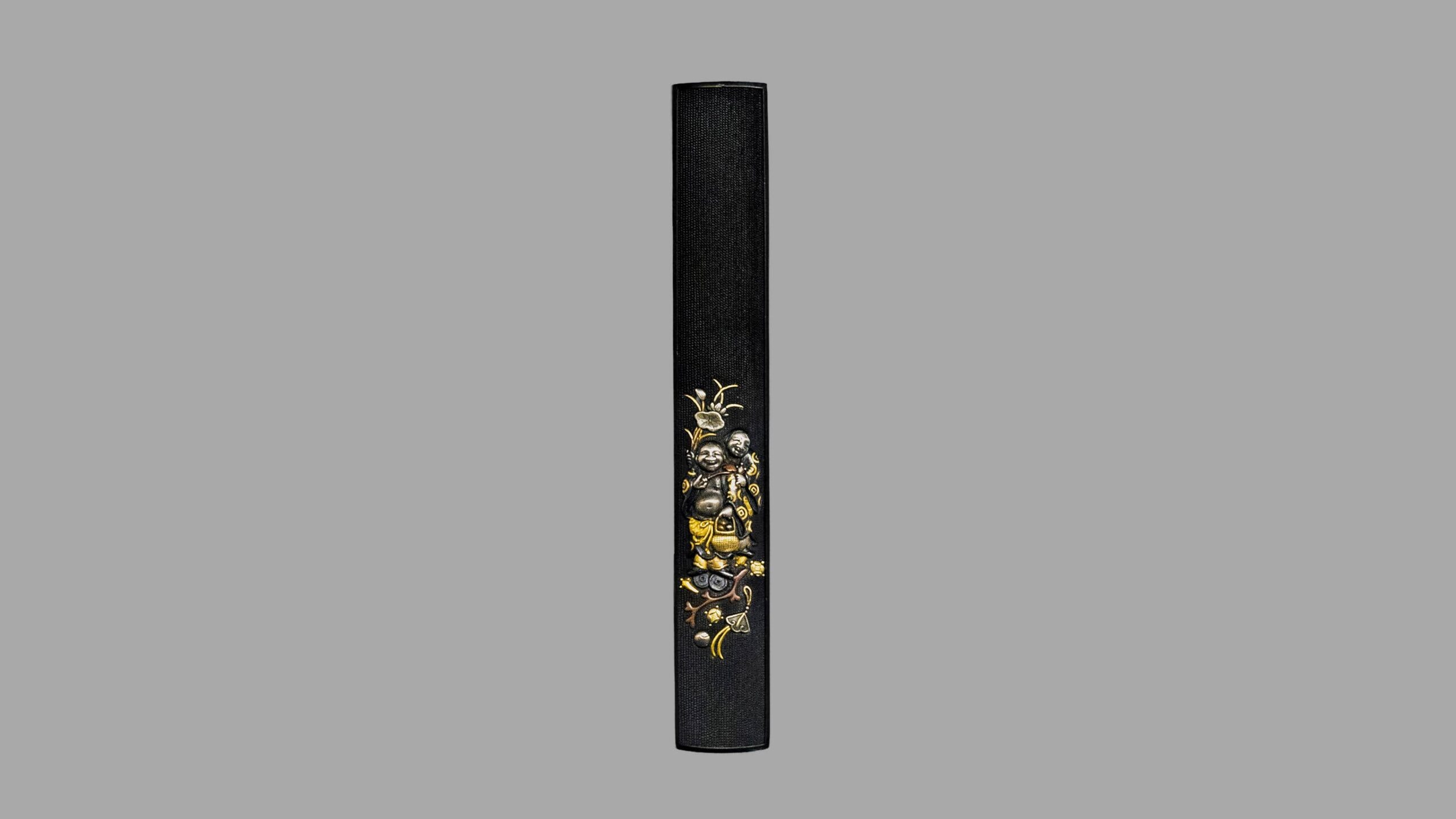
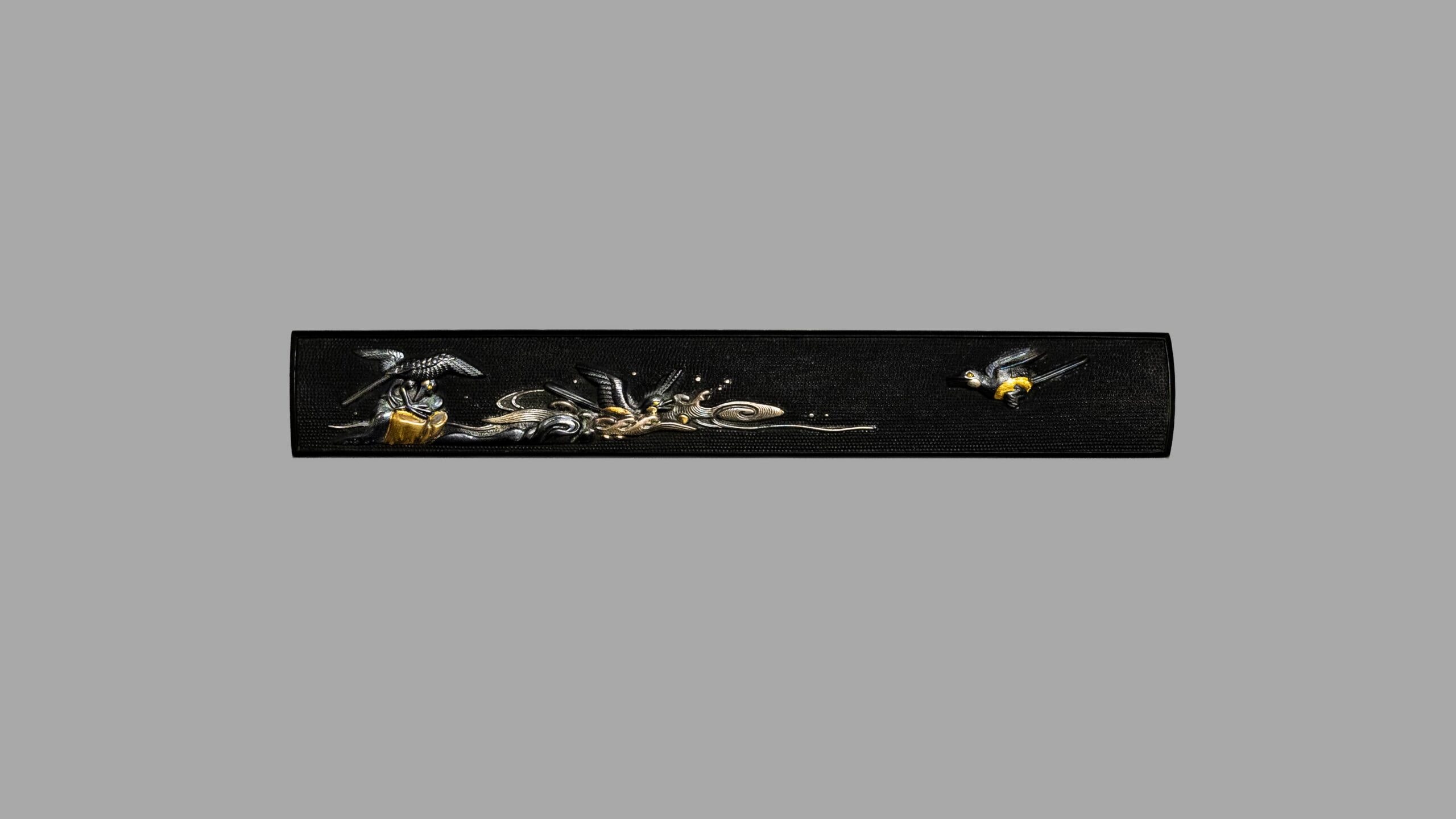
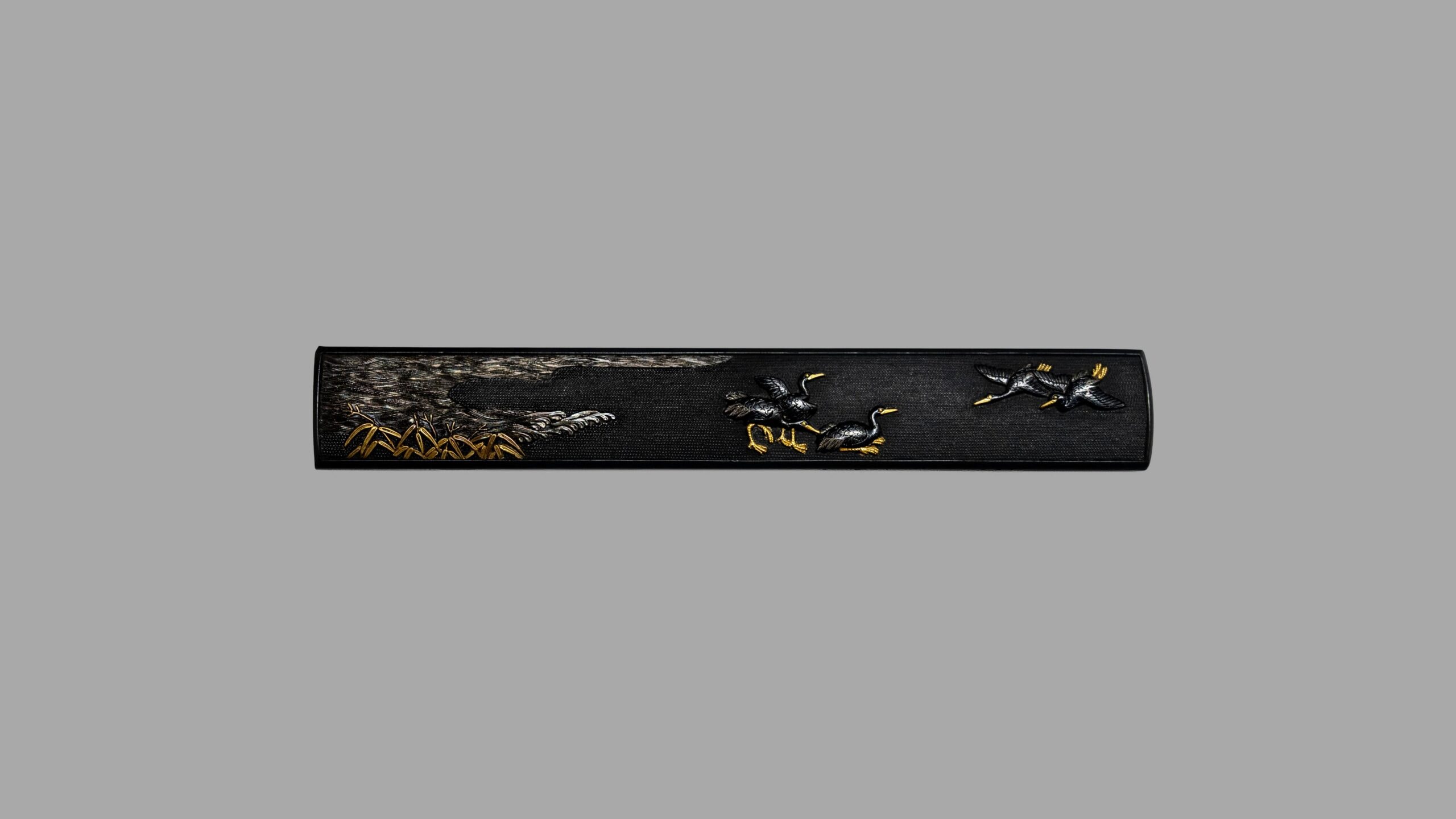
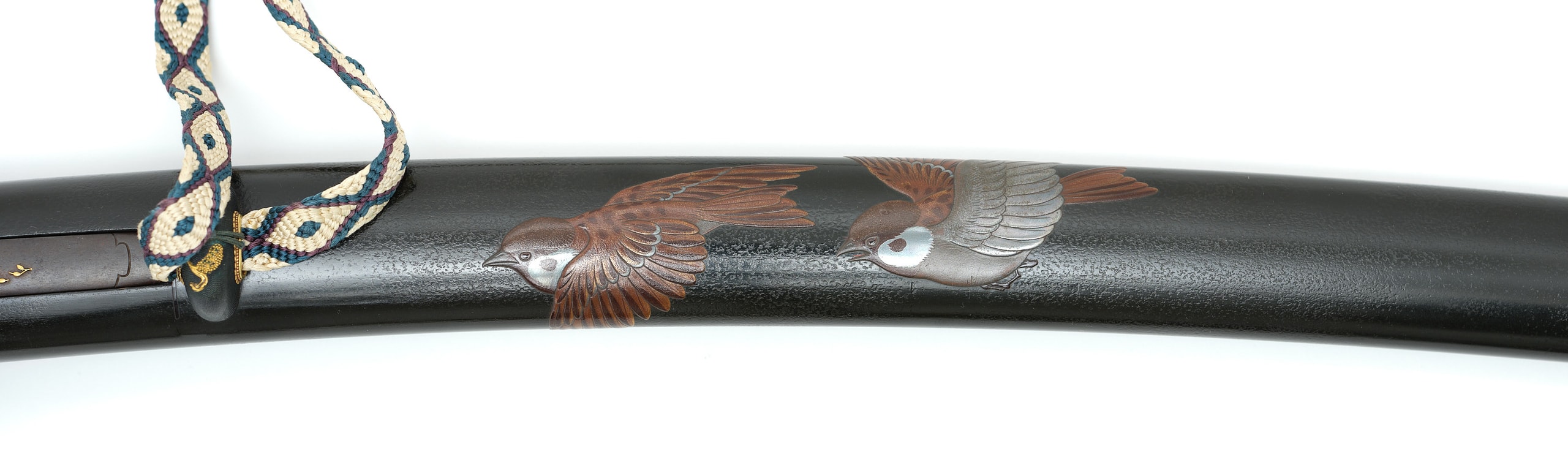
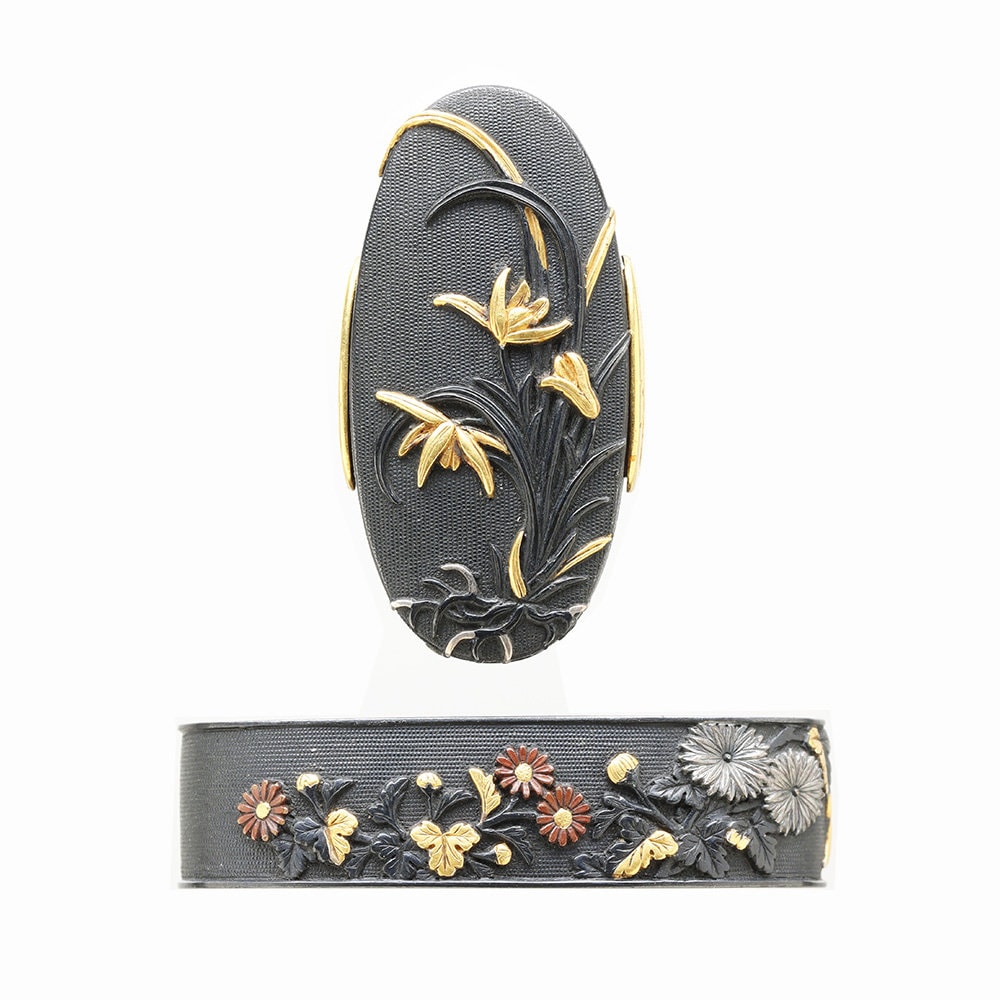
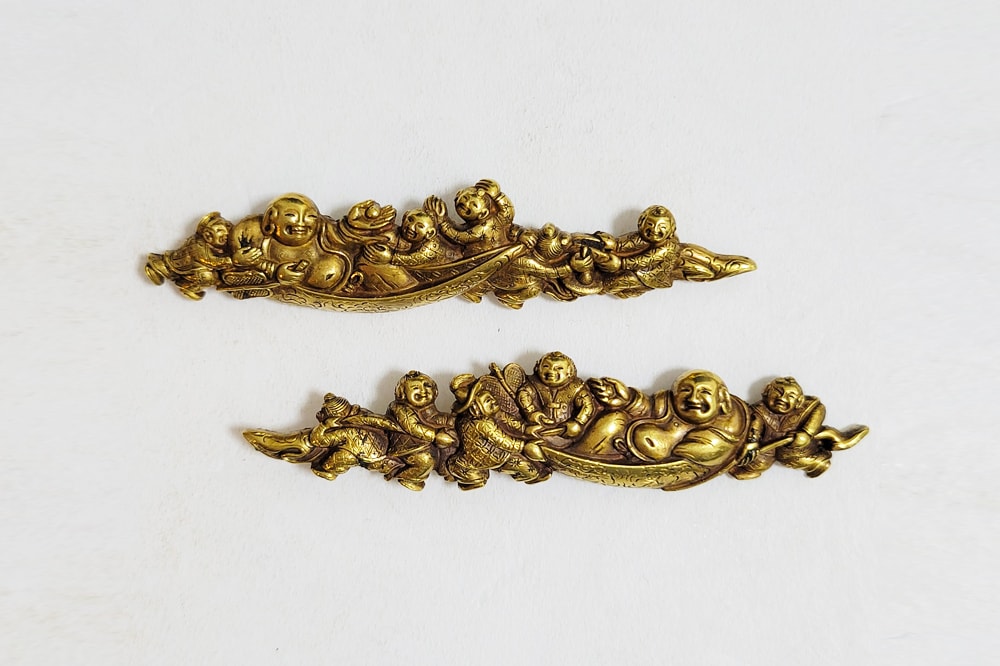
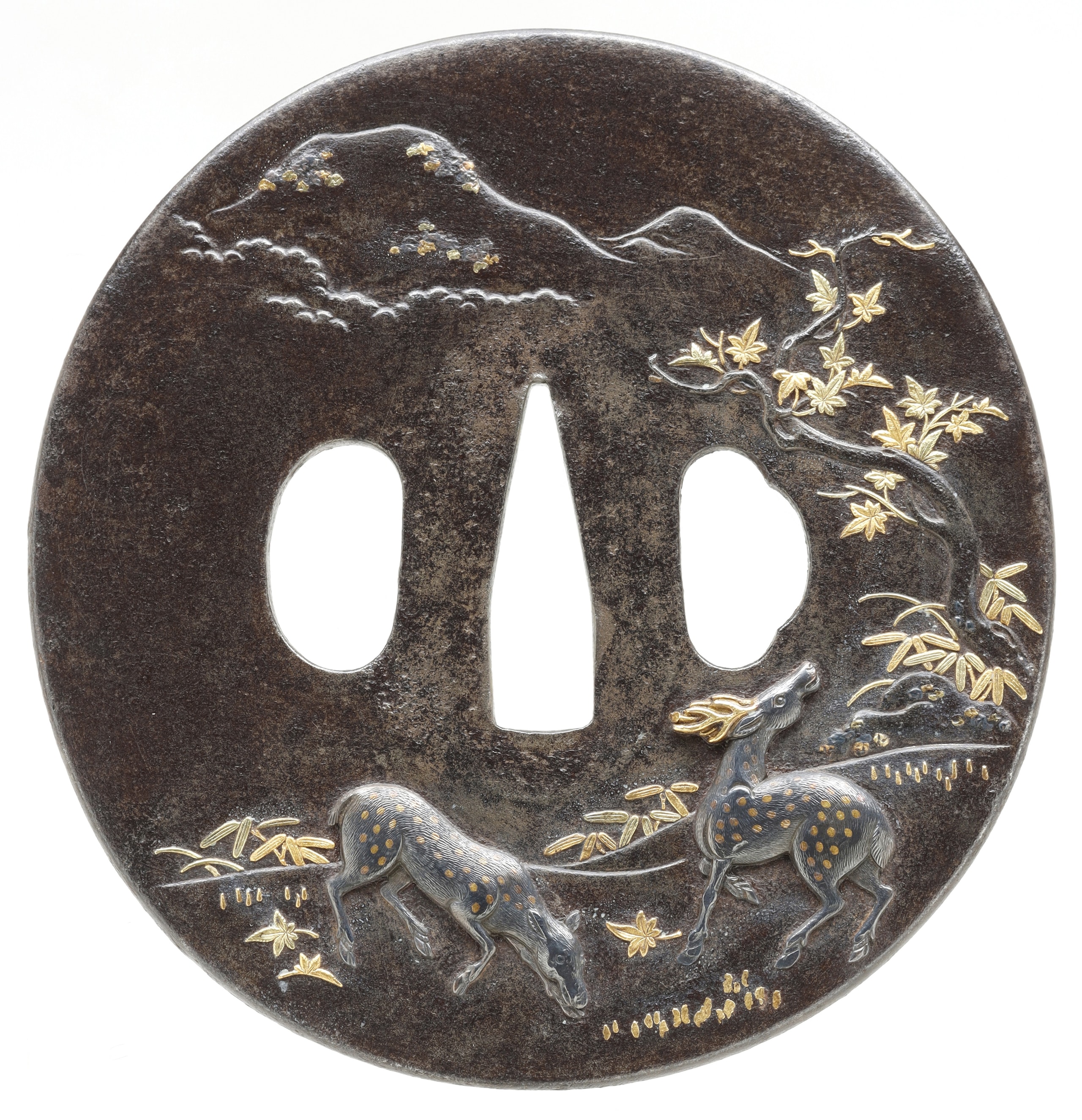
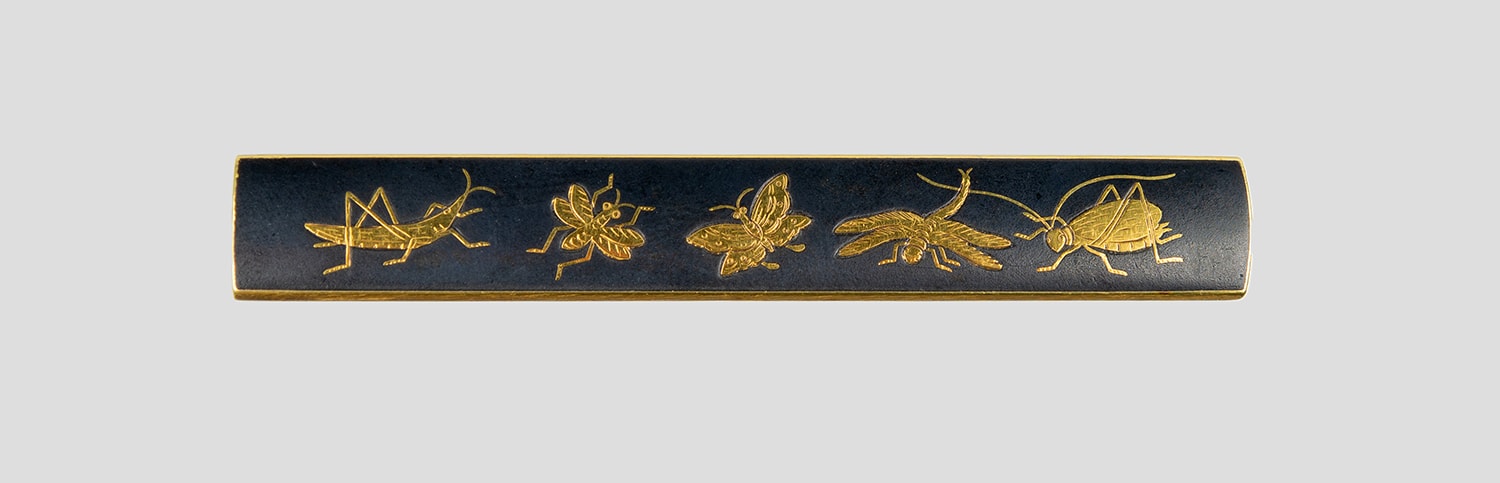
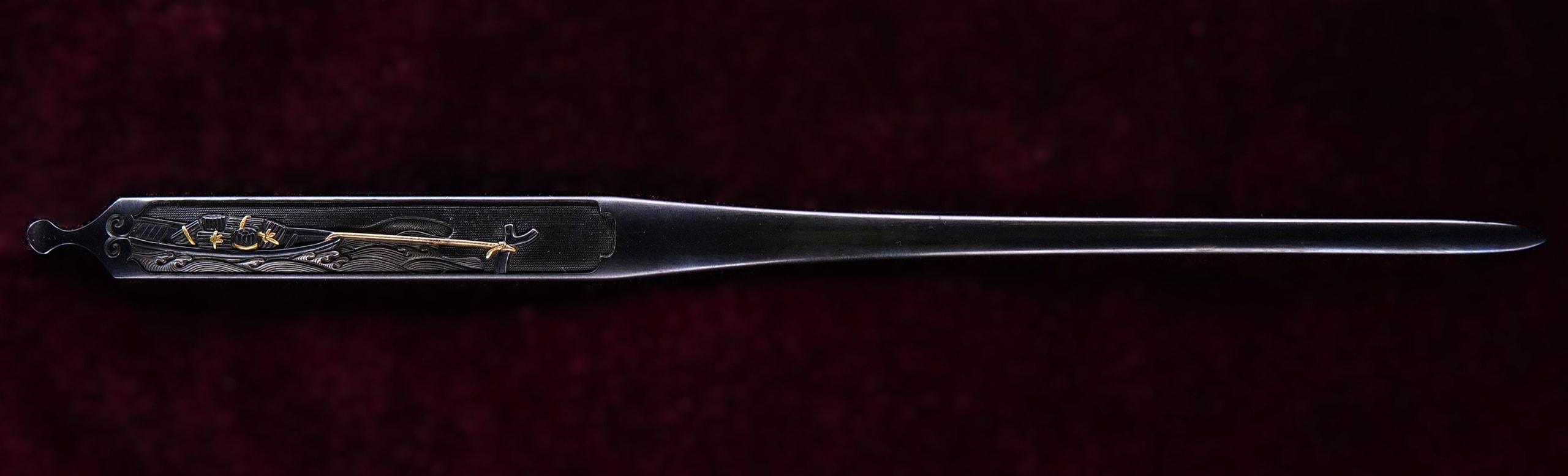
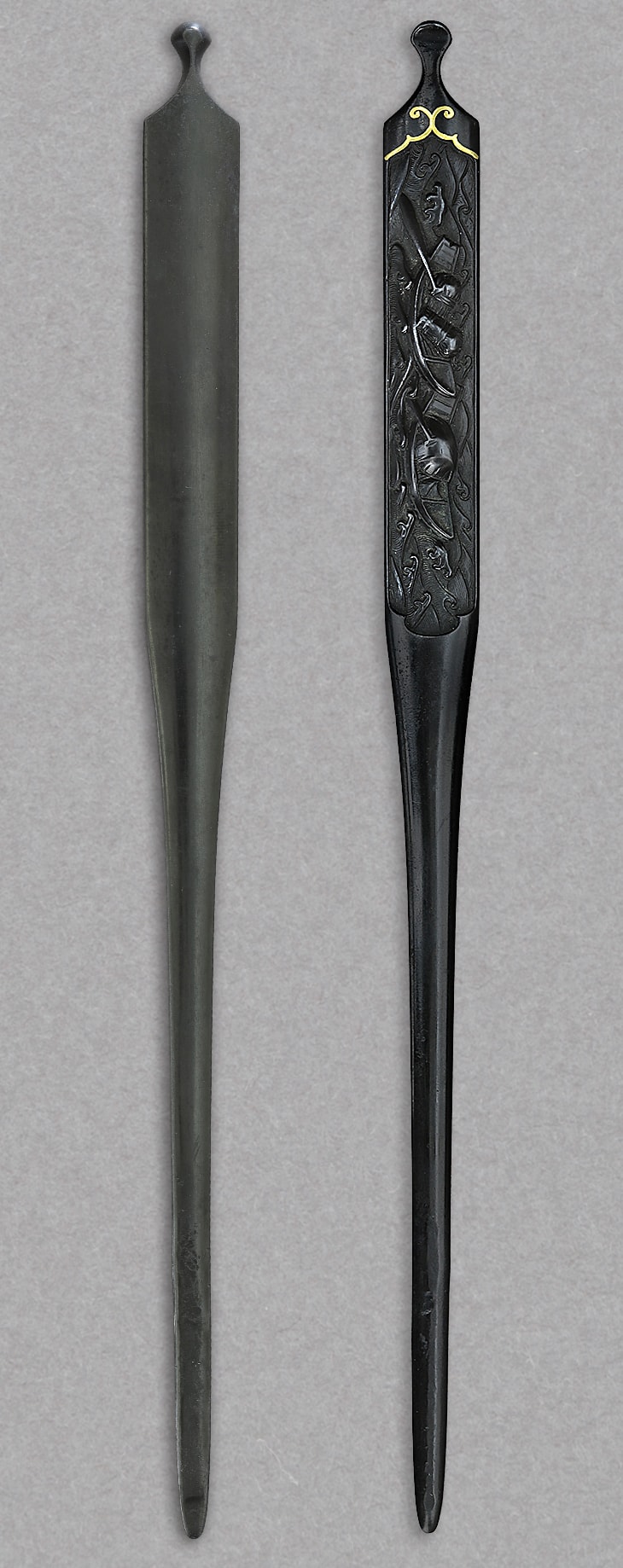
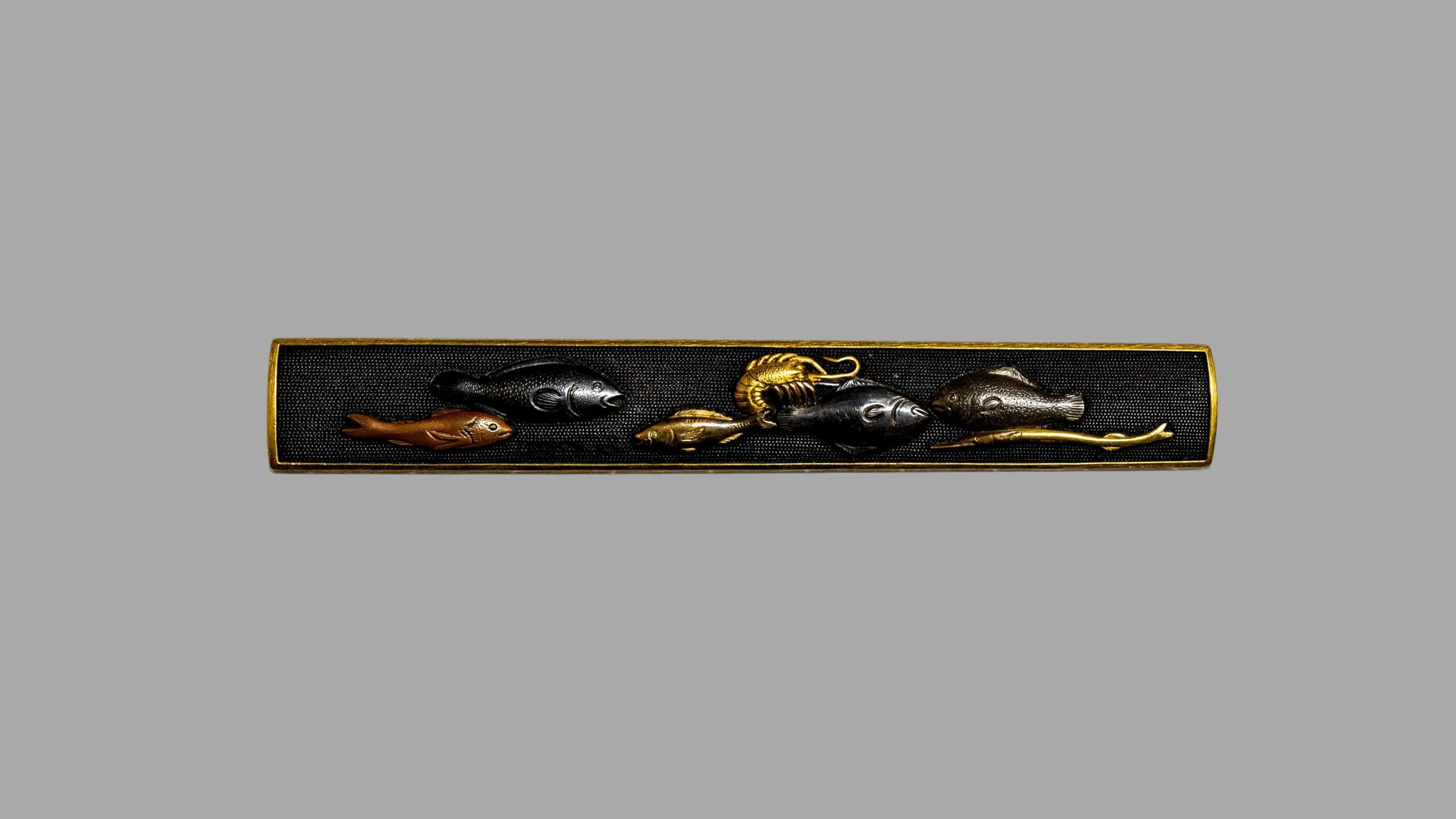
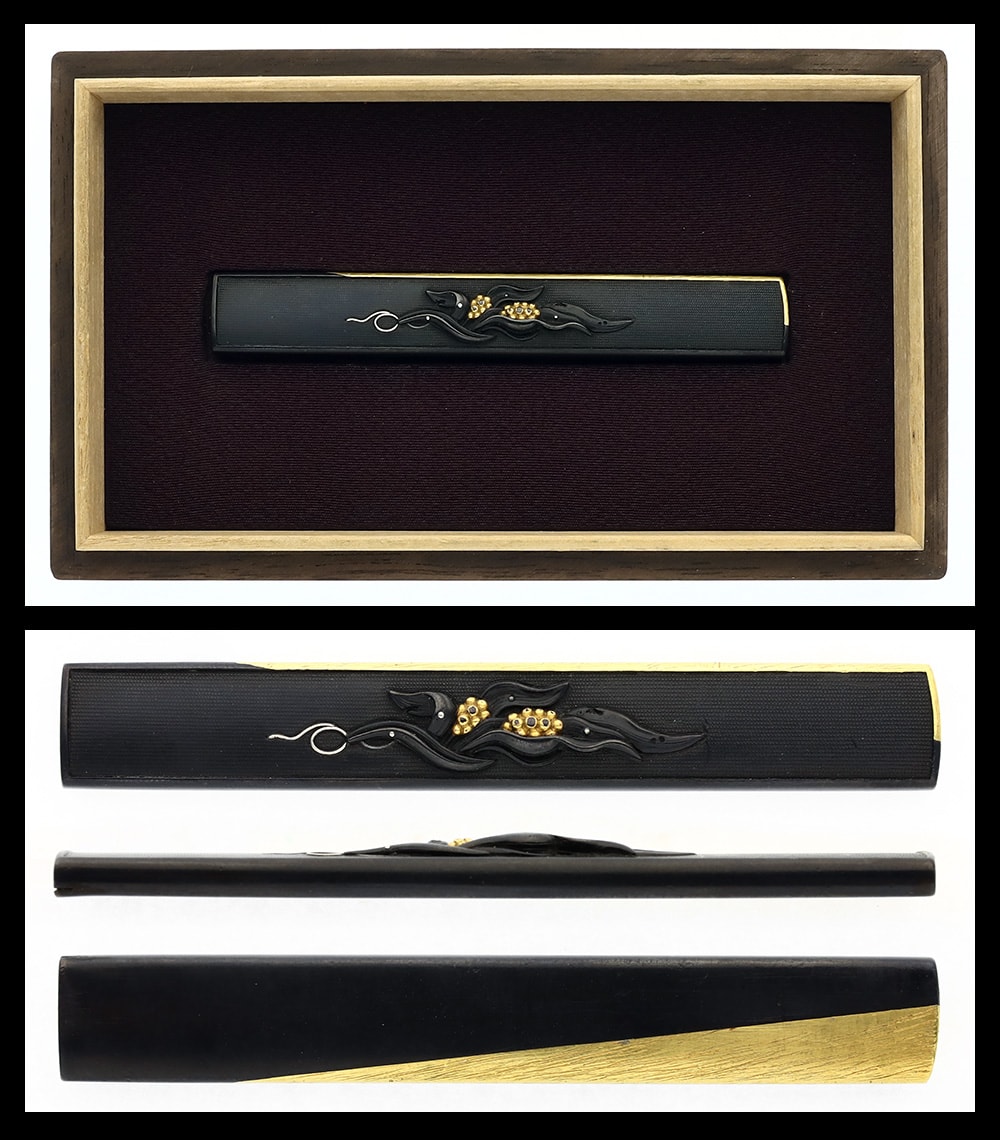
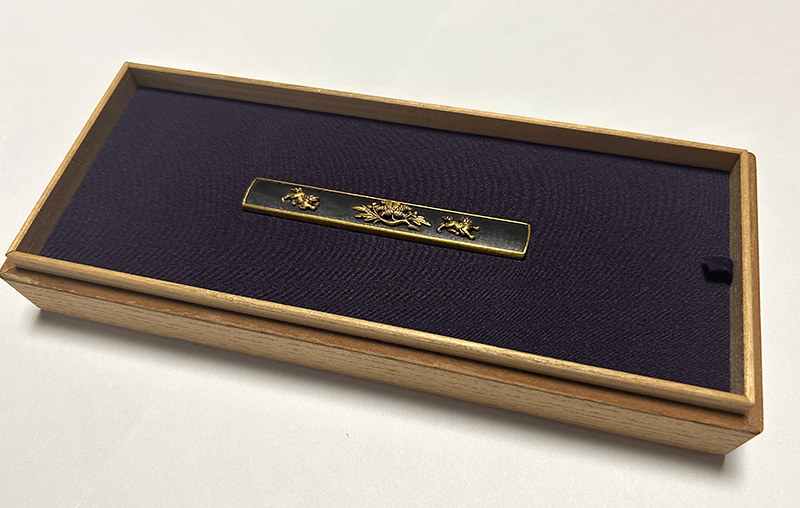
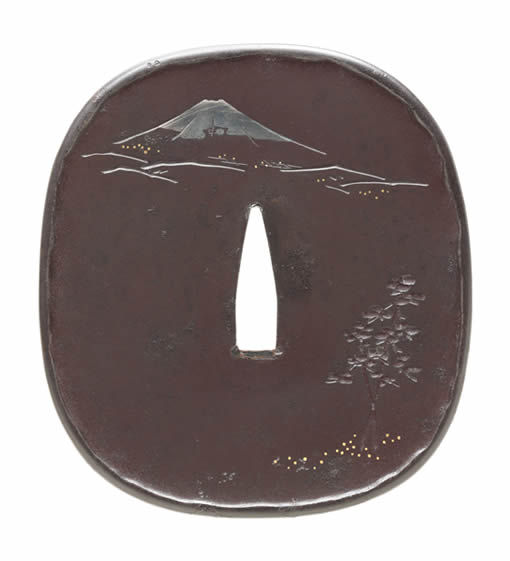
Koran's work is distinguished by carving of exceptional precision and refined polychrome effect. His preferred ground is orderly, evenly laid in , against which figures and landscapes are rendered in with gold and silver , achieving what the describes as distribution of gold and silver that is "well judged and visually striking." While his manner is akin to that of his brother Ichijo, it is consistently finished with an even more delicate and nuanced sensibility. His handling of negative space is particularly skillful, and subtle variations introduced across matched sets — such as slight changes in the placement of motifs — create nuanced movement within unified compositions. Throughout his oeuvre, from figural subjects to landscape themes such as Kasugano and the Tatsuta River, the carving conveys a consistently high level of completion.

Such meticulous, detailed workmanship is recognized as Koran's particular forte. By employing numerous for the , his pieces achieve an especially effective polychrome result of richly sumptuous character. Rare signed works bearing the Hisanori name constitute important documentary material, while the breadth of his production — encompassing , mitsudomogu, and — demonstrates full command of the Goto house tradition. His oeuvre may be said to fully demonstrate his carving technique, possessing a consistently high nobility of tone that places him among the most accomplished later masters of the Shichiroemon branch.

Kantei

3 descriptive axes: material (the orthodox Goto shakudo-nanako grounds) x technique (takabori and katachibori with gold and silver iro-e) x themes (the auspicious flower, bird and figural subjects of the house). The corpus is very thin (4 pieces); with the house style as foundation, the honest separators are only his rare Kyujo signature and his Ichijo-comparand minuteness, both stated as work-linked and low in number.

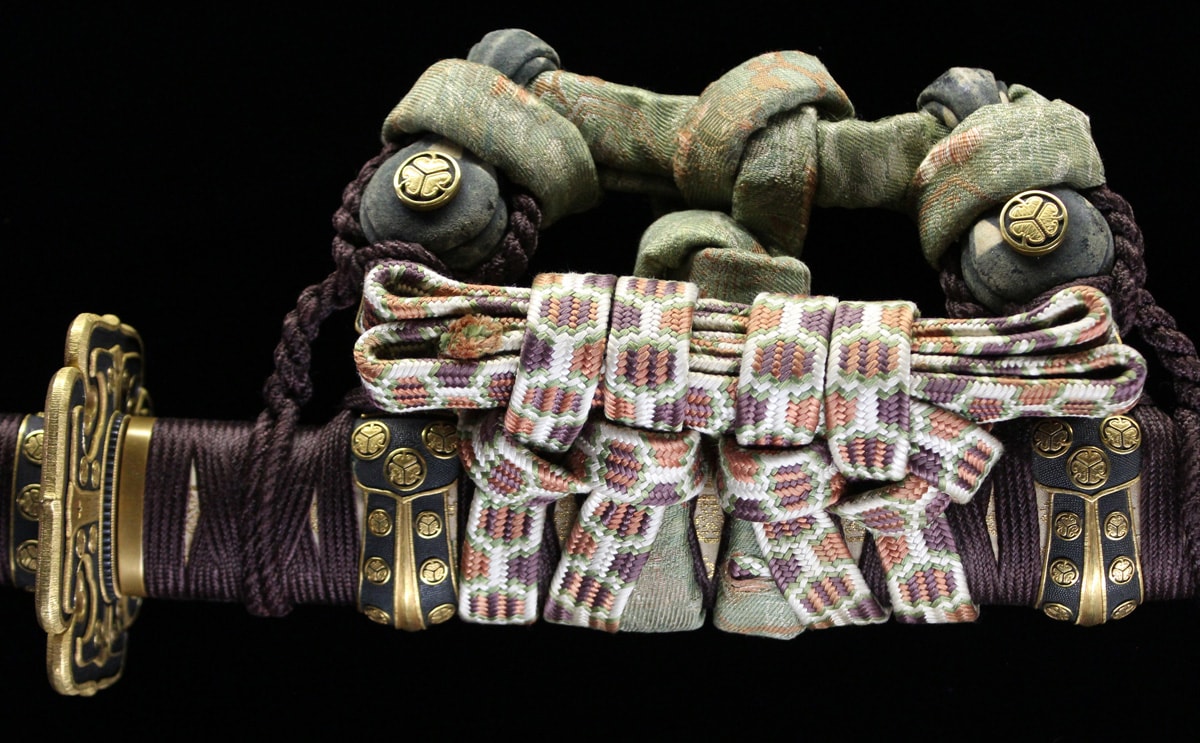
Goto Koran (1806-1868), also signing the rare alternate name Kyujo, is the younger brother of the great Goto Ichijo and the fifth head of the Shichirobei cadet branch of the Goto. He works the orthodox house idiom, worked in with gold and silver iro-e, the often solid gold in . The records repeatedly place his hand close to his brother Ichijo and then say it goes finer still, a minute, delicate detail-work that is his forte. His distinguishing marks within so close a house style are few and honestly scoped: the scarce Kyujo signature that the records note is the man, and the even-finer minuteness set beside Ichijo as the comparand. He was raised to the honorary rank of Hokkyo; his son Kohei, renamed Konori, became Tenjo, the seventeenth and last head of the main Goto house.

Diagnostic discriminators

on one three-piece set the kogai is signed Goto Hokyo Kyujo and the menuki split a Goto Kyujo wari-mei, and the setsumei state Kyujo is the same person as Koran and call the Kyujo signature scarce and unusual; it is the alternate name that secures an attribution to him, securely signed in only one piece of the four

the records repeatedly say his manner resembles Ichijo yet is finished still finer and more delicate, and that such minute fine-work is his forte; the comparand is Ichijo himself, named in the setsumei as the baseline against which Koran is rated finer (a close-house tell, not a wholly separate style)

Material

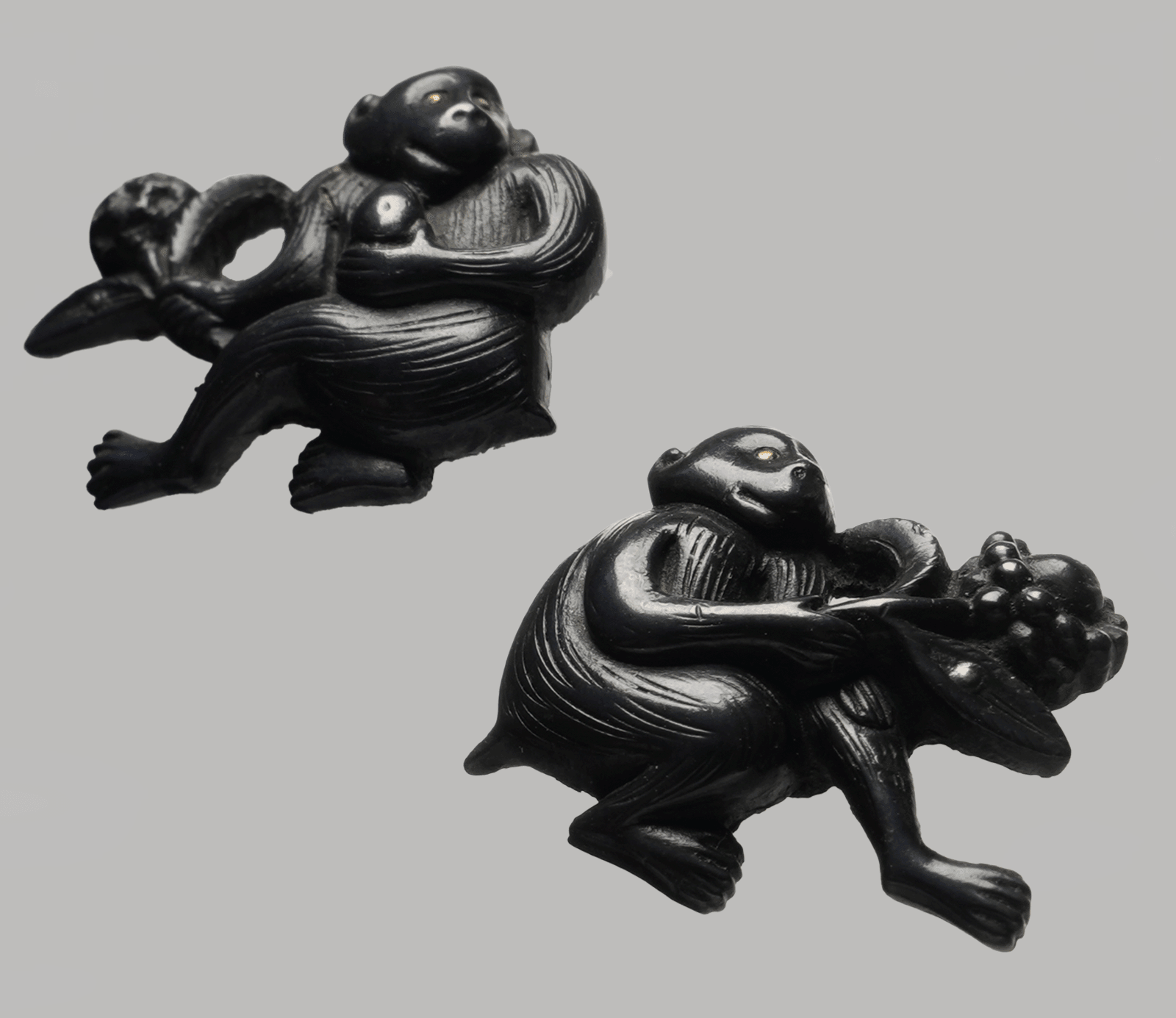
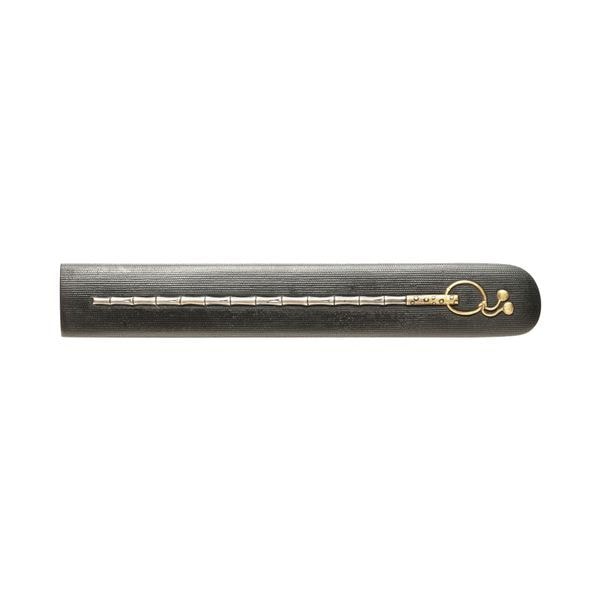
His constant ground is worked in fine , the orthodox Goto field shared with the whole house; the are often solid gold () and plain . On one fittings set he reaches a little beyond the house palette to and for the ground, and a lacquered leather plate (, black-lacquered) with takes the place of metal on one rare piece.

赤銅地

Technique

relief with gold and silver iro-e carries the bulk of the work, the in solid-gold , the reverse finished with fill-gold. Applied inlay (, and placed-gold iro-e) accents the colour-metal play. The hand is the house hand, refined to a minute, delicate finish.

Themes

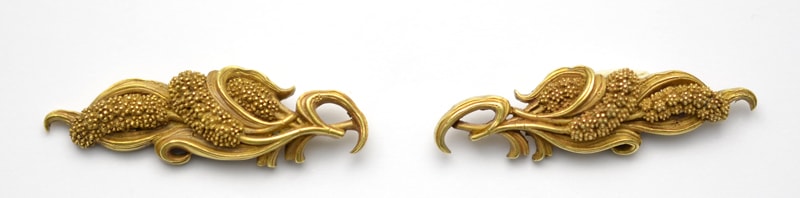
The auspicious and seasonal subjects of the house, carried with elegance: the famous Nara landscape of Kasugano, the cherry-and-maple beauty spots of Yoshino and the Tatsuta river, plovers among reeds, flowers with a phoenix, and a hidden-design (rusu-moyo) suggesting Daikokuten through millet and a rat. The corpus is too small to model registers; these are the documented subjects of his few surviving sets.

Auspicious and seasonal house subjectsless firmly established

Landscape (Kasugano), cherry and maple of Yoshino-Tatsuta, reed-plovers, flower-and-phoenix and a Daikokuten rusu-moyo, all elegantly composed across , , and sets.

Full iconography

Signature chronology

Placement
Recorded signatures

Documentary note

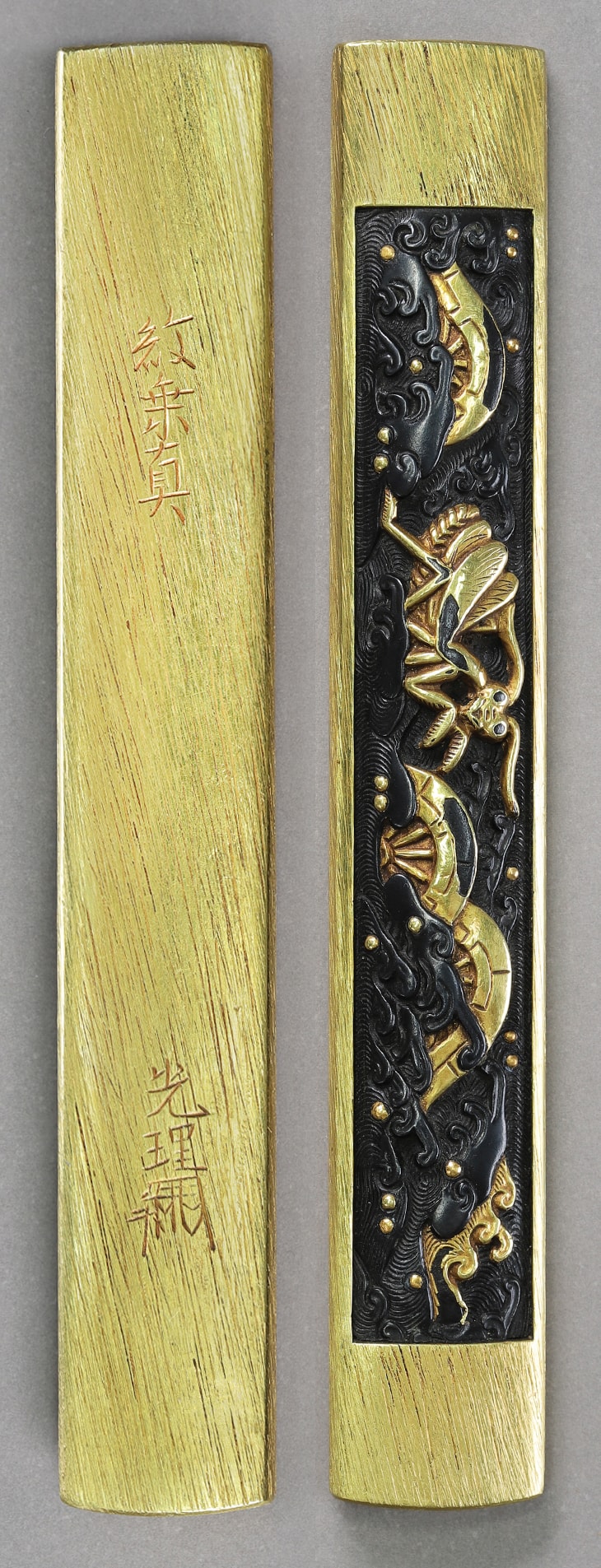
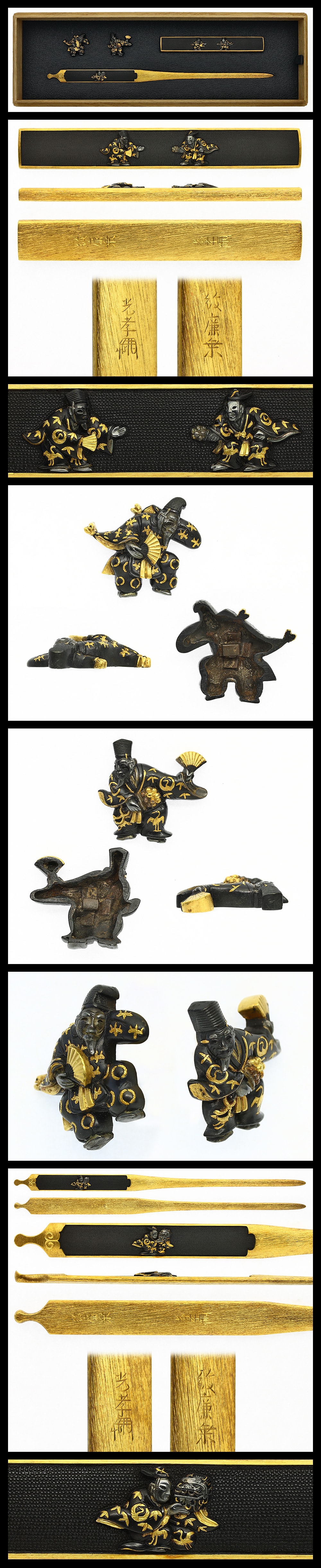
Koran signs his art-name Goto Koran with a throughout, and on a minority of works the scarce alternate name Goto Kyujo, prefixed by the Hokkyo rank as Goto Hokyo Kyujo on a ; the state plainly that Kyujo is the person. On the three-piece sets the carry a split (Goto Koran or Goto Kyujo). The corpus is only four pieces, all ; given how closely his hand follows Ichijo, the secure separator is the signature itself, the Koran or the rare Kyujo .

Scholarship

His three-piece set bearing the scarce Kyujo signature is held a valuable document precisely because the Kyujo mei is rare, the setsumei recording that Kyujo and Koran are one man.

Designations

Kokuhō—
Jūyō Bunkazai—
Jūyō Bijutsuhin—
Gyobutsu—
Tokubetsu Jūyō—
Jūyō Tōken4

Elite Standing

0.02 across 4 designated works

Top 32% among makers

Work Types

Distribution across 4 ranked works

Other
375%
Mitokoromono
125%

Signatures

Signature types across 4 ranked works

Currently Available

Lineage

Koran
Students (2)
  1. 1.Goto Ichijo後藤一乗6 for sale90designated
  2. 2.Goto Tenjo後藤典乗1 for sale2designated

Ichijo School

Other artisans of the Ichijo school

  1. 1.Goto Ichijo後藤一乗6 for sale90designated
  2. 2.Tomei東明5 for sale31designated
  3. 3.Nagatake永武13designated
  4. 4.Ikkin一琴1 for sale11designated
  5. 5.Issho一匠8designated
  6. 6.Isshin一真1 for sale7designated
  7. 7.Yoshiteru義照2 for sale4designated
  8. 8.Hashimoto Isshi II一至2designated
  9. 9.Yoshinaga吉長1 for sale1designated
  10. 10.Wada Isshin Masatatsu和田一真政竜1designated
  11. 11.Ikken一拳1designated
  12. 12.Ichiju一寿2 for sale1designated

Koran

Koran(光覧) was a maker of Japanese sword fittings (tōsōgu) of the Ichijo school in Yamashiro province, active during the late Edo (1806–1868) period.

The work follows the Iebori tradition.

Designated works by Koran include 4 Jūyō.