 NihontoWatchNihontoWatch
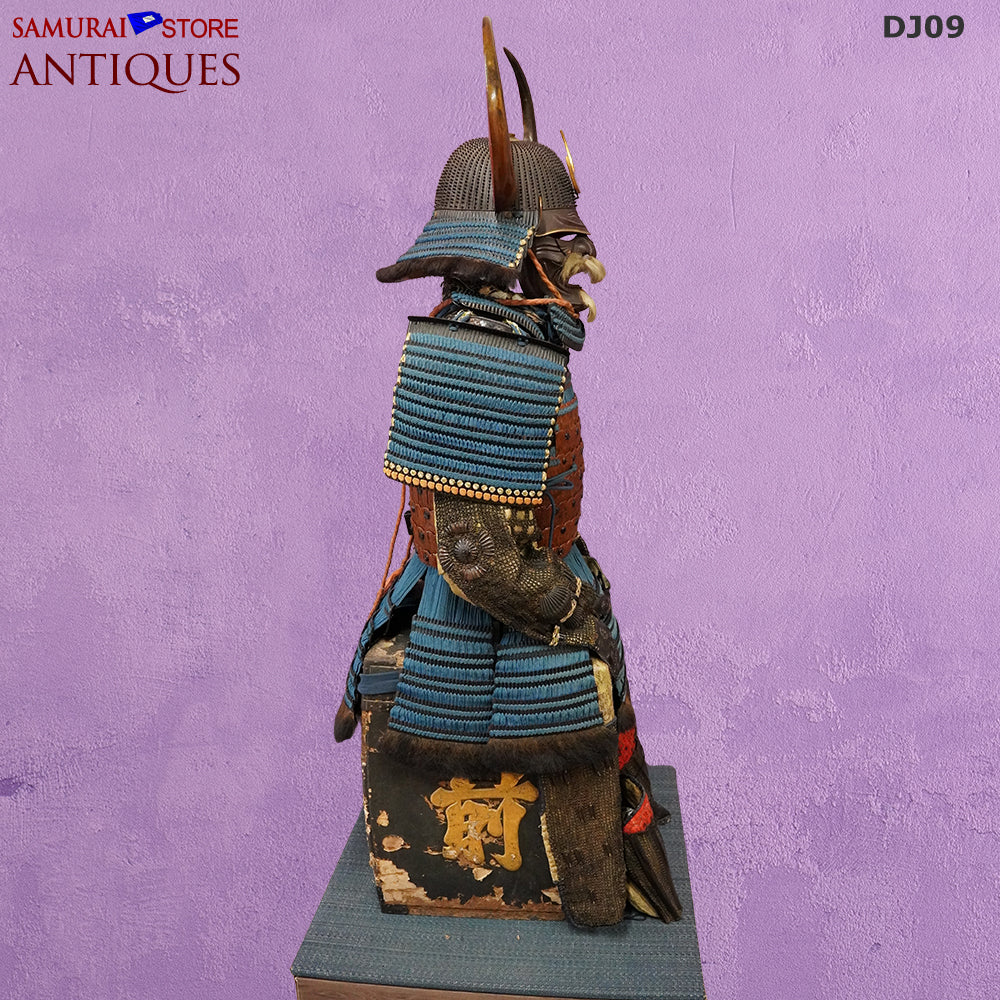
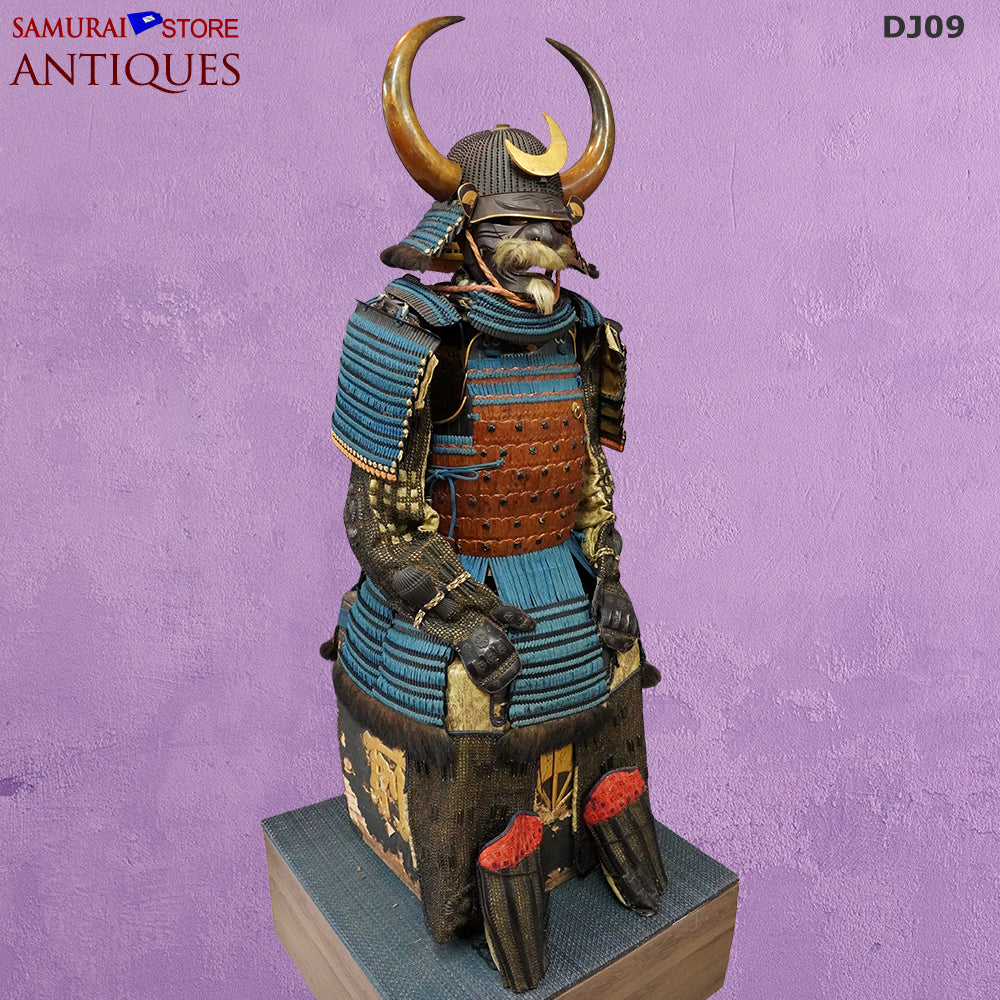
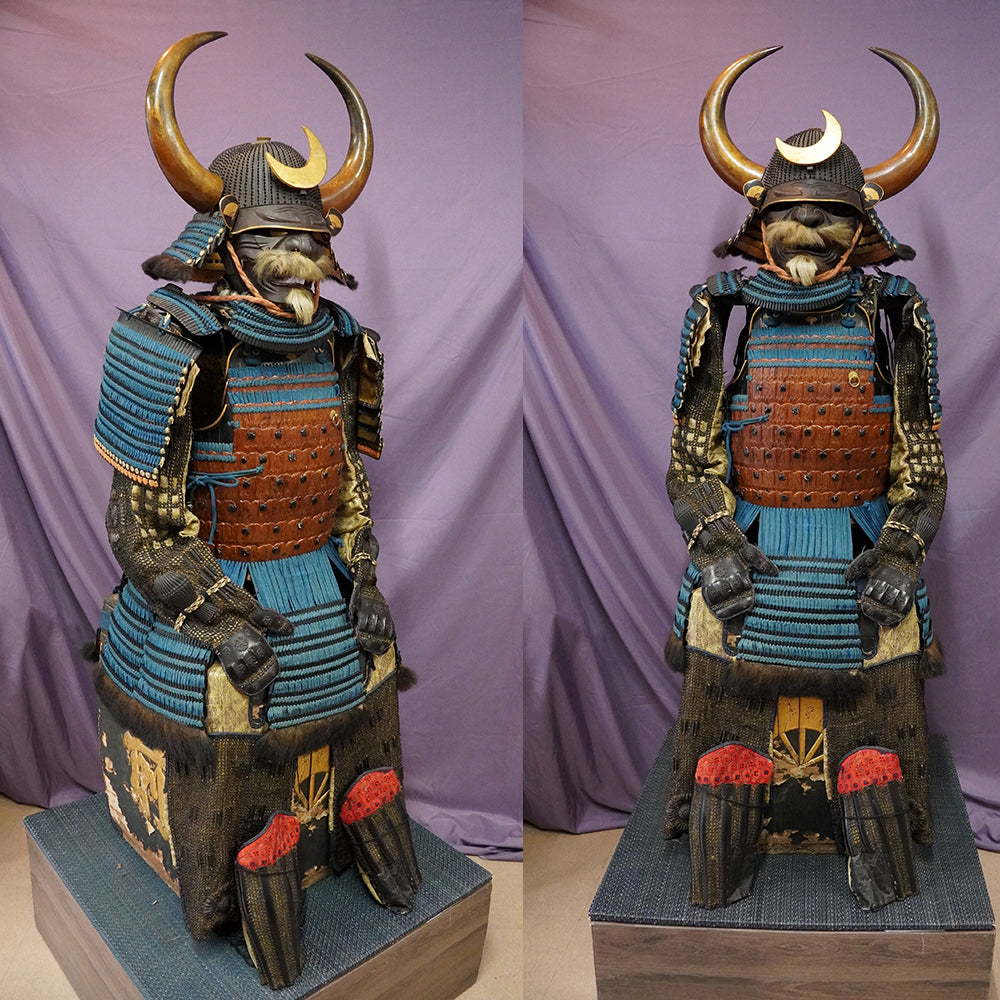
Tetsu Kuriiro Shiwagawa-zutsumi Iyozane Hishinui Nimai-dō Gusoku 鉄栗色皺革包伊予札菱縫二枚胴具足 Certified Kōshu Tokubetsu Kichō Shiryō (甲種特別貴重資料) The Second-Highest Certification Awarded by the Japanese Armor Research & Preservation Society This authentic samurai armor dates to the early Edo period and was newly certified in July 2026 as Kōshu Tokubetsu Kichō Shiryō paper by the Association for the Research and Preservation of Japanese Helmets and Armor (Nihon Katchū Bugu Kenkyū Hozon Kai). At the time of certification, the armor was formally recorded under the descriptive name “Tetsu Kuriiro Shiwagawa-zutsumi Iyozane Hishinui Nimai-dō Gusoku”, referring to its iron construction, chestnut-brown wrinkled leather covering, Iyo-style lames, hishinui lacing, and two-piece cuirass. Provenance According to the provenance accompanying the armor, it had been carefully preserved in the family of descendants of a Karō (senior retainer) who served the main Mōri family of the Hagi Domain. The Mōri ruled the Hagi Domain in present-day Yamaguchi Prefecture throughout the Edo period. While the identity of the original owner of this armor has not been established, its long preservation within a family associated with a senior Mōri retainer forms an important part of its recorded history. The 62-Plate Iron Suji-kabuto One of the most notable features of this armor is its exceptionally elaborate iron 62-plate suji-kabuto The helmet bowl is constructed from 62 individual iron plates, with the ridges between the plates deliberately emphasized to create the characteristic suji appearance. A helmet of this construction required considerably more detailed workmanship than a simpler bowl assembled from fewer plates. The large horn-like wakidate and crescent-shaped maedate give the helmet a particularly commanding silhouette, while the refined construction of the bowl itself demonstrates the technical sophistication of traditional Japanese armor making. A Certified Early Edo Armor with Provenance What makes this armor especially noteworthy is the combination of its early Edo-period attribution, newly issued Kōshu Tokubetsu Kichō Shiryō certification, elaborate 62-plate iron suji-kabuto, and its history of preservation in a family connected with a senior retainer of the Mōri clan. Rather than relying on an undocumented attribution, the armor has been formally examined and classified by specialists in Japanese armor, providing an important foundation for understanding and preserving it as a historical object. For a collector seeking an authentic Edo-period suit of armor with both formal Japanese certification and documented family provenance, this is a particularly interesting example. Please don't hesitate to request additional photos or videos before purchasing this armor. This armor comes with a 2nd highest Certificate of The Association for the Research and Preservation of Japanese Helmets and Armor - Kōshu Tokubetsu Kichō Shiryō Provenance: Traditionally preserved by the descendants of a senior retainer (Karō) of the Mōri family of the Hagi Domain
Offered by Samurai Store
This piece has sold


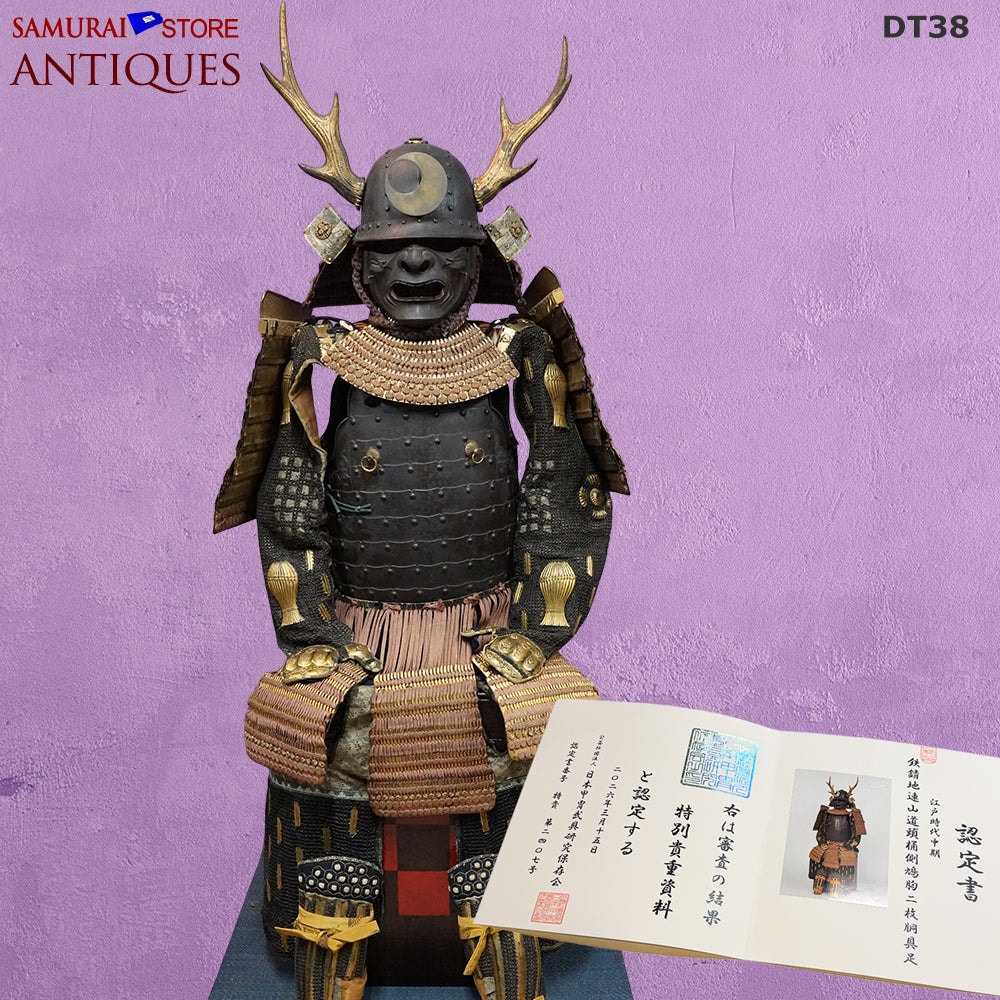
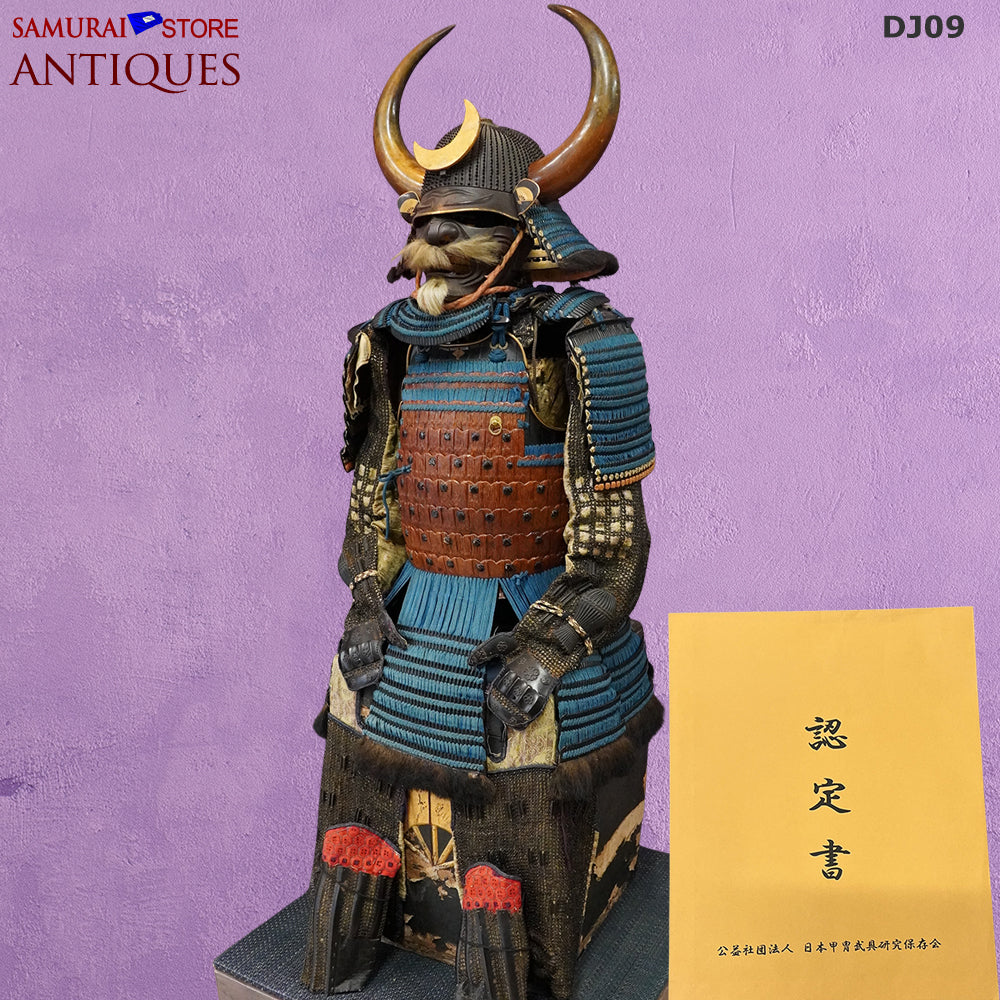
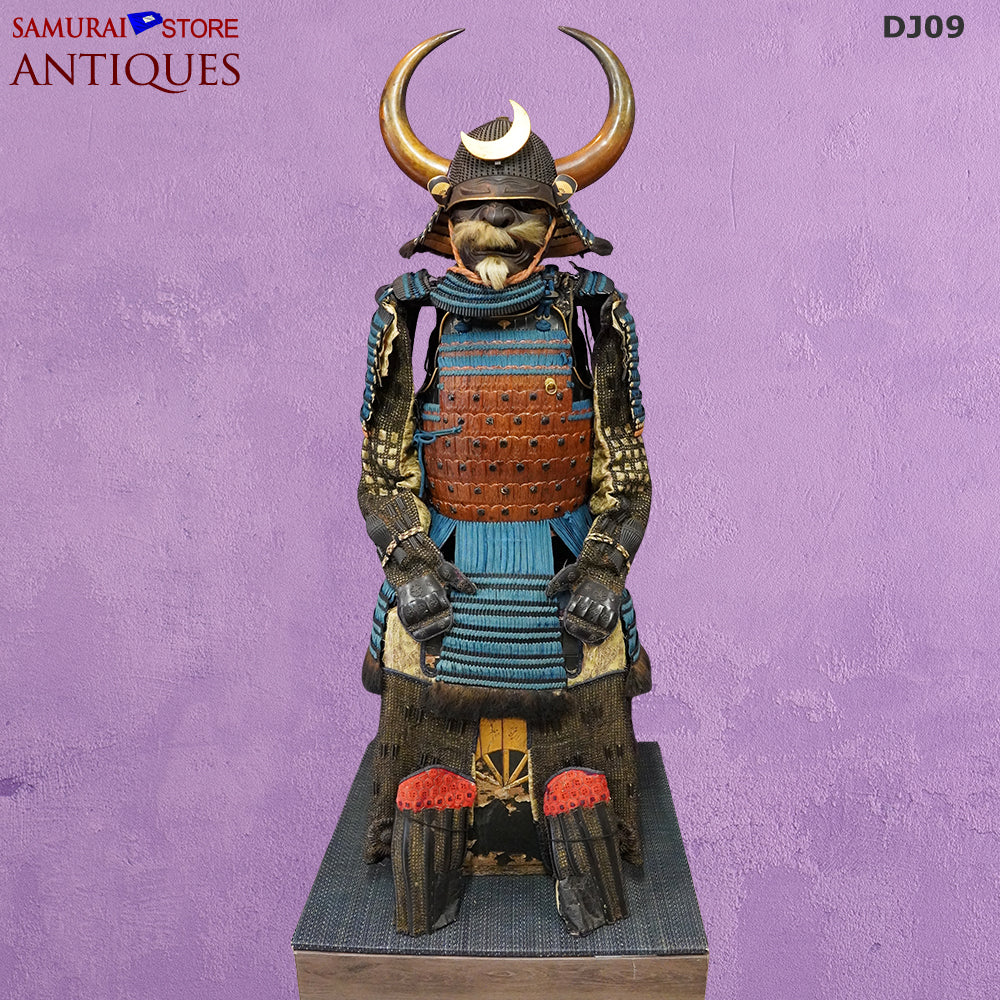
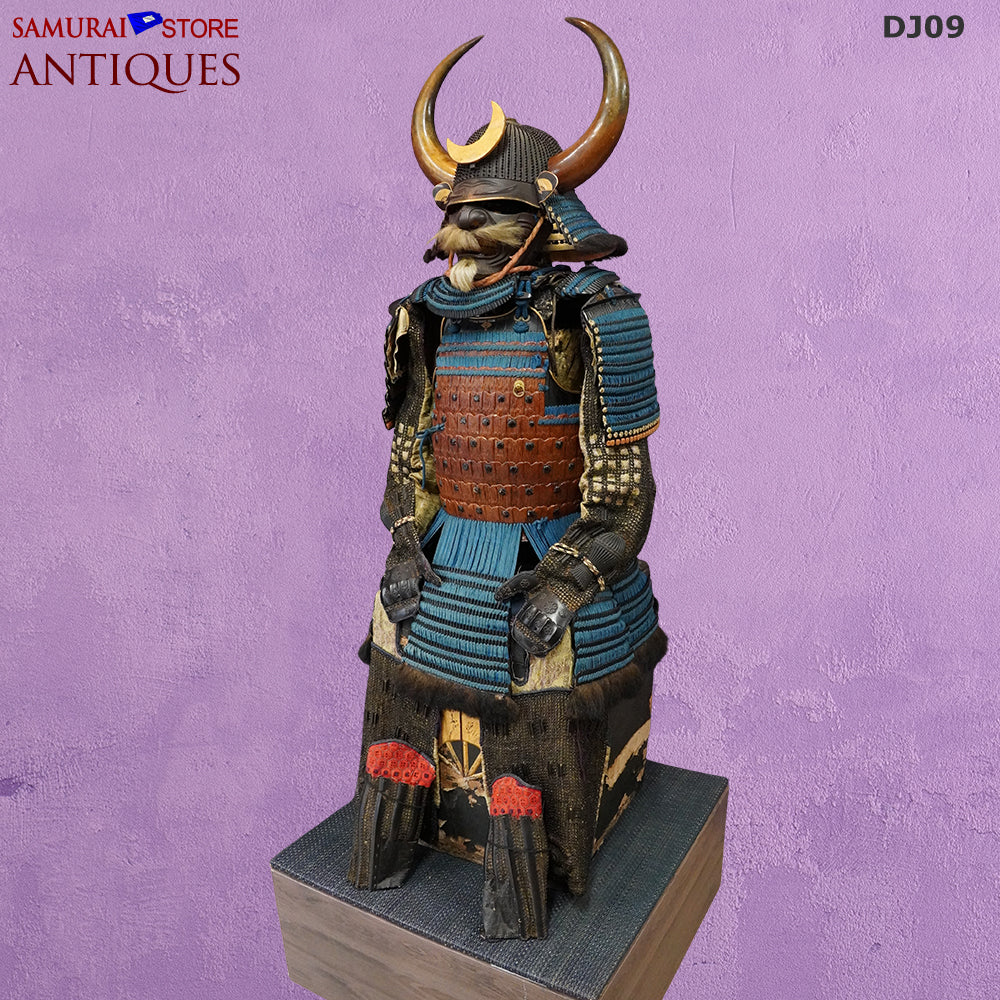
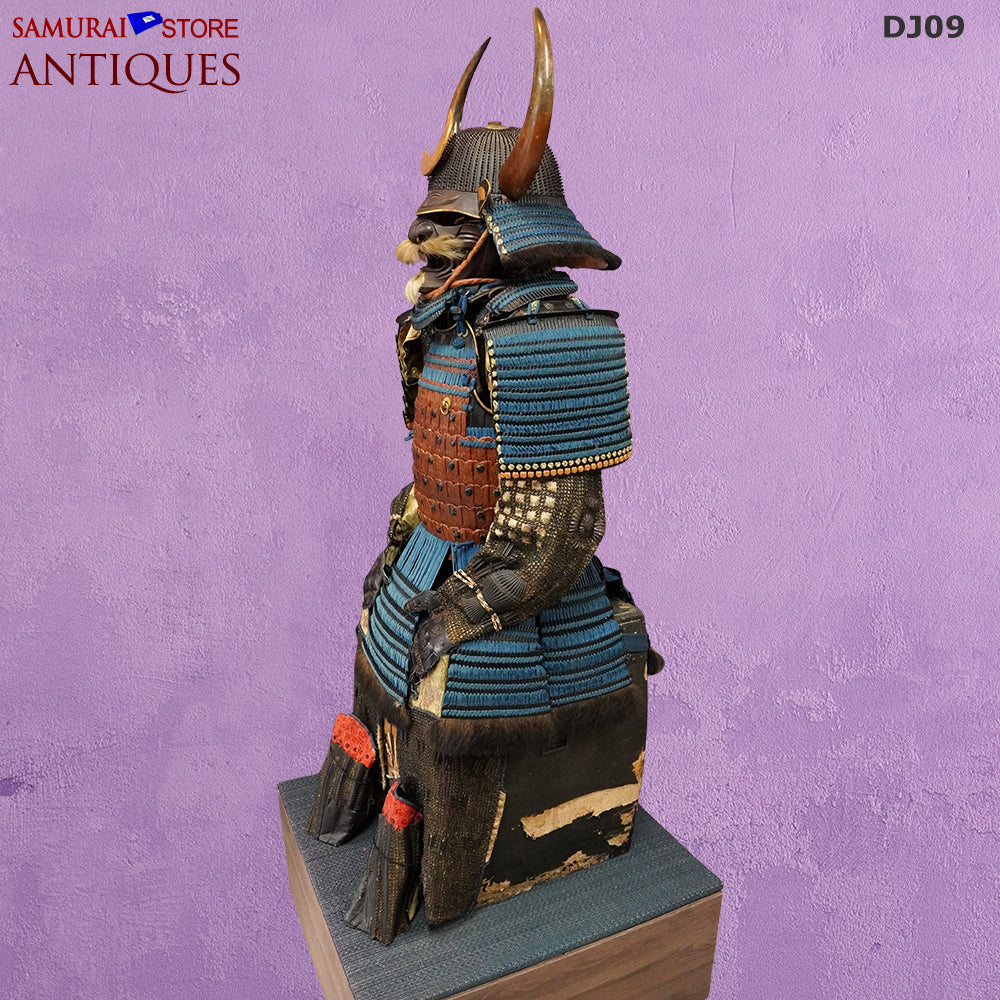
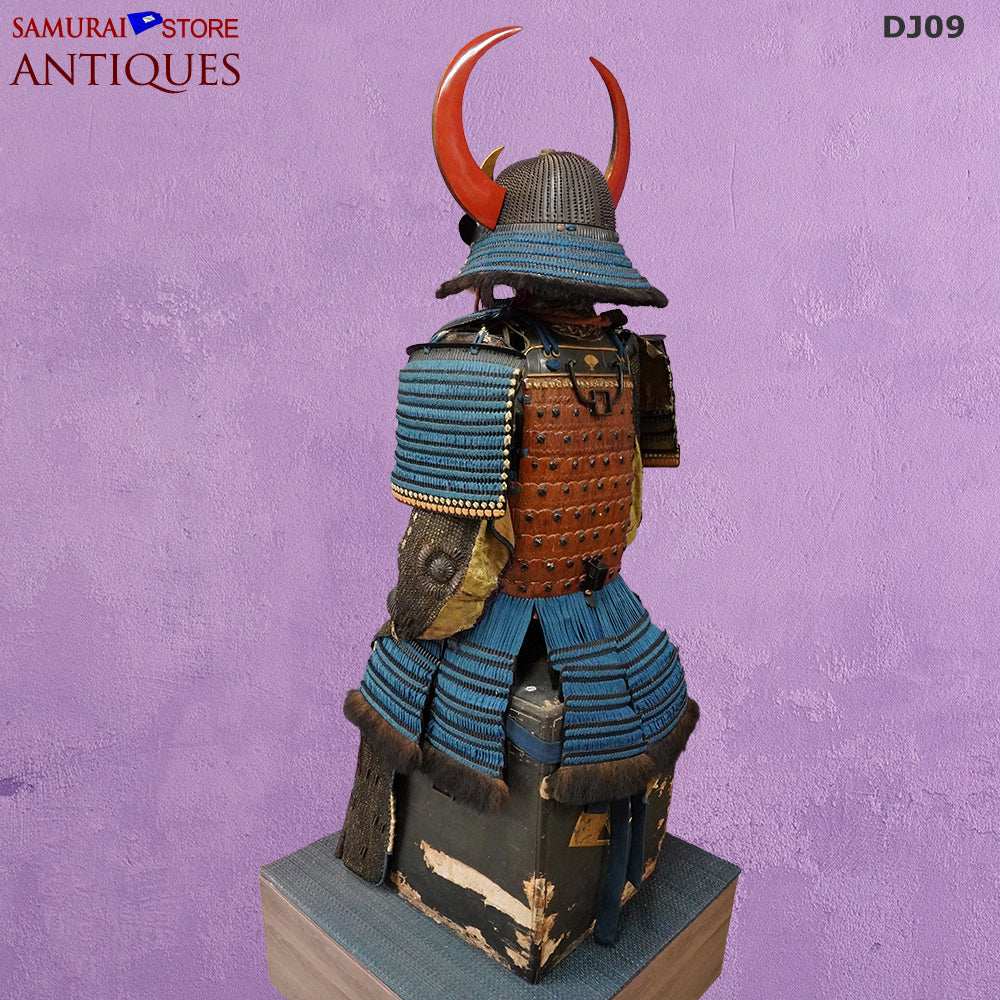
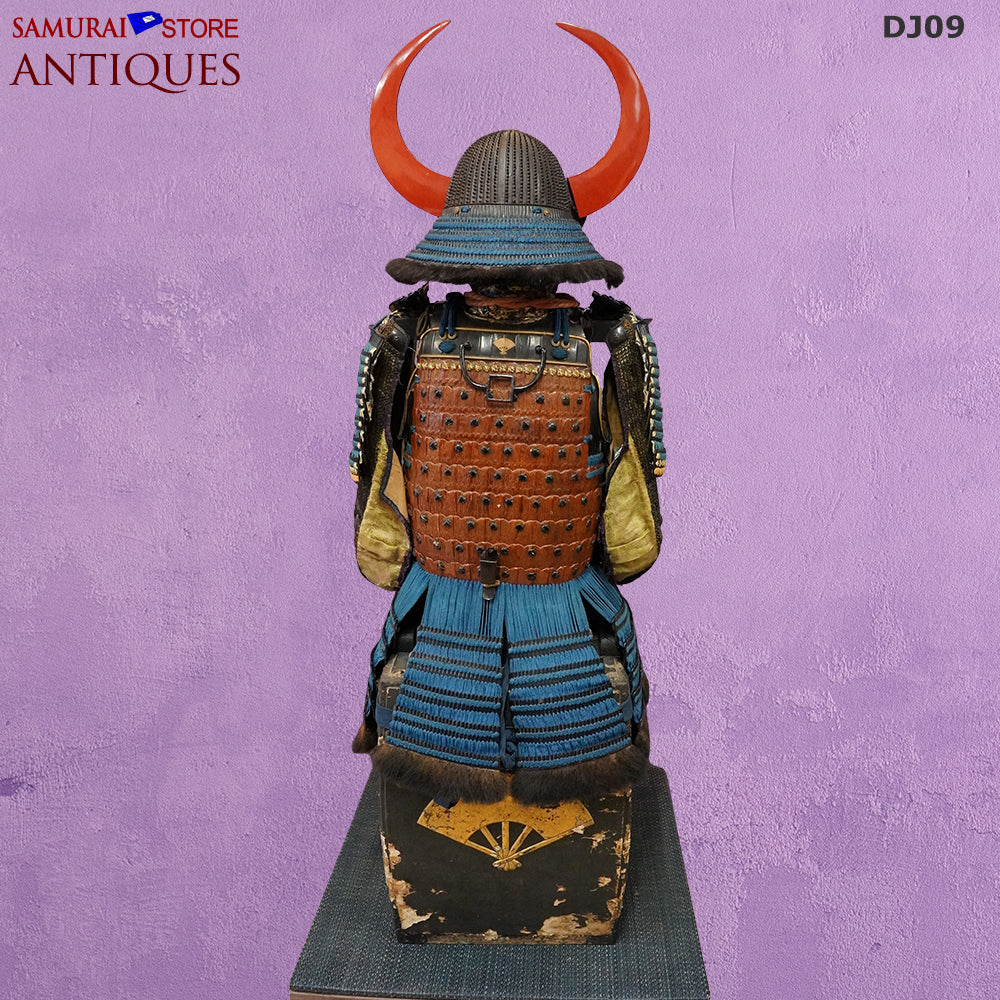
Tosei-gusoku · Nimai-dō
Full gusoku (complete suit)
62-plate · Suji-bachi
Unsigned
Hishinui
Edo
Mōri
Kōshū Tokubetsu Kichō Shiryō · Nihon Katchū Bugu Kenkyū Hozon Kai
The first-class (kō-grade) of the especially-valuable rank and the society’s second-highest grade, reserved for armour of exceptional importance.
Japanese armour is not certified by the NBTHK. The Nihon Katchū Bugu Kenkyū Hozon Kai (the Association for the Research and Preservation of Japanese Helmets and Armour), founded in 1961, is the principal body for armour. Its shinsa grades a piece as 資料 (shiryō, "reference material") across five ascending ranks: Hozon, Kichō, Tokubetsu Kichō, Kōshū Tokubetsu Kichō, and the highest, Jūyō Bunka Shiryō. The 資料 framing reflects the society’s purpose of preserving armour as cultural and historical reference, distinct from the NBTHK’s sword paper tiers.
Returns accepted only for errors/damage: damaged or incorrect items reported by email within 10 calendar days; defective goods within 30 calendar days.