Unification closed the mass market, and Seki’s smiths moved to where the new money was: the Mishina line to Kyōto with court titles, Daidō smiths to castle towns across the provinces. Mino became the great technical ancestor of the Shintō age.
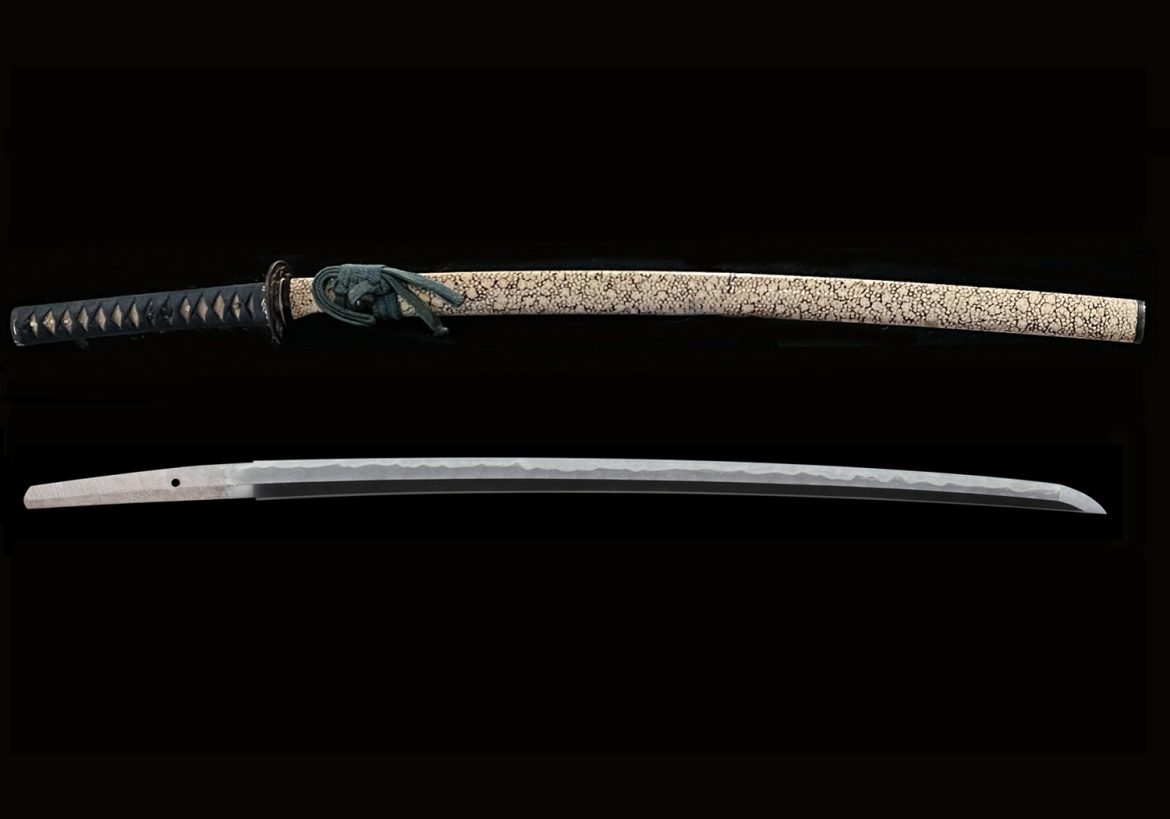
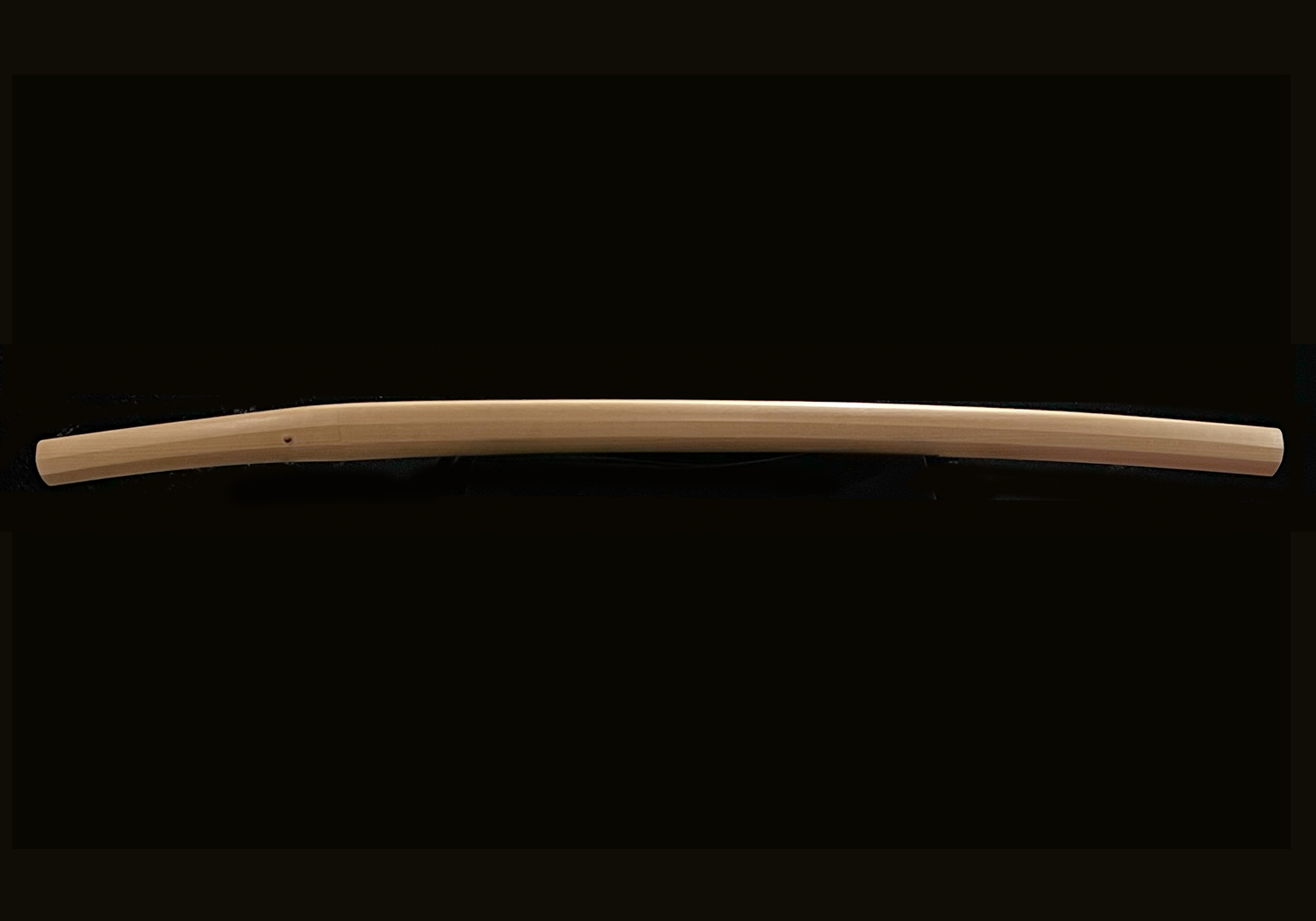
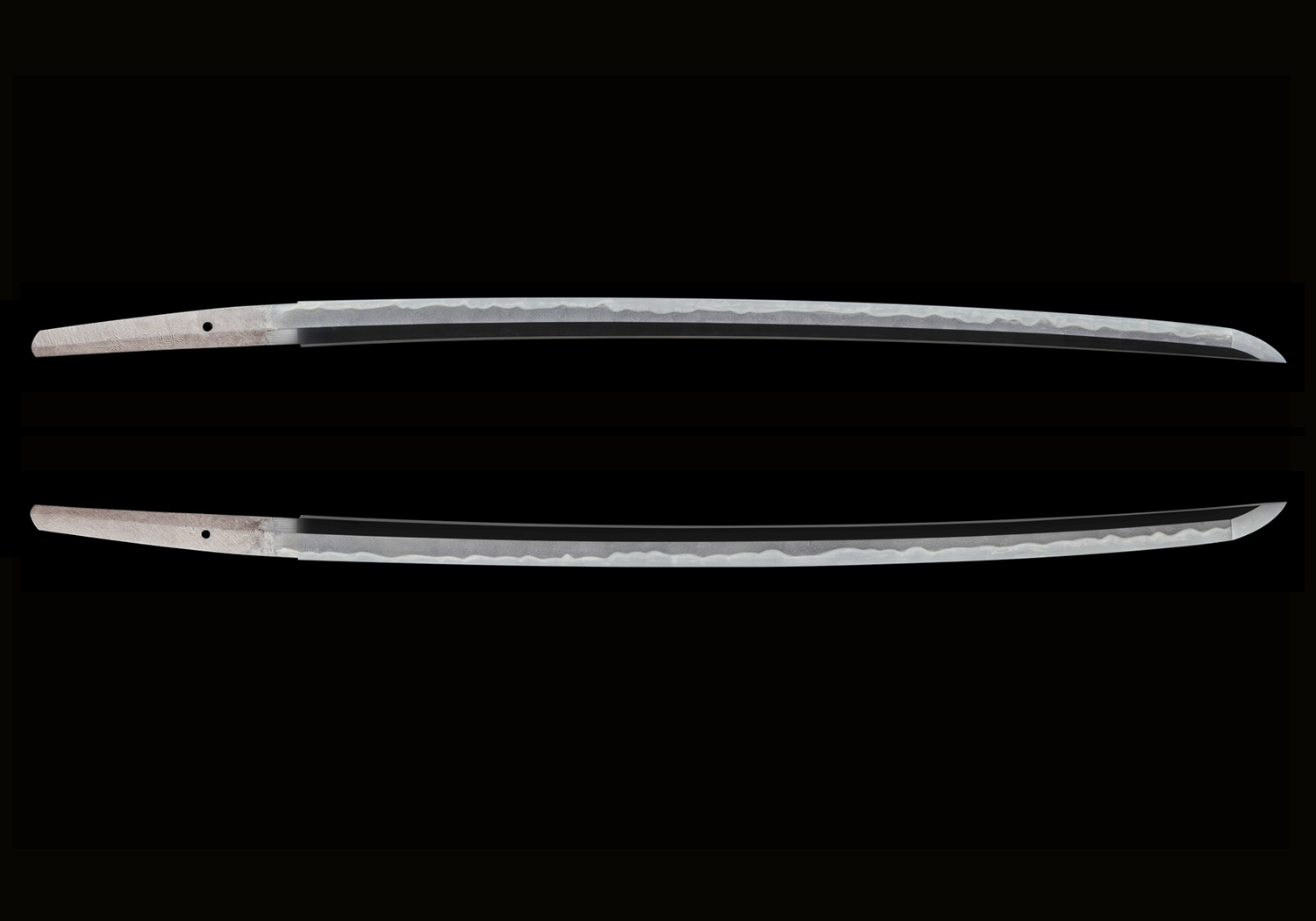
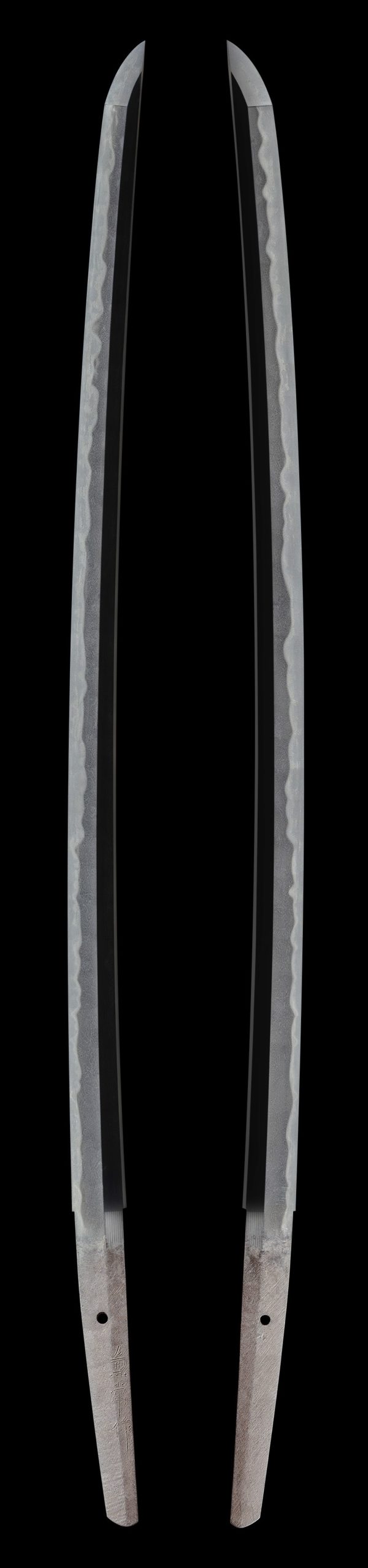
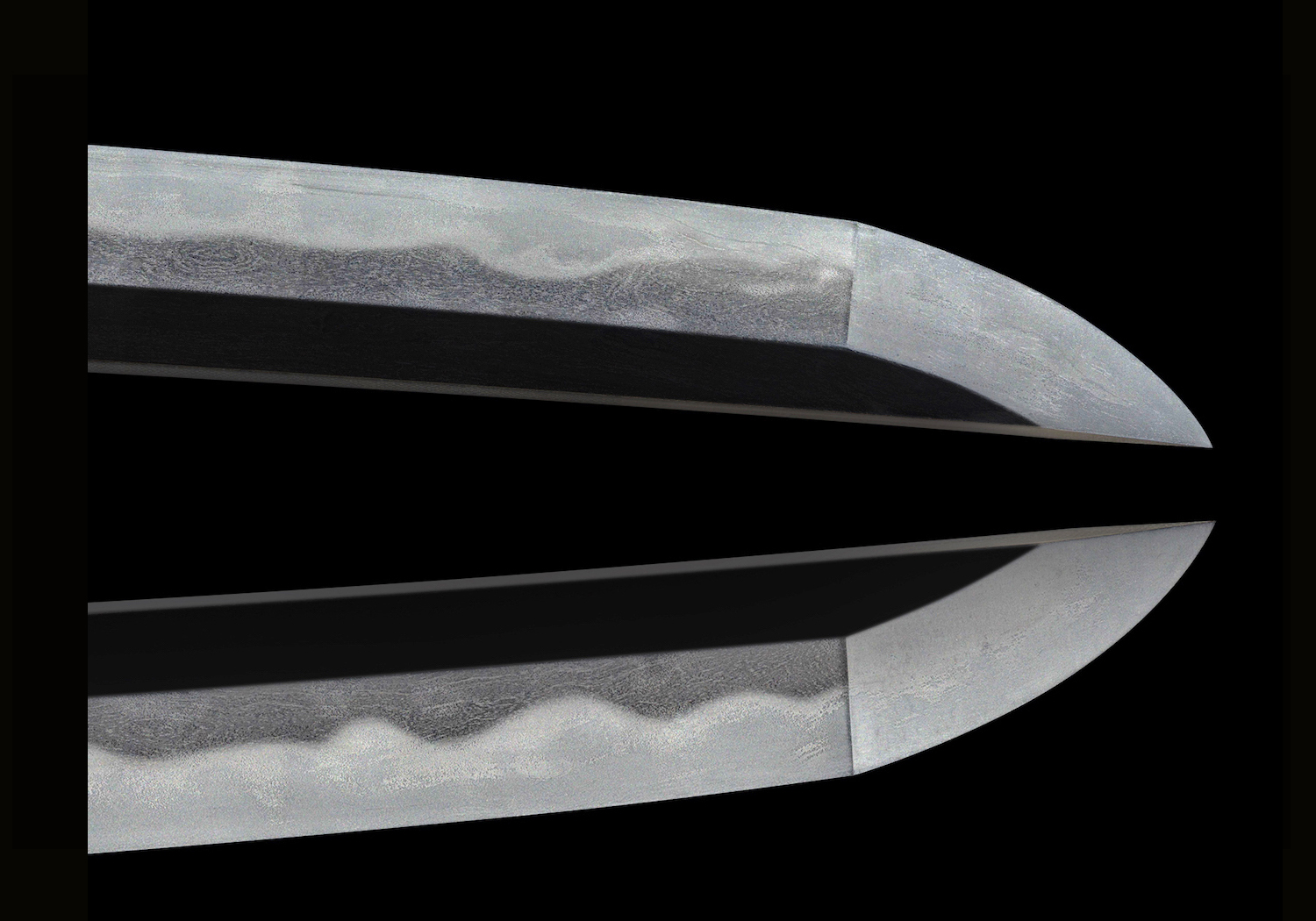
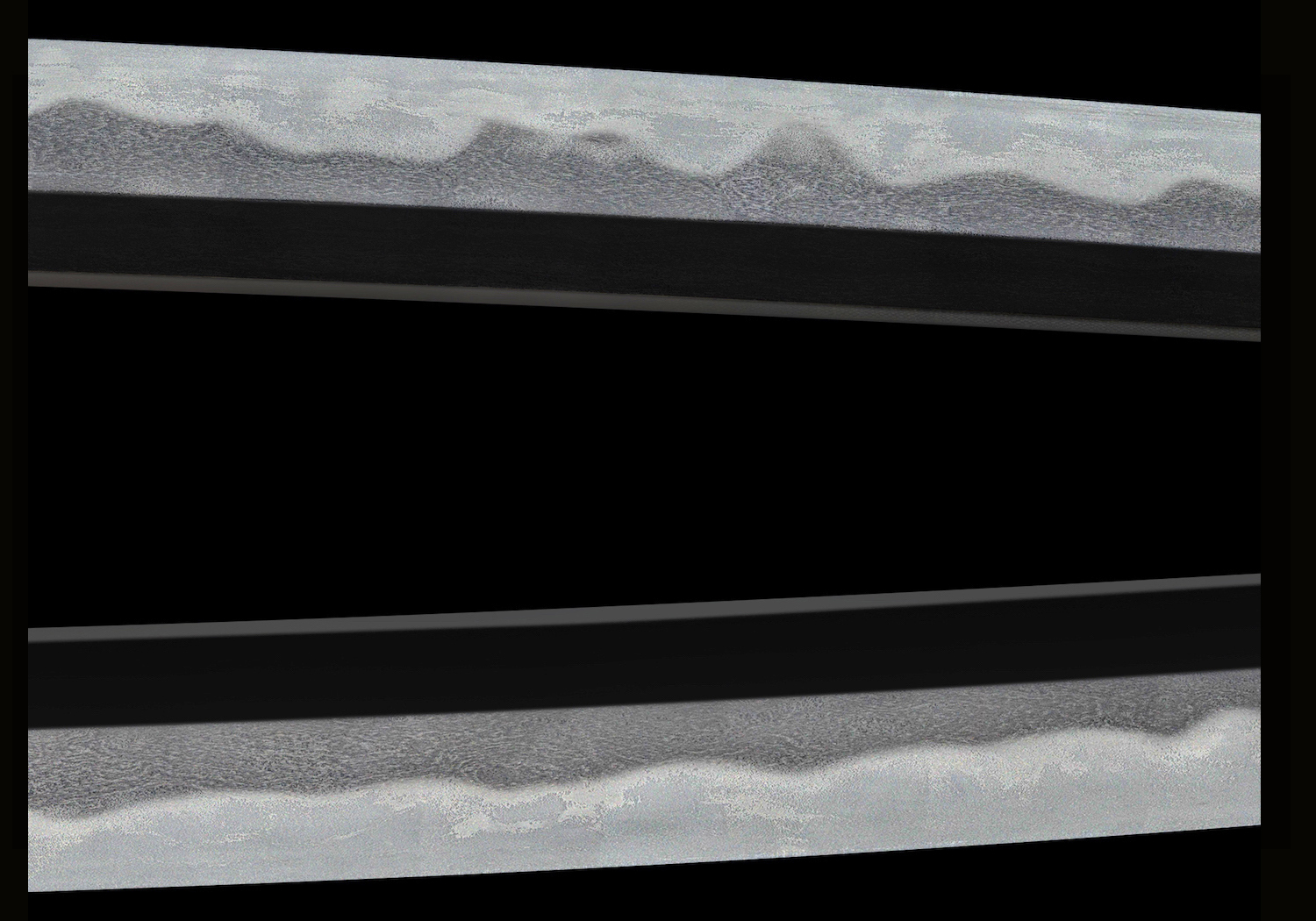
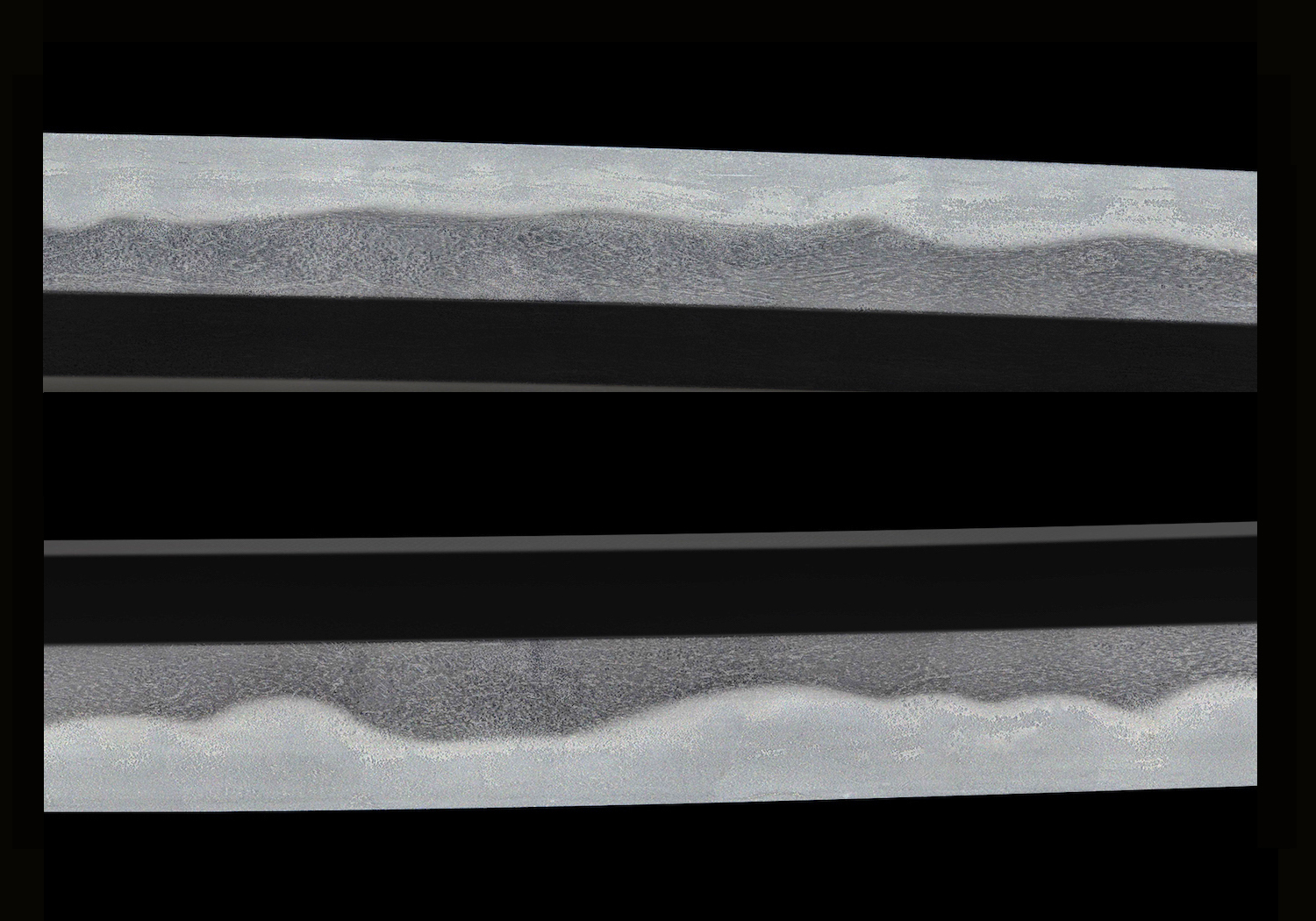
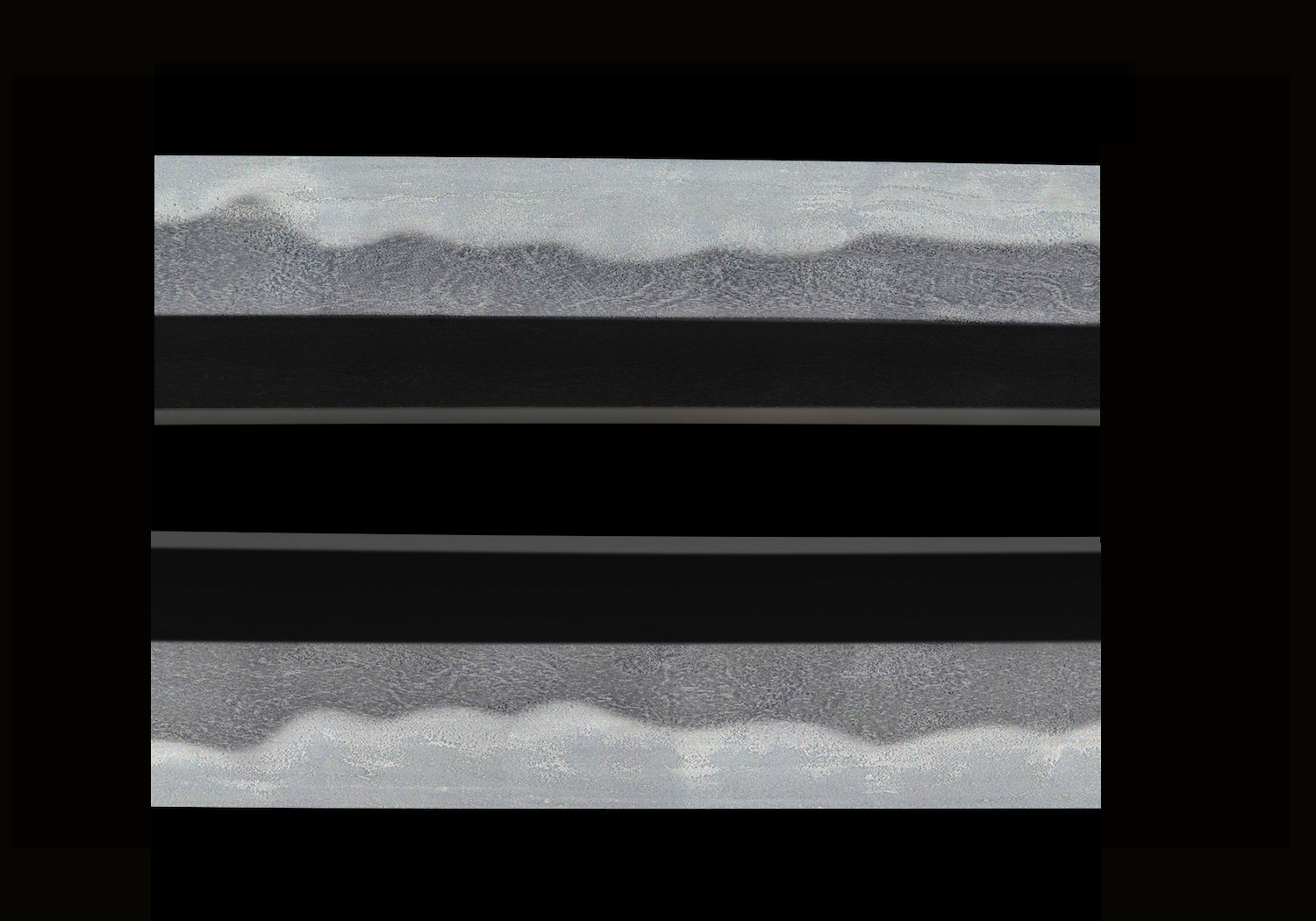
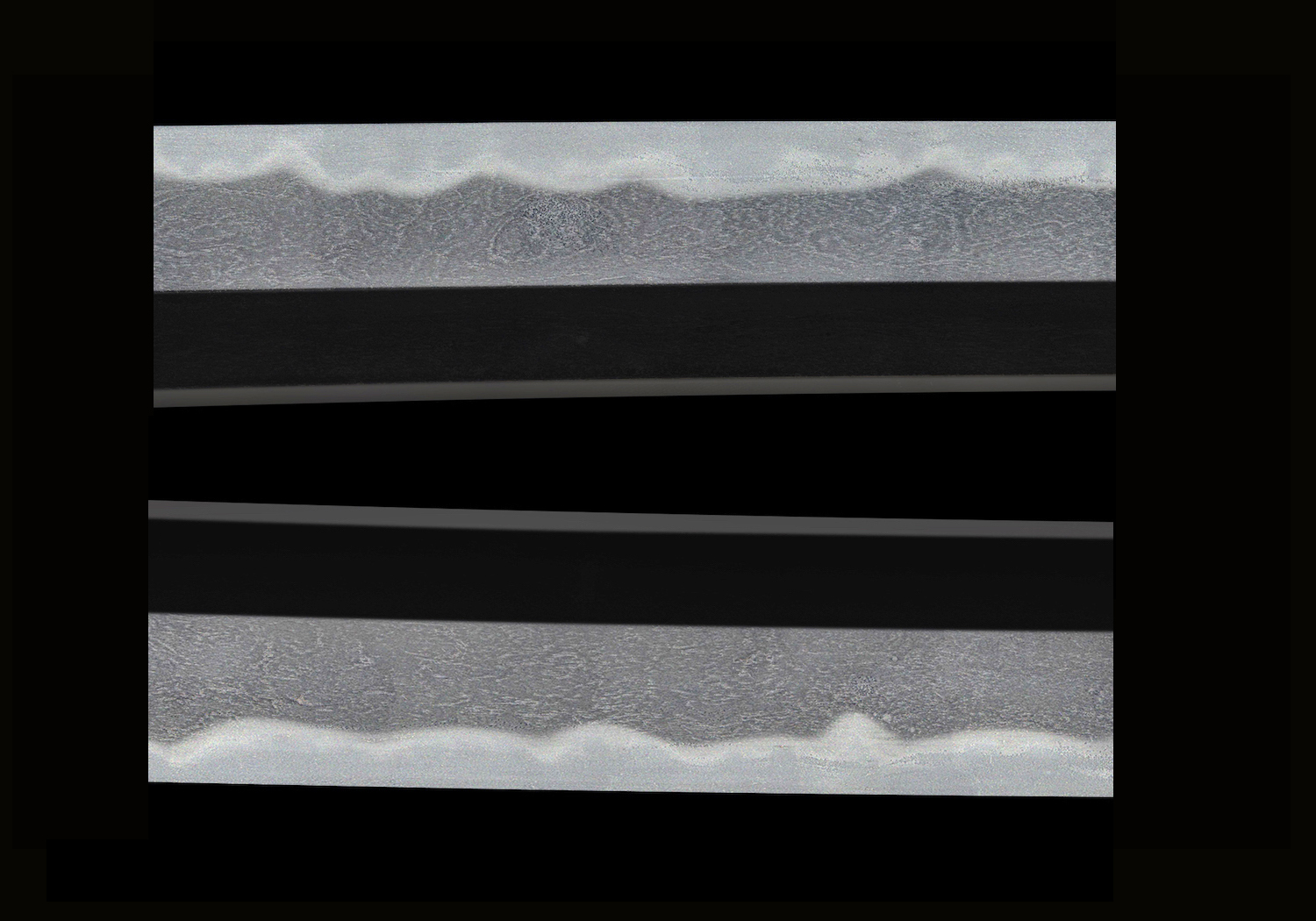
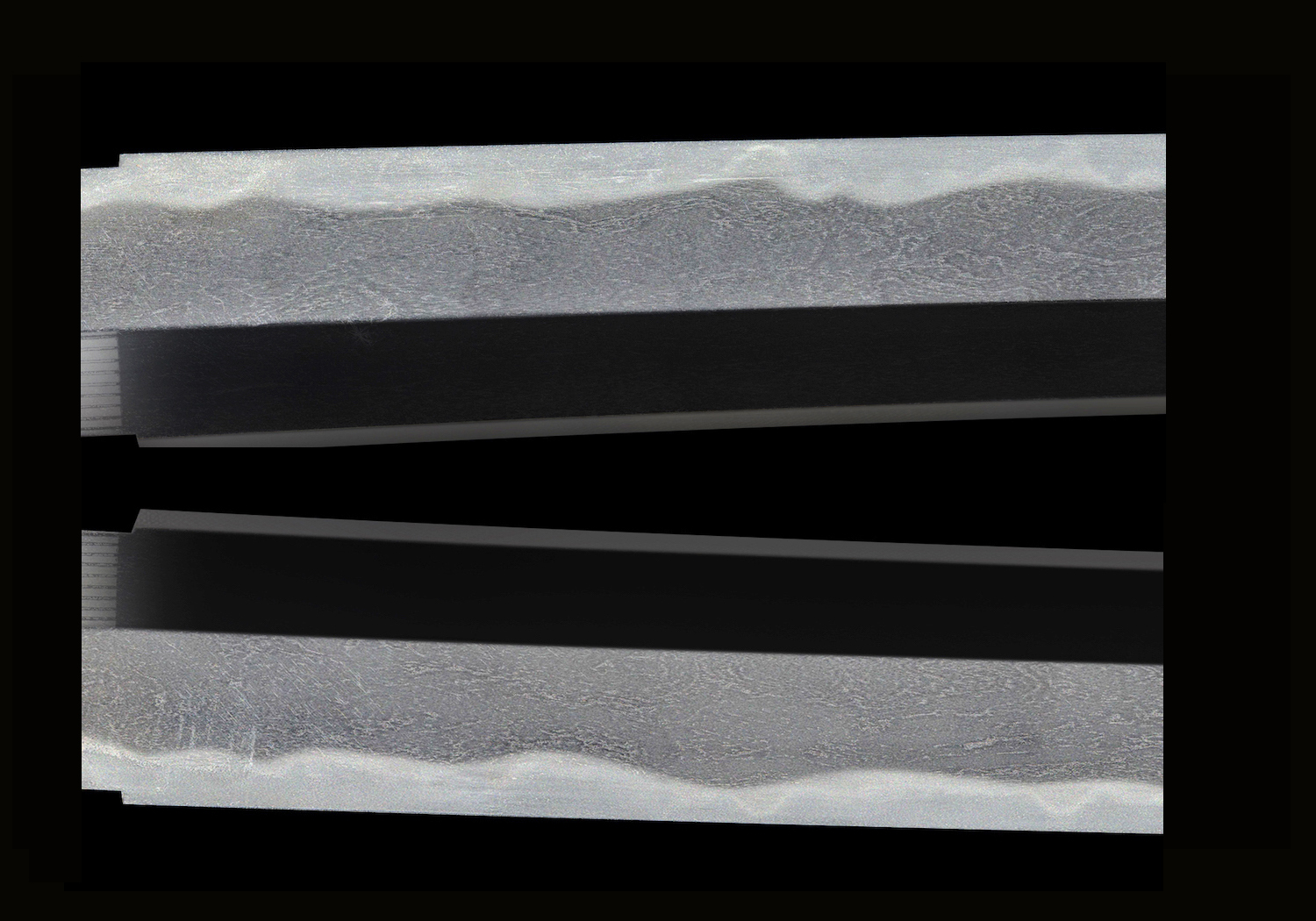
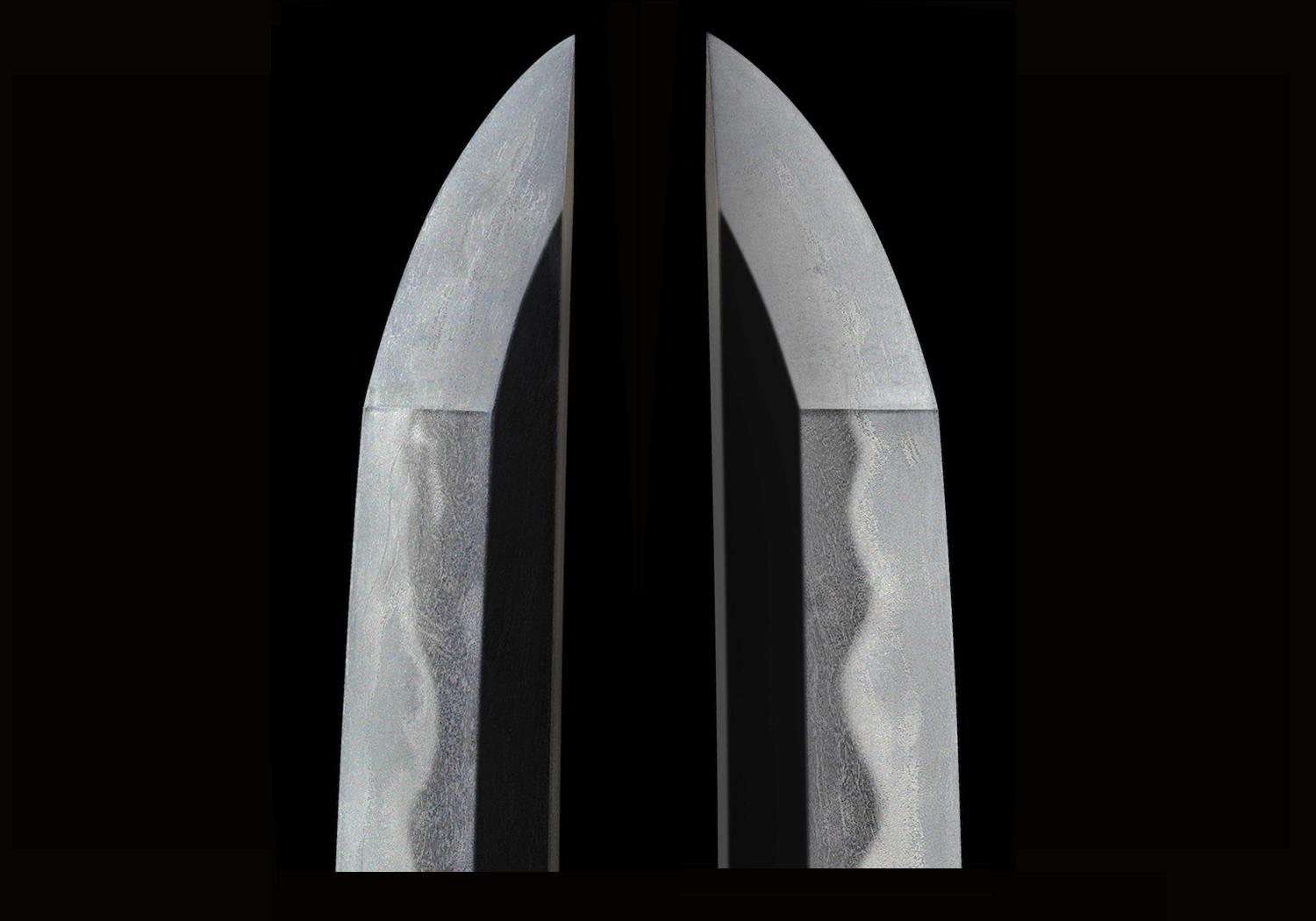
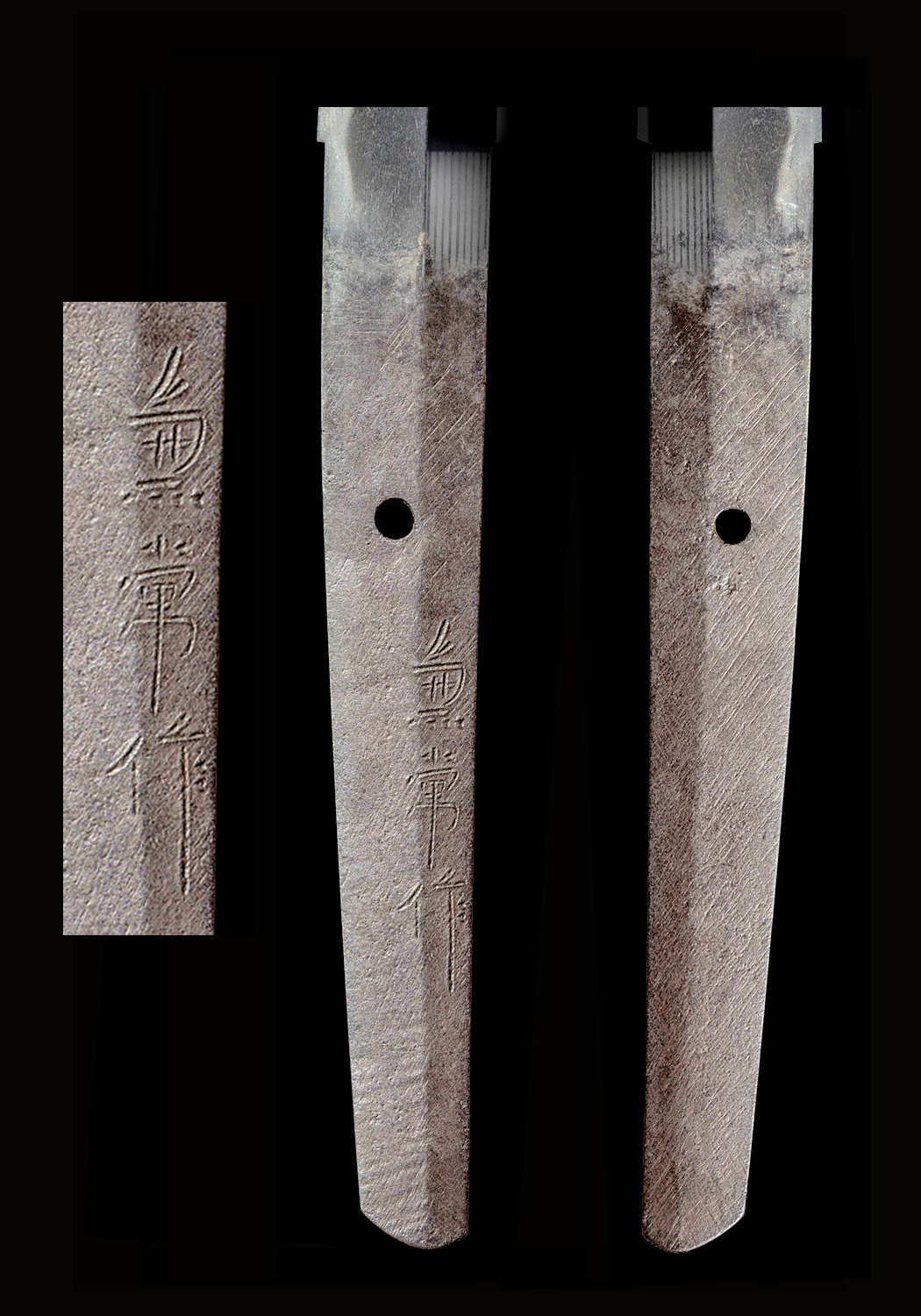
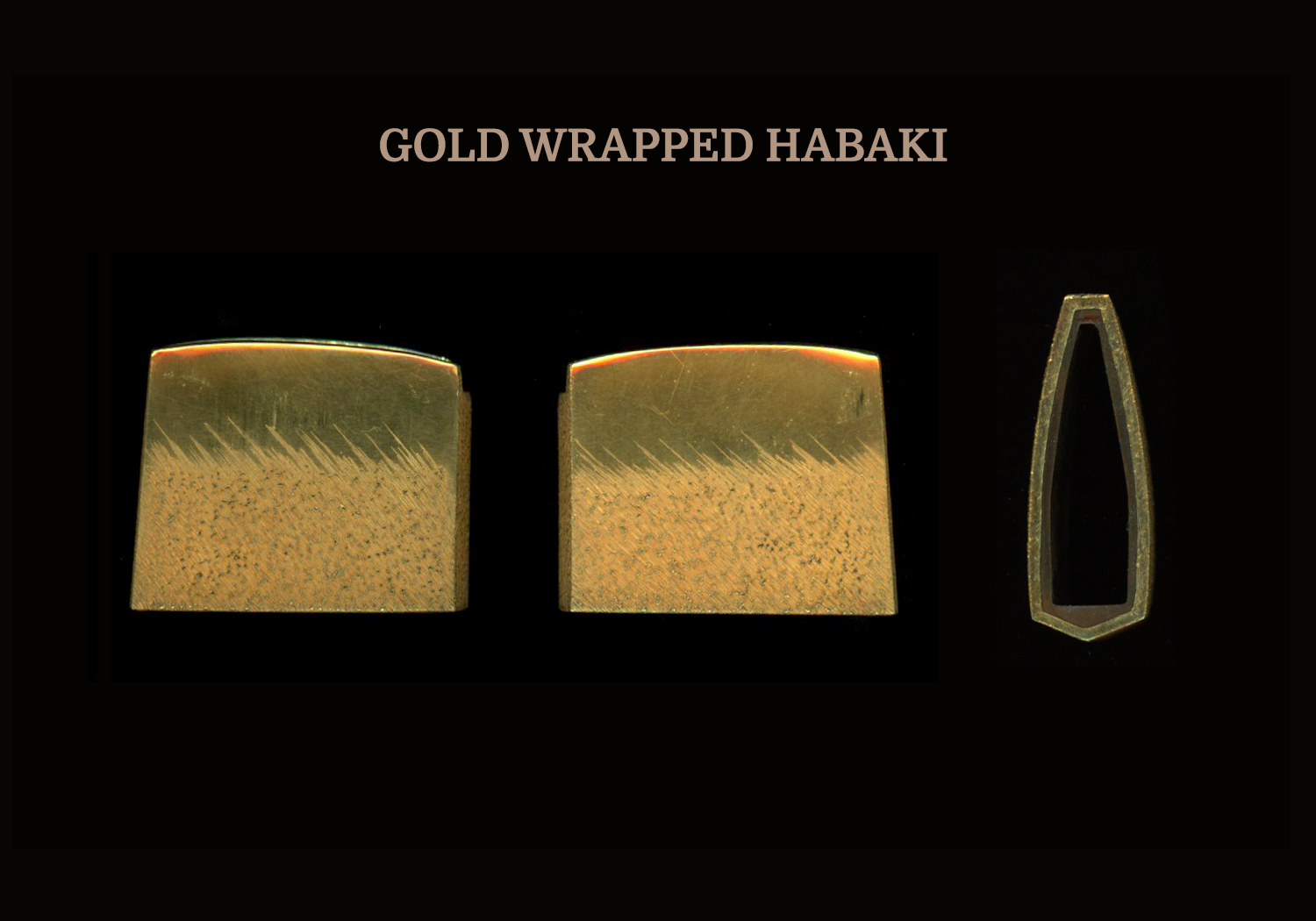
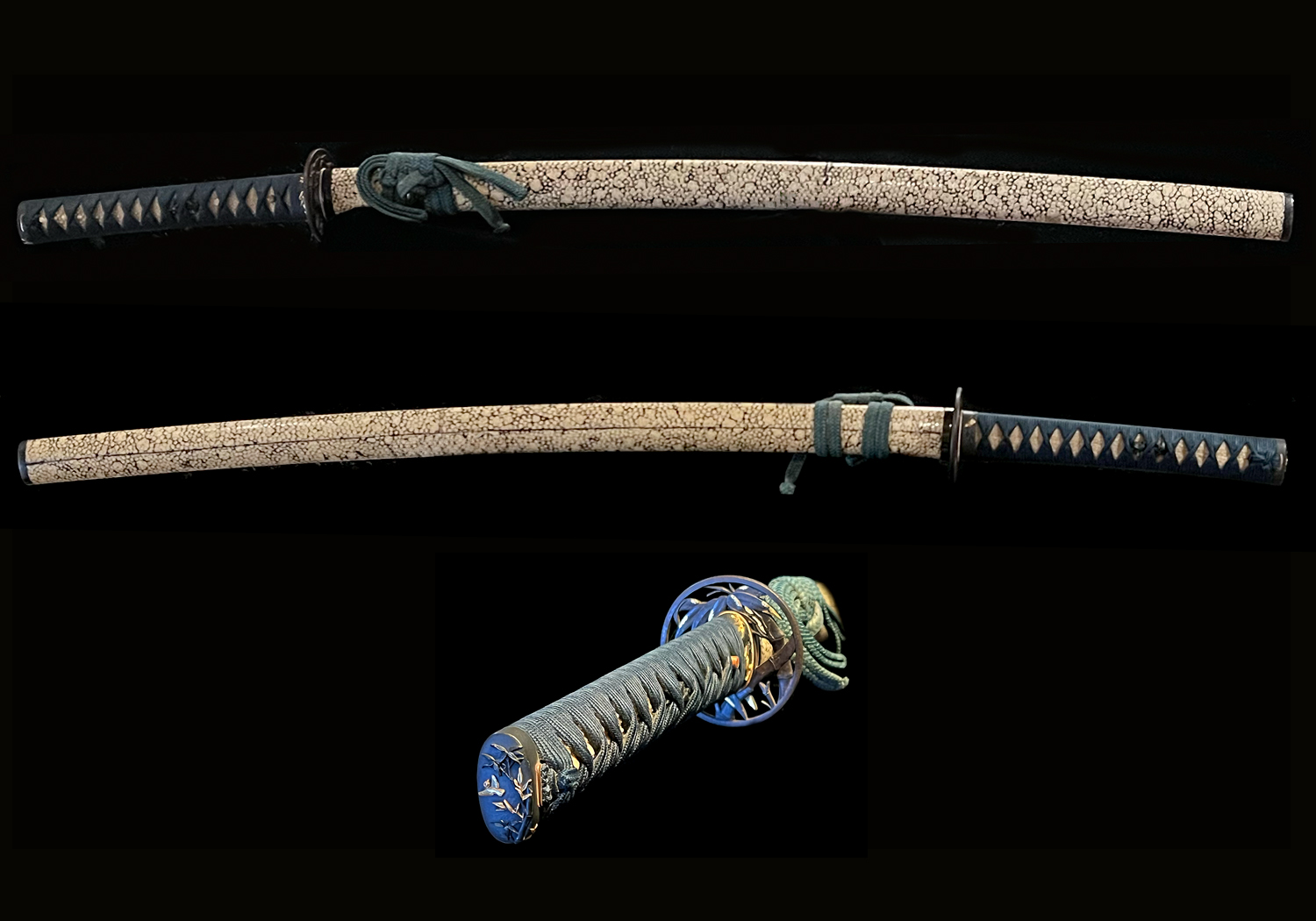
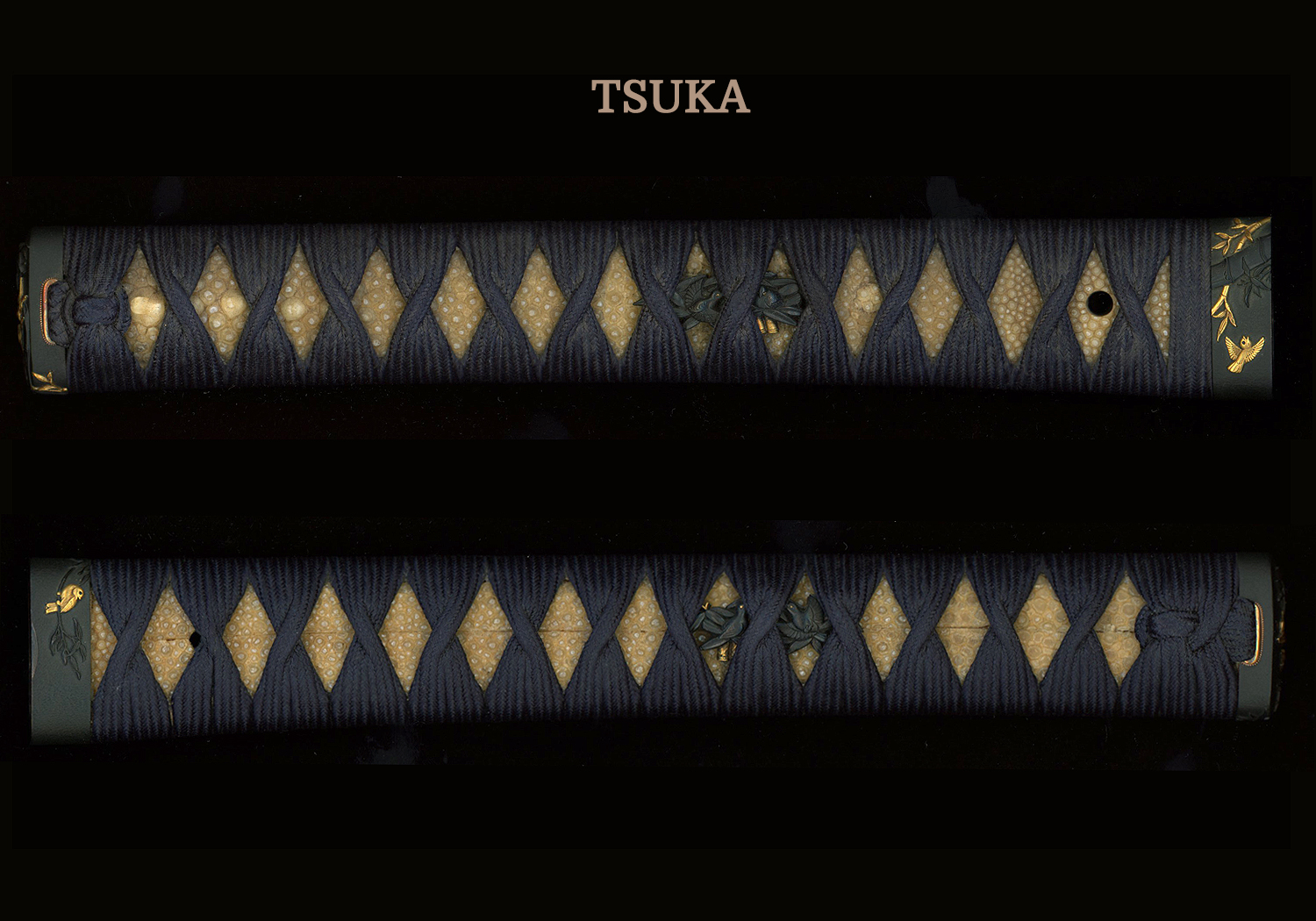
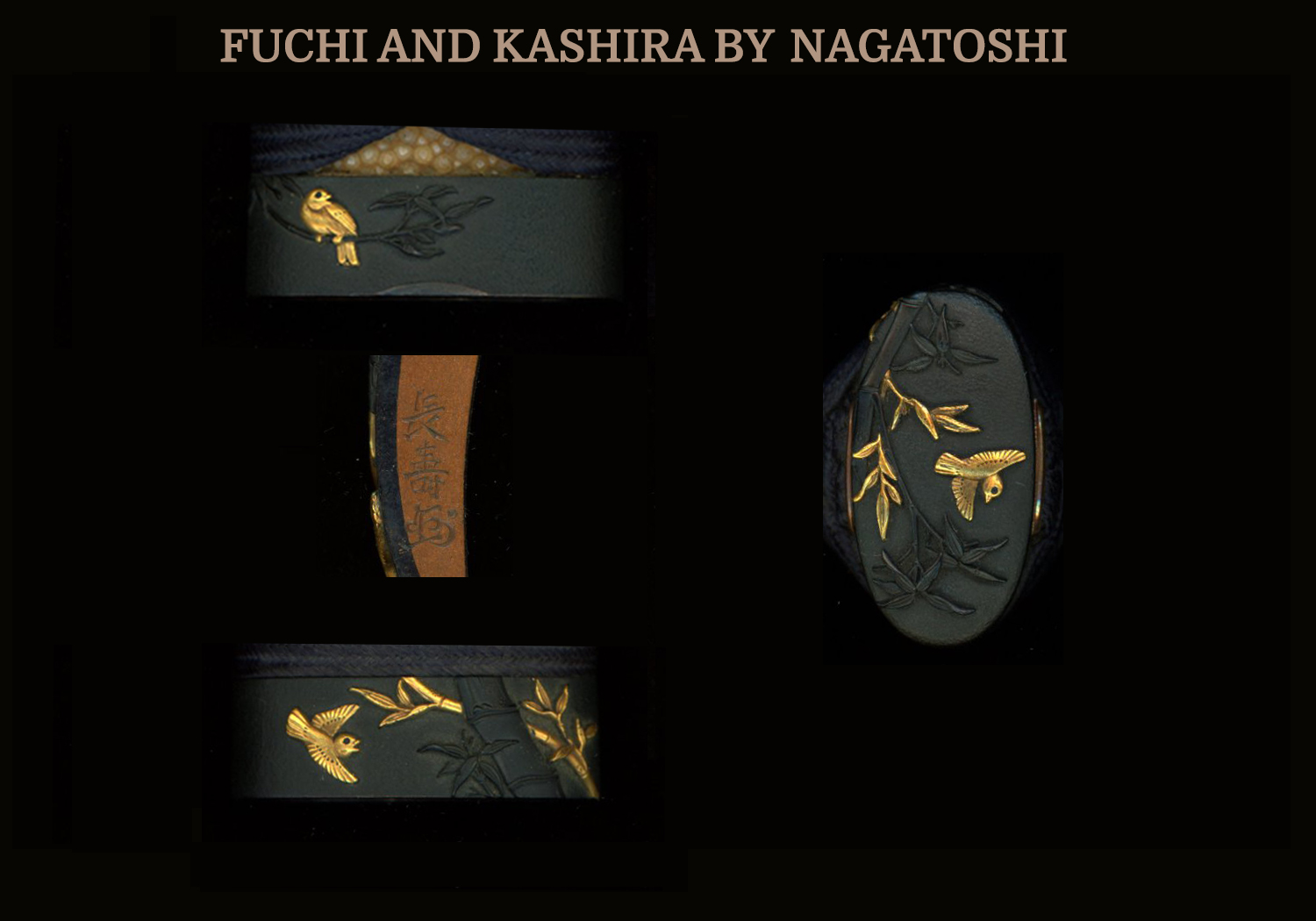
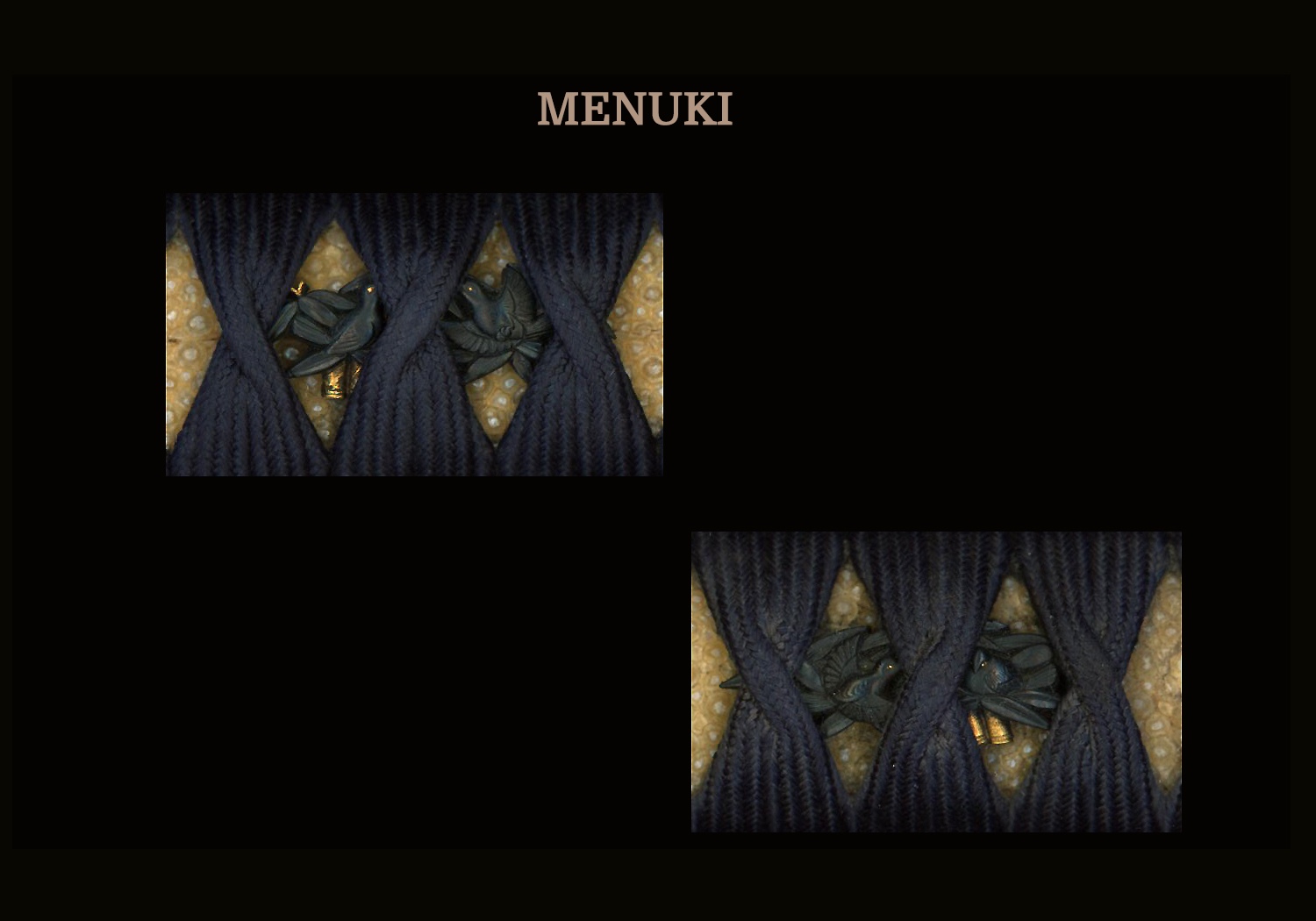
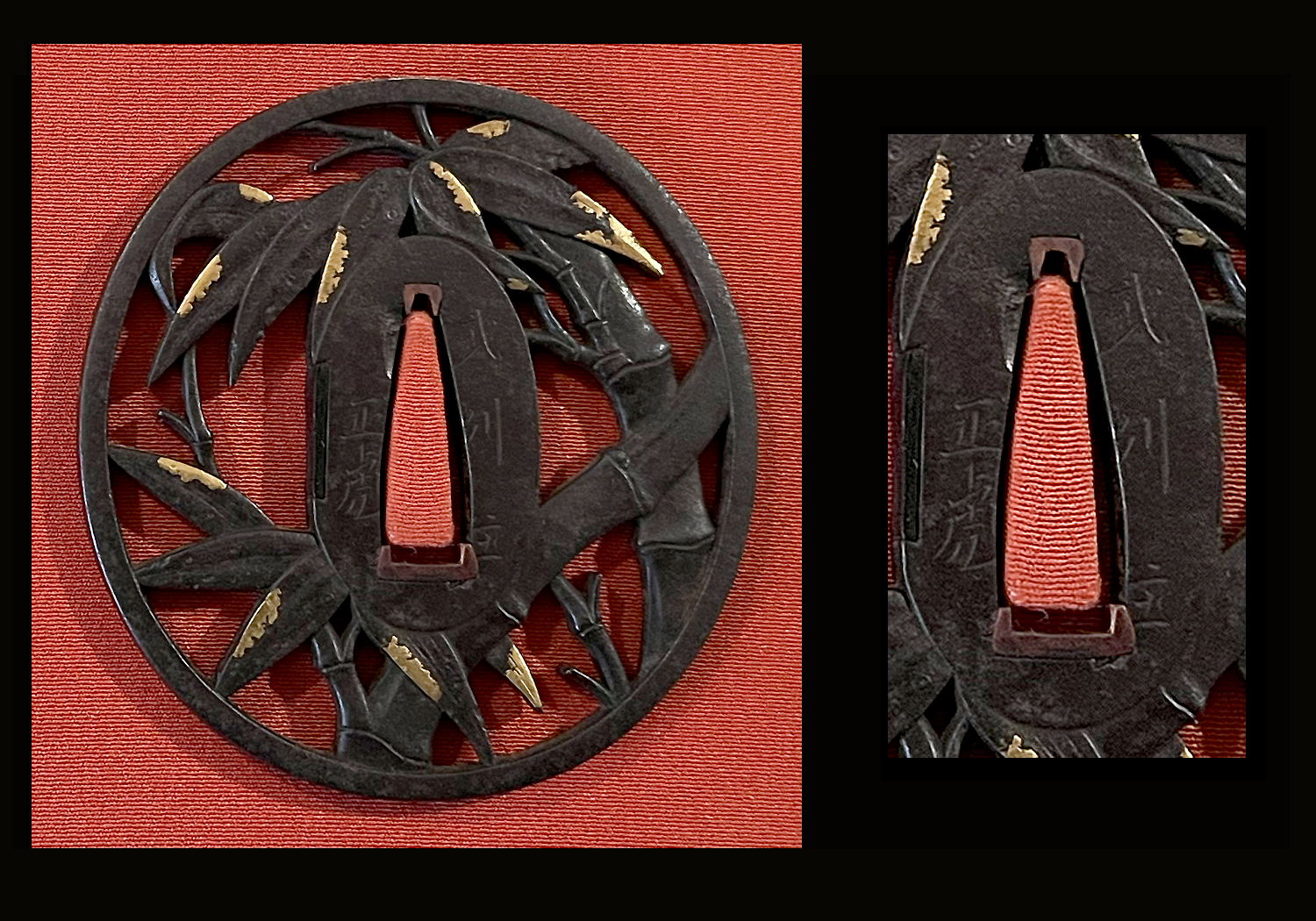
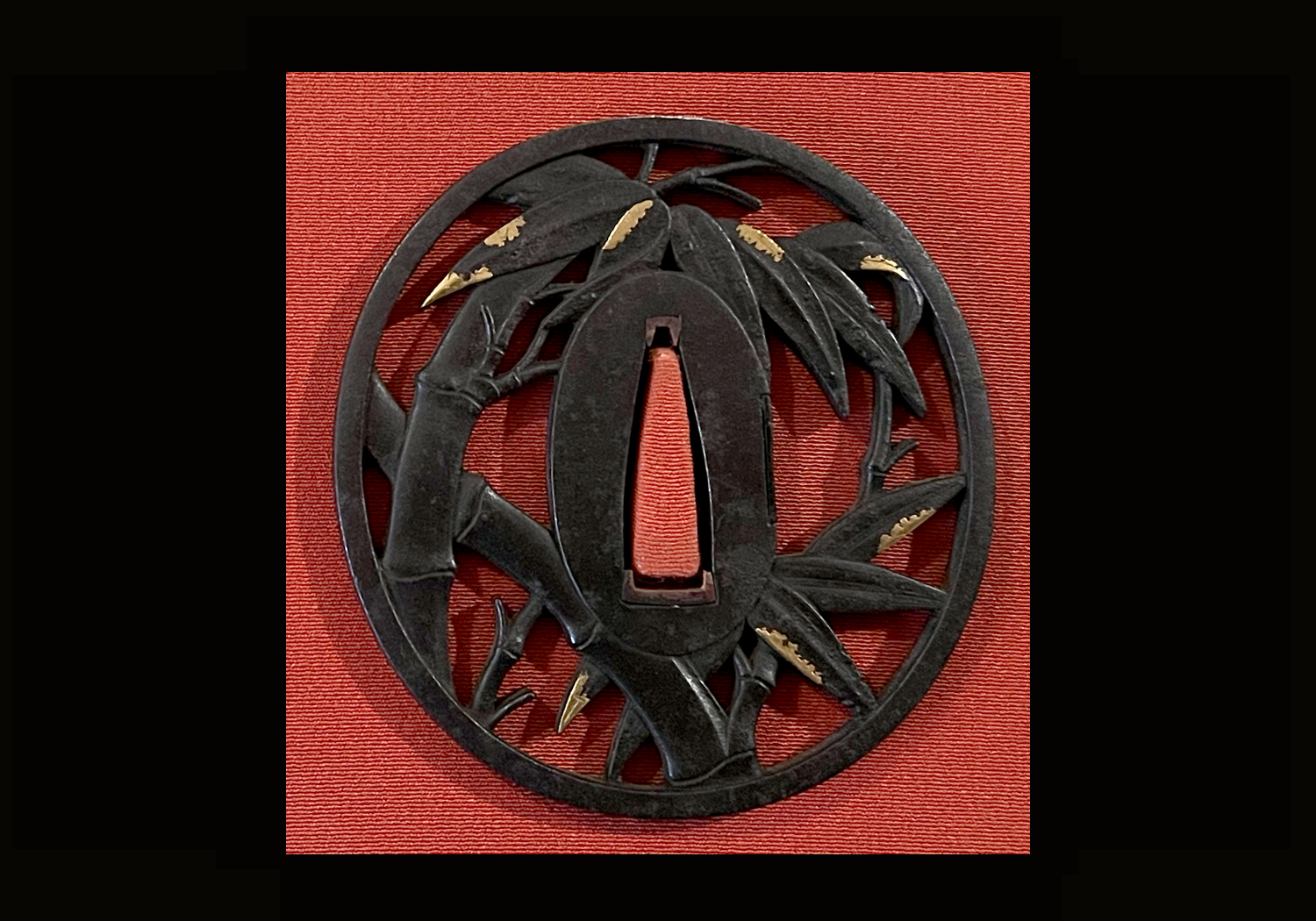
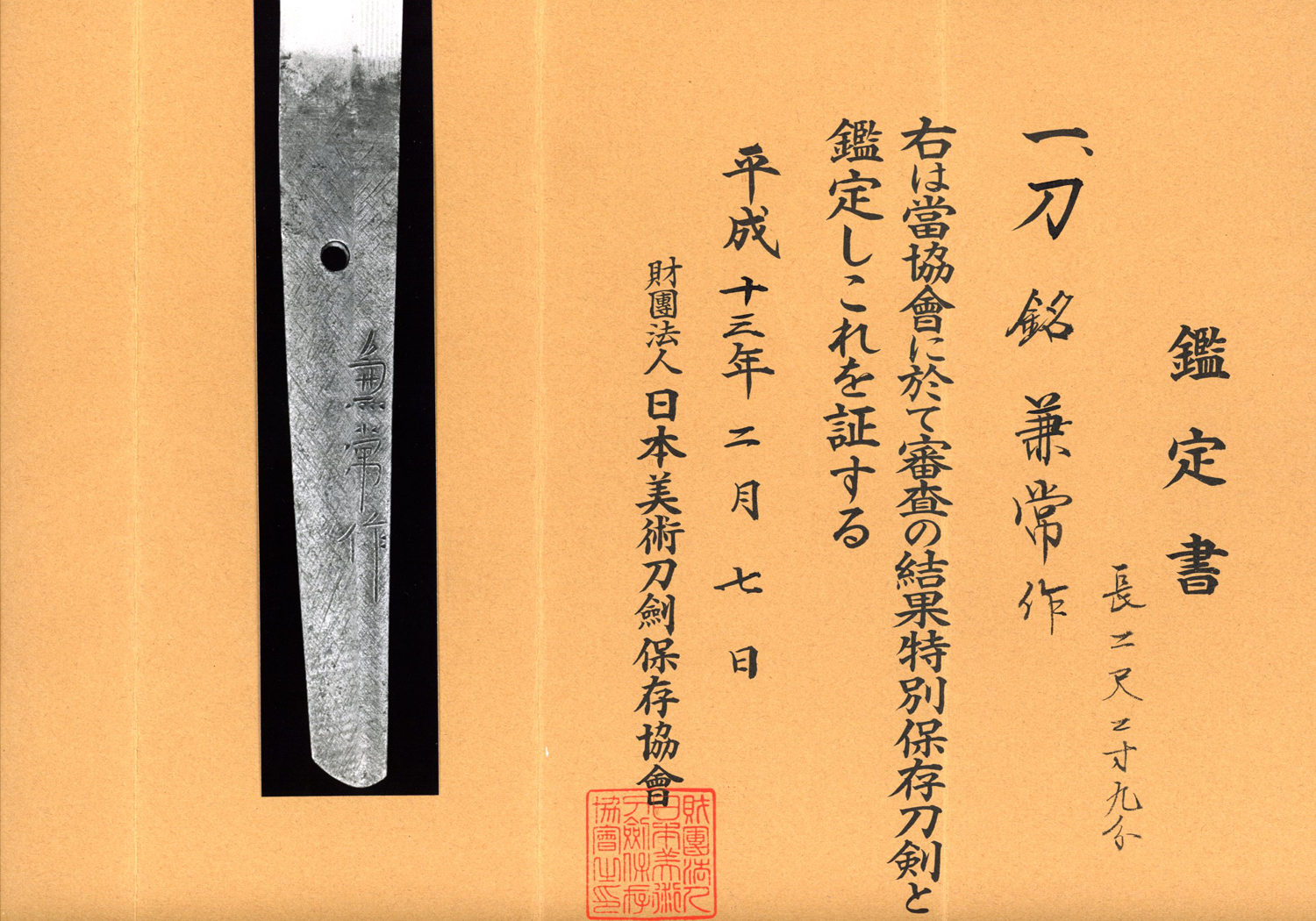
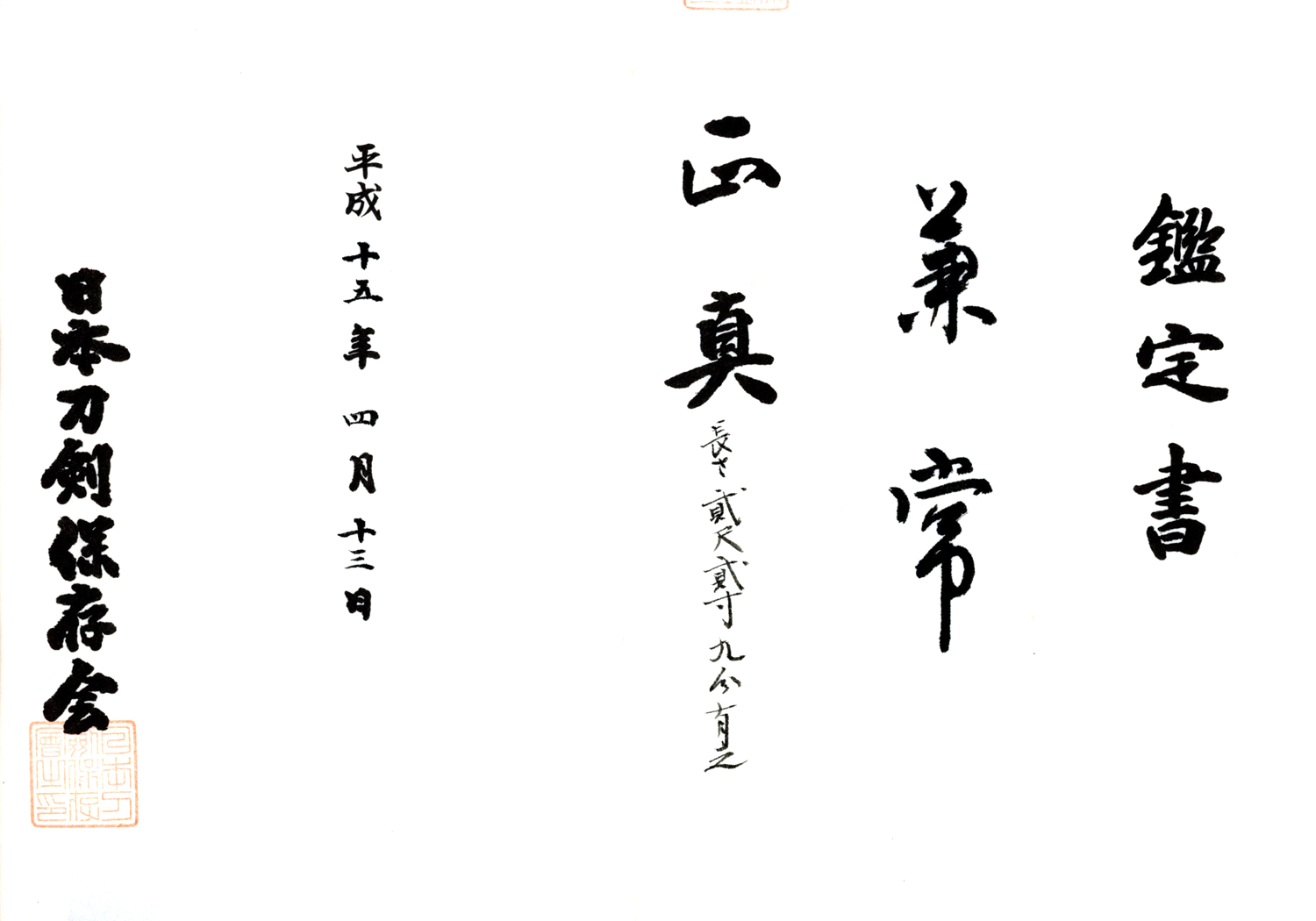
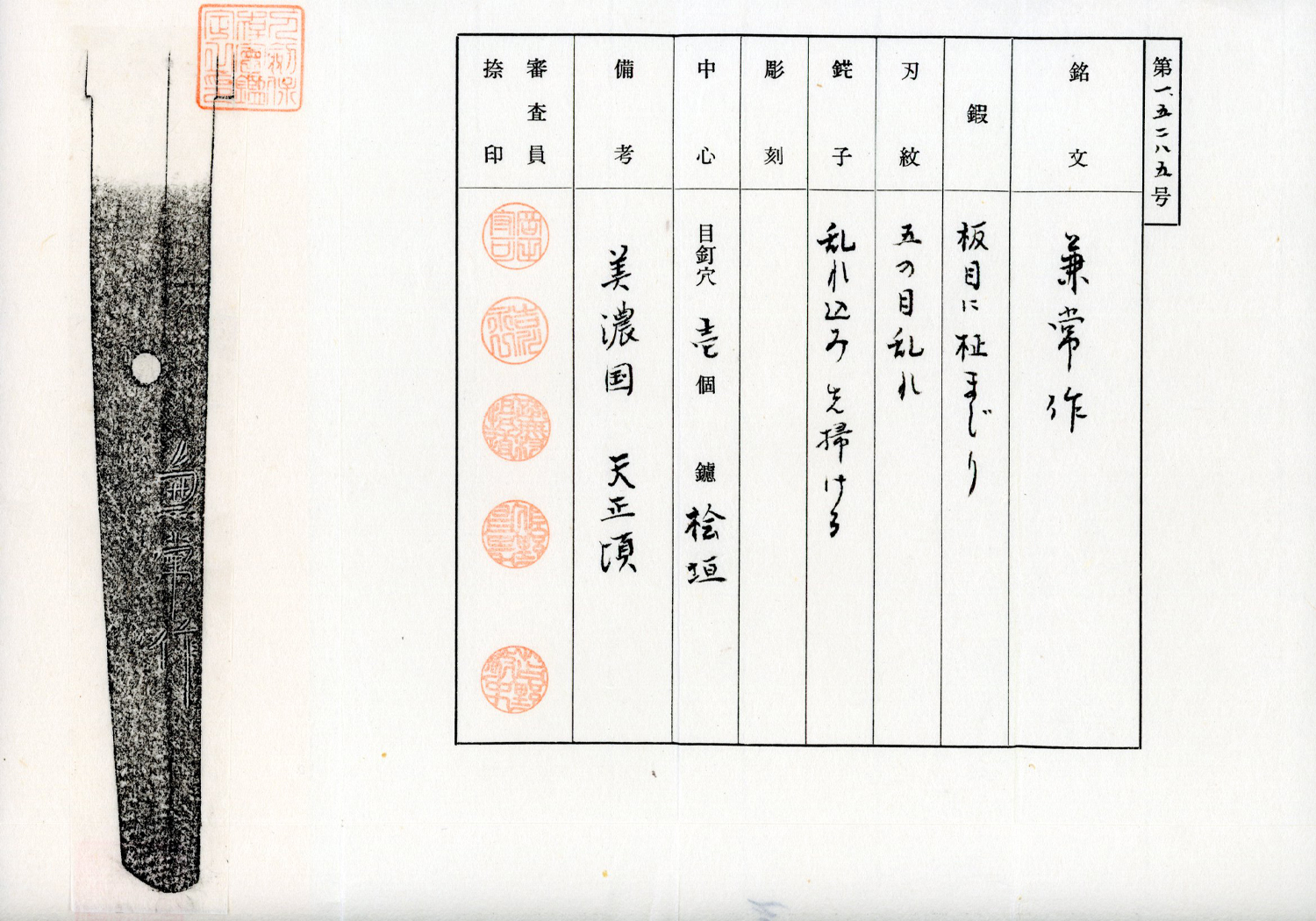
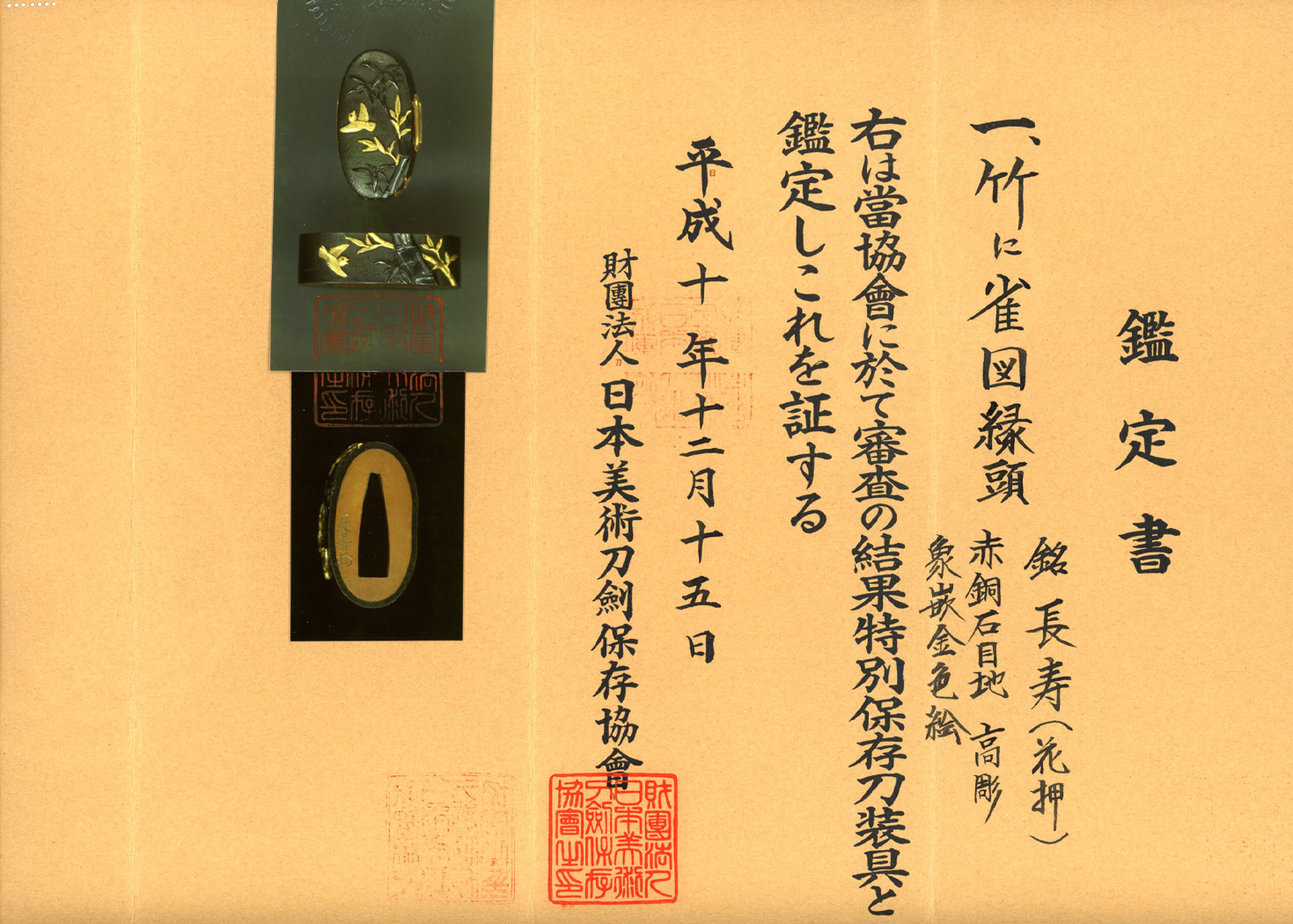
Nihonto.com is pleased to present this very well mounted katana by the Kotô smith, Kanetsune of the Mino school. He worked in the late kotô period around the Tenshô era (1573-1592). Several sub-schools existed in the Mino area and Kanetsune belonged to the Nara-Tarô School. The Nara-Tarô School of Kanetsune (兼常) dates to circa Ôei (1394-1428); however, they are said to have originated from the Tegai School of Nara and taken their name from the first generation. The majority of extant works seen date from circa Eishô to Tenshô (1504-1592). Their style of workmanship consists of shinogi-zukuri katana and wakizashi, hira-zukuri wakizashi and tantô and rarely unokubi-zukuri wakizashi. The jigane (grain of the metal) is ko-itame mixed with masame. The hamon (temper style) are typically a nioi based suguha; however, ô-notare, gunome-midare and very rarely hitatsura-ba are also seen. The yasuri (file marks) on the nakago for katana is typically takanoha and for tantô it is typically higaki. Nakago-jiri (end of the tang) are kurijiri (rounded). A detailed description of this sword and its koshirae is as follows: Signature: Kanetsune saku [兼常作] (attributed to eighth generation Sukeuemon [助右衛門] of the Nara Tarô School [奈良太郎系]). Length: 2 Shaku, 2 Sun, 9 Bu. This equals 27 5/16 inches or 69.4 cm. Sori: 4 Bu This equals 0.44 inches or 1.13 cm. Moto-Haba: This is the width at the base of the sword. 1.22 inches or 3.1 cm. Saki-Haba: This is the width at the point of the sword. 0.89 inches or 2.3 cm. Province: Mino [美濃] Period: c. Tenshô [天正] (1573-1592) Description: The construction is hon-zukuri with an iori-mune. The blade is wide and thick. The shinogi (ridgeline) is high, and the ko-shinogi is long. The shape is stout with shallow curvature. Kitae: The kitae is ko-mokume (small wood burl) mixed with masame (straight grain) that is very well worked, and the hada pattern is prominent and covered in ji-nie. There is a mixing in of tobiyaki from around the middle of the blade and mune-yaki. These give it an almost hitatsura (full temper) like feeling. Hamon: The hamon (temper line) is a large patterned togari-gunome-midare with a mixing in of kake-dashi style sanbonsugi. The habuchi (top edge of the temper line where it meets the untempered part of the sword) is covered in nie with a mixing in of ara-nie, and there are streaks of sunagashi, brushing and kinsuji activity. The nioiguchi is tight, bright and vivid. Bôshi: The bôshi (point of the sword) is midare-komi and kaen in style with powerful brushing. Nakago: The nakago (tang) is ubu (unshortened), and the yasuri (file marks) are higaki. The signature is as noted above, and there is one mekugi-ana. This blade comes with a beautiful koshirae (mountings). The saya is a striking hanakairagi-samezaya (plum blossom shaped ray skin scabbard). The tsuka is blue silk ito wrapped over a white same handle. The tsuba is signed: Bushû jû Masatora [武州住正虎] (attributed to a member of either the Nishikawa [西川] or Sunagawa [砂川] families and with a connection to the Akasaka School; middle Edo period) maru-gata (round shape), iron, sukashi (with cut-outs) with gold numome-zôgan in the design of bamboo. Fuchi-kashira are signed: Nagatoshi kaô [長寿(花押)]. Naotoshi worked in the late Edo period in Edo (present day Tokyo) and was a member of the Ido School. These kodogu (fittings) are exquisite with a shakudô ishime ground with high relief carvings and gold iroe of sparrows and bamboo. Menuki are unsigned and from the middle Edo period. They are made of shakudô ground katachi-bori with gold iroe in the shape of sparrows and bamboo. This katana is in excellent polish with no problems or flaws. It comes with three sets of certification papers. The blade has both a Tokubetsu Hozon certification from the NBTHK and also a kanteisho certification from the NTHK. The set of fuchi and kashira also comes with a Tokubetsu Hozon kodôgu certification from the NBTHK. This is a wonderful sword with great koshirae that would be welcomed in any collection. We highly recommend this blade.
Offered by Nihonto.com
This piece has sold
Get an email when a new Masatsune Kanetsune piece hits the market.


Mino-den · Mino · around 1573-1592
Fujishiro Chu-jo saku · Tōken Taikan top 49%
2 pieces on the market now
Where Kanetsune stands among comparable artisans: across all of nihontō, and within tradition, era, and period. The tiers (Foremost · Leading · Major · Notable) weigh official designations from the NBTHK and Japan's Agency for Cultural Affairs, together with historical honors of lasting repute such as the Sansaku and Meibutsu-chō.
Select a lens to see how it's measured.
Mino-den · Owari
7 pieces on the market now
The line begins with a Mino man. The setsumei record that Sagami no Kami Masatsune (政常) was born at Nōdo in Mino Province, where he first signed Kanetsune (兼常) and is variously said to have been the son or a disciple of Kanetsune of Seki. In Eiroku 10 (1567) he established an independent branch line and moved to Komaki village, likely changing his name to Masatsune about that time; in the fifth month of Tenshō 19 (1591) he received the court title Sagami no Kami, and in Keichō 5 (1600) he followed Matsudaira Tadayoshi to Kiyosu in Owari, where he became a retained smith (kakae-kō) of the Owari Tokugawa house. Several records place him at Kiyosu alongside Hōki no Kami Nobutaka and Hida no Kami Ujifusa, the three later counted as the Owari Sansaku (Three Smiths of Owari). After taking the tonsure and retiring in Keichō 12 (1607), he passed the name to his son; when that second generation died suddenly two years later he resumed forging under the nyūdō signature Masatsune Nyūdō, and is said to have died in Genna 5 (1619) at the age of eighty-four. A separate second generation, Mino no Kami Fujiwara Masatsune, is recorded as the son of Daidō of Gifu, adopted into the line, who carried on its spear and naginata work. A Mino foundation worked toward suguha defines the shared hand. The forging is itame mixed with mokume, frequently flowing into masame toward the mune and shinogi-ji, with the grain standing somewhat (hada-dachi), abundant ji-nie, and chikei; a mizukage-like feature rising from the machi is noted on several tantō and wakizashi.
The temper that the setsumei call his specialty is a chū- to broad suguha in ko-nie-deki, the habuchi worked with hotsure, nijūba, kuichigai-ba, and uchi-noke, with ko-gunome and ko-ashi mixed in, fine kinsuji and sunagashi running through, and a bright nioiguchi. Beside this restrained mode runs a bolder midareba of gunome and ko-notare with togariba, sometimes hakogakari or saka-gakari, where the nie grows coarse and clustered and the nioiguchi turns shizumi (subdued); the notare-ba that the setsumei call the Owari-Seki specialty (尾張関得意の湾れ刃) appears in the wider blades. The bōshi tends to straight with ko-maru and hakikake in the suguha works, midare-komi with a rounded or long return in the midareba works. Carving is plain but crisp: suken, bonji, gomabashi, koshi-hi with soe-hi, and the rarely seen shin no Kurikara in openwork. Among extant works, the setsumei agree, hira-zukuri wakizashi and tantō are the most numerous and of high skill, yari and naginata are comparatively common with the spears often hira-sankaku sasaho form, while katana and shinogi-zukuri wakizashi are extremely few. For kantei this rarity gives weight to the long swords: the 67th Jūyō Kanetsune-signed katana, dated by its sakizori and large kissaki to about Eiroku, anchors the smith's early phase, and the 31st Jūyō Masatsune Nyūdō katana shows the flowing masame, shallow notare, and shizumi nioiguchi read as his own. Named pieces include the Sagami no Kami Masatsune Nyūdō wakizashi held by the Imperial Household Agency and the katana once with Tokugawa Iesato and the Reimeikai Foundation; one wakizashi survives in akikusa-mon koshirae with fittings by Mogarashi Sōten of Hikone. The setsumei note that in his bolder work Masatsune looked to the Sagami masters Sadamune and Nobukuni while keeping the togari and Sanbon-sugi traces of his Mino root, placing his line as the Owari channel through which the Mino-den passed into shintō. Learn more →
| Smith | Era | Designated |
|---|---|---|
| Masatsune政常 | 1567-1619 | 19 |
| Masatsune政常 | 1661-1673 | 0 |
| Masatsune政常 | 1688-1704 | 0 |
| Kanetsune兼常 | 1573-1592 | 1 |
| Masatsune政常 | 1615-1673 | 2 |
Mino in the Momoyama period
Unification closed the mass market, and Seki’s smiths moved to where the new money was: the Mishina line to Kyōto with court titles, Daidō smiths to castle towns across the provinces. Mino became the great technical ancestor of the Shintō age.
A Hozon-certified blade judged to show notably superior workmanship and a better state of preservation. The bar is higher: re-tempered blades and most unsigned Muromachi/Edo works are excluded.
The NBTHK (Nihon Bijutsu Tōken Hozon Kyōkai, the Society for the Preservation of Japanese Art Swords) is a public-interest incorporated foundation founded in 1948 and supervised by Japan’s Agency for Cultural Affairs (Bunkachō); it is based at the Japanese Sword Museum in Tokyo. Its expert panels physically examine each submitted work (shinsa) and issue a certificate (kanteishō) ranking it by artistic and historical merit. NBTHK papers are the most widely recognized standard of authentication for Japanese swords and fittings.
NBTHK official siteThree-day inspection period and seven-day return period; buyer notifies by email within three days of receipt, no reason needed; full refund once item returned undamaged and unaltered.