Unification closed the mass market, and Seki’s smiths moved to where the new money was: the Mishina line to Kyōto with court titles, Daidō smiths to castle towns across the provinces. Mino became the great technical ancestor of the Shintō age.
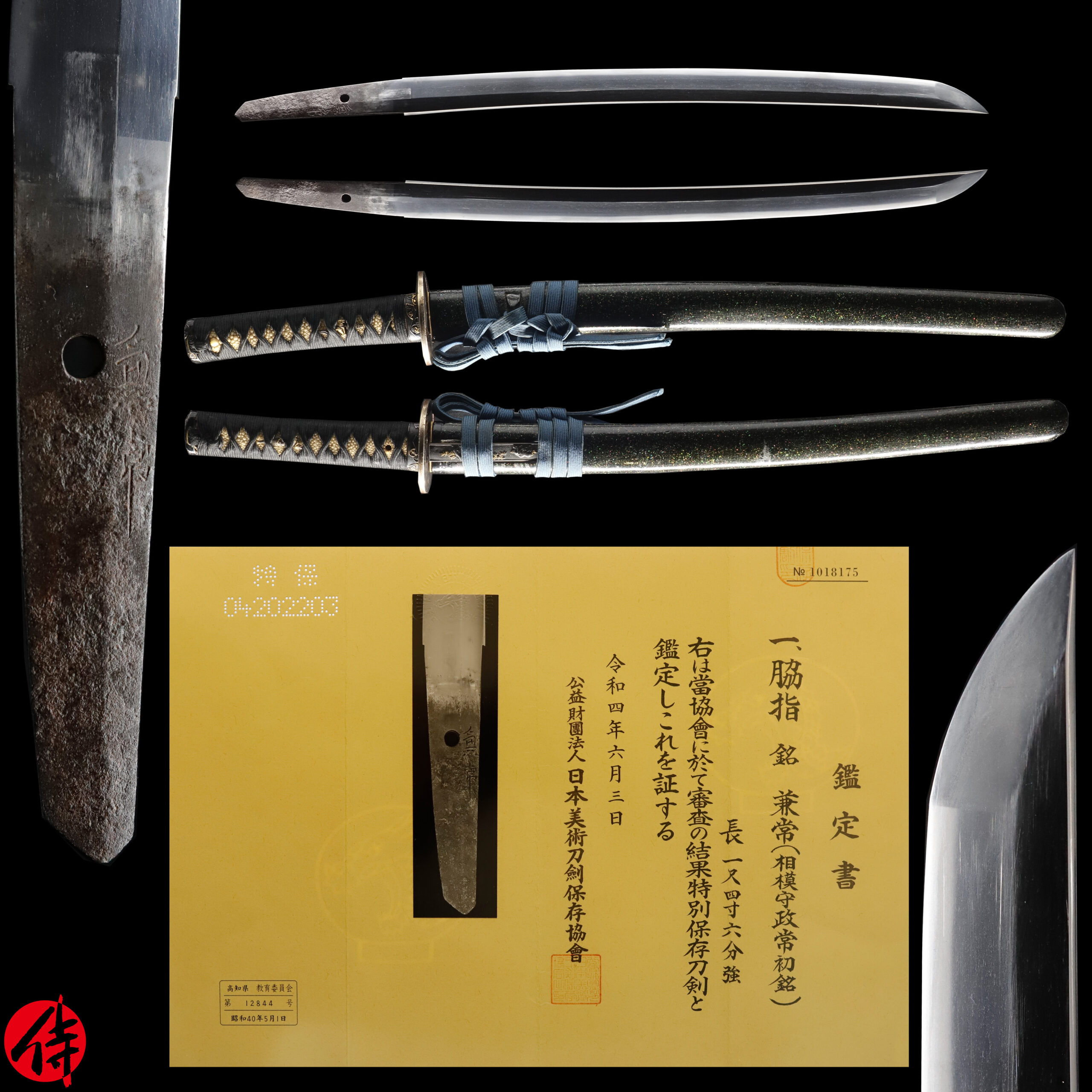
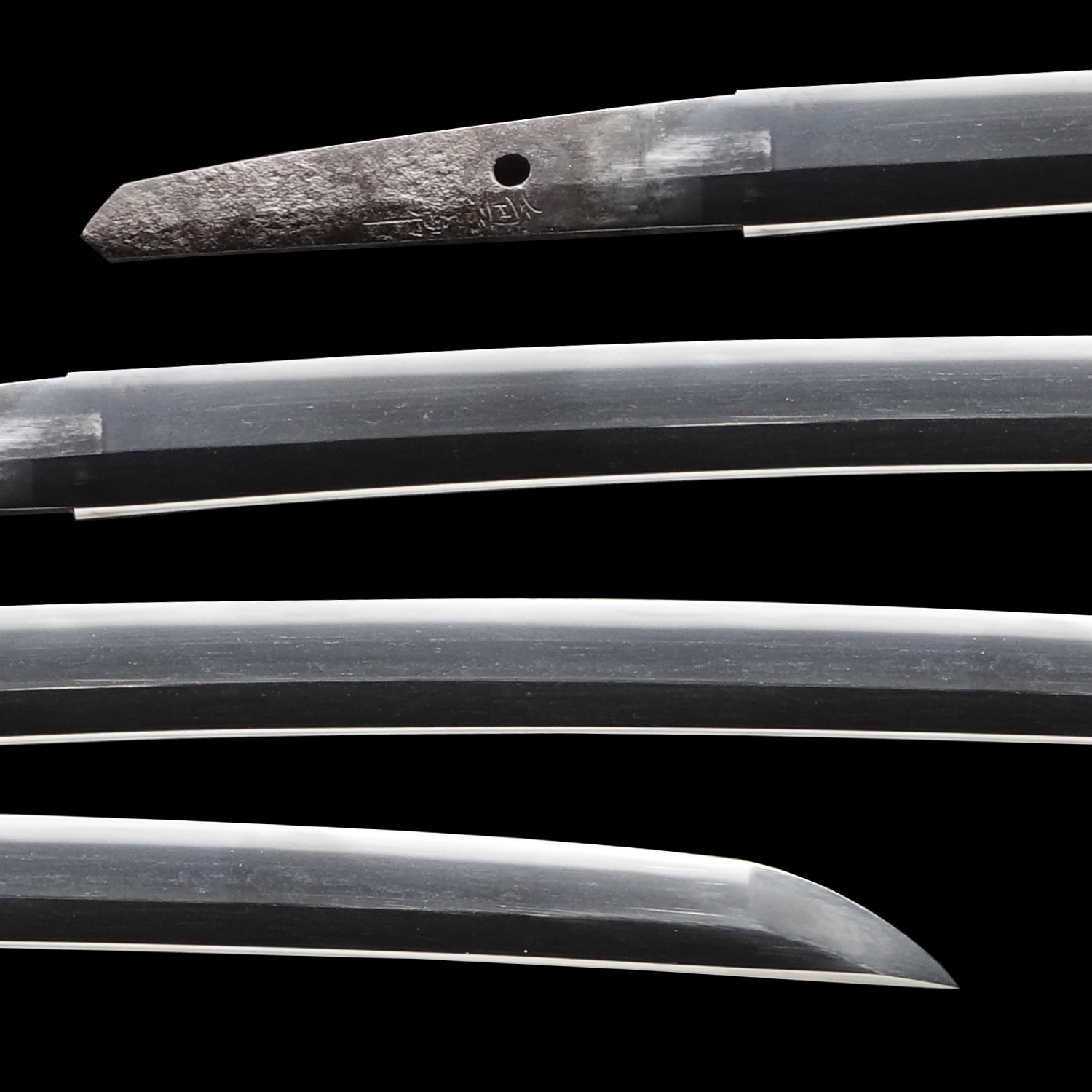
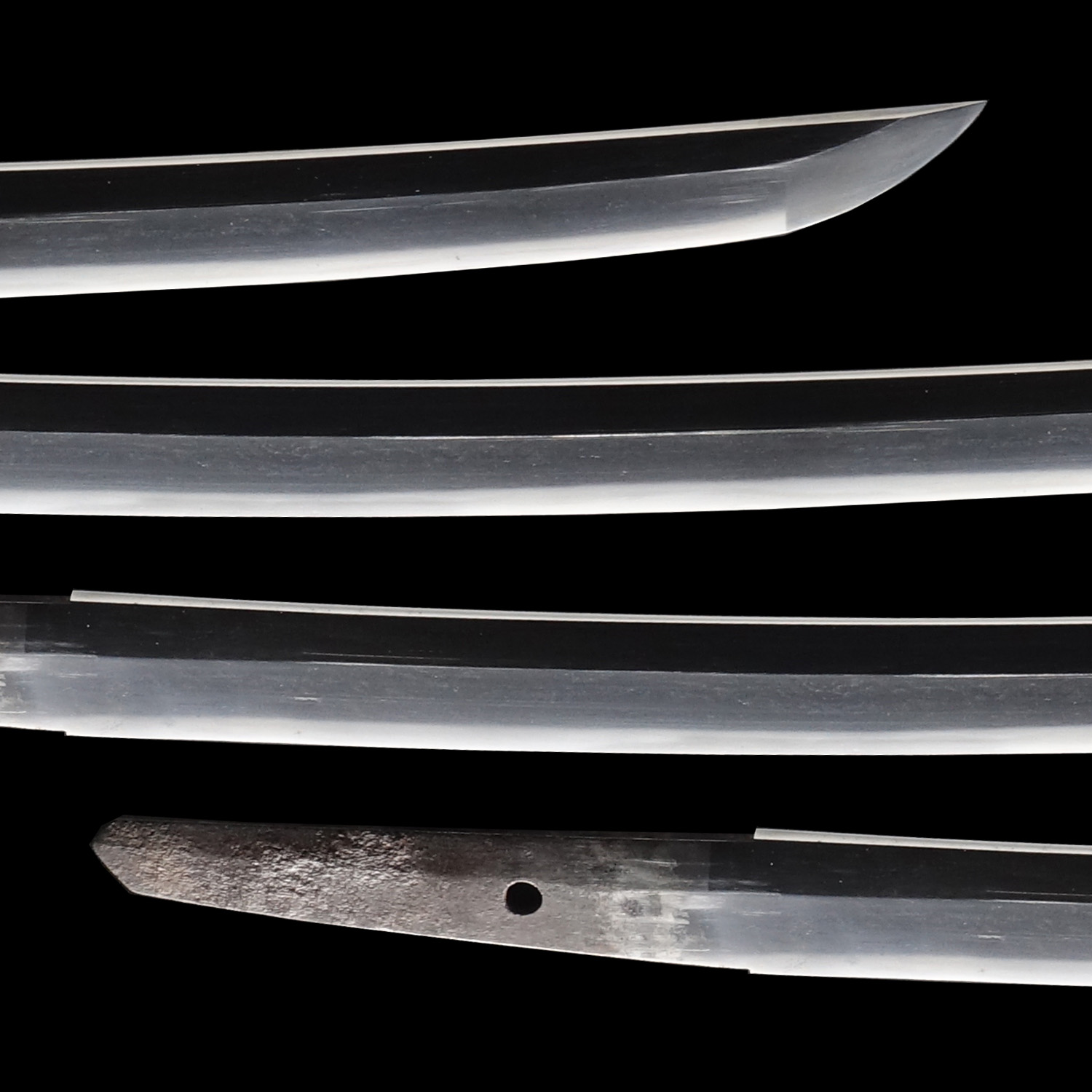
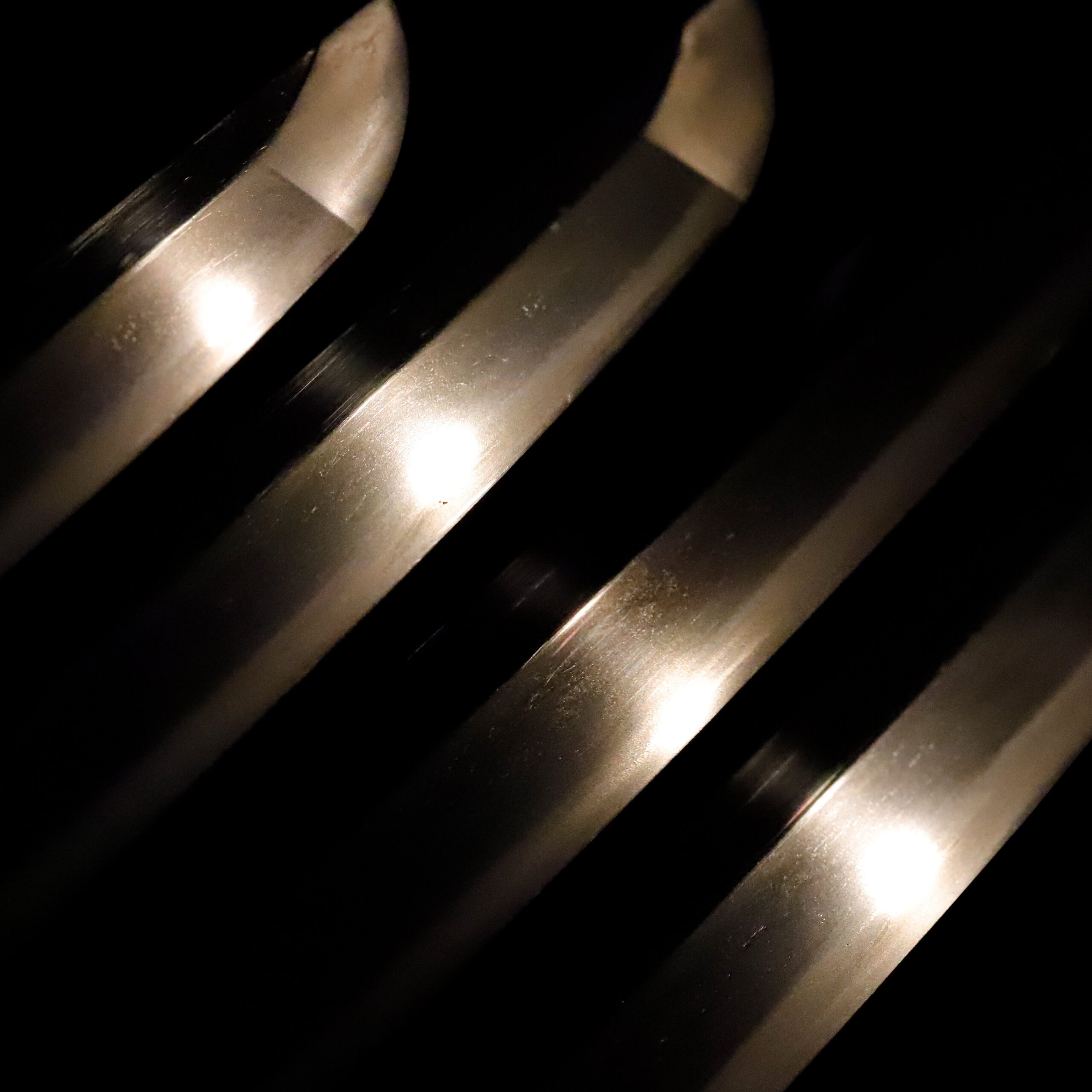
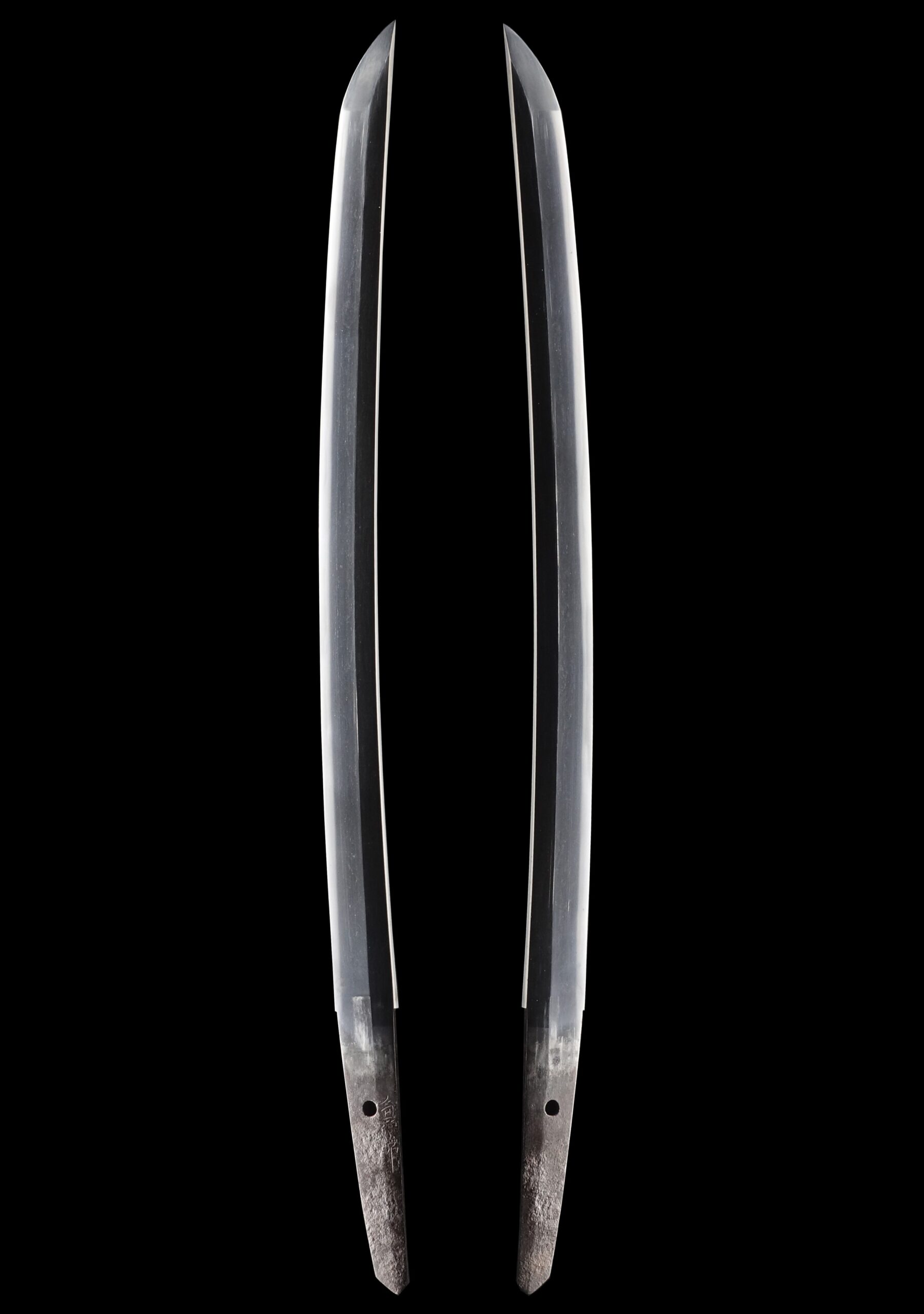
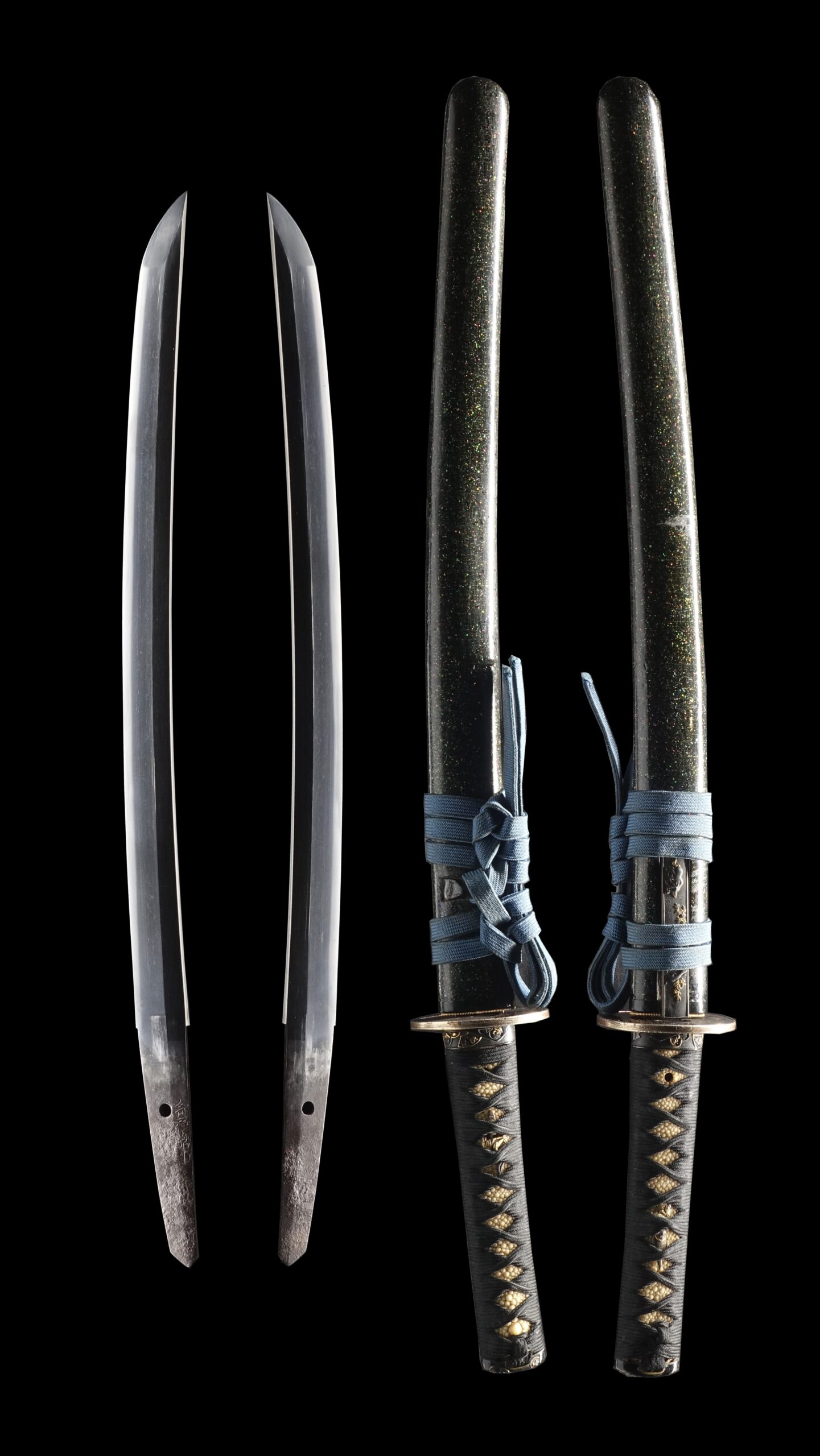
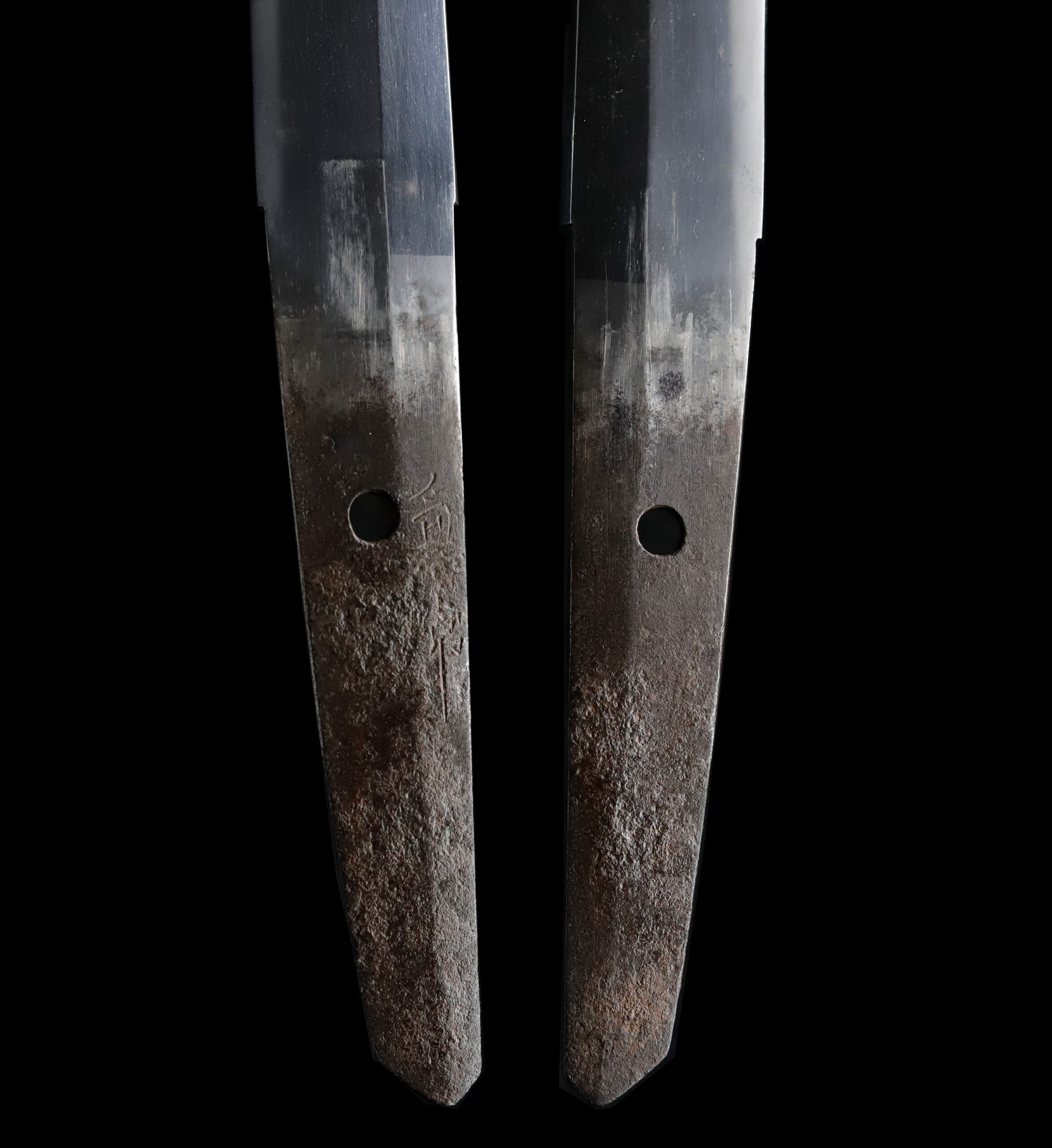
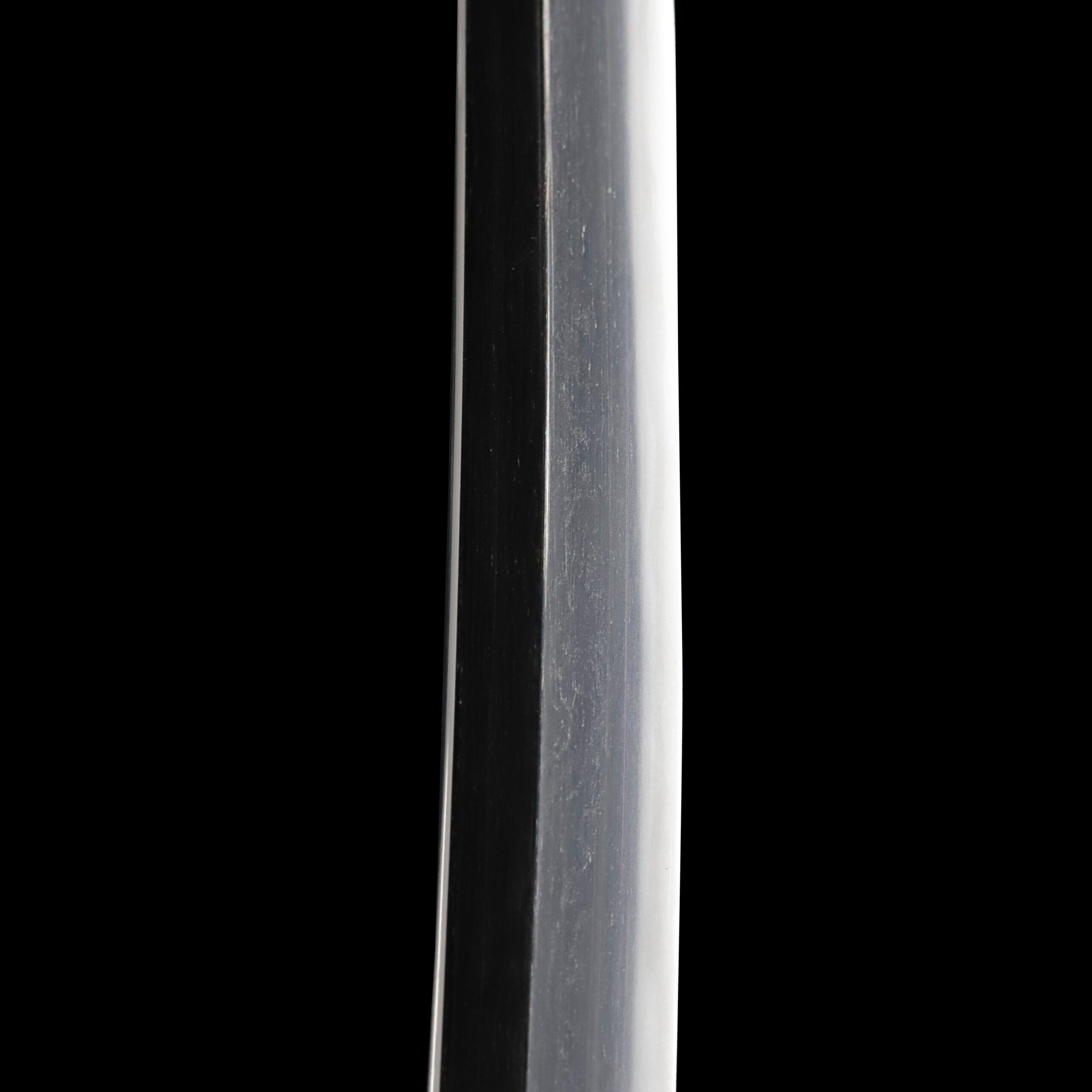
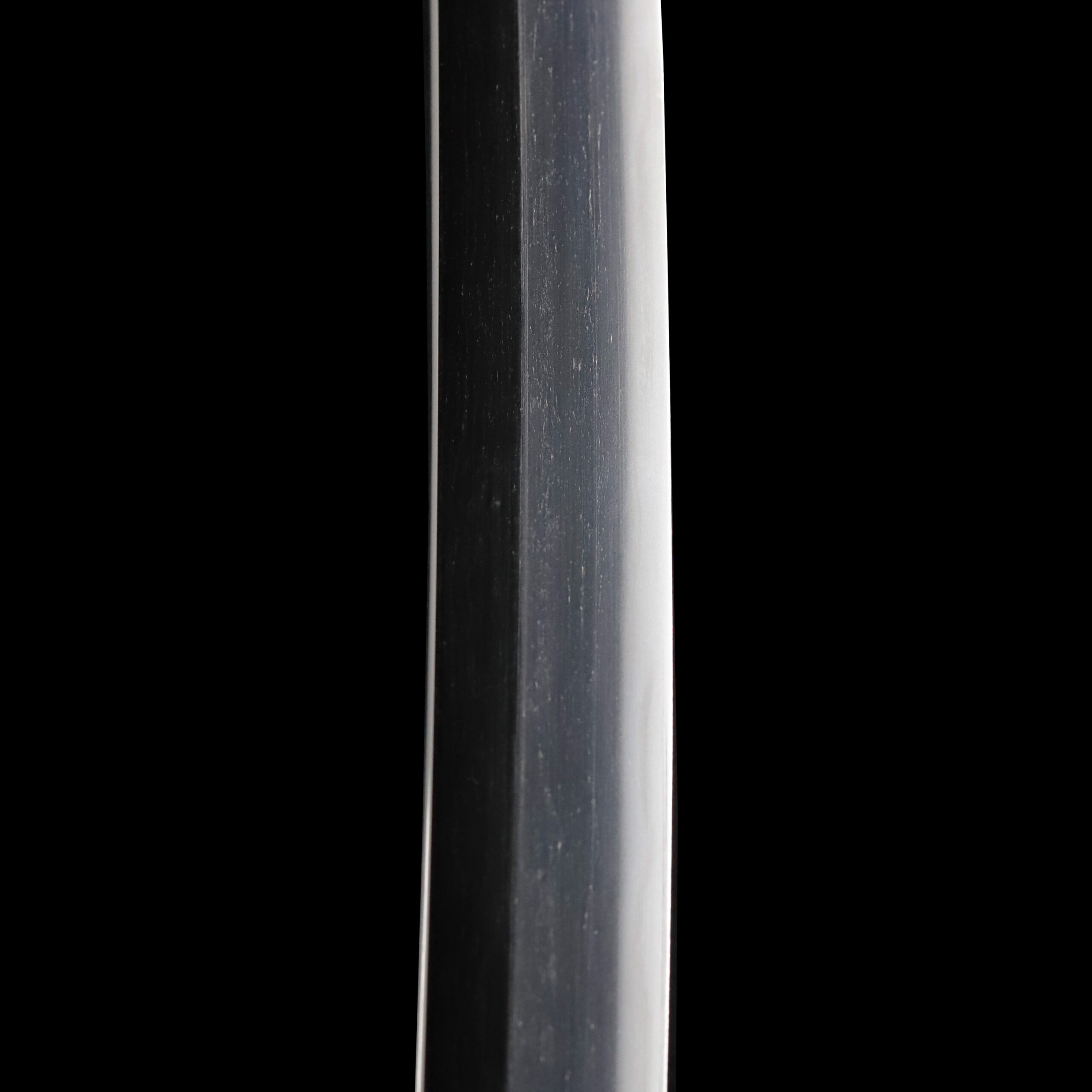
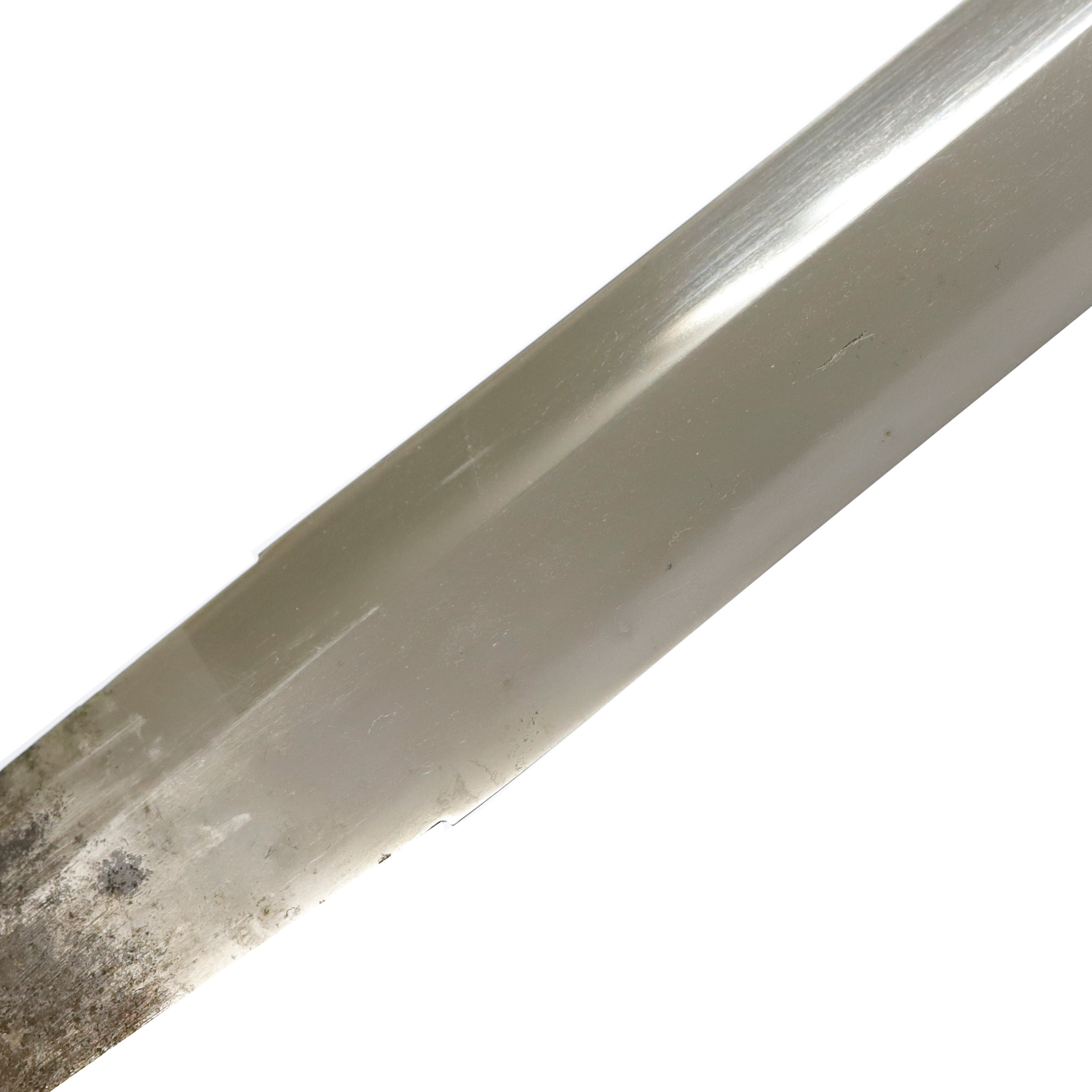
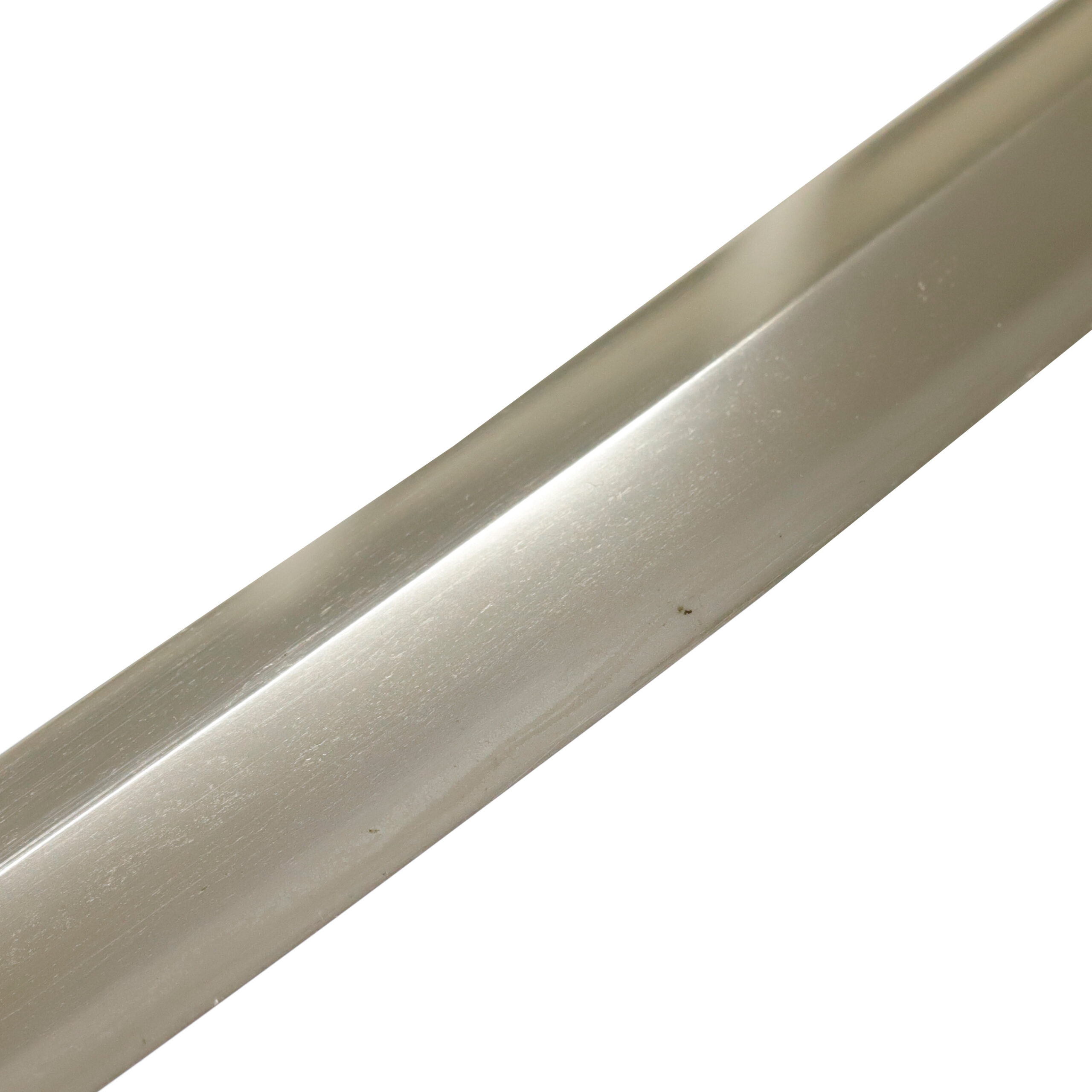
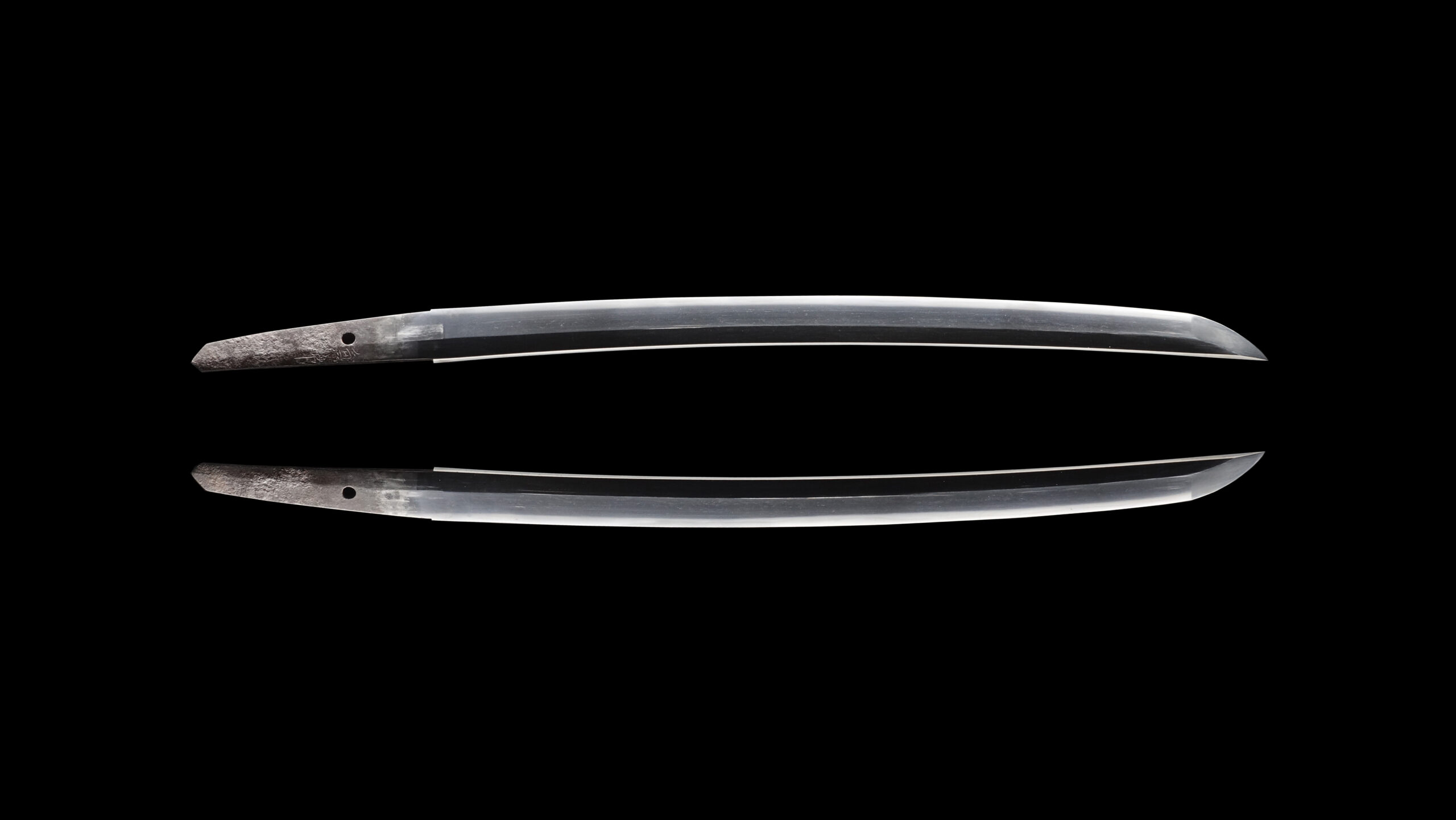
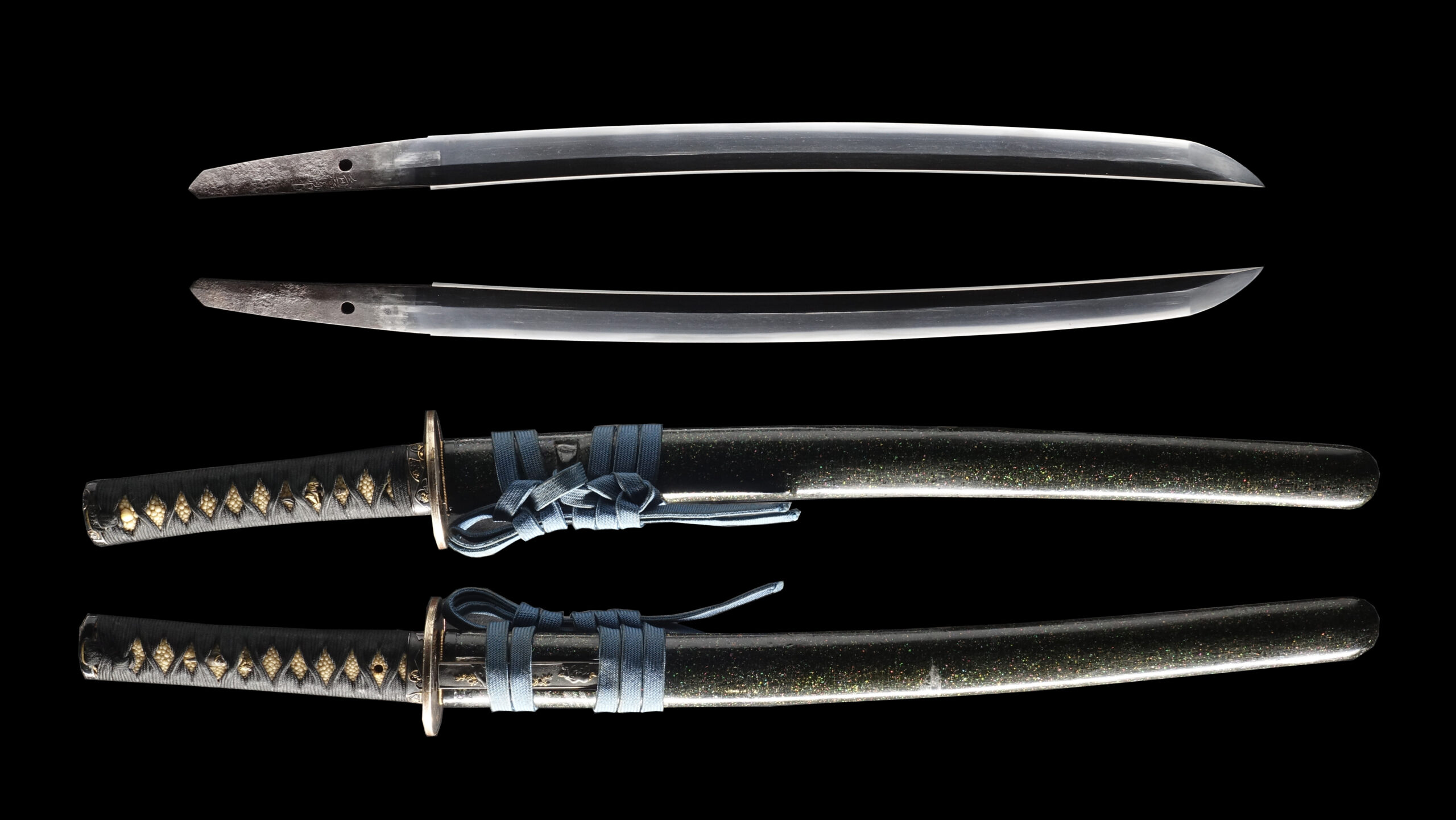
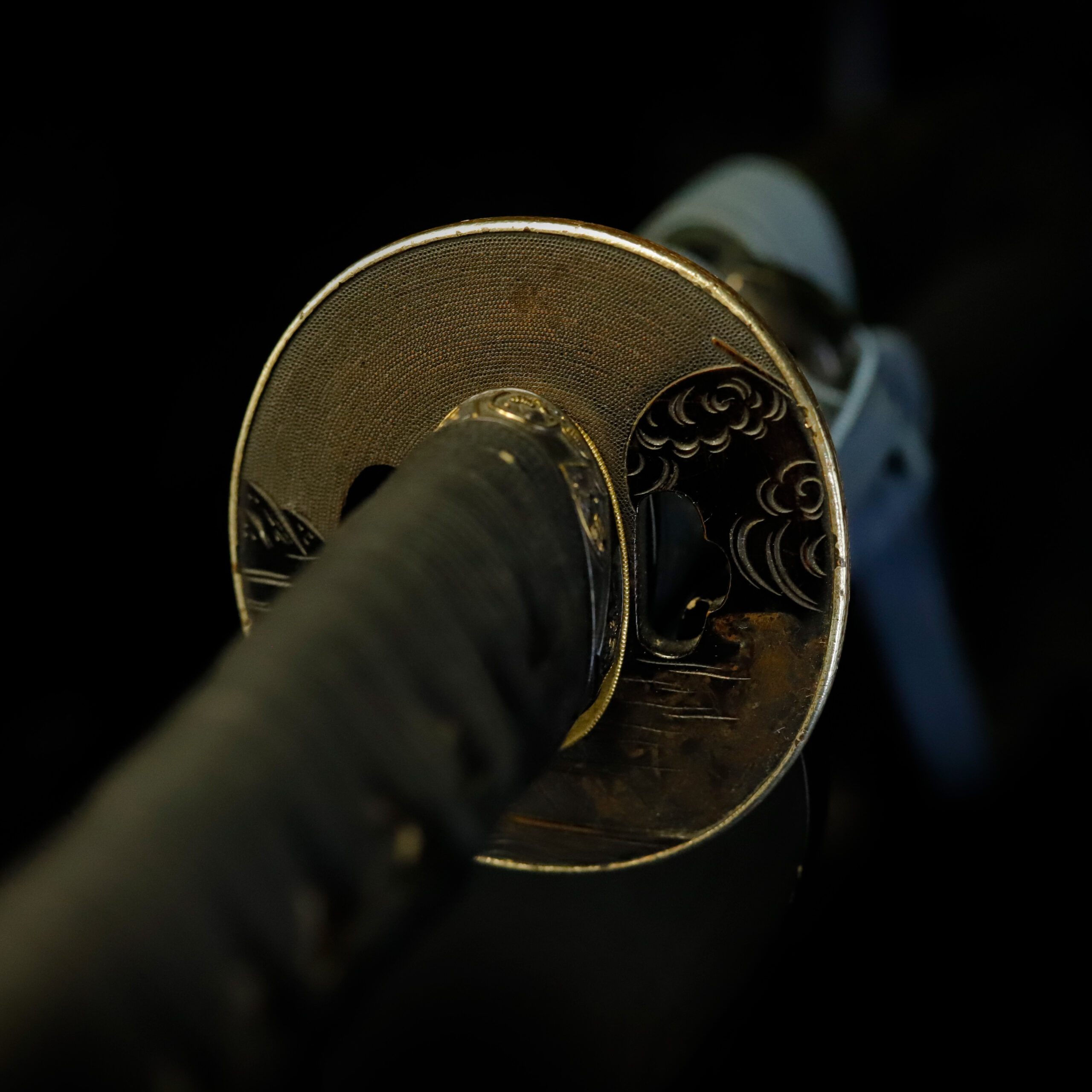
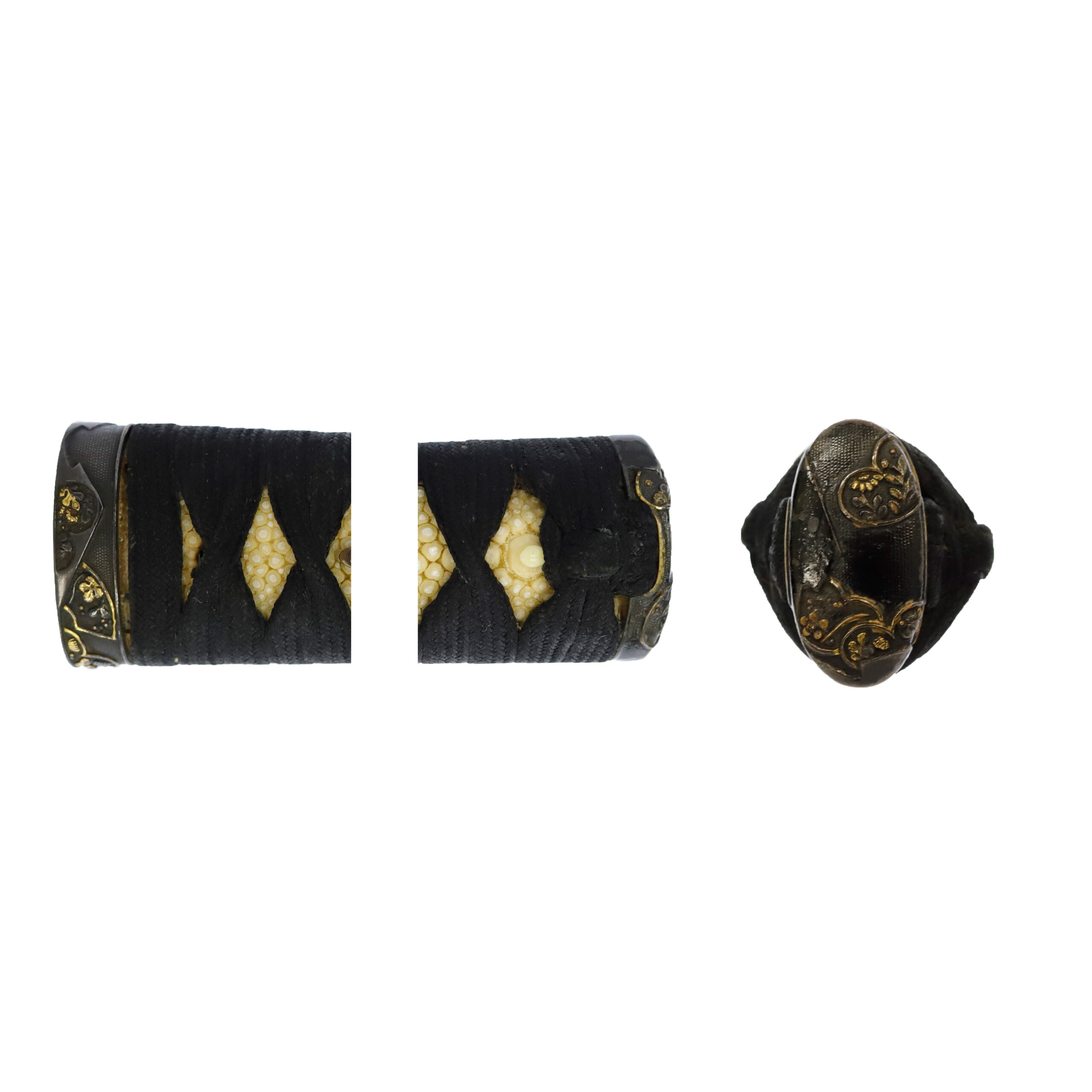
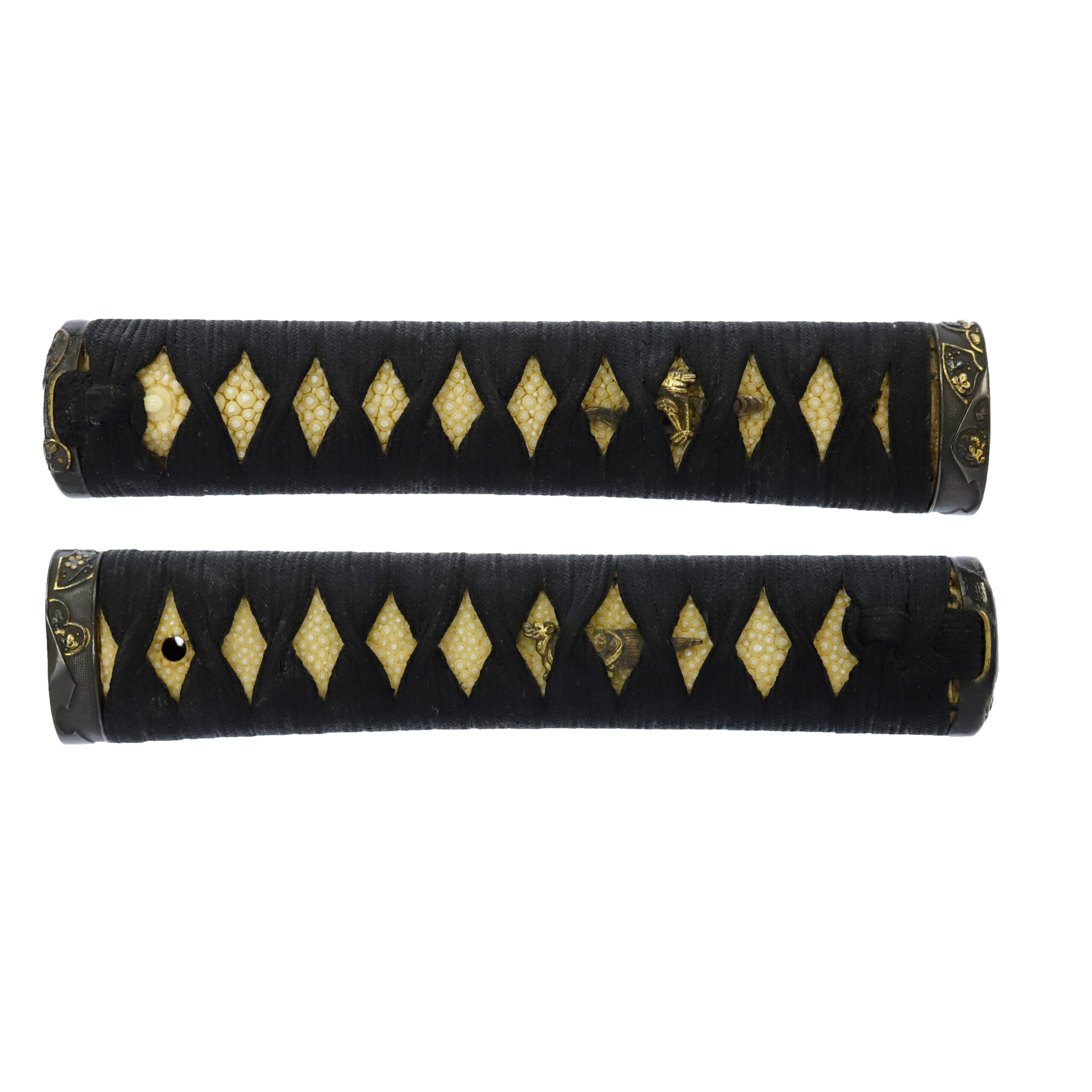
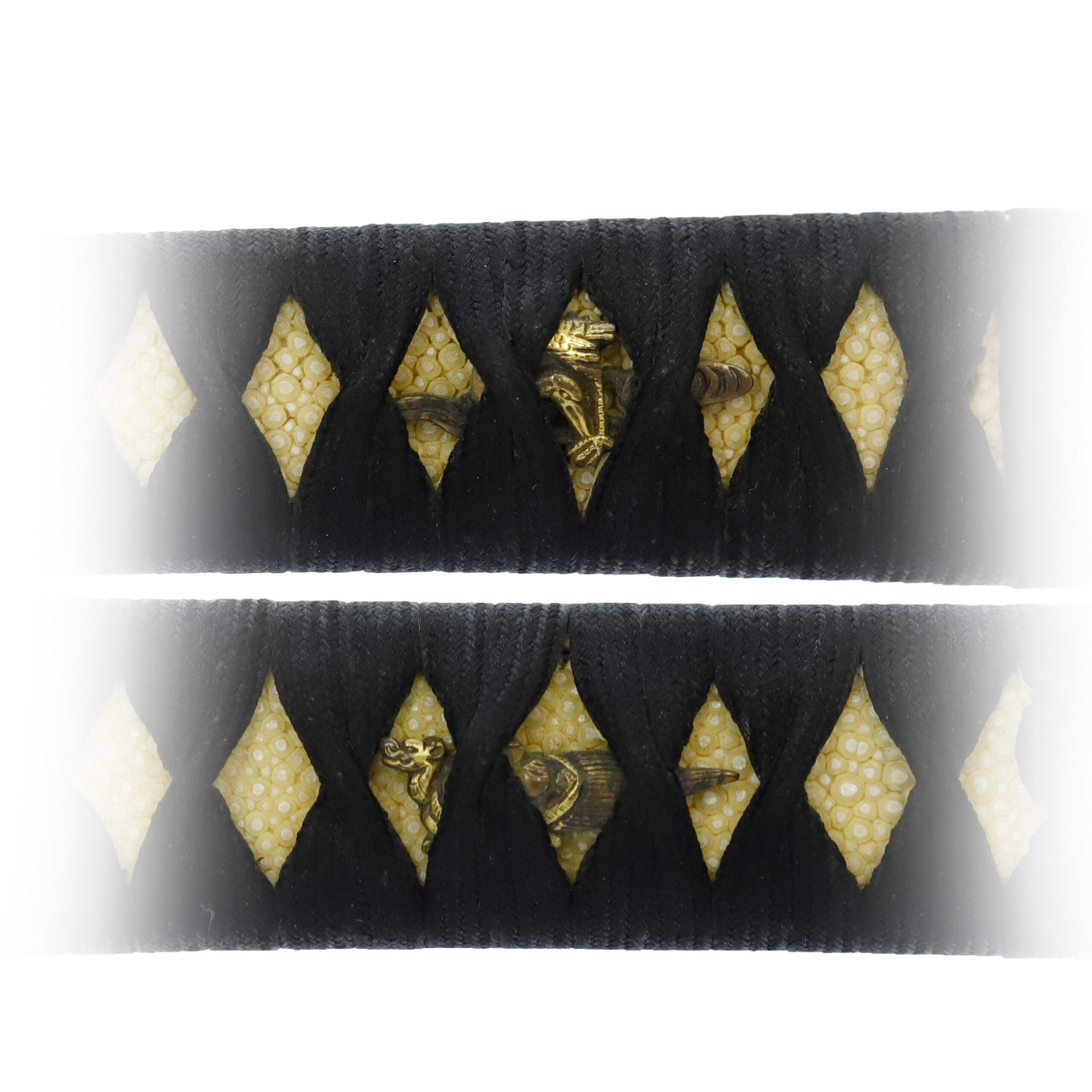
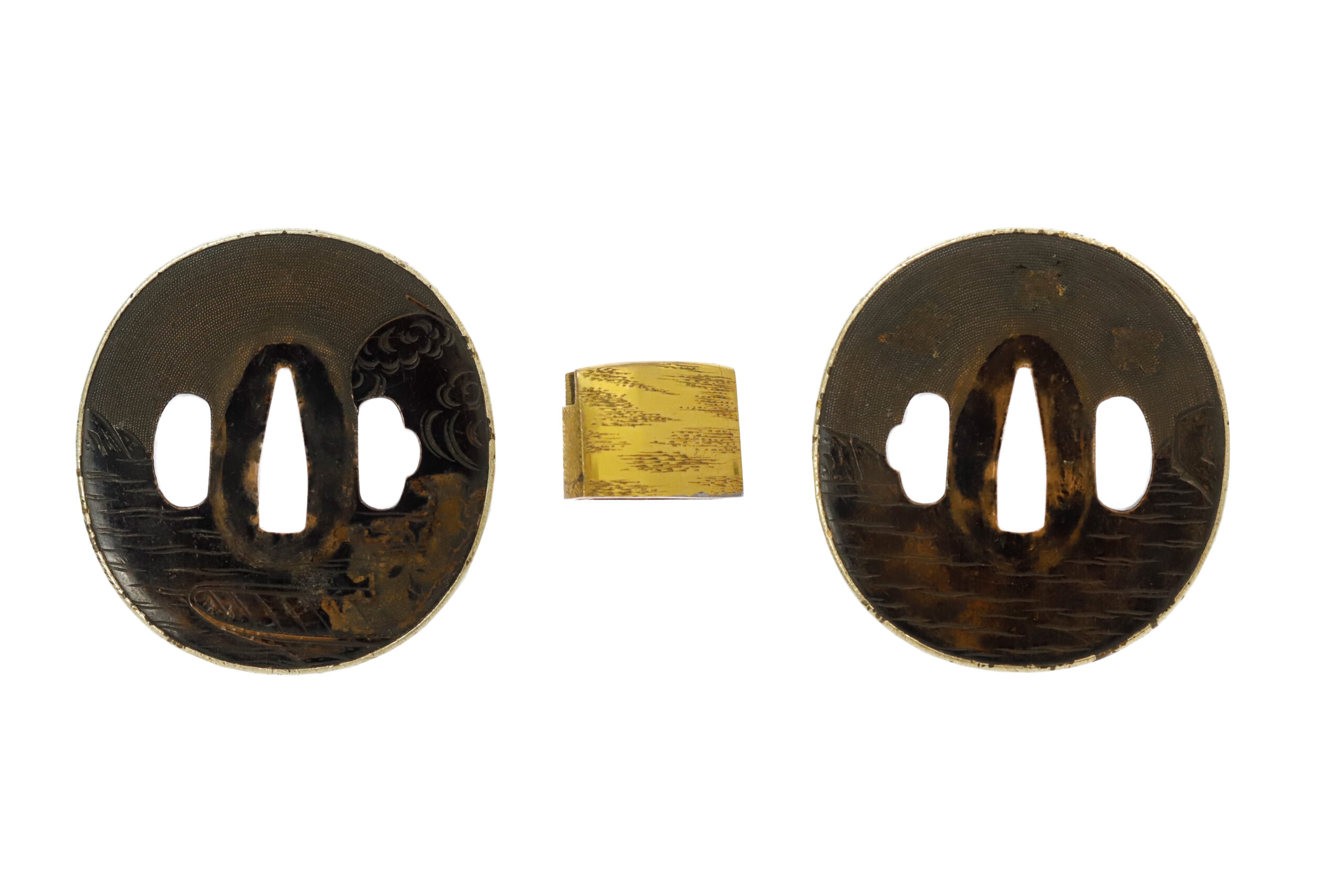
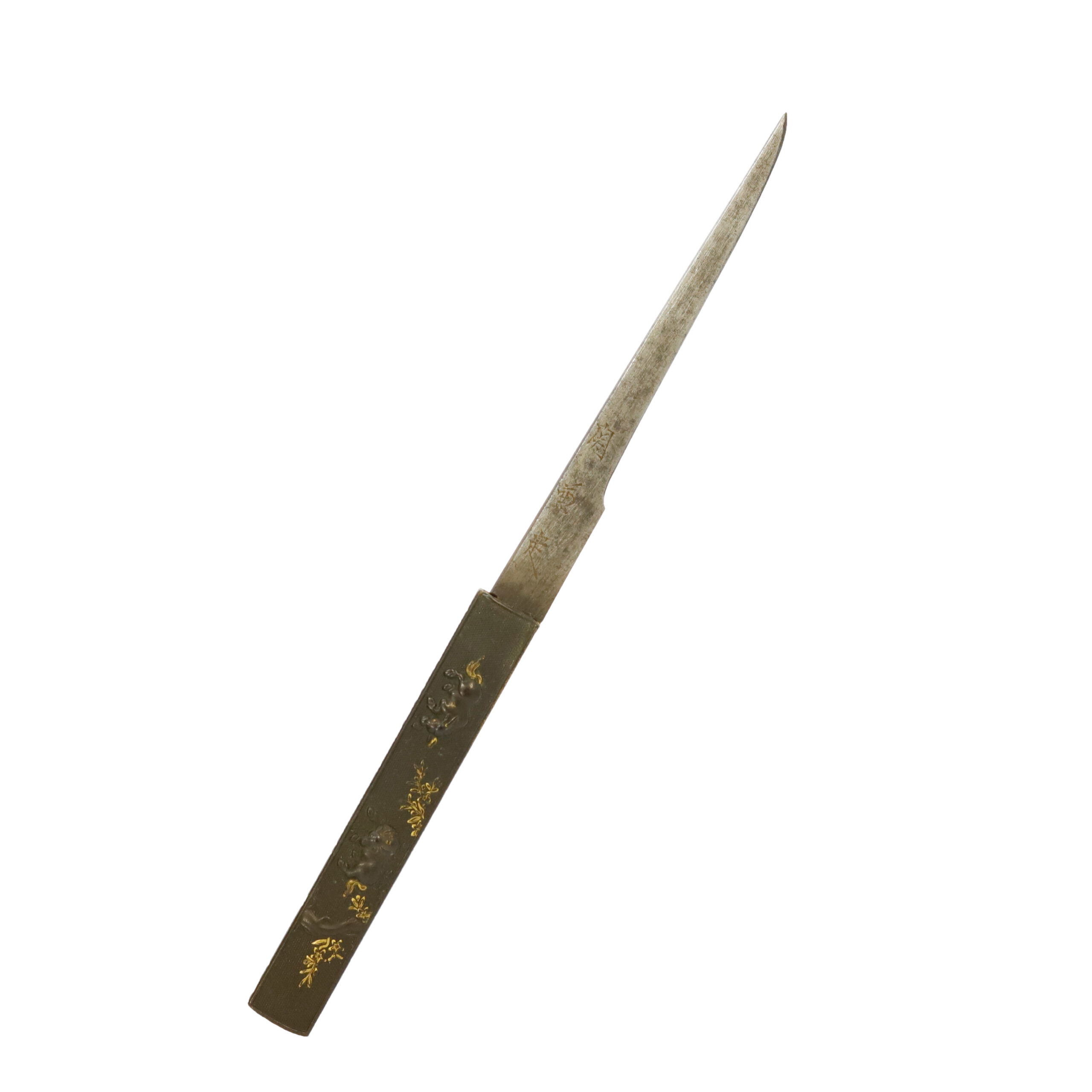
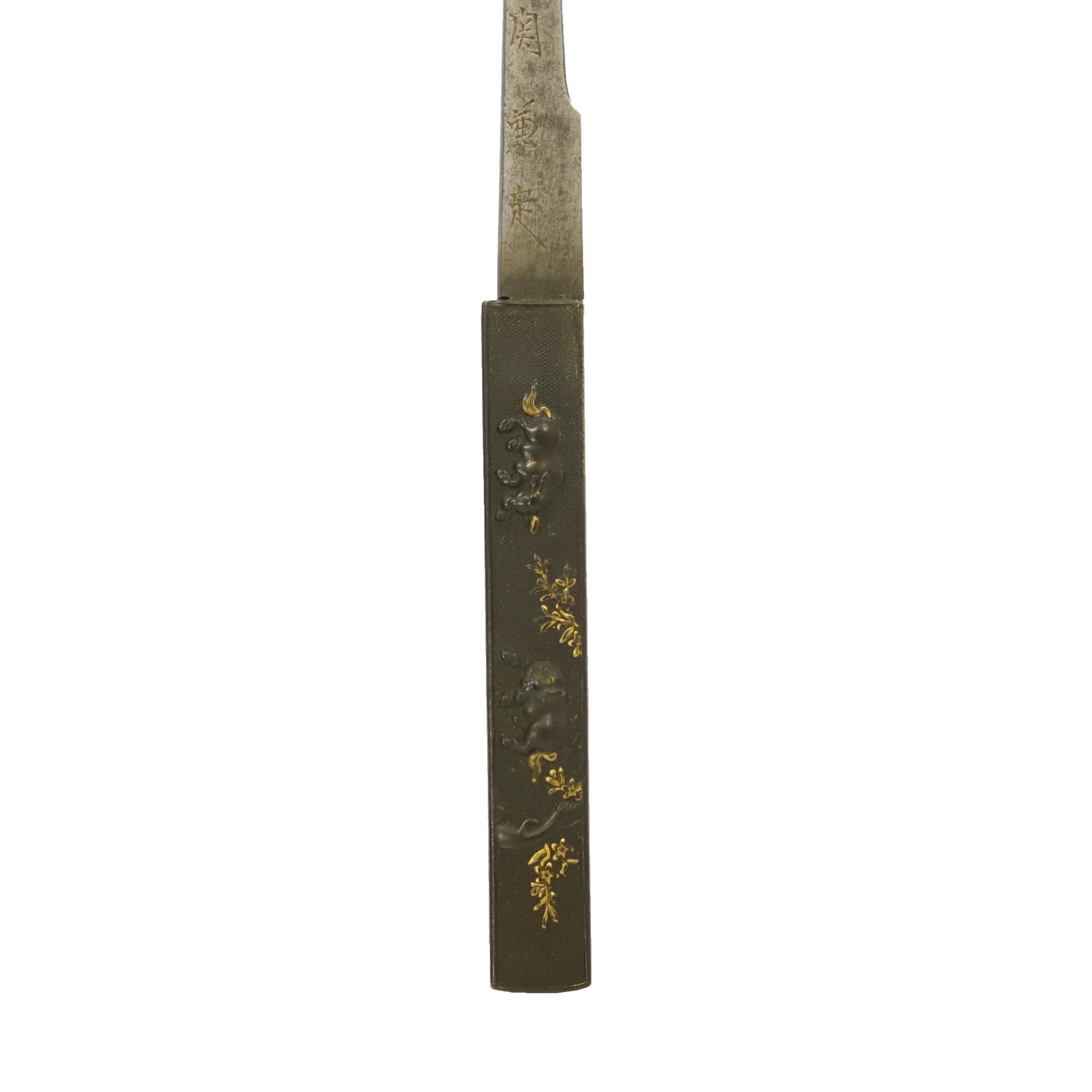
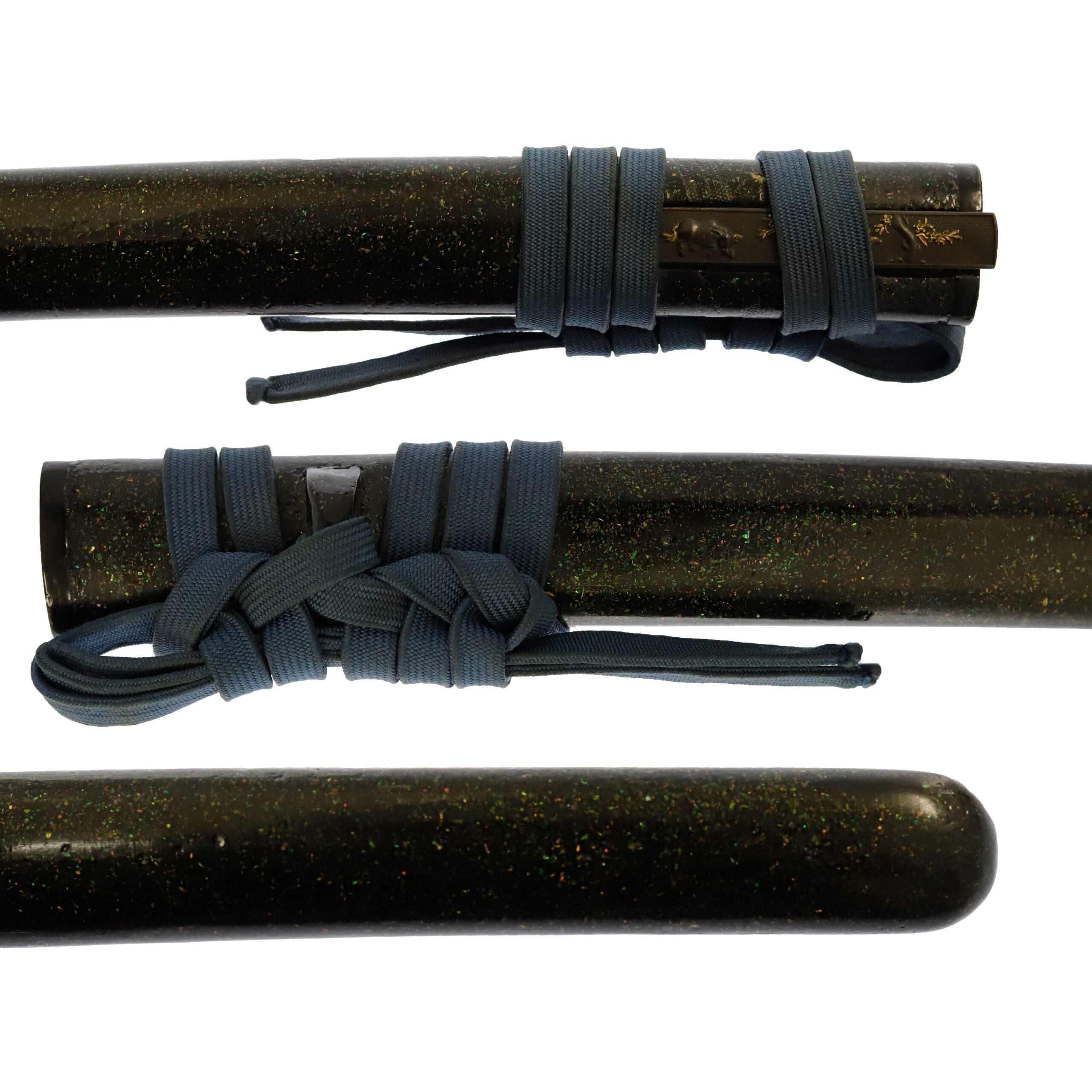
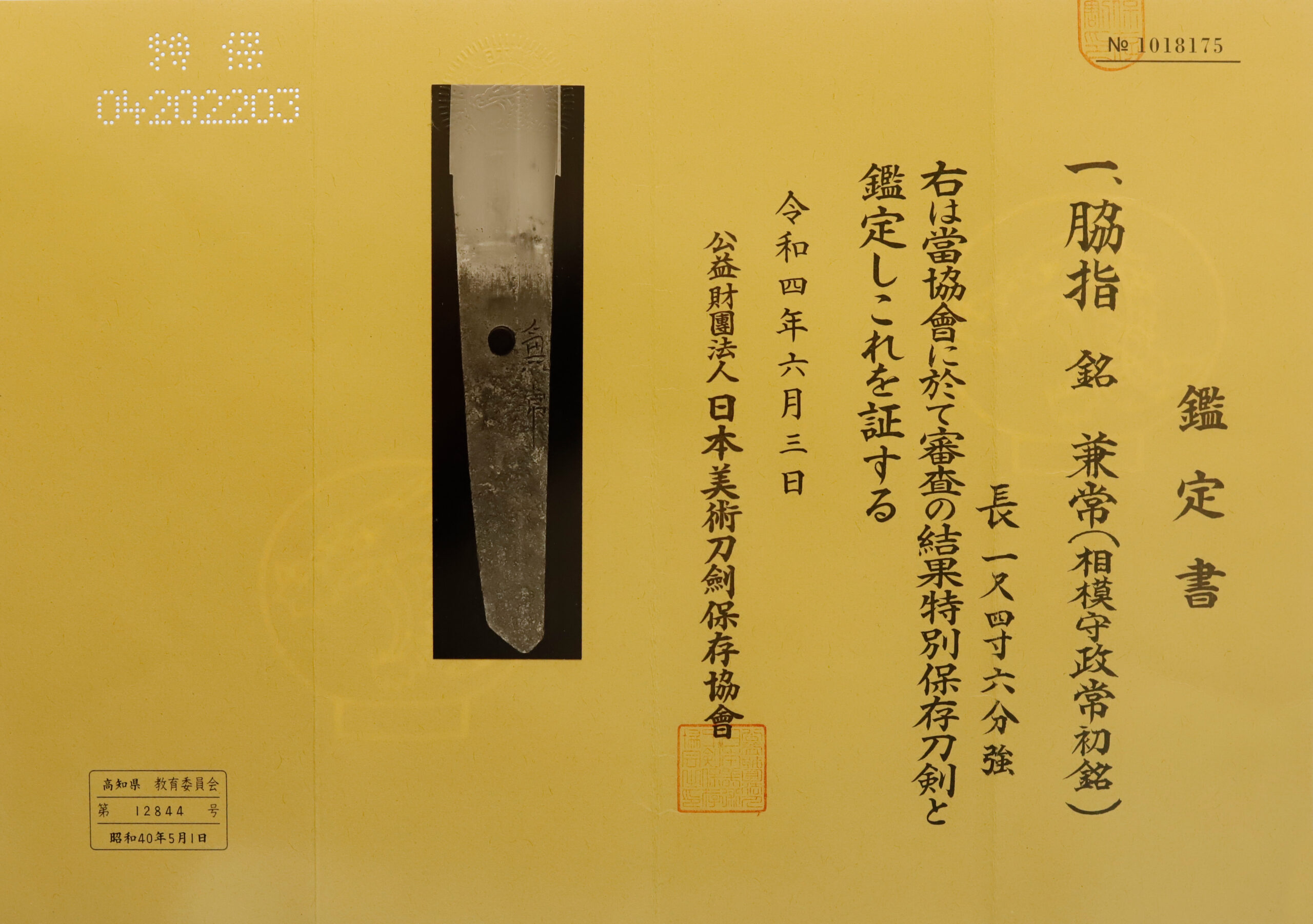
This blade was signed by Kanetsune (兼常), also known as Sagami no Kami Masatsune (相模守政常). Kanetsune was the previous maker’s name used by Masatsune. He was active during 1573-1592 (Azuchi Momoyama period). In this description, we will address him as Kanetsune and Masatsune. Kanetsune was born as the second son of Suke Uemon Kanetsune in the third year of the Tenbun era (1534: Late Muromachi period). His father was also a renowned swordsmith in Mino province (Today’s Gifu prefecture). It is said that he learned sword-forging techniques from his father. And, in 1567, when he was 33 years old, he became an independent swordsmith and signed as Kanetsune (兼常), moving to Komaki village in Owari domain (Today’s Aichi prefecture). According to available records, he and his school forged 100 spear swords, which Tokugawa Ieyasu ordered for Komaki Nagakute Battle in 1584. Masatsune received an honorable official title of Sagami no Kami in 1592 and changed his maker’s name to Masatsune after Ikeda Terumasa (池田輝政), the head of the Kamaki domain, gave one of his letters to Kanetsune. It was common to let a swordsmith use one of the Kanjis in one lord’s first name as a token of great craftsmanship, such as Masatsune (政常). When Masatsune was 66 years old in 1600, Satsuma no Kami Matsudaira Tadayoshi, the 4th son of Tokugawa Ieyasu, became the head of the Kiyosu castle, the headquarter of Owari domain. And, Fukushima Masanori, one of the most famous Samurai who served Hideyoshi Toyotomi, ordered Masatsune to relocate from Komaki village to the castle town near the Kiyosu castle. And, Masatsune started to serve Tadayoshi as an Okakaekaji, exclusively forging blades for his master. In the same year, the head of the Owari domain changed to Tokugawa Yoshinao, 9th son of Tokugawa Ieyasu. And Masatsune and his son started serving Yoshinao. Masatsune once retired in the 12th year of the Keicho era (1607), but he returned to forge blades because his son died unexpectedly. He eventually adopted his heir from Omichi school in Mino province. Masatsune lived until he was 85 years old. As Owari province(today’s Aichi prefecture) was active in martial arts during the early Edo period, there was much demand among high-class Samurai to order swords forged by Masatsune. Masatsune is also known as an Owari Sanketsu, one of the three famous swordsmiths in Owari province. The other two are Hidano Kami Ujifusa and Hoki no Kami Nobutaka. This blade is appraised as a Tokubetsu Hozon Token(特別保存刀剣) issued by NBTHK(Nihon Bijutsu Touken Hozon Kyokai:日本美術刀剣保存協会). *Please keep in mind that there is a couple of Kitae Kzu on the blade. Fuchi-Kashira The surface of this Fuchi Kashira is decorated with the Nanako-Ji (魚子地) technique. This process makes a uniform minimal protrusions pattern by hitting the Nanako-Ji Tagane (魚子地鏨, a chisel for this technique) on a metal surface. This decorative technique is often seen on sword mountings. Although several colorings have already faded due to aging, we could see that golden paint is applied to some parts, making this metal fitting look ornamental. Each fan-shaped or heart-shaped frame has a plant design engraved inside it; these motifs are the elements of this Fuchi Kashira’s decorativeness. Tsuka and Menuki Seeing from the gaps of the Tsukamaki thread, the theme of this Menuki is the Tsuru Kame Mon (鶴亀文, crane and turtle pattern) in Japan. It is a classical Japanese pattern. According to a theory, the idea of the Tsuru Kame Mon is an auspicious design that has existed since the Heian period. And people have used it as a design since the Edo period. A proverb says these animals have long lives, such as, it is said that cranes live one thousand years, and turtles live even ten thousand years. Therefore, this motif is considered a symbol of longevity. Tsuba and Habaki Oval-shaped Tsuba that has Kozuka and Kougai holes. Its Mimi (耳, edge) part is framed with a thin metal plate. This process not only enhances the beauty of the work but also its practicality. This frame increases the Tsuba’s strength, eliminating the risk of damaging the fabric due to friction with clothing. The design depicts a seaside scene, with the obverse showing a calm water surface and a floating ship. Kozuka A Kogatana (小刀, small knife) is stored in the Kozuka. If you focus on the blade part, you would find an engraved inscription. It is written as follows: 関 兼定 (Seki Kanesada). We think it shows its maker’s name. However, please note that there is no proof of this signature. About the design of this Kozuka, its surface is decorated with the Nanako-Ji technique, the same as the Fuchi Kashira and Tsuba. You would see the figures of two cows. Cows have been familiar with human life since ancient times. They are indispensable in multiple situations: food, labor force for farming, or carrying goods. People have thought this hard-working animal’s figure symbolizes integrity. According to a theory, that is why the cow was added to the Junishi (十二支, the twelve signs of the Japanese zodiac). In addition, the Japanese name of cow, “牛,” is also written as “丑.” There is the letter “紐,” which means string in Japanese. Now you would notice that “丑” is used in the “紐” character. Therefore, there is an idea that considers “丑” has meaning, such as connect (tie) or take (grasp). Based on these ideas, Samurais might have associated this animal design with meanings such as “form a connection” or “grab the victory” and incorporated this design for sword mountings, as you see in this Kozuka. Authentication Paper They authenticated the blade on June 3rd in the 4th year of Reiwa (2022). They appraised it as Tokubetsu Hozon Touken, the blade especially worth preserving for Japanese society.
Offered by Samurai Museum
This piece has sold
Get an email when a new Masatsune Kanetsune piece hits the market.


Mino-den · Mino · around 1573-1592
Fujishiro Chu-jo saku · Tōken Taikan top 49%
2 pieces on the market now
Where Kanetsune stands among comparable artisans: across all of nihontō, and within tradition, era, and period. The tiers (Foremost · Leading · Major · Notable) weigh official designations from the NBTHK and Japan's Agency for Cultural Affairs, together with historical honors of lasting repute such as the Sansaku and Meibutsu-chō.
Select a lens to see how it's measured.
Mino-den · Owari
7 pieces on the market now
The line begins with a Mino man. The setsumei record that Sagami no Kami Masatsune (政常) was born at Nōdo in Mino Province, where he first signed Kanetsune (兼常) and is variously said to have been the son or a disciple of Kanetsune of Seki. In Eiroku 10 (1567) he established an independent branch line and moved to Komaki village, likely changing his name to Masatsune about that time; in the fifth month of Tenshō 19 (1591) he received the court title Sagami no Kami, and in Keichō 5 (1600) he followed Matsudaira Tadayoshi to Kiyosu in Owari, where he became a retained smith (kakae-kō) of the Owari Tokugawa house. Several records place him at Kiyosu alongside Hōki no Kami Nobutaka and Hida no Kami Ujifusa, the three later counted as the Owari Sansaku (Three Smiths of Owari). After taking the tonsure and retiring in Keichō 12 (1607), he passed the name to his son; when that second generation died suddenly two years later he resumed forging under the nyūdō signature Masatsune Nyūdō, and is said to have died in Genna 5 (1619) at the age of eighty-four. A separate second generation, Mino no Kami Fujiwara Masatsune, is recorded as the son of Daidō of Gifu, adopted into the line, who carried on its spear and naginata work. A Mino foundation worked toward suguha defines the shared hand. The forging is itame mixed with mokume, frequently flowing into masame toward the mune and shinogi-ji, with the grain standing somewhat (hada-dachi), abundant ji-nie, and chikei; a mizukage-like feature rising from the machi is noted on several tantō and wakizashi.
The temper that the setsumei call his specialty is a chū- to broad suguha in ko-nie-deki, the habuchi worked with hotsure, nijūba, kuichigai-ba, and uchi-noke, with ko-gunome and ko-ashi mixed in, fine kinsuji and sunagashi running through, and a bright nioiguchi. Beside this restrained mode runs a bolder midareba of gunome and ko-notare with togariba, sometimes hakogakari or saka-gakari, where the nie grows coarse and clustered and the nioiguchi turns shizumi (subdued); the notare-ba that the setsumei call the Owari-Seki specialty (尾張関得意の湾れ刃) appears in the wider blades. The bōshi tends to straight with ko-maru and hakikake in the suguha works, midare-komi with a rounded or long return in the midareba works. Carving is plain but crisp: suken, bonji, gomabashi, koshi-hi with soe-hi, and the rarely seen shin no Kurikara in openwork. Among extant works, the setsumei agree, hira-zukuri wakizashi and tantō are the most numerous and of high skill, yari and naginata are comparatively common with the spears often hira-sankaku sasaho form, while katana and shinogi-zukuri wakizashi are extremely few. For kantei this rarity gives weight to the long swords: the 67th Jūyō Kanetsune-signed katana, dated by its sakizori and large kissaki to about Eiroku, anchors the smith's early phase, and the 31st Jūyō Masatsune Nyūdō katana shows the flowing masame, shallow notare, and shizumi nioiguchi read as his own. Named pieces include the Sagami no Kami Masatsune Nyūdō wakizashi held by the Imperial Household Agency and the katana once with Tokugawa Iesato and the Reimeikai Foundation; one wakizashi survives in akikusa-mon koshirae with fittings by Mogarashi Sōten of Hikone. The setsumei note that in his bolder work Masatsune looked to the Sagami masters Sadamune and Nobukuni while keeping the togari and Sanbon-sugi traces of his Mino root, placing his line as the Owari channel through which the Mino-den passed into shintō. Learn more →
| Smith | Era | Designated |
|---|---|---|
| Masatsune政常 | 1567-1619 | 19 |
| Masatsune政常 | 1661-1673 | 0 |
| Masatsune政常 | 1688-1704 | 0 |
| Kanetsune兼常 | 1573-1592 | 1 |
| Masatsune政常 | 1615-1673 | 2 |
Mino in the Momoyama period
Unification closed the mass market, and Seki’s smiths moved to where the new money was: the Mishina line to Kyōto with court titles, Daidō smiths to castle towns across the provinces. Mino became the great technical ancestor of the Shintō age.
A Hozon-certified blade judged to show notably superior workmanship and a better state of preservation. The bar is higher: re-tempered blades and most unsigned Muromachi/Edo works are excluded.
The NBTHK (Nihon Bijutsu Tōken Hozon Kyōkai, the Society for the Preservation of Japanese Art Swords) is a public-interest incorporated foundation founded in 1948 and supervised by Japan’s Agency for Cultural Affairs (Bunkachō); it is based at the Japanese Sword Museum in Tokyo. Its expert panels physically examine each submitted work (shinsa) and issue a certificate (kanteishō) ranking it by artistic and historical merit. NBTHK papers are the most widely recognized standard of authentication for Japanese swords and fittings.
NBTHK official siteReturns/exchanges limited to defects caused by shipping (except willful misconduct or gross negligence by the company); customers must contact within 72 hours of receiving the product.