Sengoku Seki was an industry: smiths organized under their tutelary Kasuga shrine, arming the war bands of central Japan. Magoroku Kanemoto’s sanbonsugi and the finest Kanesada work prove quality survived inside mass production.
 NihontoWatchNihontoWatch
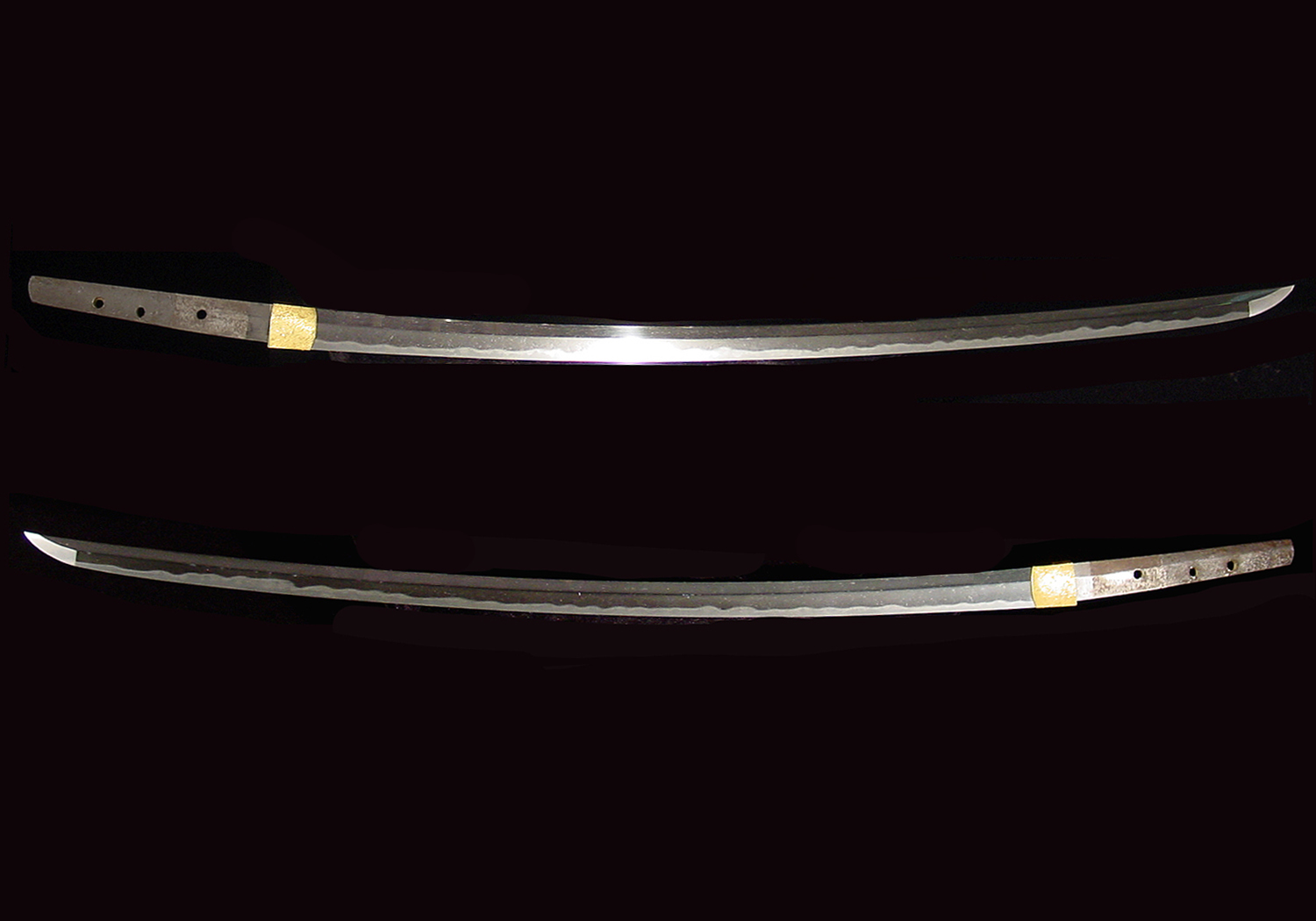
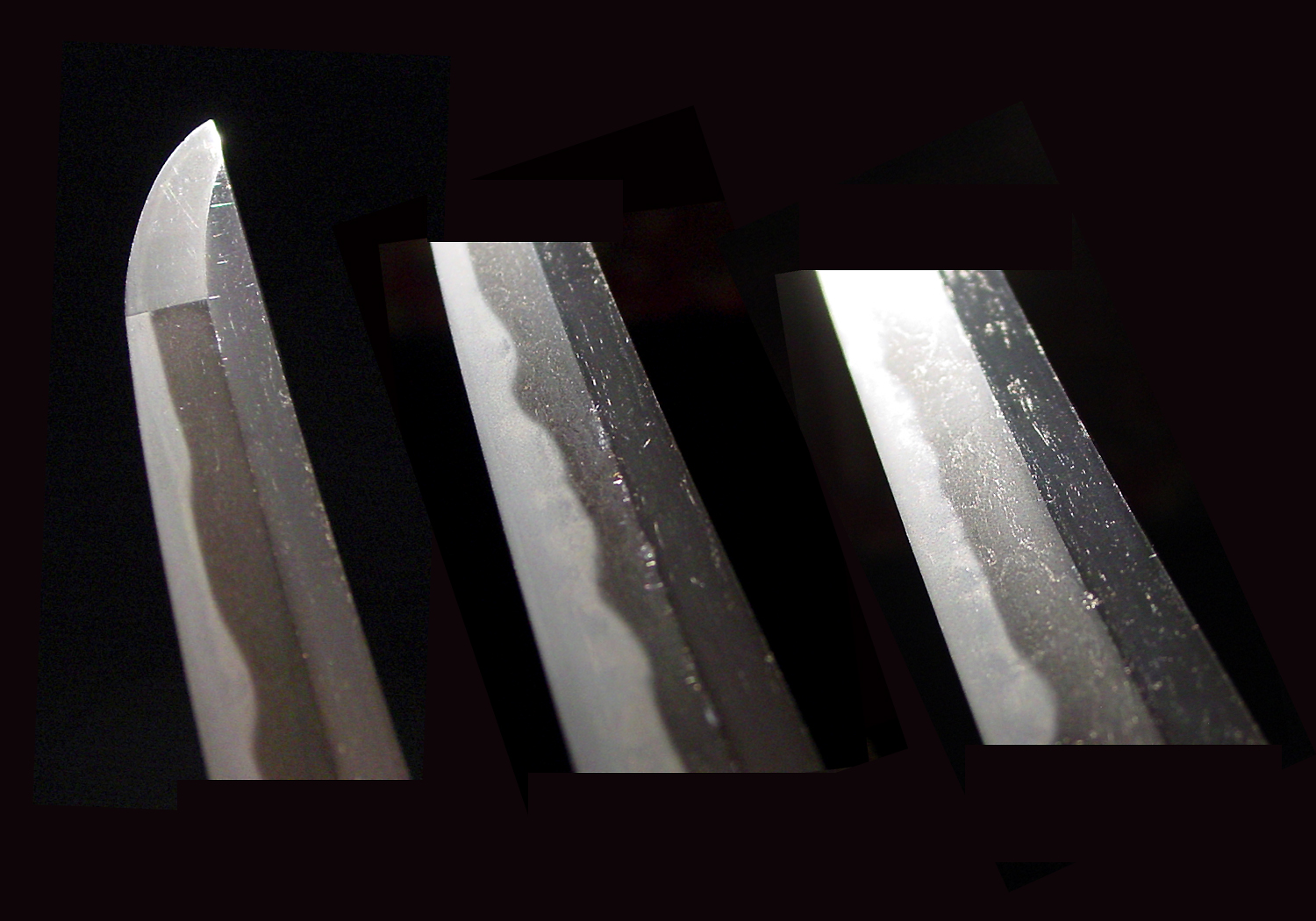
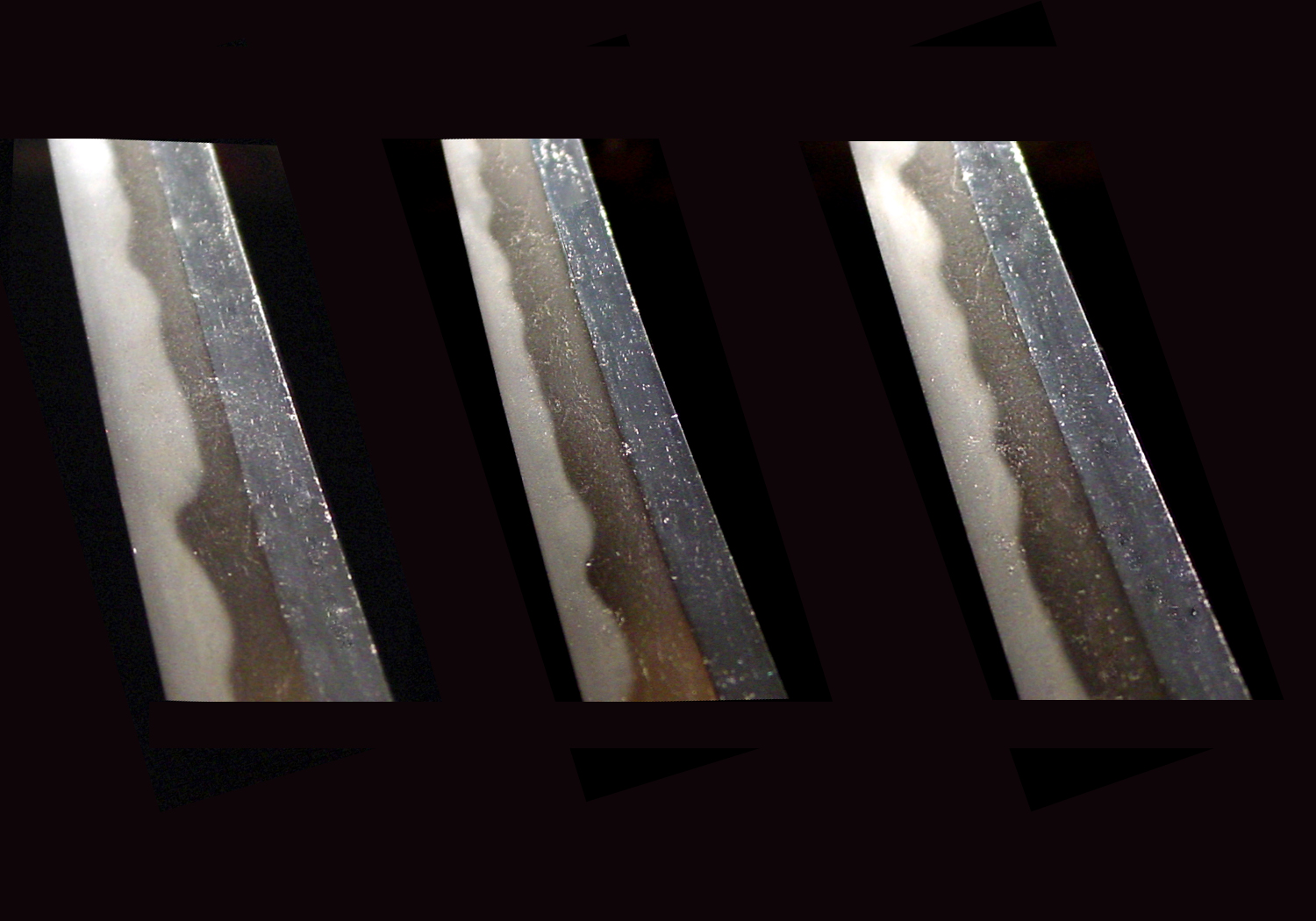
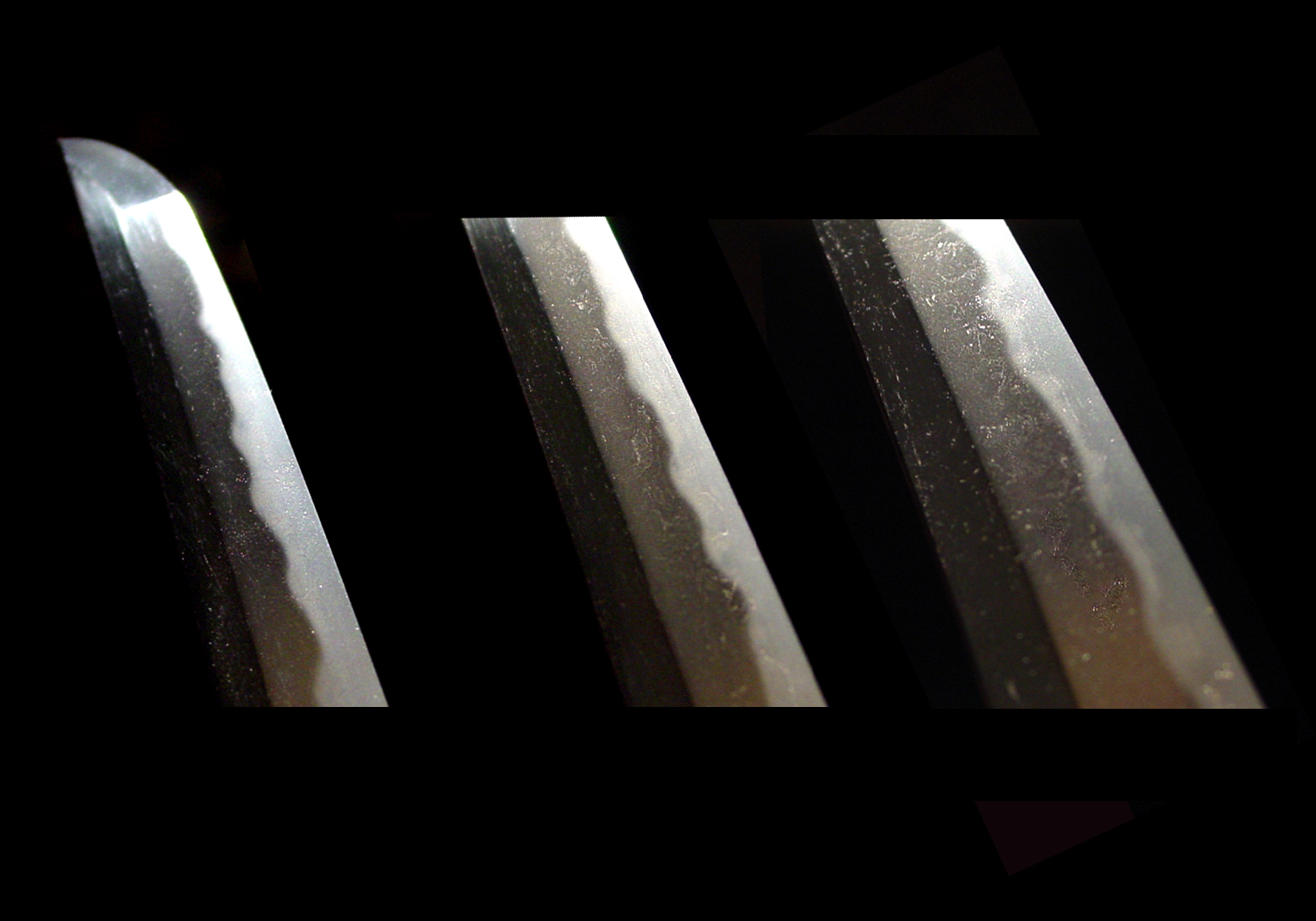
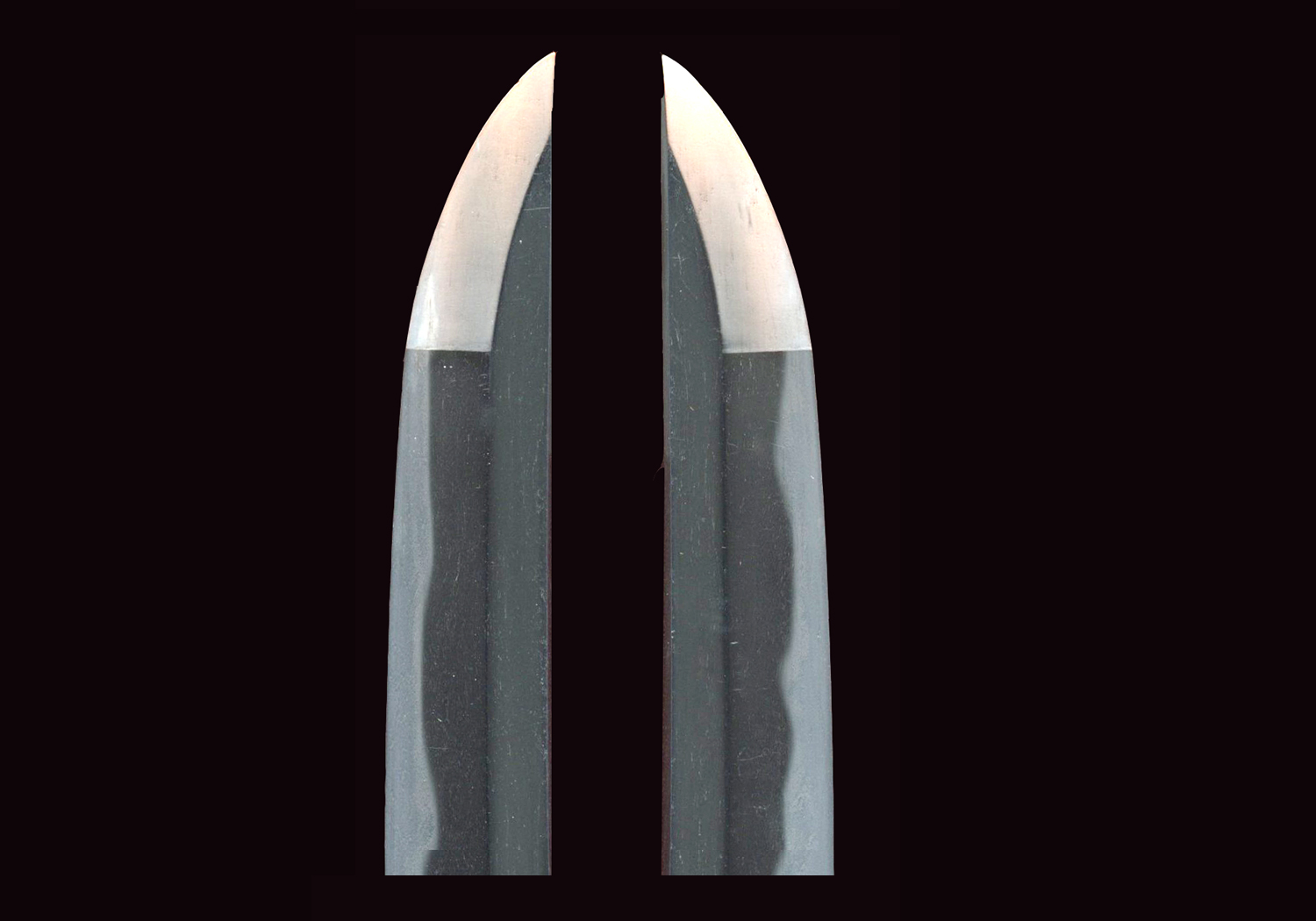
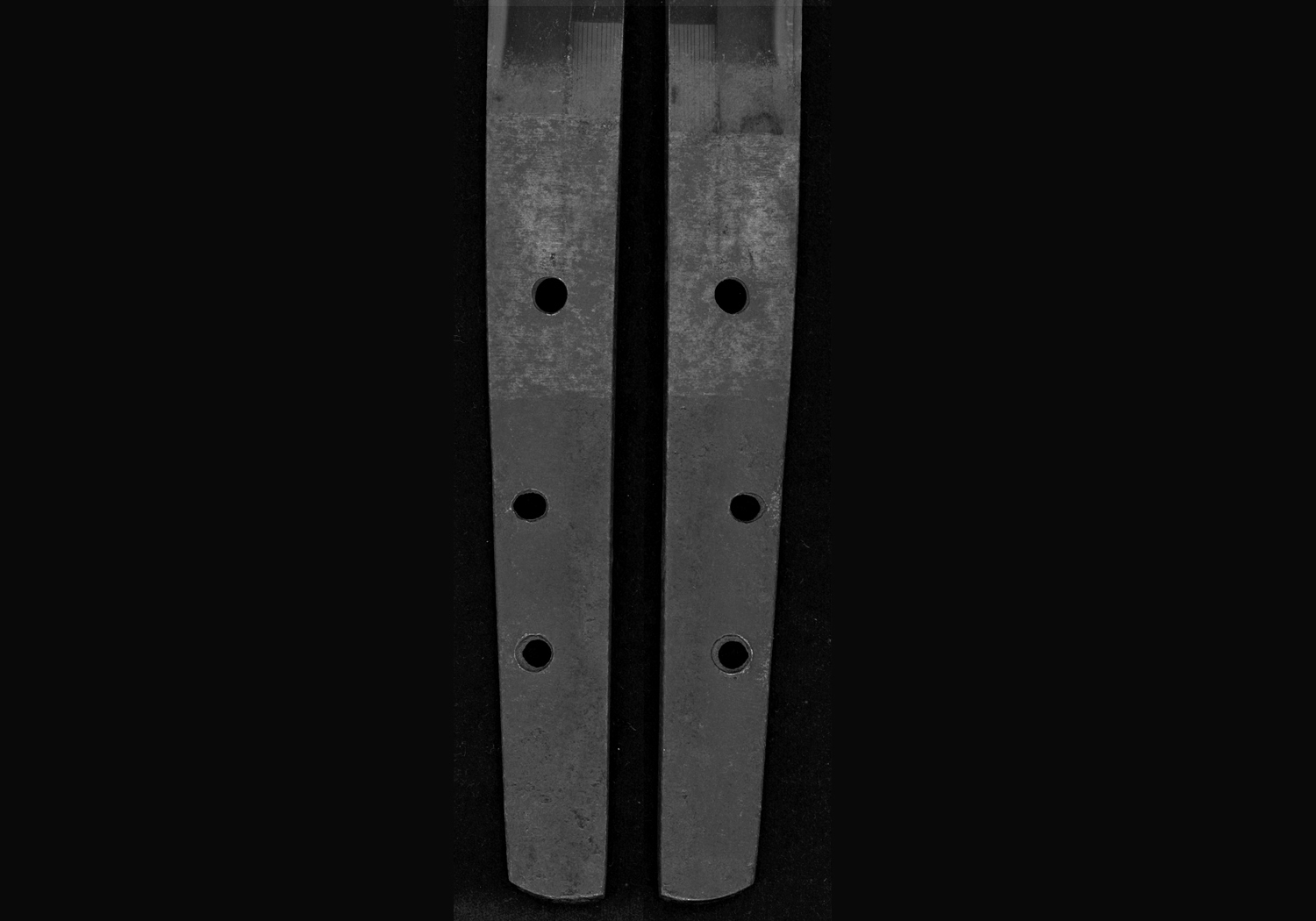
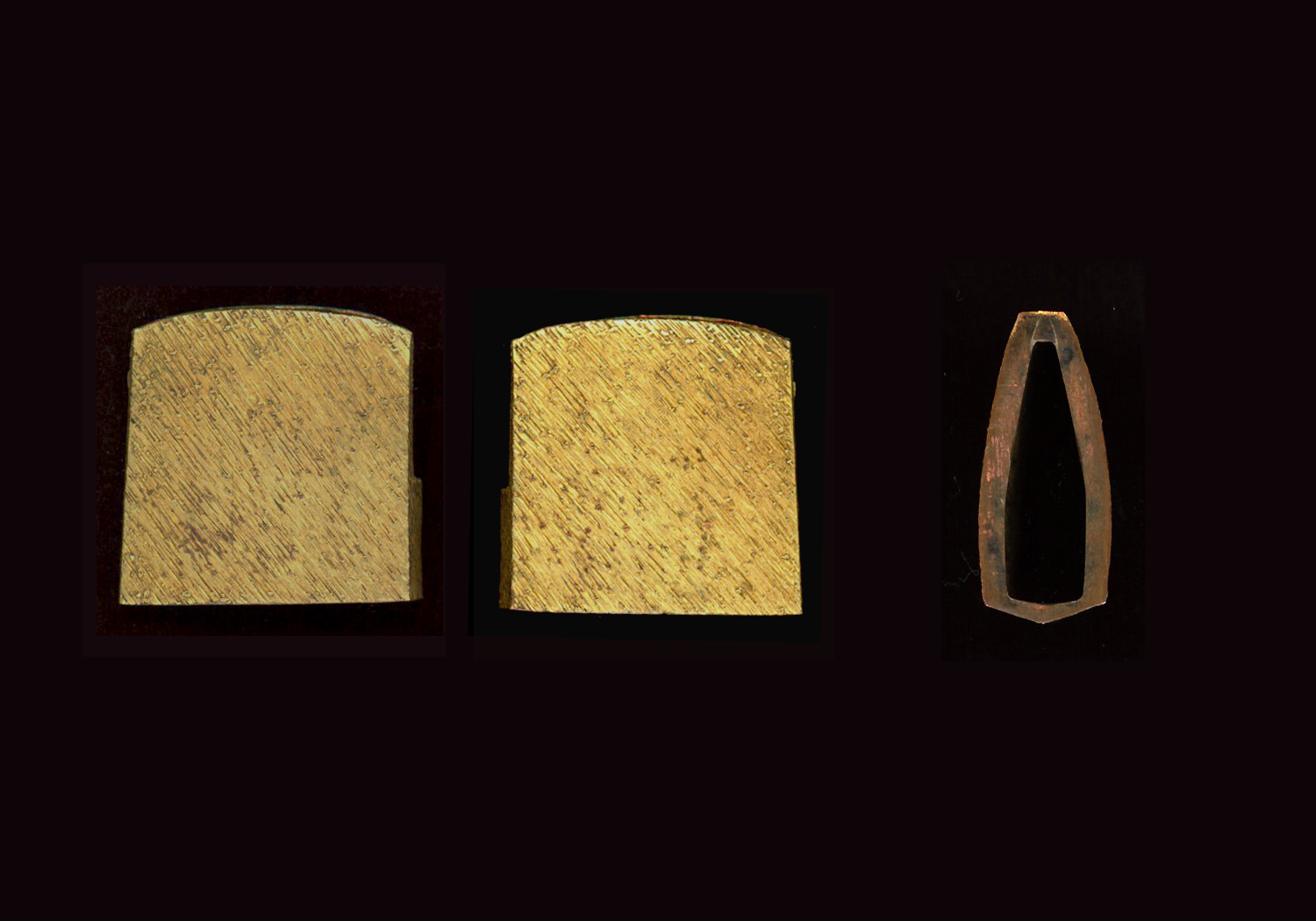
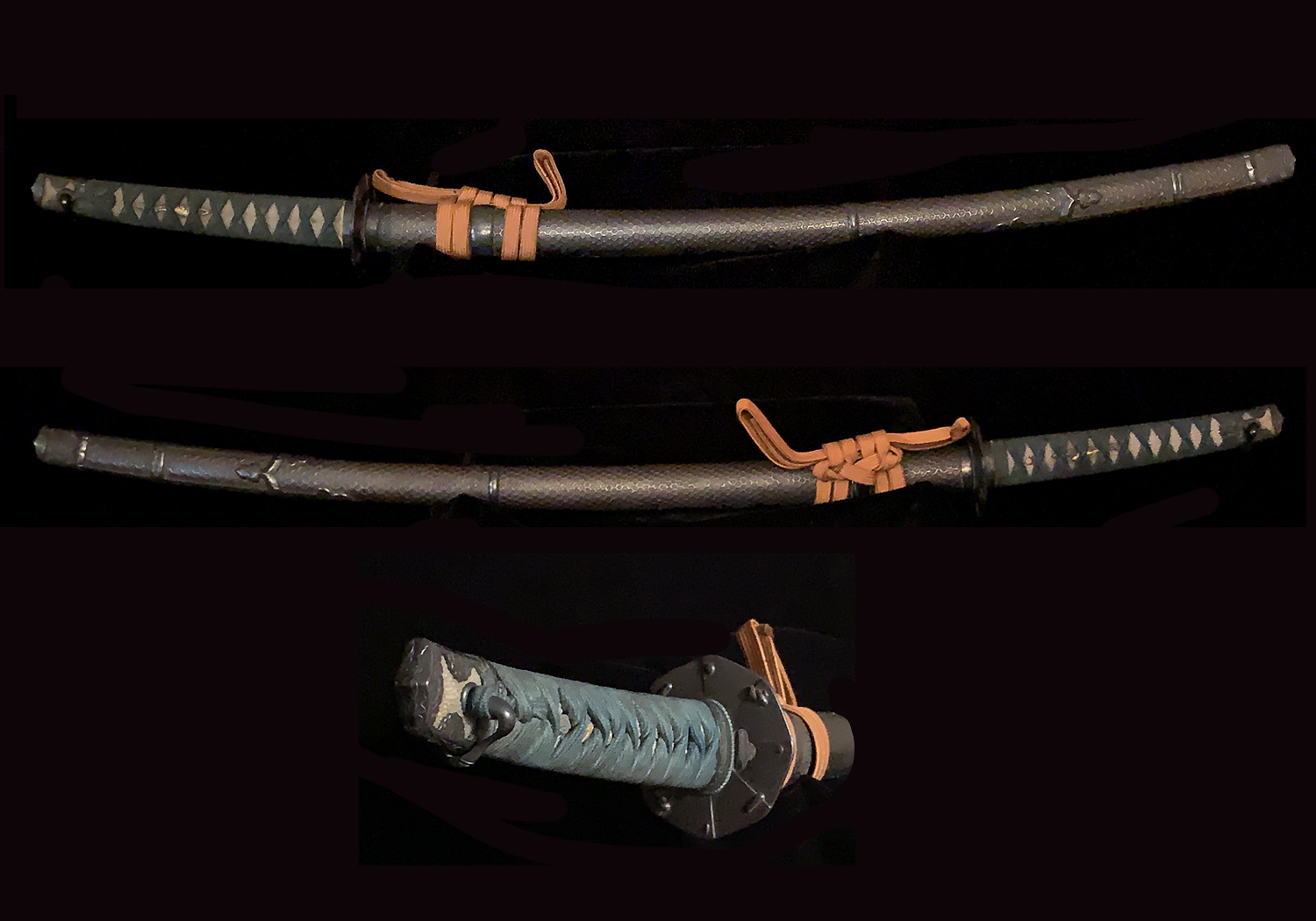
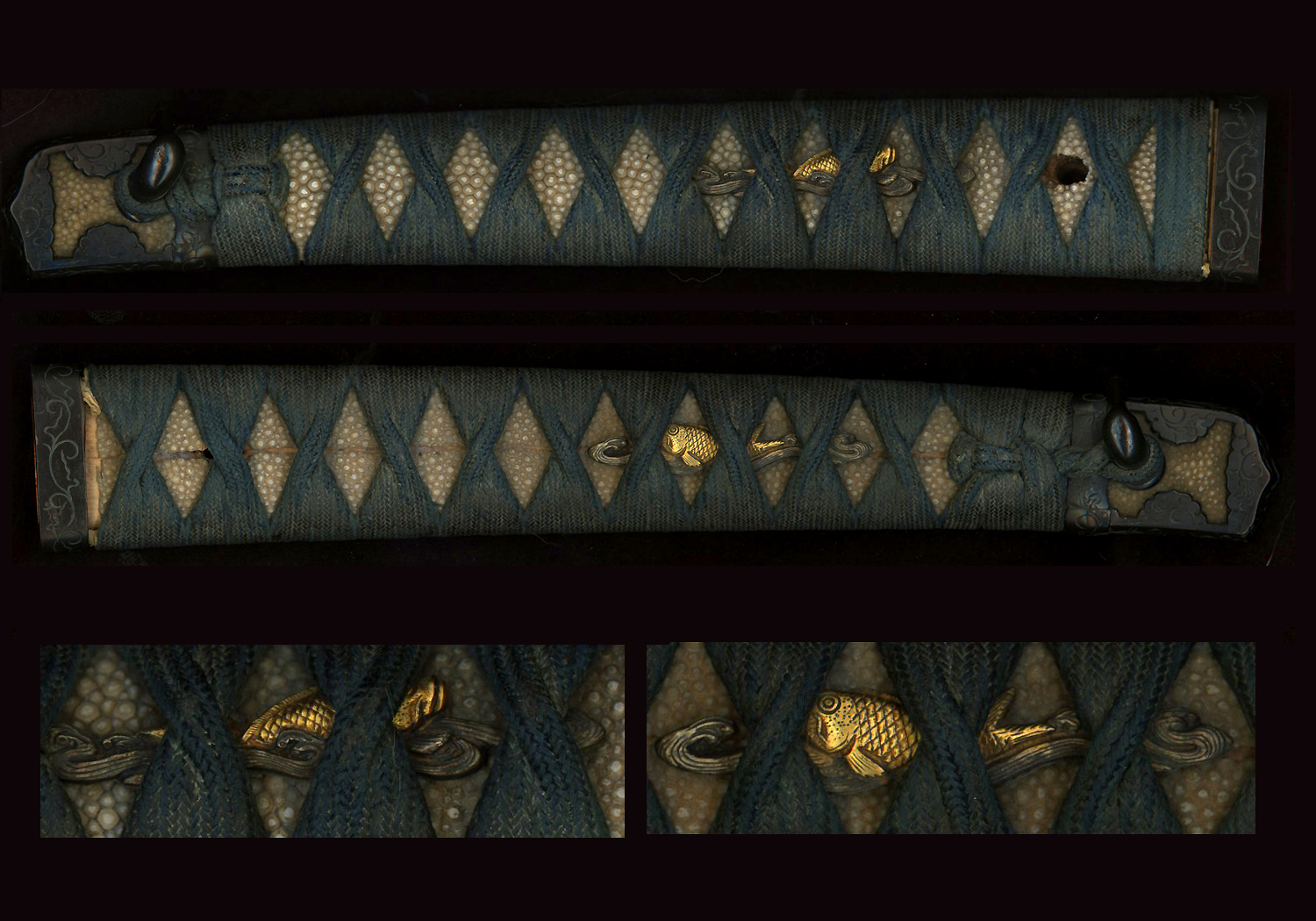
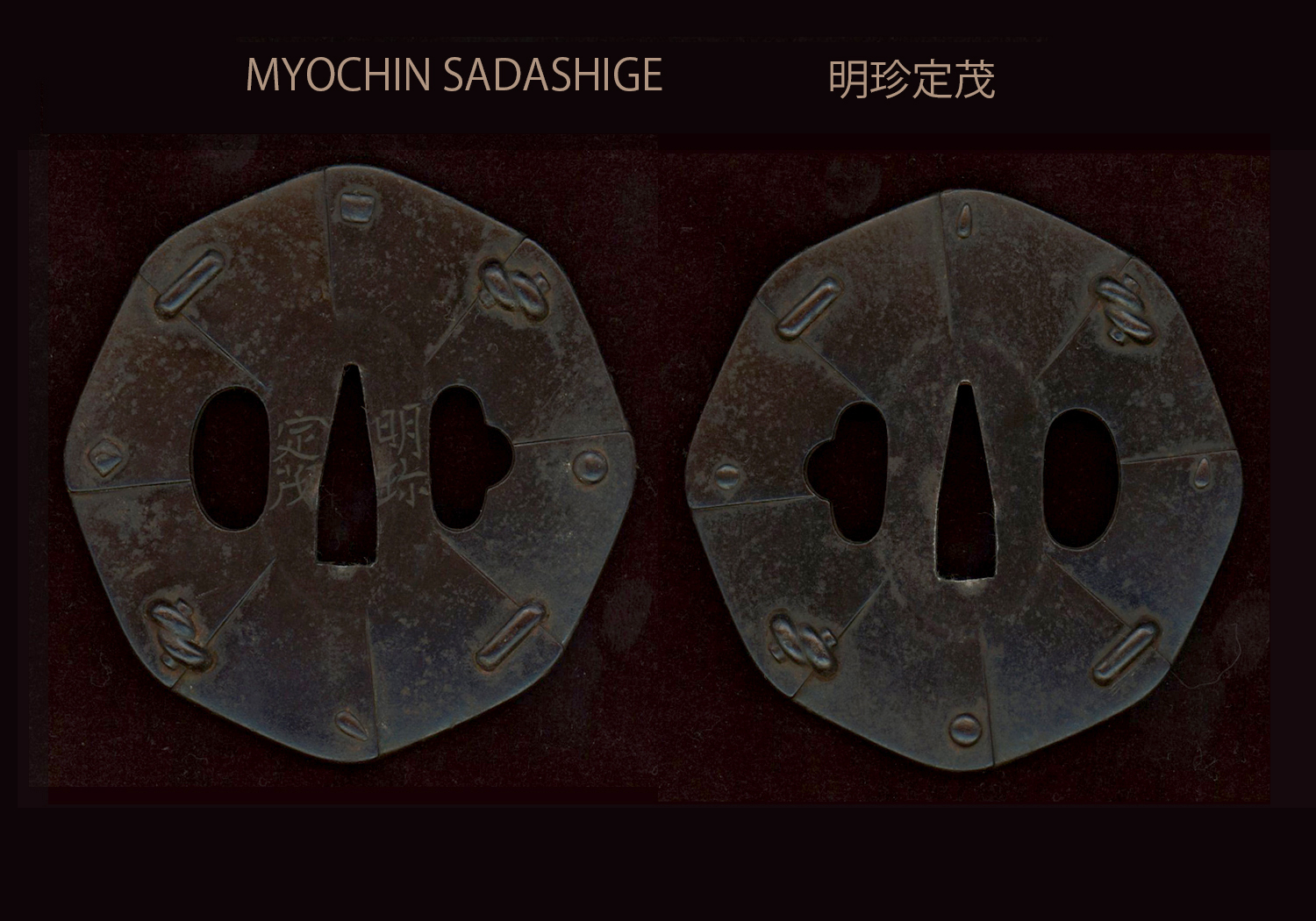
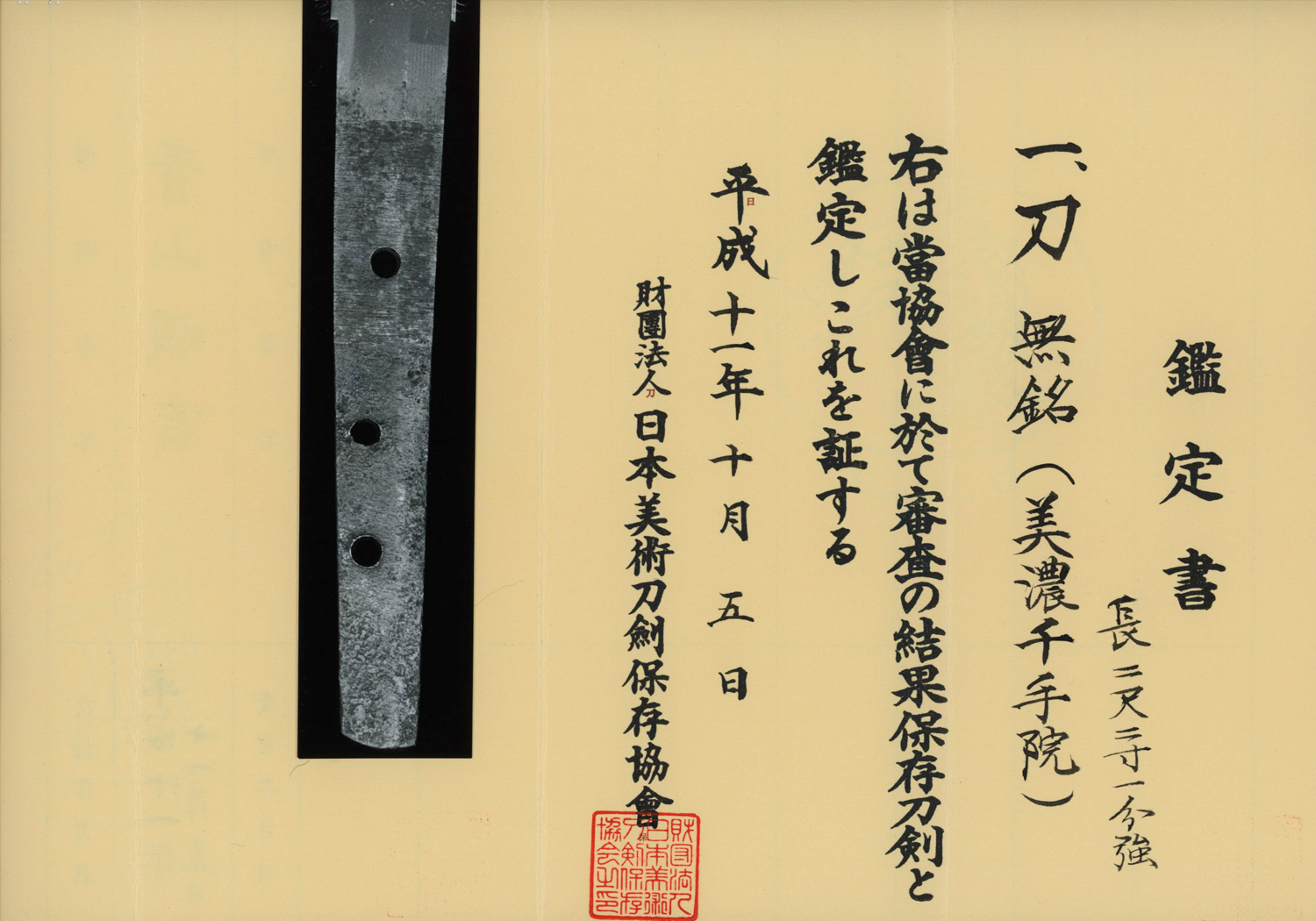
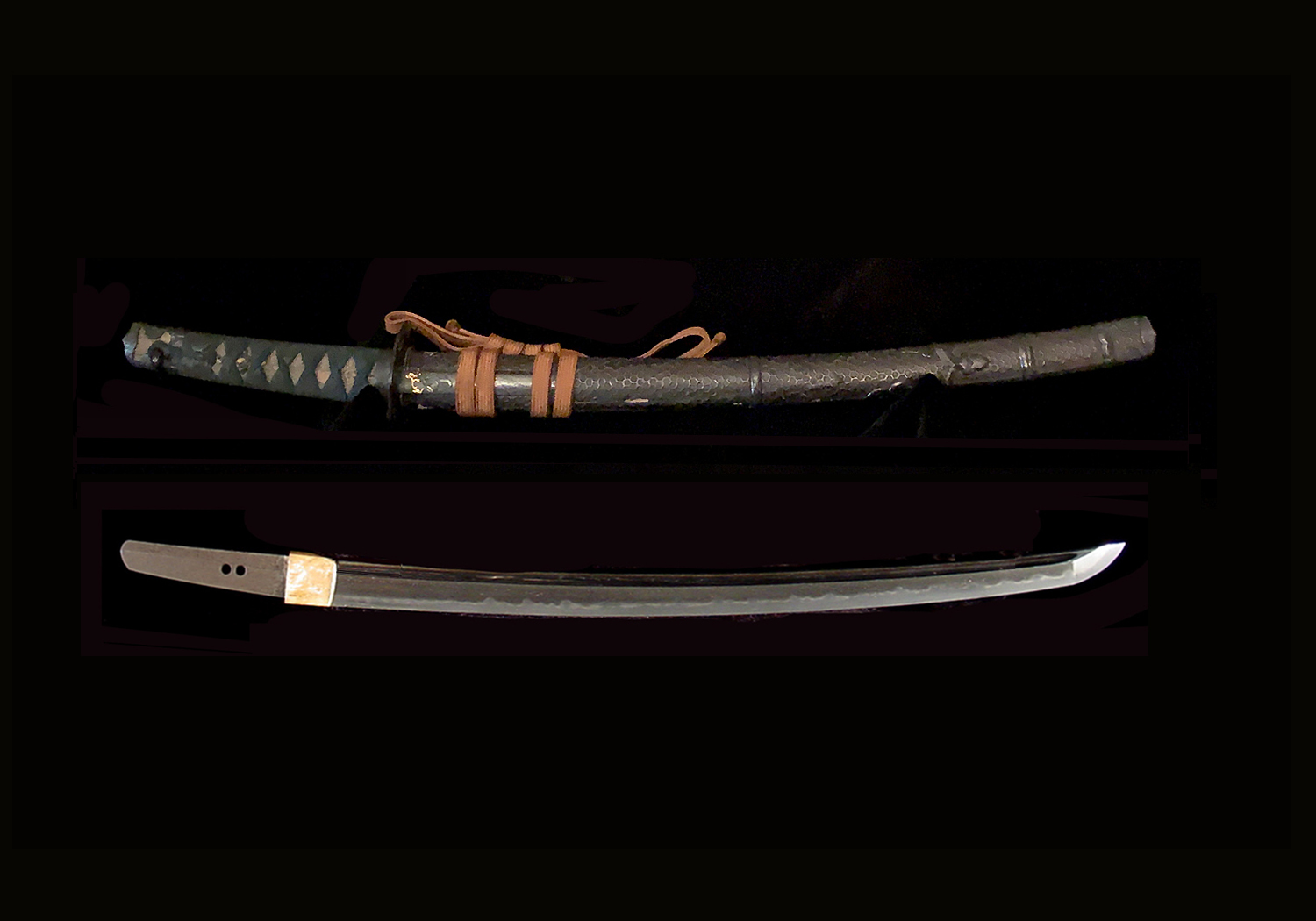
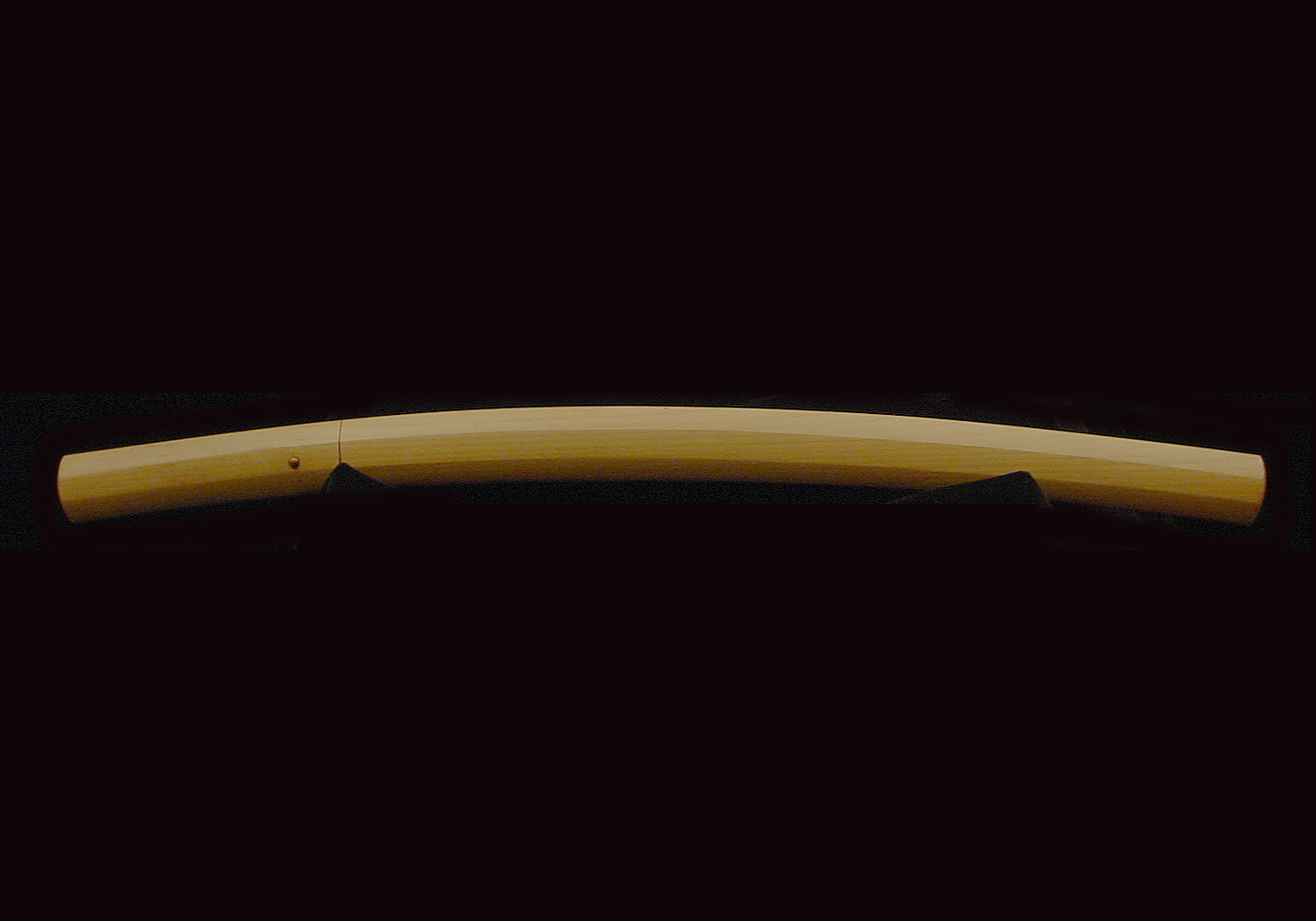
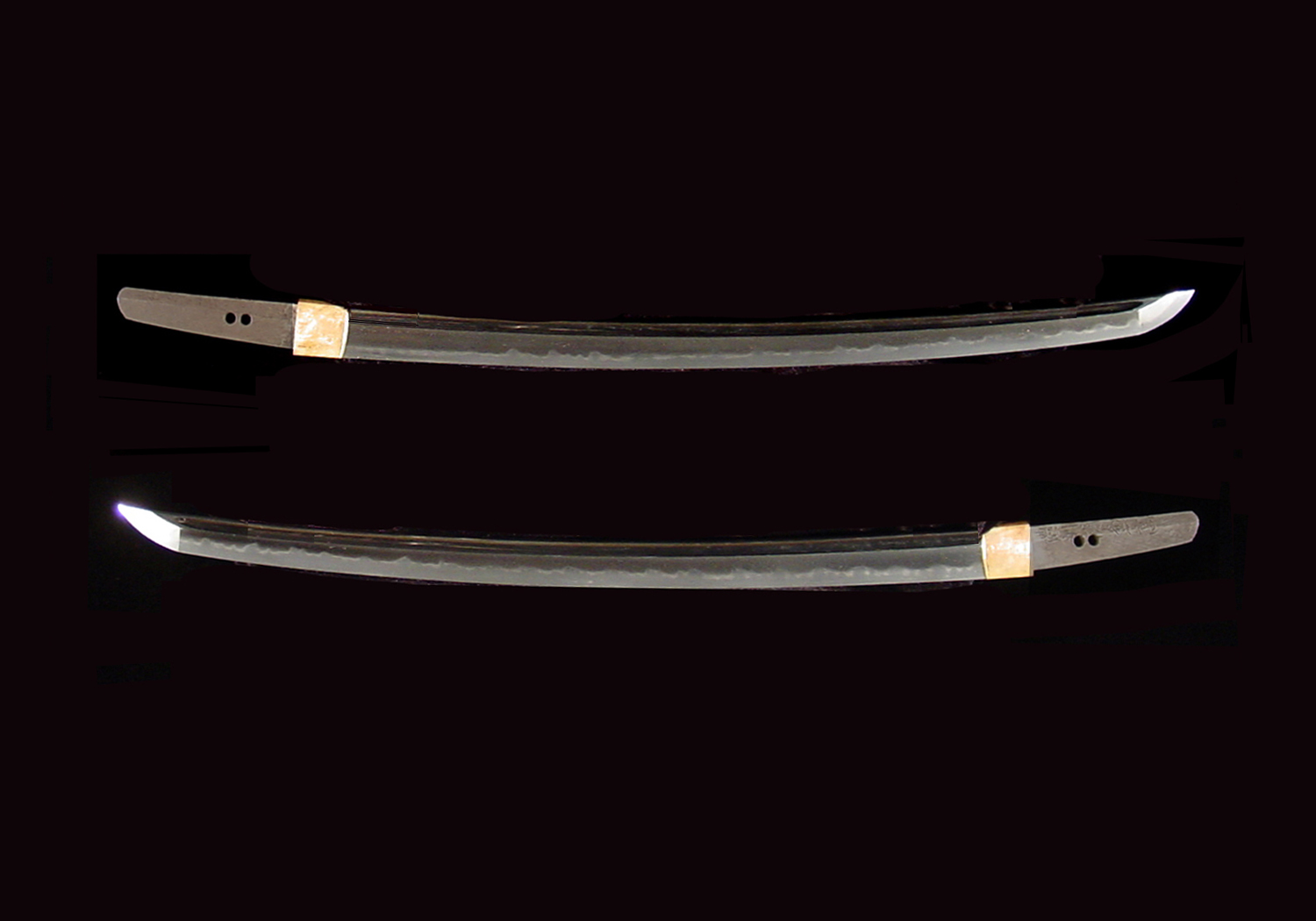
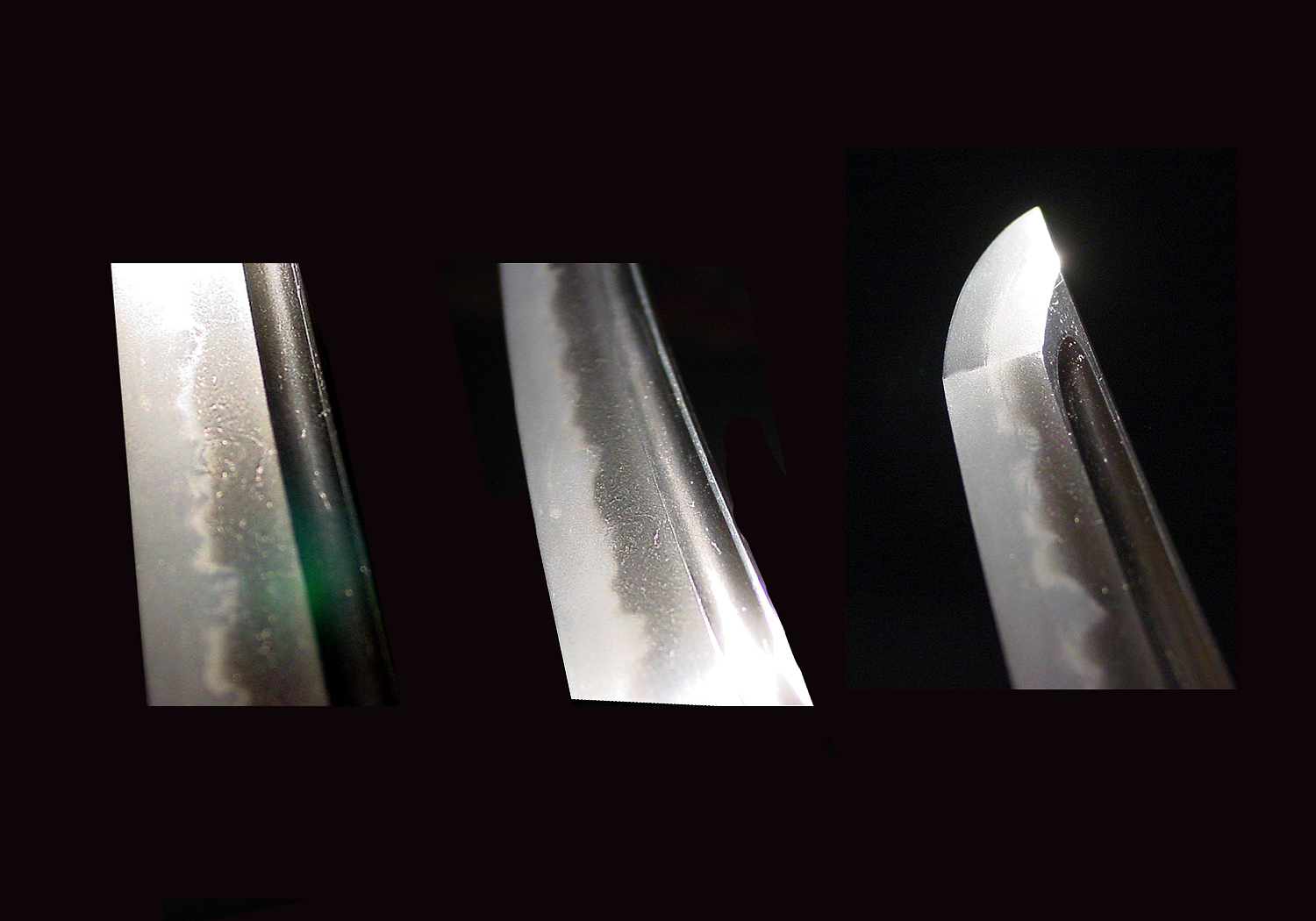
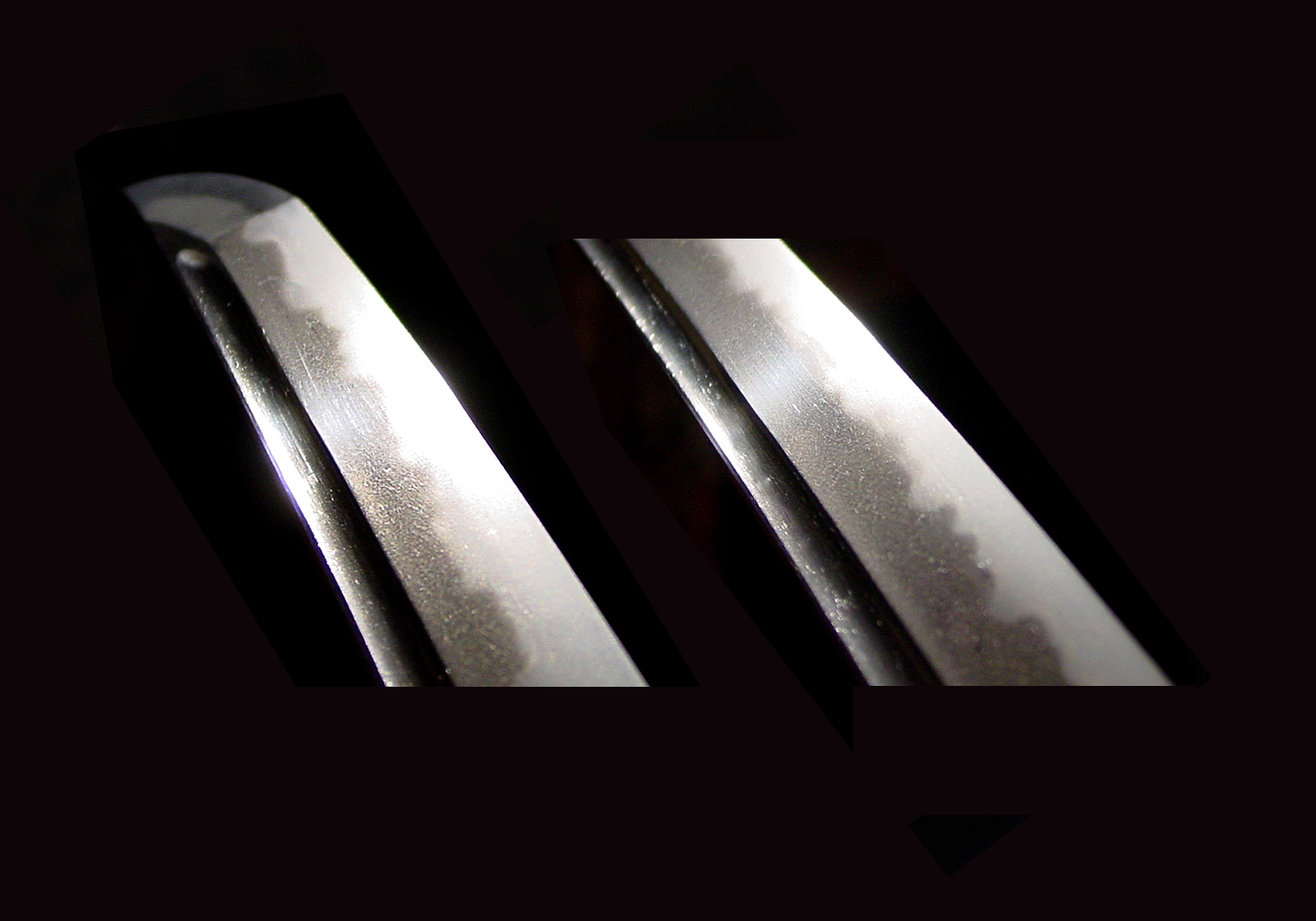
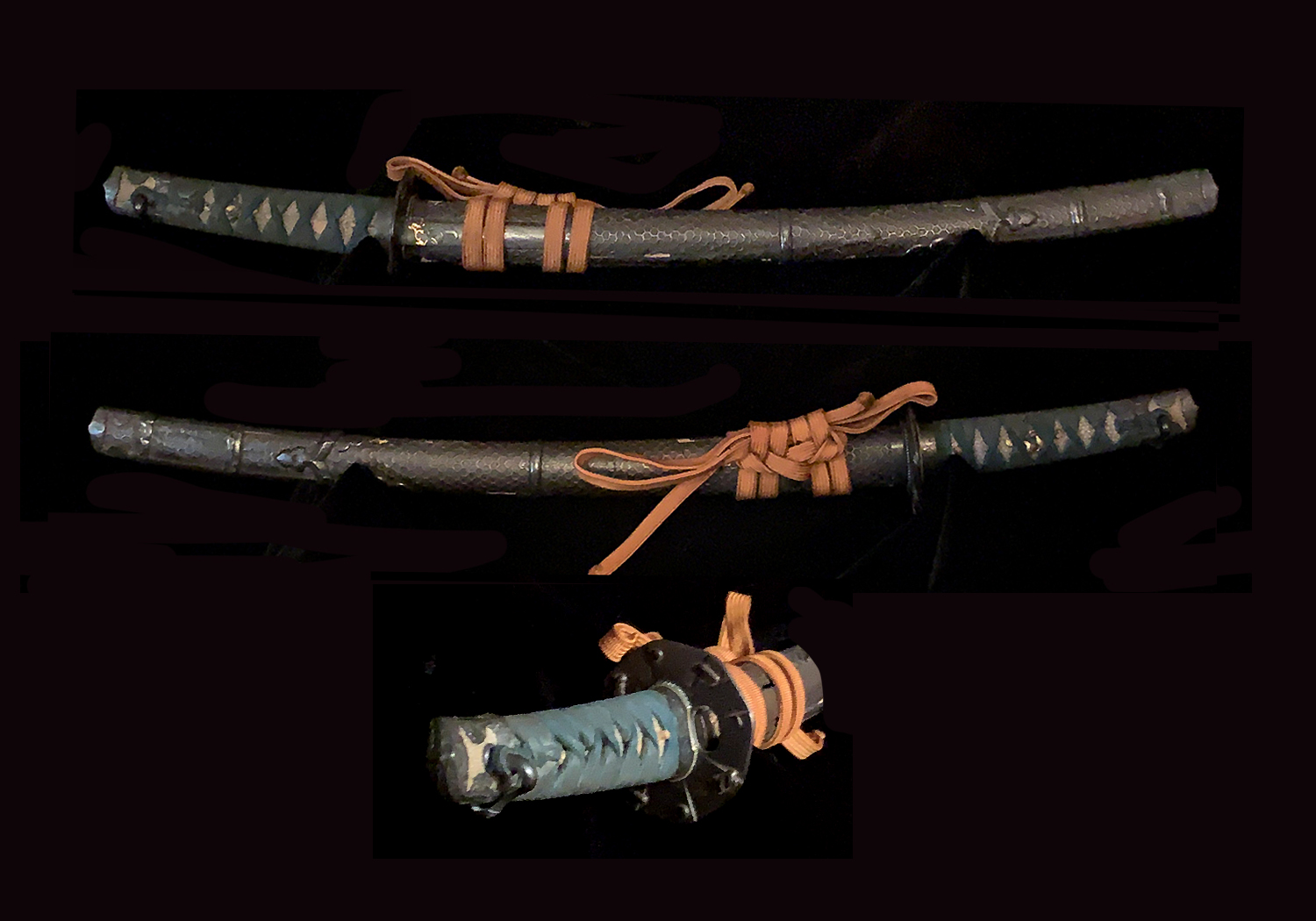
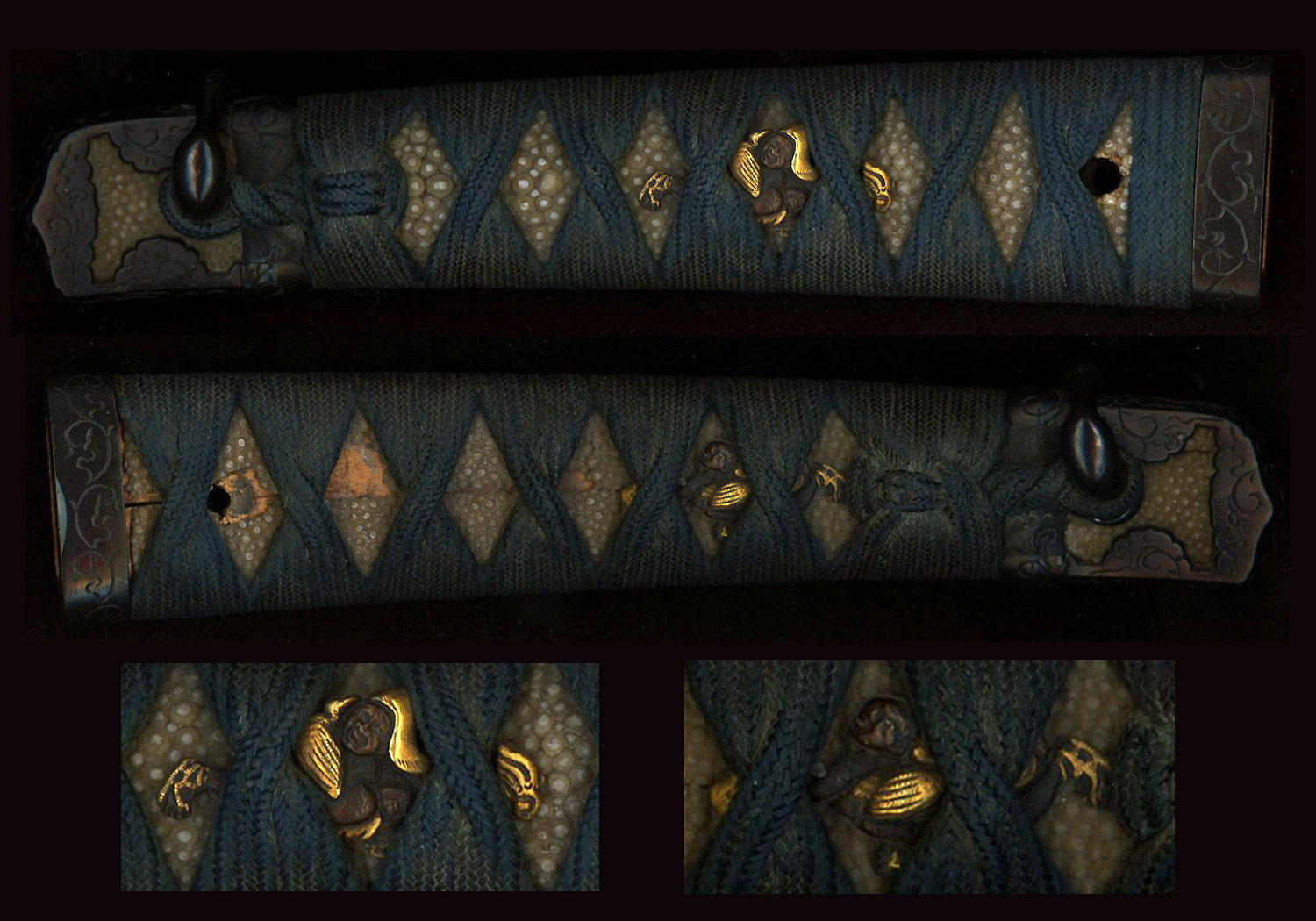
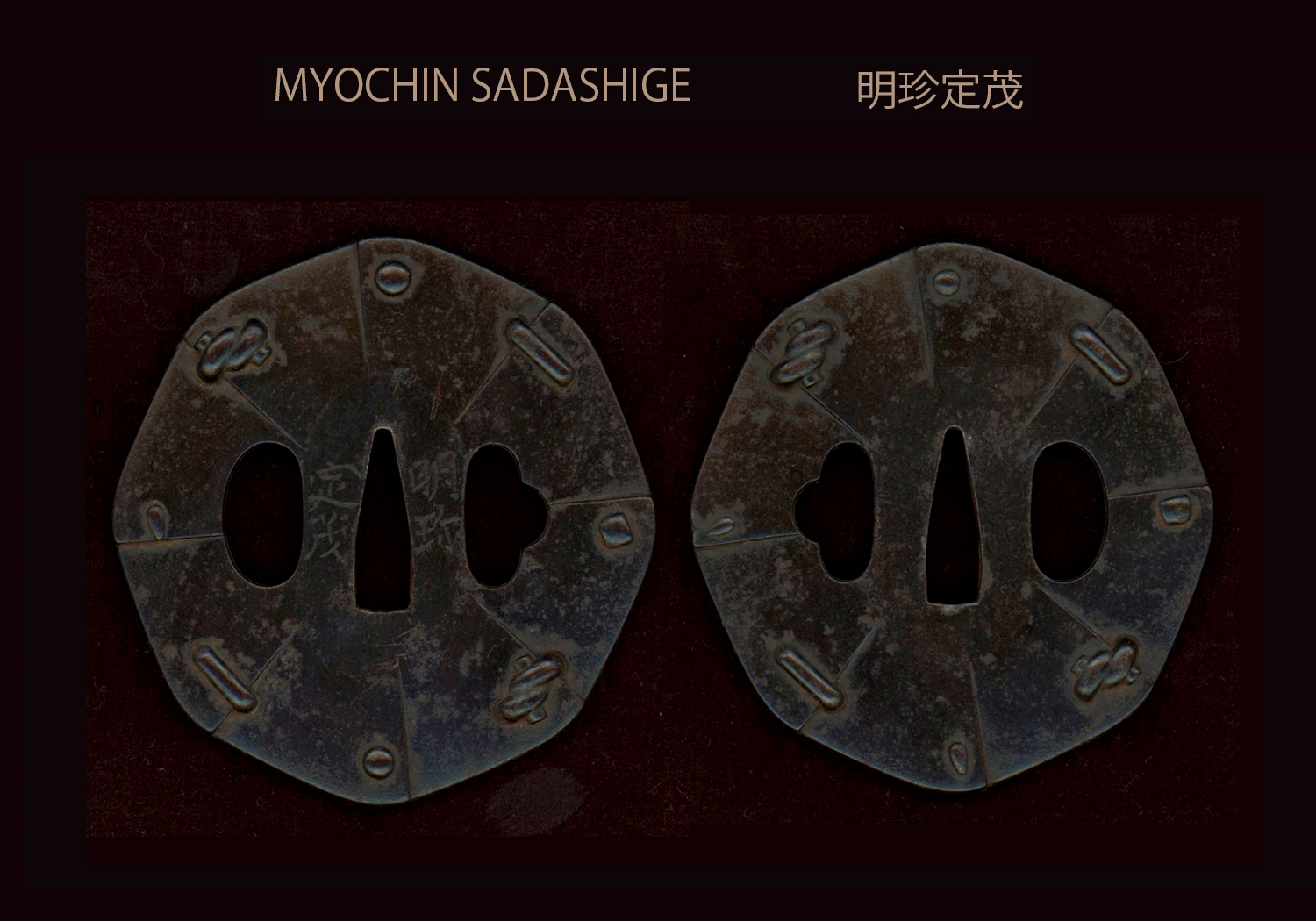
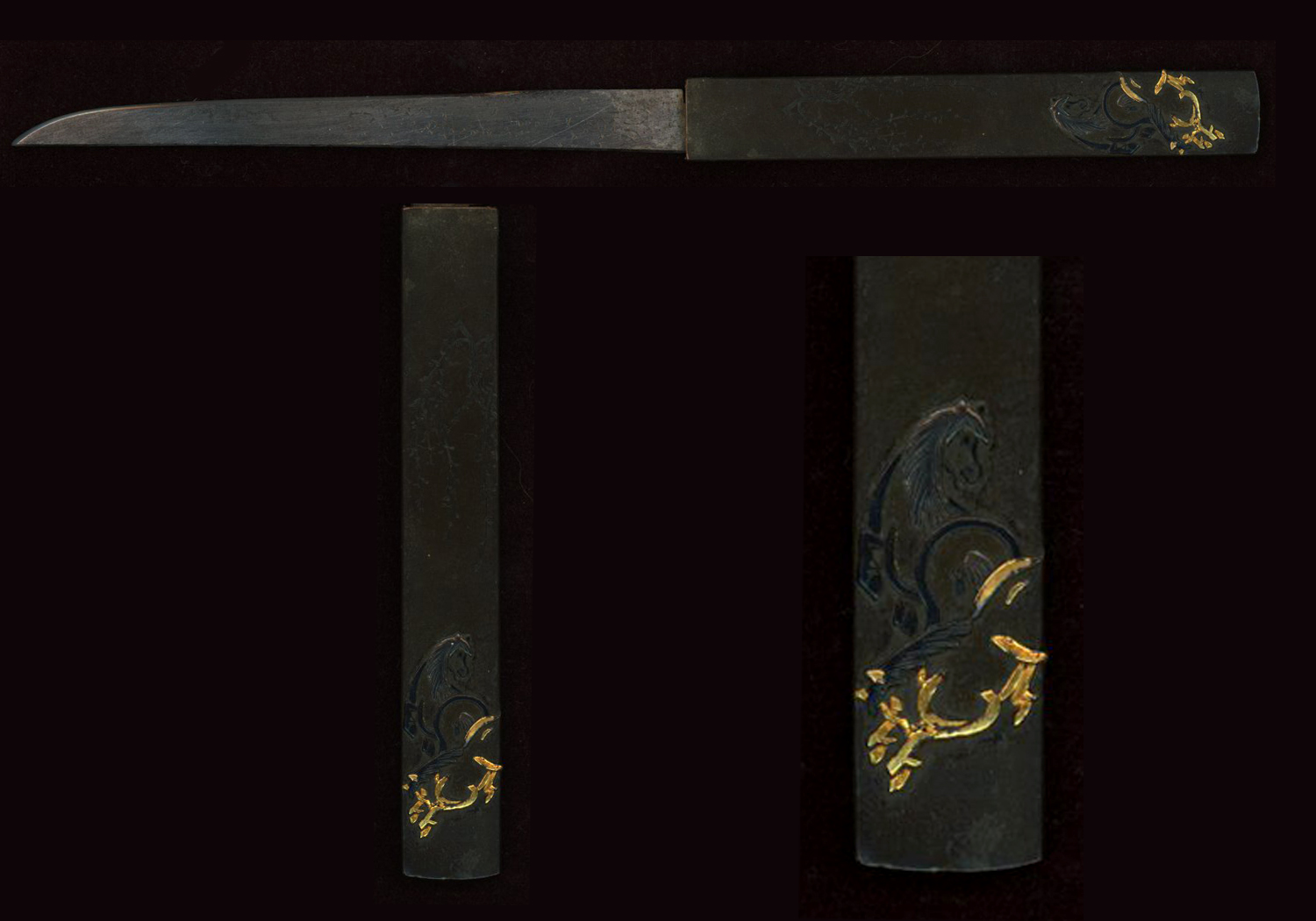
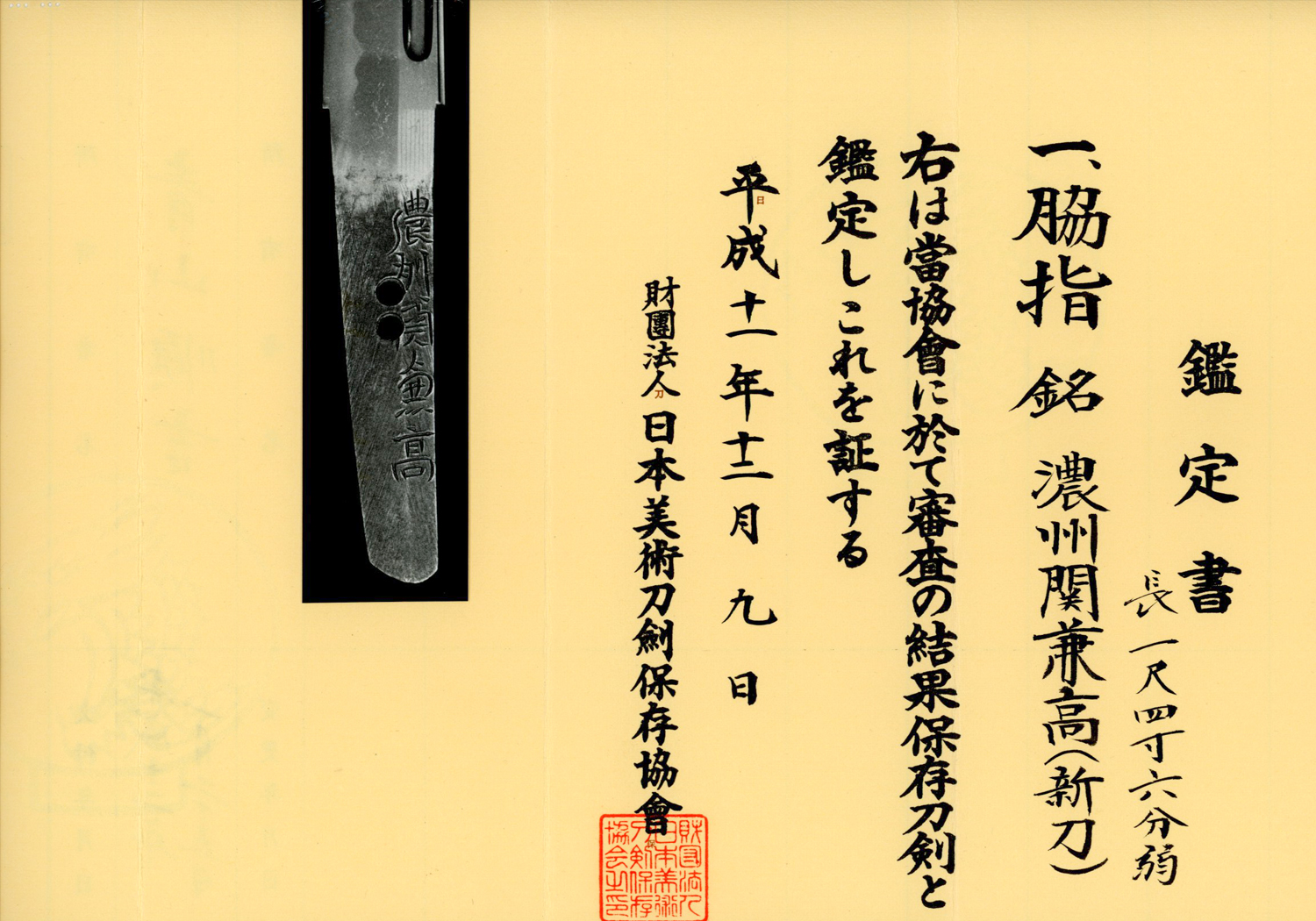
This is very nice daisho of interesting blades from two different sub-schools of the Mino tradition. The katana is unsigned and has been attributed by the NBTHK to the Mino Senjuin tradition (美濃千手院) and probably dates to the period from the mid 1400’s to mid 1500’s. The wakizashi is signed Noshu Seki Kanetaka (濃州関兼高), probably the third generation smith by this name who worked around 1624. DAI As noted, this katana is o-suriage mumei (shortened) with an attribution by the NBTHK to the Mino Senjuin school (美濃千手院). The Senjûin school (千手院) is acknowledged as the earliest and most elegant of the five Yamato schools. It is believed that Yukinobu (行信) was the founder of the Ko-Senjûin school (古千手院). He is said to have been active around the Ninpei Era (仁平) (1151-1154). Around the middle of the Nanbokuchô era (ca1350) some of the Yamato Senjuin smiths from the Nara area moved to Mino and continued making swords and creating the Mino Senjuin school. The school continued until near the end of the Muromachi era (ca.1560). Gradually over these many years, the characteristics of the Senjuin were lost and the swords began to show mixed traits, of mostly Mino and even some Bizen like characteristics. Blade Description: This katana exhibits the characteristics of the early to middle Muromachi era around 1450-1500. It measures 26 1/2 inches or 67 cm of cutting edge. The moto-haba (width at the base) measures 1.1 inches or 2.8 cm and the saki-haba (width at the point) measures 0.69 inches or 1.7 cm. The kasane (thickness of the blade) is 0.27 inches or 0.7 cm. The blade has a graceful koshi sori (curvature) of 0.80 inches or 2.0 cm. The hamon is made in notare-midare that is peaked in various areas which illustrates the incorporation of the Mino characteristic of togari-ba. While nie is present , it is not as profuse as would be found on older pure Yamato Senjuin blades. The jitetsu exhibits mokume-hada with masame-hada in the shinogi-ji. The bôshi is slightly elongated as is indicative of the Muromachi era. It contains a large round turnback with almost no kaeri. As noted, the tang o-suriage (greatly shortened) and has three mekugi ana (holes in the tang). The blade is in very good overall polish. It comes in an excellent shirasaya with a one-piece gold wash textured habaki. There are only a few areas of very minor loose hada as one would expect with a blade of this age. This blade was made during a period of constant warfare and it has seen more than its share of battle use and has held up exceedingly well. This blade comes with NBTHK Hozon (worthy of preservation) papers attesting to the authenticity of the attribution and the quality of the blade. Koshirae Description: Style: The katana koshirae matches that of the wakizashi and is done in a handachi style. Saya: The saya is lacquered in a brownish lacquer done in a raised tortoise shell pattern to match the wakizashi saya. There are a few minor losses here and there to the lacquer. Tsuba: The tsuba is made of iron and is signed by its maker, Myochin Sadashige (明珍定茂). The tsuba is done in the style of eight armor plates joined with rivets and ito. This is a very typical and popular style of tsuba that was done on occasion by the Myochin armor makers. Sadashige was a member of the Sendai Myochin group and he worked in the mid-Edo period (ca 1750). He is rated as a Jo I armorer (level 1- upper class). Kodogu: All of the kodogu (metal parts of the koshirae) with the exception of the tsuba and the menuki are done in shakudo which has been incised with a floral karakusa pattern. The quality of the shakudo is dark and lustrous indicating a high gold content in the metal. Menuki: The menuki are made of gold, and silver. Each one is a golden carp swimming among the silver waves. SHO The wakizashi is signed Noshu Seki Kanetaka (濃州関兼高), probably the third generation smith by this name who worked around 1624. Blade Description: This wakizashi has a nagasa (cutting edge length) of 17.5inches or 44.2 cm. The moto-haba (width at the base) measures 1.07 inches or 2.7 cm and the saki-haba (width at the point) measures 0.74 inches or 1.9 cm. The kasane (thickness of the blade) is 0.24 inches or 0.6 cm. The blade has a graceful torii sori (curvature) of 0.47 inches or 1.9 cm. The nakago is ubu (unshortened) measuring 4.125 inches or 10.5 cm. The jigane is itame (wood grain) with areas of mokume. The overall appearance of the hada is very beautiful and the blade’s polish is very good. There are no openings or problems with the blade. The hamon (temper-line) is midare (irregular) with many peaks and valleys. Togariba (pointed) areas are scattered throughout as is typical of Mino blades from this time period. There are bands of sunagashi (like swept sands) running along the habuchi (edge of the hamon) creating a beautiful and artistic effect. The hamon of the bôshi (point) becomes more of a wide suguha as it crosses the yokote. It becomes slightly hakikake ending in a very small turnback on the ura and yakizumi on the omote. There is horimono in the form of bo-hi (single groove) on both sides of the blade ending under the habaki. As noted, the nakago is ubu (un-shortened) and there are two closely spaced mekugi ana. The blade is in very good overall polish. It comes in an excellent shirasaya with a one-piece gold wash textured habaki. This blade comes with NBTHK Hozon papers (worthy of preservation) attesting to the validity of the signature and the quality of the blade. Koshirae Description: Style: The wakizashi koshirae matches that of the katana and is done in a handachi style. Saya: The saya is lacquered in a brownish lacquer done in a raised tortoise shell pattern to match the katana saya. There are some minor losses here and there to the lacquer. Tsuba: The tsuba is made of iron and is signed by its maker, Myochin Sadashige (明珍定茂). The tsuba is done in the style of eight armor plates joined with rivets and ito. This is a very typical and popular style of tsuba that was done on occasion by the Myochin armor makers. Sadashige was a member of the Sendai Myochin group and he worked in the mid-Edo period. He is rated as a Jo I armorer (level 1- upper class). Menuki: The menuki are made of shakudo, gold, and copper. Each one appears to be a man who is running holding a bird of some sort. Kozuka: The kozuka is made of light shakudo that has a willow tree gently carved into the upper part. Near the bottom is a dark shakudo horse standing upon golden grasses under the tree. The kozuka is not signed but it appears to be of the Hamano school. This is a true koshirae daisho with good blades being offered at an excellent price.
NihontoWatchOffered by Nihonto.com
This piece has sold
130 on the market
Get an email when a new Seki Kanetaka piece hits the market.

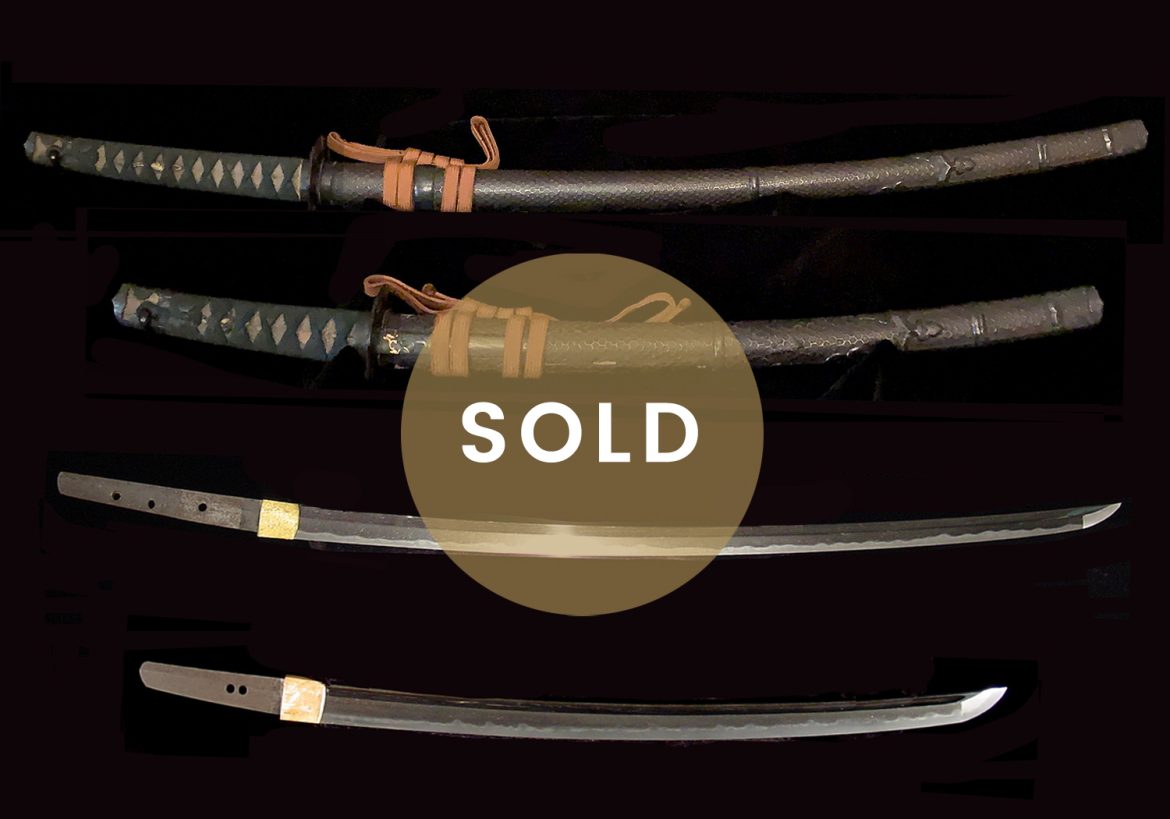
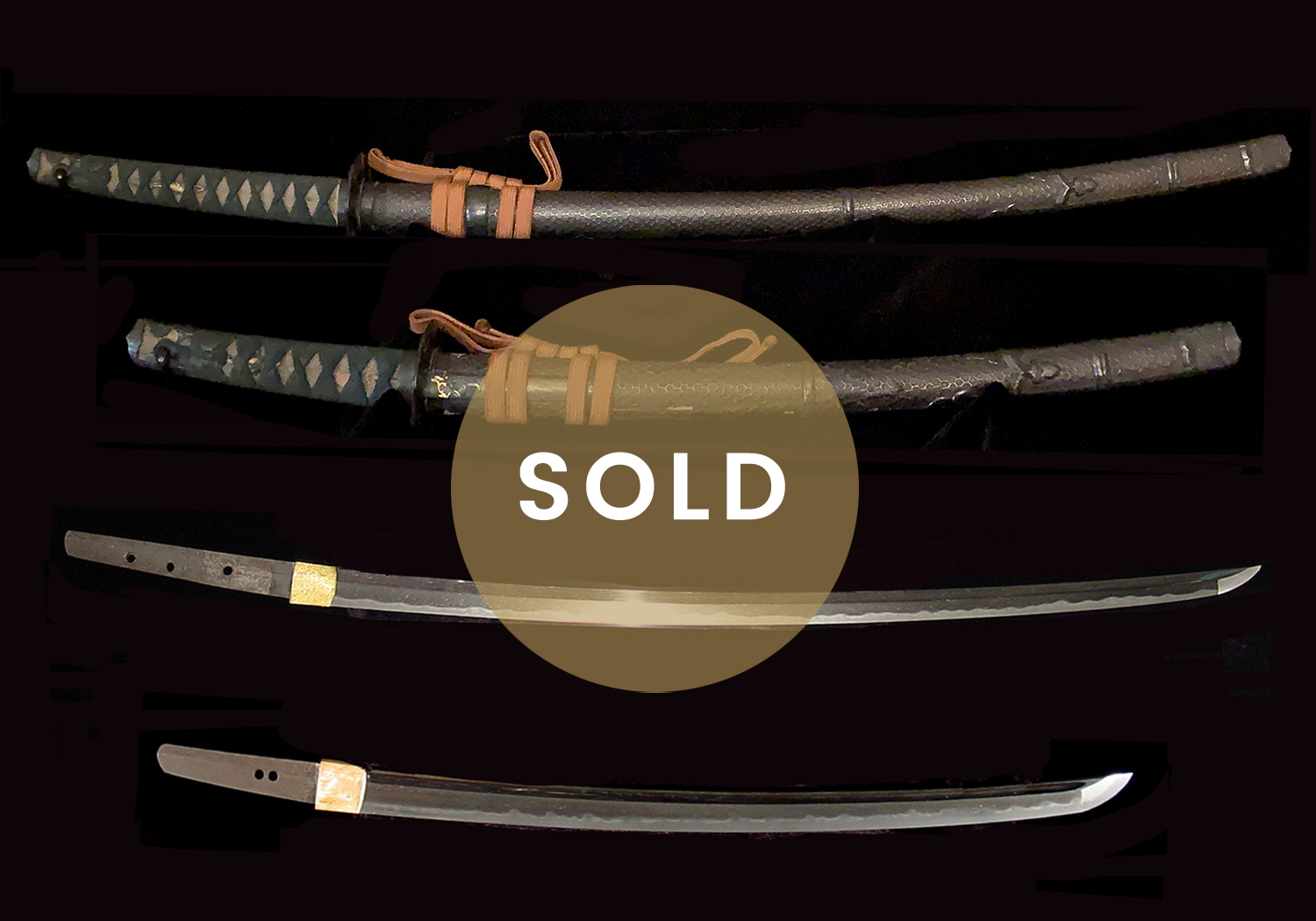
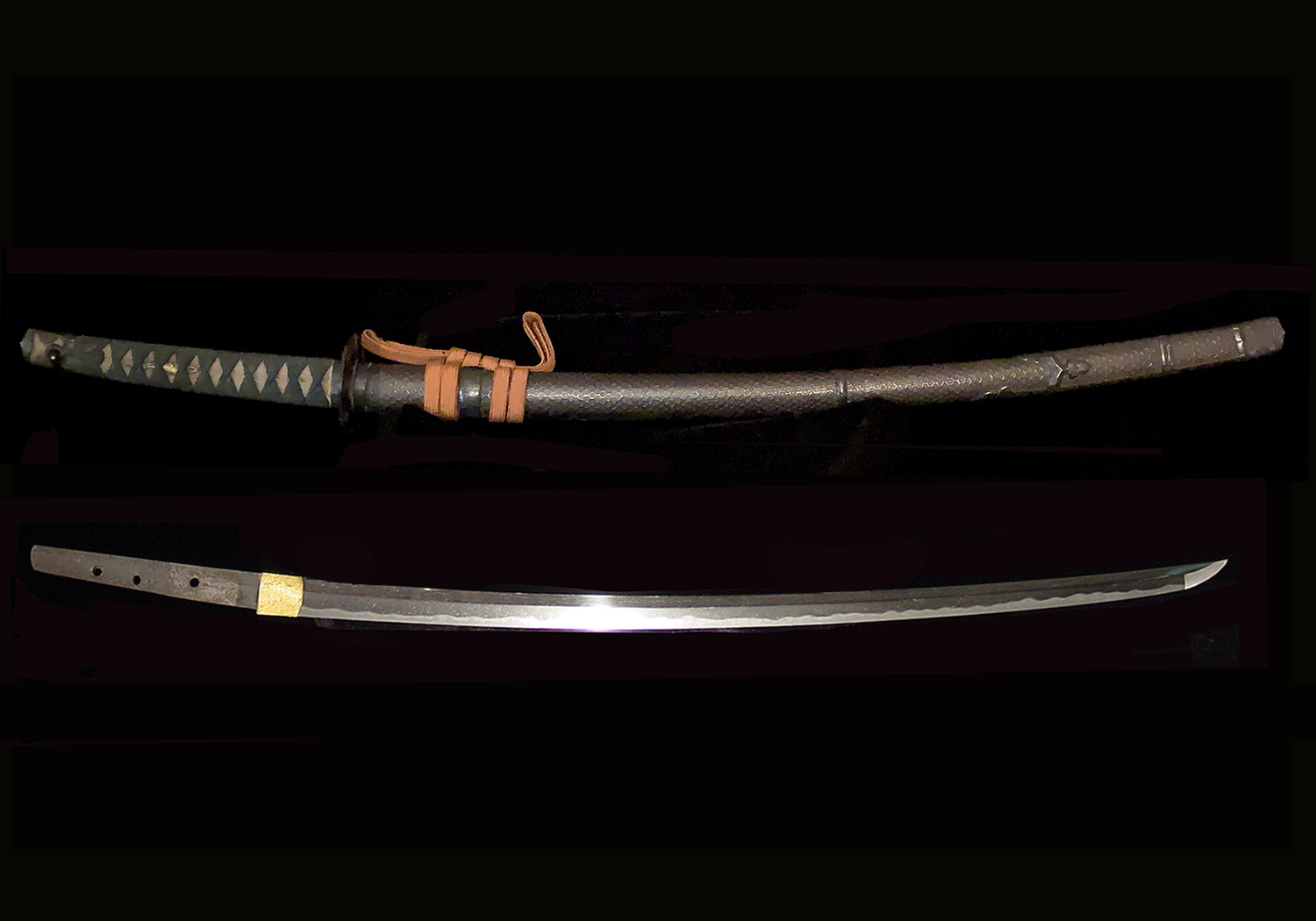
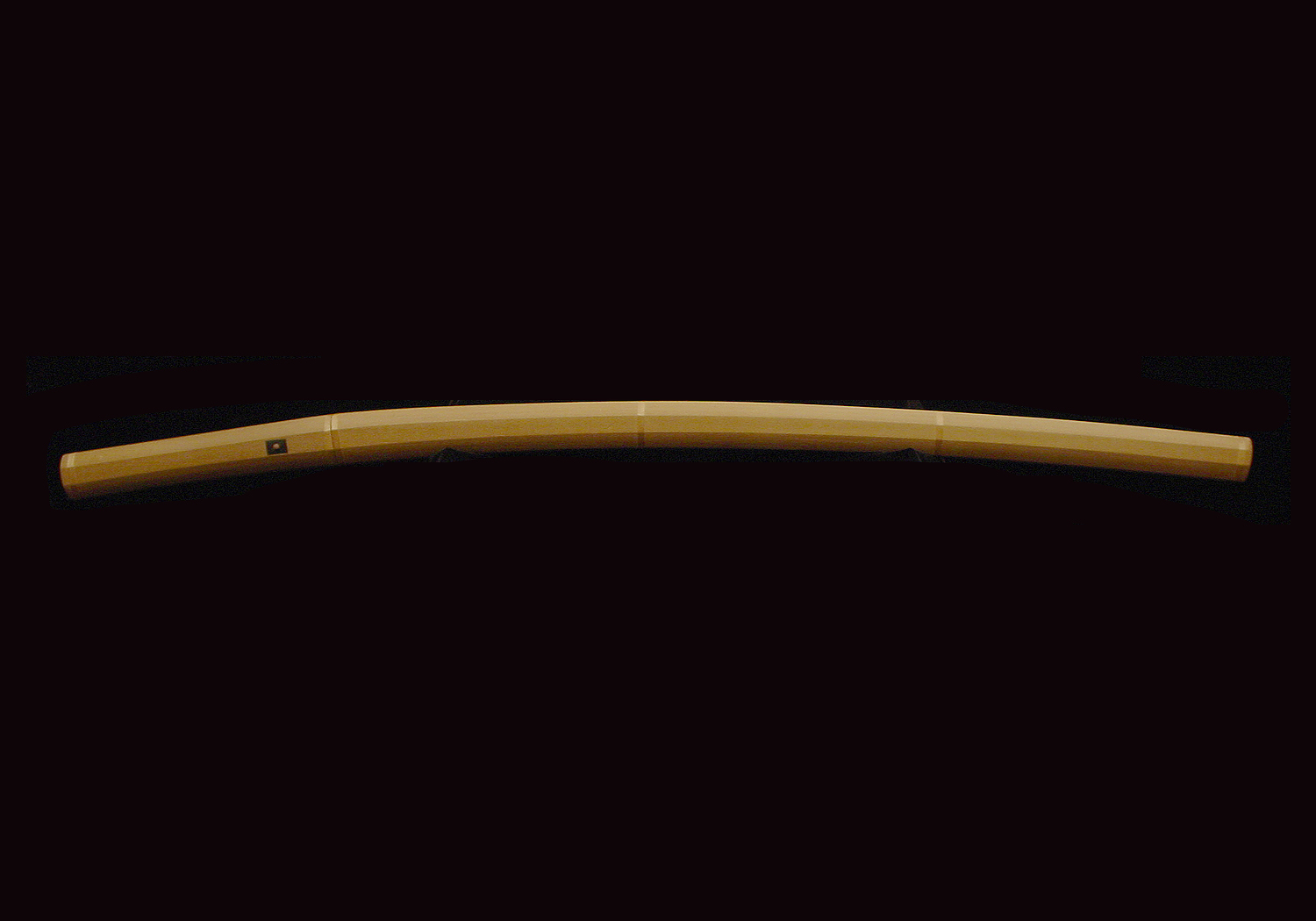
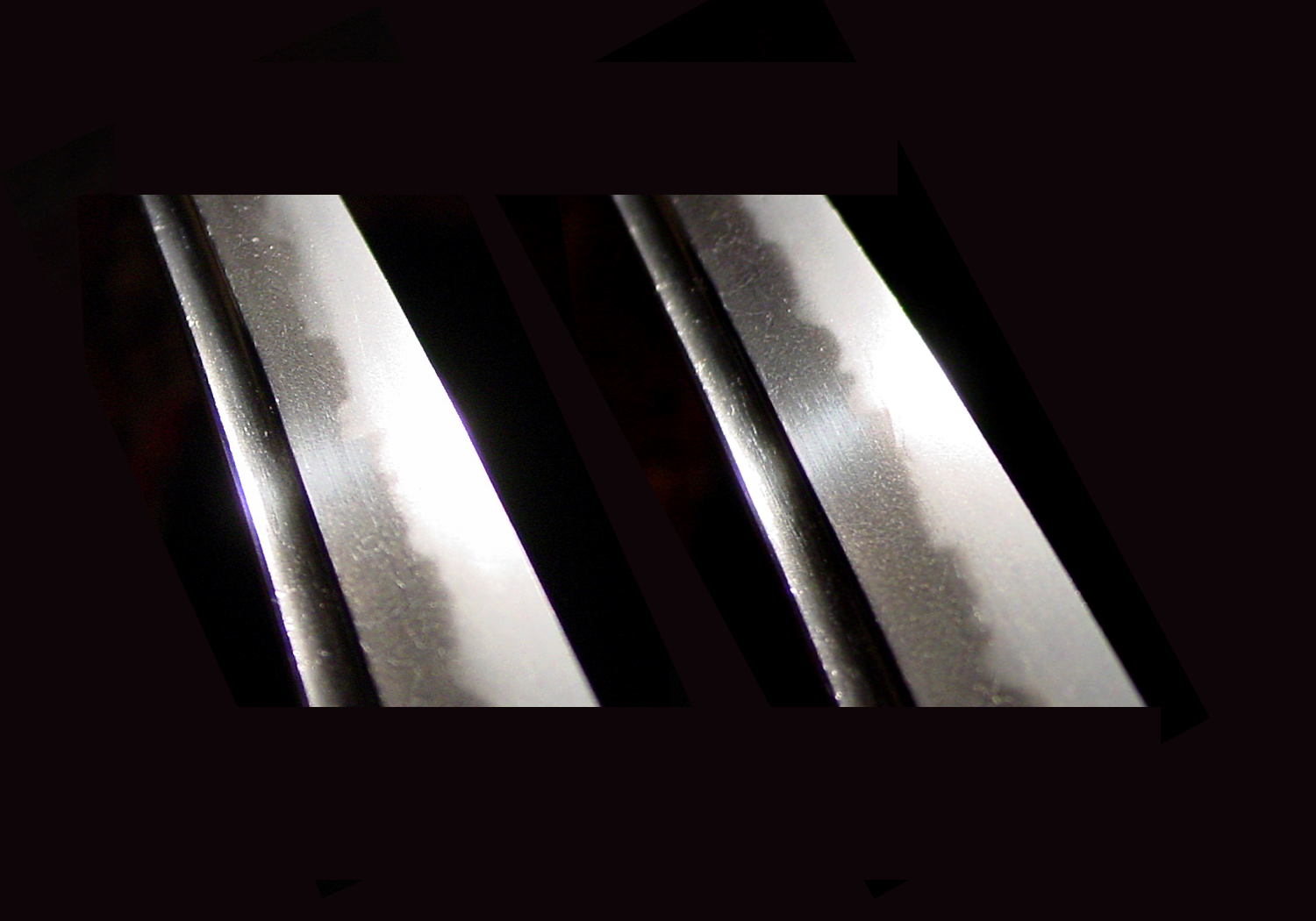
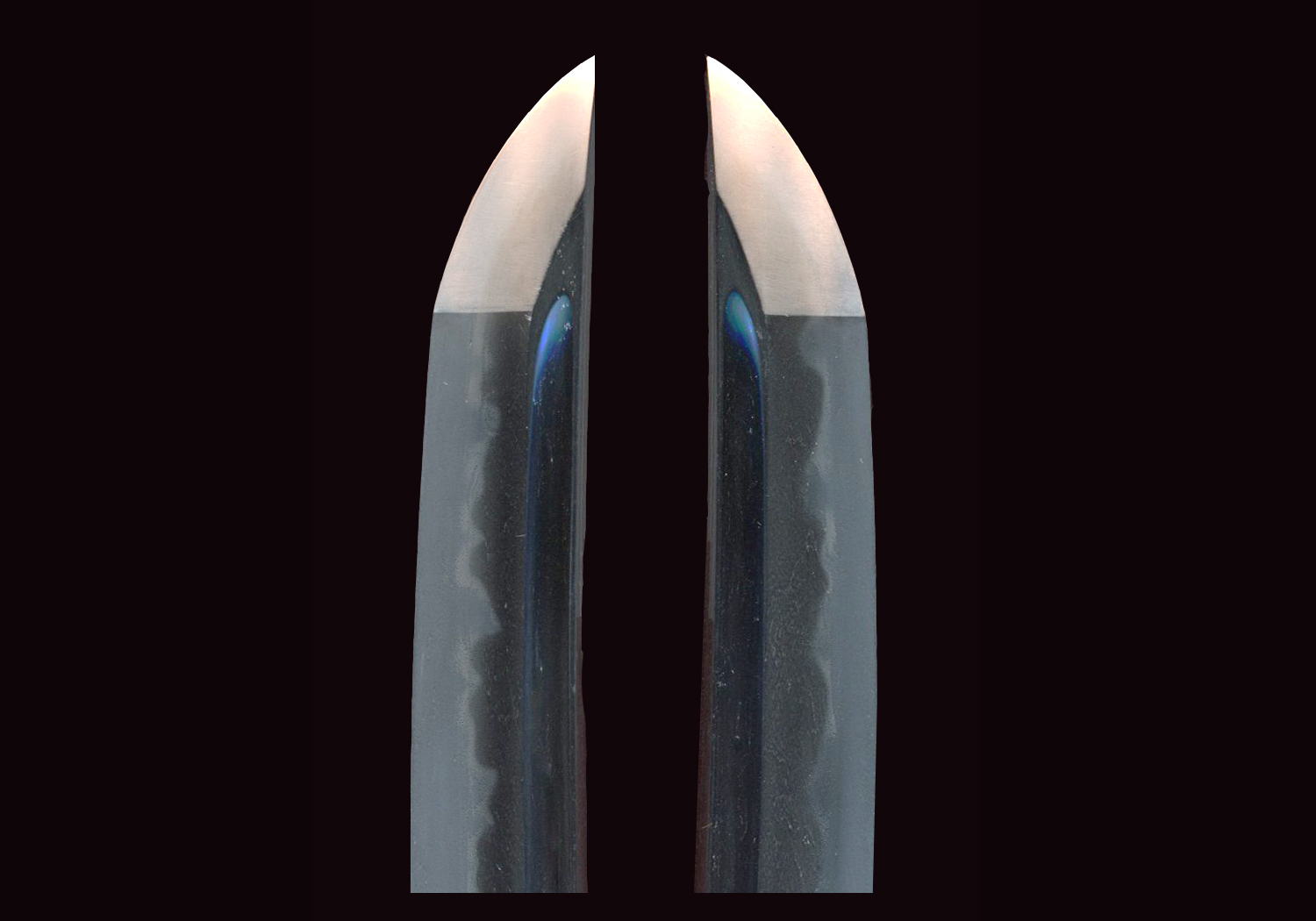
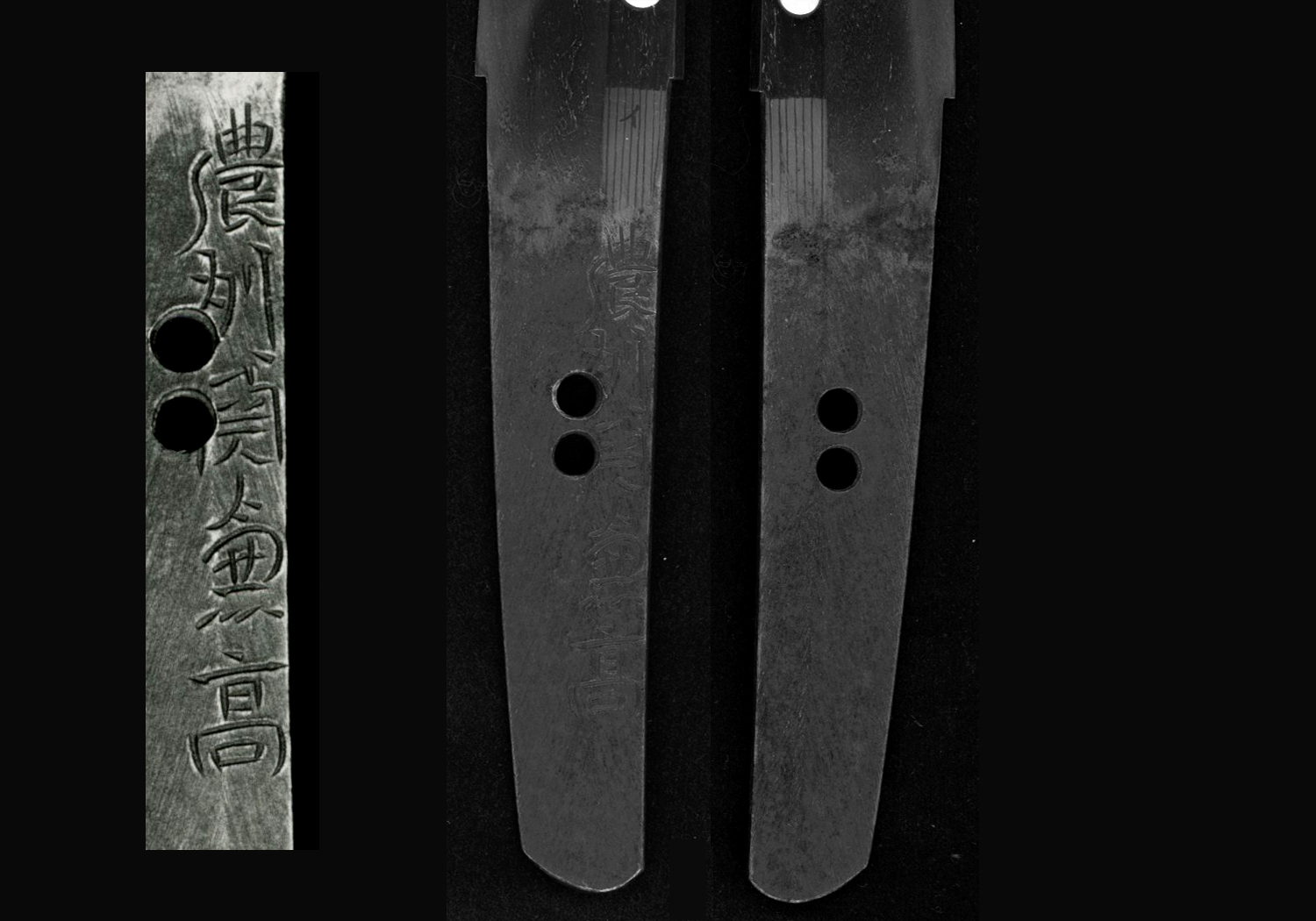
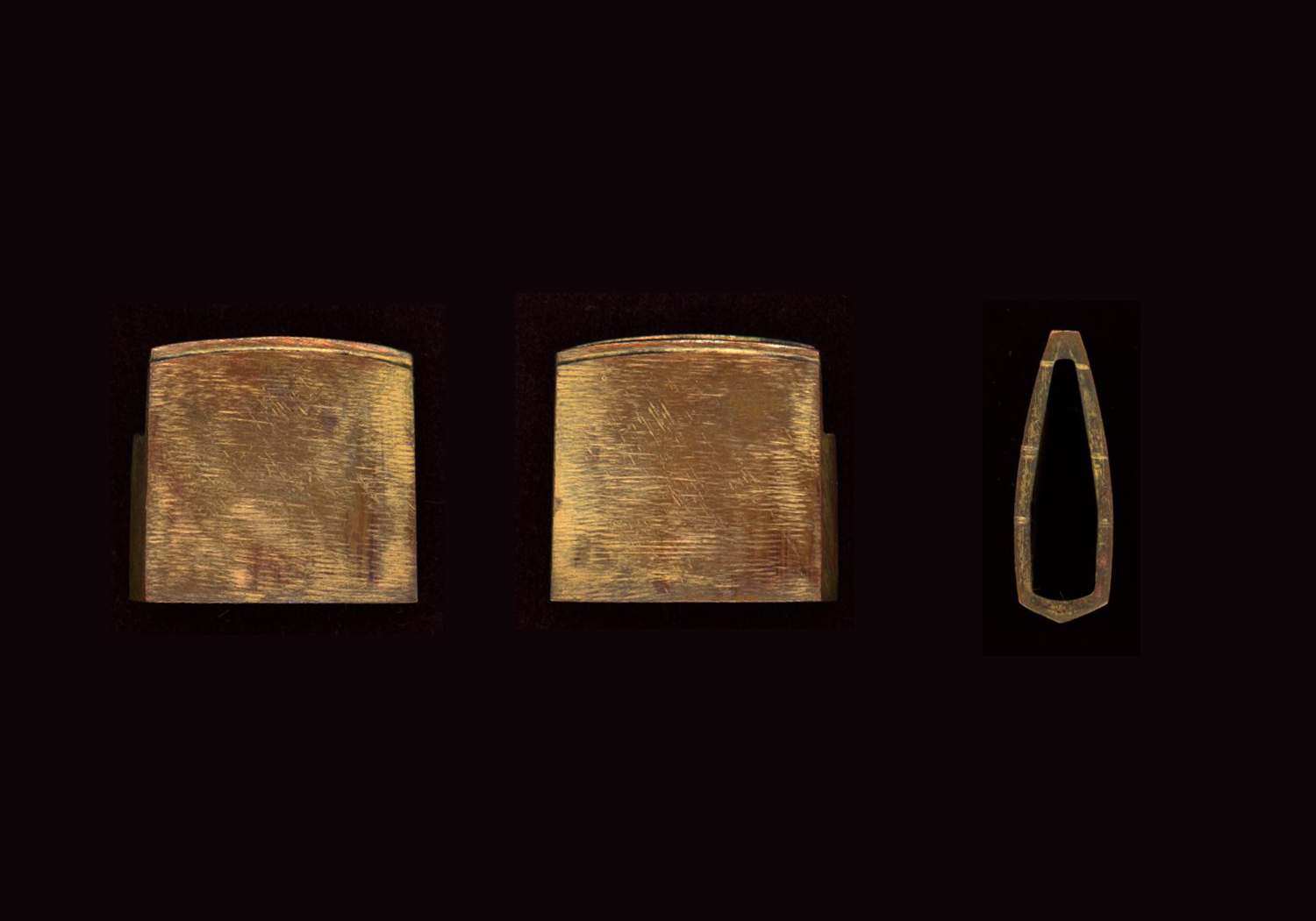
Mino-den · Mino · around 1573-1592
Tōken Taikan top 76%
Where Kanetaka stands among comparable artisans: across all of nihontō, and within tradition, era, and period. The tiers (Foremost · Leading · Major · Notable) weigh official designations from the NBTHK and Japan's Agency for Cultural Affairs, together with historical honors of lasting repute such as the Sansaku and Meibutsu-chō.
Select a lens to see how it's measured.
Mino-den · Mino
130 pieces on the market now
Seki (関), in Mino Province, grew from two roots set down in the Nanbokuchō period and rose to become the great center of mass sword production in the late medieval age. The published sources trace the wellspring of Mino swordmaking to Kinju (whose name the commentary also reads Kaneshige), counted since antiquity among the Masamune Jittetsu, the ten disciples of Sōshū Masamune, and to Kaneuji of the Shizu line; the Kokon Meizukushi records Kinju as a native of Tsuruga in Echizen who "crossed over to Seki and resided there," carrying the Sōshū-den manner east. Beneath that Sagami inheritance lay a Yamato foundation, legible in the Tegai descent of the Seki Zensada line through Kaneyoshi, so that the Mino-den the Seki workshops forged stands as a fusion of Yamato grain and Sōshū activity in nie. From this Nanbokuchō founding the name multiplied across the Muromachi period into Sue-Seki, the last and largest body of the tradition; its representative masters at the close of the old-sword age were Magoroku Kanemoto, famed for the sanbonsugi, and Izumi no Kami Kanesada, the smith called Nosada, while the Kanefusa, Ujifusa and Daidō hands worked beside them and the move of Wakasa no Kami Ujifusa to Kiyosu carried the Mino body to the threshold of Owari shintō. A common Mino vocabulary binds the Seki body, however widely its members range. The forging is an itame that stands and runs to masame, often mixed with mokume and nagare, over which rises the cool whitish shirake-utsuri of Mino steel rather than the bright midare-utsuri of Bizen; this pale, standing jigane is the constant tell the judges read first, present alike on Kinju's Nanbokuchō katana, Kaneyoshi's Ōei tachi and Nosada's late-Muromachi blades. Over it the smiths temper gunome into which the pointed togariba of Mino enters, with ko-nie clinging to a tight nioiguchi, ashi and yō, and sunagashi streaming through; the bōshi answers in midare-komi turning to a pointed or jizō-cast ko-maru swept with hakikake. From this shared grammar the individual hands diverge.
Kanemoto fixed the regular three-cedar sanbonsugi of pointed teeth; Kanefusa devised the rounded-head, constricted-waist "Kanefusa midare"; Kinju and the early founders held a calmer, rounder gunome away from the restless Shizu line, their work laid with thicker ji-nie and dry, standing grain. The late masters carried the manner to a higher finish: Nosada wove togariba among rounder forms for a broader temper than Kanemoto's one-sided file, and turned at times to a slender Rai-styled suguha with a hidden gunome; Kaneyoshi held instead to a cool ito-suguha, the disciplined Yamato face of late Seki, lightly broken with ko-gunome. A collector seeks Seki because it is the connoisseur's ground for reading Mino-den across a vast body of signed and attributed work. The kantei runs through the jigane first: the standing, masame-leaning itame and the whitish shirake separate a Seki blade from Bizen and Yamashiro, after which the pointed togariba, the dry nie, and the pointed or jizō bōshi confirm the province; the discriminations the judges draw, Kinju held apart from Shizu by his rounder gunome, Nosada parted from Kanemoto by his breadth, give the eye its anchors. Within the school the standing of the best members is settled: Magoroku Kanemoto for the sanbonsugi, Nosada whom the swordbooks call simply "an excellent master" and the most accomplished of the several Kanesada hands, and the early Kinju as a rare and precious founding name, his record running through the Jūyō tier with the signed pieces few and the long blades attributed den. Signature works carry real provenance: a Kinju tantō presented to the Tokugawa shogunal house in 1679, a Nosada katana borne by a chief retainer of the Kii Tokugawa and a tachi forged for the father of Takeda Shingen, a Kaneyoshi tachi transmitted in the Chikuzen Kuroda family. Beyond connoisseurship, Seki's blades earned a battlefield reputation for cutting; the full hiraniku and stout build of the Sue-Seki katana, made to sever, set the wazamono standing that made Mino the working sword of its age. Learn more →
| Smith | Era | Designated |
|---|---|---|
| Kinju金重 | 1340-1346 | 42 |
| Kaneyuki金行 | 1350-1352 | 10 |
| Kanekore兼之 | 1504-1555 | 7 |
| Kanenori兼法 | 1579-1615 | 5 |
| Nagasada永貞 | 1862-1866 | 5 |
Mino in the Muromachi period
Sengoku Seki was an industry: smiths organized under their tutelary Kasuga shrine, arming the war bands of central Japan. Magoroku Kanemoto’s sanbonsugi and the finest Kanesada work prove quality survived inside mass production.
Certifies a genuine blade worth preserving: a signature confirmed correct, or, if unsigned, an era, province, and school that the NBTHK can reliably identify.
The NBTHK (Nihon Bijutsu Tōken Hozon Kyōkai, the Society for the Preservation of Japanese Art Swords) is a public-interest incorporated foundation founded in 1948 and supervised by Japan’s Agency for Cultural Affairs (Bunkachō); it is based at the Japanese Sword Museum in Tokyo. Its expert panels physically examine each submitted work (shinsa) and issue a certificate (kanteishō) ranking it by artistic and historical merit. NBTHK papers are the most widely recognized standard of authentication for Japanese swords and fittings.
NBTHK official siteThree-day inspection period and seven-day return period; buyer notifies by email within three days of receipt, no reason needed; full refund once item returned undamaged and unaltered.