
















The twentieth century nearly killed the craft twice: wartime distortion, then the occupation ban. The NBTHK’s founding in 1948 and licensed forging from 1953 rebuilt the sword as an art, crowned by Living National Treasures and the mukansa rank.
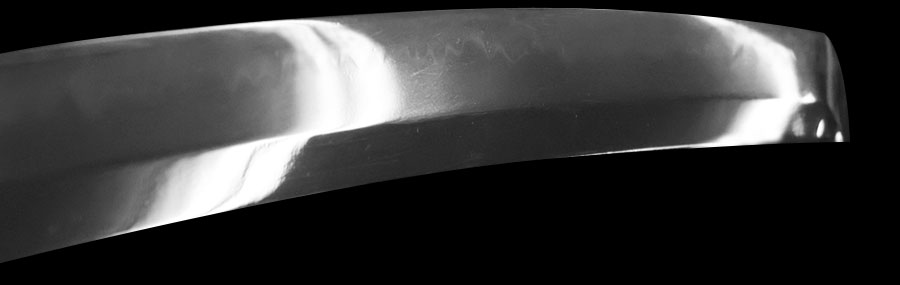
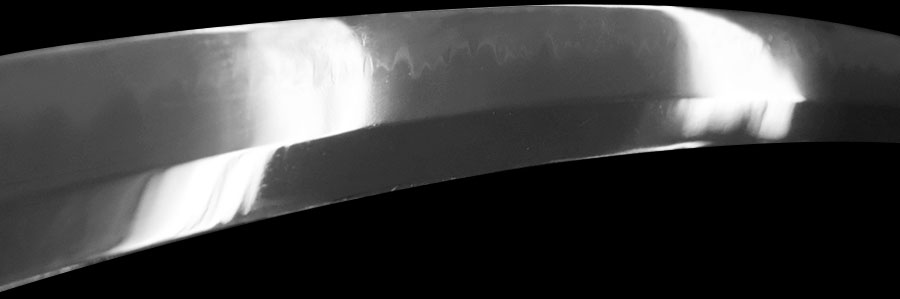
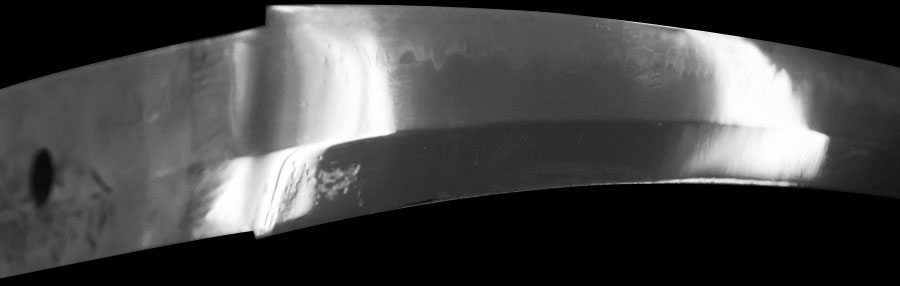
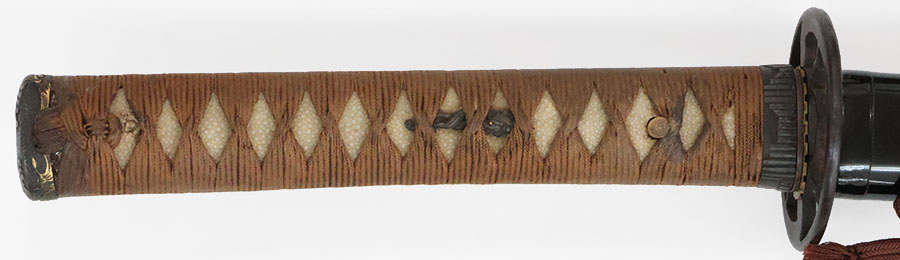
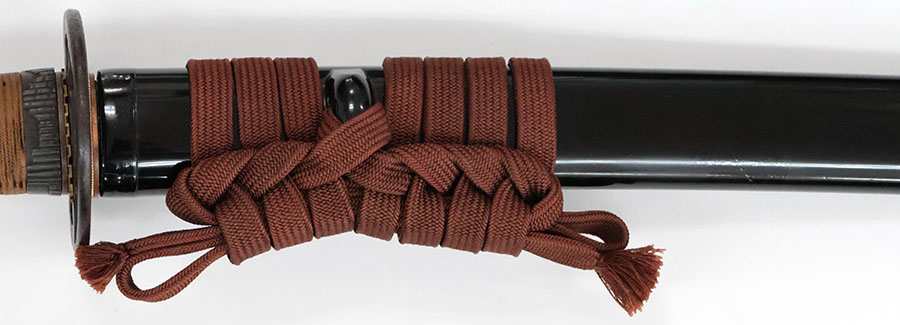
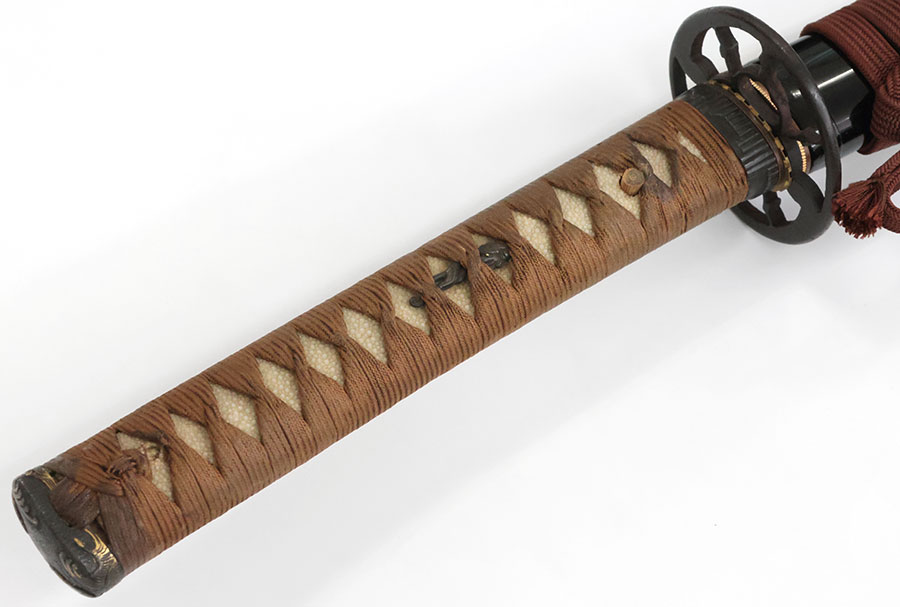
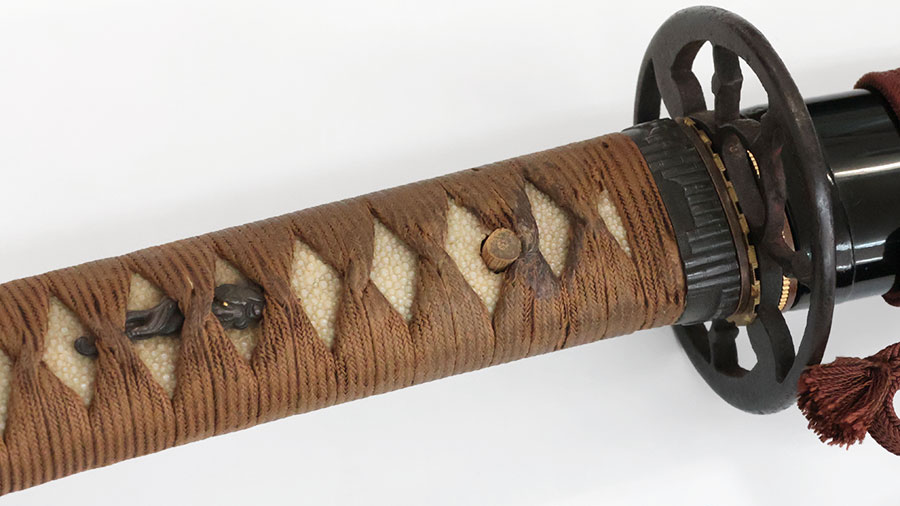
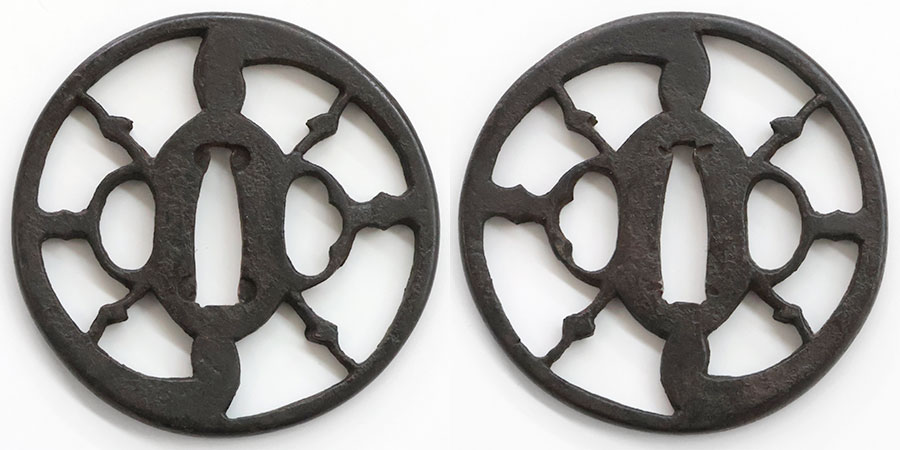
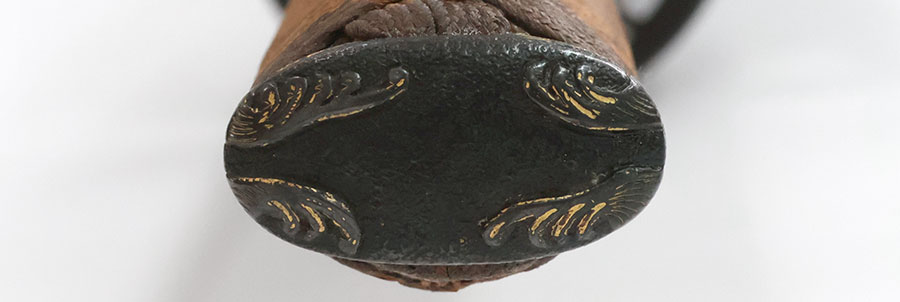
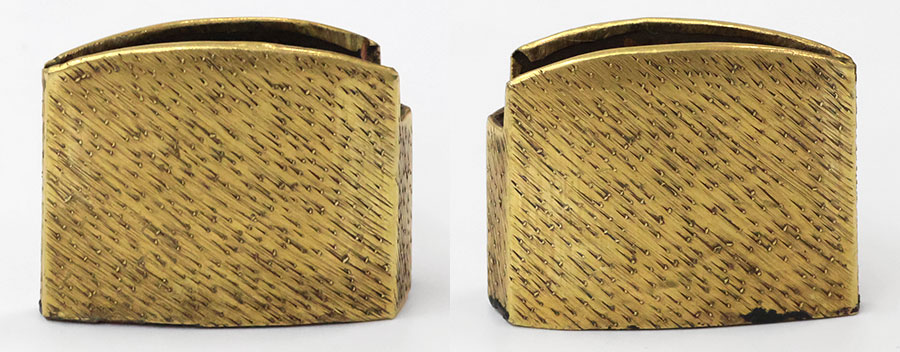
Weight excluding saya 1003gr It has arrived, it has arrived, a katana by the famous swordsmith Ishido Teruhide has arrived. The ancestors of the swordsmith Ishido Teruhide were originally from Ishido Village in Omi (Shiga Prefecture) during the Edo period, and later the swordsmith Musashi Daijo Korekazu went to Edo. The seventh generation Unju Korekazu at the end of the Edo period was a master of the Bakumatsu era who became a smith in the employ of the Shogunate and carved the aoi-mon on the nakago. The swordsmith Ishido Teruhide is a modern swordsmith of distinguished lineage, being approximately the ninth generation counting from the swordsmith Musashi Daijo Korekazu. The sugata of this katana shows a difference between the moto-mihaba and saki-mihaba with sori, presenting a fine sword sugata, and the jigane is forged in ko-itame hada, becoming a wonderfully well-tightened jigane. The hamon is a gunome midare-ba with ko-nie, skillfully tempered from the moto to the saki. Because the production of nihonto was prohibited for 9 years from Showa 20 to Showa 29 by order of the Occupation Forces following Japan's defeat in the war, the swordsmith Ishido Teruhide did not return as a swordsmith after the war; since he produced such wonderful swords as this one, he likely would have become a great master had he continued as a swordsmith after the war. The modern koshirae also adds further elegance to this katana. As this has appeared in the world for the first time, we are offering it at a specially low price. Please enjoy this katana by the swordsmith Ishido Teruhide, a descendant of the distinguished lineage of the swordsmith Musashi Daijo Korekazu.
Offered by Nipponto
This piece has sold
Get an email when a new Teruhide piece hits the market.


As written by the shop
Machine translation from the shop's Japanese · may contain errors ·
Saitama · around 1926-1989
1 piece on the market now
Shōwa to the present: destruction and revival
The twentieth century nearly killed the craft twice: wartime distortion, then the occupation ban. The NBTHK’s founding in 1948 and licensed forging from 1953 rebuilt the sword as an art, crowned by Living National Treasures and the mukansa rank.
For returns due to customer circumstances, the cost is the customer's responsibility. For returns due to our mis-shipment or a defective item, we bear the cost.