The twentieth century nearly killed the craft twice: wartime distortion, then the occupation ban. The NBTHK’s founding in 1948 and licensed forging from 1953 rebuilt the sword as an art, crowned by Living National Treasures and the mukansa rank.
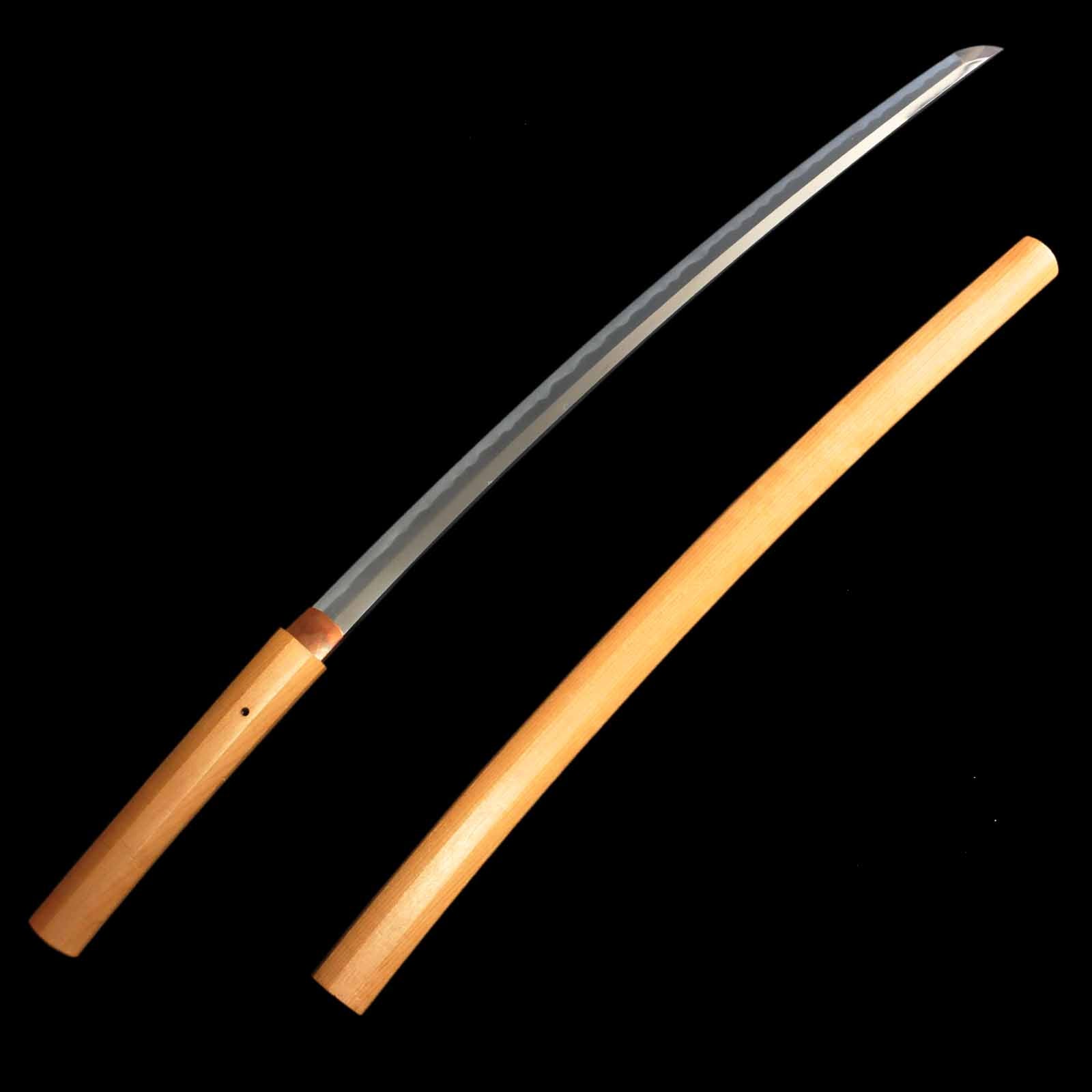
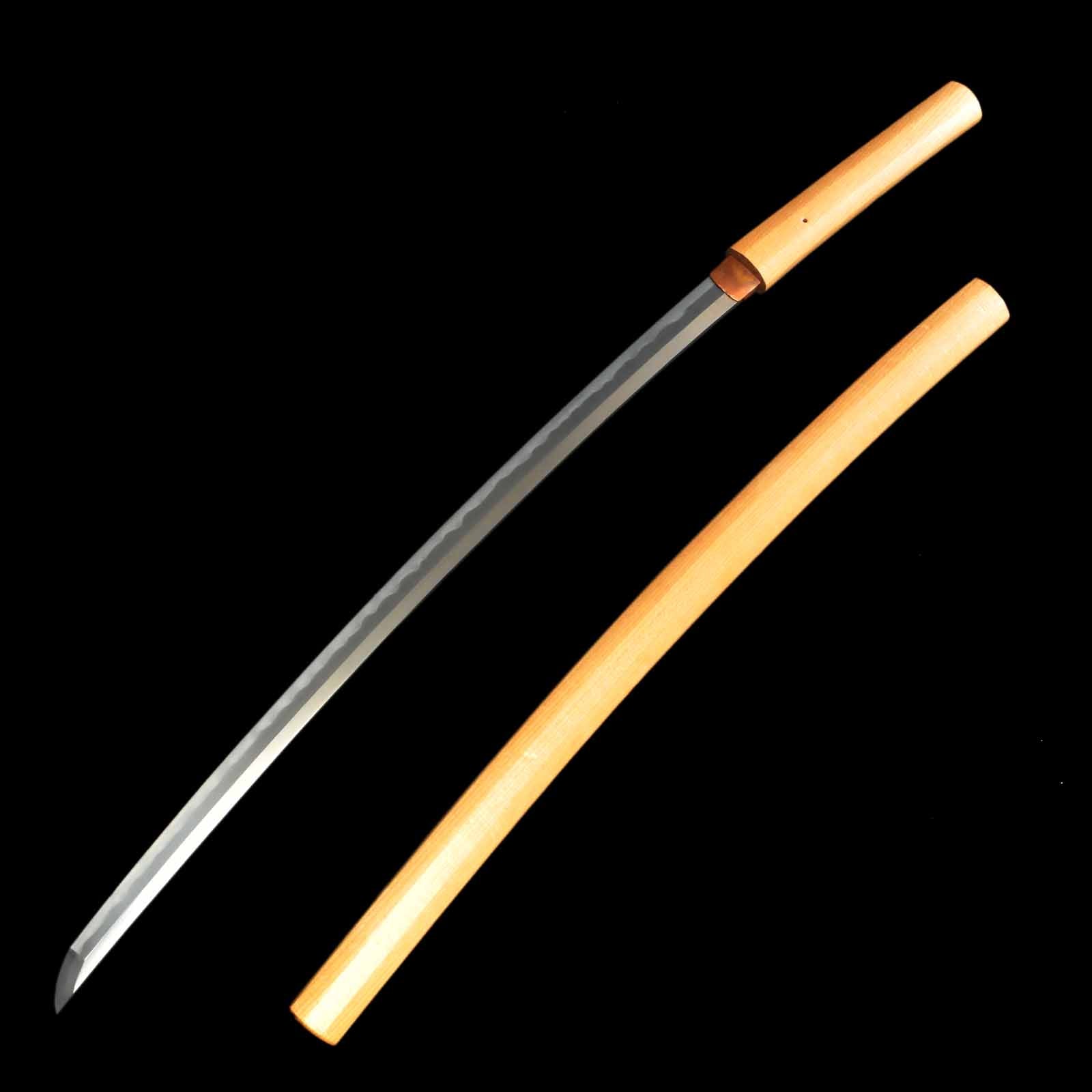
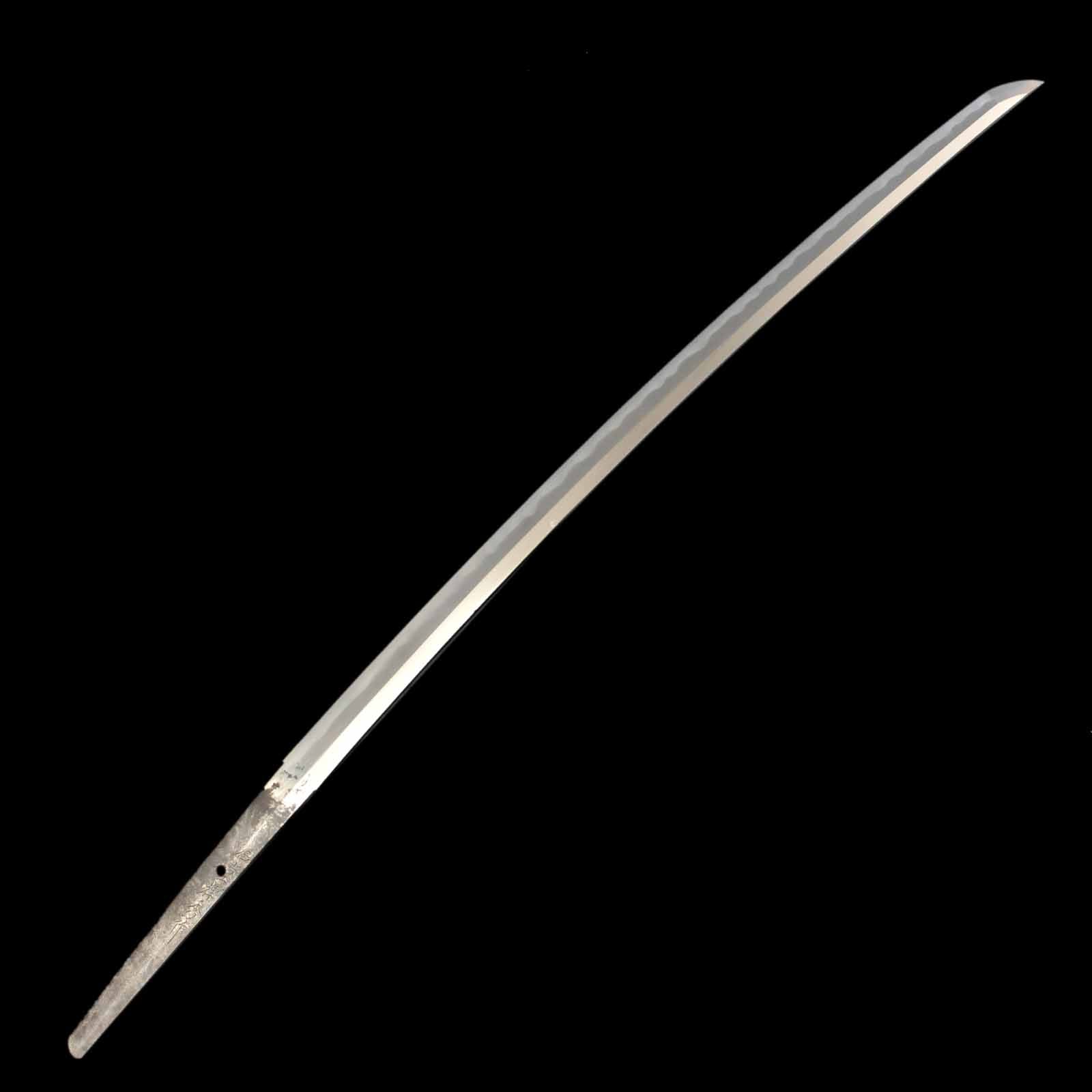
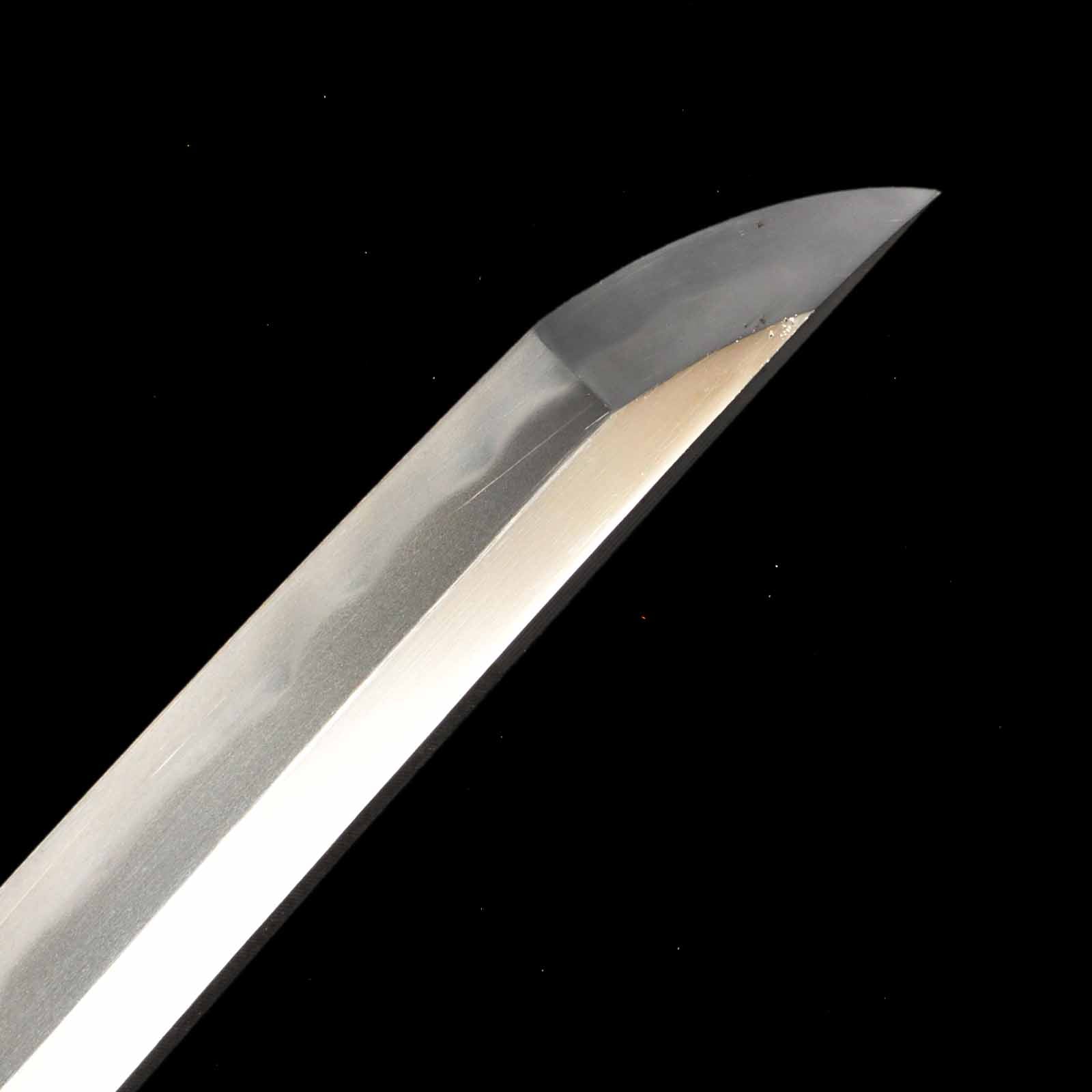
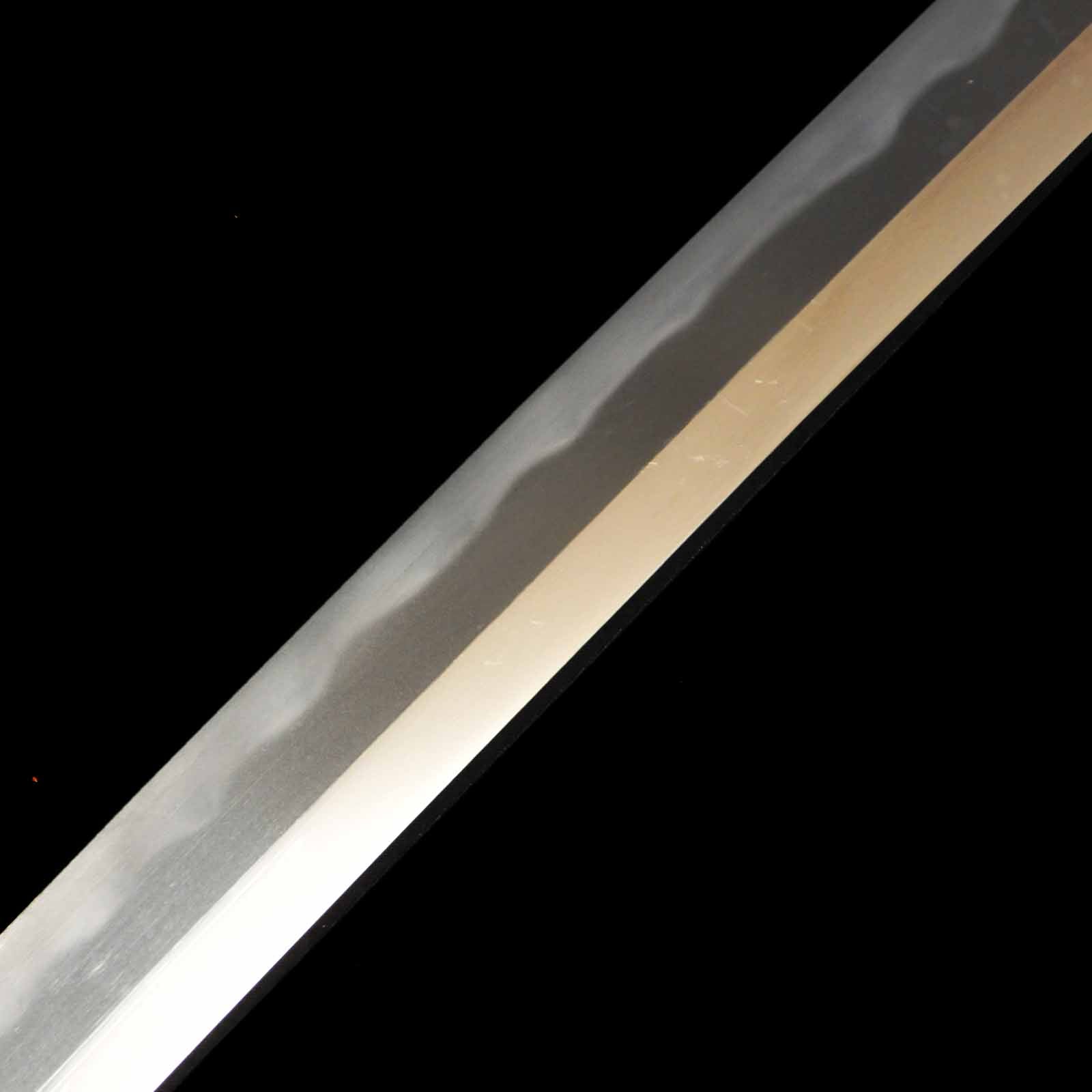
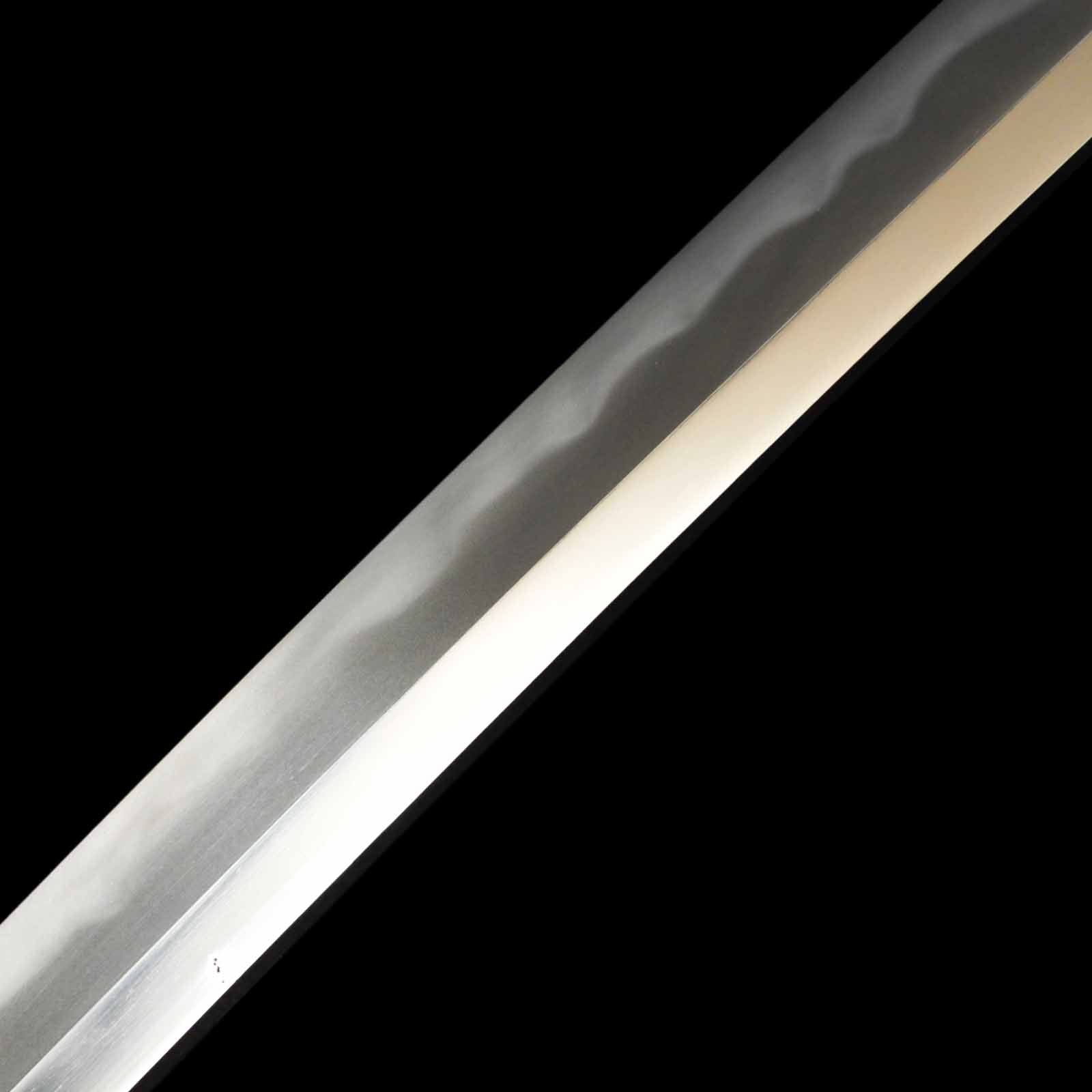
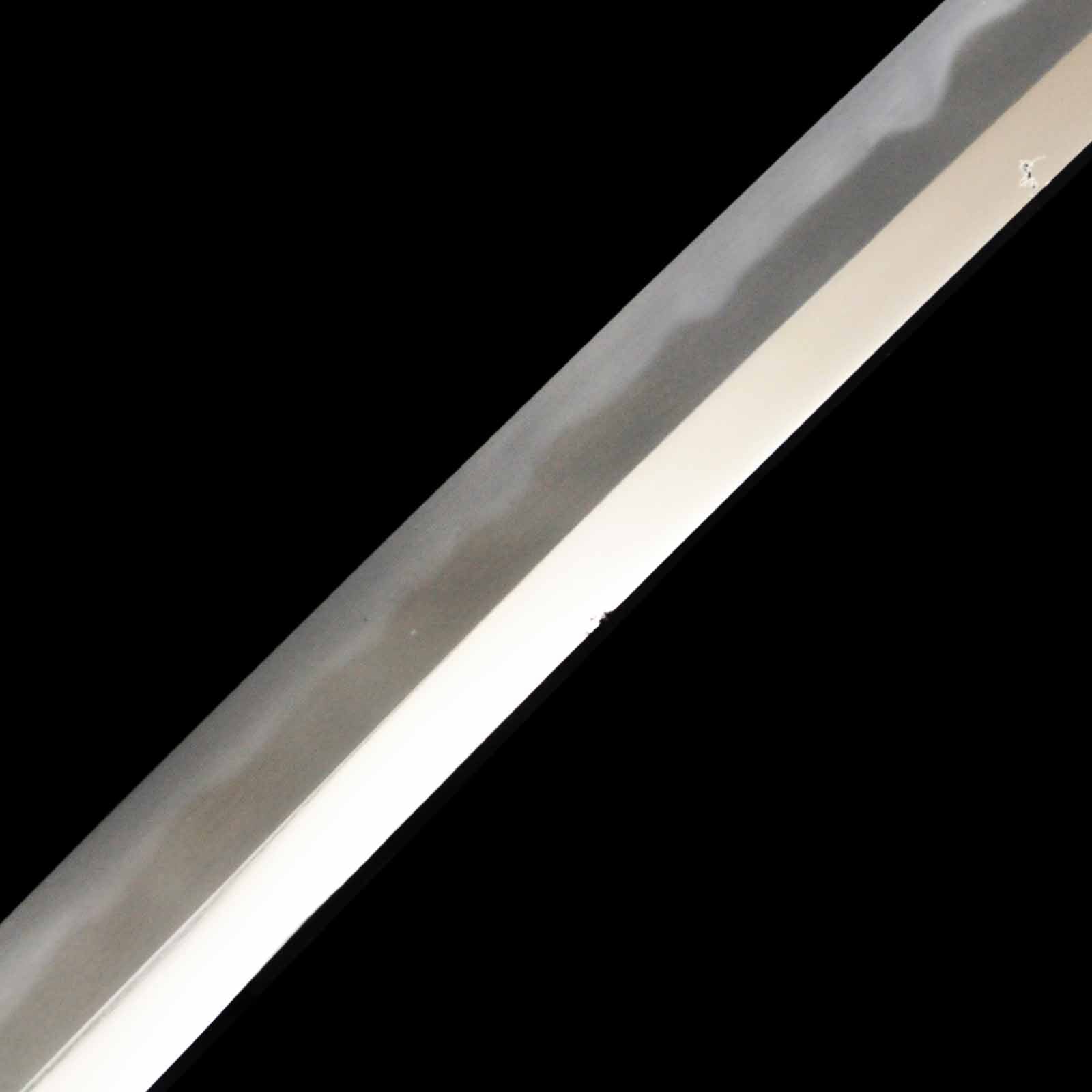
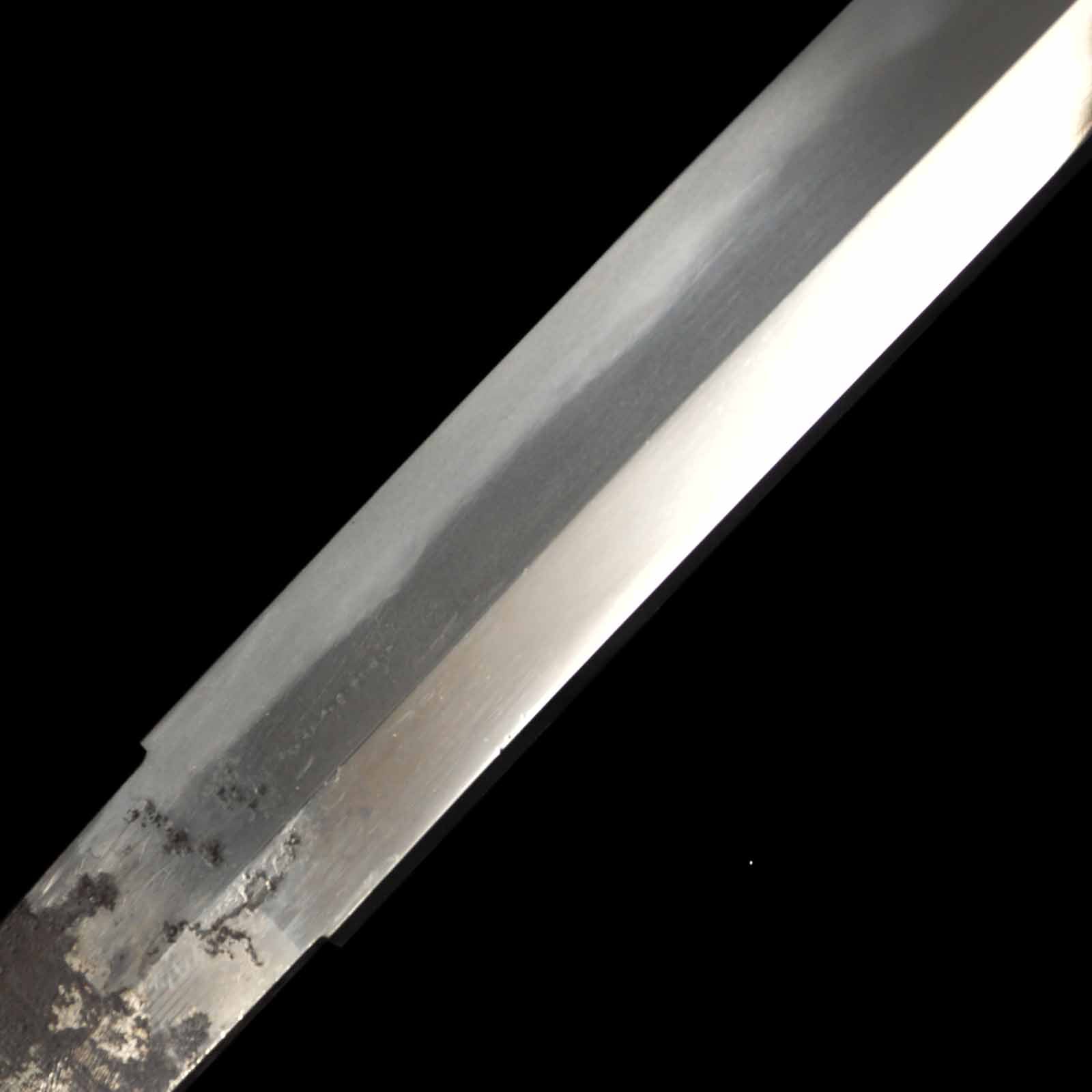
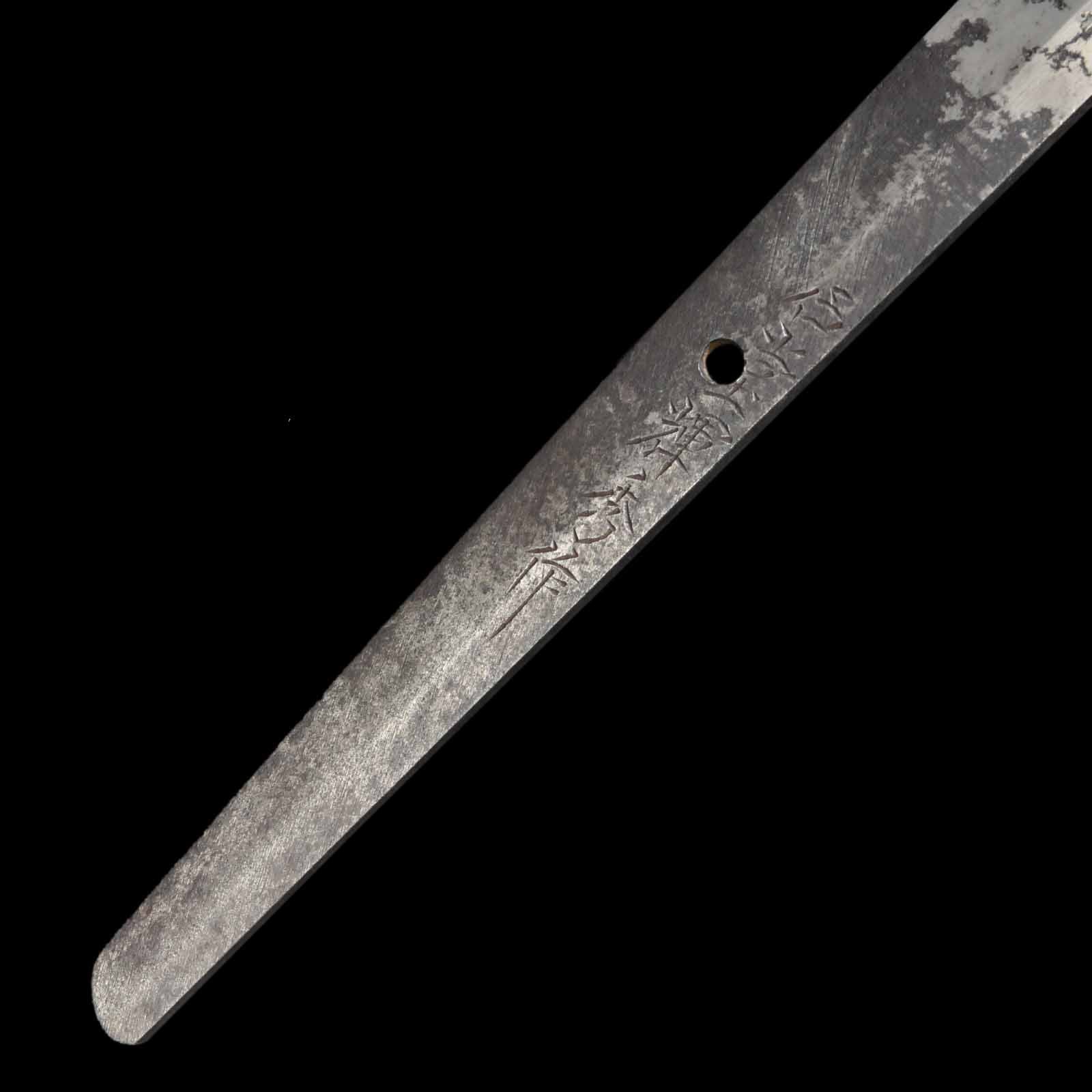
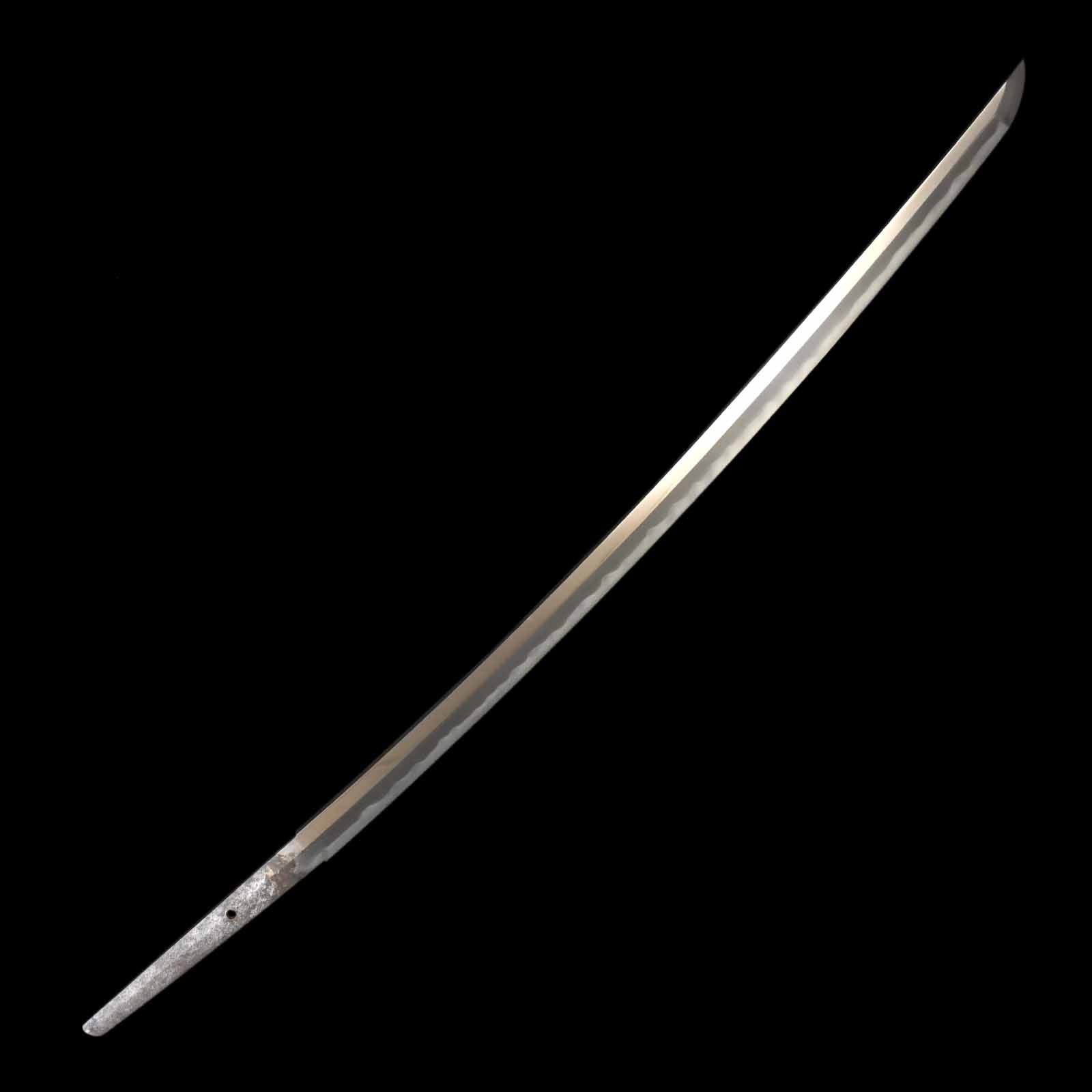
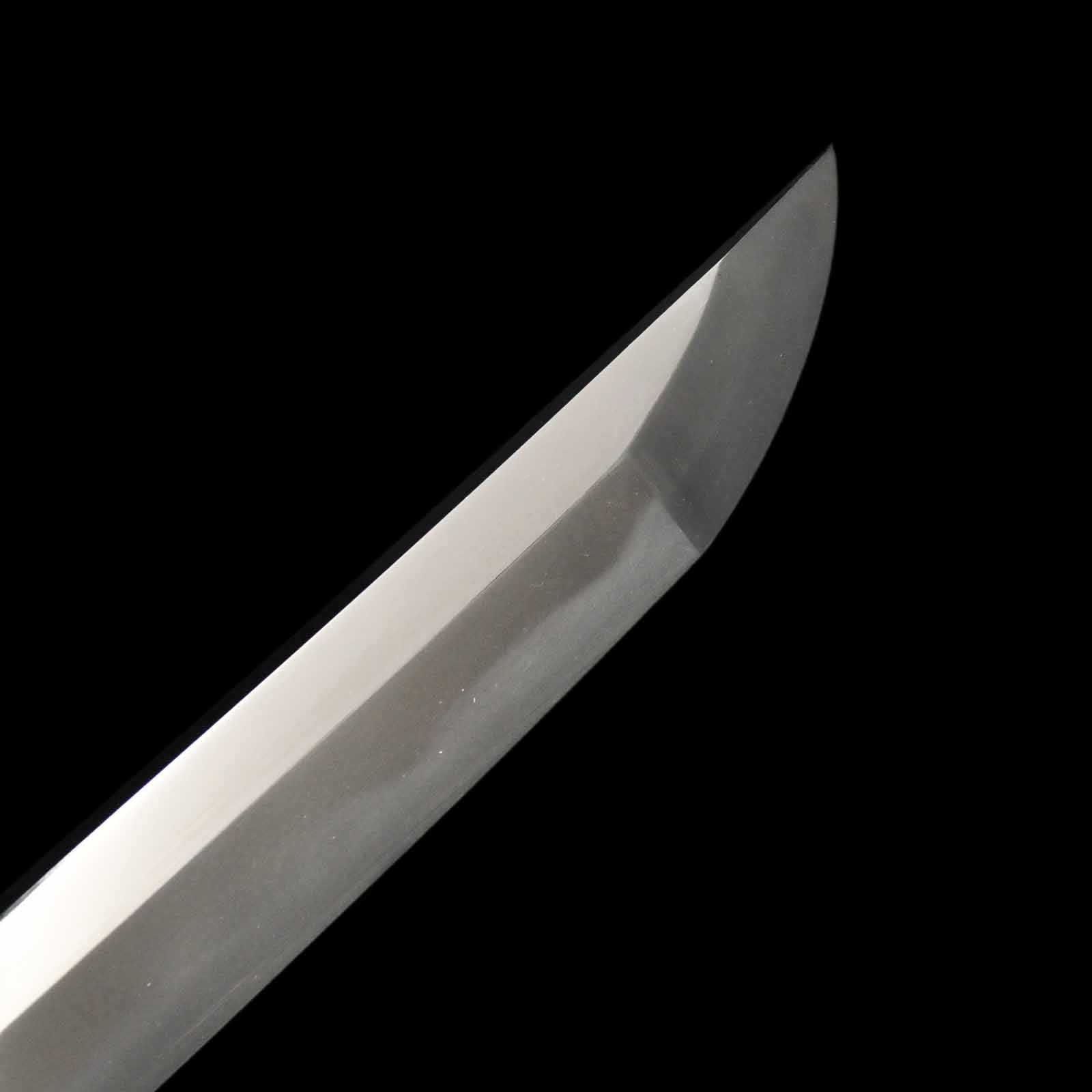
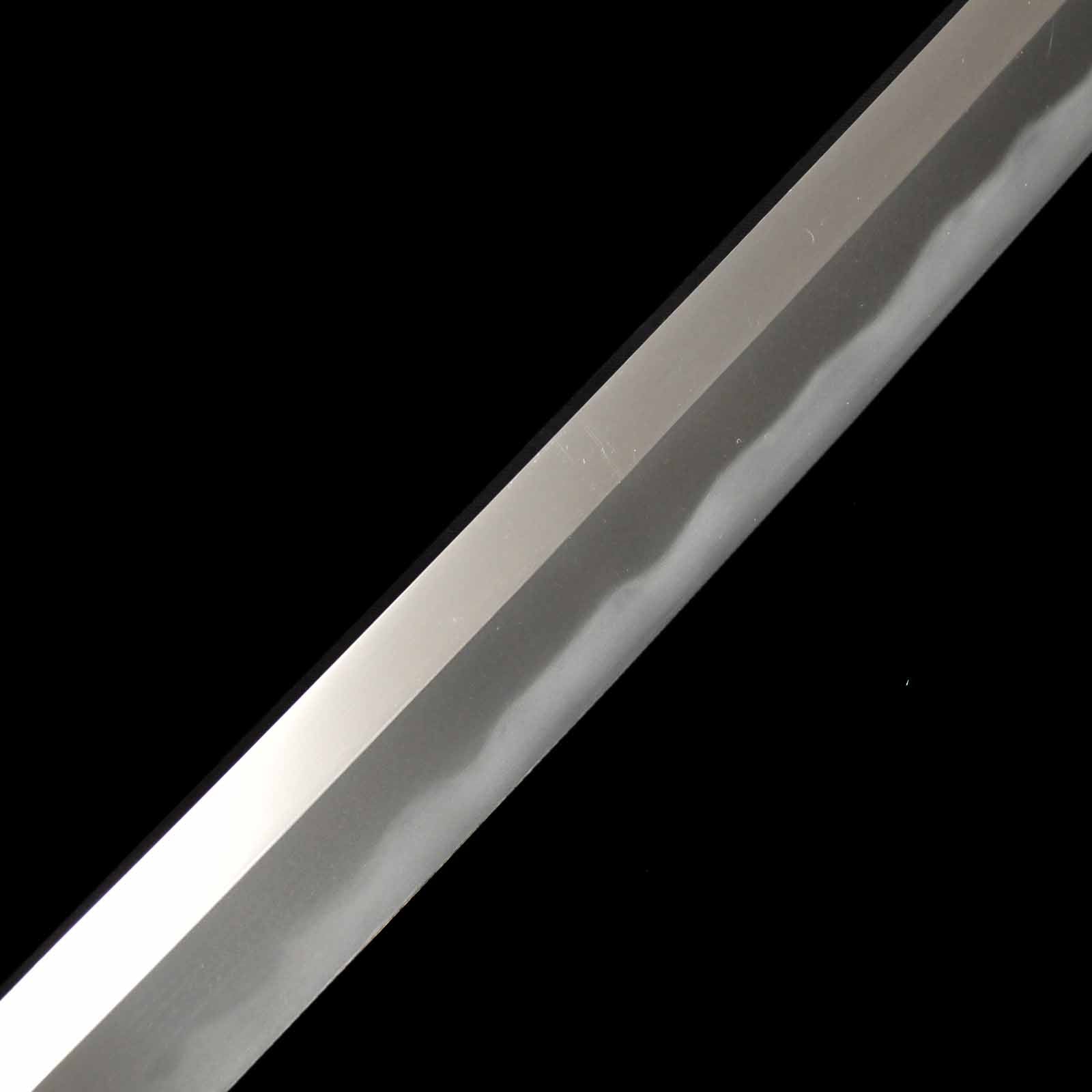
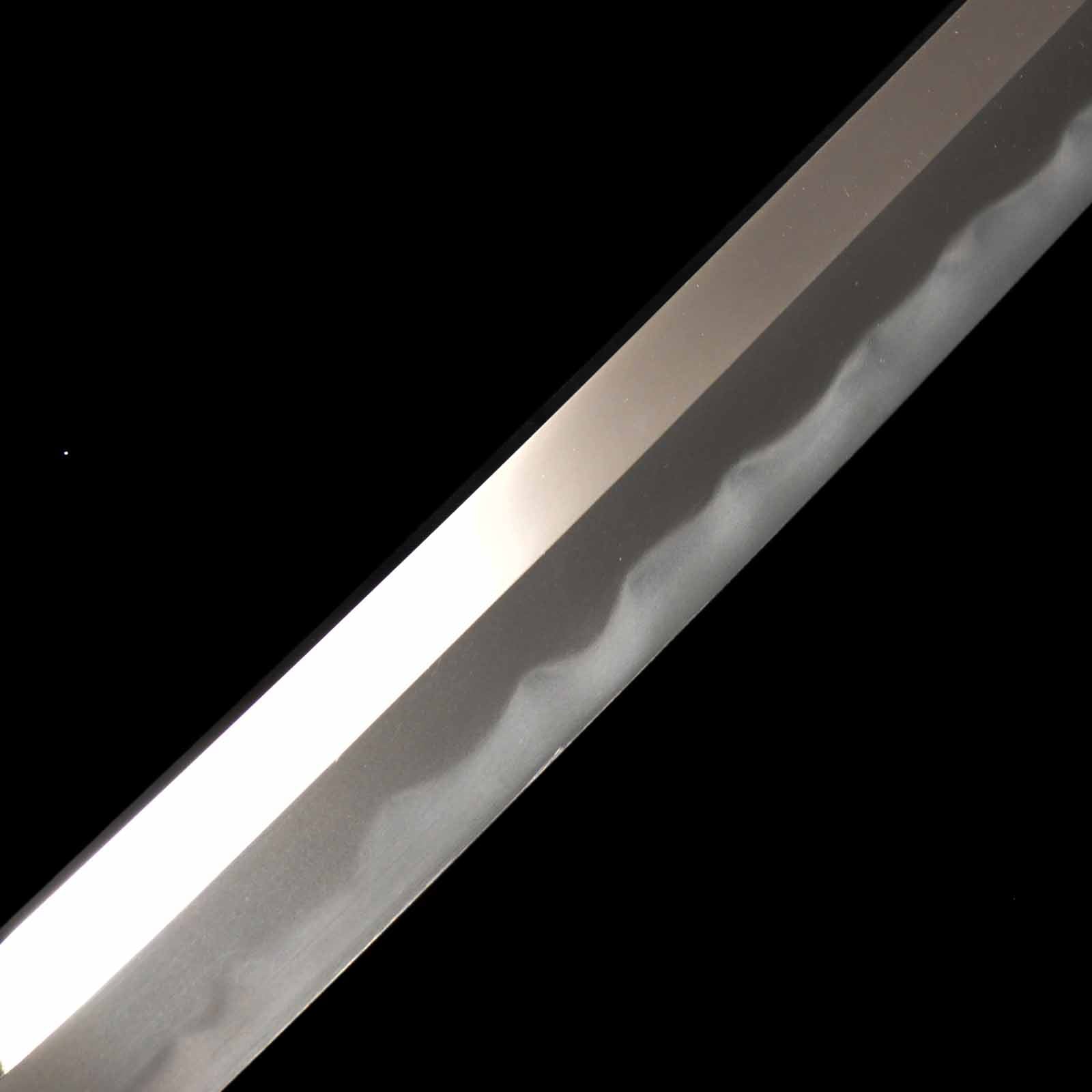
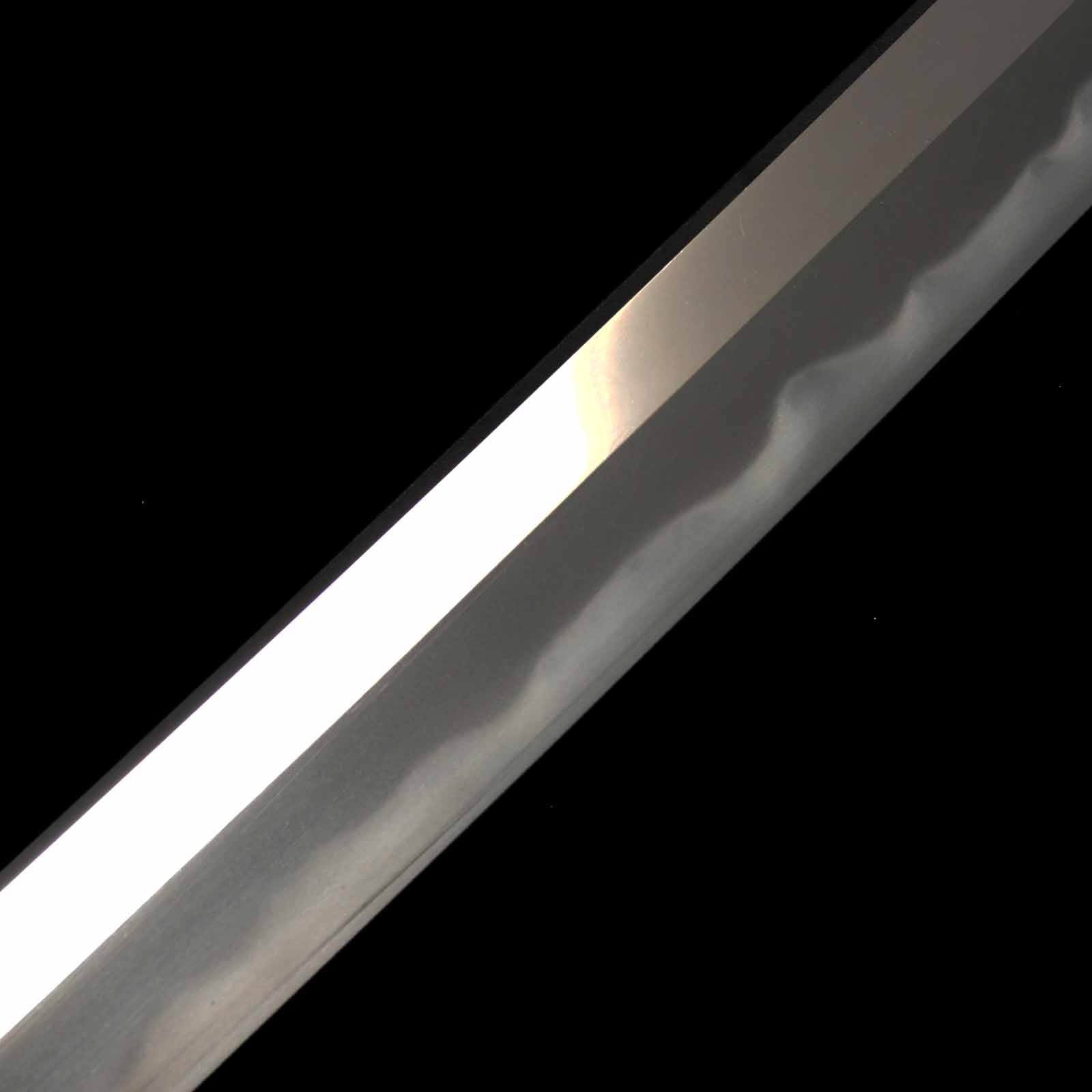
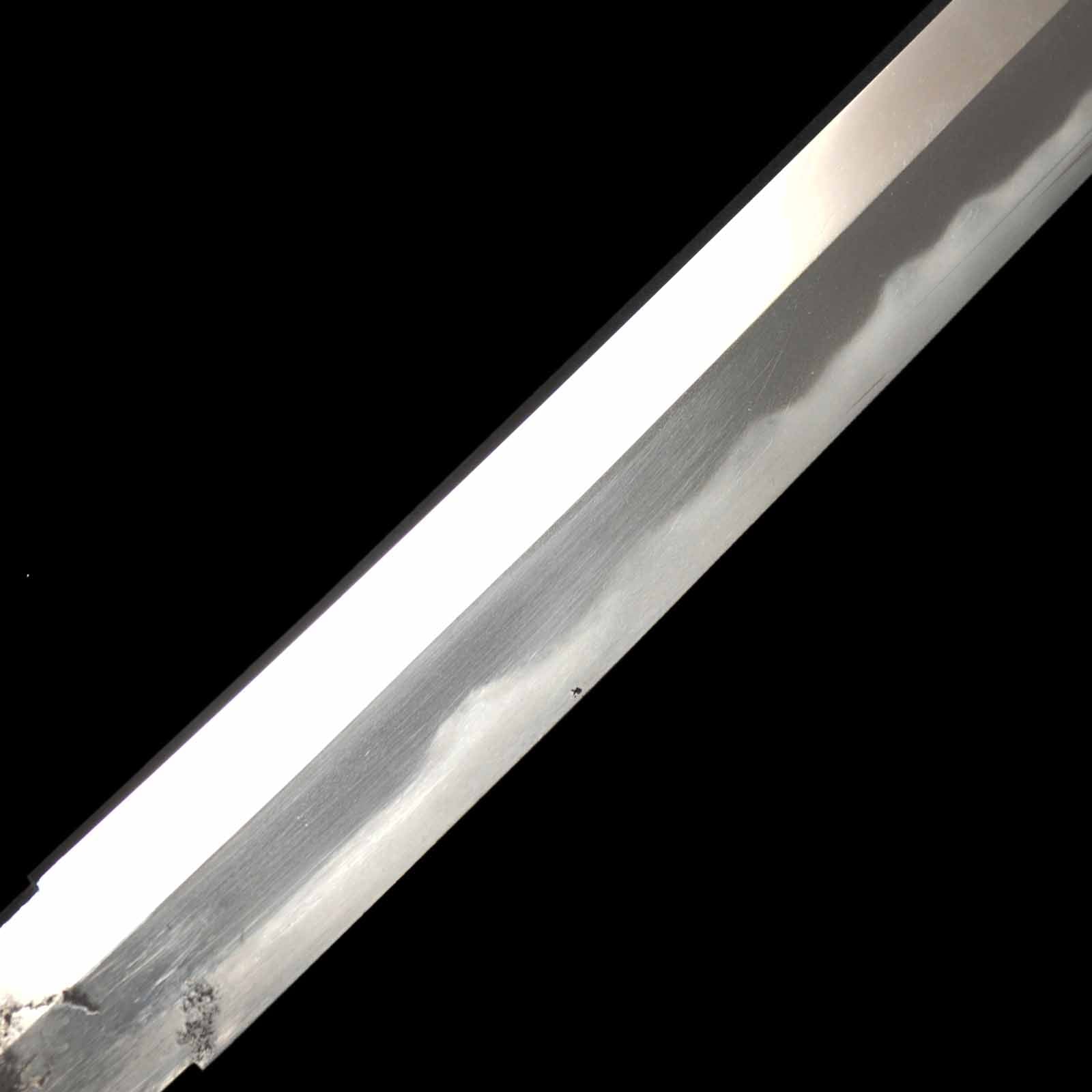
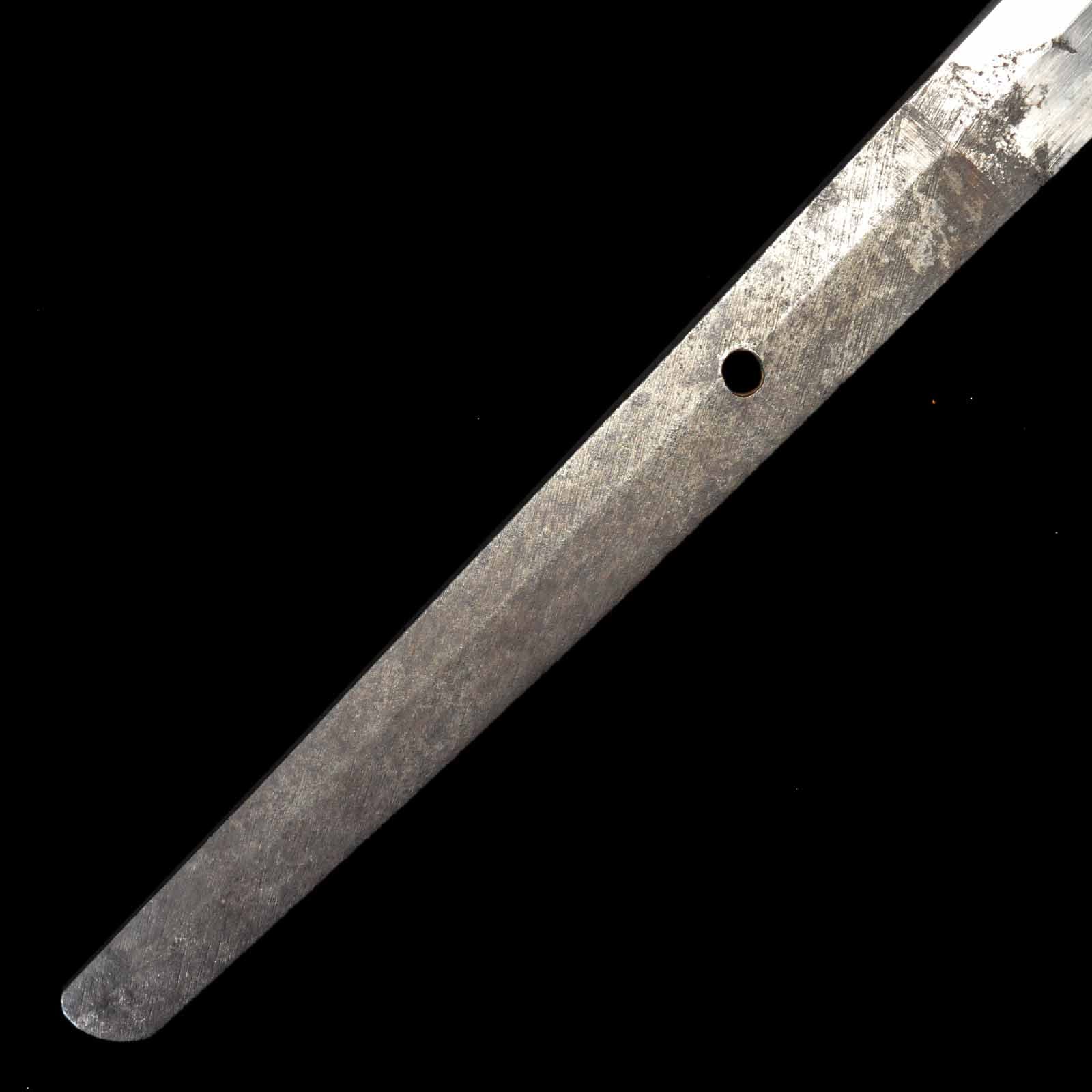
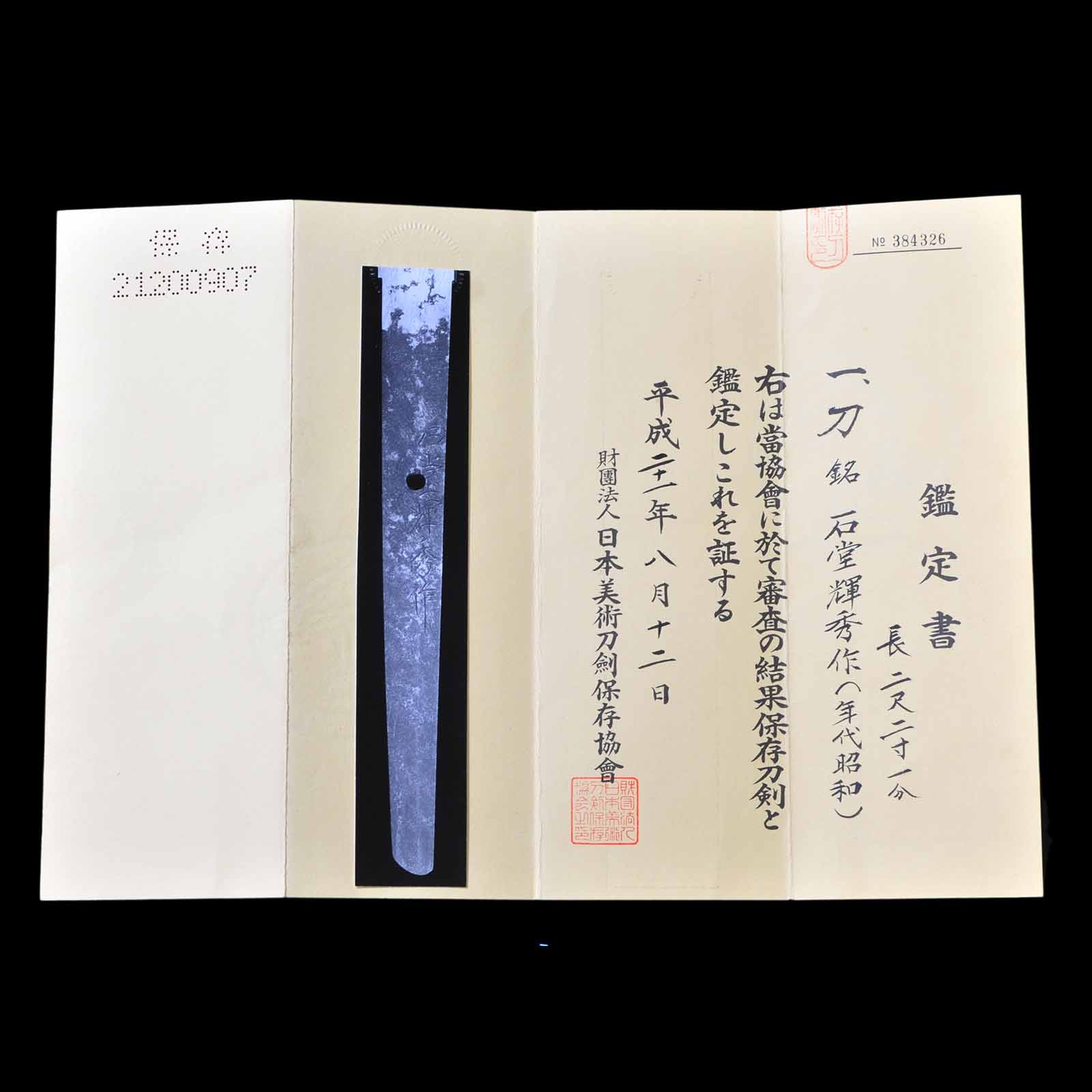
A piece by modern master swordsmith Ishido Teruhide is now in stock. The Ishido family is a prestigious family of sword smiths that has been in existence for over 400 years, and has produced such masters as Ishido Korekazu, who was active during the Edo period. Ishido Teruhide, born in 1900, whose real name is Kikuchi Seiichi, is the 10th generation of the Ishido family. he learned Japanese sword making from Hidekazu, the 9th generation, and was also engaged in making guntos during World War II. The sharpness of the guntos he made was outstanding and highly regarded. The Ishido family also became famous as planers and other tool makers due to the decree to abolish the sword during the Meiji period (1868-1912). The planes made by Teruhide are said to be worth as much as 1 million yen each and some people even enshrine them on a kamidana (altar). This katana has been well-preserved and perfectly sharpened, and is very beautiful, but several flaws occurred during its production. On the Sashiomote side, there is a few millimeters of a forging flaw on the munekado at about 15 cm and 23 cm from the munemachi. There is also a small flaw on the ha on the Sashiura side about 5 cm from the Hamachi. The hada is koitame, and at first glance it looks plain, but if you hold it up to the light and look closely, you can see beautiful chikei. Hamon is a mixture of gunome and midare, with active hataraki, or ashi and sunagashi. Boshi are returned to nakamaru. The Society for Preservation of Japanese Art Swords has authenticated this piece by Hozon as a sword that represents the Showa period and should be preserved for posterity, and issued a certificate of authenticity for it. This sharp Teruhide sword is a masterpiece, but has a few flaws that make it especially easy to buy at this price. It is also ideal for test cutting, batto, and iai, and can be equipped with an uchigatana koshirae for an additional fee (starting at 200,000 yen). If you wish to have uchigatana koshirae, please c
Teruhide輝秀
Offered by Tozando
This piece has sold
Get an email when a new Teruhide piece hits the market.


Saitama · around 1926-1989
1 piece on the market now
Shōwa to the present: destruction and revival
The twentieth century nearly killed the craft twice: wartime distortion, then the occupation ban. The NBTHK’s founding in 1948 and licensed forging from 1953 rebuilt the sword as an art, crowned by Living National Treasures and the mukansa rank.
Certifies a genuine blade worth preserving: a signature confirmed correct, or, if unsigned, an era, province, and school that the NBTHK can reliably identify.
The NBTHK (Nihon Bijutsu Tōken Hozon Kyōkai, the Society for the Preservation of Japanese Art Swords) is a public-interest incorporated foundation founded in 1948 and supervised by Japan’s Agency for Cultural Affairs (Bunkachō); it is based at the Japanese Sword Museum in Tokyo. Its expert panels physically examine each submitted work (shinsa) and issue a certificate (kanteishō) ranking it by artistic and historical merit. NBTHK papers are the most widely recognized standard of authentication for Japanese swords and fittings.
NBTHK official siteAs a general rule, returns/exchanges are not accepted on Japanese sword orders unless damaged upon delivery. Other items: returns/exchanges accepted within 7 days of delivery. Cancellation for personal reasons incurs a 30% restocking fee (70% refunded). Return shipping must be prepaid and insured by the buyer; shipping/handling fees are non-refundable. Contact katana@tozando.co.jp to initiate a return.