Perry’s arrival in 1853 unraveled the Tokugawa peace and created the first mass demand for working swords in two centuries. Kiyomaro, called the Masamune of Yotsuya, died on its eve; Munetsugu and Yukihide carried the boom to the end.
 NihontoWatchNihontoWatch
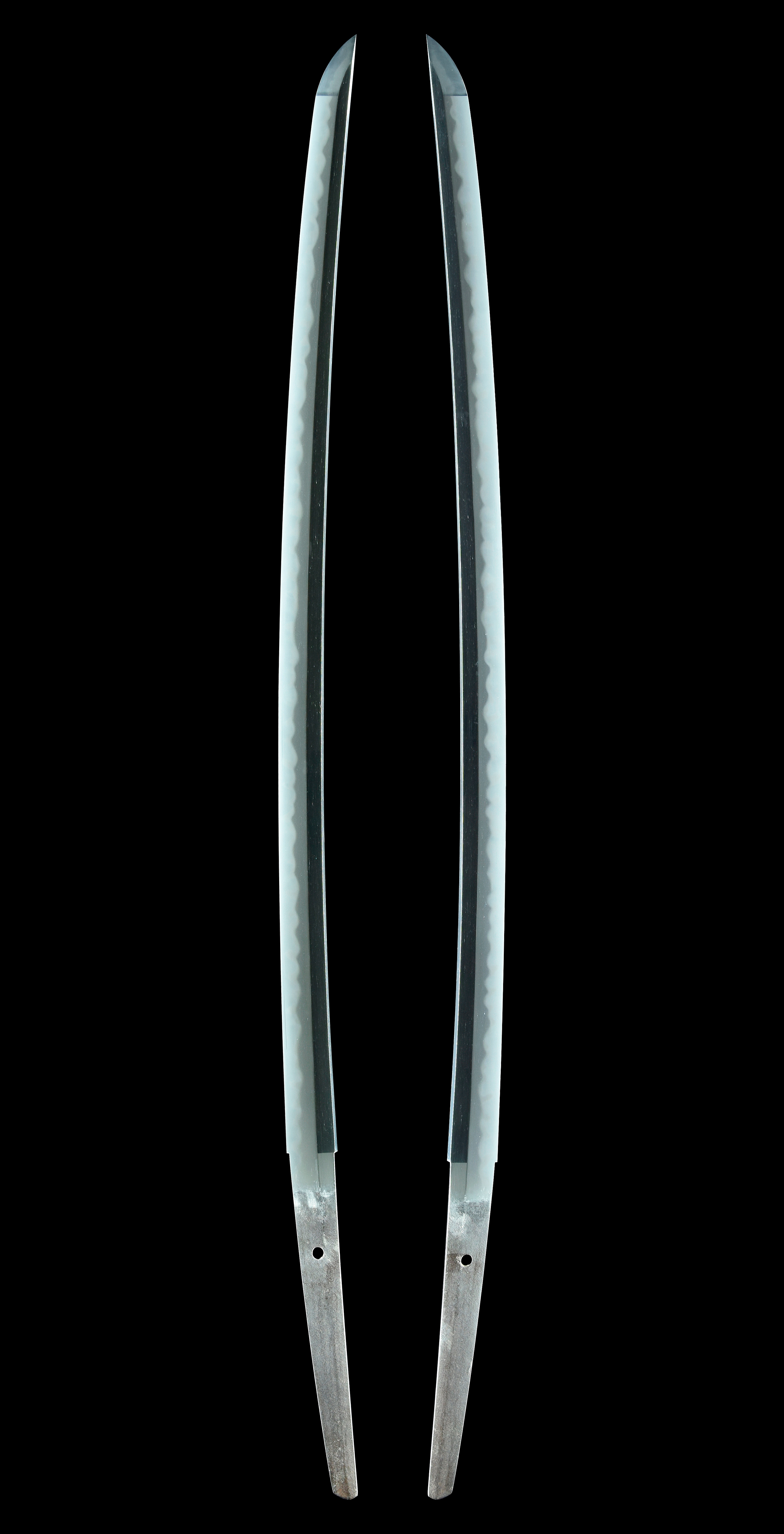
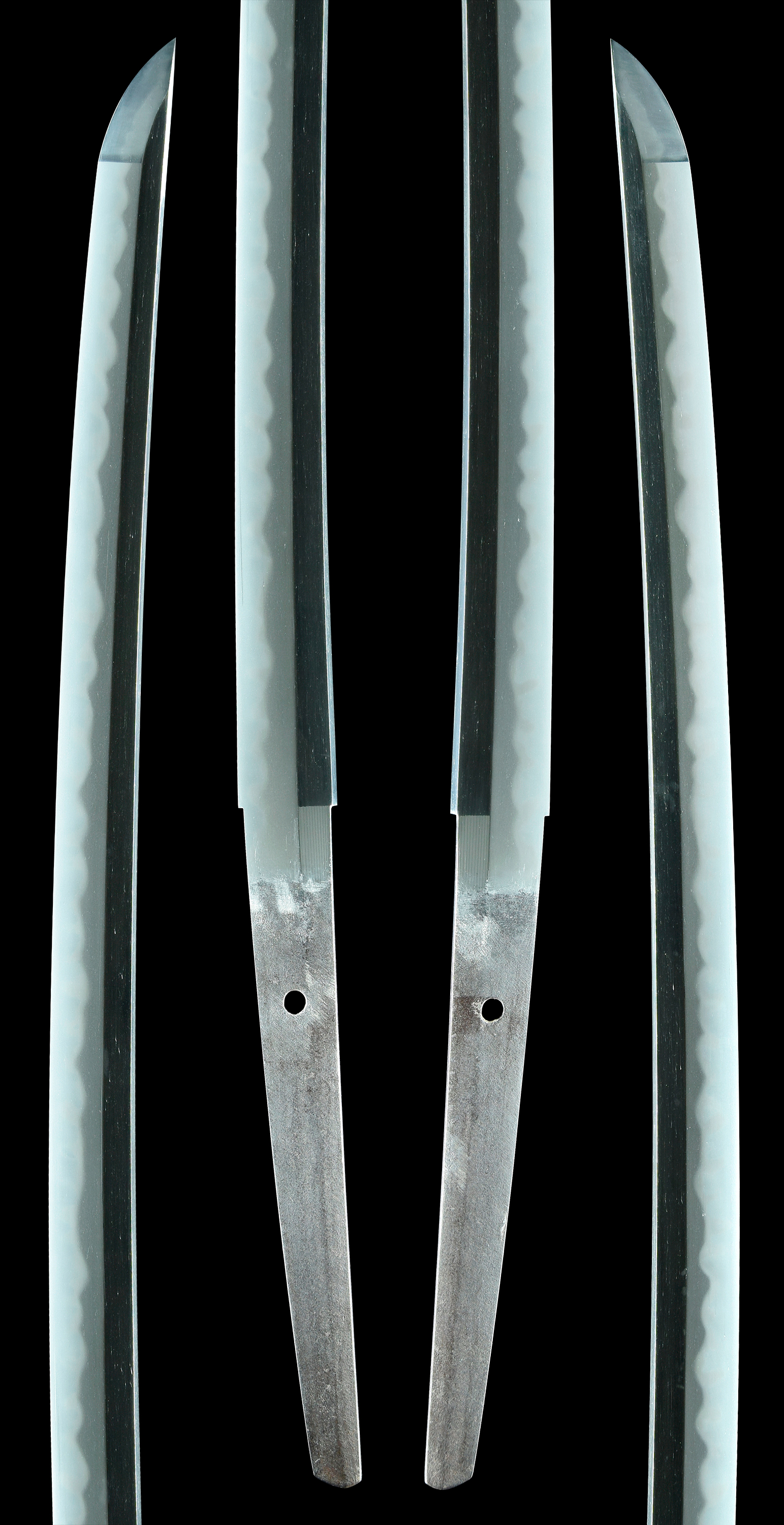
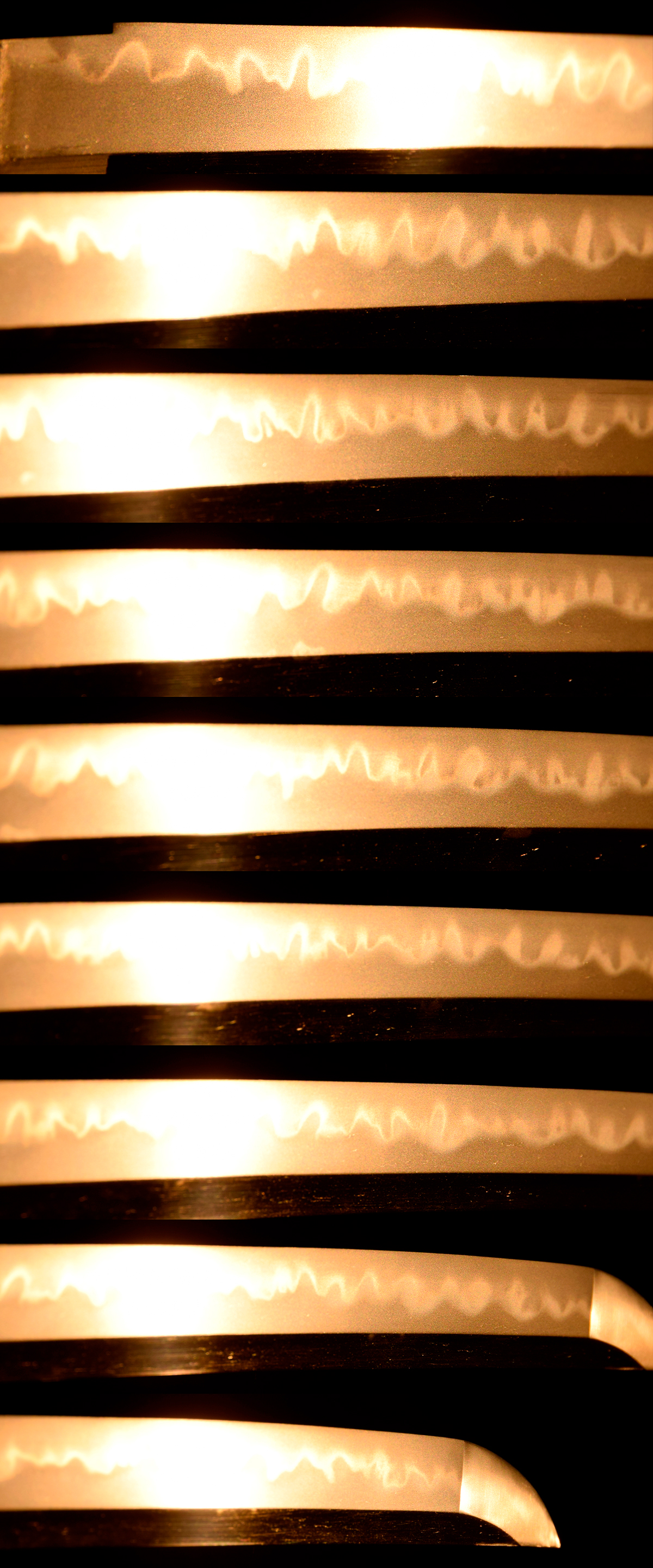
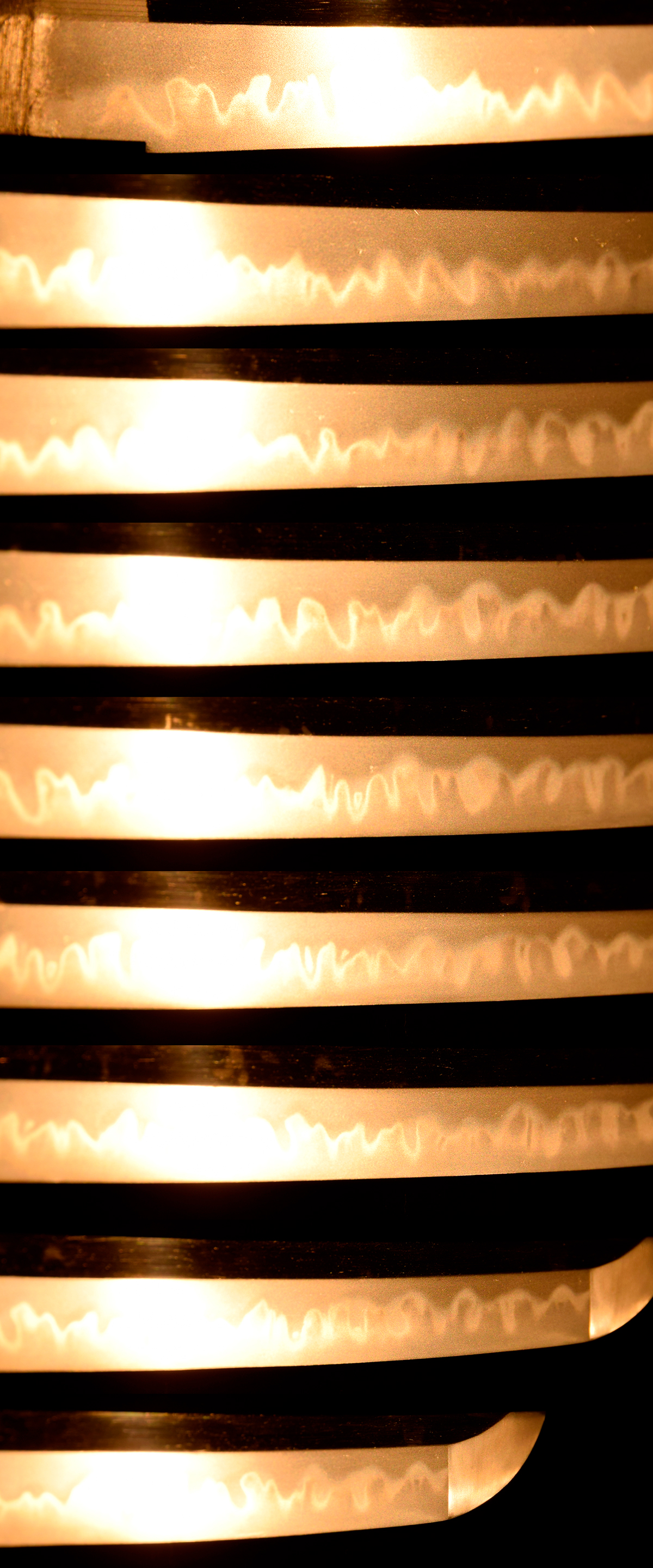
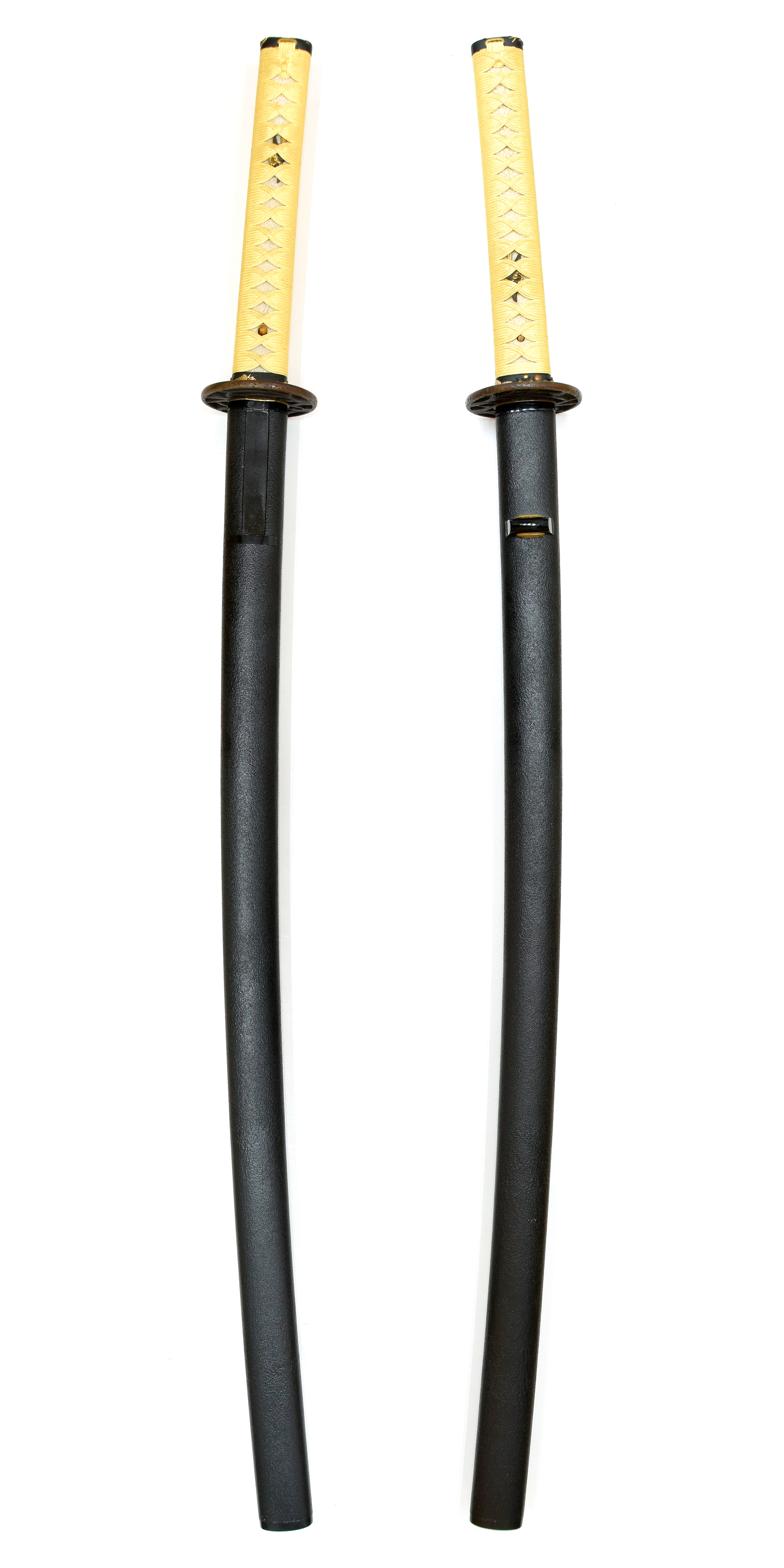
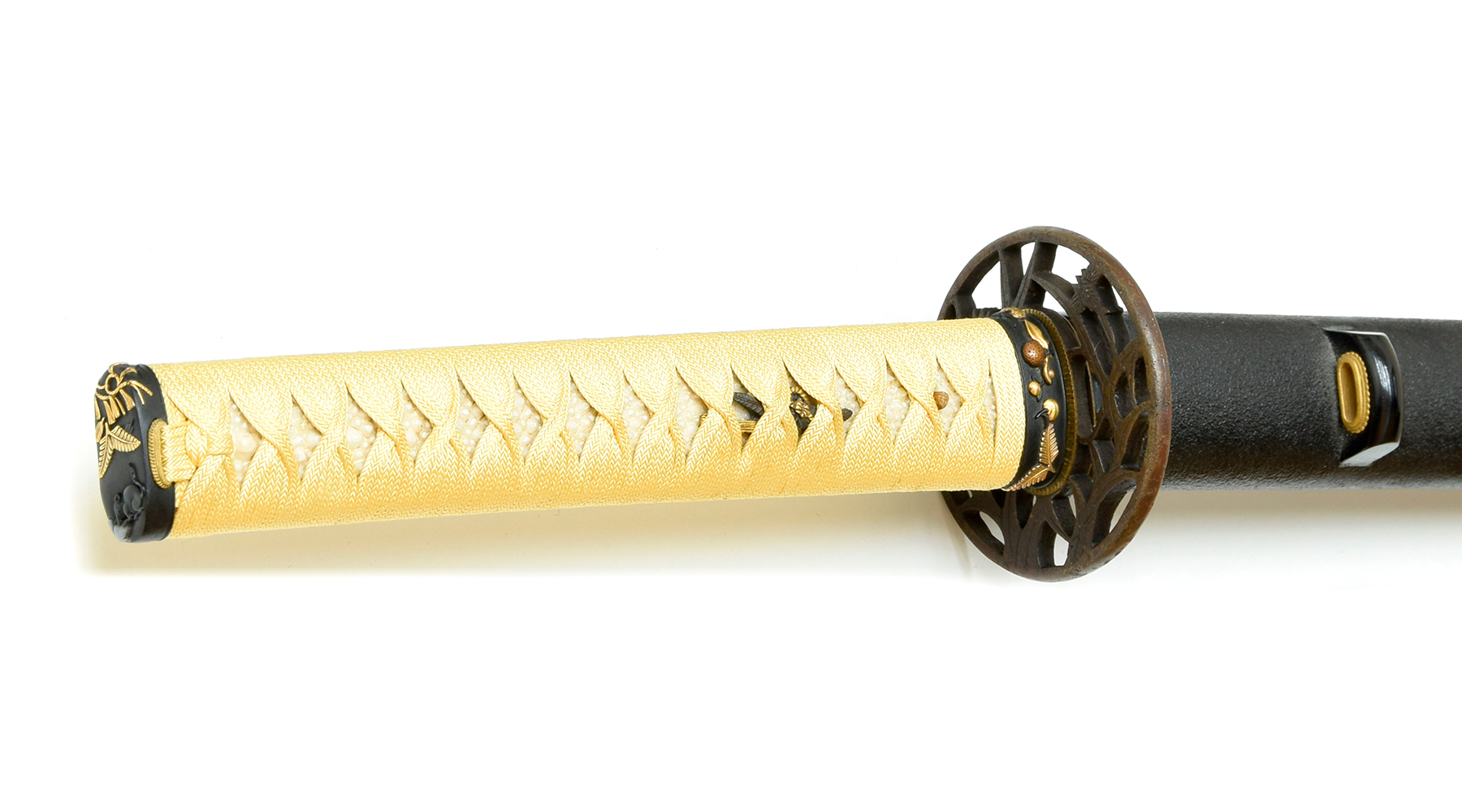
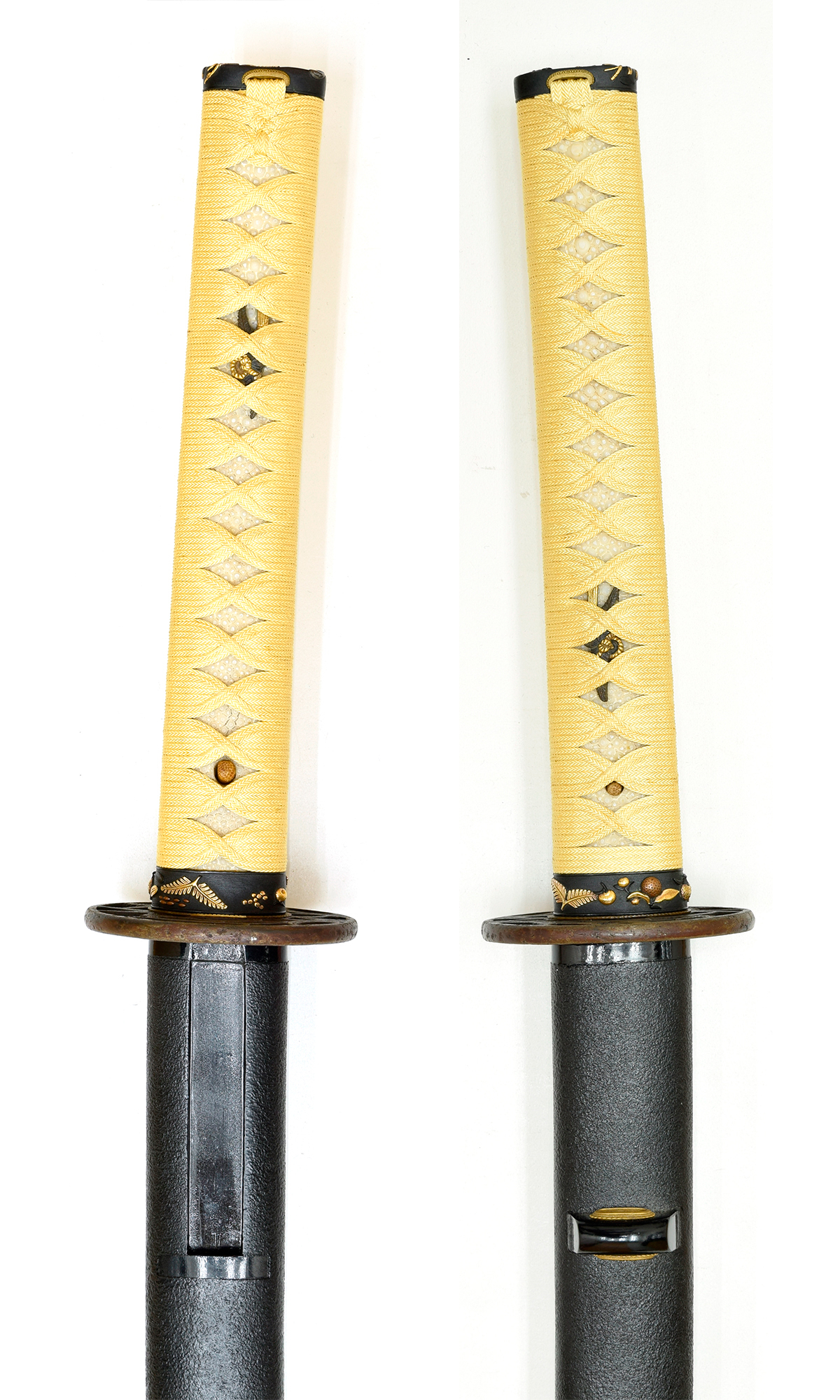
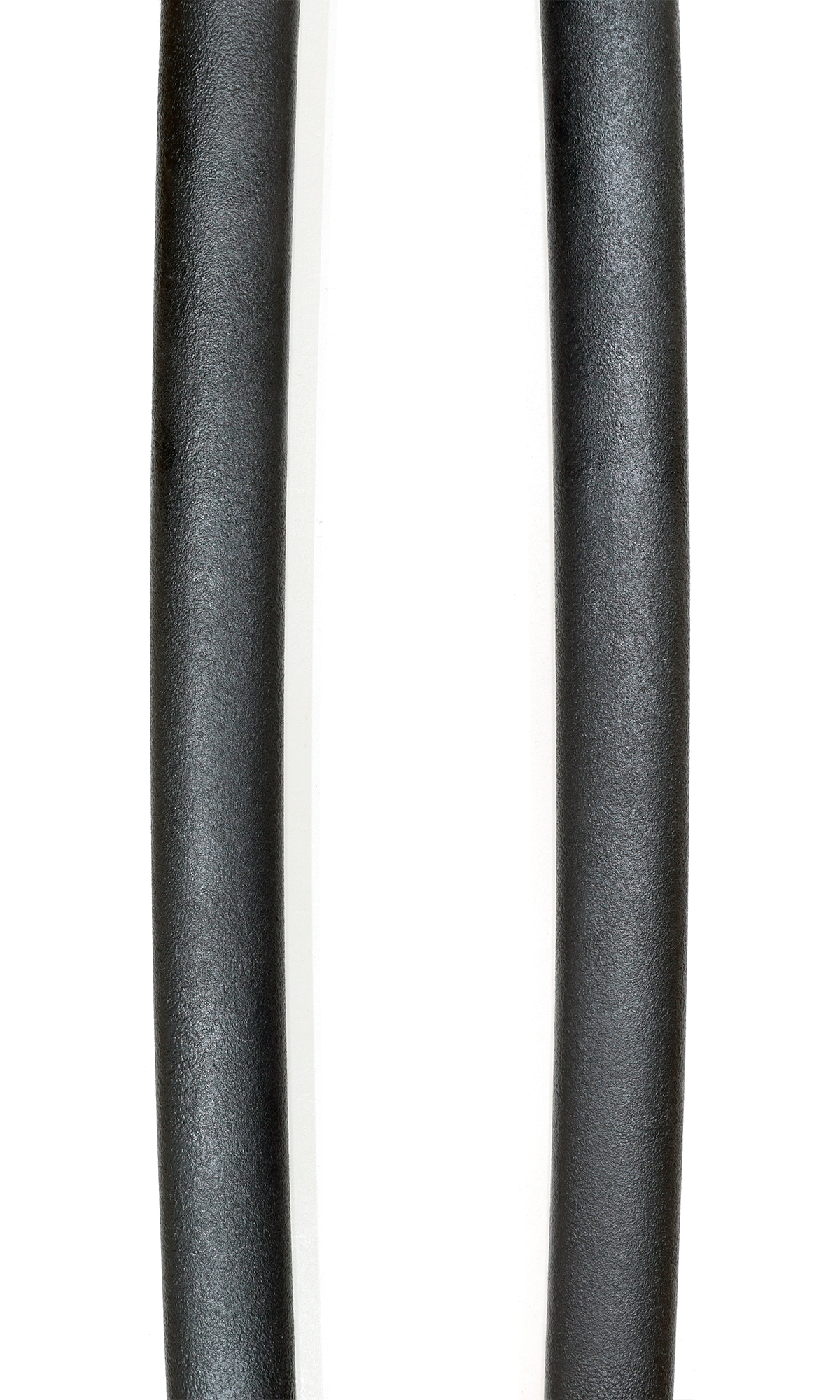
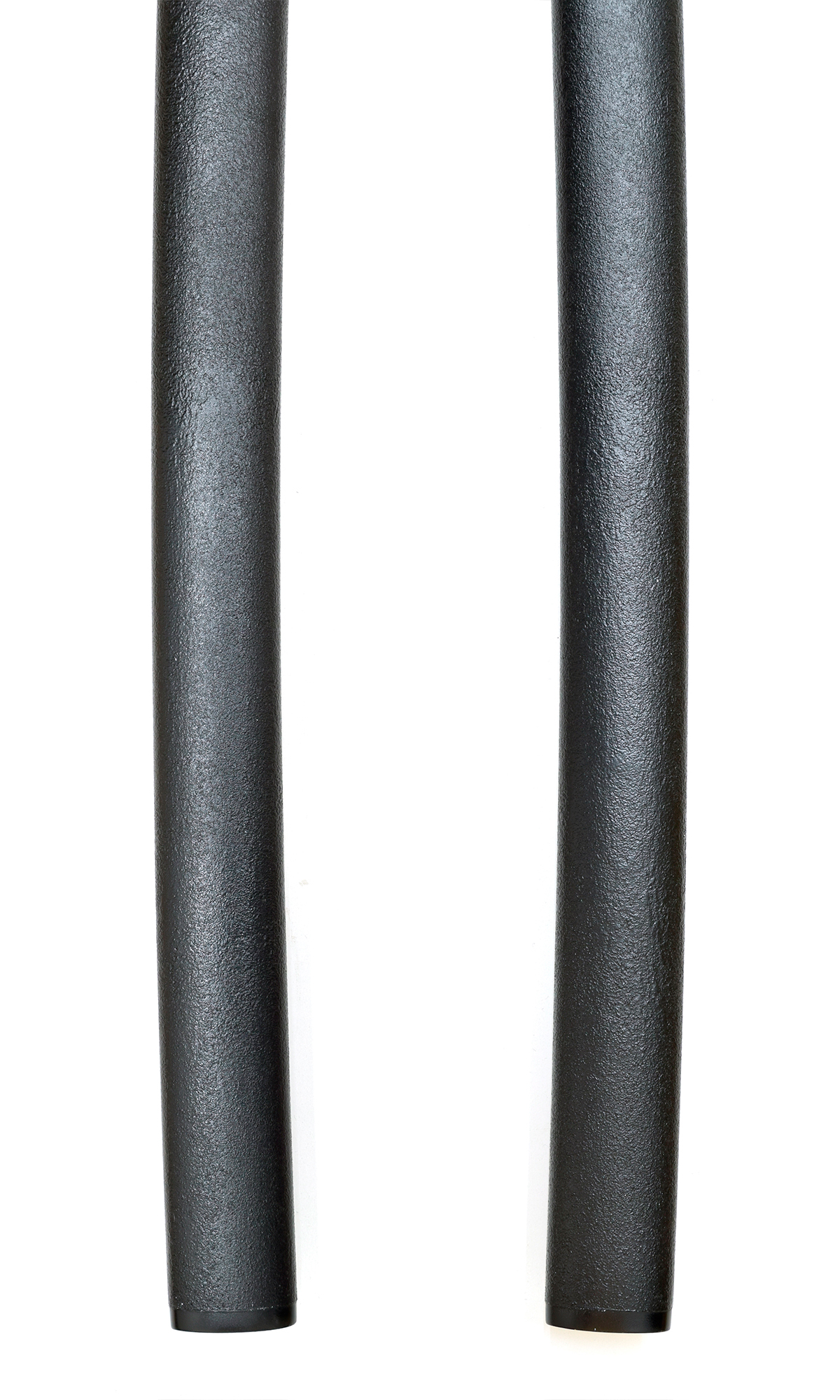
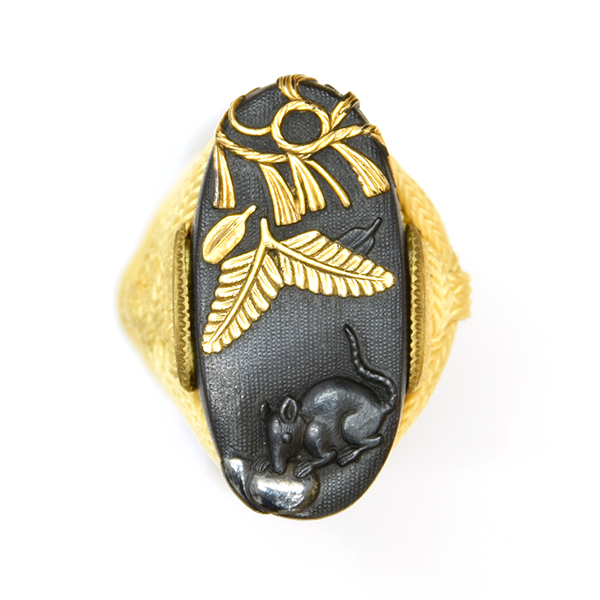
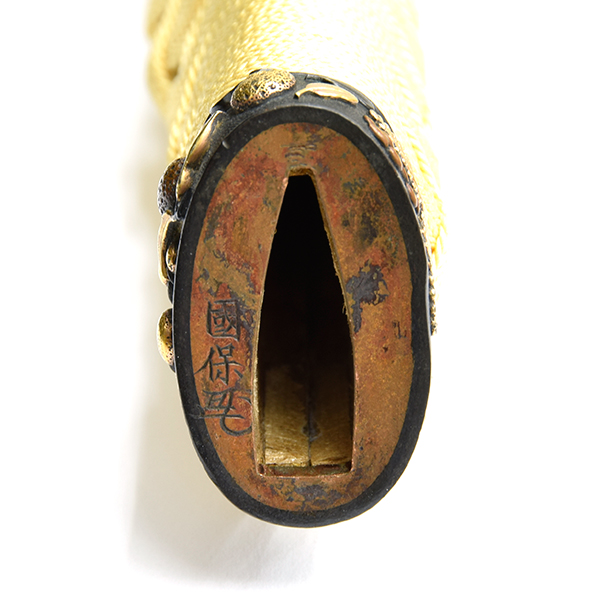
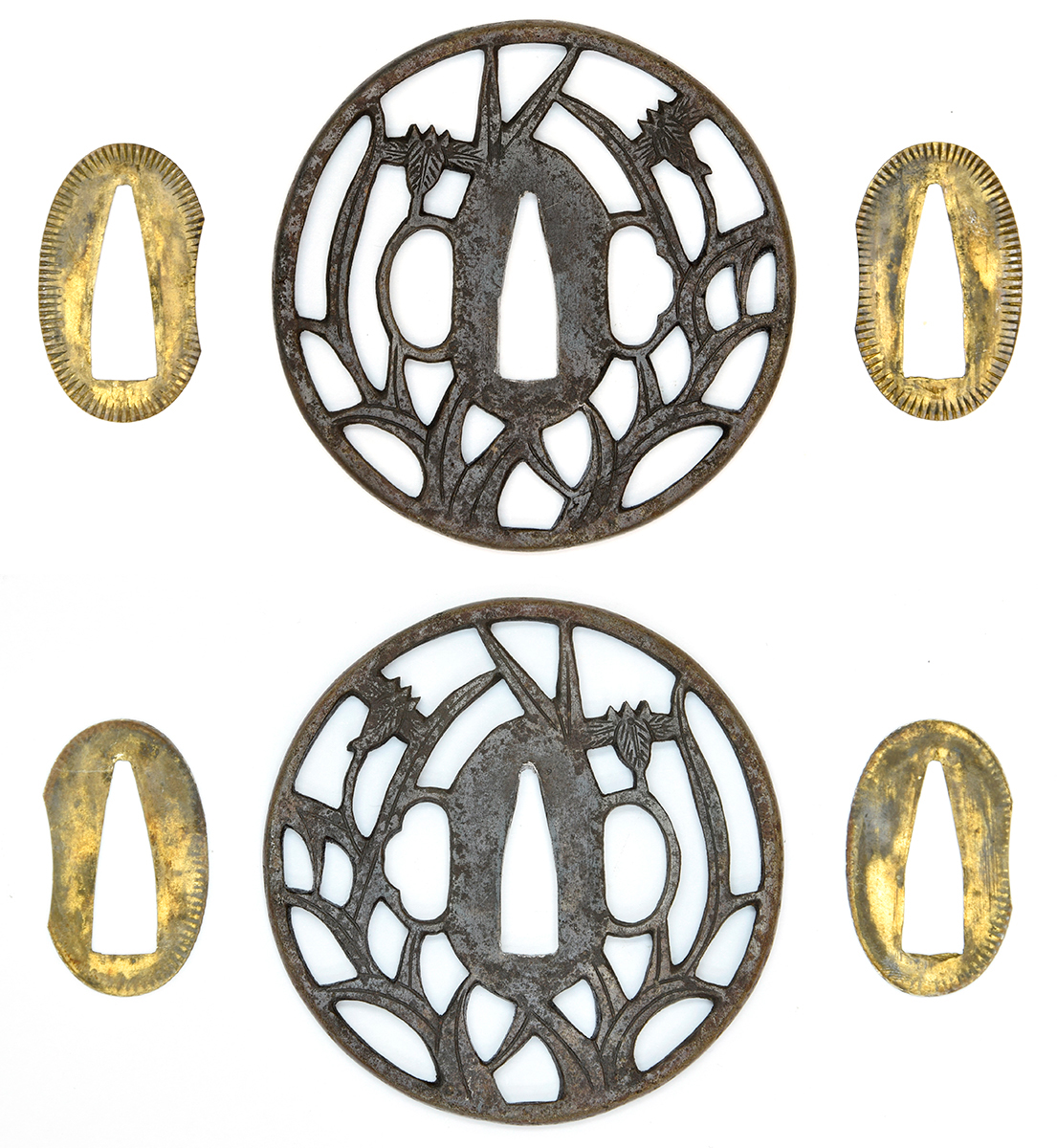
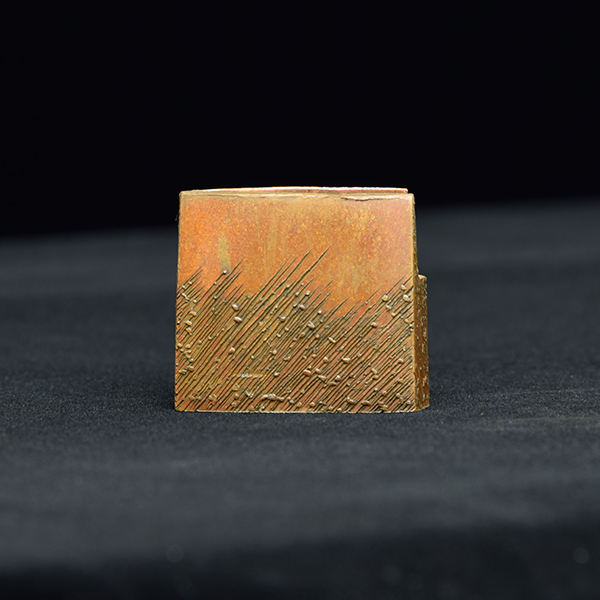
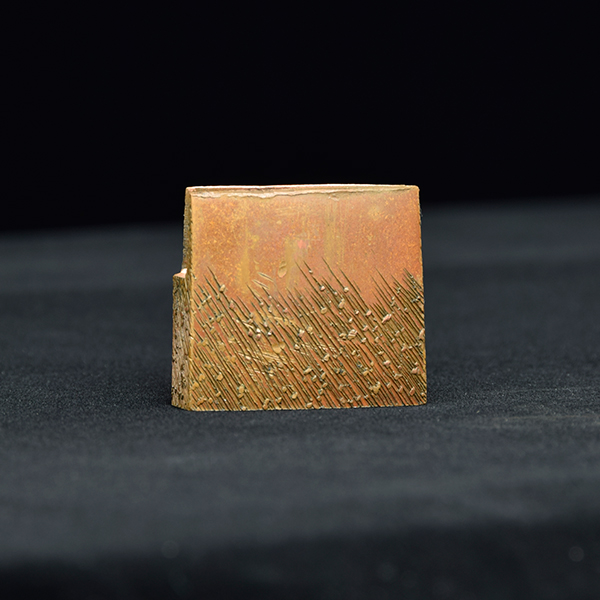
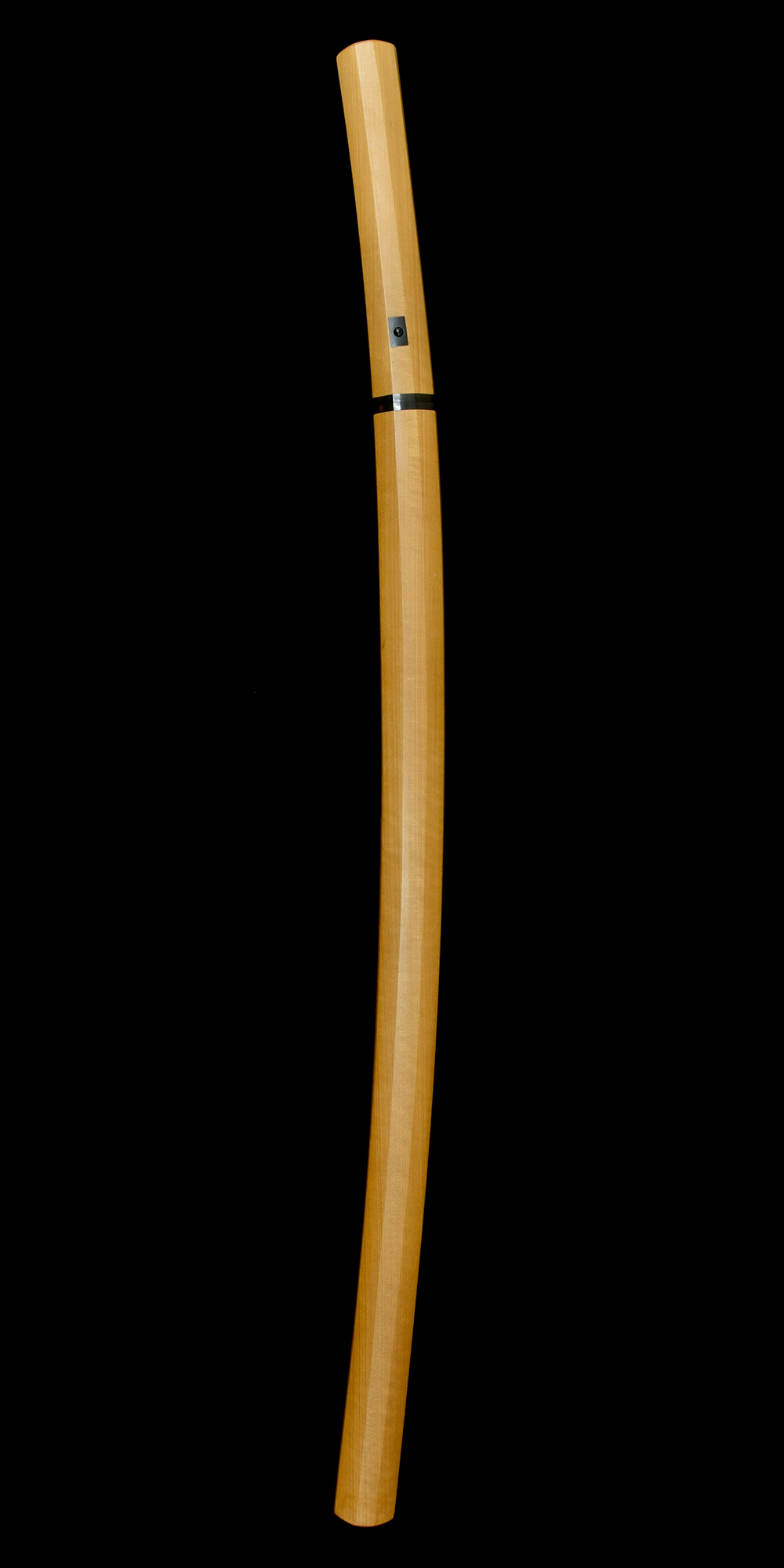
Muneari was a student of the Shinshinto period master smith Koyama Munetsugu, and his name was Suzuki Jiro. Born in Mutsu no Kuni Hachinohe, he signed with the initial mei of Munehisa, and was active in Mutsu no Kuni Hachinohe during the Bunkyu era at the end of the Edo period as a retained smith for the Nanbu clan of the Hachinohe domain, a branch fief of the Morioka domain, with a rating of 20,000 koku. He also gained fame for the excellence of his cutting ability, and works with saidanmei have been preserved. This katana has a firm mihaba and kasane, and the meticulously forged jitetsu is covered in thick jinie, giving it a muji-fu appearance. With an extended kissaki and a grand tsukurikomi, it is free of flaws, and the jiba is bright and clear with magnificent workmanship; it is no exaggeration to praise this as a masterpiece among Muneari's works. While it is only regrettable that the mei is not signed despite such quality, the accompanying koshirae is also elegant and in extremely good condition, making this a superb piece beyond reproach both inside and out as an art appreciation sword.
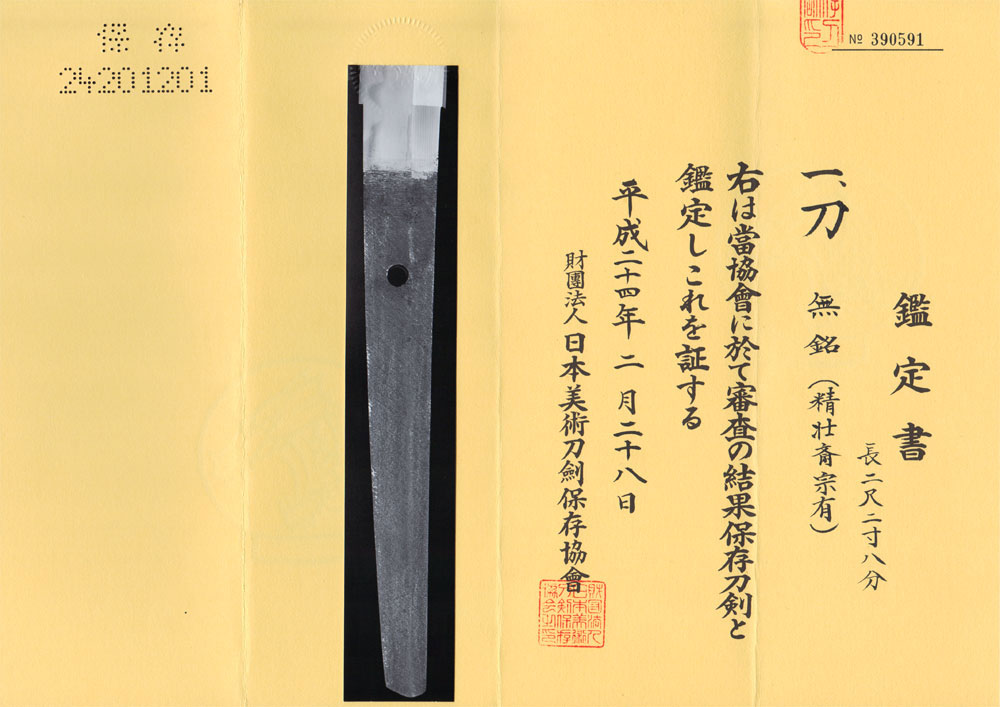
Certificate reading — 無銘(精壮斎宗有)
NihontoWatchOffered by Toushin
4 on the market

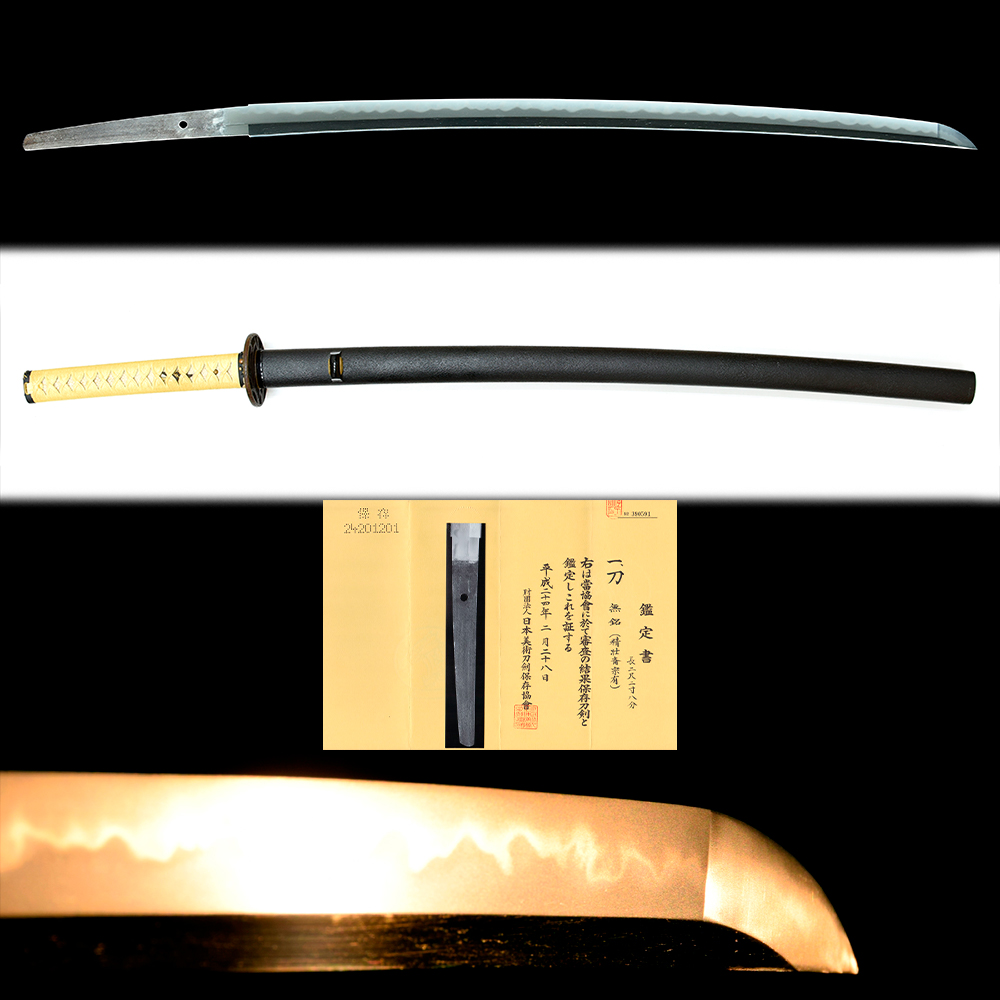
As written by the shop
Machine translation from the shop's Japanese · may contain errors ·
Mutsu · around 1864-1865
Fujishiro Chu-jo saku · Tōken Taikan top 76%
4 pieces on the market now
Bakumatsu: the last war market
Perry’s arrival in 1853 unraveled the Tokugawa peace and created the first mass demand for working swords in two centuries. Kiyomaro, called the Masamune of Yotsuya, died on its eve; Munetsugu and Yukihide carried the boom to the end.
Certifies a genuine blade worth preserving: a signature confirmed correct, or, if unsigned, an era, province, and school that the NBTHK can reliably identify.
The NBTHK (Nihon Bijutsu Tōken Hozon Kyōkai, the Society for the Preservation of Japanese Art Swords) is a public-interest incorporated foundation founded in 1948 and supervised by Japan’s Agency for Cultural Affairs (Bunkachō); it is based at the Japanese Sword Museum in Tokyo. Its expert panels physically examine each submitted work (shinsa) and issue a certificate (kanteishō) ranking it by artistic and historical merit. NBTHK papers are the most widely recognized standard of authentication for Japanese swords and fittings.
NBTHK official siteAs a rule we do not accept returns, except when we have sent a different item from the one ordered or when there is a significant discrepancy between the description and the item. If you wish to return an item, please contact us within 3 days of its arrival and then send it back.
¥990,000