Perry’s arrival in 1853 unraveled the Tokugawa peace and created the first mass demand for working swords in two centuries. Kiyomaro, called the Masamune of Yotsuya, died on its eve; Munetsugu and Yukihide carried the boom to the end.
 NihontoWatchNihontoWatch
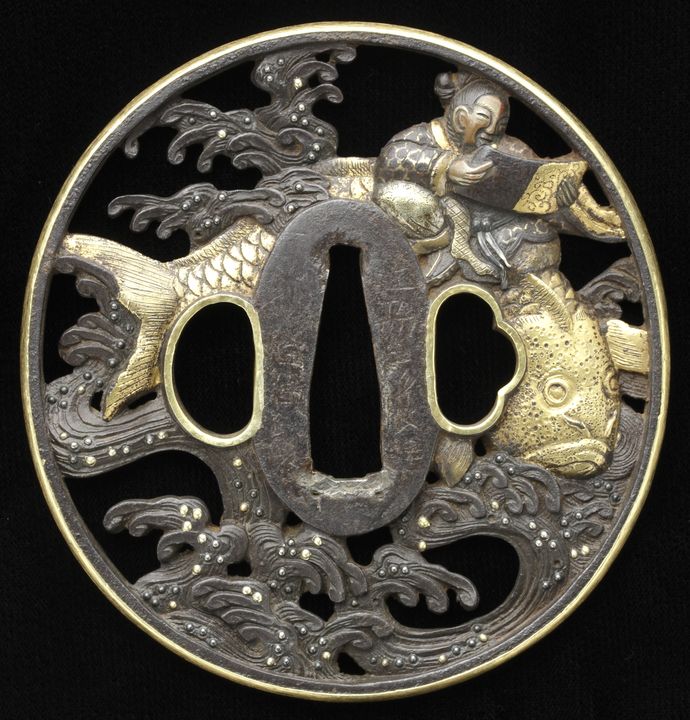
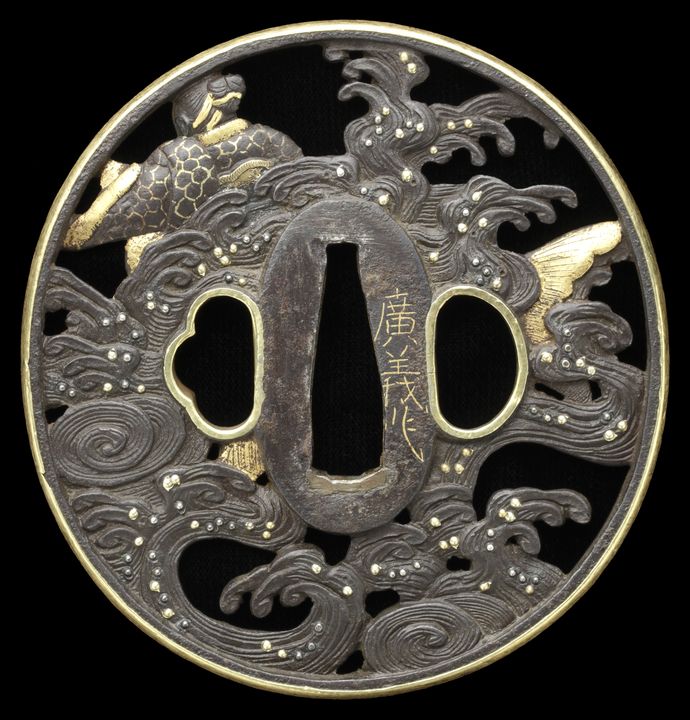
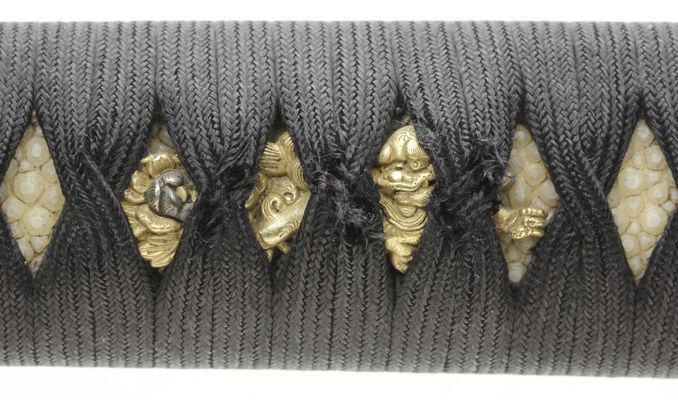
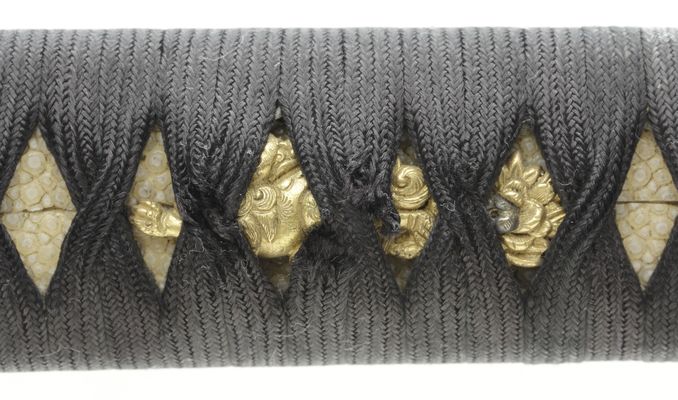
宗有は陸奥国八戸の生まれで、名を鈴木次郎という。江戸に出て固山宗次門で修業し、青山に独立して奥州八戸藩に仕え、精壮斎と号し、文久から慶応に作を遺している。師譲りの優れた技に独創を加味し、作刀への情熱を胸に鎚を揮ったものであろう、刃味優れてしかも美しい刀を世に送り出しており、截断銘が刻された作も遺されている(注1)。 身幅広く両区(まち)深く残されて重ね厚く、中鋒に造り込まれたこの刀は、鎬筋と棟の稜線が立って凛然颯爽たる姿。地鉄は鎬地を細かな柾に、刃寄りに流れ肌を交え、平地(ひらじ)は密に詰んだ小板目肌に錬り鍛えてはいるも、地底に鍛着の密な地景状の肌を潜ませるなど工夫の跡が窺え、その表面には初霜の如き地沸が微塵に付いて白く明るく冴えた肌合いとなり、鎬筋寄りには映りが立って高い技術を証明している。刃文は宗有に特徴的な足の長く入る互の目乱を基調とし、これに淡く小さな丁子が複合されて焼頭に微妙な抑揚があり、帽子も調子を同じくして弛み込み、先小丸に返る。匂口の締まった焼刃は鮮やかに浮かび上がり、刃境に金線、ほつれ、匂の砂流しが幾重にも掛かり、清浄な匂が立ち込めて霞立つように澄む刃中には渦巻状の刃肌も顕著。茎は同時期の師宗次と全く同じ切鑢の仕立てで、鑚強く刻された銘字の書風も師同然、慶応三年二月日の年紀も貴重である。地刃清々しく冴え、同作中の最右翼と称すべき極上の仕上がりとなっている。 時代観を伝える拵は柄巻の菱数が多い江戸後期の武士好みの様式で、しかも鞘には歴戦の跡が残されており、幕末動乱の時代へと想いを誘う。 注1...「應飯田荘士需宗有作安政六十月於千住八ツ頭別土壇拂」と刻した冠落造脇差(『銀座情報』百三十一号)がある。 注2...宗次は安政七年筋違鑢を切鑢に改めているが、宗有はその後も茎を筋違鑢で仕立てている(慶応元年八月日紀の刀が『日本刀工辞典』にある)。が、切鑢仕立ての慶應三年冬紀の短刀があることから(『銀座情報』二百五十一号)、その後、師に倣って茎仕立てに変えたと理解される。 注3...富岡昭「八戸藩刀鍛冶・精壮斎宗有 作刀と系譜」(『刀剣美術』五〇五号)に詳しい。この論文では慶応三年正月以降の作を見ないとしており、本作と前注の慶応三年冬紀の短刀は富岡氏の研究を前進させるものであり、頗る貴重と言えよう。
NihontoWatchOffered by Choshuya
This piece has sold
Get an email when a new Muneari piece hits the market.










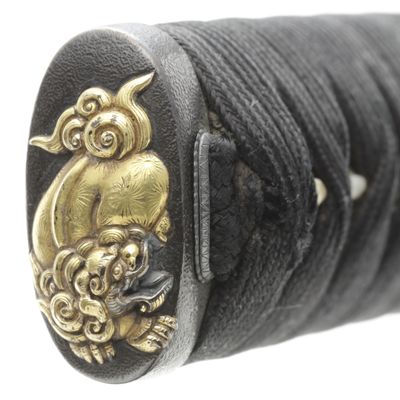
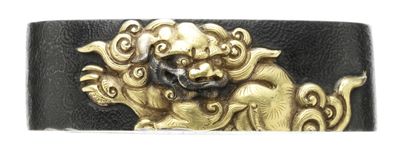
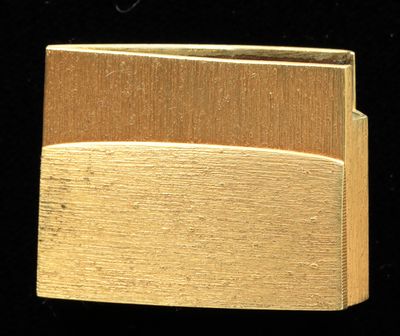
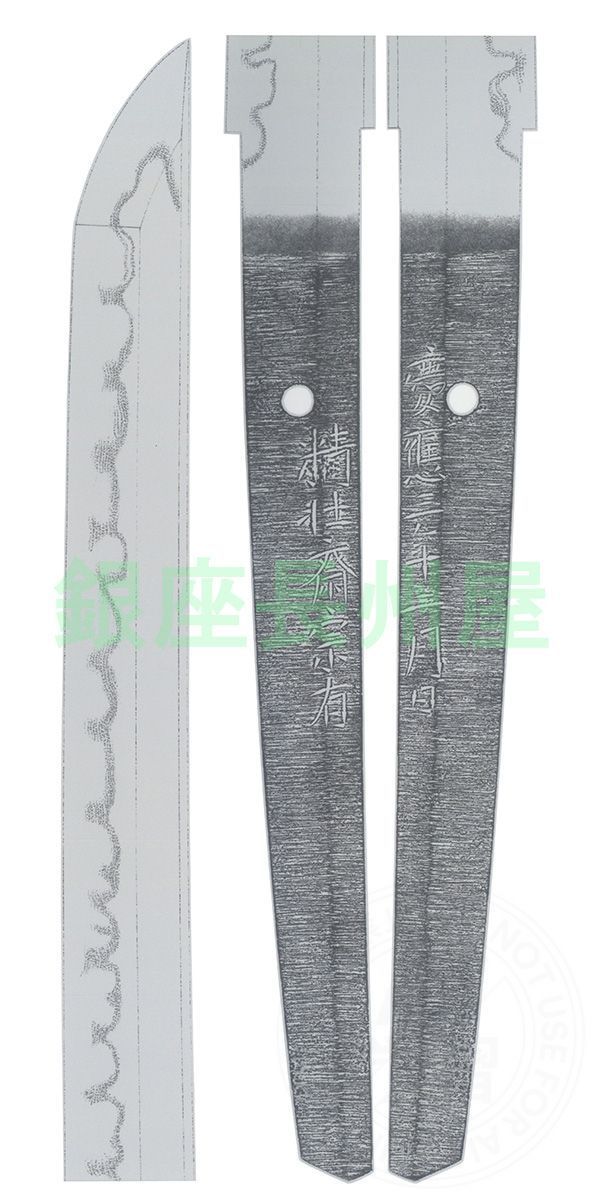
Mutsu · around 1864-1865
Fujishiro Chu-jo saku · Tōken Taikan top 76%
4 pieces on the market now
Bakumatsu: the last war market
Perry’s arrival in 1853 unraveled the Tokugawa peace and created the first mass demand for working swords in two centuries. Kiyomaro, called the Masamune of Yotsuya, died on its eve; Munetsugu and Yukihide carried the boom to the end.
A Hozon-certified blade judged to show notably superior workmanship and a better state of preservation. The bar is higher: re-tempered blades and most unsigned Muromachi/Edo works are excluded.
The NBTHK (Nihon Bijutsu Tōken Hozon Kyōkai, the Society for the Preservation of Japanese Art Swords) is a public-interest incorporated foundation founded in 1948 and supervised by Japan’s Agency for Cultural Affairs (Bunkachō); it is based at the Japanese Sword Museum in Tokyo. Its expert panels physically examine each submitted work (shinsa) and issue a certificate (kanteishō) ranking it by artistic and historical merit. NBTHK papers are the most widely recognized standard of authentication for Japanese swords and fittings.
NBTHK official siteIf, due to our fault, the item differs significantly from its proper condition, the item may be returned. Cooling-off is within one week of the item's arrival.