Edo was the sword’s age of connoisseurship: the Hon’ami appraisers, the shogunal register of famous blades of 1719, and a thriving literature turned the sword into an object of study even as it ceased to be drawn in war.
 NihontoWatchNihontoWatch
精壮斎宗有は、江戸の固山宗次の門人で、名を鈴木次郎といいます。陸奥国八戸の生まれで奥州八戸藩に仕え、精壮斎と号しました。刃味に優れることで名声を馳せて、截断銘がある遺作が残ります。当時、利刀として評判が高かった精壮斎宗有に注文で打たせた傑作刀です。 刃長が二尺四寸四分半、身幅広く、重ね厚く、質実剛健そのもので豪壮無比。といった重量感タップリの作品です。それでいてバランスがよく、振り出しは軽く感じます。地鉄は板目が練れて地沸つく強靭な鍛鉄です。刃紋は匂い勝ちの互の目乱れに丁子刃が交じり、明るい小沸が着く刃紋で、棟を焼きます。刃中には足よく入り、砂流しが幾重にも重なって現れ、刃境に金線が働きます。帽子は湾れ調子になって先掃き掛けて小丸へと確り返ります。茎は生ぶで、錆味良く、年紀と刻銘がきっちり刻され、保存状態は頗る良好です。本品には写真の拵が附します。銀の金具が渋くて、なかなか雰囲気が良い拵です。内外ともに楽しめる逸品です。青森県のお客様には特にお奨めしたい優刀です。拵、白鞘、特別保存刀剣鑑定書
NihontoWatchOffered by World Seiyudo
This piece has sold
Get an email when a new Muneari piece hits the market.

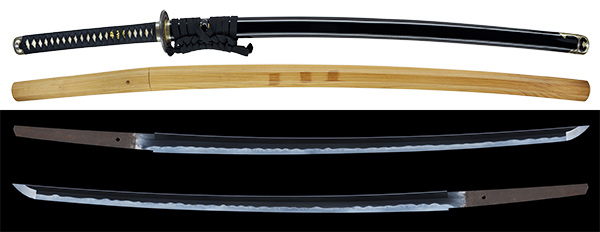

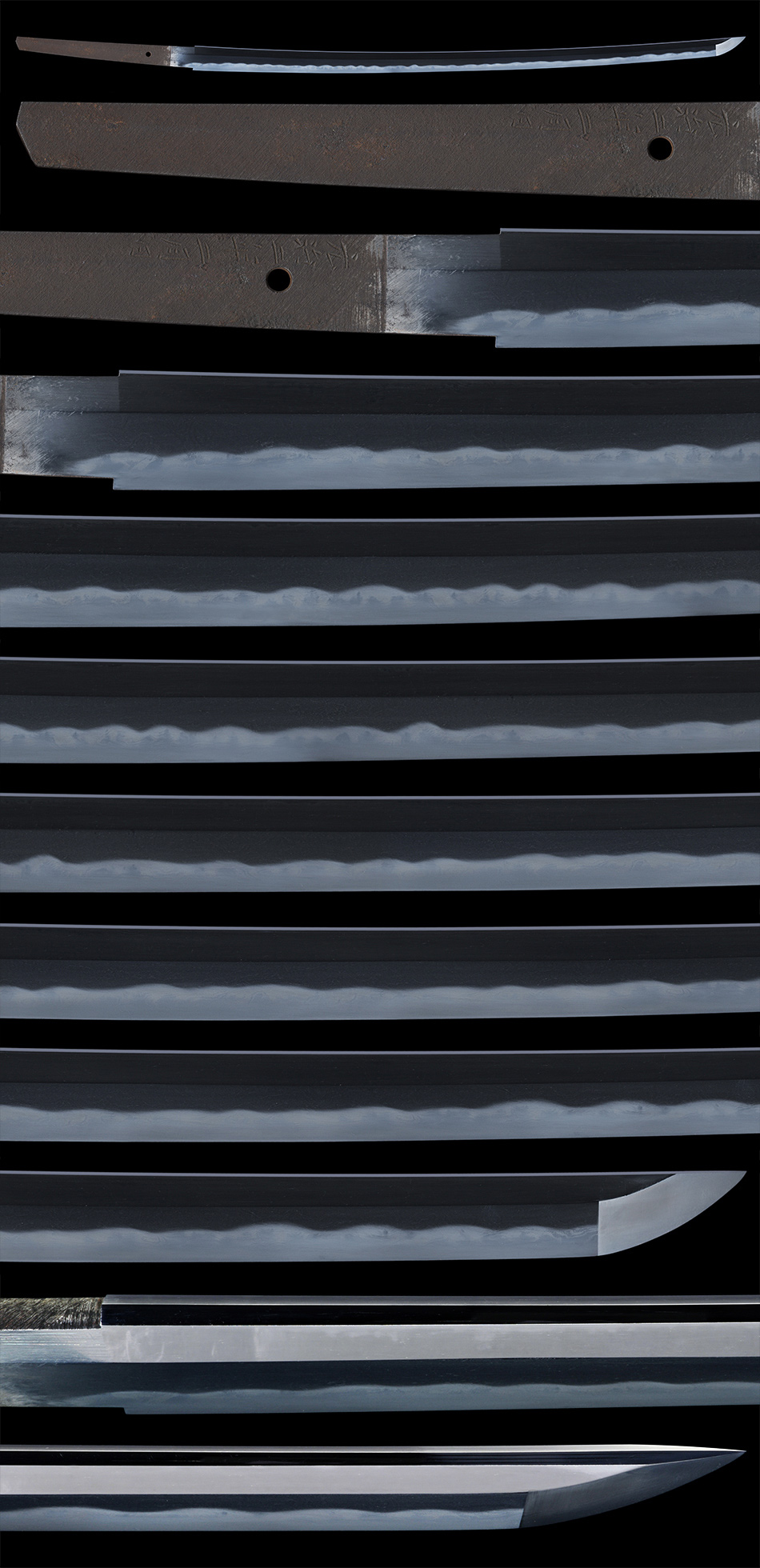
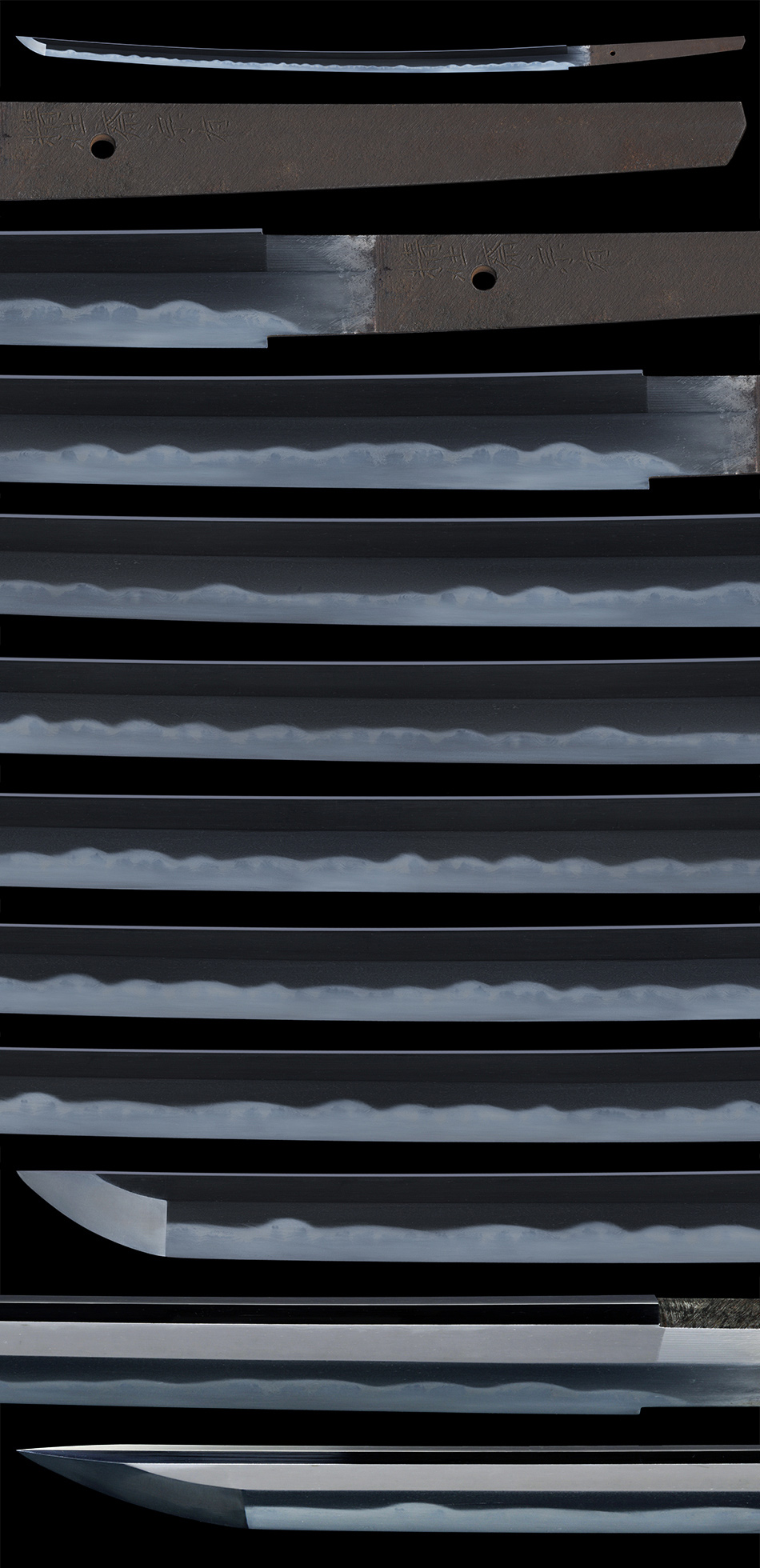
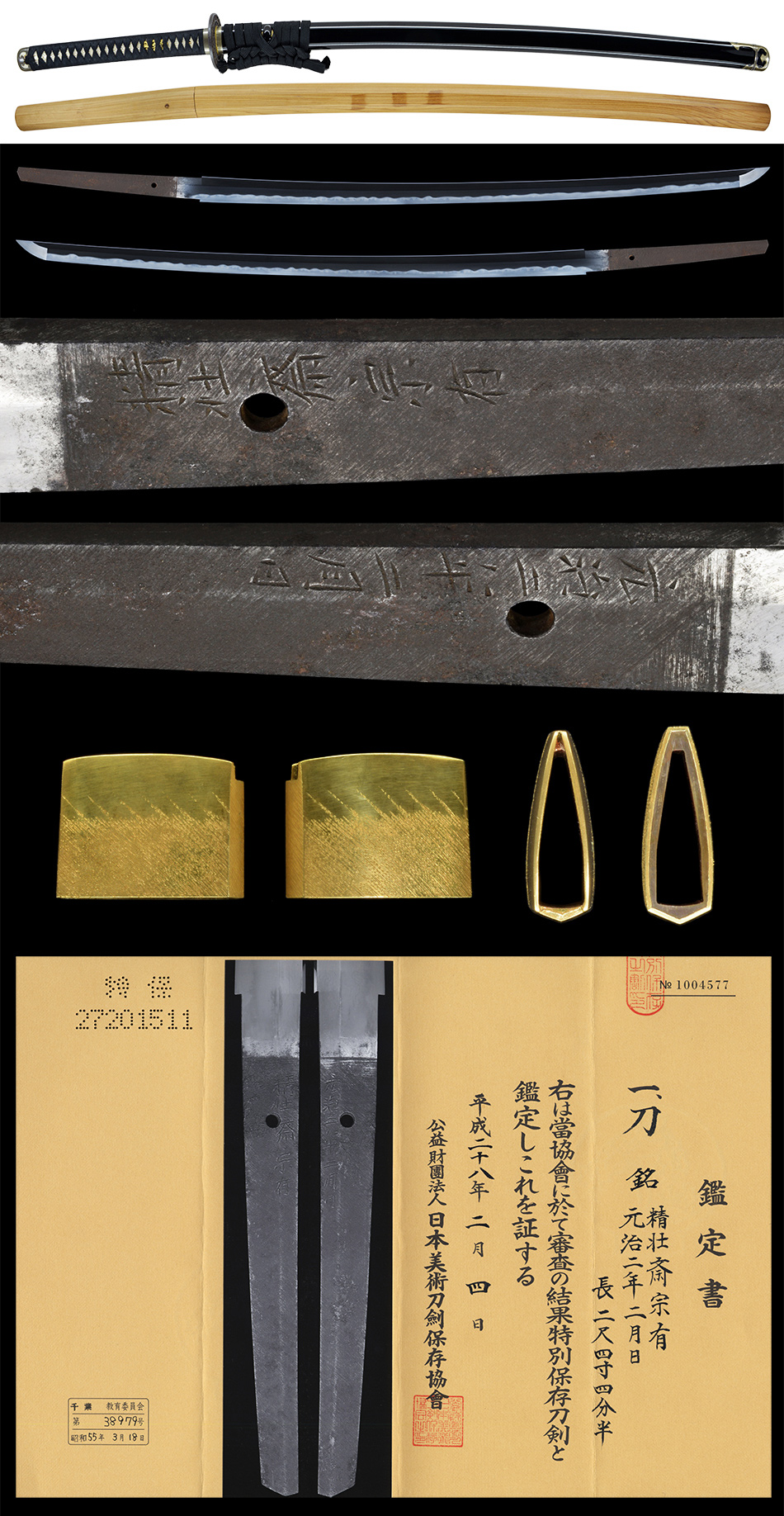

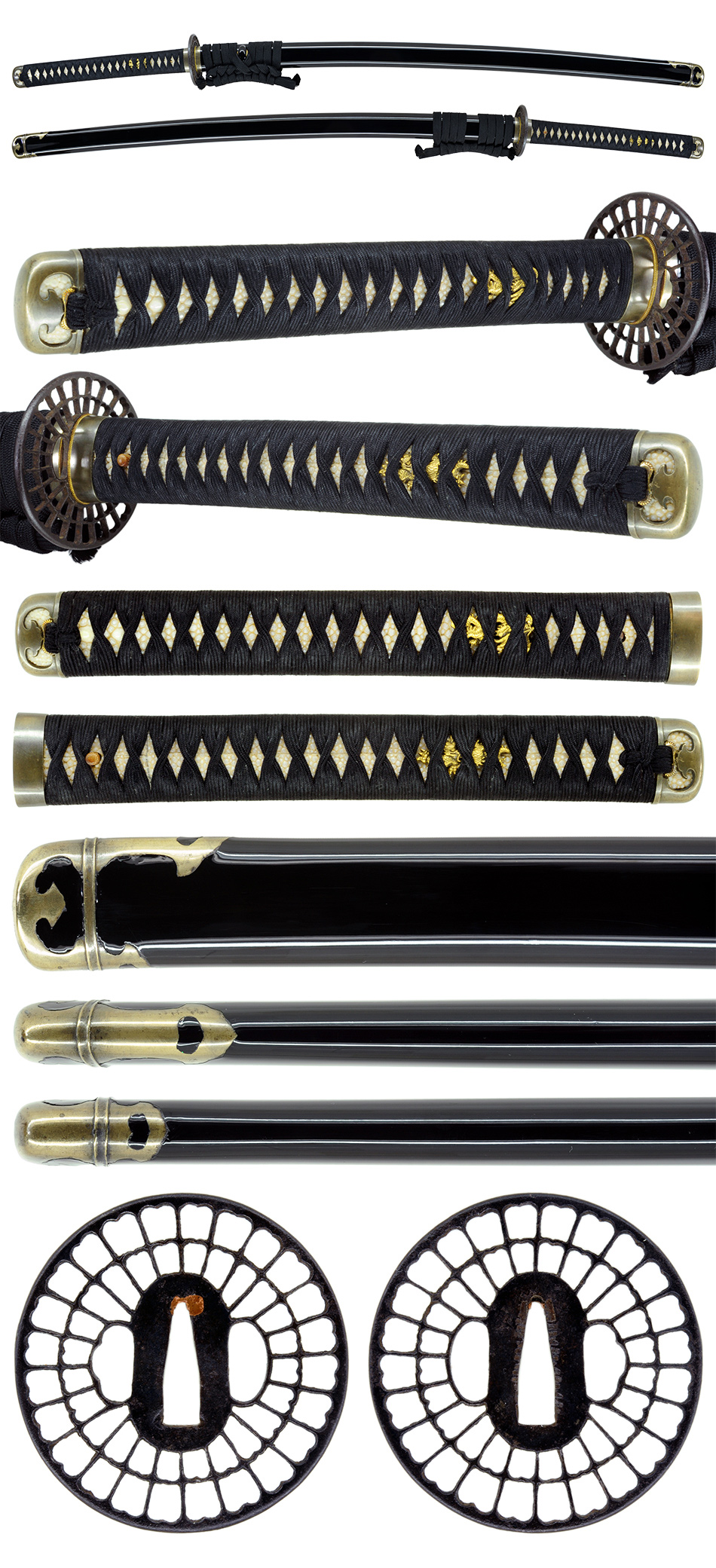
Mutsu · around 1864-1865
Fujishiro Chu-jo saku · Tōken Taikan top 76%
4 pieces on the market now
The Edo period (1615 to 1868)
Edo was the sword’s age of connoisseurship: the Hon’ami appraisers, the shogunal register of famous blades of 1719, and a thriving literature turned the sword into an object of study even as it ceased to be drawn in war.
A Hozon-certified blade judged to show notably superior workmanship and a better state of preservation. The bar is higher: re-tempered blades and most unsigned Muromachi/Edo works are excluded.
The NBTHK (Nihon Bijutsu Tōken Hozon Kyōkai, the Society for the Preservation of Japanese Art Swords) is a public-interest incorporated foundation founded in 1948 and supervised by Japan’s Agency for Cultural Affairs (Bunkachō); it is based at the Japanese Sword Museum in Tokyo. Its expert panels physically examine each submitted work (shinsa) and issue a certificate (kanteishō) ranking it by artistic and historical merit. NBTHK papers are the most widely recognized standard of authentication for Japanese swords and fittings.
NBTHK official siteNo cooling-off period or returns; refund only if the purchased sword is proven fake, capped at purchase price (excludes commission sales, accessories, auction items).