NihontoWatch MonNihontoWatch
Market
Encyclopedia
Kantei
NihontoWatch MonNihontoWatch
Market
Encyclopedia
Kantei

Description

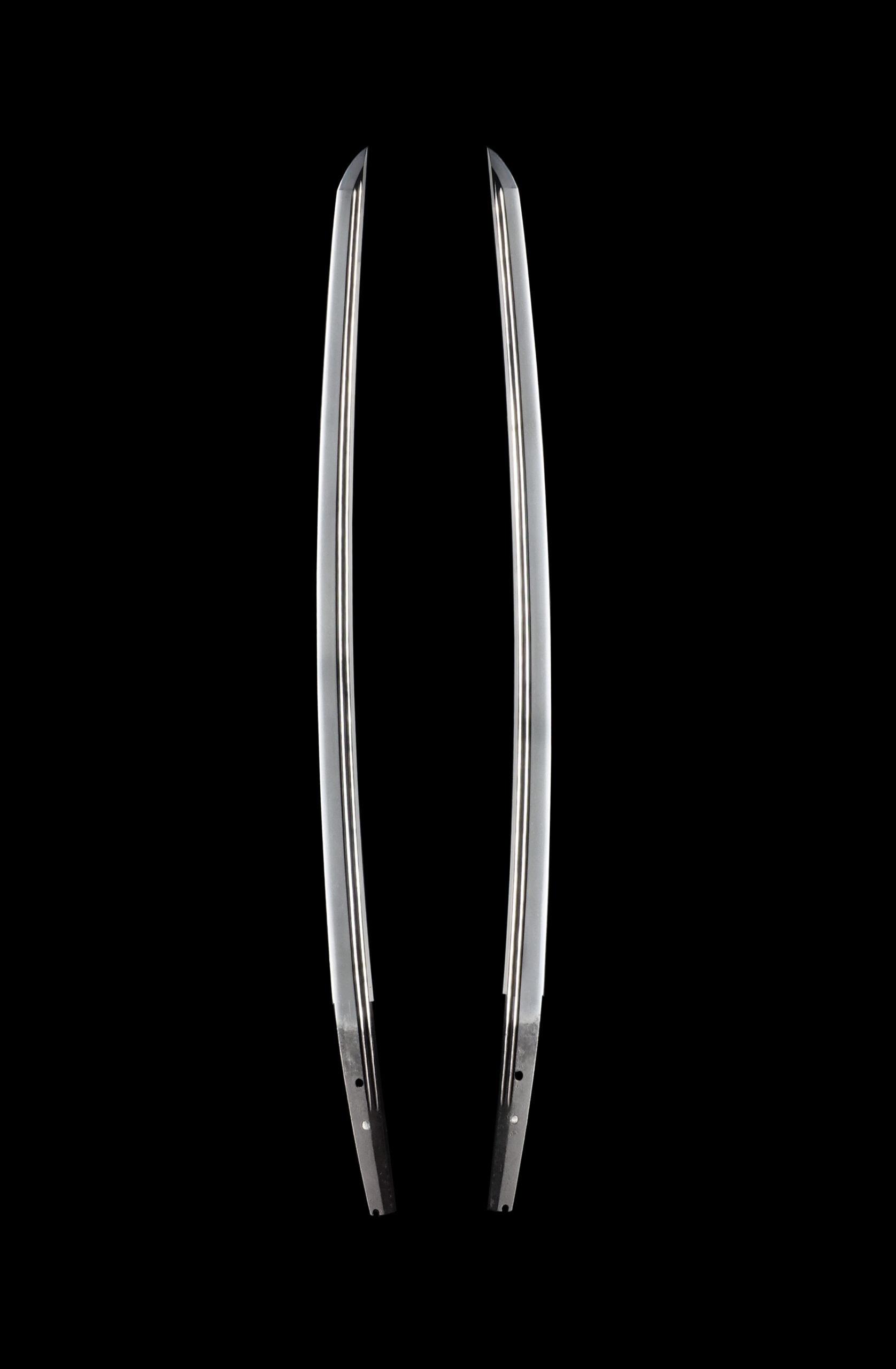
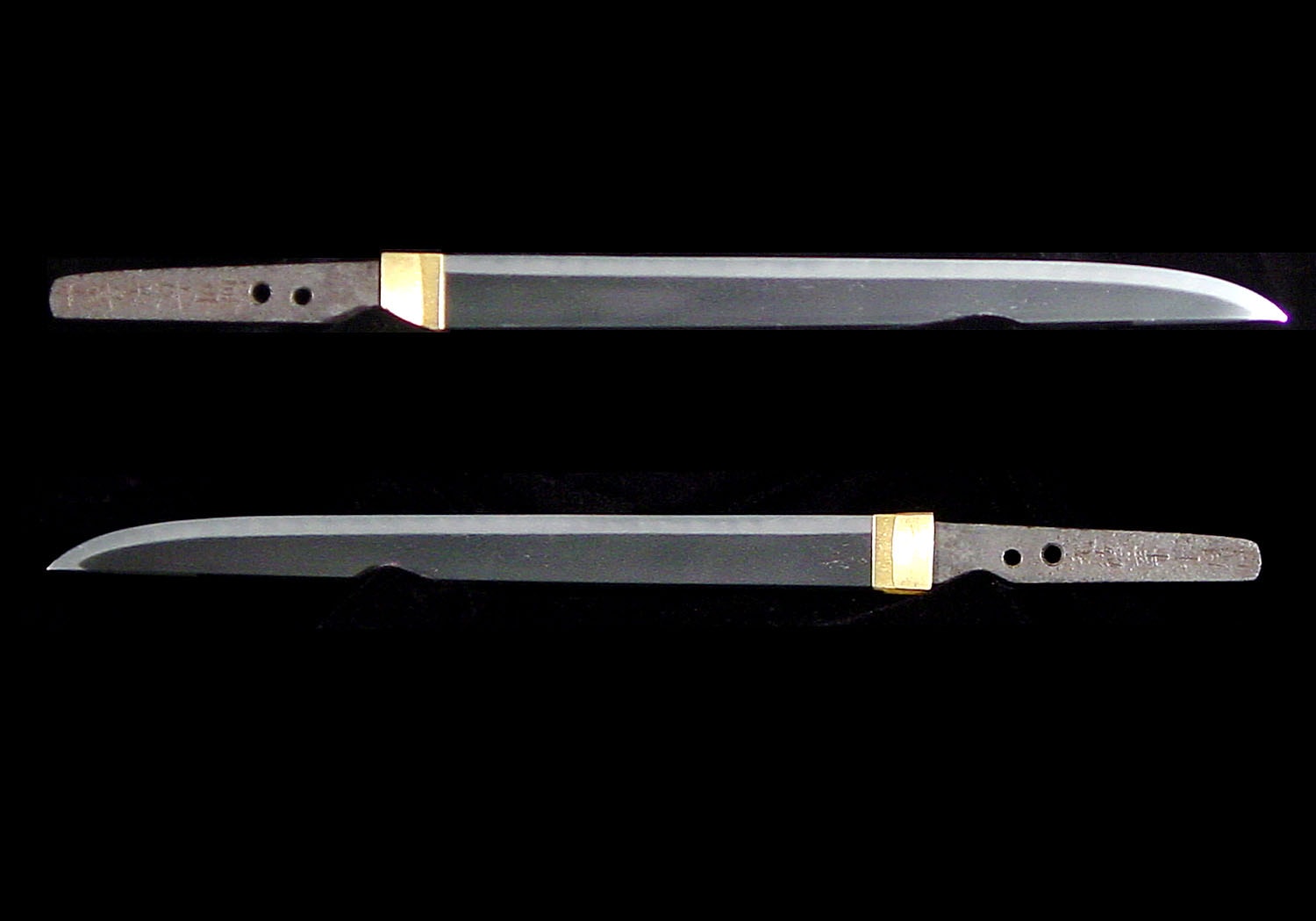
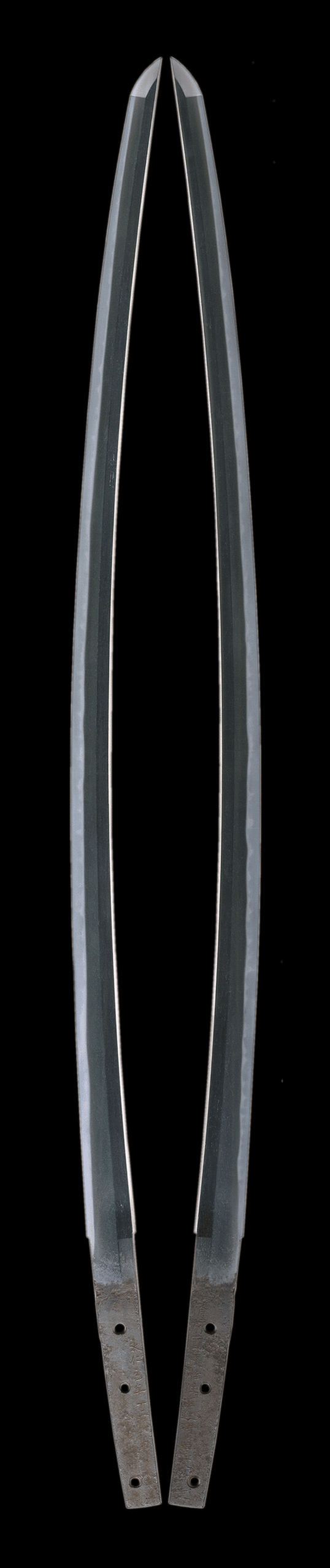
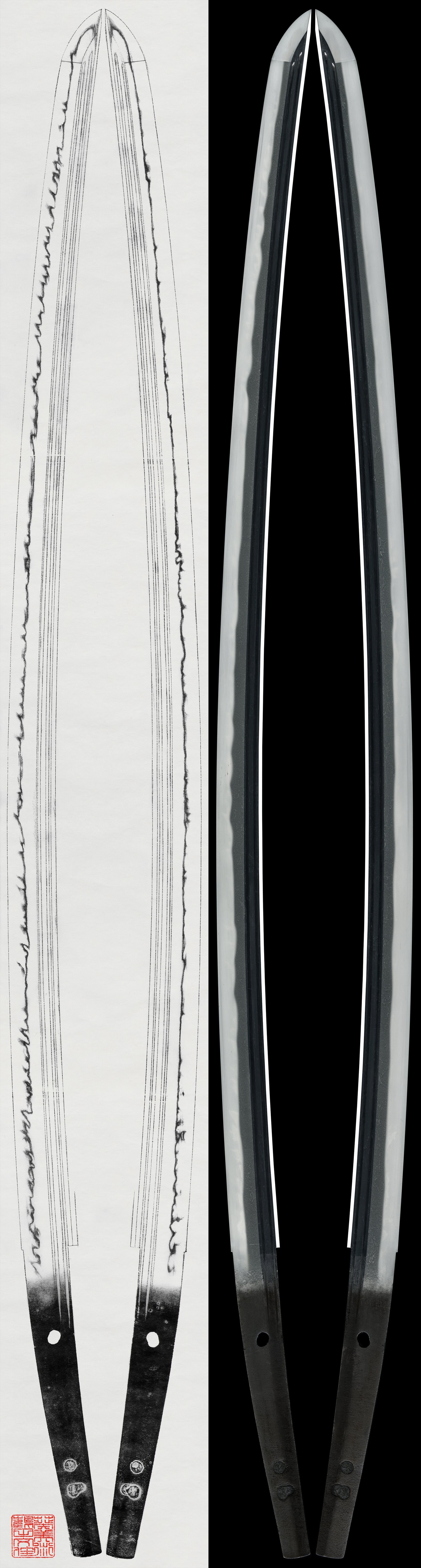
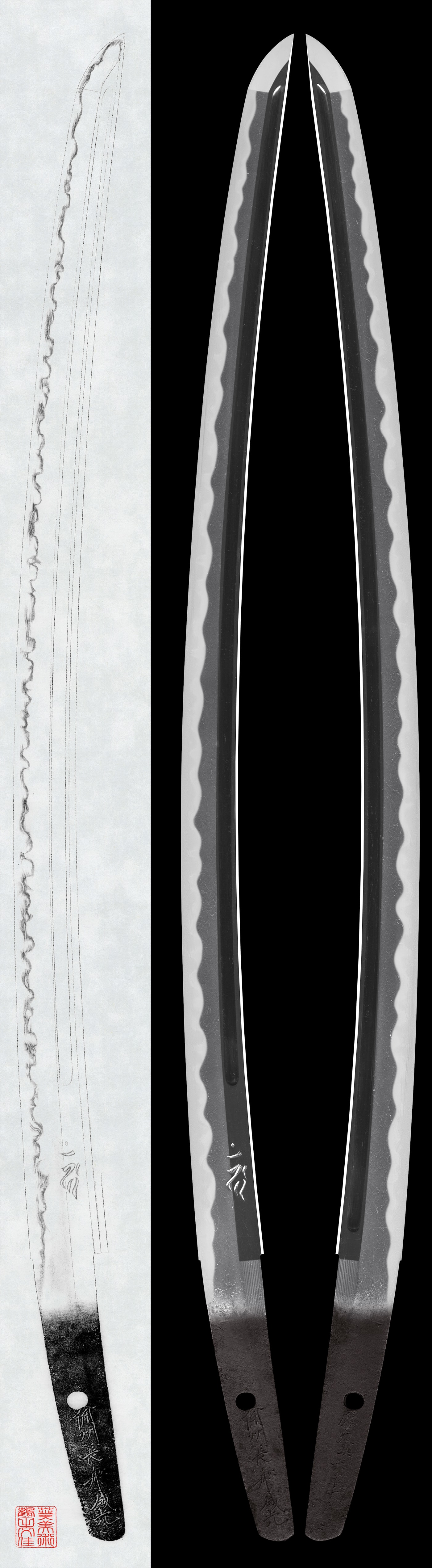
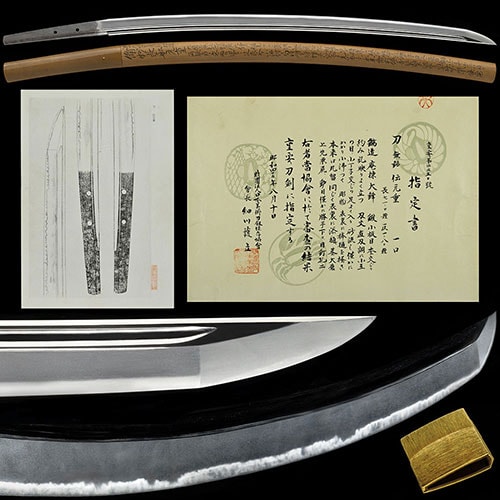
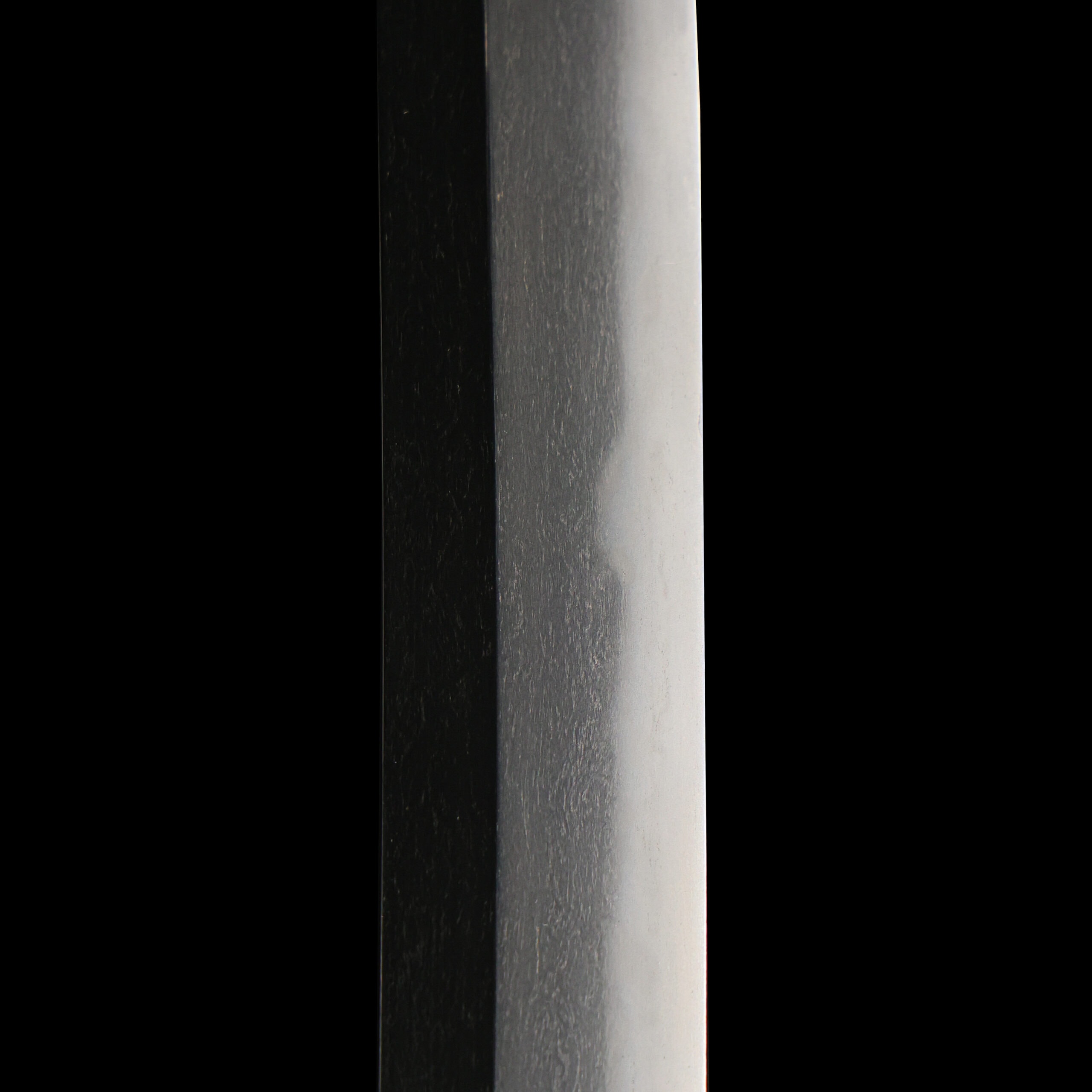
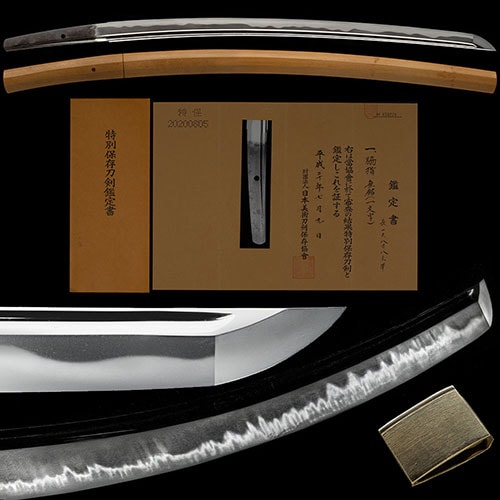
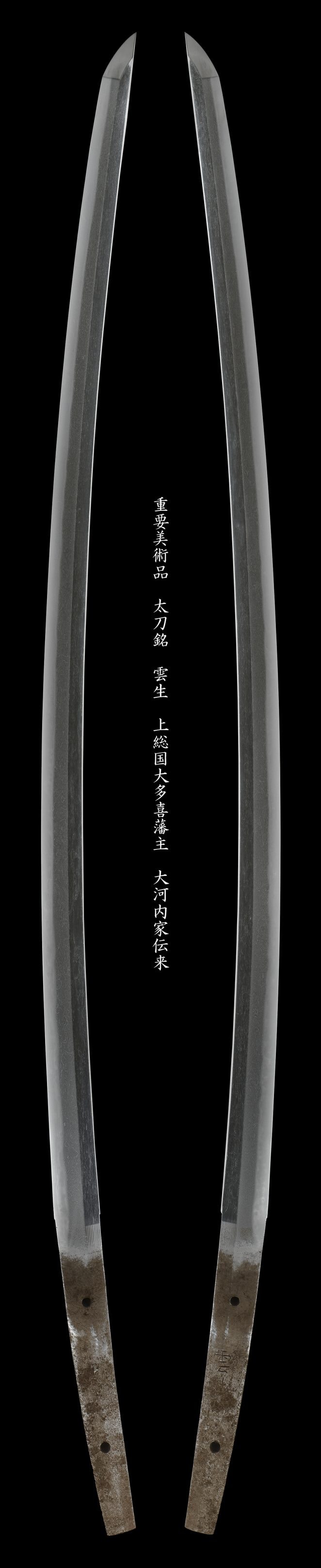
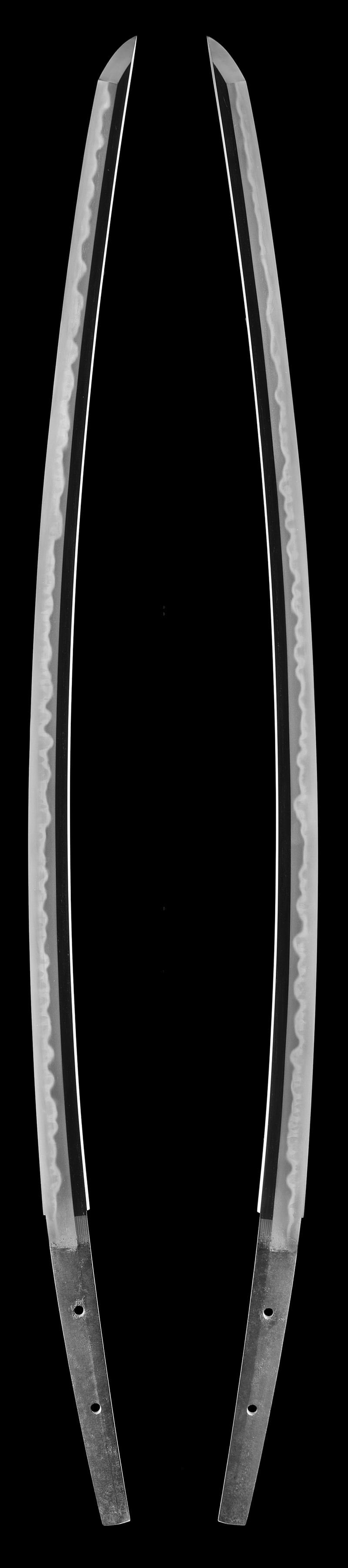
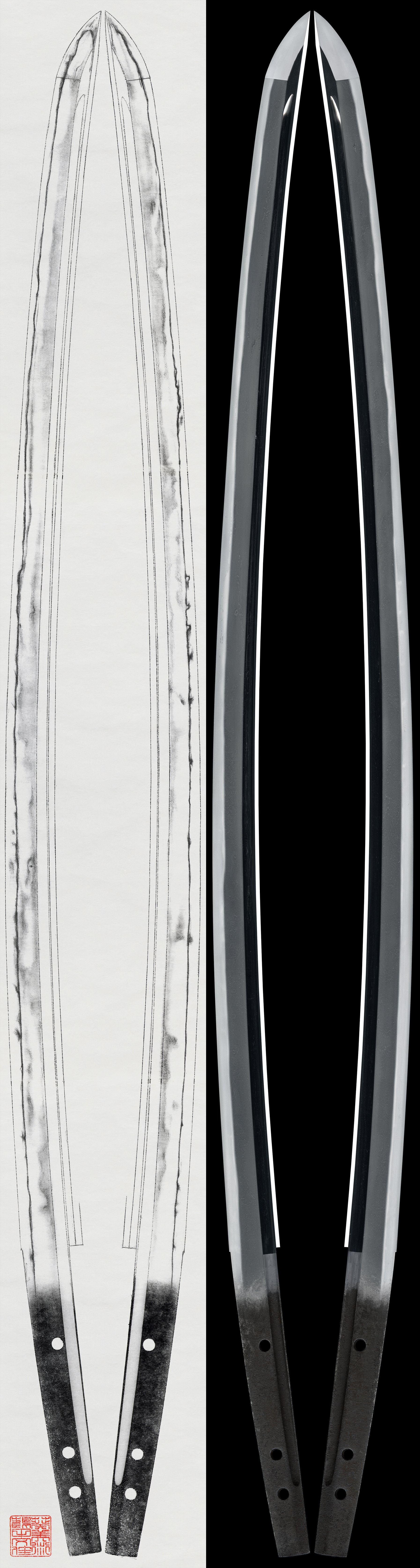
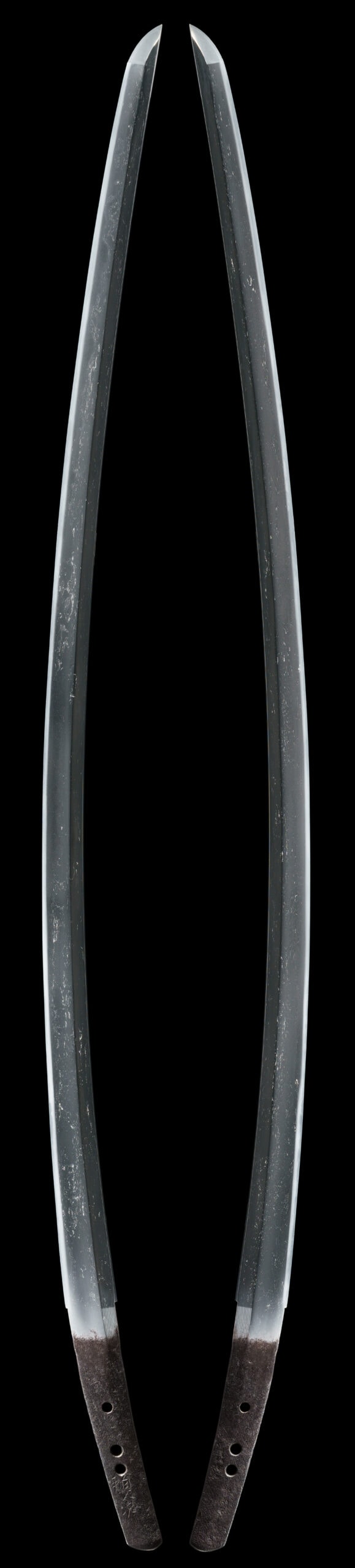
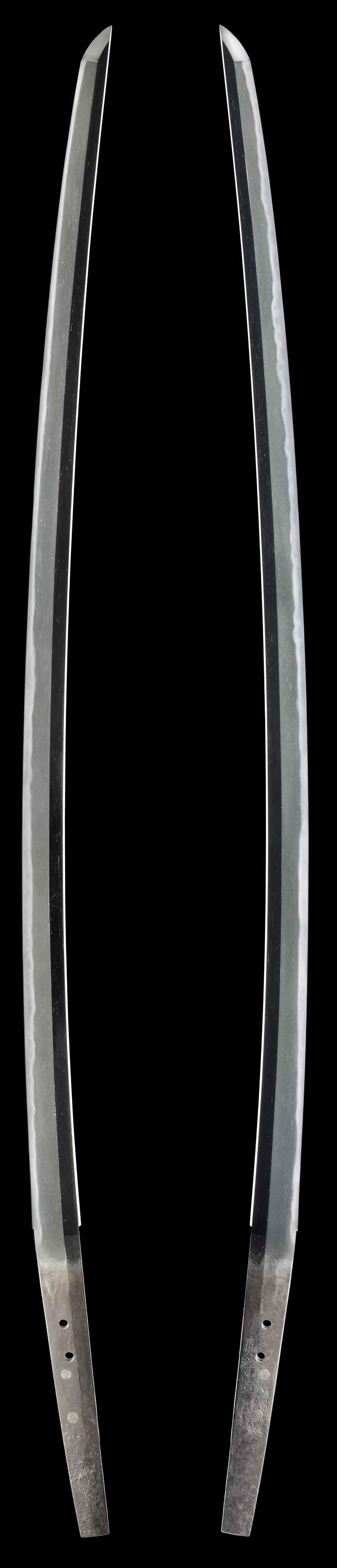
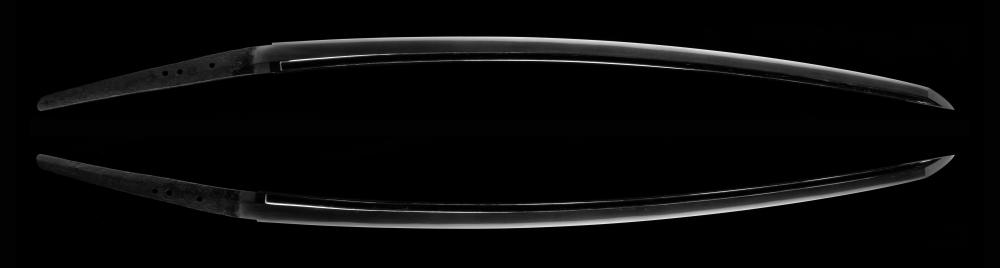
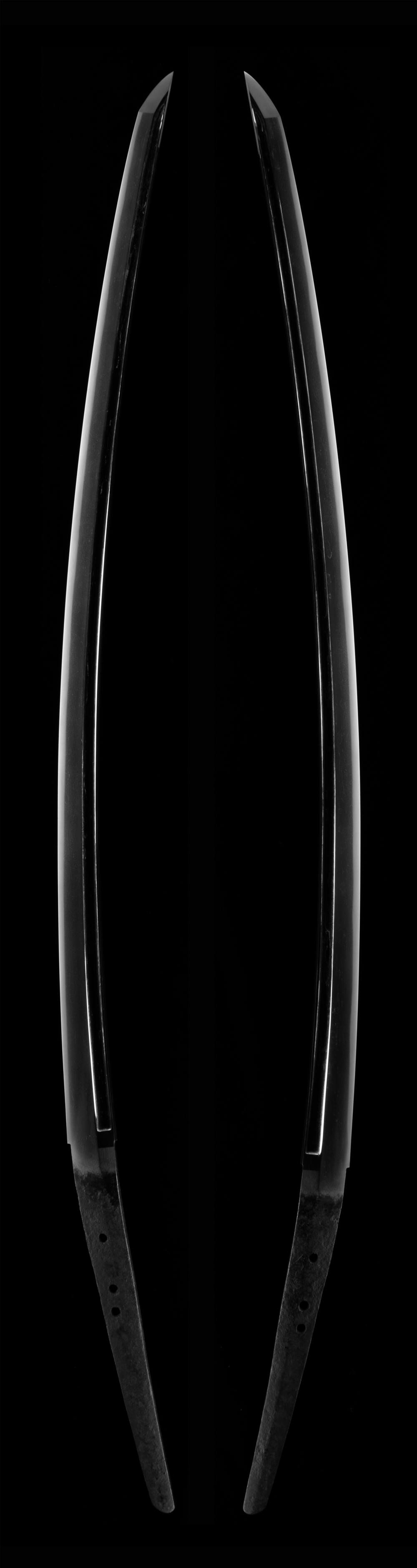
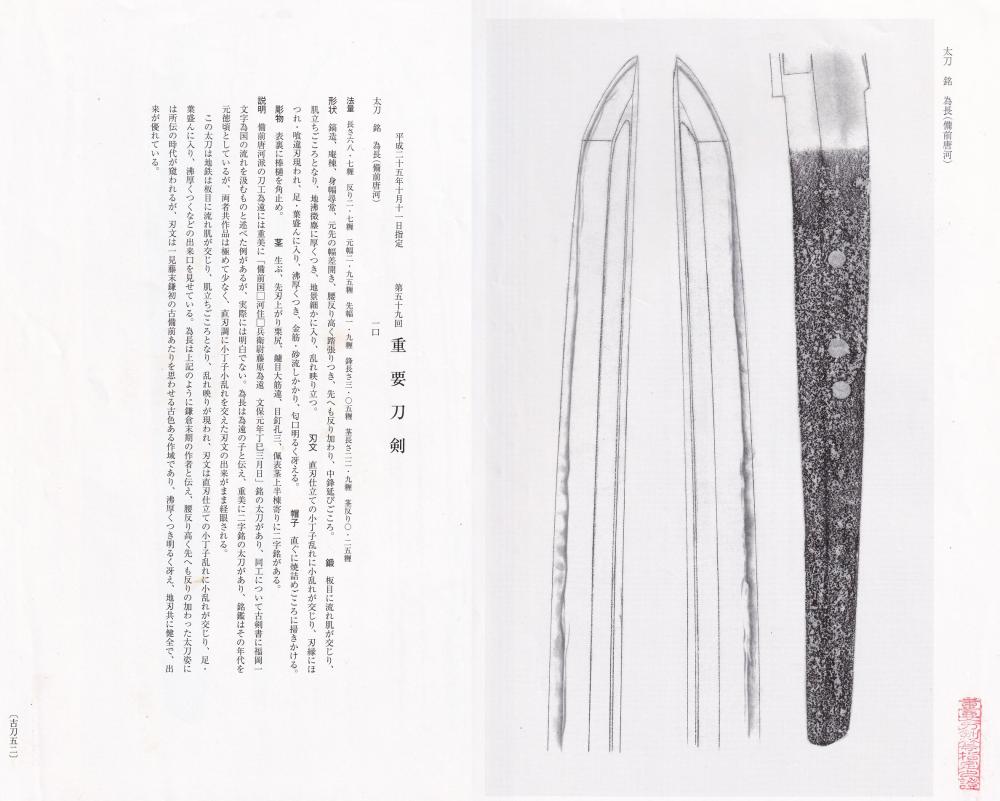
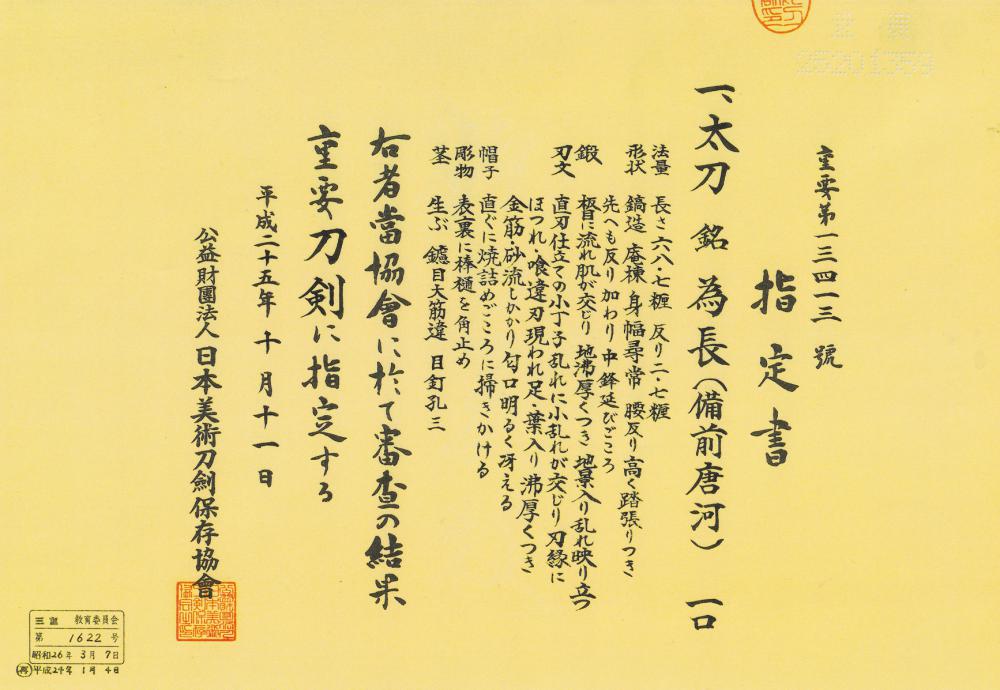
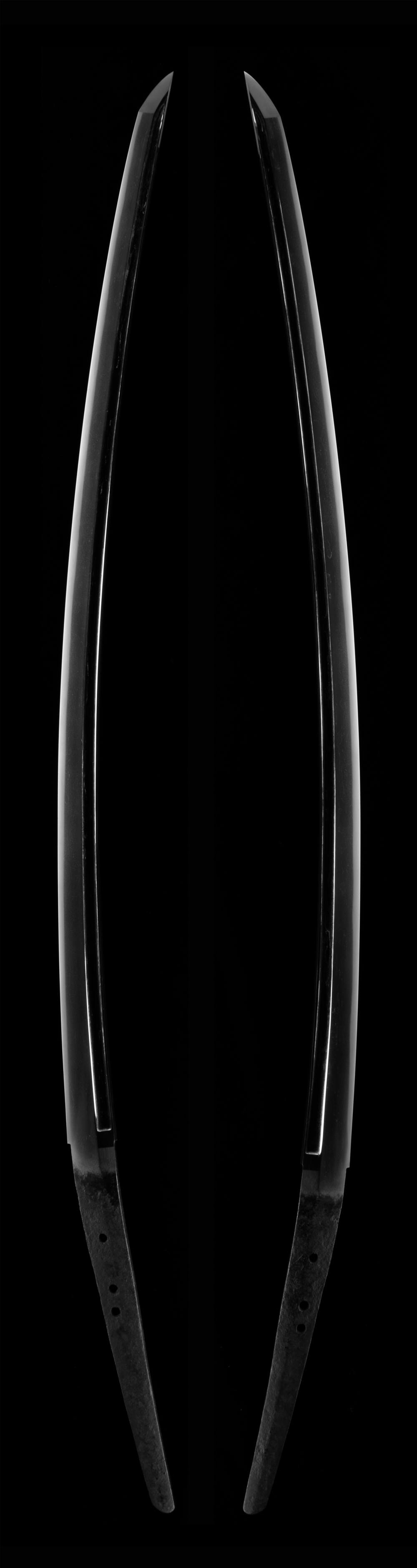
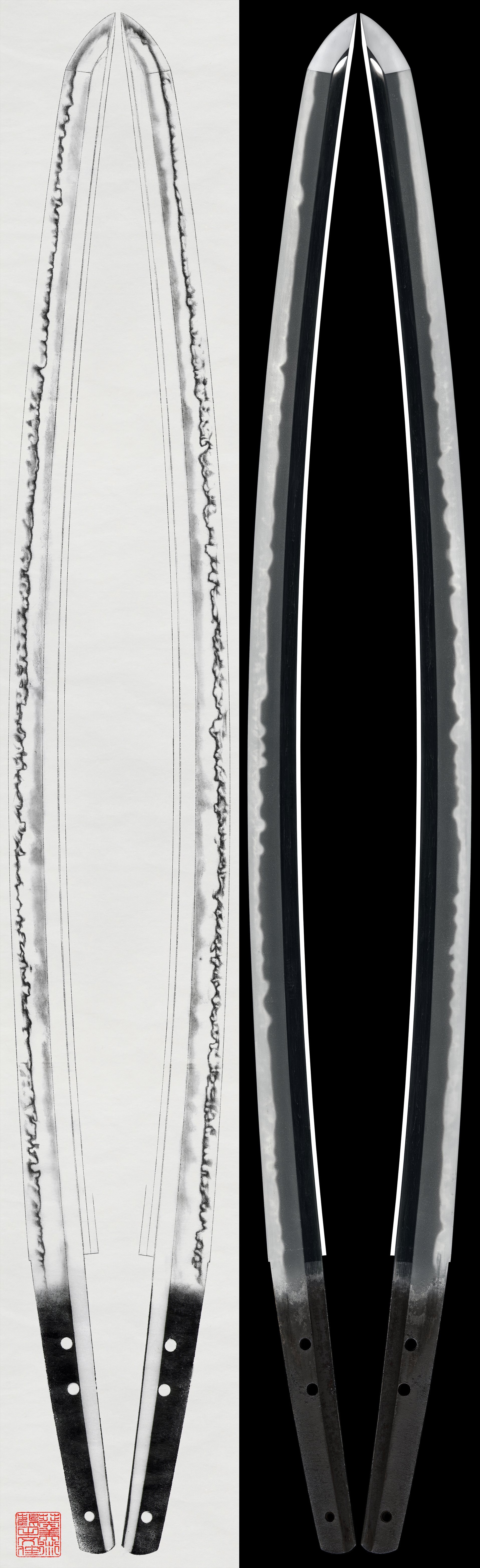
This Tachi by Tamenaga of the Bizen Karakawa school dates to the late Kamakura period. It features a flowing itame hada with utsuri, and a hamon of suguha-style ko-choji midare mixed with ko-midare, showing active nie and nioi. The blade is accompanied by a Juyo Token certificate from the NBTHK.

NBTHK Setsumei

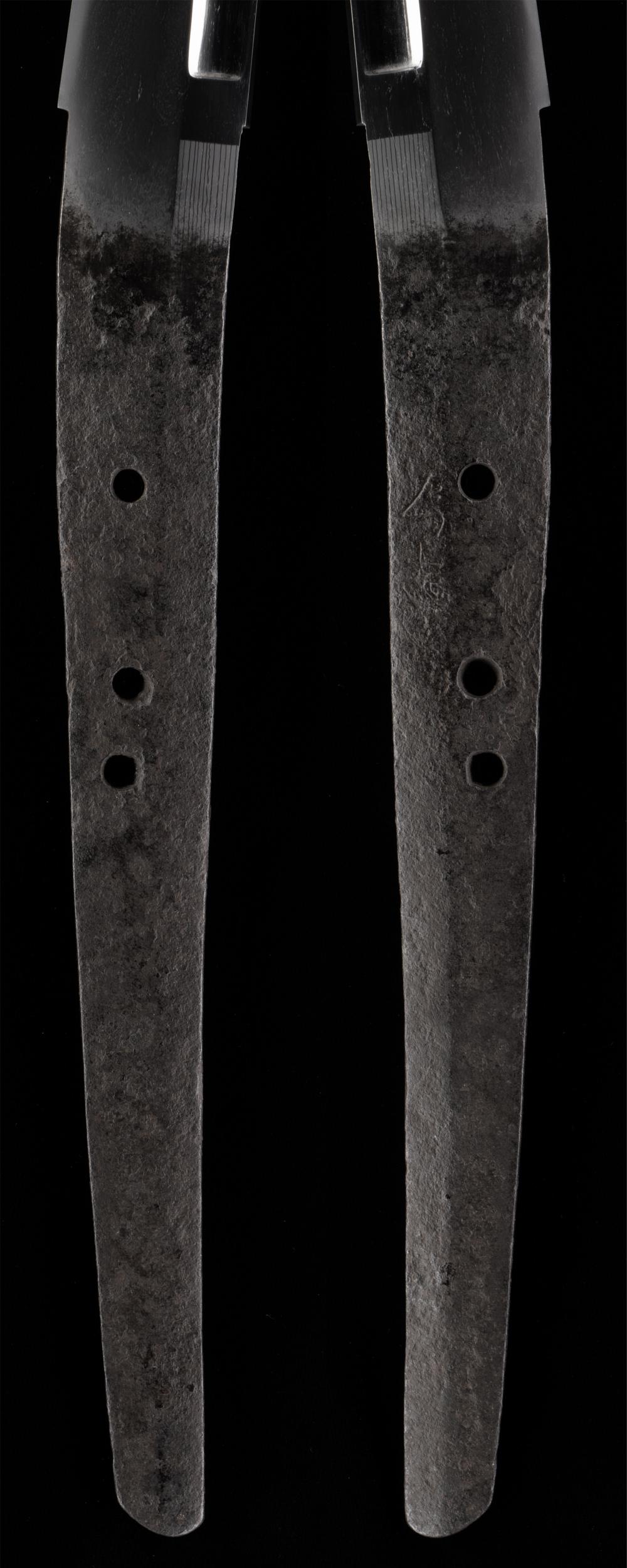
Jūyō-Tōken, 59th Session — Designated October 11, 2013 Tachi, mei: Tamenaga (為長) (Bizen Karakawa) (備前唐河) Measurements Nagasa 68.7 cm, sori 2.7 cm, motohaba 2.95 cm, sakihaba 1.9 cm, kissaki-nagasa 3.05 cm, nakago-nagasa 22.9 cm, nakago-sori 0.25 cm Description Keijō: shinogi-zukuri, iori-mune; normal mihaba with a pronounced width-taper from base to tip; high koshizori with evident funbari, and with additional curvature continuing toward the point; chū-kissaki with a slightly extended impression. Kitae: itame-hada with mixed nagare-hada; tending toward hada-dachi; fine ji-nie adhering thickly, with delicate chikei; midare-utsuri appears. Hamon: a suguha-based composition of ko-chōji-midare mixed with ko-midare; hotsure and kuichigai-ba appear along the habuchi; abundant ashi and yō; thick nie; kinsuji and sunagashi occur; the nioiguchi is bright and clear. Bōshi: sugu with a yakitsume-like tendency, finished with hakikake. Horimono: bō-hi on both sides, kaku-dome. Nakago: ubu; ha-agari kurijiri; ō-sujikai yasurime; three mekugi-ana; on the ha-omote side, in the upper half of the tang near the ridge line, there is a two-character signature. Artisan Tamenaga (為長), Bizen Karakawa school (備前唐河) Era Late Kamakura period (traditionally around the Gentoku era) Explanation Among the swordsmiths of the Bizen Karakawa group, Tameyasu is represented in the Important Art Object (Jūyō Bijutsuhin) category by a signed tachi reading: “Bizen no Kuni □kawa jū □hyōe no jō Fujiwara Tameyasu; Bunpō 1, hinoto-mi, third month, day” (文保元年丁巳三月日). In old sword texts there are examples stating that this smith continued a line descending from Fukuoka Ichimonji Tamekuni; however, in fact this is not clearly established. Tamenaga is traditionally said to have been Tameyasu’s son. There exists, likewise in the Jūyō Bijutsuhin category, a two-character signed tachi by him, and meikan sources place him around the Gentoku era. In either case, extant works by both smiths are extremely few, and a workmanship featuring a suguha-toned hamon into which ko-chōji and ko-midare are interwoven is intermittently encountered. This tachi shows a jihada of itame with mixed nagare, having a slightly standing-grain tendency, together with midare-utsuri. The hamon is a suguha-based ko-chōji-midare mixed with ko-midare, with abundant ashi and yō, and with thickly adhering nie—displaying precisely such a manner of workmanship. As noted above, Tamenaga is transmitted as a maker of the late Kamakura period, and the tachi form—with high koshizori and additional curvature continuing toward the point—accords with the transmitted time. Yet the hamon, at first glance, evokes an archaic flavor reminiscent of early Kamakura Ko-Bizen and the Fujiwara end of the tradition. The nie is thickly present and the blade is bright and clear; both ji and ha are kenzen (sound and well-preserved), and the workmanship is excellent.

NihontoWatch MonNihontoWatch
MarketEncyclopediaKantei
Swords›Bizen-den›Osafune›Ko-Osafune›Tamenaga›Tachi: Tamenaga (Bizen Karakawa)
tachiJūyō
Osafune Tamenaga

Tachi: Tamenaga (Bizen Karakawa)

mei · Karakawa · Kamakura · nagasa 68.7cm · sori 2.7cm

SOLD
Osafune Tamenaga (爲長) · Karakawa · KamakuraView artist page →
TachiJūyō
Could you name the smith from the blade alone? Today’s kantei →
Osafune Tamenaga — 1 of 5
Osafune Tamenaga — 2 of 5
Osafune Tamenaga — 3 of 5
Osafune Tamenaga — 4 of 5
Osafune Tamenaga — 5 of 5
1 / 5
1 / 5
Osafune Tamenaga — 1 of 5Osafune Tamenaga — 2 of 5Osafune Tamenaga — 3 of 5Osafune Tamenaga — 4 of 5Osafune Tamenaga — 5 of 5
Osafune Tamenaga (爲長) · Karakawa · KamakuraView artist page →
TachiJūyō
Could you name the smith from the blade alone? Today’s kantei →
Measurements & details
Smith
Osafune Tamenaga
Type
Tachi
School
Osafune
Period
Around 1312–1317(Showa)
Province
Bizen
Signature
Signed(100% of this smith's designated works are signed)
Measurements
Nagasa 68.7cmSori 2.7cmMotohaba 3.1cmSakihaba 1.13cmKasane 0.68cm
Description

This Tachi by Tamenaga of the Bizen Karakawa school dates to the late Kamakura period. It features a flowing itame hada with utsuri, and a hamon of suguha-style ko-choji midare mixed with ko-midare, showing active nie and nioi. The blade is accompanied by a Juyo Token certificate from the NBTHK.

NBTHK Zufu Commentary

Juyo #59

AI translation — may contain errors

-, 59th Session — Designated October 11, 2013

, : Tamenaga (為長) ( Karakawa) (備前唐河)

Measurements 68.7 cm, 2.7 cm, 2.95 cm, 1.9 cm, 3.05 cm, 22.9 cm, 0.25 cm

Description Keijō: , ; normal with a pronounced width-taper from base to tip; high with evident , and with additional curvature continuing toward the point; with a slightly extended impression. : with mixed ; tending toward ; fine adhering thickly, with delicate ; appears. : a -based composition of ko-chōji-midare mixed with ; and appear along the ; abundant and ; thick ; and occur; the is bright and clear. : with a -like tendency, finished with . : on both sides, . : ; ; ; three ; on the side, in the upper half of the tang near the ridge line, there is a two-character signature.

Artisan Tamenaga (為長), Karakawa school (備前唐河)

Era Late period (traditionally around the Gentoku era)

Explanation Among the swordsmiths of the Karakawa group, Tameyasu is represented in the Important Art Object (Jūyō Bijutsuhin) category by a signed reading: “ no □kawa jū □hyōe no jō Fujiwara Tameyasu; Bunpō 1, hinoto-mi, third month, day” (文保元年丁巳三月日). In old sword texts there are examples stating that this smith continued a line descending from Fukuoka Tamekuni; however, in fact this is not clearly established.

Tamenaga is traditionally said to have been Tameyasu’s son. There exists, likewise in the Jūyō Bijutsuhin category, a two-character signed by him, and sources place him around the Gentoku era. In either case, extant works by both smiths are extremely few, and a workmanship featuring a -toned into which and are interwoven is intermittently encountered.

This shows a of with mixed , having a slightly standing-grain tendency, together with . The is a -based ko-chōji-midare mixed with , with abundant and , and with thickly adhering —displaying precisely such a manner of workmanship. As noted above, Tamenaga is transmitted as a maker of the late period, and the form—with high and additional curvature continuing toward the point—accords with the transmitted time. Yet the , at first glance, evokes an archaic flavor reminiscent of early and the Fujiwara end of the tradition. The is thickly present and the blade is bright and clear; both and are (sound and well-preserved), and the workmanship is excellent.

[ 52]
About the maker

Tamenaga

爲長

Bizen-den · Bizen · around 1312-1317

Tōken Taikan top 14%

›

Historical importance

Where Tamenaga stands among comparable artisans: across all of nihontō, and within tradition, era, and period. The tiers (Foremost · Leading · Major · Notable) weigh official designations from the NBTHK and Japan's Agency for Cultural Affairs, together with historical honors of lasting repute such as the Sansaku and Meibutsu-chō.

随一
Foremost
屈指
Leading
有数
Major
著名
Notable

Select a lens to see how it's measured.

Designation record
2 designated works
Jūyō Bijutsuhin
1
Jūyō
1
Tamenaga — full profileBizen-den school

Study this maker →

About the school

Osafune

長船

Bizen-den · Bizen

Phase: Ko-Osafune古長船· 1238–1335

237 pieces on the market now

›

Three smiths working at the village of Osafune across the second half of the thirteenth century set the terms for every Bizen blade that followed: Mitsutada the founder, his son Nagamitsu, and the closely related Sanenaga, the Sansaku triumvirate whose work opens this phase. Their window runs from the mid-Kamakura period into the early fourteenth century, when leadership passed to Nagamitsu's son Kagemitsu, the third-generation head whose dated tachi, naginata, and tanto carry the phase to its close around the Kenmu years. The setsumei repeatedly fix Kagemitsu by genealogy and date, citing pieces inscribed from Gen'o 1 (1319) and Genko 1 (1321) through Shochu and Kenmu (1325 to 1334); these ubu or lightly shortened, date-bearing blades are what give the founding chapter its firm chronological spine and separate it from the workshop-broad output of the later Nanbokucho and Oei generations. This is the orthodox mainline before the school fanned out: the generation that built the standard, not the ones that later reinterpreted it. The constructional signature of the phase is a tightly packed ko-itame, at times mixed with mokume, carrying fine ji-nie in dense particles, fine chikei, and a vivid midare-utsuri that the examiners single out again and again; one Kagemitsu tachi even pushes the utsuri toward a striped, Aoe-like dan-utsuri with reverse-slanting dark bands. Against the Ko-Bizen root, with its standing jifu-utsuri and thicker ha-nie, this phase reads as more refined and more tightly controlled in the ji. The temper marks the phase's internal turn.

Where Nagamitsu and Mitsutada favored flamboyant choji-midare, Kagemitsu pulls the hand inward to a suguha-based temper carrying ko-gunome, ko-choji, and angular elements, often with a reverse (saka-gakari) tendency, in a nioi-dominant, bright nioiguchi; the setsumei credit him specifically with perfecting kata-ochi gunome, the dropped-shoulder pattern repeatedly named as his completion. The boshi is the gentle sansaku-boshi, a shallow midare-komi or notare turning back in ko-maru. None of this is the powerful nie, scattered tobiyaki, and Soshu-den drama of the later Soden-Bizen, nor the open gunome and pointed candlewick boshi of the Oei revival; it is calmer, nioi-bound, and date-anchored. A collector separates this phase by its named masters and the kantei points the setsumei make explicit: kata-ochi gunome and the sansaku-boshi read Kagemitsu, while reverse-slanting jihan-utsuri and certain boshi forms let the examiners assign proxy daimei hands such as Chikakage and the collaborator Kagemasa, the latter named in a Shochu 2 (1325) joint tachi dedicated to Chichibu Shrine. Tanto are a discriminator in their own right, surviving in number for Kagemitsu where they are scarce for Nagamitsu, including the kanmuri-otoshi and hira-zukuri pieces with devotional bonji and kurikara carvings. Provenance present in the sample carries weight: a Kagemitsu tachi transmitted in the Chikuzen Kuroda family with its old scabbard, an orikaeshi-mei katana recorded in the Shimazu line, and tanto and tachi held in the Imperial collection where Kagemitsu is ranked beside Yoshimitsu, Shintogo Kunishige, and Samonji. These are the works that define the founding core against everything Osafune later became. Learn more →

113 recorded smiths2013 designated works
Leading smiths
SmithEraDesignated
Mitsutada光忠1238-123960
Nagamitsu長光1274-1304244
Kagemitsu景光1303-1336143
Kanemitsu兼光1323-1370231
Sanenaga眞長1299-130964
Explore the Osafune school →

Historical context

Bizen in the Kamakura period

›

Kamakura was Bizen’s summit. Tradition places Ichimonji smiths among Go-Toba’s goban kaji, Mitsutada founded the Osafune line at mid-century, and orders flowed from the court and the warrior government alike. No province holds more National Treasure blades.

Bizen in the Kamakura period →

NBTHK Certificate
Jūyō Tōken重要刀剣
Important Sword
›

A blade of top-grade workmanship and condition, formally judged to rank with a nationally recognized Important Art Object (Jūyō Bijutsuhin). Awarded only at the NBTHK’s competitive annual examination.

Of Japan’s roughly 2.5 million registered swords, only 12,307 (about 1 in 203) have ever attained Jūyō.

About the NBTHK›

The NBTHK (Nihon Bijutsu Tōken Hozon Kyōkai, the Society for the Preservation of Japanese Art Swords) is a public-interest incorporated foundation founded in 1948 and supervised by Japan’s Agency for Cultural Affairs (Bunkachō); it is based at the Japanese Sword Museum in Tokyo. Its expert panels physically examine each submitted work (shinsa) and issue a certificate (kanteishō) ranking it by artistic and historical merit. NBTHK papers are the most widely recognized standard of authentication for Japanese swords and fittings.

NBTHK official site→
Seller
S
Shoubudou
🇯🇵Ships from Japan
›
✓Verified dealershoubudou.co.jp
✓Ships worldwide✓English supportWire transferPayPalCredit card
Return policy

Please contact us by phone within 3 days of the item's arrival and ship it back the next day. The postage and security service fees are the customer's responsibility.

View all of Shoubudou’s listings→View this item on the dealer’s site→

Previously sold by Osafune Tamenaga

View all →
Shoubudou
Tachi - by Osafune Tamenaga - Tamenaga (Bizen Karakawa)Tachi - by Osafune Tamenaga - Tamenaga (Bizen Karakawa)
Sold

Tachi

ByOsafune Tamenaga
SOLD

More Ko-Osafune works

View all →
Aoi Art
Jūyō Bijutsuhin
Daisho - Jubi - by Osafune Nagamitsu - Dai Sho: Katana (Important Art Object): Mumei (Attributed to Nagamitsu) / Wakizashi: Mumei (Attributed to Sekishu Naotsuna)Daisho - Jubi - by Osafune Nagamitsu - Dai Sho: Katana (Important Art Object): Mumei (Attributed to Nagamitsu) / Wakizashi: Mumei (Attributed to Sekishu Naotsuna)

Daishō

ByOsafune Nagamitsu
Ask
Samurai Museum
Tokuho
Wakizashi - Tokuho - by Osafune Kagemitsu - Antique Japanese Sword Wakizashi Attributed to Den Osafune Kagemitsu NBTHK Tokubetsu Hozon CertificateWakizashi - Tokuho - by Osafune Kagemitsu - Antique Japanese Sword Wakizashi Attributed to Den Osafune Kagemitsu NBTHK Tokubetsu Hozon Certificate

Wakizashi

ByOsafune Kagemitsu
¥3,200,000
Nihonto.com
Jūyō
Tanto - Jūyō - by Osafune Kagemitsu - Juyo Tanto by Bizen KagemitsuTanto - Jūyō - by Osafune Kagemitsu - Juyo Tanto by Bizen Kagemitsu

Tantō

ByOsafune Kagemitsu
¥89,500
Iida Koendo
Jūyō
Tachi - Jūyō - by Osafune Nagamitsu - Bizenkoku Osafune ju Sakonshogen Nagamitsu tsukuru, Einin Gannen Junigatsu HiTachi - Jūyō - by Osafune Nagamitsu - Bizenkoku Osafune ju Sakonshogen Nagamitsu tsukuru, Einin Gannen Junigatsu Hi

Tachi

ByOsafune Nagamitsu
¥55,000,000
Iida Koendo
Jūyō
Tachi - Jūyō - by Osafune Nagamitsu - NagamitsuTachi - Jūyō - by Osafune Nagamitsu - Nagamitsu

Tachi

ByOsafune Nagamitsu
¥33,000,000
Token Bizenya
Jūyō
Katana - Jūyō - by Osafune Sanenaga - Mumei SanenagaKatana - Jūyō - by Osafune Sanenaga - Mumei Sanenaga

Katana

ByOsafune Sanenaga
Ask
Eirakudo
Tokuho
Tanto - Tokuho - by Osafune Kagemasa - Kagemasa Tanto - Tokubetsu Hozon TokenTanto - Tokuho - by Osafune Kagemasa - Kagemasa Tanto - Tokubetsu Hozon Token

Tantō

ByOsafune Kagemasa
¥1,800,000
Hyozaemon
Jūyō
Tachi - Jūyō - by Osafune Kagemitsu - Tachi by Osafune KagemitsuTachi - Jūyō - by Osafune Kagemitsu - Tachi by Osafune Kagemitsu

Tachi

ByOsafune Kagemitsu
Ask

More from the Osafune school

View all →
Aoi Art
Jūyō
Katana - Jūyō - by Osafune Shigezane - Mumei (Attributed to Shigezane) - 27th NBTHK Juyo TokenKatana - Jūyō - by Osafune Shigezane - Mumei (Attributed to Shigezane) - 27th NBTHK Juyo Token

Katana

ByOsafune Shigezane
Starting Bid¥4,600,000
Aoi Art
Tokuho
Wakizashi - Tokuho - by Oei-Bizen Morimitsu - Bishū Osafune Morimitsu, dated Ōei 26 (1419) - NBTHK Tokubetsu Hozon TokenWakizashi - Tokuho - by Oei-Bizen Morimitsu - Bishū Osafune Morimitsu, dated Ōei 26 (1419) - NBTHK Tokubetsu Hozon Token

Wakizashi

ByOei-Bizen Morimitsu
Starting Bid¥1,500,000
Eirakudo
Jūyō
Katana - Jūyō - by Motoshige - Motoshige - Juyo TokenKatana - Jūyō - by Motoshige - Motoshige - Juyo Token

Katana

ByMotoshige
¥6,000,000
Touken Matsumoto
Tokuho
Katana - Tokuho - by Sukesada School - Bishu Osafune SukesadaKatana - Tokuho - by Sukesada School - Bishu Osafune Sukesada

Katana

BySukesada School
¥650,000
Hyozaemon
Tokuho
Tachi - Tokuho - by Osafune School - Mumei (Osafune Shigezane) - Tokubetsu HozonTachi - Tokuho - by Osafune School - Mumei (Osafune Shigezane) - Tokubetsu Hozon

Tachi

ByOsafune School
¥1,250,000
Goushuya
Tokujū
Tachi - Tokuju - by Oei-Bizen Morimitsu - Morimitsu - Tokubetsu Juyo TokenTachi - Tokuju - by Oei-Bizen Morimitsu - Morimitsu - Tokubetsu Juyo Token

Tachi

ByOei-Bizen Morimitsu
Ask
Samurai Museum
Katana - by Osafune Kanemitsu - Attributed to Den Osafune Kanemitsu - NTHK Yushu Saku Kanteisho CertificateKatana - by Osafune Kanemitsu - Attributed to Den Osafune Kanemitsu - NTHK Yushu Saku Kanteisho Certificate

Katana

ByOsafune Kanemitsu
¥4,300,000
Nipponto
Tokuho
Wakizashi - Tokuho - by Oei-Bizen Yasumitsu - Japanese Sword: Bishu Osafune Yasumitsu, Oei 33rd Year, February (O-wazamono) - WakizashiWakizashi - Tokuho - by Oei-Bizen Yasumitsu - Japanese Sword: Bishu Osafune Yasumitsu, Oei 33rd Year, February (O-wazamono) - Wakizashi

Wakizashi

ByOei-Bizen Yasumitsu
¥1,200,000

More from the Bizen tradition

View all →
Hyozaemon
Tokuho
Tokuho - by Fukuoka Ichimonji Yoshifusa - Naginata Naoshi Wakizashi by Fukuoka Ichimonji Yoshifusa, a Master of IchimonjiTokuho - by Fukuoka Ichimonji Yoshifusa - Naginata Naoshi Wakizashi by Fukuoka Ichimonji Yoshifusa, a Master of Ichimonji

Naginata Naoshi Wakizashi by Fukuoka Ichimonji Yoshifusa, a Master of Ichimonji

ByFukuoka Ichimonji Yoshifusa
Ask
Eirakudo
Tokuho
Katana - Tokuho - by Katayama Ichimonji School - Katayama Ichimonji - Tokubetsu Hozon TokenKatana - Tokuho - by Katayama Ichimonji School - Katayama Ichimonji - Tokubetsu Hozon Token

Katana

ByKatayama Ichimonji School
¥4,500,000
Eirakudo
Tokuho
Wakizashi - Tokuho - by Ichimonji School - Fukuoka Ichimonji Wakizashi Tokubetsu Hozon TokenWakizashi - Tokuho - by Ichimonji School - Fukuoka Ichimonji Wakizashi Tokubetsu Hozon Token

Wakizashi

ByIchimonji School
¥3,500,000
Goushuya
Jūyō Bijutsuhin
Tachi - Jubi - by Ukai Unsho - Kumoio - From the collection of the Okouchi family, lord of Otaki Domain, Kazusa ProvinceTachi - Jubi - by Ukai Unsho - Kumoio - From the collection of the Okouchi family, lord of Otaki Domain, Kazusa Province

Tachi

ByUkai Unsho
Ask
Tsuruginoya
Jūyō
Katana - Jūyō - by Fukuoka Ichimonji School - Mumei Fukuoka IchimonjiKatana - Jūyō - by Fukuoka Ichimonji School - Mumei Fukuoka Ichimonji

Katana

ByFukuoka Ichimonji School
Ask
Aoi Art
Jūyō
Katana - Jūyō - by Aoe School - Mumei (Aoe school)Katana - Jūyō - by Aoe School - Mumei (Aoe school)

Katana

ByAoe School
¥3,200,000
Hyozaemon
Tokuho
Tachi - Tokuho - by Ko-Aoe Yoritsugu - Ko-Aoe YoritsuguTachi - Tokuho - by Ko-Aoe Yoritsugu - Ko-Aoe Yoritsugu

Tachi

ByKo-Aoe Yoritsugu
¥5,800,000
Tsuruginoya
Jūyō
Tachi - Jūyō - by Hatakeda Sanemori - Hatakeda Sanemori - Formerly owned by General Sadao ArakiTachi - Jūyō - by Hatakeda Sanemori - Hatakeda Sanemori - Formerly owned by General Sadao Araki

Tachi

ByHatakeda Sanemori
¥14,500,000

Swords

  • Katana
  • Wakizashi
  • Tantō
  • Tachi
  • Naginata
  • Yari
  • Japanese Swords
  • Samurai Swords

Fittings

  • Tsuba
  • Fuchi-Kashira
  • Kozuka
  • Menuki
  • Sword Guards (Tsuba)

Armor

  • Kabuto
  • Samurai Armor
  • All Samurai Armor

By Certification

  • Tokujū
  • Jūyō
  • Tokuho
  • Hozon

Resources

  • Dealer Directory
  • Artist Directory
  • The Daily Kantei
  • Glossary
  • Browse All
Nihontowatch© 2026
TermsPrivacyCookiesAbout
Sold

Description

This Tachi by Tamenaga of the Bizen Karakawa school dates to the late Kamakura period. It features a flowing itame hada with utsuri, and a hamon of suguha-style ko-choji midare mixed with ko-midare, showing active nie and nioi. The blade is accompanied by a Juyo Token certificate from the NBTHK.

NBTHK Setsumei

Jūyō-Tōken, 59th Session — Designated October 11, 2013 Tachi, mei: Tamenaga (為長) (Bizen Karakawa) (備前唐河) Measurements Nagasa 68.7 cm, sori 2.7 cm, motohaba 2.95 cm, sakihaba 1.9 cm, kissaki-nagasa 3.05 cm, nakago-nagasa 22.9 cm, nakago-sori 0.25 cm Description Keijō: shinogi-zukuri, iori-mune; normal mihaba with a pronounced width-taper from base to tip; high koshizori with evident funbari, and with additional curvature continuing toward the point; chū-kissaki with a slightly extended impression. Kitae: itame-hada with mixed nagare-hada; tending toward hada-dachi; fine ji-nie adhering thickly, with delicate chikei; midare-utsuri appears. Hamon: a suguha-based composition of ko-chōji-midare mixed with ko-midare; hotsure and kuichigai-ba appear along the habuchi; abundant ashi and yō; thick nie; kinsuji and sunagashi occur; the nioiguchi is bright and clear. Bōshi: sugu with a yakitsume-like tendency, finished with hakikake. Horimono: bō-hi on both sides, kaku-dome. Nakago: ubu; ha-agari kurijiri; ō-sujikai yasurime; three mekugi-ana; on the ha-omote side, in the upper half of the tang near the ridge line, there is a two-character signature. Artisan Tamenaga (為長), Bizen Karakawa school (備前唐河) Era Late Kamakura period (traditionally around the Gentoku era) Explanation Among the swordsmiths of the Bizen Karakawa group, Tameyasu is represented in the Important Art Object (Jūyō Bijutsuhin) category by a signed tachi reading: “Bizen no Kuni □kawa jū □hyōe no jō Fujiwara Tameyasu; Bunpō 1, hinoto-mi, third month, day” (文保元年丁巳三月日). In old sword texts there are examples stating that this smith continued a line descending from Fukuoka Ichimonji Tamekuni; however, in fact this is not clearly established. Tamenaga is traditionally said to have been Tameyasu’s son. There exists, likewise in the Jūyō Bijutsuhin category, a two-character signed tachi by him, and meikan sources place him around the Gentoku era. In either case, extant works by both smiths are extremely few, and a workmanship featuring a suguha-toned hamon into which ko-chōji and ko-midare are interwoven is intermittently encountered. This tachi shows a jihada of itame with mixed nagare, having a slightly standing-grain tendency, together with midare-utsuri. The hamon is a suguha-based ko-chōji-midare mixed with ko-midare, with abundant ashi and yō, and with thickly adhering nie—displaying precisely such a manner of workmanship. As noted above, Tamenaga is transmitted as a maker of the late Kamakura period, and the tachi form—with high koshizori and additional curvature continuing toward the point—accords with the transmitted time. Yet the hamon, at first glance, evokes an archaic flavor reminiscent of early Kamakura Ko-Bizen and the Fujiwara end of the tradition. The nie is thickly present and the blade is bright and clear; both ji and ha are kenzen (sound and well-preserved), and the workmanship is excellent.

NihontoWatch MonNihontoWatch
MarketEncyclopediaKantei
Swords›Bizen-den›Osafune›Ko-Osafune›Tamenaga›Tachi: Tamenaga (Bizen Karakawa)
tachiJūyō
Osafune Tamenaga

Tachi: Tamenaga (Bizen Karakawa)

mei · Karakawa · Kamakura · nagasa 68.7cm · sori 2.7cm

SOLD
Osafune Tamenaga (爲長) · Karakawa · KamakuraView artist page →
TachiJūyō
Could you name the smith from the blade alone? Today’s kantei →
Osafune Tamenaga — 1 of 5
Osafune Tamenaga — 2 of 5
Osafune Tamenaga — 3 of 5
Osafune Tamenaga — 4 of 5
Osafune Tamenaga — 5 of 5
1 / 5
1 / 5
Osafune Tamenaga — 1 of 5Osafune Tamenaga — 2 of 5Osafune Tamenaga — 3 of 5Osafune Tamenaga — 4 of 5Osafune Tamenaga — 5 of 5
Osafune Tamenaga (爲長) · Karakawa · KamakuraView artist page →
TachiJūyō
Could you name the smith from the blade alone? Today’s kantei →
Measurements & details
Smith
Osafune Tamenaga
Type
Tachi
School
Osafune
Period
Around 1312–1317(Showa)
Province
Bizen
Signature
Signed(100% of this smith's designated works are signed)
Measurements
Nagasa 68.7cmSori 2.7cmMotohaba 3.1cmSakihaba 1.13cmKasane 0.68cm
Description

This Tachi by Tamenaga of the Bizen Karakawa school dates to the late Kamakura period. It features a flowing itame hada with utsuri, and a hamon of suguha-style ko-choji midare mixed with ko-midare, showing active nie and nioi. The blade is accompanied by a Juyo Token certificate from the NBTHK.

NBTHK Zufu Commentary

Juyo #59

AI translation — may contain errors

-, 59th Session — Designated October 11, 2013

, : Tamenaga (為長) ( Karakawa) (備前唐河)

Measurements 68.7 cm, 2.7 cm, 2.95 cm, 1.9 cm, 3.05 cm, 22.9 cm, 0.25 cm

Description Keijō: , ; normal with a pronounced width-taper from base to tip; high with evident , and with additional curvature continuing toward the point; with a slightly extended impression. : with mixed ; tending toward ; fine adhering thickly, with delicate ; appears. : a -based composition of ko-chōji-midare mixed with ; and appear along the ; abundant and ; thick ; and occur; the is bright and clear. : with a -like tendency, finished with . : on both sides, . : ; ; ; three ; on the side, in the upper half of the tang near the ridge line, there is a two-character signature.

Artisan Tamenaga (為長), Karakawa school (備前唐河)

Era Late period (traditionally around the Gentoku era)

Explanation Among the swordsmiths of the Karakawa group, Tameyasu is represented in the Important Art Object (Jūyō Bijutsuhin) category by a signed reading: “ no □kawa jū □hyōe no jō Fujiwara Tameyasu; Bunpō 1, hinoto-mi, third month, day” (文保元年丁巳三月日). In old sword texts there are examples stating that this smith continued a line descending from Fukuoka Tamekuni; however, in fact this is not clearly established.

Tamenaga is traditionally said to have been Tameyasu’s son. There exists, likewise in the Jūyō Bijutsuhin category, a two-character signed by him, and sources place him around the Gentoku era. In either case, extant works by both smiths are extremely few, and a workmanship featuring a -toned into which and are interwoven is intermittently encountered.

This shows a of with mixed , having a slightly standing-grain tendency, together with . The is a -based ko-chōji-midare mixed with , with abundant and , and with thickly adhering —displaying precisely such a manner of workmanship. As noted above, Tamenaga is transmitted as a maker of the late period, and the form—with high and additional curvature continuing toward the point—accords with the transmitted time. Yet the , at first glance, evokes an archaic flavor reminiscent of early and the Fujiwara end of the tradition. The is thickly present and the blade is bright and clear; both and are (sound and well-preserved), and the workmanship is excellent.

[ 52]
About the maker

Tamenaga

爲長

Bizen-den · Bizen · around 1312-1317

Tōken Taikan top 14%

›

Historical importance

Where Tamenaga stands among comparable artisans: across all of nihontō, and within tradition, era, and period. The tiers (Foremost · Leading · Major · Notable) weigh official designations from the NBTHK and Japan's Agency for Cultural Affairs, together with historical honors of lasting repute such as the Sansaku and Meibutsu-chō.

随一
Foremost
屈指
Leading
有数
Major
著名
Notable

Select a lens to see how it's measured.

Designation record
2 designated works
Jūyō Bijutsuhin
1
Jūyō
1
Tamenaga — full profileBizen-den school

Study this maker →

About the school

Osafune

長船

Bizen-den · Bizen

Phase: Ko-Osafune古長船· 1238–1335

237 pieces on the market now

›

Three smiths working at the village of Osafune across the second half of the thirteenth century set the terms for every Bizen blade that followed: Mitsutada the founder, his son Nagamitsu, and the closely related Sanenaga, the Sansaku triumvirate whose work opens this phase. Their window runs from the mid-Kamakura period into the early fourteenth century, when leadership passed to Nagamitsu's son Kagemitsu, the third-generation head whose dated tachi, naginata, and tanto carry the phase to its close around the Kenmu years. The setsumei repeatedly fix Kagemitsu by genealogy and date, citing pieces inscribed from Gen'o 1 (1319) and Genko 1 (1321) through Shochu and Kenmu (1325 to 1334); these ubu or lightly shortened, date-bearing blades are what give the founding chapter its firm chronological spine and separate it from the workshop-broad output of the later Nanbokucho and Oei generations. This is the orthodox mainline before the school fanned out: the generation that built the standard, not the ones that later reinterpreted it. The constructional signature of the phase is a tightly packed ko-itame, at times mixed with mokume, carrying fine ji-nie in dense particles, fine chikei, and a vivid midare-utsuri that the examiners single out again and again; one Kagemitsu tachi even pushes the utsuri toward a striped, Aoe-like dan-utsuri with reverse-slanting dark bands. Against the Ko-Bizen root, with its standing jifu-utsuri and thicker ha-nie, this phase reads as more refined and more tightly controlled in the ji. The temper marks the phase's internal turn.

Where Nagamitsu and Mitsutada favored flamboyant choji-midare, Kagemitsu pulls the hand inward to a suguha-based temper carrying ko-gunome, ko-choji, and angular elements, often with a reverse (saka-gakari) tendency, in a nioi-dominant, bright nioiguchi; the setsumei credit him specifically with perfecting kata-ochi gunome, the dropped-shoulder pattern repeatedly named as his completion. The boshi is the gentle sansaku-boshi, a shallow midare-komi or notare turning back in ko-maru. None of this is the powerful nie, scattered tobiyaki, and Soshu-den drama of the later Soden-Bizen, nor the open gunome and pointed candlewick boshi of the Oei revival; it is calmer, nioi-bound, and date-anchored. A collector separates this phase by its named masters and the kantei points the setsumei make explicit: kata-ochi gunome and the sansaku-boshi read Kagemitsu, while reverse-slanting jihan-utsuri and certain boshi forms let the examiners assign proxy daimei hands such as Chikakage and the collaborator Kagemasa, the latter named in a Shochu 2 (1325) joint tachi dedicated to Chichibu Shrine. Tanto are a discriminator in their own right, surviving in number for Kagemitsu where they are scarce for Nagamitsu, including the kanmuri-otoshi and hira-zukuri pieces with devotional bonji and kurikara carvings. Provenance present in the sample carries weight: a Kagemitsu tachi transmitted in the Chikuzen Kuroda family with its old scabbard, an orikaeshi-mei katana recorded in the Shimazu line, and tanto and tachi held in the Imperial collection where Kagemitsu is ranked beside Yoshimitsu, Shintogo Kunishige, and Samonji. These are the works that define the founding core against everything Osafune later became. Learn more →

113 recorded smiths2013 designated works
Leading smiths
SmithEraDesignated
Mitsutada光忠1238-123960
Nagamitsu長光1274-1304244
Kagemitsu景光1303-1336143
Kanemitsu兼光1323-1370231
Sanenaga眞長1299-130964
Explore the Osafune school →

Historical context

Bizen in the Kamakura period

›

Kamakura was Bizen’s summit. Tradition places Ichimonji smiths among Go-Toba’s goban kaji, Mitsutada founded the Osafune line at mid-century, and orders flowed from the court and the warrior government alike. No province holds more National Treasure blades.

Bizen in the Kamakura period →

NBTHK Certificate
Jūyō Tōken重要刀剣
Important Sword
›

A blade of top-grade workmanship and condition, formally judged to rank with a nationally recognized Important Art Object (Jūyō Bijutsuhin). Awarded only at the NBTHK’s competitive annual examination.

Of Japan’s roughly 2.5 million registered swords, only 12,307 (about 1 in 203) have ever attained Jūyō.

About the NBTHK›

The NBTHK (Nihon Bijutsu Tōken Hozon Kyōkai, the Society for the Preservation of Japanese Art Swords) is a public-interest incorporated foundation founded in 1948 and supervised by Japan’s Agency for Cultural Affairs (Bunkachō); it is based at the Japanese Sword Museum in Tokyo. Its expert panels physically examine each submitted work (shinsa) and issue a certificate (kanteishō) ranking it by artistic and historical merit. NBTHK papers are the most widely recognized standard of authentication for Japanese swords and fittings.

NBTHK official site→
Seller
S
Shoubudou
🇯🇵Ships from Japan
›
✓Verified dealershoubudou.co.jp
✓Ships worldwide✓English supportWire transferPayPalCredit card
Return policy

Please contact us by phone within 3 days of the item's arrival and ship it back the next day. The postage and security service fees are the customer's responsibility.

View all of Shoubudou’s listings→View this item on the dealer’s site→

Previously sold by Osafune Tamenaga

View all →
Shoubudou
Tachi - by Osafune Tamenaga - Tamenaga (Bizen Karakawa)Tachi - by Osafune Tamenaga - Tamenaga (Bizen Karakawa)
Sold

Tachi

ByOsafune Tamenaga
SOLD

More Ko-Osafune works

View all →
Aoi Art
Jūyō Bijutsuhin
Daisho - Jubi - by Osafune Nagamitsu - Dai Sho: Katana (Important Art Object): Mumei (Attributed to Nagamitsu) / Wakizashi: Mumei (Attributed to Sekishu Naotsuna)Daisho - Jubi - by Osafune Nagamitsu - Dai Sho: Katana (Important Art Object): Mumei (Attributed to Nagamitsu) / Wakizashi: Mumei (Attributed to Sekishu Naotsuna)

Daishō

ByOsafune Nagamitsu
Ask
Samurai Museum
Tokuho
Wakizashi - Tokuho - by Osafune Kagemitsu - Antique Japanese Sword Wakizashi Attributed to Den Osafune Kagemitsu NBTHK Tokubetsu Hozon CertificateWakizashi - Tokuho - by Osafune Kagemitsu - Antique Japanese Sword Wakizashi Attributed to Den Osafune Kagemitsu NBTHK Tokubetsu Hozon Certificate

Wakizashi

ByOsafune Kagemitsu
¥3,200,000
Nihonto.com
Jūyō
Tanto - Jūyō - by Osafune Kagemitsu - Juyo Tanto by Bizen KagemitsuTanto - Jūyō - by Osafune Kagemitsu - Juyo Tanto by Bizen Kagemitsu

Tantō

ByOsafune Kagemitsu
¥89,500
Iida Koendo
Jūyō
Tachi - Jūyō - by Osafune Nagamitsu - Bizenkoku Osafune ju Sakonshogen Nagamitsu tsukuru, Einin Gannen Junigatsu HiTachi - Jūyō - by Osafune Nagamitsu - Bizenkoku Osafune ju Sakonshogen Nagamitsu tsukuru, Einin Gannen Junigatsu Hi

Tachi

ByOsafune Nagamitsu
¥55,000,000
Iida Koendo
Jūyō
Tachi - Jūyō - by Osafune Nagamitsu - NagamitsuTachi - Jūyō - by Osafune Nagamitsu - Nagamitsu

Tachi

ByOsafune Nagamitsu
¥33,000,000
Token Bizenya
Jūyō
Katana - Jūyō - by Osafune Sanenaga - Mumei SanenagaKatana - Jūyō - by Osafune Sanenaga - Mumei Sanenaga

Katana

ByOsafune Sanenaga
Ask
Eirakudo
Tokuho
Tanto - Tokuho - by Osafune Kagemasa - Kagemasa Tanto - Tokubetsu Hozon TokenTanto - Tokuho - by Osafune Kagemasa - Kagemasa Tanto - Tokubetsu Hozon Token

Tantō

ByOsafune Kagemasa
¥1,800,000
Hyozaemon
Jūyō
Tachi - Jūyō - by Osafune Kagemitsu - Tachi by Osafune KagemitsuTachi - Jūyō - by Osafune Kagemitsu - Tachi by Osafune Kagemitsu

Tachi

ByOsafune Kagemitsu
Ask

More from the Osafune school

View all →
Aoi Art
Jūyō
Katana - Jūyō - by Osafune Shigezane - Mumei (Attributed to Shigezane) - 27th NBTHK Juyo TokenKatana - Jūyō - by Osafune Shigezane - Mumei (Attributed to Shigezane) - 27th NBTHK Juyo Token

Katana

ByOsafune Shigezane
Starting Bid¥4,600,000
Aoi Art
Tokuho
Wakizashi - Tokuho - by Oei-Bizen Morimitsu - Bishū Osafune Morimitsu, dated Ōei 26 (1419) - NBTHK Tokubetsu Hozon TokenWakizashi - Tokuho - by Oei-Bizen Morimitsu - Bishū Osafune Morimitsu, dated Ōei 26 (1419) - NBTHK Tokubetsu Hozon Token

Wakizashi

ByOei-Bizen Morimitsu
Starting Bid¥1,500,000
Eirakudo
Jūyō
Katana - Jūyō - by Motoshige - Motoshige - Juyo TokenKatana - Jūyō - by Motoshige - Motoshige - Juyo Token

Katana

ByMotoshige
¥6,000,000
Touken Matsumoto
Tokuho
Katana - Tokuho - by Sukesada School - Bishu Osafune SukesadaKatana - Tokuho - by Sukesada School - Bishu Osafune Sukesada

Katana

BySukesada School
¥650,000
Hyozaemon
Tokuho
Tachi - Tokuho - by Osafune School - Mumei (Osafune Shigezane) - Tokubetsu HozonTachi - Tokuho - by Osafune School - Mumei (Osafune Shigezane) - Tokubetsu Hozon

Tachi

ByOsafune School
¥1,250,000
Goushuya
Tokujū
Tachi - Tokuju - by Oei-Bizen Morimitsu - Morimitsu - Tokubetsu Juyo TokenTachi - Tokuju - by Oei-Bizen Morimitsu - Morimitsu - Tokubetsu Juyo Token

Tachi

ByOei-Bizen Morimitsu
Ask
Samurai Museum
Katana - by Osafune Kanemitsu - Attributed to Den Osafune Kanemitsu - NTHK Yushu Saku Kanteisho CertificateKatana - by Osafune Kanemitsu - Attributed to Den Osafune Kanemitsu - NTHK Yushu Saku Kanteisho Certificate

Katana

ByOsafune Kanemitsu
¥4,300,000
Nipponto
Tokuho
Wakizashi - Tokuho - by Oei-Bizen Yasumitsu - Japanese Sword: Bishu Osafune Yasumitsu, Oei 33rd Year, February (O-wazamono) - WakizashiWakizashi - Tokuho - by Oei-Bizen Yasumitsu - Japanese Sword: Bishu Osafune Yasumitsu, Oei 33rd Year, February (O-wazamono) - Wakizashi

Wakizashi

ByOei-Bizen Yasumitsu
¥1,200,000

More from the Bizen tradition

View all →
Hyozaemon
Tokuho
Tokuho - by Fukuoka Ichimonji Yoshifusa - Naginata Naoshi Wakizashi by Fukuoka Ichimonji Yoshifusa, a Master of IchimonjiTokuho - by Fukuoka Ichimonji Yoshifusa - Naginata Naoshi Wakizashi by Fukuoka Ichimonji Yoshifusa, a Master of Ichimonji

Naginata Naoshi Wakizashi by Fukuoka Ichimonji Yoshifusa, a Master of Ichimonji

ByFukuoka Ichimonji Yoshifusa
Ask
Eirakudo
Tokuho
Katana - Tokuho - by Katayama Ichimonji School - Katayama Ichimonji - Tokubetsu Hozon TokenKatana - Tokuho - by Katayama Ichimonji School - Katayama Ichimonji - Tokubetsu Hozon Token

Katana

ByKatayama Ichimonji School
¥4,500,000
Eirakudo
Tokuho
Wakizashi - Tokuho - by Ichimonji School - Fukuoka Ichimonji Wakizashi Tokubetsu Hozon TokenWakizashi - Tokuho - by Ichimonji School - Fukuoka Ichimonji Wakizashi Tokubetsu Hozon Token

Wakizashi

ByIchimonji School
¥3,500,000
Goushuya
Jūyō Bijutsuhin
Tachi - Jubi - by Ukai Unsho - Kumoio - From the collection of the Okouchi family, lord of Otaki Domain, Kazusa ProvinceTachi - Jubi - by Ukai Unsho - Kumoio - From the collection of the Okouchi family, lord of Otaki Domain, Kazusa Province

Tachi

ByUkai Unsho
Ask
Tsuruginoya
Jūyō
Katana - Jūyō - by Fukuoka Ichimonji School - Mumei Fukuoka IchimonjiKatana - Jūyō - by Fukuoka Ichimonji School - Mumei Fukuoka Ichimonji

Katana

ByFukuoka Ichimonji School
Ask
Aoi Art
Jūyō
Katana - Jūyō - by Aoe School - Mumei (Aoe school)Katana - Jūyō - by Aoe School - Mumei (Aoe school)

Katana

ByAoe School
¥3,200,000
Hyozaemon
Tokuho
Tachi - Tokuho - by Ko-Aoe Yoritsugu - Ko-Aoe YoritsuguTachi - Tokuho - by Ko-Aoe Yoritsugu - Ko-Aoe Yoritsugu

Tachi

ByKo-Aoe Yoritsugu
¥5,800,000
Tsuruginoya
Jūyō
Tachi - Jūyō - by Hatakeda Sanemori - Hatakeda Sanemori - Formerly owned by General Sadao ArakiTachi - Jūyō - by Hatakeda Sanemori - Hatakeda Sanemori - Formerly owned by General Sadao Araki

Tachi

ByHatakeda Sanemori
¥14,500,000

Swords

  • Katana
  • Wakizashi
  • Tantō
  • Tachi
  • Naginata
  • Yari
  • Japanese Swords
  • Samurai Swords

Fittings

  • Tsuba
  • Fuchi-Kashira
  • Kozuka
  • Menuki
  • Sword Guards (Tsuba)

Armor

  • Kabuto
  • Samurai Armor
  • All Samurai Armor

By Certification

  • Tokujū
  • Jūyō
  • Tokuho
  • Hozon

Resources

  • Dealer Directory
  • Artist Directory
  • The Daily Kantei
  • Glossary
  • Browse All
Nihontowatch© 2026
TermsPrivacyCookiesAbout
Sold
NihontoWatch MonNihontoWatch
Market
Encyclopedia
Kantei
NihontoWatch MonNihontoWatch
Market
Encyclopedia
Kantei