Sengoku Seki was an industry: smiths organized under their tutelary Kasuga shrine, arming the war bands of central Japan. Magoroku Kanemoto’s sanbonsugi and the finest Kanesada work prove quality survived inside mass production.
 NihontoWatchNihontoWatch
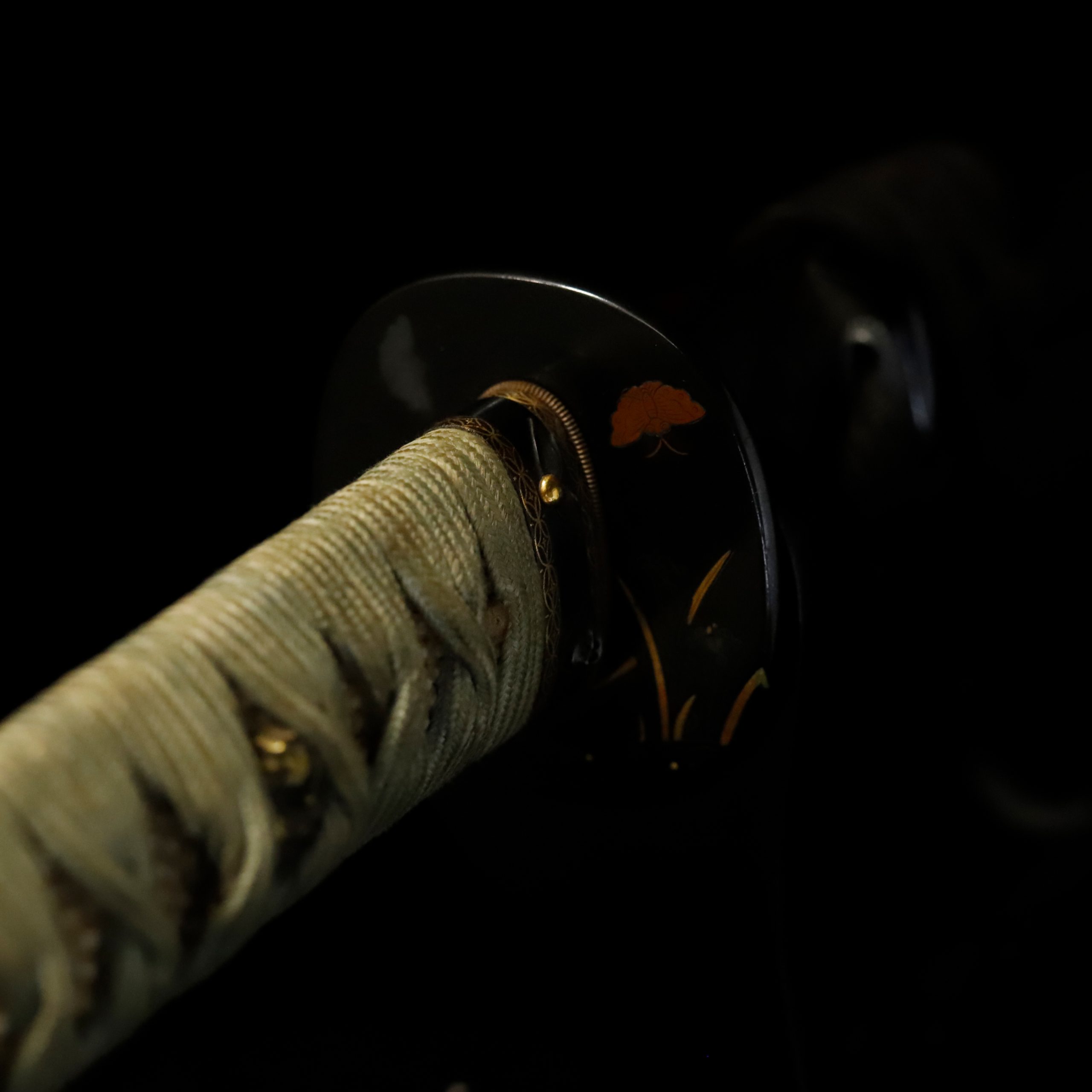
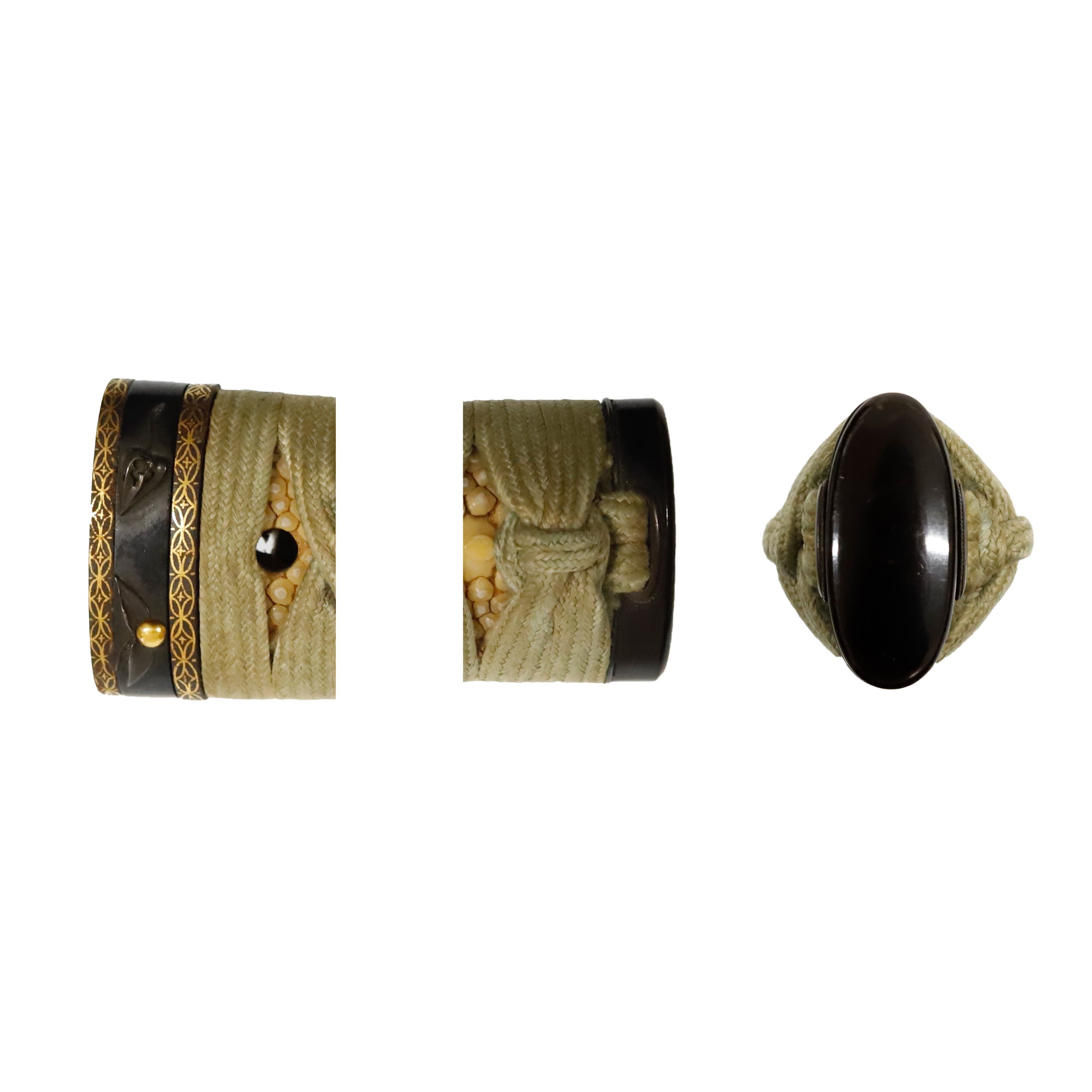
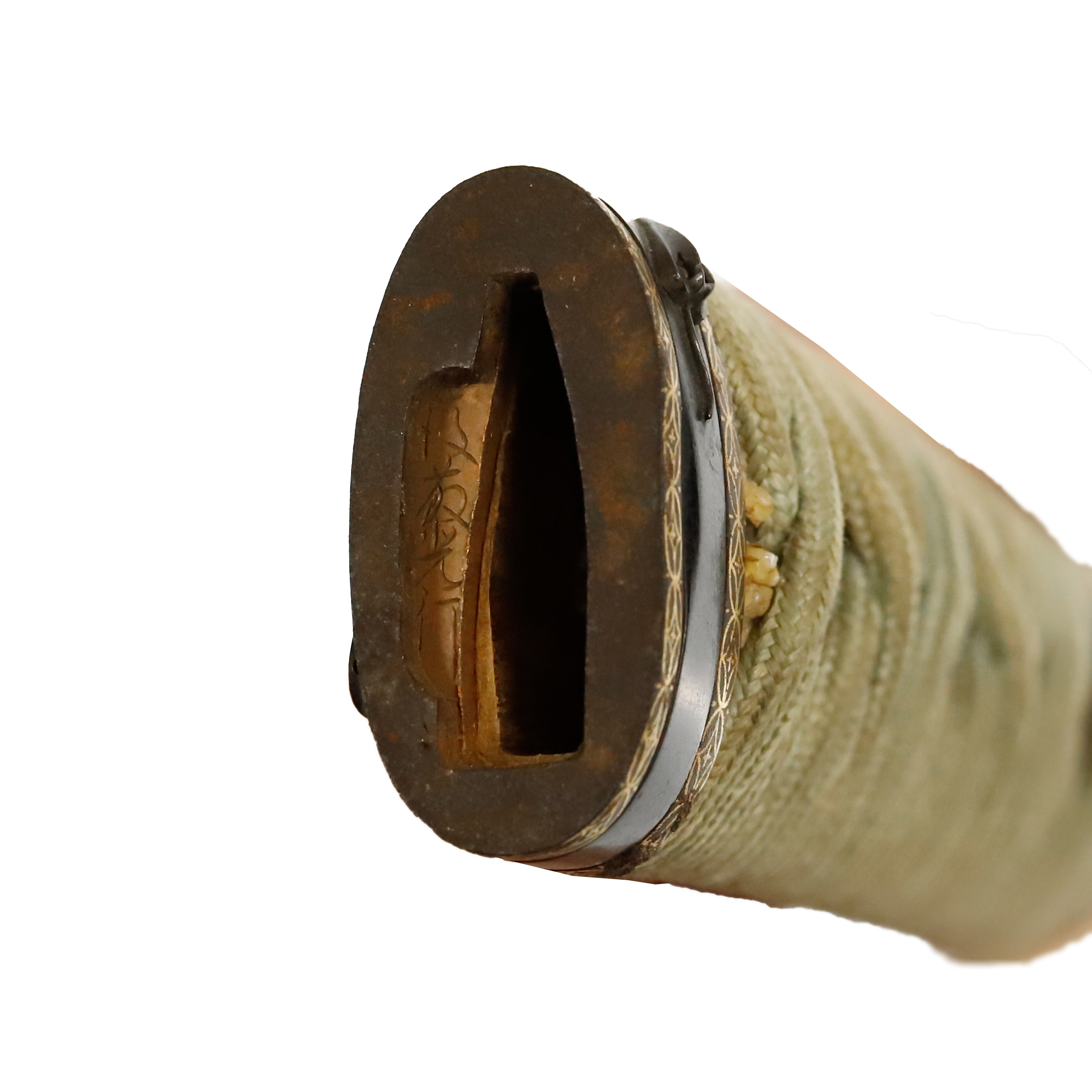
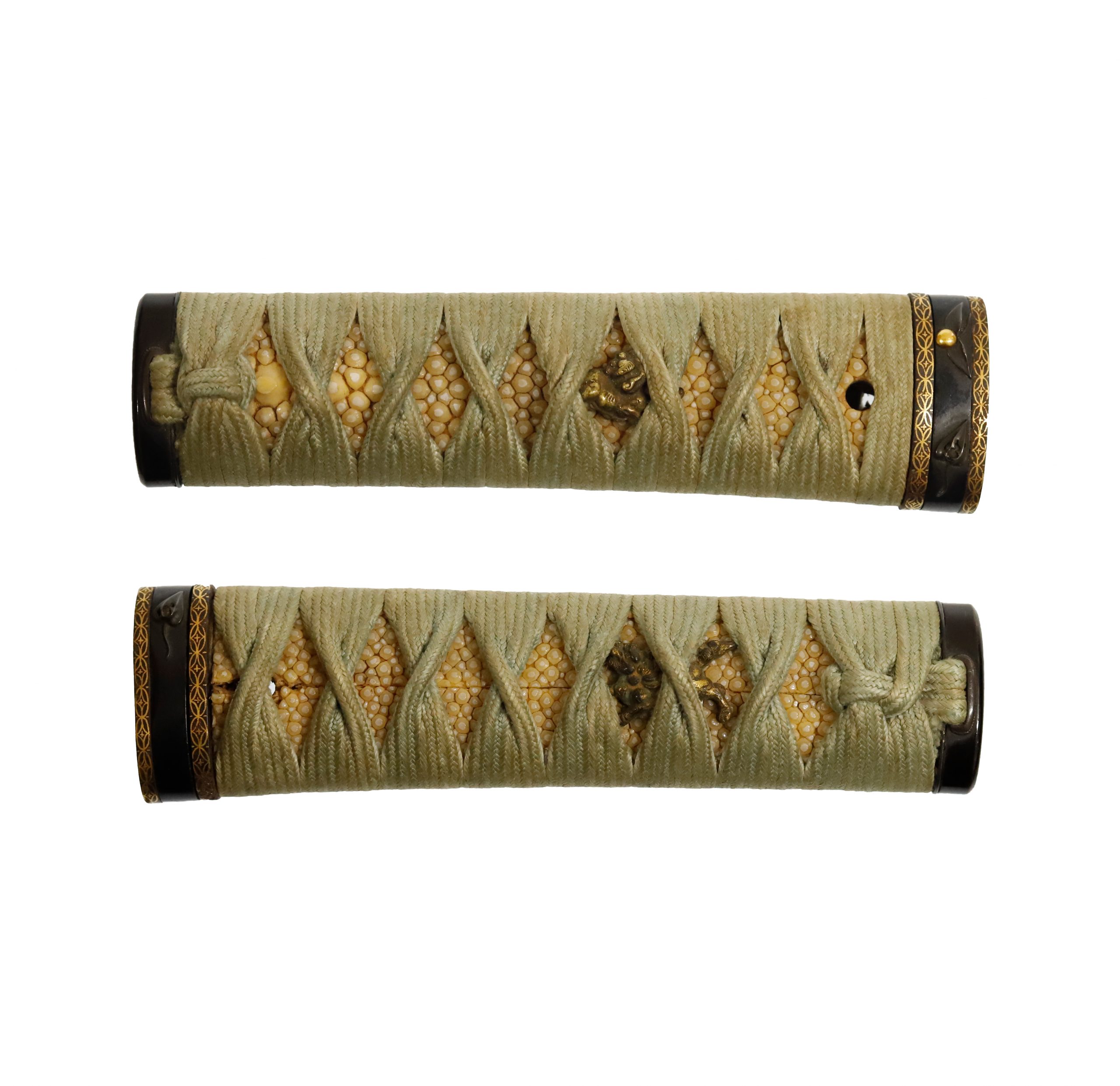
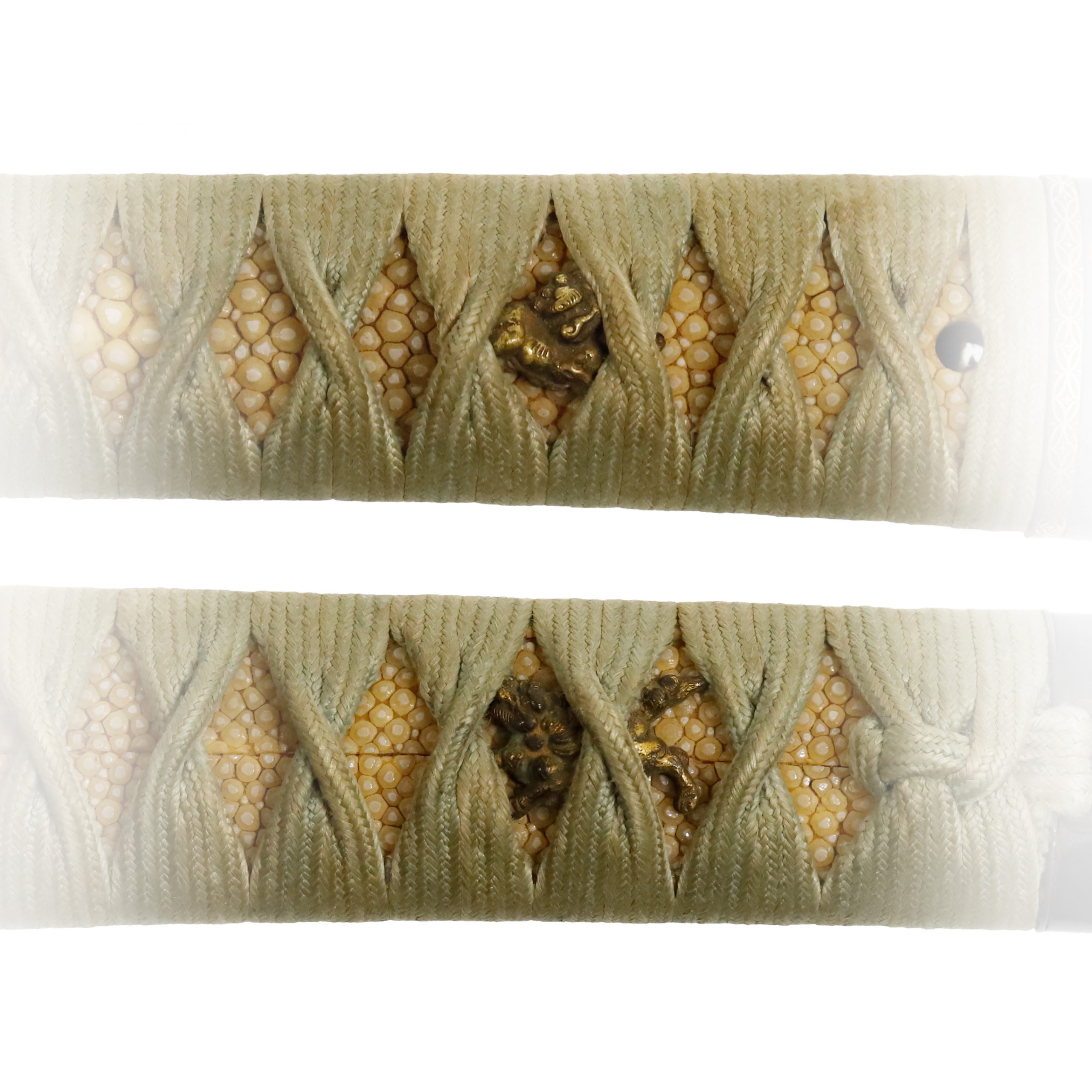
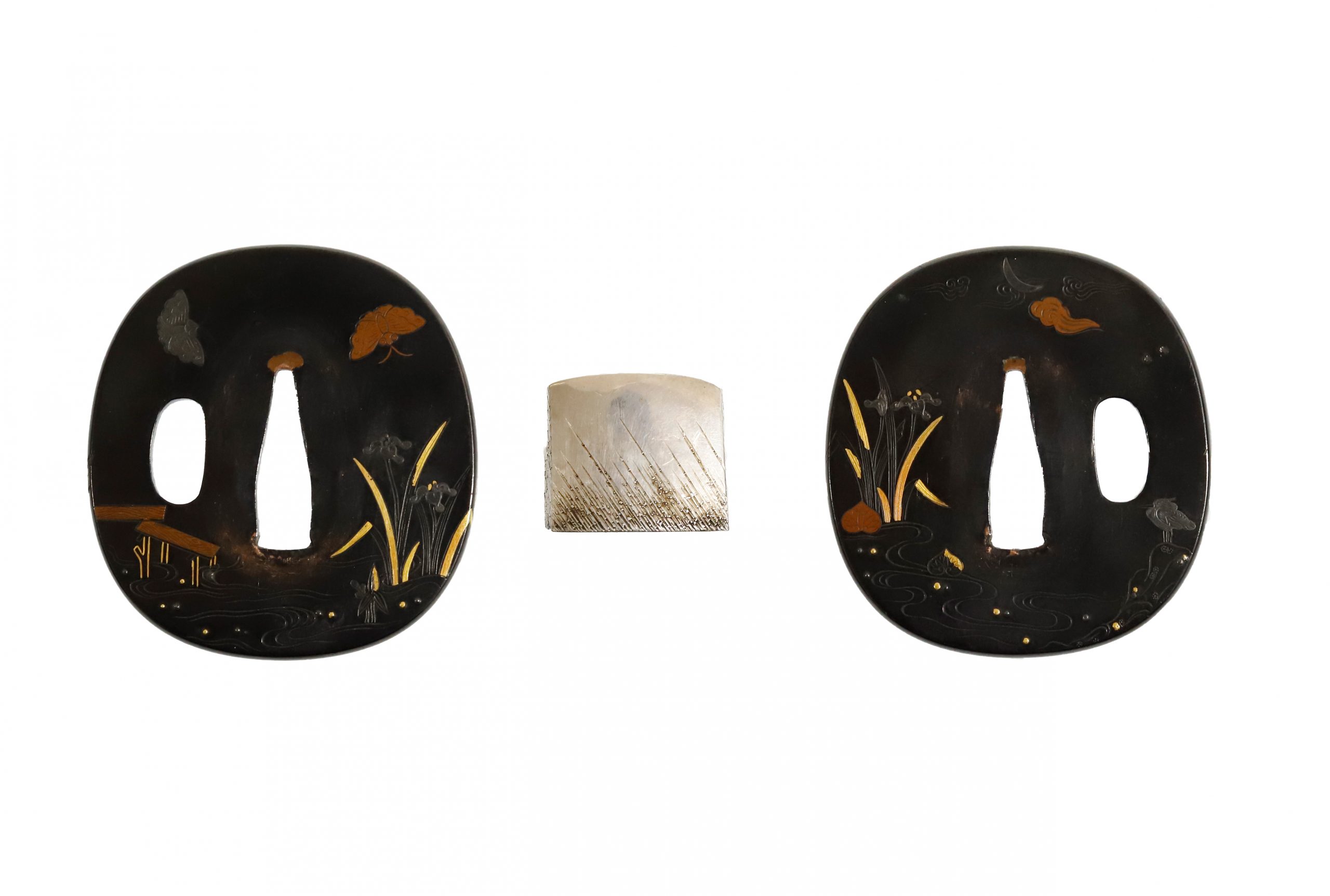
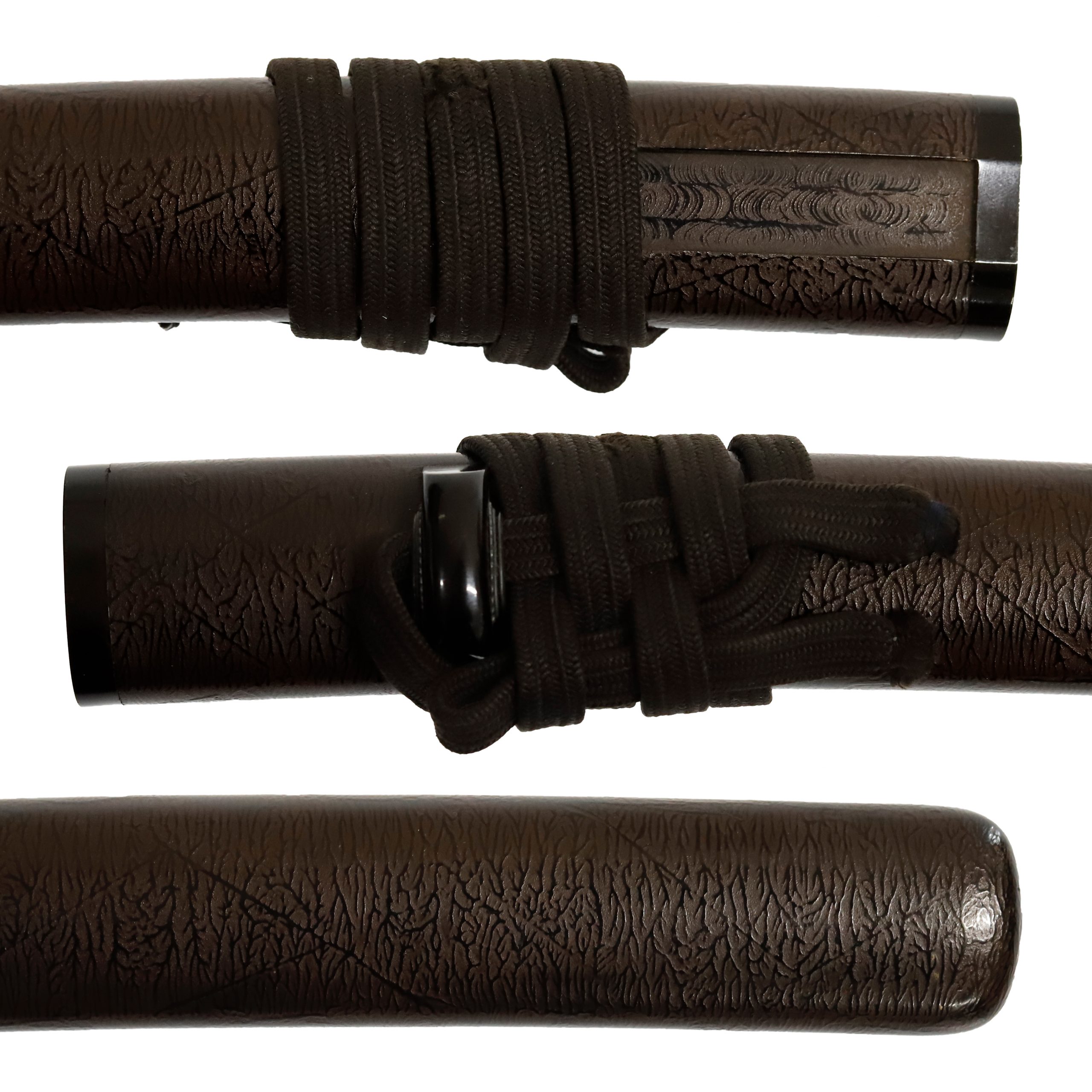
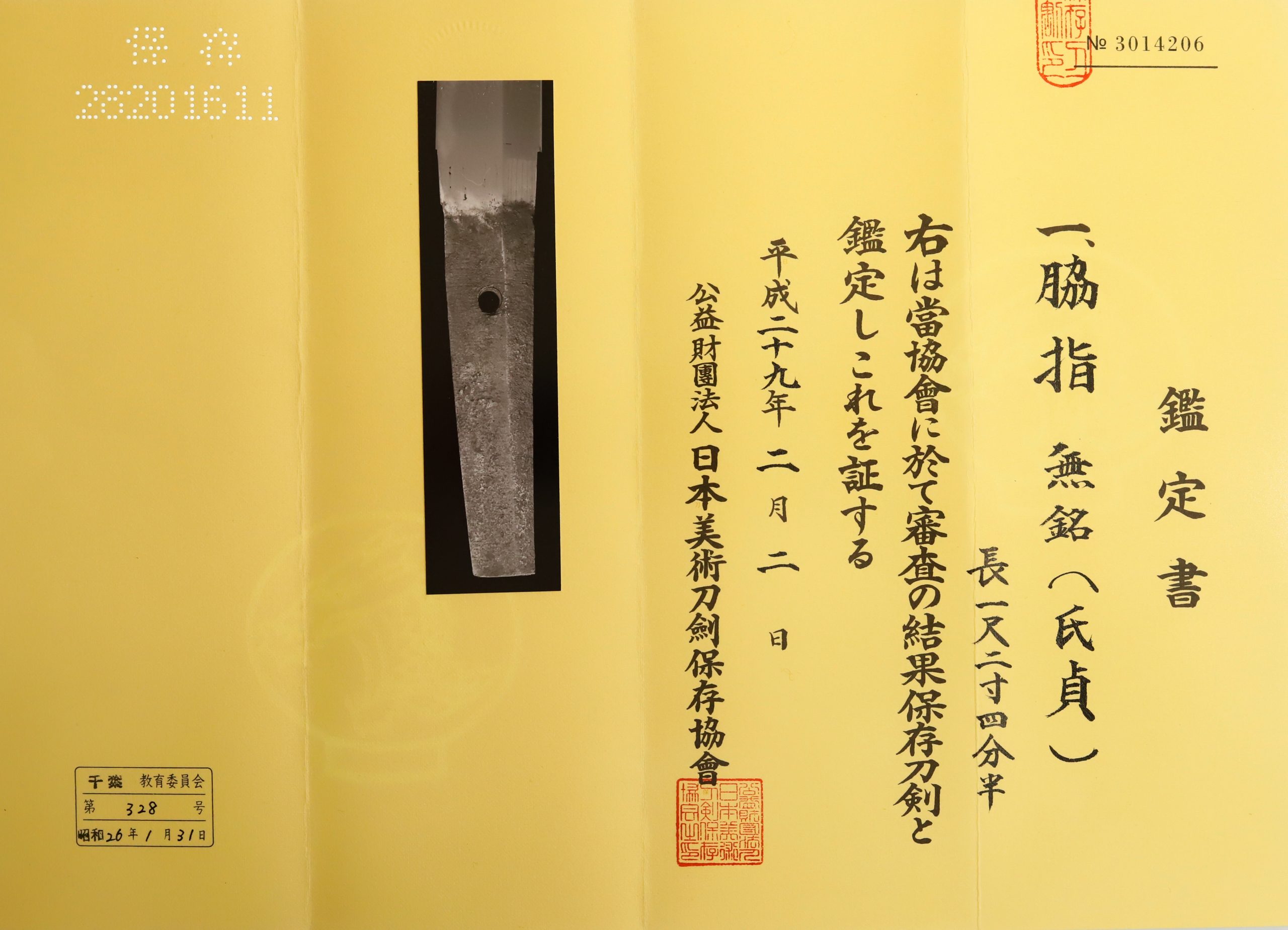
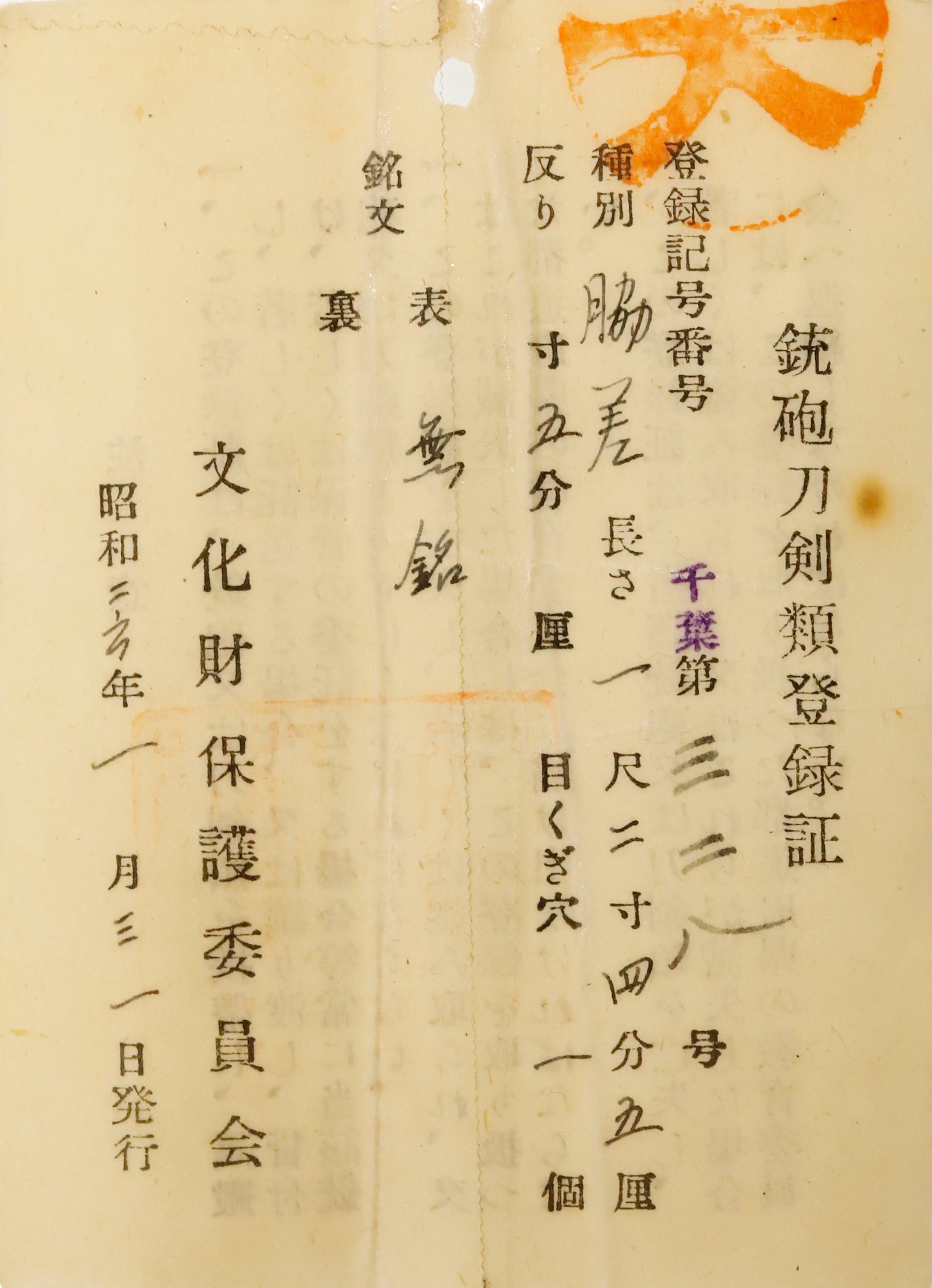
Summary This blade is attributed to a work of Ujisada (氏貞). Ujisada is also known as Izumo no Kami Ujisada (出雲守氏貞). He was active in sword-forging during the late Muromachi period (1570-1593: Genki-Tensho era). According to available records, Ujisada received an honorable official title of Izumo no Kami after the fifth year of the Tensho era (1577). He originally signed Kanesada (兼貞) as his maker’s name and changed it to Ujisada. He was a student of the first-gen Ujifusa and an older brother of Wakasano Kami Ujifusa, who served Oda Nobunaga, one of the most famous Samurai in Japanese history. Ujisada initially forged swords in Mino province (today’s Gifu prefecture) but moved to Owari province (尾張: today’s Aichi prefecture) later in his life. His younger brother, Wakasano no Kami Ujifusa, also moved to Owari province (尾張) from Mino. Anecdote about Ujisada There is an interesting anecdote about Ujisada related to Toyotomi Hideyoshi, one of the three unifiers of Japan during the Sengoku period. When Hideyoshi wasn’t promoted to the high position yet, Kobayashi, one of his peers in the army, owned a great sword signed by Ujisada. Hideyoshi got very fond of the sword and asked Kobayashi if he could buy the sword. However, Kobayashi wouldn’t let it go. After Hideyoshi climbed the social ladder and became the head of 11 provinces, he asked Kobayashi again. He even offered a whole Ise province ( it was called Ise Koku (Country) back then) in exchange for the sword. But, Kobayashi declined Hideyoshi’s offer. This story became famous, and Ujisada became known as Ikkoku Ujisada. Ikkoku means a whole country (province in the old definition). This anecdote indicates that one sword made by Ujisada is worth more than one entire province. Mino Province The MINO swordsmiths style, also known as MINO-DEN, basically has the TOGARI(Pointed shapes protruding from the Hamon )in a classic straight line and random temper line with some white Utsuri. MINO-DEN had its origin from YAMATO-DEN in the late KAMAKURA period(1280-1330). It flourished in the MUROMACHI period(1333-1573) and continued until the EDO period(was1603-1868). Due to the high demand for weapons, MINO-DEN exceedingly prospered during Sengoku Jidai(Warring State period). And the location of Mino province beat others. Akechi Mitsuhide controlled Mino province, Nobunaga Oda ruled Owari province, and Tokugawa Ieyasu was the lord of Suruga (Neighboring areas). There was high demand from those powerful feudal lords and their retainers. Furthermore, many wars occurred between the Kanto region and the Kyoto area. Many feudal lords demanded swords forged in the Mino province. Mino is located in the middle, making feudal lords feel convenient to order swords from MINO-DEN. The blades forged in MINO provinces also had the reputation of their practical design and sharpness. This blade is appraised as a Hozon Token(保存刀剣) issued by NBTHK(Nihon Bijutsu Touken Hozon Kyokai:日本美術刀剣保存協会). Fuchi-Kashira The edge of this Fuchi Kashira is decorated with a geometric pattern. It is inlaid with golden metal (probably brass) and makes an ornamental look for this work. This design is categorized as a type of the Shippou (七宝)pattern. It is a pattern in which the exact size of circles or ellipses is stacked in quarters. As rings are eternally chained and connected, people wished for harmoniousness, balance, or good relations in this design. You would also find a plant motif is designed on the Fuchi part. We think it might be the Hozuki (鬼灯, Physalis alkekengi). The Hozuki is a kind of good-luck item in Japan. When its name is written in Kanji (a type of Japanese character), it is expressed as “light of Oni (鬼, a Japanese monster with the human body).” Some people believed it would protect them from evil spirits. Also, the Hozuki is treated as a good omen to hope safety and good health. This Fuchi Kashira is decorated with these auspicious motifs. We hope you will enjoy these details of sword mountings, of course, including the sword itself. Tsuka and Menuki Although it has already been faded due to aging, it seems this Menuki was initially colored with golden paint. Seeing from the curly hair of these animals, this motif might be the Karajishi (唐獅子). The Shishi (獅子) means a lion in Japanese, and the Karajishi is a lion brought from the continent to Japan in the Toh period (唐, Tang dynasty, 618-907). The Karajishi typically has curly hair for its head, neck, body, and tail, as you see in this work. In Buddhism, the Karajishi is regarded as a symbol of wisdom, and Monju Bosatu (文殊菩薩, Manjushri Bodhisattva) rides lions. According to a theory, the Karajishi is the origin of Komainu (狛犬, stone guardian dogs that exorcize evil spirits). It shows this beast motif has been familiar to Japanese people since ancient times. Tsuba and Habaki Firstly, please look at the front of this Tsuba. Tall plants might be the Kakitsubata (燕子花, rabbit-ear iris), and a short plant is also growing near these flowers. It is probably the Omodaka (沢瀉). This plant’s Japanese name Omodaka (沢瀉) is compared to another ward Omodaka (面高), which means save face/ keep honor. Also, as its leaf looks similar to arrowhead (arrow was once primary weapon for Samurais), this plant was called the Kachi-Gusa (勝ち草, winning leaf). Based on these things, lots of Samurais favored the Omodaka motif. Japanese people have loved Kakitsubatas’ elegant appearance since ancient times. There is a famous collection of Japanese poems that is called the Ise Monogatari (伊勢物語, The Tales of Ise). One of the well-known episodes in this book treats the Kakitsubata. Since this story’s stage was the Yatsuhashi (八橋, a bridge in which several narrow bridge boards are connected in a lightning-like shape to a pond or stream), the combination of the Kakitsubata and the Yatsuhashi became popular and has often been designed together. In this Tsuba, you would find this combination. Also, it is possible that these flowers are the Shoubu (菖蒲, Japanese iris). This plant motif was also appreciated among Samurais because the Japanese name of iris 菖蒲 (pronounced as Shoubu) has the same pronunciation as another word 尚武 (Shoubu) that means Samurai spirit. And there is the word Shoubu (勝負), which means battle. So, “Shoubu” (菖蒲, iris flower) and “Shoubu” (勝負, fight) those two wards have the same pronunciation; therefore, the iris flower pattern reminds Samurais battle. Two butterflies are flying. A larva becomes a chrysalis, and it grows up to a butterfly. As this insect changes its looks, it symbolizes reborn; therefore, Samurais loved the butterfly pattern. Also, as butterflies make a couple on good terms, this motif represents happy marriage. This Tsuba’s backside is also decorated with the same flowers, but with the moon and a bird (probably a heron). Please check the details. Authentication Paper They authenticated the blade on Feb 2nd in the 29th year of Heisei (2017). They appraised it as Hozon Touken, the blade worth preserving for Japanese society.
Offered by Samurai Museum
This piece has sold
Get an email when a new Ujifusa Ujisada piece hits the market.

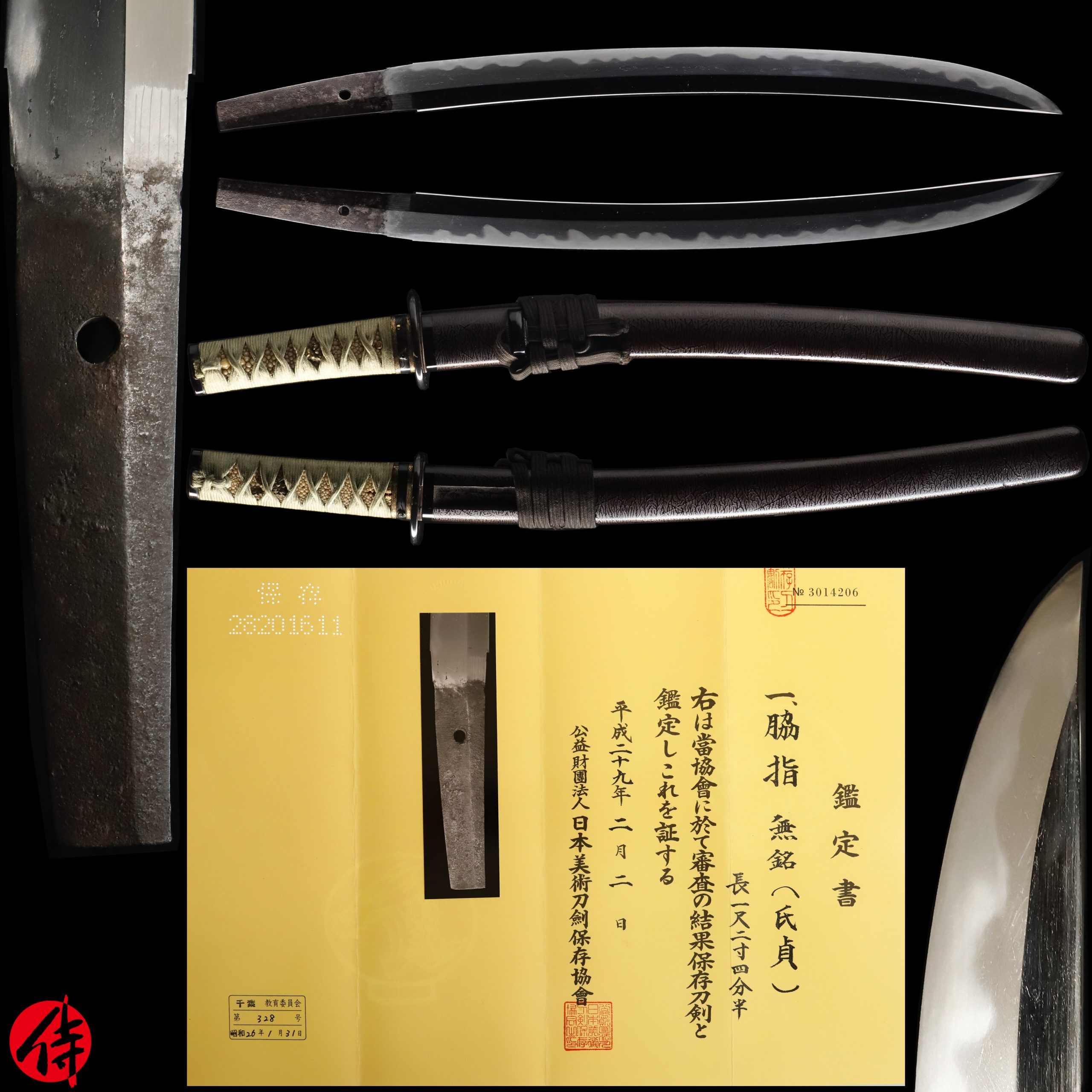
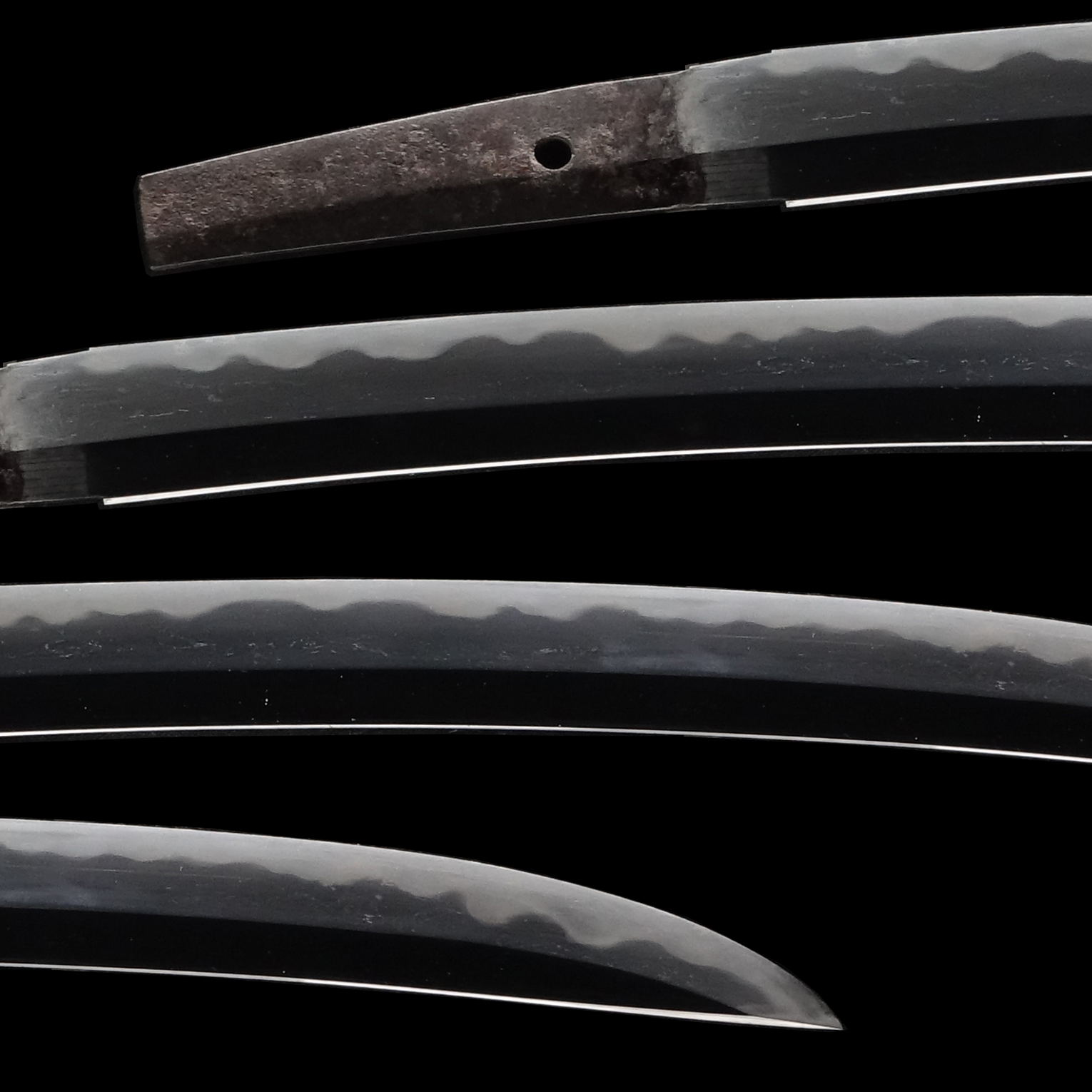
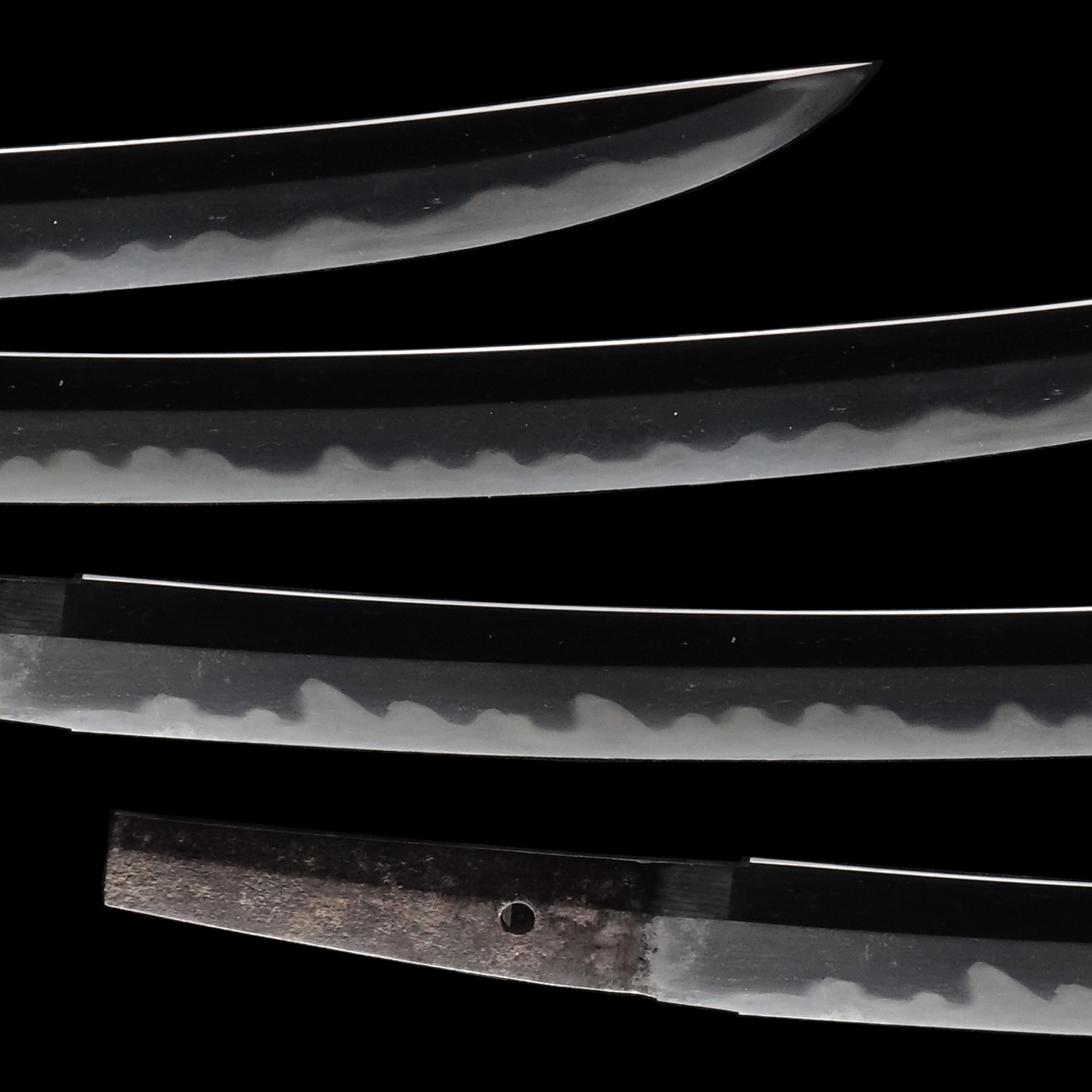
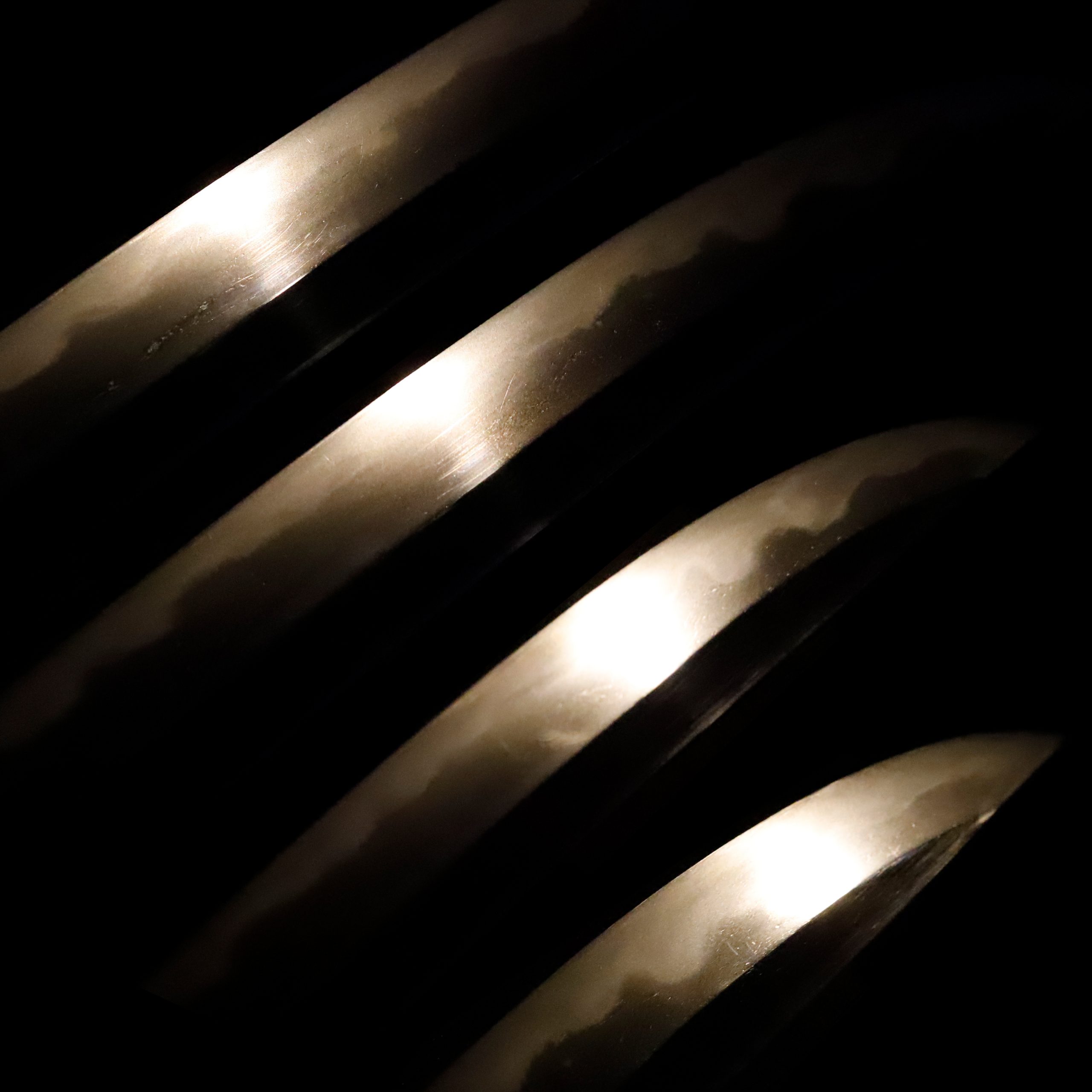
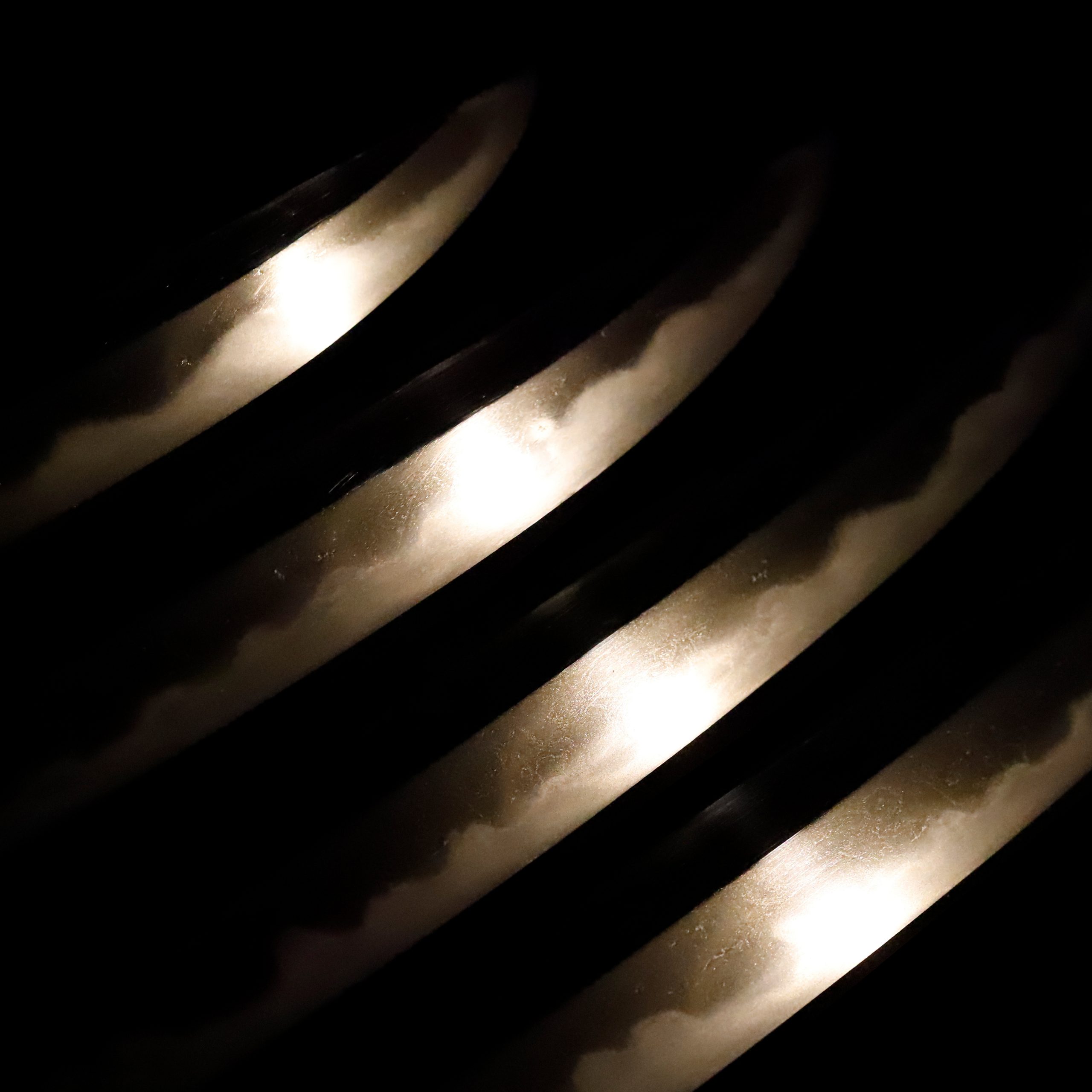
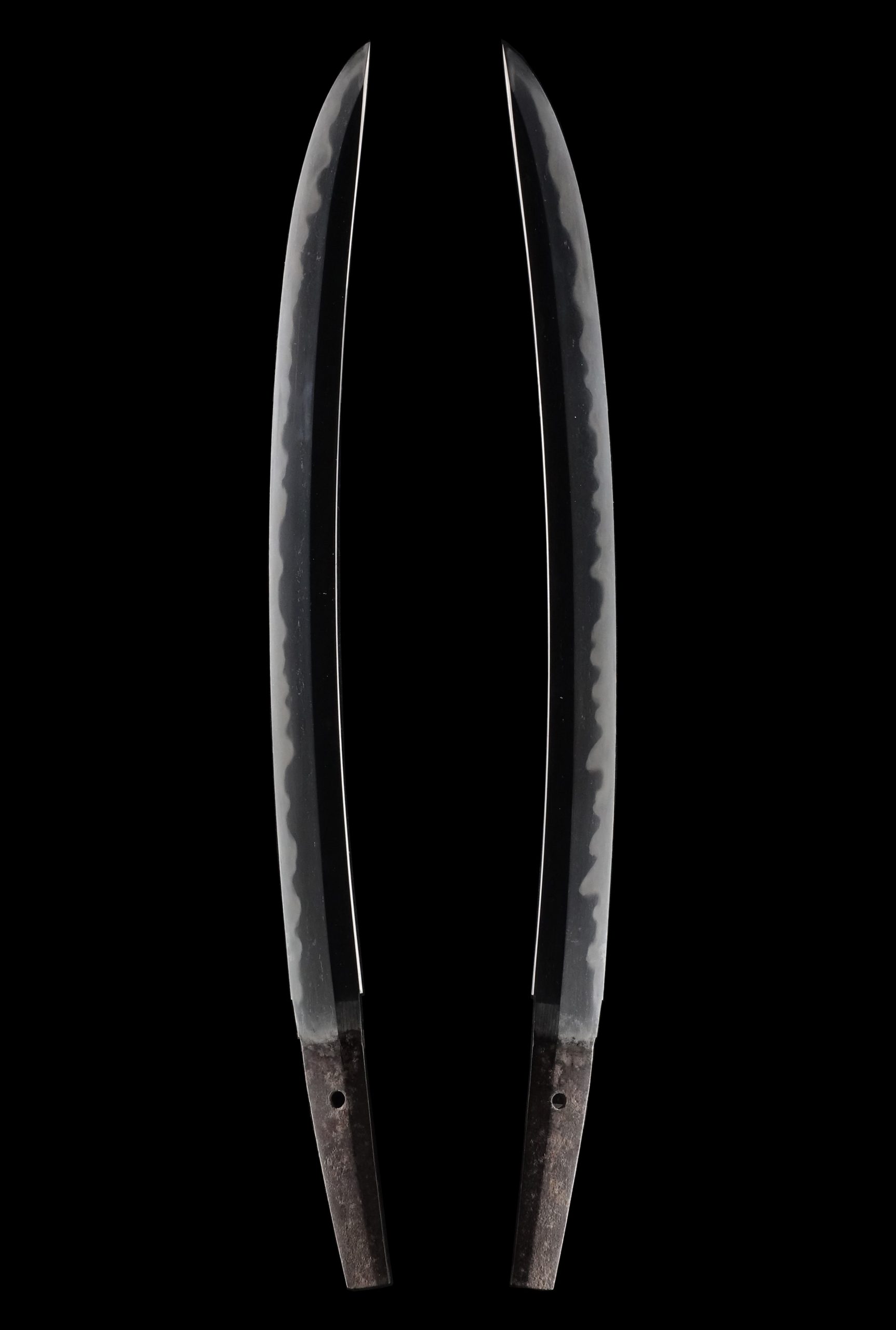
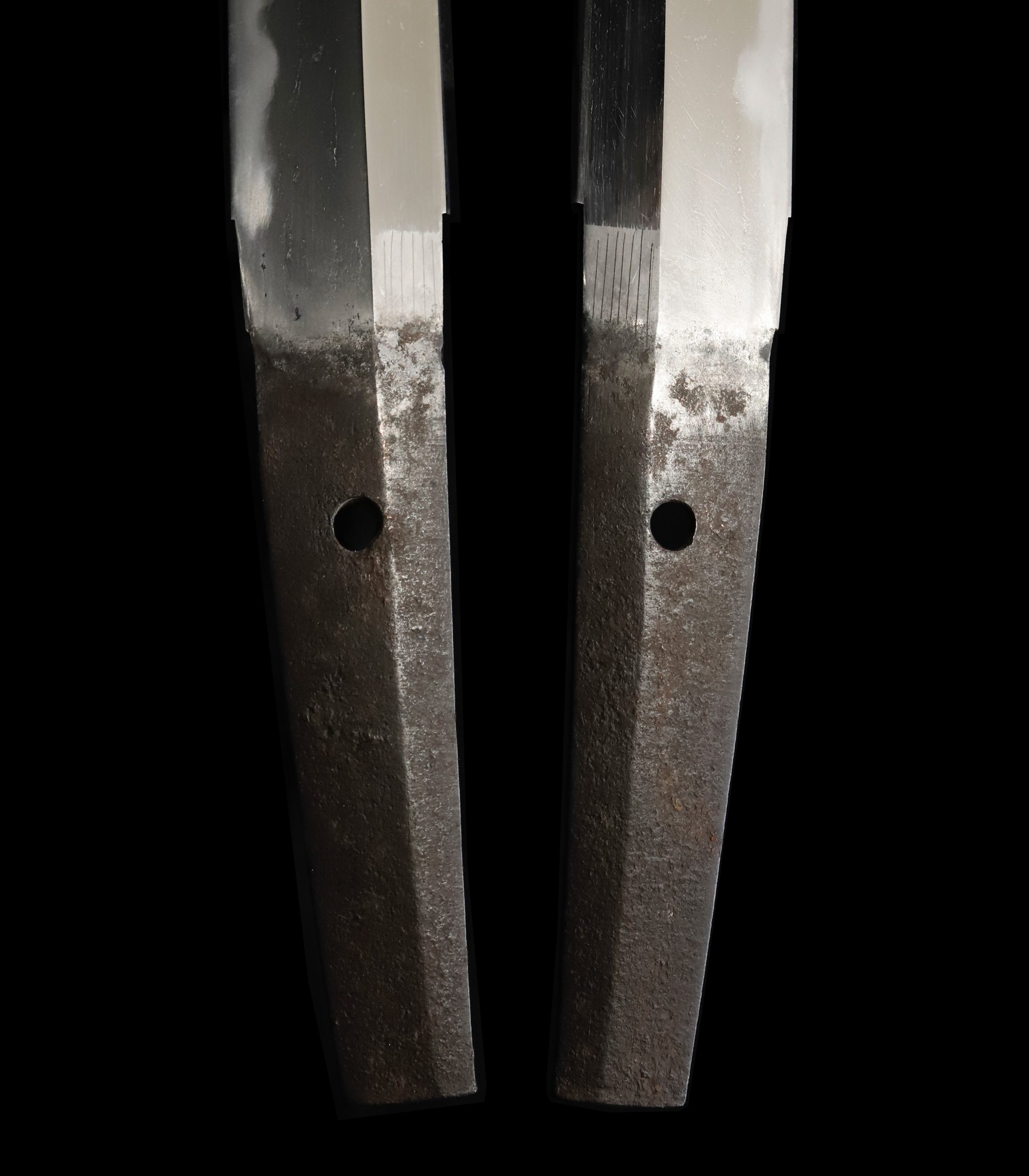
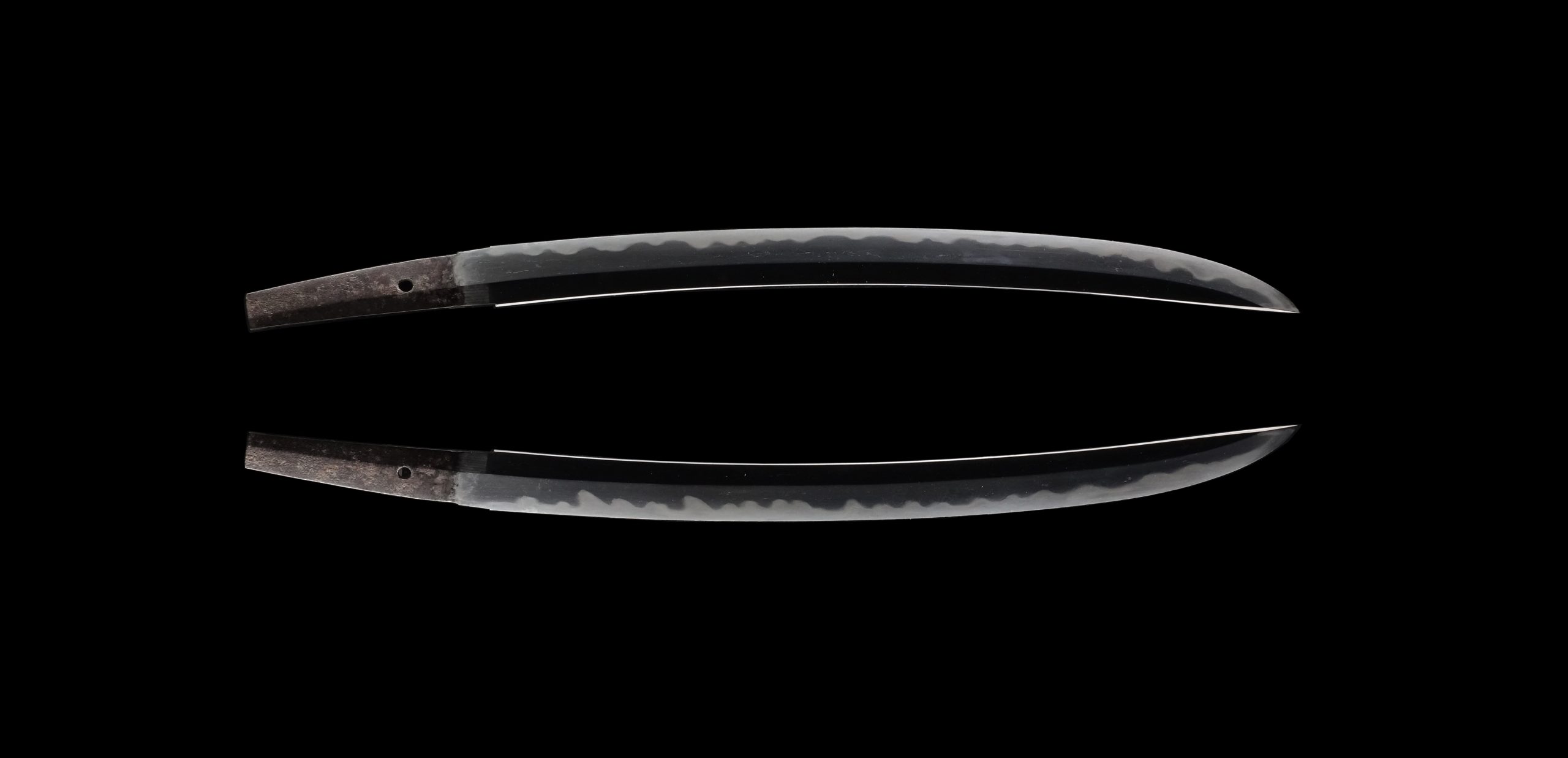
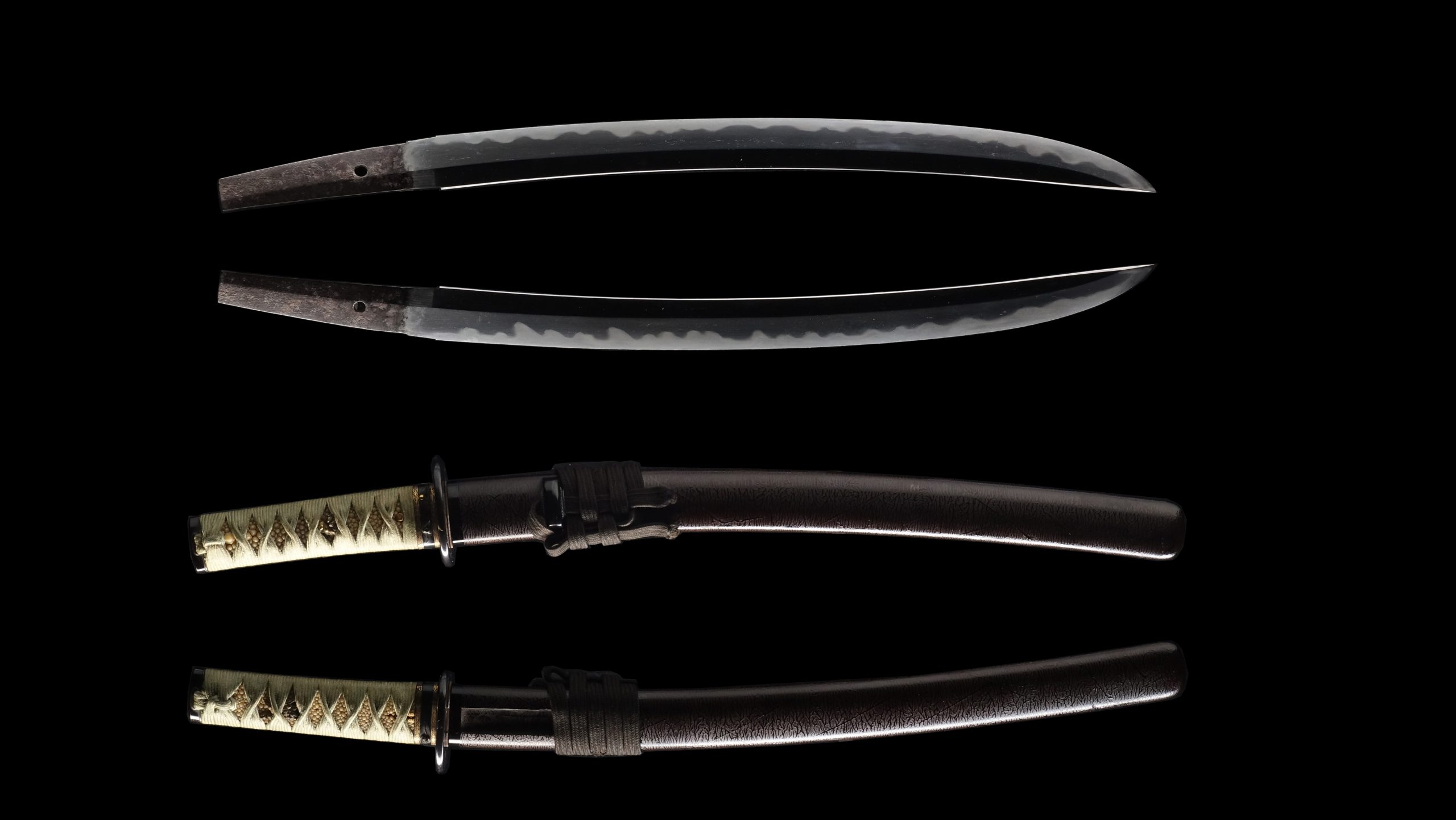
Mino-den · Mino · around 1558-1592
Fujishiro Chu-jo saku · Tōken Taikan top 31%
4 pieces on the market now
Ujisada is traditionally regarded as the son of the first-generation Wakasa no Kami Ujifusa of Seki in Mino province, and as the younger brother of the second-generation Wakasa no Kami Ujifusa. Active during the closing decades of the Muromachi period, with dated works spanning from Tensho 3 (1575) through Tensho 7 (1579), he occupied a distinguished position within the Sue-Seki group. He received the court title Izumo no Kami and signed variously as Sakon Shosho, Sakon Gonshosho, and Gonshosho. The sobriquet "Ikoku Ujisada" is said to have been bestowed in praise of the superb quality of his workmanship, an appellation reportedly arising when a discerning warrior requested one of his blades in preference to a sword from another province.
In the usual style of this smith, one finds a forging texture showing a combination of tight ko-itame with a masame-inclined character, and a temper that forms a gently undulating, shallow and broad notare, into which hako-shaped elements are mixed -- features that well display the characteristics of the Sue-Seki group and in particular of the Ujifusa line. His works range from katana exhibiting large notare that hardens into o-midare with tobiyaki assuming a minayaki-like character, to tanto bearing notare mixed with gunome in which slight ashi and yo enter with a tightening nioiguchi, according well with the transmitted manner of his master. Among tanto, many works bear skillfully executed carvings, placing "grass" kurikara or horimono such as gomabashi with rendai -- a hallmark of the line.
Across the body of designated works, the NBTHK repeatedly observes that Ujisada's blades "clearly display the characteristic features of this smith" and that the workmanship in both ji and ha is excellent. His finest pieces are distinguished by brightness and clarity in the steel -- both jihada and temper described as saeru -- to such a degree that one designated example is characterized as giving an impression that could be mistaken for a superior work by Kotetsu. The consistent presence of dated inscriptions among his surviving works adds documentary value to an oeuvre that stands as a representative achievement of late Seki craftsmanship.
Where Ujisada stands among comparable artisans: across all of nihontō, and within tradition, era, and period. The tiers (Foremost · Leading · Major · Notable) weigh official designations from the NBTHK and Japan's Agency for Cultural Affairs, together with historical honors of lasting repute such as the Sansaku and Meibutsu-chō.
Select a lens to see how it's measured.
Years he was demonstrably active, proven by signed-and-dated blades
Mino-den · Owari
16 pieces on the market now
Rooted in Owari province at the boundary between the kotō and shintō eras, the Ujifusa line carried Mino-den forging into the late Momoyama and early Edo decades, working under the Tokugawa establishment of Owari at Nagoya. The setsumei here cover several hands of the group. Wakasa no Kami Ujifusa and Hida no Kami Ujifusa stand as the reference points against which the others are read. Echigo no Kami Fujiwara Ujitsune, recorded in the Meikan and the Mino-tō Taikan as the second son of Wakasa no Kami Ujifusa, first signed Ujishige, received the Echigo no Kami title in Genna 6 (1620), and died at Nagoya in Meireki 2 (1656). Ujisada, who took the court title Izumo no Kami and signed Sakon Shōshō and Sakon Gonshōshō, is transmitted as a son of the first-generation Ujifusa and younger brother of the second-generation Wakasa no Kami Ujifusa; one of his tantō carries a date of Tenshō 5 (1577). The shared hand begins in the kitae: a dense itame mixed with mokume and nagare-hada, carrying ji-nie and, in the fuller work, fine chikei. The temper draws on the Mino-den vocabulary, a notare mixed with gunome, ko-gunome in tsure, large gunome, and pointed togari-leaning forms, the notare often taking angular turns (kado-gakari).
Ko-ashi and yō enter; nie attaches, at times slightly coarse and unevenly applied, with kinsuji and sunagashi in the lower body and tobiyaki and muneyaki scattered through, so that some blades verge on hitatsura and minayaki. The nioiguchi can incline toward shizumi. The bōshi is tempered deeply and far down (yakisage) with hakikake, the point sometimes drawn into a sanpin-style sharpness on one face and an ō-maru on the other. Ujitsune's signed katana reads as a near-textbook gathering of these traits; Ujisada's tantō tightens the nioiguchi (shimarigokoro) toward his master's manner. For kantei, the angular notare, the patchy nie, the shizumi-inclined nioiguchi, and the sanpin-pointed bōshi with long yakisage mark the Wakasa no Kami group; the larger work adds broad mihaba, ō-kissaki, and thick kasane. Carving belongs to the record: a "grass" kurikara and gomabashi with rendai appear on Ujisada's tantō. The Ujitsune katana, by a smith the setsumei call a scant producer, is named his representative work, holding coherence across a great nagasa. Learn more →
| Smith | Era | Designated |
|---|---|---|
| Ujifusa氏房 | 1596-1615 | 16 |
| Ujifusa氏房 | 1571-1592 | 9 |
| Ujifusa氏房 | 1624-1644 | 0 |
| Ujitsune氏恒 | 1596-1615 | 1 |
| Ujisada氏貞 | 1558-1592 | 7 |
Mino in the Muromachi period
Sengoku Seki was an industry: smiths organized under their tutelary Kasuga shrine, arming the war bands of central Japan. Magoroku Kanemoto’s sanbonsugi and the finest Kanesada work prove quality survived inside mass production.
Certifies a genuine blade worth preserving: a signature confirmed correct, or, if unsigned, an era, province, and school that the NBTHK can reliably identify.
The NBTHK (Nihon Bijutsu Tōken Hozon Kyōkai, the Society for the Preservation of Japanese Art Swords) is a public-interest incorporated foundation founded in 1948 and supervised by Japan’s Agency for Cultural Affairs (Bunkachō); it is based at the Japanese Sword Museum in Tokyo. Its expert panels physically examine each submitted work (shinsa) and issue a certificate (kanteishō) ranking it by artistic and historical merit. NBTHK papers are the most widely recognized standard of authentication for Japanese swords and fittings.
NBTHK official siteReturns/exchanges limited to defects caused by shipping (except willful misconduct or gross negligence by the company); customers must contact within 72 hours of receiving the product.