War at home and trade abroad made Muromachi Bizen the busiest forge region in Japan: a century of Sengoku demand after the Ōnin War, and export missions to Ming China carrying blades by the tens of thousands.
 NihontoWatchNihontoWatchNihontoWatch
Offered by Ikeda Art
This piece has sold
Get an email when a new Osafune Norimitsu piece hits the market.
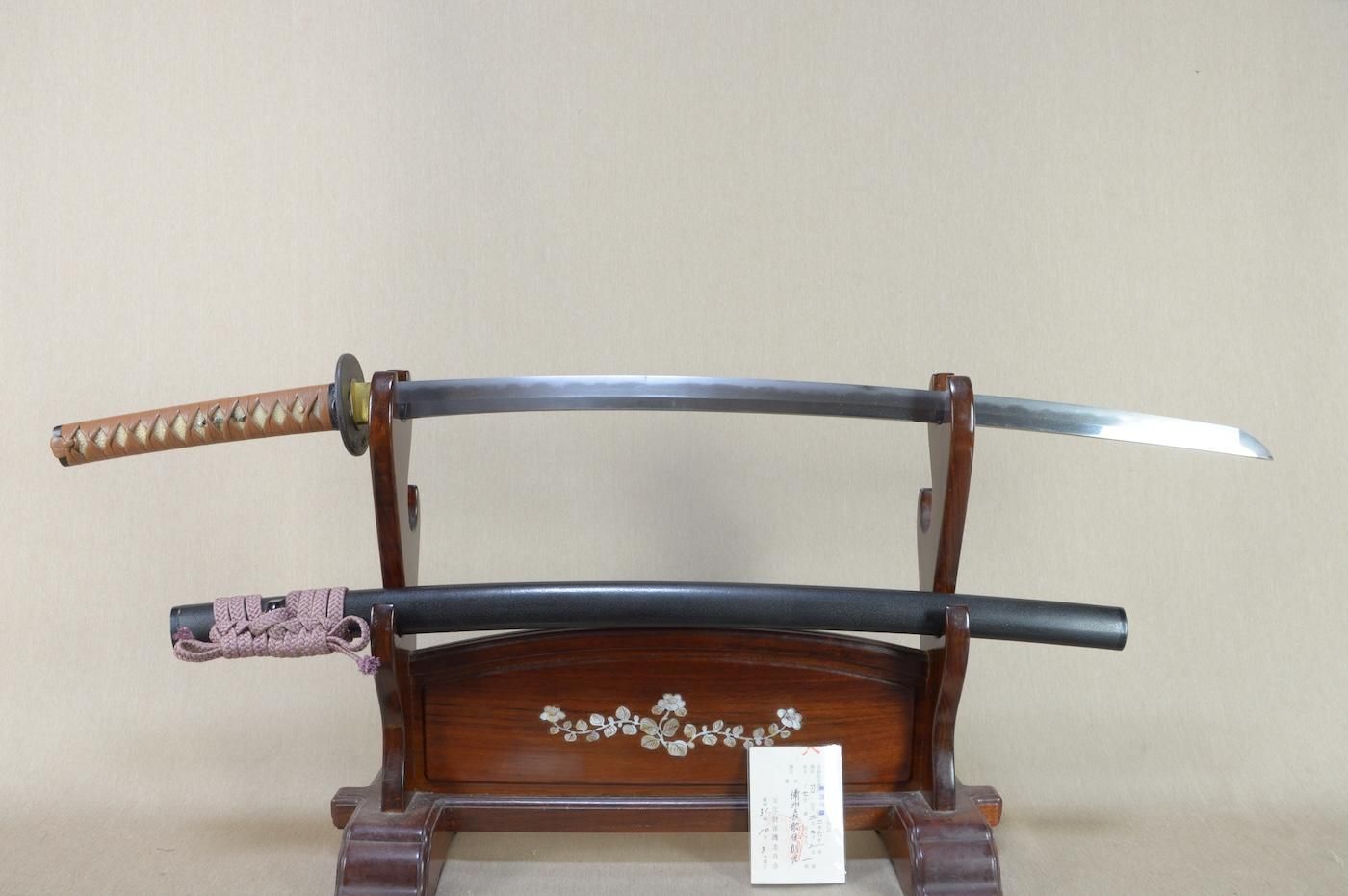
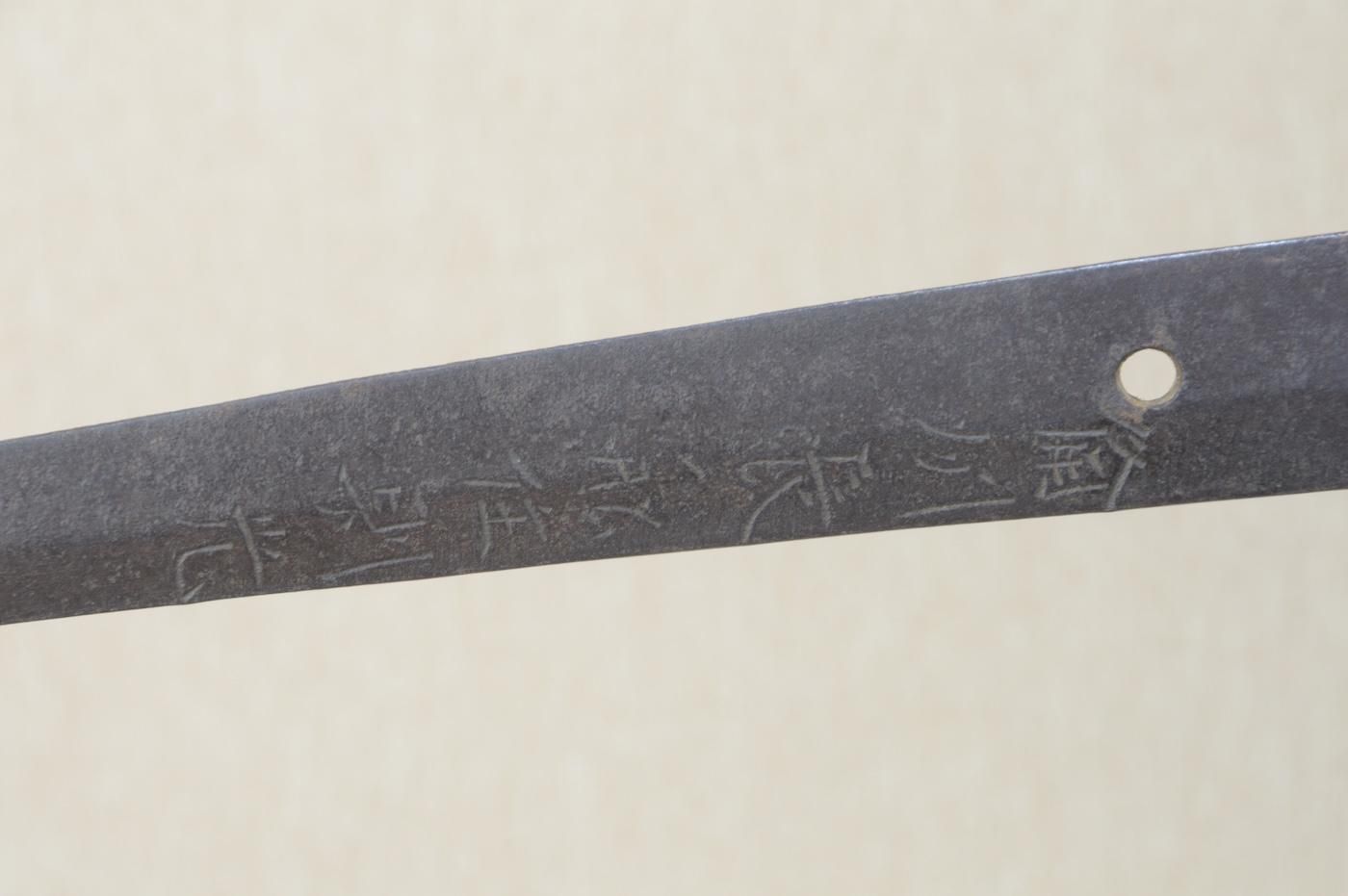
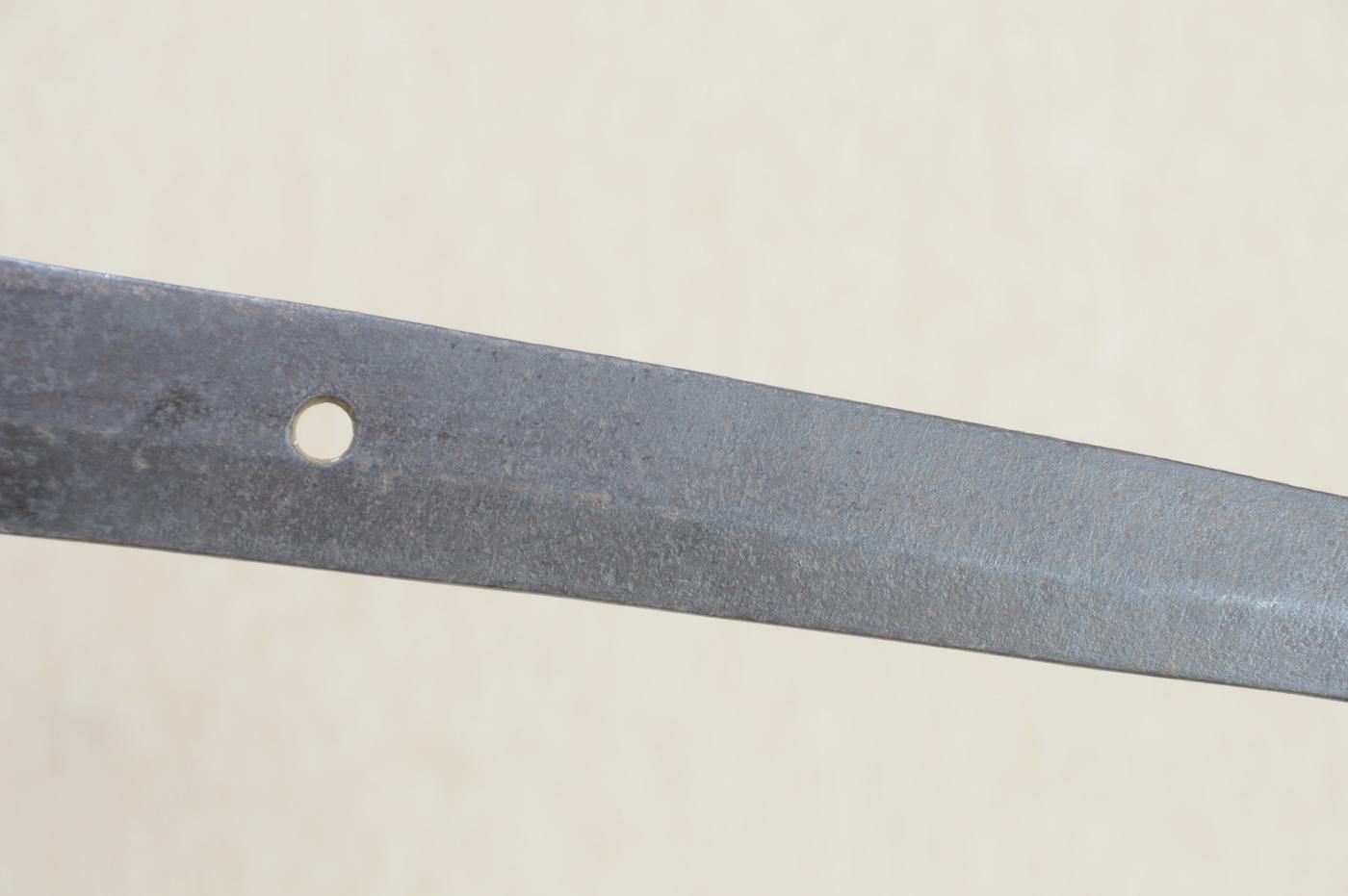
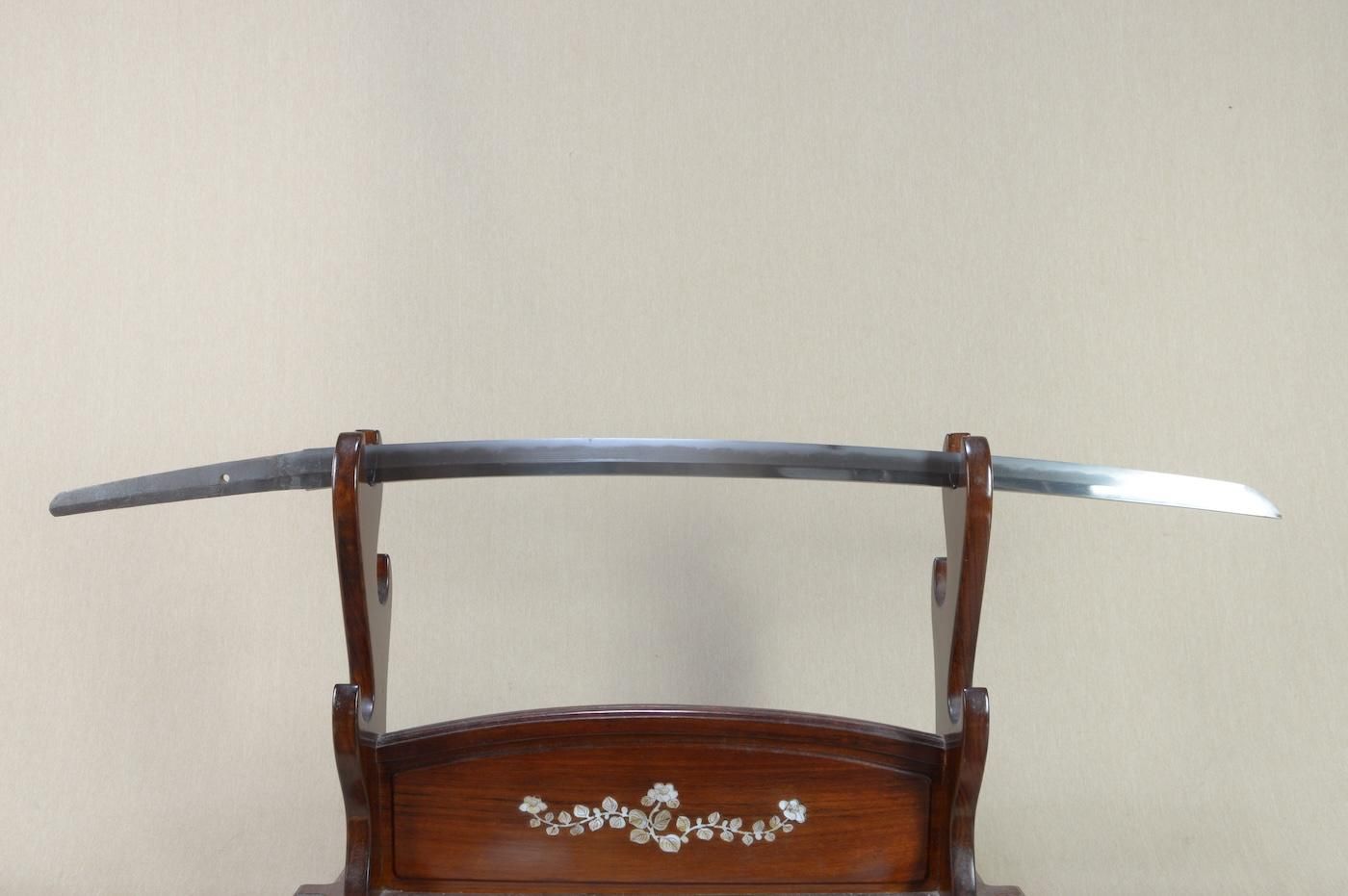
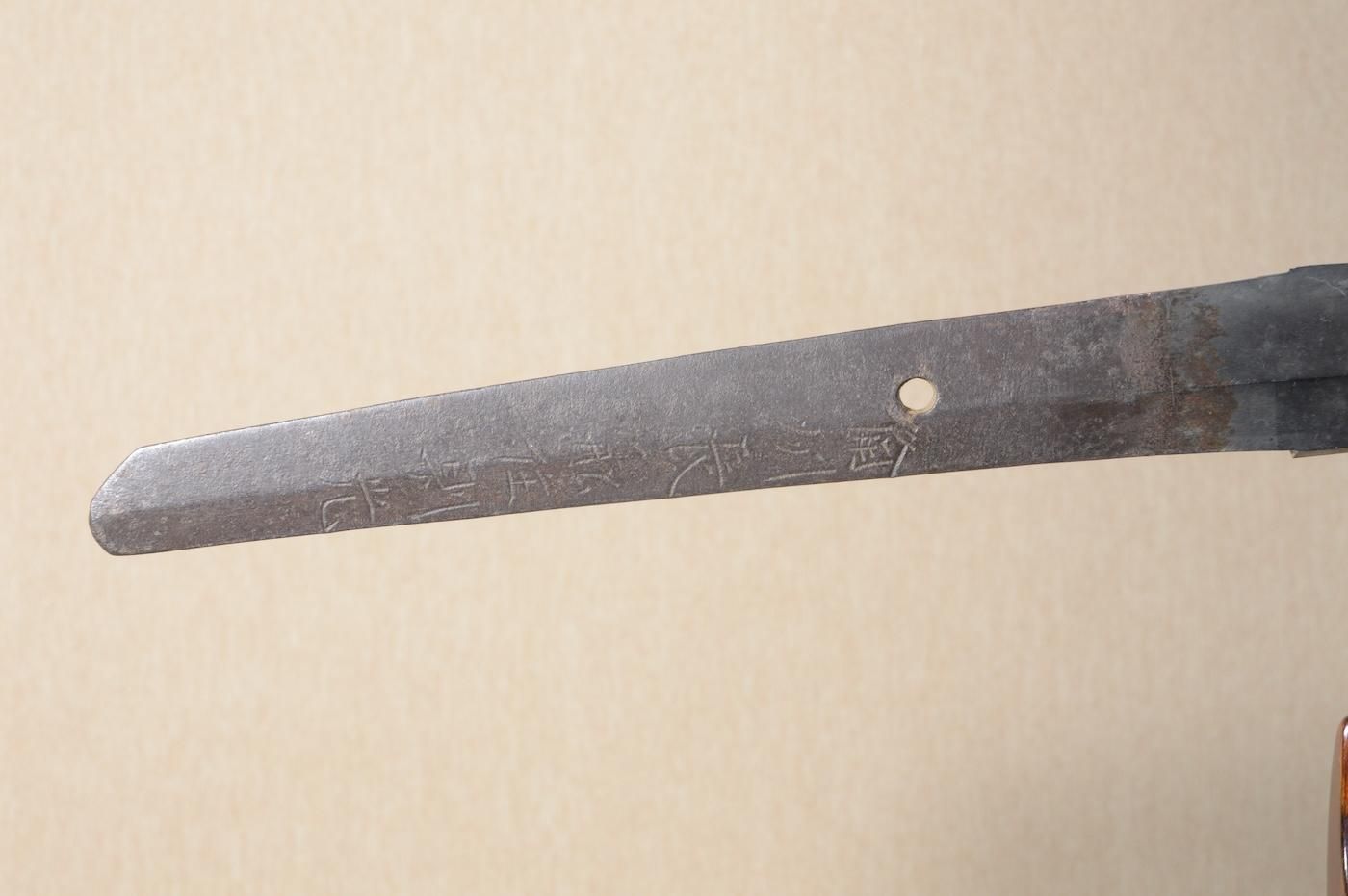
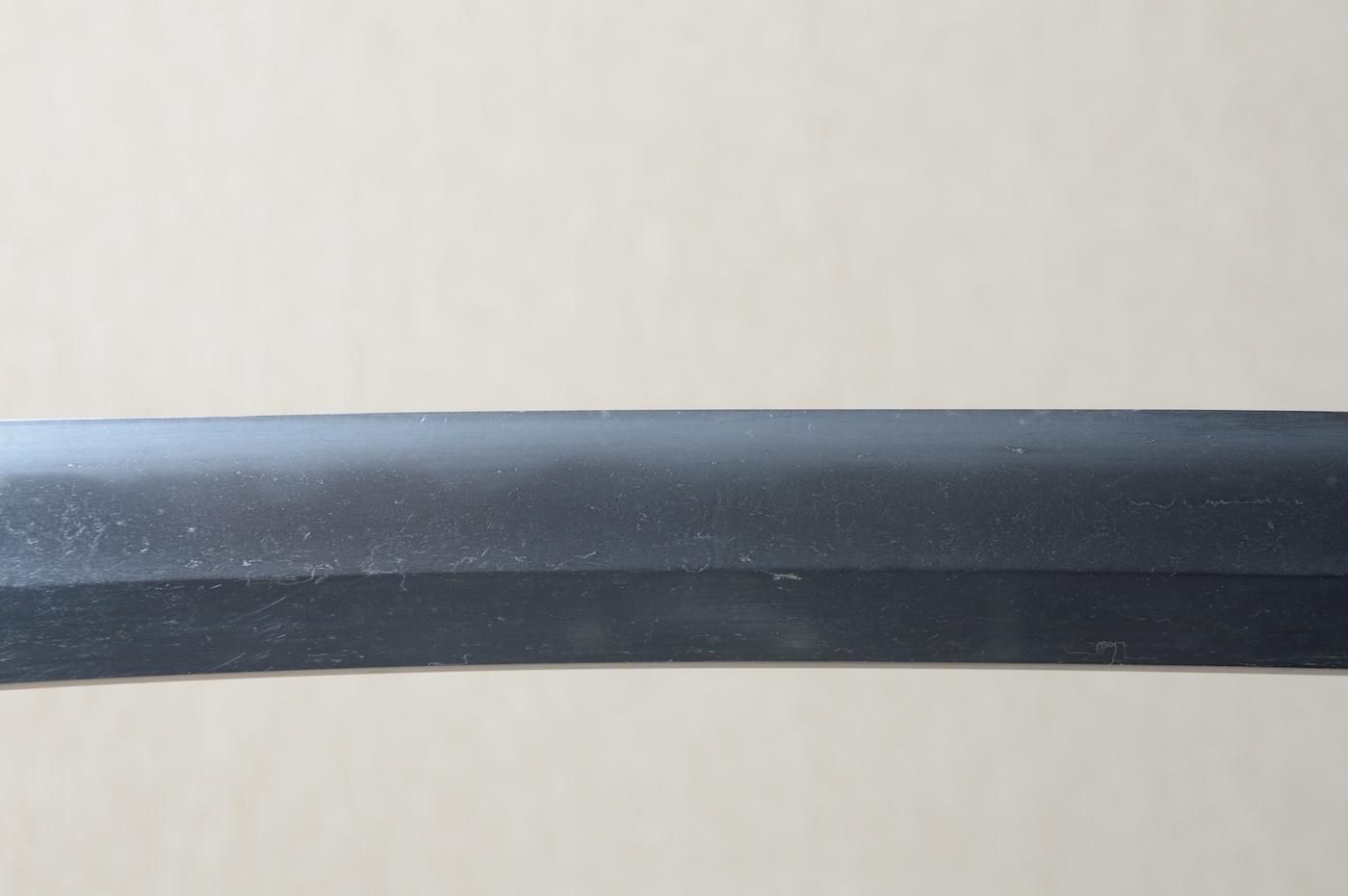
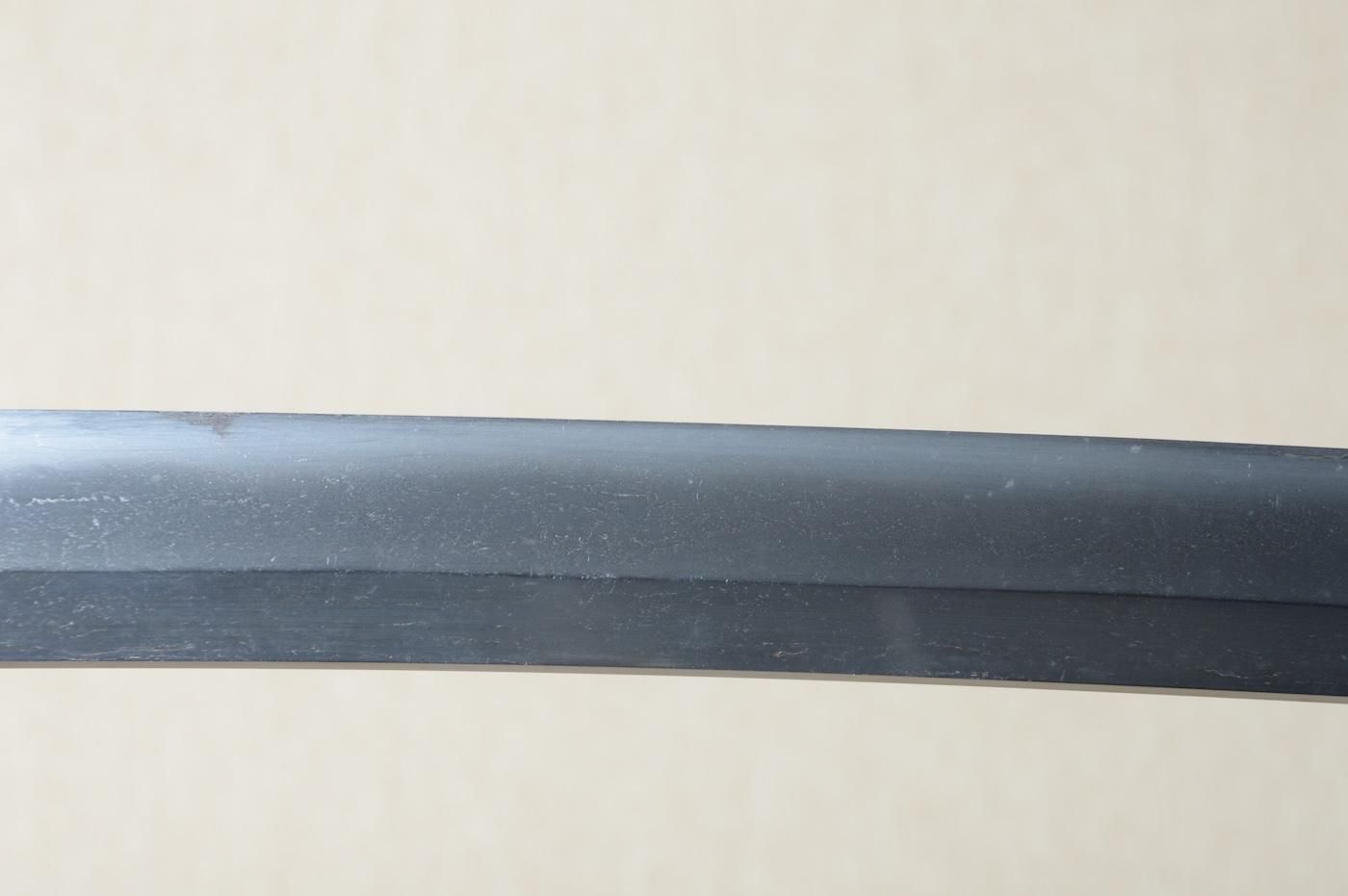
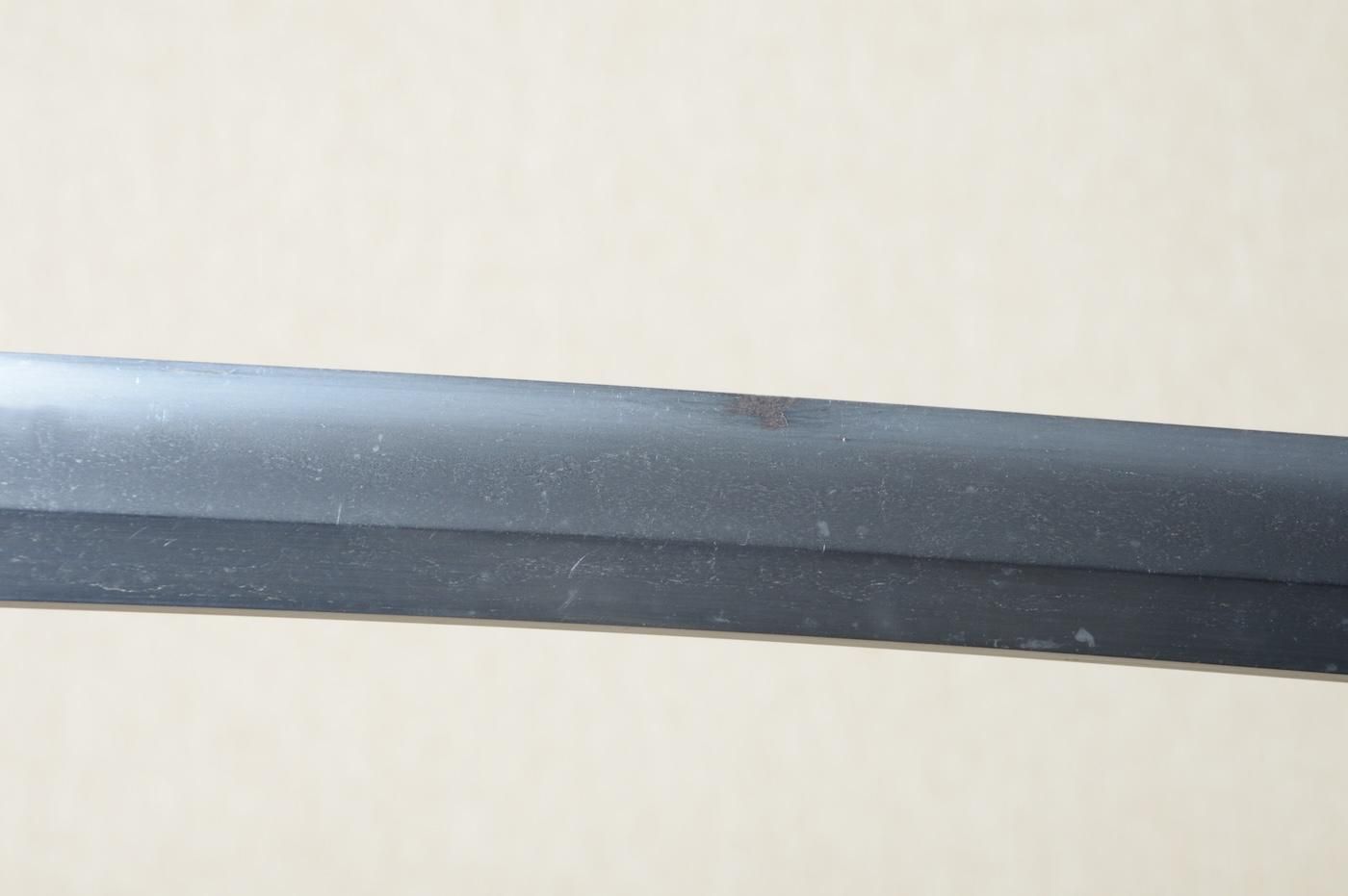
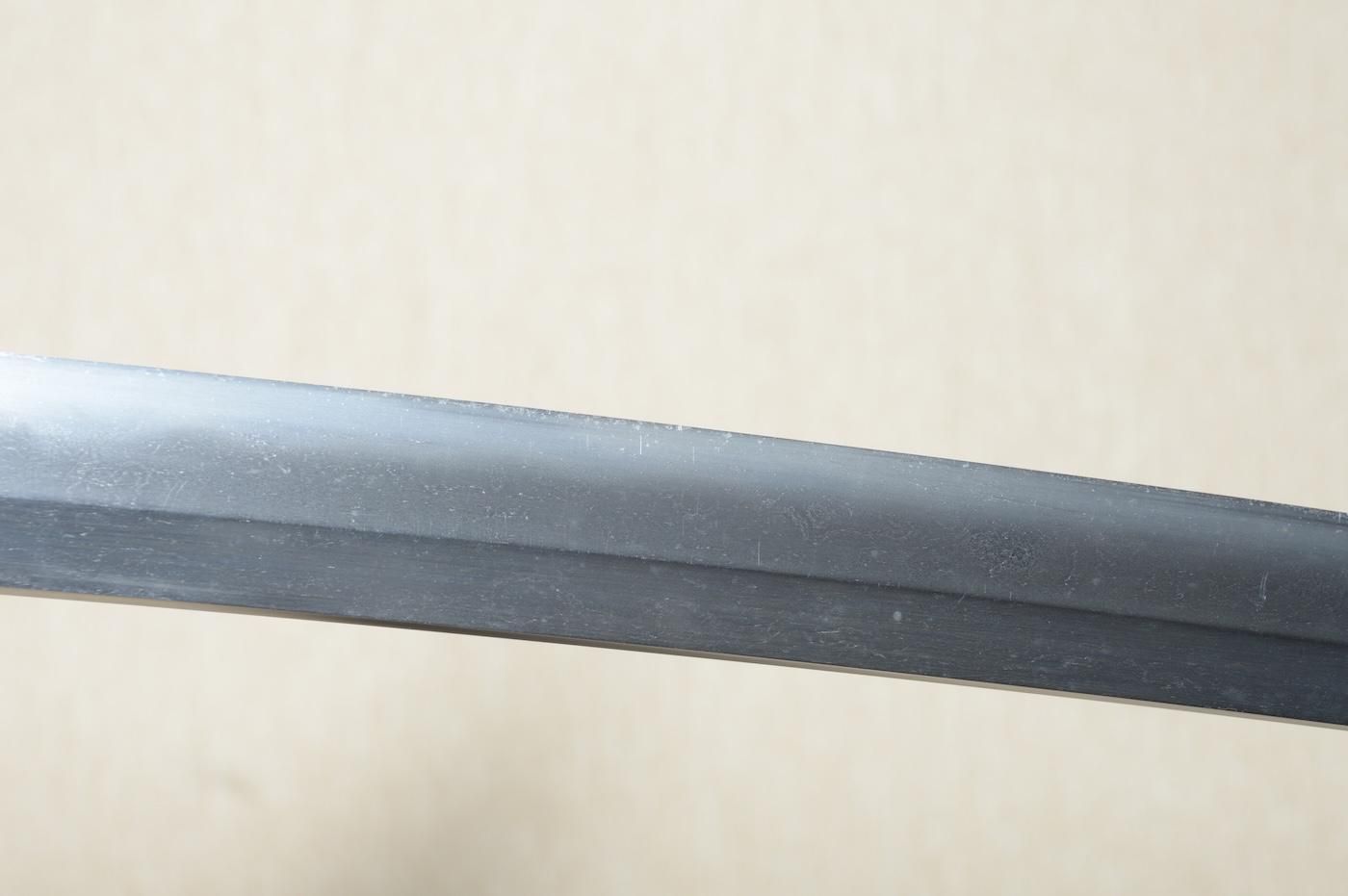
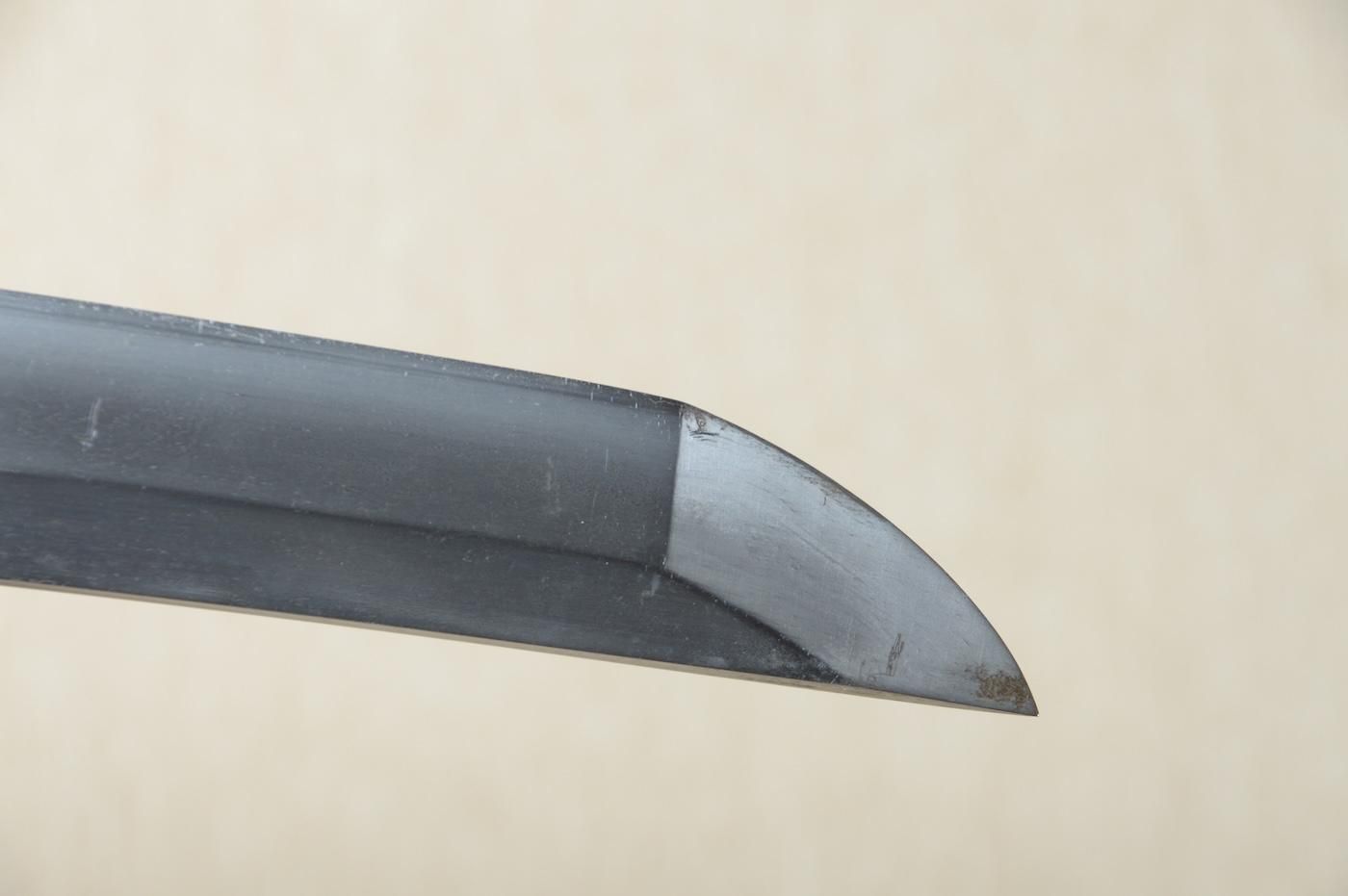
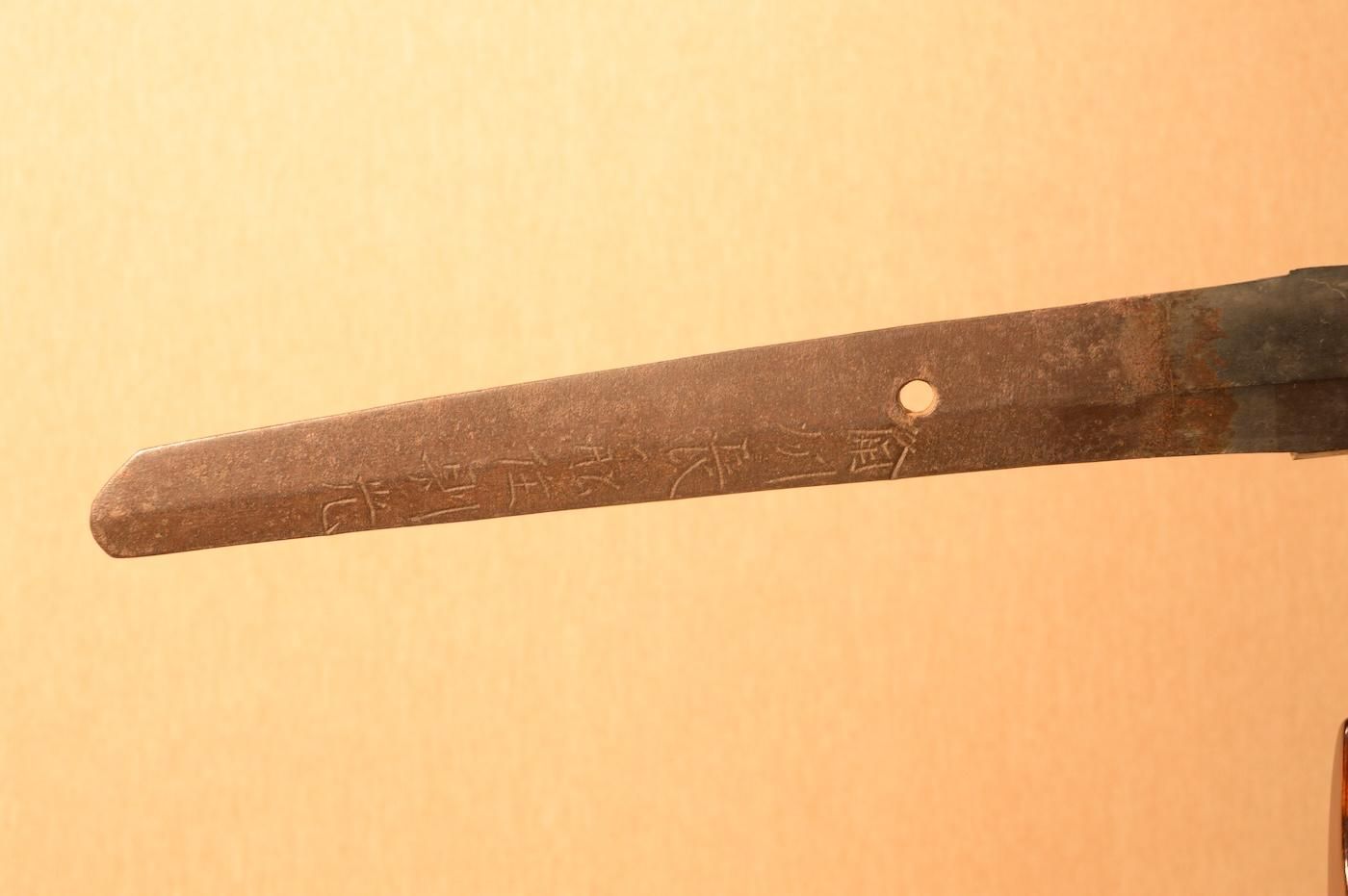
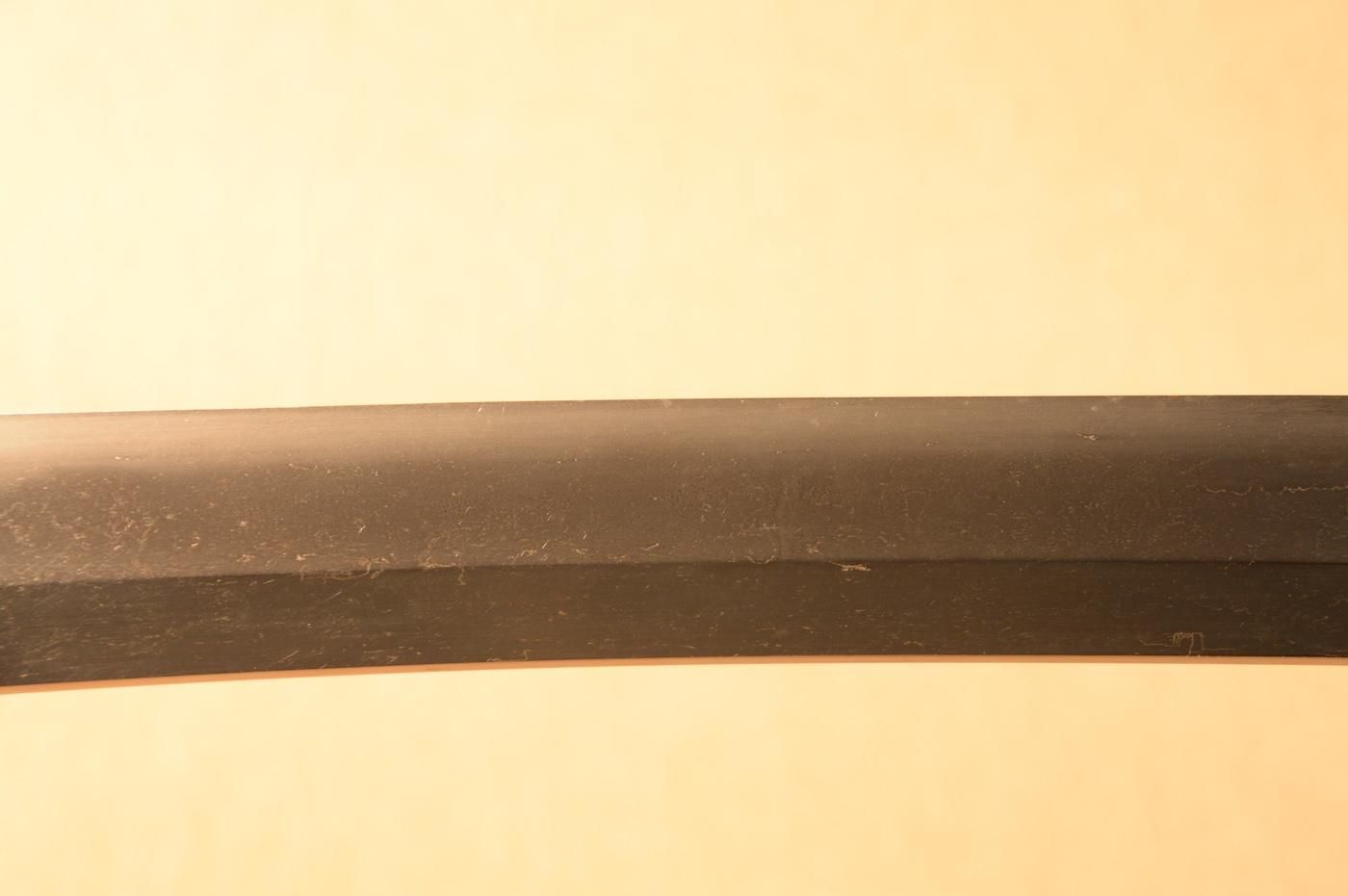
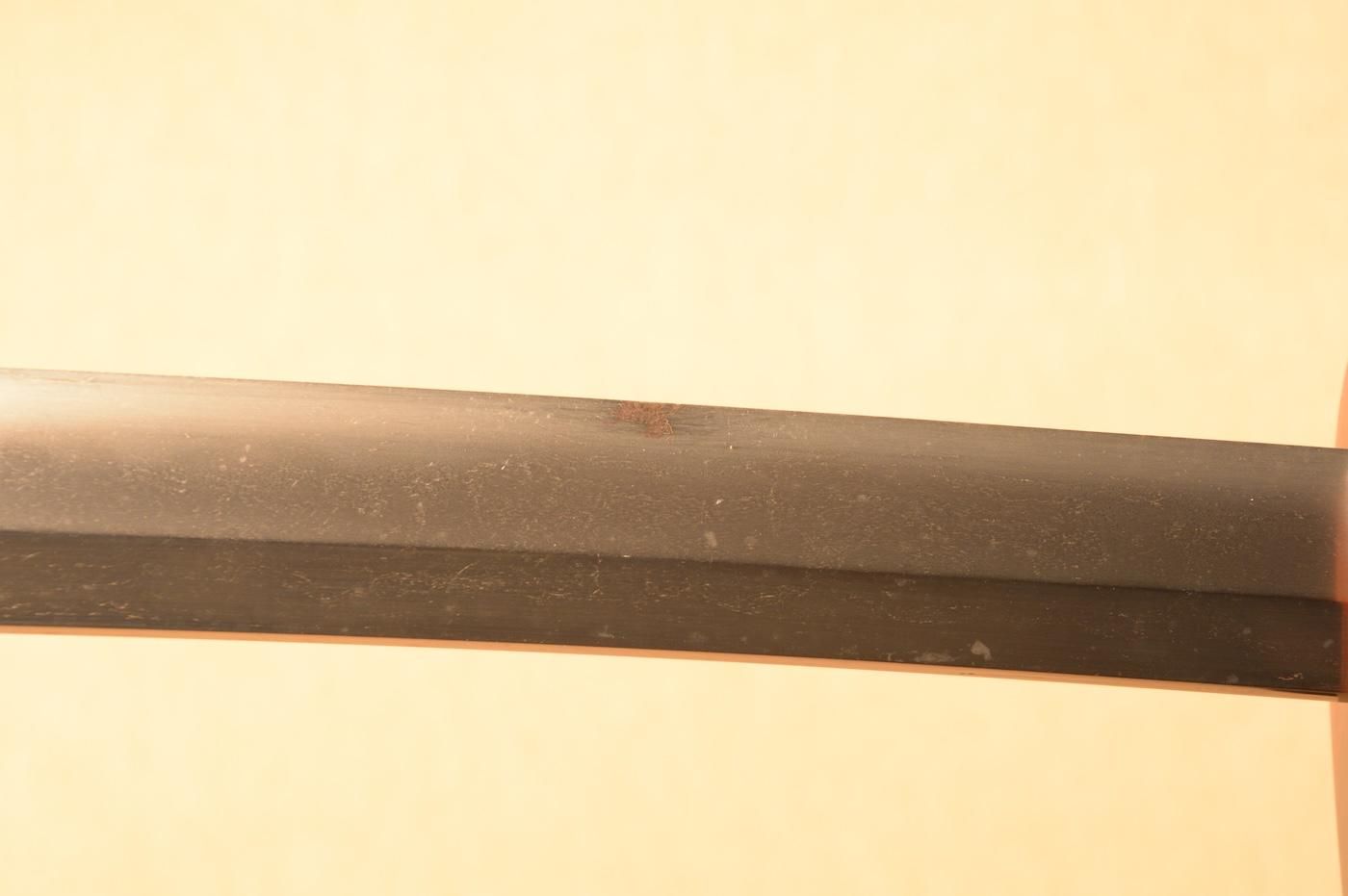
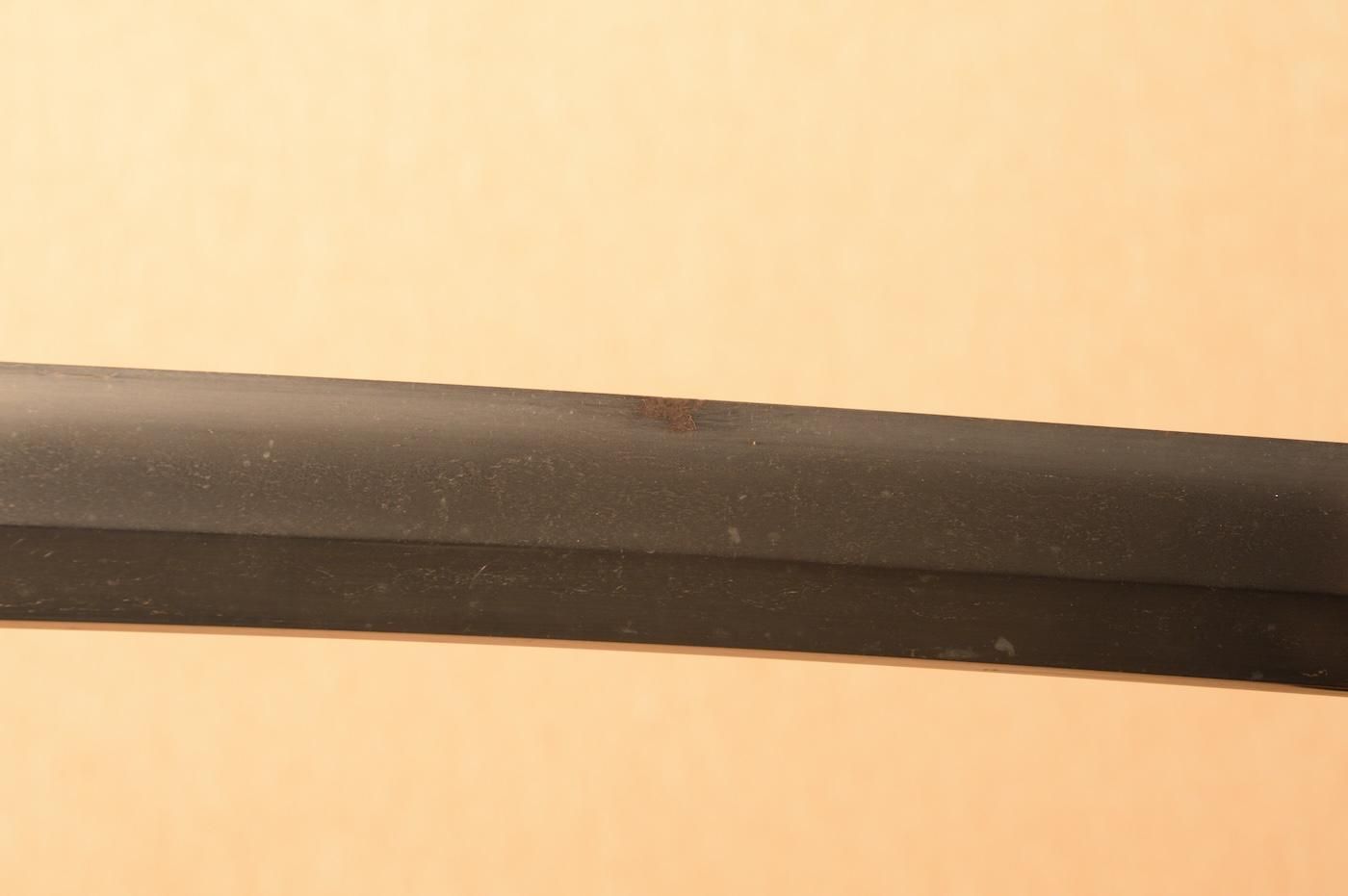
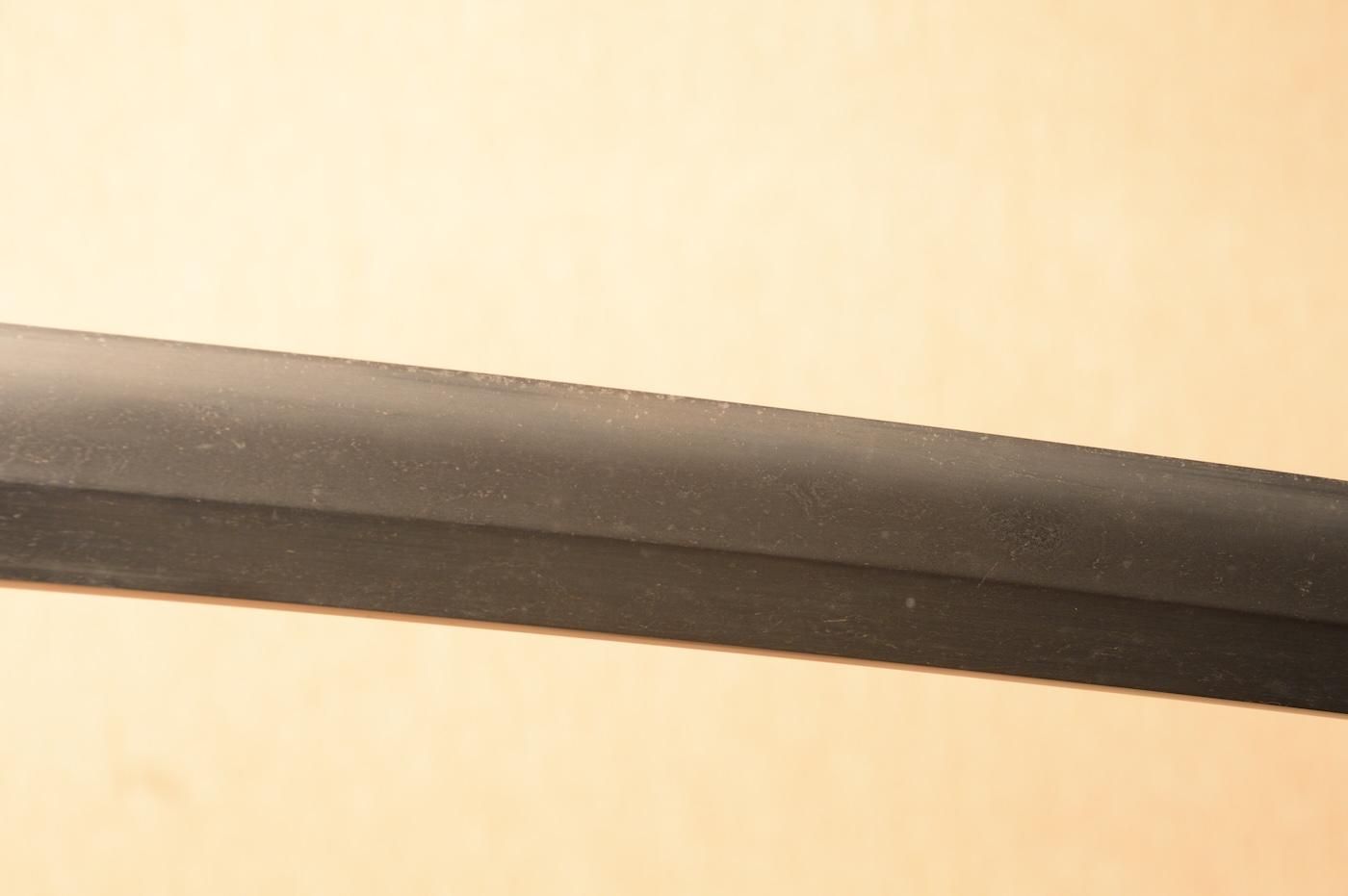
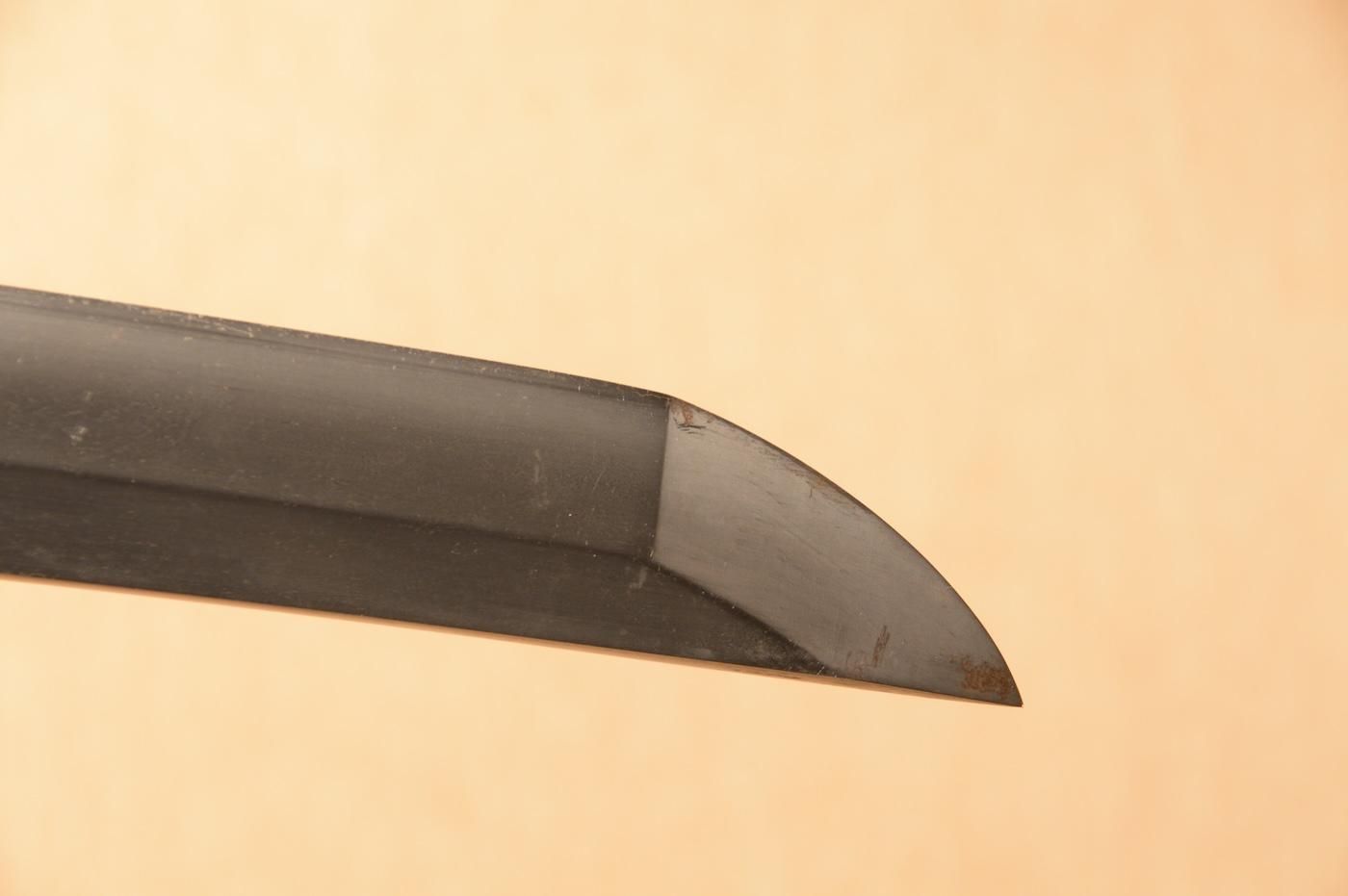
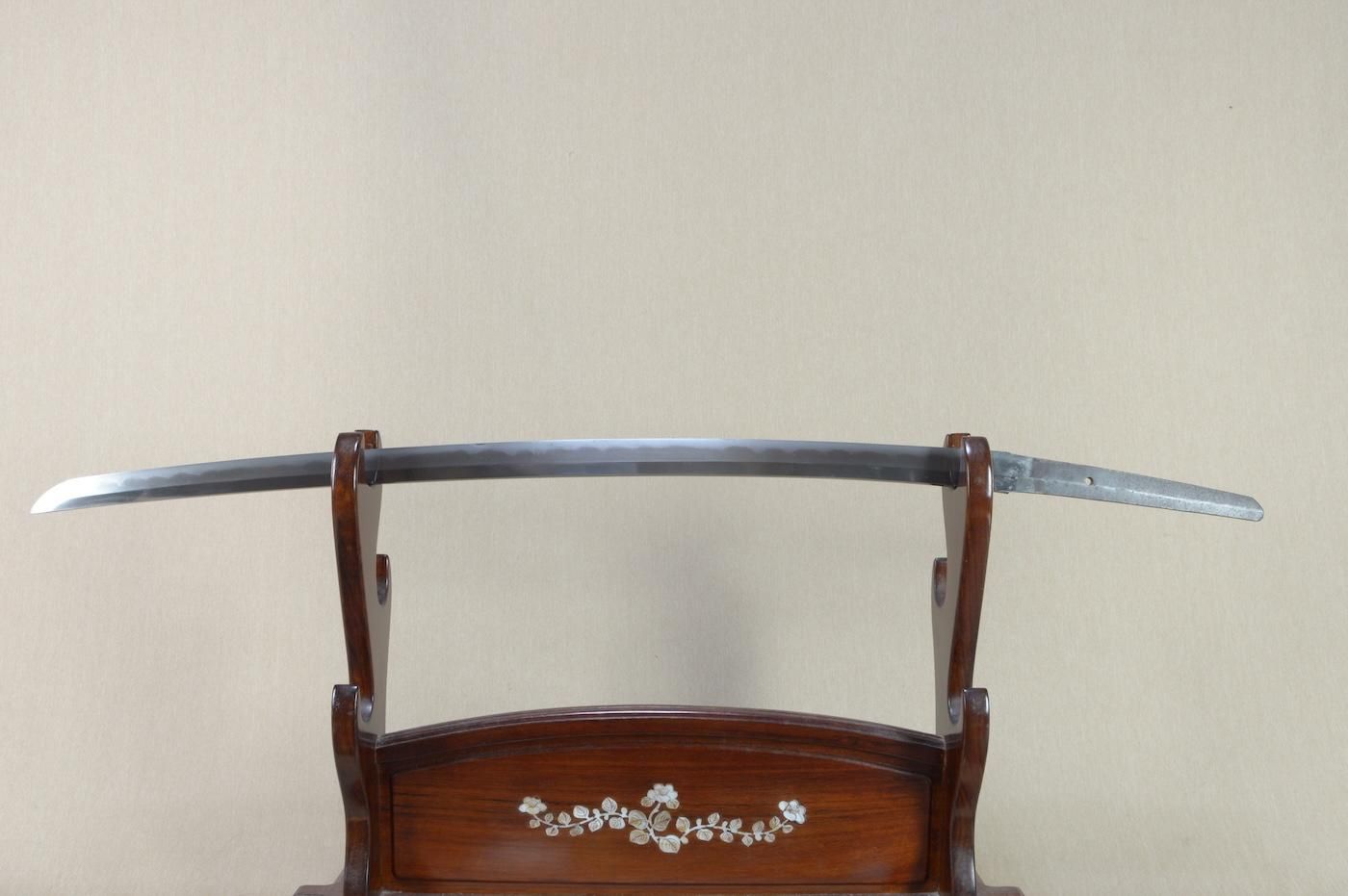
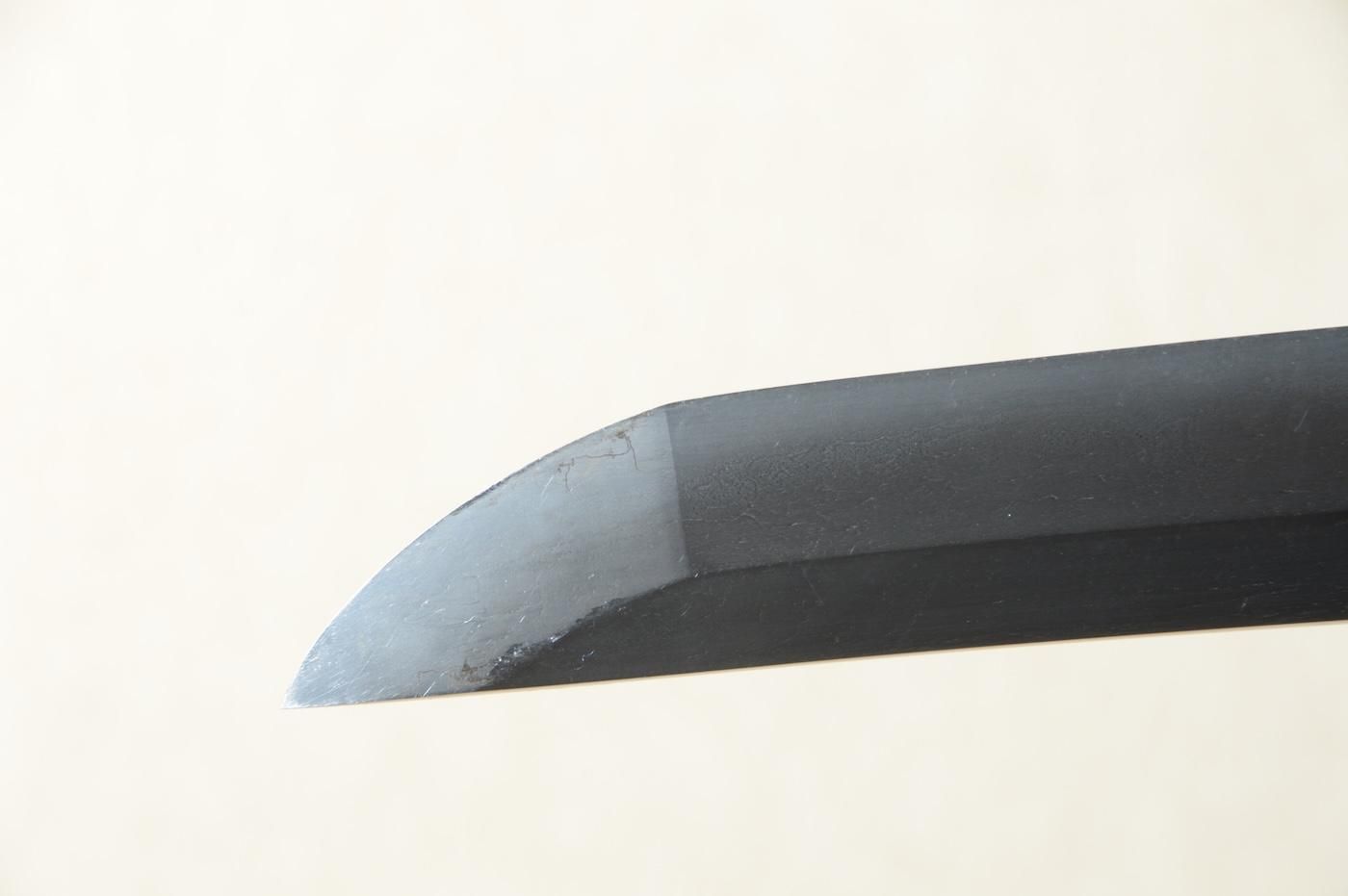
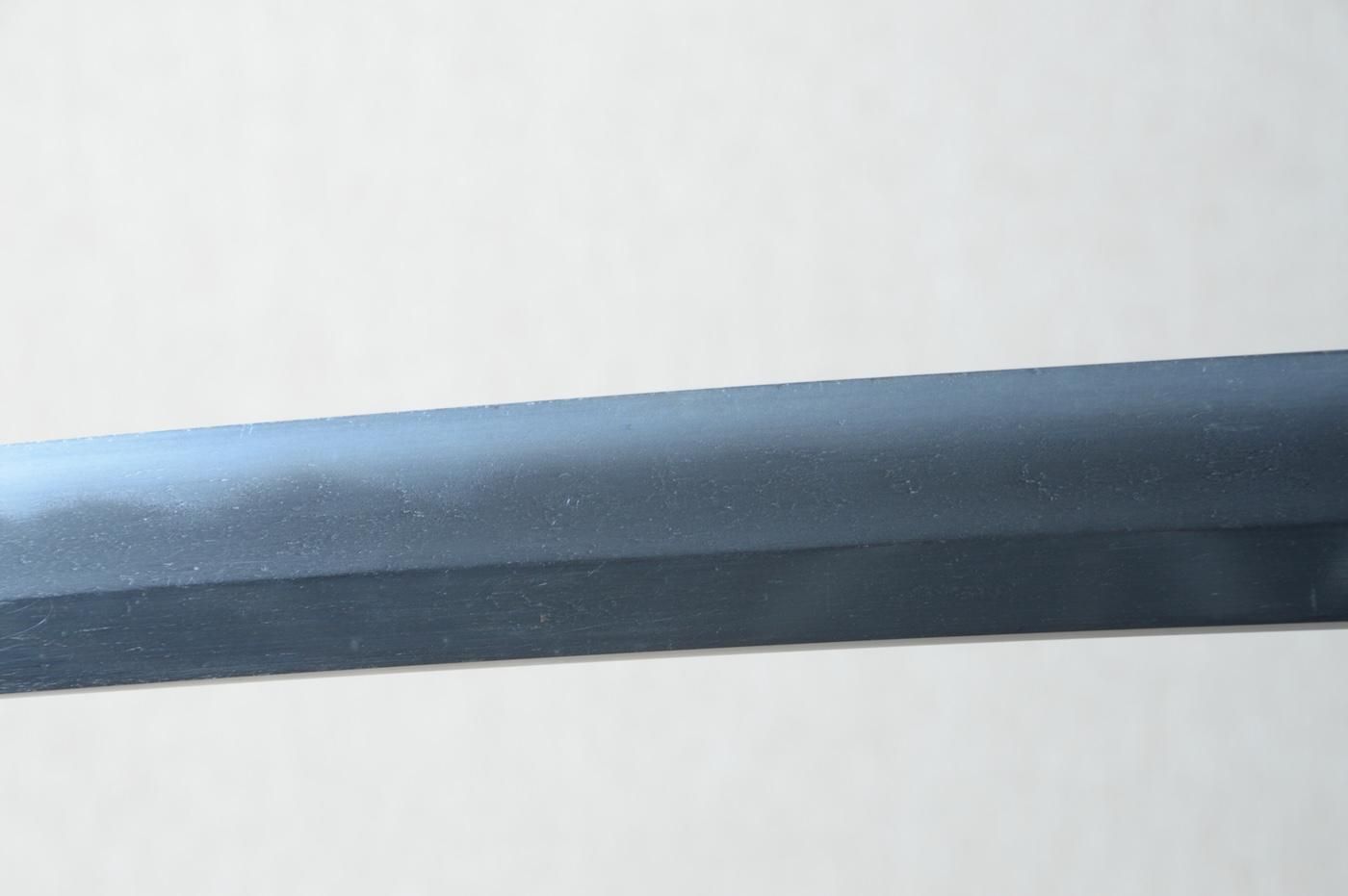
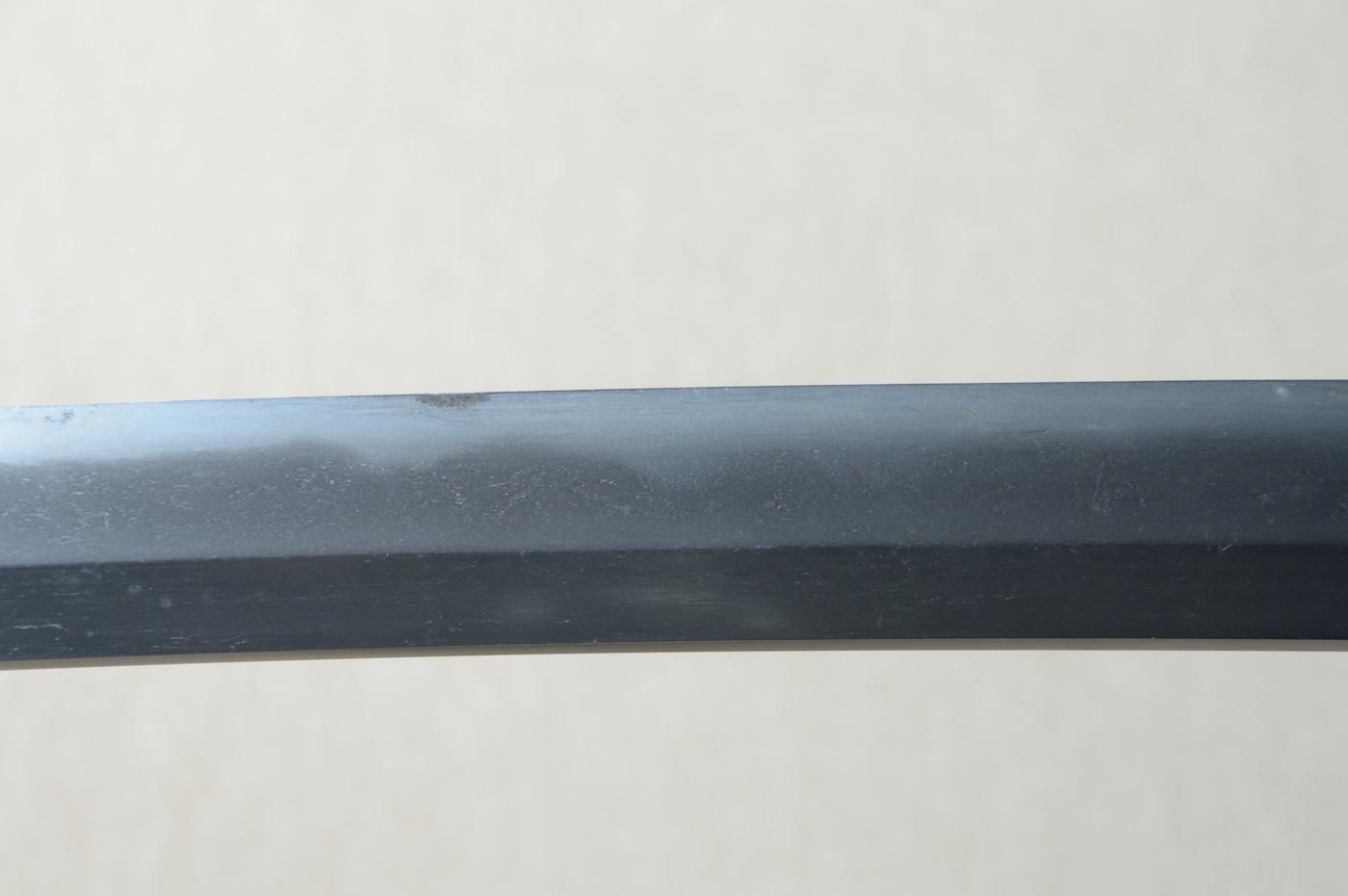
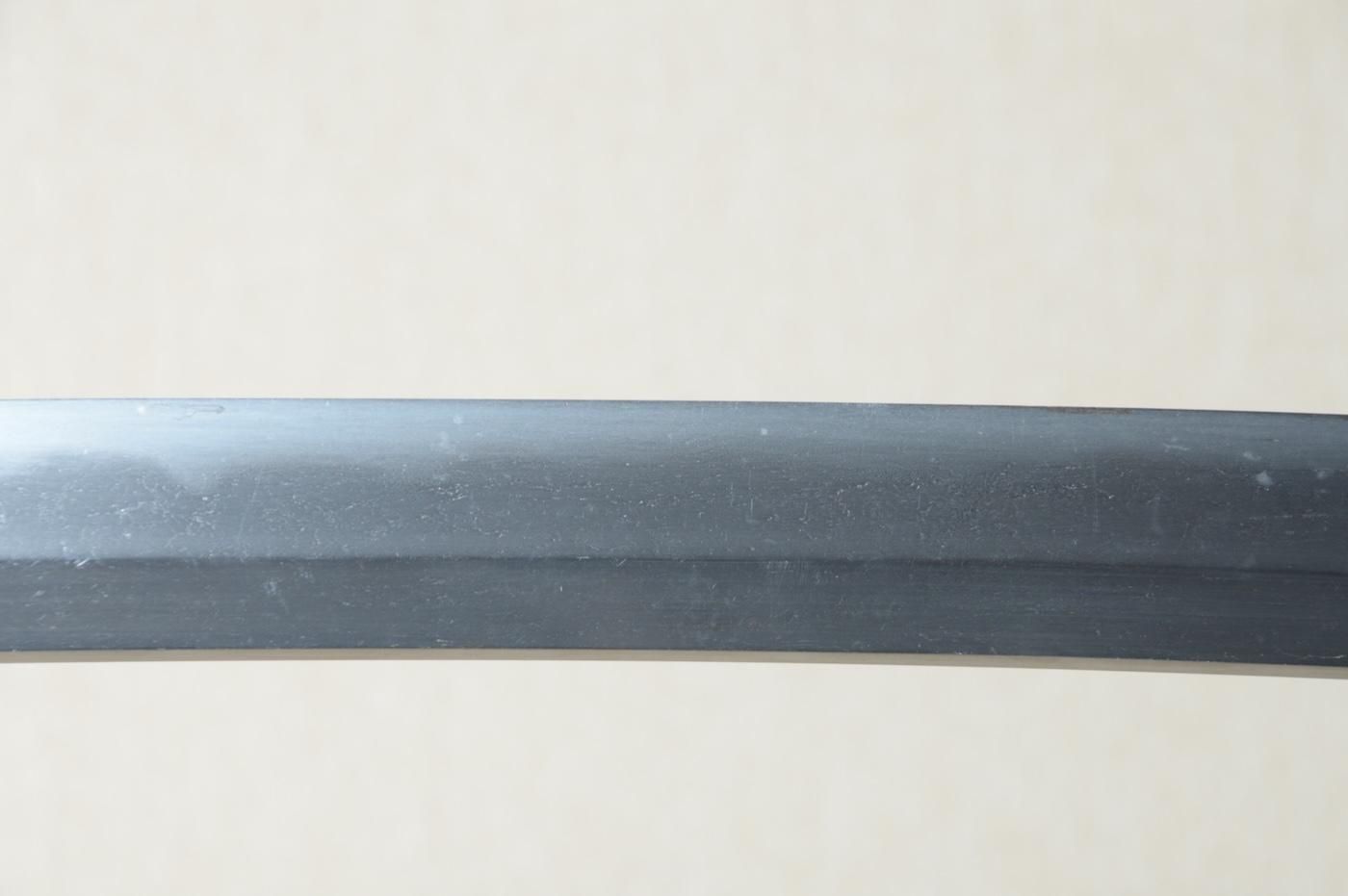
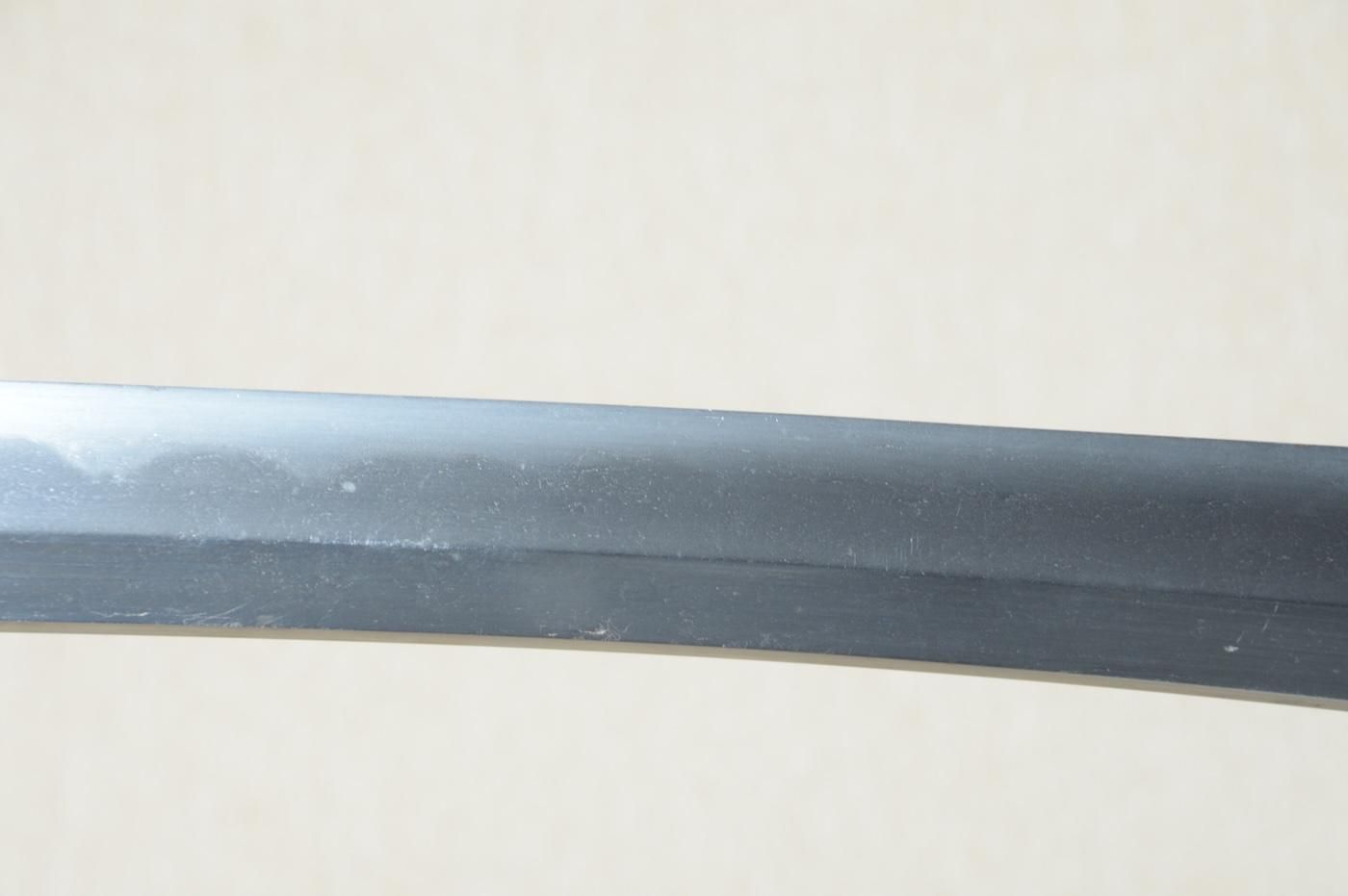
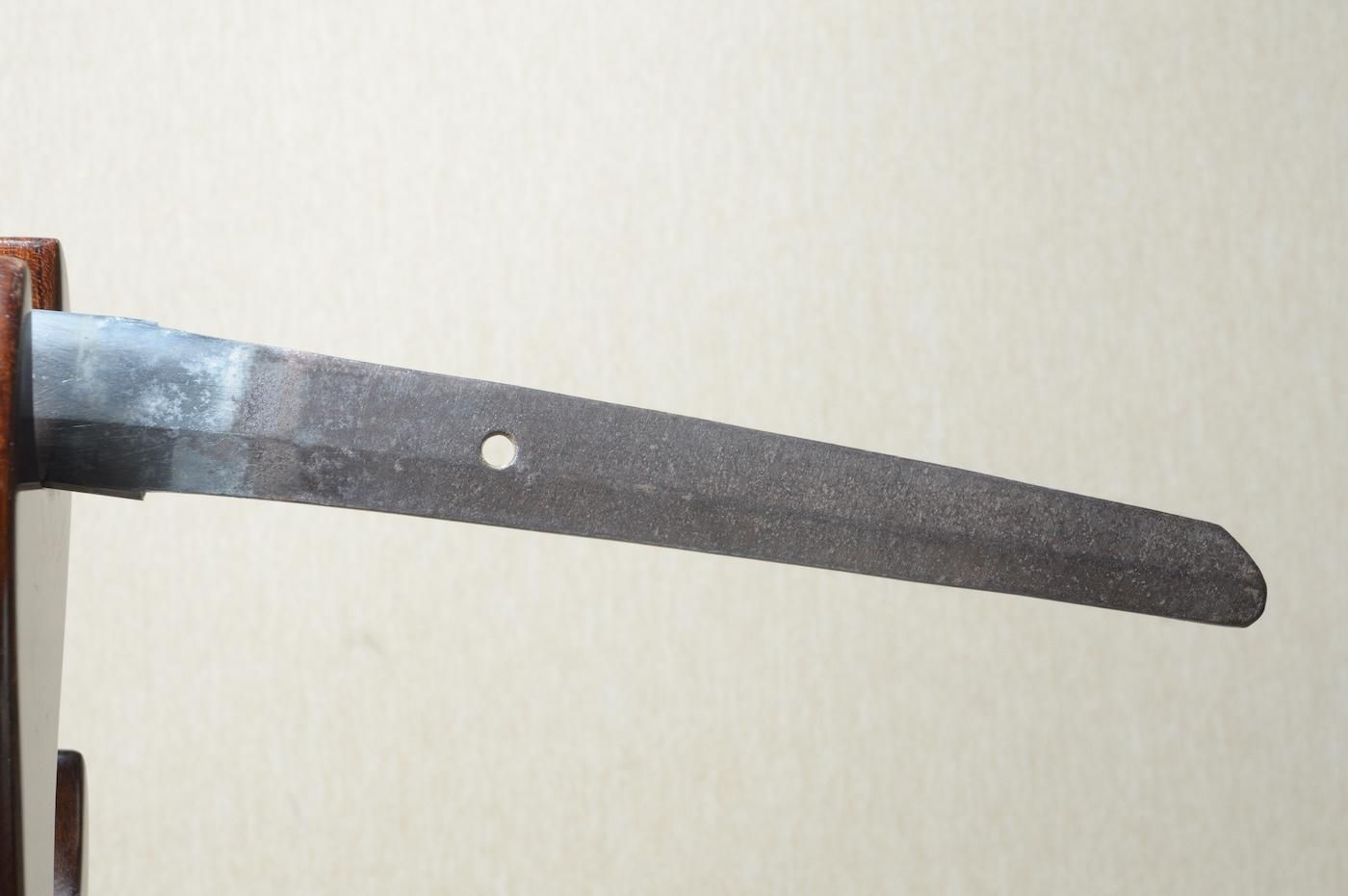
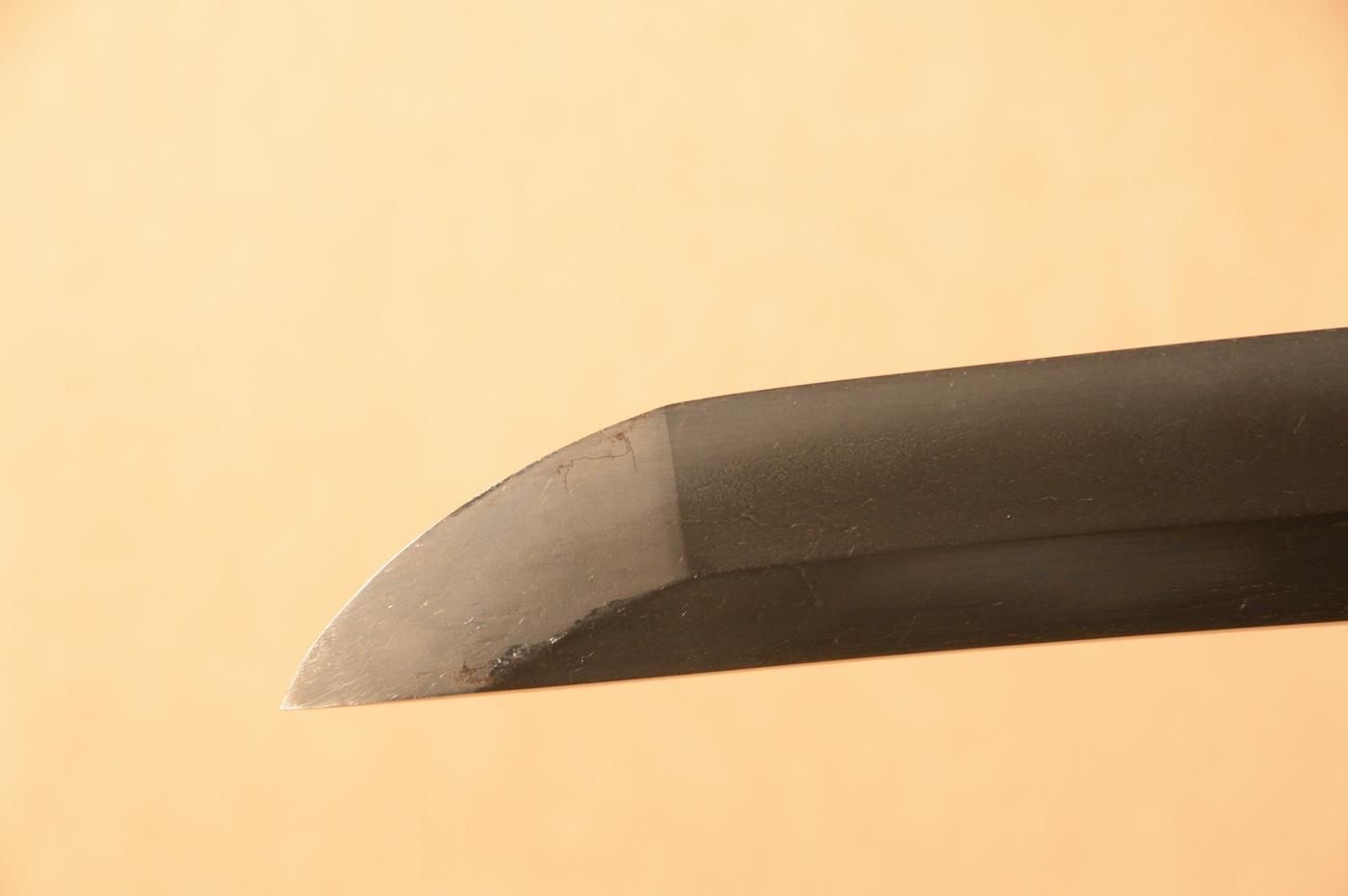
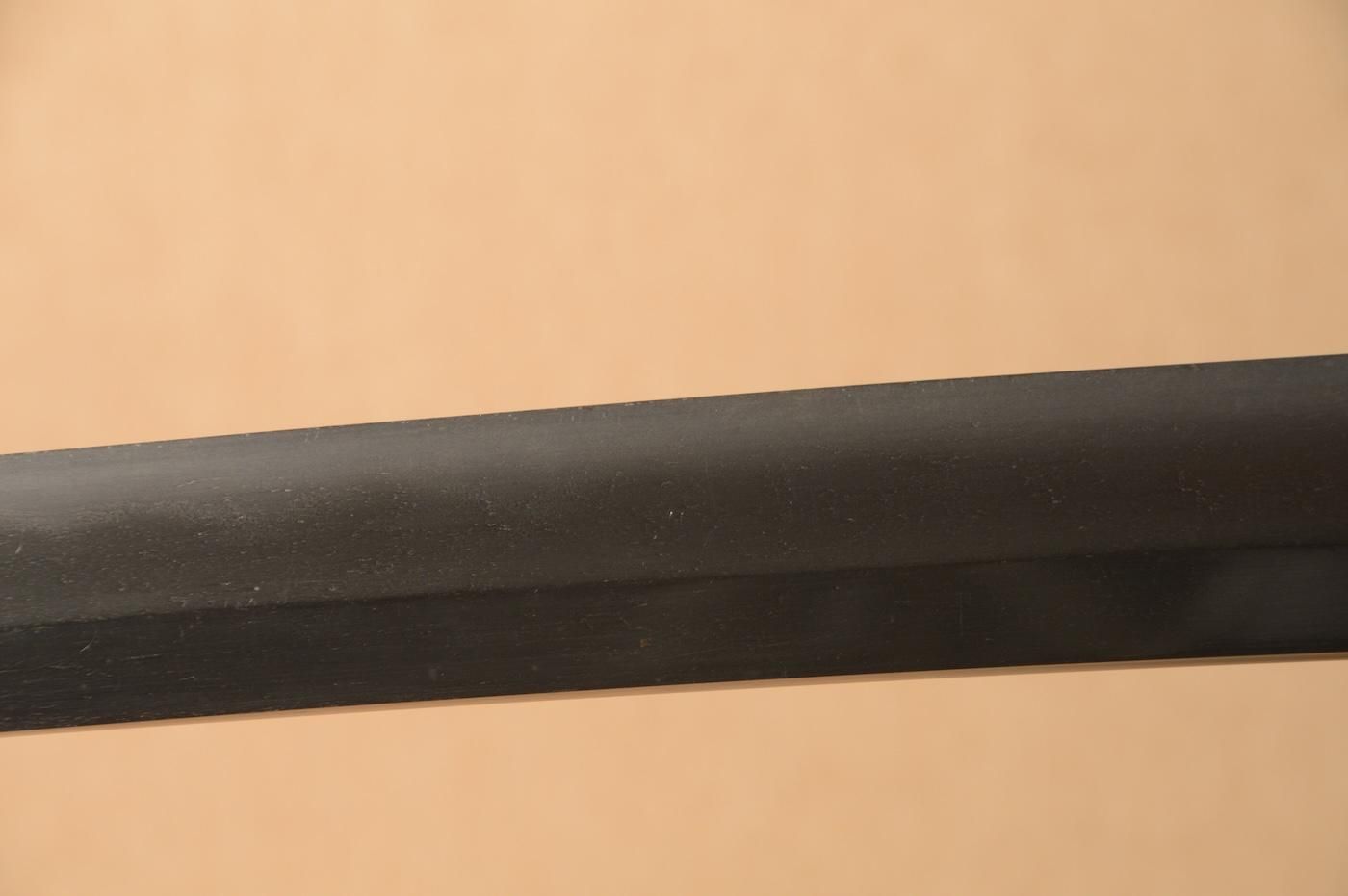
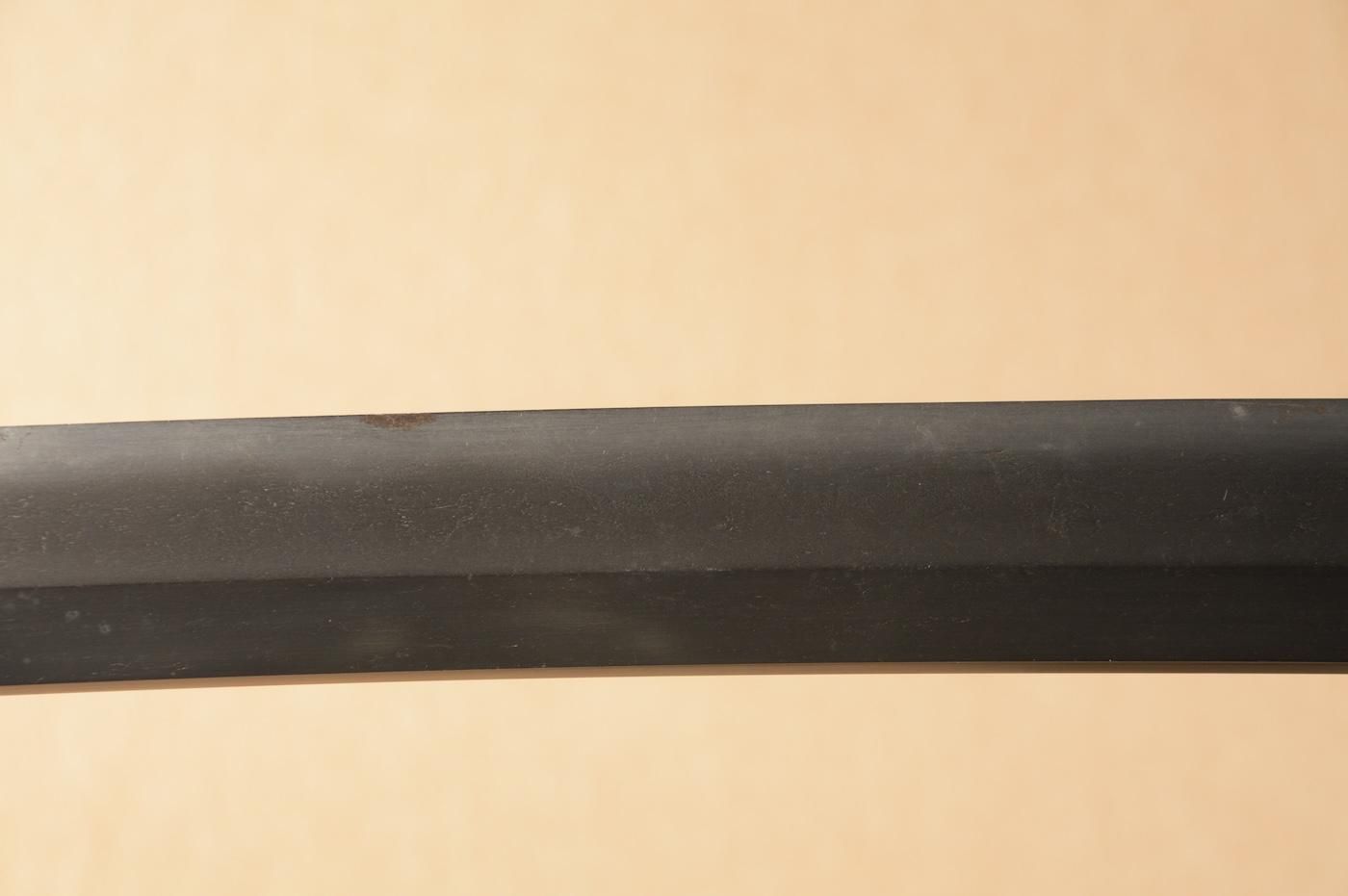
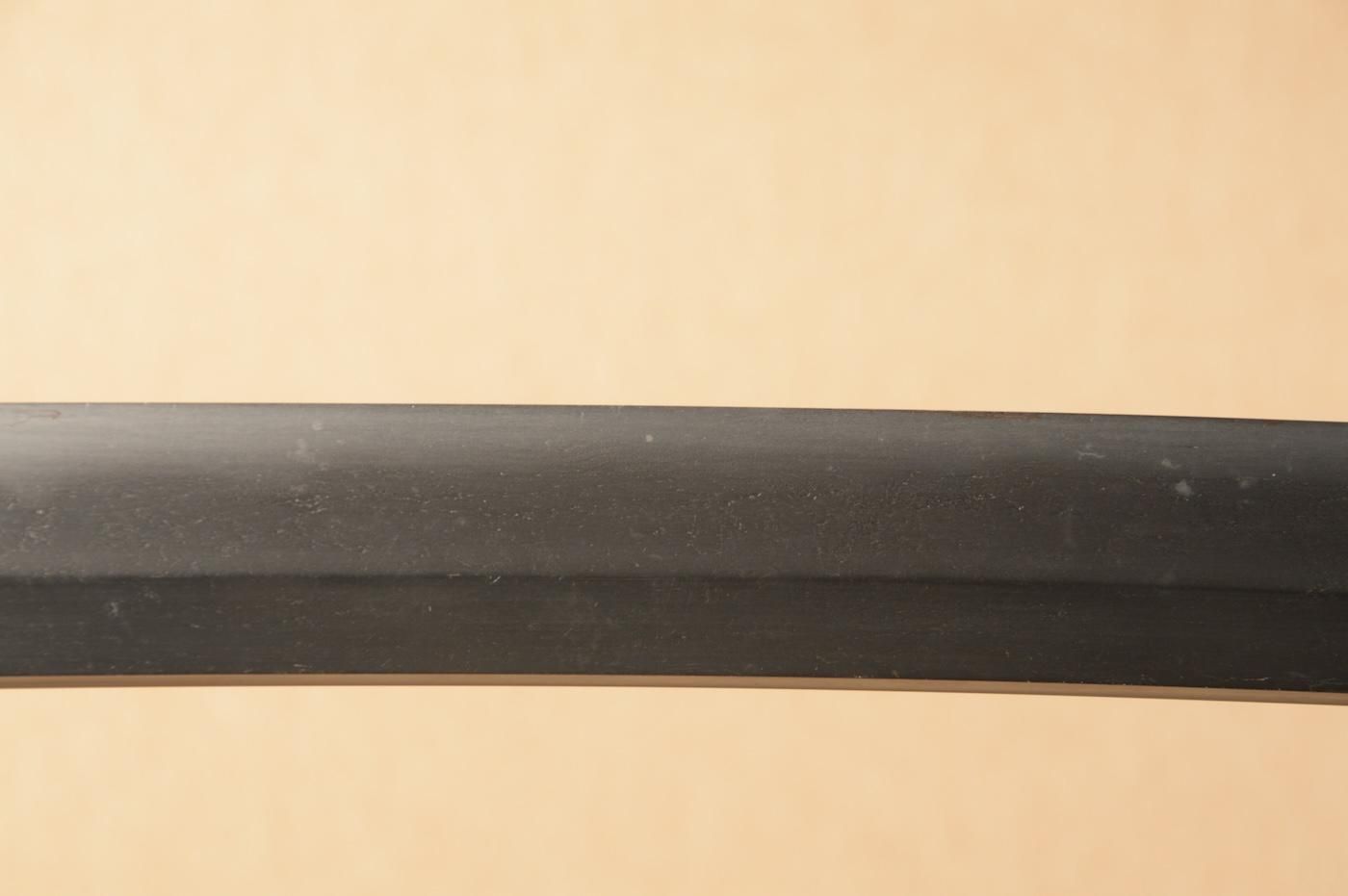
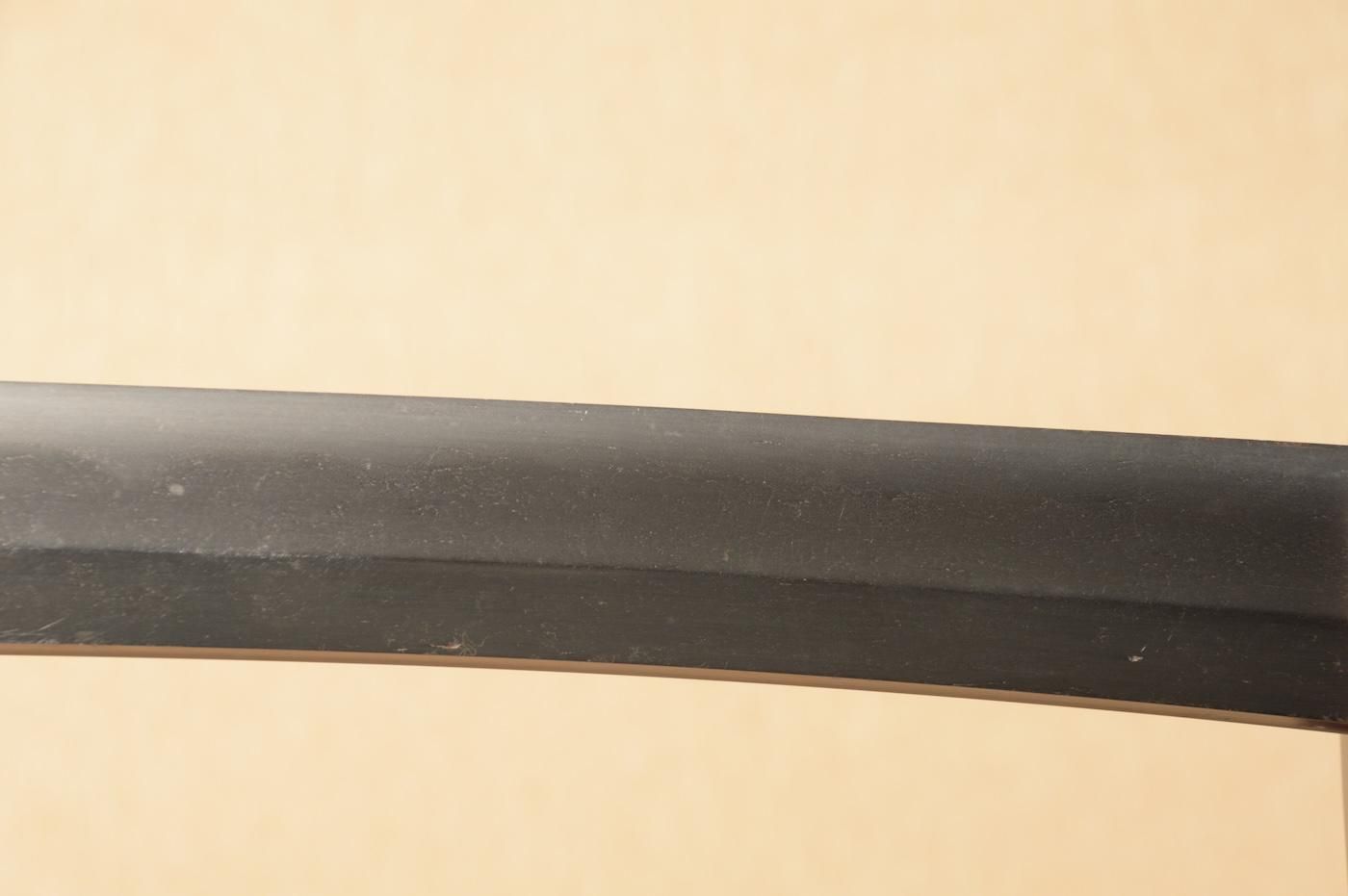
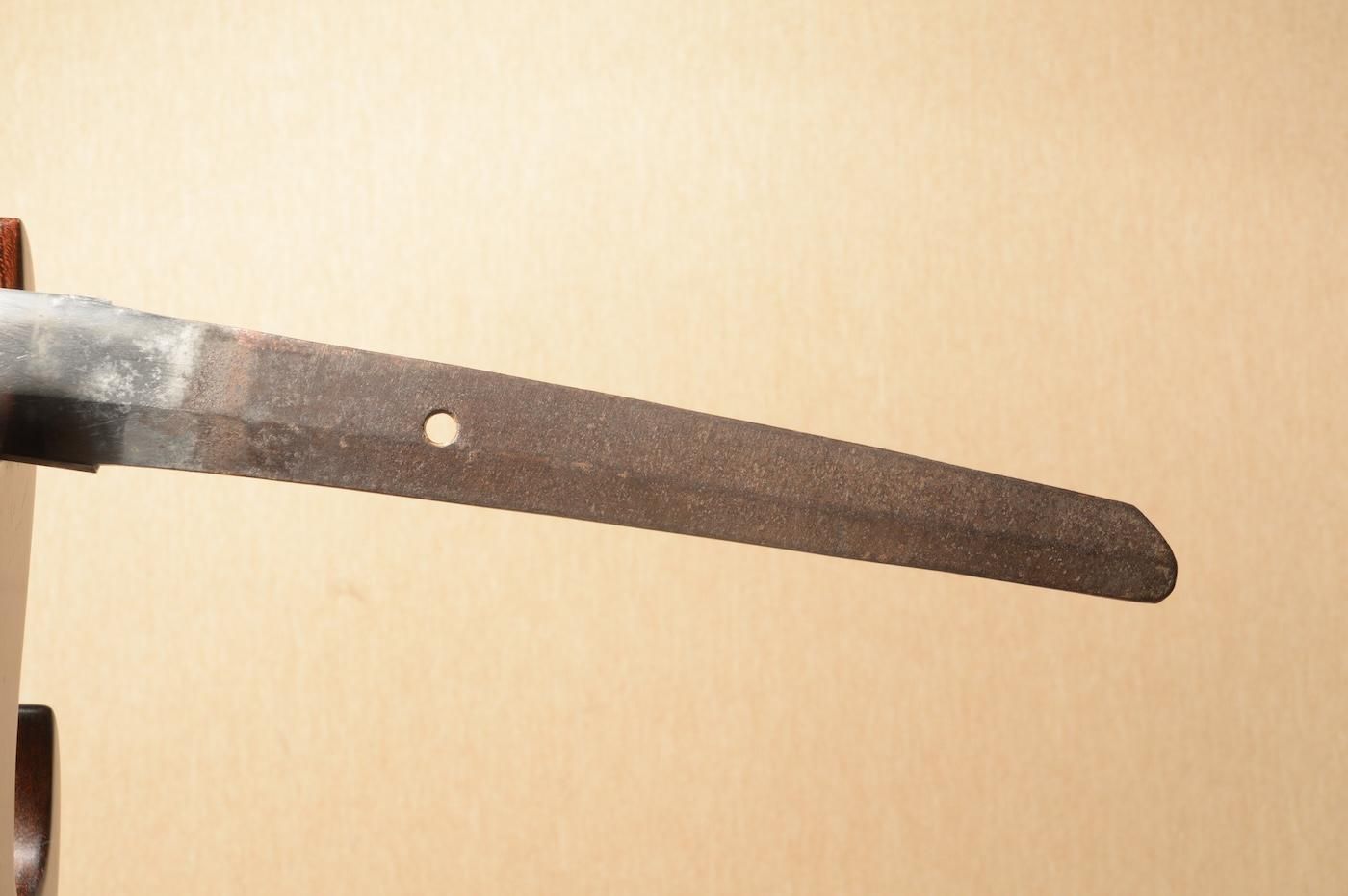
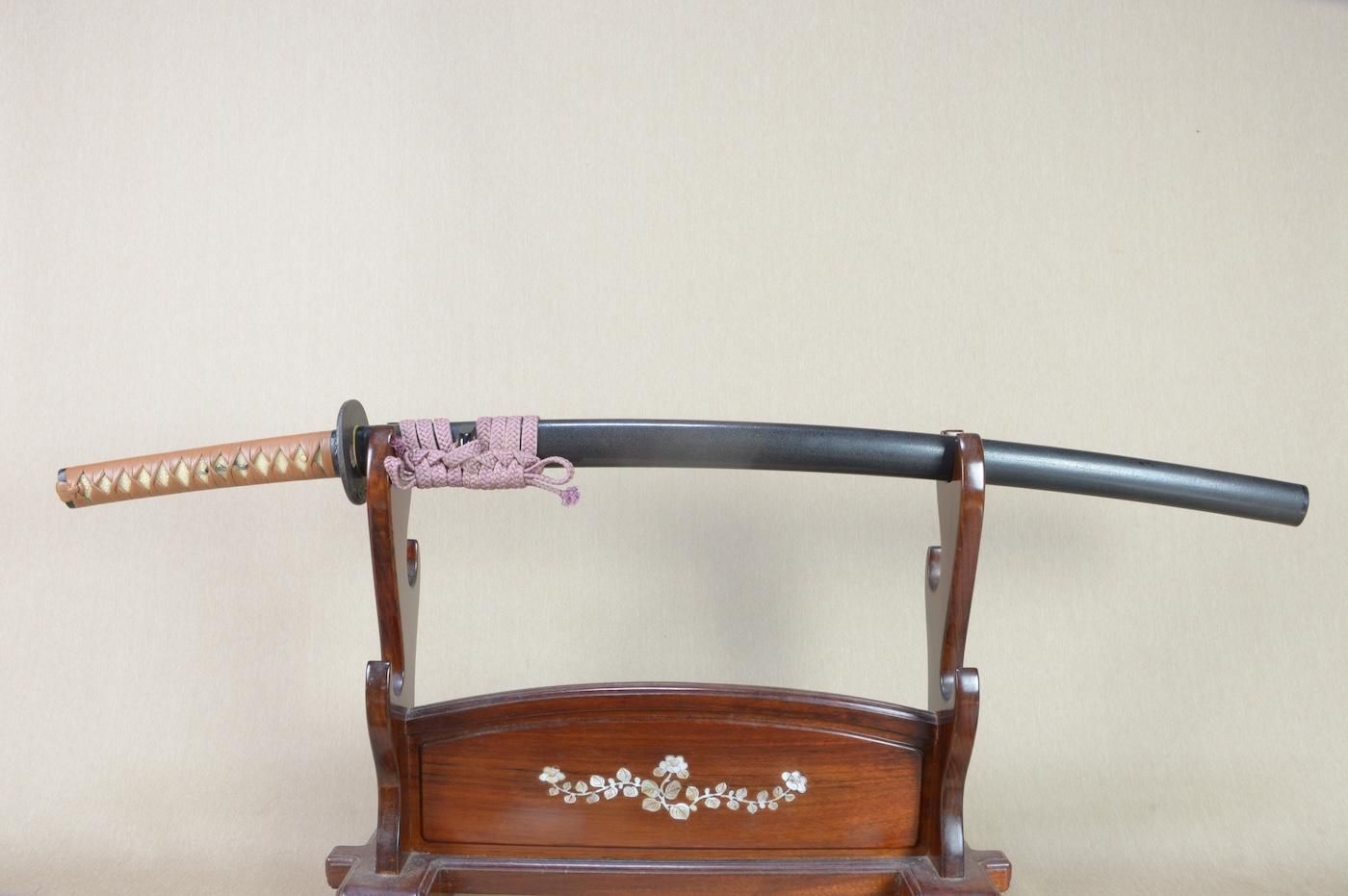
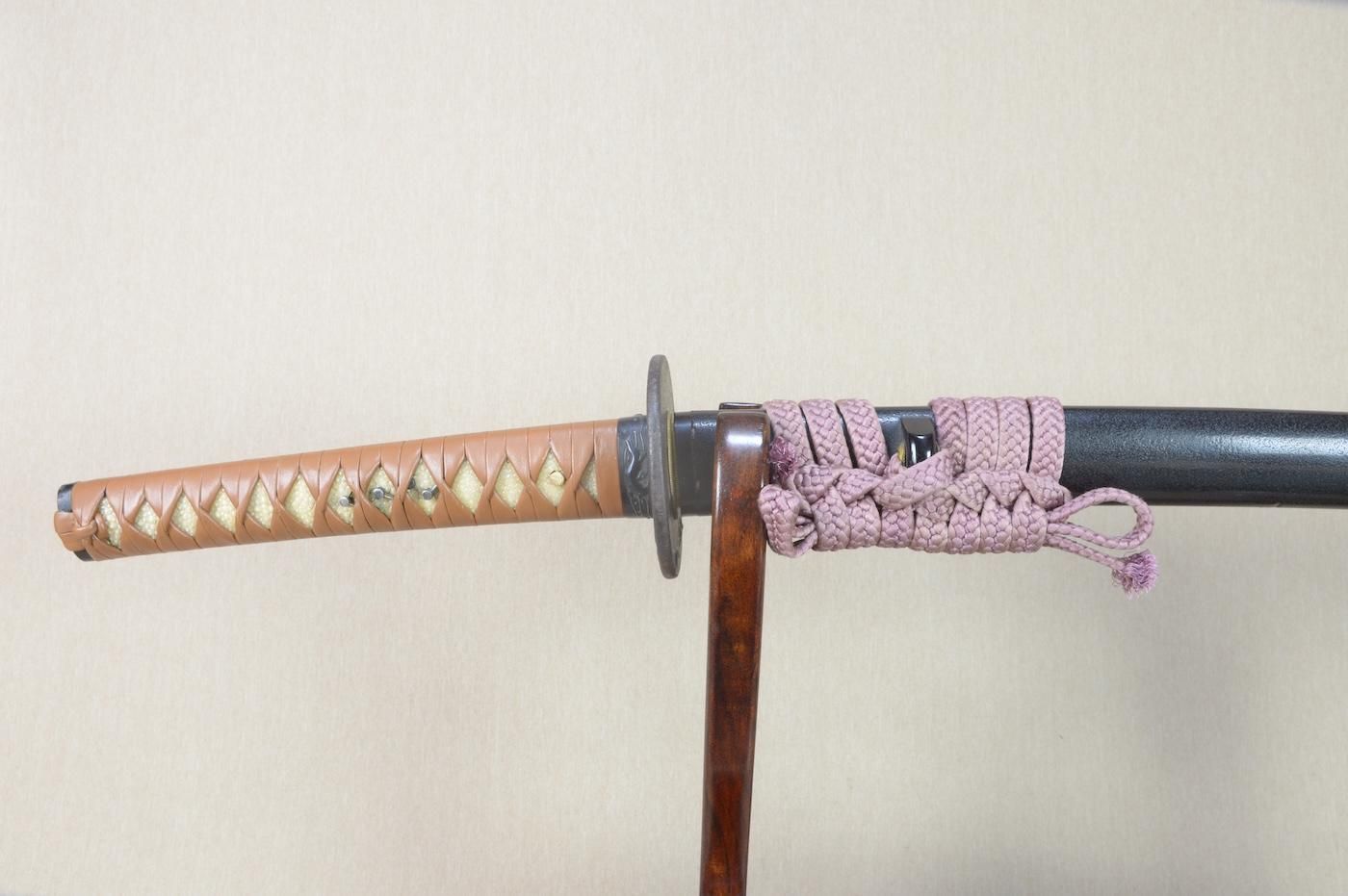
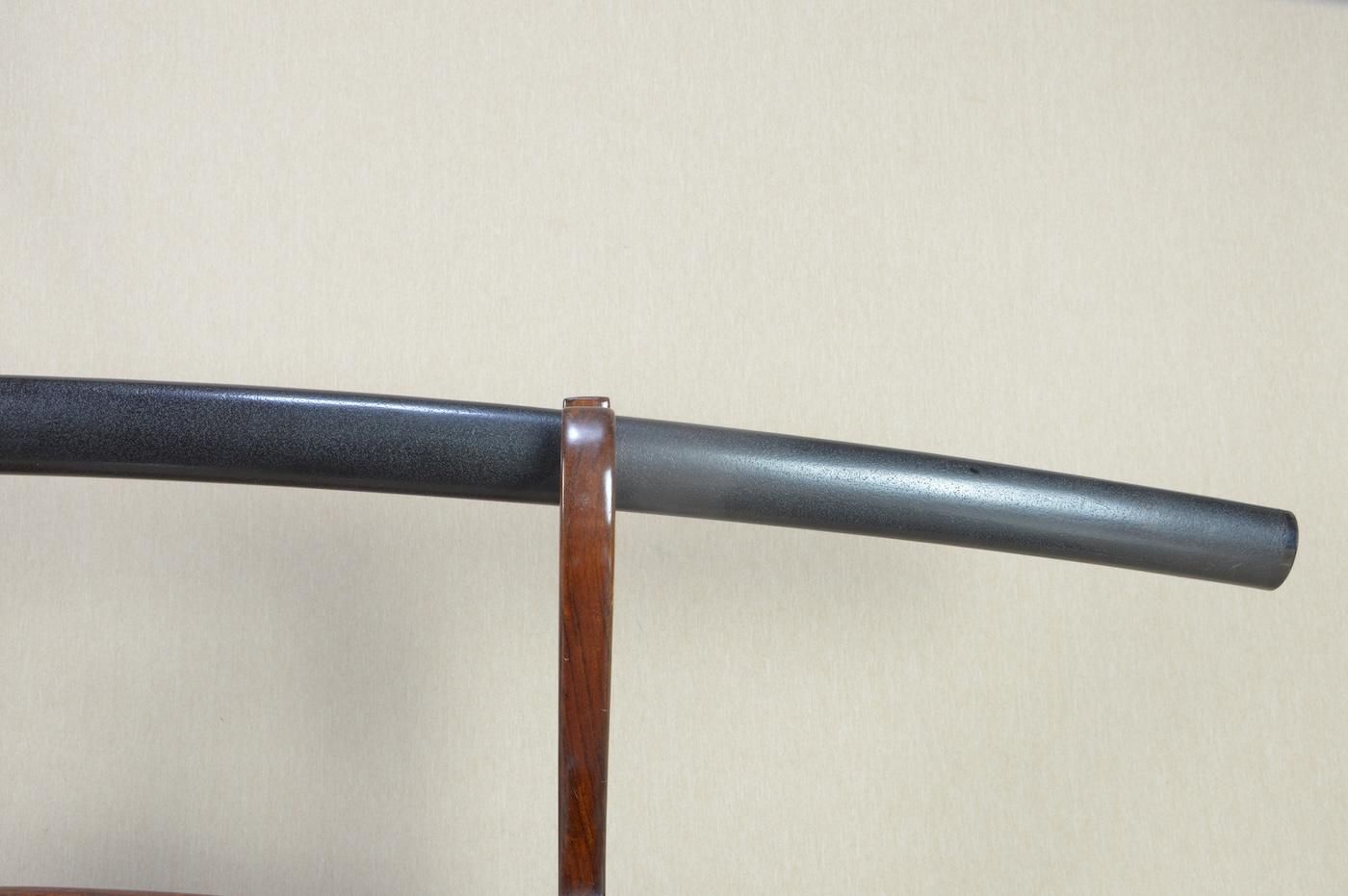
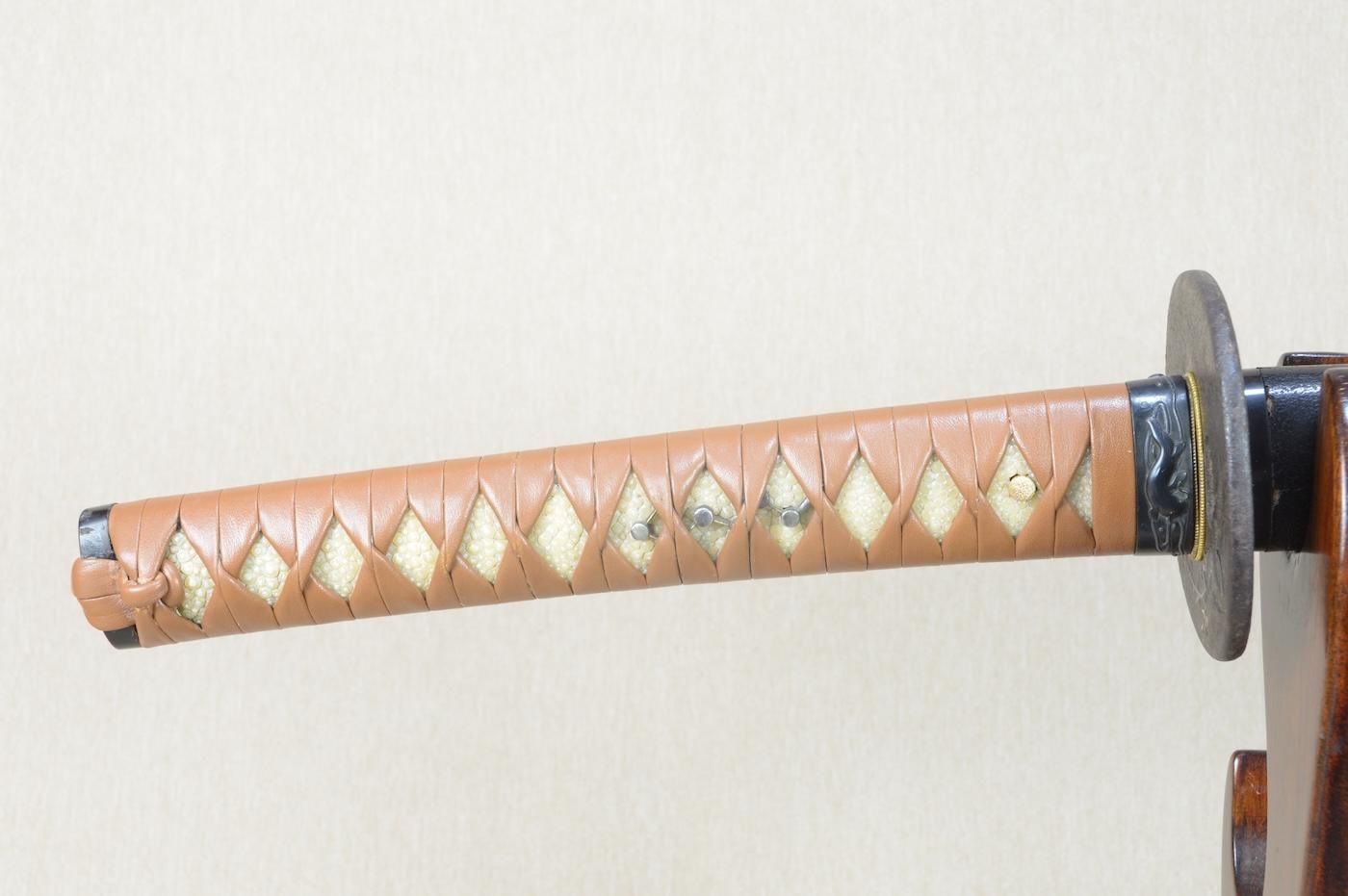
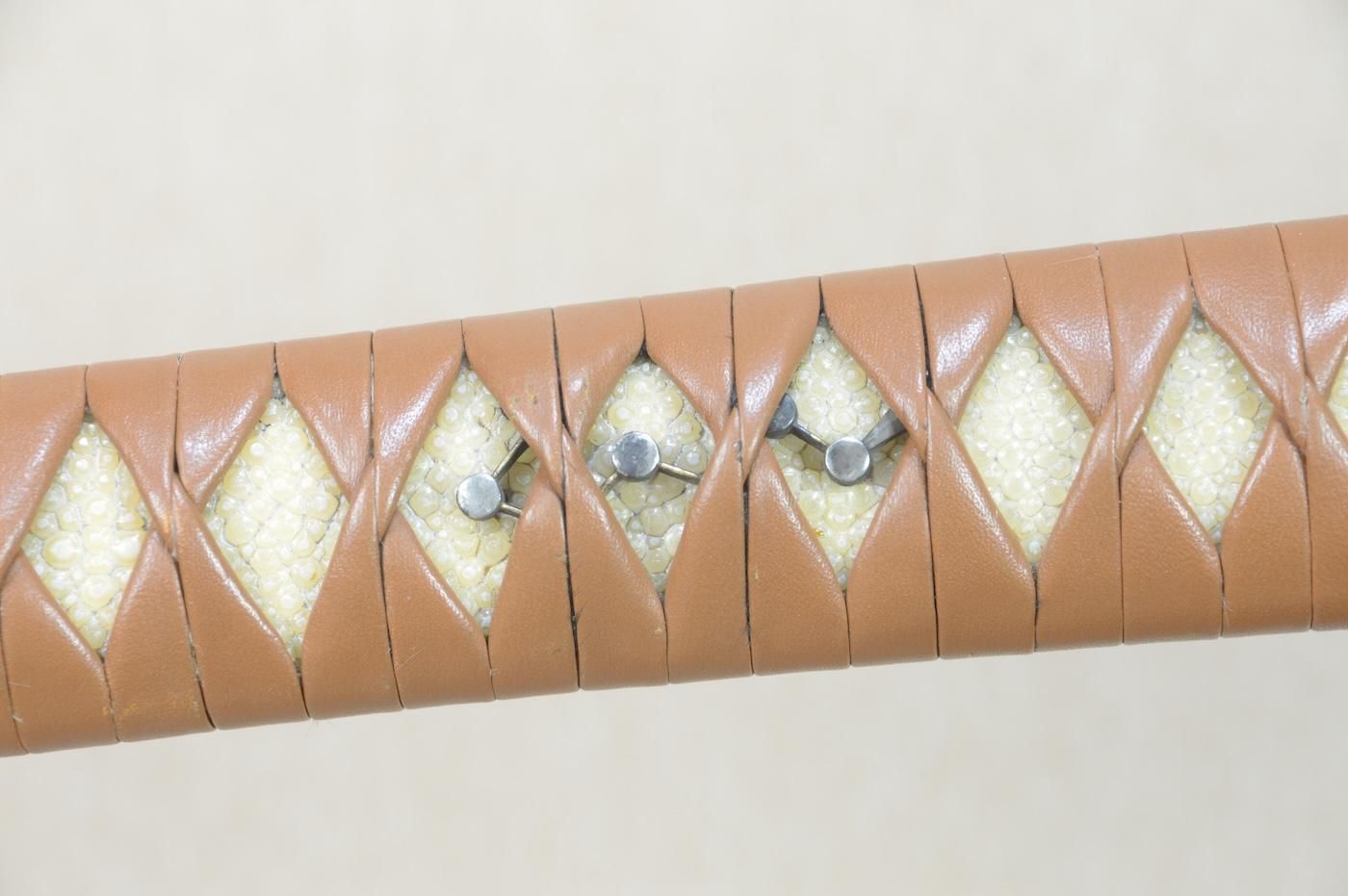
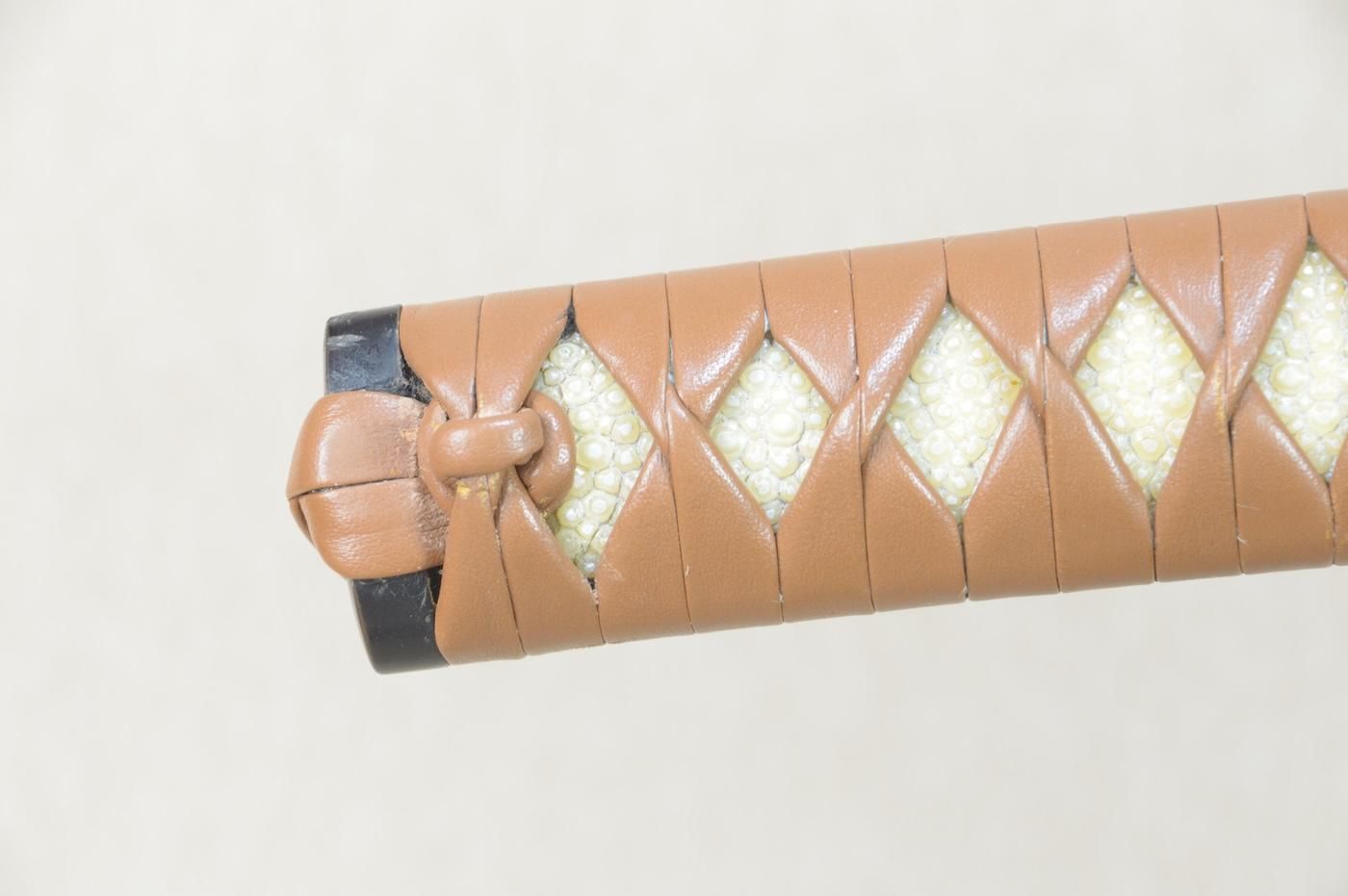
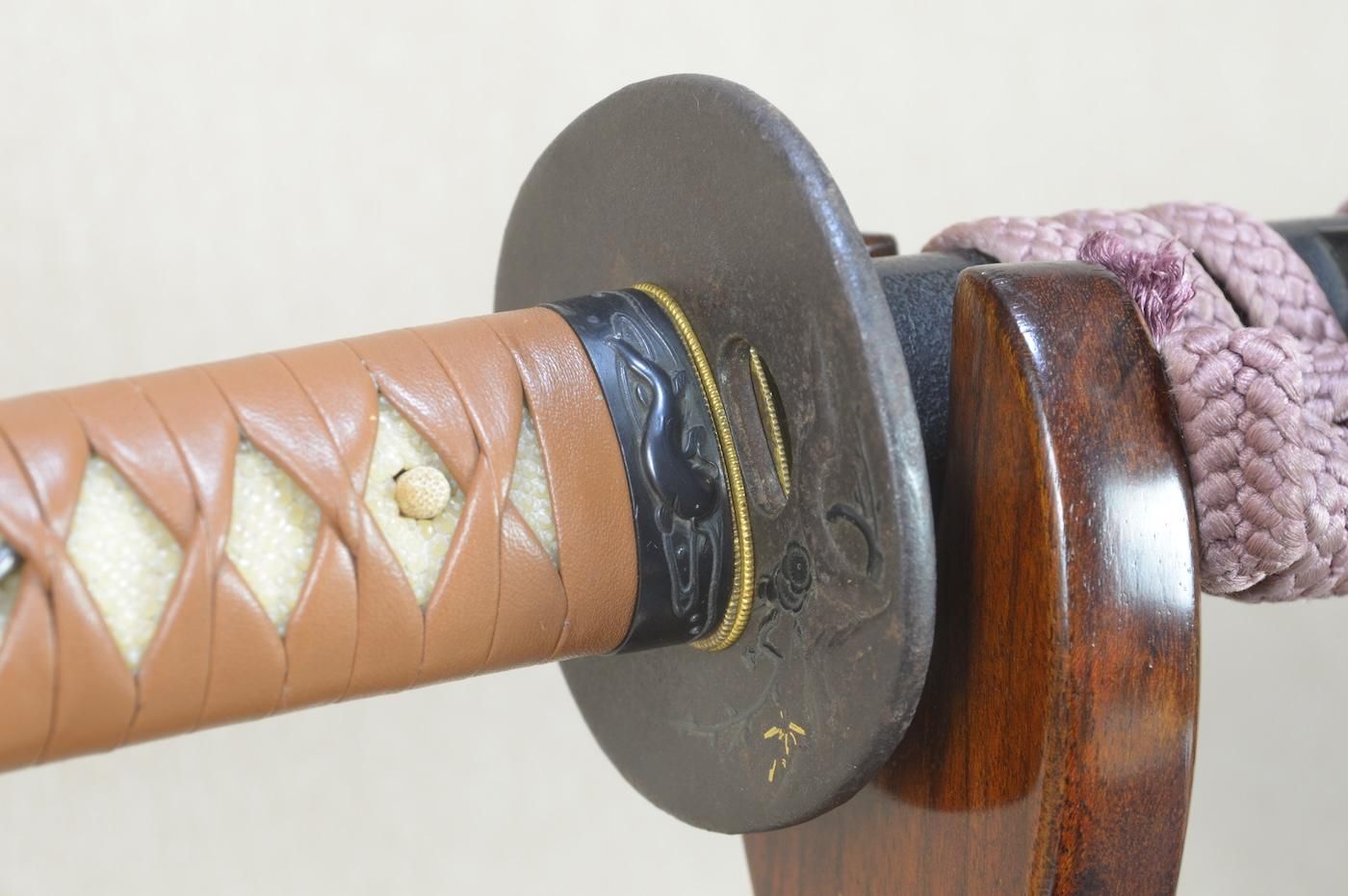
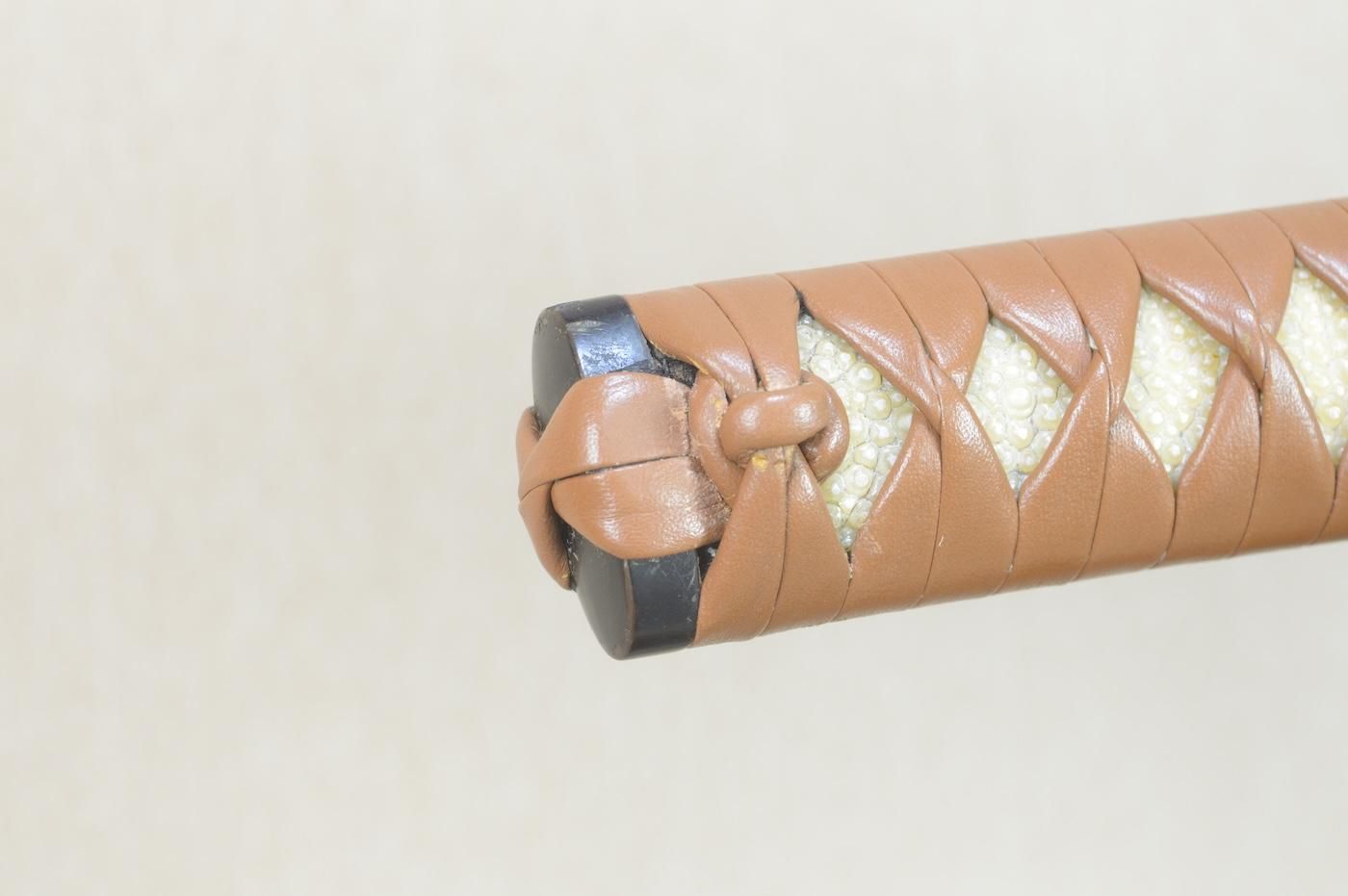
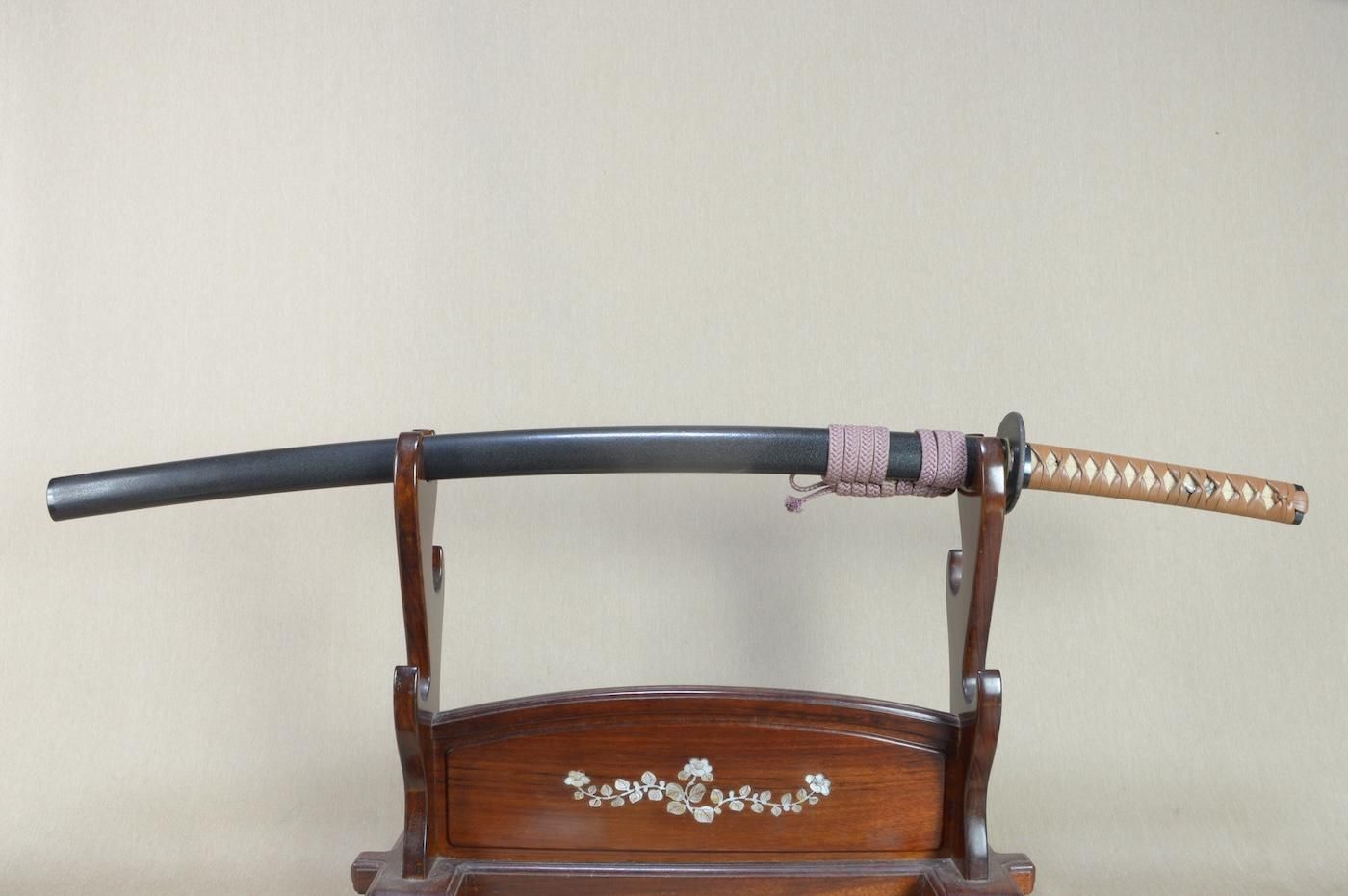
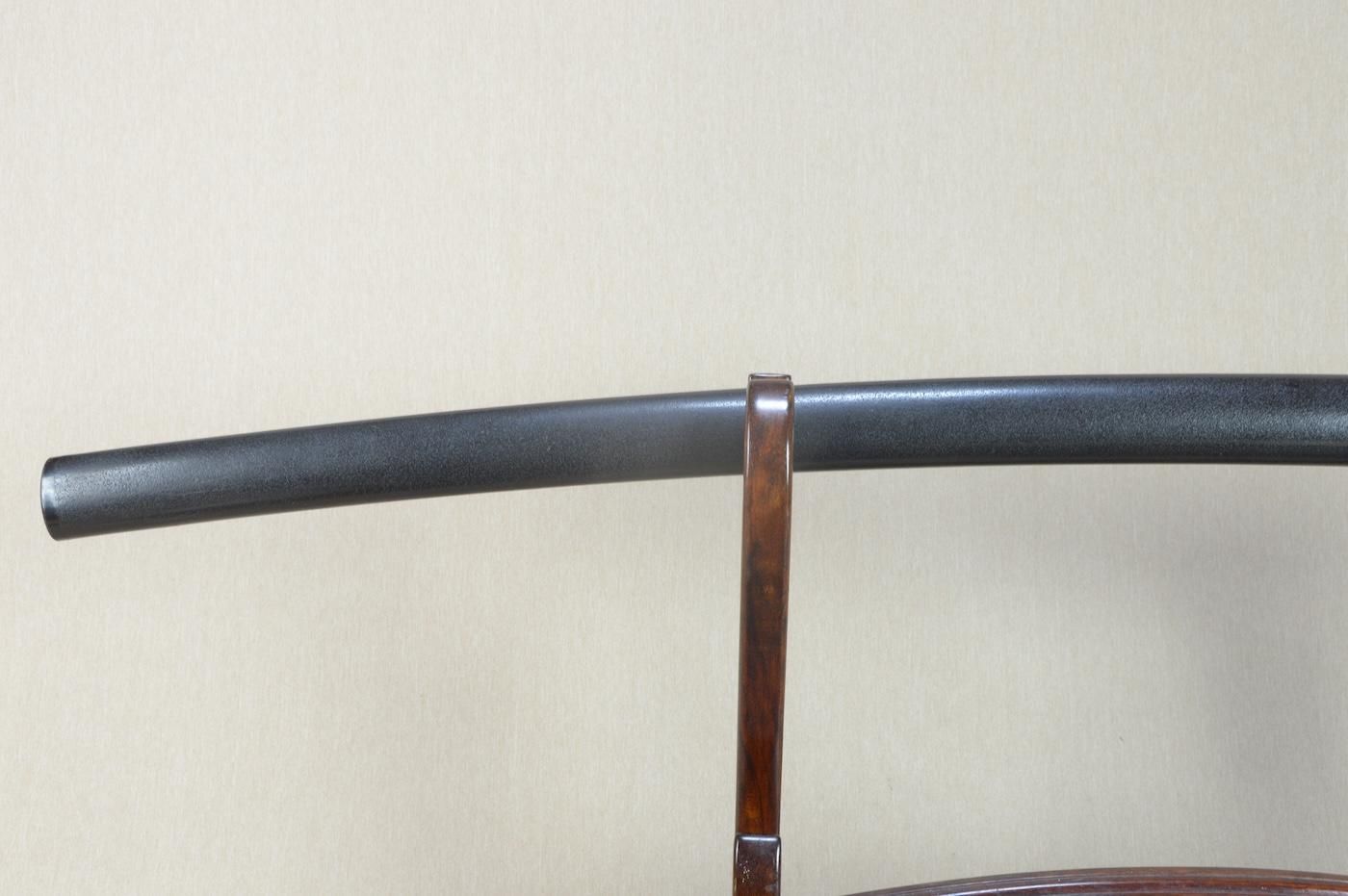
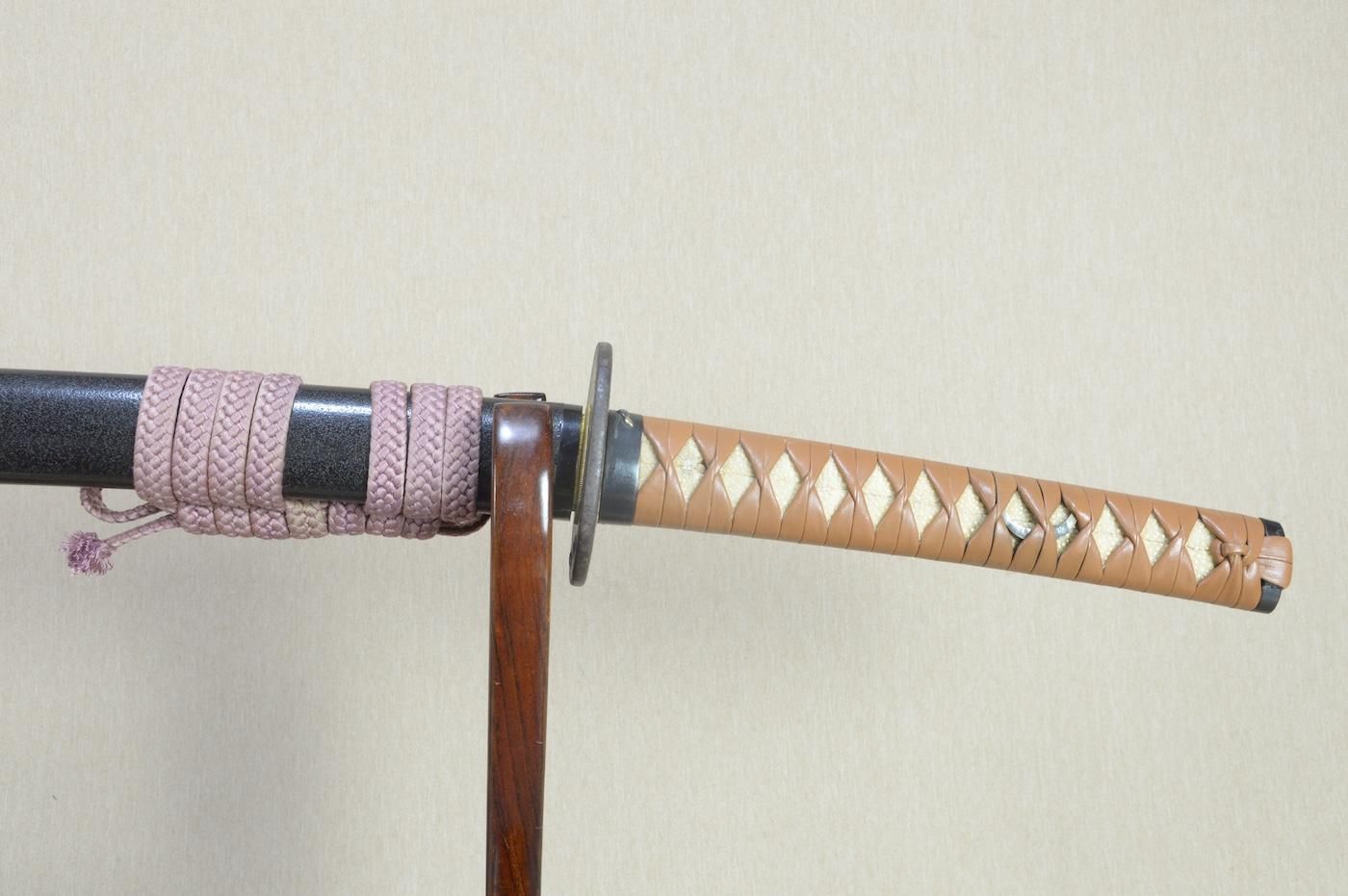
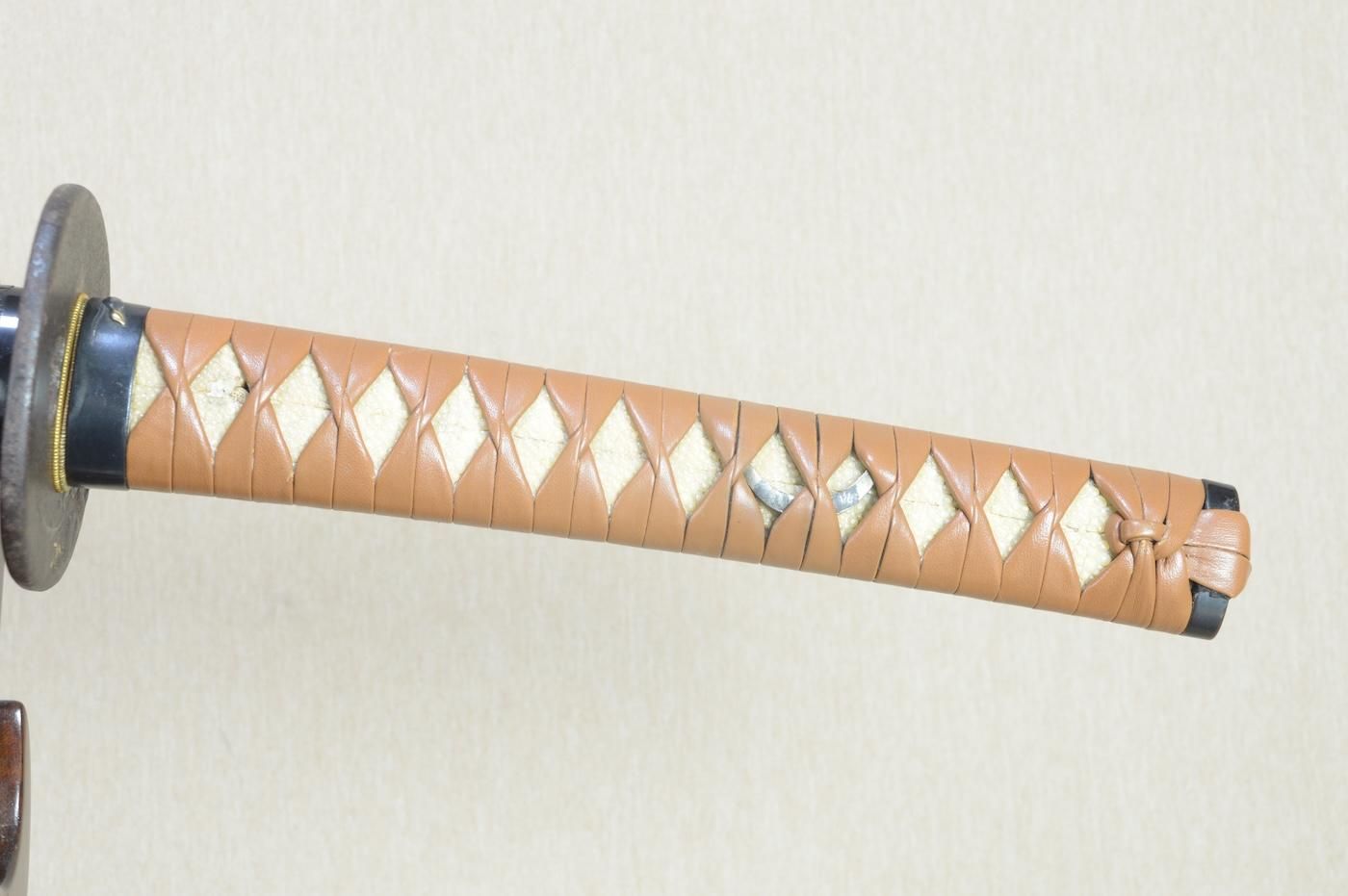
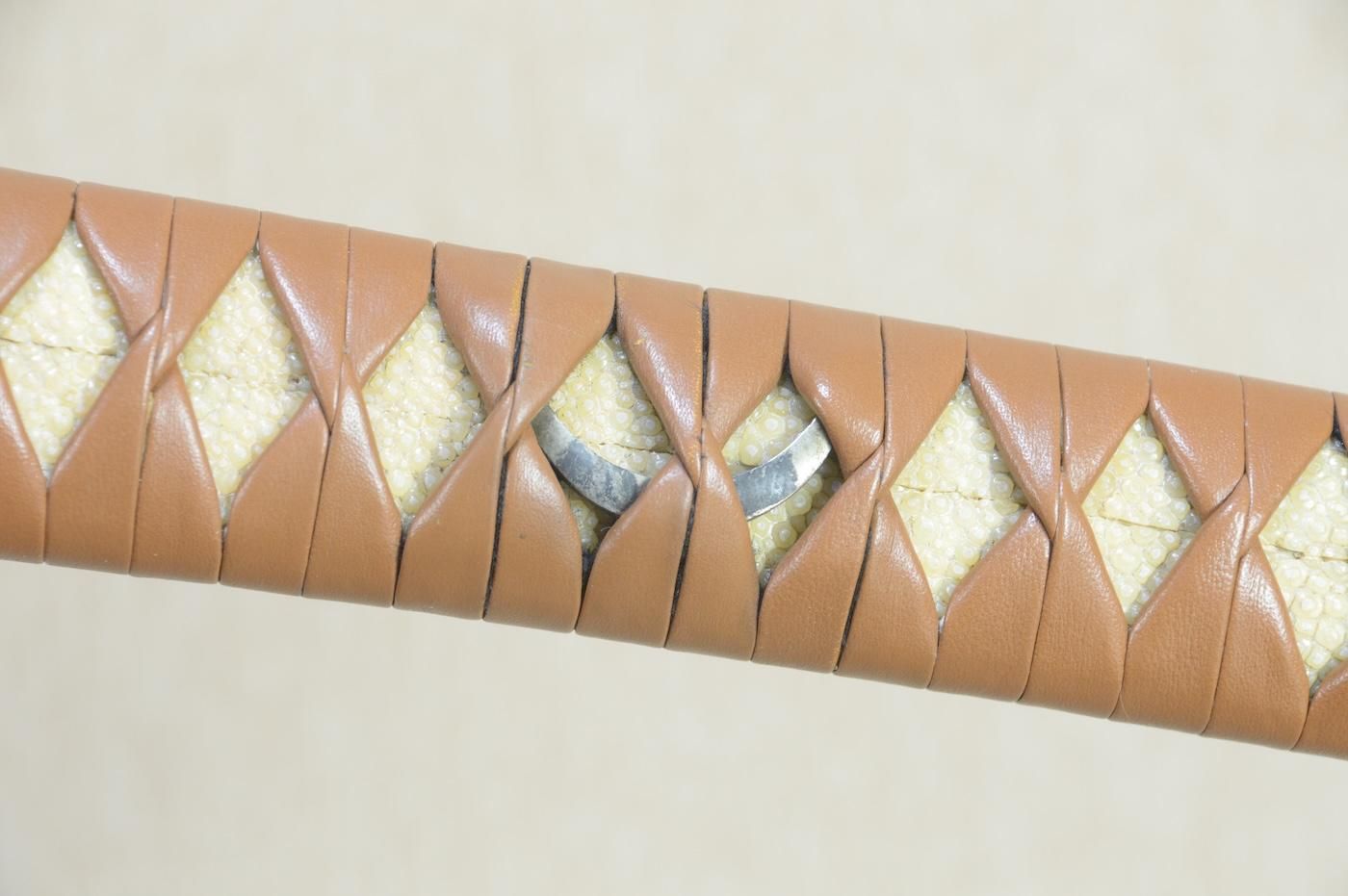
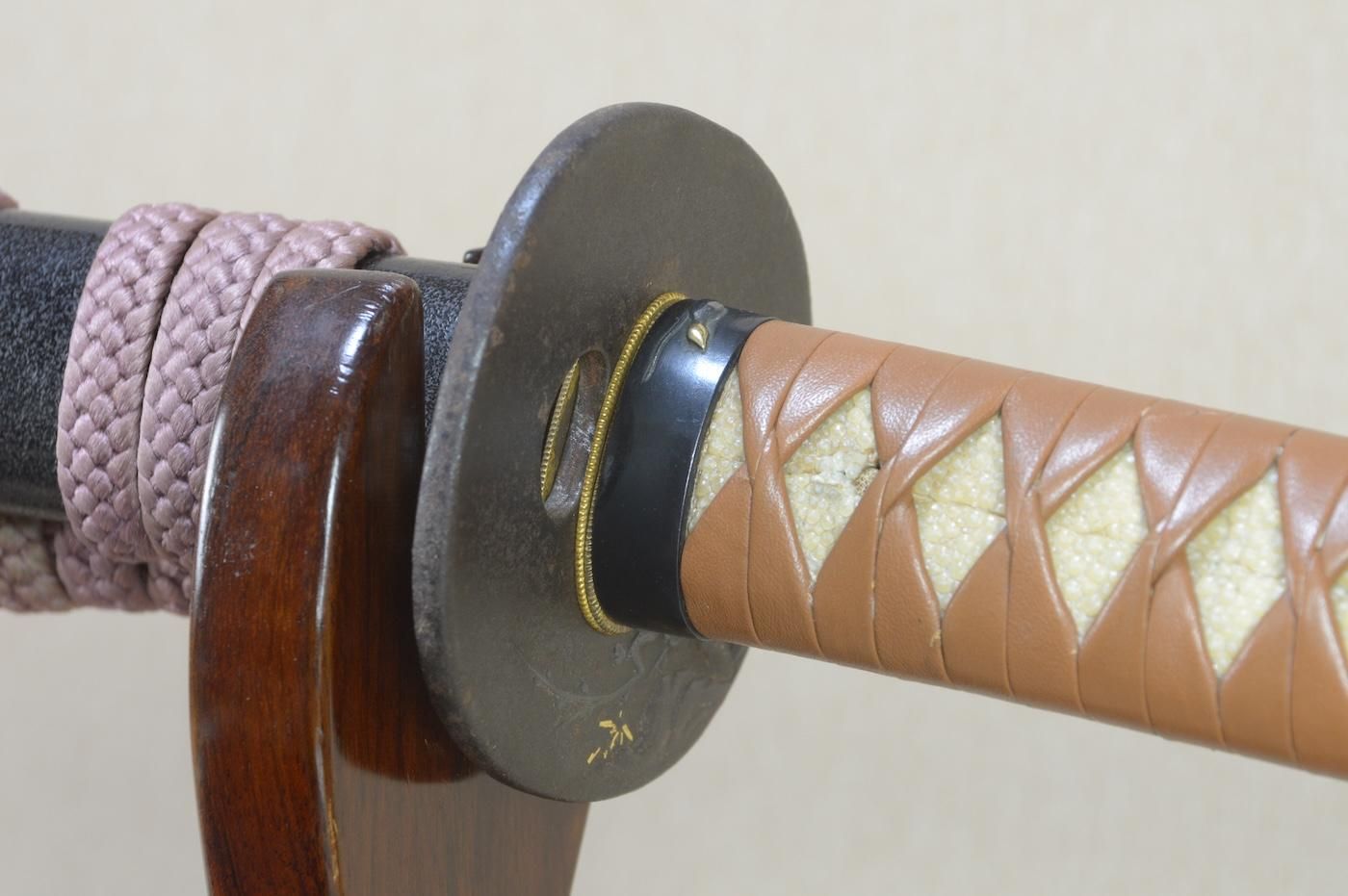
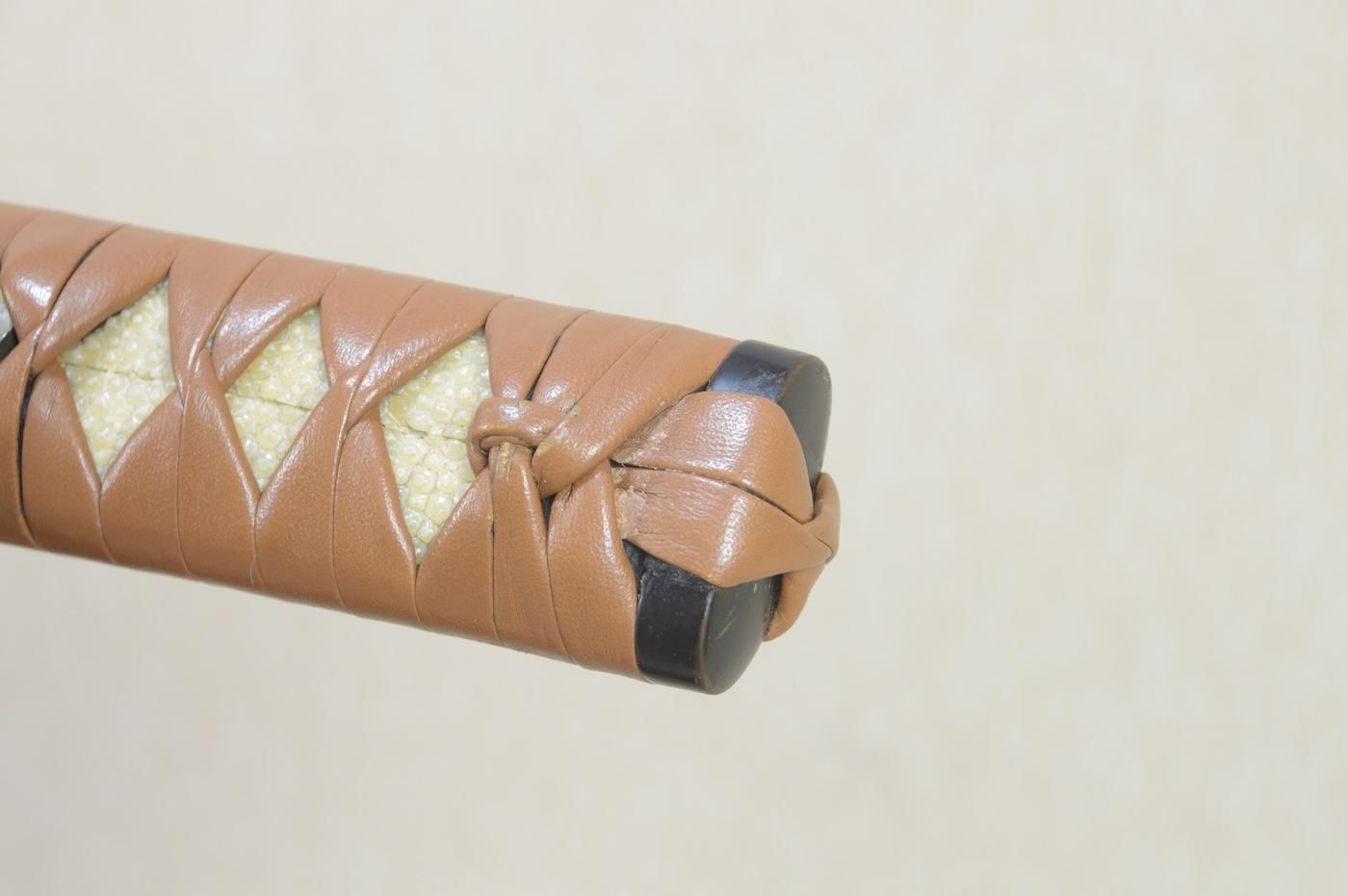
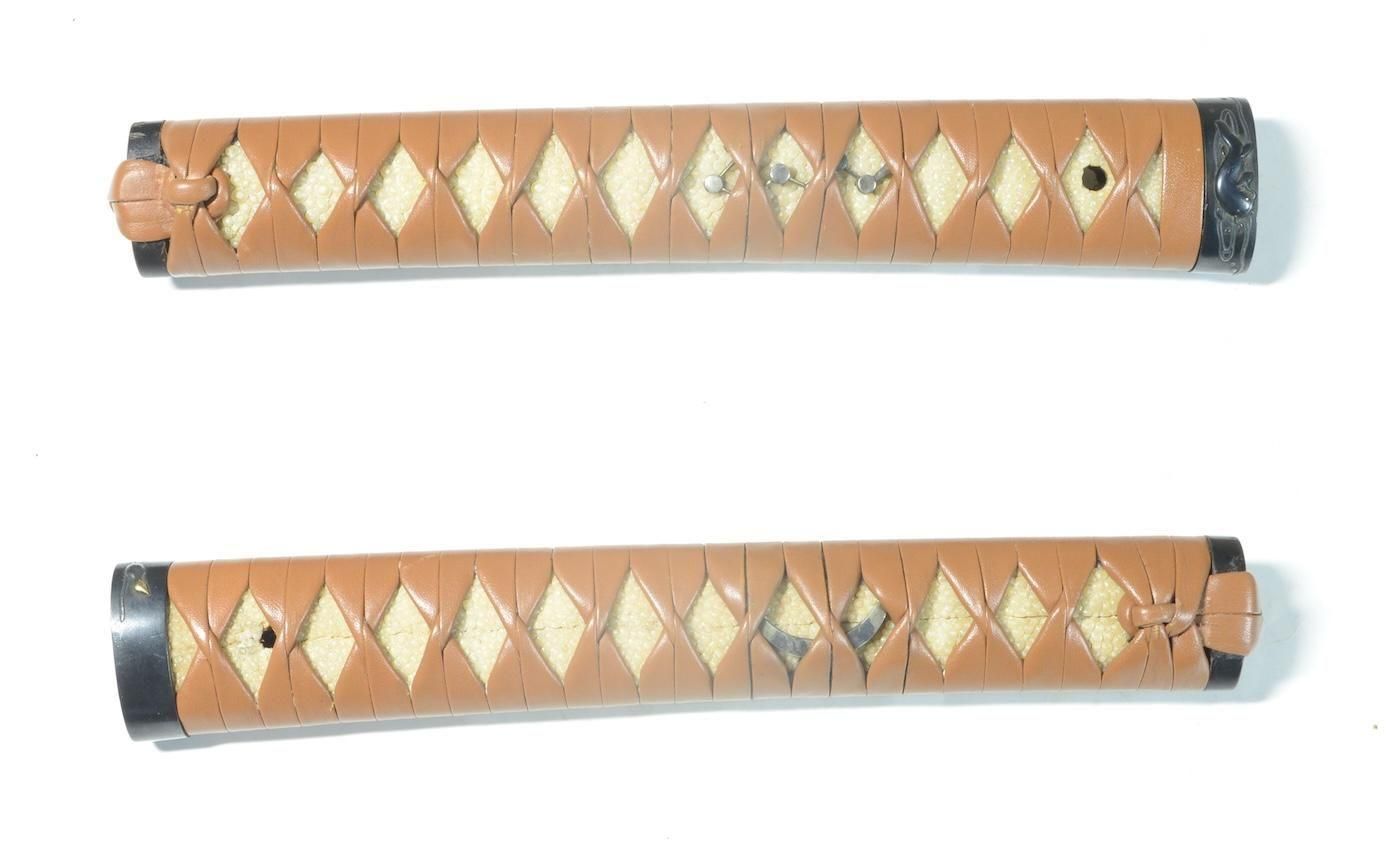
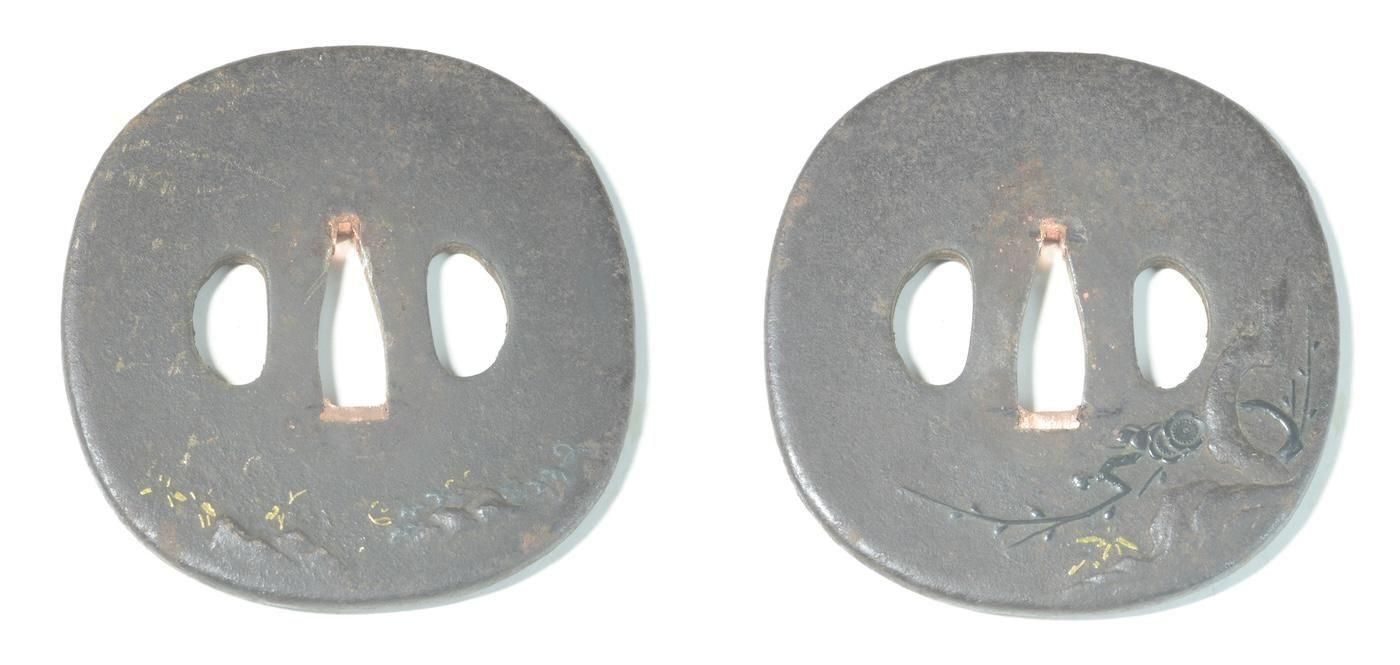
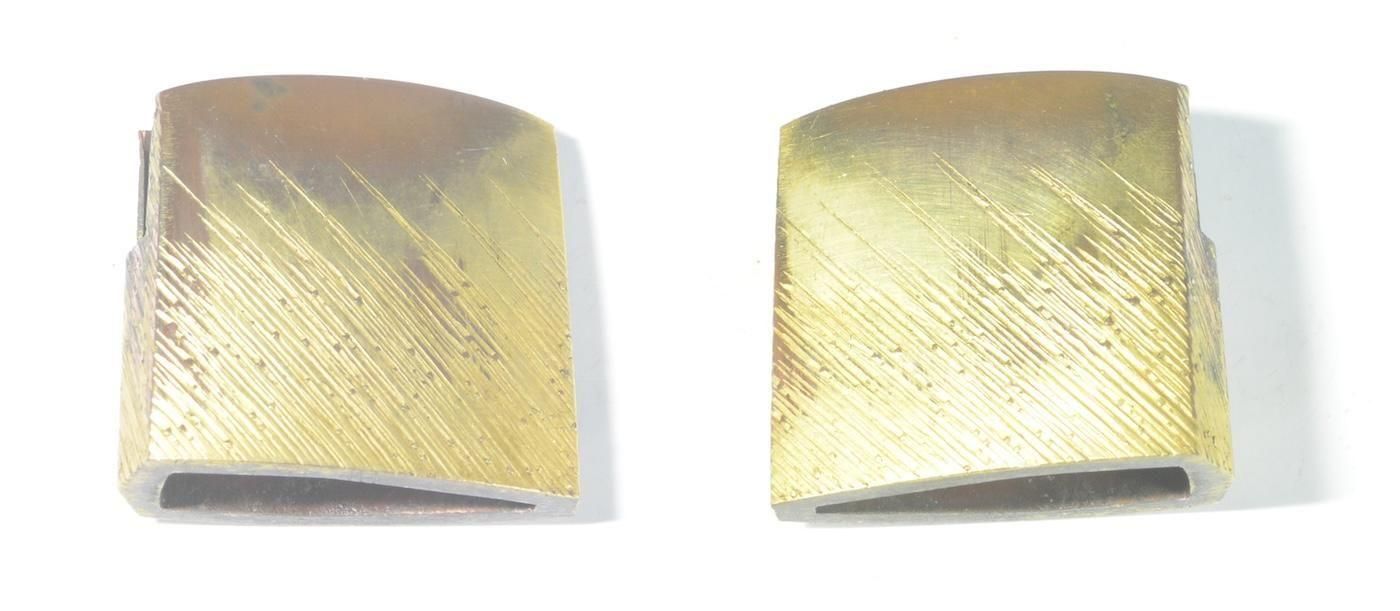
This shop's page text hasn't been cleanly separated yet. Read the description on Ikeda Art's website ↗
Bizen-den · Bizen · around 1462-1487
Fujishiro Jo-jo saku
4 pieces on the market now
Norimitsu belongs to the Osafune lineage of Bizen Province and is traditionally identified as a student of Osafune Nagamitsu. The earliest extant works bearing the Norimitsu signature date to the Kagen era of the late Kamakura period, and the name was transmitted through numerous generations down to the close of the Muromachi period — a span encompassing perhaps more than ten successive smiths. The most celebrated works are those dated to the Kansho era, and the smith active in the Bunmei era occupies a position of particular scholarly interest, as the NBTHK notes there "remains room for research as to whether it was made by the same individual as Kansho Norimitsu or by the next generation." Critically, the Kansho-to-Bunmei-era Norimitsu stands between the Oei-era masters Morimitsu and Yasumitsu on one hand, and the later Sue-Bizen smiths Katsumitsu and Sukesada on the other, displaying an intermediate style that bridges these two periods.
Norimitsu's sword work characteristically employs itame-hada with midare-utsuri standing out in the jihada, and his hamon alternates between two principal modes: a koshi-biraki gunome-midare showing a fukushiki-like double-structured tendency with ashi and yo entering freely, and a chu-suguha with a tightened nioiguchi and frequent ko-choji ashi. The bosshi typically enters midare-komi, often with asymmetrical treatments between omote and ura. His forging in masame-hada on spear works, with nie-laden suguha and hotsure, follows the long-established convention for older spears and is acknowledged as distinct from his characteristic Osafune manner. His blades frequently display bo-utsuri or midare-utsuri, and bo-hi with soe-hi or kaku-dome terminations are regularly encountered.
The NBTHK repeatedly characterizes Norimitsu's productions as displaying "good workmanship in both ji and ha" and as "orthodox and straightforward." His signed, ubu examples are valued as material that "conspicuously reveals distinctive features in both the jihada and the tempered edge," and his work constitutes, in the Board's assessment, "valuable source material for the study of Bizen smiths of this period." His yari, among the earliest bearing Bunmei-era dates, are commended as "orderly and well made" and recognized as representative spears of the Muromachi period. Across all forms — tachi, katana, tanto, and yari — Norimitsu's oeuvre documents the evolving character of mid-Muromachi Bizen craftsmanship with scholarly precision.
Where Norimitsu stands among comparable artisans: across all of nihontō, and within tradition, era, and period. The tiers (Foremost · Leading · Major · Notable) weigh official designations from the NBTHK and Japan's Agency for Cultural Affairs, together with historical honors of lasting repute such as the Sansaku and Meibutsu-chō.
Select a lens to see how it's measured.
Years he was demonstrably active, proven by signed-and-dated blades
Bizen-den · Bizen
Phase: Sue-Bizen末備前· 1441–1596
186 pieces on the market now
The last great chapter of Osafune unfolds in the Eisho and Tenbun years of the late Muromachi, when the riverside workshop turned its accumulated craft toward an age of constant war. Where Oei-Bizen had looked backward, reviving the tachi shape and the choji temper of the Kamakura masters under Yasumitsu and Morimitsu, Sue-Bizen faces forward into Sengoku demand. The leading hands carry the same family characters one generation further: the Sukesada group, headed by Yosazaemon-no-jo Sukesada and the Hikobee-jo Sukesada said to be his father, alongside Katsumitsu (often Jirozaemon-no-jo), Munemitsu, Tadamitsu of the Heiroemon-jo line, and the Kiyomitsu smiths Magoemon-no-jo and Gorozaemon-no-jo. The setsumei draw a sharp line through their output. Commissioned blades, chumon-uchi, were signed with full zokumyo, dated, and frequently inscribed with the name of the ordering party, as on the Katsumitsu and Sadamitsu naginata of Meio 8 made for the Miyake of Kojima, a house that fed into the Ukita. Below them ran the bulk trade of kazu-uchimono, the arms that supplied the warring provinces, and it is the chumon-uchi masters that the designations preserve. What the steel does in this window is distinct from every earlier Osafune register. The shape is the uchigatana: wide mihaba with thick kasane, pronounced sakizori, an extended chu-kissaki or o-kissaki, and a short nakago suited to the katate-uchi one-handed draw, a body unlike the koshizori tachi of Ko-Osafune or the broad Nanbokucho profile of Soden-Bizen. The forging tightens into ko-itame over which a midare-utsuri stands faintly rather than vividly, weaker than the bright reflection of the founding generation.
The signature temper is the open-waisted koshi-no-hiraita gunome, splitting at the heads into fukushiki compound midare and mixed with togariba and choji; it is nioi-based with ko-nie and a bright nioiguchi, with ashi, yo, kinsuji and small tobiyaki worked through. Against this, Soden-Bizen had pushed Soshu nie and notare, while the founders had tempered flamboyant choji over a vivid utsuri. Two specialties branch off the gunome base: the Kiyomitsu and Tadamitsu suguha, calm and tightly forged, and the hitatsura of high-tempered pieces with long muneyaki and yubashiri, seen in the warlord-smiths Akamatsu Masanori and Ishikawa Yukihisa. To kantei a Sue-Bizen blade is to read the body first and the temper second. The compact uchigatana sugata with thick kasane and a short tang fixes the late-Muromachi date; the faint utsuri over dense ko-itame keeps it in Bizen; the open-waisted compound gunome names the group. The masters then separate by hand: Katsumitsu is set apart by the abundant choji he folds into the gunome, yielding a more florid, brilliant dekiguchi than his peers; Tadamitsu and the Kiyomitsu smiths are read out by their suguha, with Magoemon-no-jo's itame standing in mokume to distinguish his ground. The cutting reputation is documented directly, as on the Hikobee-jo Sukesada katana of Keicho 5 carrying a tameshi inscription naming the tester Ichihara Hachibee. Provenance threads through the supplementary signatures: Masanori's reward blades cut for his retainers, the Miyake names tying the workshop to the Ukita, and the Shinjuro Sukesada whose few large works may have ended in the Tensho flood. The horimono carried from the mainline, bonji with rendai, Fudo Myoo, and shrine dedications, persist on these blades as a final mark of the line. Learn more →
| Smith | Era | Designated |
|---|---|---|
| Mitsutada光忠 | 1238-1239 | 60 |
| Nagamitsu長光 | 1274-1304 | 254 |
| Kagemitsu景光 | 1303-1336 | 142 |
| Sanenaga眞長 | 1299-1309 | 68 |
| Kanemitsu兼光 | 1323-1370 | 235 |
Bizen in the Muromachi period
War at home and trade abroad made Muromachi Bizen the busiest forge region in Japan: a century of Sengoku demand after the Ōnin War, and export missions to Ming China carrying blades by the tens of thousands.
Please contact us promptly after the item's arrival. Except where the item is defective, we cannot accept returns. For returns due to customer circumstances, the cost is the customer's responsibility. In the case of a defective item, we bear the cost.