In the Sengoku era the school served a second warrior court: the Later Hōjō at Odawara, whose patronage kept the Tsunahiro line forging hitatsura for the uchigatana age until the castle fell to Hideyoshi in 1590.
 NihontoWatchNihontoWatch
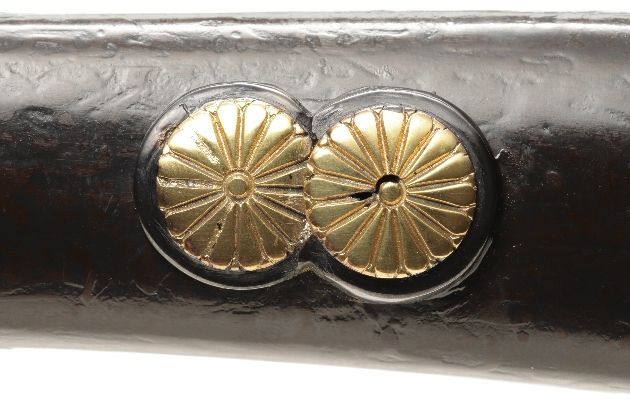
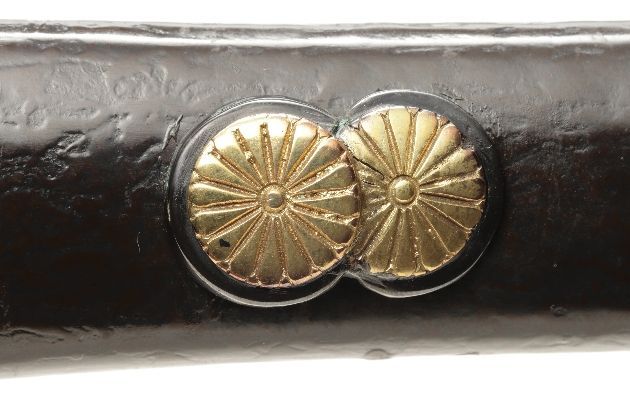
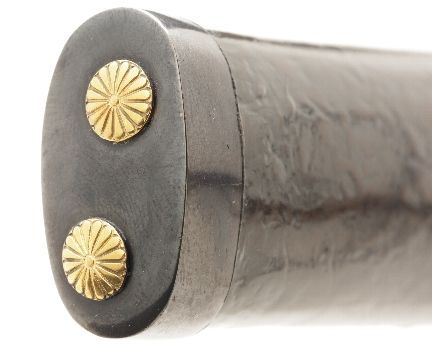
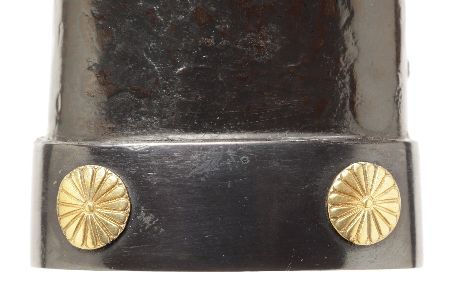
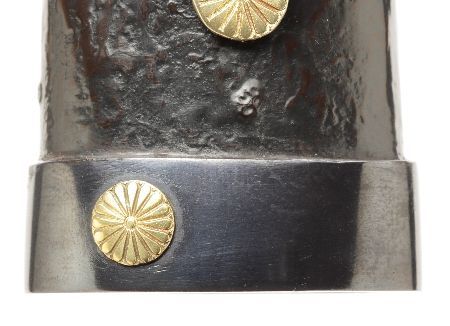
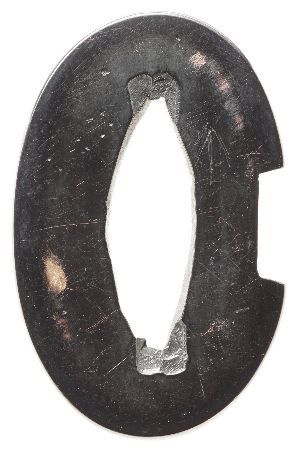
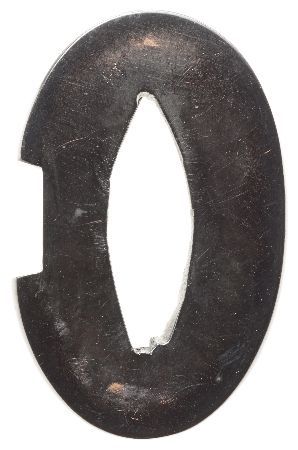
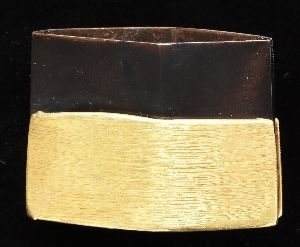
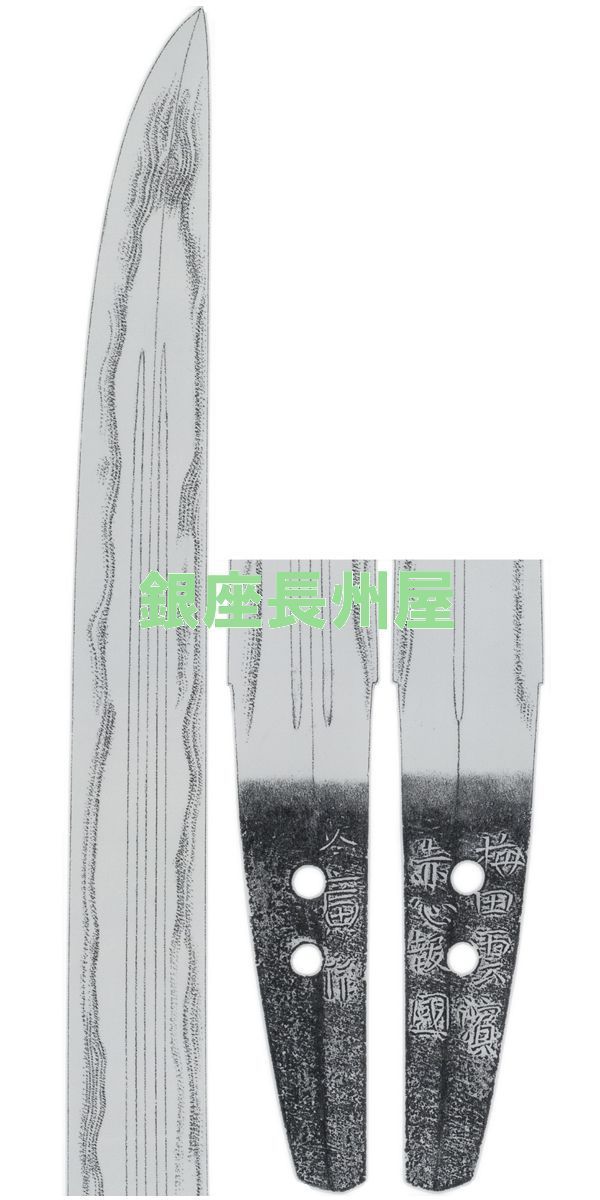
尊王攘夷の志士梅田雲濱(うんぴん)が(注1)所持した若州冬廣の短刀で、茎に「赤心報國」と深く刻されている。雲濱は文化十二年六月七日若狭国小浜の生まれ。文武に秀で、江戸で朱子学を修めた雲濱は、嘉永五年に海防と藩政改革を献策したが、幕政批判の姿勢が佐幕主義の藩主酒井忠義(ただあき)の逆鱗に触れて藩を除籍となる。嘉永六年に黒船来航で揺れる江戸へ出た雲濱は、外圧に屈すれば諸国に侮られ日本に未来はないと確信(注2)して吉田松陰と意見を交換し、水戸(注3)、長門、対馬で尊王攘夷論を遊説。その説に共鳴して起ち上った士は多く、また幕政批判の舌鋒が余りに鋭く、後の安政の大獄で捕縛され、安政六年九月十四日に獄死している(注4)。 雲濱が護身用に腰間を温めたのは、郷里若狭の鍛冶冬廣。この短刀は、棟方にも焼刃が施された一撃必殺の武器両刃造で、二筋樋、細樋が掻かれて引き締まった姿。地鉄は小板目に板目、流れごころの肌を交え、小粒の地沸が付いて鉄色が明るい。刃文は浅い湾れに小互の目を交え、刃縁は小沸で明るく、刃境に湯走り、金線、砂流し掛かり、沸筋流れ、小足入り、刃中は匂で澄む。帽子は金線、砂流しを伴って掃き掛け、突き上げて浅く返る。先の細い茎には筋違鑢が掛けられ、個性的な銘形の「冬」に比べて「作」の字がやや小さく刻され、名手藤左衛門尉冬廣の銘字に近似(注5)。同作短刀中の優品となっている。「梅田雲濱赤心報國」との切付銘は、たとえ志半ばで倒れても不屈の志を後世に伝えんという雲濱の決意(注6)の顕れである。 菊紋尽の赤銅金具で装われた拵が付されている。 注1...本名梅田源次郎定明。雲濱は小浜を「雲の浜」と称した事による。 注2...勤王愛国の精神を基にしており、単なる外国嫌いでは決してなかった(梅田昌彦著『梅田雲濱入門』。梅田氏は雲濱の玄孫)。 注3...雲濱は水戸で武田耕雲斎、高橋多一郎、金子孫二郎と交流。後に武田は天狗党首領、高橋、金子は桜田門外の変の首謀者となった。 注4...享年四十五才。浅草海禅寺(東京都台東区)に墓がある。 注5...『刀剣銘字大鑑』に「藤左衛門は茎先を絞ることと『作』の字を小さくきること、筋違鑢になるあたりを見所とし」「冬広中屈指の名工」とある。 注6...雲濱は書簡で「事成らずして倒るゝとも、其志は長く世に伝はり、勤王の魁と相成り候へば又是男子の大幸ならずや」と述べている。
NihontoWatchOffered by Choshuya
This piece has sold
7 on the market
Get an email when a new Wakasa Fuyuhiro piece hits the market.









Soshu-den · Wakasa · around 1444-1449
Fujishiro Chu-jo saku · Tōken Taikan top 49%
Where Fuyuhiro stands among comparable artisans: across all of nihontō, and within tradition, era, and period. The tiers (Foremost · Leading · Major · Notable) weigh official designations from the NBTHK and Japan's Agency for Cultural Affairs, together with historical honors of lasting repute such as the Sansaku and Meibutsu-chō.
Select a lens to see how it's measured.
Soshu-den · Wakasa
7 pieces on the market now
The Fuyuhiro line worked at Obama in Wakasa Province, and the setsumei consistently trace its founder to Sagami. He is recorded as the son of the third-generation Hirotsugu of Sagami, said to have relocated to Obama around the Kōshō era (1455 to 1457), with one blade instead reporting that he studied under Tsunahiro of Sagami. The earliest hand is identified on a two-character mei attributed to the first-generation Wakasa Fuyuhiro, and the name continued thereafter, the lineage held to have run for some five generations and the signature extending into the shinshintō period and the closing years of the Edo period. " Several blades carry residence inscriptions for places far from Wakasa, among them Hōki, Unshū, Izumo, Bizen, and Bitchū, including a katana made at Matsuyama in Bitchū; whether these issued from one man or several is left by the setsumei as a matter for further study. The descent from Sagami places the line within the Soshu-den, working its late, provincial idiom. Across these blades the forging is itame mixed with mokume and nagare, repeatedly described as inclining toward hada-dachi, or standing grain, with ji-nie and frequent chikei. Two tempering modes recur. One follows late Sōshū and Sue-Sōshū taste, a wide notare or ō-notare mixed with ko-gunome, ko-chōji, and togariba, carrying ashi and yō, nie that adheres thickly and at times coarsely, with sunagashi and kinsuji, and in the most active examples tobiyaki and muneyaki that build into hitatsura. The other approaches Sue-Bizen, seen in a gunome-midare with koshi-biraki tendency or a tighter nioiguchi over ko-nie.
A third register appears as a broad suguha-chō set with ko-gunome and ko-notare. The bōshi is typically midare-komi, turning ko-maru or pointed with hakikake. To read the hand, the setsumei point to the standing grain and bright nioiguchi, the often grand sakizori construction with extended or ō-kissaki, and the carving: bō-hi with soe-hi, and on one blade a kurikara with bonji and goma-bashi whose manner is likened to Heianjō Nagayoshi rather than to Sōshū. Generations and modes separate by whether the workmanship leans Sue-Sōshū or Sue-Bizen. For kantei, the setsumei treat the place-stating signatures and dated tangs as the principal documentary value, several blades singled out for the clarity their inscriptions bring to the line's chronology and geographic reach; one Tenshō 8 katana adds the invocation "Hachiman Daibosatsu" beside the mekugi-ana and "Jūdai" cut on the mune. The recurring open question of the far-flung residence signatures, Hōki through Bitchū, frames the standing of the name as one whose precise membership the register still weighs. Among individual works, the writers name a suriage katana as a kessaku, a wholly hardened blade close to late Bizen, and a two-character first-generation piece judged the finest in jigane and hamon. Accompanying uchigatana koshirae survive on two katana, one with shakudō nanako fittings bearing the "Misu aoi" crest, the other a black-lacquered leather katate-maki mounting whose saya is held close in date to the blade. The setsumei present Fuyuhiro as a capable smith adept in both suguha and midare and in horimono, his Wakasa workshop carrying the Soshu-den into the late Muromachi and beyond. Learn more →
| Smith | Era | Designated |
|---|---|---|
| Fuyuhiro冬廣 | 1521-1568 | 5 |
| Fuyuhiro冬廣 | 1487-1489 | 0 |
| Fuyuhiro冬廣 | 1624-1644 | 0 |
| Fuyuhiro冬廣 | 1501-1504 | 0 |
| Fuyuhiro冬廣 | 1661-1673 | 0 |
Sōshū in the Muromachi period
In the Sengoku era the school served a second warrior court: the Later Hōjō at Odawara, whose patronage kept the Tsunahiro line forging hitatsura for the uchigatana age until the castle fell to Hideyoshi in 1590.
A Hozon-certified blade judged to show notably superior workmanship and a better state of preservation. The bar is higher: re-tempered blades and most unsigned Muromachi/Edo works are excluded.
The NBTHK (Nihon Bijutsu Tōken Hozon Kyōkai, the Society for the Preservation of Japanese Art Swords) is a public-interest incorporated foundation founded in 1948 and supervised by Japan’s Agency for Cultural Affairs (Bunkachō); it is based at the Japanese Sword Museum in Tokyo. Its expert panels physically examine each submitted work (shinsa) and issue a certificate (kanteishō) ranking it by artistic and historical merit. NBTHK papers are the most widely recognized standard of authentication for Japanese swords and fittings.
NBTHK official siteIf, due to our fault, the item differs significantly from its proper condition, the item may be returned. Cooling-off is within one week of the item's arrival.