Sengoku Seki was an industry: smiths organized under their tutelary Kasuga shrine, arming the war bands of central Japan. Magoroku Kanemoto’s sanbonsugi and the finest Kanesada work prove quality survived inside mass production.
 NihontoWatchNihontoWatch
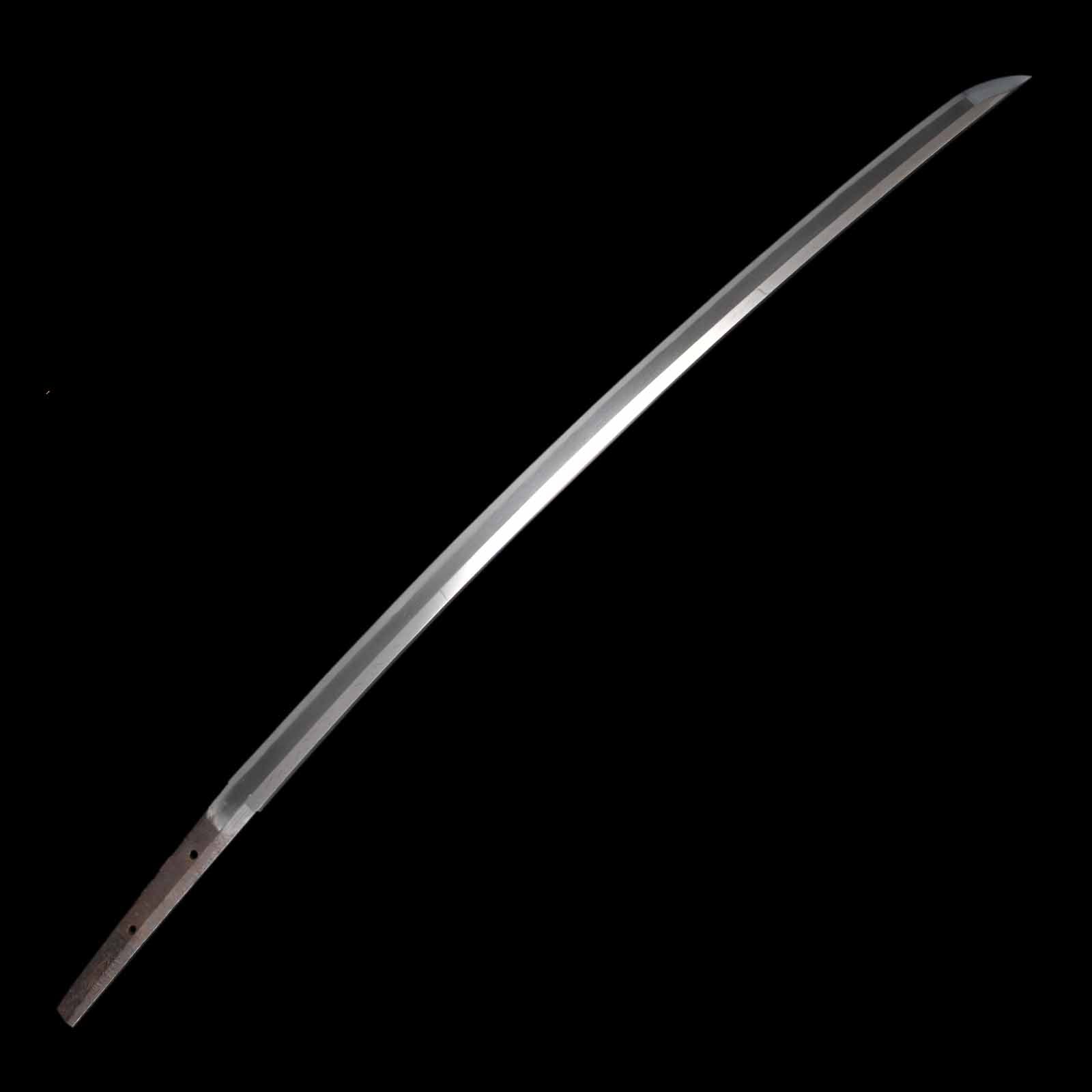
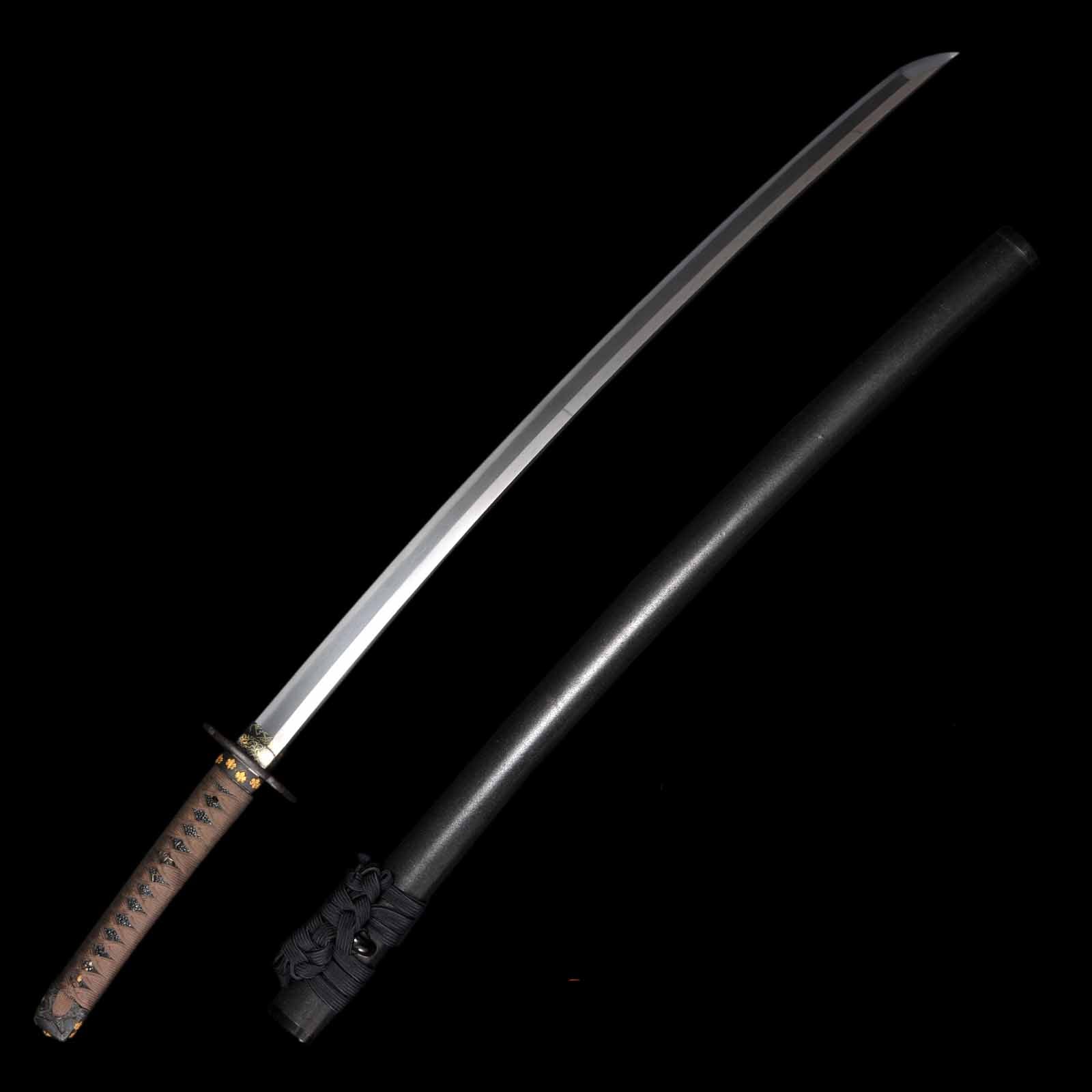
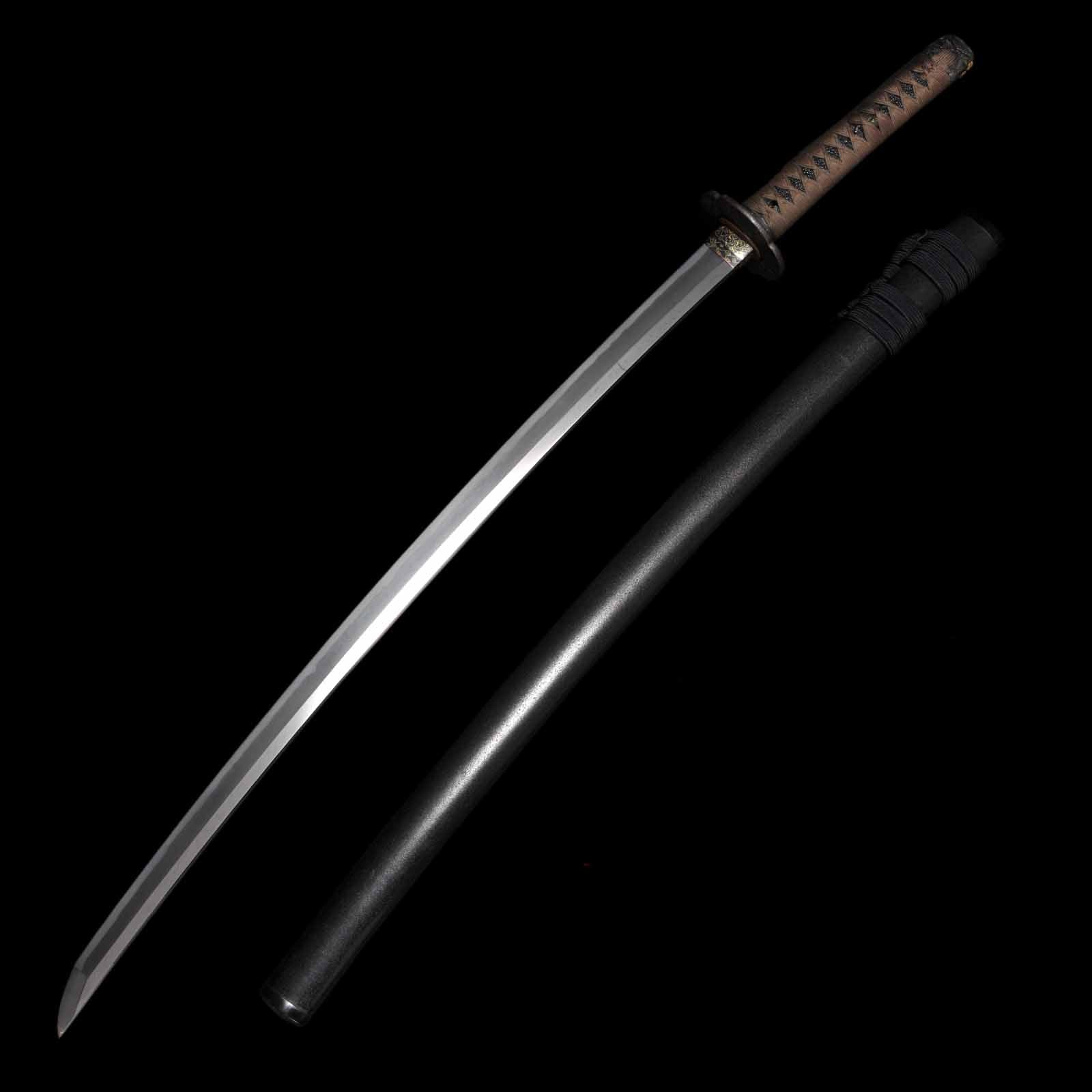
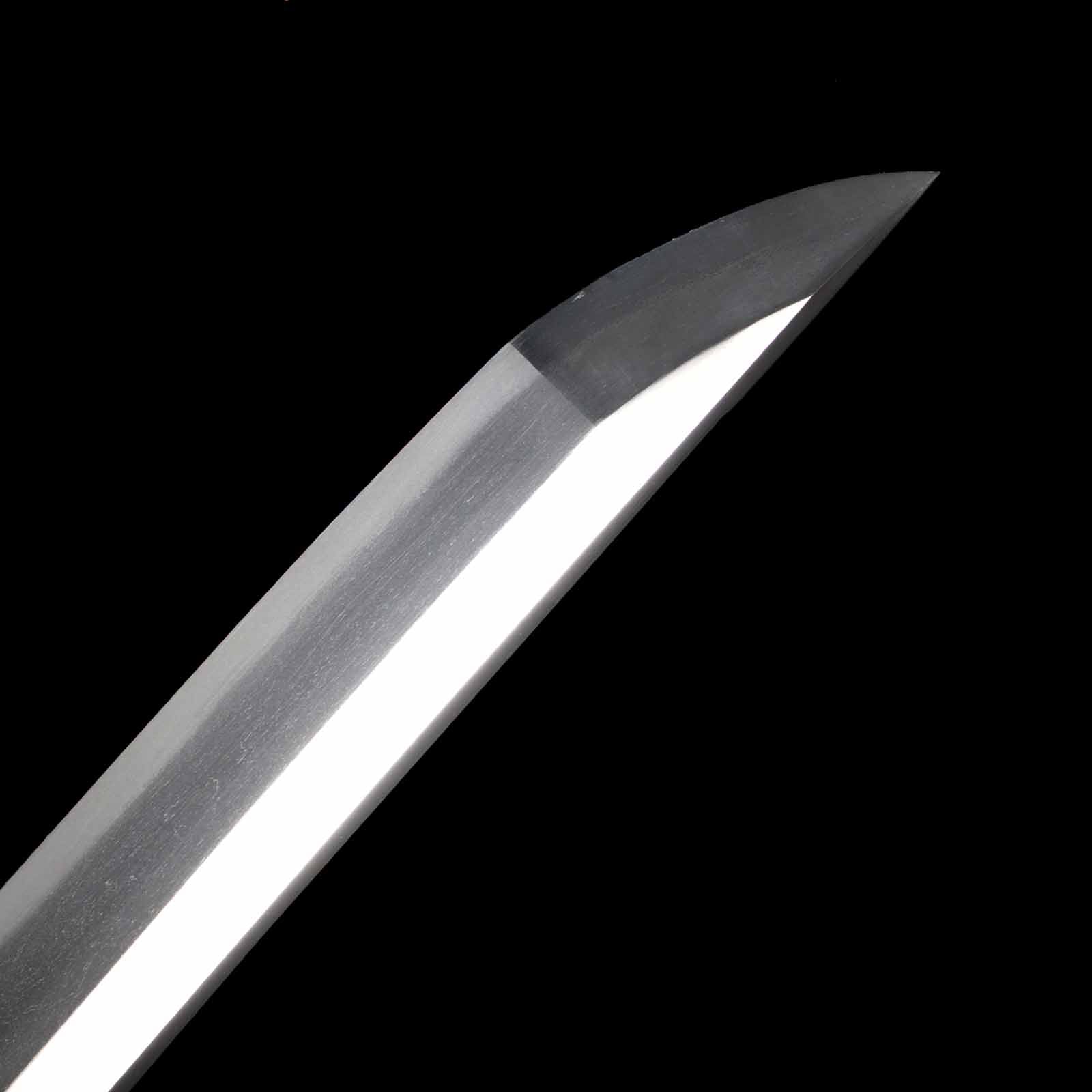
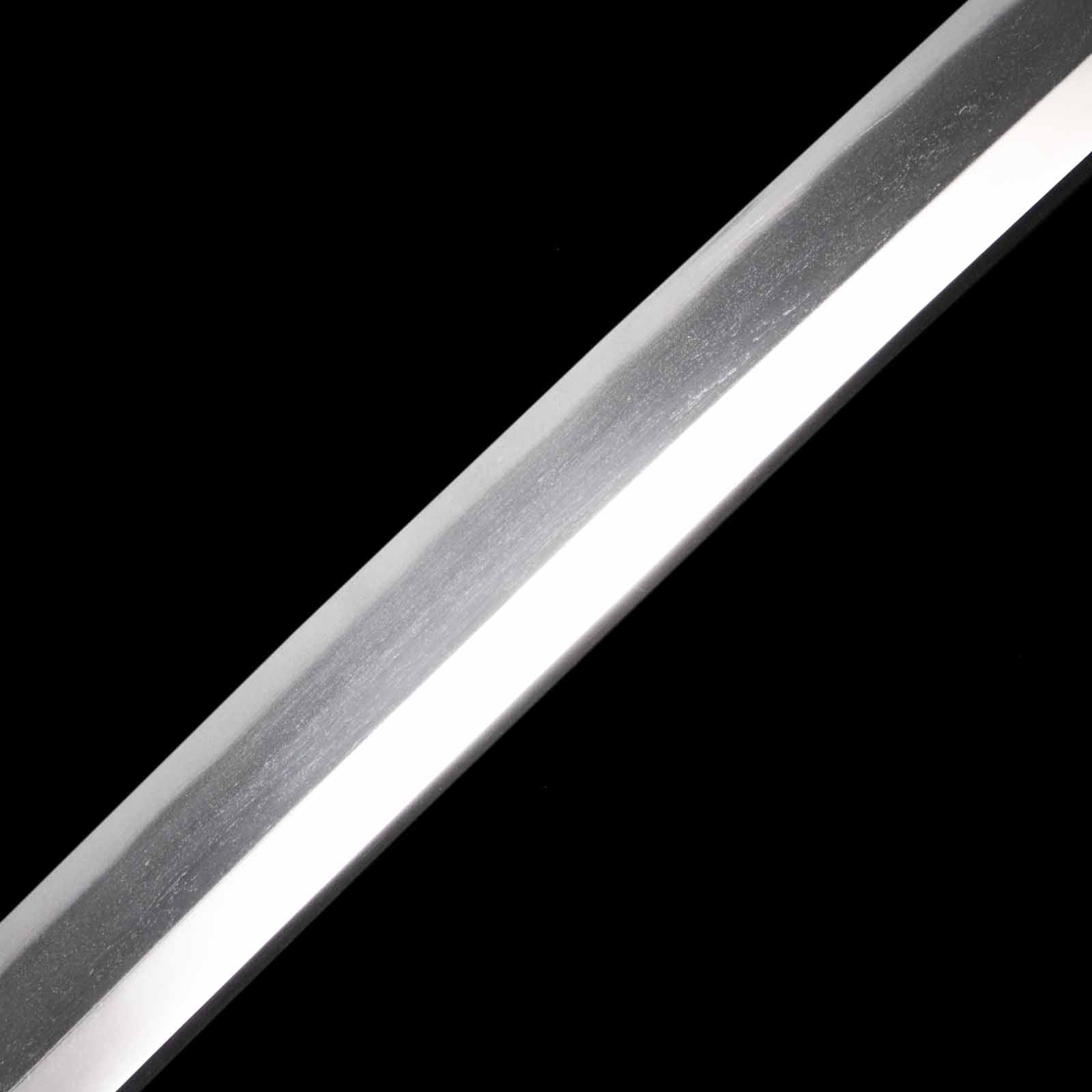
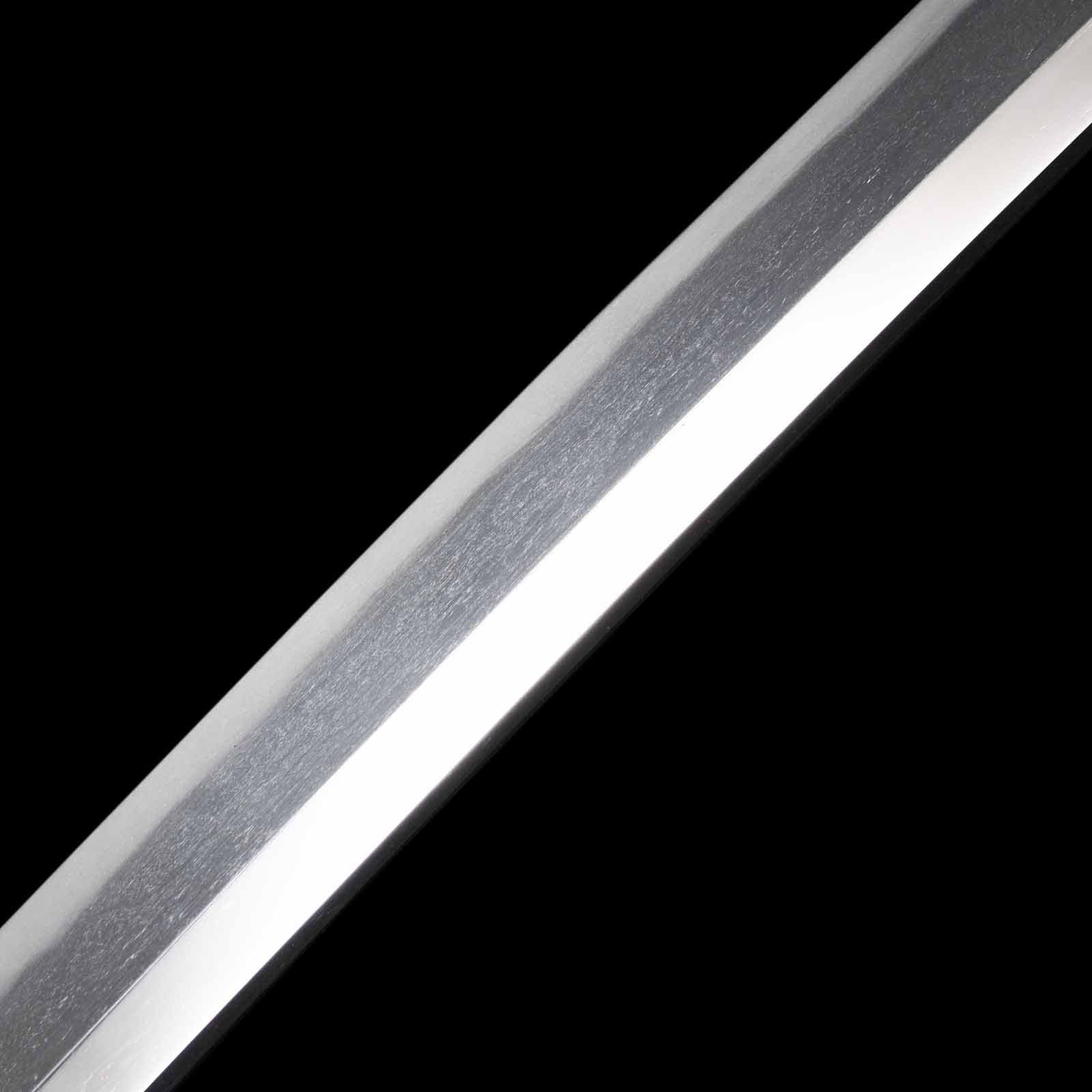
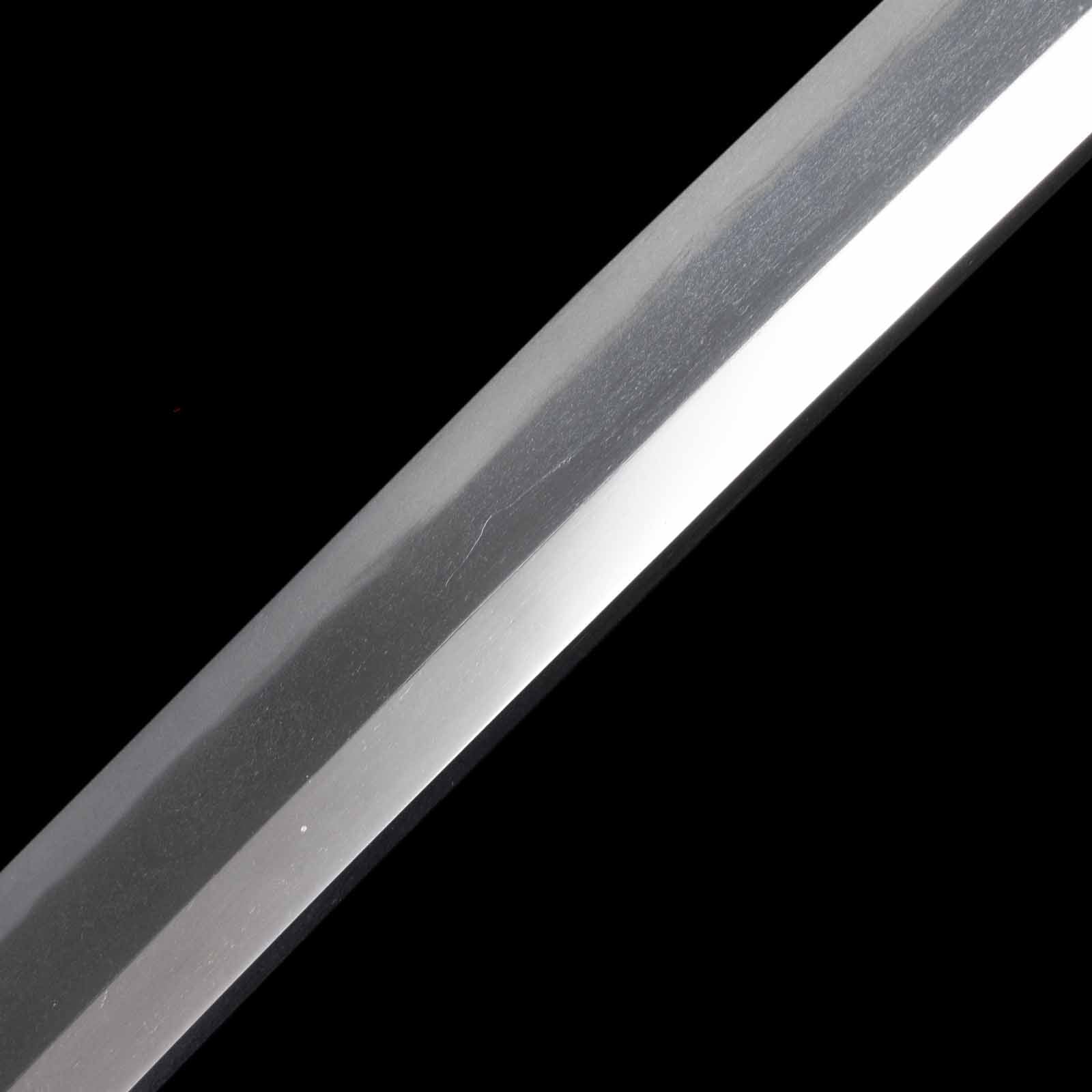
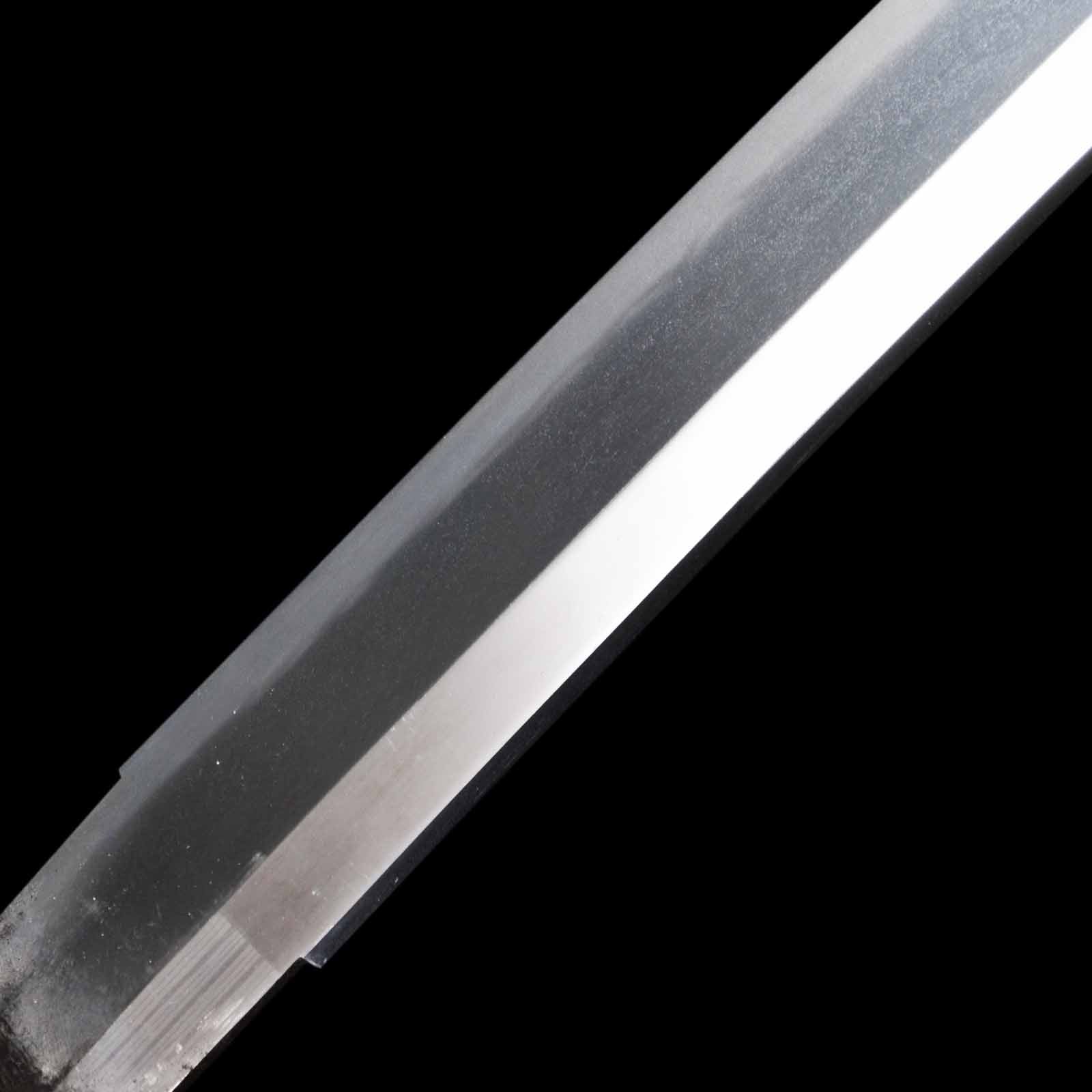
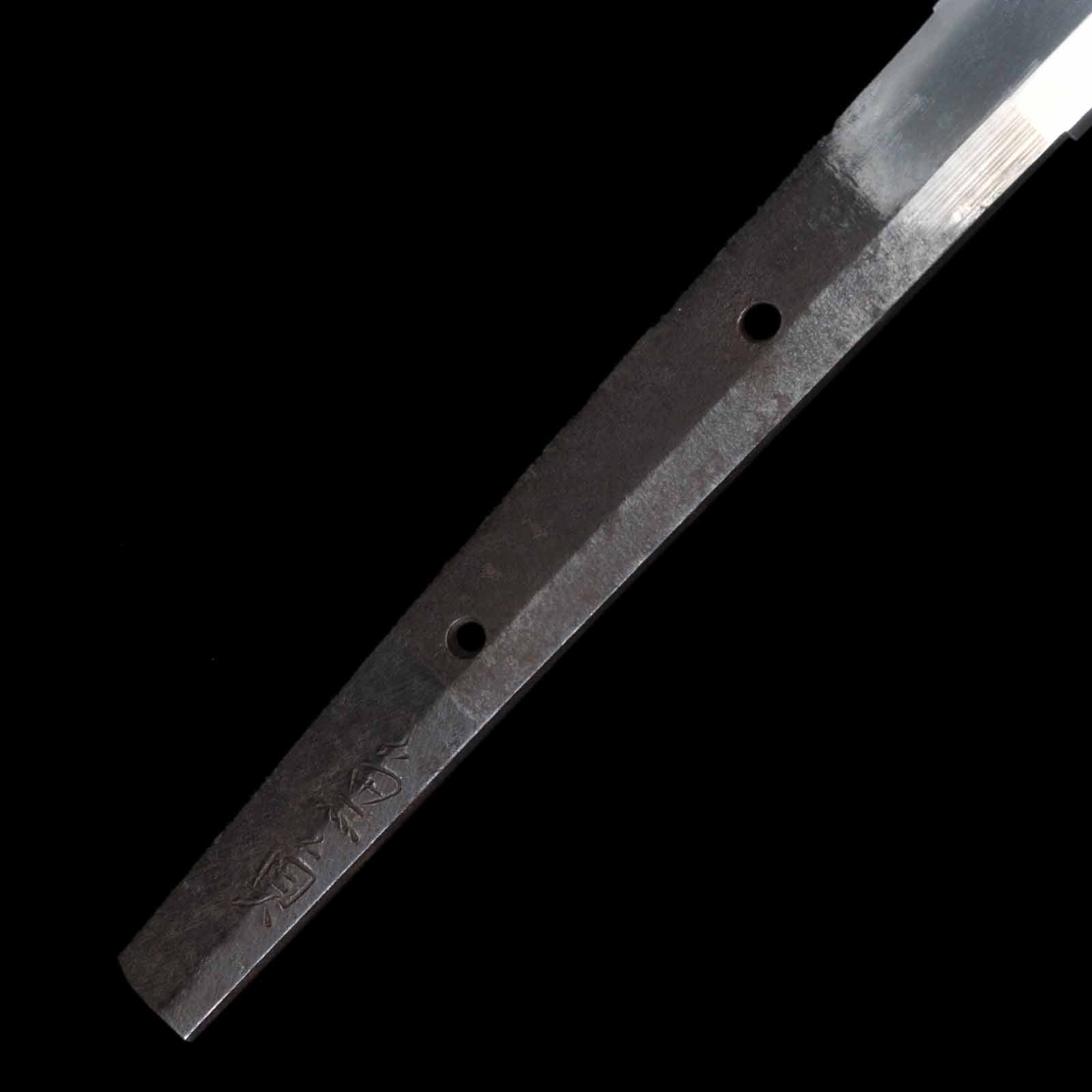
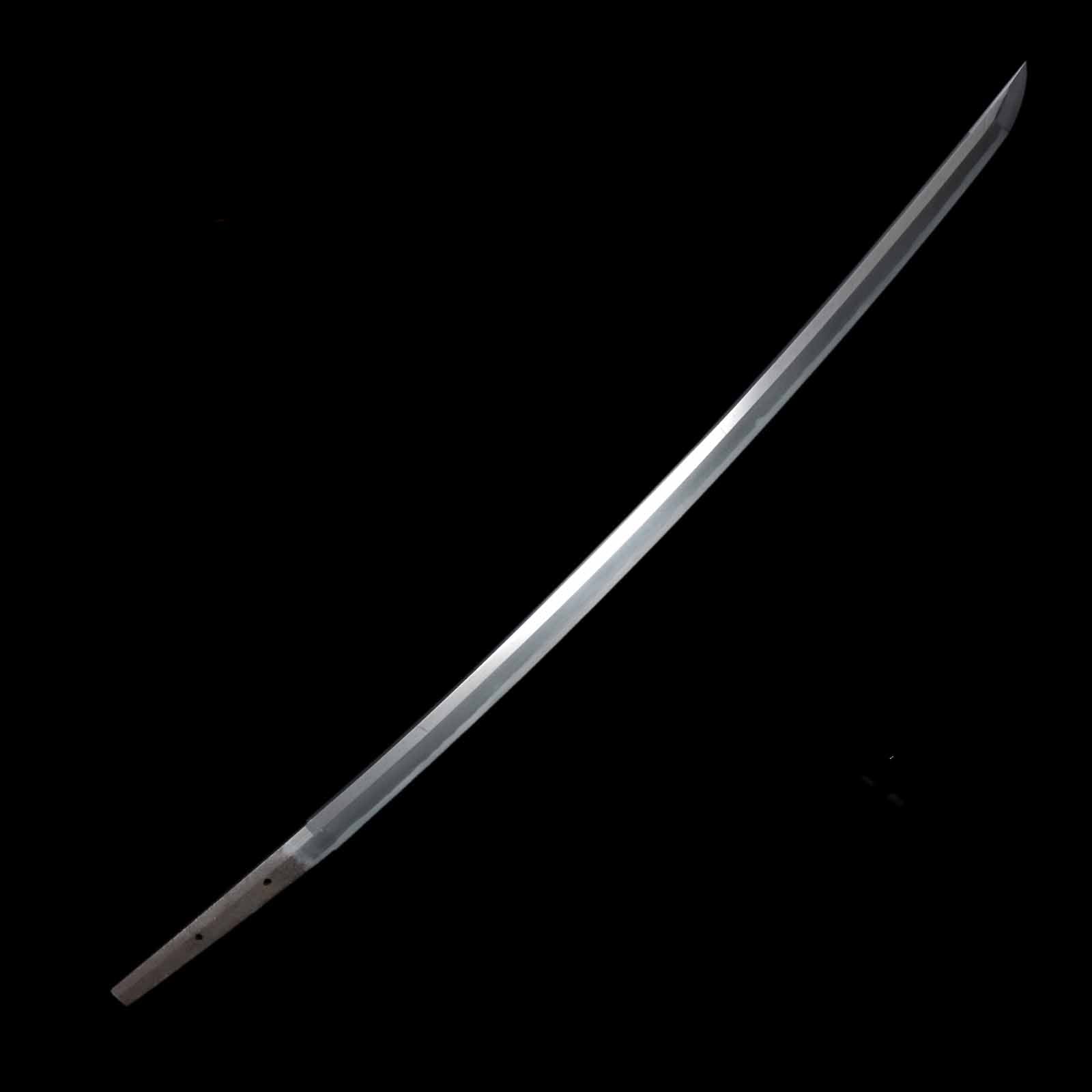
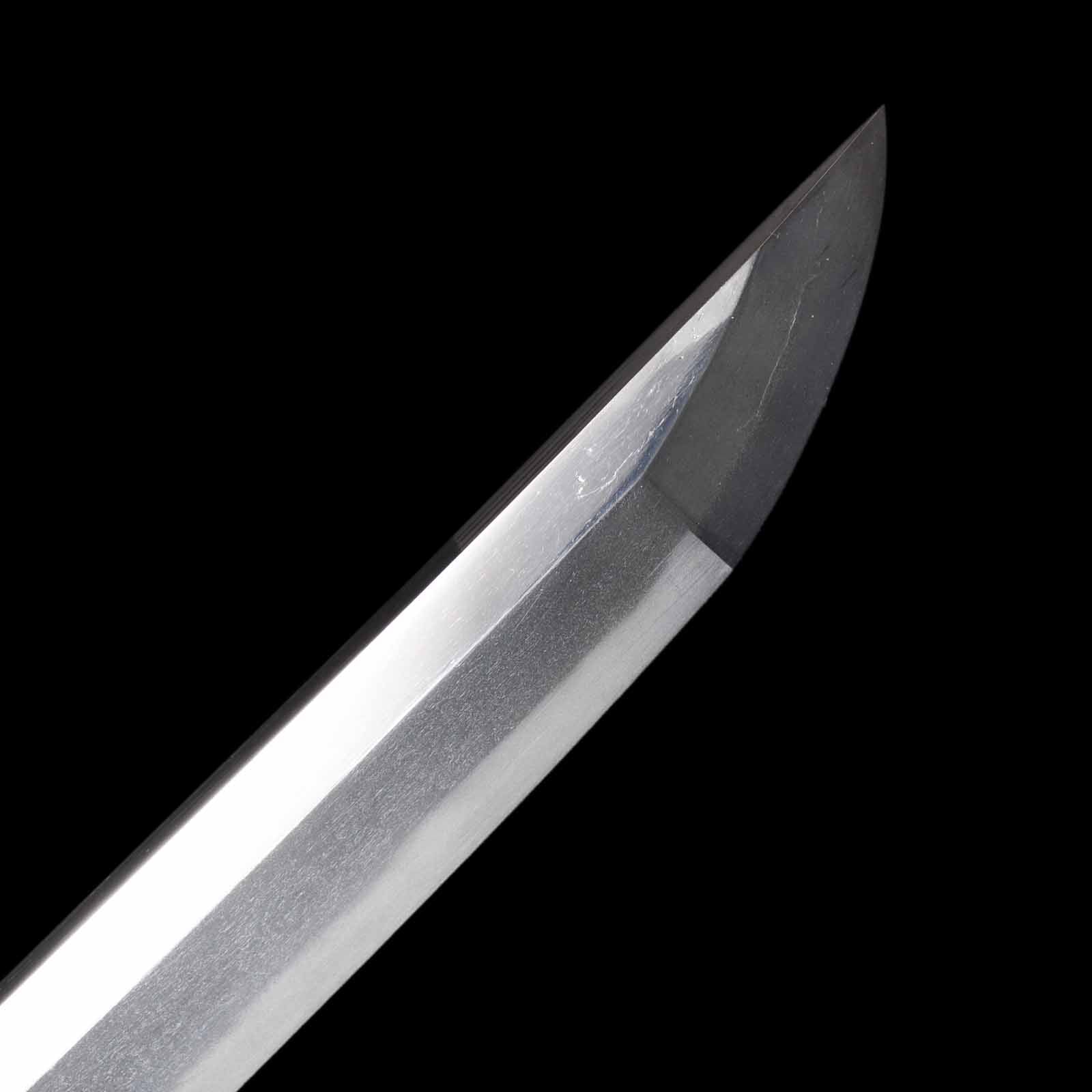
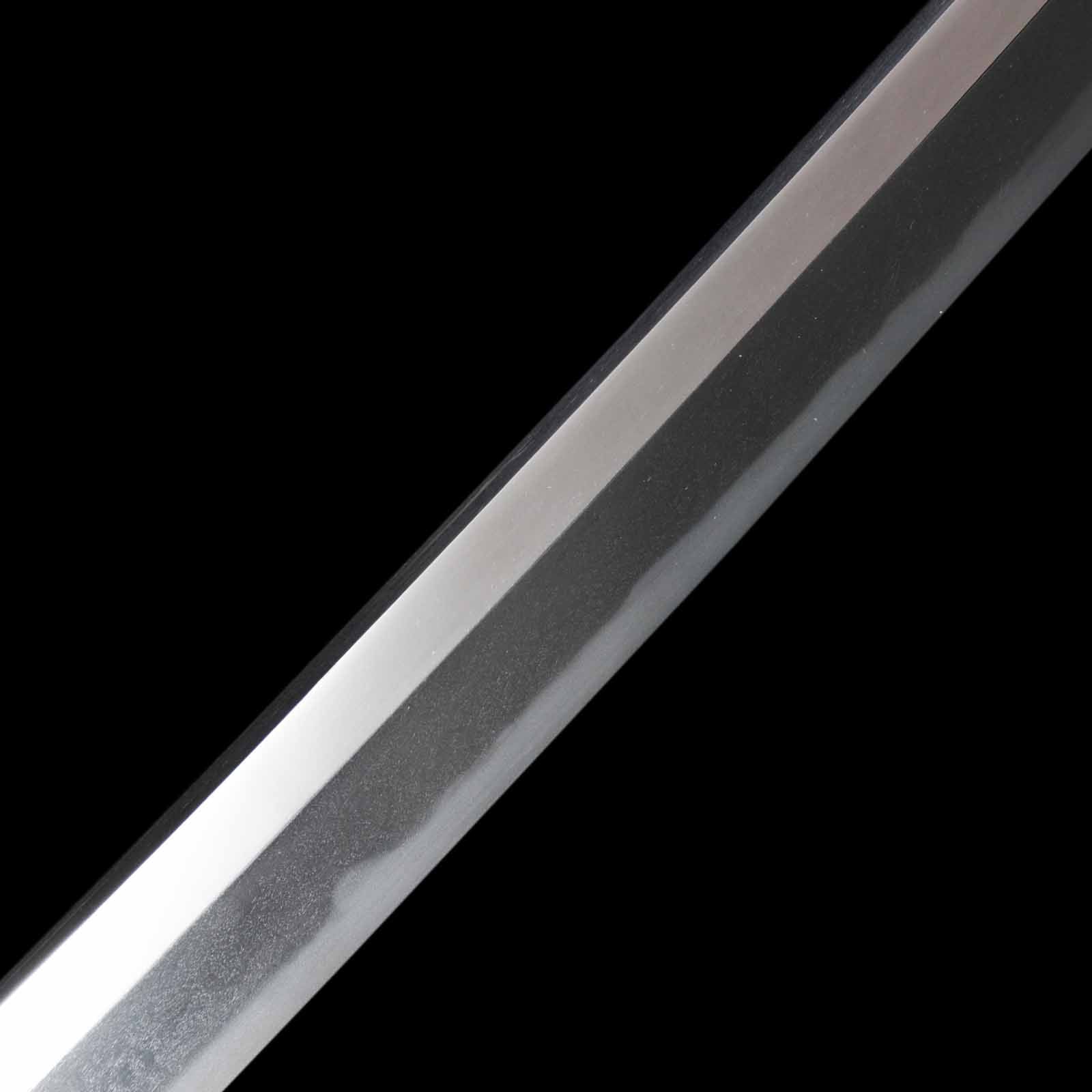
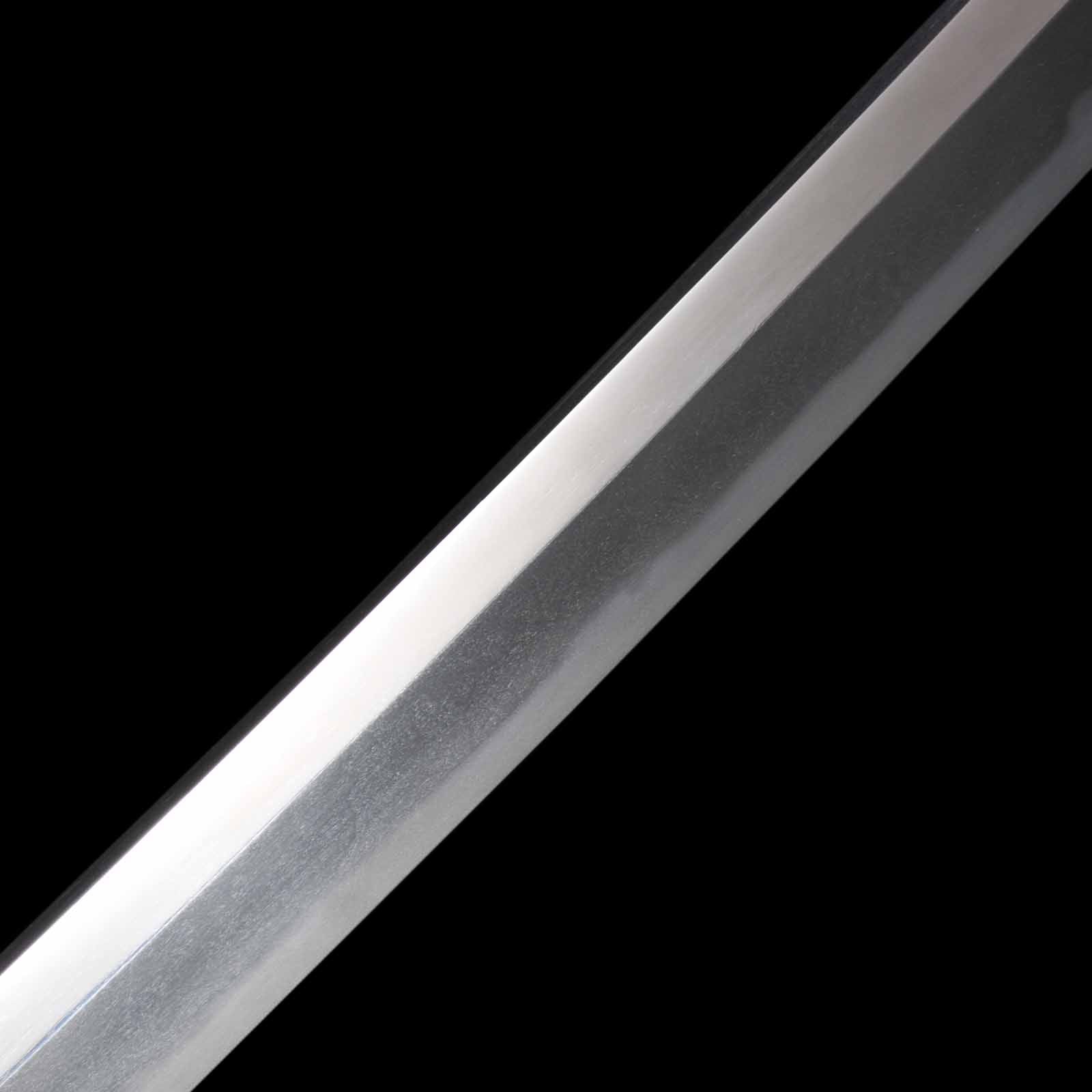
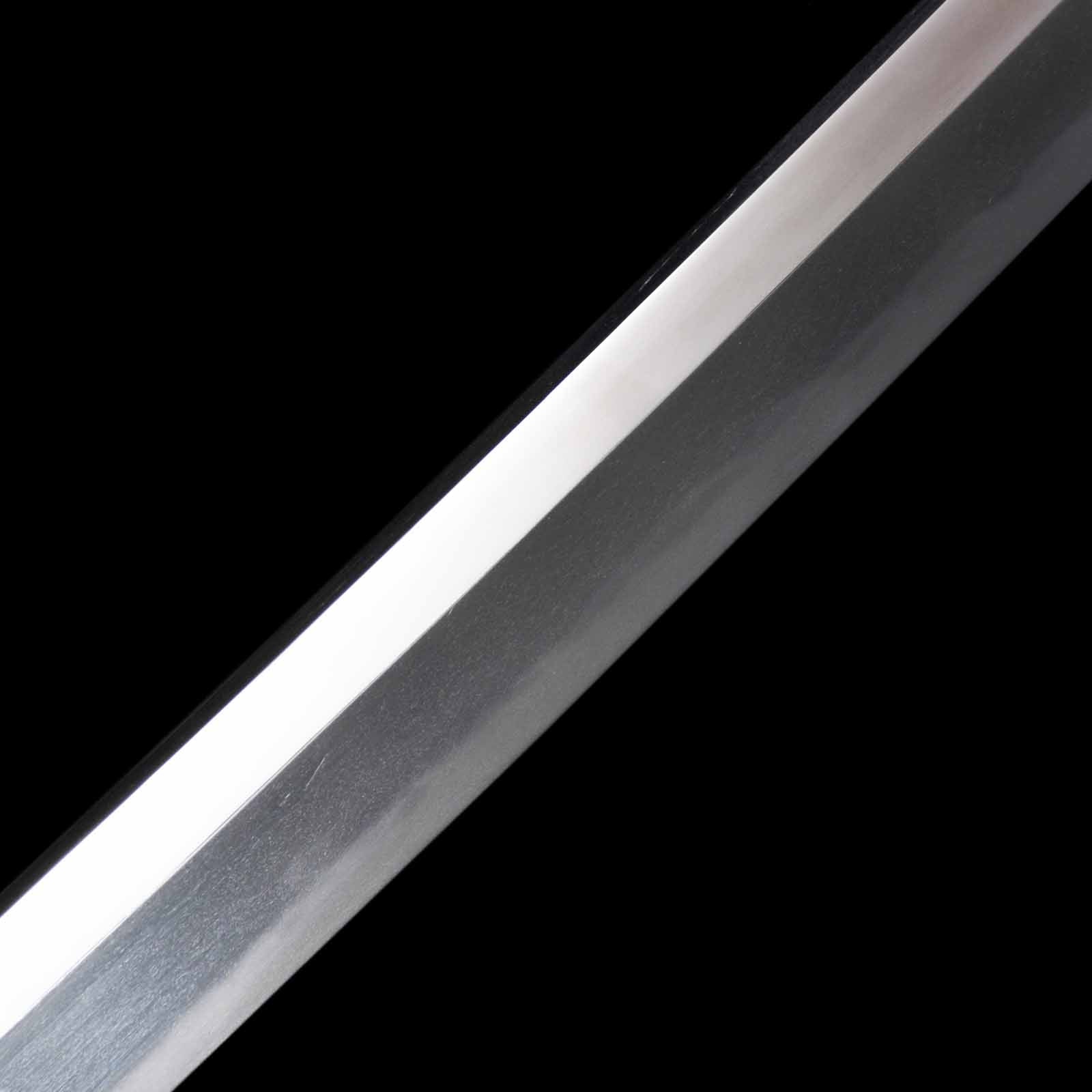
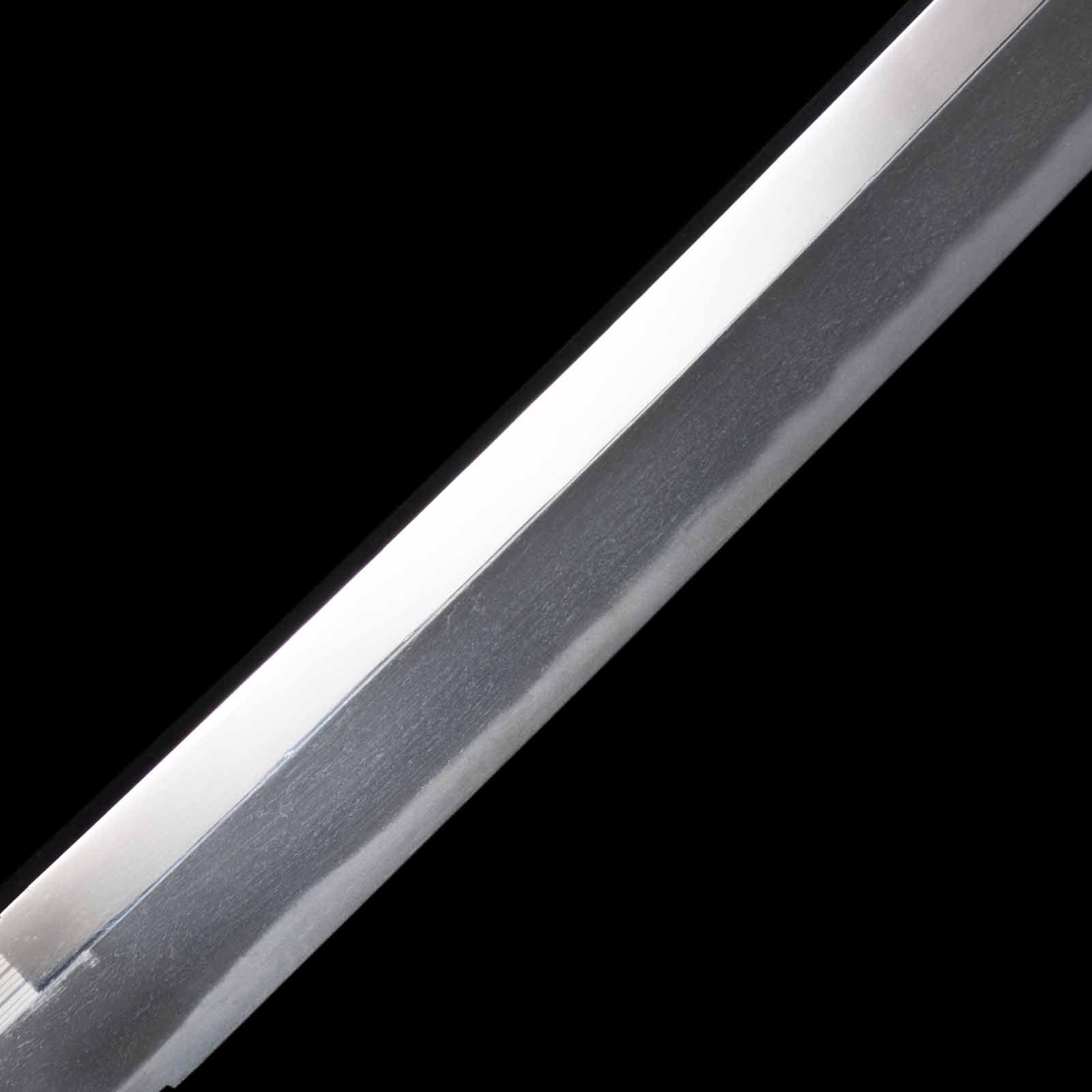
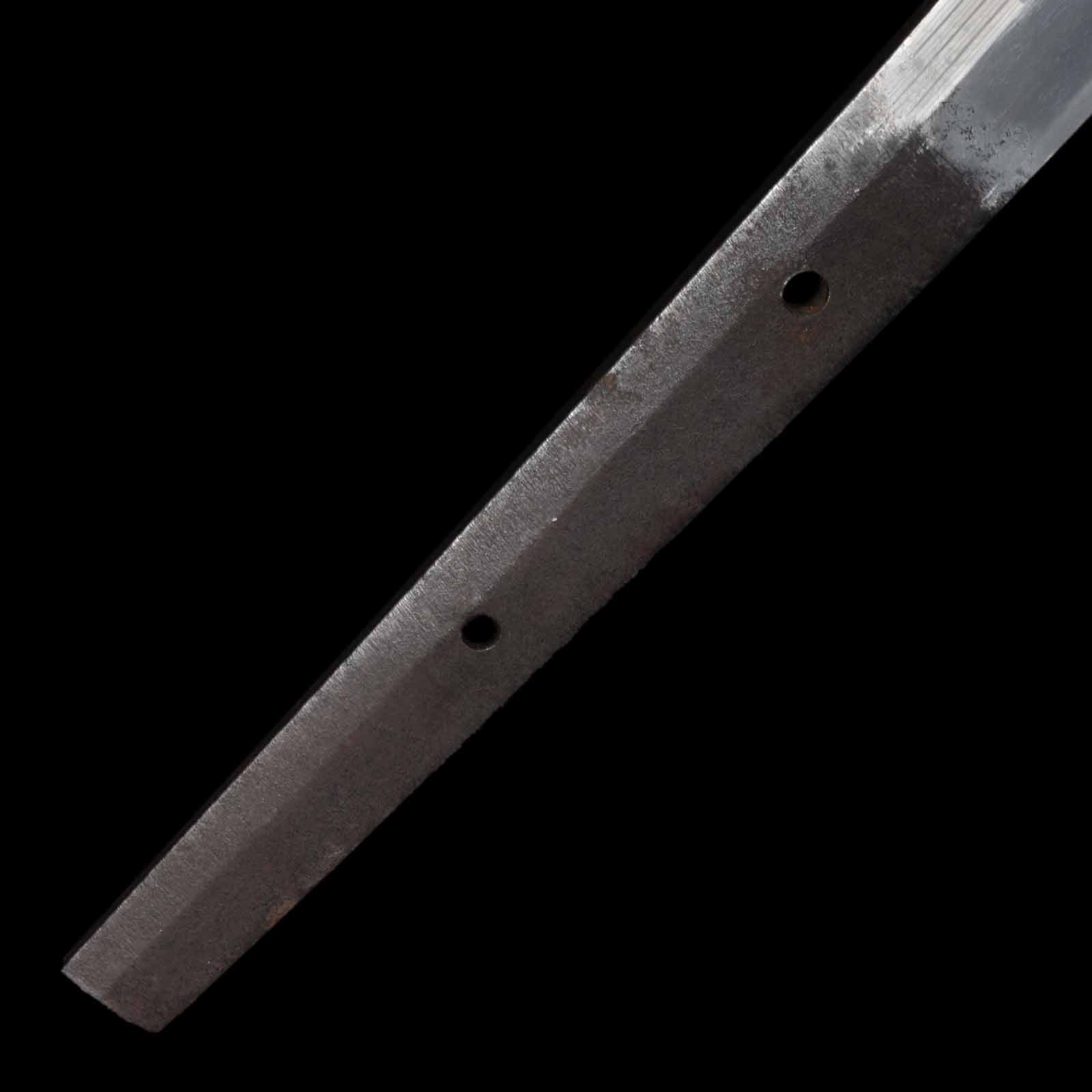
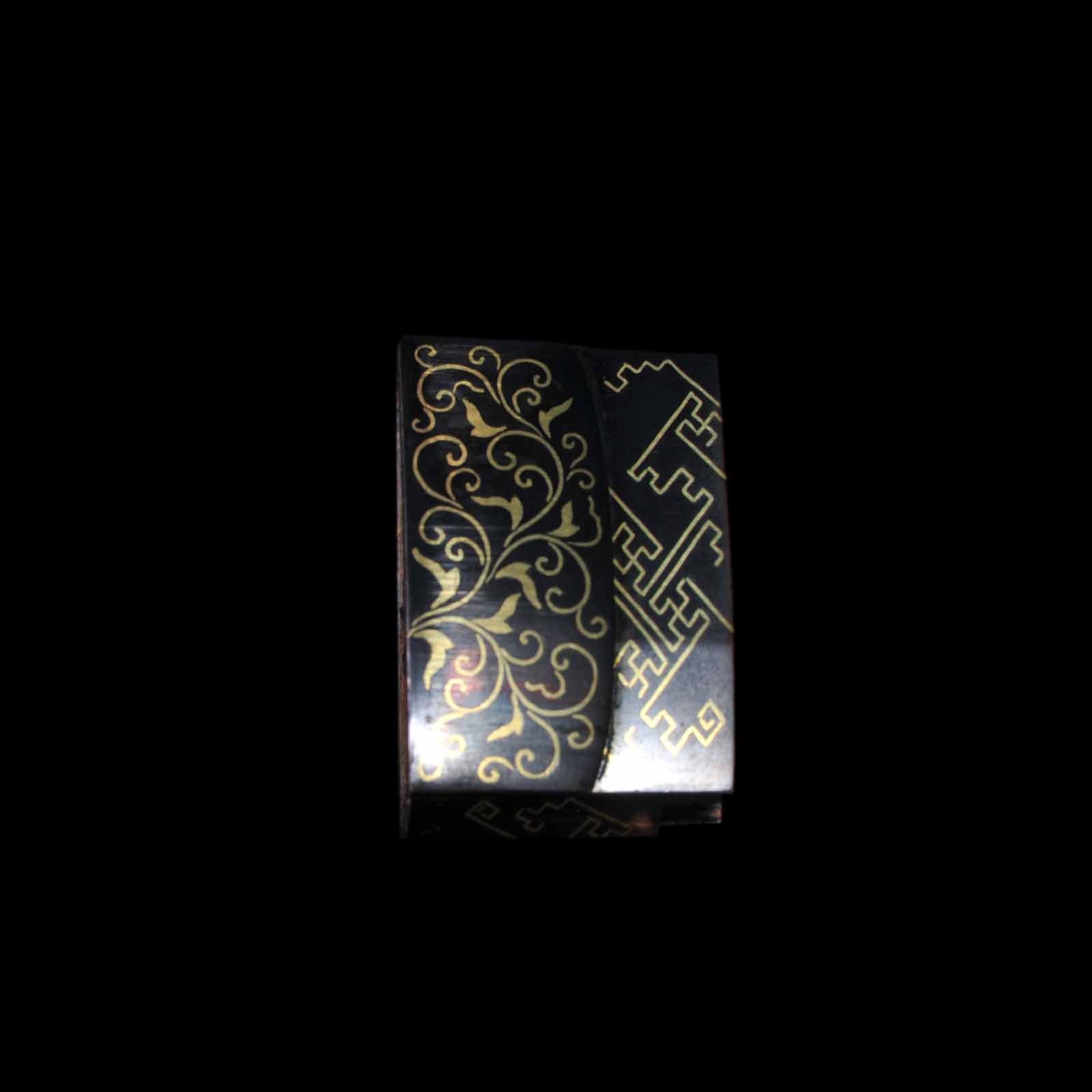
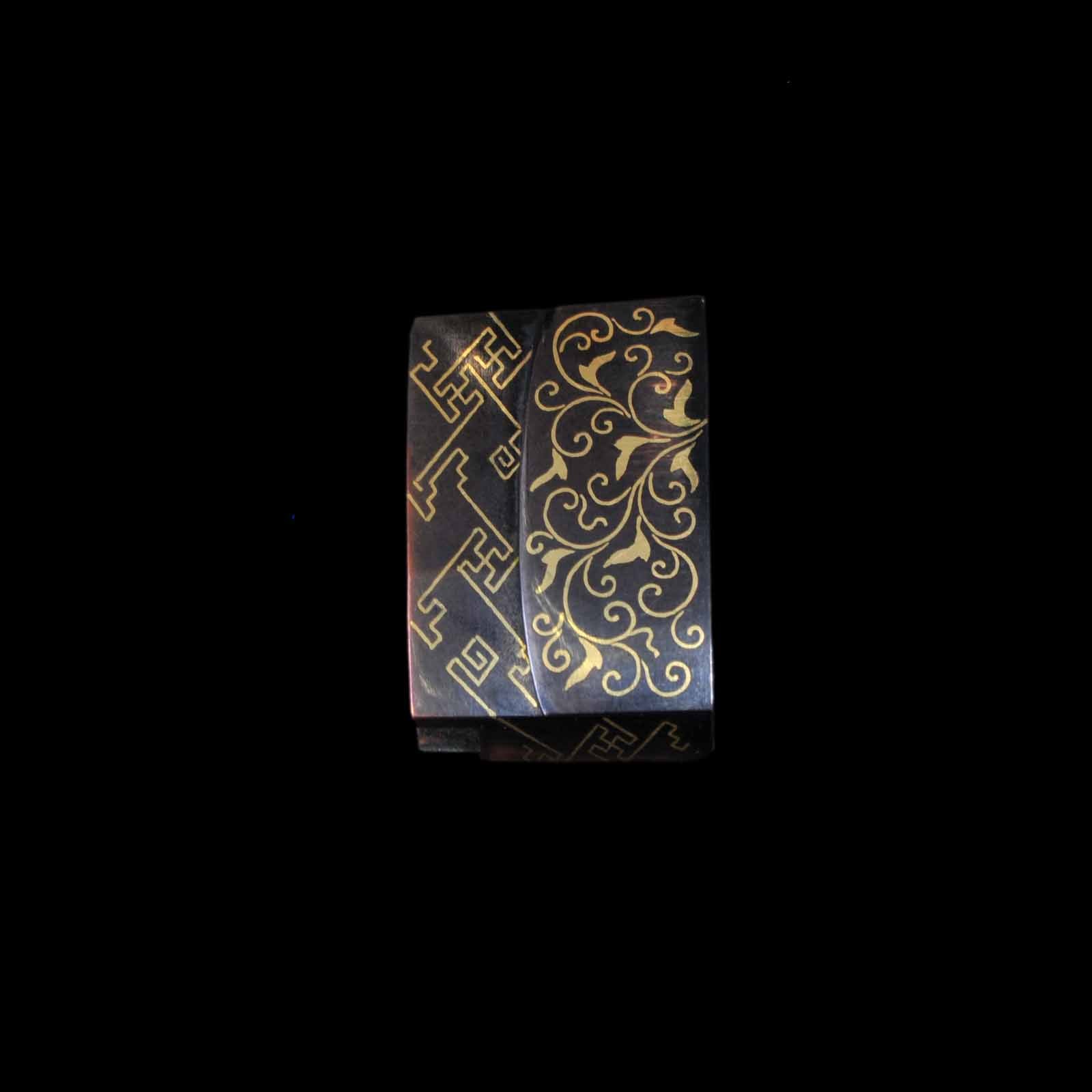
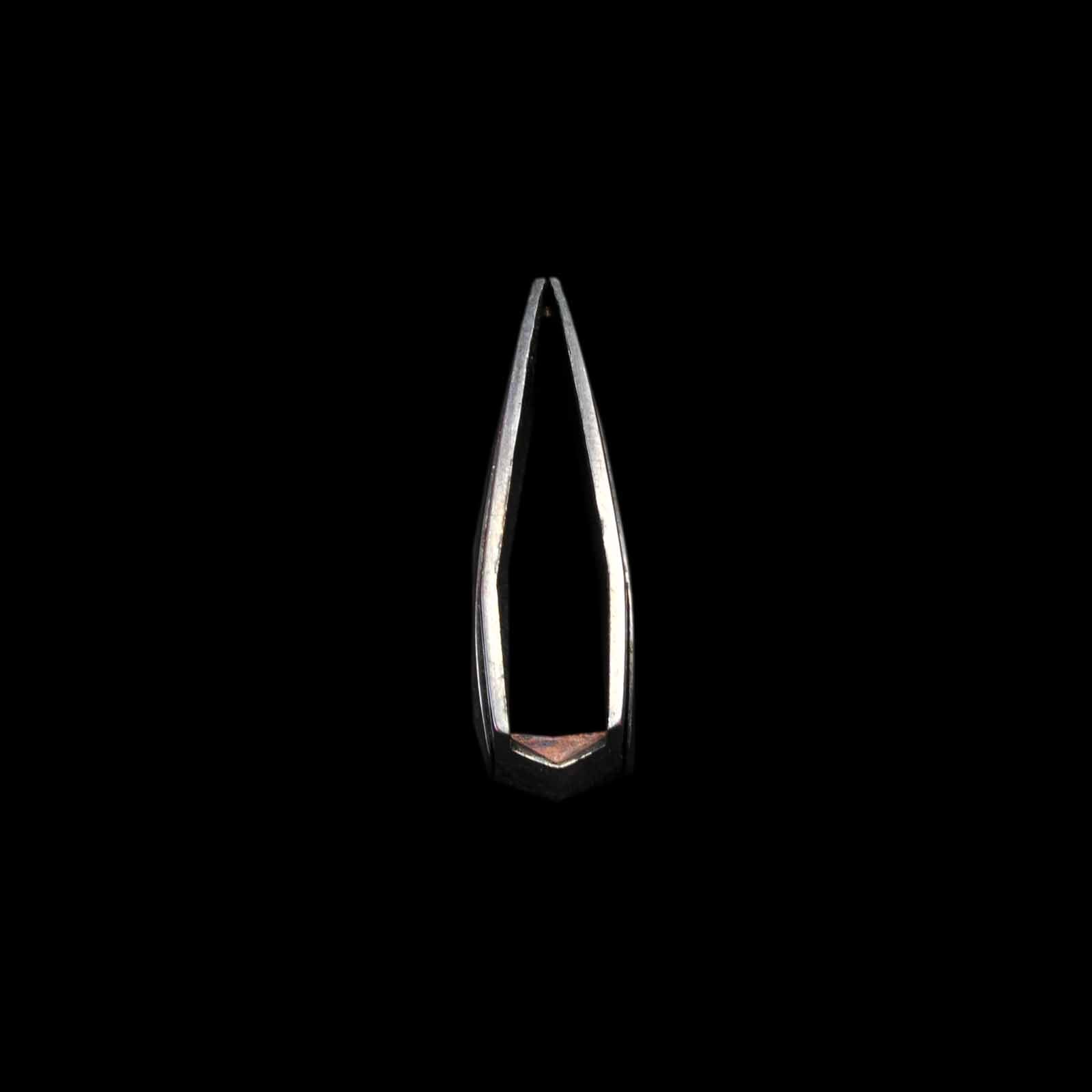
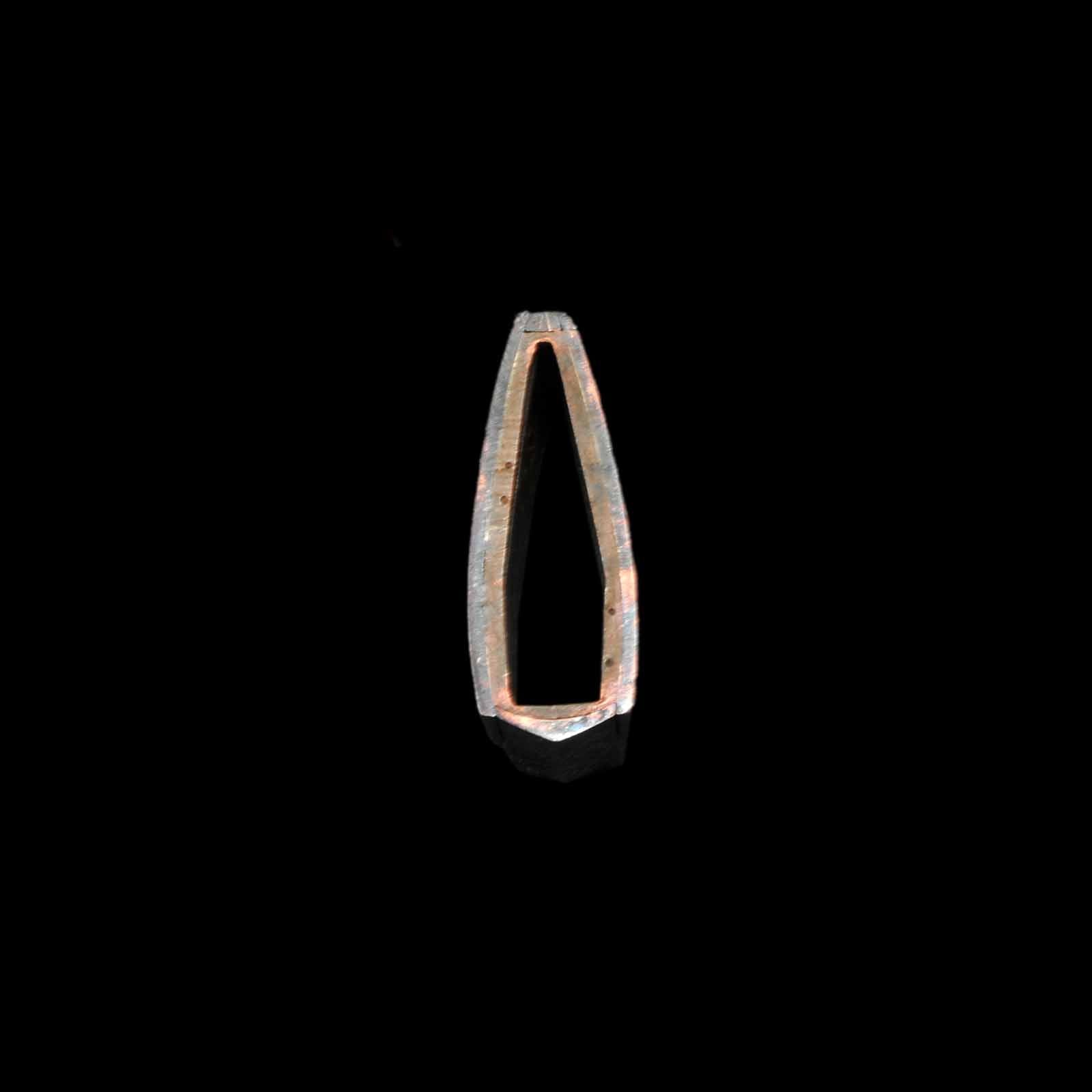
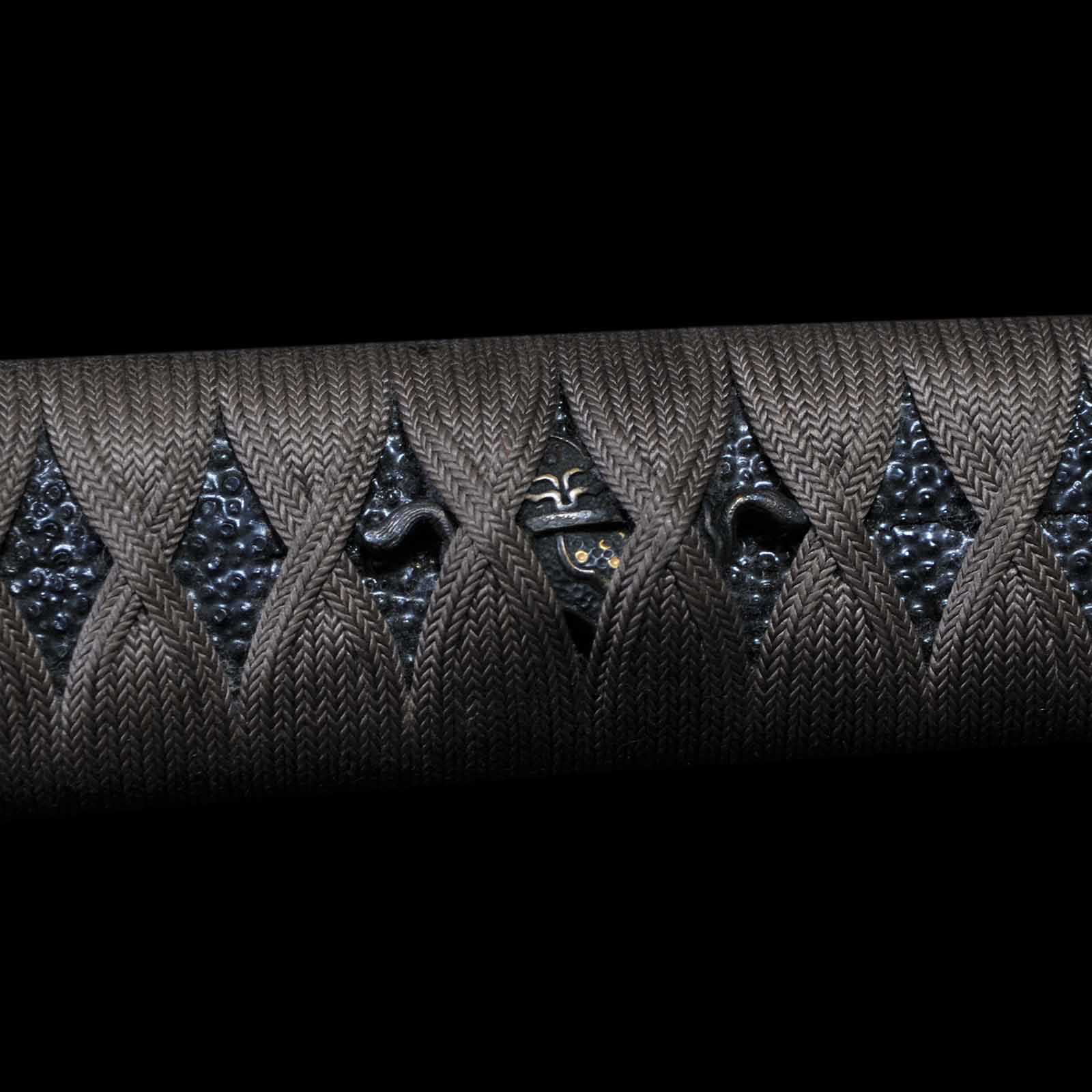
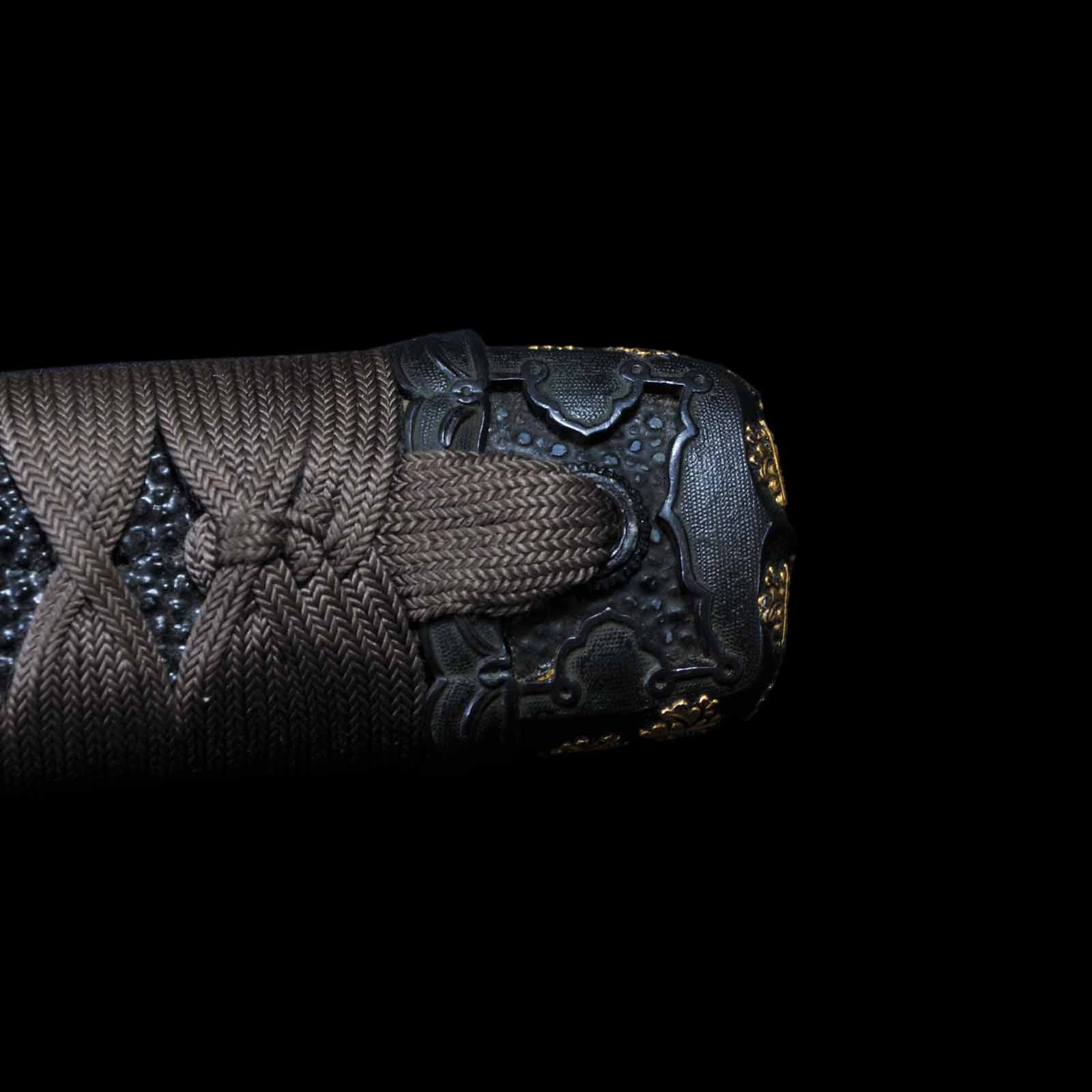
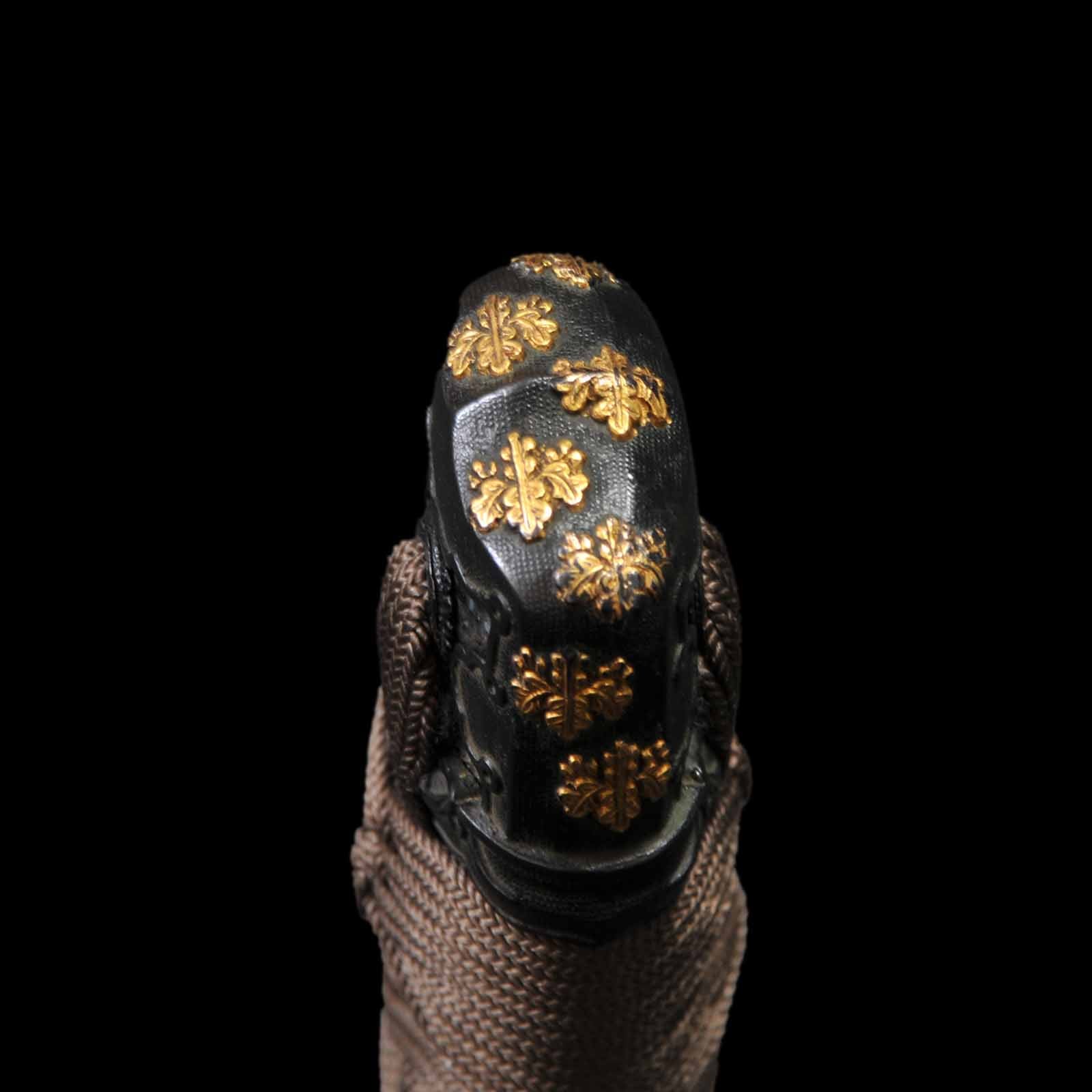
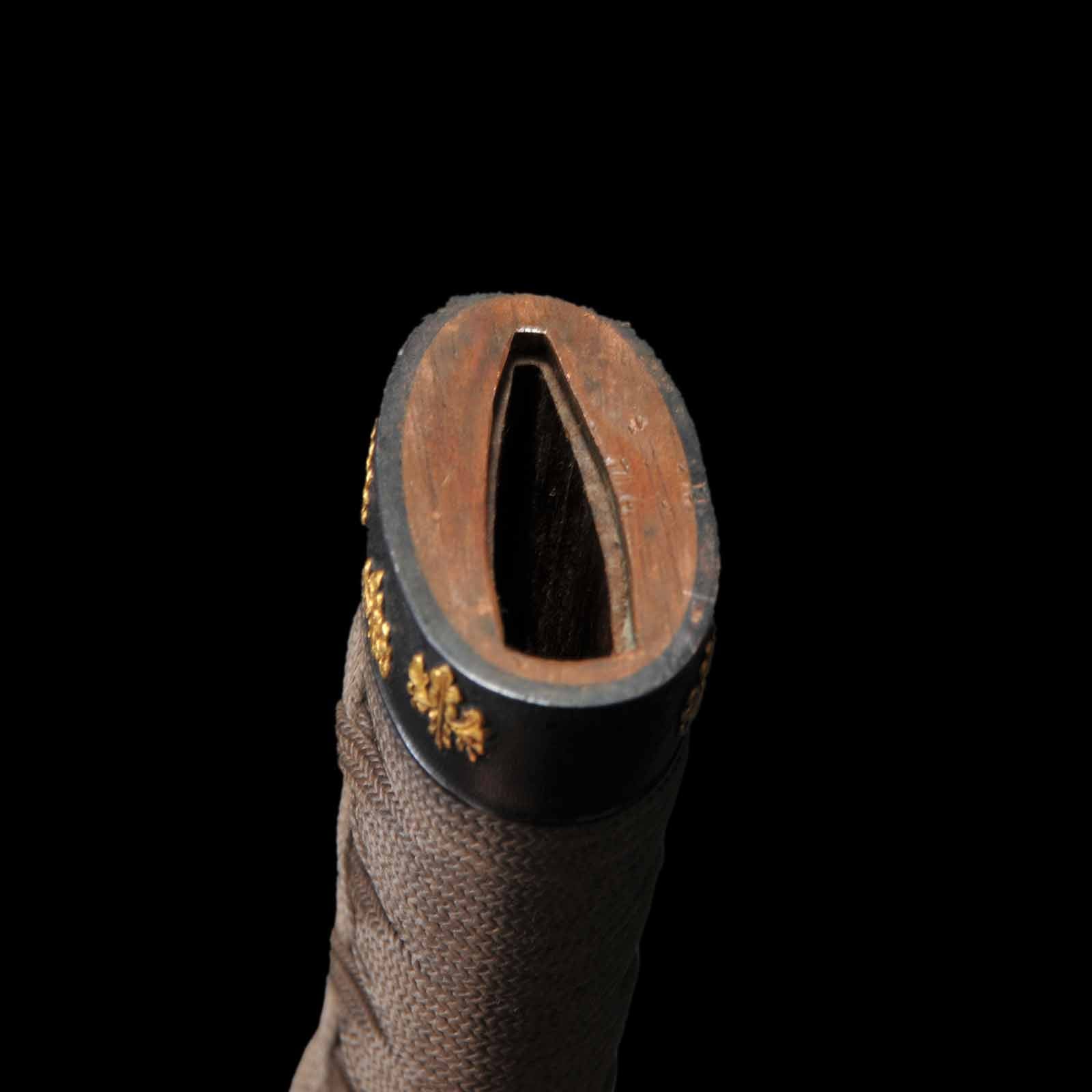
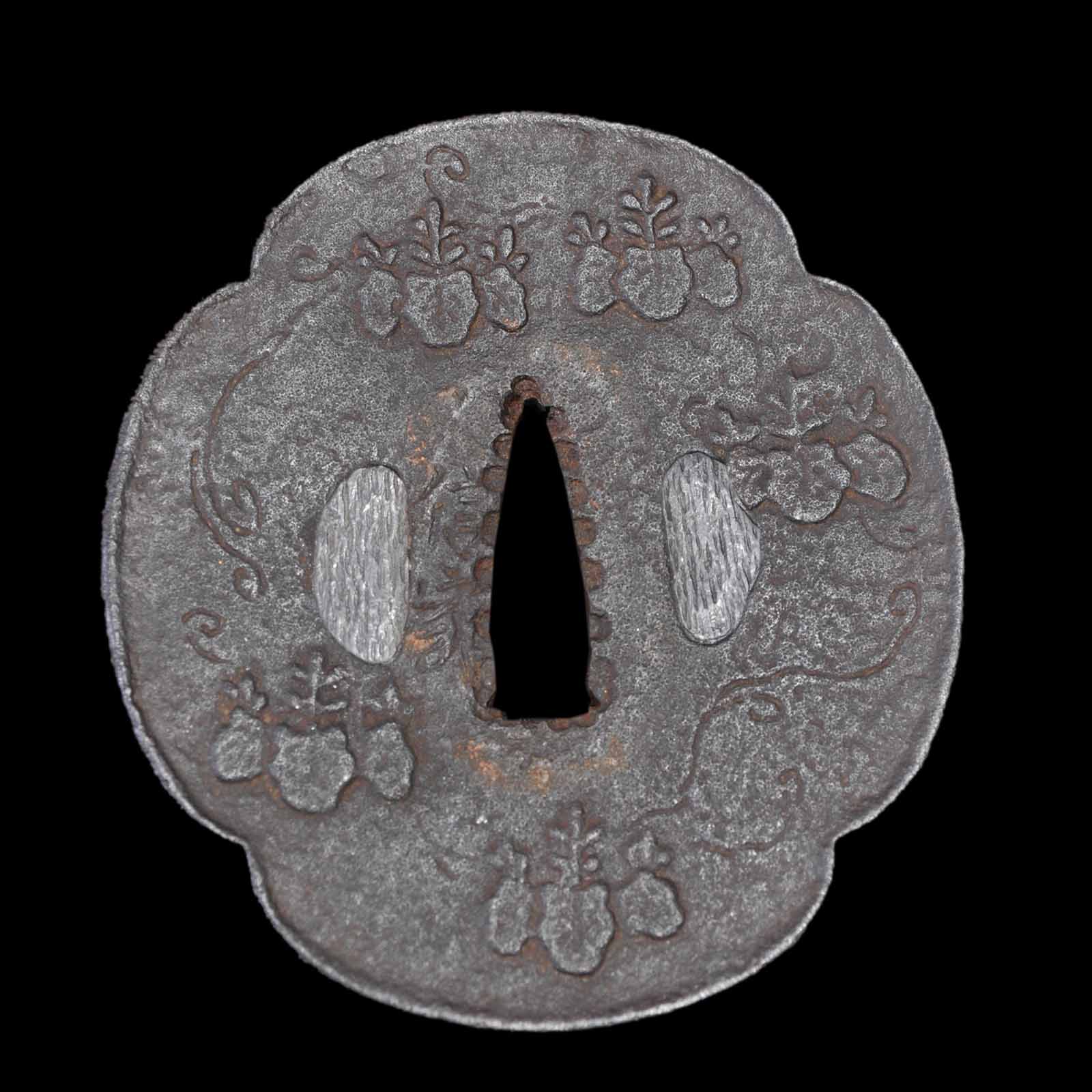
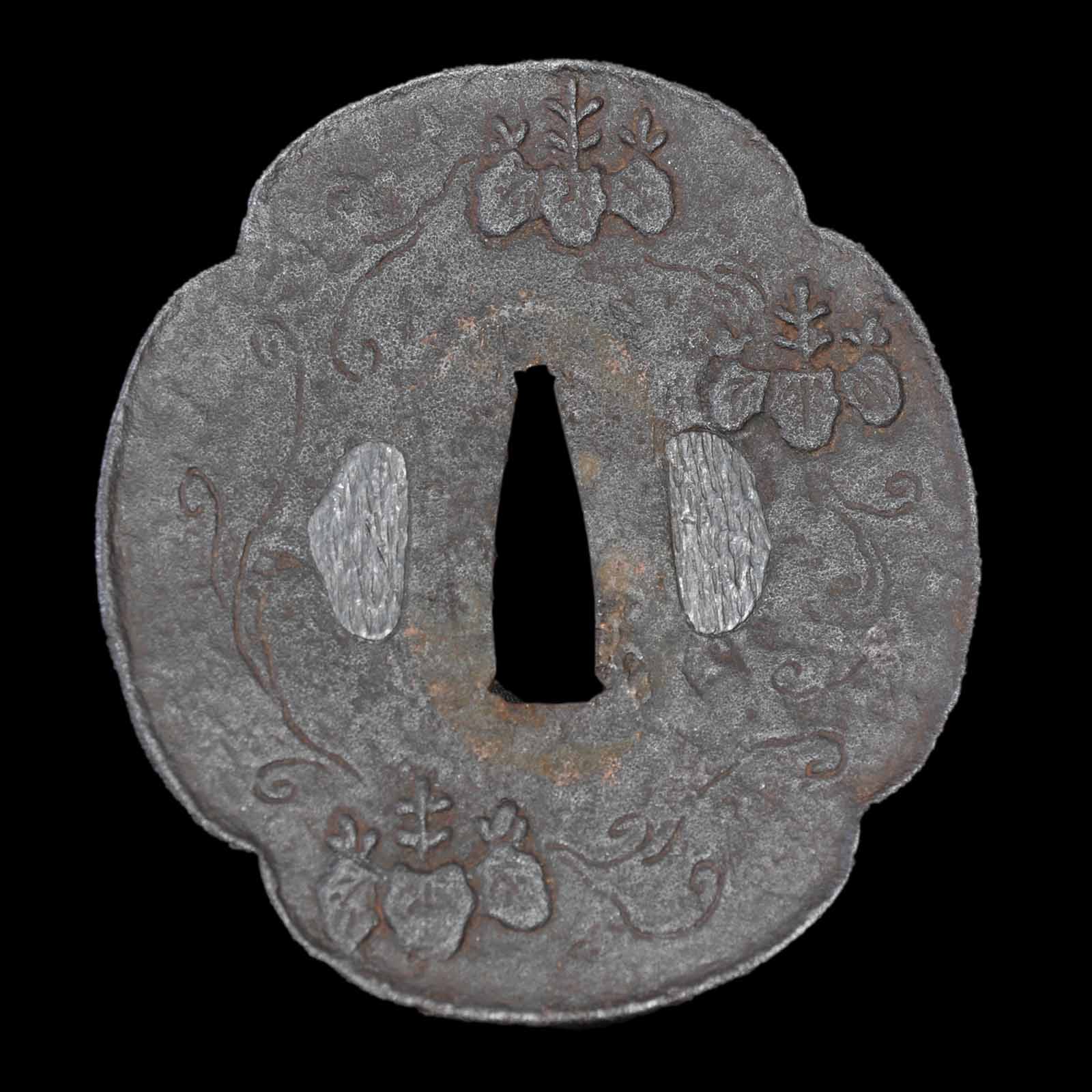
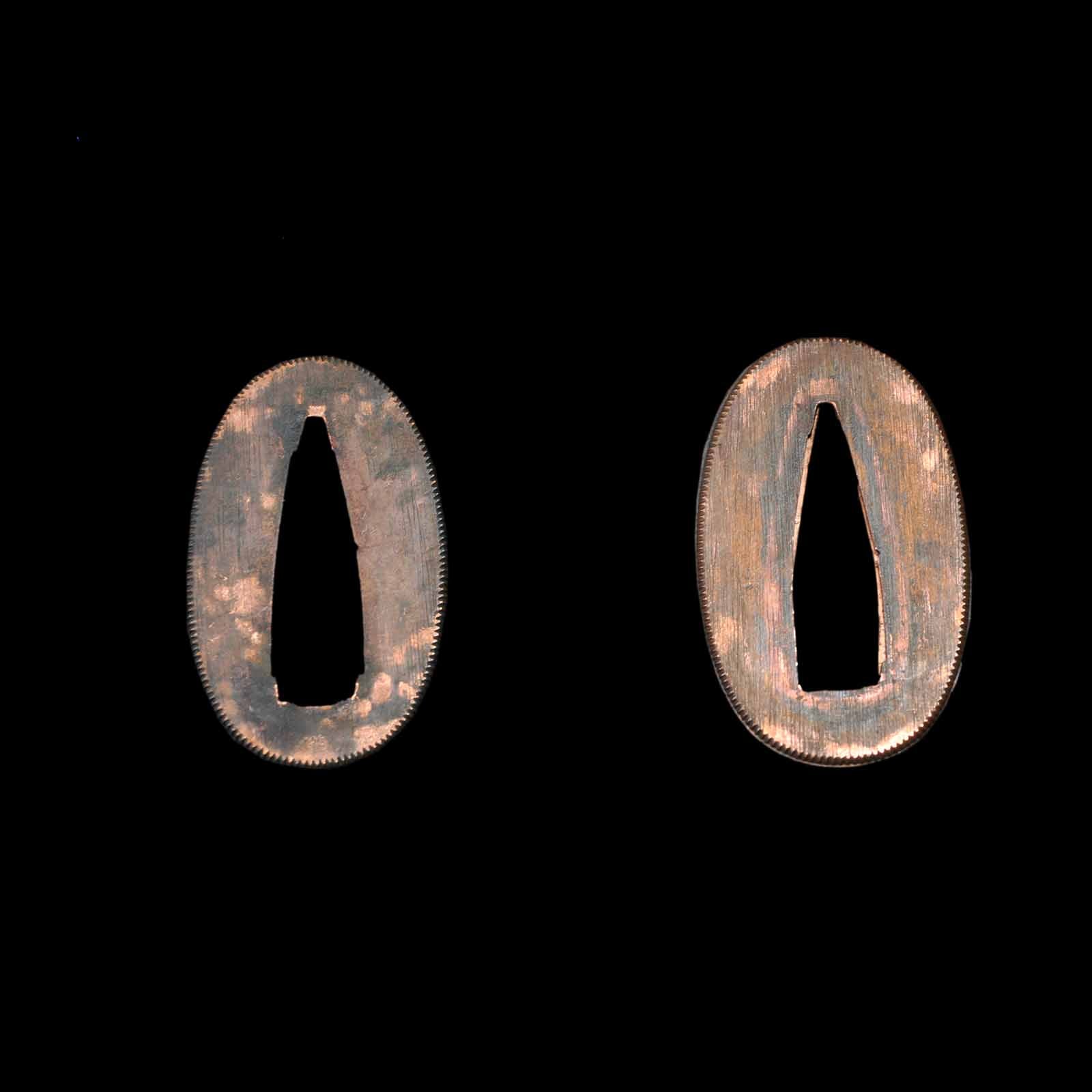
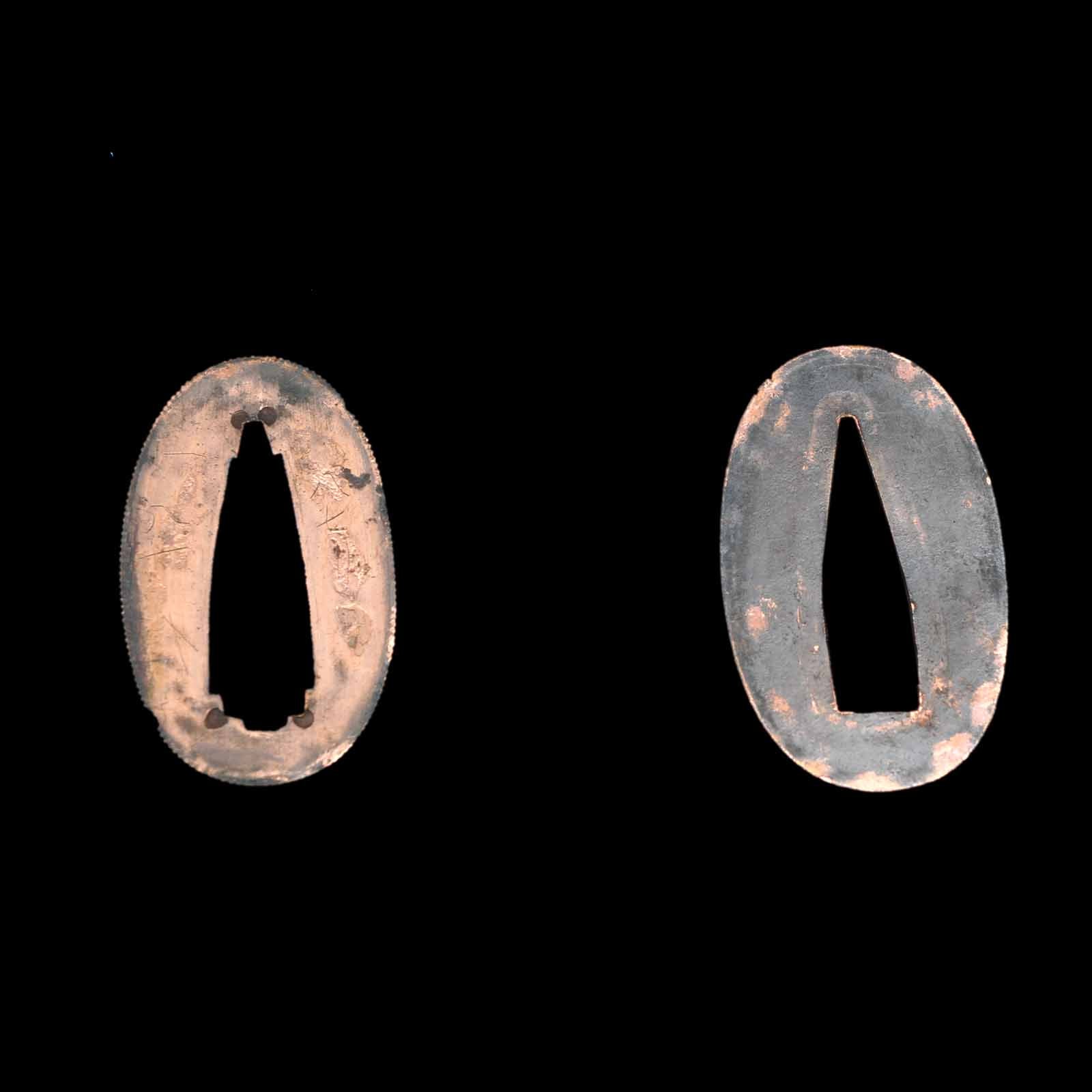
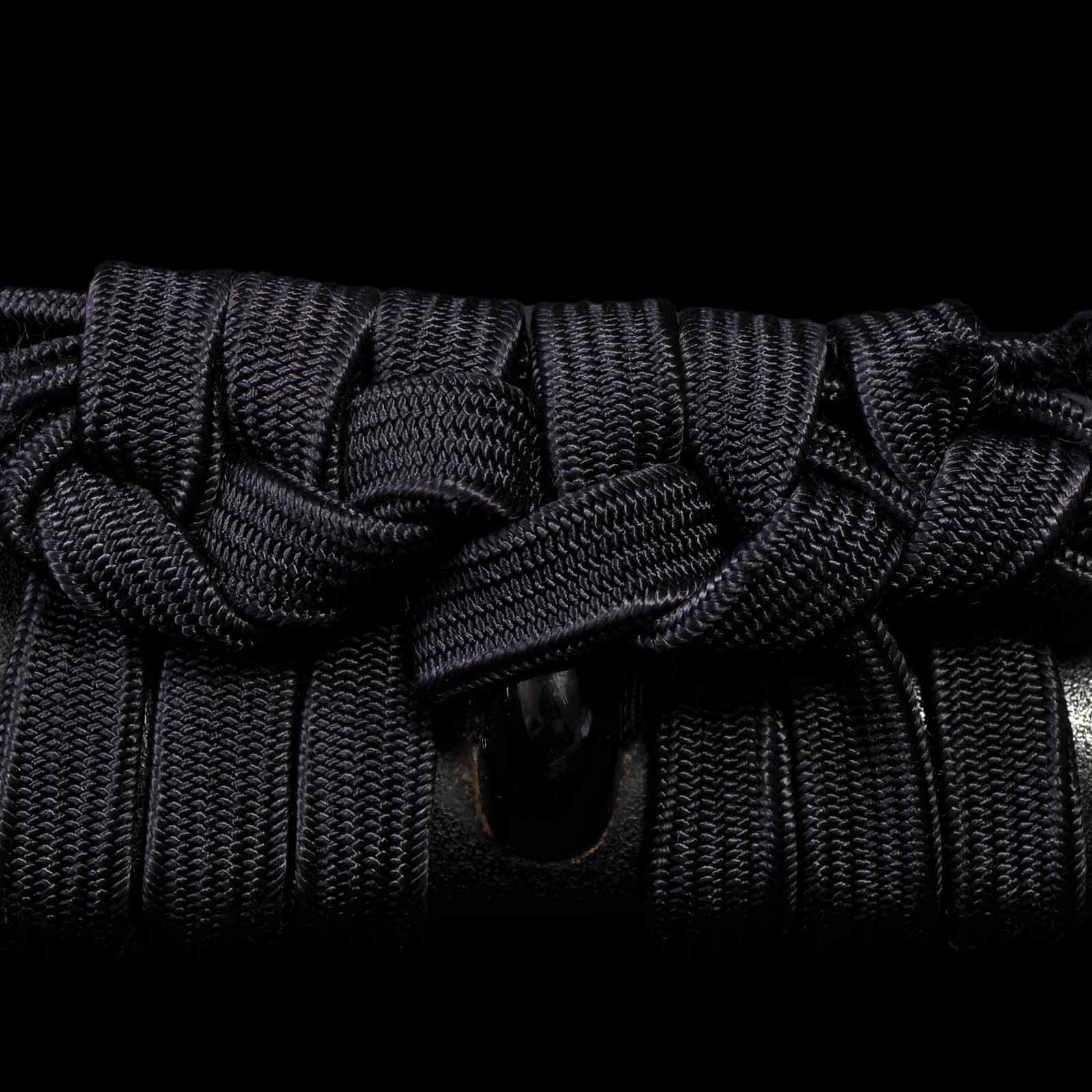
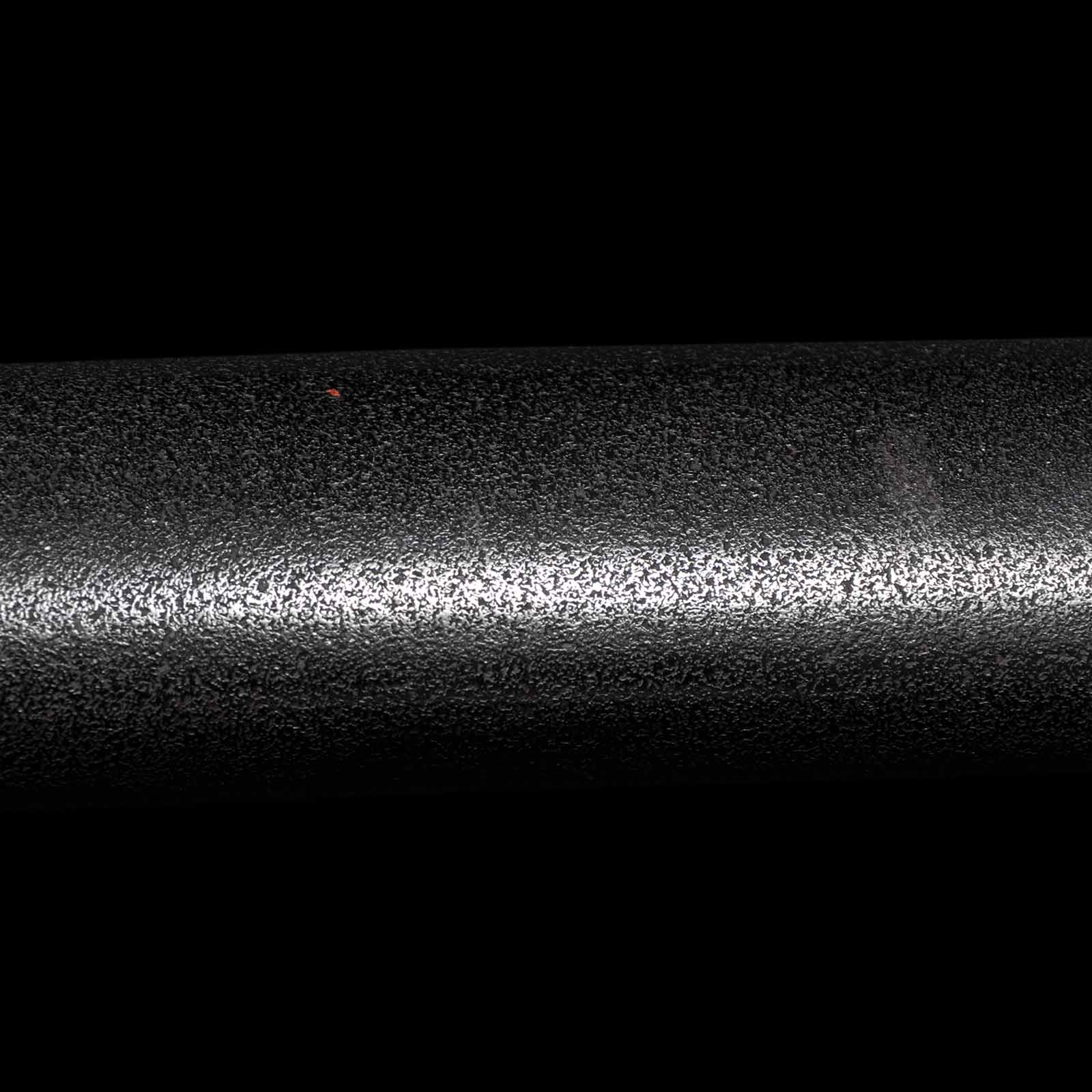
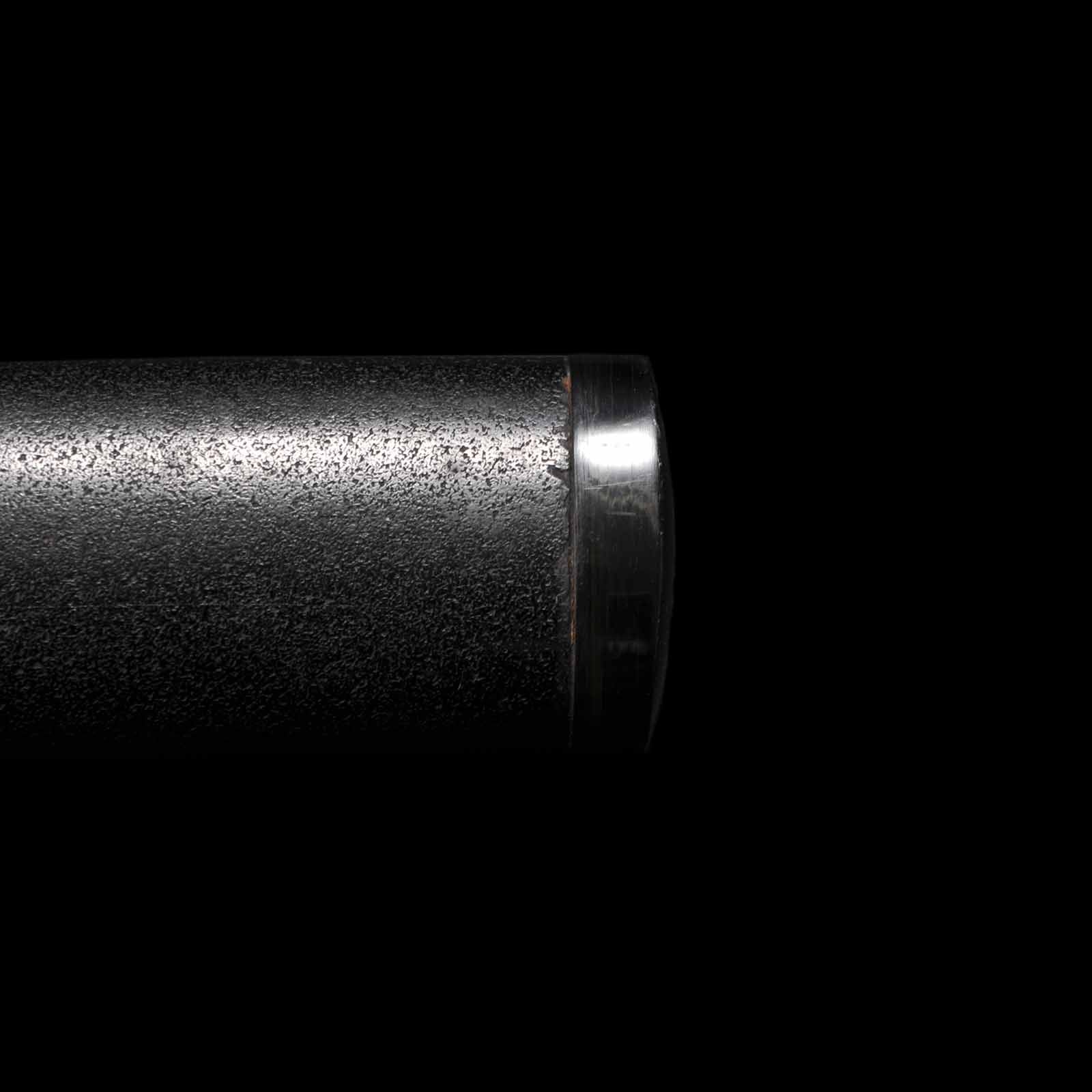
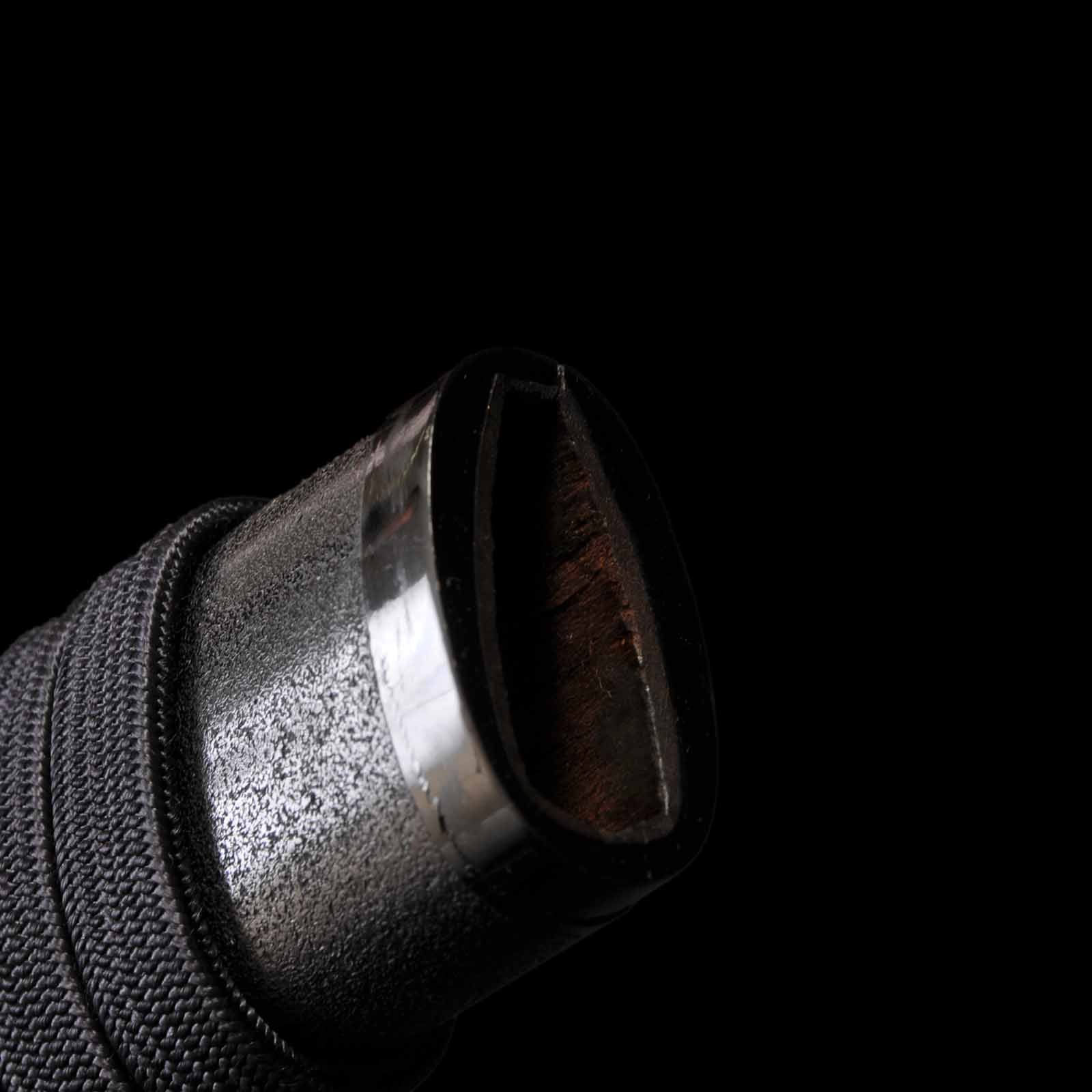
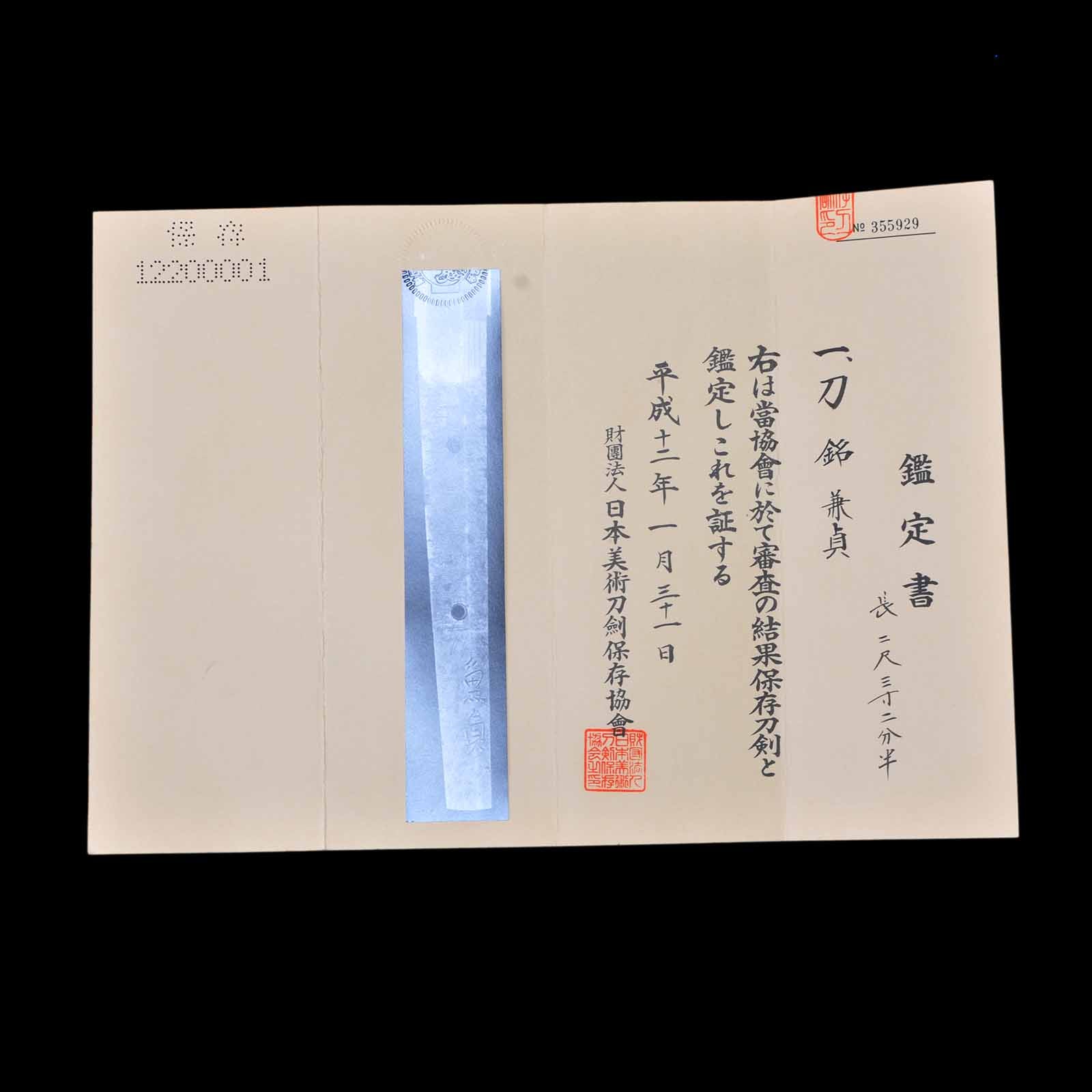
Another great katana has arrived at Tozando. The koshirae as well as the sword blade are in excellent preservation, this is a piece that does not show its age very well considering. The itame hada is visible and very clean, and also shows some hataraki such as chikei. The hamon of suguha mixed with notare is well tightened with nioikuchi. On the larger kisaki, the boshi is straight and returns in the shape of an omaru. The name Kanesada is engraved on the nakago. Kanesada was called Hachiya Kanesada because he started to live in a place called Hachiya in Mino (present Gifu Prefecture) in the Muromachi period (1394), and since then, the name of the swordsmith was passed down to the next generation under that name. Koshirae are also in excellent condition of preservation and are handachi specifications. The fuchikashira and tsuba are unified with the family crest of paulownia, and a silk tsukaito is wrapped with tsumamimaki over the lacquered same. The kanshitsu lacquered scabbard is full of luxuriousness, and it can be assumed that this sword belonged to a feudal lord. The Society for Preservation of Japanese Art Swords has authenticated the hozon and issued a certificate of authenticity for this piece for its state of preservation and its value as a legacy for future generations. We are pleased to present this piece to you at a price that only Tozando can offer, so please do not miss this opportunity. Blade length: 70.4 cm Curvature: 1.6 cm Number of Mekugi hole: 2 Sakihaba: 21.9 mm Sakikasane: 4.6 mm Motohaba: 30.2 mm Motokasane: 6.0 mm Signature: Kanesada(front) Era: Koto Structure: Shinogi-zukuri, Iori-mune Jigane: Itame Hamon: Suguha Boshi: Yakizume Weight(blade only): 720 g(blade only) Nakago: Suriage Original Registration No.: Gifu 63307 Please contact us if the katana you are looking for is not listed here.
NihontoWatchOffered by Tozando
This piece has sold
1 on the market
Get an email when new Hachiya School work hits the market.
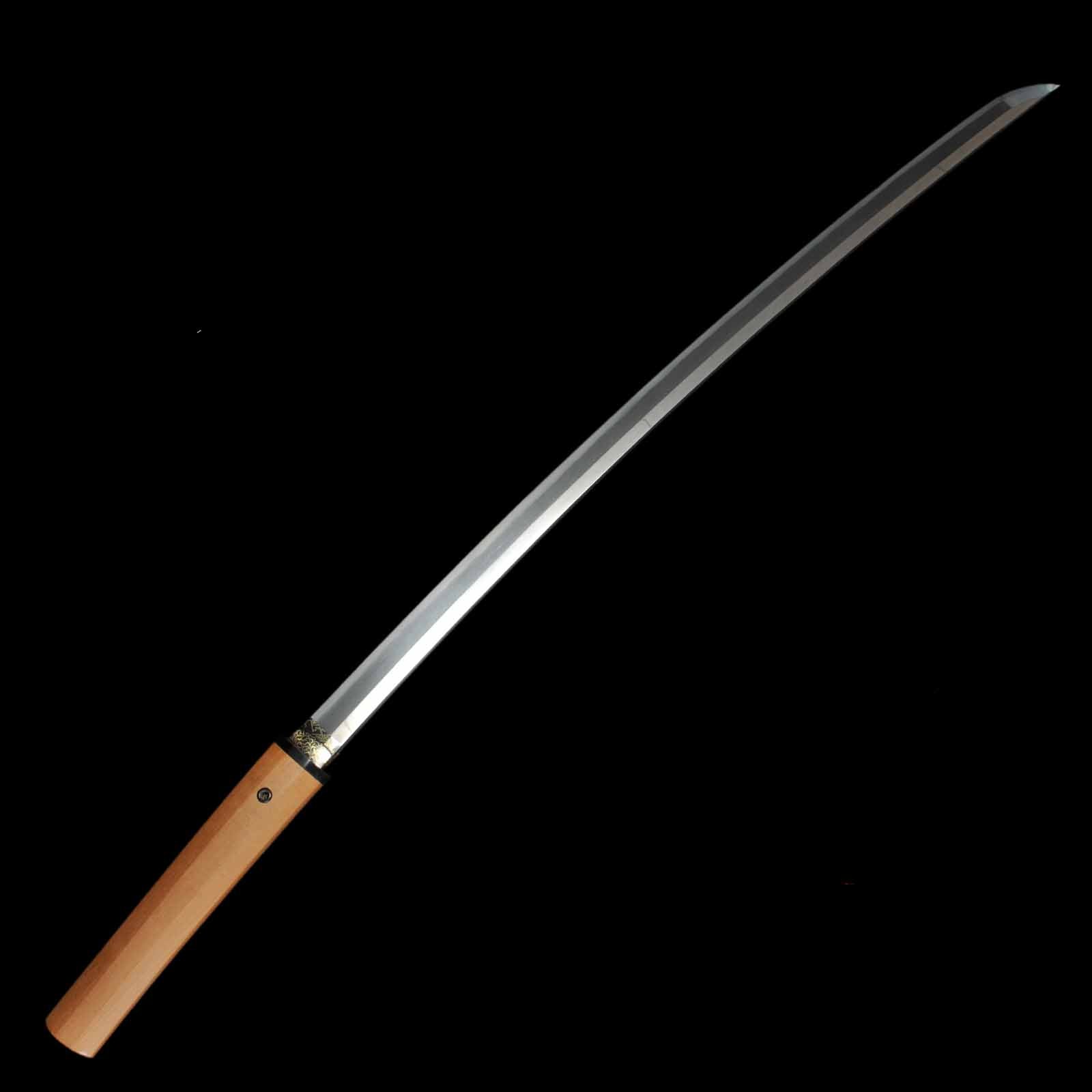
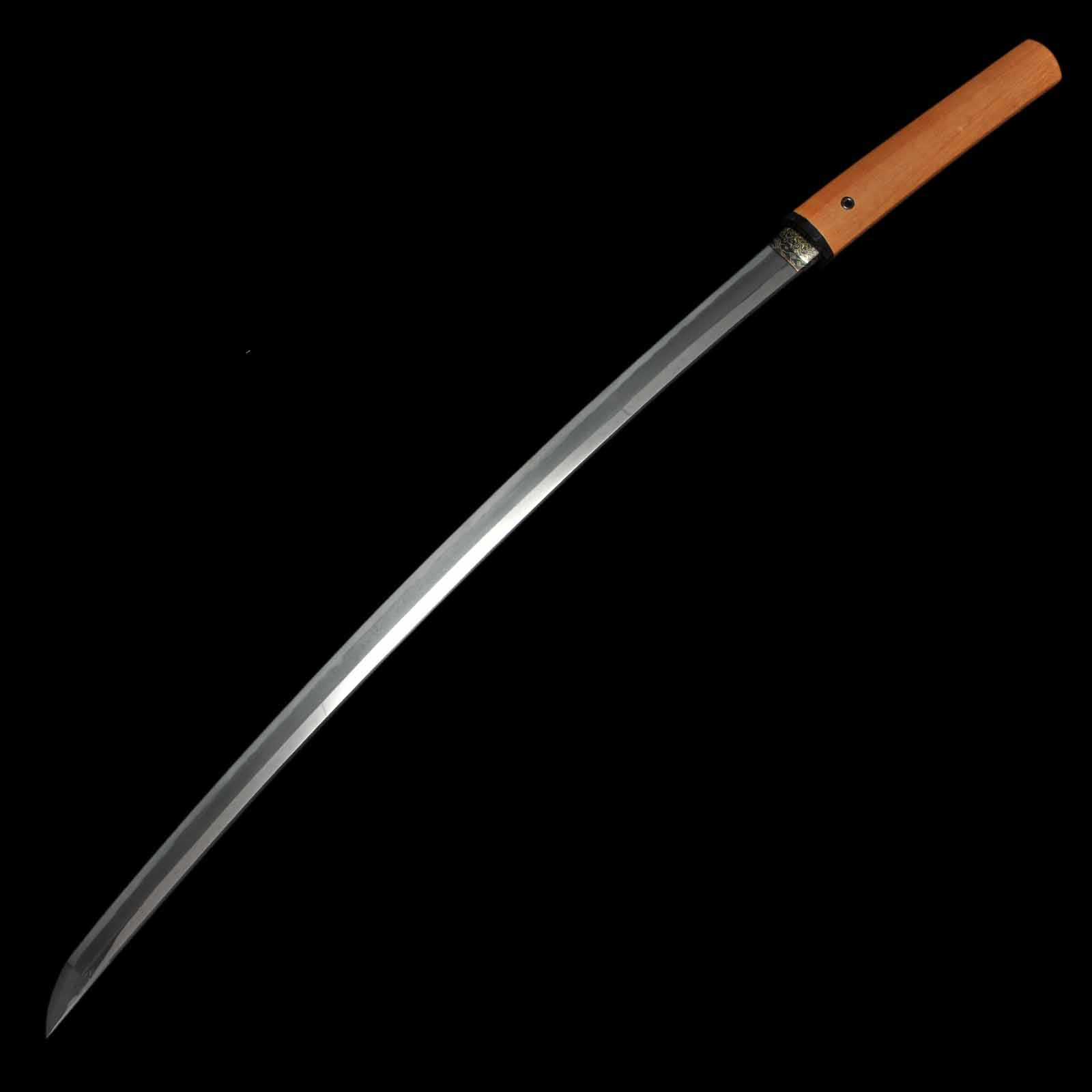
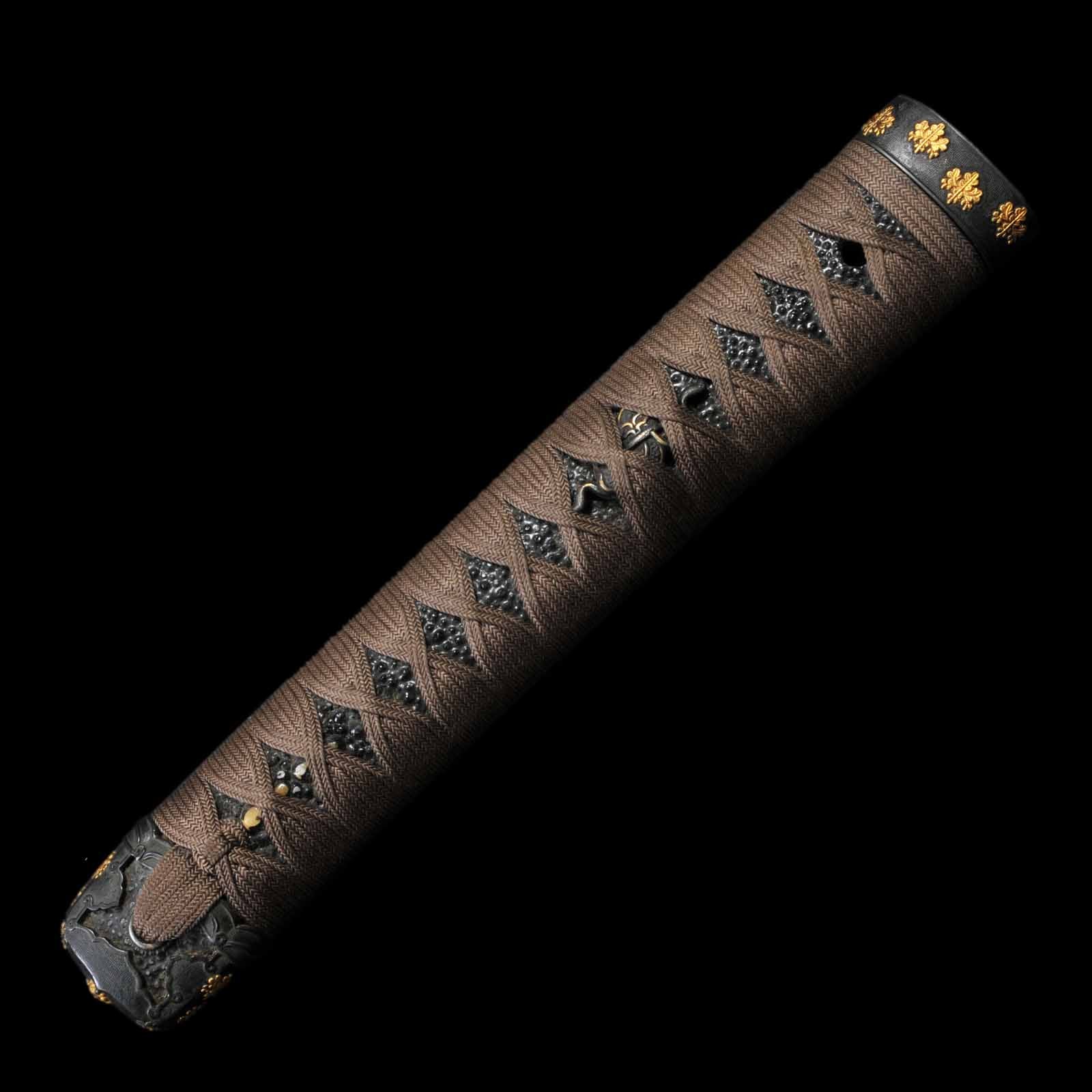
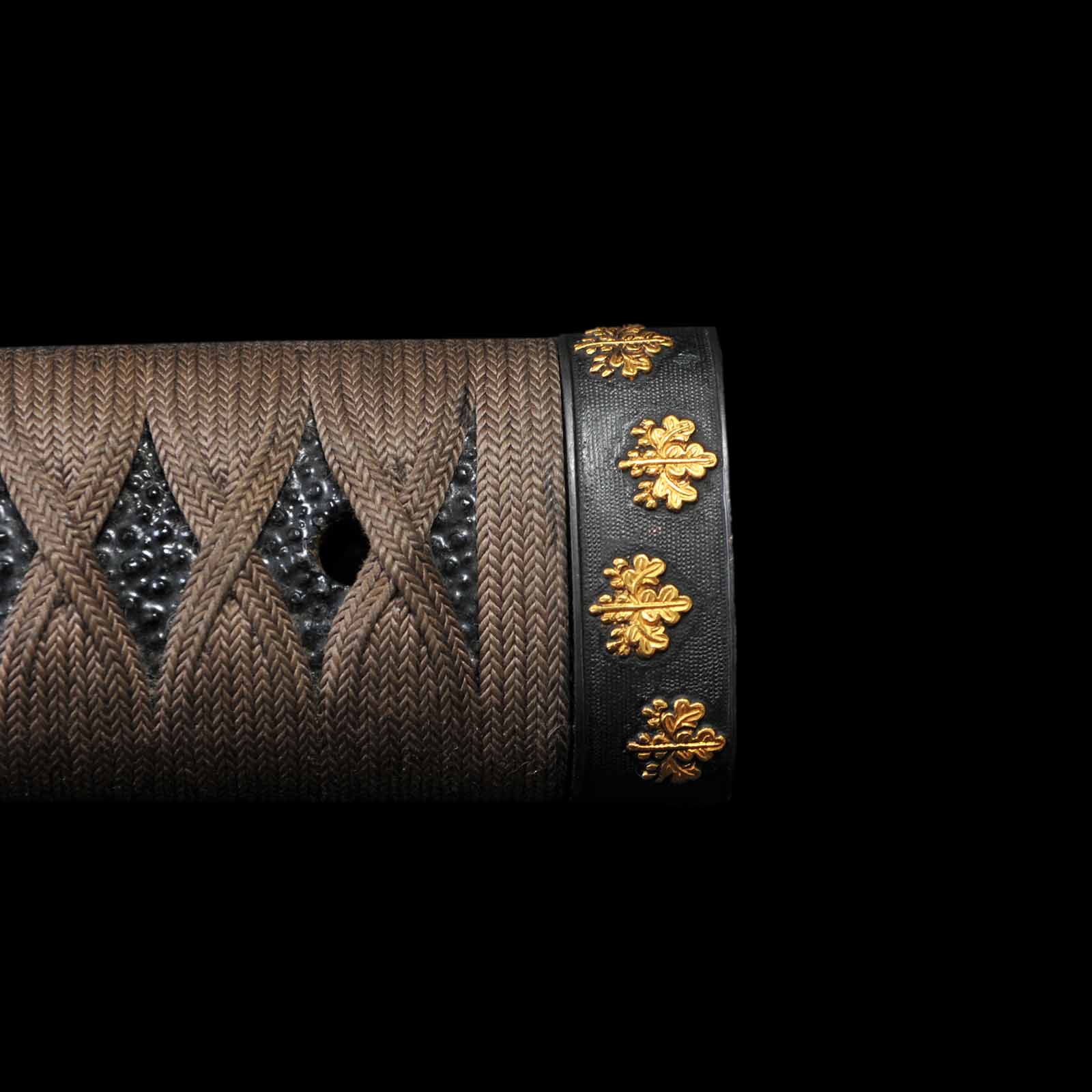
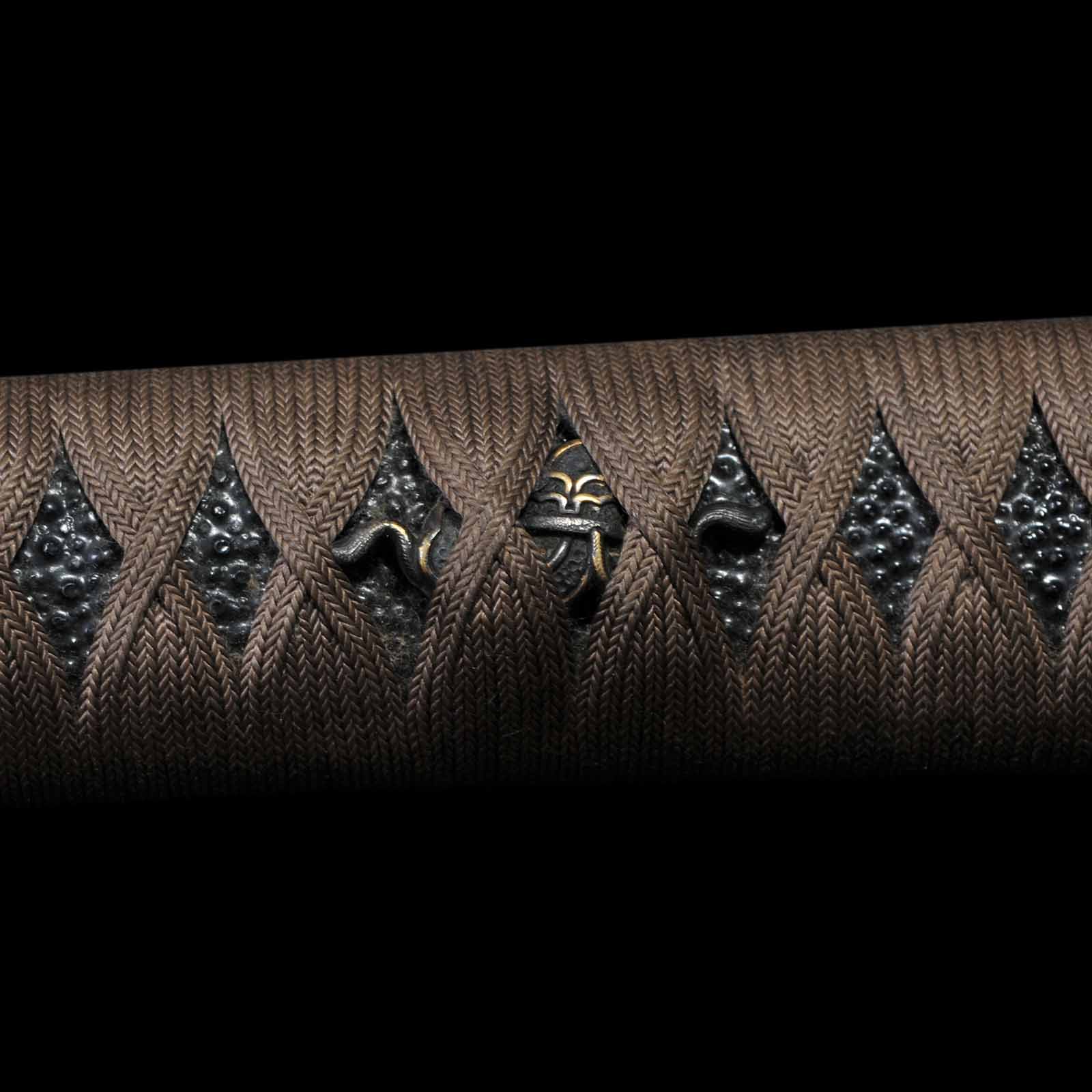
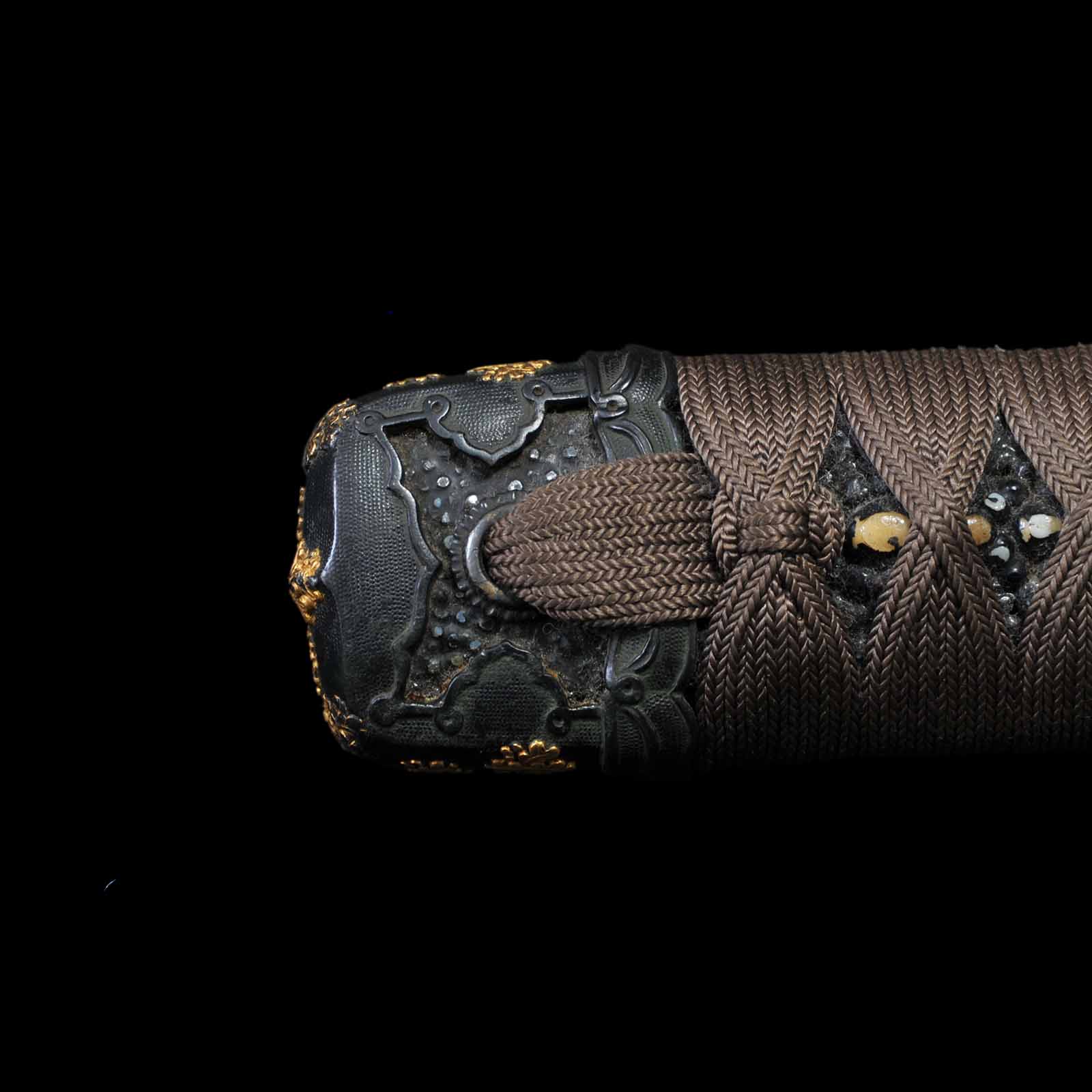
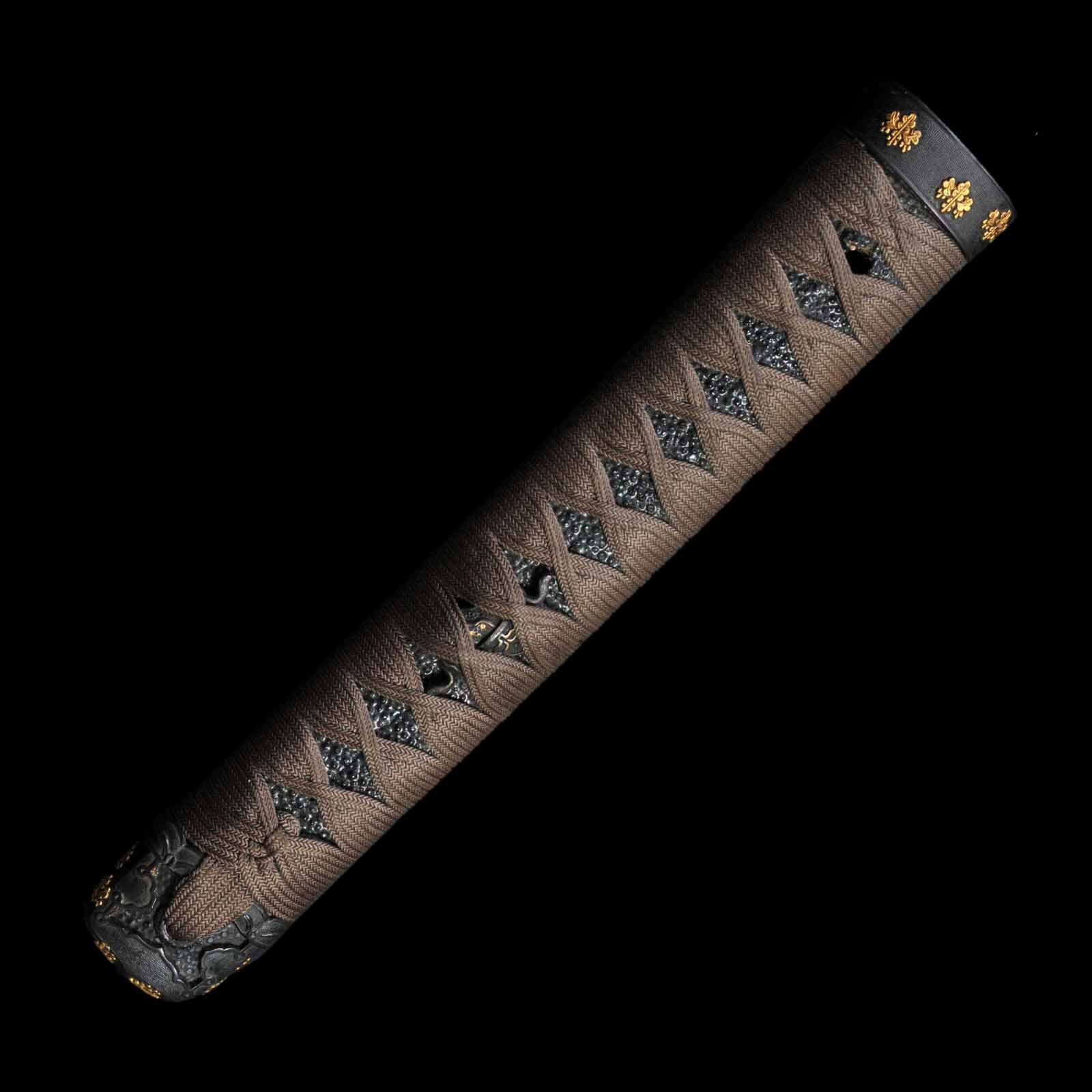
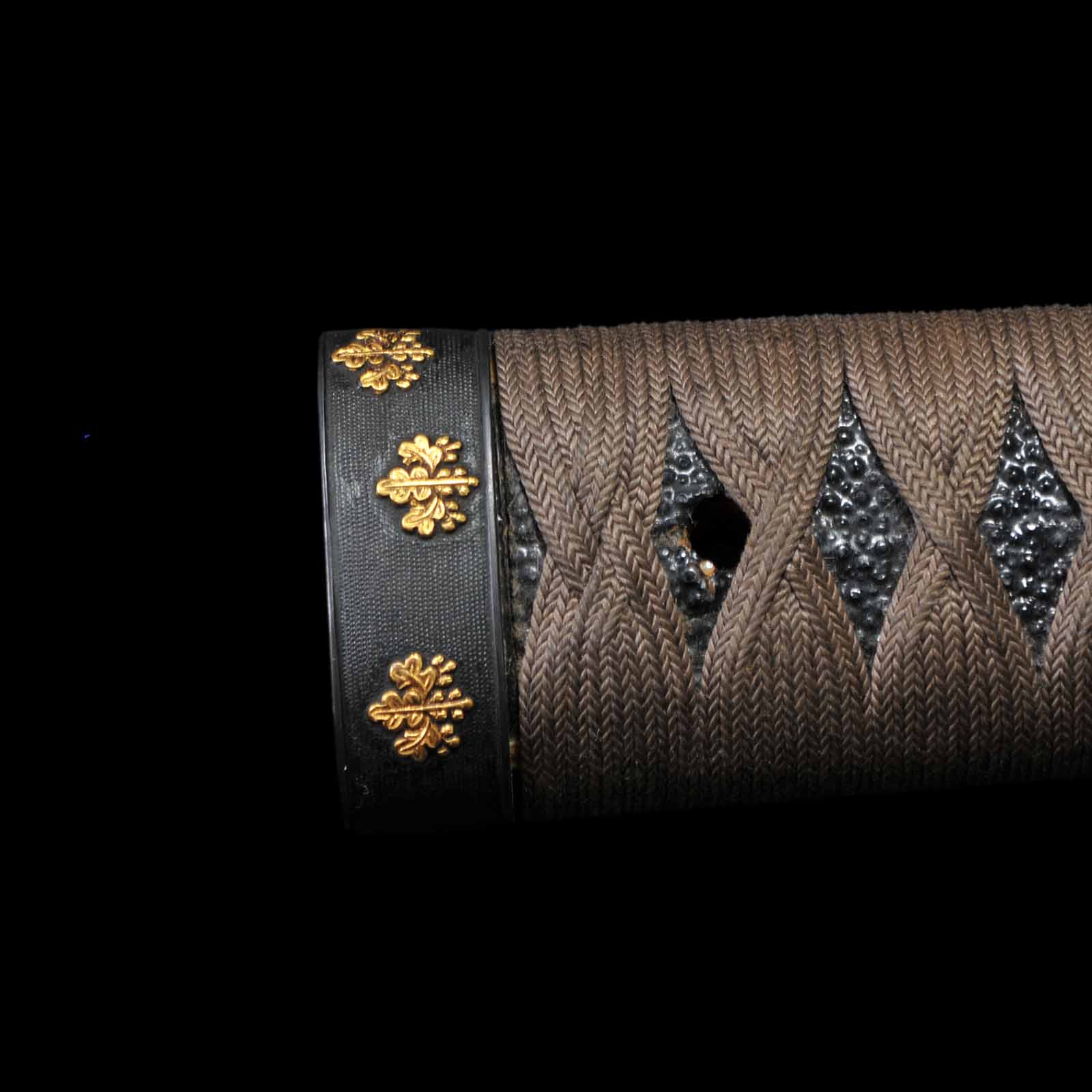
Mino-den · Mino
1 piece on the market now
| Smith | Era | Designated |
|---|---|---|
| Kanesada兼貞 | 1394-1428 | 0 |
| Kanesada兼貞 | 1469-1487 | 0 |
| Kanesada兼貞 | 1492-1501 | 0 |
| Kanemasa兼正 | 1469-1487 | 0 |
Mino in the Muromachi period
Sengoku Seki was an industry: smiths organized under their tutelary Kasuga shrine, arming the war bands of central Japan. Magoroku Kanemoto’s sanbonsugi and the finest Kanesada work prove quality survived inside mass production.
Certifies a genuine blade worth preserving: a signature confirmed correct, or, if unsigned, an era, province, and school that the NBTHK can reliably identify.
The NBTHK (Nihon Bijutsu Tōken Hozon Kyōkai, the Society for the Preservation of Japanese Art Swords) is a public-interest incorporated foundation founded in 1948 and supervised by Japan’s Agency for Cultural Affairs (Bunkachō); it is based at the Japanese Sword Museum in Tokyo. Its expert panels physically examine each submitted work (shinsa) and issue a certificate (kanteishō) ranking it by artistic and historical merit. NBTHK papers are the most widely recognized standard of authentication for Japanese swords and fittings.
NBTHK official siteAs a general rule, returns/exchanges are not accepted on Japanese sword orders unless damaged upon delivery. Other items: returns/exchanges accepted within 7 days of delivery. Cancellation for personal reasons incurs a 30% restocking fee (70% refunded). Return shipping must be prepaid and insured by the buyer; shipping/handling fees are non-refundable. Contact katana@tozando.co.jp to initiate a return.