Sengoku Seki was an industry: smiths organized under their tutelary Kasuga shrine, arming the war bands of central Japan. Magoroku Kanemoto’s sanbonsugi and the finest Kanesada work prove quality survived inside mass production.
 NihontoWatchNihontoWatch
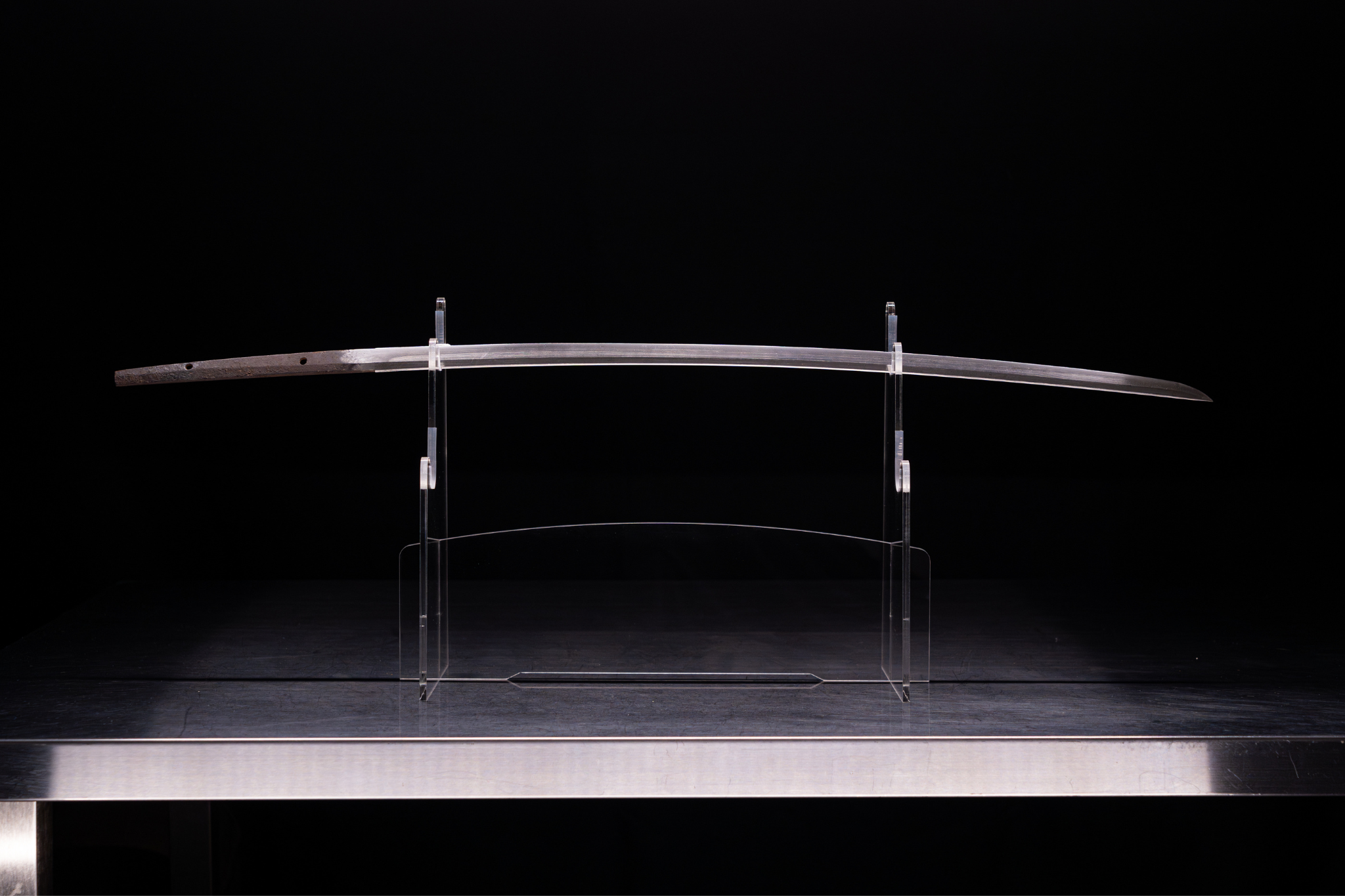
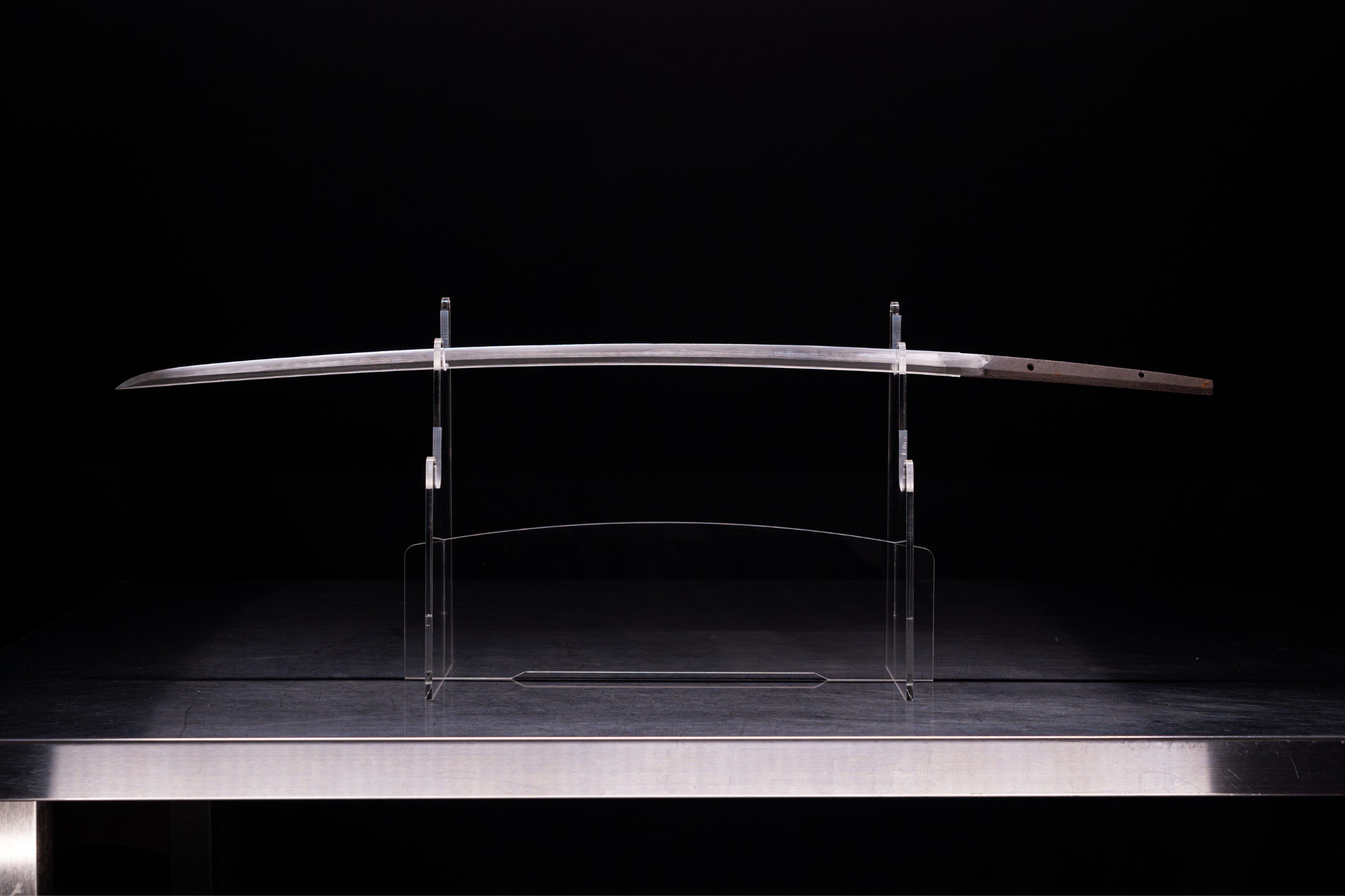
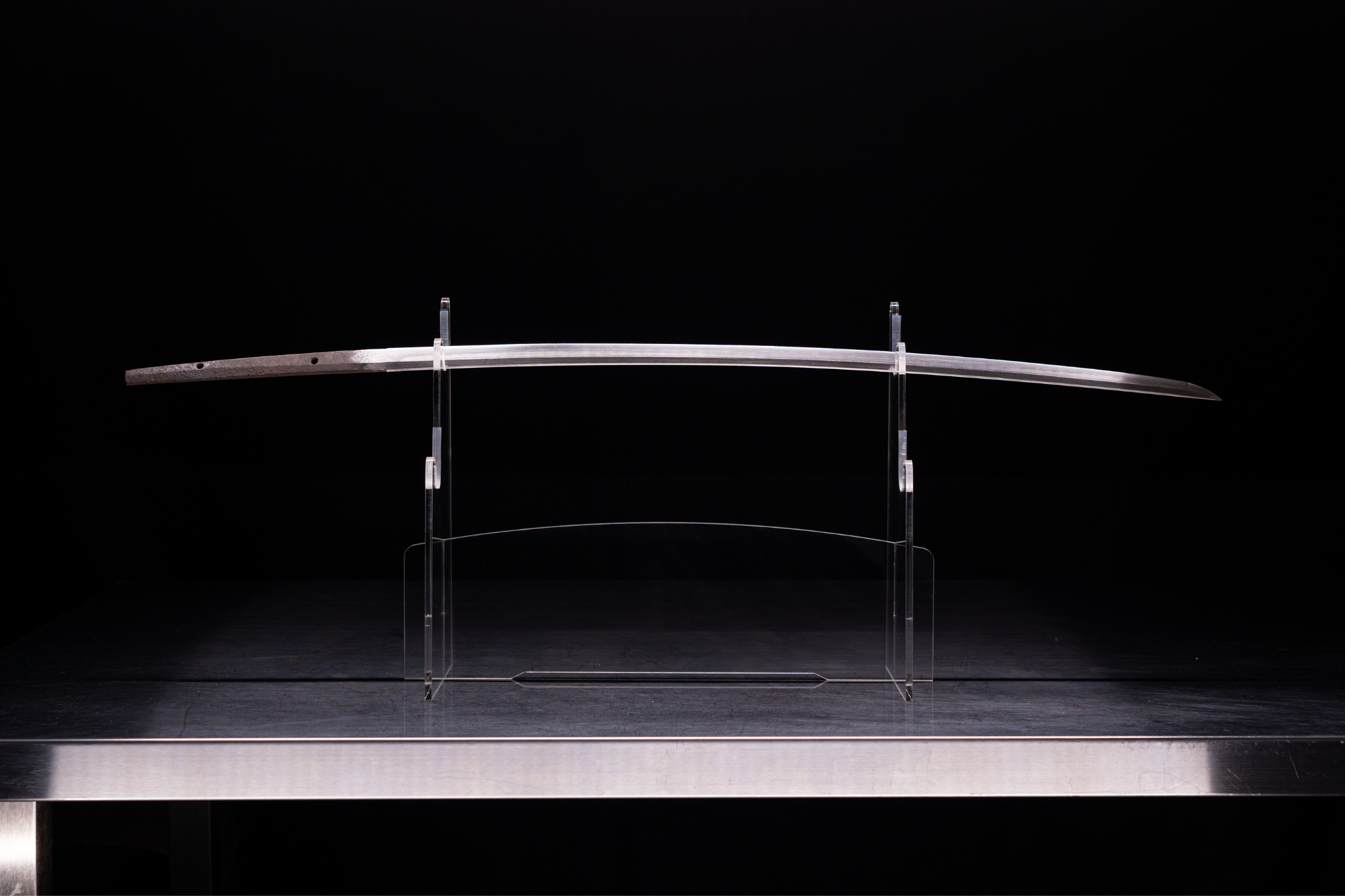
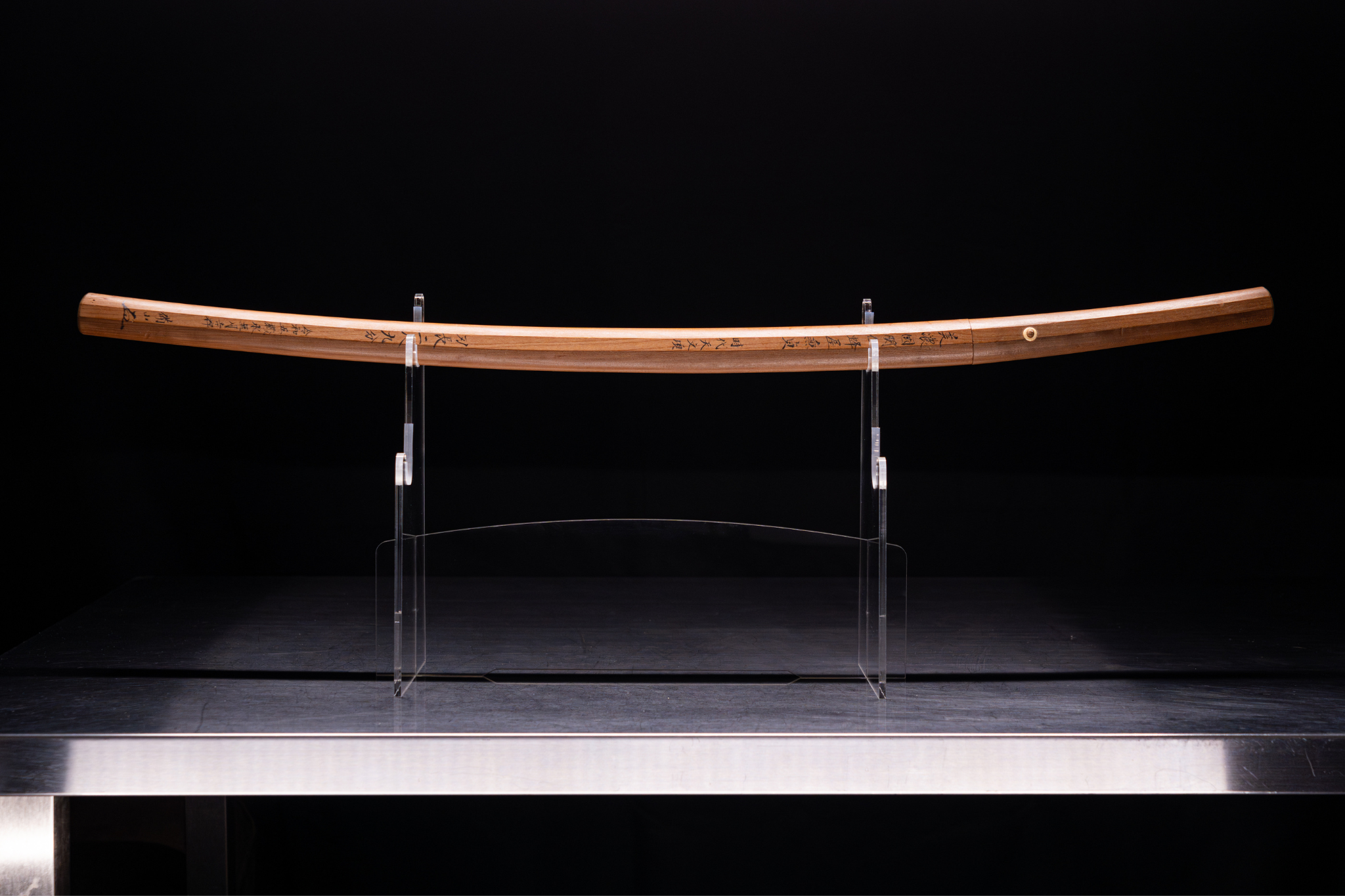
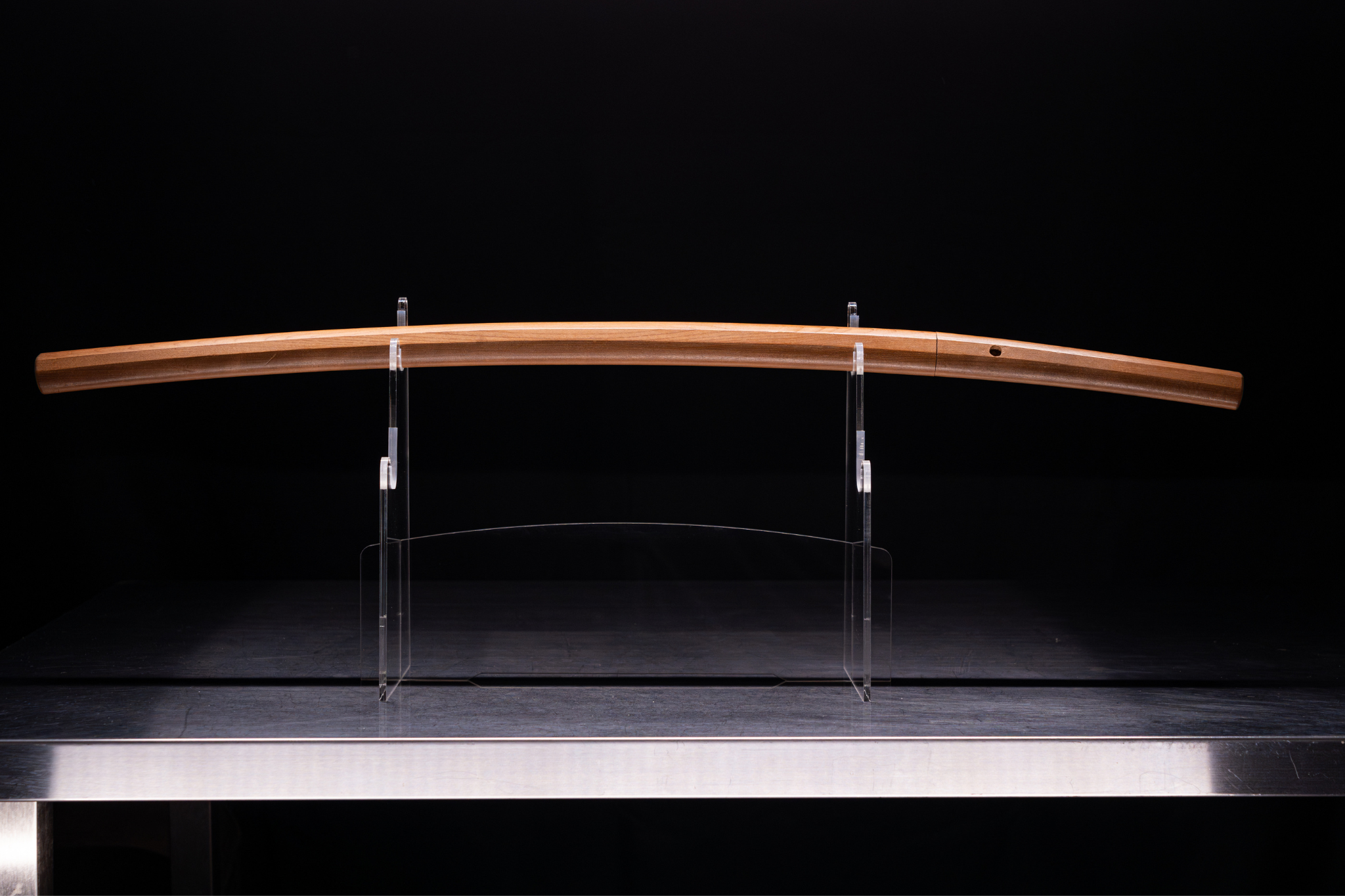
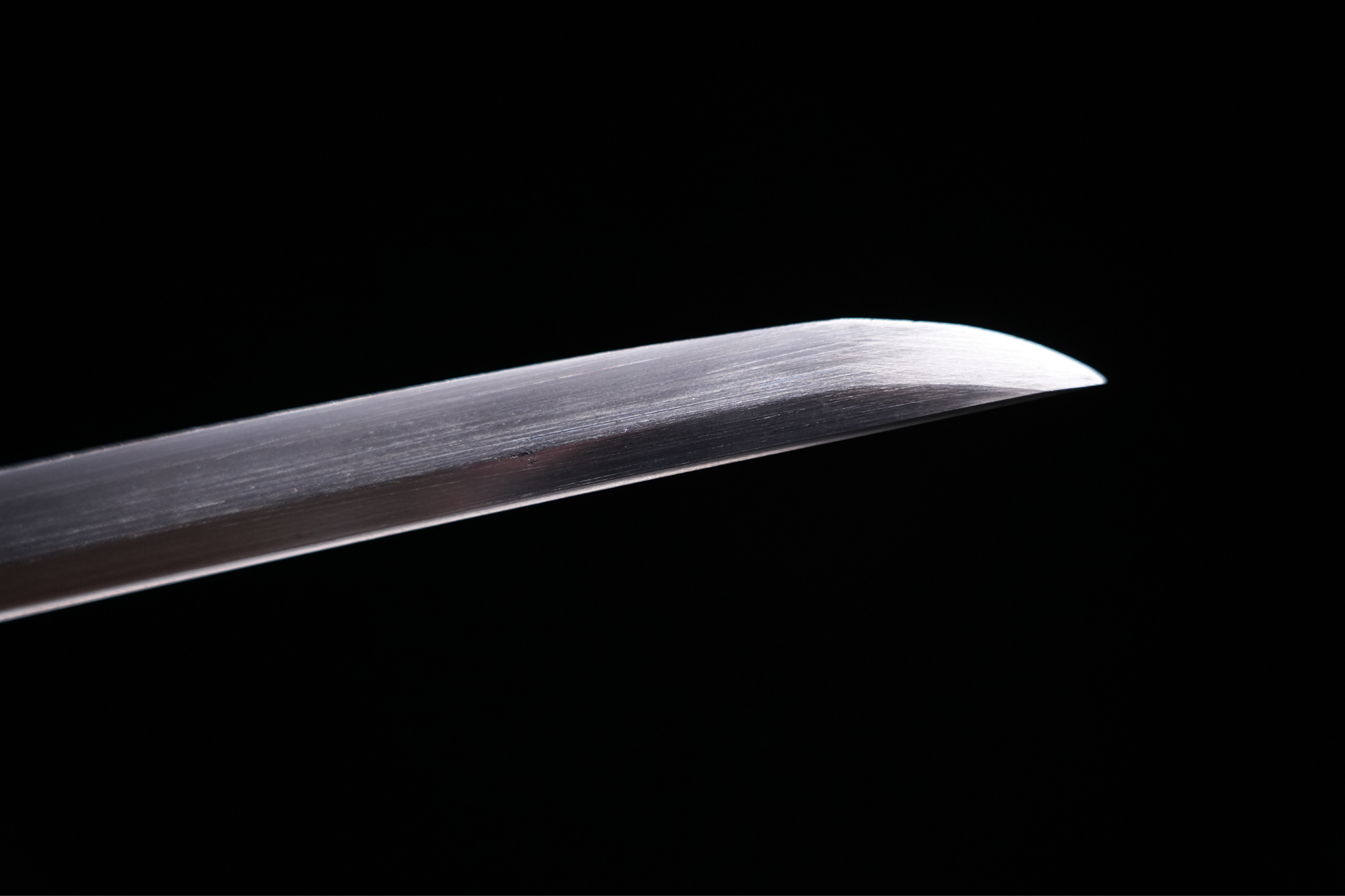
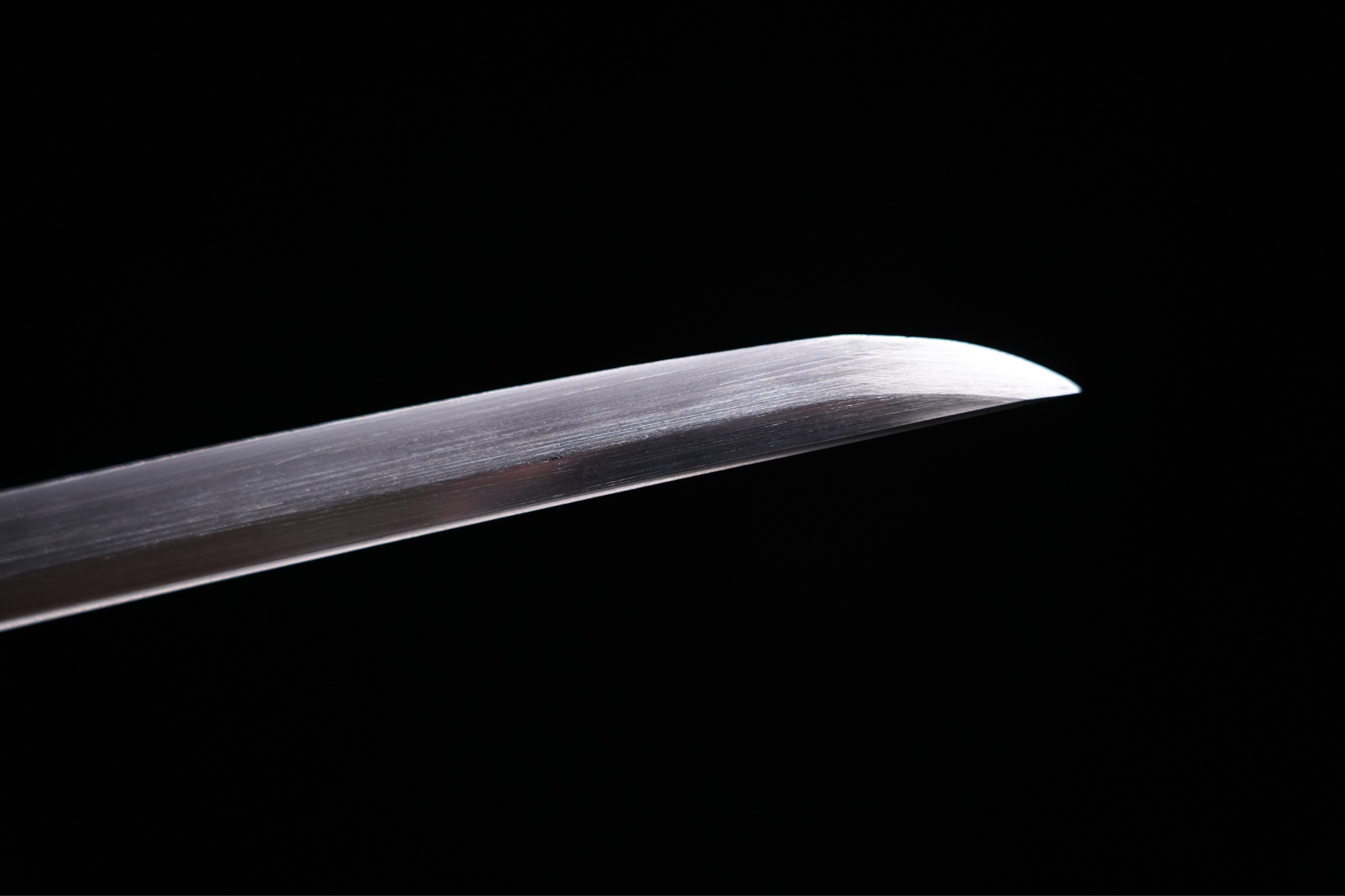
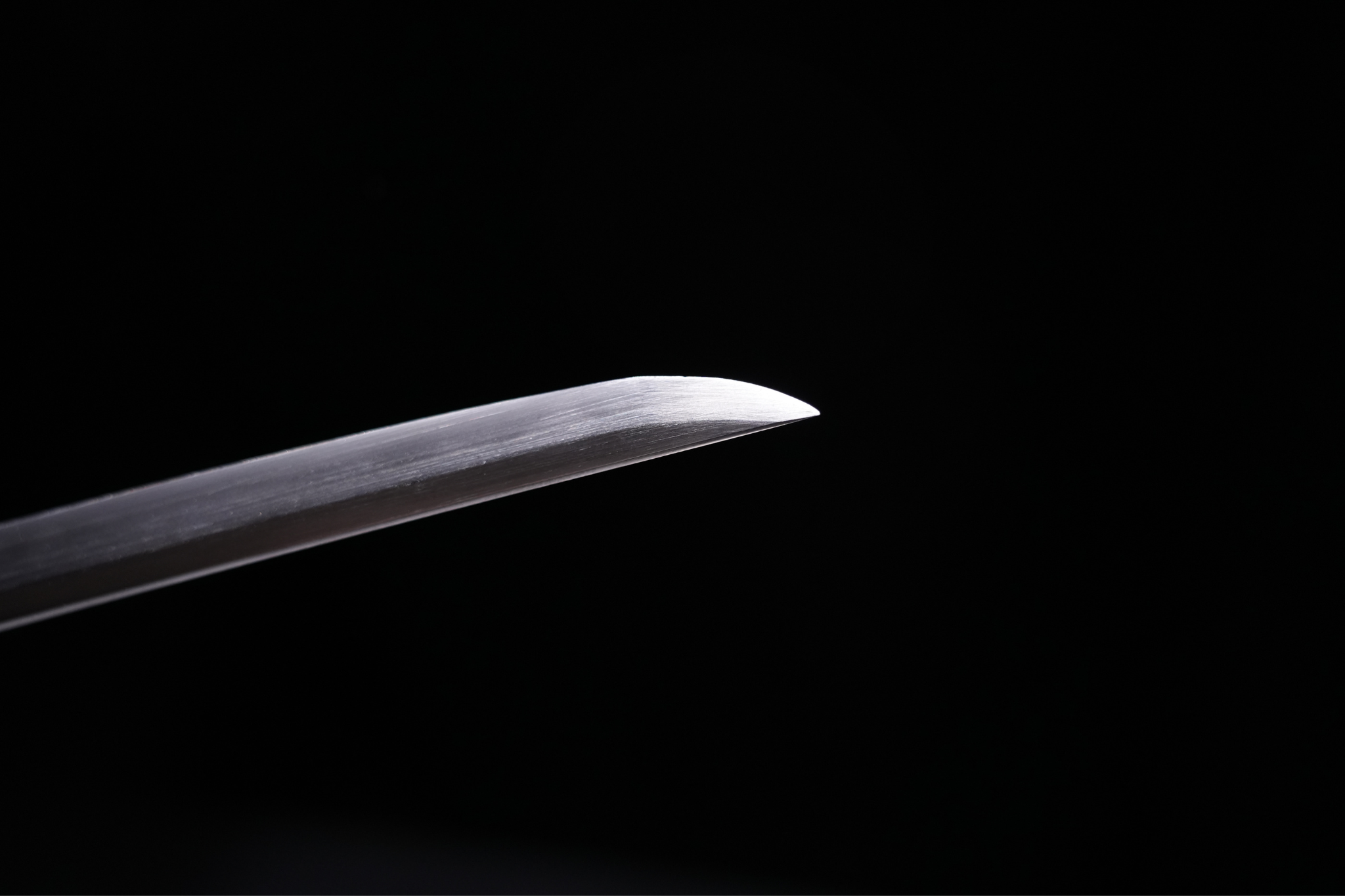
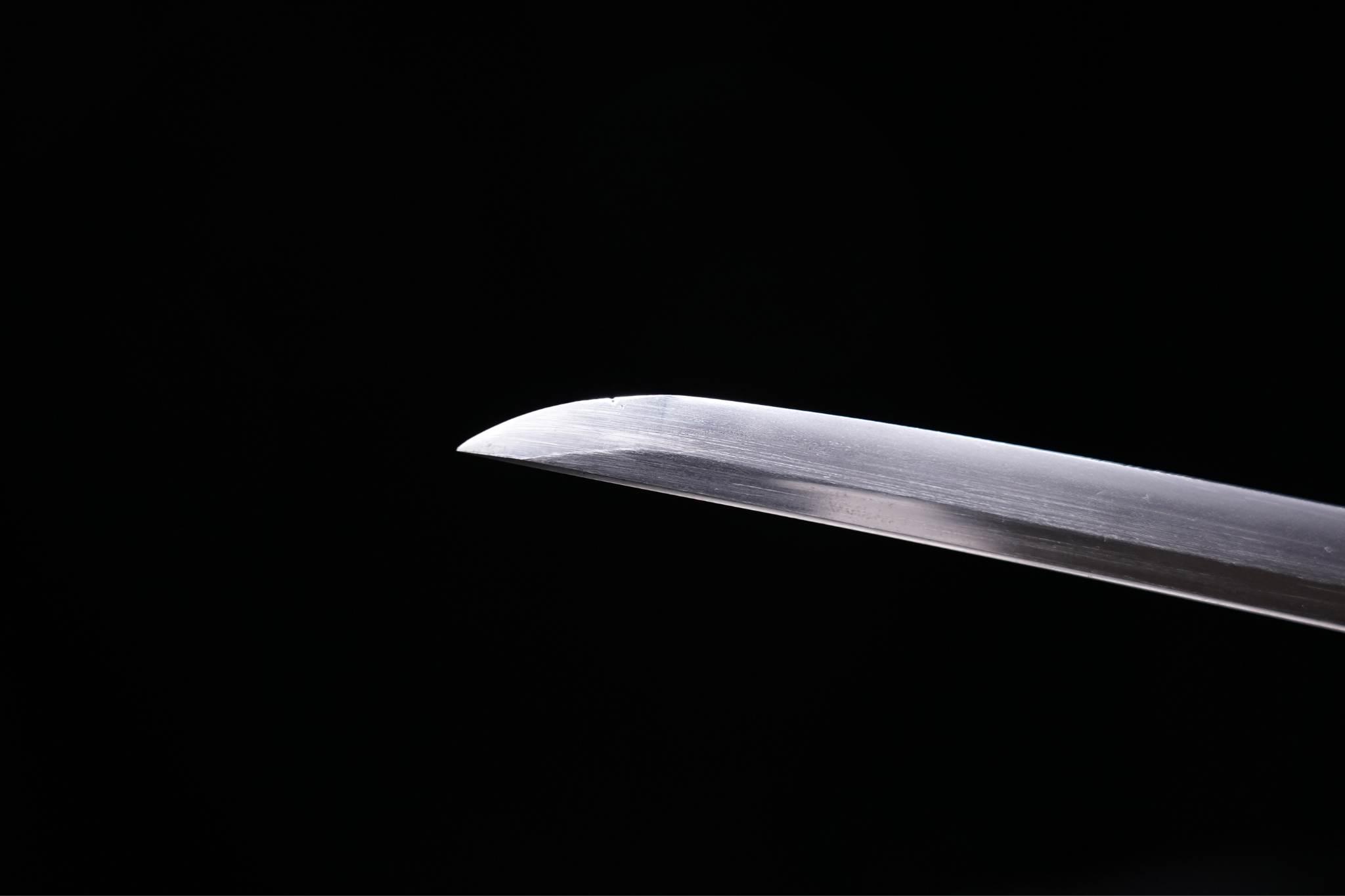
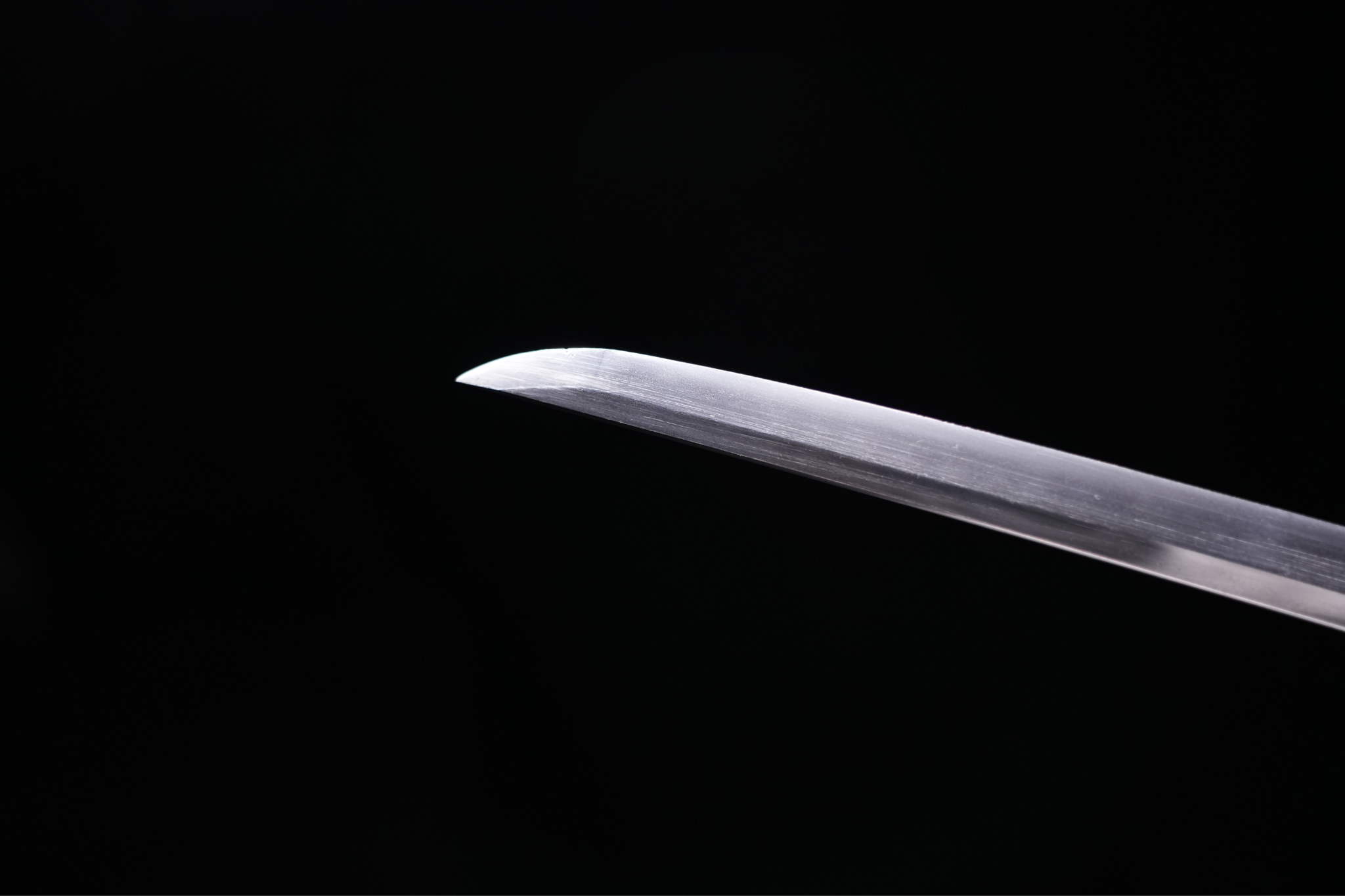
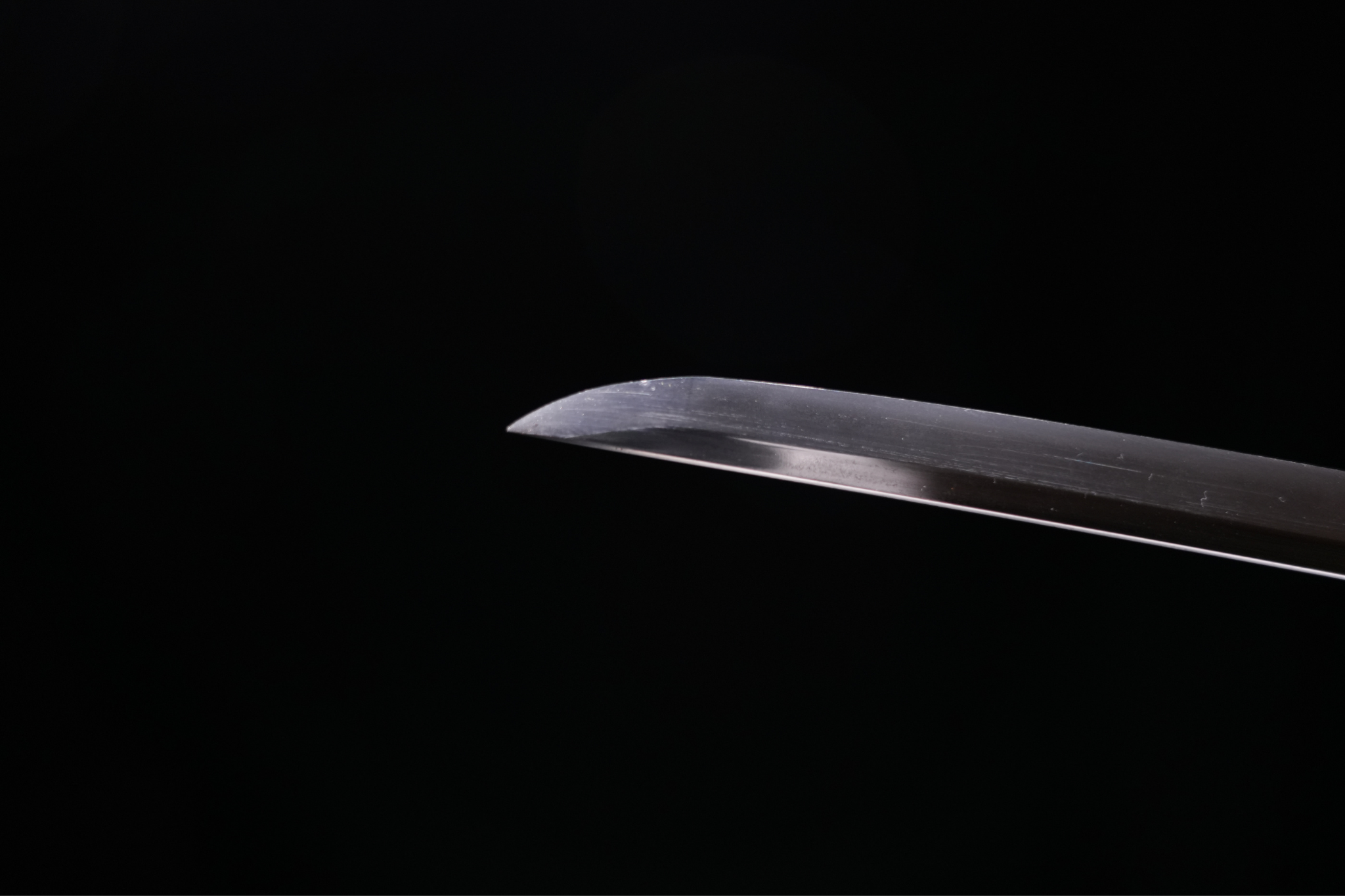
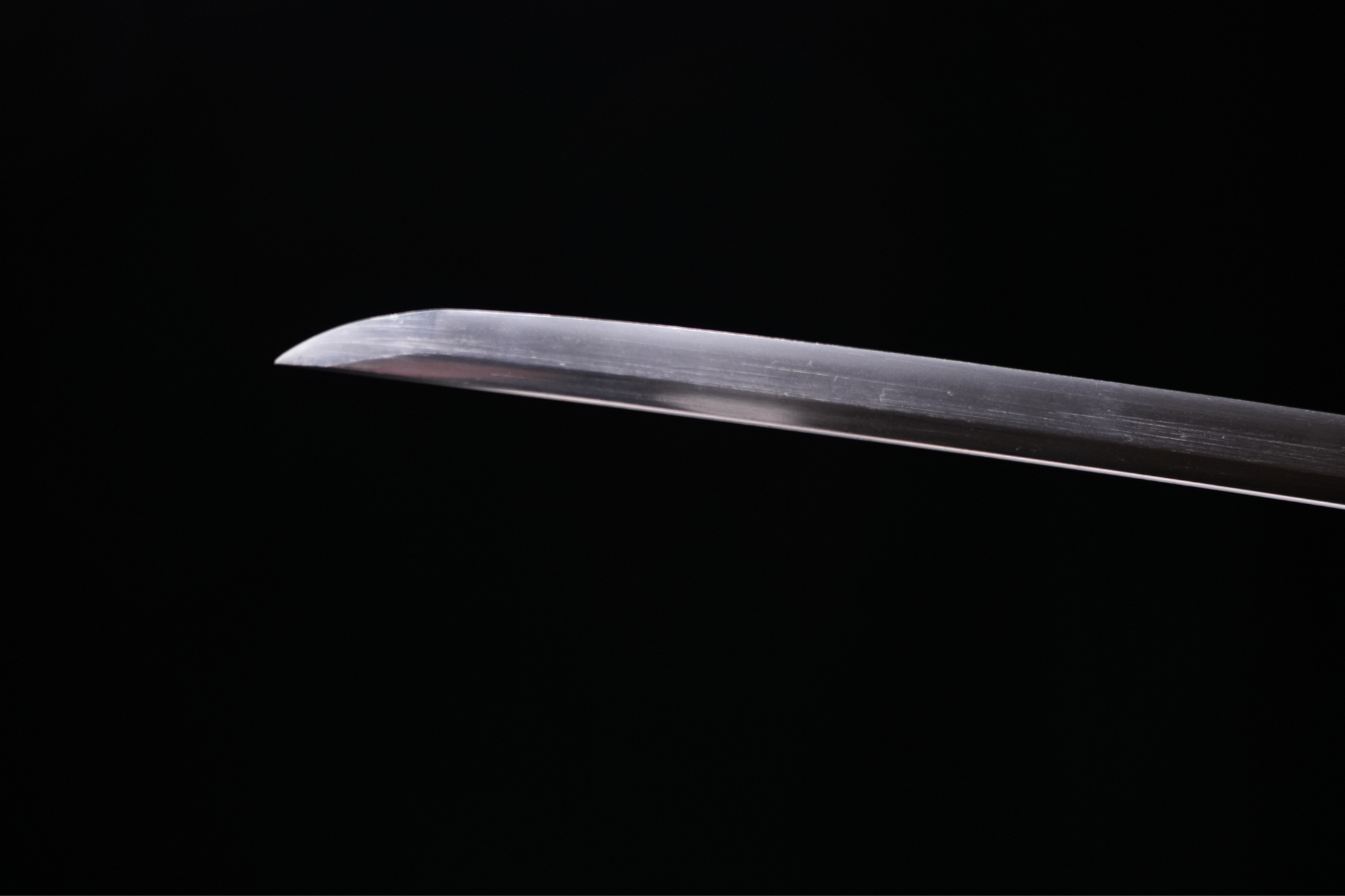
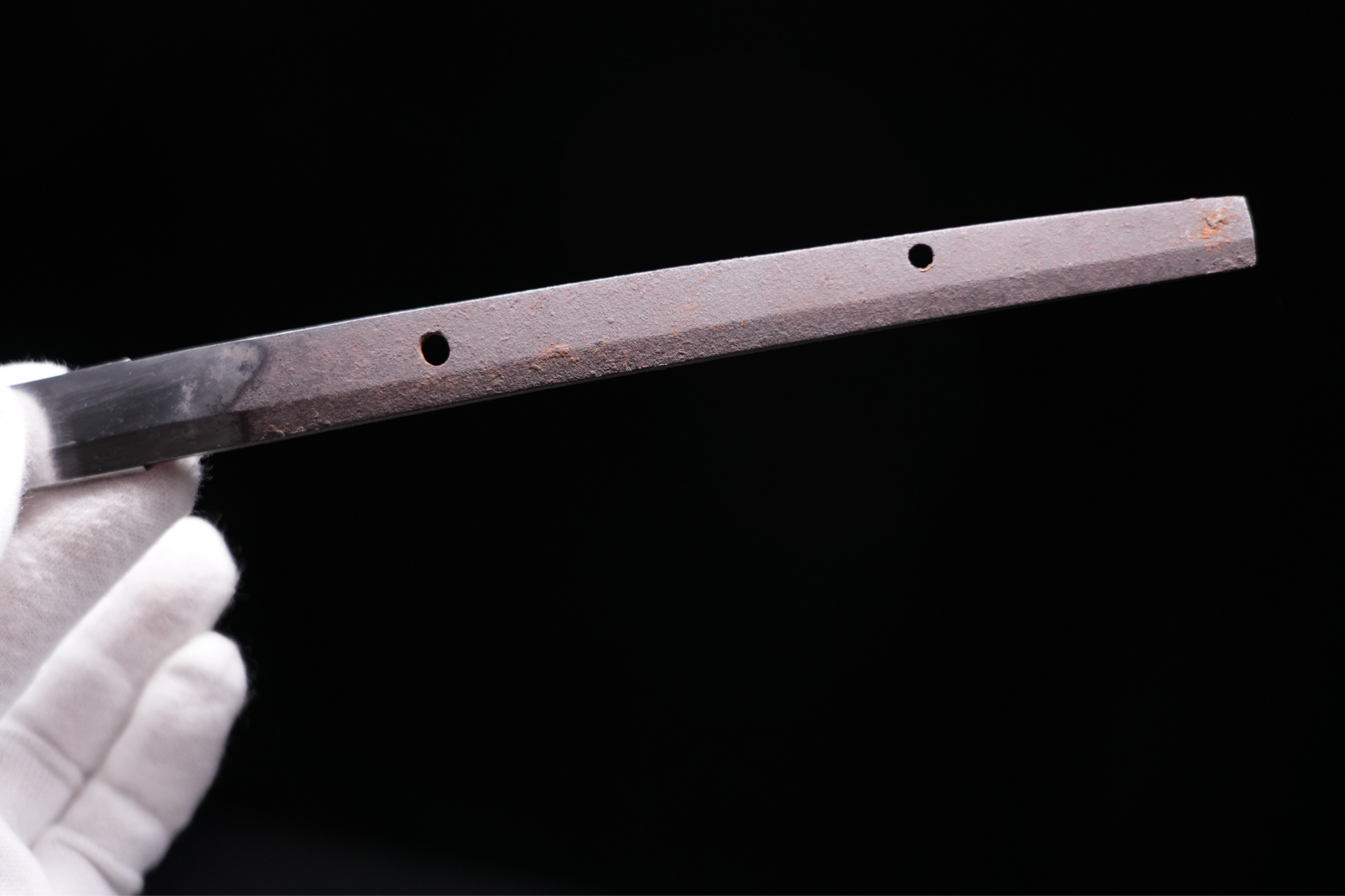
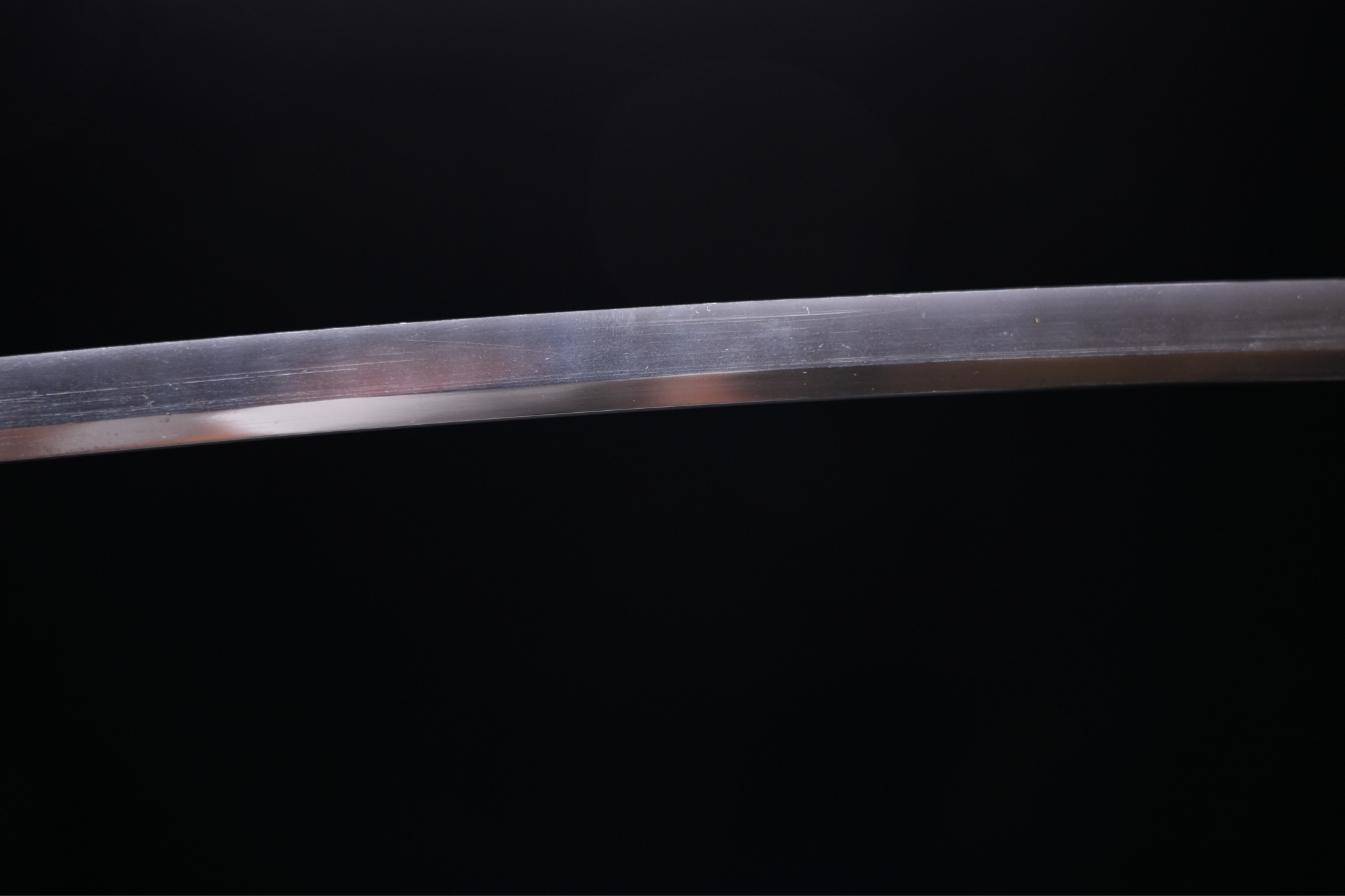
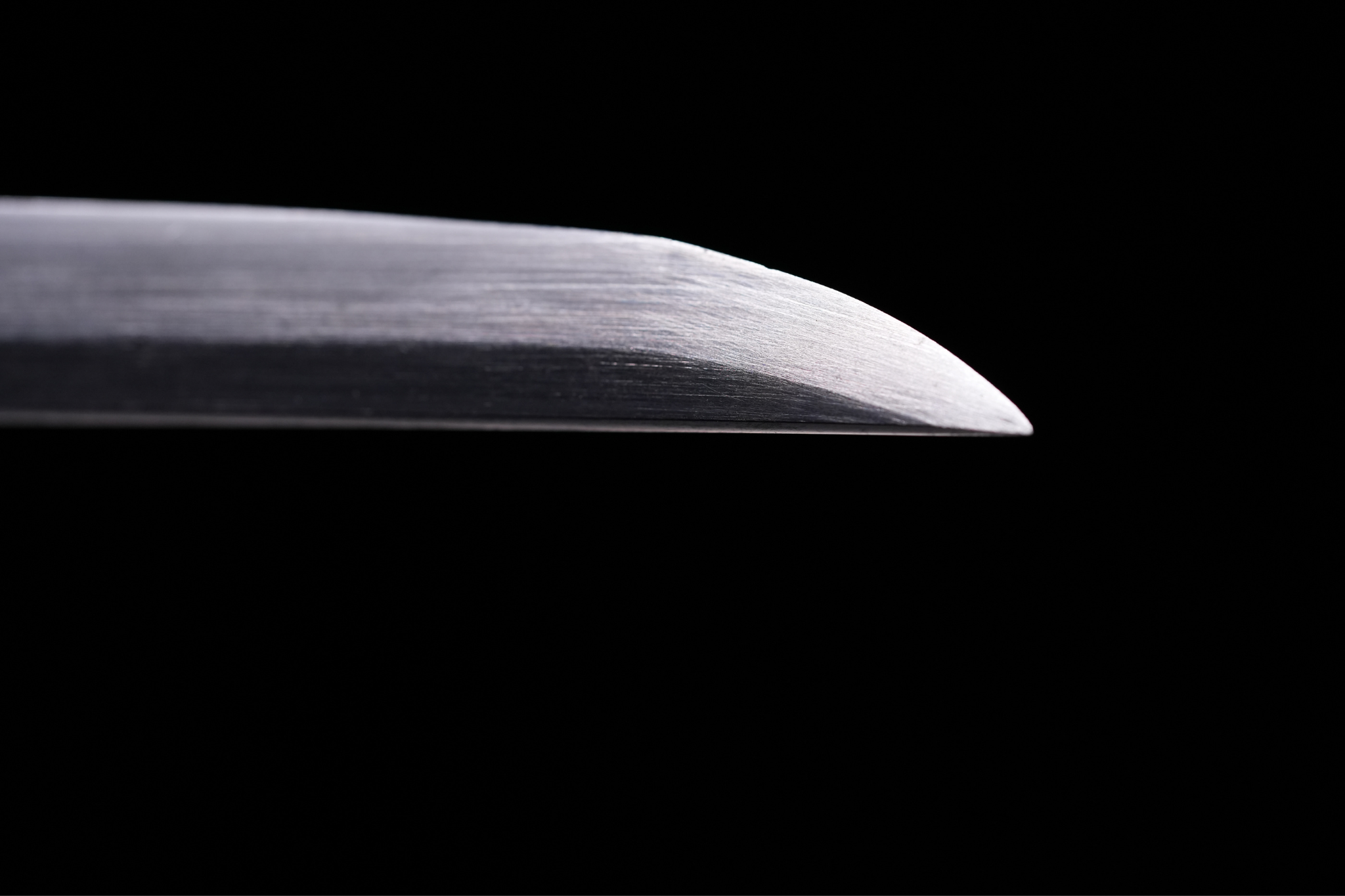
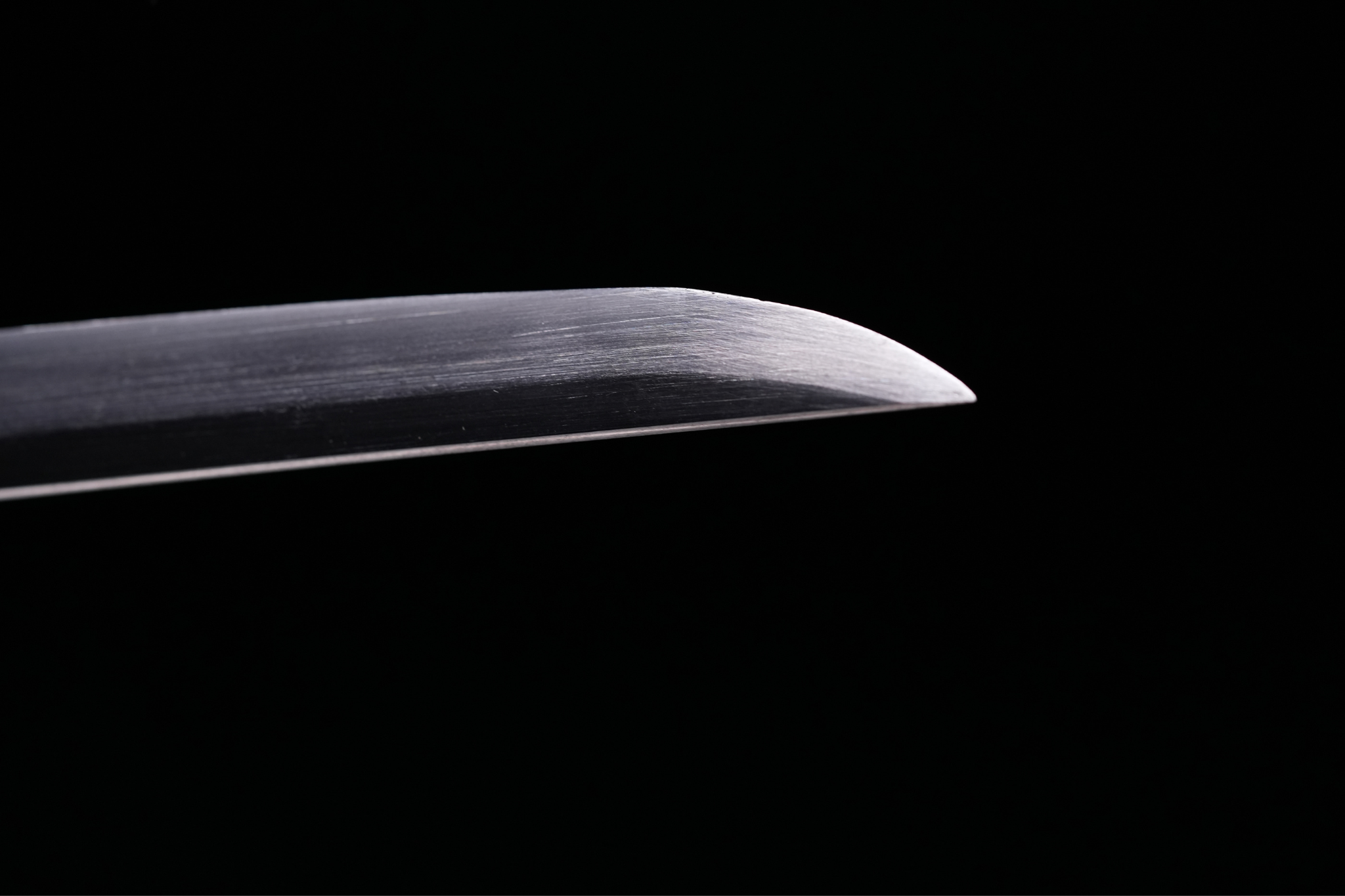
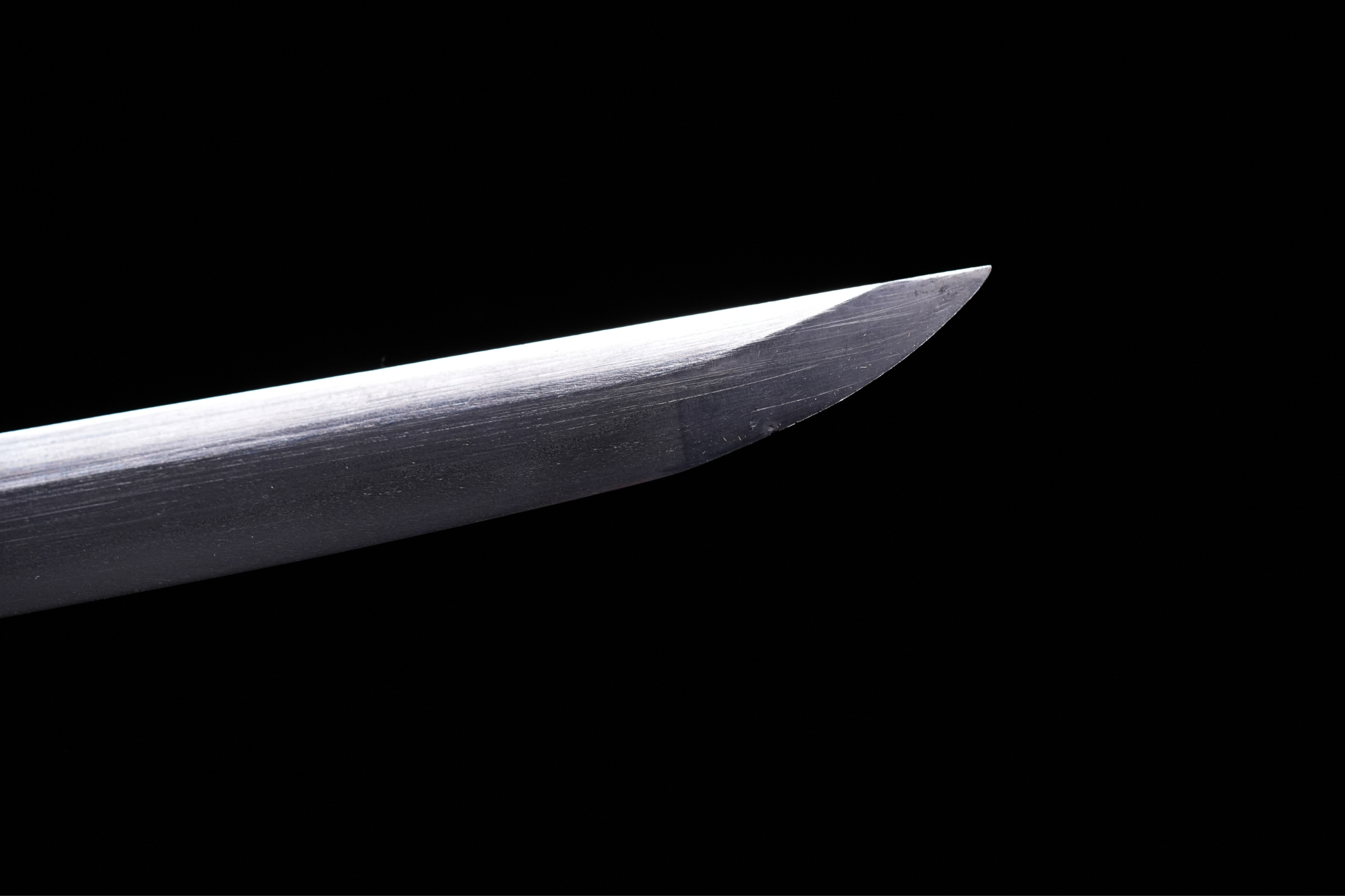
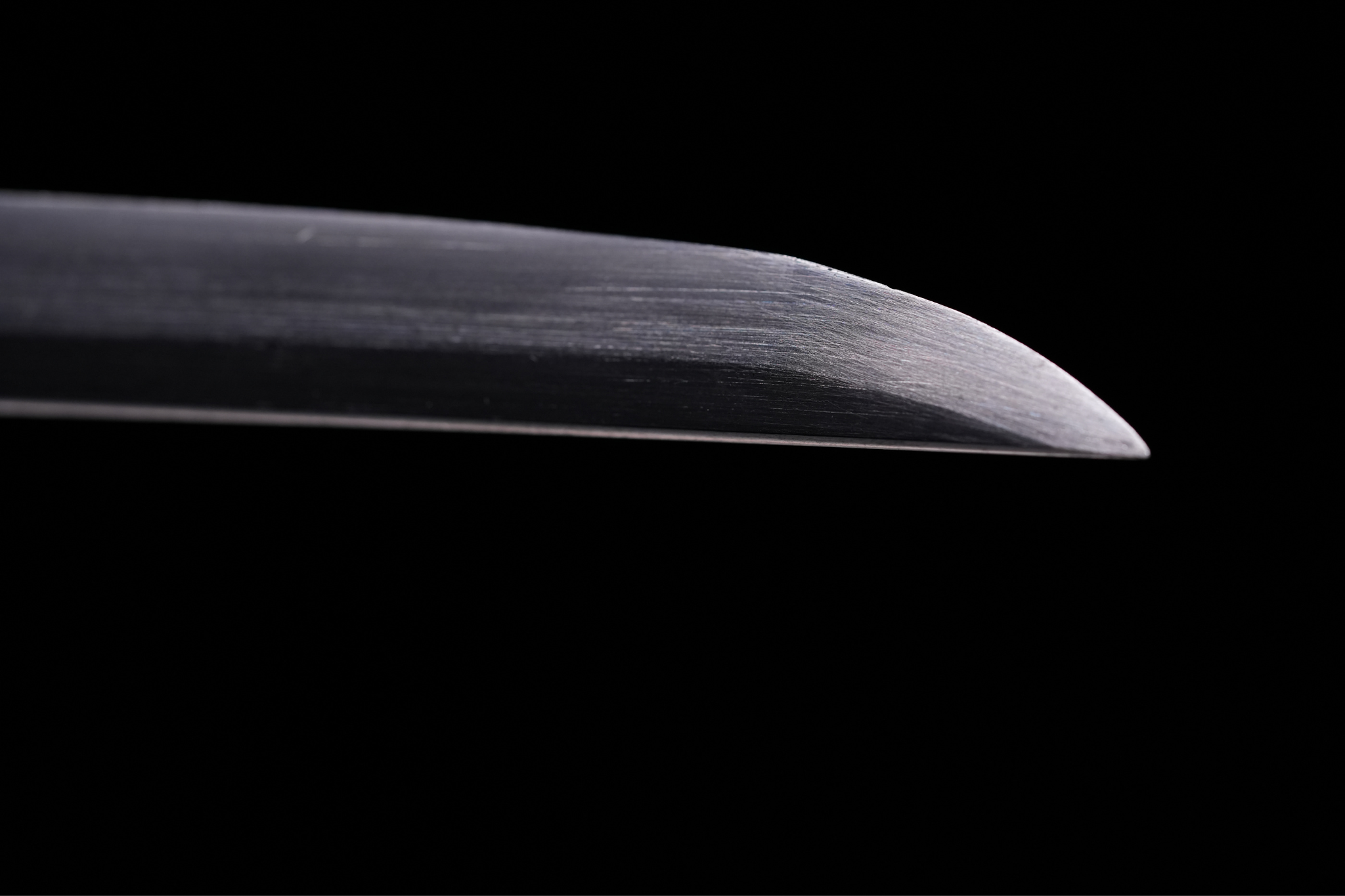
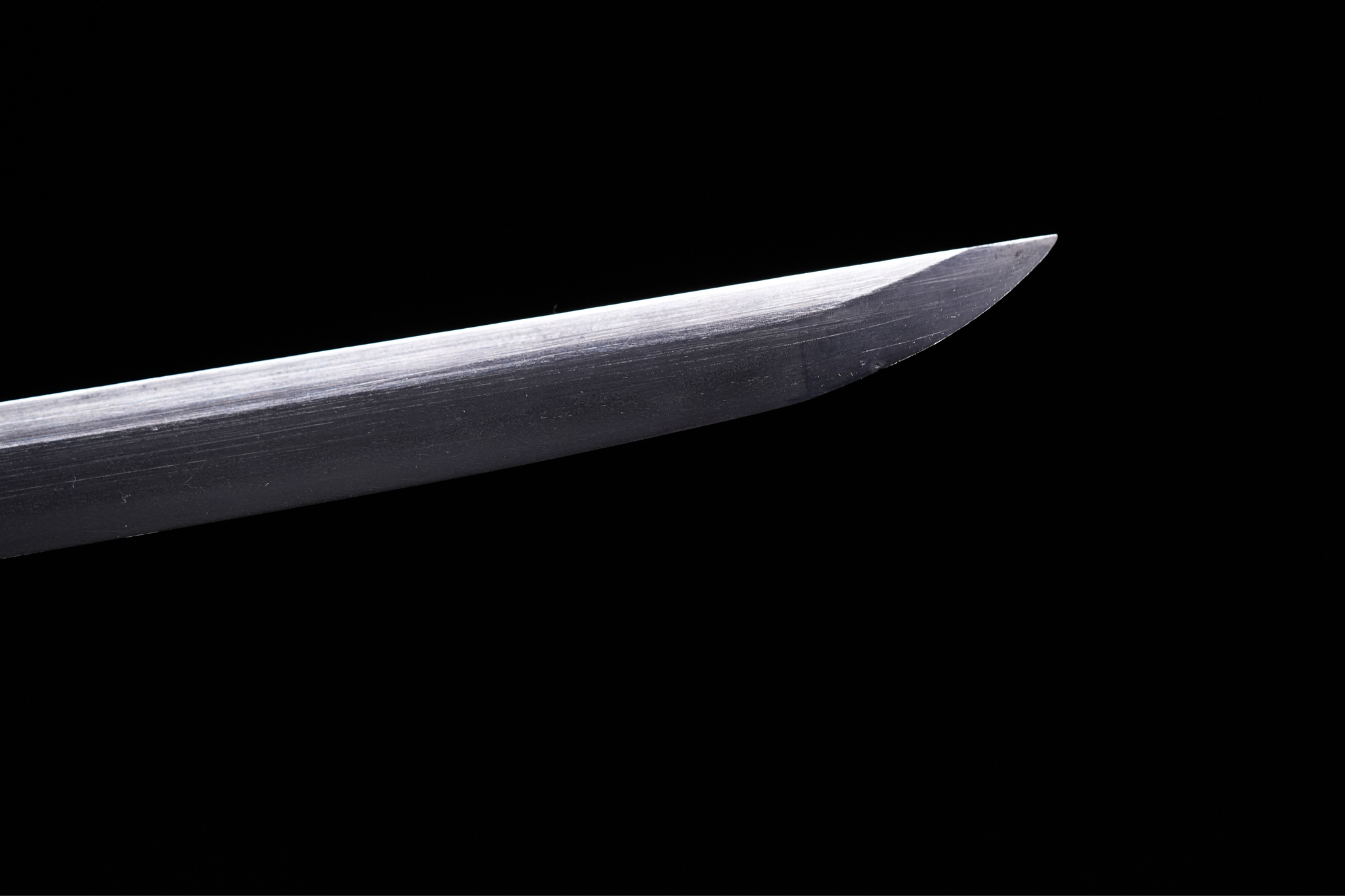
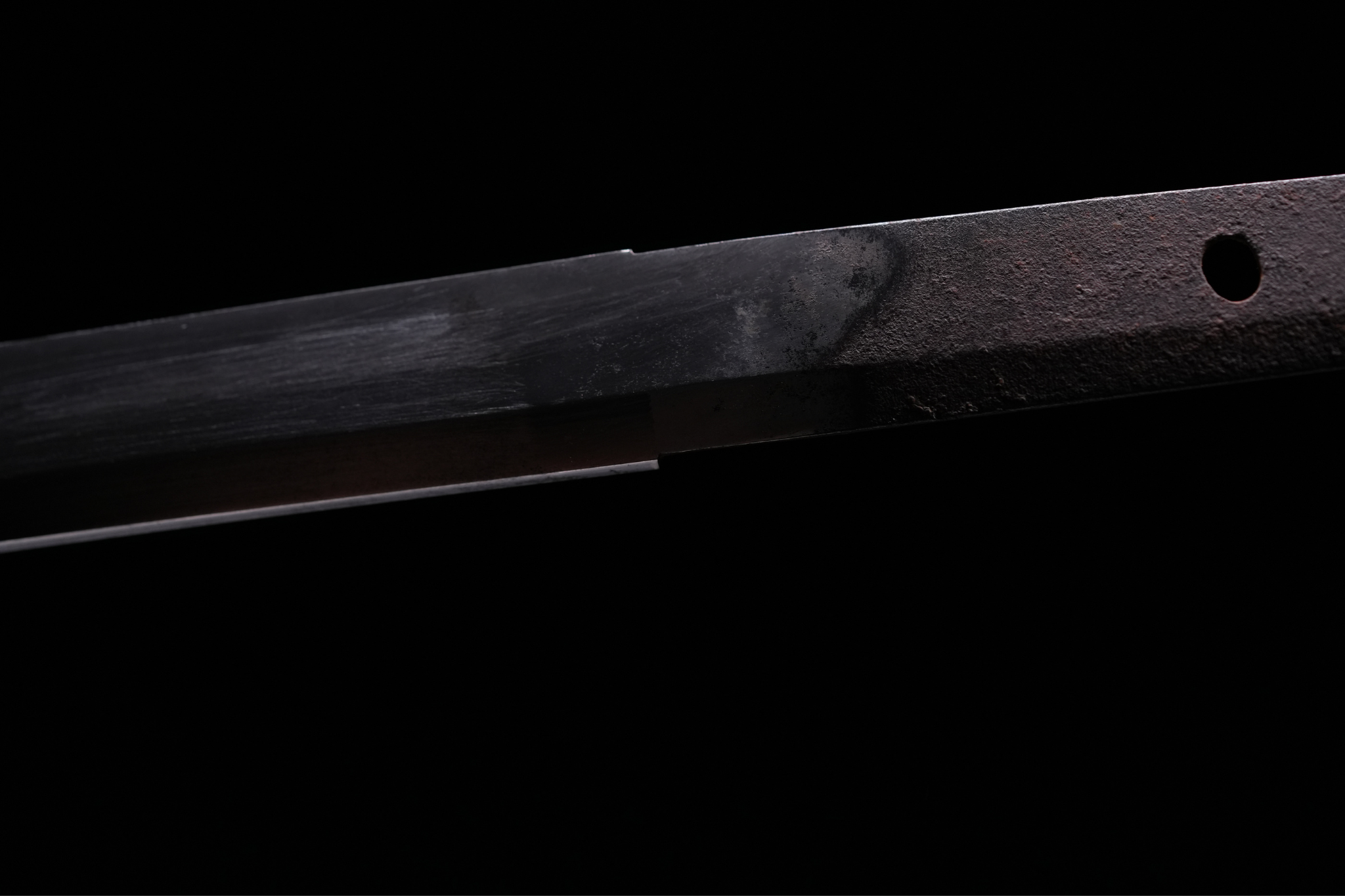
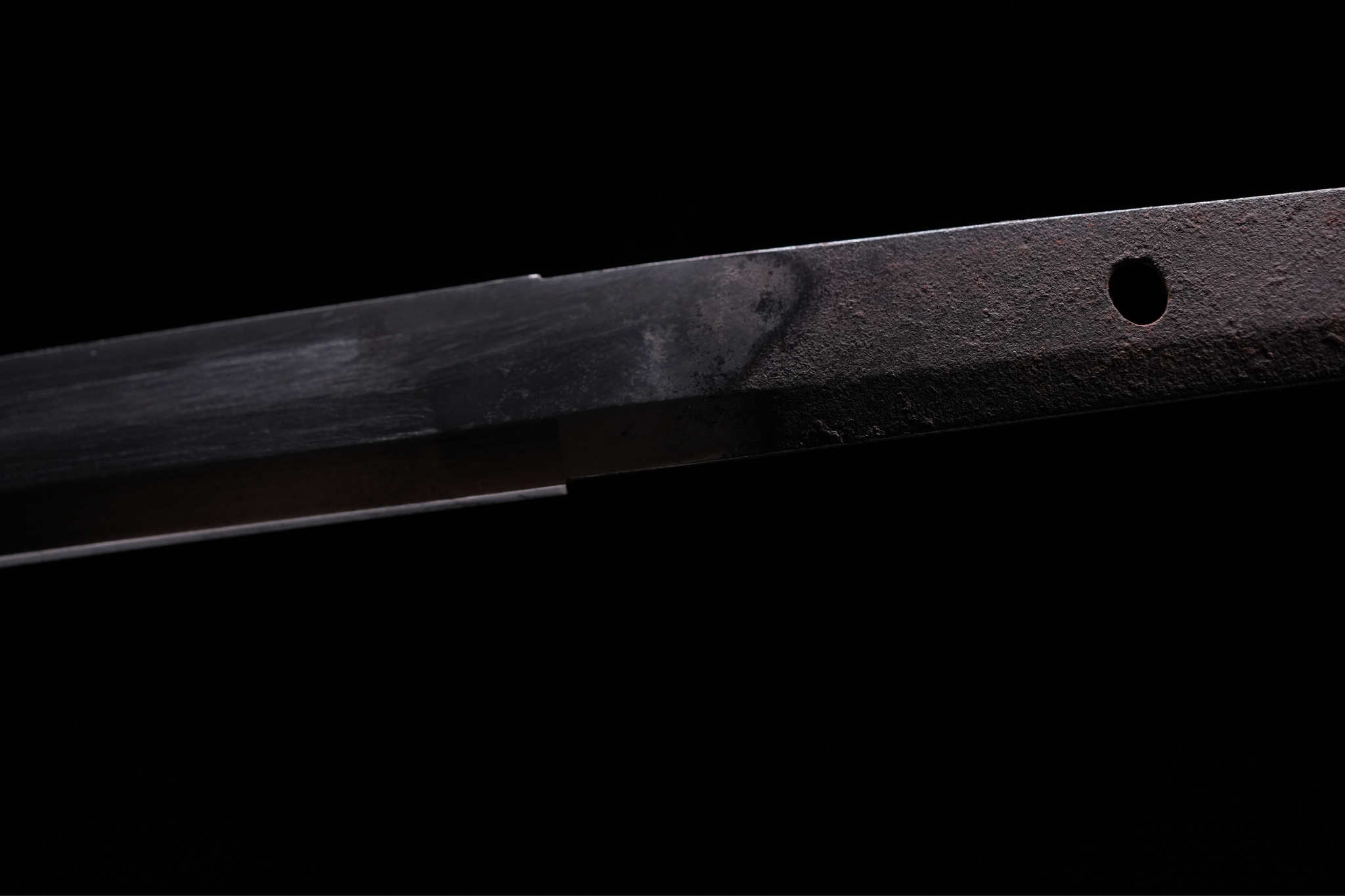
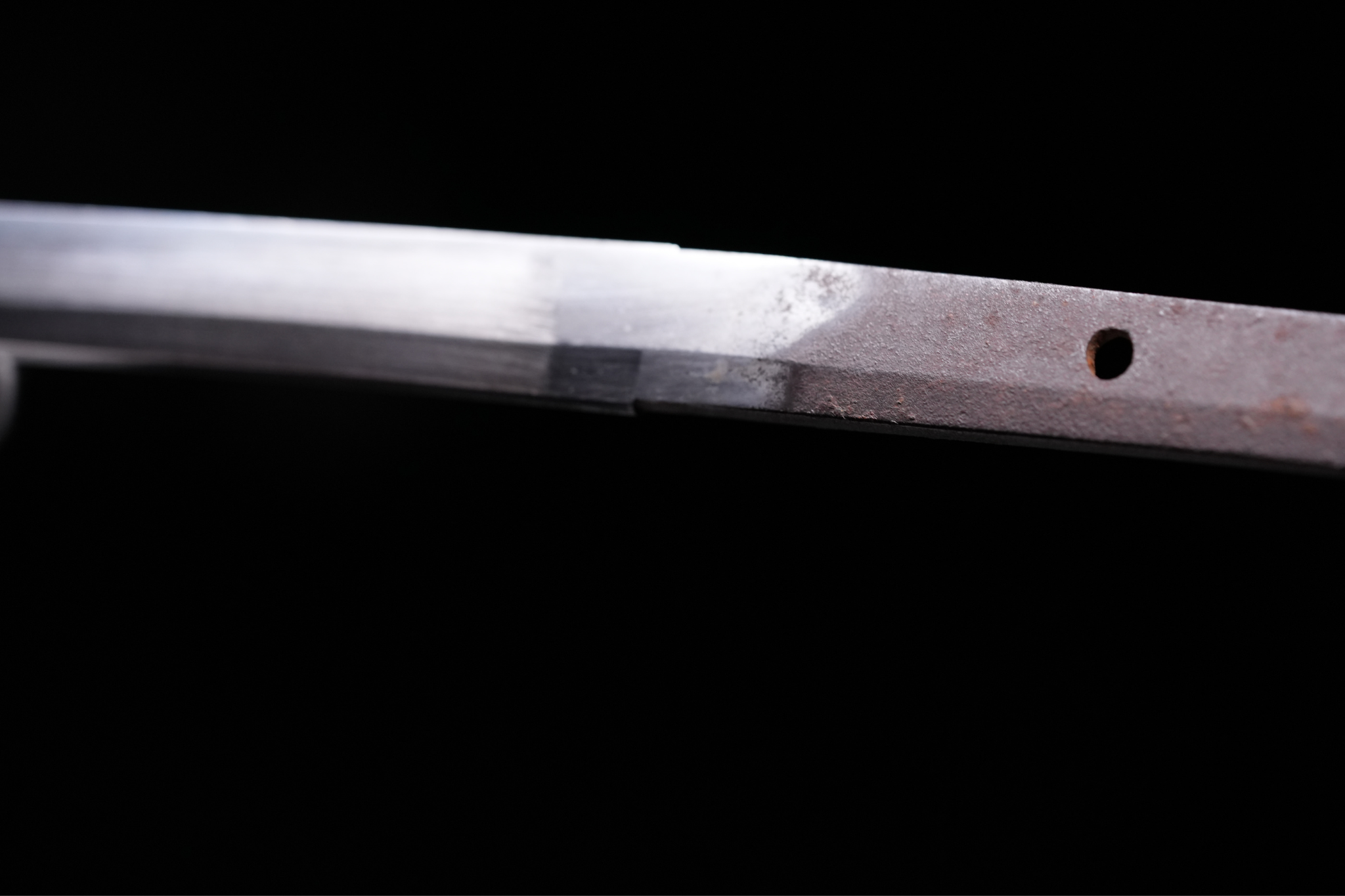
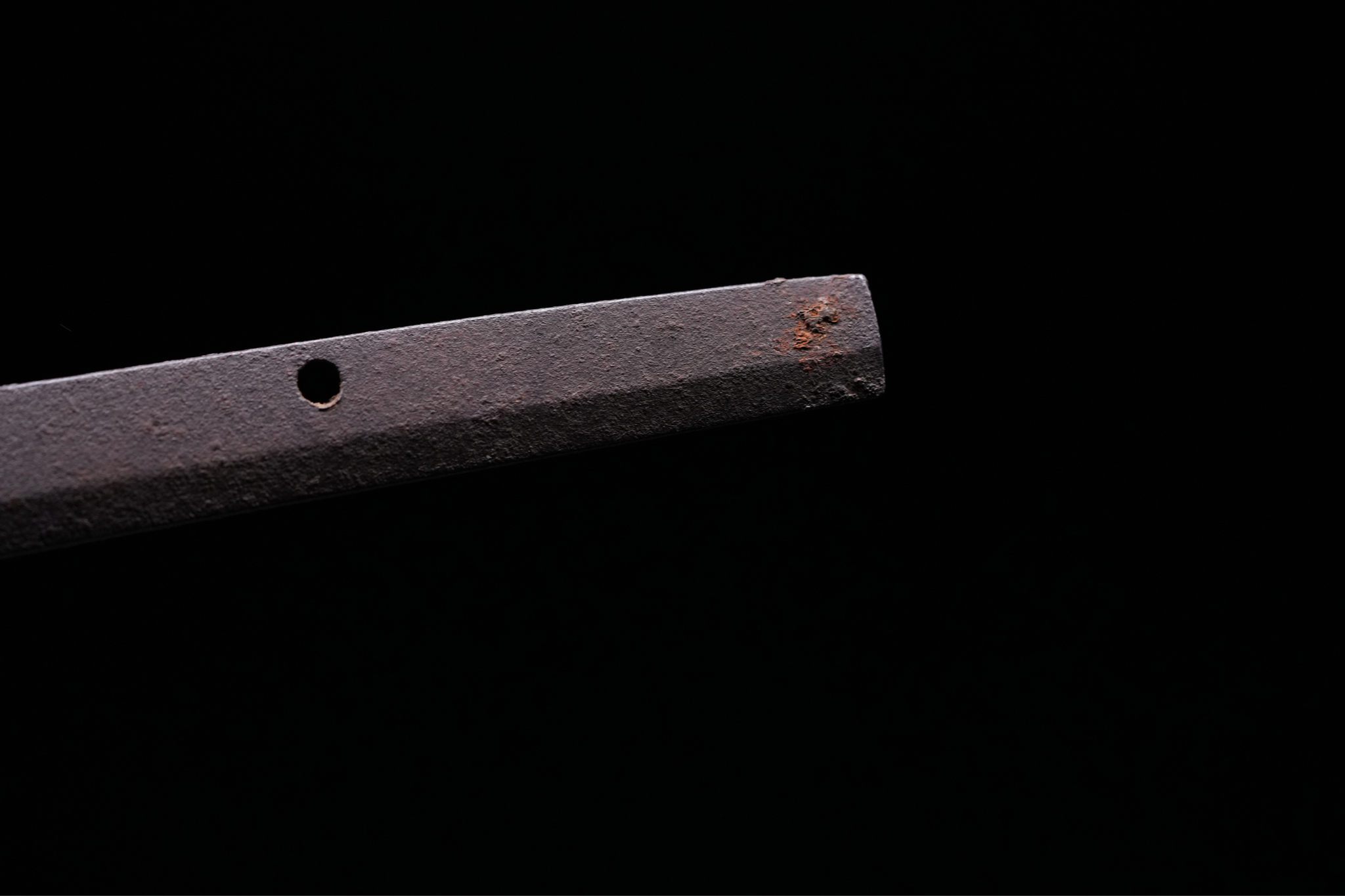
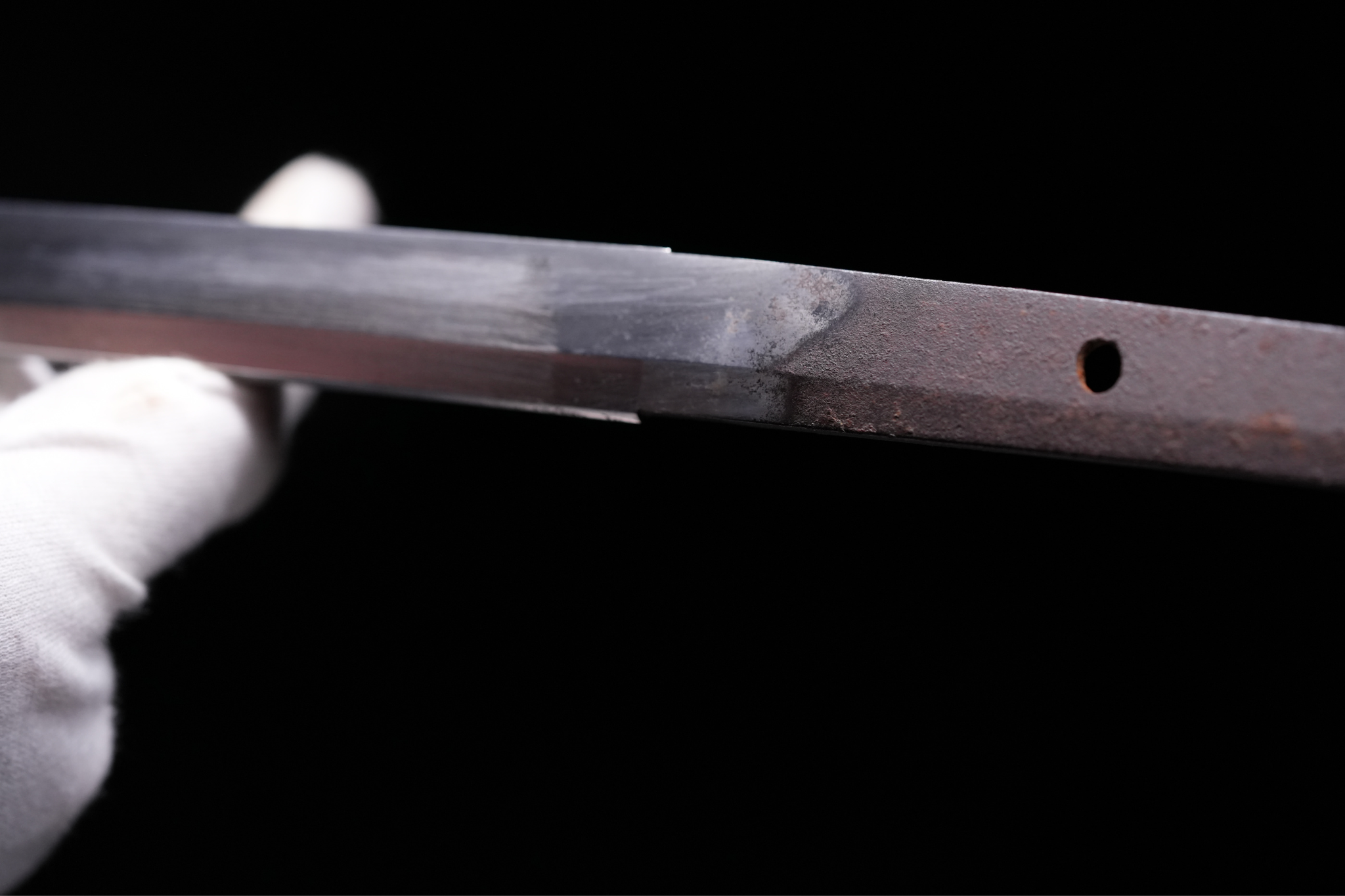
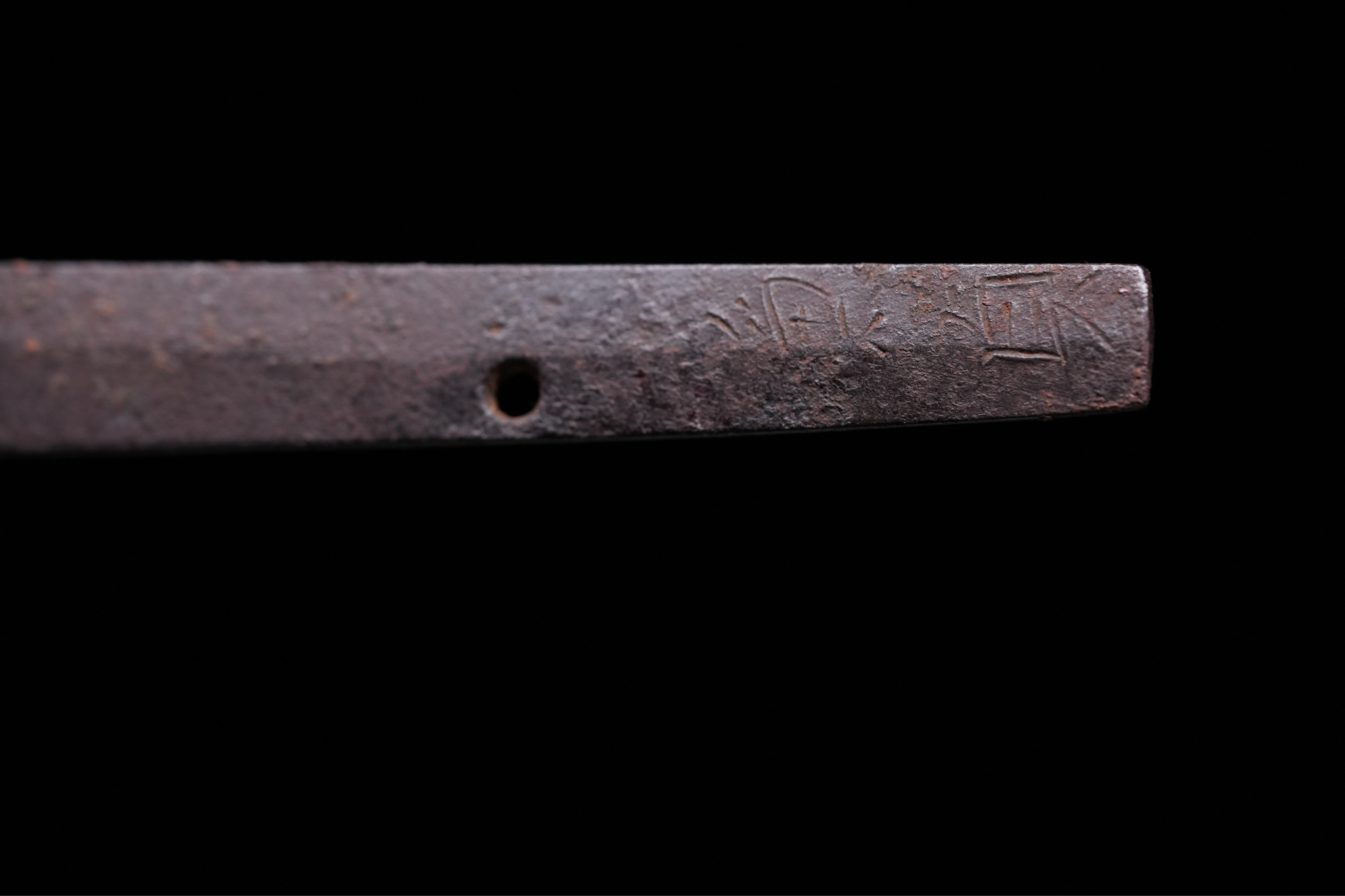
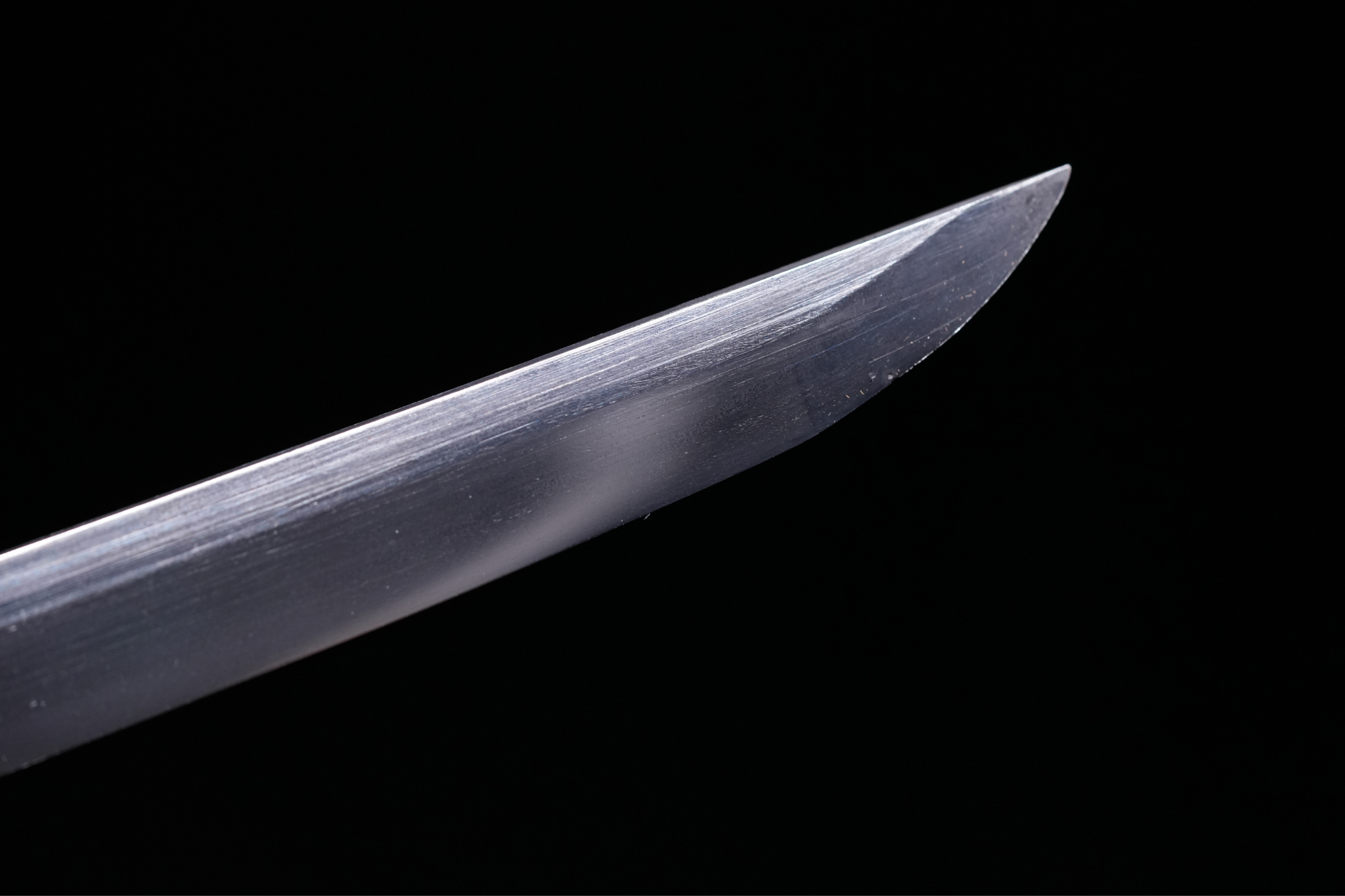
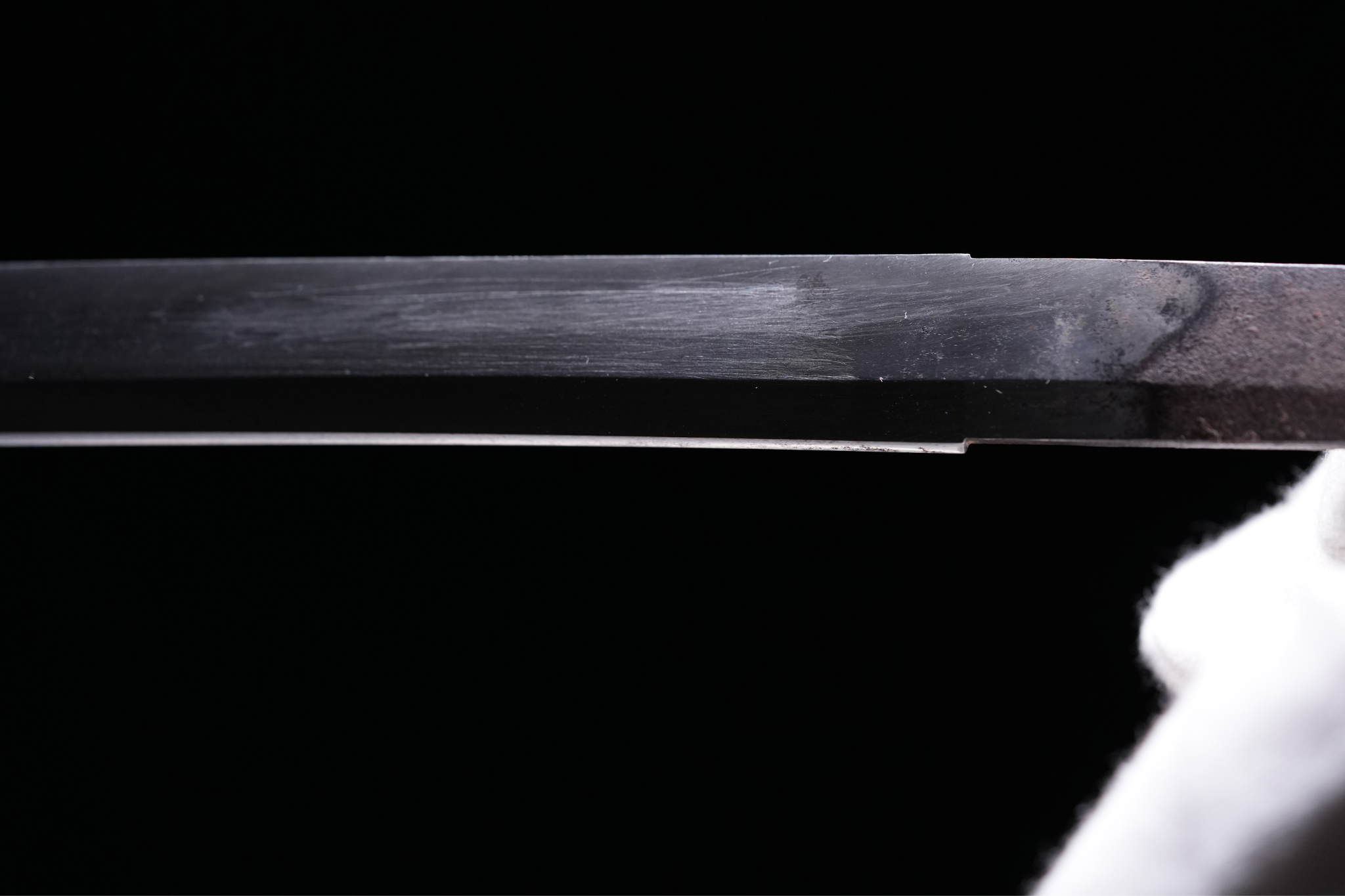
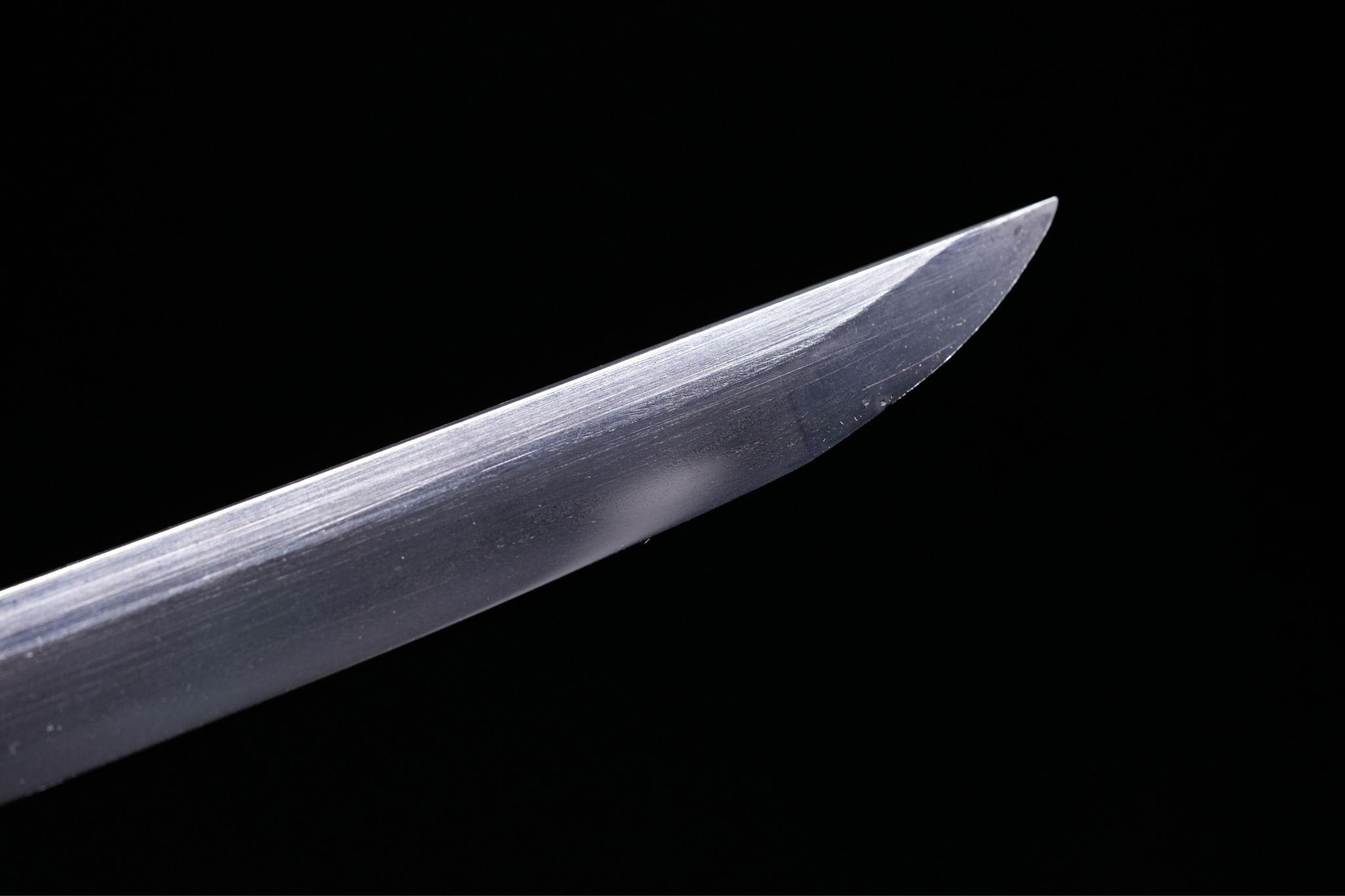
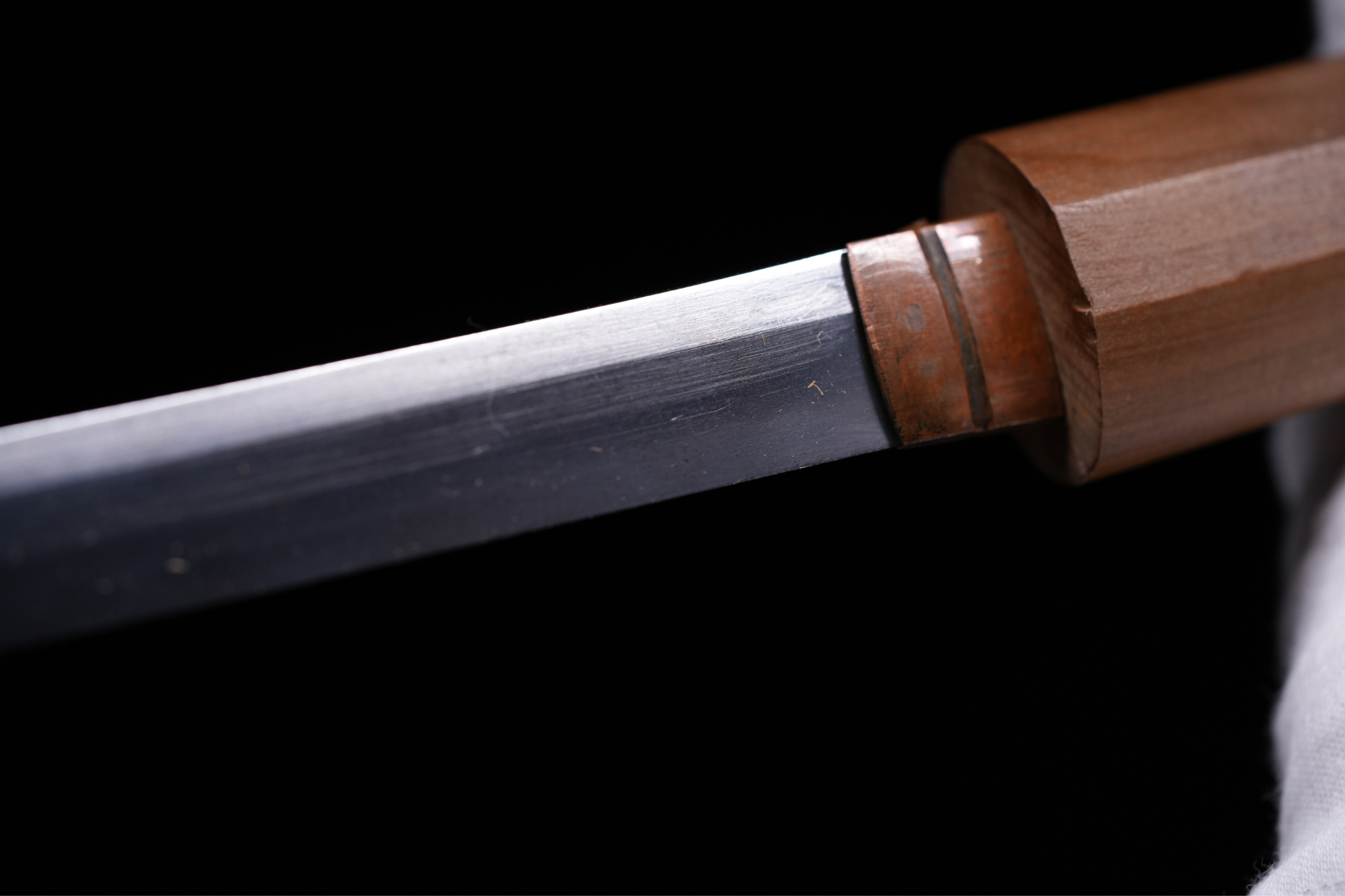
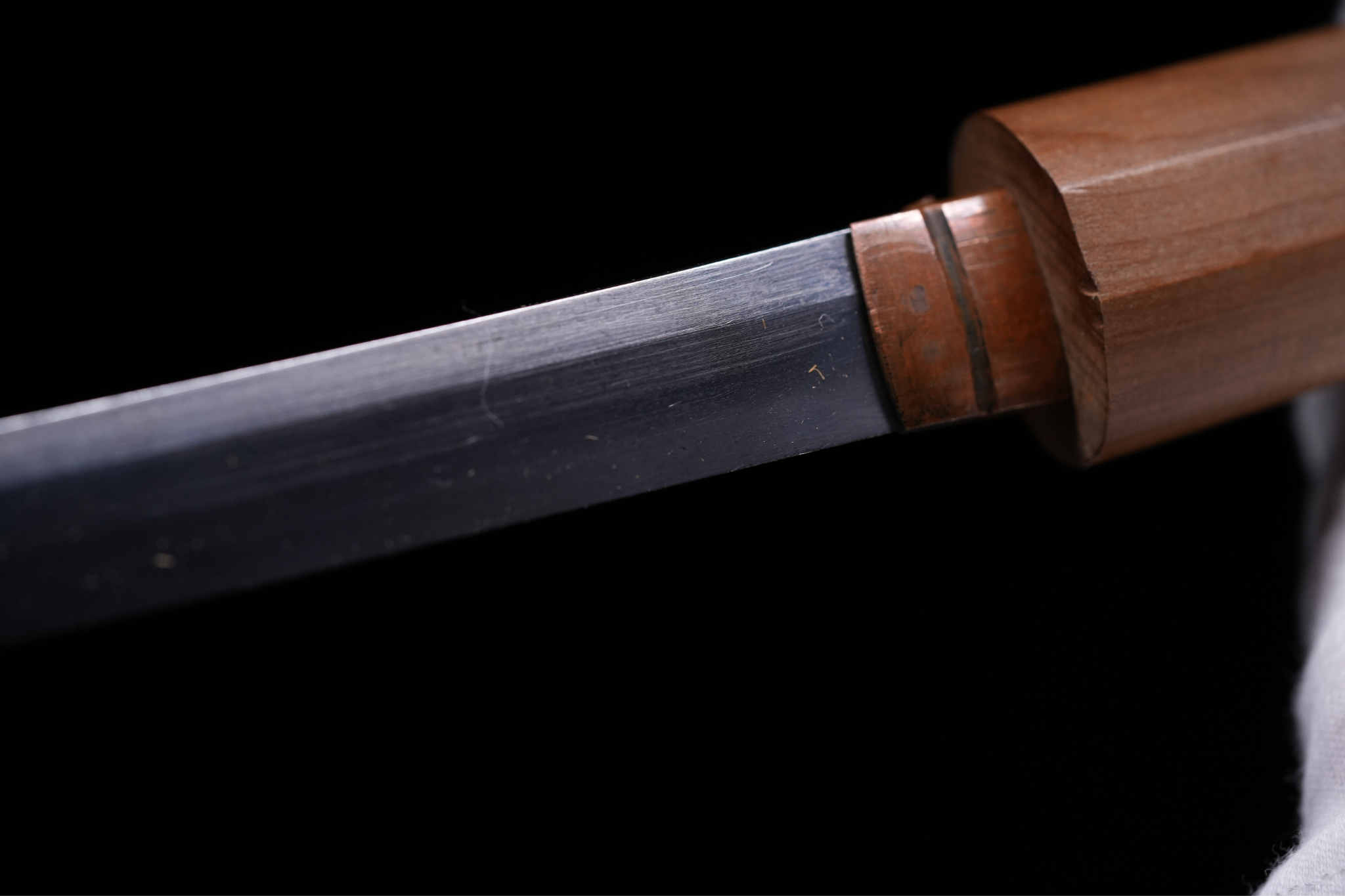
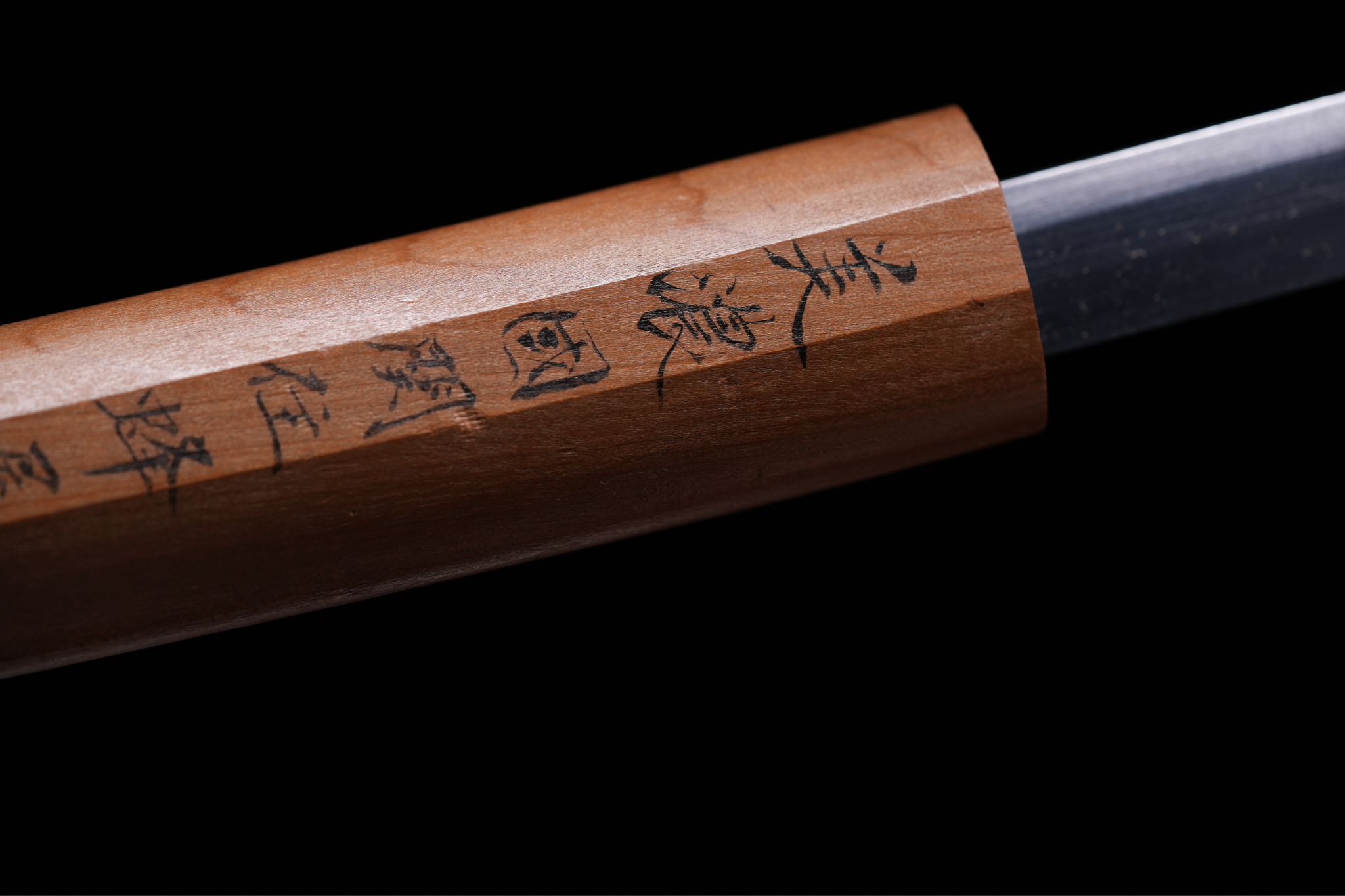
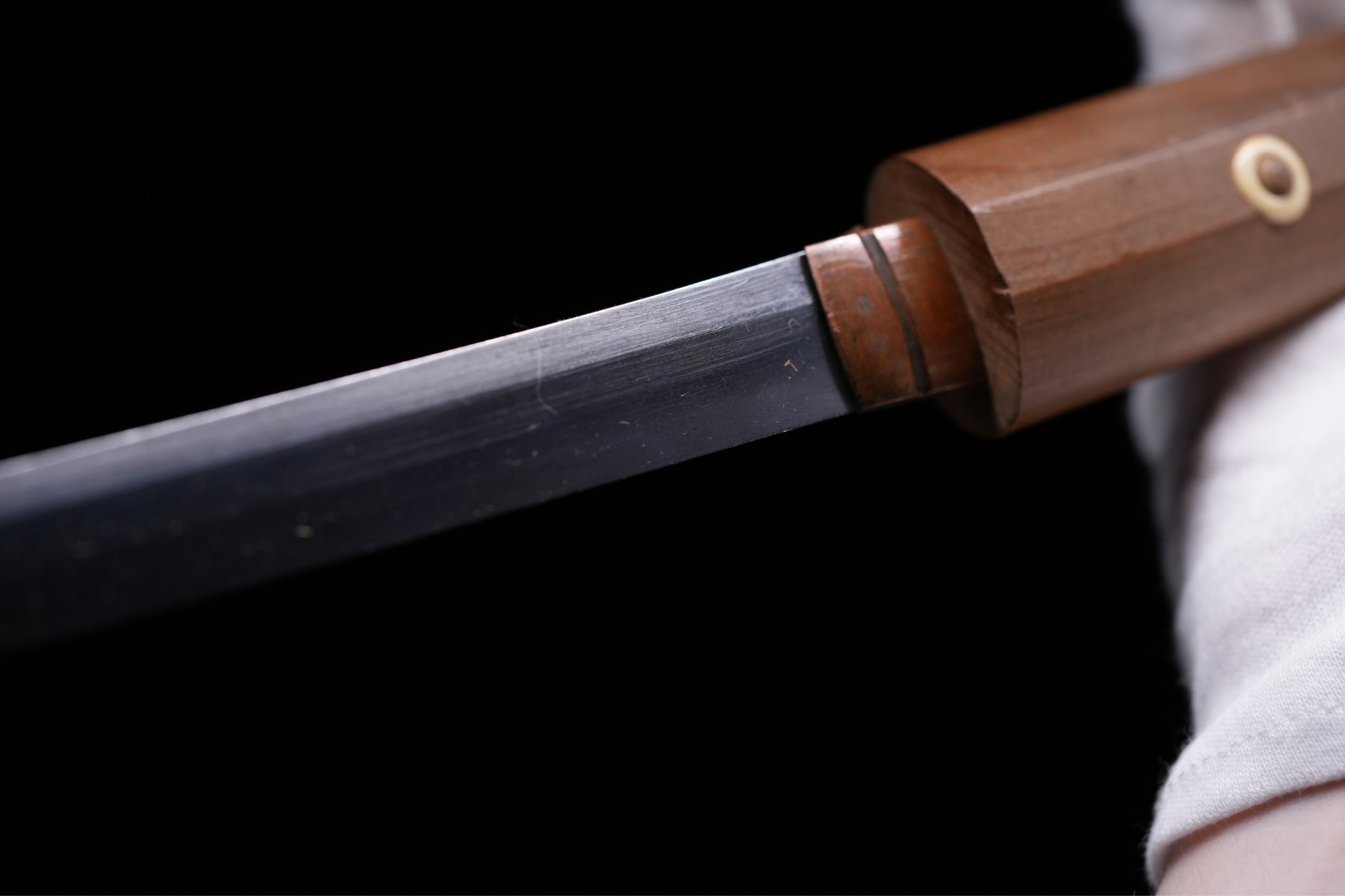
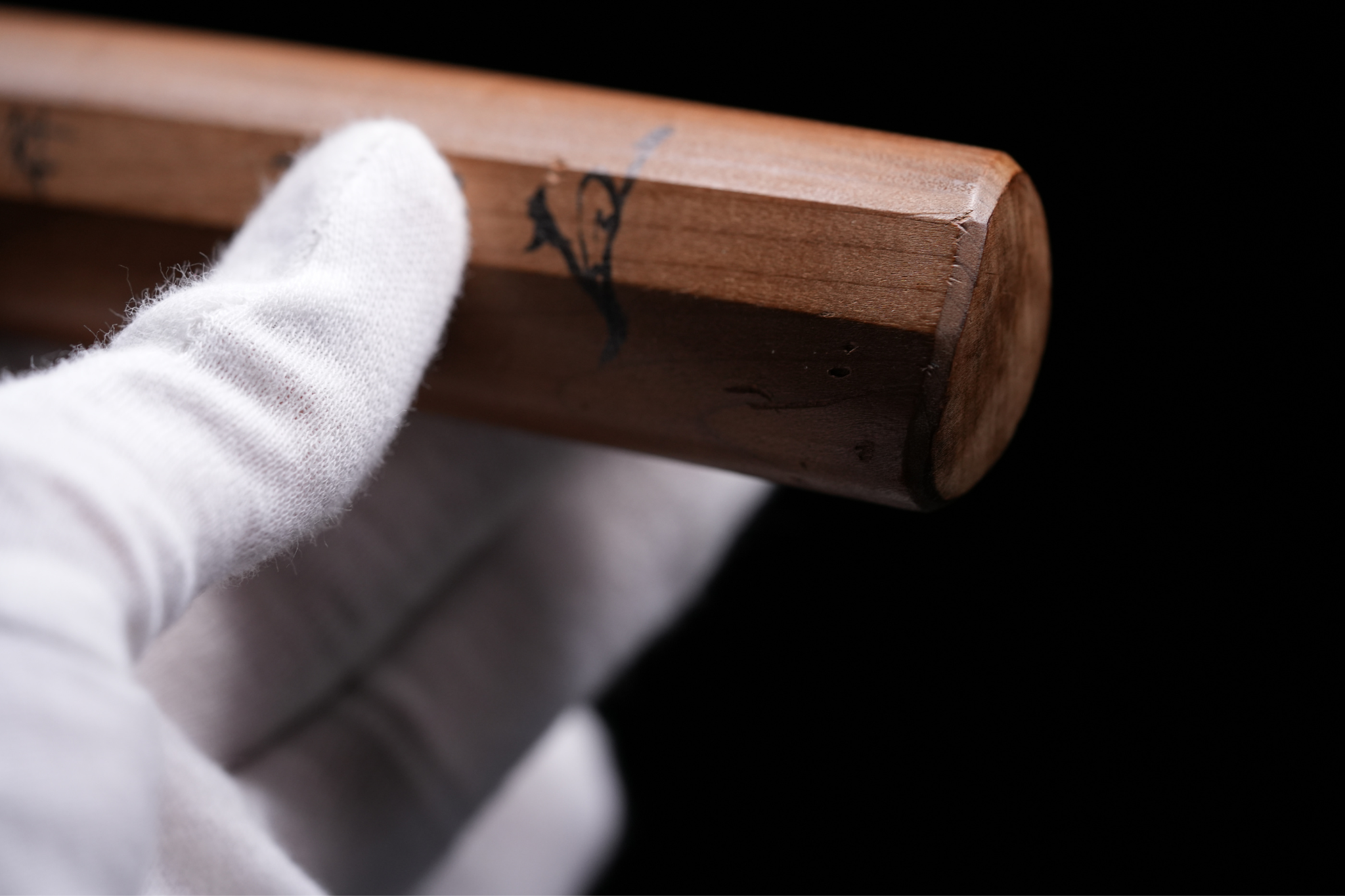
Specifications: Mei (Signature) : 表【兼貞】 Type : Katana Period : Muromachi Registration Date : September 12, Heisei 3 (1991) Blade Length : 63.4 cm Curvature (Sori) : 1.6 cm Mekugi-ana : 2 Motohaba (Width at the base) : 2.0 cm Motokasane (Thickness at the base) : 0.45 cm Sakihaba (Width at the tip) : 1.35 cm Sakikasane (Thickness at the tip) : 0.3 cm Blade Weight : Approximately 308.4g (excluding Habaki and handle) Habaki Weight : Approximately 10g Total Sheath (Saya) Length : Approximately 90.5 cm Background and History: This sword is a rare work of the renowned Mino province blacksmith , Hachiya Kanesada. Originating from the Mino region, this blade seems to date from the Tenbun era (around 1532), making it a relic of about 491 years. Though the sword is slender with a motohaba of just 2 cm, its lightweight nature makes it an exceptional piece. Kanesada, often bestowed with the title "Hachiya" due to his residence in the Hachiya area of Mino, is a name that has been carried through several generations of blacksmiths during the Muromachi period. These blacksmiths were famed for their finely crafted blades, tailored for both beauty and function. Kanesada swords are known for their harmony between the beauty of the temper and the functionality of the cut. The fact that this blade is a "shoshin" (authentic) Kanesada, probably from the fourth generation given the dating, makes it an especially treasured piece for collectors. The Hachiya Kanesada school was influential during the Muromachi period, especially during the tumultuous years when the demand for reliable and efficient swords was at its peak. These blades were cherished not only for their cutting ability but also for their artistic beauty. This Kanesada is an excellent example of the forging art of the Muromachi period, a time when Japan was in upheaval, and samurai were in desperate need of reliable weapons for the unceasing feudal wars. Having such a piece in your collection is both a privilege and a window int
NihontoWatchOffered by Tokyo Nihonto
This piece has sold
1 on the market
Get an email when new Hachiya School work hits the market.
Mino-den · Mino
1 piece on the market now
| Smith | Era | Designated |
|---|---|---|
| Kanesada兼貞 | 1394-1428 | 0 |
| Kanesada兼貞 | 1469-1487 | 0 |
| Kanesada兼貞 | 1492-1501 | 0 |
| Kanemasa兼正 | 1469-1487 | 0 |
Mino in the Muromachi period
Sengoku Seki was an industry: smiths organized under their tutelary Kasuga shrine, arming the war bands of central Japan. Magoroku Kanemoto’s sanbonsugi and the finest Kanesada work prove quality survived inside mass production.
Returns/exchanges only for manufactured defects or incorrect products; notify within 72 hours of delivery. Cancellation only within 2 hours of placing. Customer pays return shipping. Refund within 3 business days of package arrival.