Muromachi turned sword making into an industry: the uchigatana rose with massed infantry warfare, Osafune and Seki produced bundle swords beside custom orders, and the Ming trade carried Japanese blades abroad by the tens of thousands.
 NihontoWatchNihontoWatch
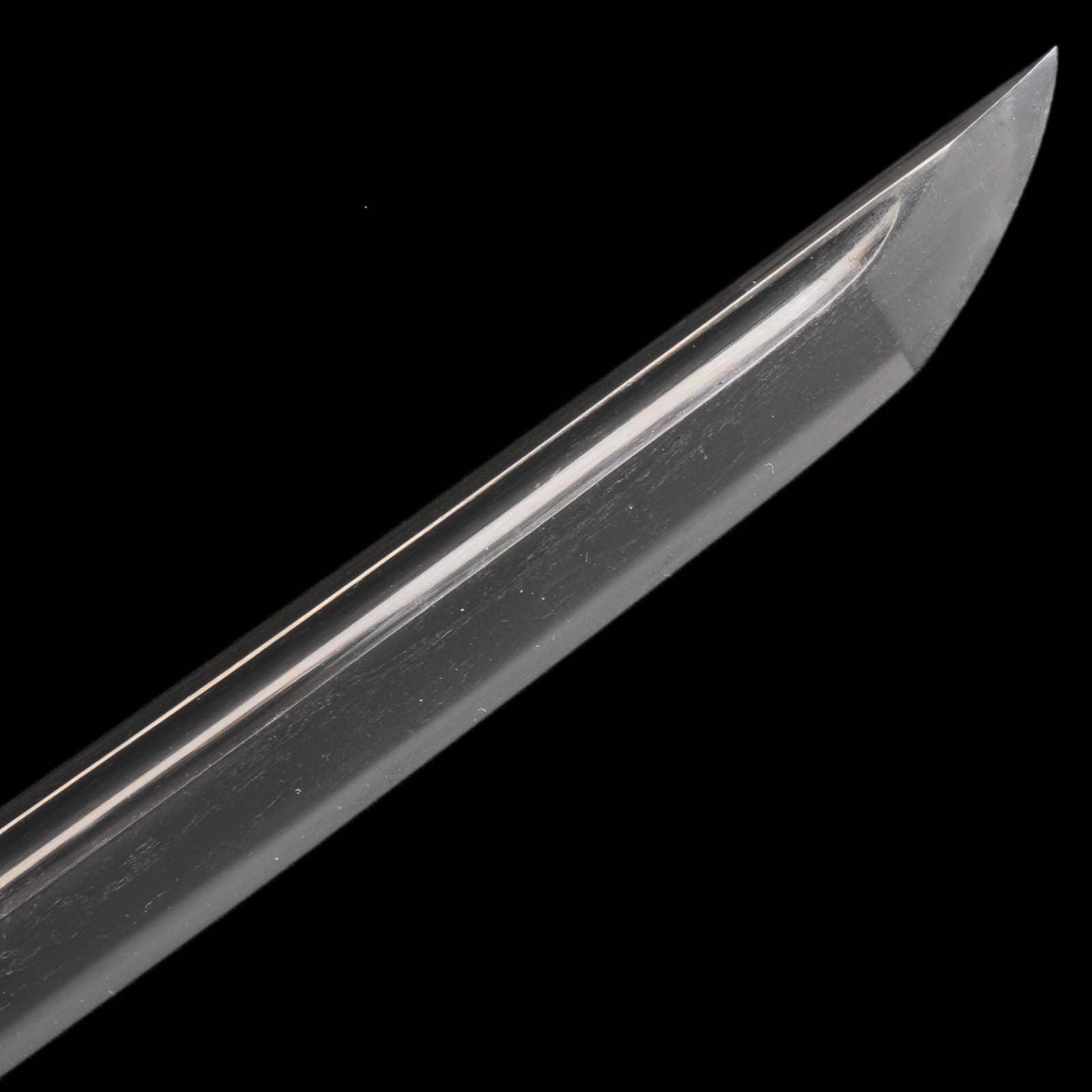
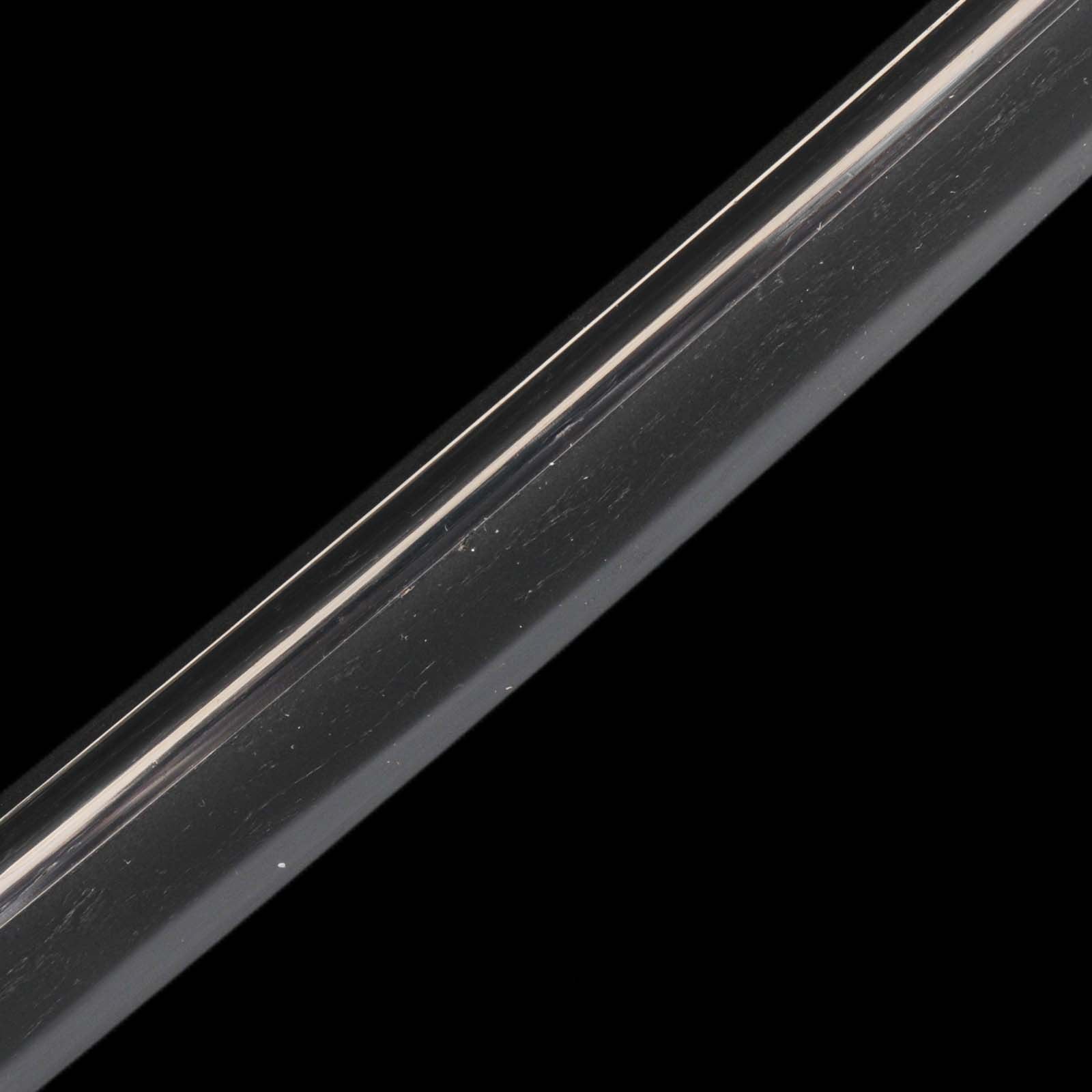
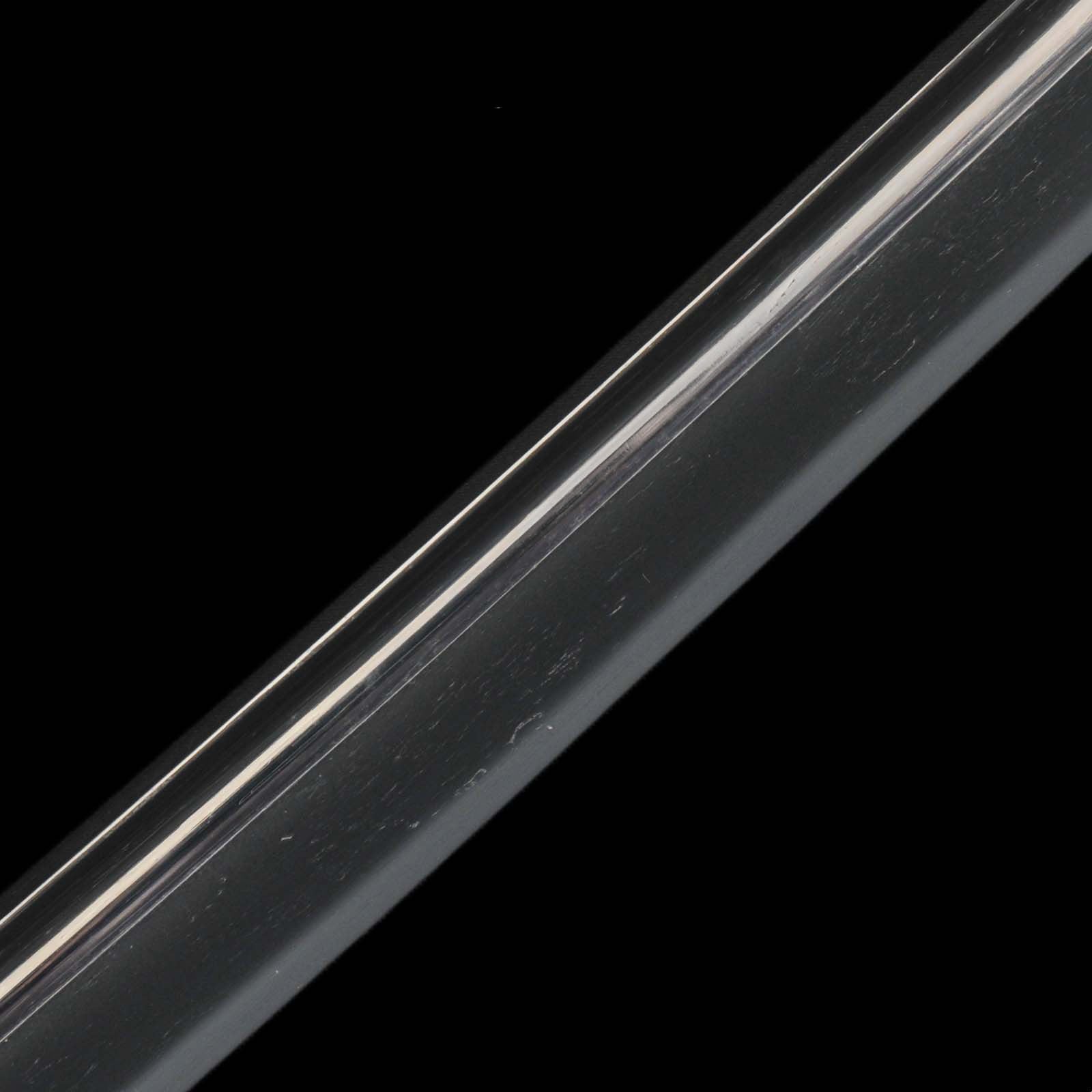
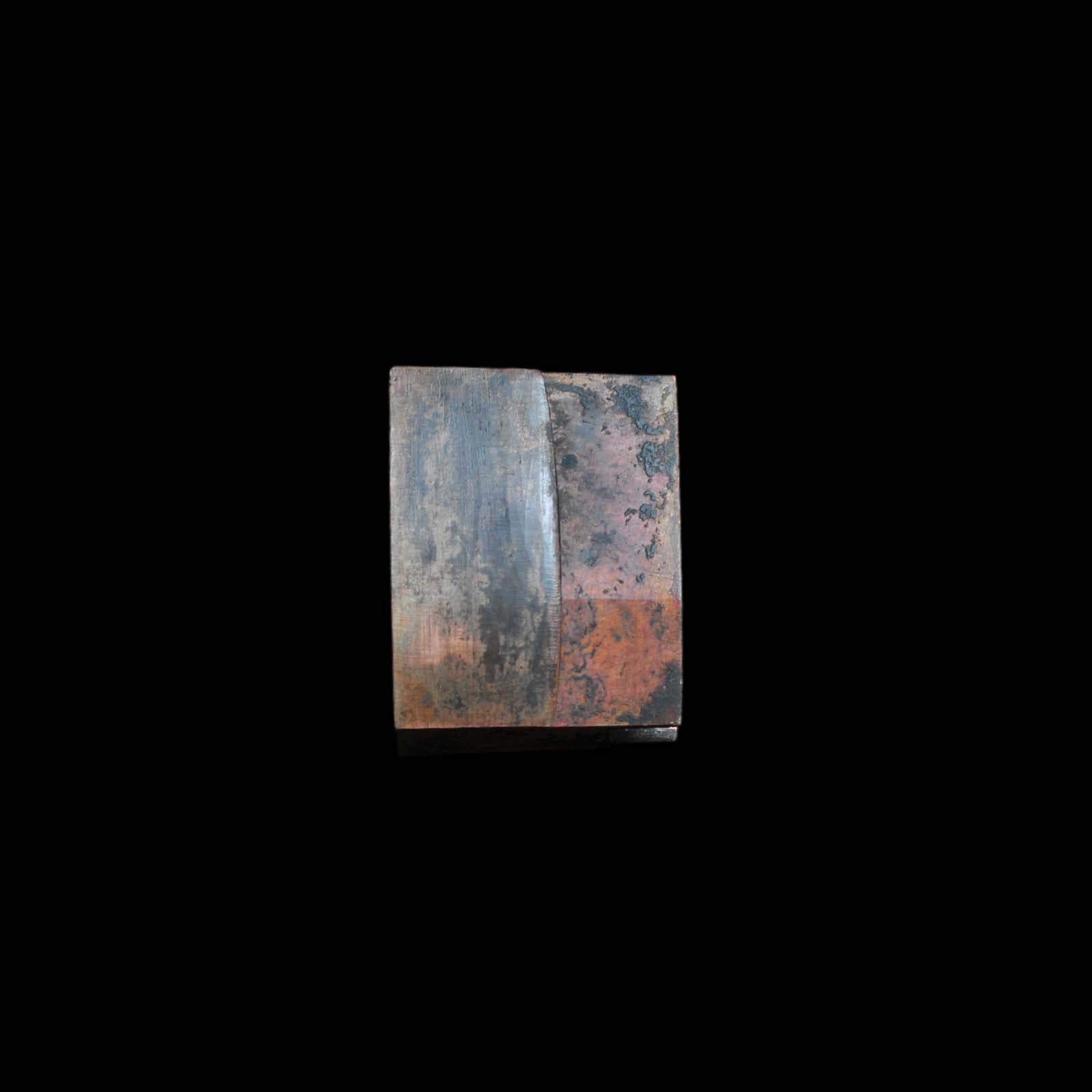
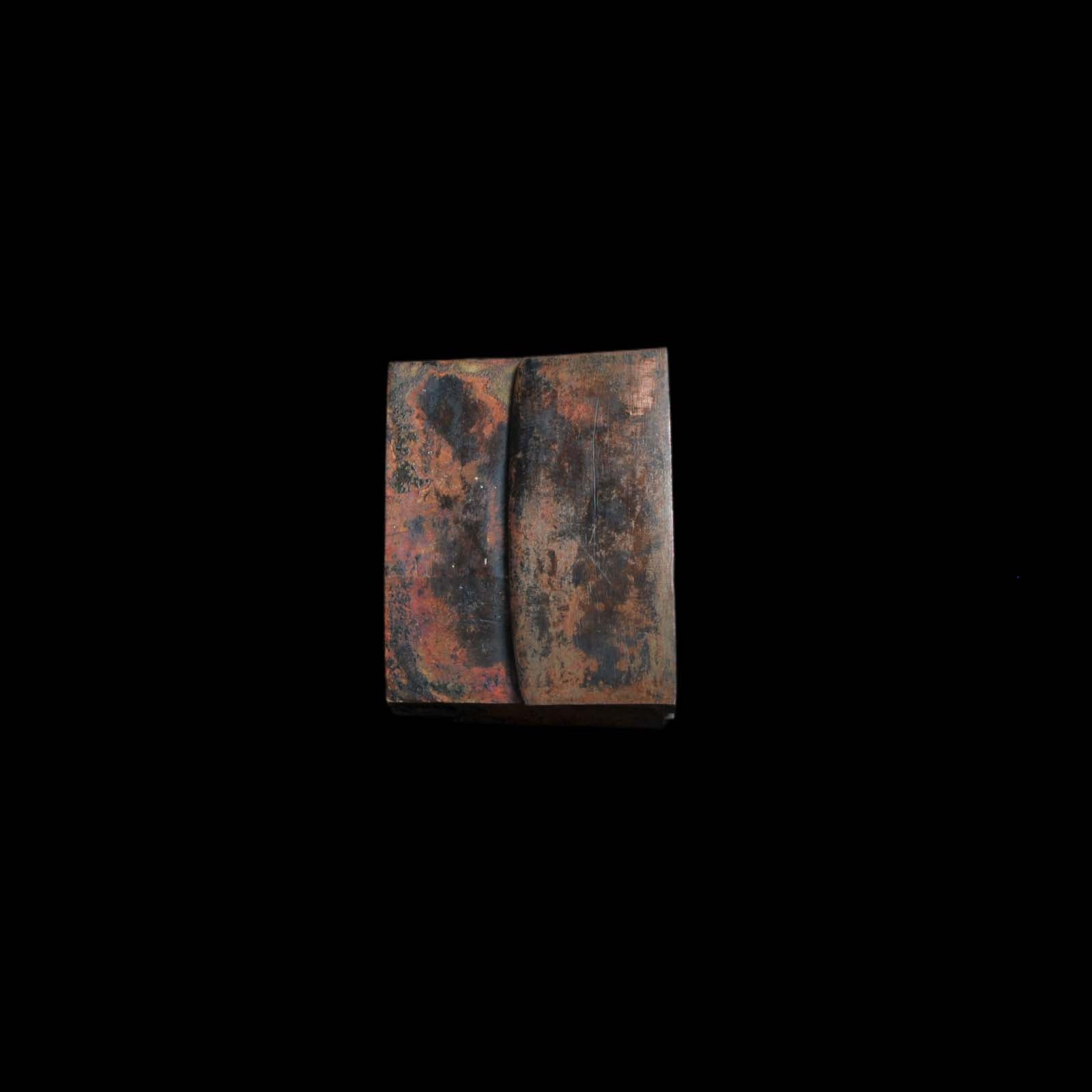
We are pleased to recommend this late Muromachi period katana to you. The blade is in excellent condition and has been sharpened throughout. It is a very sound blade with zero flaws such as nicks, rust, or chips. Beautifully engraved grooves adorn both sides of the blade. The jigane exhibits itame hada with suguha hamon that is a tight, sharp. The ha shows sunagashi and kinsuji patterns. The nakago is inscribed with the name Yoshinori. Yoshinori was a Yamashiro swordsmith active during the Muromachi period, also known as Sanjo Yoshino. While a first-generation Yoshinori existed in the Kamakura period, none of his works survive. Only a few pieces remain from the Muromachi period by the swordsmith who officially inherited the Yoshinori name. Incidentally, the son of this Muromachi-period Yoshinori was Heianjo Nagayoshi, the master of Murumasa. Add this elegant yet practical piece, carrying the atmosphere of Kyoto and Yamashiro, to your collection today. Blade length: 61.0 cm Curvature: 1.8 cm Number of Mekugi hole: 1 Sakihaba: 17.9 mm Sakikasane: 4.9 mm Motohaba: 25.8 mm Motokasane: 6.4 mm Signature: Yoshinori(front) Era: Koto Structure: Shinogi-zukuri, Iori-mune Jigane: Itame Hamon: Suguha Boshi: Massugu Haitte Omaru ni Kaeru Weight: 450 g(blade only) Nakago: Ubu Koshirae: Shirasaya Original Registration No.: Tokyo 163836 Please contact us if the katana you are looking for is not listed here.
NihontoWatchOffered by Tozando
This piece has sold
11 on the market
Get an email when a new Heianjo Yoshinori piece hits the market.
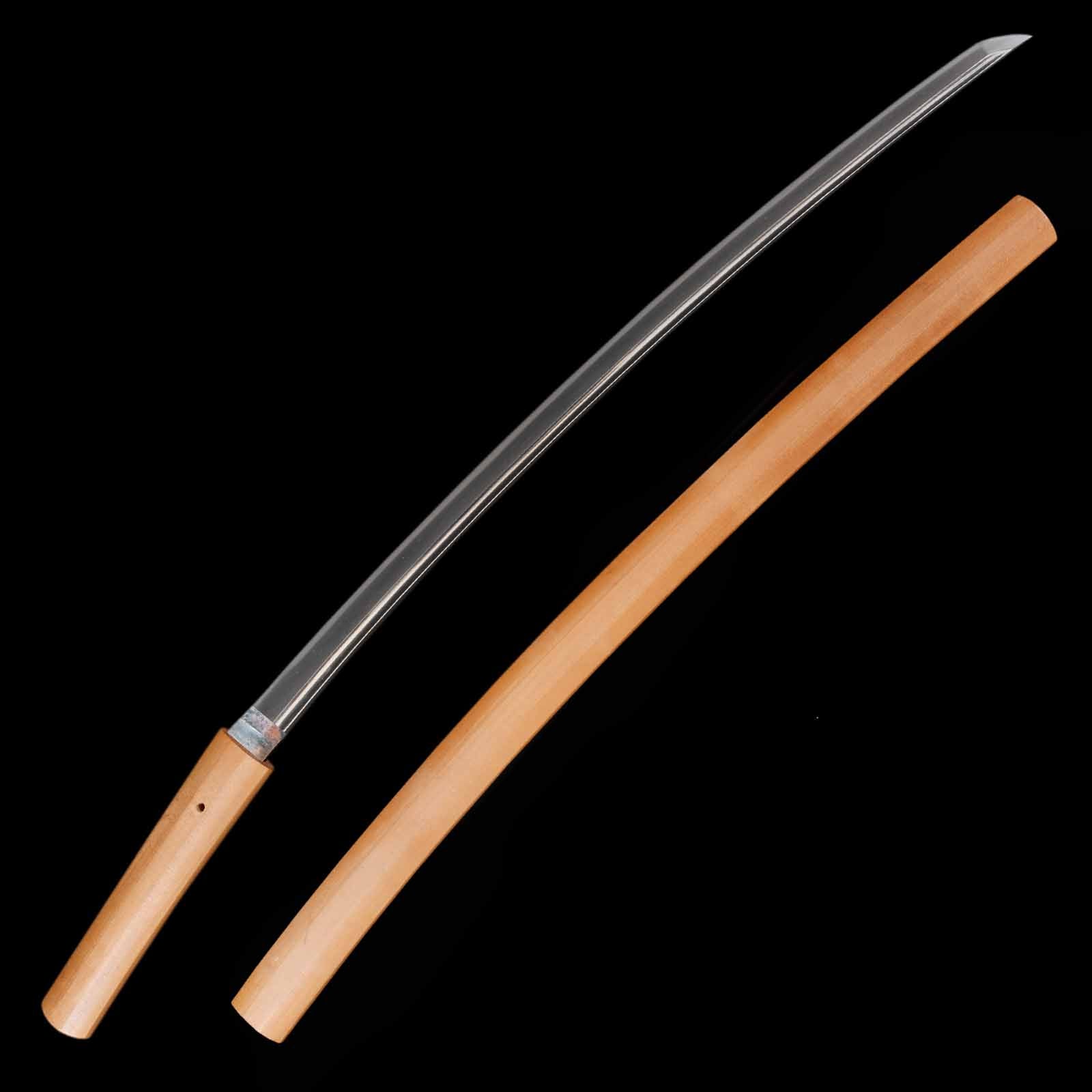
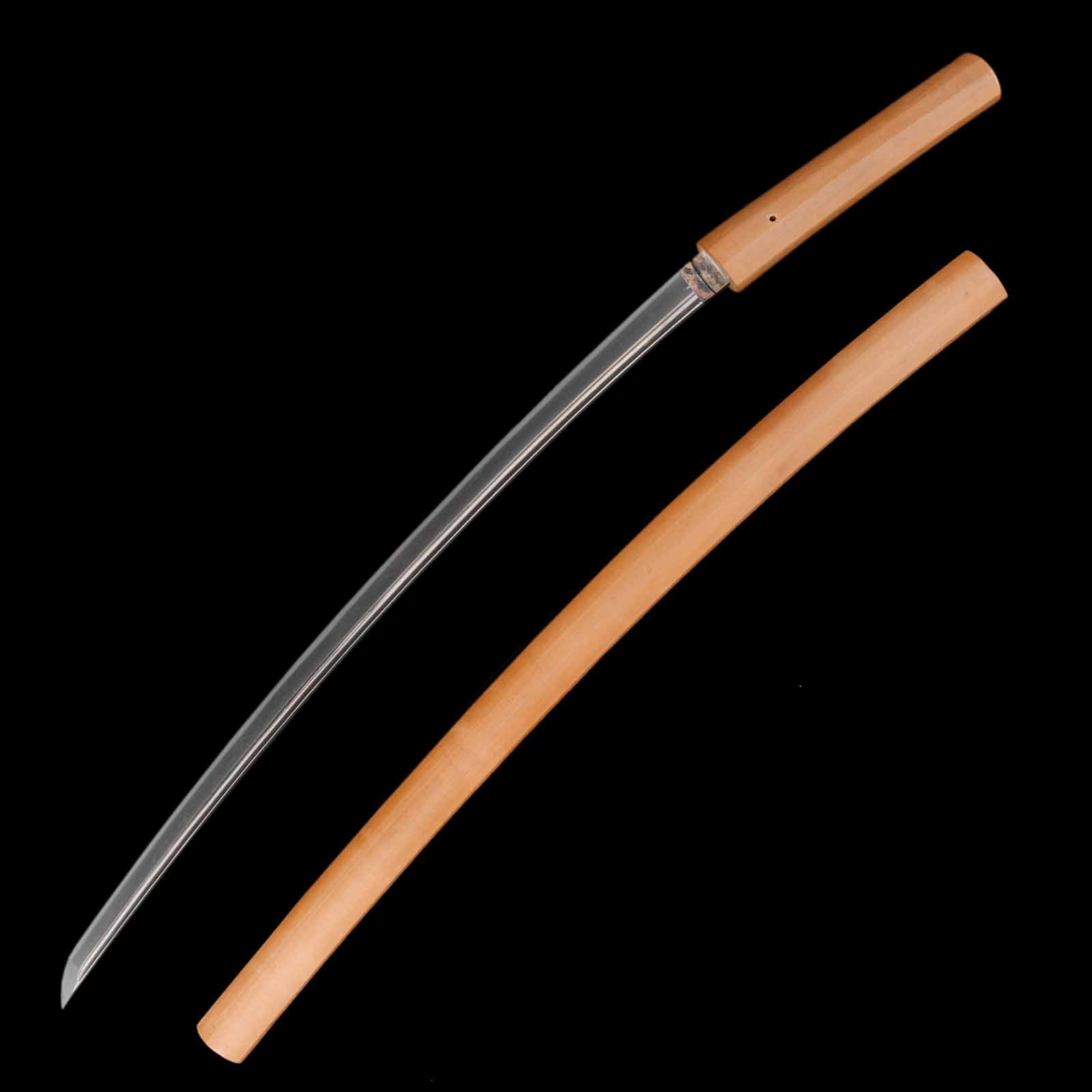
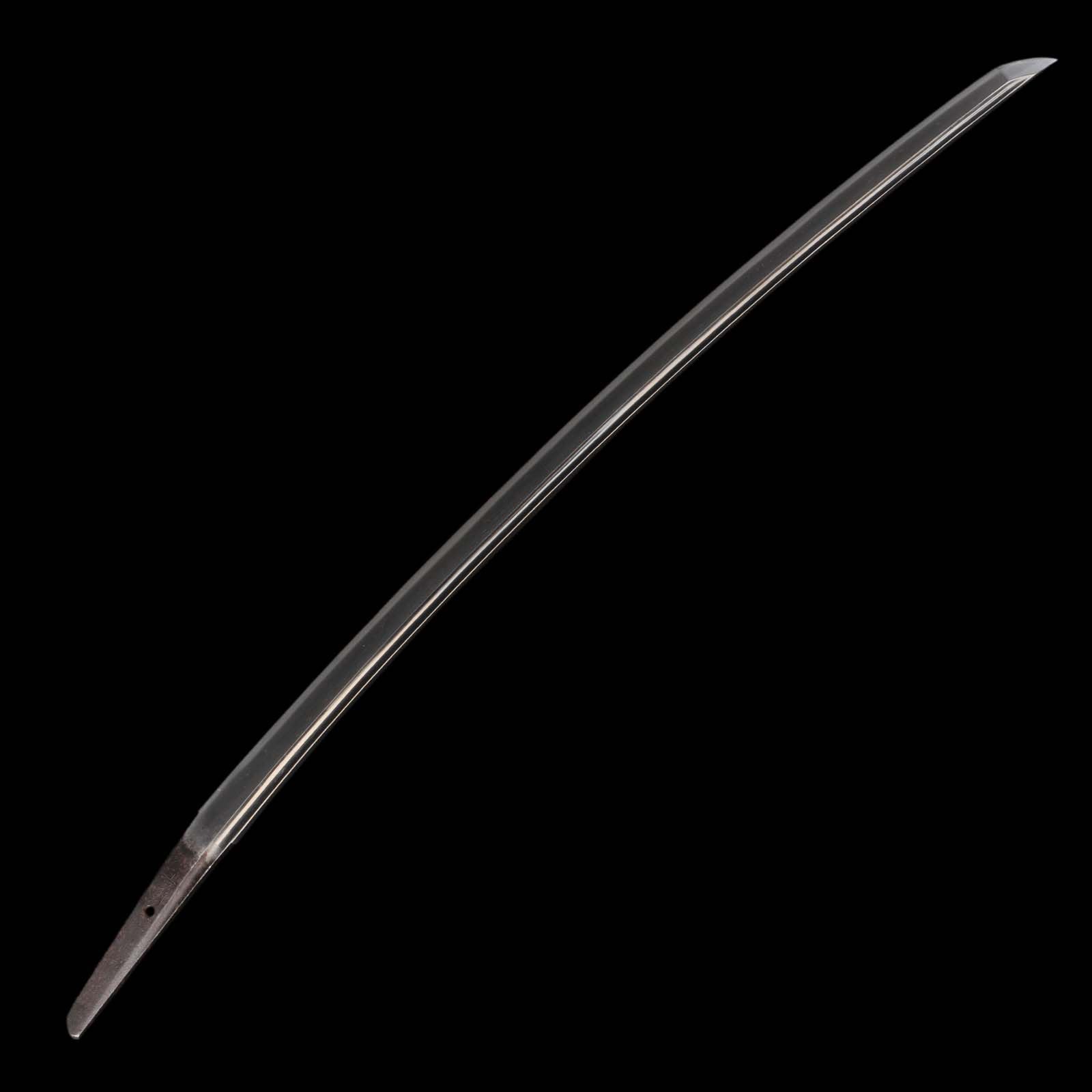
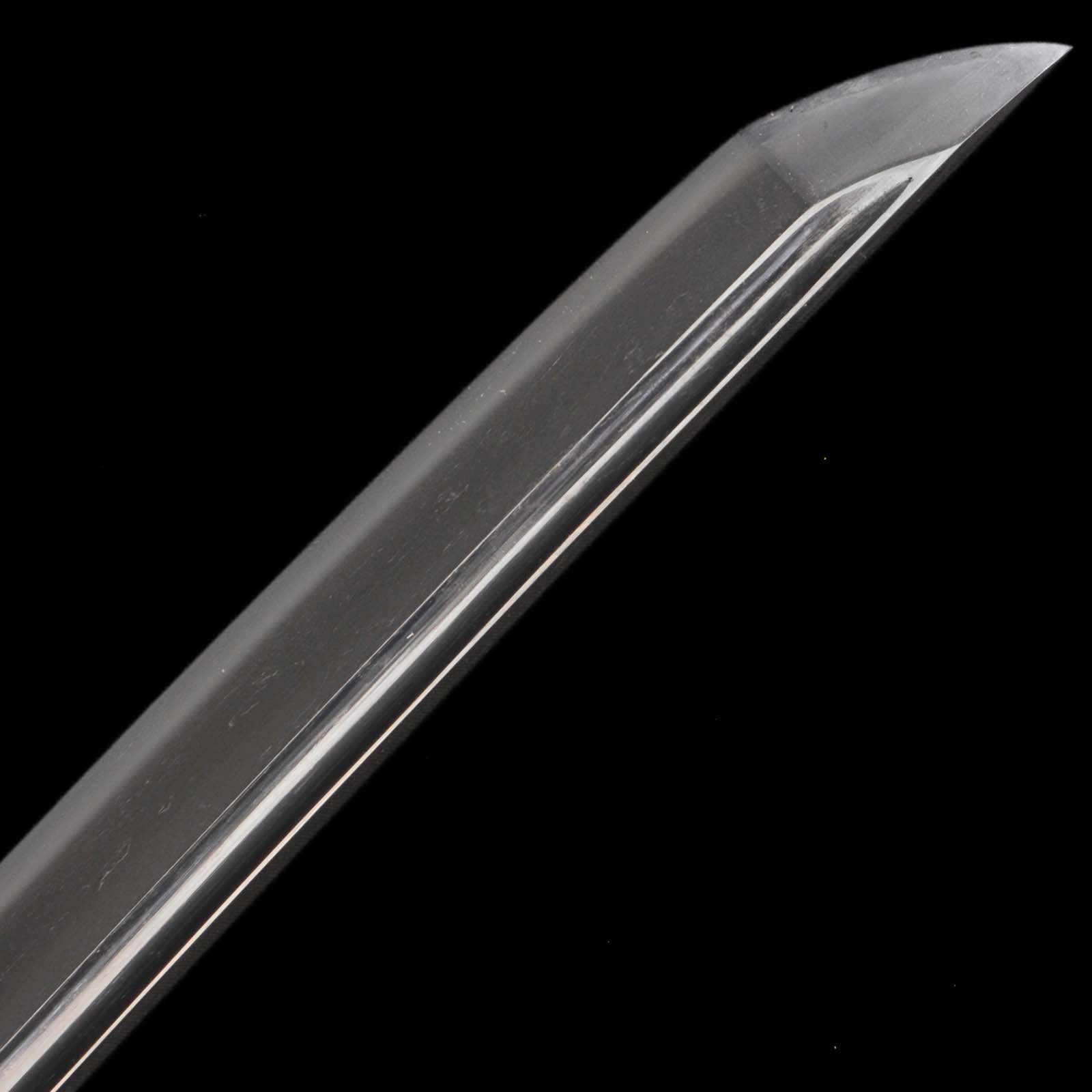
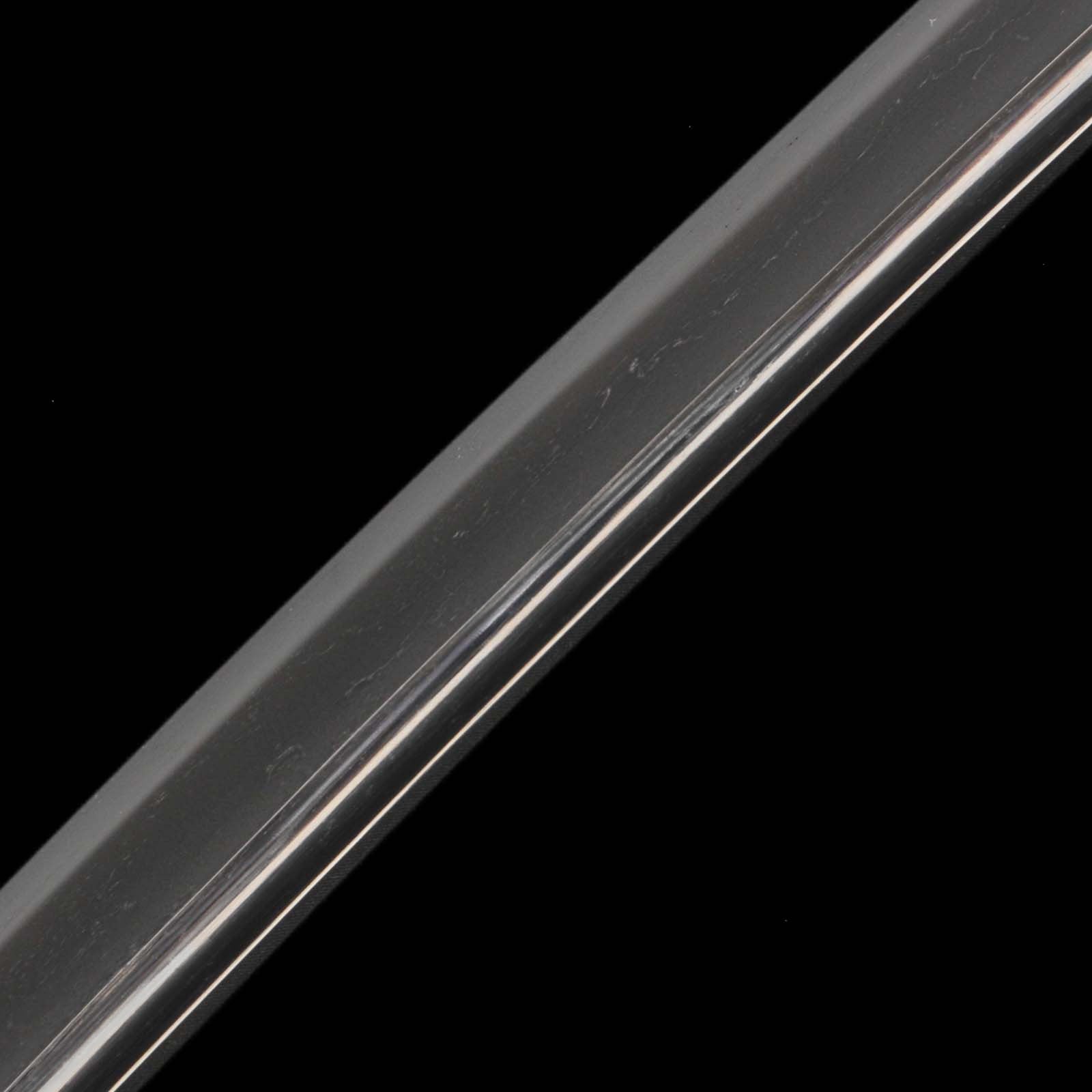
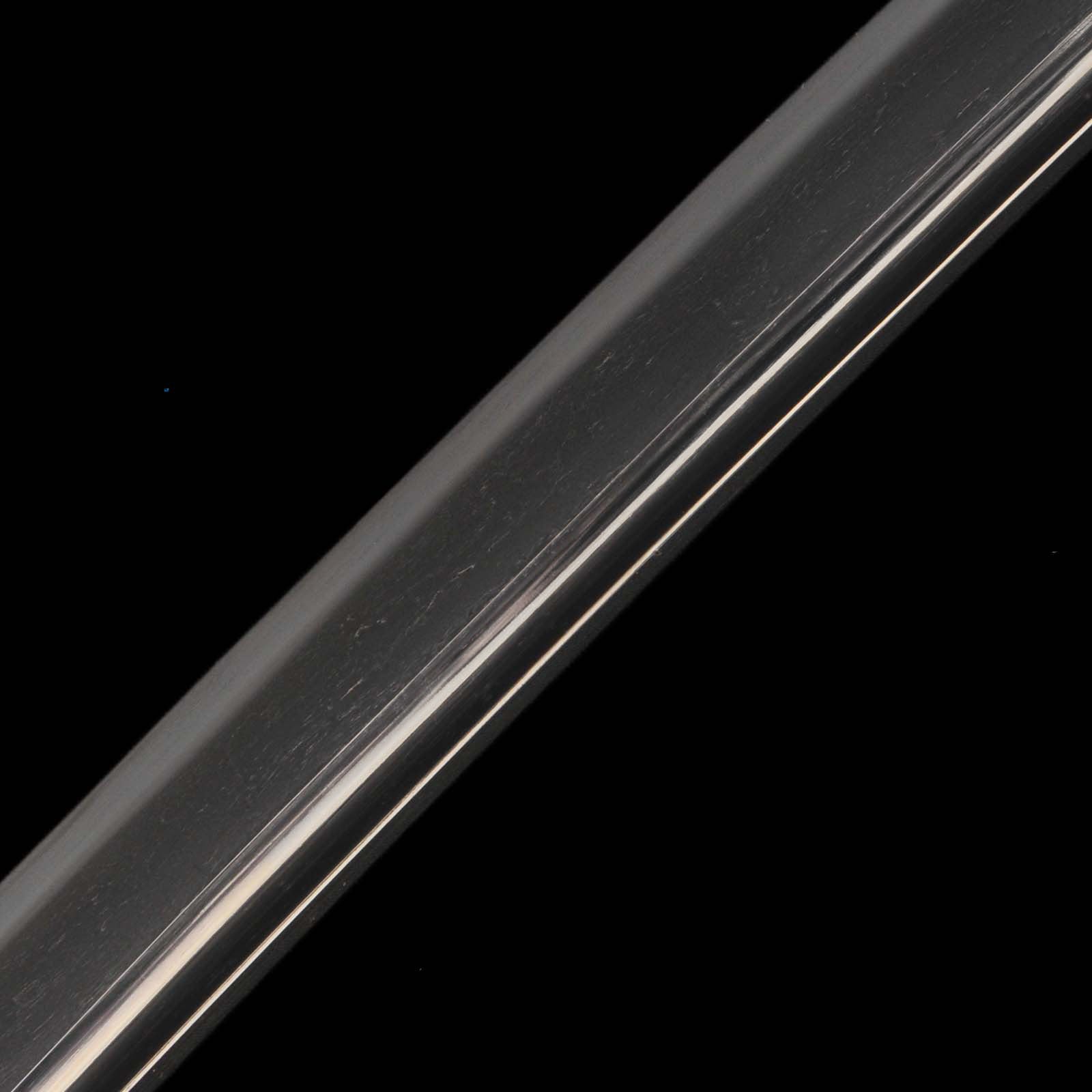
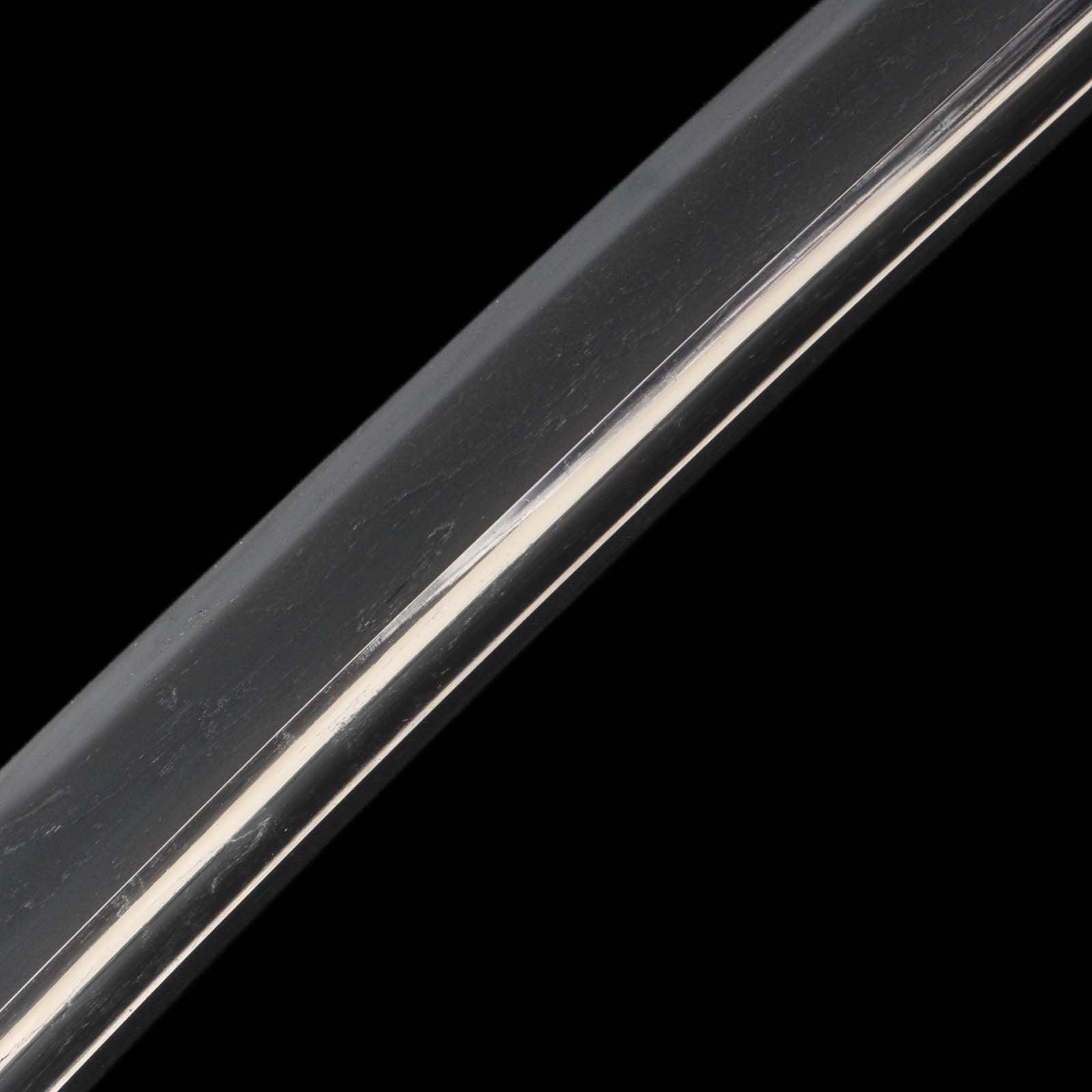
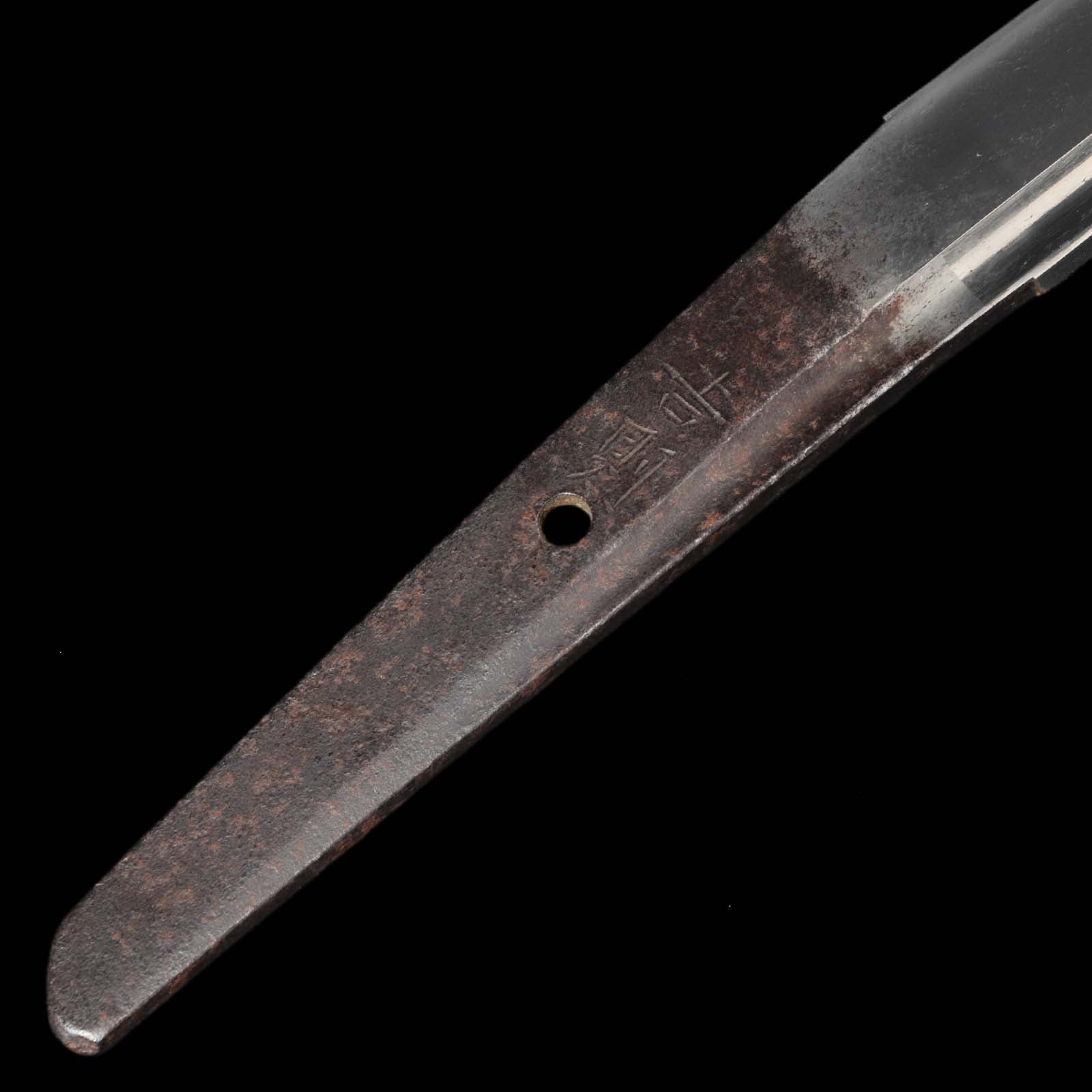
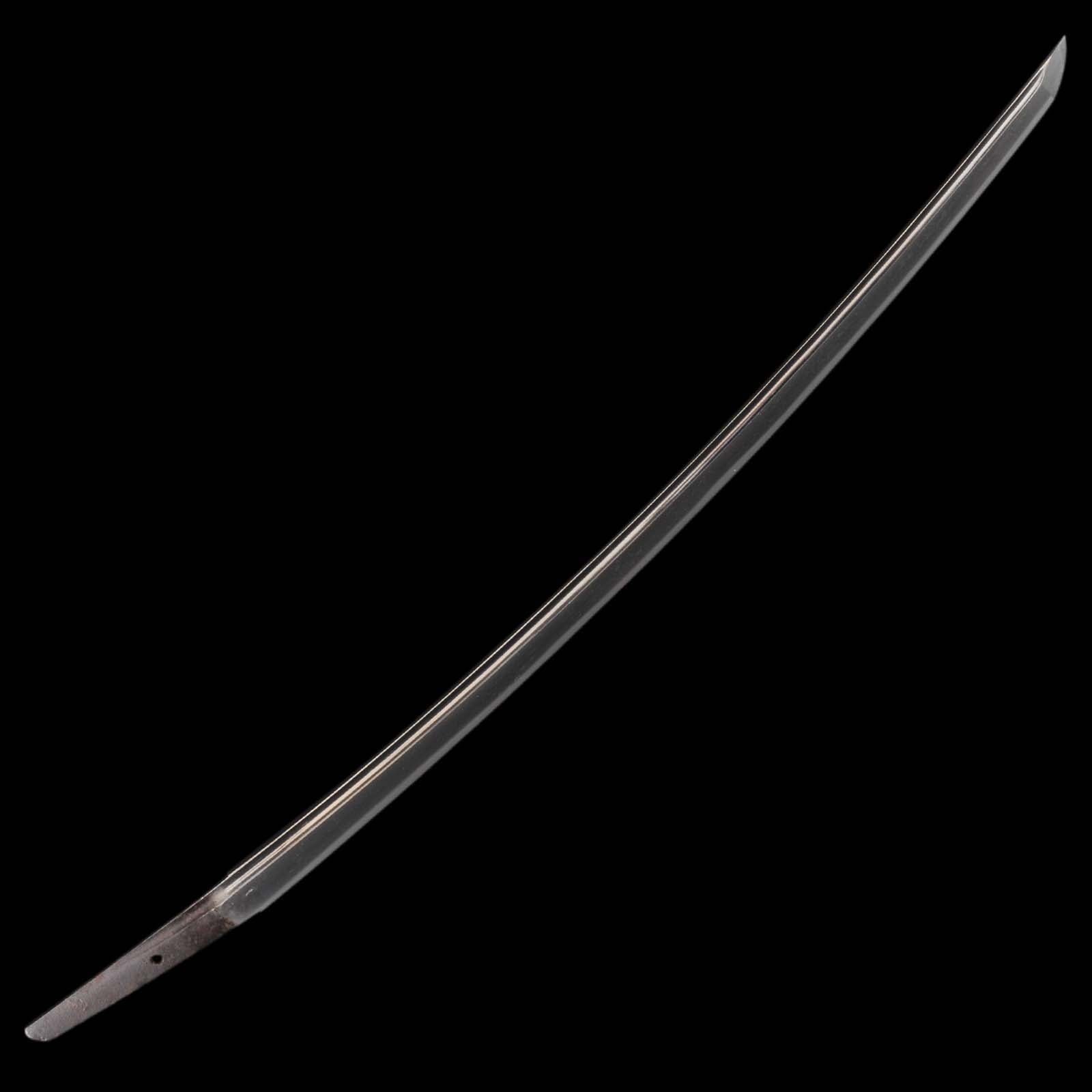
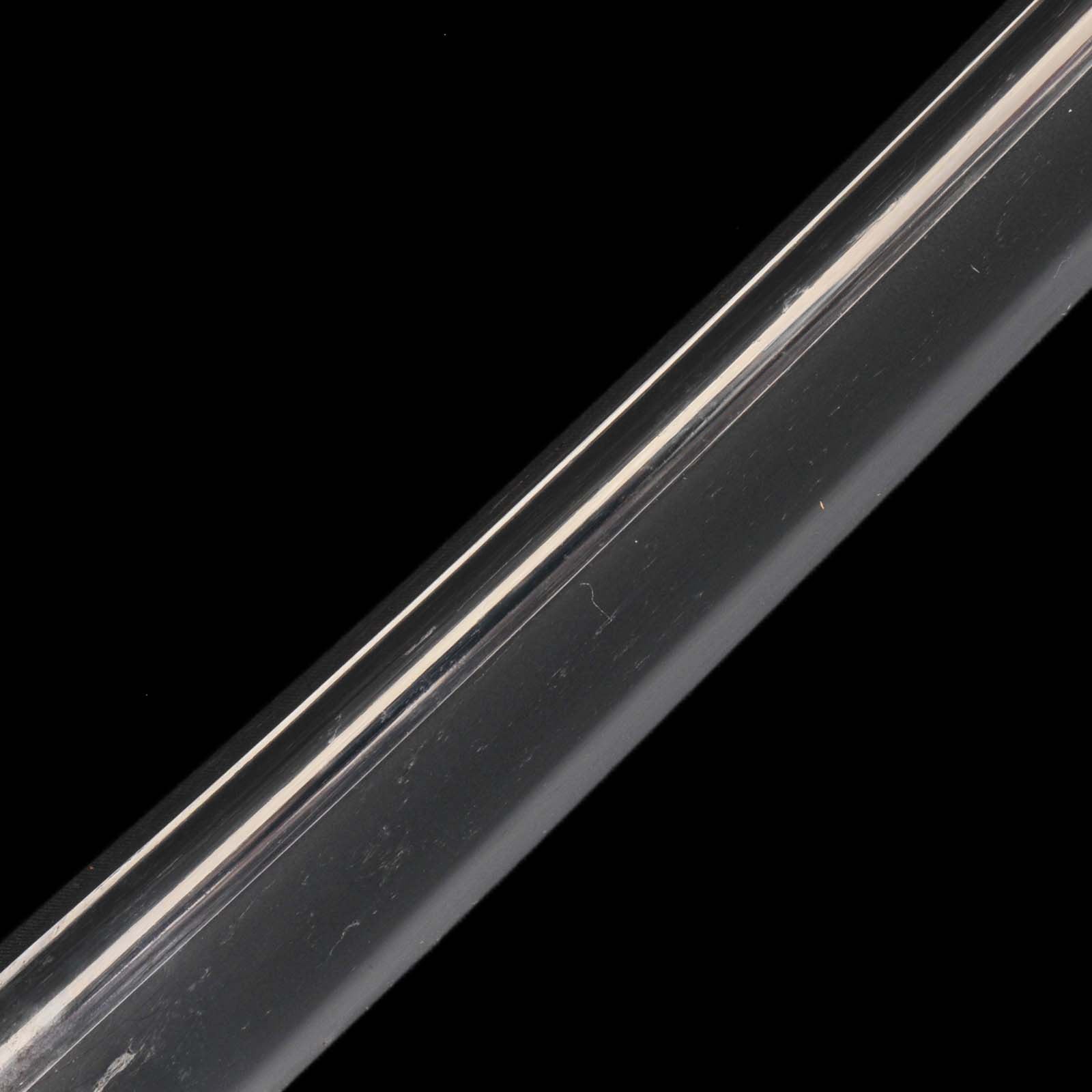
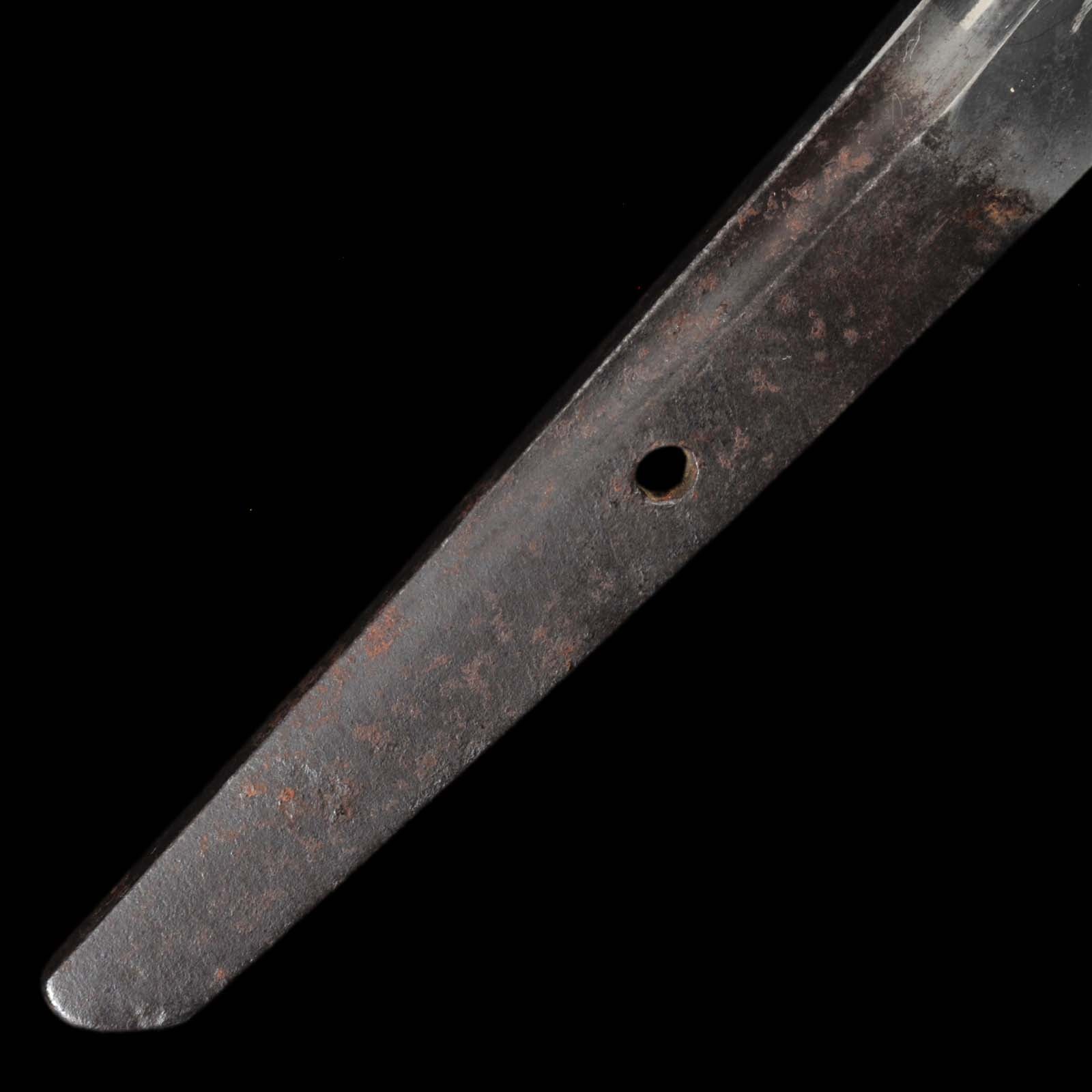
Yamashiro-den · Yamashiro · around 1394-1428
Tōken Taikan top 26%
Where Yoshinori stands among comparable artisans: across all of nihontō, and within tradition, era, and period. The tiers (Foremost · Leading · Major · Notable) weigh official designations from the NBTHK and Japan's Agency for Cultural Affairs, together with historical honors of lasting repute such as the Sansaku and Meibutsu-chō.
Select a lens to see how it's measured.
Yamashiro-den · Kyoto
11 pieces on the market now
The Heianjō school (平安城) of swordsmiths represents the principal lineage of Kyōto sword production during the Muromachi period. "Heianjō" is the classical name for Kyōto (Heian-kyō), and the school's smiths — resident in the Sanjō district of the capital — signed variously with the 平安城 (Heianjō) and 三条 (Sanjō) prefixes, a usage that has often caused them to be confused with the far earlier Sanjō school of Munechika. They are an entirely distinct, late group: its two representative masters, Heianjō Nagayoshi (平安城長吉, also read Chōkichi) and Sanjō Yoshinori (三条吉則, of the Fuse 布施 family), are counted as the leading makers of Muromachi-period Kyō-mono (Kyoto-made blades), carrying forward the capital's swordmaking after the Nanbokuchō-period Nobukuni and Hasebe lineages. Both names continued through several generations from the late Nanbokuchō era into the sixteenth century, and the smiths are known to have travelled to forge (desaku) in provinces such as Izumi, Mikawa, and Echizen during the late Muromachi period. The Heianjō style is dominated by a flamboyant hitatsura (full-temper) idiom adopted from Sōshū tradition: a foundation of large gunome-midare mixed with chōji, togariba, and yahazu-ba, with abundant tobiyaki and muneyaki spreading temper across the entire blade surface, nie adhering strongly, and sunagashi and kinsuji coursing through a bright, clear nioiguchi.
The finest examples are so accomplished that they are difficult to distinguish from late Sōshū (Sue-Sōshū) work. A quieter suguha- and ko-notare-based mode close to the Nobukuni tradition is also seen. High-quality horimono — kurikara, bonji, suken, and gomabashi — frequently accompany the blades. The school is not to be confused with the unrelated Heianjō-zōgan (平安城象嵌) inlay tradition of tōsōgu makers. Learn more →
| Smith | Era | Designated |
|---|---|---|
| Nagayoshi長吉 | 1469-1492 | 15 |
| Yoshinori吉則 | 1469-1487 | 3 |
| Nagayoshi長吉 | 1449-1452 | 0 |
| Nobusada信貞 | 1346-1370 | 0 |
| Yoshinaga吉長 | 1381-1384 | 0 |
The Muromachi period (1392 to 1573)
Muromachi turned sword making into an industry: the uchigatana rose with massed infantry warfare, Osafune and Seki produced bundle swords beside custom orders, and the Ming trade carried Japanese blades abroad by the tens of thousands.
As a general rule, returns/exchanges are not accepted on Japanese sword orders unless damaged upon delivery. Other items: returns/exchanges accepted within 7 days of delivery. Cancellation for personal reasons incurs a 30% restocking fee (70% refunded). Return shipping must be prepaid and insured by the buyer; shipping/handling fees are non-refundable. Contact katana@tozando.co.jp to initiate a return.