Sengoku Seki was an industry: smiths organized under their tutelary Kasuga shrine, arming the war bands of central Japan. Magoroku Kanemoto’s sanbonsugi and the finest Kanesada work prove quality survived inside mass production.
 NihontoWatchNihontoWatch
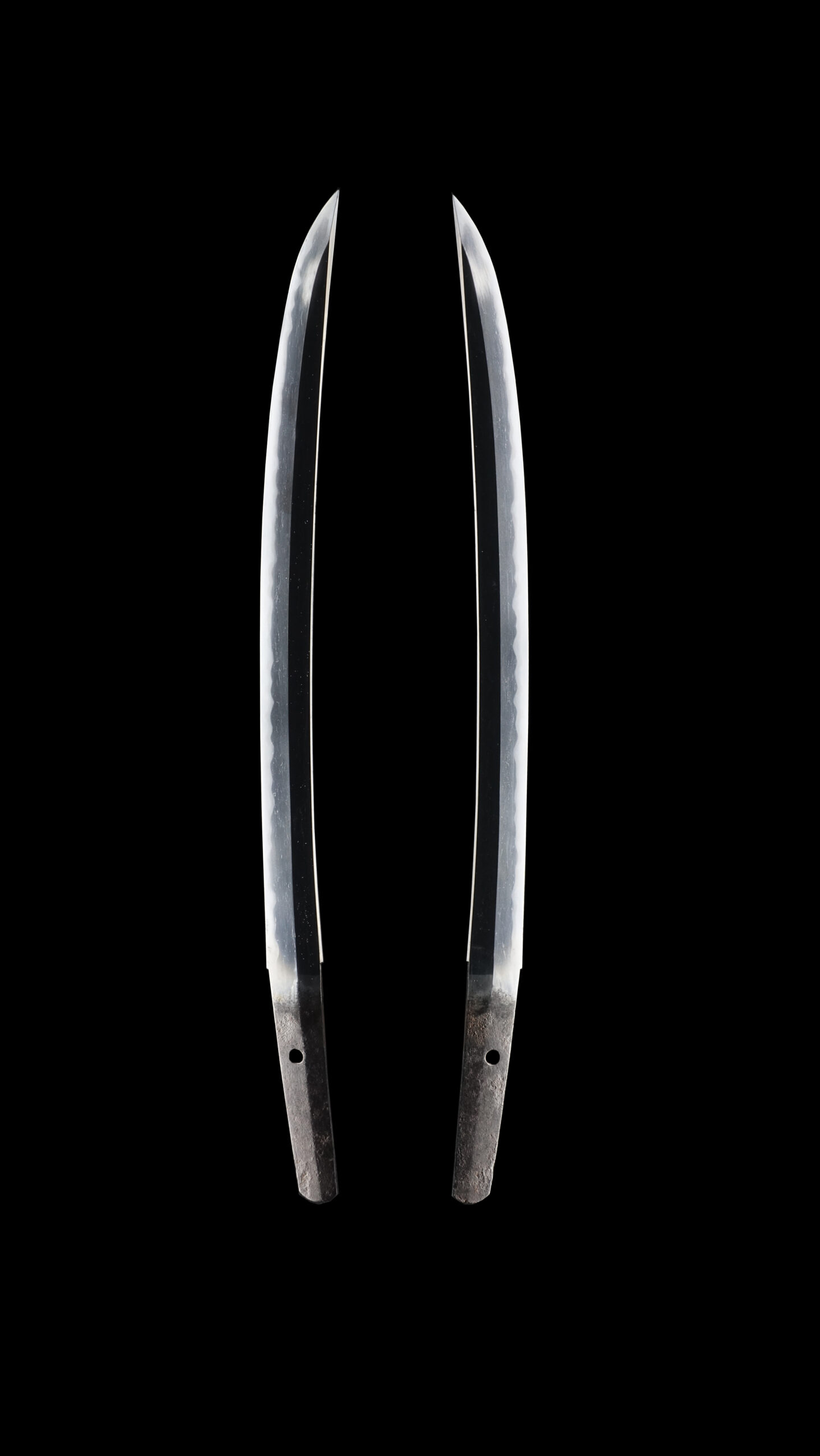
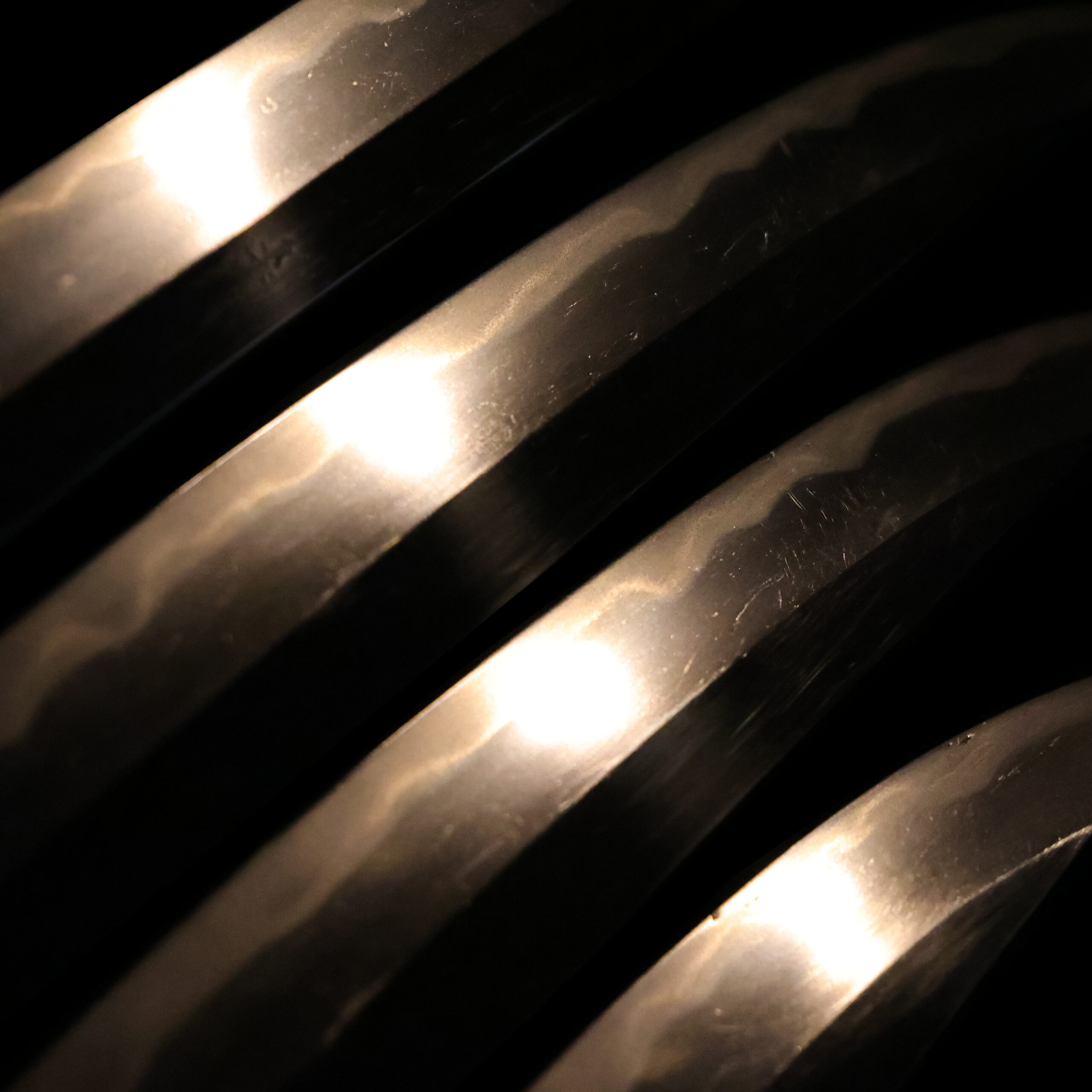
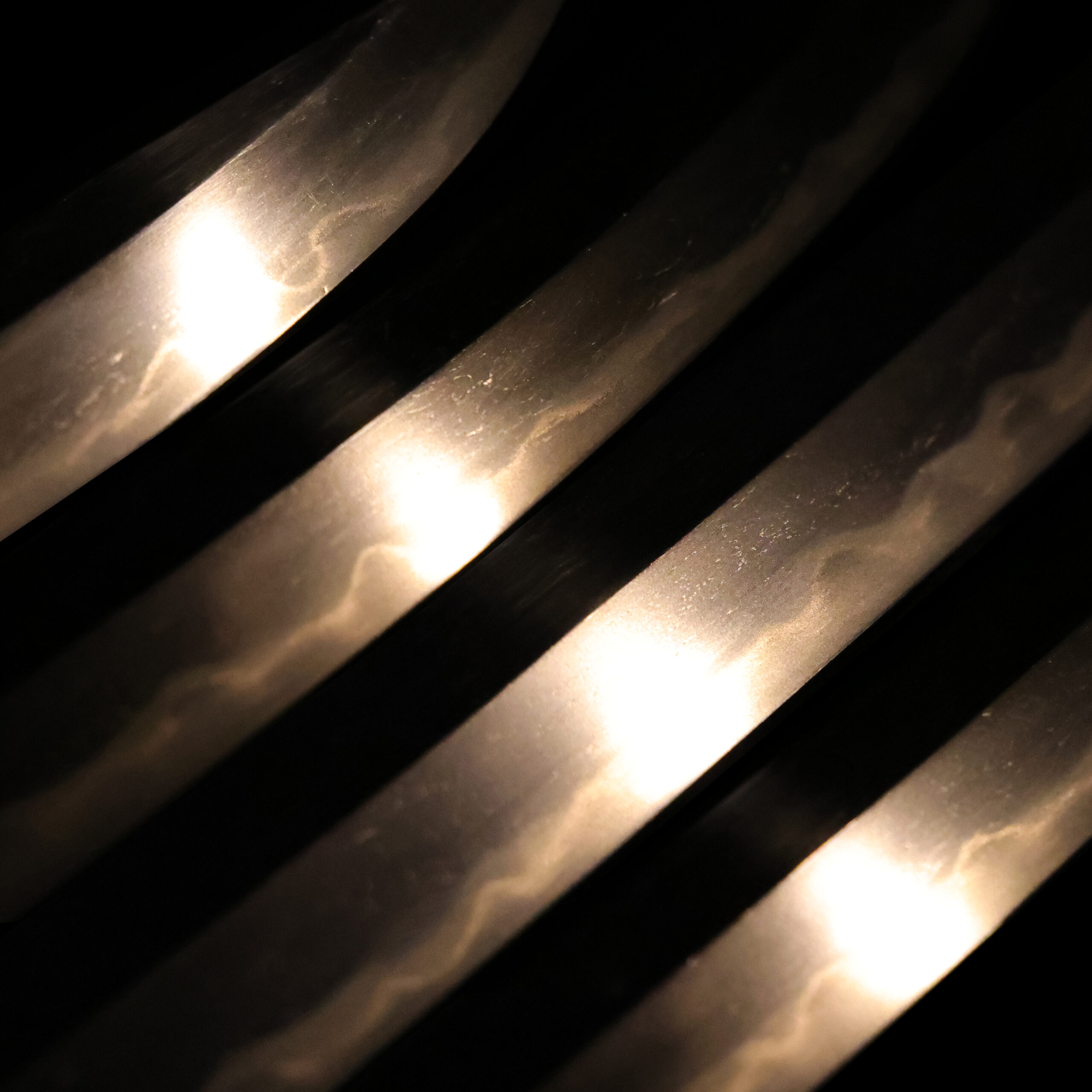
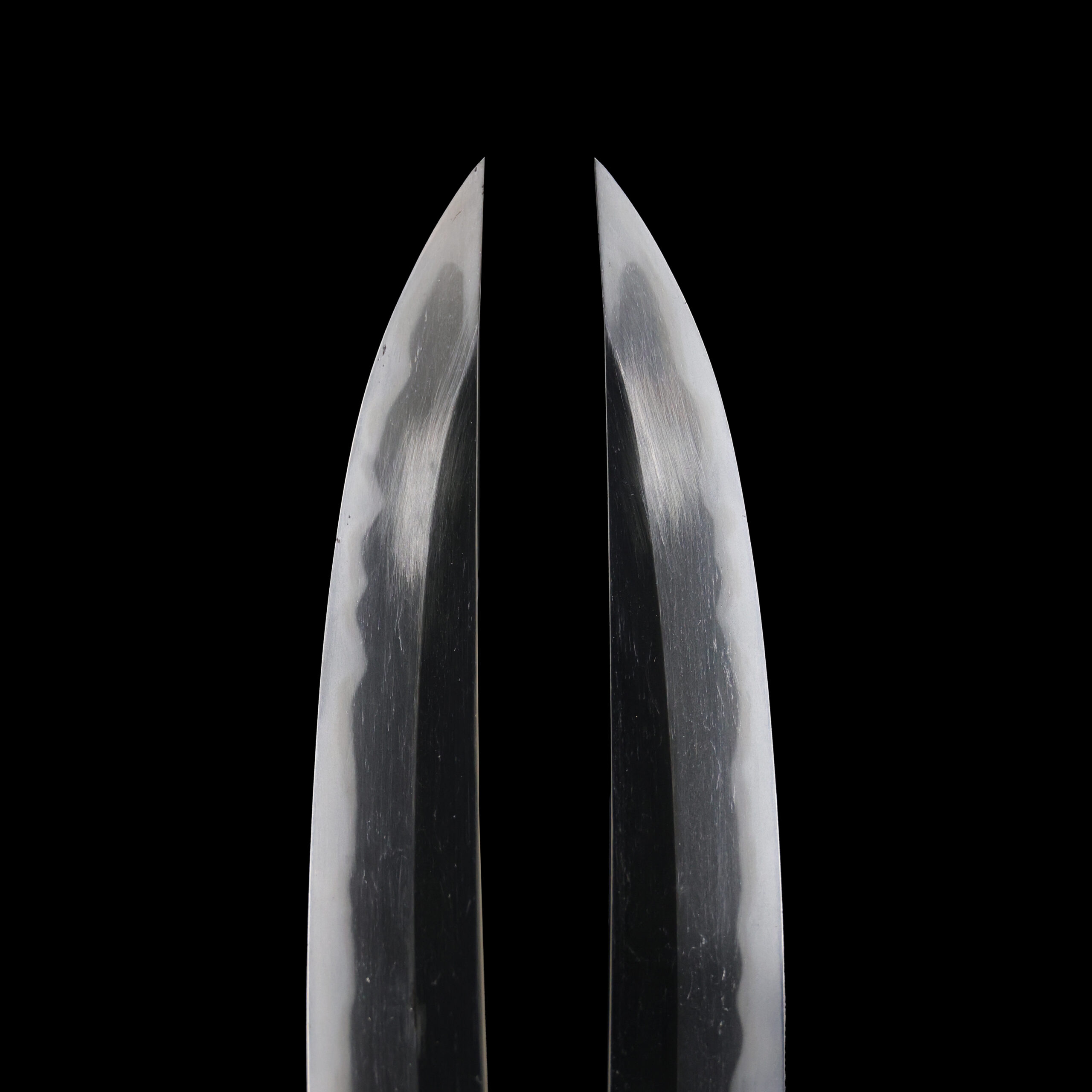
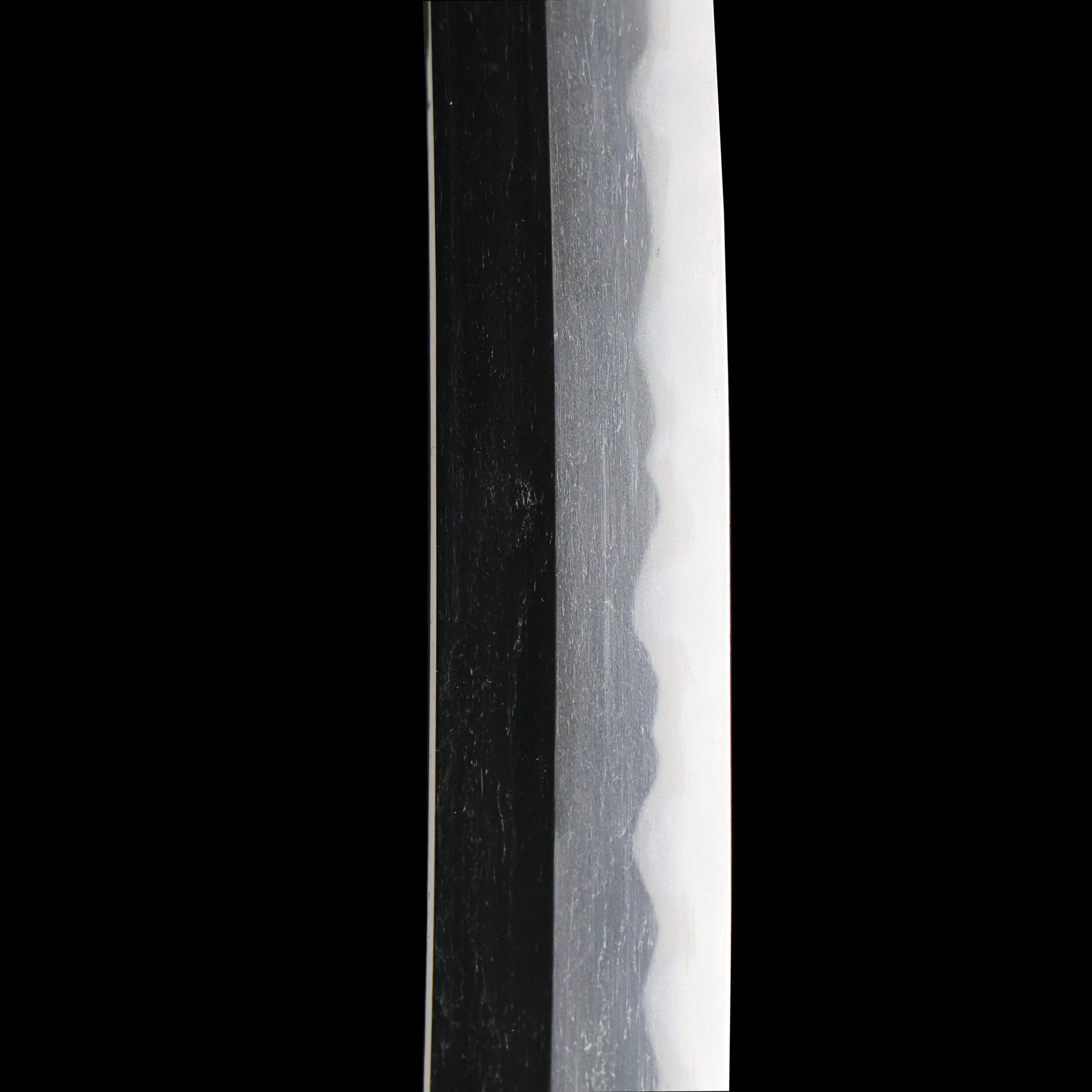
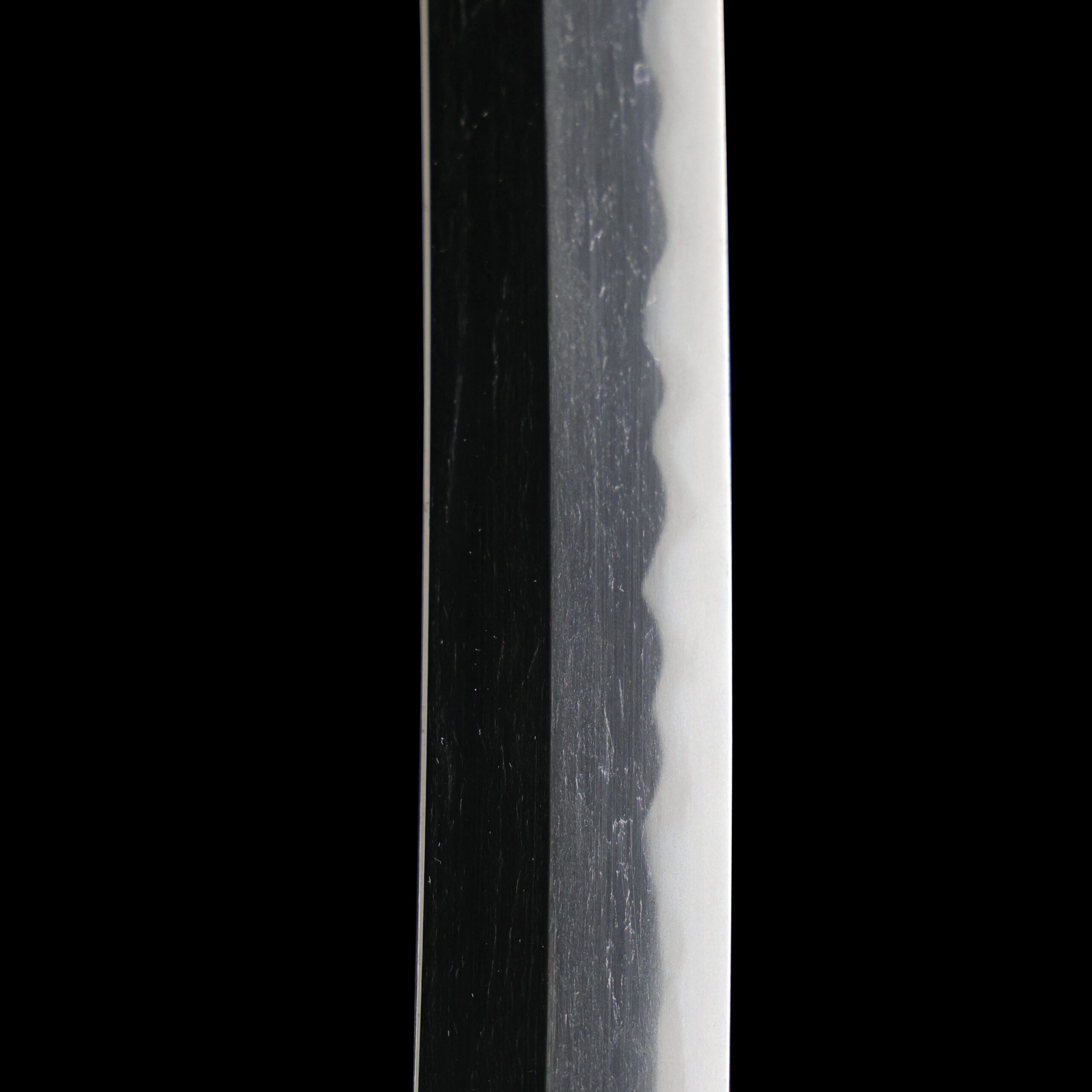
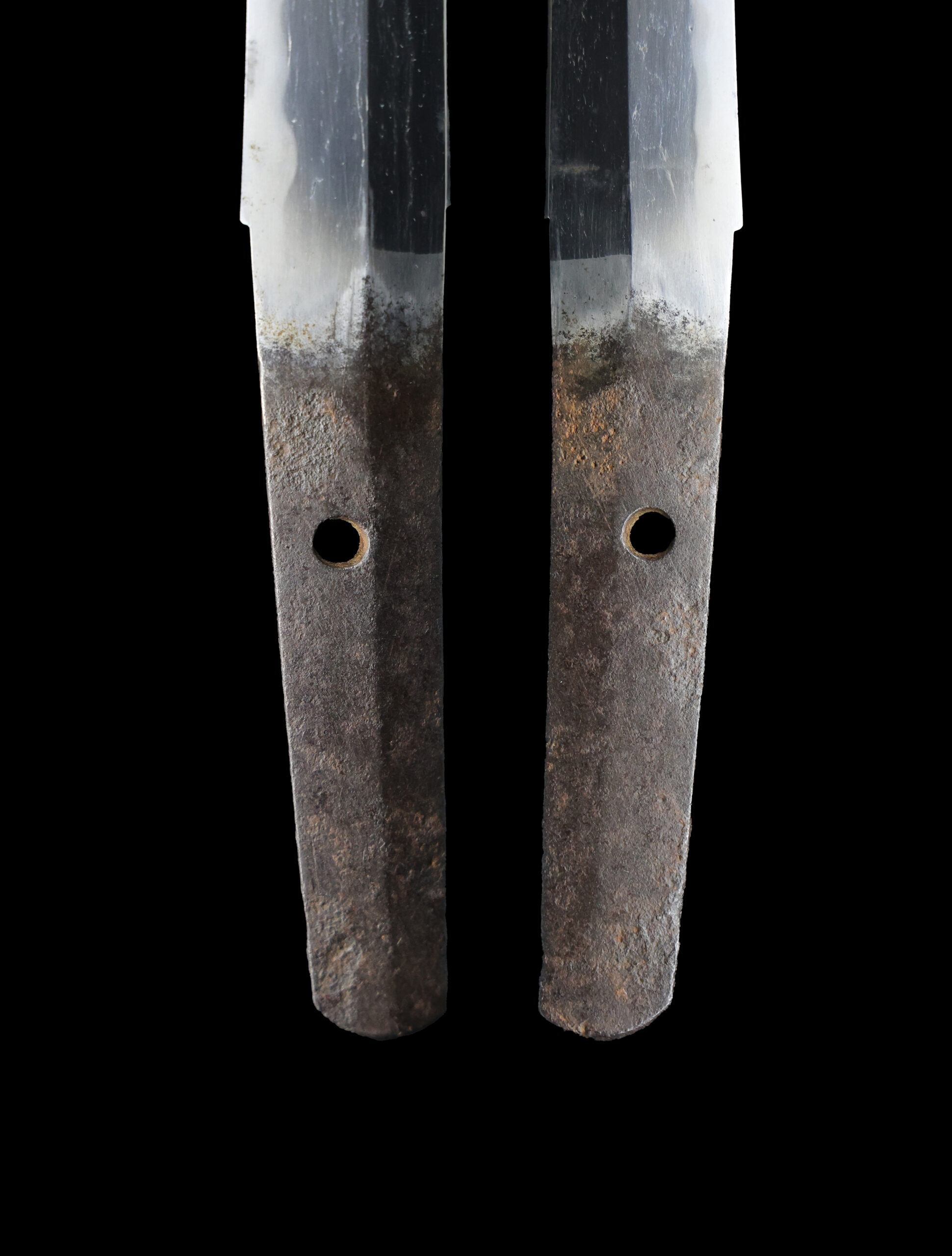
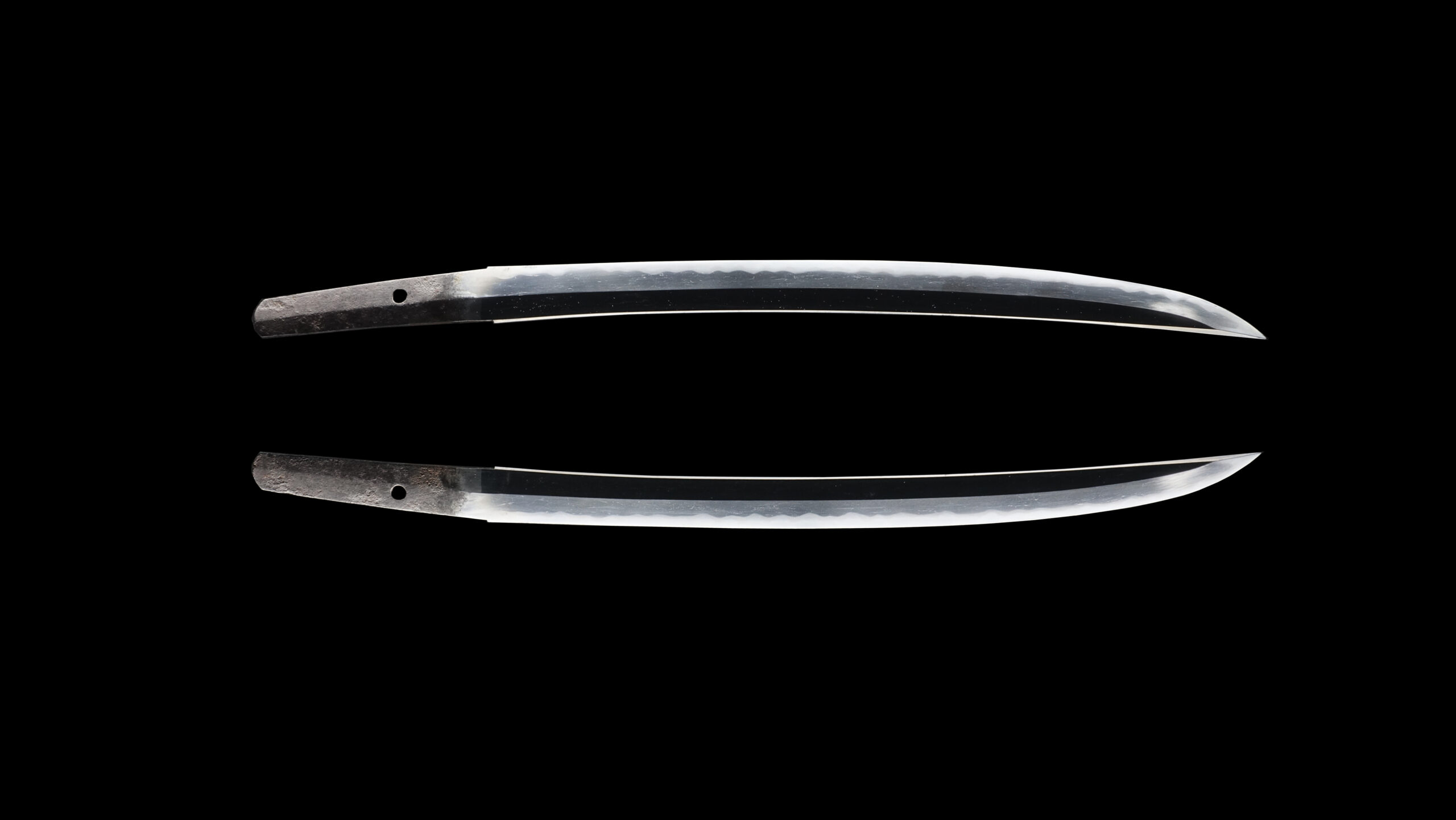
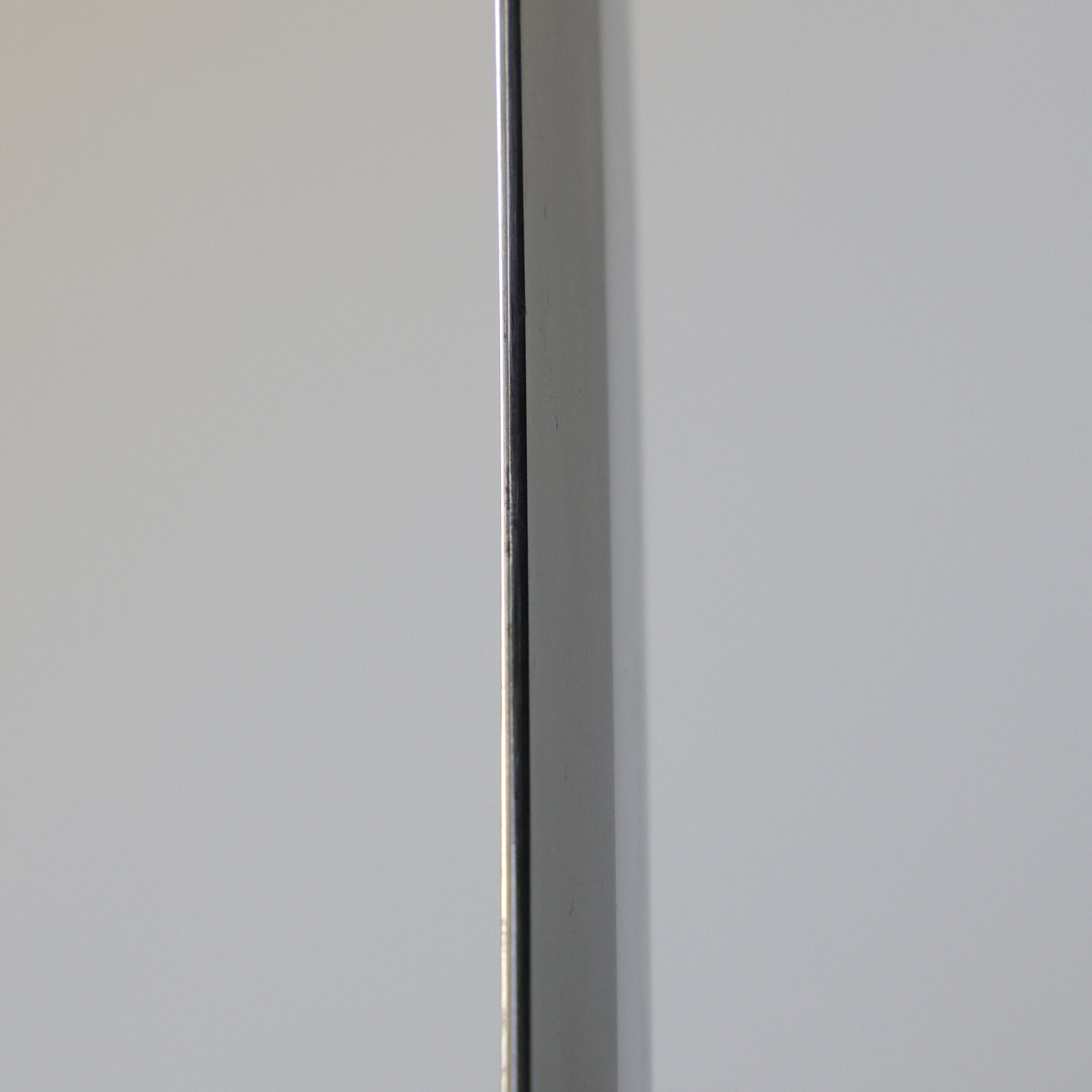
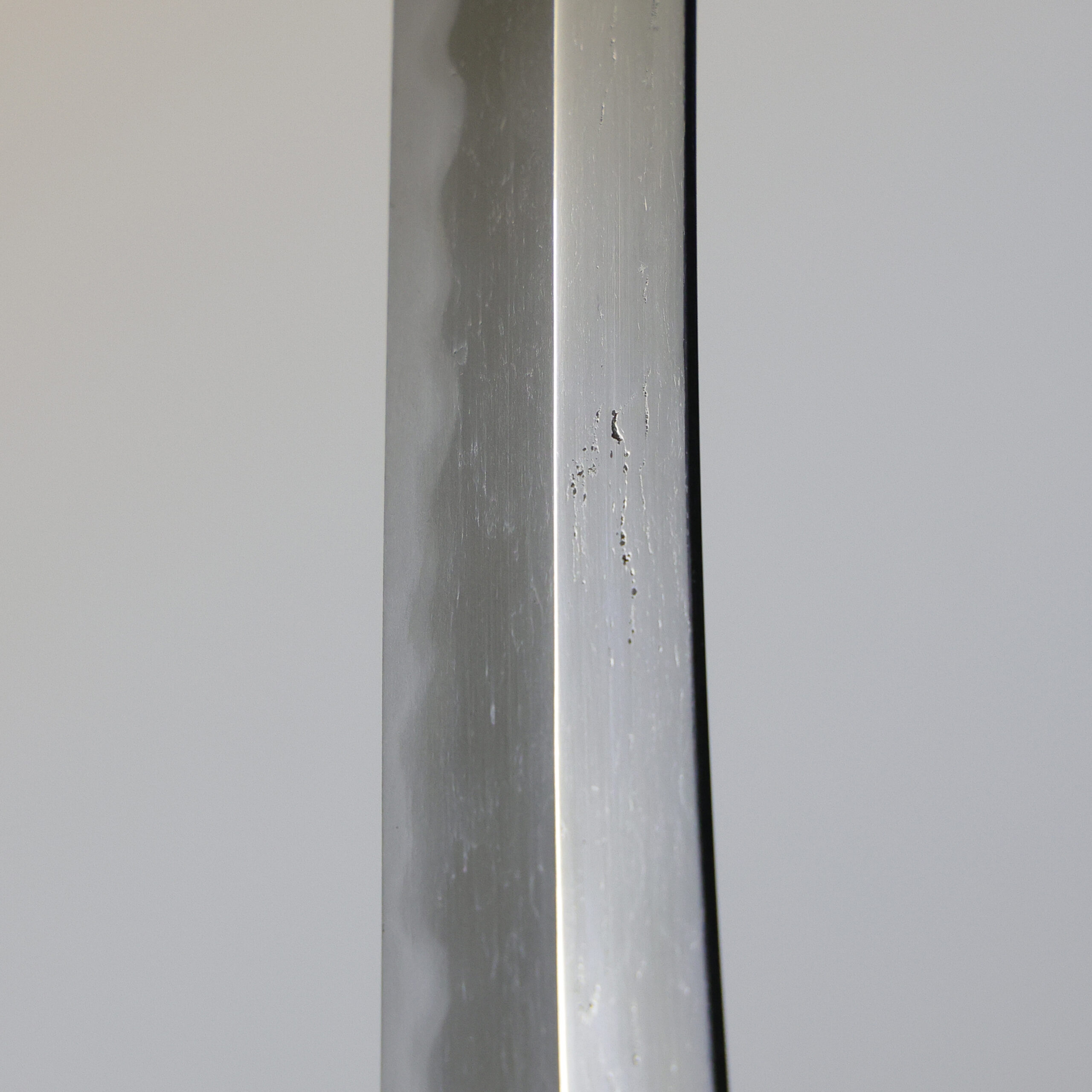
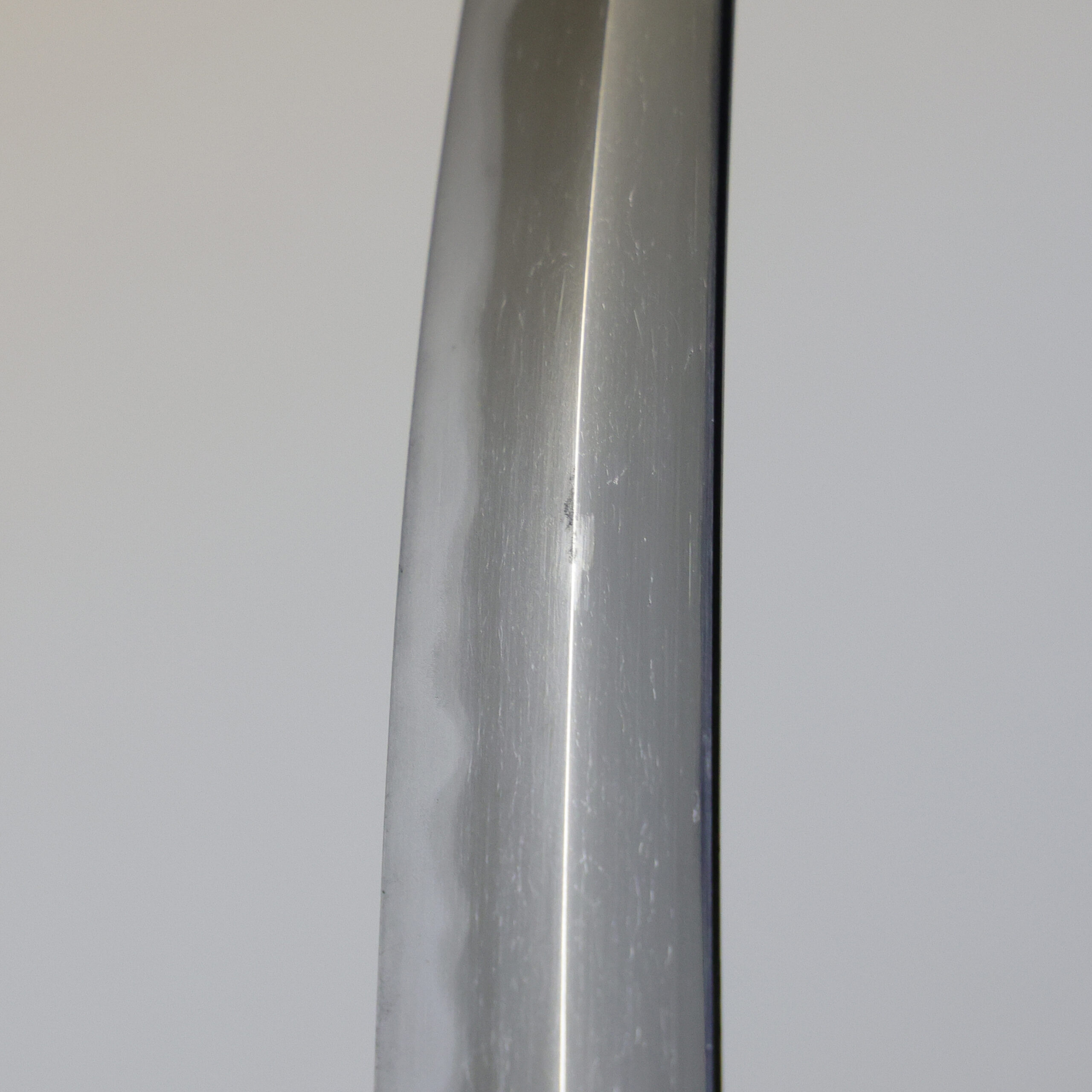
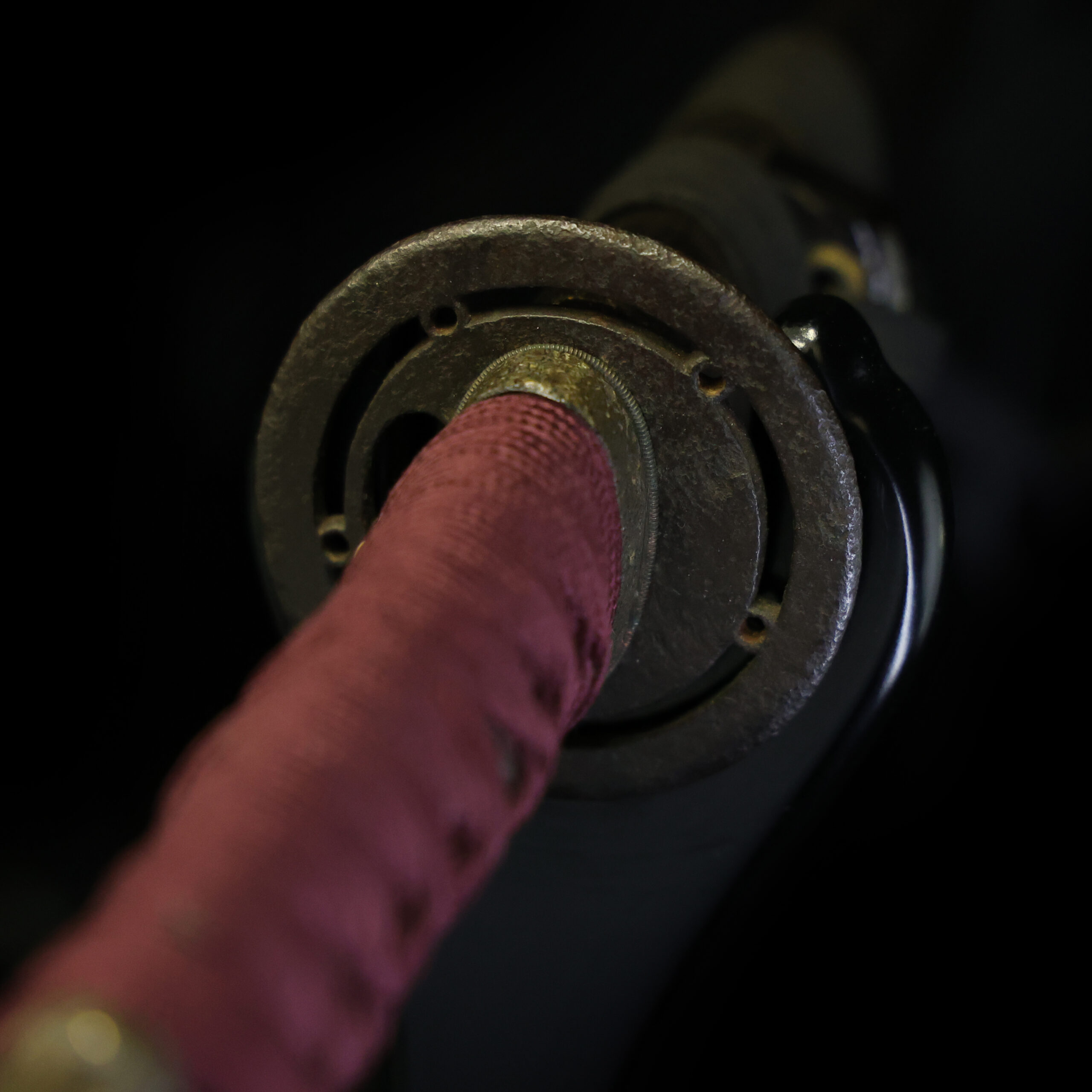
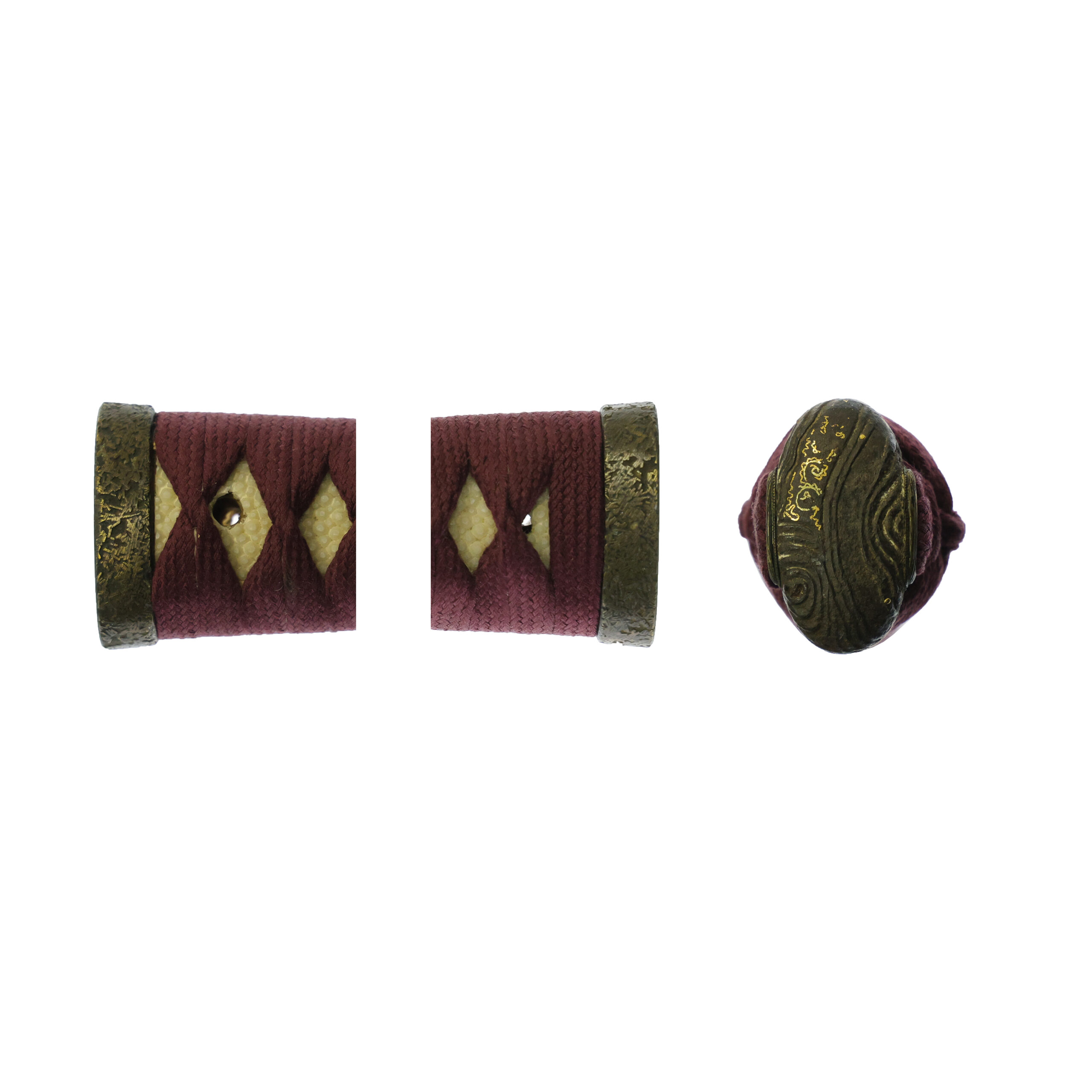
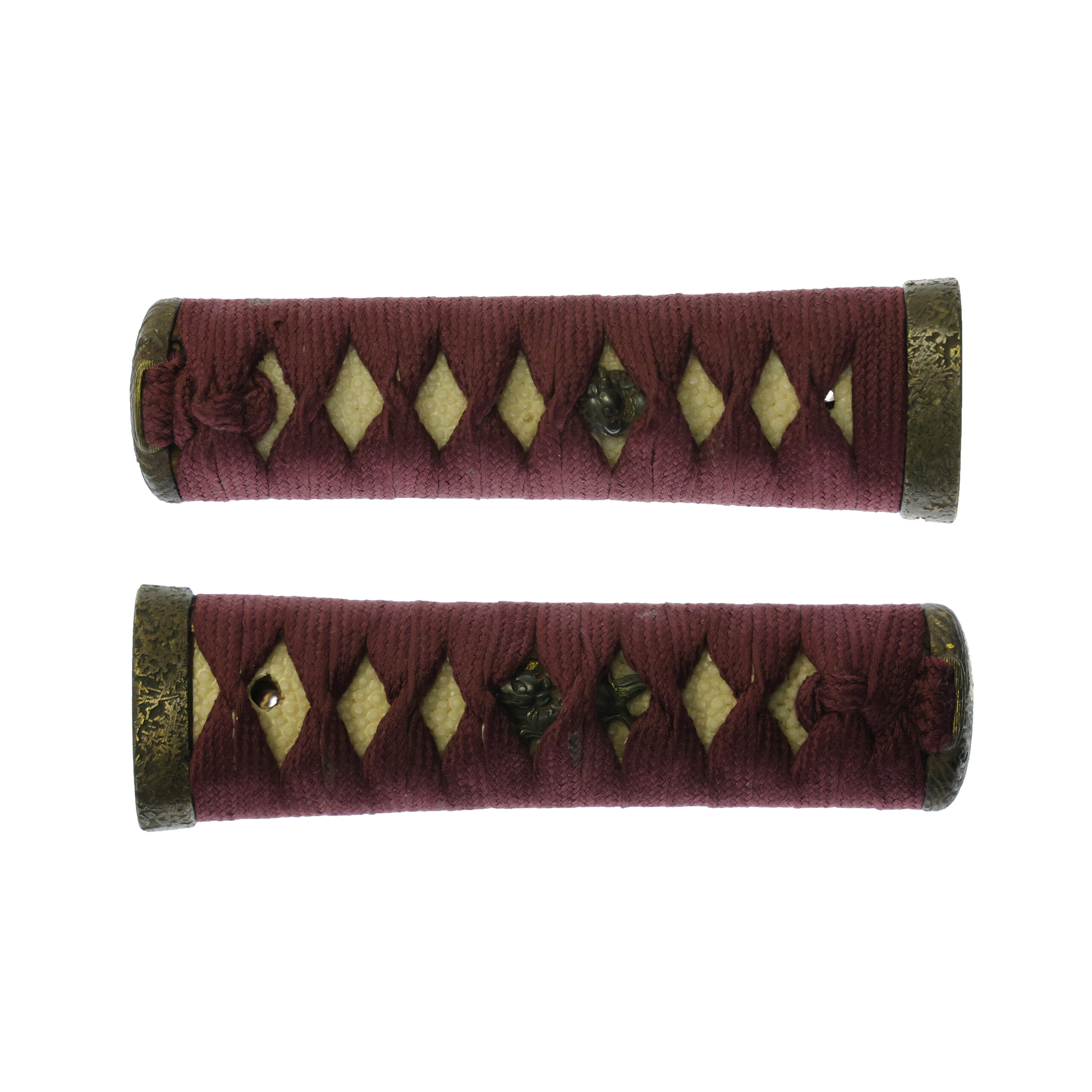
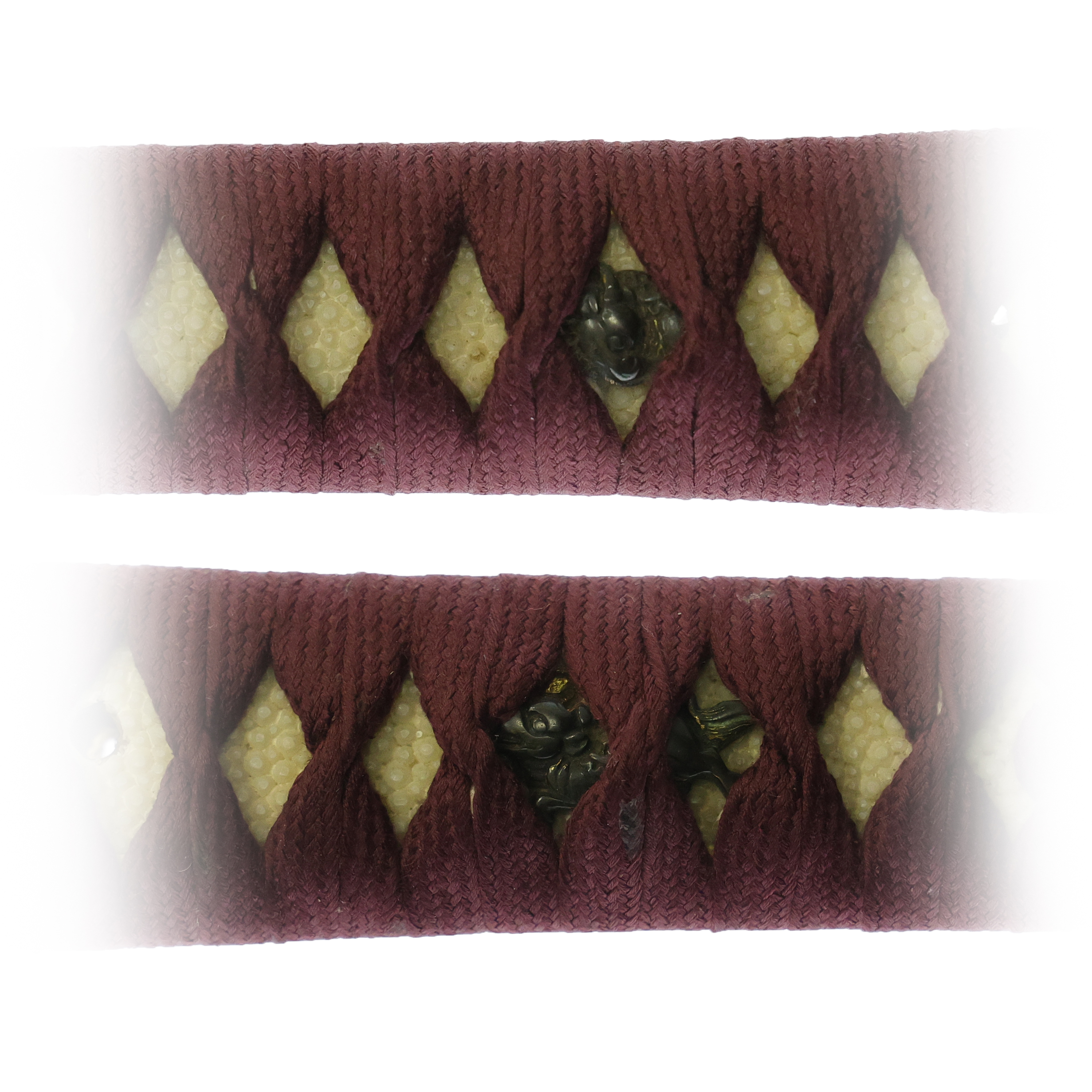
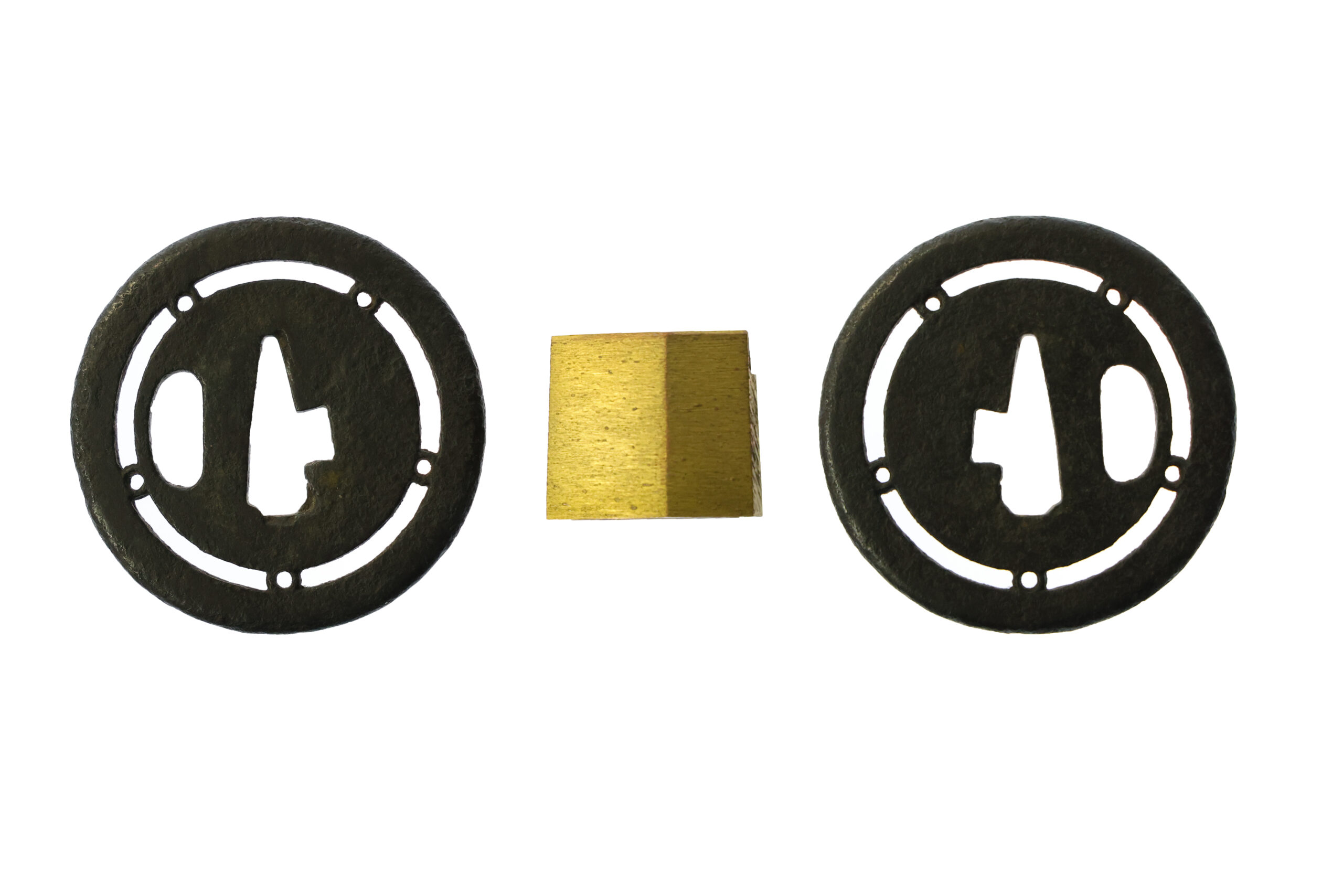
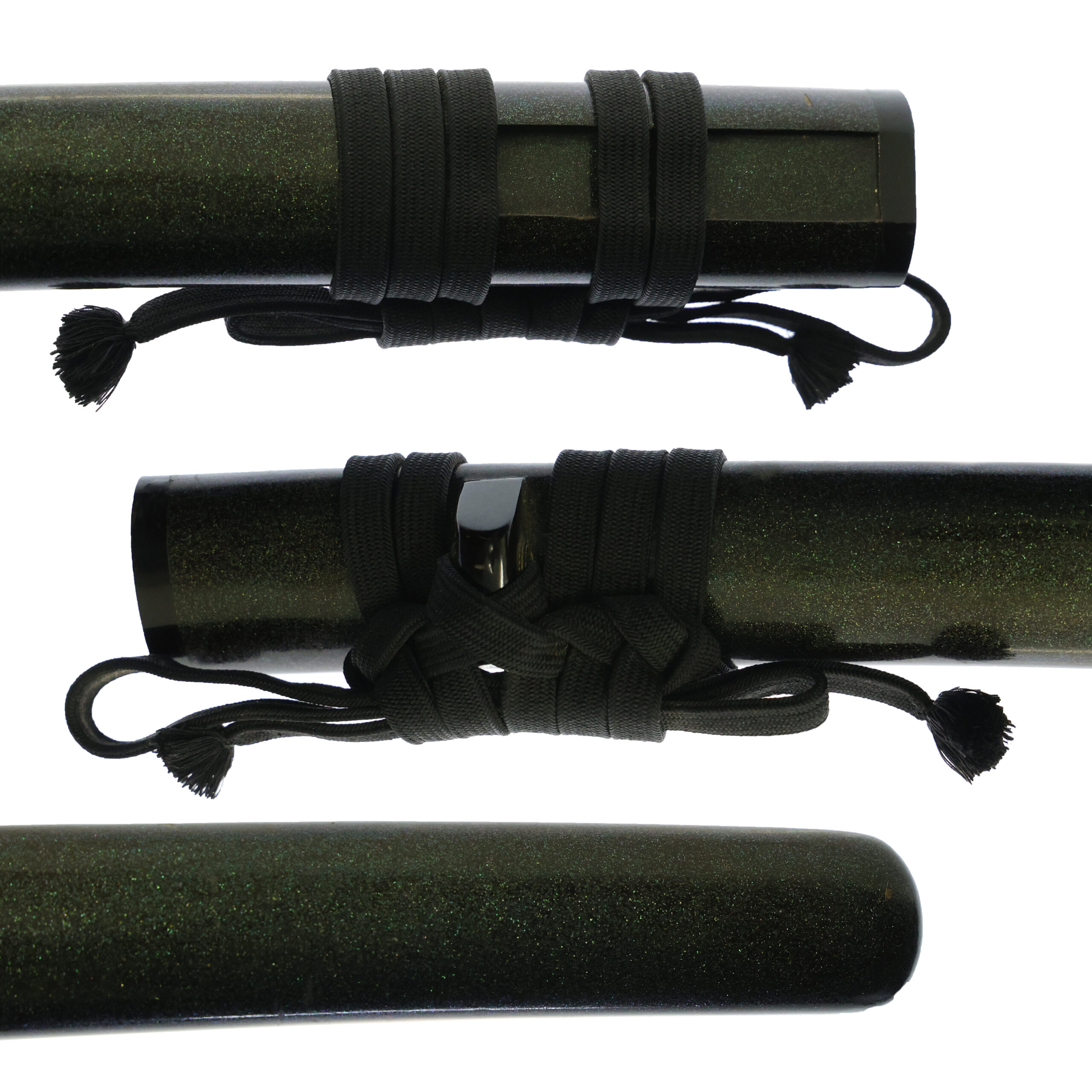
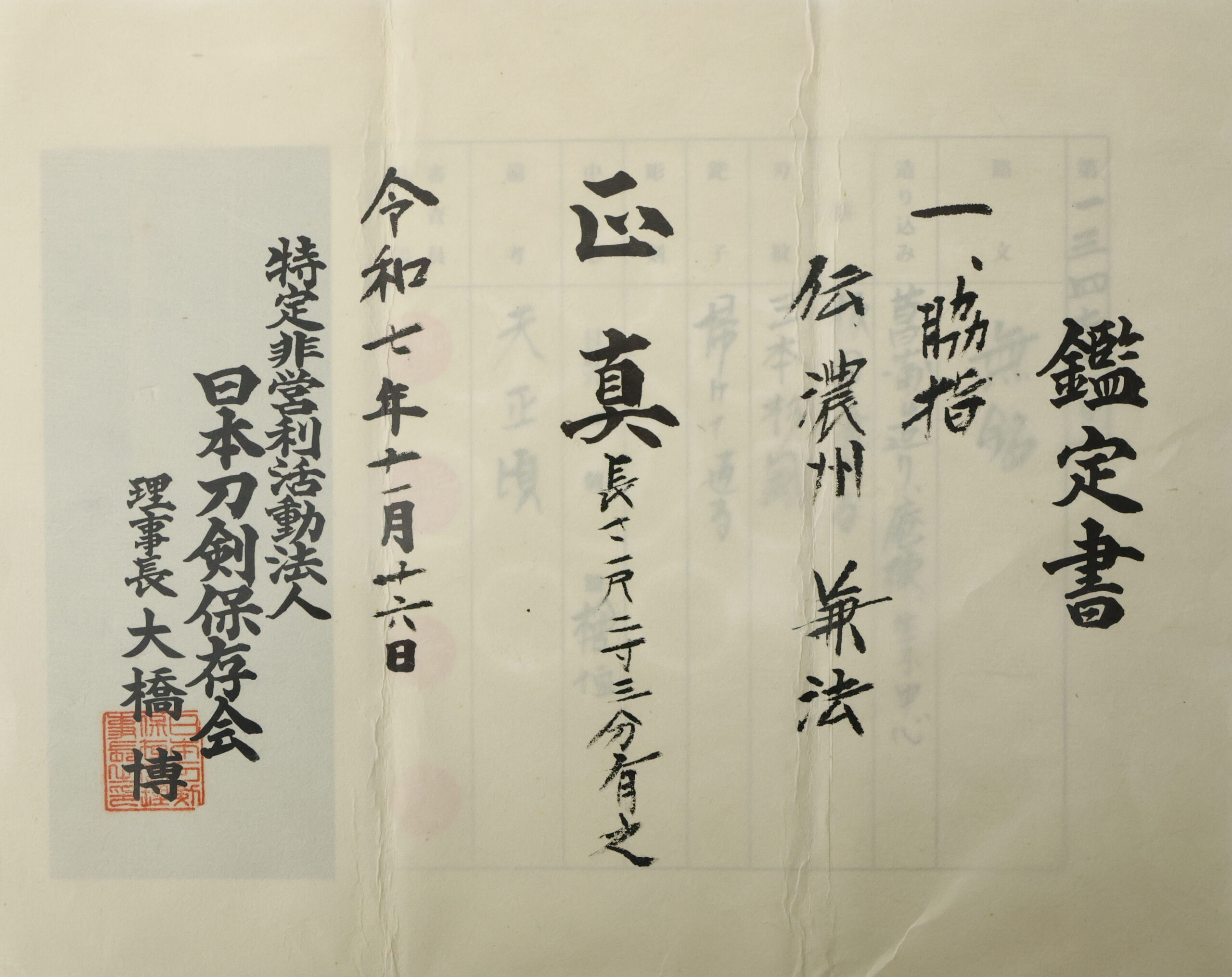
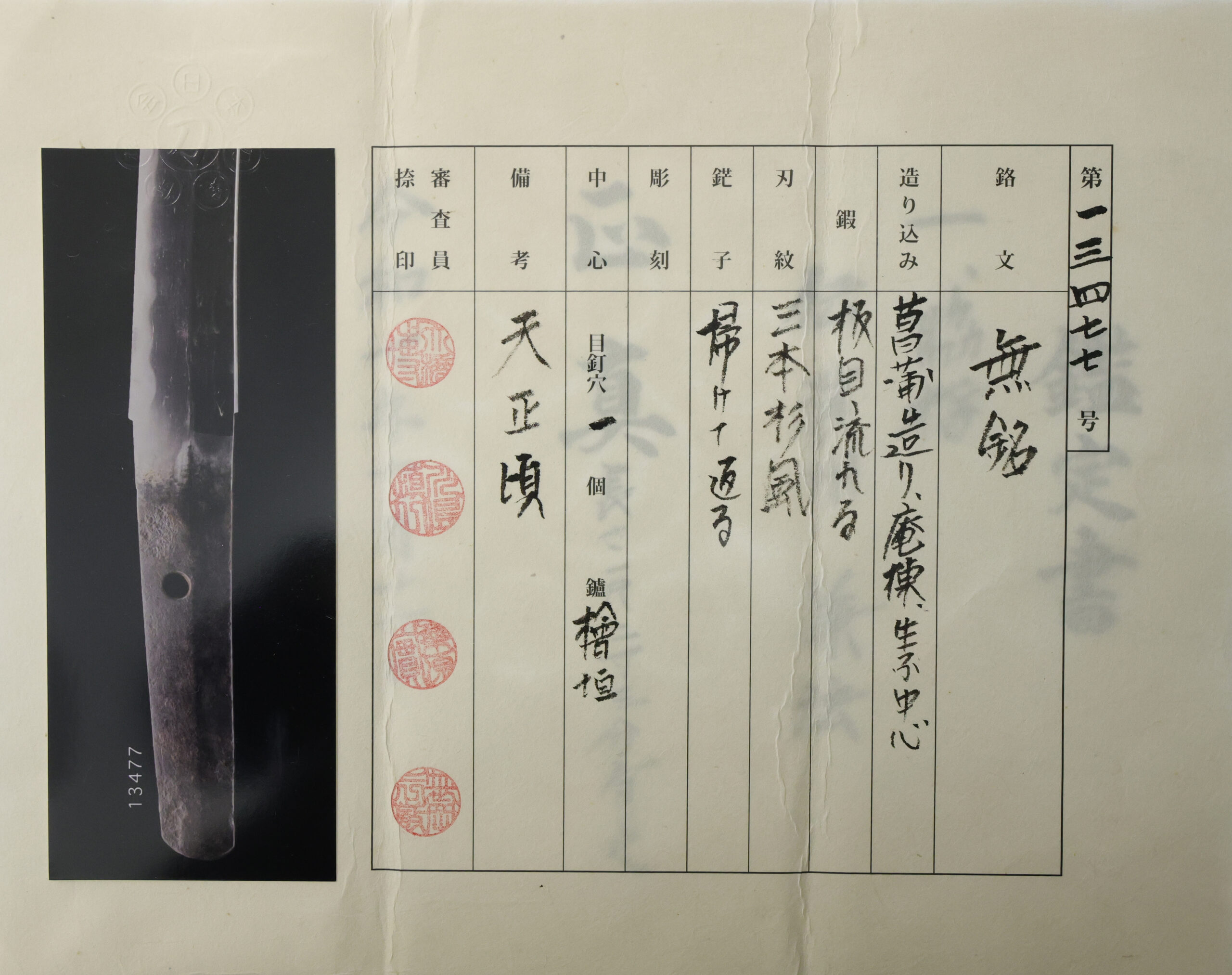
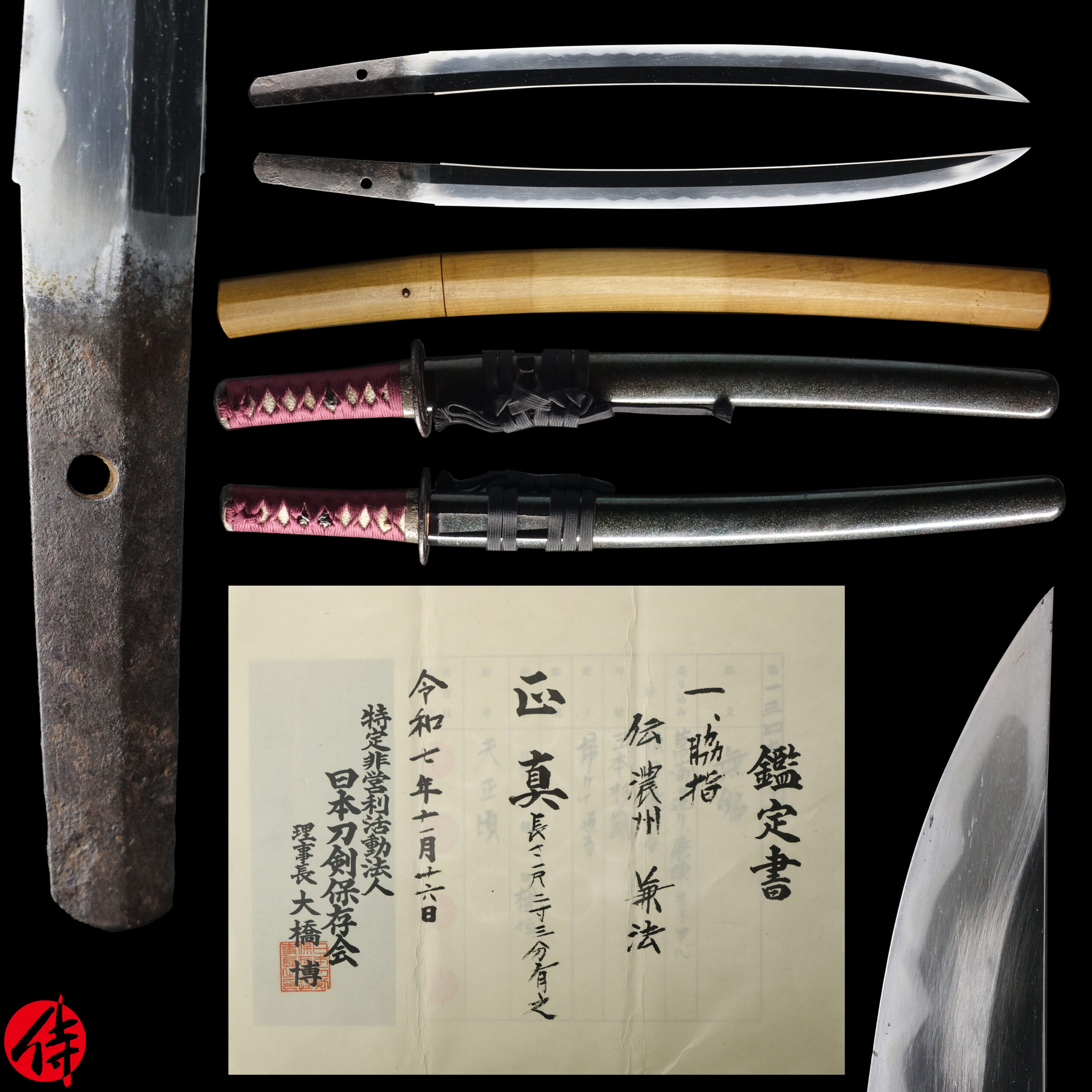
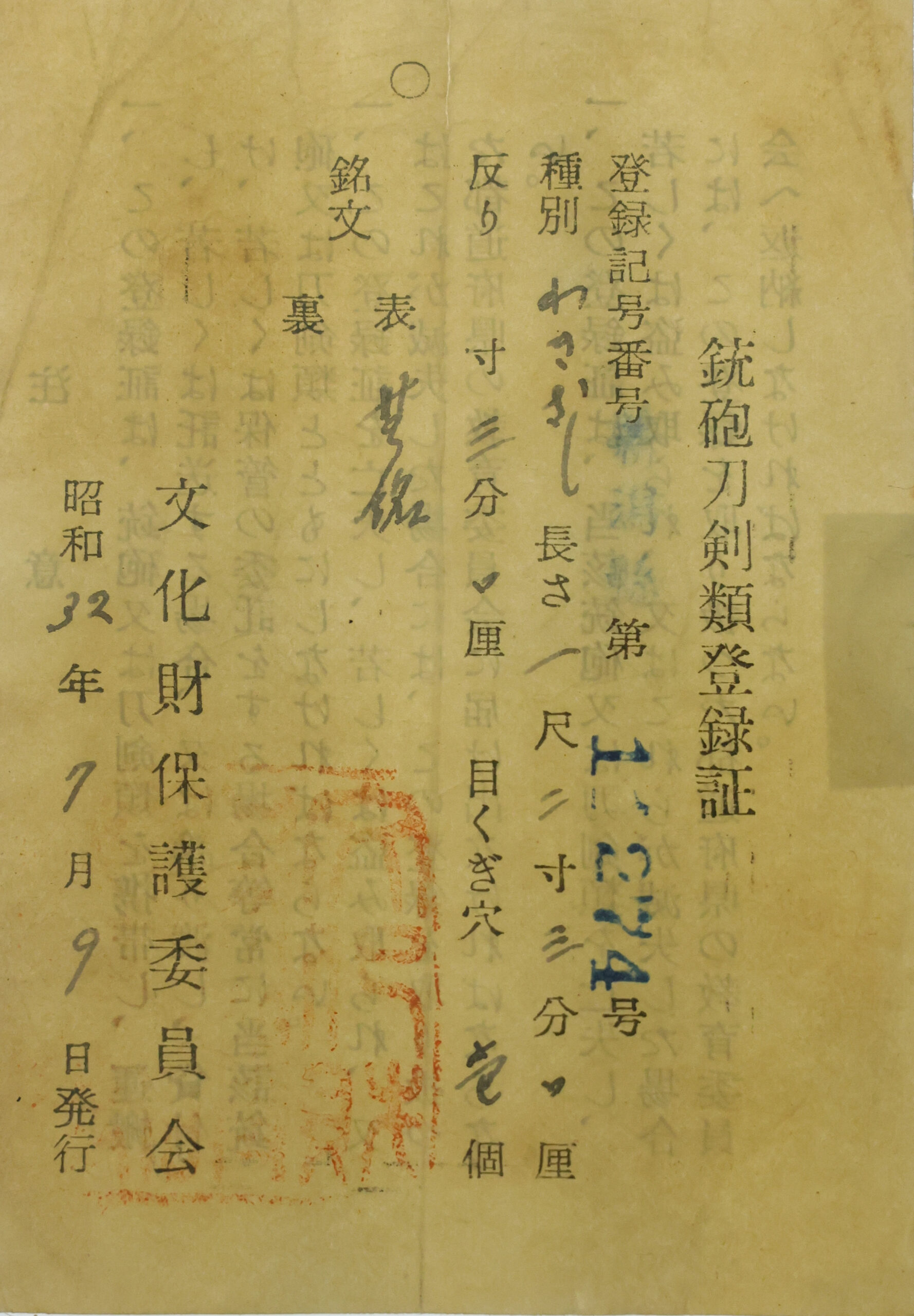
Summary This blade is attributed to Kanenori (兼法), according to NBTHK that appraised this blade. The maker’s name, Kanenori lasted a few generations and we believe the attribution was given to the first-gen. The first-gen Kanenori was originally from Mino province (today’s Gifu prefecture) and belonged to Nara school, whose headquarters was Akasaka Senjuin school. Akasaka Senjuin school was located in Akasaka village near Sekigahara, an essential hub for transportation and military bases from ancient times. It is said that the Akasaka Senjuin school was founded by Sensui (泉水), the son of Yamato Koku Senjuin Shigehiro. Yamato region was one of the most famous sites for sword-forging during the late Heian-Kamakura period. Sensui moved from Yamato (today’s Nara prefecture) to Akasaka village in Mino province during the Nanbokucho period (early 14th century). The earliest work of the first-gen Kanenori is from the 8th year of the Meio era (1500). It was the 4th-gen Kanenori that moved from Mino province to Echizen province during the Tensho era (1573-1592) by being invited by Yuki (結城) clan. And, Kanenori founded his school and trained many apprentices. Echizen province was prosperous during the Edo period, being ruled by the Echizen Matsudaira clan, a direct retainer of the Tokugawa clan who ruled the Edo government. Many skilled swordsmiths moved to Echizen from different regions because of the high demand among Samurai. Many renowned swordsmiths were originally from the Mino province (Gifu prefecture). They are called Echizen Seki swordsmiths. *Please keep in mind that there are a couple of black rust spots as well as some Kitae Kiizu/Hike Kizu on this blade. Fuchi-Kashira This fuchi-kashira features a design based on the paulownia and arabesque vine motif (桐唐草, kiri-karakusa). This traditional pattern combines the kiri (paulownia tree)—a well-known symbol of good fortune in Japan—with karakusa (arabesque vines), which represent vitality and longevity. The karakusa design is inspired by the vigorous growth of creeping vines, whose endlessly extending tendrils have long symbolized eternal life, prosperity, and the continuation of family lines. In Chinese tradition, the vine’s trailing stems (man-dai, 蔓帯) are phonetically associated with the idea of “ten thousand generations,” further reinforcing its auspicious meaning. As a result, this motif has traditionally been favored in celebratory occasions such as wedding ceremonies and gift exchanges, symbolizing blessings for longevity and familial prosperity. Tsuka and Menuki This menuki features the motif of a shishi (獅子, shishi) and a dragon (龍, ryū). The shishi (獅子, shishi) is a mythical guardian beast believed to protect sacred spaces and repel negative forces. In Japanese art, it represents courage, strength, and protection, making it a popular motif among the samurai class. The dragon (龍, ryū), originally an imaginary creature derived from ancient foreign myths and traditions, has long been regarded as a symbol of auspicious signs, authority, and natural power. Its form is traditionally described as a composite of nine animals: antlers of a deer, head of a camel, eyes of a demon, neck of a snake, belly of a mizuchi (蛟, mizuchi), a mythical Japanese water creature resembling a horned serpent, scales of a fish, claws of a falcon, paws of a tiger, and ears of an ox. Because of this extraordinary appearance, the dragon (龍, ryū) was believed to reign supreme over all animals. Saya The scabbard (saya) features a refined black lacquer (黒漆, kuro-urushi) base accented with a beautiful blue-green mother-of-pearl bi-color design, creating an elegant and visually striking mounting. The blue-green sections are executed in a traditional lacquer technique known as Aogai Mijin-nuri (青貝微塵塗, aogai mijin-nuri), in which finely crushed shell fragments—such as abalone and green turban shell—are embedded into layers of lacquer. When light strikes the surface, the shell particles shimmer brilliantly, producing a vivid and captivating iridescence. Authentication Paper NTHK, also known as NPO Nihon Touken Hozon Kai, is the oldest organization for sword authentication of Japanese swords in modern times. It was established in 1910 during the post-Samurai era. They authenticated the blade on November 16th in the 7th year of Reiwa (2025). Registration Number It is called Jyu Hou Touken Rui Torokusho (銃砲刀剣類登録証).
Offered by Samurai Museum
This piece has sold
130 on the market
Get an email when new Seki School work hits the market.

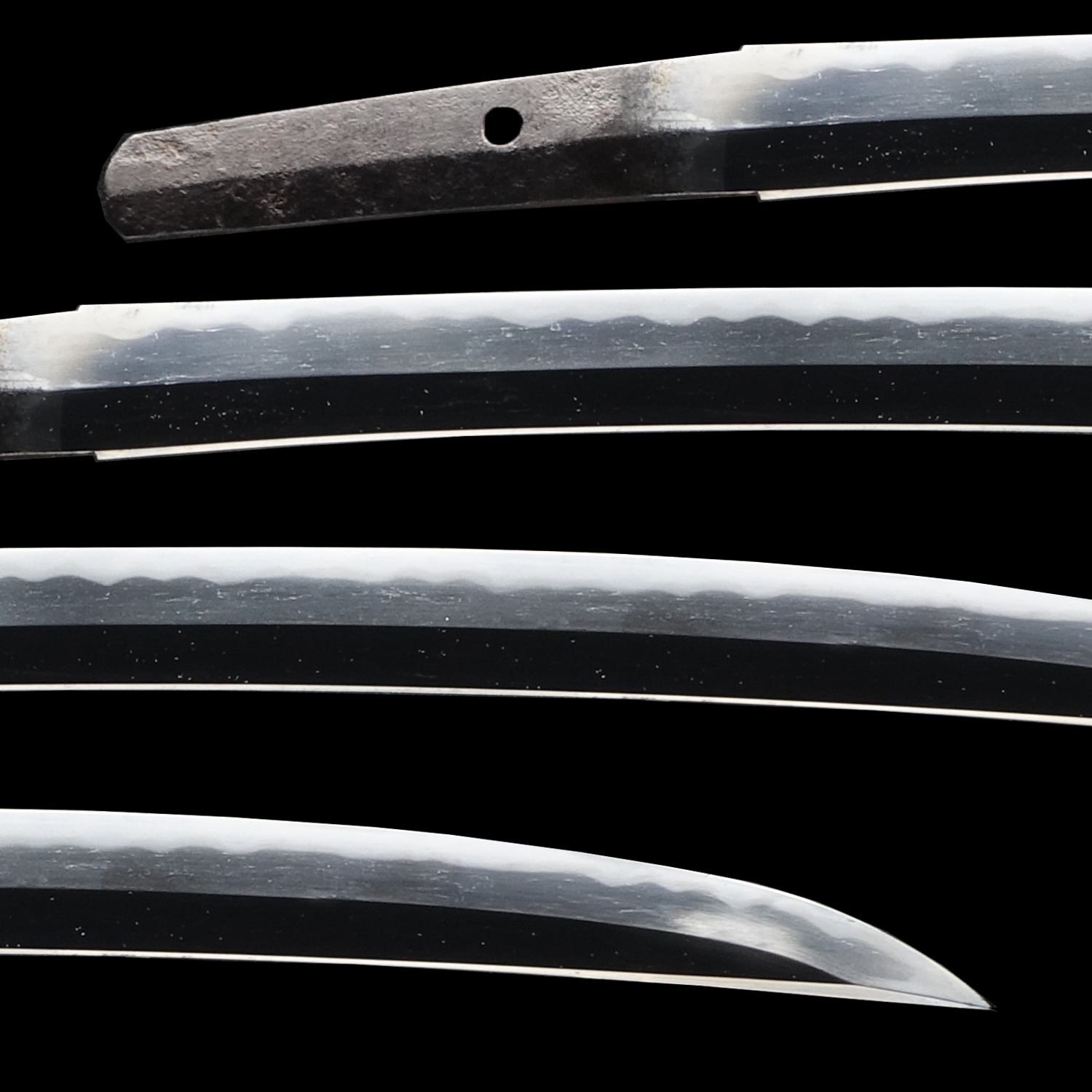
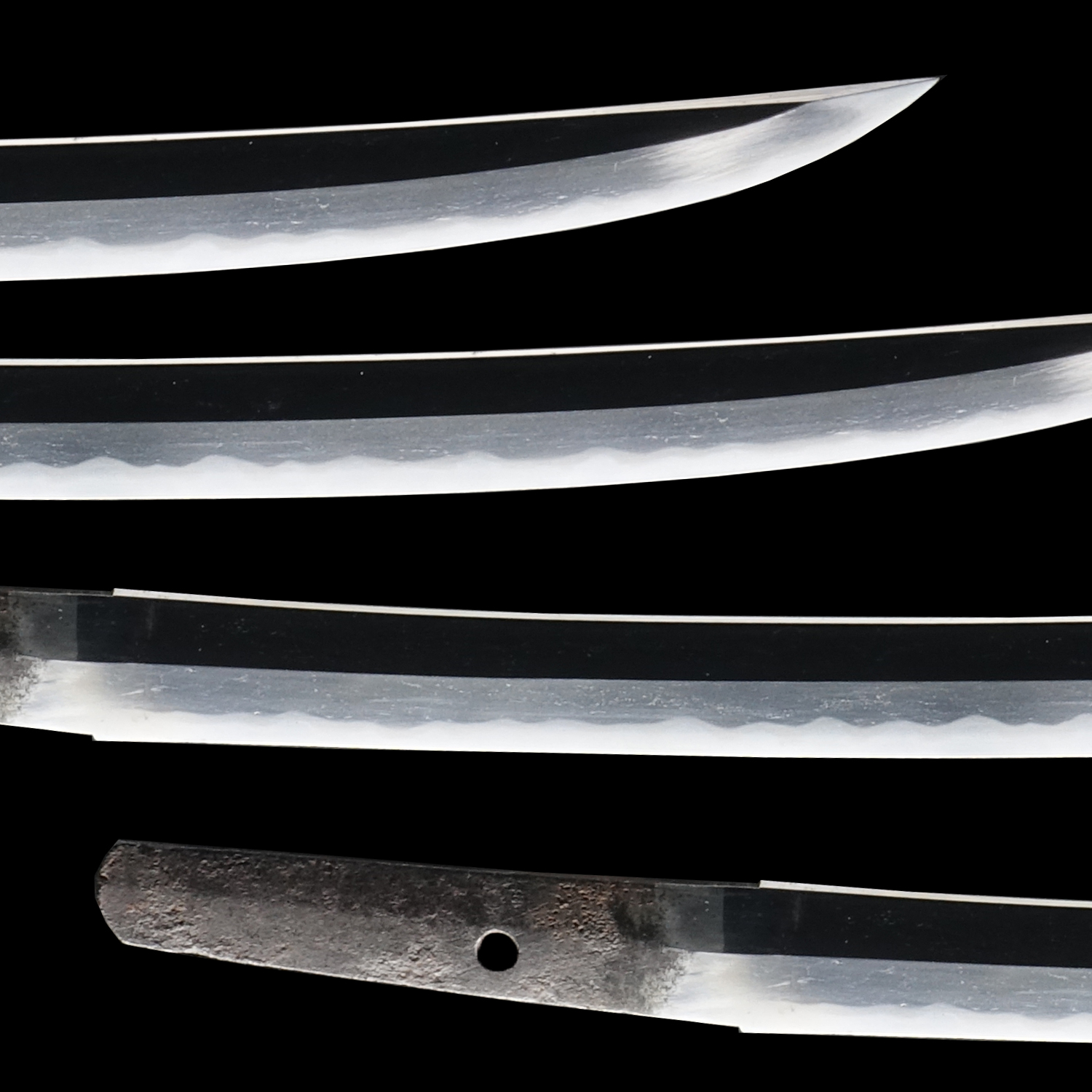
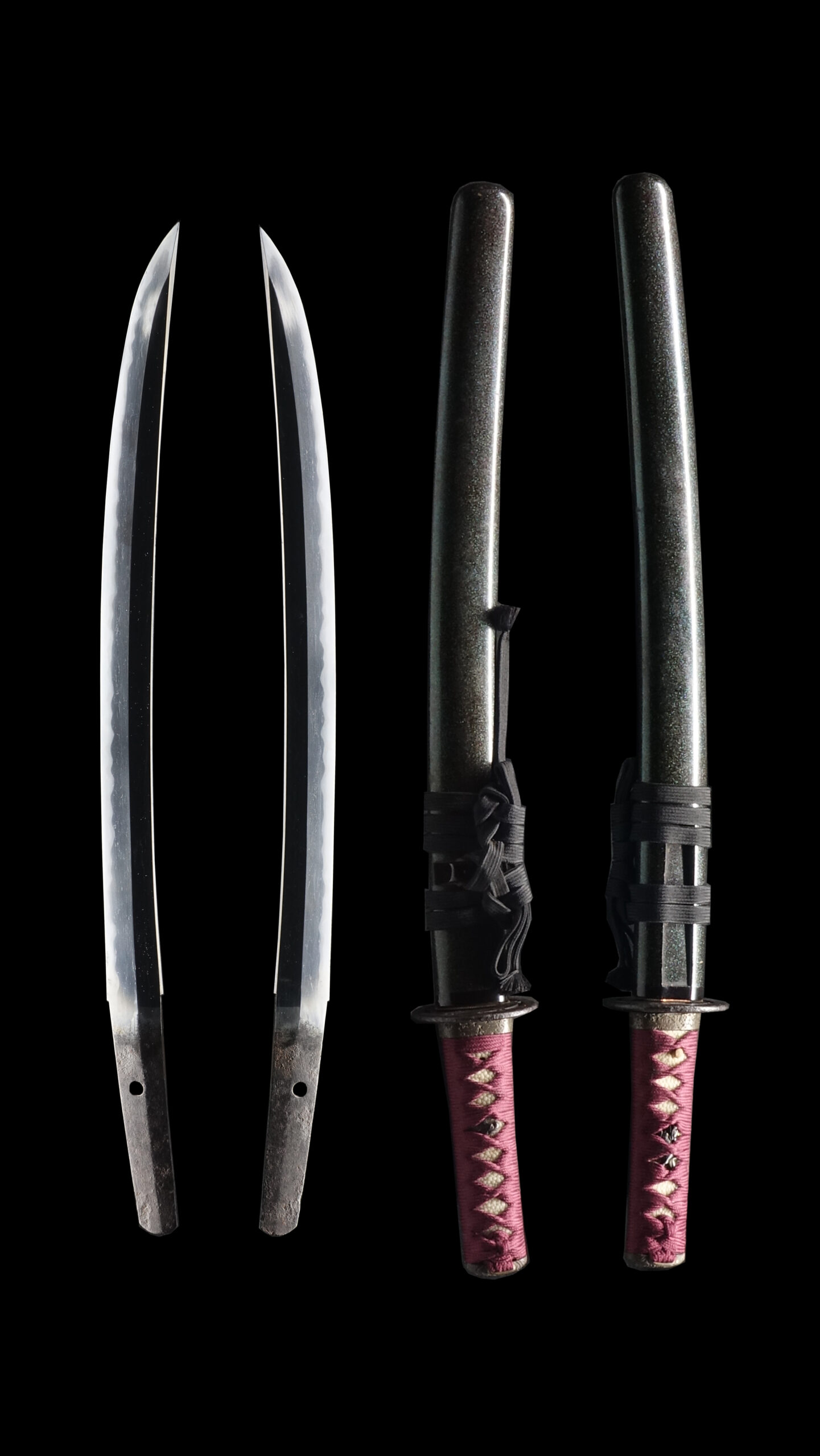
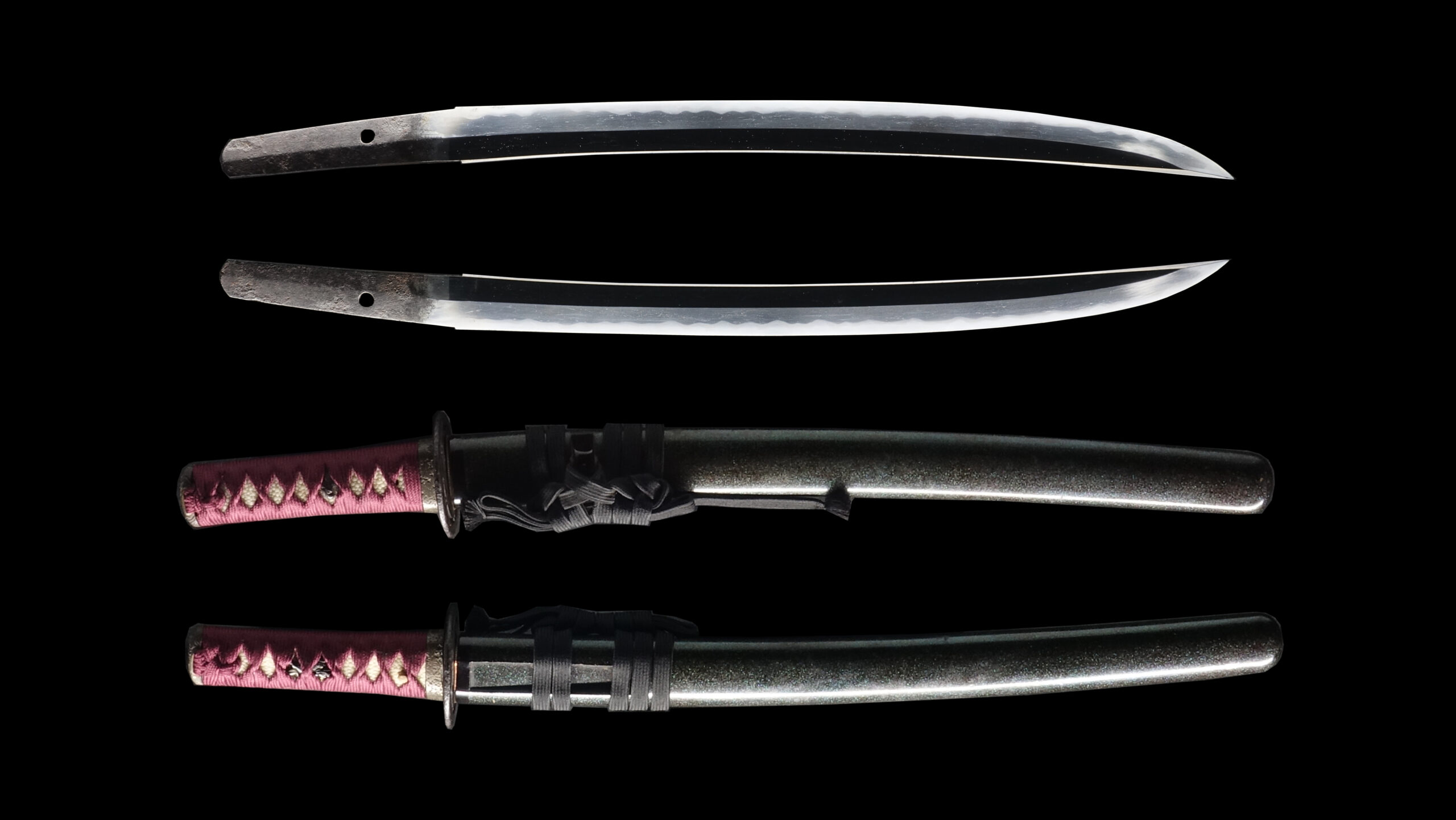
Mino-den · Mino
130 pieces on the market now
Seki (関), in Mino Province, grew from two roots set down in the Nanbokuchō period and rose to become the great center of mass sword production in the late medieval age. The published sources trace the wellspring of Mino swordmaking to Kinju (whose name the commentary also reads Kaneshige), counted since antiquity among the Masamune Jittetsu, the ten disciples of Sōshū Masamune, and to Kaneuji of the Shizu line; the Kokon Meizukushi records Kinju as a native of Tsuruga in Echizen who "crossed over to Seki and resided there," carrying the Sōshū-den manner east. Beneath that Sagami inheritance lay a Yamato foundation, legible in the Tegai descent of the Seki Zensada line through Kaneyoshi, so that the Mino-den the Seki workshops forged stands as a fusion of Yamato grain and Sōshū activity in nie. From this Nanbokuchō founding the name multiplied across the Muromachi period into Sue-Seki, the last and largest body of the tradition; its representative masters at the close of the old-sword age were Magoroku Kanemoto, famed for the sanbonsugi, and Izumi no Kami Kanesada, the smith called Nosada, while the Kanefusa, Ujifusa and Daidō hands worked beside them and the move of Wakasa no Kami Ujifusa to Kiyosu carried the Mino body to the threshold of Owari shintō. A common Mino vocabulary binds the Seki body, however widely its members range. The forging is an itame that stands and runs to masame, often mixed with mokume and nagare, over which rises the cool whitish shirake-utsuri of Mino steel rather than the bright midare-utsuri of Bizen; this pale, standing jigane is the constant tell the judges read first, present alike on Kinju's Nanbokuchō katana, Kaneyoshi's Ōei tachi and Nosada's late-Muromachi blades. Over it the smiths temper gunome into which the pointed togariba of Mino enters, with ko-nie clinging to a tight nioiguchi, ashi and yō, and sunagashi streaming through; the bōshi answers in midare-komi turning to a pointed or jizō-cast ko-maru swept with hakikake. From this shared grammar the individual hands diverge.
Kanemoto fixed the regular three-cedar sanbonsugi of pointed teeth; Kanefusa devised the rounded-head, constricted-waist "Kanefusa midare"; Kinju and the early founders held a calmer, rounder gunome away from the restless Shizu line, their work laid with thicker ji-nie and dry, standing grain. The late masters carried the manner to a higher finish: Nosada wove togariba among rounder forms for a broader temper than Kanemoto's one-sided file, and turned at times to a slender Rai-styled suguha with a hidden gunome; Kaneyoshi held instead to a cool ito-suguha, the disciplined Yamato face of late Seki, lightly broken with ko-gunome. A collector seeks Seki because it is the connoisseur's ground for reading Mino-den across a vast body of signed and attributed work. The kantei runs through the jigane first: the standing, masame-leaning itame and the whitish shirake separate a Seki blade from Bizen and Yamashiro, after which the pointed togariba, the dry nie, and the pointed or jizō bōshi confirm the province; the discriminations the judges draw, Kinju held apart from Shizu by his rounder gunome, Nosada parted from Kanemoto by his breadth, give the eye its anchors. Within the school the standing of the best members is settled: Magoroku Kanemoto for the sanbonsugi, Nosada whom the swordbooks call simply "an excellent master" and the most accomplished of the several Kanesada hands, and the early Kinju as a rare and precious founding name, his record running through the Jūyō tier with the signed pieces few and the long blades attributed den. Signature works carry real provenance: a Kinju tantō presented to the Tokugawa shogunal house in 1679, a Nosada katana borne by a chief retainer of the Kii Tokugawa and a tachi forged for the father of Takeda Shingen, a Kaneyoshi tachi transmitted in the Chikuzen Kuroda family. Beyond connoisseurship, Seki's blades earned a battlefield reputation for cutting; the full hiraniku and stout build of the Sue-Seki katana, made to sever, set the wazamono standing that made Mino the working sword of its age. Learn more →
| Smith | Era | Designated |
|---|---|---|
| Kinju金重 | 1340-1346 | 42 |
| Kaneyuki金行 | 1350-1352 | 10 |
| Kanekore兼之 | 1504-1555 | 7 |
| Kanenori兼法 | 1579-1615 | 5 |
| Nagasada永貞 | 1862-1866 | 5 |
Mino in the Muromachi period
Sengoku Seki was an industry: smiths organized under their tutelary Kasuga shrine, arming the war bands of central Japan. Magoroku Kanemoto’s sanbonsugi and the finest Kanesada work prove quality survived inside mass production.
The NTHK’s principal certificate, issued for a blade of considerable quality. It confirms a genuine signature, or, for an unsigned (mumei) work, records the judges’ attribution to a smith or school. The paper carries a detailed worksheet with a numerical point score.
The NTHK (Nihon Tōken Hozon Kai, the Society for the Preservation of the Japanese Sword) is the oldest of Japan’s sword-appraisal bodies, founded in 1910, decades before the NBTHK. After the death of its long-serving head it divided into two successor societies, the NTHK and the NTHK-NPO, both of which continue to hold shinsa. NTHK blade certificates are known for a detailed worksheet that records a numerical point score alongside the judges’ written opinion (fitting papers carry the judges’ opinion without a point score), and the society is especially respected for its attribution of unsigned (mumei) work.
Returns/exchanges limited to defects caused by shipping (except willful misconduct or gross negligence by the company); customers must contact within 72 hours of receiving the product.